A hamster’s world is heavily influenced by scent. The smell of its bedding, nest, food, enclosure, and the people around it all contribute to how familiar its environment feels. That raises a reasonable question for owners: can strong household smells overwhelm or stress a hamster? Some strong odors can be irritating or unsettling, particularly when they come from cleaning products, smoke, fragrances, or other airborne chemicals.
Quick Answer
Yes, strong household smells can be a problem for hamsters, but the reason depends on what is producing the odor and how concentrated it is.
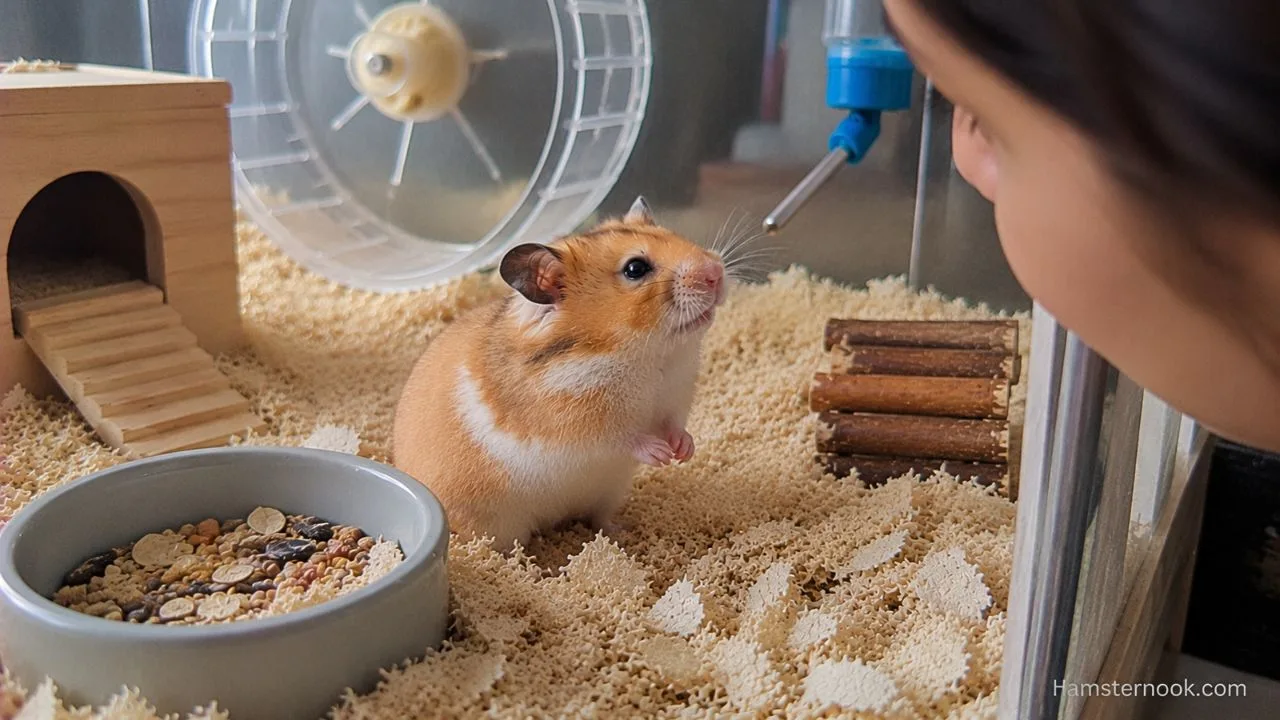
Hamsters have a highly developed sense of smell, and scent is an important part of how they investigate their surroundings. A sudden, unfamiliar odor may cause a hamster to become more cautious and spend extra time investigating its environment. Some fumes or airborne chemicals can irritate the respiratory system, so they should not be allowed to build up around the enclosure.
The safest approach is simple: keep your hamster’s living area well ventilated and avoid exposing it directly to strong fragrances, smoke, sprays, or chemical fumes.
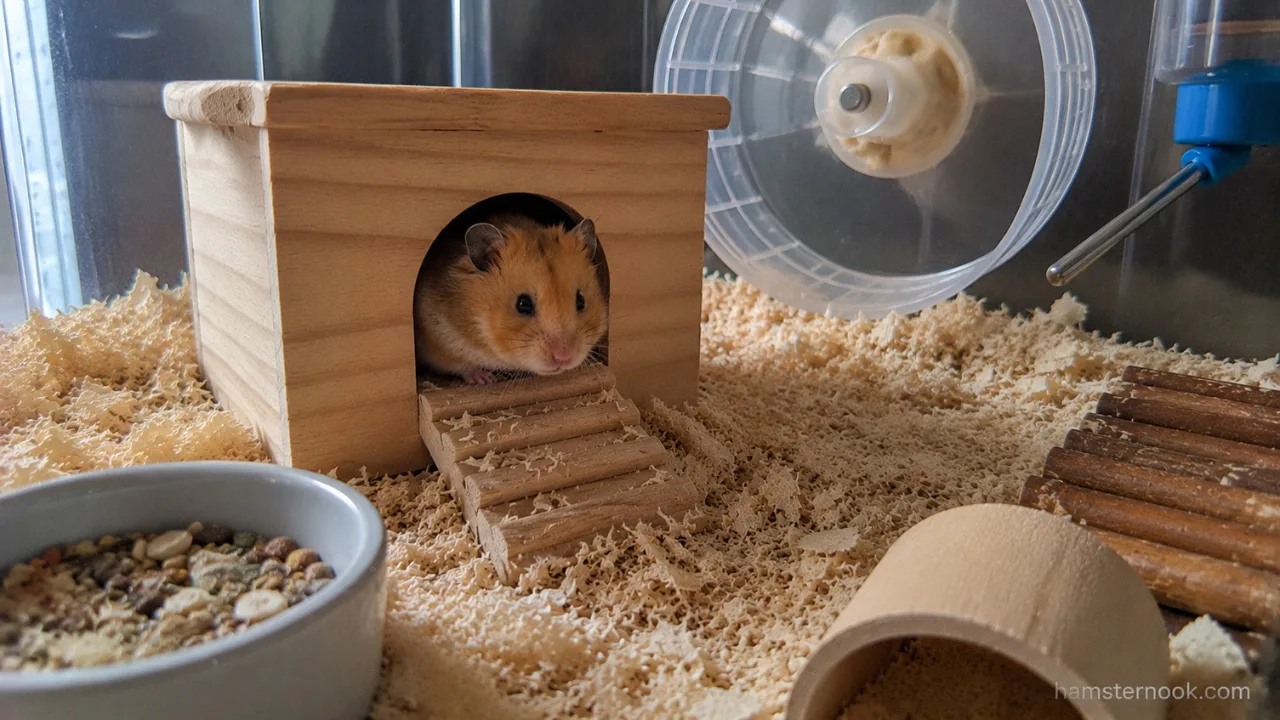
Why Smell Matters So Much to Hamsters
Your hamster experiences its enclosure differently from you.
You might walk into a room and immediately notice that it smells like laundry detergent or an air freshener. Your hamster is surrounded by those airborne scents much closer to ground level, where its bedding, tunnels, nest, and food are located.
Scent also helps a hamster investigate unfamiliar things. When something changes, sniffing is one of the first ways your hamster can gather information about it.
For more on how strongly hamsters rely on scent, see our Do Hamster Have a Good Sense of Smell? How Their Nose Helps Them Navigate guide.

That is why a hamster may spend several minutes carefully smelling a new object, a recently cleaned area, or even your hands after you’ve used a strongly scented product.
This does not automatically mean the hamster is distressed. Investigating a new smell is normal behavior. The concern is when the odor is intense, persistent, irritating, or associated with other changes in your hamster’s behavior.
Which Household Smells Can Be a Problem?

Not every noticeable smell is dangerous. The bigger concern is unnecessary exposure to strong fumes or airborne irritants.
Cleaning Products
Bleach, disinfectants, concentrated cleaners, bathroom sprays, and other chemical products can produce strong fumes.
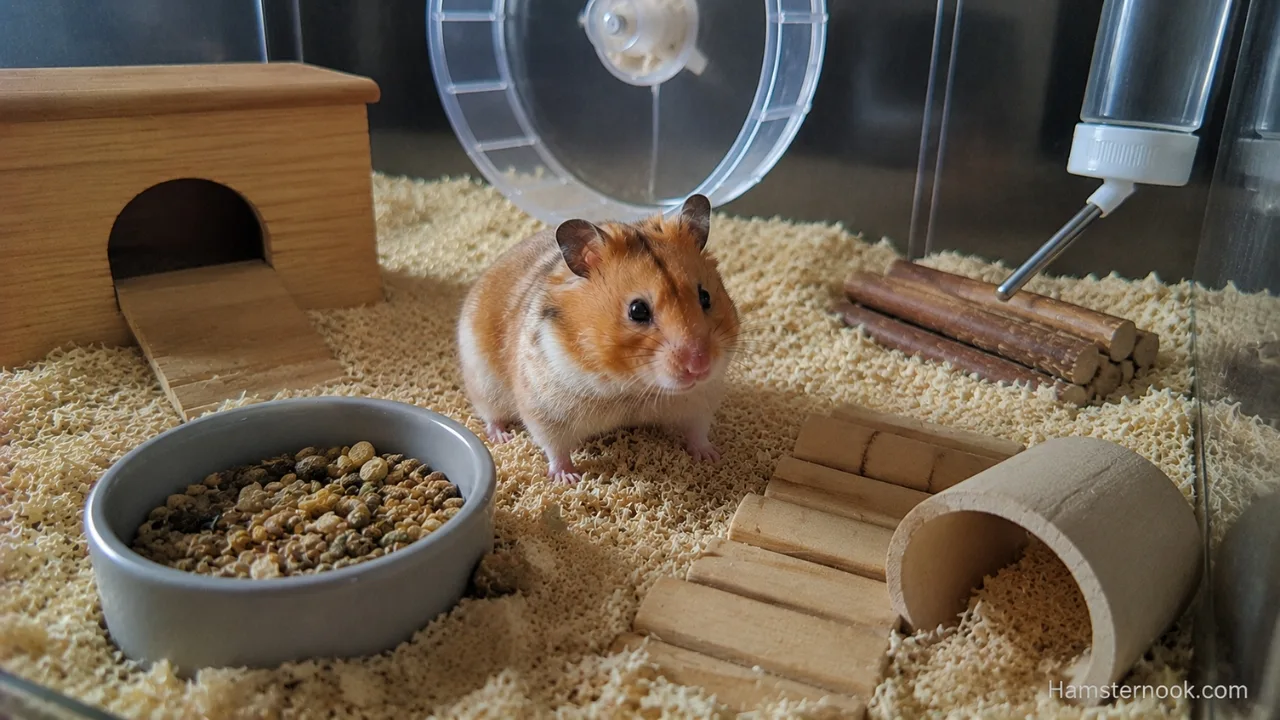
A hamster should not be sitting nearby while these products are being sprayed or used. If an enclosure or accessory needs cleaning, the safest approach is to follow the product’s instructions, rinse surfaces appropriately when required, and allow them to dry and air out before your hamster is returned.
Never spray cleaning products directly into a hamster’s enclosure while the animal is inside.
Air Fresheners and Fragrance Products
Plug-in air fresheners, room sprays, scented candles, wax melts, incense, and heavily fragranced products can change the smell of the room considerably.
Even when a product is marketed for household use, that does not automatically mean it is appropriate to use immediately beside a small animal’s enclosure.
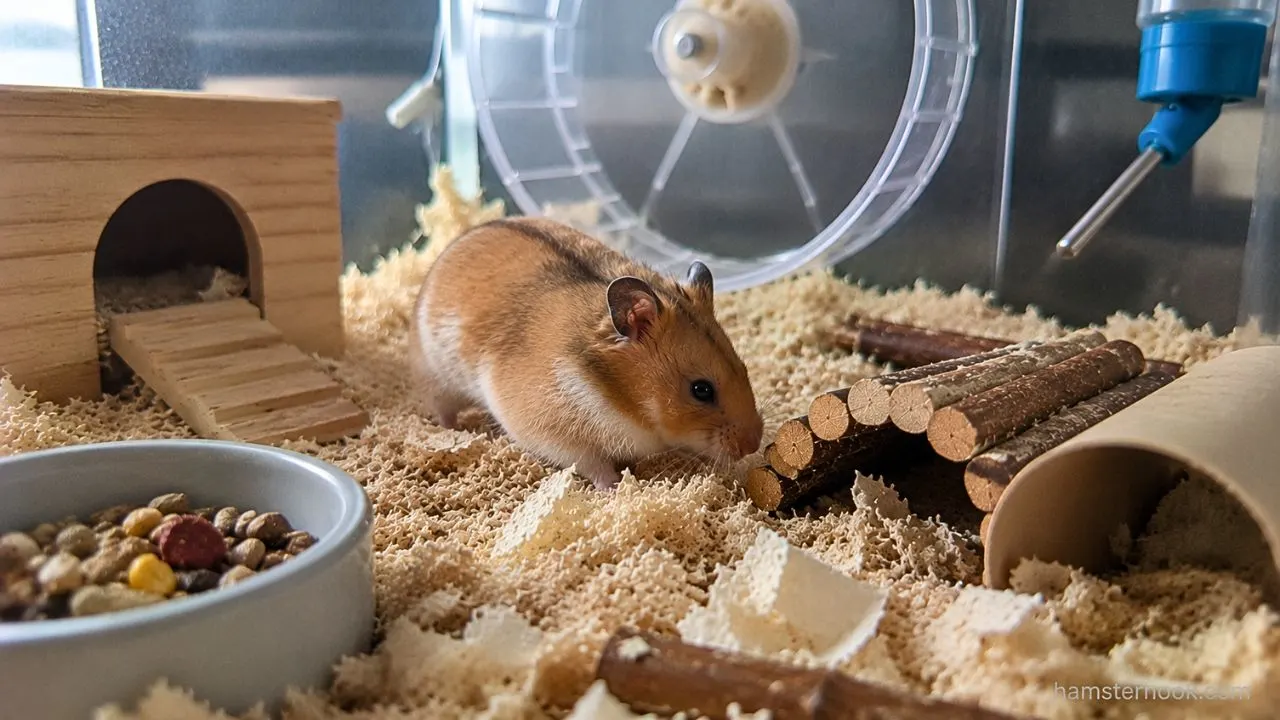
A hamster does not need a perfumed cage. Clean, dry bedding and good ventilation are much more appropriate.
Fragrance products deserve particular caution because they can change the air around a small animal’s enclosure. Can Perfume, Incense, or Scented Candles Harm Hamsters? looks specifically at the potential concerns associated with these common household fragrance sources.
Cigarette and Other Smoke
Smoke is particularly undesirable around small pets.
A hamster’s enclosure should be kept away from smoking areas rather than relying on ventilation to remove the smell afterward. Smoke can remain in indoor environments and settle onto surfaces and materials.
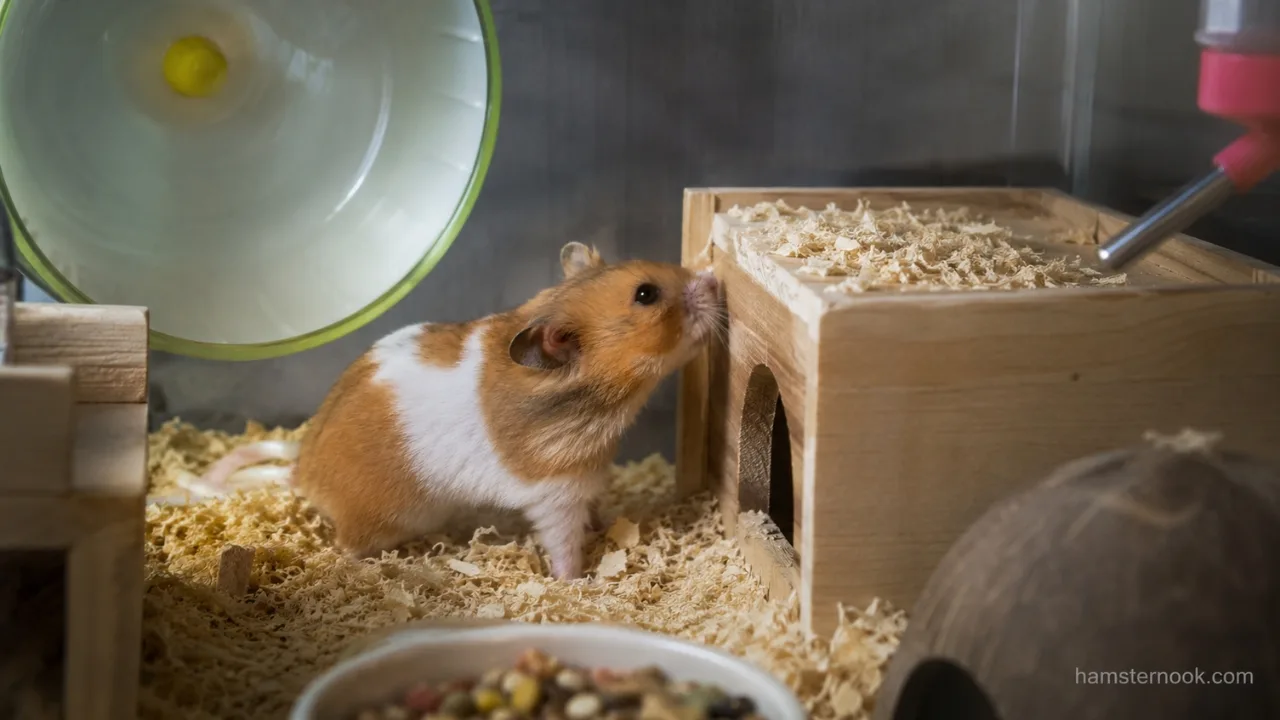
If someone has been smoking, simply opening a window for a few minutes should not be treated as a guarantee that the environment is immediately suitable for a hamster.
Strong Paint or Renovation Odors
Fresh paint, solvents, adhesives, and other renovation materials can release fumes.
If you’re decorating a room where your hamster normally lives, keeping the enclosure in another suitable area away from the work is a much safer choice than trying to shield the cage from the smell.
Can a New Smell Actually Stress a Hamster?
A new smell can make a hamster cautious because it represents unfamiliar information.
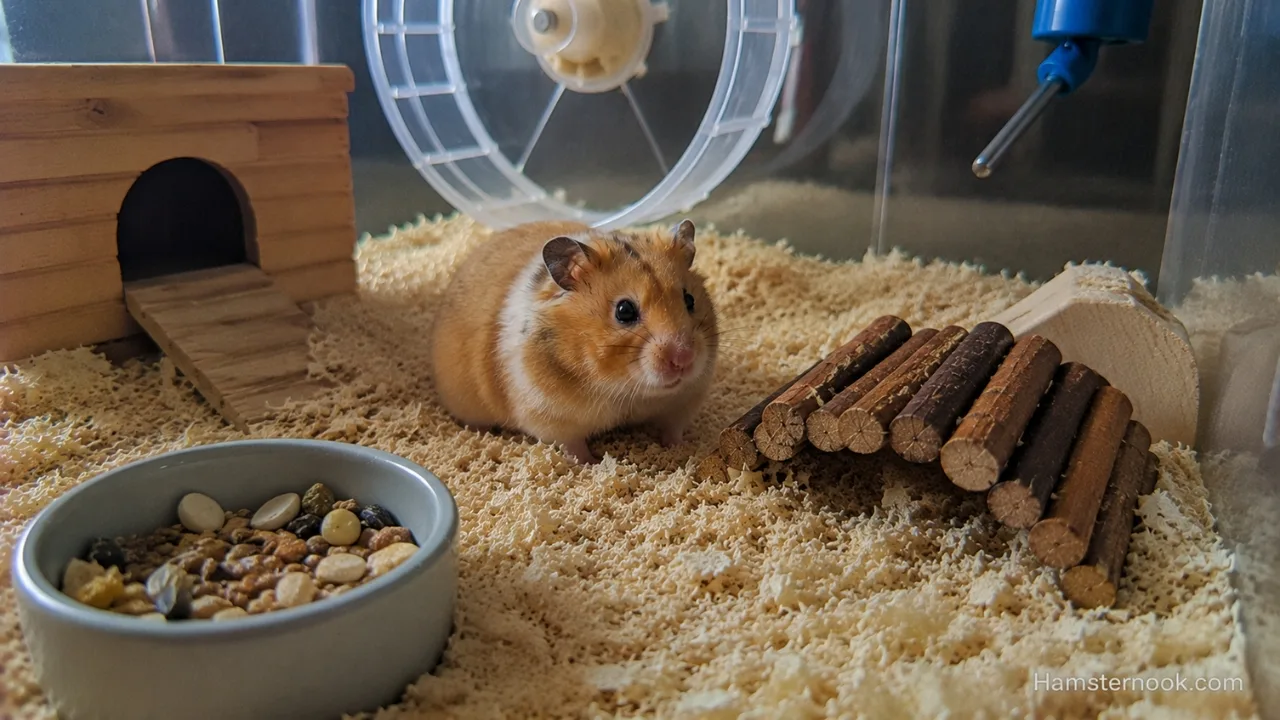
For example, imagine cleaning the room with a strongly scented product while your hamster remains in its enclosure. When it wakes up, the entire room may smell different from what it normally expects.
Your hamster might:
- Sniff the air repeatedly
- Investigate different areas of the enclosure
- Spend longer checking its surroundings
- Stay in its hide until the environment feels familiar
- Become more cautious about approaching you
These behaviors don’t prove that the smell has caused harmful stress. They show that the hamster has noticed a change.
The important distinction is between normal investigation of an unfamiliar odor and exposure to an irritating or potentially harmful substance.
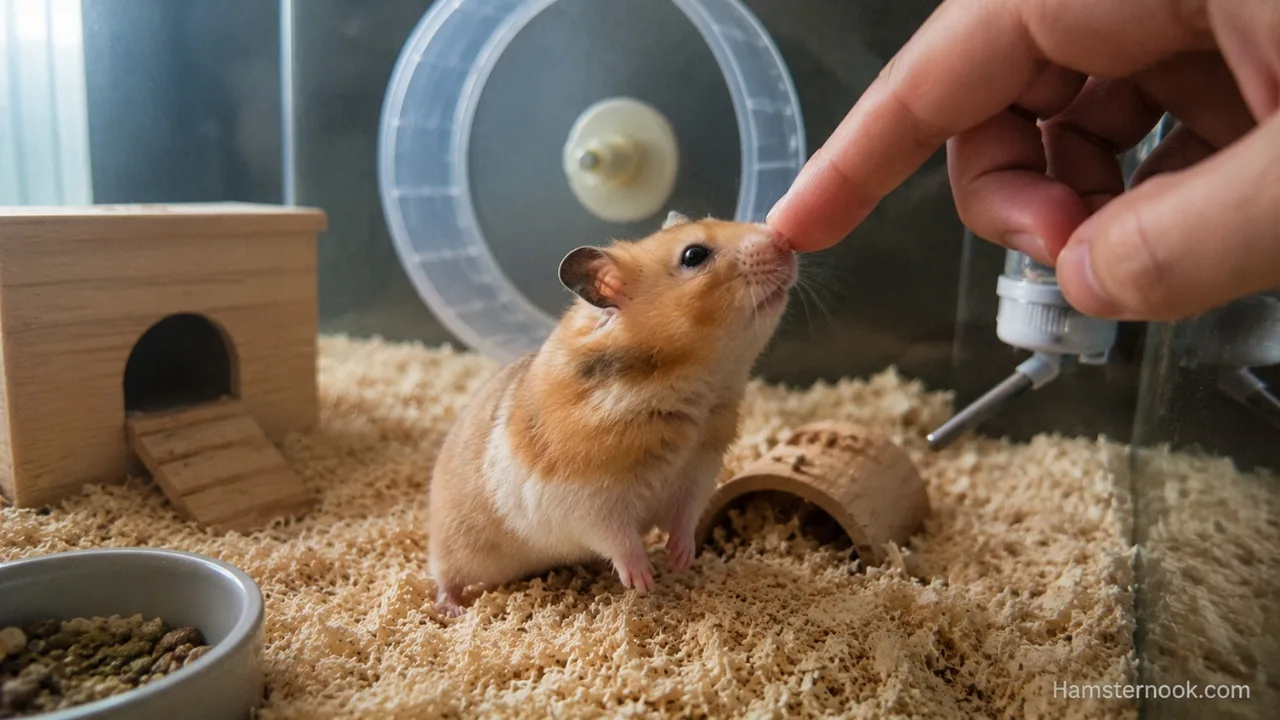
Strong Smell vs. Harmful Fumes
These two things shouldn’t be treated as exactly the same.
A hamster may notice a strong but harmless smell and simply investigate it. On the other hand, some household chemicals can produce fumes that irritate sensitive tissues or create a genuine health risk.
| Situation | What to Do |
|---|---|
| New but mild household smell | Improve ventilation and observe your hamster |
| Strong perfume or air freshener near cage | Remove the source and ventilate the room |
| Cleaning product being sprayed nearby | Move the hamster away before cleaning |
| Smoke in the room | Keep the hamster away from the smoking area |
| Fresh paint or chemical fumes | Keep the hamster in a separate, well-ventilated area |
| Hamster shows breathing difficulty | Treat it as a health concern and seek veterinary advice |
Smell alone is not a reliable way to judge whether a product is safe around a hamster. Some products may have little noticeable odor but still release substances that should not be used around an animal, while a noticeable smell does not automatically mean that exposure has caused harm.
Signs Your Hamster May Be Uncomfortable
Behavioral changes can be subtle, especially in a small nocturnal animal.
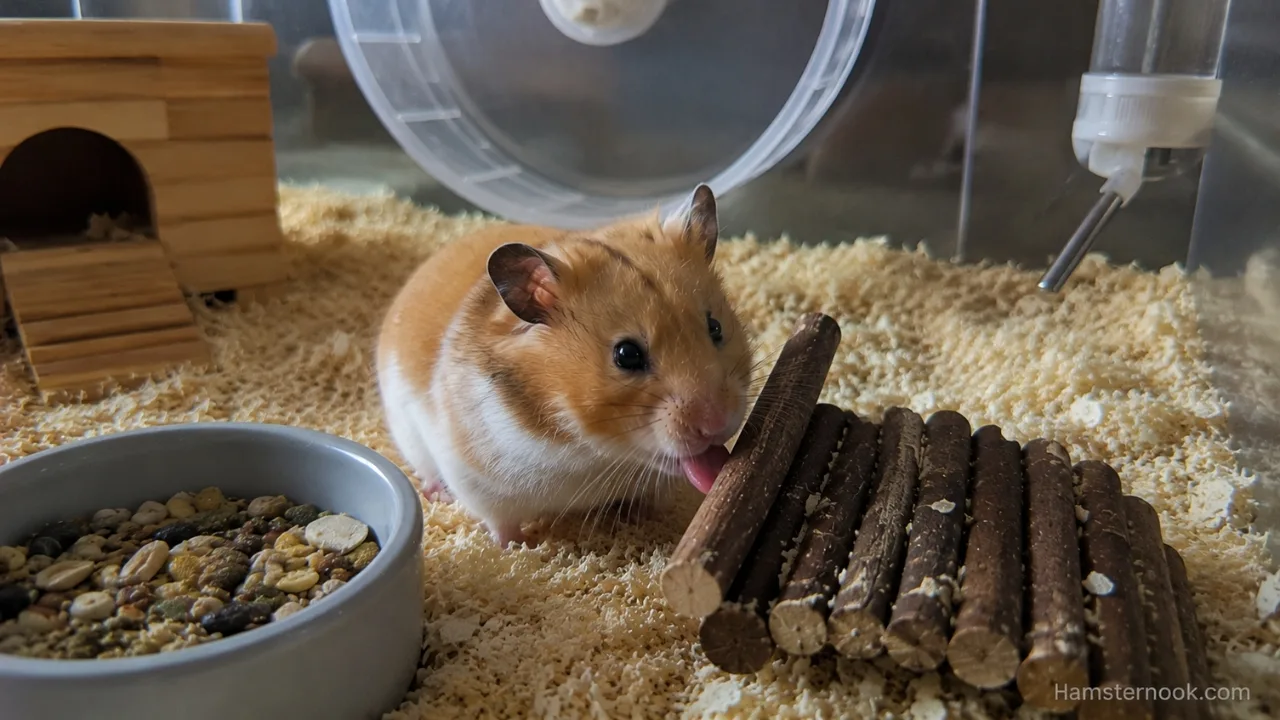
If a strong odor has recently appeared in the room, observe your hamster during its normal active period rather than waking it to check its reaction.
You may notice increased investigation, avoidance, or changes in where your hamster spends its time.
More concerning signs include persistent changes in normal behavior, especially when they occur together with physical symptoms.
For example, a hamster that briefly sniffs an unfamiliar smell and then continues eating and exploring is very different from a hamster that develops breathing difficulty after exposure to fumes.
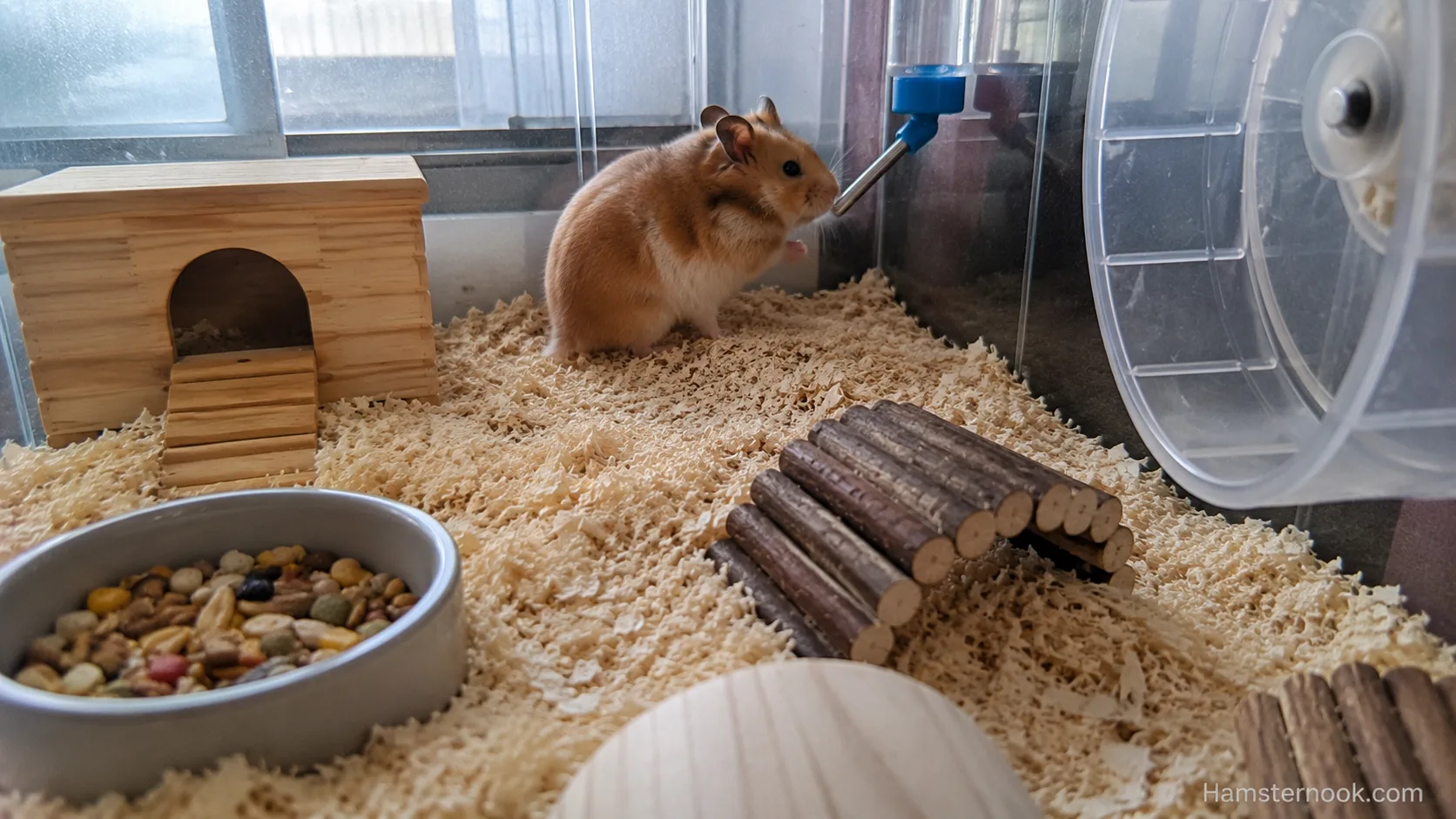
Practical Example: Using a Strong Cleaning Product
Suppose you clean the floor around the hamster’s enclosure with a strongly scented product.
Your hamster may notice the change immediately when it becomes active. It may spend extra time sniffing the room or remain inside its hide longer than usual.
The sensible response is not to repeatedly disturb the hamster to see whether it is “okay.” Instead, remove the source of the odor, provide good ventilation, and allow the environment to return to normal.
If the hamster resumes its normal eating, drinking, exploring, nesting, and other routine behaviors, there may be nothing further to do.
Practical Example: A New Air Freshener
Imagine placing a new plug-in fragrance close to the hamster’s enclosure because the room smells stale.
The better solution is to remove the fragrance rather than trying to make the hamster adjust to it.
If the source is a plug-in or room fragrance, removing it is a better solution than trying to mask the smell around the enclosure. Our Are Air Fresheners Safe Around Hamsters? What to Avoid guide explains the specific concerns owners should consider before using these products around hamsters.
Hamsters don’t require air fresheners to keep their living environment pleasant. Regular appropriate cleaning, dry bedding, and good ventilation are more useful ways to maintain the enclosure and surrounding room.

Why Ventilation Matters

Good ventilation helps prevent odors and airborne contaminants from accumulating.
This doesn’t mean placing the hamster’s cage directly in a draft or next to an open window. The goal is a comfortable indoor environment with normal air circulation and no concentrated fumes.
Where the enclosure is placed can also affect the surrounding air and environmental conditions. Our Can a Hamster Cage Be Near a Window? Risks & Safe Placement guide explains how drafts, sunlight, and cage location can affect a hamster’s environment.
The enclosure should also be positioned away from kitchens, smoking areas, garages, chemical storage, and places where sprays or solvents are routinely used.
A hamster should have a stable environment rather than one that repeatedly fills with intense odors and then clears again.
Common Mistakes Owners Make
Using Fragrance to Cover Cage Odors
If a hamster’s enclosure smells unpleasant, adding air freshener or scented products is not the right solution.
The better approach is to identify the source of the odor and clean the appropriate area. RSPCA guidance recommends regular spot cleaning and maintaining clean, dry bedding rather than relying on fragrance to cover smells. It also notes that smell is particularly important to hamsters.
Using Scented Bedding
Scented bedding can seem like an easy way to make the enclosure smell fresher, but PDSA specifically warns that scented bedding can irritate a hamster’s airways.
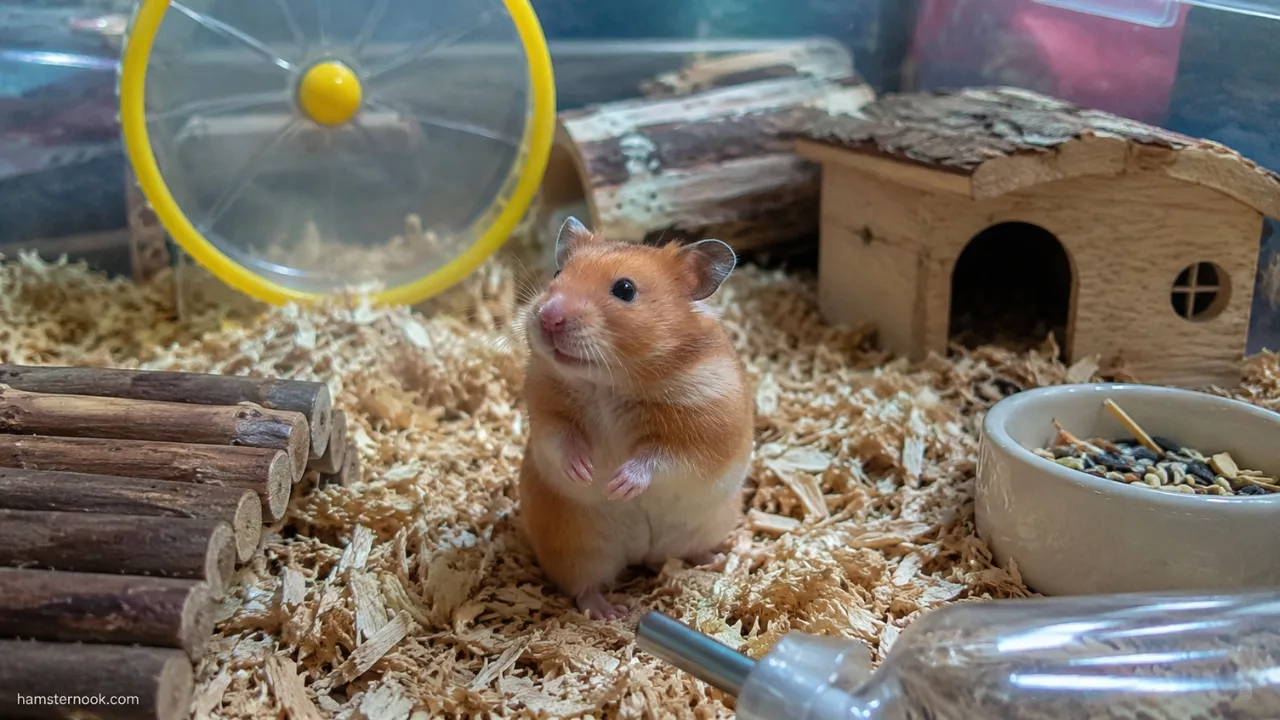
Choose appropriate, untreated, low-dust bedding instead. Deodorizing chemicals are also not suitable for small pets.
Spraying Products Near the Cage
Spraying perfume, disinfectant, furniture polish, room spray, or other products directly beside the enclosure exposes your hamster to concentrated fumes.
Move the hamster away from the area before using products that produce strong fumes, and allow the room to ventilate appropriately before bringing the hamster back.
Assuming a Strong Smell Is Automatically Dangerous
A hamster noticing a smell doesn’t necessarily mean that the smell has harmed it.

Hamsters have well-developed senses of smell and hearing and can be nervous around unfamiliar sights, sounds, and smells.
The important question is what produced the odor, how concentrated it is, and whether your hamster is showing any concerning changes.
Ignoring Smoke Exposure
Smoking should never take place around a hamster.
PDSA specifically identifies hamsters and other indoor pets as vulnerable to second-hand smoke. Smoke particles and toxins can also remain in the environment after smoking has stopped.
Keeping the hamster away from smoking areas is safer than trying to mask the smell afterward.
What You Should Do
If you notice a strong household smell around your hamster, start by finding the source.
If it’s a fragrance, spray, smoke, cleaning chemical, paint, solvent, or another product producing fumes, remove your hamster from the affected area and follow the product’s safety instructions for ventilation.
For ordinary cage odors, focus on the enclosure itself rather than the room’s fragrance.
Keep the Enclosure Clean Without Overcleaning
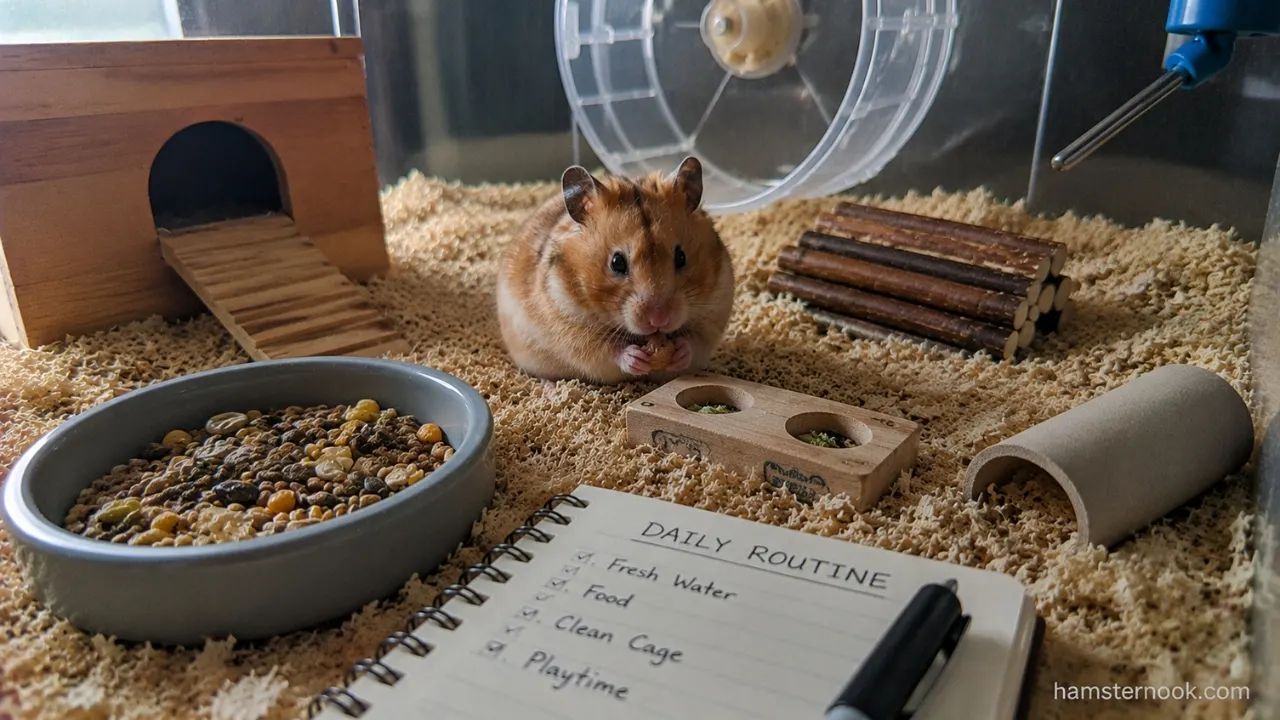
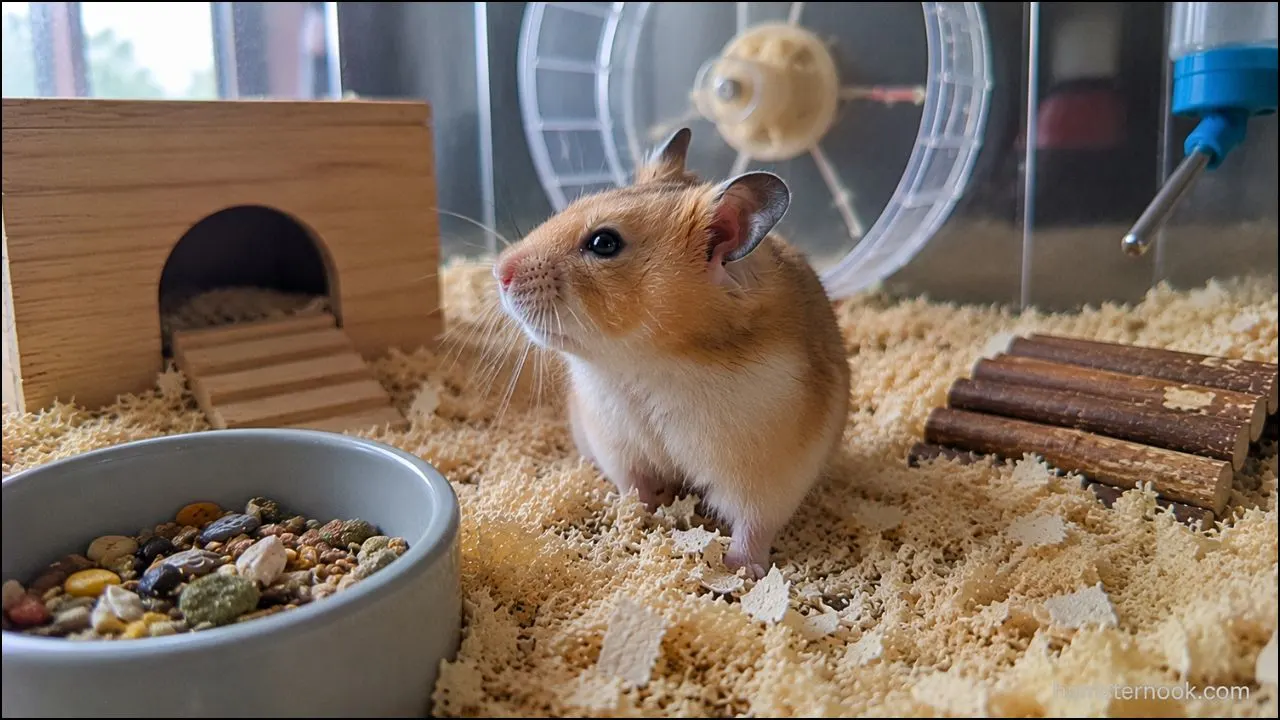
Spot clean soiled areas regularly and remove spoiled food or damp bedding.
RSPCA recommends balancing hygiene with the need to avoid excessive disturbance and stress. It also advises transferring a small amount of clean, previously used bedding and nesting material during cage cleaning because familiar scent is important to hamsters.
Keep Strong Products Away From the Cage
Store household cleaners, sprays, solvents, and similar products somewhere your hamster cannot access them.
The enclosure should also be positioned away from places where strong chemicals, smoke, or other irritating substances are routinely used.
Choose Unscented Supplies
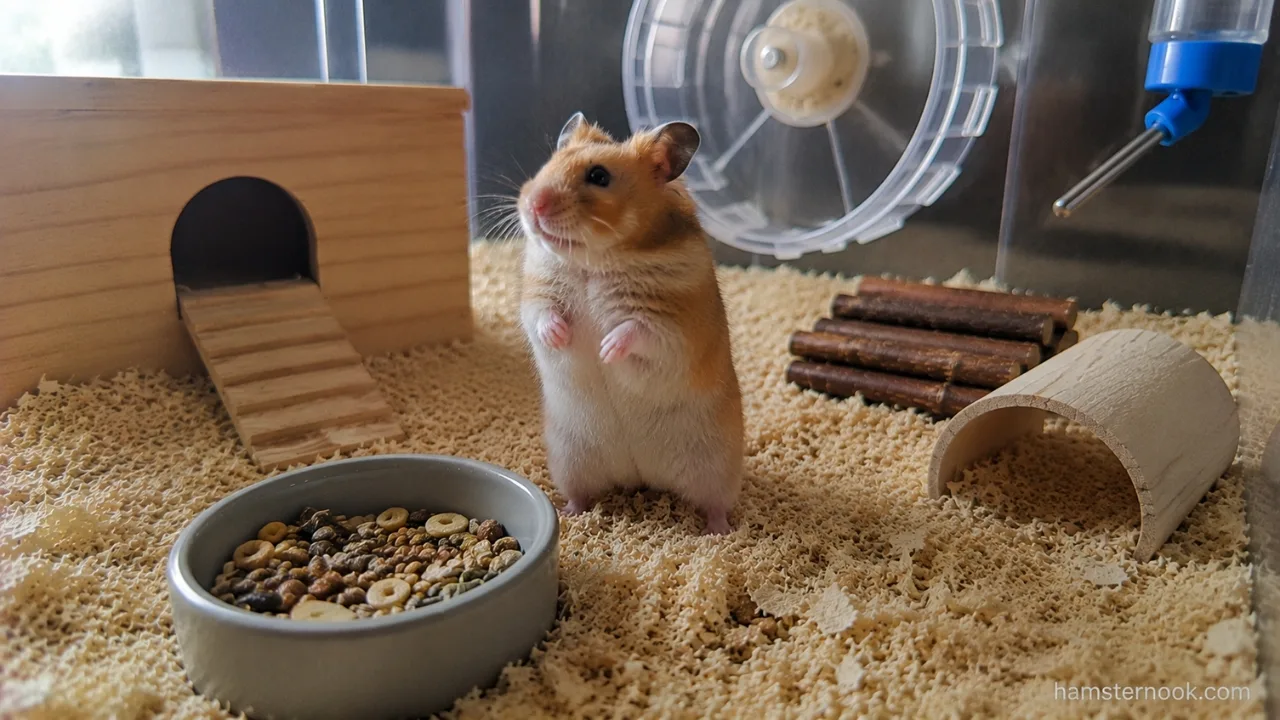
For bedding and nesting materials, avoid products that are deliberately perfumed or deodorized.
A clean enclosure does not need to smell like flowers, perfume, or cleaning products. A mild natural animal odor is not a reason to add fragrance around the hamster.
Give Your Hamster a Quiet Place
A hamster’s environment should be calm and predictable. RSPCA guidance recommends keeping hamsters in a quiet place where they can rest undisturbed and away from stressful household conditions.
Keeping the environment predictable can help you distinguish normal investigation from broader signs of environmental stress. 7 Signs You’re Accidentally Stressing Your Hamster (Without Even Realizing It) explains the behavioral patterns that can suggest a hamster is experiencing too much stress.
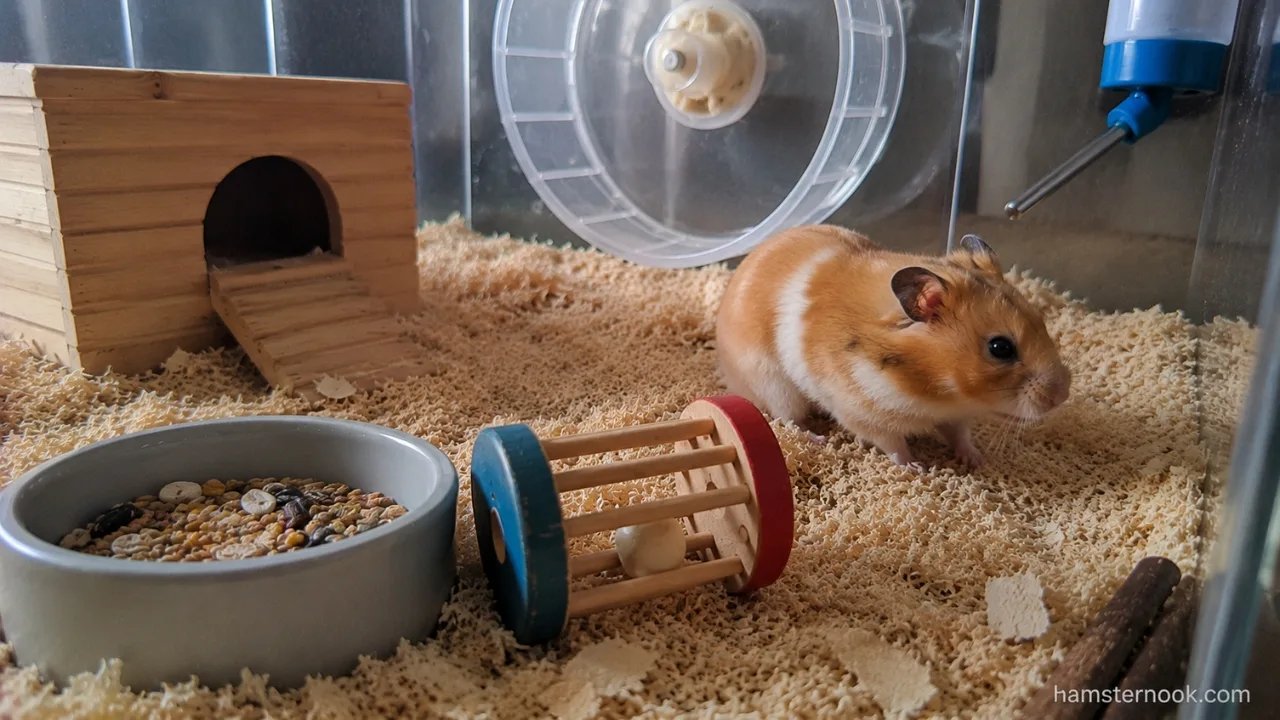
If a strong smell has recently appeared, remove the source rather than repeatedly disturbing your hamster to check its reaction. Improve the environment and observe your hamster during its normal active period.
Warning Signs to Watch For
Behavioral changes can be useful clues, but they should not be used to diagnose a medical problem.
RSPCA notes that hamsters may not show obvious signs of pain and recommends paying attention to changes in how they look or behave. Repetitive behavior can also indicate that something is wrong.
Pay particular attention if a suspected exposure is followed by:
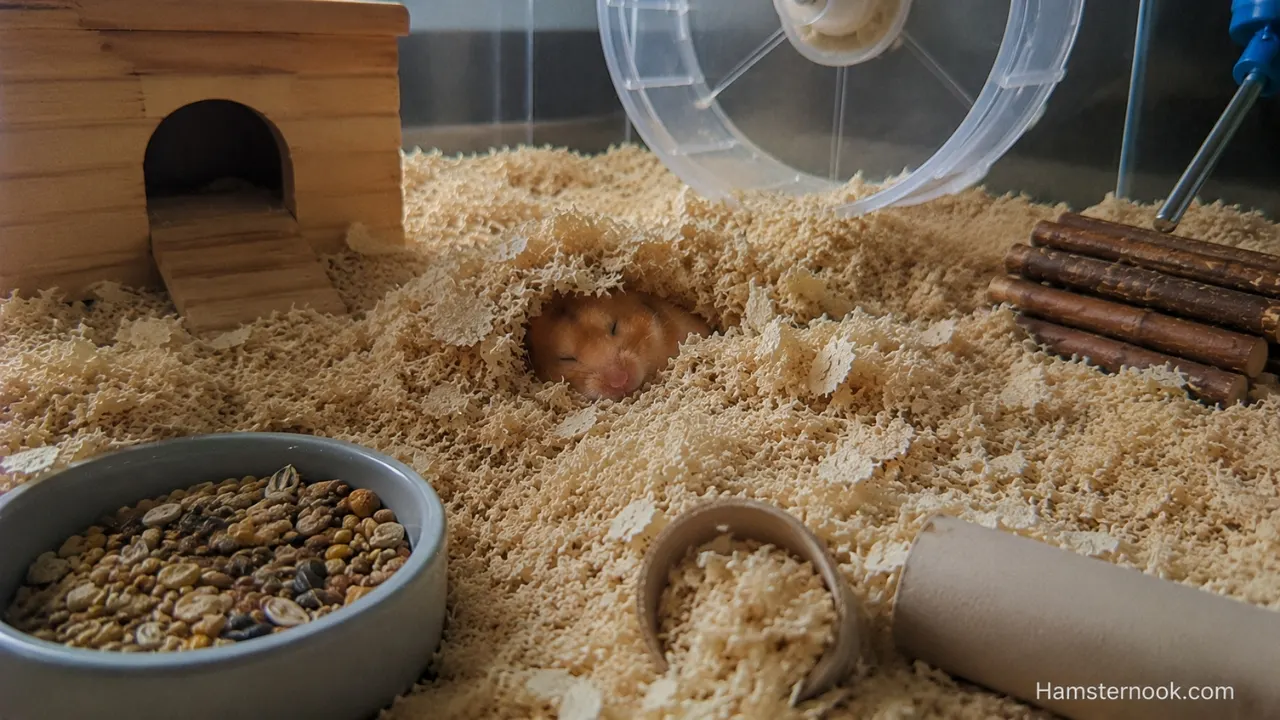
- Persistent unusual behavior
- Repeated hiding during normal active periods
- Reduced activity
- Changes in eating or drinking
- Repetitive behavior
- Obvious difficulty breathing
- Weakness or collapse
A hamster that simply sniffs a new odor and then returns to normal activity is very different from one that develops physical symptoms after exposure to fumes.
When to Worry
Breathing problems should not be dismissed as simple stress.
If your hamster is struggling to breathe, breathing unusually, becomes very weak, collapses, or shows signs that could indicate poisoning or significant chemical exposure, contact a veterinarian promptly.
If you know your hamster has been exposed to a chemical, smoke, or another potentially harmful substance, do not wait for symptoms to become severe before seeking veterinary advice. Keep the product container or label available if possible so you can tell the veterinarian exactly what your hamster may have been exposed to.
Unusual weakness after a suspected exposure is another sign that should not simply be attributed to the smell itself. Our Why Is My Hamster Suddenly Weak? 9 Causes, Warning Signs & What to Do guide covers other possible reasons for a sudden change in energy or activity.
RSPCA advises contacting a vet immediately if a hamster shows signs of illness or poisoning and warns owners to keep hamsters away from poisonous materials, including chemicals.
If your hamster has been exposed to smoke or chemical fumes, do not try to treat the exposure with human medication or another animal’s medicine. Contact a veterinarian for advice on what to do next.
Final Thoughts
Strong household smells deserve some thought when you have a hamster, but there is no need to panic every time your hamster notices a new odor.
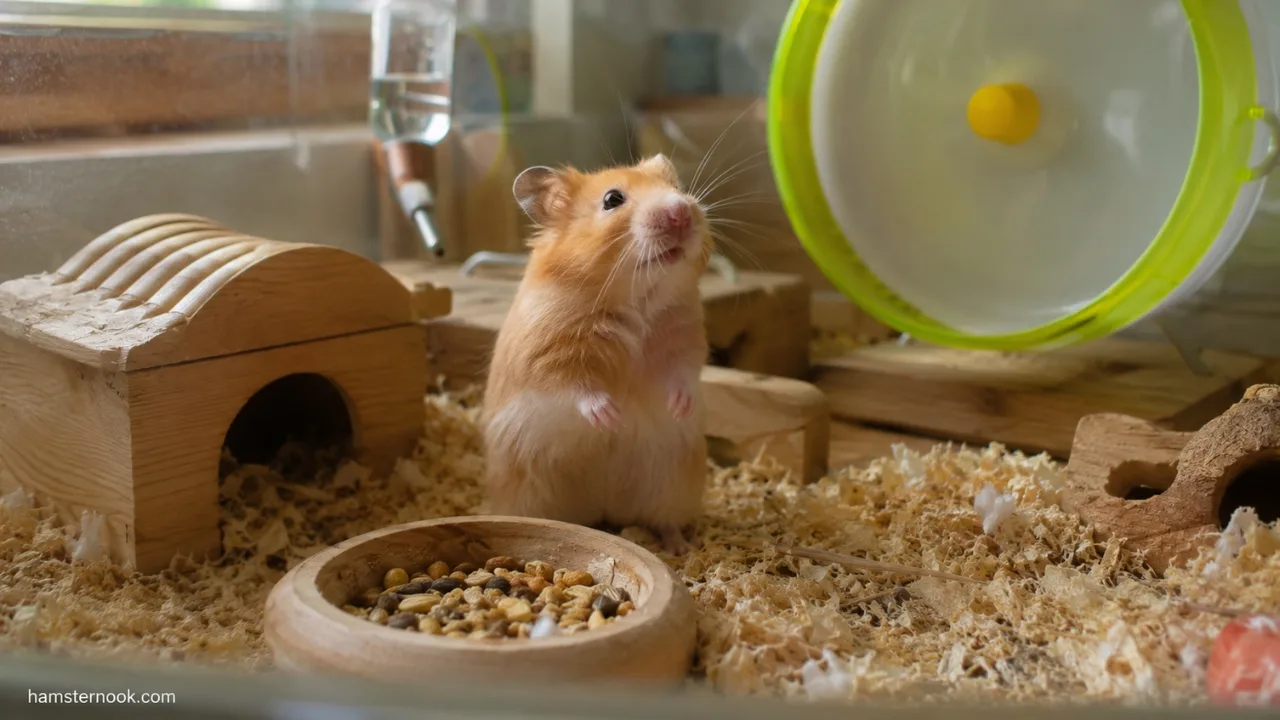
Hamsters naturally rely heavily on scent and can be cautious when something unfamiliar appears in their environment. A brief period of sniffing or investigating is normal. The bigger concern is unnecessary exposure to smoke, concentrated chemical fumes, strongly fragranced products, or other substances that may irritate the animal.
The simplest setup is usually the best one: clean, dry bedding, good ventilation, appropriate nesting material, and a quiet environment without unnecessary fragrance. If a strong smell appears, remove the source rather than trying to cover it with another scent.
When you know what normal exploration looks like and pay attention to genuine changes in behavior or health, it’s much easier to tell when your hamster simply noticed something new and when it actually needs help.
References
This guide is based on hamster housing, environmental care, behavior, welfare, and safe husbandry guidance from trusted animal welfare and veterinary resources, including:
- RSPCA – Creating a Good Home for Hamsters
- RSPCA – Keeping Hamsters as Pets
- RSPCA – Hamster Health & Welfare Tips
- RSPCA – Understanding Hamster Behaviour
- PDSA – Hamsters as Pets
- PDSA – Passive Smoking and Our Pets
- PDSA – Lining Your Pet’s Cage: Suitable Substrates for Small Pets

Narayan Kumar is the founder and author of HamsterNook. He creates practical, research-based hamster care guides covering hamster behavior, nutrition, cage setup, enrichment, health, and everyday care. His goal is to help hamster owners make informed decisions and provide safer, healthier lives for their pets through clear, beginner-friendly information based on trusted animal care resources.