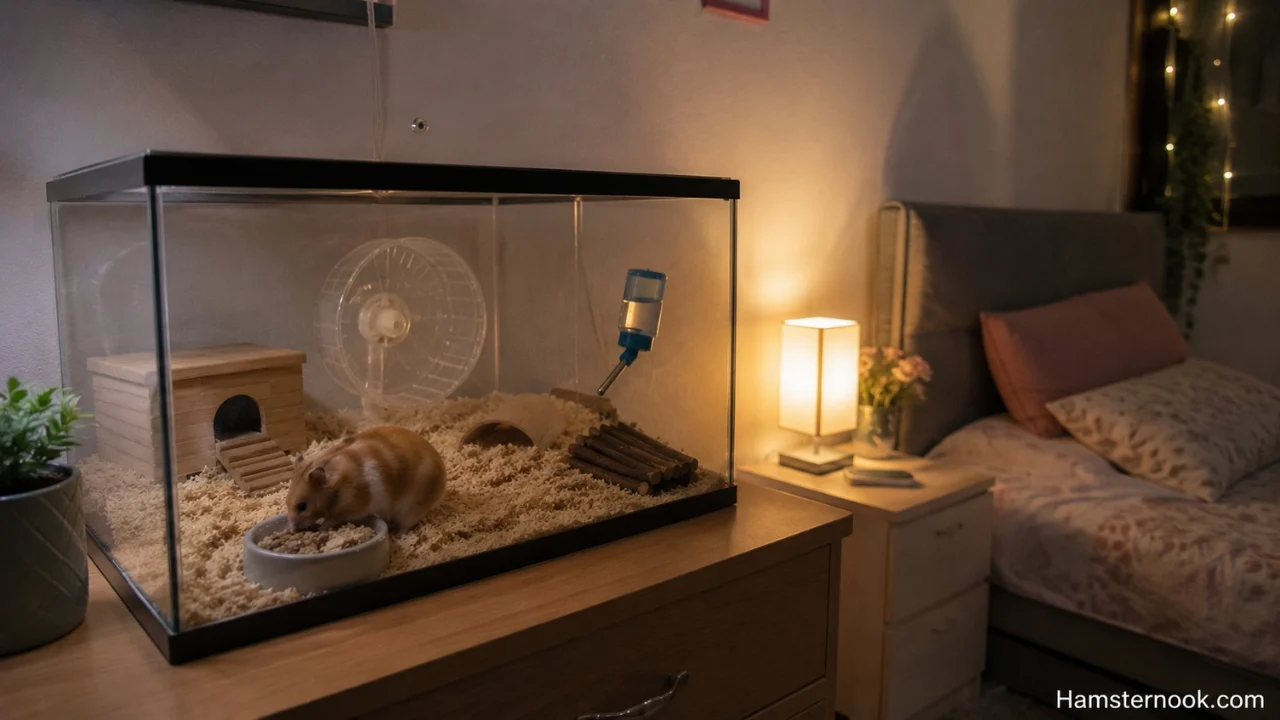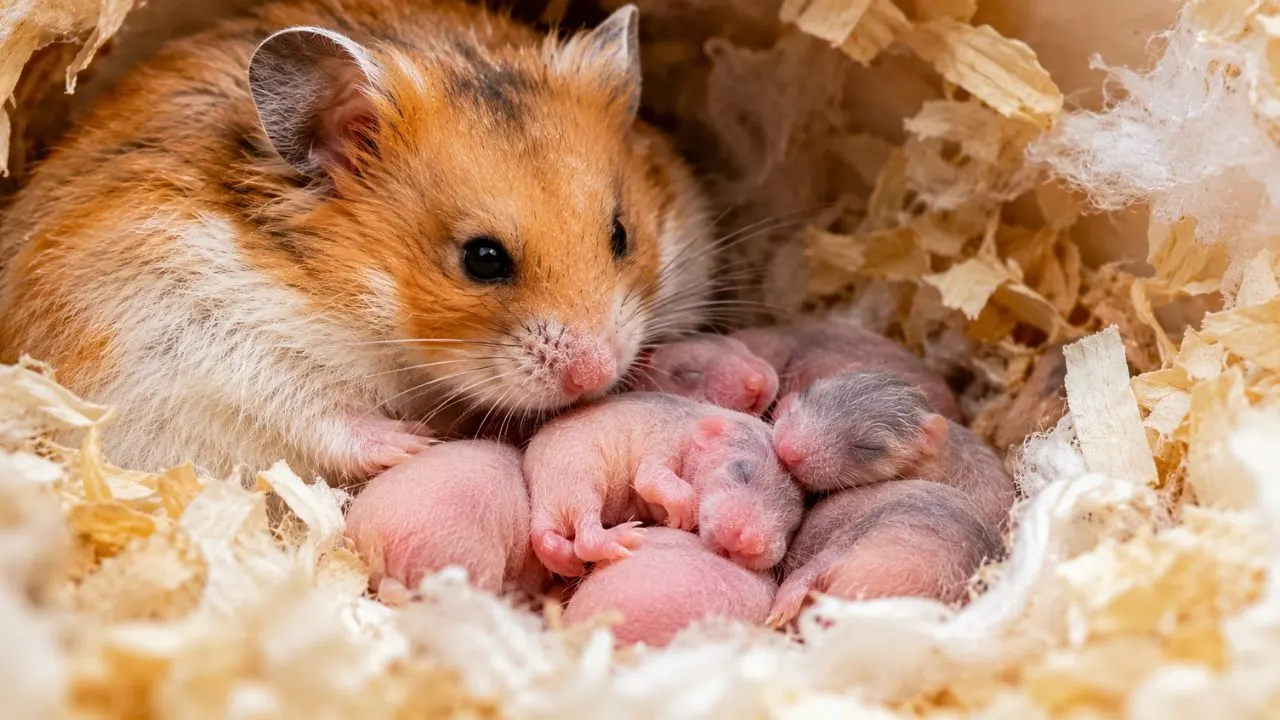
Finding newborn hamster babies in your pet’s enclosure can be exciting, but the first few weeks require patience and careful attention. Newborn pups depend heavily on their mother for warmth, nursing, and protection. Your role is not to handle them constantly or rearrange their nest. Instead, provide a quiet environment, enough food and water, suitable nesting material, and as little disturbance as possible while the babies grow.
Quick Answer: How Do You Care for Newborn Hamster Babies?
The safest way to care for newborn hamsters is to let their mother raise them without unnecessary interference, particularly during the first week after birth.
Follow these basic guidelines:
- Avoid touching newborn pups or disturbing their nest during the first 7 days.
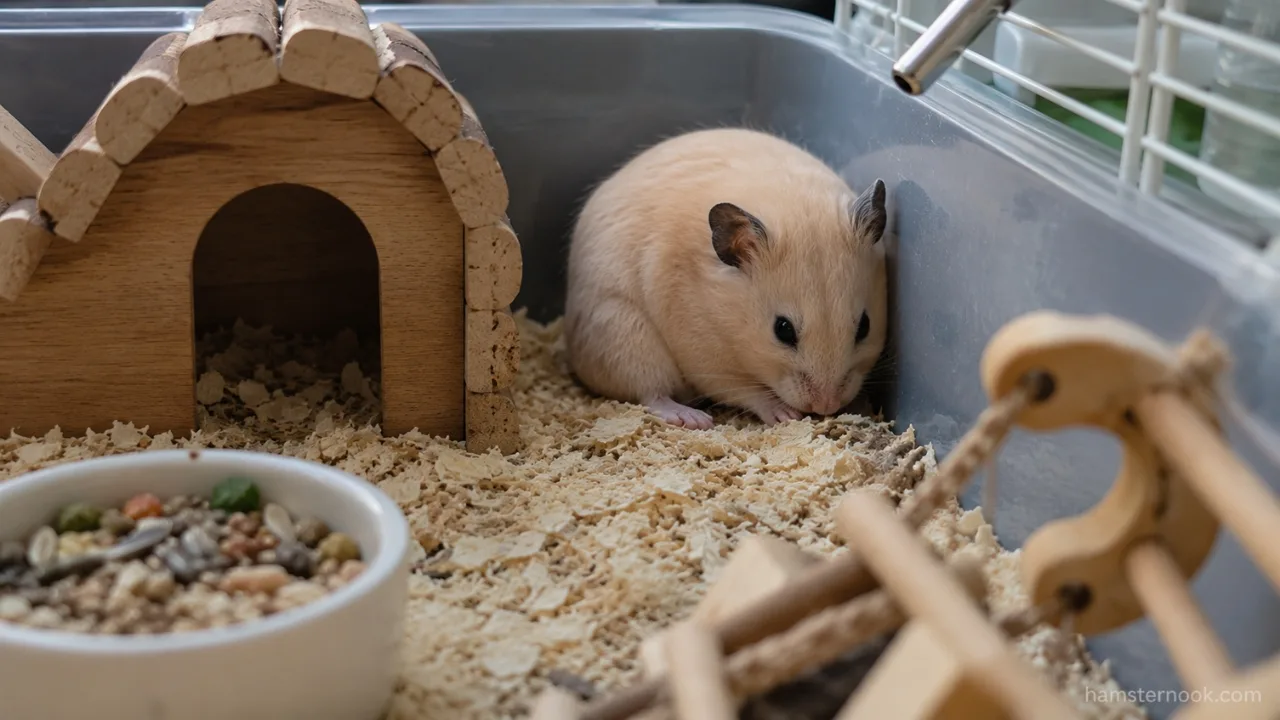
- Keep the enclosure in a quiet, comfortable location.
- Provide the mother with plenty of suitable food and fresh drinking water.
- Make sure she has enough safe nesting material.
- Avoid full cage cleaning during the early nursing period.
- Begin introducing suitable softened solid food at around 10 days.
- Allow the babies to continue nursing until they are naturally weaned, generally around 21–28 days.
- Monitor the mother and litter from a distance for signs of problems.
The most important rule: Don’t interfere with a healthy mother and her newborn babies just because you want to check, touch, or photograph them. Give the family privacy and intervene only when there is a genuine welfare concern.
What Do Newborn Hamster Babies Look Like?
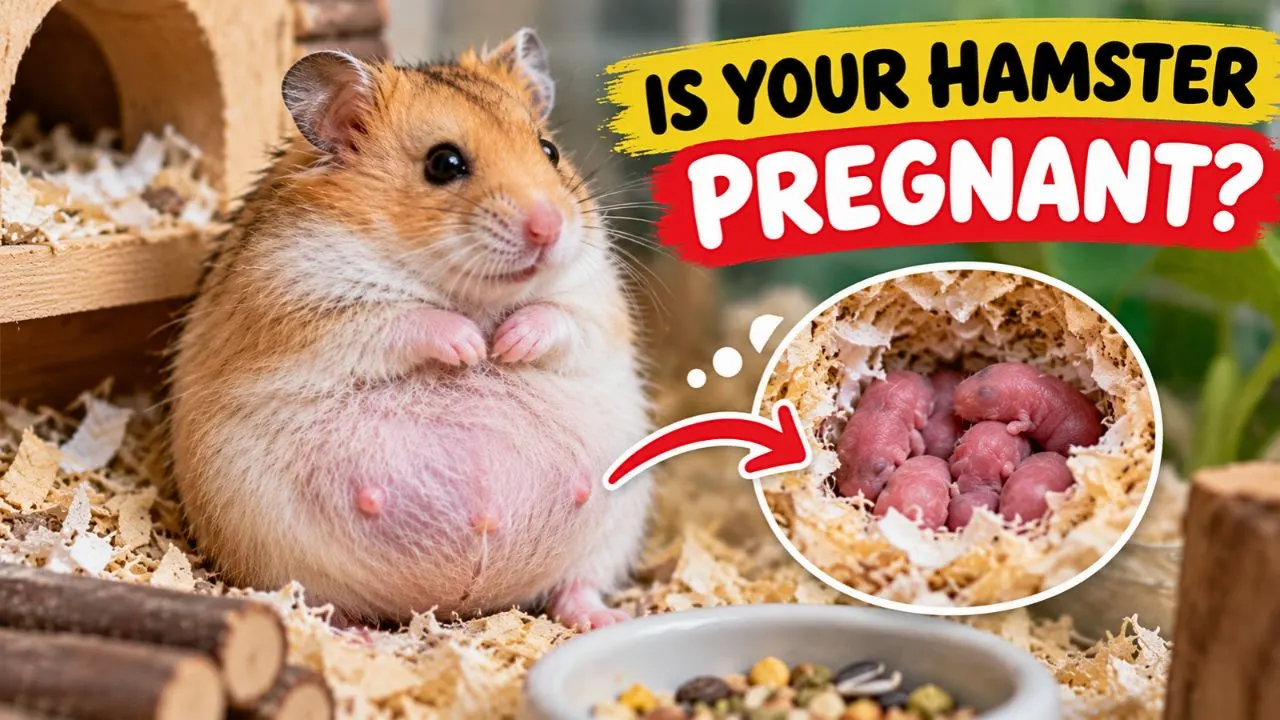
Newborn hamsters, commonly called pups, look very different from the fluffy hamsters people recognize in pet stores.
At birth, they are extremely small, hairless, and pink. Their eyes and ears are closed, but their front teeth are already present.
They are not ready to live independently. They rely on their mother for milk, warmth, and protection while their bodies develop.
A newborn litter can contain several pups, although the number varies. The MSD Veterinary Manual describes a typical litter as approximately six to eight babies, but individual litters can be smaller or larger.
Don’t try to count or examine every baby by pulling apart the nest. A mother hamster may become stressed when her nesting area is repeatedly disturbed.
The First 2 Weeks: Newborn Hamster Care Timeline
The first 14 days are an important period of development. Your main responsibility is to maintain a stable environment and support the mother rather than directly caring for each pup.
Here’s what to expect during this period.
| Age | What is happening | What owners should do |
|---|---|---|
| Days 1–3 | Pups are completely dependent on their mother | Keep the enclosure quiet and avoid nest disturbance. |
| Days 4–7 | The pups continue developing while nursing | Maintain food, water, and suitable nesting material. |
| Days 8–10 | Pups are developing further and may begin showing more activity | Continue protecting the nest; introduce softened food at around day 10. |
| Days 11–14 | Pups become more independent in their movements and development | Keep food accessible and observe the family without unnecessary handling. |
Development does not happen at exactly the same speed in every litter. The timeline is a general guide, not a reason to handle babies or interfere with the nest on a particular day.
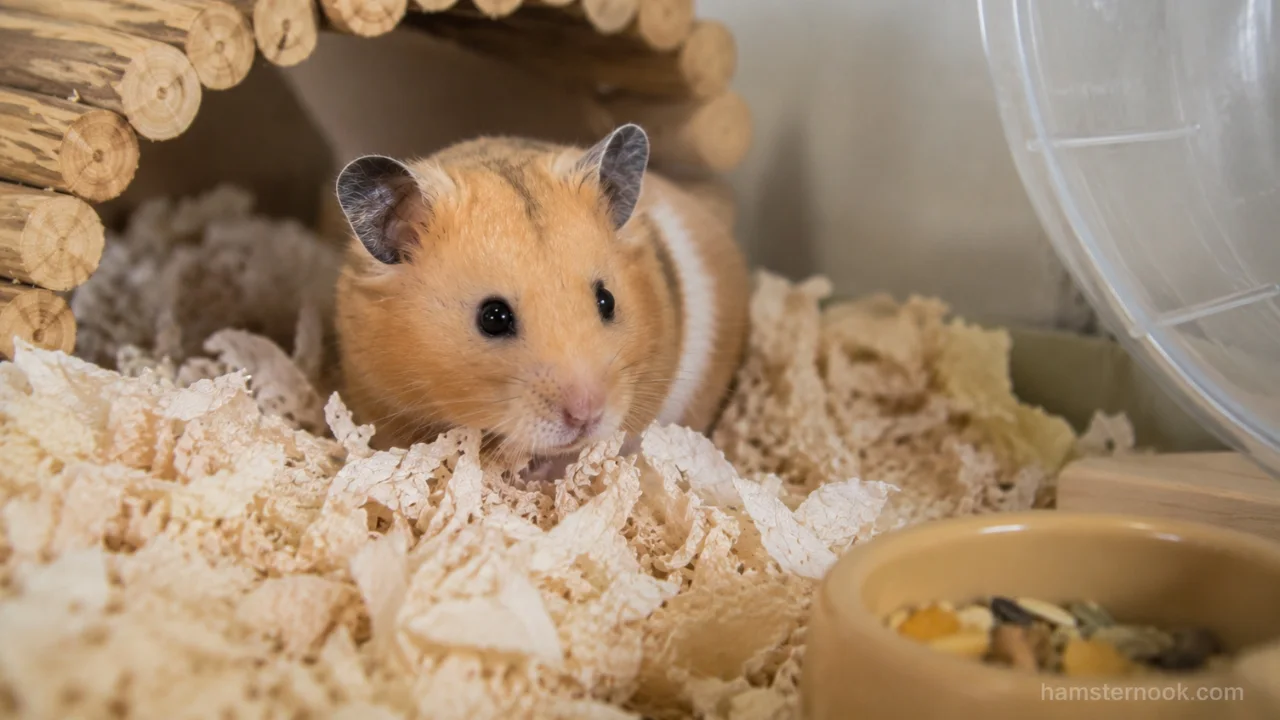
How to Care for Newborn Hamsters During the First Week
The first week deserves particular care because the pups are completely dependent on their mother.
1. Leave the mother and babies alone
Avoid touching the babies, lifting them, or checking underneath the nesting material.
Even if you are curious about how many pups were born, resist the temptation to uncover the nest.
If you are preparing for a litter or are unsure whether your hamster was pregnant, see How to Tell If a Hamster Is Pregnant: Early Signs, Pregnancy Timeline & Care for information about the stages leading up to birth.

Repeated disturbance can stress the mother and interfere with normal maternal care. Veterinary guidance recommends leaving the mother and litter undisturbed for at least the first seven days, especially when she is raising her first litter.
If you notice the mother moving nesting material or rearranging the nest, allow her to do so without interference.
2. Keep the enclosure in a quiet location
Choose a calm area of your home where the family will not be disturbed by:
- Loud television or music.
- Children repeatedly approaching the enclosure.
- Other pets trying to investigate the cage.
- Frequent cage movements.
- Bright lights directed at the nest.
- Unnecessary handling or photography.
Avoid moving the enclosure unless there is a genuine safety concern.
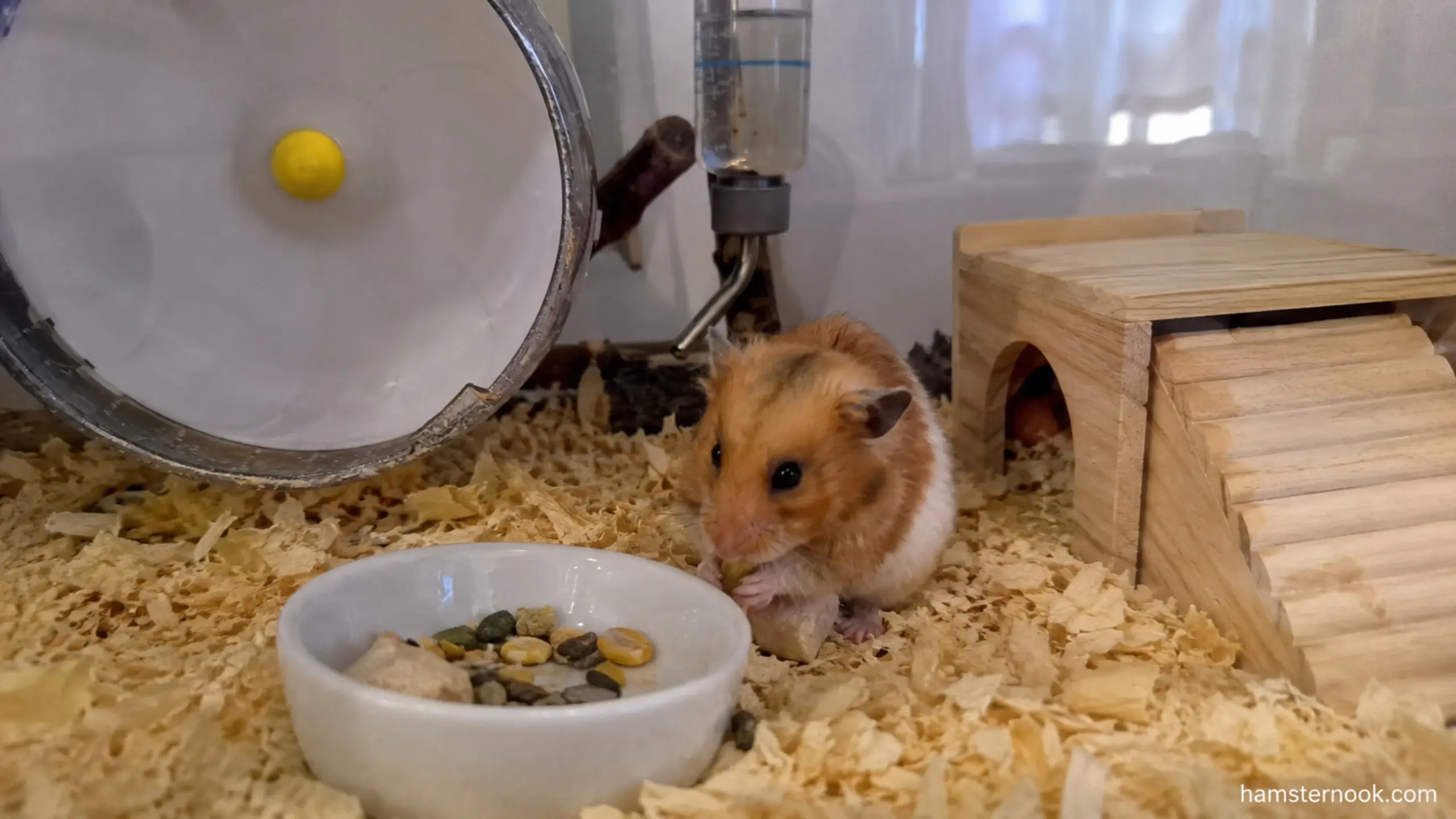
A stable, quiet environment helps the mother remain settled while she nurses and protects her babies.
3. Provide enough nesting material
Nesting material is essential because the mother uses it to create a sheltered resting area for her pups.
Suitable options include:
- Plain, unscented paper bedding.
- Soft, unscented toilet paper torn into small pieces.
- Appropriate hamster-safe paper nesting material.
Avoid cotton wool, fluffy synthetic nesting products, and stringy materials that can wrap around tiny limbs or cause other injuries.

Provide additional suitable material where the mother can collect it without disturbing her nest.
For more guidance on choosing suitable enclosure bedding, see Best Hamster Bedding: Safest Types, Depth, Burrowing & What to Avoid.
4. Keep food and water available
A nursing mother needs continuous access to suitable food and clean drinking water.
Check her food and water supply without disturbing the nest.
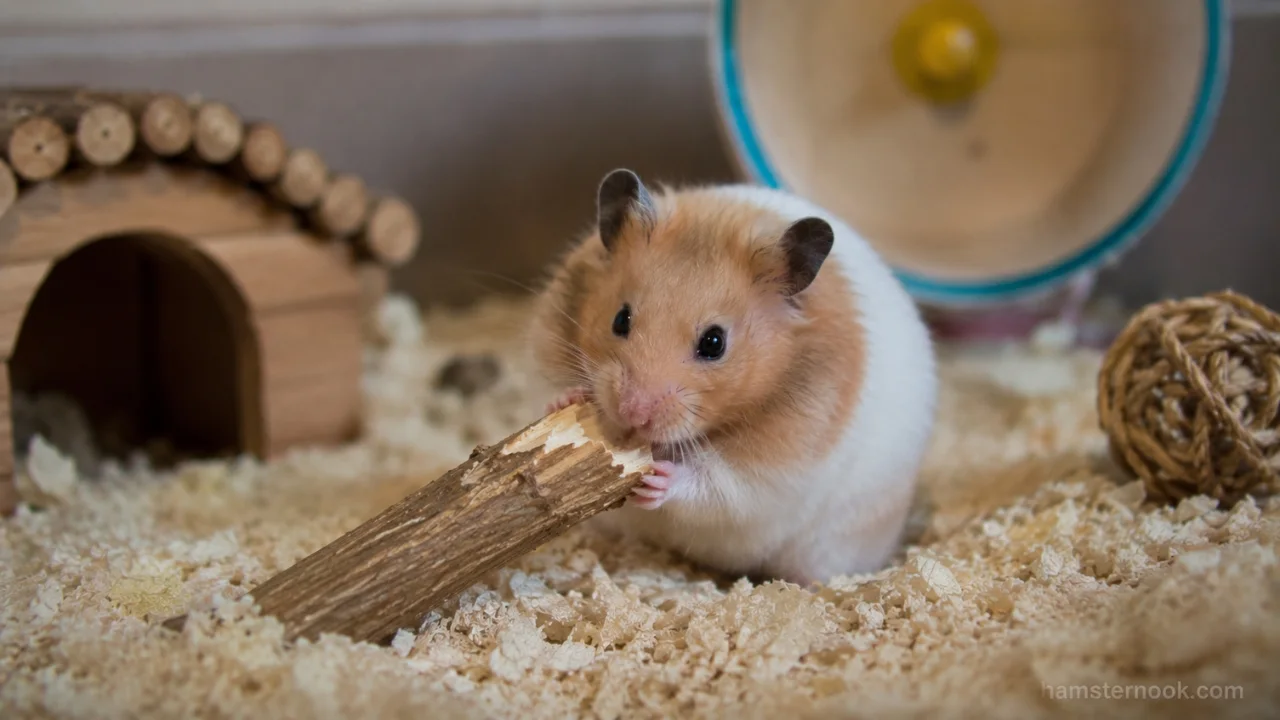
Make sure the water bottle works properly and that its drinking spout is accessible. A blocked or leaking bottle can create problems for the entire family.
Keep her regular nutritionally complete hamster food available. Don’t suddenly change her diet or introduce a large number of unfamiliar foods.
If you need help reviewing suitable everyday foods, see What Do Hamsters Eat? Safe Foods, Daily Diet & Foods to Avoid.
5. Avoid full cage cleaning
Cleaning the entire enclosure immediately after birth is one of the mistakes new owners should avoid.
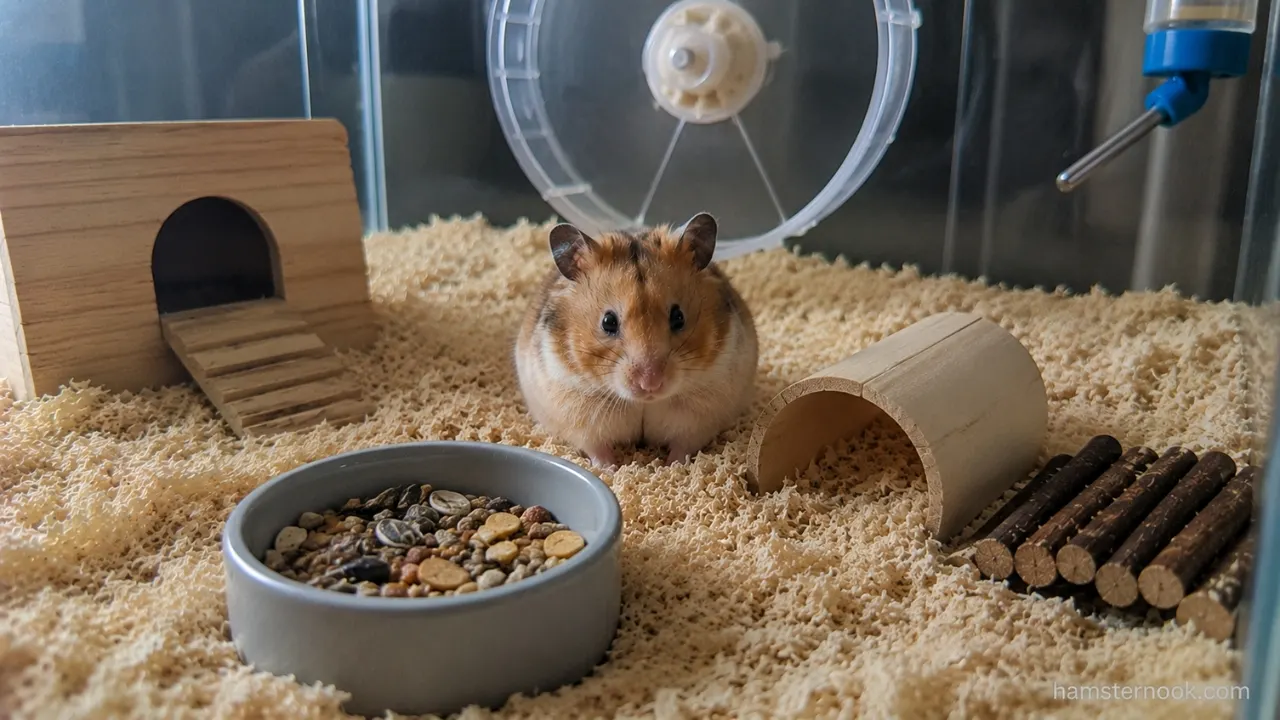
The nesting area contains familiar smells and provides shelter for the pups. Removing it unnecessarily can disturb the mother and her babies.
For the first two weeks, avoid routine full cage cleaning and do not dismantle the nest.
For guidance on maintaining enclosure hygiene without unnecessary disturbance, see How Often Should You Clean a Hamster Cage? Daily, Weekly & Deep Cleaning Guide.
If an immediate hygiene or safety problem develops, ask a veterinarian how to address it while minimizing disturbance.

How to Care for Hamster Babies During the Second Week
As the pups approach two weeks of age, they continue developing and gradually become more active. This is also the period when owners can begin preparing for the next stage of feeding and handling.
When can you touch newborn hamster babies?
There are slightly different recommendations about when handling should begin.
The MSD Veterinary Manual indicates that gentle handling can usually begin at around seven days of age. However, other veterinary guidance recommends keeping the mother and litter undisturbed for one to two weeks.
For a beginner, the more cautious approach is sensible:

- During days 1–7, do not handle the pups unless veterinary intervention is necessary.
- During days 8–14, continue avoiding unnecessary handling and nest disturbance.
- Once the pups are around two weeks old, consider brief, gentle handling if the mother is settled and the babies are developing normally.
If the mother becomes defensive, restless, or distressed, stop and give her family more privacy.
Never pick up a pup by a leg, tail, or loose skin. If handling is appropriate, support its entire body with clean, gentle hands.
When do baby hamsters open their eyes?
Baby hamsters are born with their eyes closed. Their eyes open as they develop, generally around the second week, although the exact timing can vary.
Don’t try to open a pup’s eyes or pull apart the eyelids to check development.
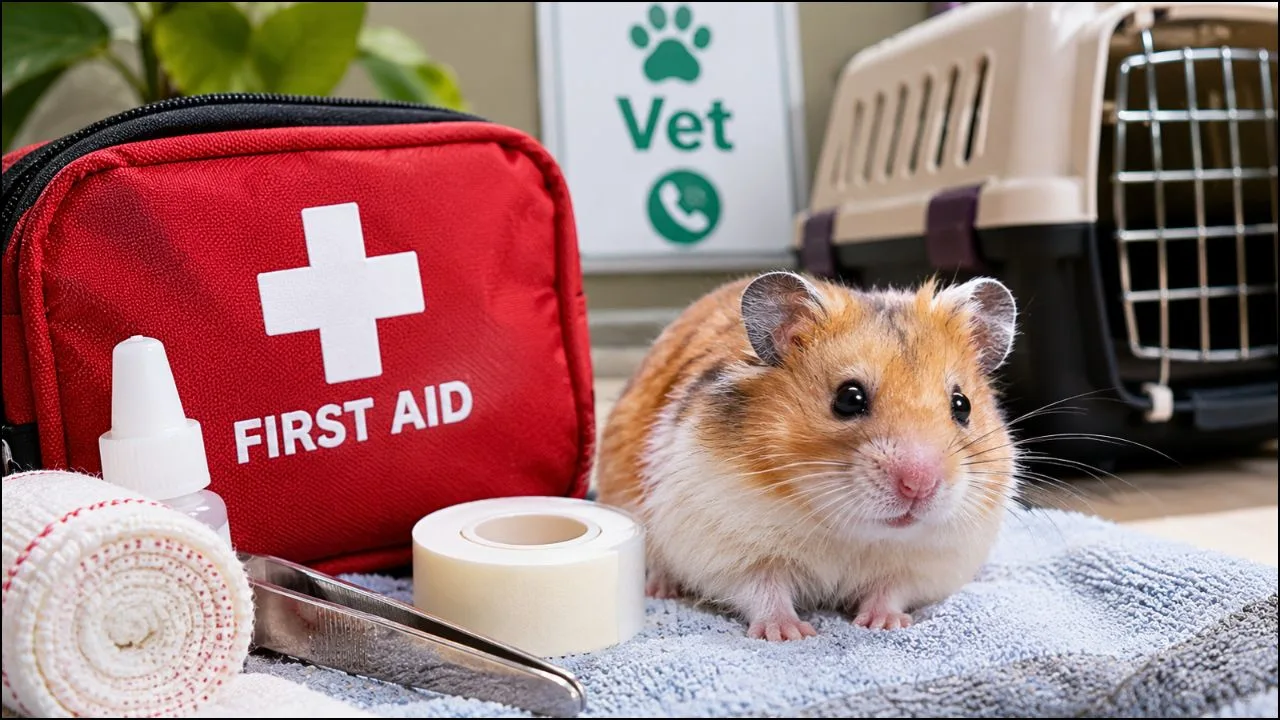
If a baby’s eyes appear swollen, crusted, or abnormal, seek veterinary advice rather than attempting to clean or treat them yourself.
When do baby hamsters start moving around?
As pups grow, they gradually become more active and begin exploring beyond the immediate nesting area.
During this stage, make sure the enclosure is secure and that there are no gaps through which a small pup could escape.
Avoid adding complicated toys, elevated platforms, or accessories that could create unnecessary fall or entrapment risks.
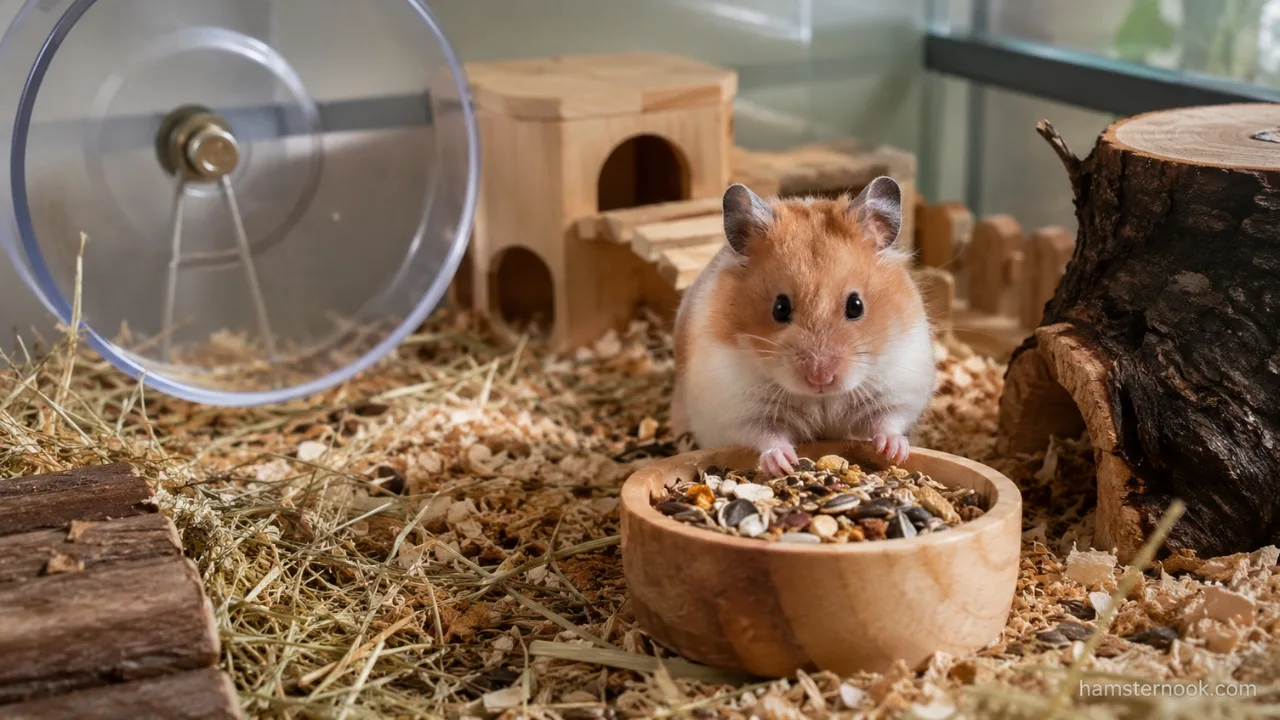
What Should a Mother Hamster Eat While Nursing?
The mother needs continuous access to a nutritionally complete hamster diet while raising her litter.
Nursing is a demanding period, so avoid restricting her food or making sudden dietary changes.
Suitable food choices
Start with her usual complete hamster food. You can discuss appropriate dietary additions with a veterinarian familiar with hamster nutrition.
Depending on the hamster’s species and individual needs, suitable supplementary foods may include:
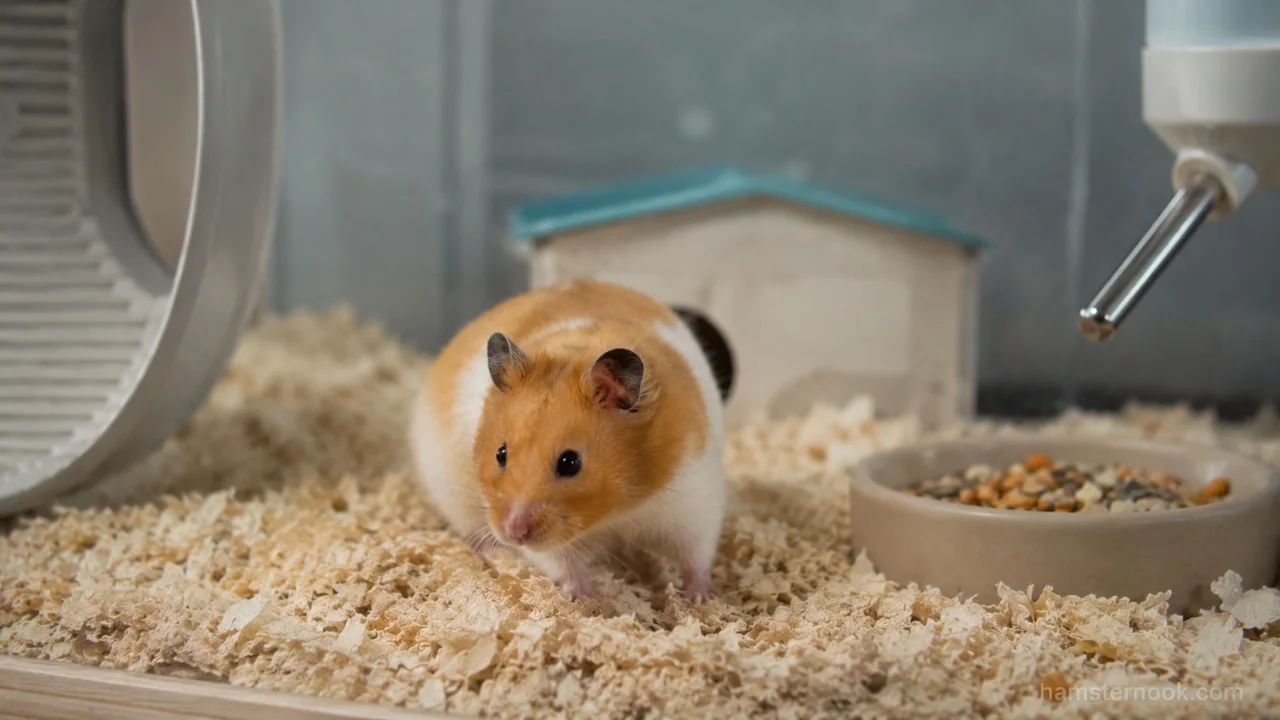
- Small amounts of plain cooked egg.
- A little plain cooked chicken without seasoning.
- Suitable fresh vegetables in modest portions.
- Her usual balanced hamster food.
Any additional foods should be introduced carefully. Avoid salted, seasoned, sweetened, or processed human foods.
Do not assume that large amounts of protein or supplements are automatically beneficial. A balanced diet is more important than adding numerous extras.
Keep fresh water available
A nursing mother should always have access to clean drinking water.
Check the bottle daily to make sure water flows correctly. If you use a bowl, it must be stable, shallow, and positioned so that pups cannot fall into it.
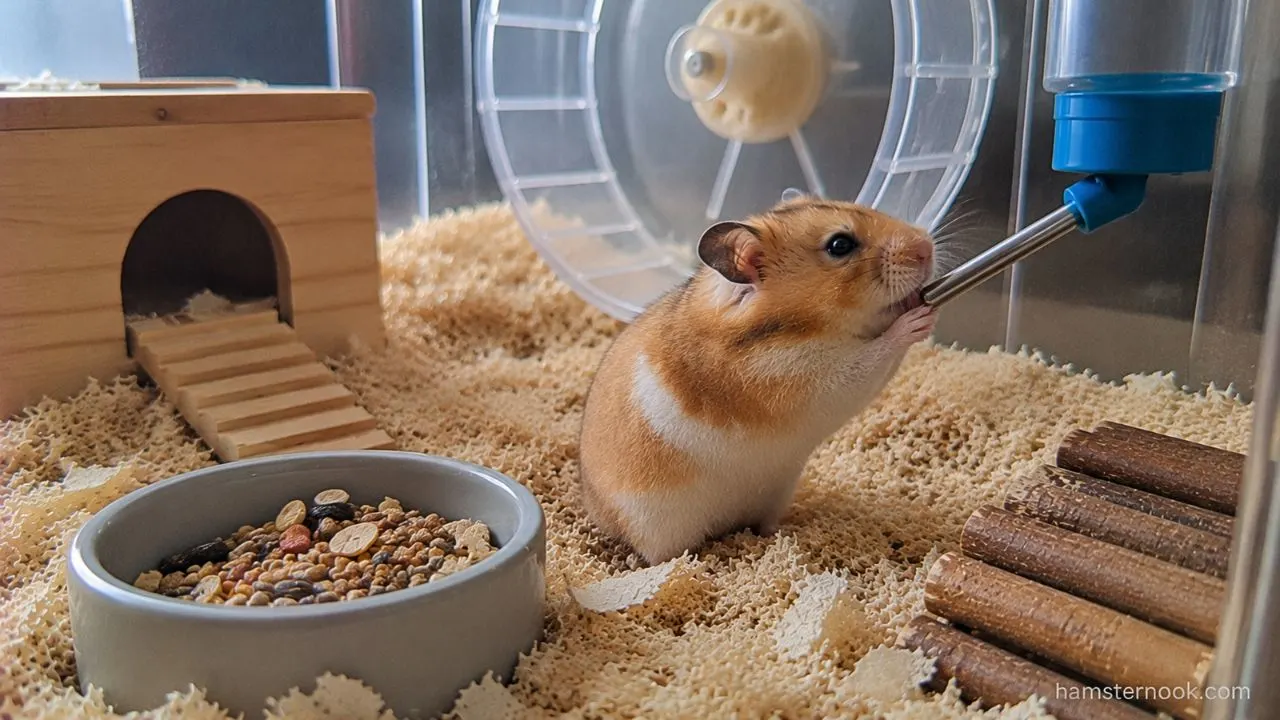
Don’t place an open water dish near the nest where newborn pups could become wet.
When Do Baby Hamsters Start Eating Solid Food?
Newborn hamster pups initially depend on their mother’s milk.
However, they gradually begin exploring other foods before they are fully weaned.
According to the MSD Veterinary Manual, softened solid food can be introduced at approximately 10 days of age.
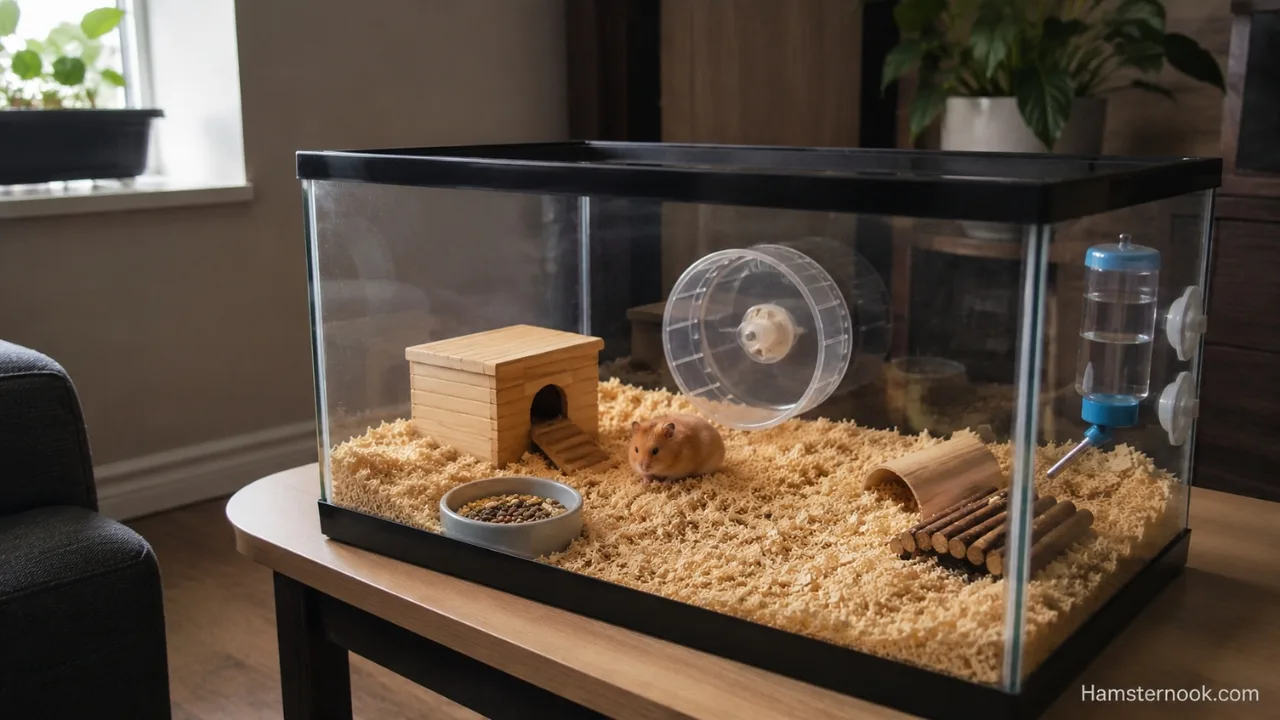
What food can baby hamsters eat?
Start with familiar hamster food softened with plain water.
You can:
- Take a small amount of the mother’s usual complete hamster food.
- Add a little clean water.
- Allow it to soften.
- Make sure it has cooled to room temperature.
- Place a small amount in an accessible, low area of the enclosure.
Avoid making a large bowl of wet food. Moist food can spoil, particularly when left hidden in bedding.
Remove uneaten moist food promptly.

How do baby hamsters learn to eat?
As the pups grow, they begin investigating food around the enclosure and gradually learn to eat independently.
They may still nurse while exploring solid food. This is normal during the transition.
Don’t separate babies from their mother simply because they have started eating.
Eating solid food and being fully weaned are two different stages.
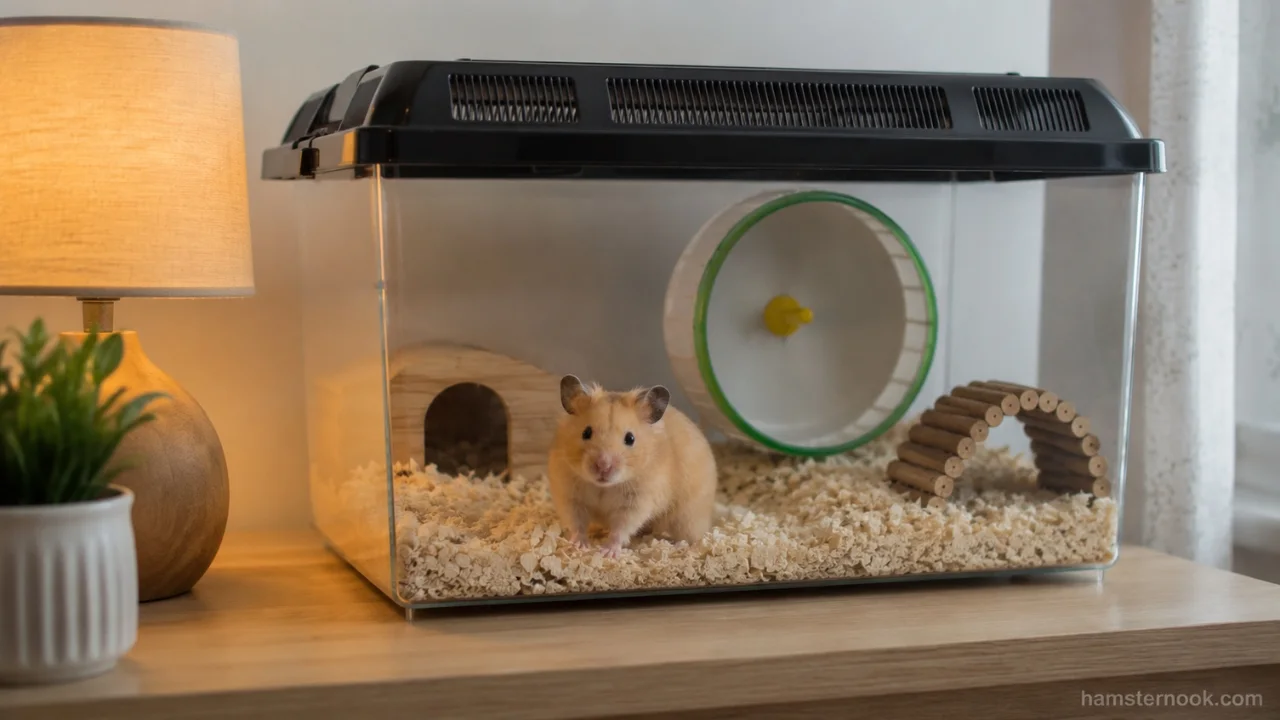
When Are Baby Hamsters Fully Weaned?
Most hamster pups are weaned at approximately 21–28 days of age, depending on the variety and their development.
Weaning means the babies no longer depend on their mother’s milk as their primary source of nutrition and can eat independently.
What should you do when weaning begins?
As the pups approach weaning age:
- Keep suitable solid food accessible.
- Make sure food is placed where smaller pups can reach it.
- Ensure they can access a safe drinking-water source.
- Continue providing appropriate bedding and hiding places.
- Monitor whether each pup is eating and behaving normally.
Don’t assume that every pup is ready for separation on exactly the same day.

When should baby hamsters be separated from their mother?
Weaning and separation should be planned together, but they are not identical milestones.
The pups should remain with their mother until they are sufficiently developed and weaned.
Around four weeks of age, arrange sex separation to prevent accidental breeding as they approach sexual maturity.
Have an experienced hamster veterinarian or knowledgeable small-animal professional help identify the sexes if you are unsure.
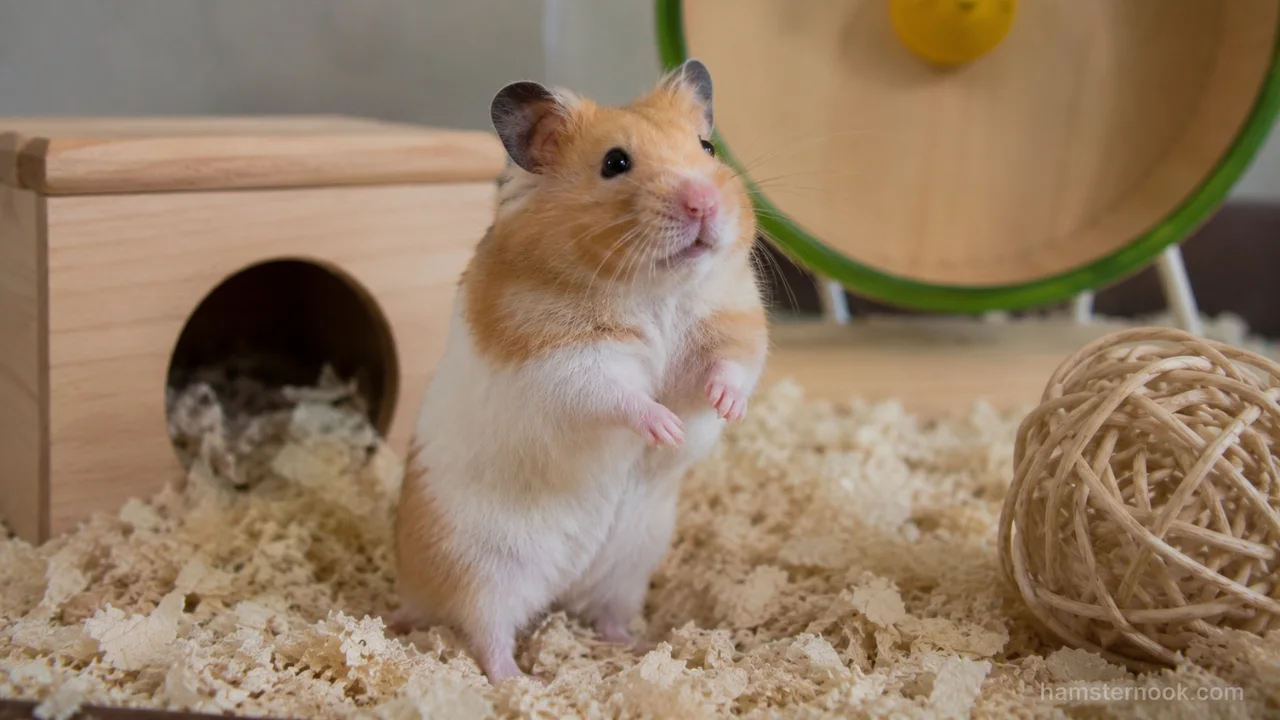
If you need help identifying male and female pups, consult How to Tell If a Hamster Is Male or Female: Safe Sexing Guide before arranging separate housing.
Hamsters can become sexually mature surprisingly early. Delaying separation can result in unintended pregnancies.
Do baby Syrian hamsters need separate cages?
Syrian hamsters are solitary animals and should be housed individually once they are ready for independent housing.
For dwarf hamster varieties, social housing requirements can differ, but keeping littermates together is not a guarantee that they will remain compatible. Fighting and territorial behavior must be taken seriously.
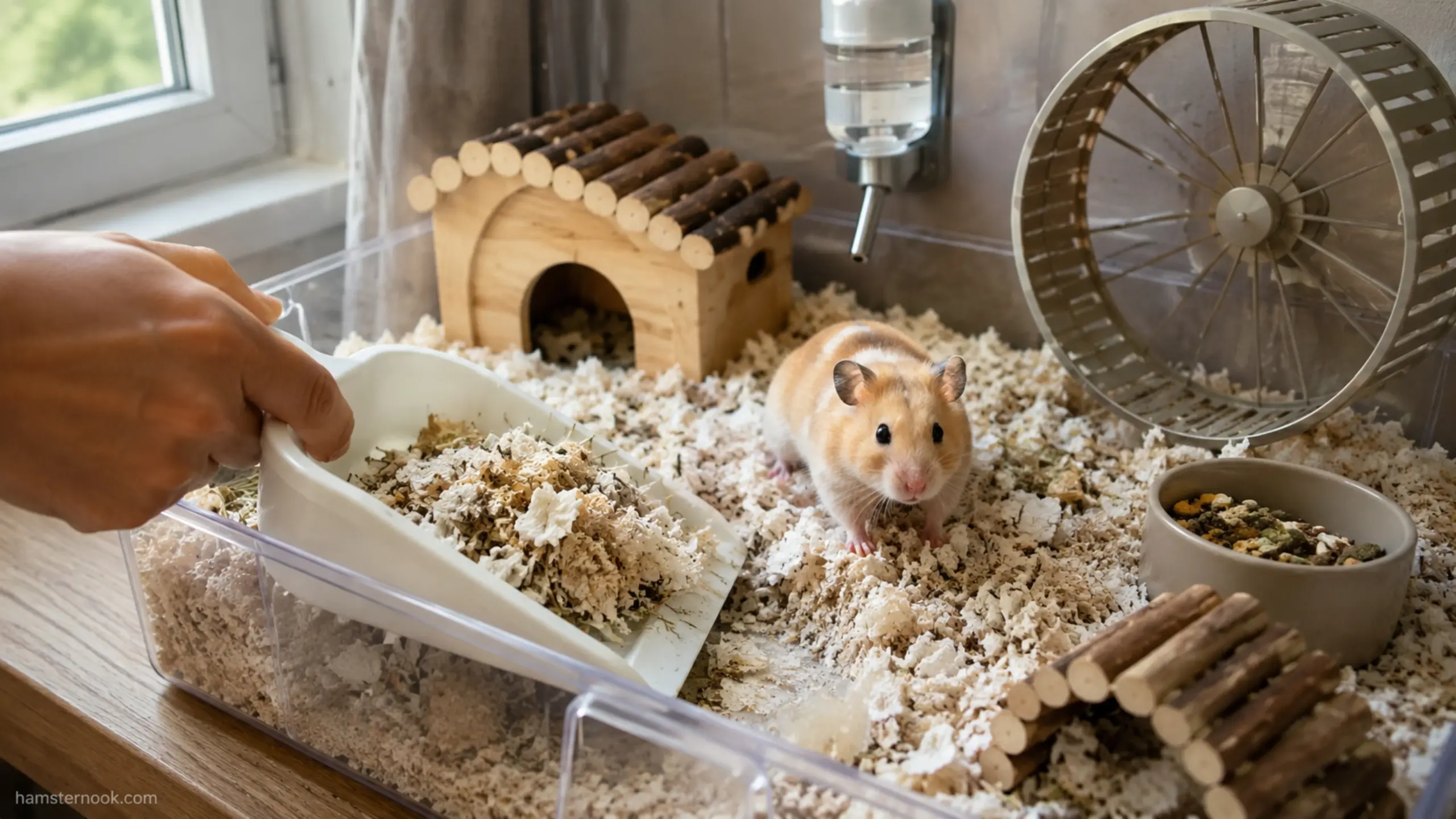
Plan appropriate individual housing rather than assuming every baby can share a cage indefinitely.
How to Keep the Hamster Nest Safe
A secure nest is important throughout the first two weeks and during the transition to independent feeding.
Pay attention to the following details.
Use appropriate bedding
Choose clean, low-dust, hamster-safe paper bedding.
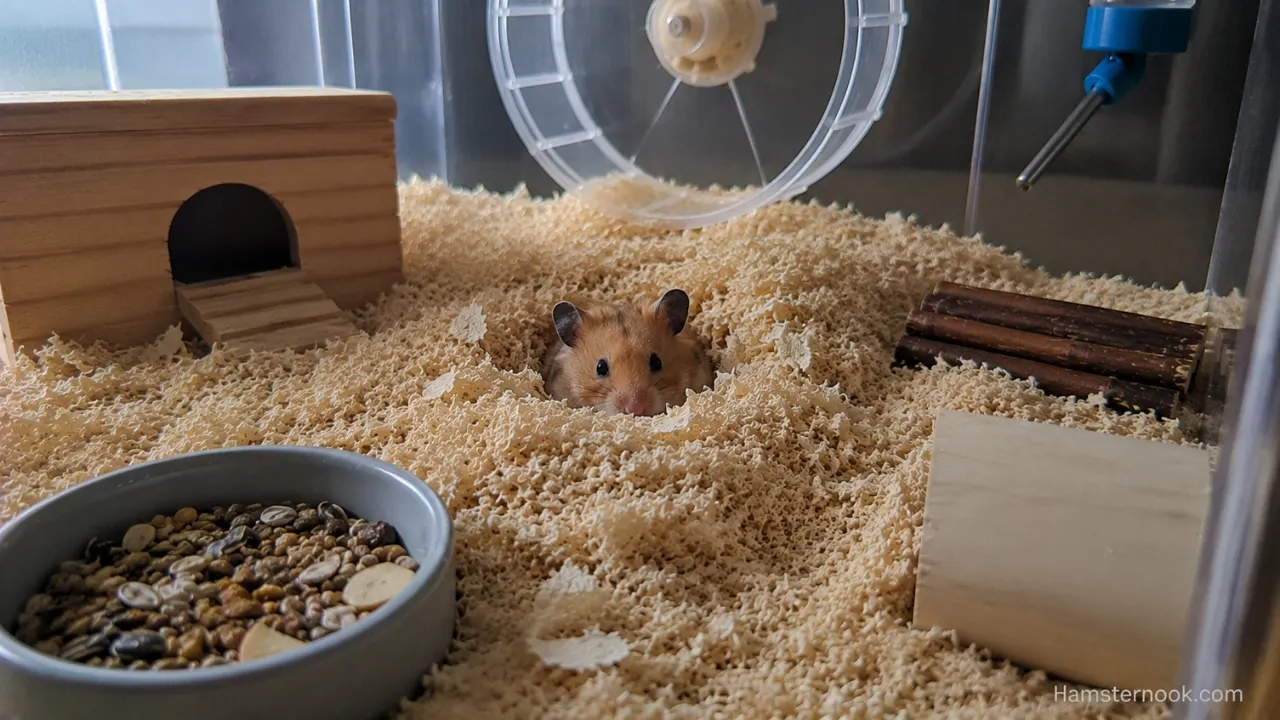
Avoid:
- Cotton wool.
- Fluffy synthetic nesting material.
- Strongly scented bedding.
- Long threads or string.
- Dusty materials.
- Sharp or rough objects around the nest.
Check enclosure security
Baby hamsters become increasingly mobile as they grow.
Inspect the enclosure for:
- Gaps around doors.
- Openings between cage panels.
- Loose lids.
- Unsafe ventilation gaps.
- Deep water containers.
- Exposed wires or sharp edges.
A pup that escapes may be difficult to locate, especially in a room with furniture or other household pets.

Maintain a comfortable environment
Keep the enclosure away from direct sunlight, cold drafts, and sudden temperature changes.
For more detailed guidance on maintaining suitable conditions, read Hamster Temperature: Safe Range, Too Hot & Too Cold.
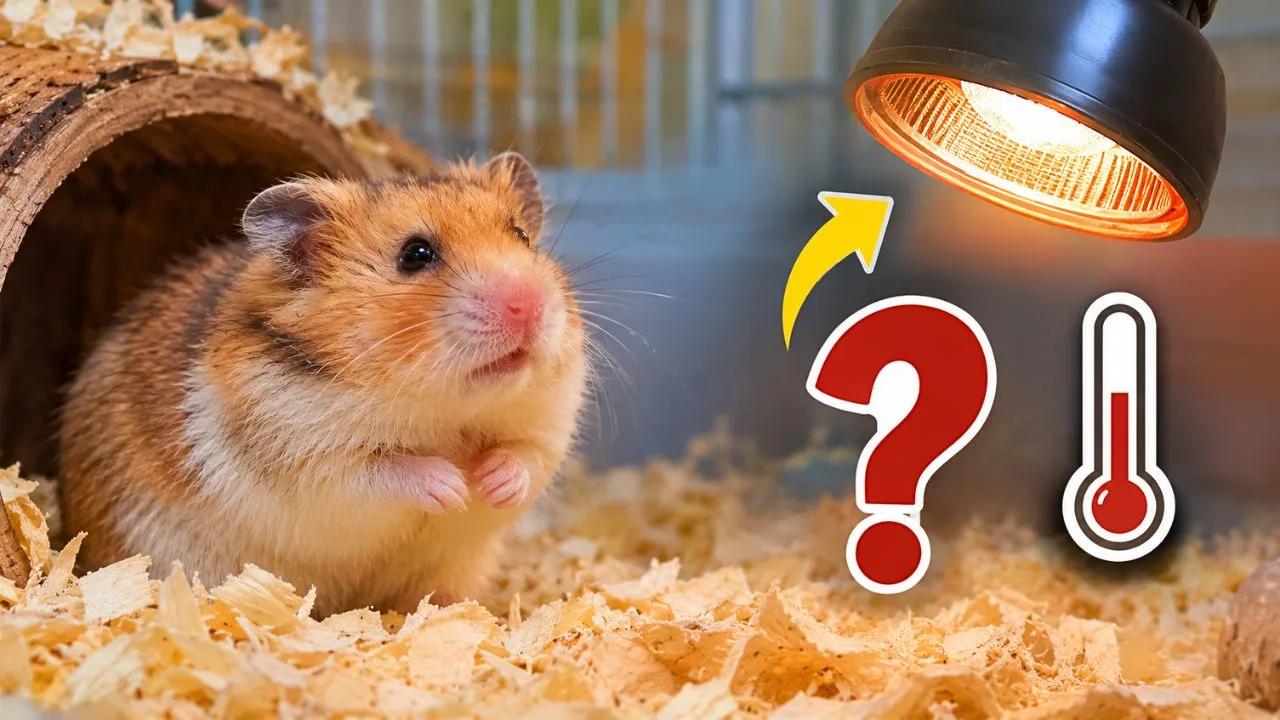
Do not use direct heat lamps, heating pads, or hot-water bottles against the nest unless specifically instructed by a veterinarian.
The mother should be able to care for her babies in a stable environment without unnecessary human interference.

Warning Signs: How to Tell If Newborn Hamsters Need Help
Although the mother should normally handle nursing and nest care, owners still need to watch for signs that something may be wrong.
Observe the enclosure from a distance rather than repeatedly opening the nest.
Signs that deserve attention
Pay attention if:
- The mother appears unusually weak or inactive.
- She stops eating or drinking.
- She has visible bleeding or unusual discharge after giving birth.
- She repeatedly ignores or does not return to her litter.
- Pups appear injured or are visibly separated from the nest.
- A pup appears unusually weak or unresponsive.
- The mother has difficulty moving or shows signs of pain.
- The litter appears persistently unsettled and the mother is not nursing.
These observations do not automatically establish a medical problem, but they warrant closer attention.
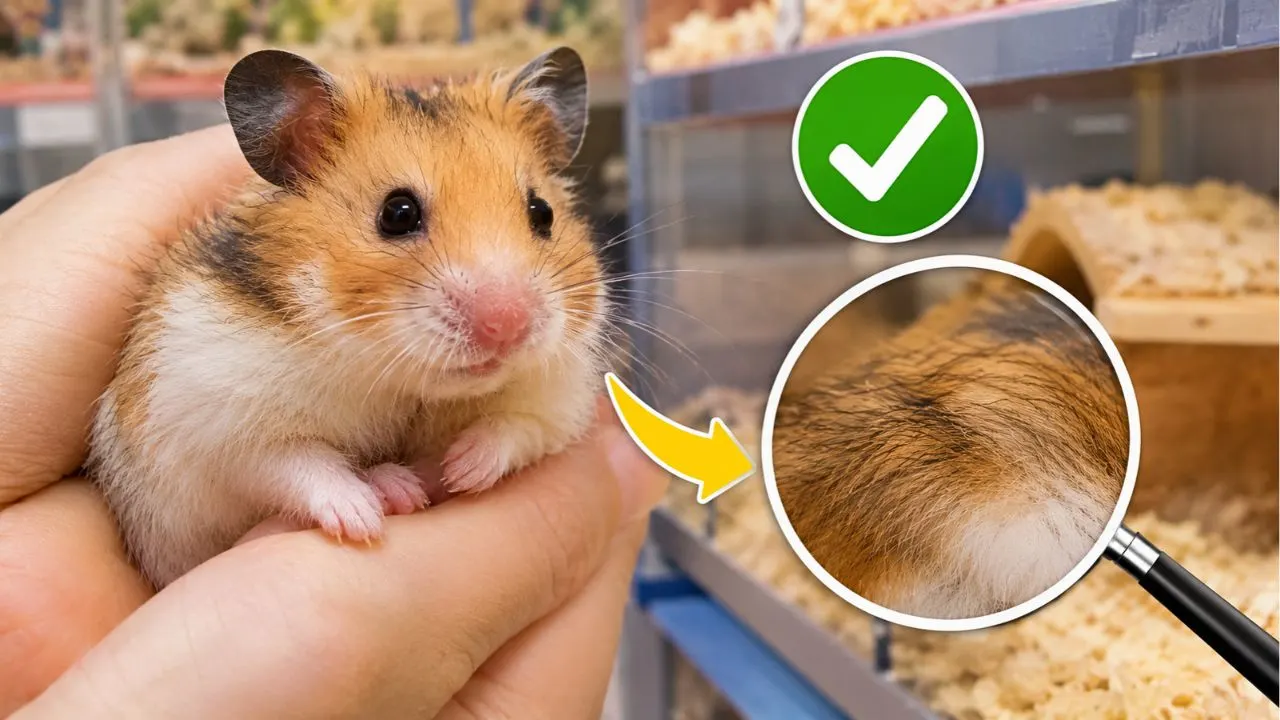
For a broader overview of warning signs that may indicate illness, see How to Tell If Your Hamster Is Sick: Signs, Symptoms & When to See a Vet.
When should you contact a veterinarian?
Contact a veterinarian experienced with hamsters if:
- The mother refuses food or water.
- You suspect she is unable to nurse.
- A pup appears injured or seriously weak.
- The mother has abnormal bleeding or signs of illness.
- A baby is repeatedly left outside the nest and appears cold or unresponsive.
Breathing difficulty, collapse, heavy bleeding, or an unresponsive animal requires emergency veterinary attention.
Do not attempt to hand-feed a newborn pup or give medication without veterinary instructions.
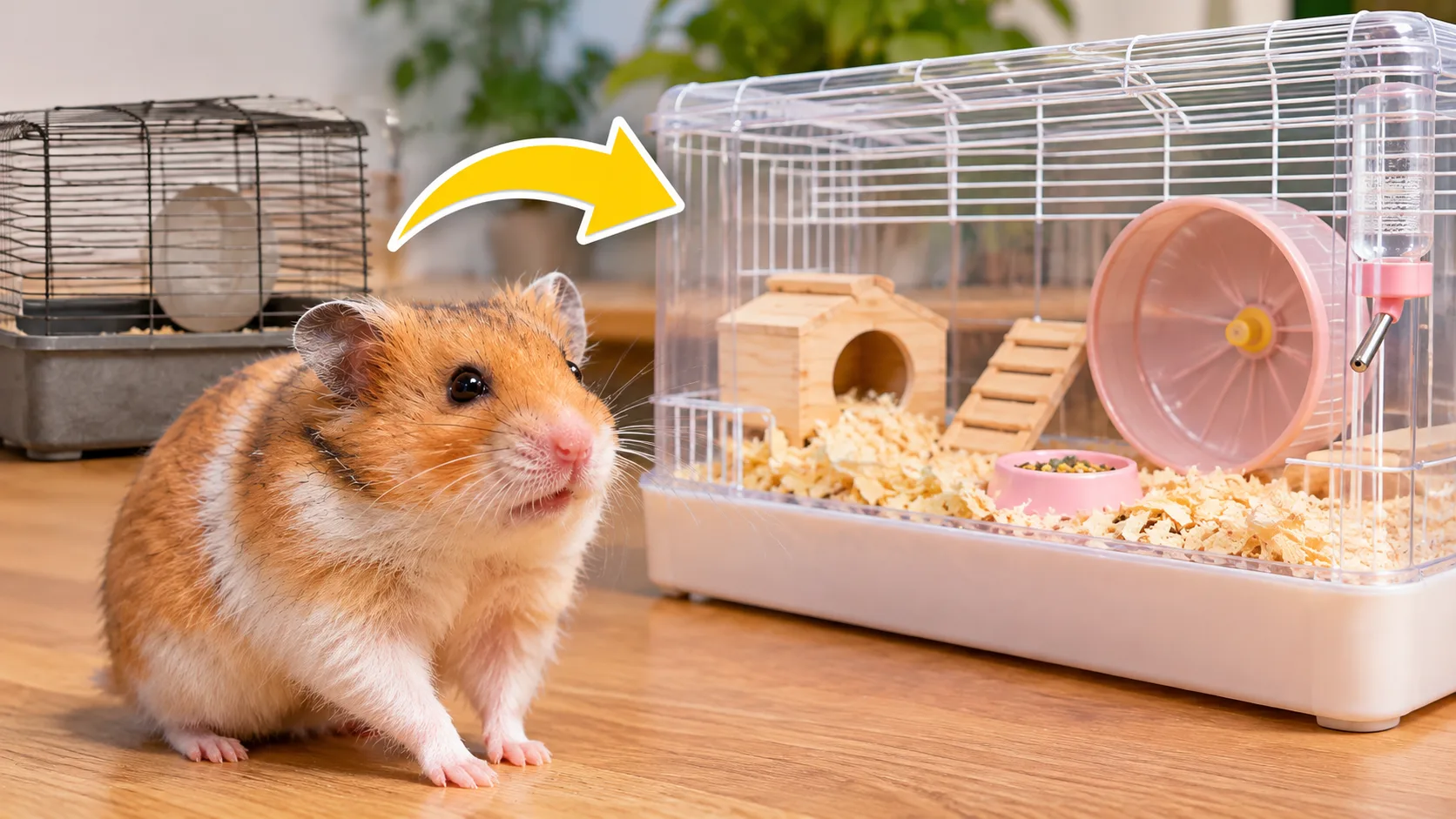
What if the mother abandons her babies?
An apparently unattended nest does not necessarily mean the mother has abandoned the pups.
She may leave the nest briefly to eat, drink, or use the bathroom.
Observe from a distance before deciding that something is wrong.
If you have genuine concerns that the babies are not being cared for, contact a veterinarian promptly. Raising newborn hamsters without their mother is difficult, and inappropriate feeding or handling can cause serious harm.

Hand-rearing should not be attempted using improvised milk mixtures or ordinary household feeding equipment.
Should You Clean the Cage When Hamster Babies Are Born?
Routine full cage cleaning should be postponed during the early nursing period.
The nest is the most sensitive area, and disturbing it can disrupt the mother’s normal care.
What about dirty bedding?
If a small area away from the nest becomes visibly soiled, avoid dismantling the enclosure to clean it.
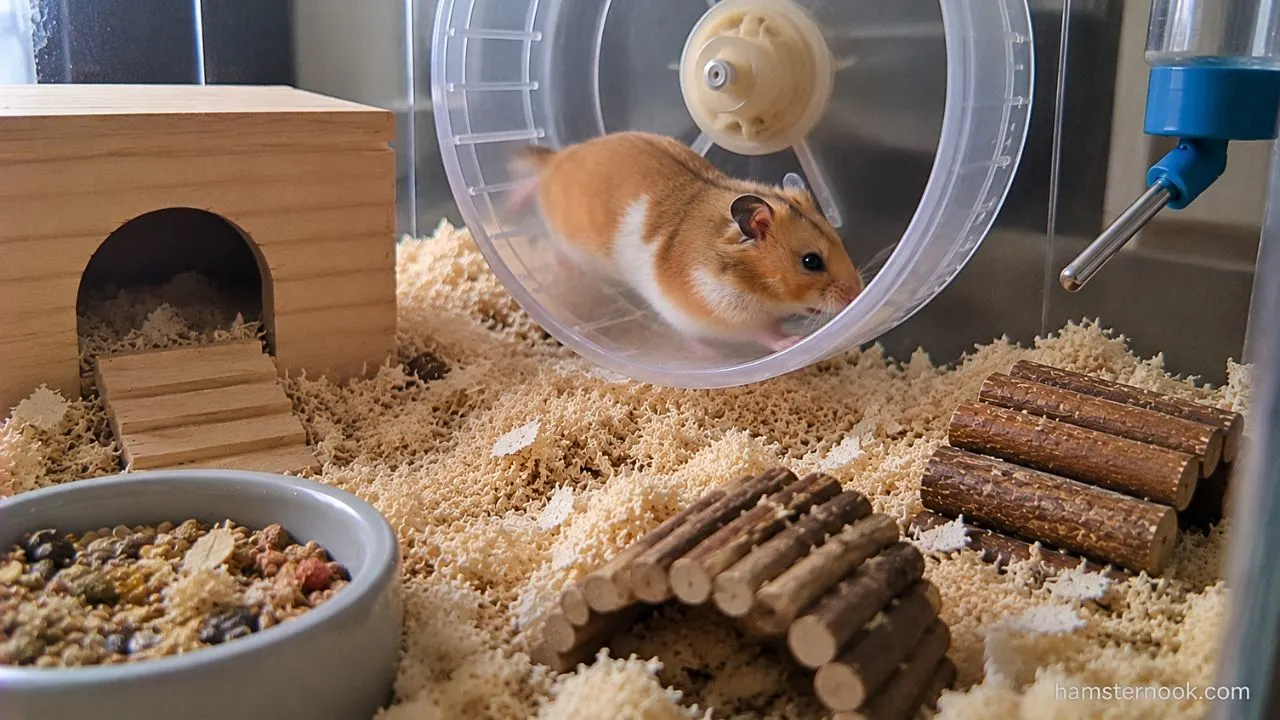
During the first two weeks, leave the nest intact and seek veterinary guidance if there is a serious hygiene issue.
Once the pups are older and the mother is settled, gradual spot-cleaning can be considered.
When cleaning eventually becomes necessary:
- Avoid disturbing the nest unnecessarily.
- Remove only genuinely soiled areas.
- Retain clean, familiar nesting material where possible.
- Avoid strong-smelling cleaning products.
- Return familiar bedding to help maintain the existing environment.
A complete enclosure makeover is not necessary just because babies have arrived.
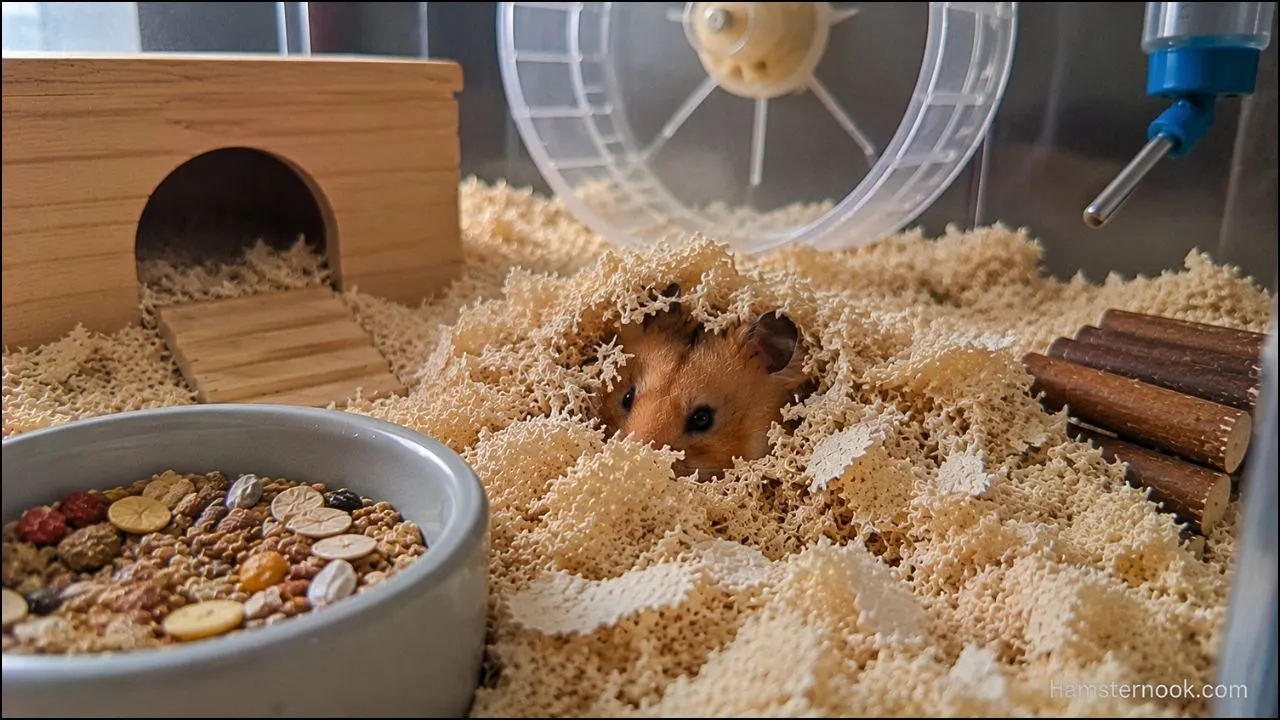
What If the Father Hamster Is Still in the Cage?
This is an important issue that inexperienced owners sometimes overlook.
Male and female hamsters should not be kept together simply because they have produced a litter.
If the father is still sharing the enclosure, the adults should be housed separately. Contact a veterinarian or experienced hamster professional for guidance on separating him while minimizing disturbance to the mother and pups.
Do not put the father back into the mother’s enclosure after separation.

Also, avoid assuming that the mother cannot become pregnant again soon after giving birth. Preventing further breeding is an important part of protecting her welfare.
Common Mistakes When Caring for Newborn Hamsters
Avoid these common mistakes during the first two weeks and the weaning period.
1. Touching the babies immediately after birth
Newborn pups are delicate and completely dependent on their mother.
Repeated handling creates unnecessary disturbance. Leave them alone unless intervention is genuinely necessary.
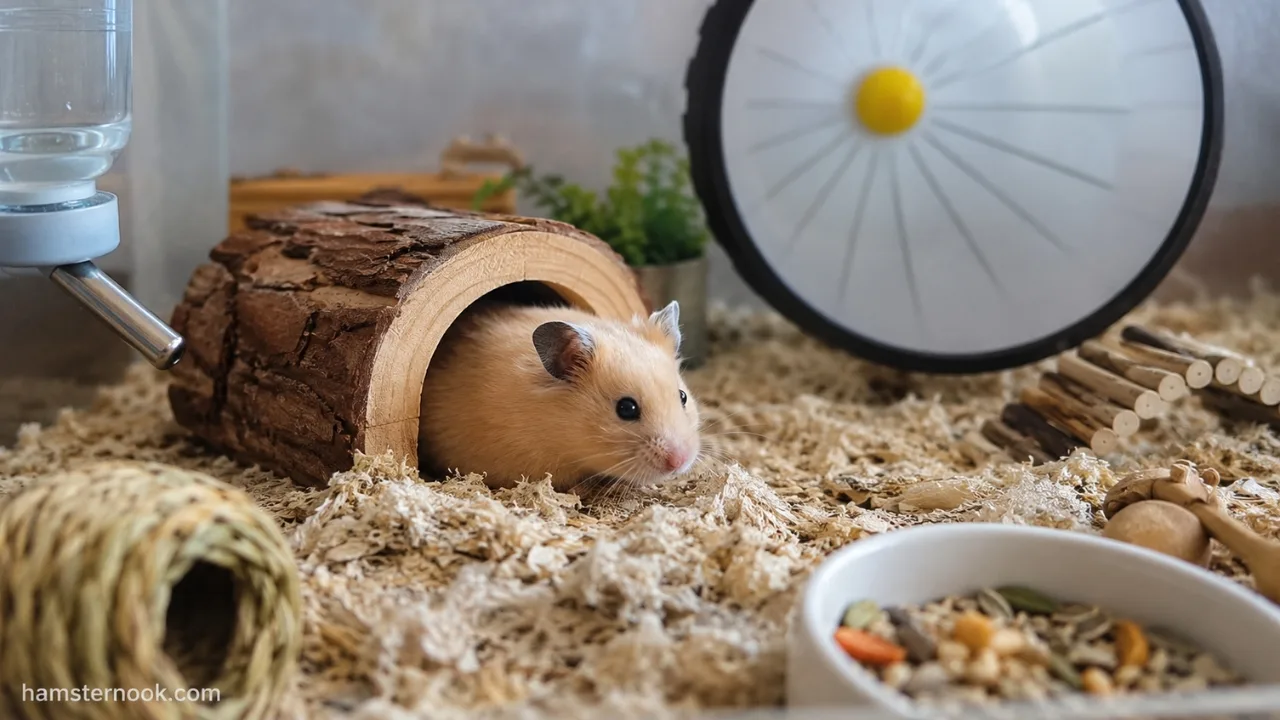
2. Cleaning the entire cage
A full cleaning can disrupt the nest and familiar environment.
Postpone routine deep cleaning during the early nursing period.
3. Separating babies too early
Pups may start eating softened food before they are fully weaned.
Do not confuse the first taste of solid food with readiness for independent living.
4. Giving cow’s milk
Cow’s milk is not a suitable replacement for hamster mother’s milk.
Do not experiment with homemade milk mixtures or substitute human infant formula. If the litter is orphaned, seek specialist veterinary advice immediately.
5. Feeding too many unfamiliar foods
A nursing mother needs a consistent, nutritionally complete diet.
Suddenly introducing multiple treats, supplements, and rich foods can make it harder to maintain a suitable feeding routine.
6. Keeping male and female babies together for too long
Hamsters can reach sexual maturity early.
Arrange sex separation around four weeks rather than waiting until they are fully grown.
7. Moving the nest to get better photographs
Never rearrange the nest just to see the babies clearly.
Photographs are not worth disturbing a nursing mother and her litter.
What You Should Do: Newborn Hamster Care Checklist
Use this practical checklist to manage the first few weeks.
First 7 days
- Leave the pups and nest undisturbed.
- Keep the enclosure in a quiet location.
- Provide the mother with her usual complete food.
- Check fresh drinking water daily.
- Provide suitable nesting material.
- Avoid full cage cleaning and unnecessary handling.
Days 8–14
- Continue protecting the nest.
- Observe the mother and babies from a distance.
- Introduce softened complete hamster food at around day 10.
- Make food accessible at a low level.
- Remove uneaten moist food promptly.
- Check that the enclosure is escape-proof.
Days 15–28
- Allow the pups to develop at their own pace.
- Introduce gentle handling when appropriate and tolerated by the mother.
- Maintain access to suitable solid food and water.
- Watch for signs of illness or injury.
- Prepare separate housing arrangements.
- Plan sex separation around four weeks of age.
Keep in mind that the checklist is a general care guide. The mother’s behavior, the pups’ development, and veterinary advice should determine how you manage an individual litter.
Final Thoughts
Caring for newborn hamster babies is mostly about knowing when not to interfere. During the first two weeks, the mother does most of the work, while your responsibility is to provide a quiet enclosure, suitable nesting material, enough food, and clean drinking water.
As the pups grow, gradually introduce softened solid food, monitor their development, and prepare for weaning and eventual separation.
Avoid unnecessary handling, sudden cage changes, and premature separation. A calm environment and consistent care give the mother and her babies the best opportunity to progress through this important stage.
Frequently Asked Questions
1. How long should you leave newborn hamster babies alone?
Avoid disturbing the mother and pups for at least the first seven days. For beginner owners, minimizing handling and nest disturbance throughout the first two weeks is a cautious approach. Provide food and water without interfering with the nest.
2. Can I touch newborn hamster babies?
Avoid touching them during the first week unless there is a genuine welfare concern. Gentle handling can generally begin around seven days according to veterinary guidance, but waiting until approximately two weeks is a more cautious option for inexperienced owners.
3. What do newborn hamsters eat?
Newborn hamster pups depend on their mother’s milk. At approximately 10 days, you can begin offering softened, complete hamster food. They gradually transition to solid food while continuing to nurse.
4. When do baby hamsters open their eyes?
Hamster pups generally open their eyes around the second week of life. The exact timing can vary. Never try to open their eyes manually.
5. When can baby hamsters leave their mother?
Hamster pups are generally weaned between 21 and 28 days. They should not be separated simply because they have started eating solid food. Plan appropriate separation after weaning and arrange sex separation around four weeks.
6. Can I clean the hamster cage after babies are born?
Avoid full cage cleaning during the first two weeks. Disturbing the nest can create unnecessary stress for the mother. Address urgent hygiene problems carefully and seek veterinary guidance if necessary.
7. What bedding is best for newborn hamsters?
Use clean, low-dust paper bedding and suitable unscented paper nesting material. Avoid cotton wool, fluffy synthetic nesting products, and stringy materials that could become tangled around the babies.
8. What should a mother hamster eat while nursing?
Provide her usual nutritionally complete hamster food and continuous access to fresh water. Suitable supplementary foods can be discussed with a veterinarian, but avoid sudden dietary changes and excessive treats.

9. Why is my mother hamster moving her babies?
A mother hamster may move pups while rearranging or rebuilding her nest. Avoid interfering with this behavior unless there is an immediate safety concern. Repeatedly disturbing her can increase stress.
10. Can a father hamster stay with newborn babies?
It is best to house the male separately from the mother and litter. Keeping adult hamsters together can create additional breeding and compatibility problems. If the male is still present after birth, arrange safe separation with minimal disturbance.
11. What happens if a newborn hamster loses its mother?
Orphaned pups are extremely vulnerable because they depend on maternal care and milk. Contact an experienced small-mammal veterinarian immediately. Hand-rearing is difficult, and homemade milk mixtures or improvised feeding methods can be dangerous.
12. When do baby hamsters become independent?
Hamster pups generally become weaned at around three to four weeks. They then need suitable independent housing and access to a complete diet. Sex separation is important around four weeks to prevent unintended breeding.

References
This guide is based on veterinary guidance and animal care resources covering hamster breeding, newborn development, maternal care, nursing, weaning, nutrition, and housing, including:
- MSD Veterinary Manual – Breeding and Reproduction of Hamsters – Veterinary guidance on newborn development, maternal care, nest disturbance, introducing softened solid food, and weaning.
- MSD Veterinary Manual – If Your Hamster Is Pregnant – Practical guidance on nesting material, maternal nutrition, protecting newborn pups, and avoiding disturbance during the first week.
- Veterinary Partner – Hamsters as Pets – Veterinary information about newborn hamster care, cage-cleaning precautions, nursing, and the transition to solid food.
- University of California, Davis – Hamster Care – Veterinary reference covering hamster development, reproductive information, and general care considerations.
- Animal and Veterinary Service (AVS), Singapore – Caring for a Hamster – Guidance on hamster nutrition, suitable housing, environmental needs, and recognizing signs that require veterinary attention.
Medical Disclaimer
This article provides general information about newborn hamster care and development. It does not replace veterinary examination or advice. If the mother or any pup appears ill, injured, weak, or unable to feed, contact a veterinarian experienced with small mammals. Do not attempt hand-rearing, medication, or medical treatment without professional guidance.

Narayan Kumar is the founder and author of HamsterNook. He creates practical, research-based hamster care guides covering hamster behavior, nutrition, cage setup, enrichment, health, and everyday care. His goal is to help hamster owners make informed decisions and provide safer, healthier lives for their pets through clear, beginner-friendly information based on trusted animal care resources.