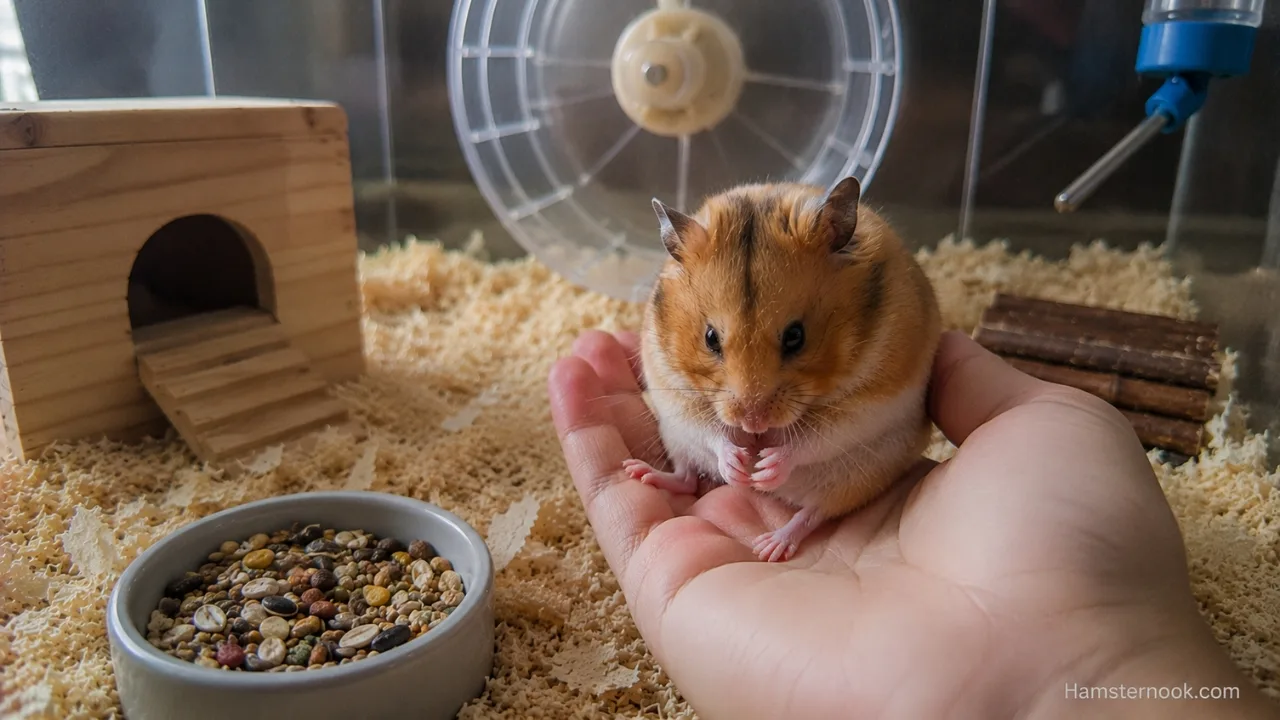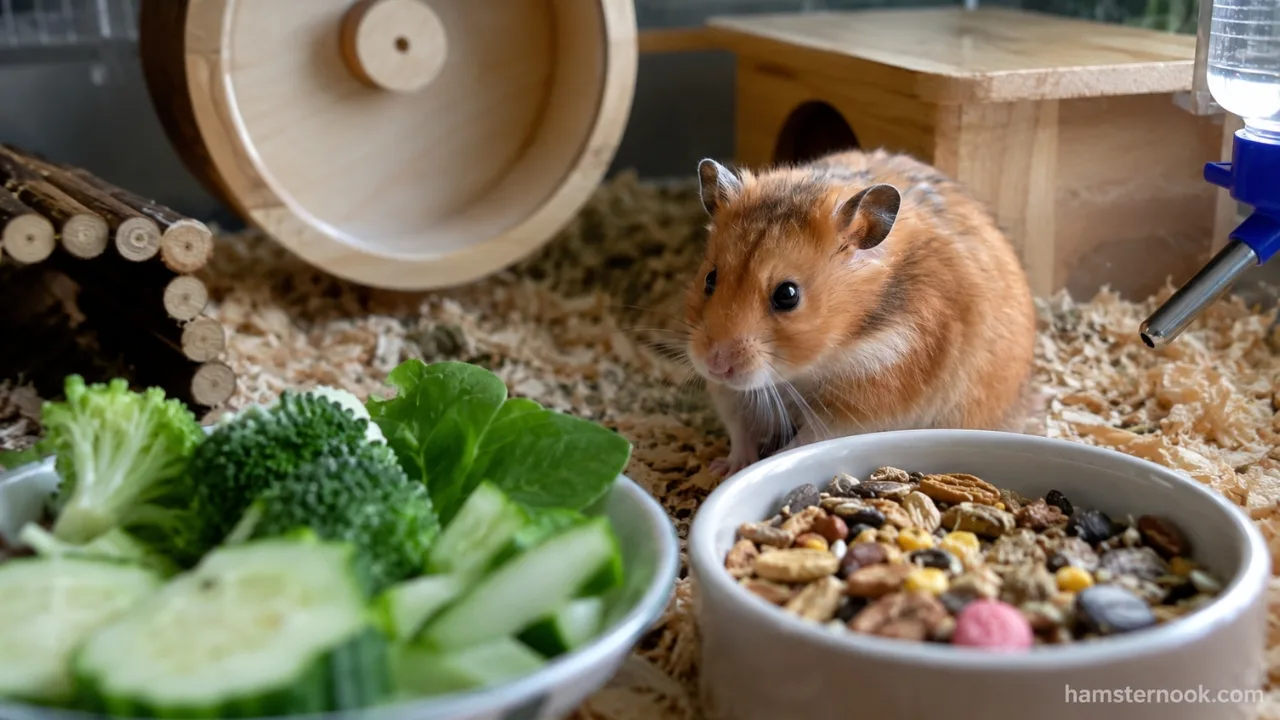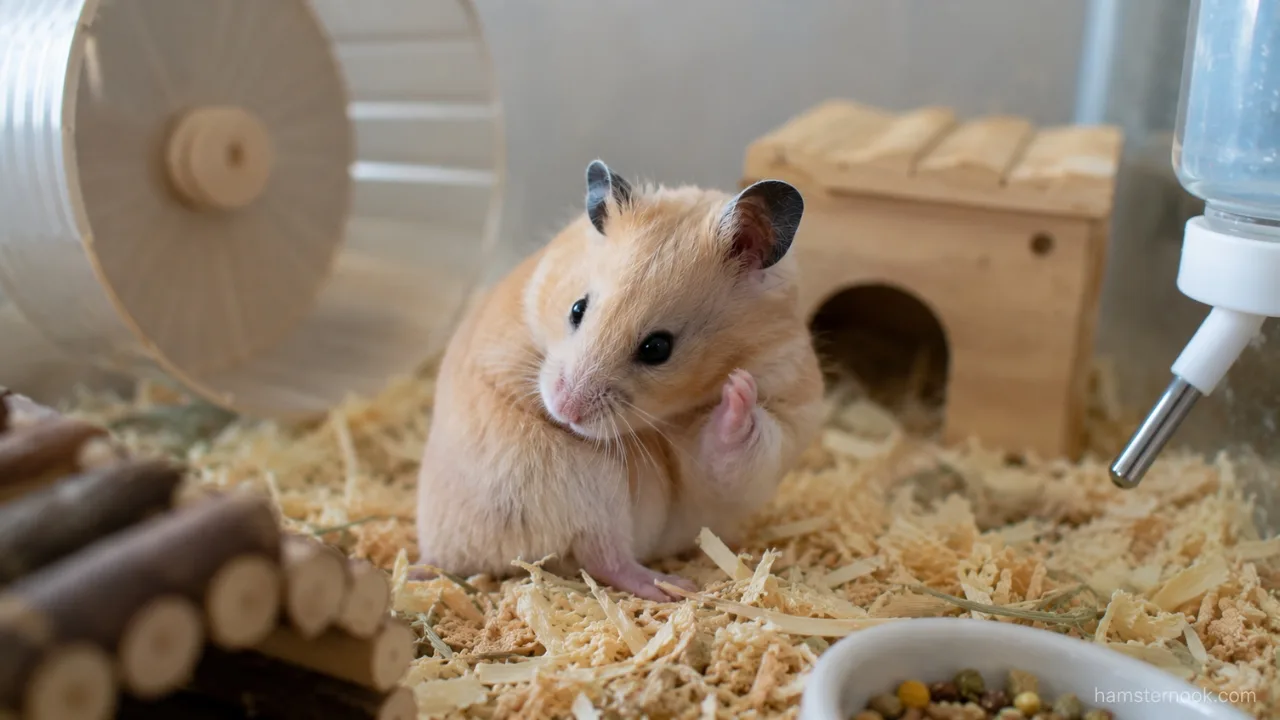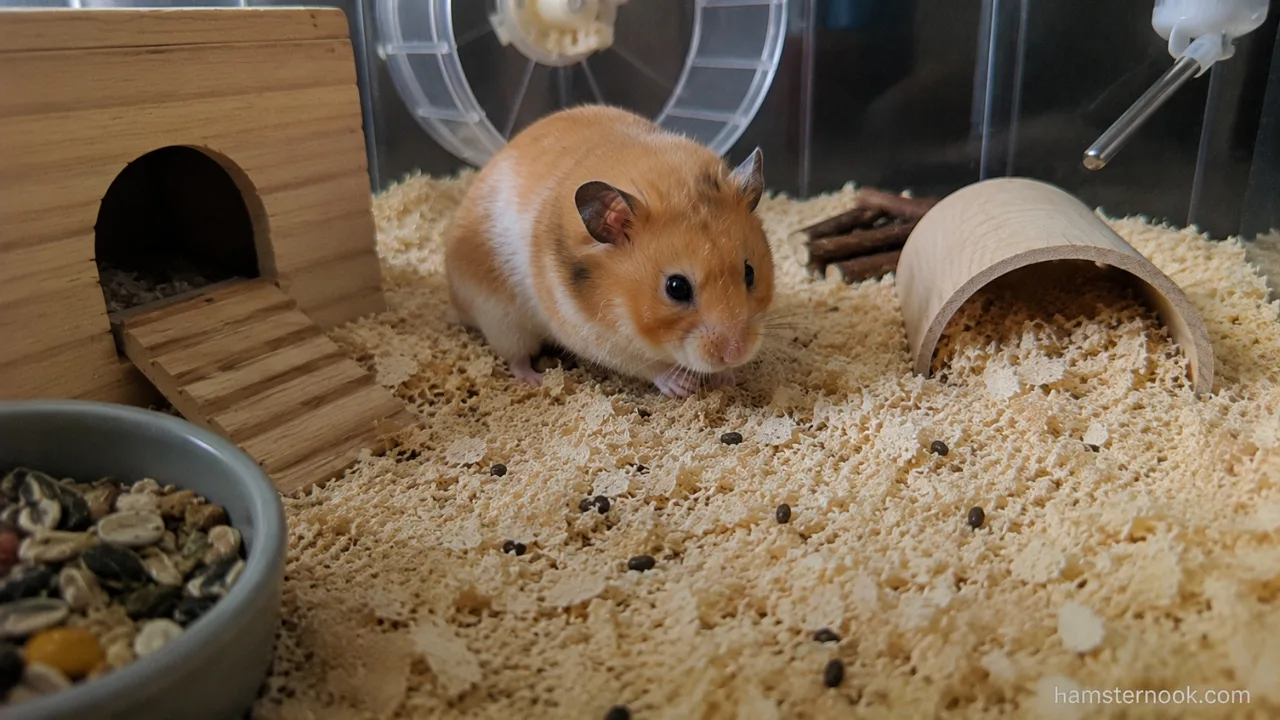
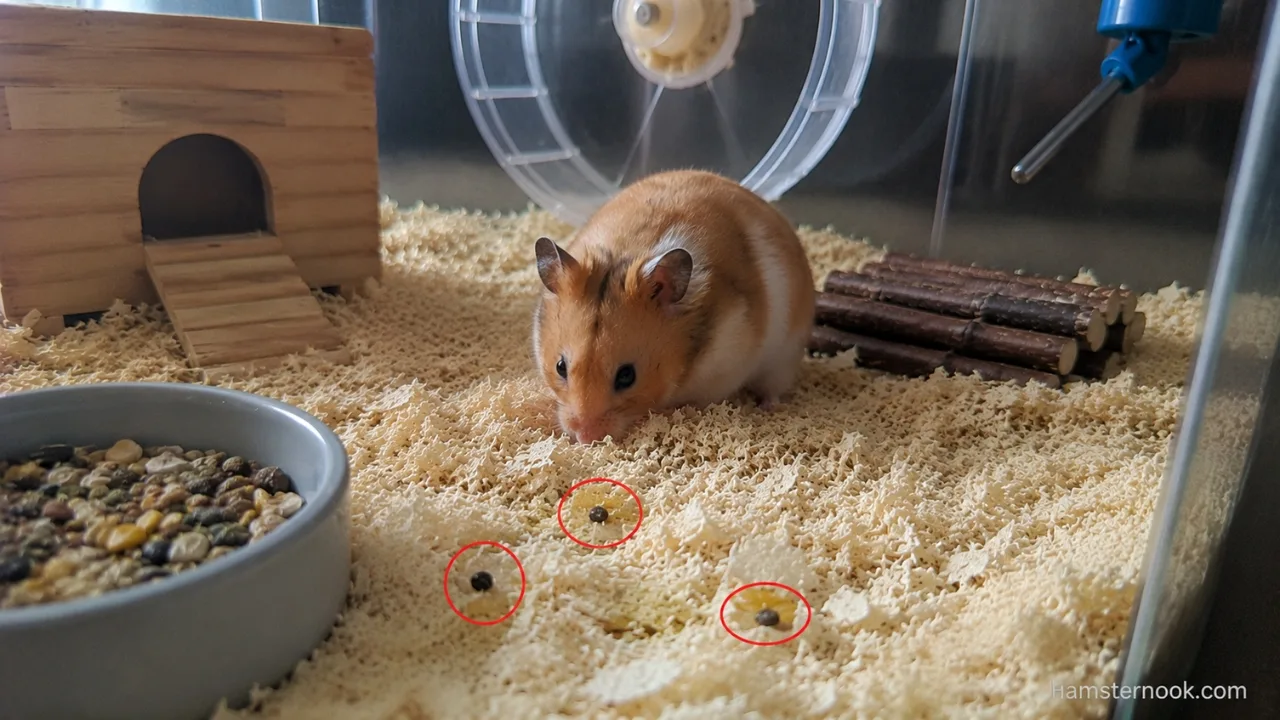
Finding your hamster’s droppings during cage cleaning is one of the easiest ways to monitor its health. Most owners become familiar with what normal droppings look like, so it can be concerning when they suddenly appear smaller than usual.
While a temporary change isn’t always a cause for alarm, consistently small droppings can indicate that something has changed in your hamster’s diet, hydration, activity level, or digestive function.
Quick Answer
Hamster droppings may become smaller than normal when your hamster is eating less, drinking less water, experiencing stress, or developing a health problem that affects digestion. A temporary change may not be serious, but persistent smaller droppings or smaller droppings accompanied by reduced appetite, weight loss, lethargy, or other unusual symptoms deserve prompt attention.
To better understand what healthy hamster droppings should normally look like, read What Do Healthy Hamster Droppings Look Like? A Complete Owner’s Guide.
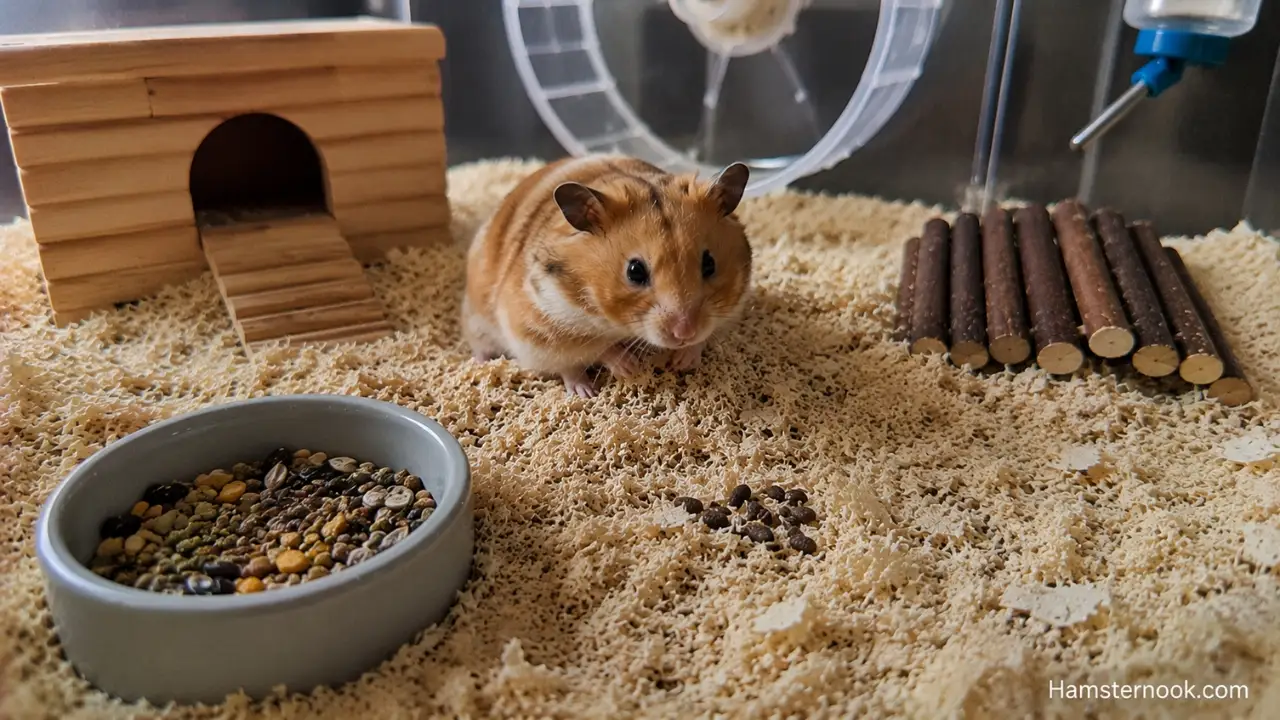
What Do Normal Hamster Droppings Look Like?
Healthy hamster droppings are usually:
- Firm and well-formed
- Dark brown to black in color
- Oval or cylindrical in shape
- Fairly consistent in size
- Dry enough to pick up easily
Most healthy hamsters produce many droppings throughout their active periods.
Individual size can vary slightly depending on species, diet, and age. Syrian hamsters generally produce larger droppings than dwarf species, but consistency is usually more important than the exact size.
If your hamster’s droppings have always been slightly smaller than another hamster’s, that isn’t necessarily a concern. The bigger question is whether they’ve become noticeably smaller than that hamster’s normal pattern.

Comparing current droppings with what is normal for your own hamster is usually more useful than comparing them with another hamster of a different age, species, or size.
Why Smaller Droppings Can Happen
Smaller droppings are often connected to reduced food intake or slower movement of material through the digestive system.
Because droppings are the end result of digestion, changes in eating, drinking, activity, or health can all influence their appearance.
Eating Less Food
One of the most common causes is simply eating less.
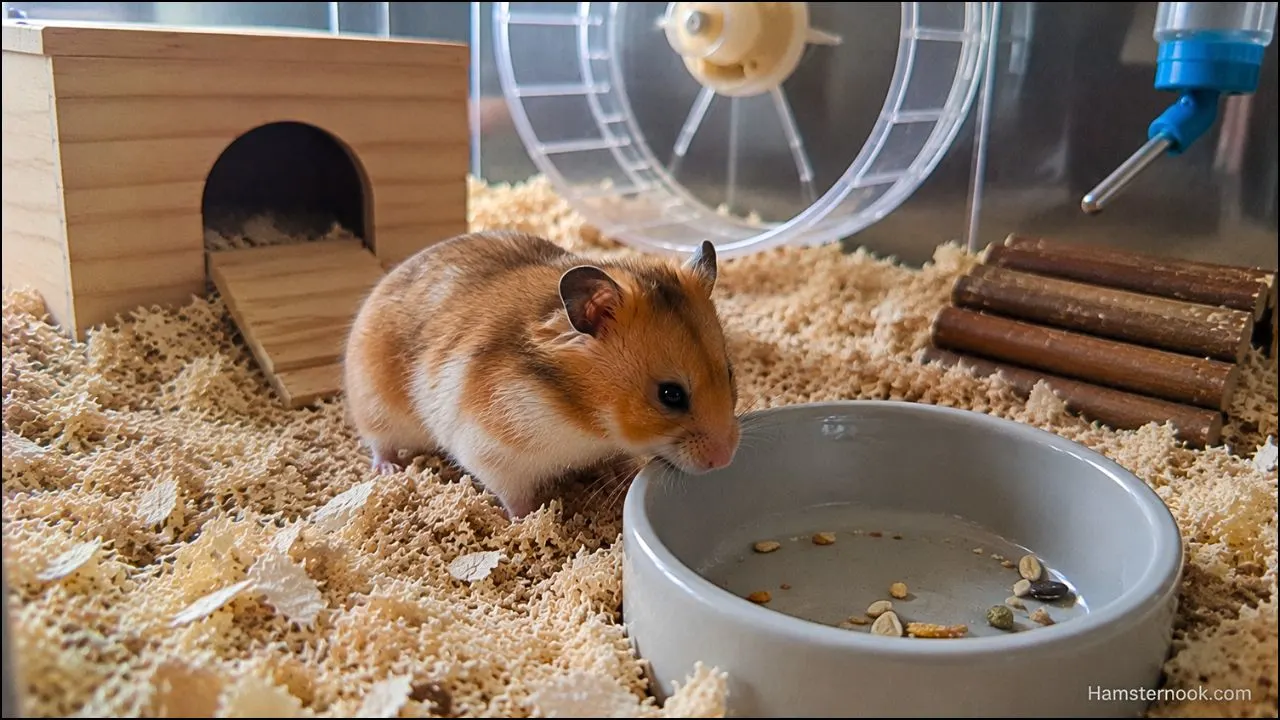
Reduced appetite and smaller droppings often go hand in hand. Learn more in Why Is My Hamster Not Eating? 9 Causes You Should Never Ignore.
A hamster that consumes less food will naturally produce less waste.
Dental Problems Can Reduce Food Intake
Dental problems can sometimes make eating difficult or uncomfortable. Overgrown or painful teeth may interfere with normal eating, which can lead to reduced food intake and smaller droppings.
If smaller droppings occur alongside difficulty eating, drooling, weight loss, or a noticeable change in how your hamster handles food, contact an exotic veterinarian rather than assuming the change is only dietary.
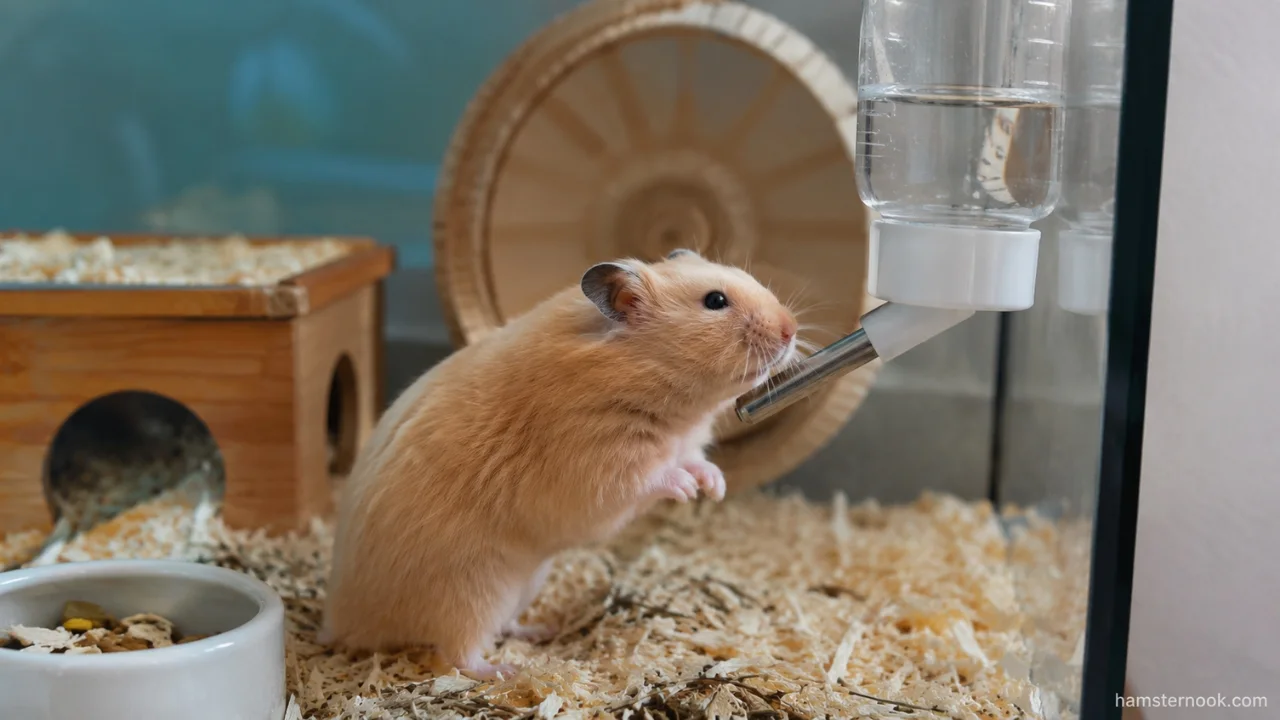
This may happen when:
- A new food mix is introduced
- The hamster dislikes part of its diet
- The environment changes suddenly
- The hamster is stressed after a move or cage rearrangement
- An underlying health issue affects appetite
Even a modest reduction in food intake can sometimes result in noticeably smaller droppings.
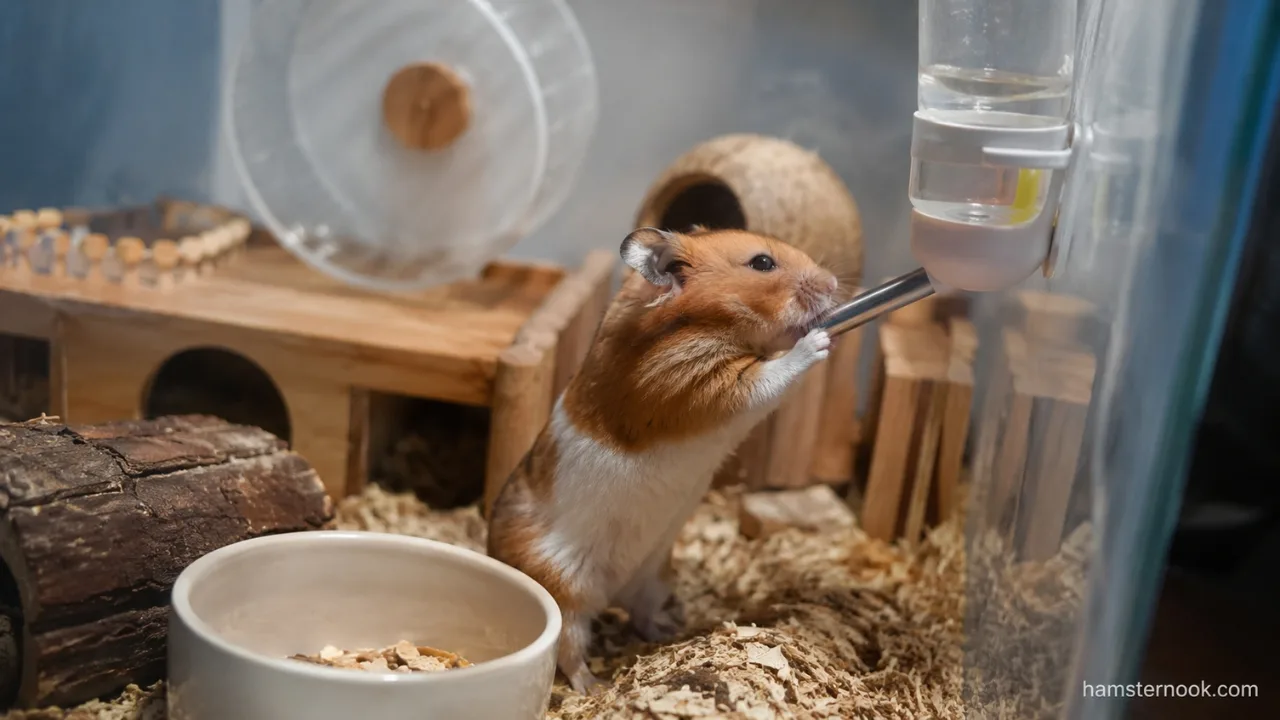
Reduced Water Intake
Hydration plays an important role in healthy digestion.
Changes in water intake can affect both digestion and overall health. Read Why Is My Hamster Suddenly Drinking Less Water? Causes, Warning Signs & What to Do.
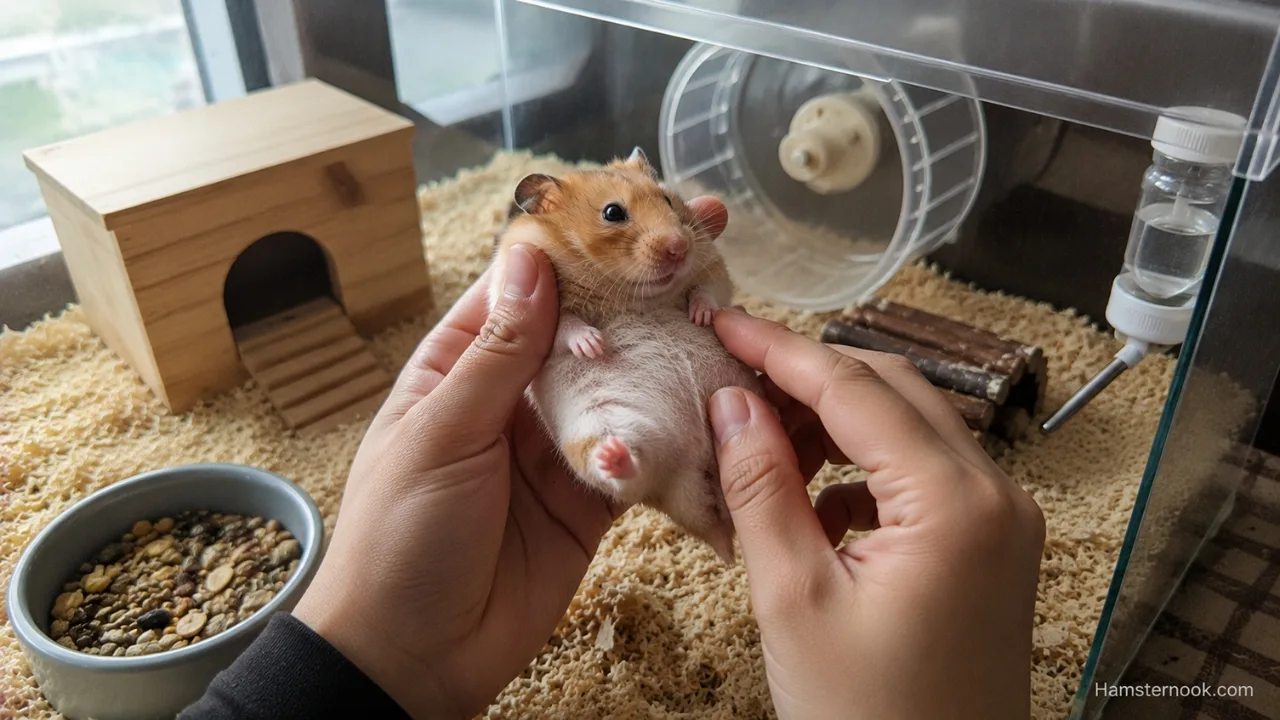
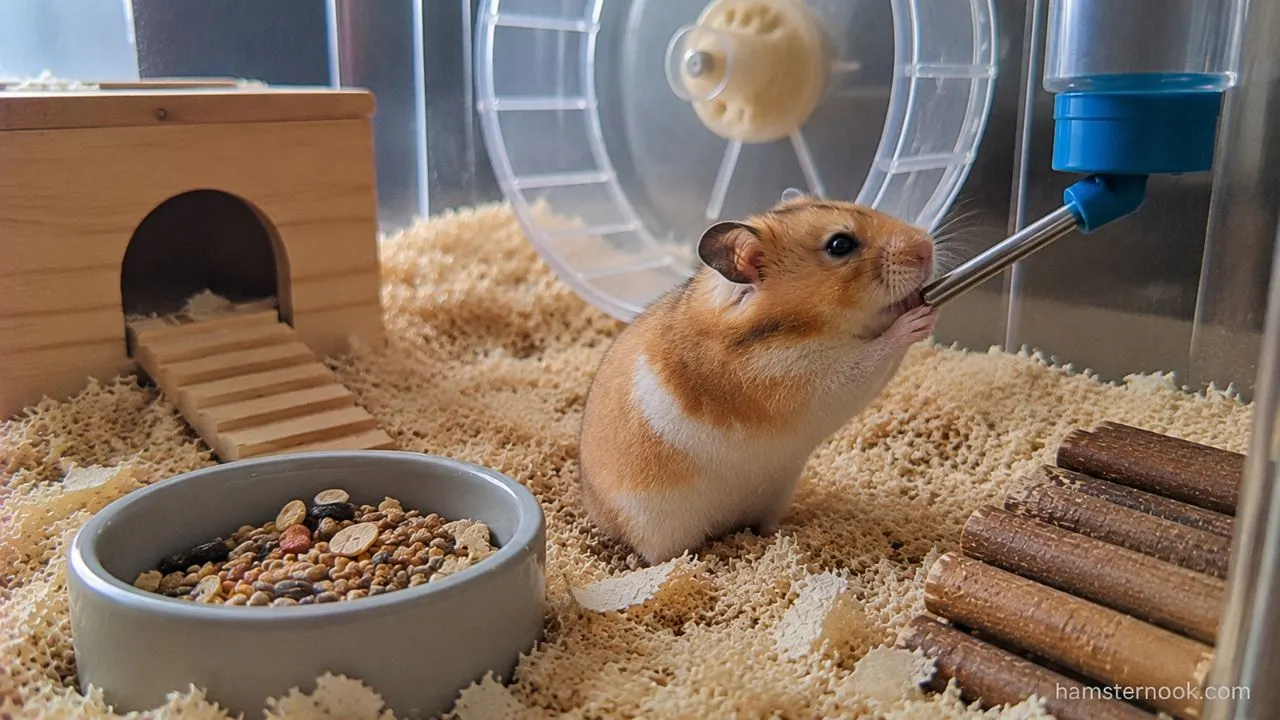
If a hamster drinks less than usual, digestive contents may move through the gut differently, which can affect stool size and consistency.
Check that:
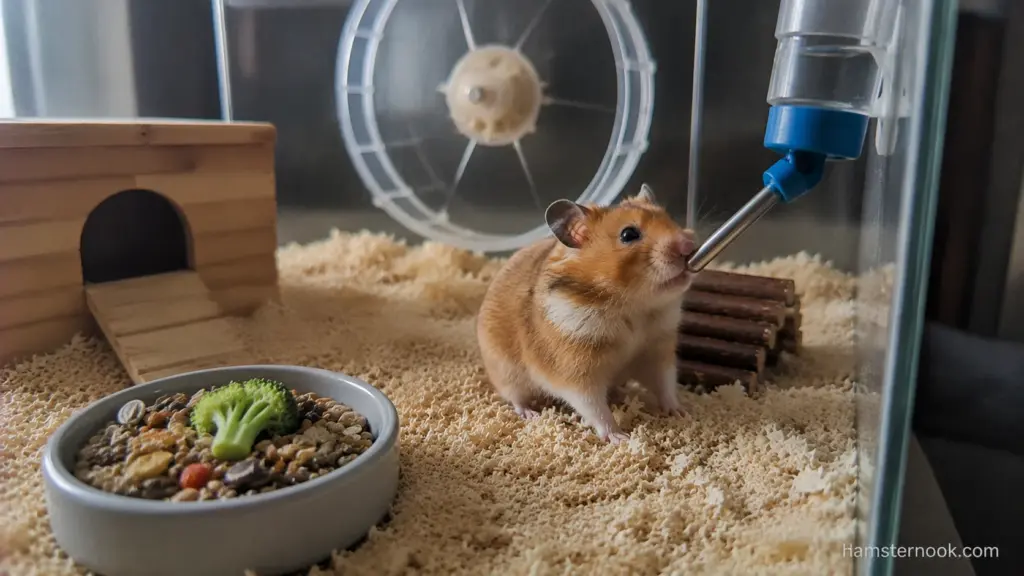
- The water bottle is functioning correctly
- The nozzle is not blocked
- Water is available at all times
- The hamster can comfortably reach the drinking source
PDSA and Blue Cross both emphasize the importance of continuous access to clean drinking water for small pets.
Stress and Environmental Changes
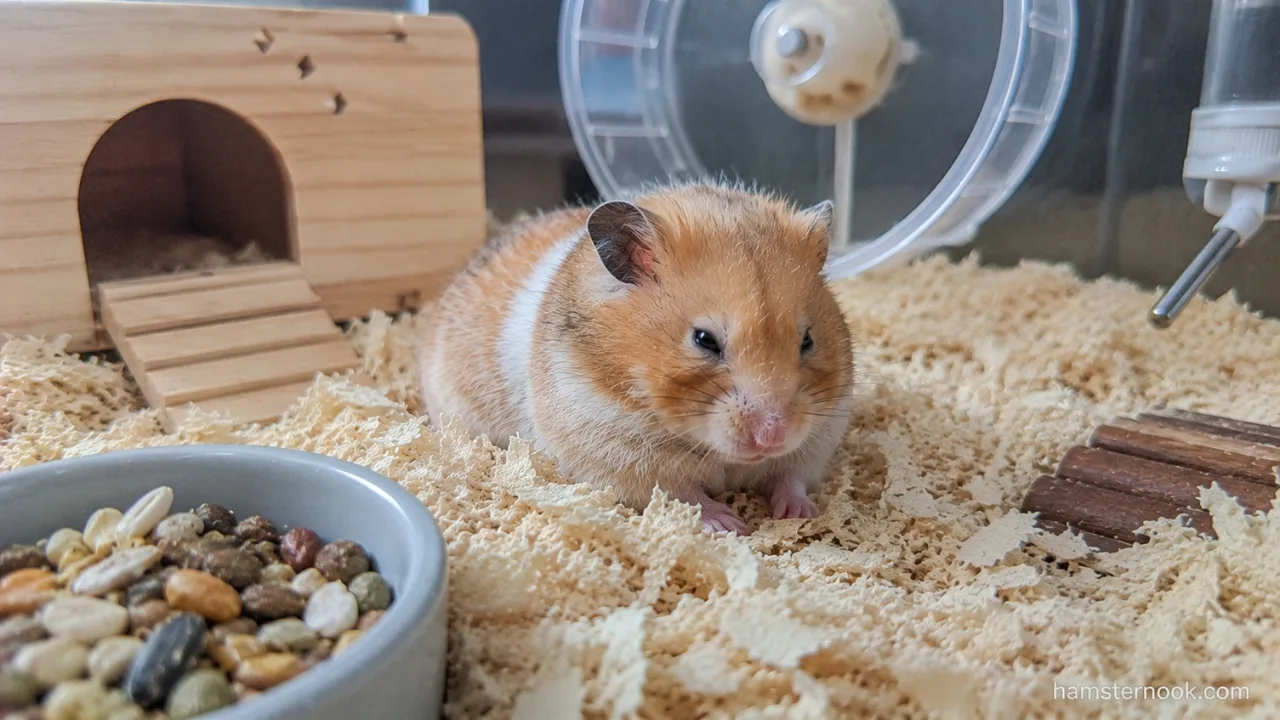
Hamsters can be sensitive to changes in their surroundings.
Stress may temporarily affect appetite and normal digestive function.
Common triggers include:
- Moving to a new enclosure
- Major cage rearrangements
- Frequent disturbances
- Excessive handling
- Loud household noise
- Presence of predators such as cats or dogs near the enclosure
A stressed hamster may eat less for a short period, which can lead to smaller droppings.
Stress can affect appetite, digestion, and behavior. Learn how to recognize the warning signs in 5 Warning Signs Your Hamster Is Stressed (And How to Help).

Increased Food Hoarding
Sometimes owners think a hamster is eating normally when it is actually storing much of its food.
Hamsters naturally hoard food in nests, tunnels, and sleeping chambers.
Food hoarding is a normal instinct, but it can sometimes make it difficult to judge how much your hamster is actually eating. Read Why Does My Hamster Keep Hiding Food? Explained Simply.
If your hamster has recently created a large food stash, its actual food consumption may be lower than expected.
Checking food stores carefully during routine cleaning can provide useful clues.
A hamster that is actively hoarding food but producing smaller droppings may still be eating less than expected, so monitoring actual food consumption remains important.
Small Droppings vs. Normal Variations
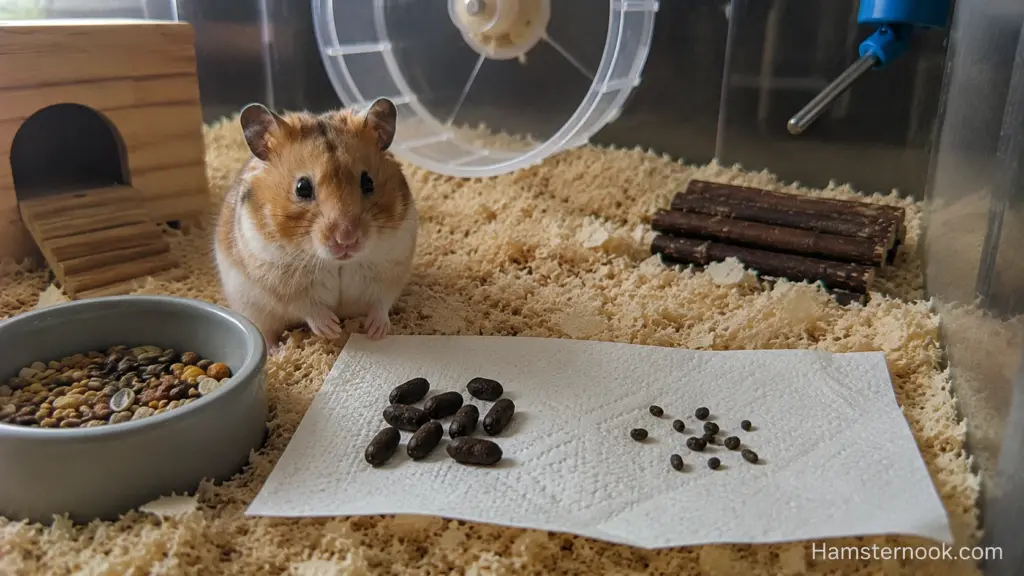
Not every small dropping indicates a problem.
The table below can help distinguish between normal variation and situations that deserve closer monitoring.
| Likely Normal | May Need Attention |
|---|---|
| Occasional smaller droppings | Droppings consistently smaller for several days |
| Hamster eating normally | Reduced appetite |
| Normal activity levels | Lethargy or reduced activity |
| Normal drinking habits | Drinking less than usual |
| Normal body weight | Noticeable weight loss |
| Normal stool frequency | Much fewer droppings than usual |
Looking at the whole hamster is usually far more informative than focusing on droppings alone.
Because digestive changes are only one part of a hamster’s overall wellbeing, read our Complete Hamster Care Guide for Beginners (2026) to better understand the factors that influence your hamster’s health, behavior, diet, and daily care.
Could Diet Be Responsible?
Yes.
Diet changes are a frequent reason for temporary stool changes.
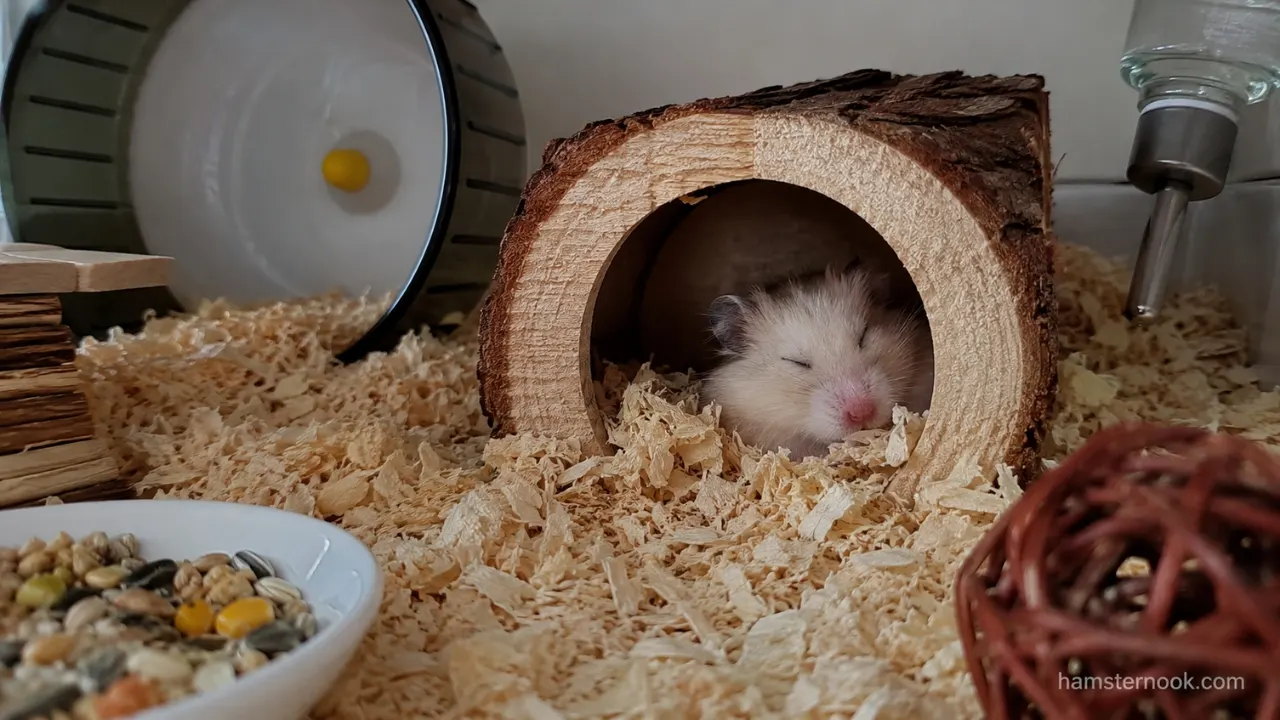
Sudden Food Changes
Switching from one food mix to another can affect digestion.
Most dietary transitions should be gradual rather than abrupt.
A sudden change may temporarily alter:
- Appetite
- Stool size
- Stool frequency
Selective Feeding
Hamsters sometimes pick favorite ingredients from a seed mix and leave others behind.
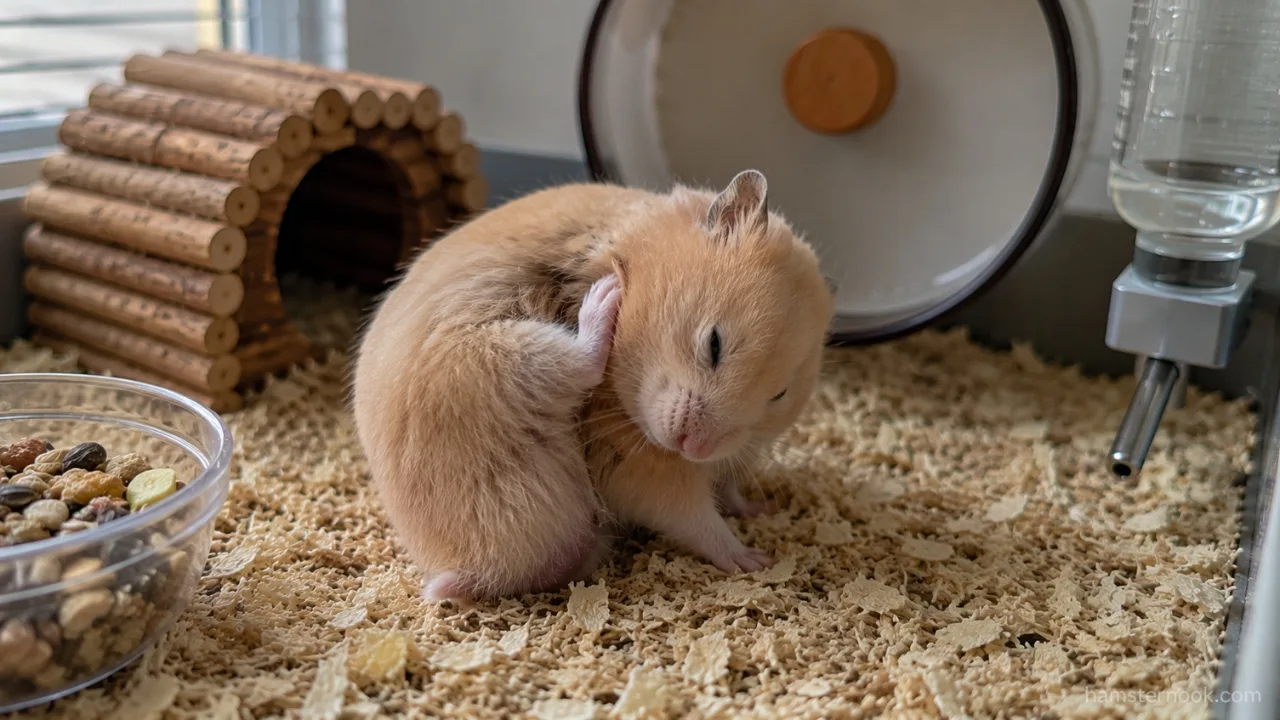
Over time, this can create nutritional imbalances that affect overall health and digestion.
Providing a balanced diet and monitoring what is actually eaten helps reduce this risk.
Low Fiber Intake
Fiber contributes to normal digestive function in many mammals, including small rodents.
If a hamster is eating an unbalanced diet with limited dietary variety, digestive changes may occur.
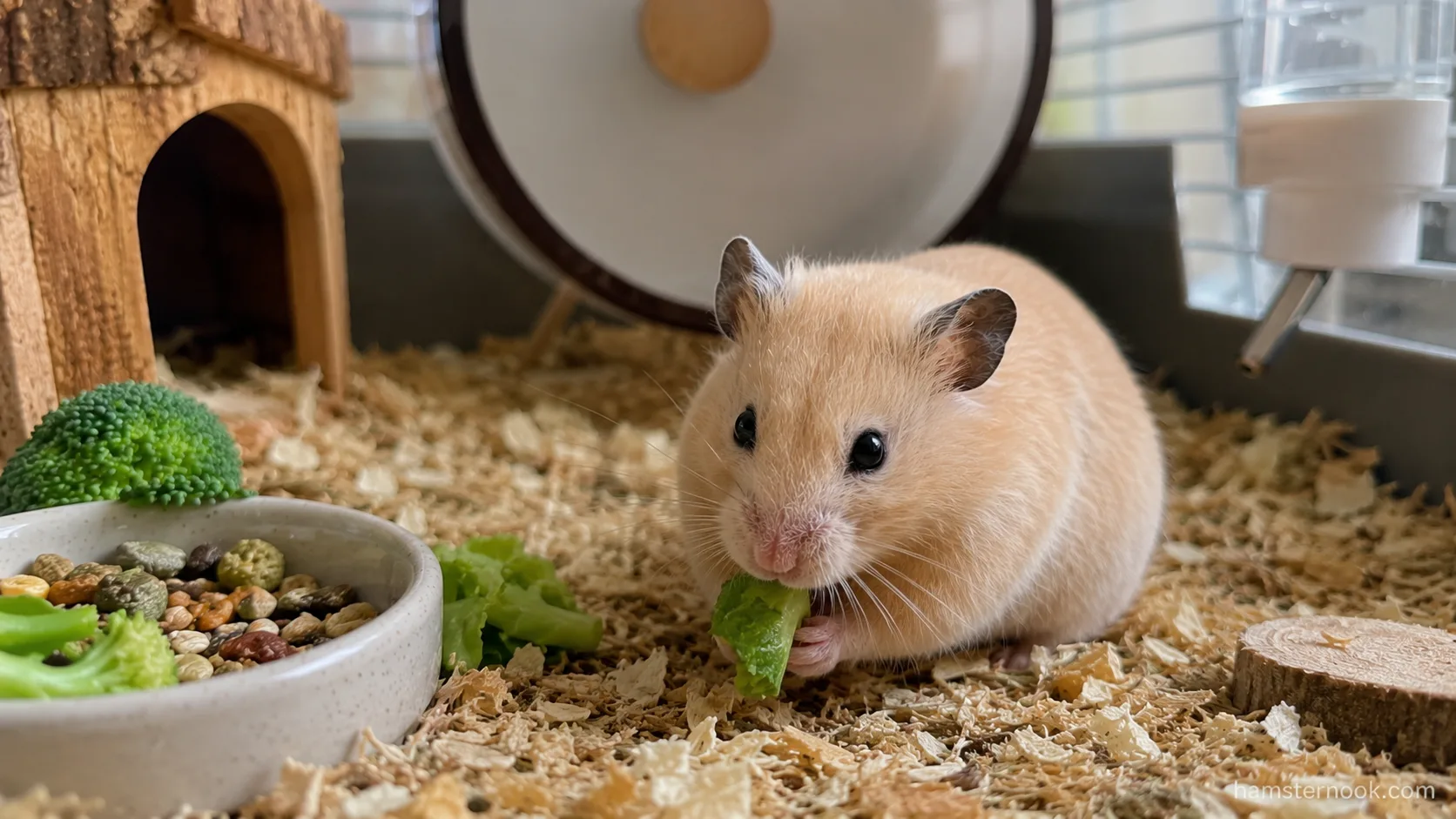
However, owners should avoid making drastic dietary adjustments without understanding the underlying cause of the problem.
Can Aging Affect Droppings?
Sometimes.
Older hamsters may:
- Move less
- Eat slightly less food
- Experience age-related health changes
These factors can influence droppings indirectly.

Age alone should not automatically be assumed to be the cause of persistent changes. Any significant shift in stool appearance should still be evaluated alongside appetite, hydration, activity level, and body condition.
Practical Examples
Example 1: New Cage Setup
You move your hamster into a larger enclosure and notice smaller droppings the next morning.
The hamster is still exploring and appears slightly cautious.
A temporary reduction in food intake due to adjustment may explain the change.

Example 2: Water Bottle Problem
During routine cleaning, you discover the water bottle nozzle is partially blocked.
Your hamster has been producing smaller droppings and drinking less.
Restoring normal water access may help digestive function return to normal.
Example 3: Reduced Appetite
Your hamster leaves much of its food untouched for two days and begins producing fewer, smaller droppings.
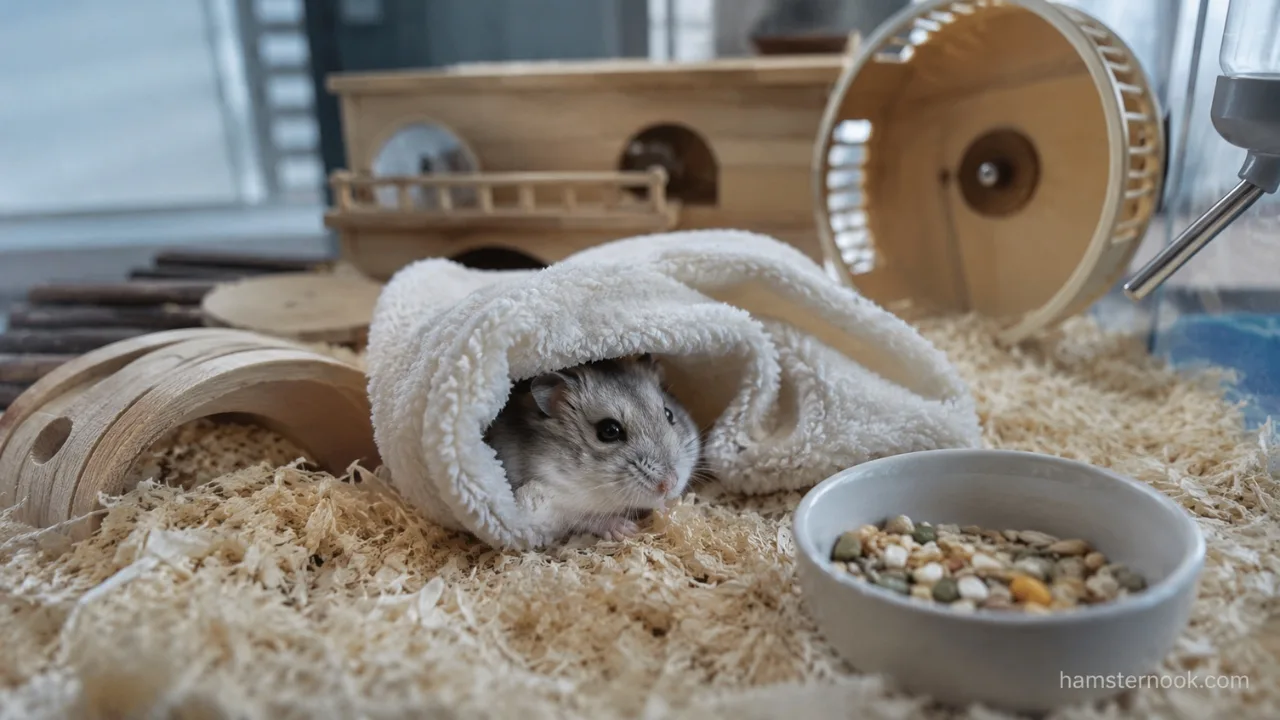
In this situation, the change in droppings is likely reflecting reduced food intake rather than being the primary issue itself.
Can Constipation Cause Smaller Droppings?
In some cases, yes.
Constipation can affect stool size, frequency, and ease of passage.
However, constipation should not be diagnosed solely based on small droppings.

Other signs may include:
- Straining
- Reduced stool production
- Decreased appetite
- Reduced activity
Because digestive issues can have multiple causes, persistent changes should not be assumed to be simple constipation without veterinary evaluation.
Why Monitoring Droppings Matters
Hamsters are prey animals and often hide signs of illness until they become quite unwell.
Looking at your hamster’s overall condition provides a much clearer picture than droppings alone. Read How to Tell If Your Hamster Is Happy, Healthy, Stressed, or Sick: Complete Owner’s Guide (2026).

Changes in droppings can sometimes be one of the earliest clues that something is affecting:
- Appetite
- Hydration
- Digestion
- Overall health
For this reason, experienced hamster owners routinely monitor:
- Food consumption
- Water intake
- Body weight
- Activity levels
- Stool appearance
Together, these observations create a much clearer picture of the hamster’s health than any single sign alone.
Common Mistakes Owners Make
When owners notice smaller droppings, it’s easy to focus on the droppings themselves and overlook the bigger picture.
Assuming Smaller Droppings Are Always an Emergency
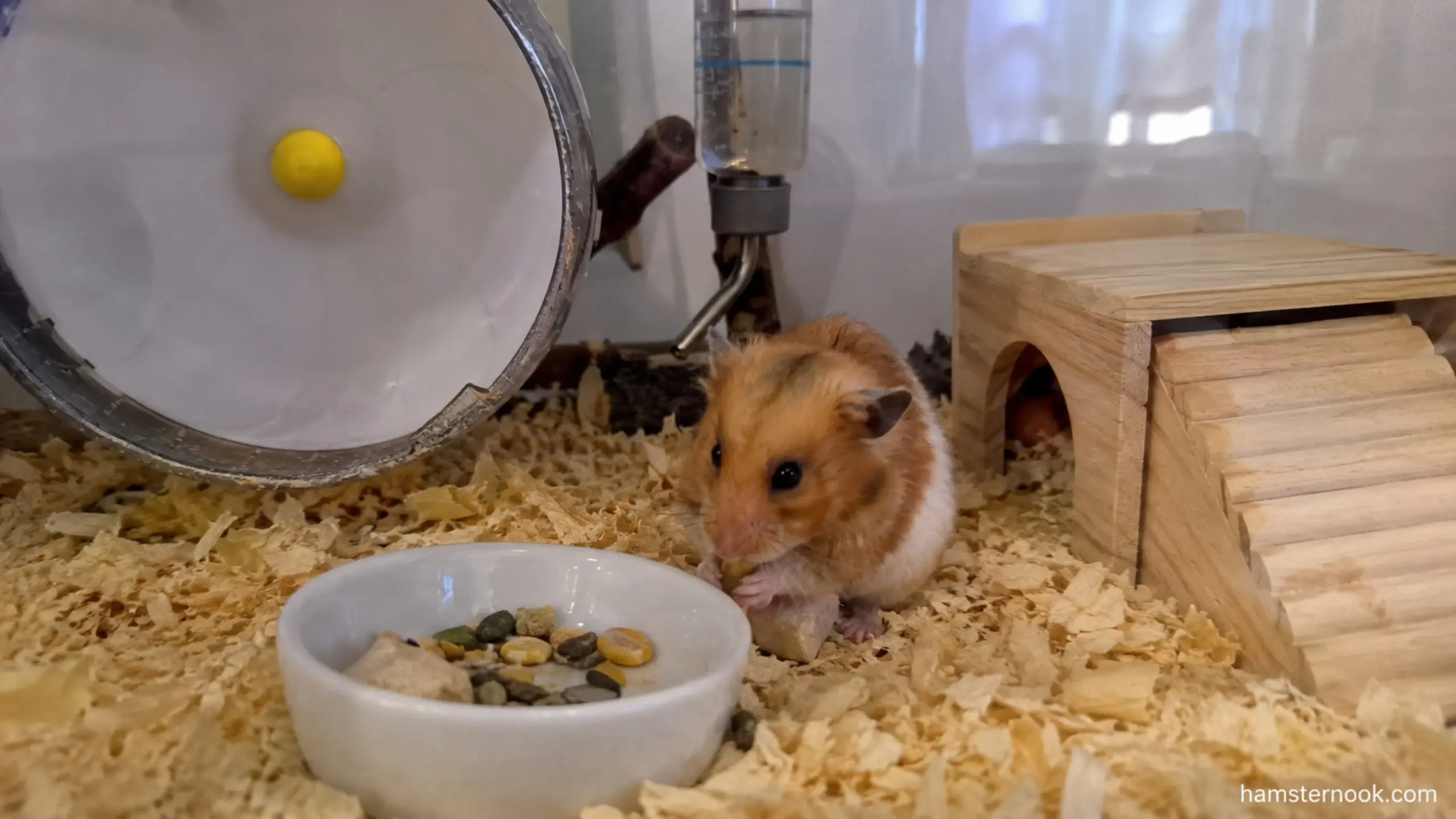
A single day of smaller droppings does not automatically indicate a serious problem. Temporary changes in appetite, activity, or routine can sometimes affect stool size.
Ignoring Changes in Appetite
The droppings are often a symptom rather than the root cause. If your hamster is eating less, producing smaller droppings is a predictable result.
Forgetting to Check the Water Source
Water bottle problems are more common than many owners realize. A stuck ball bearing, blocked nozzle, or leaking bottle can affect water intake and potentially influence digestive health.
Making Sudden Diet Changes
Switching foods abruptly in response to a stool change may create additional digestive upset. Any dietary adjustment should be made carefully and for a good reason.
Waiting Too Long When Other Symptoms Appear
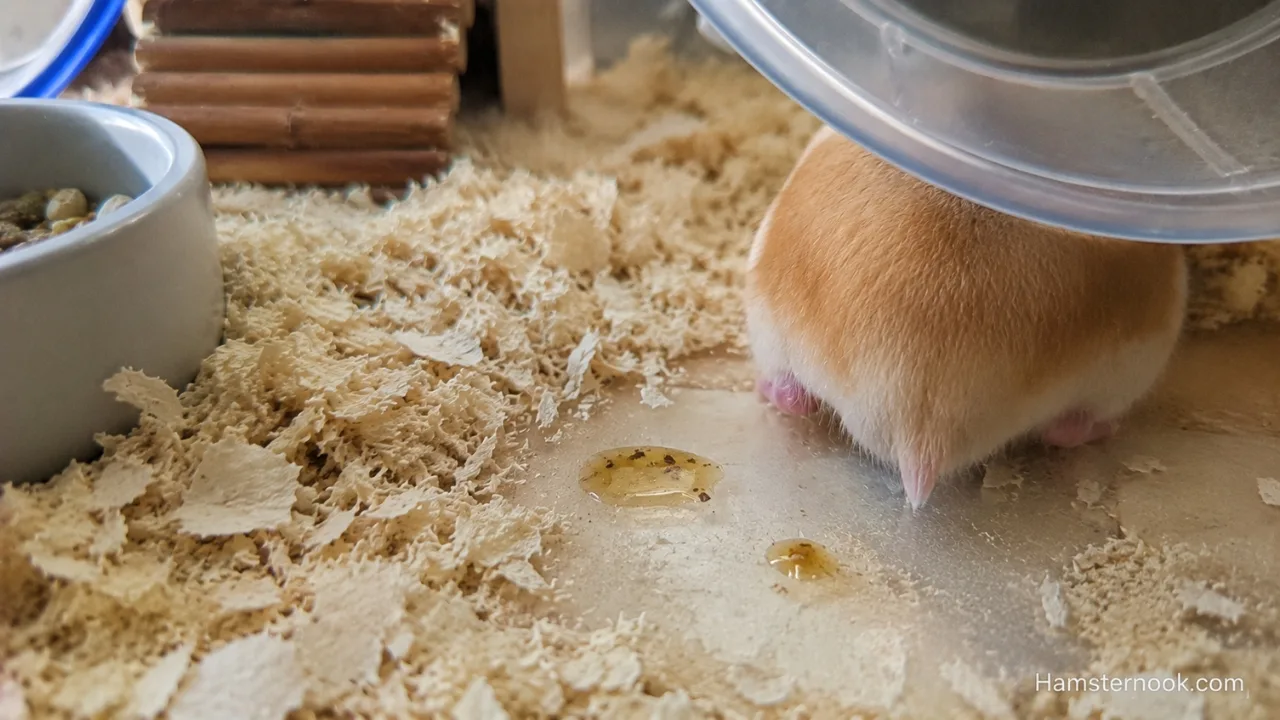
Small droppings alone may not be urgent, but small droppings combined with reduced eating, weight loss, or lethargy deserve prompt attention.
Digestive changes are often accompanied by unusual behavior. Learn what else to watch for in Why Your Hamster Suddenly Started Acting Weird.
What You Should Do
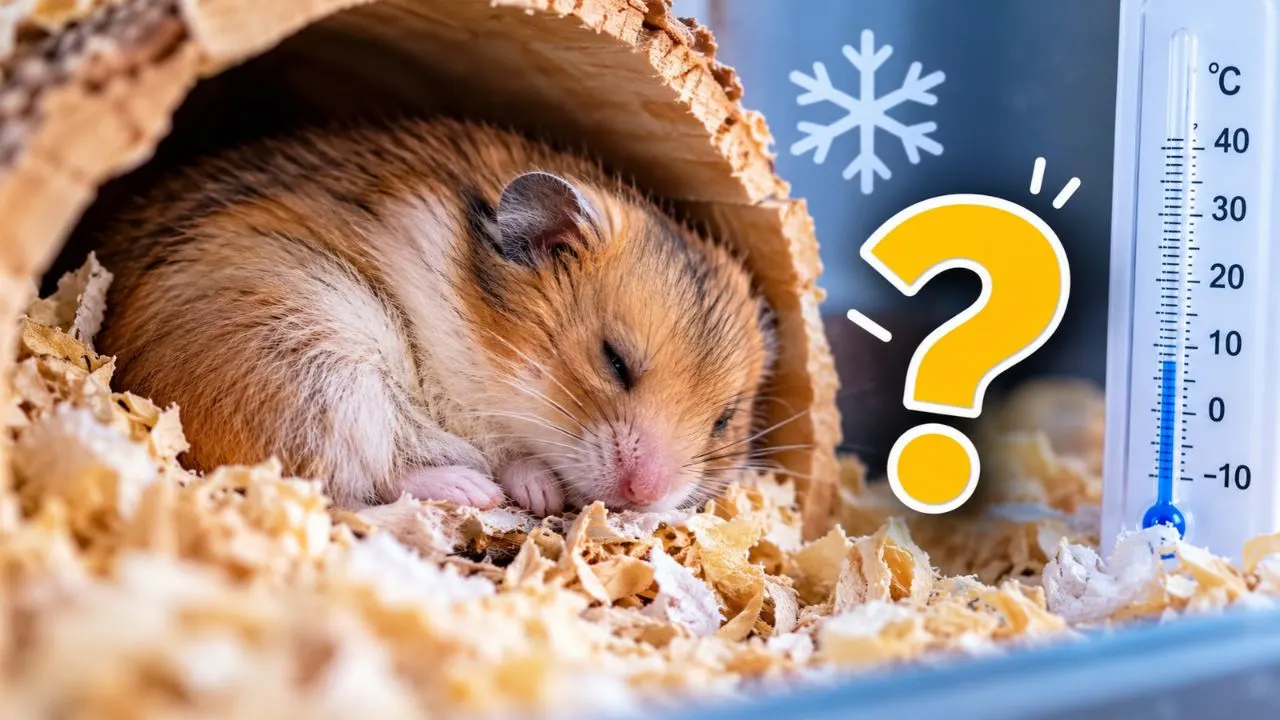
If your hamster’s droppings are smaller than normal, start by looking at its overall condition.
Check the following:
- Is your hamster eating normally?
- Is it drinking regularly?
- Has its environment changed recently?
- Is it active during its usual hours?
- Are droppings still being produced consistently?
- Is body weight remaining stable?
You can also:
- Ensure fresh water is always available.
- Confirm the water bottle works properly.
- Continue offering a balanced hamster diet.
- Minimize unnecessary stress.
- Avoid major cage changes while monitoring the situation.
- Monitor food consumption and droppings closely while checking for any additional symptoms.
If possible, monitor your hamster during its normal active hours to confirm that it is eating and drinking rather than simply moving food around the enclosure.
Some temporary changes may settle when normal eating and drinking return, but persistent or worsening changes should not be assumed to be minor. Continue watching appetite, hydration, activity, weight, and stool production, and seek veterinary advice if the overall condition is changing.
Warning Signs to Watch For
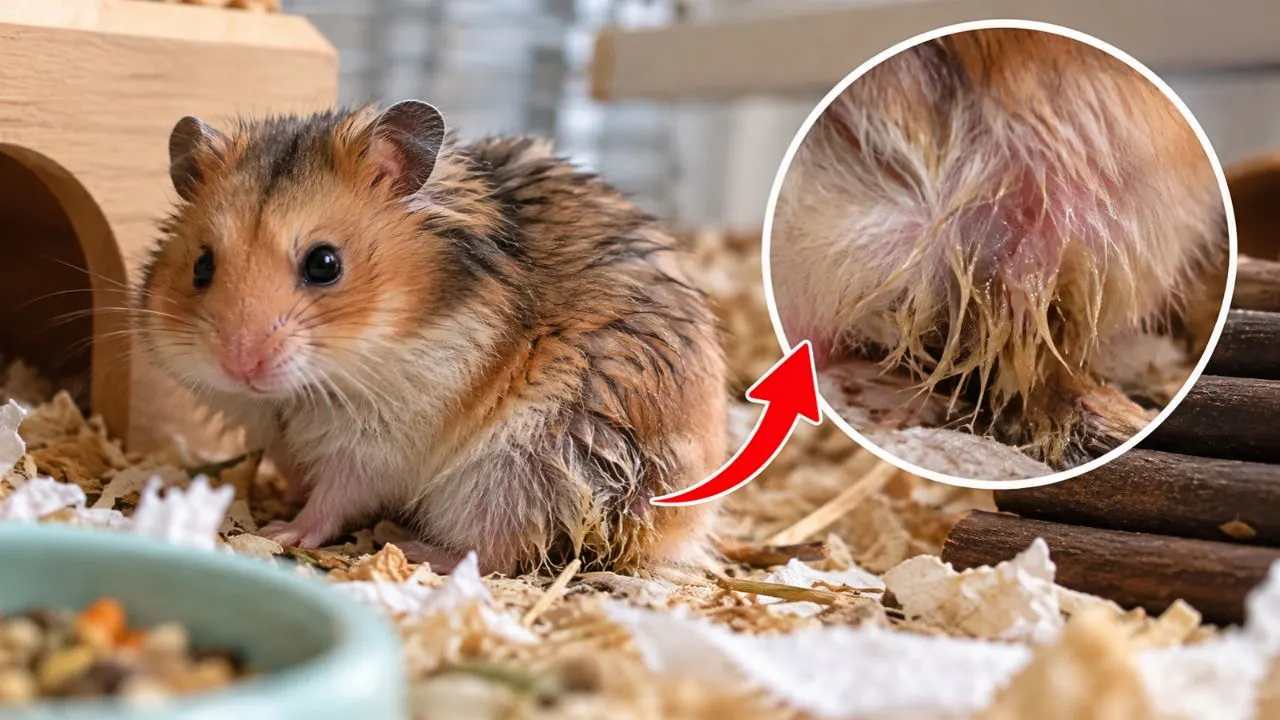
Smaller droppings become more concerning when they occur alongside other symptoms.
Watch for:
- Reduced appetite
- Refusal to drink
- Weight loss
- Lethargy
- Hunched posture
- Fewer droppings overall
- Signs of discomfort
- Reduced interest in normal activities
- Difficulty moving around the enclosure
If your hamster is showing several of these changes together, our Signs of a Sick Hamster: 10 Warning Symptoms Every Owner Should Know guide can help you assess other warning signs that may need veterinary attention.
These signs suggest that the issue may extend beyond a simple variation in stool size.
When to Worry
A veterinary visit is advisable if:
- Smaller droppings persist or continue to become less frequent.
- Your hamster stops eating.
- Water intake decreases significantly.
- Droppings become extremely infrequent.
- Noticeable weight loss occurs.
- Your hamster becomes unusually inactive.
- Additional symptoms develop, such as diarrhea, bloating, or signs of pain.
If smaller droppings are also appearing with weight loss, our Why Is My Hamster Losing Weight? Causes, Warning Signs & What to Do guide covers other causes and warning signs that may help put the change into context.
If smaller droppings are accompanied by a refusal to eat or drink, marked lethargy, significant weight loss, a hunched posture, diarrhea, bloating, or obvious signs of pain, contact an exotic veterinarian promptly rather than waiting for the droppings to return to normal.
Ongoing digestive issues can sometimes contribute to dehydration. Learn the warning signs in Can Hamsters Get Dehydrated? Signs Every Owner Should Know.
Hamsters can deteriorate quickly when underlying health problems affect eating or hydration, so persistent digestive changes should not be ignored.
Final Thoughts
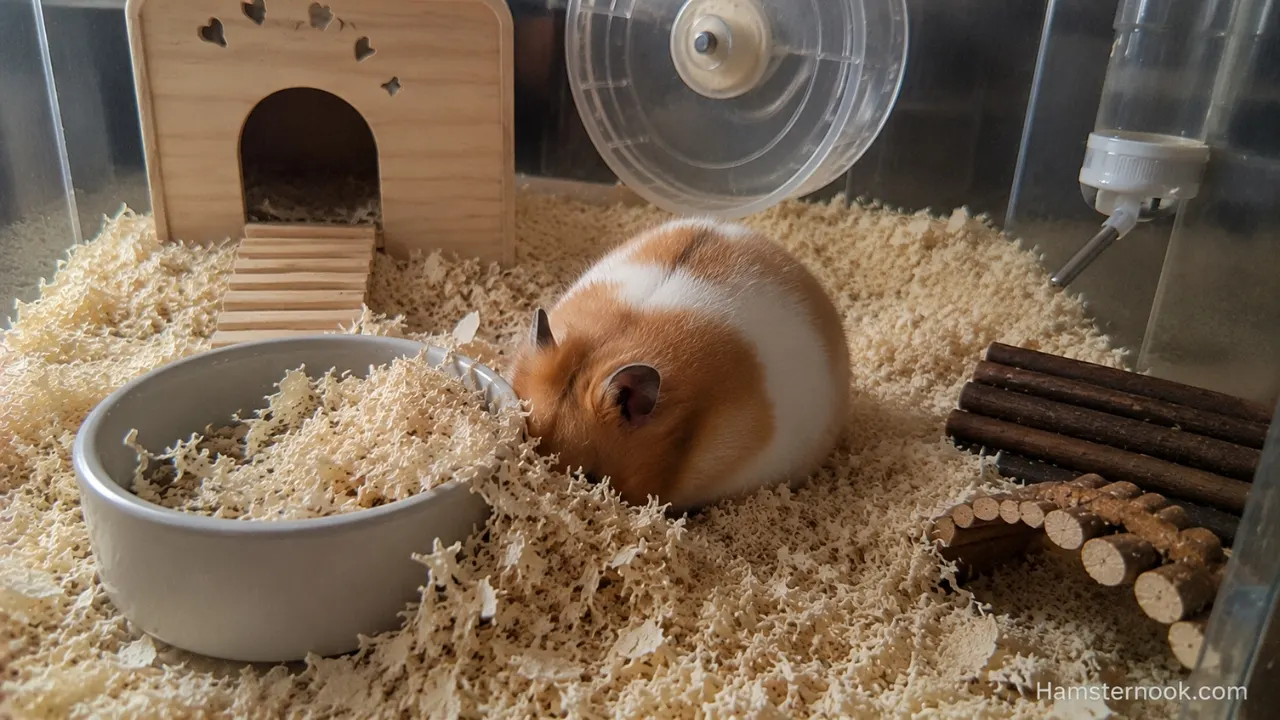
Smaller-than-normal hamster droppings are often a sign that something has changed in your pet’s daily routine, eating habits, or hydration rather than a problem with the droppings themselves. Temporary changes may occur after stress, environmental adjustments, or brief reductions in food intake.
The most useful approach is to look at the whole hamster. Appetite, drinking habits, activity levels, body weight, and stool production all provide important clues. When a hamster continues eating, drinking, and behaving normally, a short-term change in droppings may simply reflect a temporary adjustment.
Persistent changes, however, deserve closer attention. Identifying patterns early often makes it easier to recognize potential health concerns before additional symptoms appear.
Frequently Asked Questions
Are smaller hamster droppings always a sign of illness?
No. Smaller droppings can occur when a hamster temporarily eats less, drinks less, experiences stress, or adjusts to environmental changes. However, persistent changes should be monitored carefully.
Can stress cause smaller droppings?
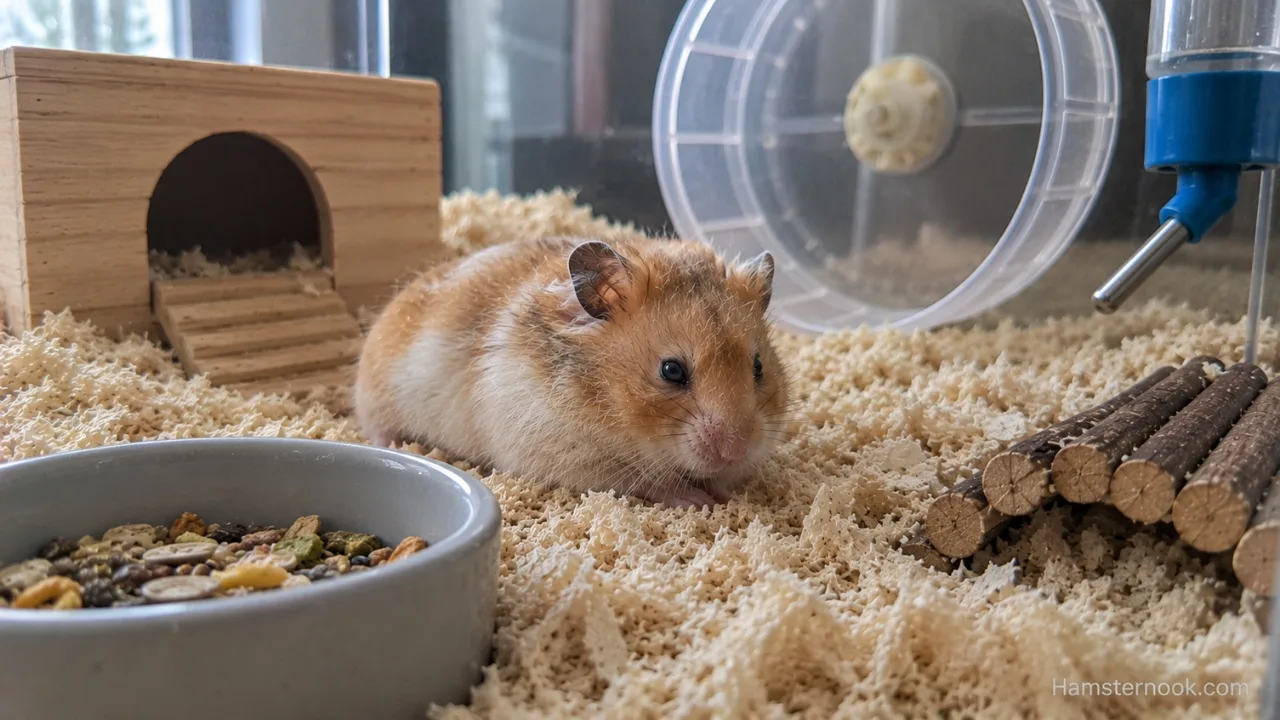
Yes. Stress can reduce appetite in some hamsters, which may lead to smaller droppings because less food is moving through the digestive tract.
How long should I monitor smaller droppings before becoming concerned?
A brief change may not be serious when your hamster is otherwise eating, drinking, active, and behaving normally. There is no reliable number of days that applies to every hamster, so persistent, worsening, or unexplained changes should be discussed with a veterinarian, especially when other symptoms appear.
Can dehydration affect stool size?
Yes. Adequate hydration supports normal digestive function. Reduced water intake may contribute to changes in stool appearance and consistency.
Should I change my hamster’s diet if the droppings become smaller?
Not immediately. First, check food intake, hydration, and environmental factors. Sudden diet changes can sometimes create additional digestive issues.
What is more important: stool size or appetite?
Both matter, but appetite often provides a clearer picture of overall health. A hamster that is eating well, drinking normally, and remaining active is generally less concerning than a hamster that has stopped eating.
References
This guide is based on hamster digestive health, nutrition, hydration, dental health, fecal changes, and general health monitoring guidance from trusted veterinary and animal welfare resources, including:
- RSPCA – Hamster Health & Welfare Tips – Guidance on monitoring hamster health, dental problems, changes in behavior, appetite, and signs that may require veterinary attention.
- RSPCA – What to Feed a Pet Hamster – Guidance on balanced nutrition, water intake, monitoring food and drinking habits, sudden dietary changes, and changes in droppings.
- PDSA – Hamsters as Pets – Information on hamster nutrition, constant access to fresh water, dental problems, diarrhea, dehydration, appetite changes, and other common health concerns.
- MSD Veterinary Manual – Routine Health Care of Hamsters – Veterinary guidance on monitoring weight, appetite, energy levels, feces, dental health, hydration, and early signs of illness.
- MSD Veterinary Manual – Disorders and Diseases of Hamsters – Veterinary information on digestive disorders, diarrhea, constipation, dehydration, dental problems, weight loss, lethargy, and other conditions that can affect hamsters.
- RSPCA – Keeping Hamsters as Pets – General guidance on hamster diet, hydration, health monitoring, behavior, and everyday care.
Medical Disclaimer
This article is intended for educational purposes only and should not be considered veterinary advice. Changes in hamster droppings can sometimes be associated with changes in food intake, hydration, dental problems, digestive disorders, or other health conditions. If smaller or less frequent droppings persist, or occur alongside reduced appetite, weight loss, lethargy, dehydration, diarrhea, bloating, pain, or other concerning symptoms, consult a qualified exotic animal veterinarian promptly.

Narayan Kumar is the founder and author of HamsterNook. He creates practical, research-based hamster care guides covering hamster behavior, nutrition, cage setup, enrichment, health, and everyday care. His goal is to help hamster owners make informed decisions and provide safer, healthier lives for their pets through clear, beginner-friendly information based on trusted animal care resources.