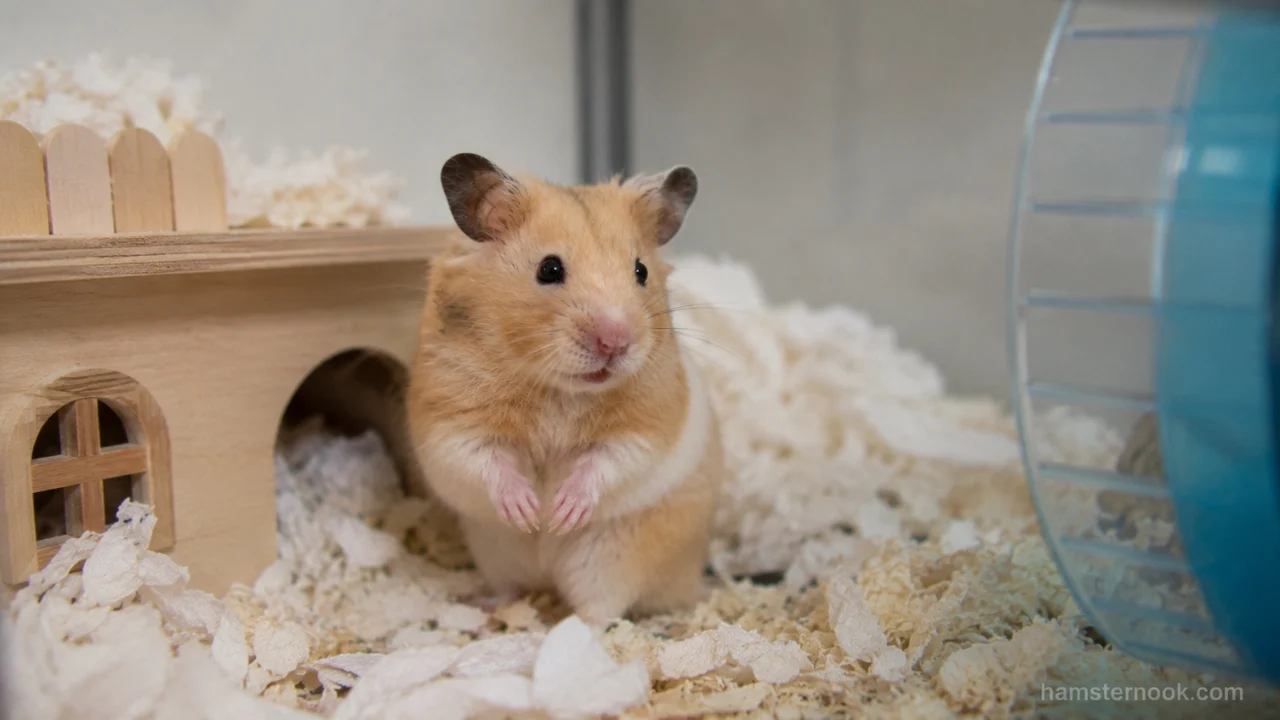
Most hamster owners want the best for their pets, but some of the most common stress triggers happen without them realizing it. A hamster can look healthy on the surface while quietly struggling with an environment that feels unsafe, unpredictable, or overwhelming.
Unlike dogs or cats, hamsters don’t always show discomfort in obvious ways. They can’t bark, meow, or seek reassurance from their owners. Instead, stress often appears through subtle behavioral changes that many beginners mistake as normal hamster behavior.
Fortunately, many common stress triggers can be reduced by making the right changes to your hamster’s environment, routine, and handling. Once you know what tends to cause stress, it becomes much easier to make small changes that improve your hamster’s daily life.
In this guide, we’ll cover seven common ways owners accidentally stress their hamsters and what you can do instead.
Quick Answer
The most common ways owners accidentally stress their hamsters include waking them during the day, using cages that are too small, cleaning away all familiar scents, exposing them to loud noises, forcing handling, providing too few hiding places, and making sudden environmental changes. Most of these issues can be reduced by following your hamster’s natural instincts and maintaining a consistent routine.
One of the clearest signs of stress is a noticeable change from your hamster’s normal behavior. Increased hiding, startling, defensive behavior, reduced appetite, or repetitive activity can all be worth paying attention to, especially when several changes appear together.
Can Stress Make a Hamster Sick?
Stress is not the only possible explanation for a change in behavior. Ongoing stress can affect a hamster’s normal behavior and wellbeing, while changes such as reduced appetite, low activity, or breathing problems can also point to an underlying health problem.
Short periods of stress can happen during handling, cleaning, or environmental changes. The important thing is to identify the trigger, reduce unnecessary disturbance, and watch whether your hamster returns toward its normal behavior.

Why Stress Matters for a Hamster’s Health
Stress isn’t just an emotional issue for hamsters. Long-term stress can affect their overall well-being.
A constantly stressed hamster may experience:
- Reduced appetite
- Poor sleep quality
- Increased aggression
- Weakened immune function
- Repetitive stress behaviors
- Less interest in exploration
Recognizing stress early can help prevent more serious health and behavioral problems later.
Quick Overview: Common Stress Triggers vs Better Alternatives
| Common Mistake | Why It Causes Stress | Better Alternative |
|---|---|---|
| Waking a sleeping hamster | Interrupts natural sleep cycle | Interact during evening hours |
| Using a cage that’s too small | Restricts movement and enrichment | Provide adequate floor space |
| Frequent cage cleaning | Removes familiar scents | Spot-clean regularly instead |
| Loud noises nearby | Hamsters have sensitive hearing | Place cage in a quiet area |
| Handling too often | Can feel threatening | Let the hamster approach first |
| Lack of hiding spots | Creates insecurity | Add multiple shelters and tunnels |
| Sudden environmental changes | Disrupts routine | Make changes gradually |
Sign #1: You’re Waking Your Hamster During the Day
One of the most common mistakes new owners make is treating hamsters like daytime pets.
Hamsters are naturally crepuscular, meaning they’re most active during the evening and early morning hours. Some may even remain active throughout parts of the night.
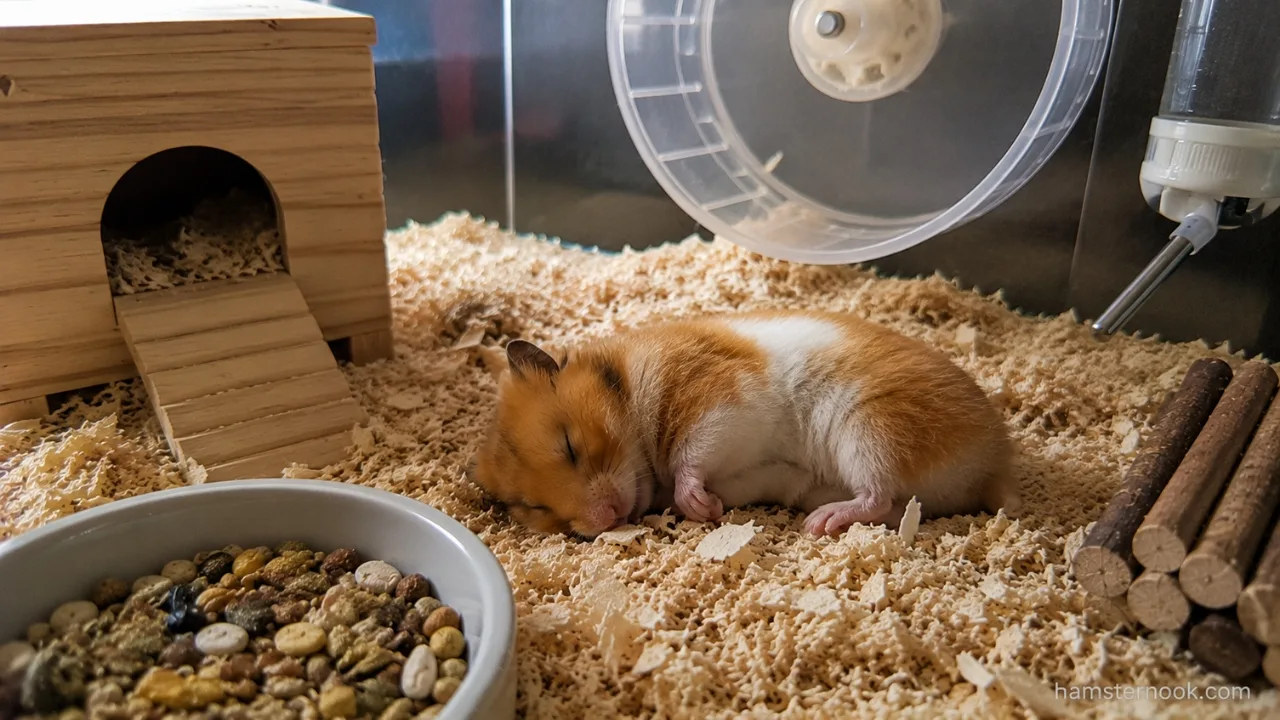
Repeatedly waking a hamster during the day can create significant stress because it disrupts natural sleep patterns.
Because hamsters are naturally active during lower-light periods, understanding their Are Hamsters Nocturnal? Their Natural Sleep Schedule Explained can help you avoid disrupting their normal routine.
What This May Look Like
- Irritability
- Hiding more often
- Startling easily
- Increased biting during handling
What To Do Instead
Allow your hamster to wake up naturally. If you want to interact, wait until it becomes active on its own in the evening.
Sign #2: Your Cage Is Too Small for Natural Behavior
Some hamsters adapt to small cages surprisingly well on the surface, but that doesn’t mean they’re thriving. Stress-related behaviors often develop gradually and can be easy to miss at first.
In the wild, hamsters travel large distances searching for food and exploring their surroundings. While pet hamsters don’t need enormous territories, they still require enough space to run, dig, and explore.
Common Stress Behaviors Linked to Small Cages
| Behavior | Possible Meaning |
|---|---|
| Bar biting | Frustration or boredom |
| Cage climbing | Seeking stimulation |
| Constant pacing | Lack of space |
| Repetitive corner digging | Attempting escape |
Frequent bar biting, pacing, or climbing should prompt a review of enclosure size, enrichment, and opportunities for natural behaviors such as burrowing and exploring, because these behaviors can have more than one cause.
For enclosure size and signs that a setup may be too small, see our Do Hamsters Need a Bigger Cage? Signs Your Cage Is Too Small guide.
Sign #3: You’re Cleaning the Entire Cage Too Frequently
Many owners assume that a completely spotless cage is always best.
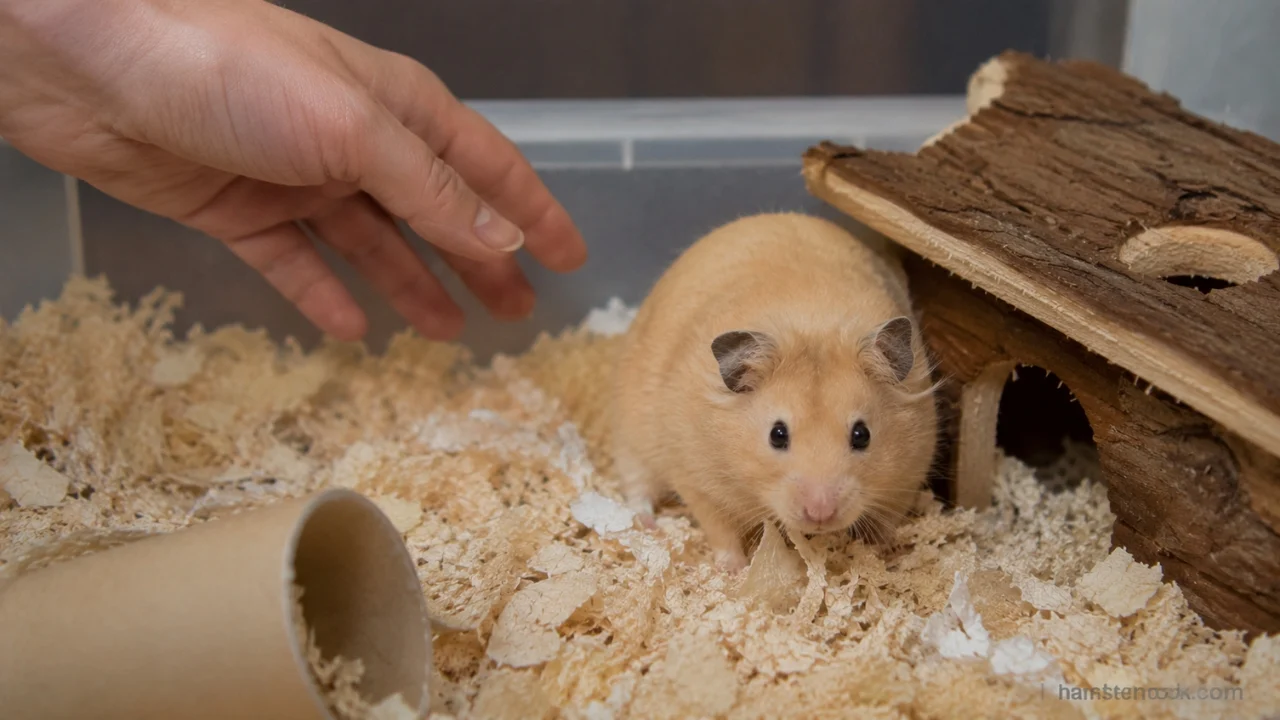
This is one of the most common mistakes made by caring owners. What feels clean and fresh to us can feel unfamiliar and stressful to a hamster that relies heavily on scent for security.
However, hamsters rely heavily on scent to understand their environment. Removing every trace of their scent during frequent deep cleans can make the enclosure feel unfamiliar and stressful.
Why This Happens
Hamsters use scent marking to create a sense of security. When everything smells different overnight, they may feel as though they’ve been placed in a completely new territory.

A Better Approach
Instead of full cleanouts every week:
- Spot-clean dirty areas regularly
- Remove spoiled food
- Replace soiled bedding as needed
- Retain some clean bedding during deeper cleans
This helps maintain familiar scents while keeping the enclosure hygienic.
For a more detailed cleaning routine, see our How Often Should You Clean a Hamster Cage? Safe Cleaning Schedule guide.
Sign #4: Loud Household Noises Are Making Your Hamster Nervous
Hamsters have much more sensitive hearing than humans.

What seems like a normal noise level to you may be overwhelming for a small prey animal.
Potential Noise Sources
- Televisions
- Gaming systems
- Loud music
- Vacuum cleaners
- Barking dogs
- Slamming doors
Constant exposure to loud sounds may keep a hamster in a heightened state of alertness.
If noise is a recurring problem rather than an occasional disturbance, our Can Loud Noises Stress a Hamster? Signs, Effects & Prevention guide explains common sources of noise-related stress and ways to reduce unnecessary disturbance.
Signs Noise May Be a Problem
- Sudden freezing behavior
- Frequent hiding
- Startling easily
- Running to shelters when sounds occur
Choosing a quieter location for the cage often improves a hamster’s comfort level.
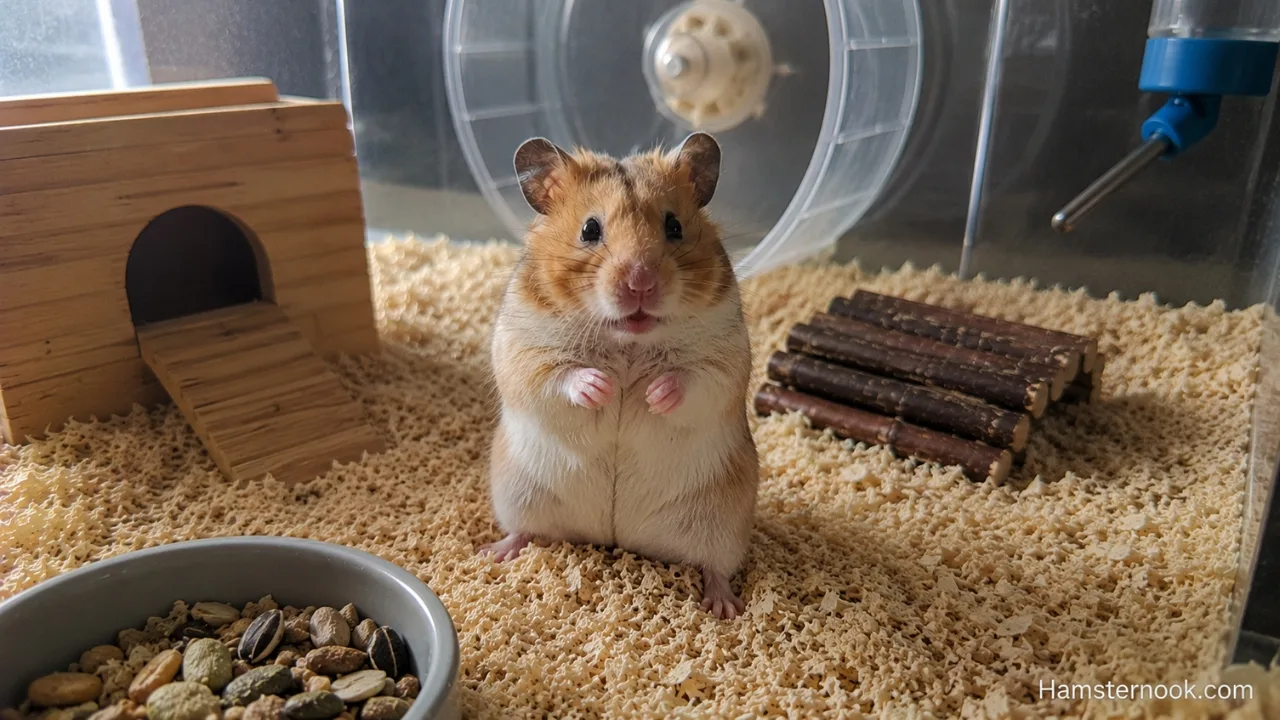
A quiet, stable cage location can make a noticeable difference, especially when the enclosure is kept away from televisions, speakers, busy hallways, and other unpredictable noise sources; our Hamster Cage Placement: Safe Locations, Room Conditions & What to Avoid guide covers these placement factors in more detail.
Sign #5: Your Hamster Doesn’t Actually Want to Be Handled Right Now
Many owners assume that daily handling is always beneficial.
While some hamsters enjoy human interaction, others need more time to build trust. Forcing interaction too soon can create fear and stress.
If your hamster recently came home, What Happens If You Hold a Hamster Too Soon? explains why waiting a few days before handling often leads to better long-term trust.
Behaviors That Suggest Your Hamster Is Uncomfortable
| Behavior | Possible Message |
|---|---|
| Running away | Wants more space |
| Flattening body | Feeling threatened |
| Chattering teeth | Defensive warning |
| Attempting to bite | Fear or stress |
| Hiding immediately | Not ready for interaction |
How To Build Trust
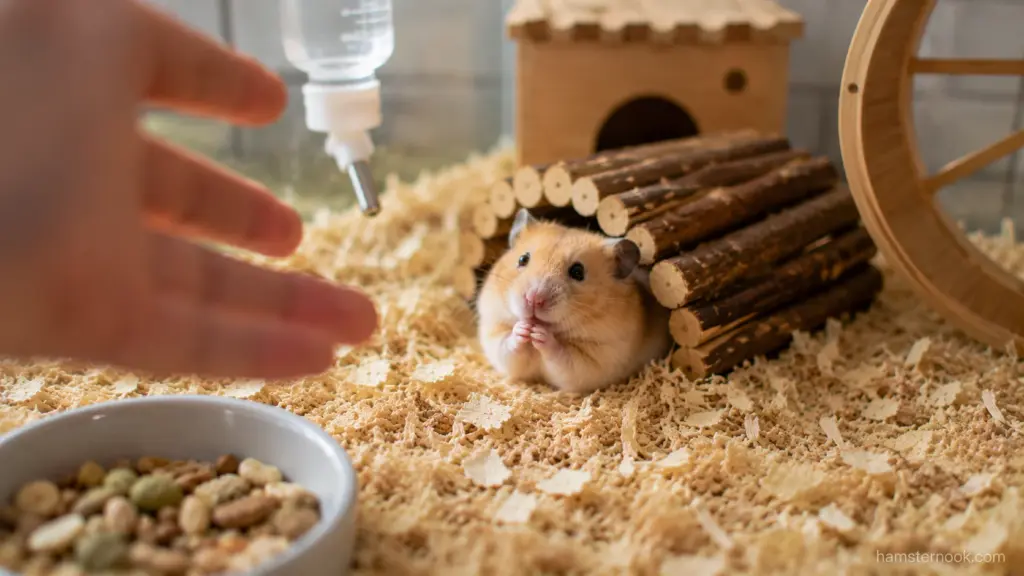
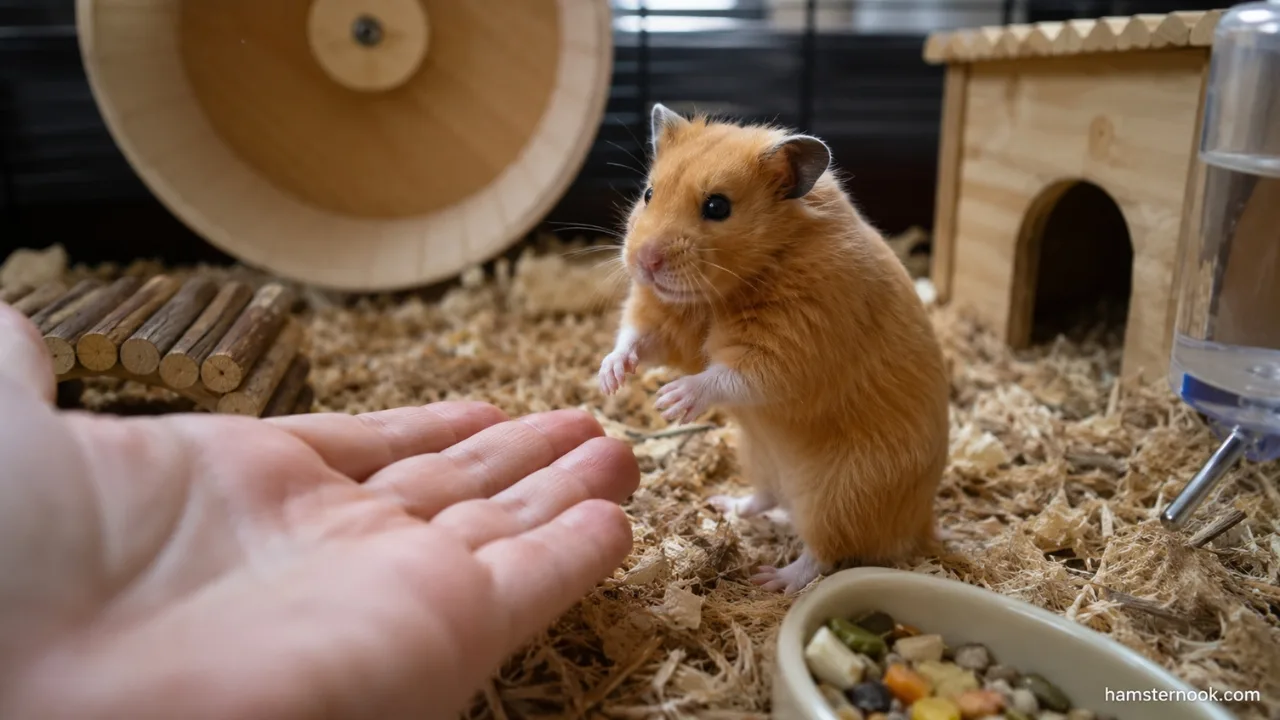
Allow your hamster to approach voluntarily. Offering treats from your hand and moving slowly helps create positive associations over time.
If you’re still building trust, read How to Tame a Hamster Without Getting Bitten.
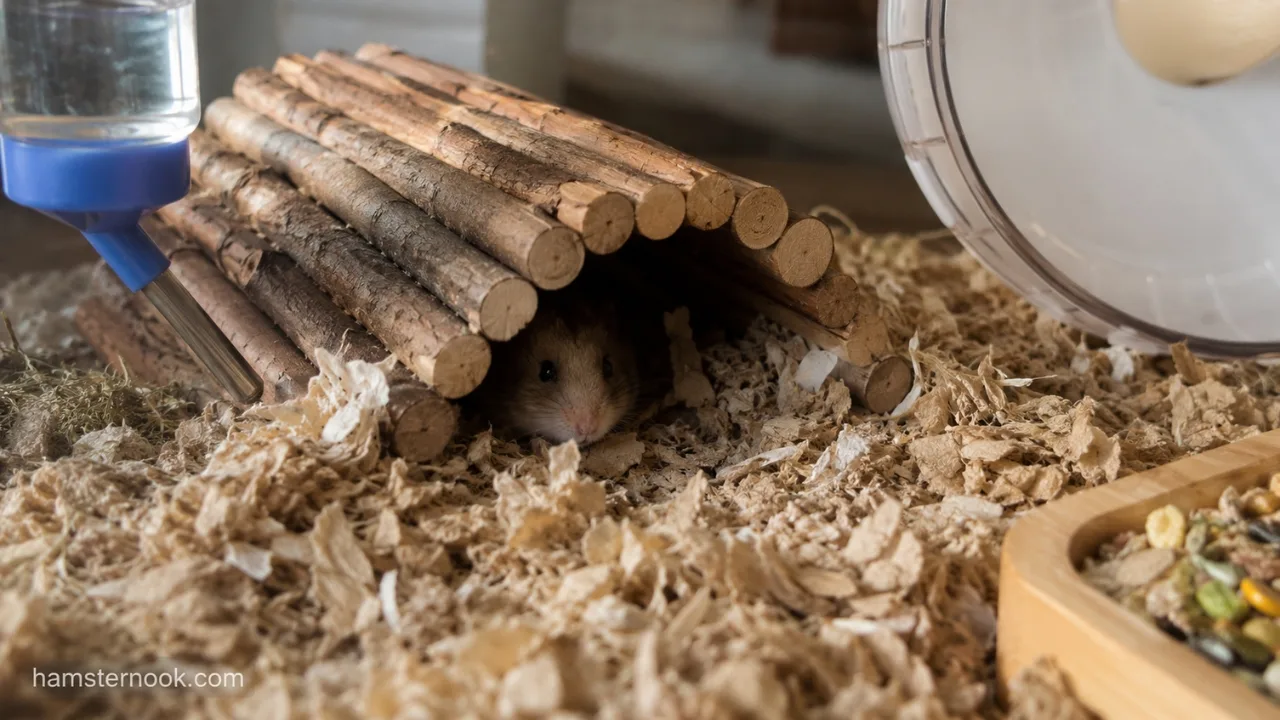
Sign #6: There Aren’t Enough Hiding Places in the Cage
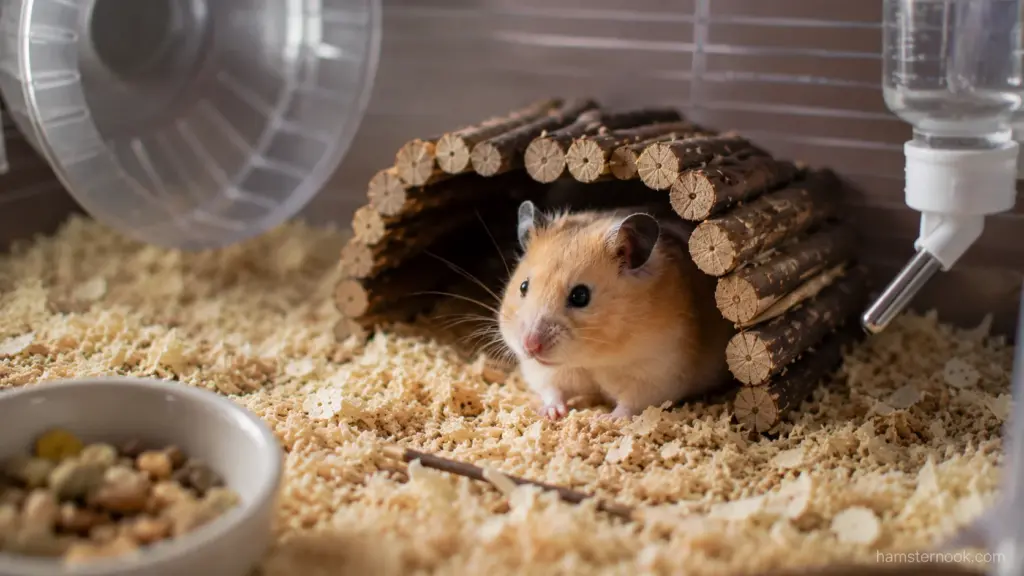
Hamsters are prey animals by nature.
Even the friendliest hamster often wants a secure place to retreat when resting or feeling uncertain.
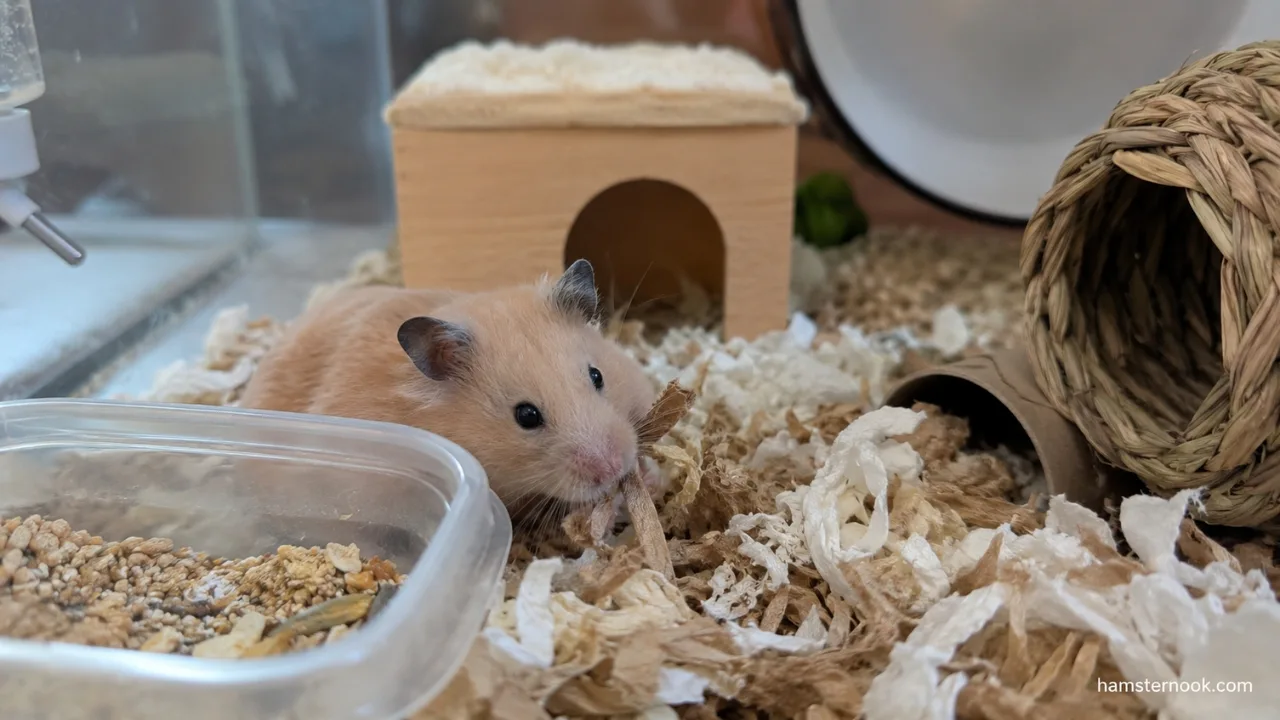
An open cage with very few shelters can leave a hamster feeling exposed.
Why Hiding Spots Matter
A good hideout gives a hamster:
- Security
- Privacy
- A comfortable sleeping area
- Protection from perceived threats
Helpful Enrichment Items
| Item | Benefit |
|---|---|
| Wooden houses | Safe sleeping area |
| Cork tunnels | Natural shelter |
| Multi-chamber hides | Mimics underground burrows |
| Cardboard tunnels | Exploration and security |
| Deep bedding | Supports burrowing behavior |
Providing multiple hiding options allows your hamster to choose where it feels safest.
A hamster’s overall behavior can provide useful clues about whether it feels comfortable, secure, and healthy. 10 Signs Your Hamster Is Happy and Healthy can help you compare positive comfort signals with the stress behaviors described here.
Sign #7: You’re Making Too Many Changes at Once
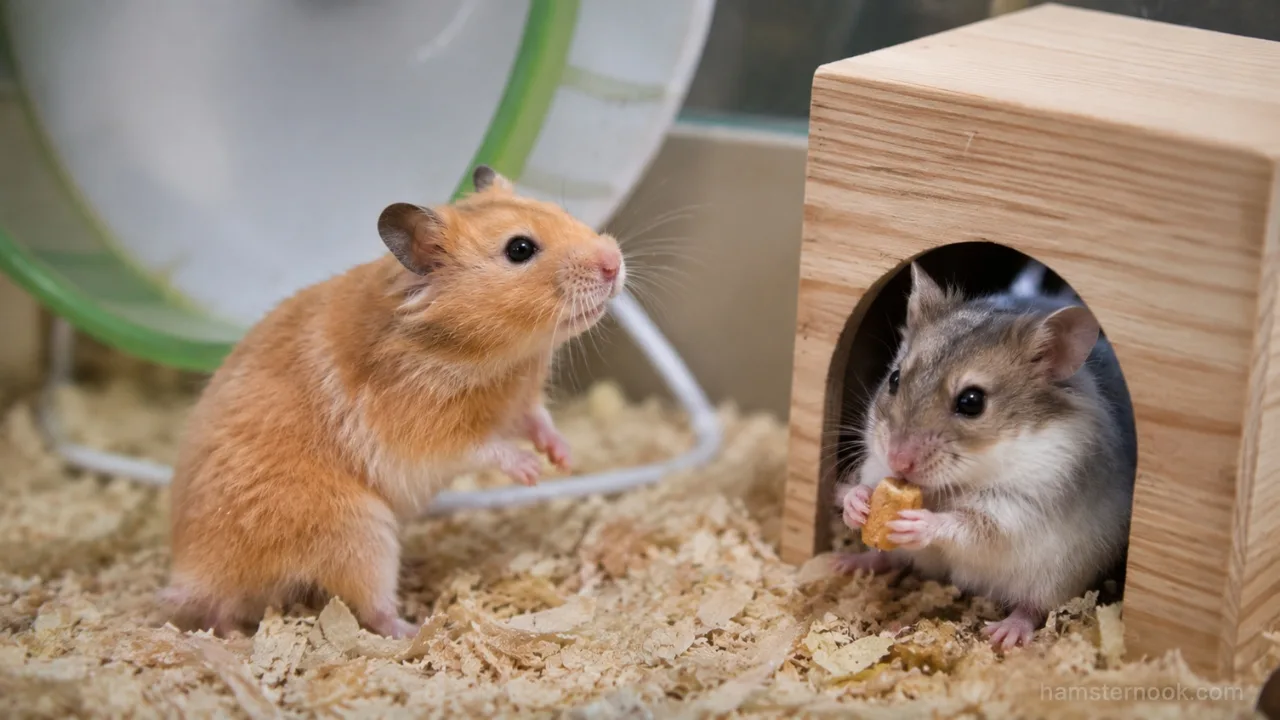
Hamsters thrive on consistency.
Moving furniture inside the enclosure, changing bedding brands, introducing new toys, and relocating the cage all at once can overwhelm some hamsters.
Common Sudden Changes
- New cage setup
- Different room location
- Major bedding changes
- New pets nearby
- Changes in daily routine
How To Reduce Stress During Changes
Whenever possible, introduce changes gradually.
For example, if you’re upgrading the enclosure, transfer some familiar bedding and nesting material into the new setup. Familiar scents can make transitions easier.
Which Hamsters Get Stressed Most Easily?
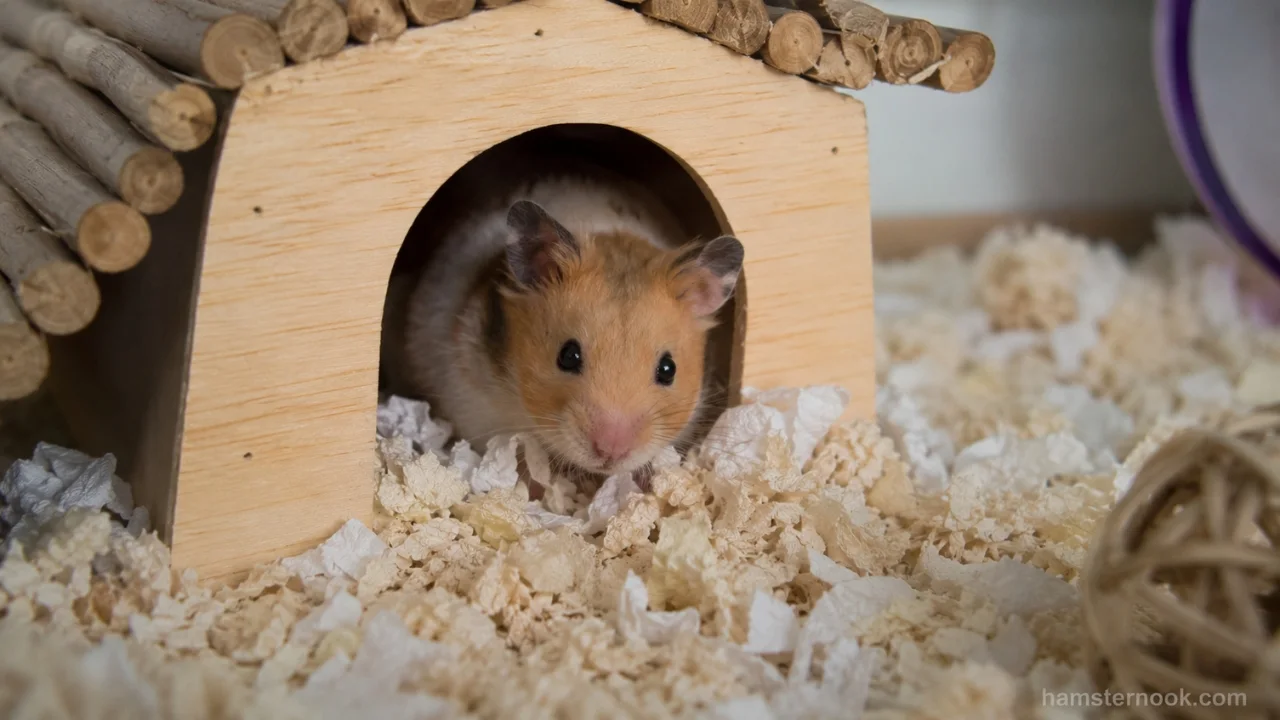
Every hamster has a different temperament and history, so the same environmental change may affect individuals differently. A hamster that reacts strongly to one change may still be completely normal in another situation, which is why changes from its usual behavior are more useful than trying to judge stress from personality alone.
How To Tell if Your Hamster Is Stressed
The most useful clue is usually a change from your hamster’s normal behavior rather than one isolated sign.
It can also help to compare these behaviors with signs of normal wellbeing rather than assuming that every change means your hamster is stressed. Our How to Tell If Your Hamster Is Happy, Healthy, Stressed, or Sick: Complete Owner’s Guide (2026) provides a broader comparison of normal, stressed, and potentially concerning changes.
| Possible Stress Sign | What It May Indicate |
|---|---|
| Excessive hiding | Feeling unsafe |
| Bar chewing | Frustration or boredom |
| Reduced appetite | Environmental stress |
| Aggression | Fear or discomfort |
| Overgrooming | Anxiety |
| Repetitive pacing | Lack of stimulation |
| Sleeping more than usual | Stress or illness |
If these behaviors appear suddenly or become severe, it’s important to consider both environmental stress and potential health concerns.

When Stress Might Actually Be a Health Problem
Not every behavioral change is caused by stress.
Symptoms such as significant weight loss, lethargy, breathing difficulties, persistent diarrhea, or unusual lumps should be evaluated by an exotic veterinarian.
Health problems and stress can sometimes look similar, so it’s important not to assume behavior changes are purely emotional.
If your hamster has also become unusually weak, stopped eating, or seems less active than normal, our Why Is My Hamster Suddenly Weak? 9 Causes, Warning Signs & What to Do guide explains possible causes that should be checked promptly.
Creating a Low-Stress Environment for Your Hamster
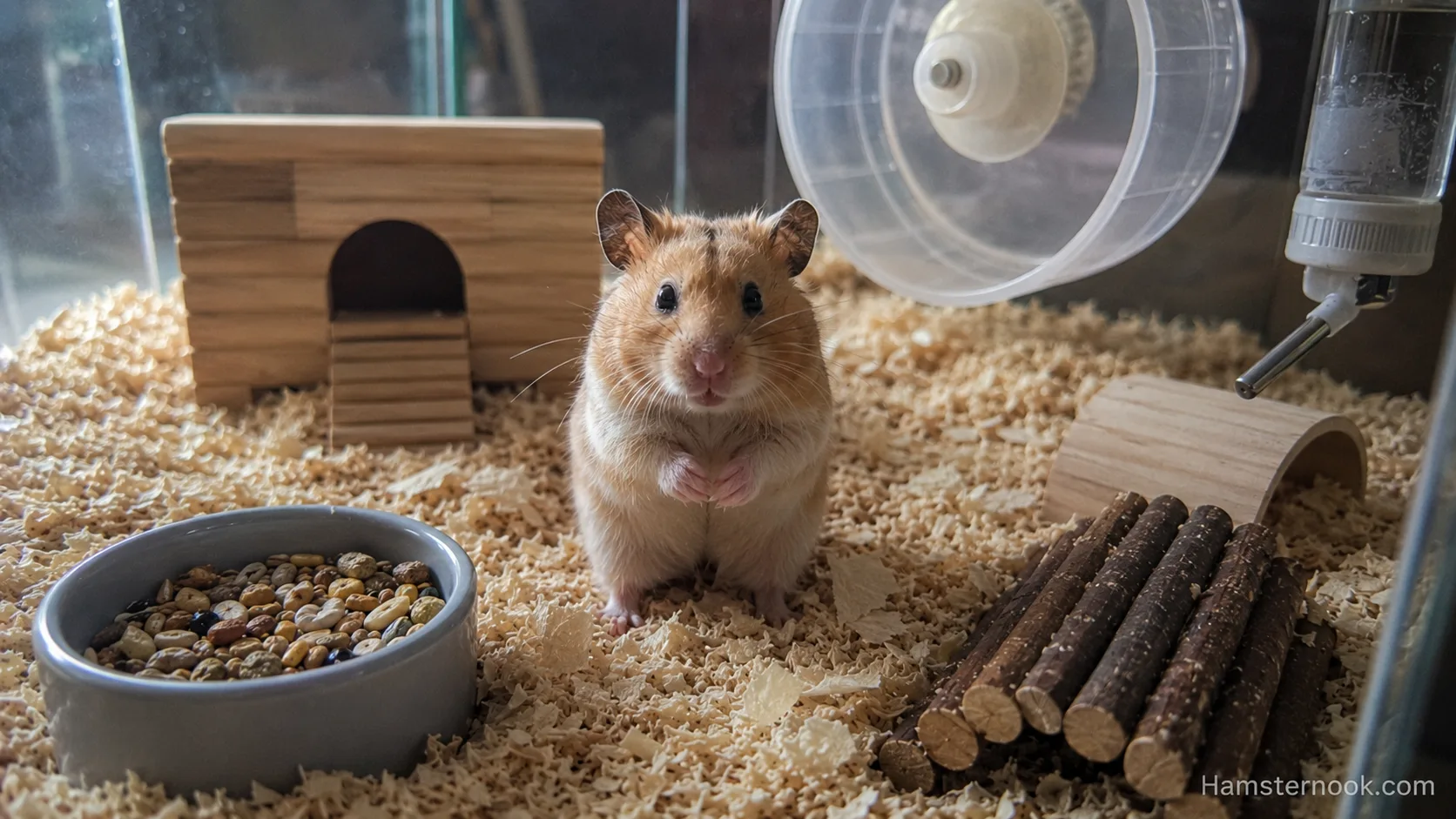
The best hamster habitats focus on safety, routine, and enrichment.
Many everyday things that seem harmless to owners can also make a hamster uncomfortable, so knowing what to avoid is just as important as providing enrichment. Our 13 Things Hamsters Absolutely Hate (Most Owners Don’t Realize) guide covers several common environmental and handling problems.
If you’re trying to reduce stress, avoid changing several parts of your hamster’s environment at the same time. Making one adjustment, then observing your hamster for a few days, makes it much easier to see what actually helps.
A comfortable environment usually includes:

- Adequate cage space
- Deep bedding for burrowing
- Multiple hideouts
- A properly sized exercise wheel
- Quiet surroundings
- Consistent routines
- Gentle handling
Small improvements in these areas often make a noticeable difference in a hamster’s behavior and confidence.
Final Thoughts
Most hamster owners never intend to cause stress. In fact, many common stress triggers happen because people are trying to care for their pets the best way they know how.
The encouraging part is that these issues are usually easy to correct. Paying attention to your hamster’s natural instincts, respecting its sleep schedule, providing enough space, and creating a predictable environment can significantly improve its quality of life.
When a hamster feels secure in its environment, that confidence often shows through its behavior. By understanding these seven often-overlooked stress triggers, you’ll be better equipped to create a home where your hamster feels secure and comfortable.
Frequently Asked Questions
What are the first signs of stress in a hamster?
Early signs can include increased hiding, startling easily, reduced appetite, unusual aggression, repetitive behaviors, or changes in normal activity. One isolated behavior does not always mean stress, so it is better to look for a noticeable change from your hamster’s usual routine.
Do stressed hamsters always become aggressive?
No. Some stressed hamsters become defensive, while others may hide more, eat less, or avoid interaction altogether.
Can a hamster get stressed from being handled too much?
Yes. Frequent or unwanted handling can overwhelm some hamsters, especially if trust has not been established yet.
Is bar chewing always a sign of stress?
Not always, but it is commonly associated with boredom, frustration, insufficient space, or a lack of enrichment.
How long does it take for a stressed hamster to relax?
This varies by individual hamster and depends on what is causing the stress. After reducing the trigger, monitor whether your hamster’s behavior starts returning toward its usual pattern. If the change persists, becomes severe, or appears alongside signs of illness, contact a veterinarian.
Do hamsters need hiding places even if they seem friendly?
Yes. Even confident hamsters benefit from secure hideouts because hiding is a natural instinct.
Can moving a hamster’s cage cause stress?
Yes. Relocating the cage changes the hamster’s environment and may temporarily increase stress until it becomes familiar with the new surroundings.
Why is my hamster suddenly hiding more than usual?
A hamster may hide more due to stress, environmental changes, illness, loud noises, or simply adjusting to a new routine. If hiding is accompanied by weight loss, lethargy, or reduced appetite, a veterinary checkup is recommended.
References
This guide is based on hamster behavior, stress, housing, enrichment, handling, and welfare guidance from trusted animal welfare and veterinary resources, including:
- RSPCA – Hamster Behaviour – Guidance on natural hamster behavior, activity patterns, handling, stress-related behaviors, and environmental needs.
- RSPCA – Creating a Good Home for Hamsters – Guidance on enclosure space, bedding, hiding places, enrichment, environmental conditions, and hamster welfare.
- RSPCA – Keeping Hamsters as Pets – General guidance on hamster care, housing, behavior, enrichment, handling, and welfare.
- Blue Cross – Hamster Care Guide – Practical advice on hamster housing, enrichment, handling, routine care, and wellbeing.
- MSD Veterinary Manual – Providing a Home for a Hamster – Veterinary guidance on hamster housing, bedding, nesting, exercise, environmental conditions, and appropriate husbandry.
- NC3Rs – Housing and Husbandry: Hamster – Guidance on hamster housing, bedding, environmental conditions, enrichment, and species-appropriate husbandry.
- NC3Rs – Choosing Appropriate Enrichment – Principles for providing appropriate enrichment that supports natural behaviors and animal welfare.
Medical note: This article provides general hamster-care information and is not a substitute for veterinary diagnosis. Sudden or severe changes in behavior, appetite, breathing, activity, or appearance should be discussed with a veterinarian.

Narayan Kumar is the founder and author of HamsterNook. He creates practical, research-based hamster care guides covering hamster behavior, nutrition, cage setup, enrichment, health, and everyday care. His goal is to help hamster owners make informed decisions and provide safer, healthier lives for their pets through clear, beginner-friendly information based on trusted animal care resources.