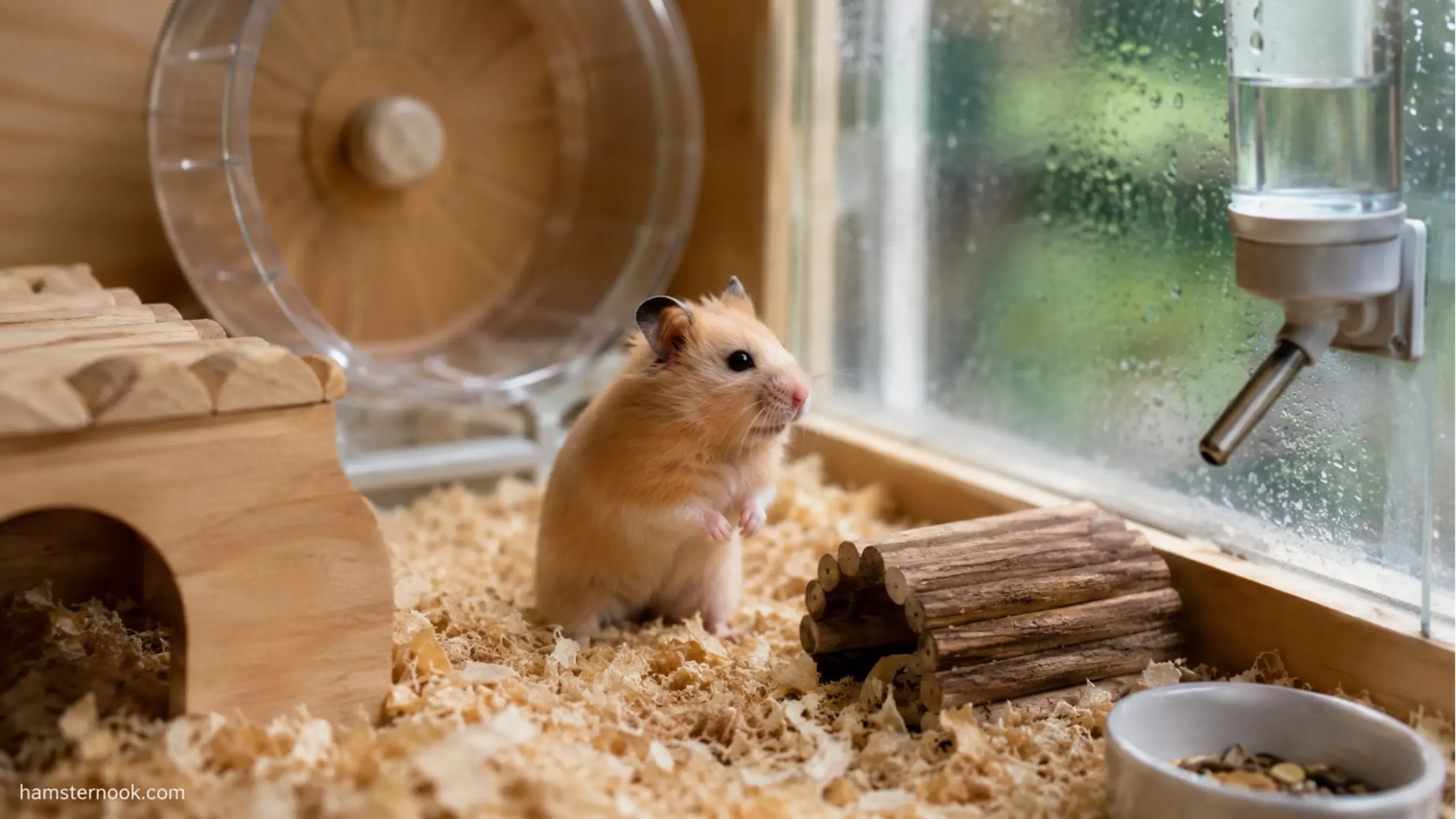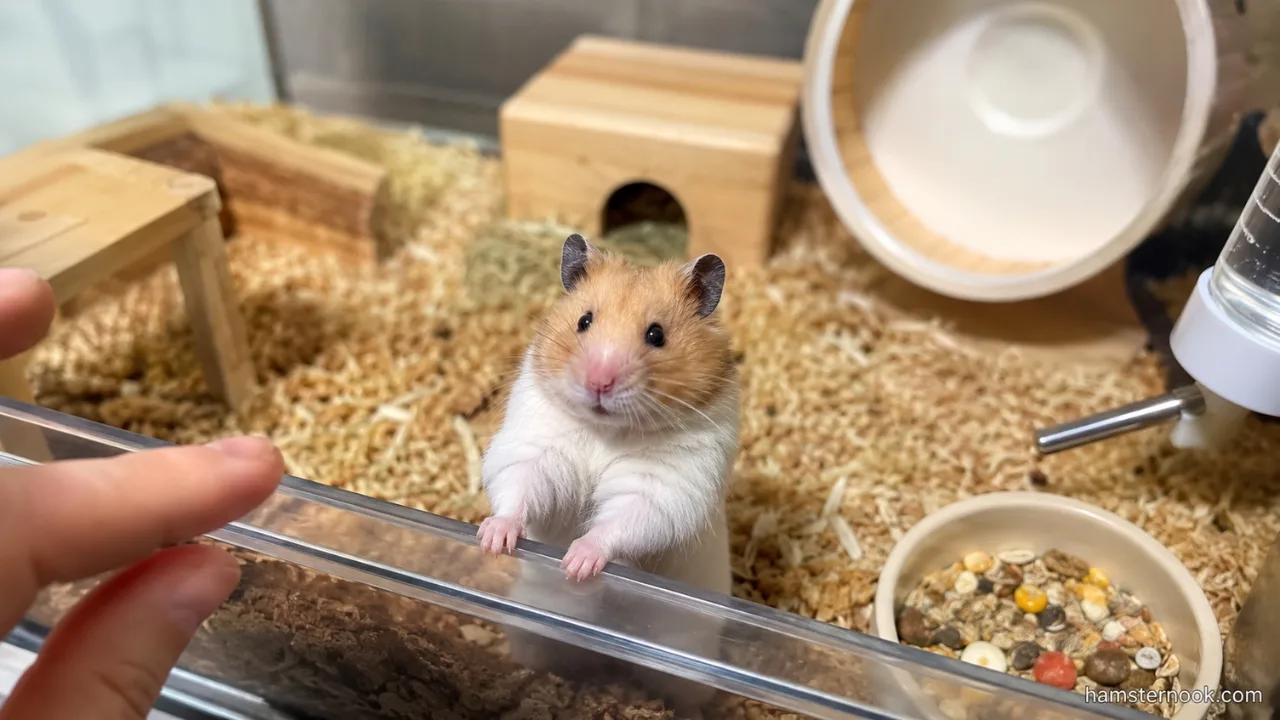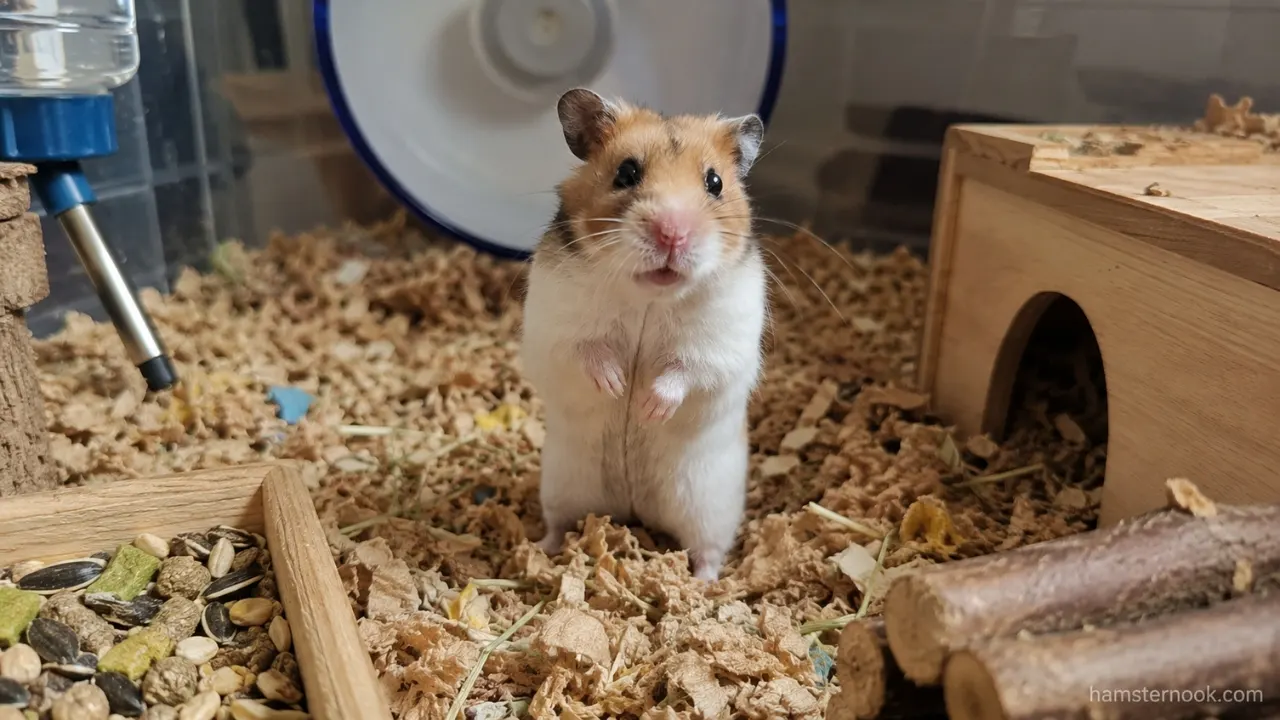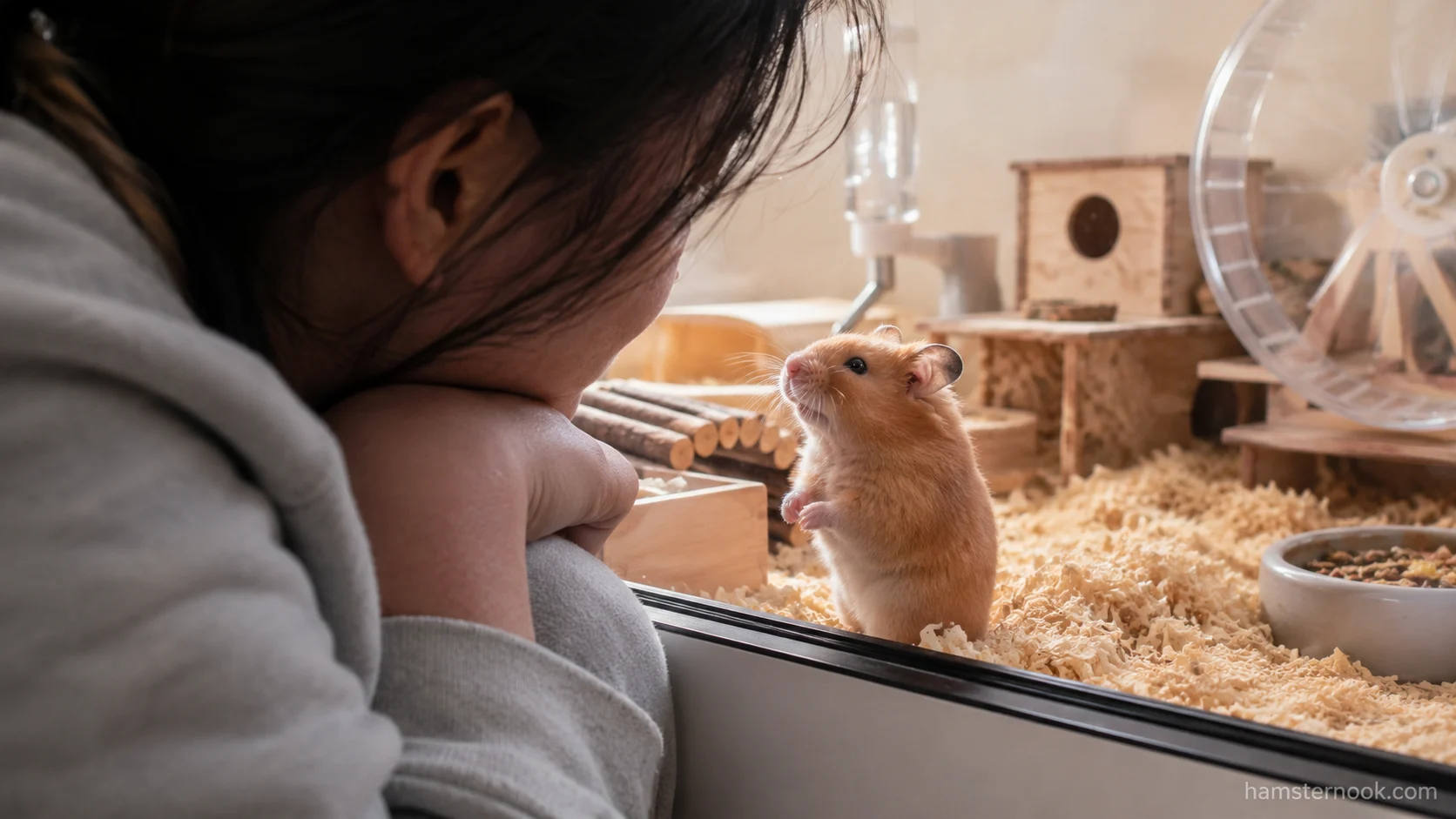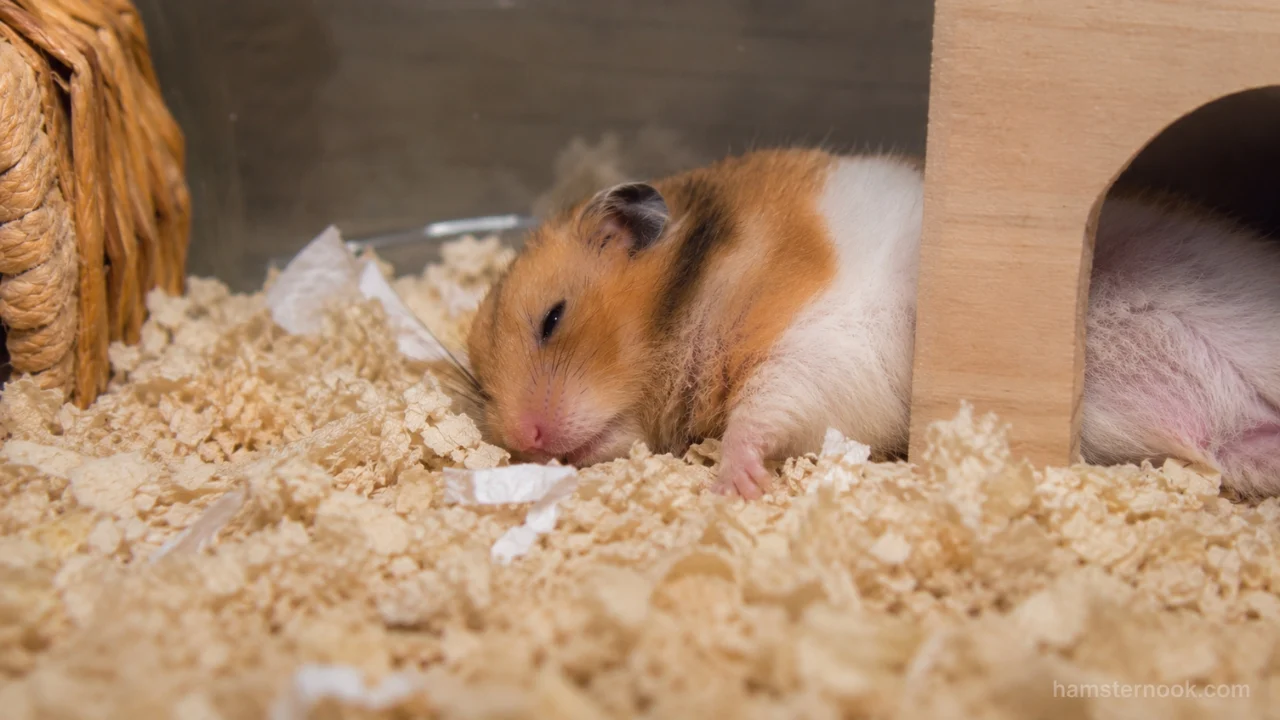
The first time you notice your hamster sleeping with its eyes partly open, it’s easy to think something is wrong. Many owners worry about illness or discomfort, but in most cases there’s a much simpler explanation. Some hamsters naturally sleep with their eyes partially open, especially during lighter stages of sleep.
Unlike humans, hamsters have different sleeping patterns and unique ways of resting. Some hamsters close their eyes tightly when sleeping, while others may leave them partially open during light sleep or while resting. However, there are situations where sleeping with open eyes can signal stress, illness, or environmental problems.
Knowing what is normal makes it much easier to spot when something genuinely needs attention. This guide explains why hamsters sometimes sleep with their eyes open, when it’s normal, and when it may be time to pay closer attention.
Quick Answer
Yes, hamsters can sleep with their eyes partially open, and this is often normal. Many hamsters do this during light sleep, while resting, or simply because it’s an individual habit. However, if open-eye sleeping appears alongside weight loss, lethargy, eye discharge, breathing problems, or major behavior changes, it may indicate stress or illness.
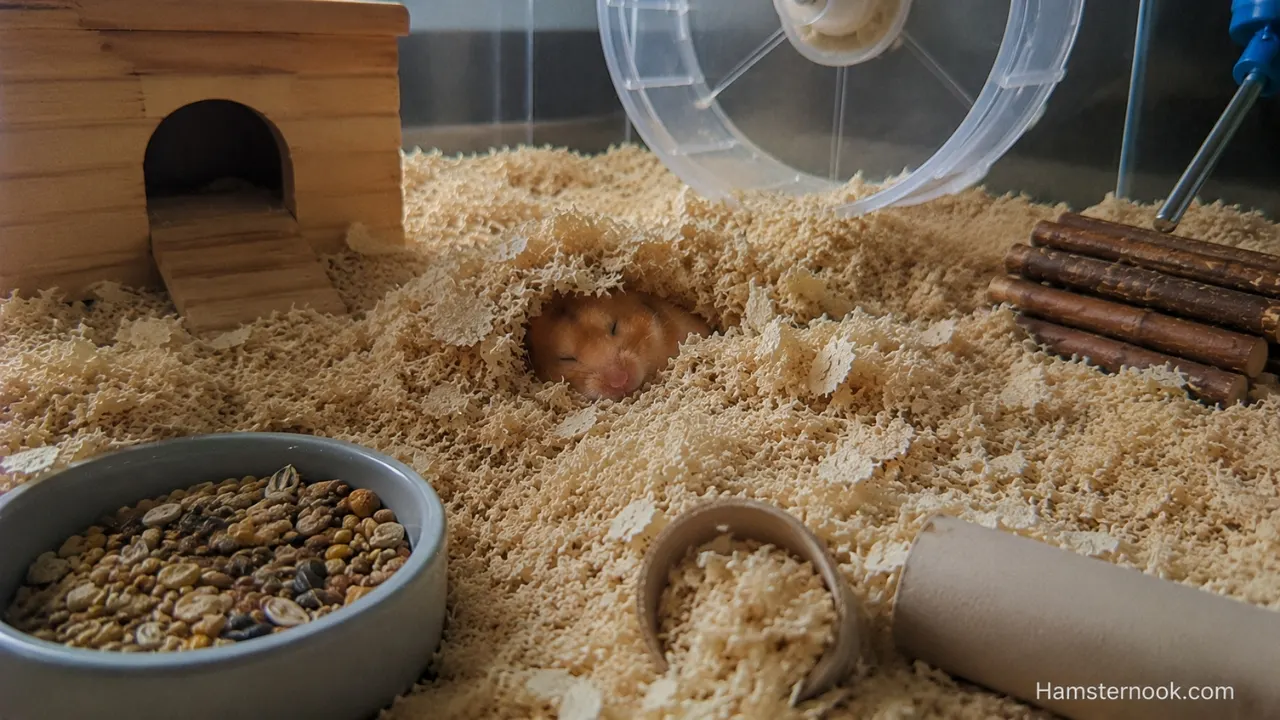
Is It Normal for Hamsters to Sleep With Their Eyes Open?
Yes, it can be normal.
Many owners search for this behavior after spotting it for the first time and assuming their hamster is awake, sick, or even unresponsive. In reality, open-eye sleeping is fairly common and usually becomes concerning only when other symptoms appear alongside it.
Some hamsters never seem to fully close their eyes during lighter sleep, while others may only do it occasionally. Both patterns can be completely normal. This behavior is more common than many owners realize and is not automatically a sign of illness.
Hamsters are prey animals in the wild. Even though pet hamsters live in safe homes, many natural survival instincts remain. Light sleeping and staying somewhat alert can help explain why some hamsters do not always close their eyes completely while resting.
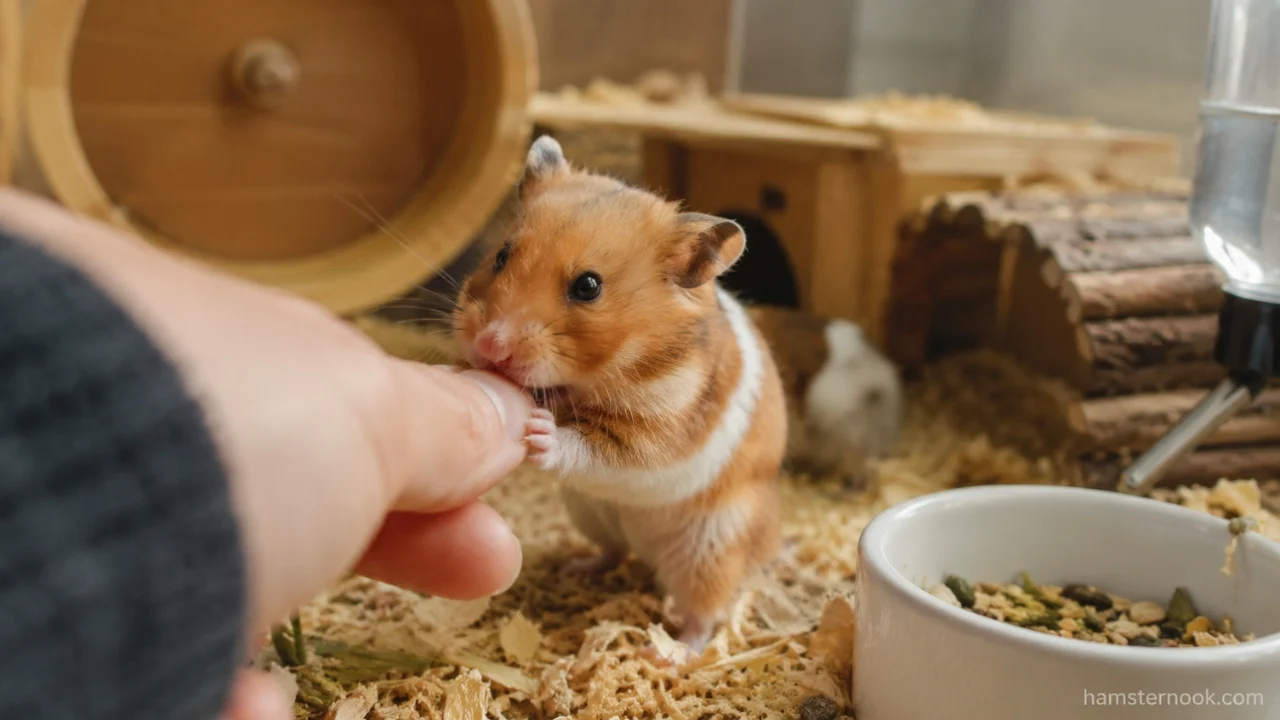
If your hamster is otherwise active, eating normally, maintaining a healthy weight, and behaving as usual, occasional open-eye sleeping is generally not a cause for concern.
Many long-term hamster owners notice this behavior occasionally throughout their pet’s life without ever seeing related health problems. Looking at your hamster’s overall condition is usually more useful than focusing on the eyes alone.
Common Reasons Hamsters Sleep With Their Eyes Open
Several factors can contribute to this behavior.
Reason Comparison Table
| Possible Cause | Usually Normal? | What Owners Should Do |
|---|---|---|
| Light sleep | Yes | Simply monitor |
| Natural individual habit | Yes | No action needed |
| Frequent disturbances | Sometimes | Reduce noise and activity |
| Bright lighting | Sometimes | Provide darker sleeping areas |
| Stress or anxiety | No | Identify and remove stressors |
| Illness or discomfort | No | Monitor closely and seek veterinary advice if needed |
| Old age | Often | Observe for other health changes |
Light Sleep and Natural Resting Behavior
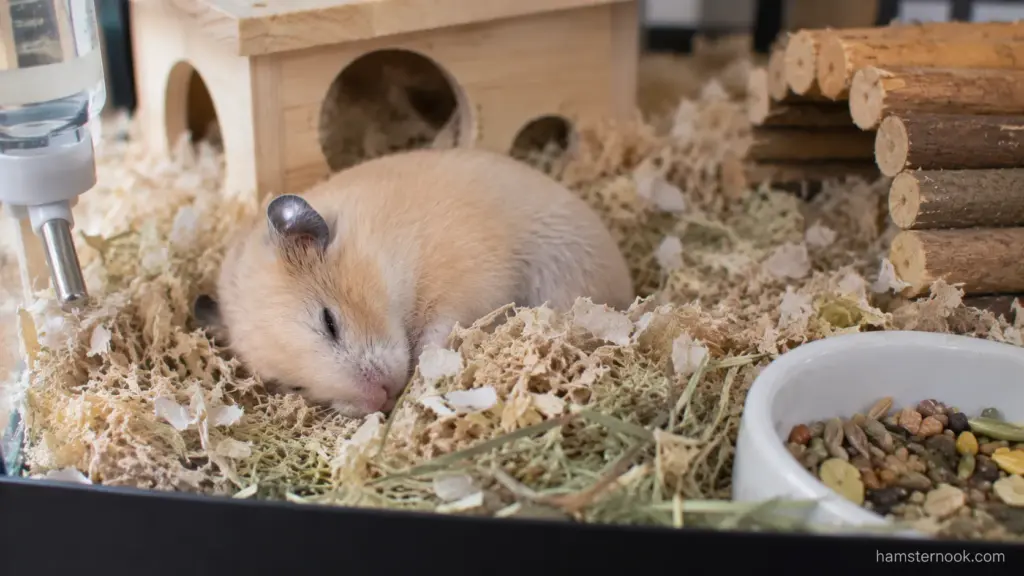
Not every sleeping hamster is in deep sleep.

Hamsters experience different sleep stages just like many other animals. During lighter sleep, their eyes may remain partially open, and they may react quickly to sounds or movement.
You might notice your hamster:
- Twitching slightly
- Changing position often
- Opening and closing its eyes occasionally
- Responding quickly when disturbed
These behaviors are usually harmless and simply reflect a lighter sleeping state.
Some Hamsters Simply Have This Habit
Just as people have different sleeping habits, hamsters do too.
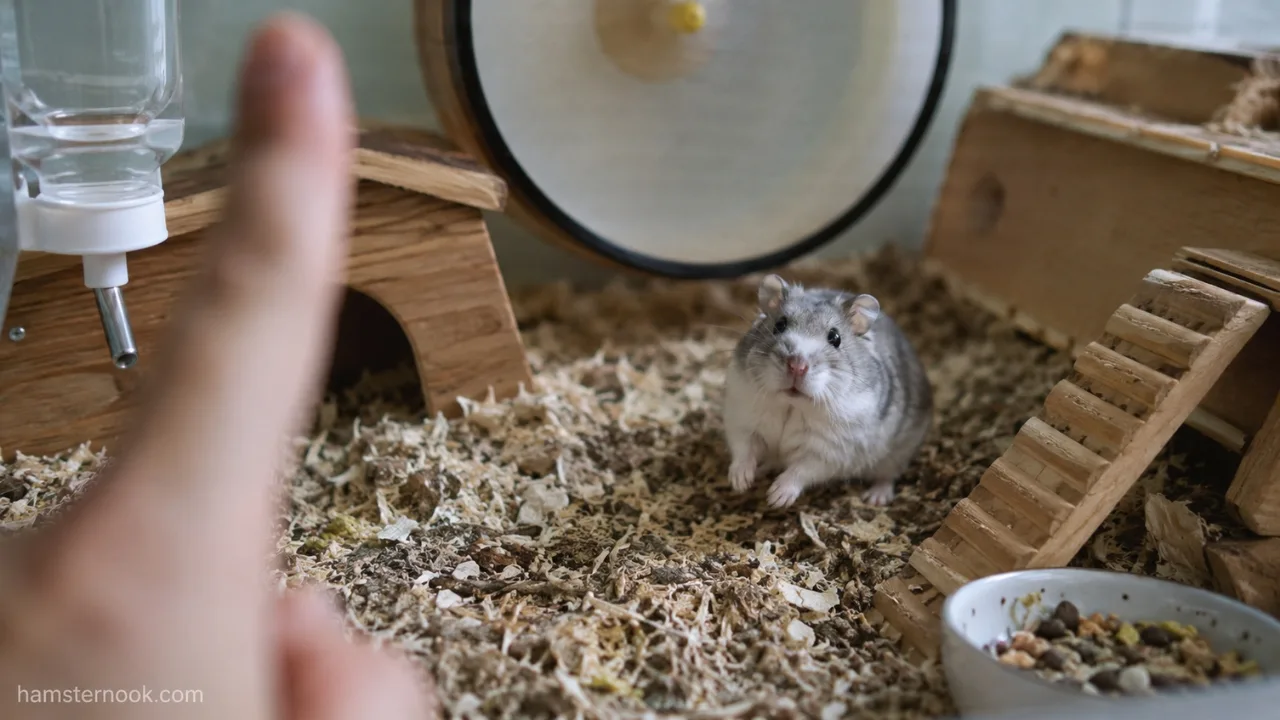
Some hamsters consistently sleep with closed eyes, while others frequently leave them partially open. Owners often notice this behavior from a young age and find that it continues throughout the hamster’s life without causing any health problems.
If your hamster has always slept this way and shows no other symptoms, it may simply be part of its normal behavior.
Could Your Hamster Be Sleeping Lightly Due to Noise?
Environmental disturbances are one of the most common reasons hamsters avoid deep sleep.
Hamsters are highly sensitive to their surroundings. Loud televisions, barking dogs, children playing nearby, or frequent cage activity may prevent them from relaxing fully.
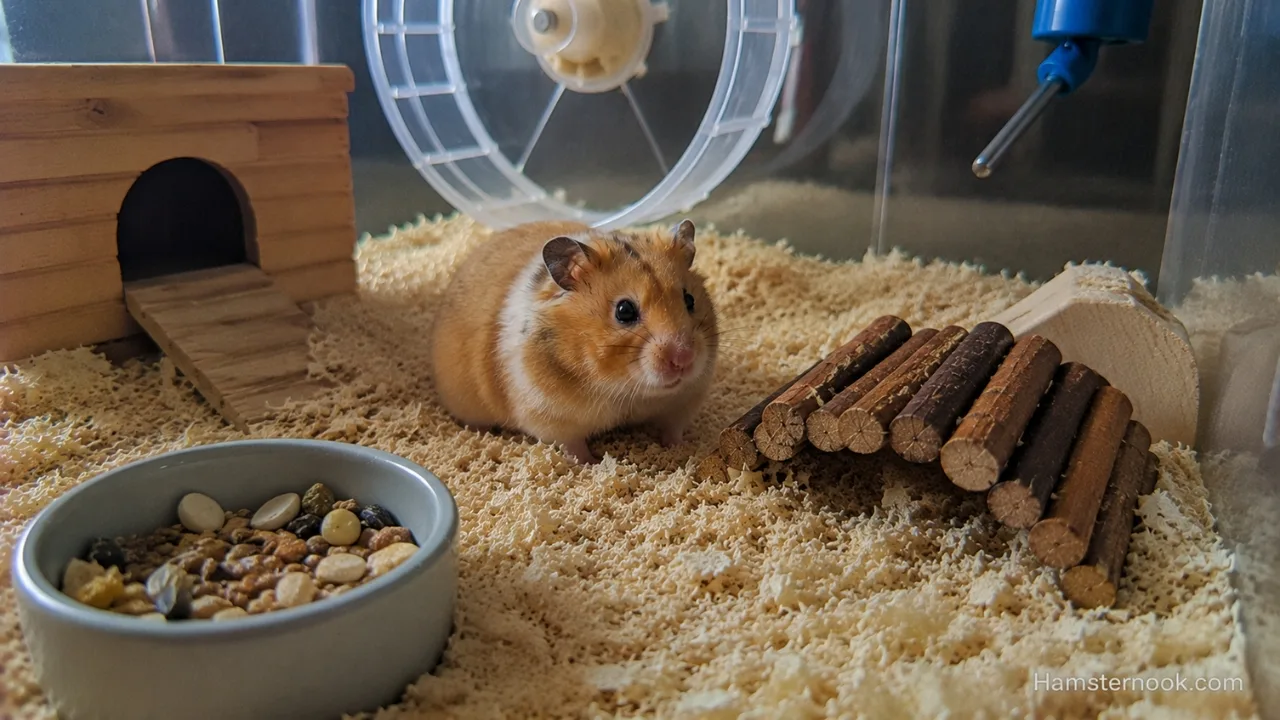
Environmental Factors That Can Affect Sleep
| Environmental Factor | Possible Impact |
|---|---|
| Loud music | Interrupted sleep |
| Television noise | Increased alertness |
| Frequent handling | Reduced rest quality |
| Vibrations near cage | Stress and vigilance |
| Busy household traffic | Difficulty entering deep sleep |
If your hamster’s cage is located in a noisy area, moving it to a quieter location may improve sleep quality.
For more placement tips, see Where Should You Put a Hamster Cage? Best and Worst Locations Explained.
Bright Lighting Can Affect Hamster Sleep
Hamsters are naturally crepuscular and nocturnal animals, meaning they are most active during the evening, night, and early morning hours.
Bright lighting during sleeping periods can make it harder for them to feel secure enough to enter deeper sleep stages.
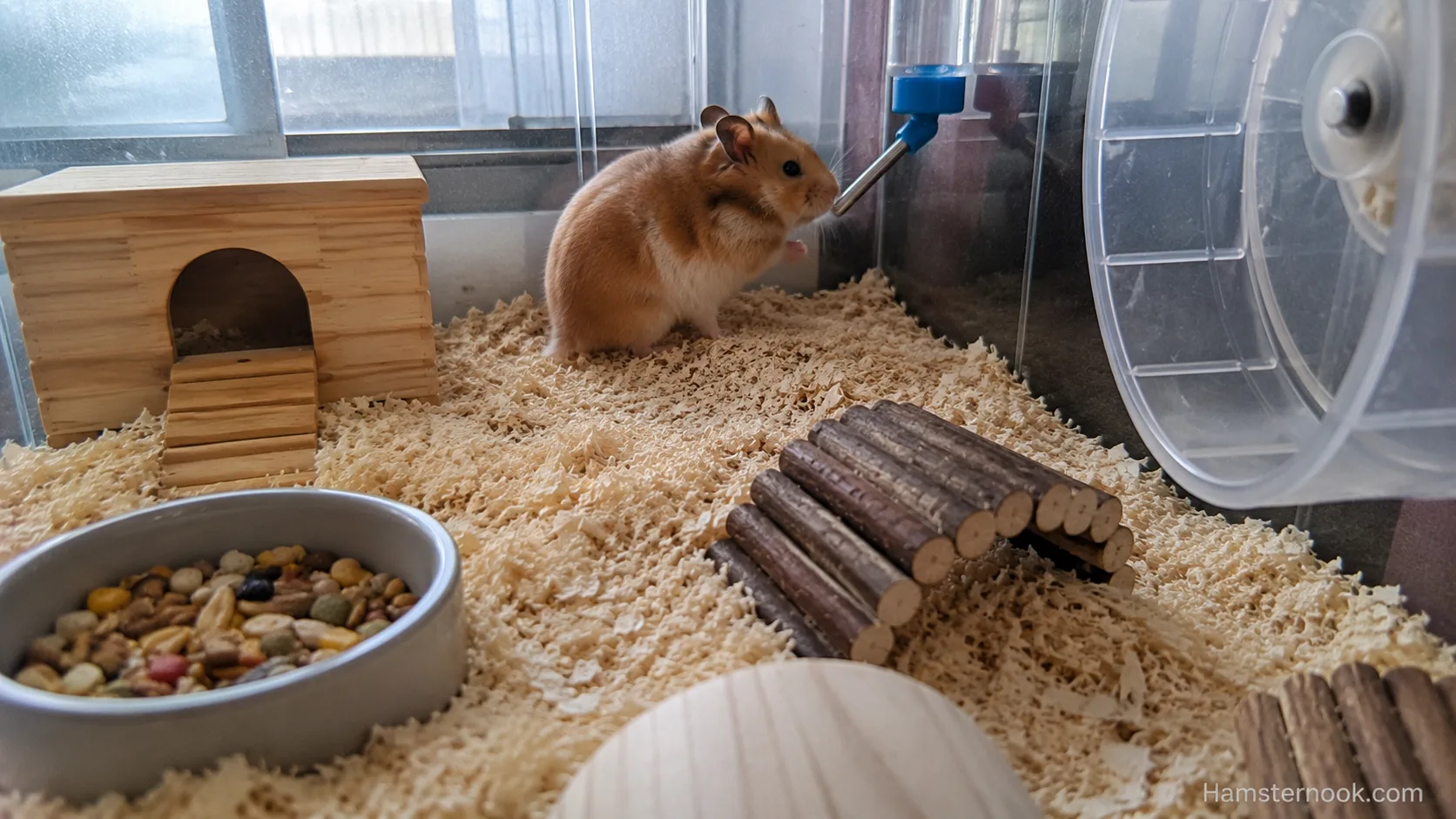
Signs that lighting may be affecting your hamster include:
- Sleeping in unusual locations
- Frequent waking
- Excessive hiding
- Reduced daytime rest
Providing a dark, enclosed hideout can help your hamster feel safer and more comfortable.
If your hamster spends a lot of time hiding, see Why Is My Hamster Suddenly Hiding More Than Usual?
Stress May Cause Open-Eye Sleeping
If your hamster normally sleeps with closed eyes and suddenly starts sleeping with them partially open, it’s worth looking at possible stress factors in the environment.
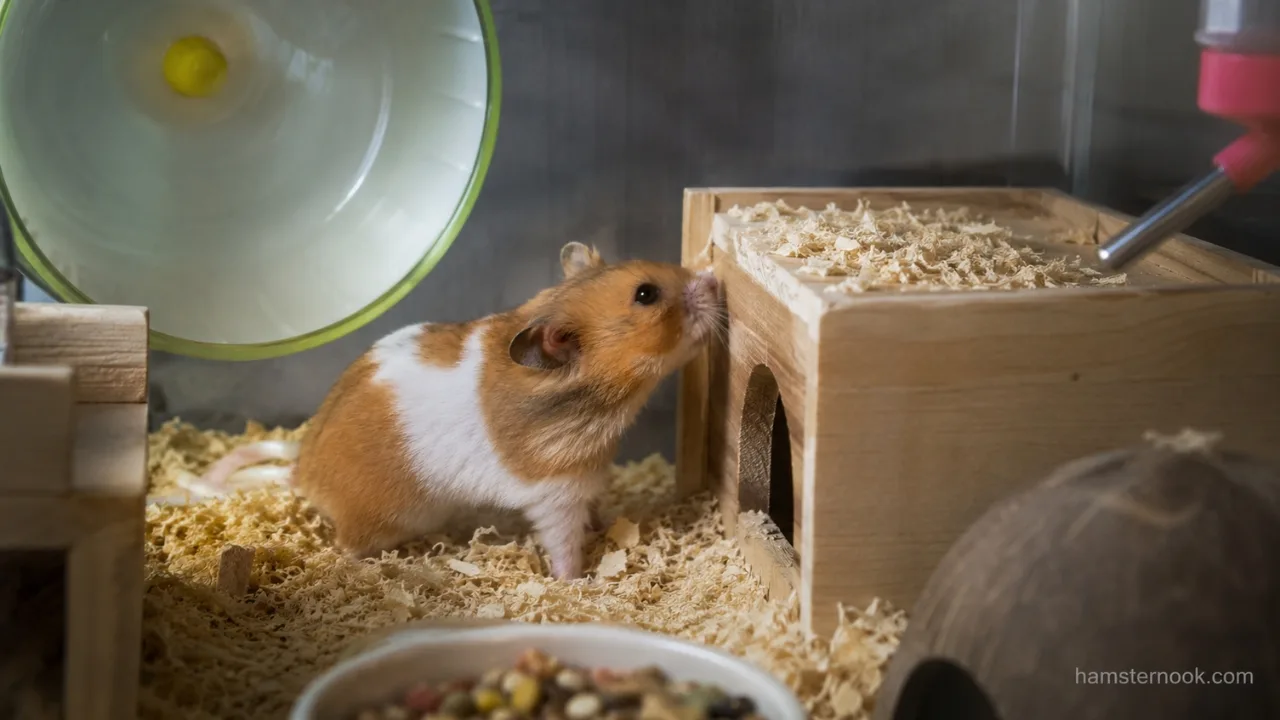
When hamsters feel unsafe, they may remain partially alert even while resting. This heightened awareness can make them more likely to sleep with their eyes partially open.
Common Sources of Hamster Stress
| Stress Trigger | Potential Effect |
|---|---|
| Small enclosure | Chronic stress |
| Lack of hiding spots | Reduced feeling of security |
| Frequent cage changes | Anxiety |
| Rough handling | Fear responses |
| Predator pets nearby | Constant alertness |
| Overcrowding | Behavioral stress |
Reducing stress often improves overall sleep quality.
You may also want to read 7 Ways Owners Accidentally Stress Their Hamsters.
Can Illness Cause a Hamster to Sleep With Its Eyes Open?
Sometimes.
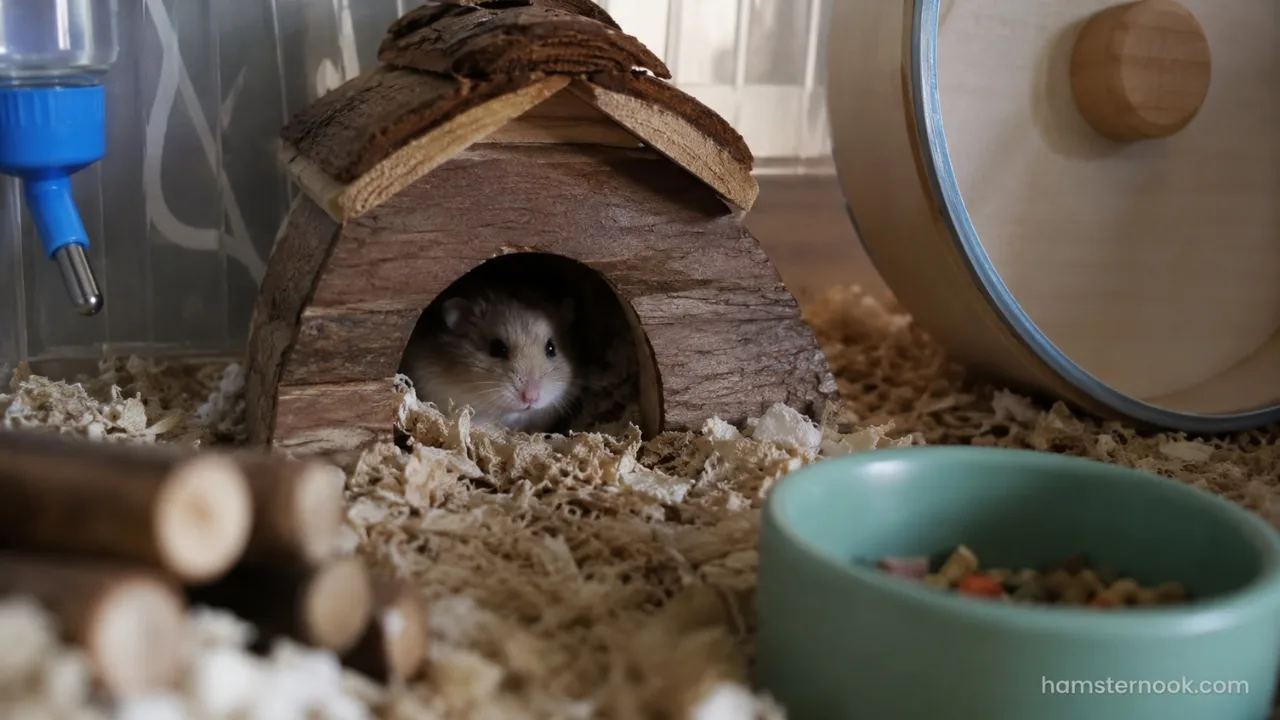
While open-eye sleeping alone does not necessarily indicate illness, it becomes more concerning when combined with other symptoms.
If your hamster has also started losing weight, our Why Is My Hamster Losing Weight? Causes Owners Should Never Ignore guide explains the most common reasons behind unexpected weight loss and when it may signal a more serious health problem.
Watch for signs such as:
- Loss of appetite
- Weight loss
- Labored breathing
- Discharge from the eyes or nose
- Lethargy during active hours
- Poor grooming
- Unusual posture
A sick hamster may not rest normally and could appear to sleep with open eyes due to discomfort or weakness.
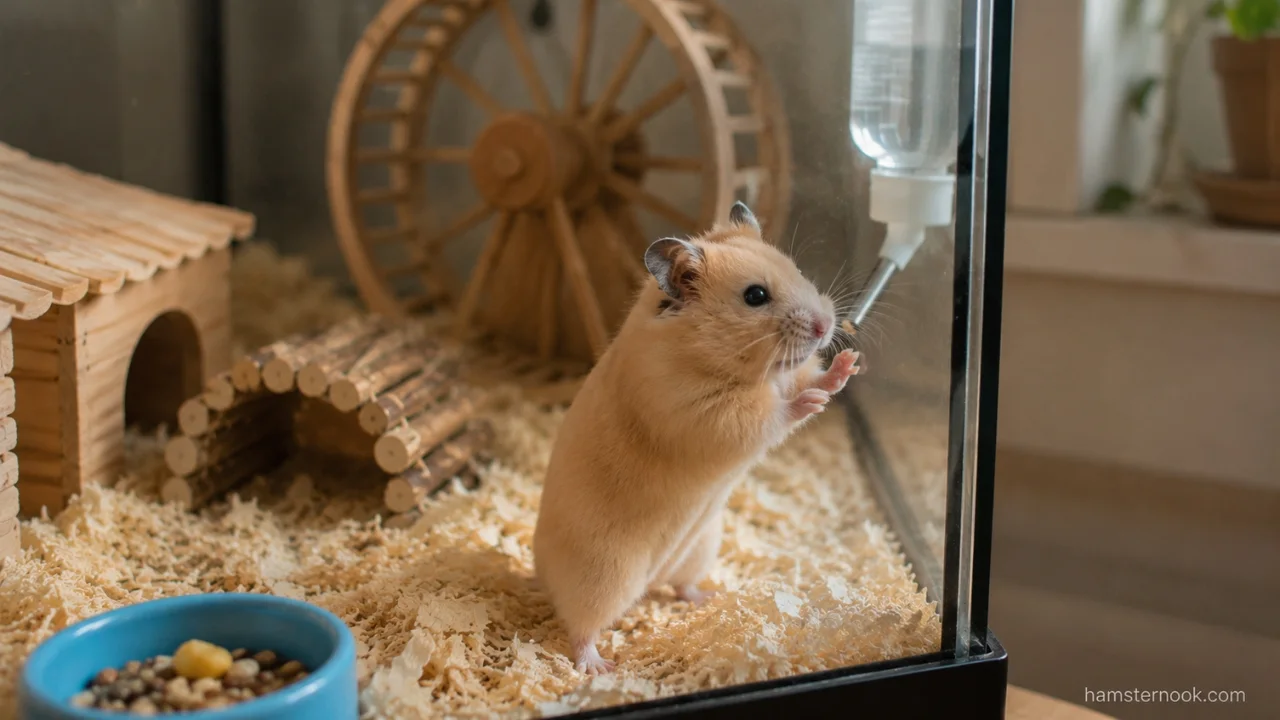
Eye Problems That May Affect Sleeping
In some cases, the issue may involve the eyes rather than sleep itself.
Eye infections, irritation, injuries, or age-related changes can make it difficult for a hamster to fully close its eyelids.
Signs of Possible Eye Problems
| Symptom | Possible Concern |
|---|---|
| Redness | Irritation or infection |
| Swelling | Inflammation |
| Crust around eyes | Eye infection |
| Excessive tearing | Irritation |
| Cloudiness | Eye disease or injury |
| Difficulty closing eyes | Veterinary evaluation needed |
Any persistent eye abnormalities should be examined by an exotic pet veterinarian.
Do Older Hamsters Sleep With Their Eyes Open More Often?
Sometimes they do.
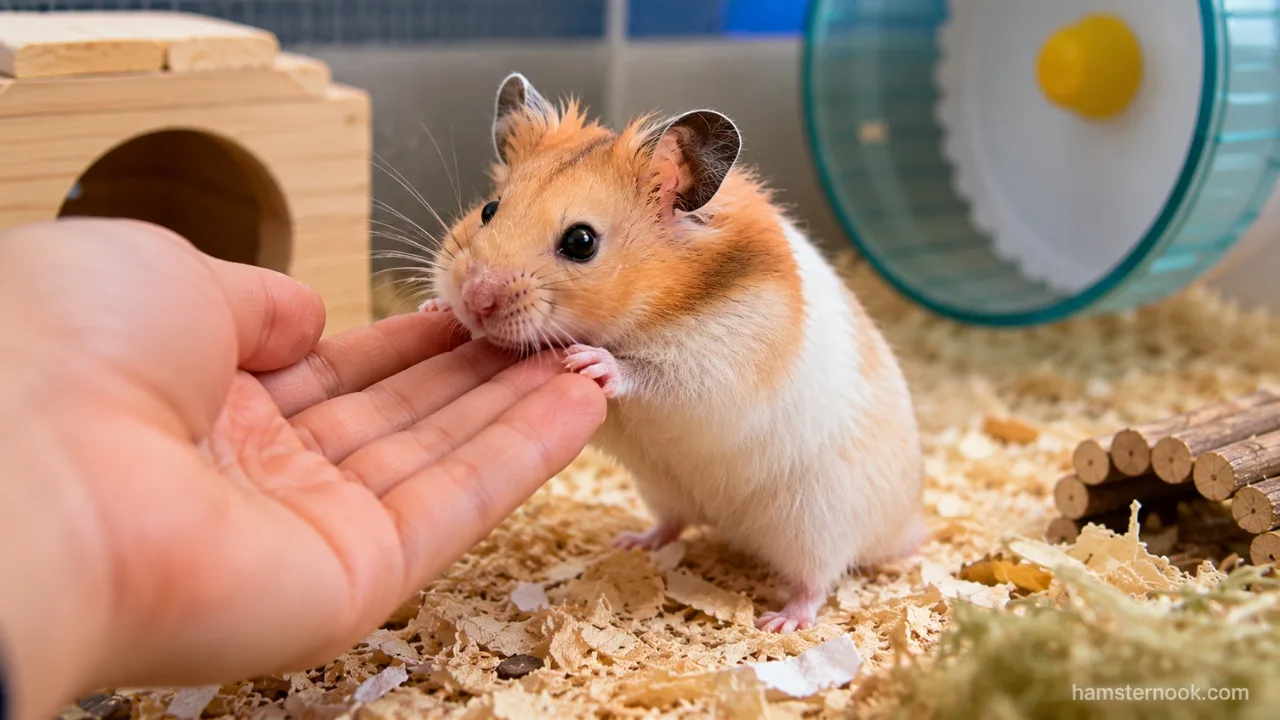
As hamsters age, their sleep patterns may change. Senior hamsters often sleep more frequently, wake up more often, and may appear less deeply asleep than younger animals.
Older hamsters may also experience age-related changes affecting muscle control around the eyelids, although this varies between individuals.
If an older hamster remains active, eats normally, and shows no signs of illness, occasional open-eye sleeping is often not a serious concern.
How to Tell if Your Hamster Is Actually Sleeping
Many owners mistake resting behavior for sleep.
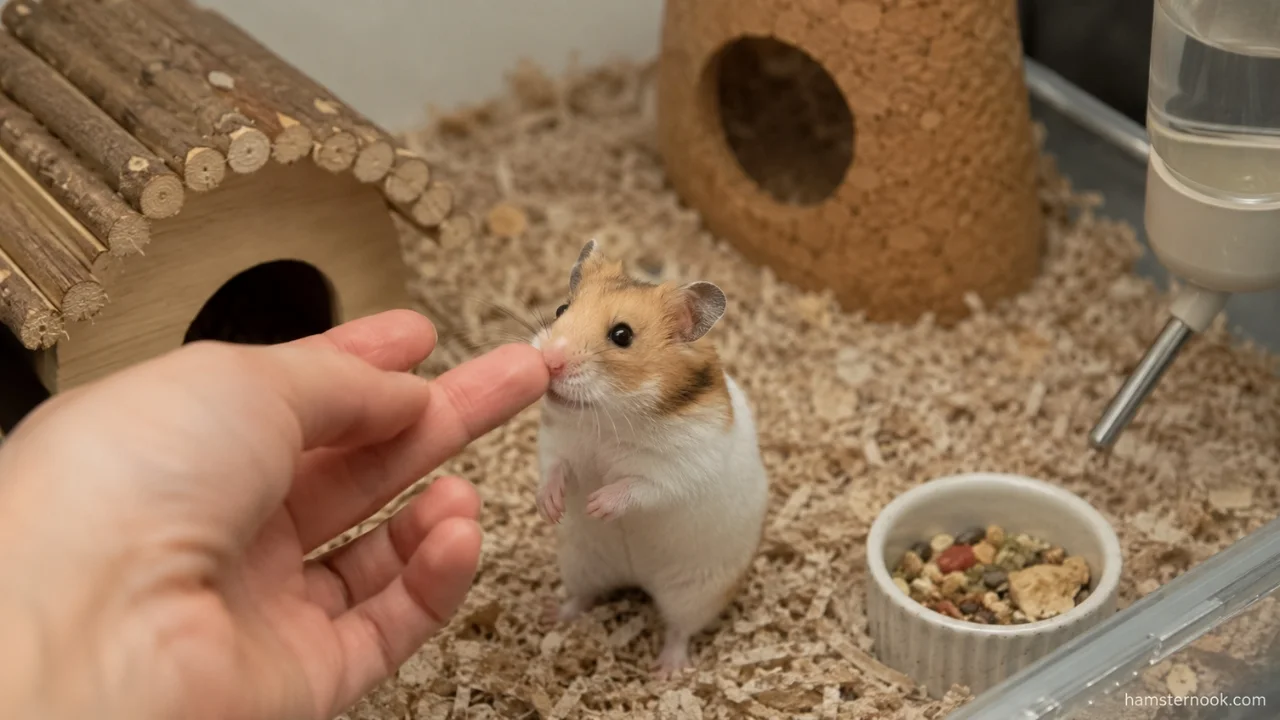
Hamsters sometimes sit quietly with partially open eyes while relaxing, especially during daytime hours.
Sleeping vs Resting Comparison
| Behavior | Sleeping | Resting |
|---|---|---|
| Response to sound | Slower | Faster |
| Body posture | More relaxed | More alert |
| Movement | Minimal | Occasional |
| Eye position | Closed or partially open | Often partially open |
| Awareness | Reduced | Higher |
Observing your hamster for several minutes can help determine whether it is truly asleep or simply resting.
How to Help Your Hamster Sleep More Comfortably
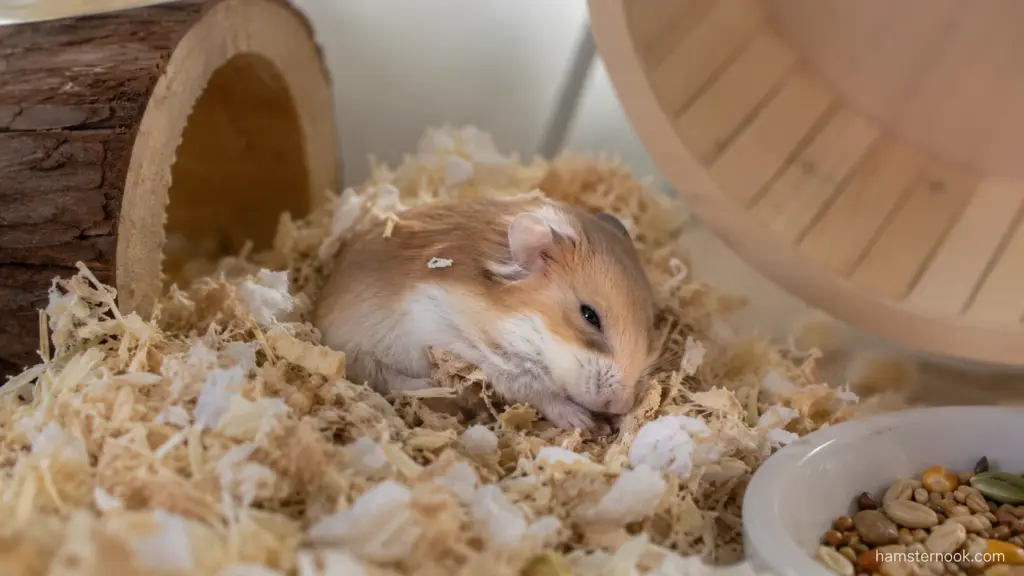
Creating a comfortable sleeping environment is one of the best things owners can do.
Focus on:
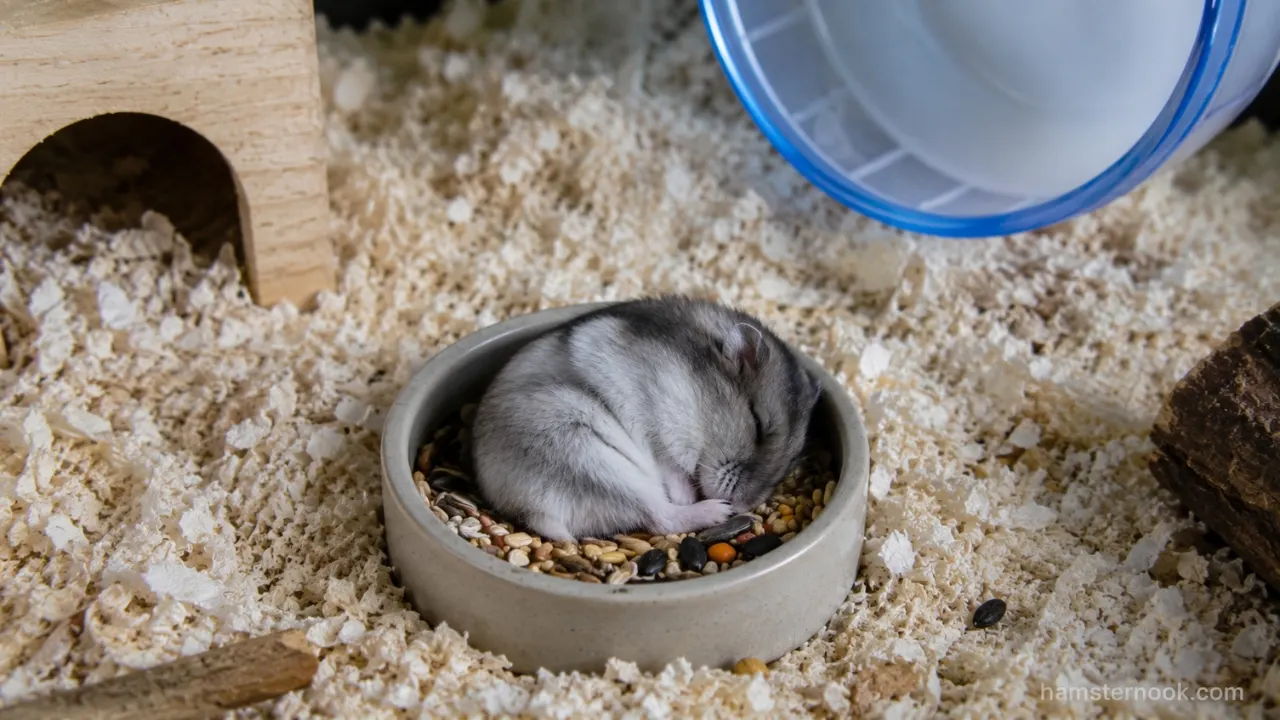
- Providing a properly sized enclosure
- Offering deep bedding for burrowing
- Including multiple hideouts
- Keeping the cage in a quiet area
- Maintaining a consistent routine
- Avoiding unnecessary disturbances during sleeping hours
A secure hamster is more likely to enjoy deeper, healthier sleep.
One simple habit that many experienced owners find helpful is avoiding unnecessary cage cleaning or handling while a hamster is asleep. Allowing your hamster to wake up naturally helps reduce stress and supports a more consistent sleep routine, especially for younger or newly adopted hamsters.
You can also learn what normal wellness looks like in Happy and Healthy Hamster Signs.
A Simple Way to Monitor the Situation
If you’re unsure whether open-eye sleeping is normal for your hamster, spend a week observing its overall behavior rather than focusing on the eyes alone.

Pay attention to:
- Appetite
- Activity levels
- Weight stability
- Grooming habits
- Interest in food and enrichment
- Breathing patterns
A hamster that is eating, exploring, grooming, and maintaining its normal routine is usually much less concerning than one showing multiple changes at once.
When Should You Be Concerned?
Sleeping with open eyes is usually harmless when it occurs by itself.
However, you should pay closer attention if the behavior is accompanied by:
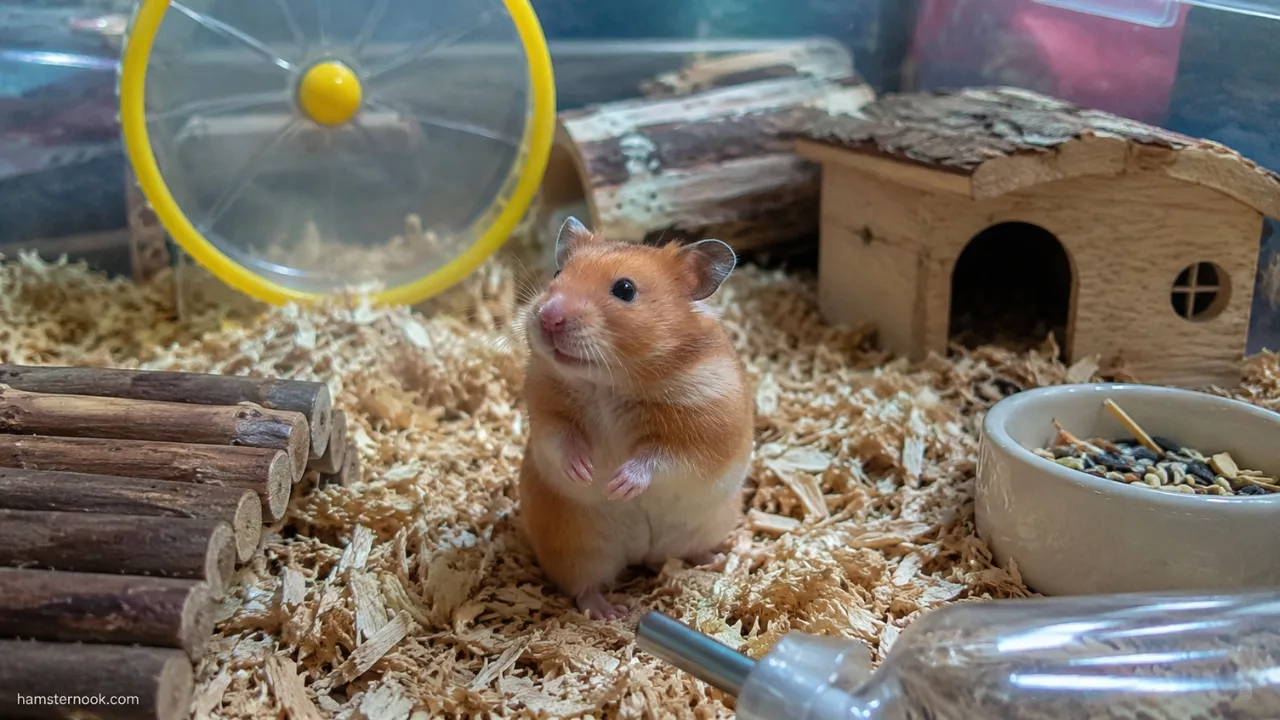
- Eye discharge
- Swelling around the eyes
- Significant behavioral changes
- Refusal to eat
- Weight loss
- Difficulty moving
- Excessive sleeping
Any combination of these symptoms warrants a veterinary evaluation.
If you’re ever unsure whether a change is serious, compare your hamster’s current behavior with its normal daily routine rather than focusing on a single symptom. A combination of small changes is often more meaningful than one unusual behavior by itself.
Final Thoughts
A hamster sleeping with its eyes open is often perfectly normal and usually reflects light sleep, individual sleeping habits, or natural prey-animal instincts. Many healthy hamsters occasionally rest this way without experiencing any health problems.
Looking at your hamster’s overall behavior is usually more useful than focusing on a single habit. If your hamster is eating well, staying active during normal waking hours, maintaining a healthy appearance, and showing no signs of illness, occasional open-eye sleeping is rarely a reason to worry.

If you’re still learning what normal hamster behavior looks like, our Ultimate Hamster Care Guide for Beginners (2026) brings together essential advice on sleep, diet, housing, enrichment, and daily care in one complete resource.
On the other hand, if you notice additional symptoms such as eye irritation, lethargy, weight loss, or unusual behavior, it’s worth investigating further and consulting an experienced exotic pet veterinarian.
Frequently Asked Questions
Do hamsters actually sleep with their eyes open?
Yes. Some hamsters naturally sleep with their eyes partially open, especially during lighter stages of sleep.
Is it bad if my hamster’s eyes are open while sleeping?
Not necessarily. If your hamster appears healthy and behaves normally, this is often harmless.
Can stress cause a hamster to sleep with open eyes?
Yes. Stressful environments may prevent hamsters from fully relaxing, leading to lighter sleep and increased alertness.
Should I wake my hamster if it sleeps with its eyes open?
No. Waking a sleeping hamster unnecessarily can cause stress and disrupt its natural sleep cycle.
How can I tell if my hamster is sick rather than just sleeping?
Look for additional symptoms such as weight loss, loss of appetite, discharge from the eyes, breathing difficulties, or unusual lethargy.
Do older hamsters sleep differently?
Yes. Senior hamsters often experience changes in sleep patterns and may appear to sleep more lightly than younger hamsters.

Narayan Kumar is the founder and author of HamsterNook. He creates practical, research-based hamster care guides covering hamster behavior, nutrition, cage setup, enrichment, health, and everyday care. His goal is to help hamster owners make informed decisions and provide safer, healthier lives for their pets through clear, beginner-friendly information based on trusted animal care resources.