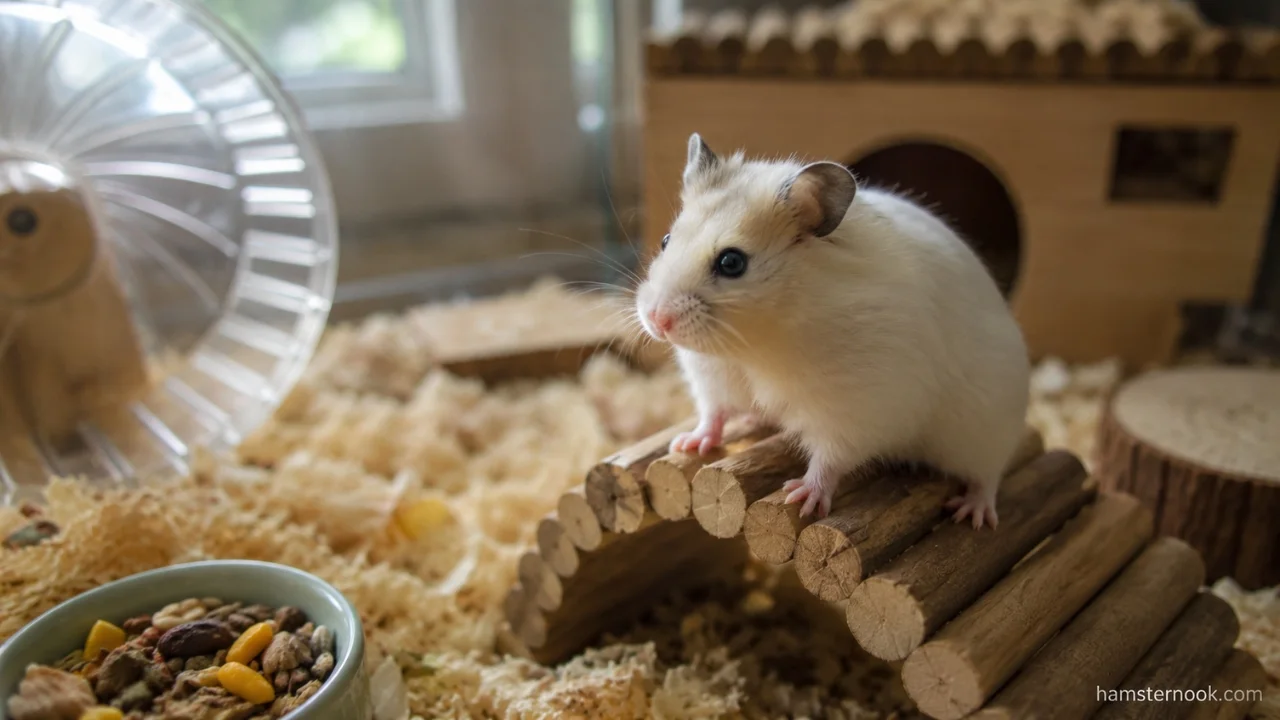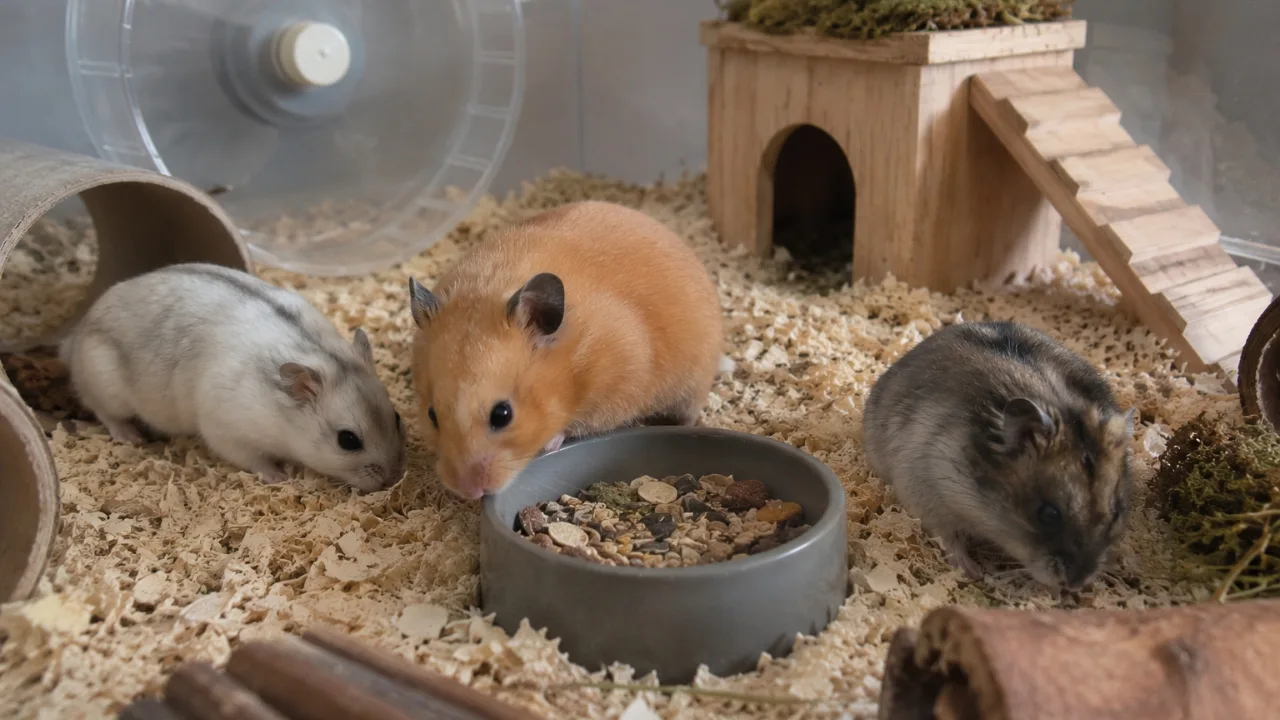
If you’re looking for a hamster that enjoys sitting in your hands, stays relatively calm during handling, and is easier to bond with, choosing the right breed matters more than many owners realize. Breed differences can have a surprisingly large impact on how comfortable a hamster is with human interaction. Some are naturally calmer and more comfortable sitting in your hands, while others are fast-moving, nervous, or simply prefer exploring over cuddling.
For first-time owners, breed choice often has a bigger impact on handling experiences than they expect. While every hamster has its own personality, certain breeds are generally easier to tame and more tolerant of handling than others.
This guide explains which hamster breed likes being held the most, how breed differences affect handling, and what you can do to build trust with any hamster.
Quick Answer
For most owners, Syrian hamsters are the hamster breed that likes being held the most. Their larger size, calmer temperament, and slower movements make them easier to handle than dwarf species. However, individual personality and proper taming are often just as important as breed when it comes to enjoying human interaction.
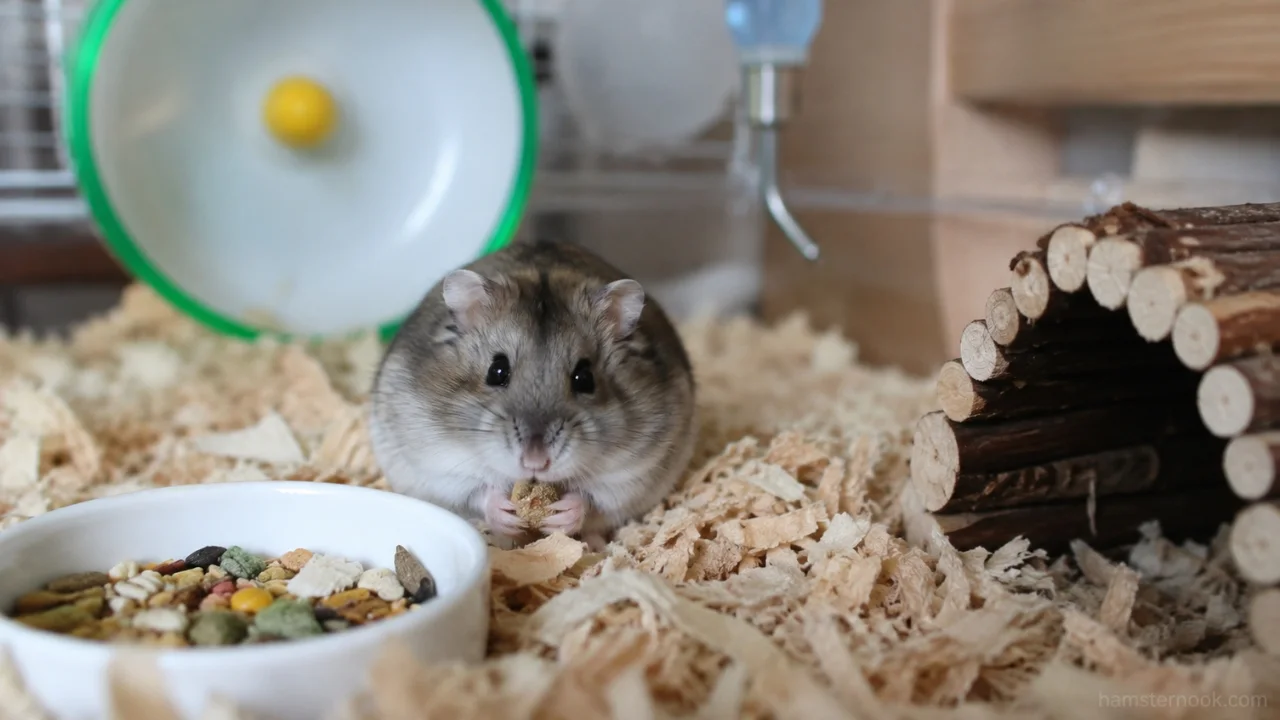
Which Hamster Breed Is Best for Being Held?
For most owners, the Syrian hamster is considered the hamster breed that enjoys handling the most.
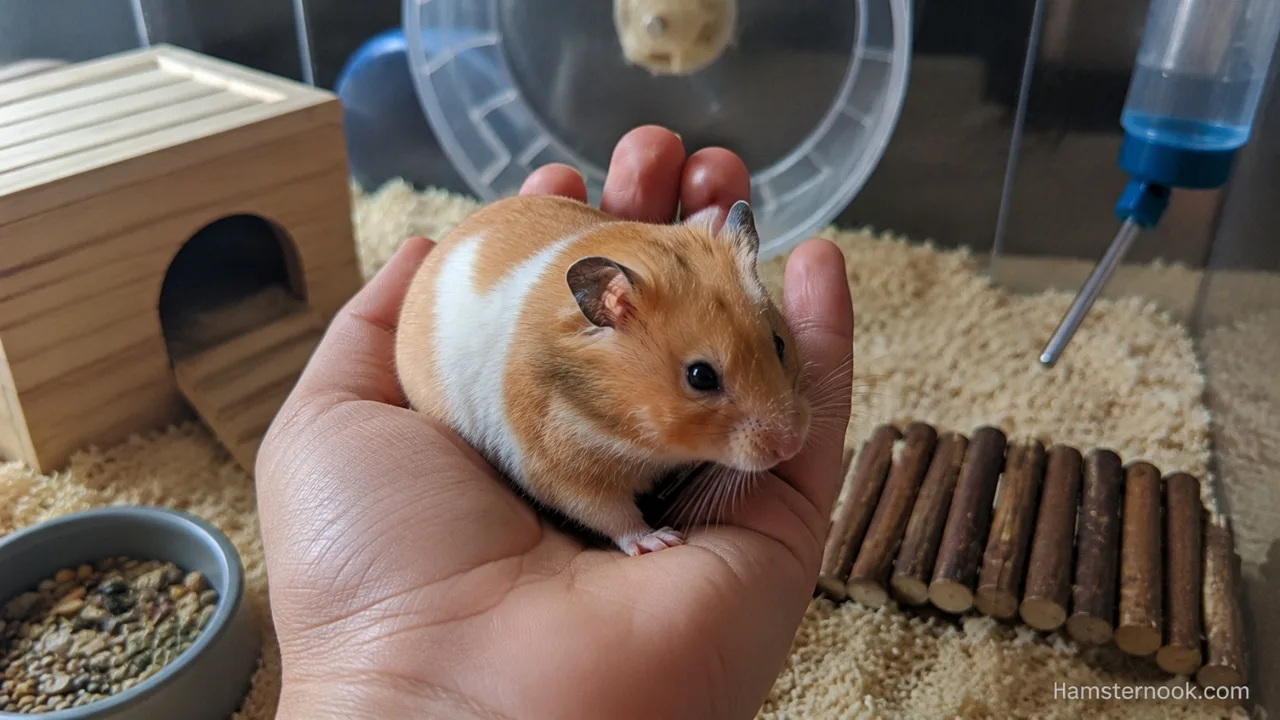
Syrian hamsters are larger than other pet hamster species, which makes them easier to pick up and hold safely. They also tend to be calmer, slower-moving, and more confident around humans once properly tamed.
Many Syrian hamsters will happily sit on an owner’s hand for a few moments, take treats calmly, and explore without constantly trying to dash away, which is one reason they’re often recommended for beginners.
Owners often confuse affection with handling tolerance. Our Most Affectionate Hamster Breed: Which Hamster Likes Being Held? guide explains how social behavior and handling comfort are not always the same thing.
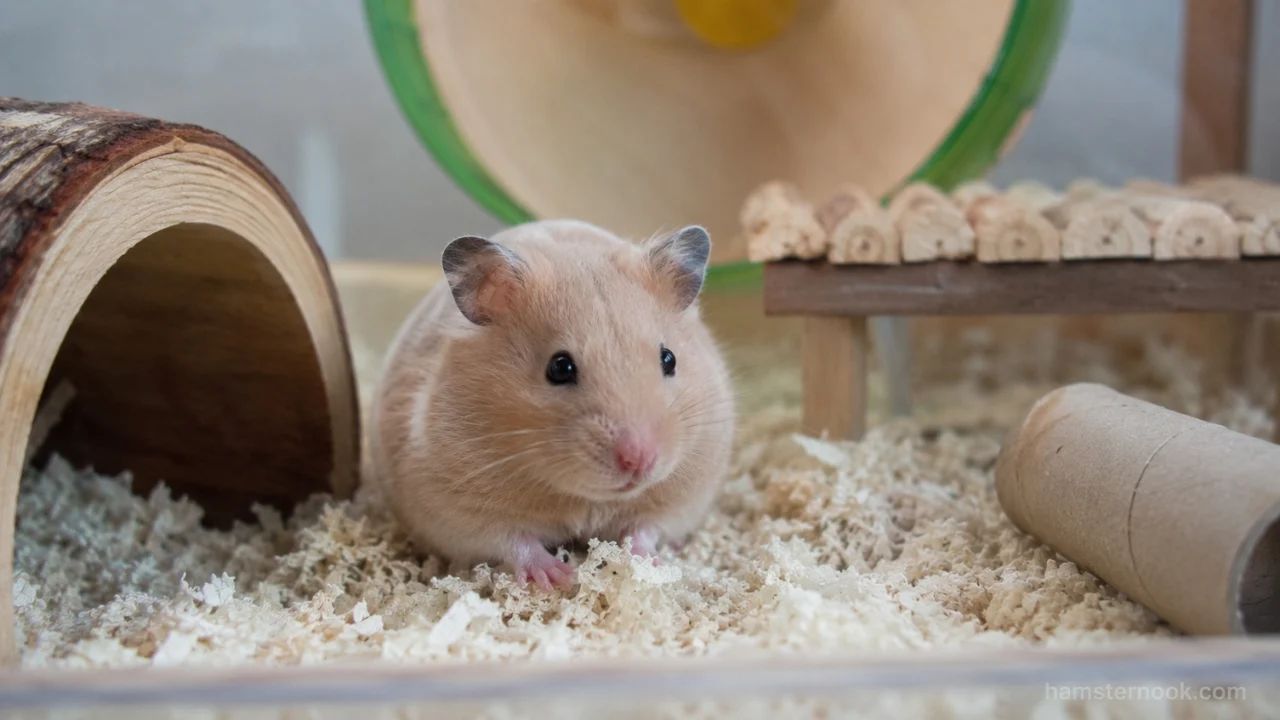
That doesn’t mean every Syrian hamster loves being held. Personality, age, socialization, and past experiences all influence behavior. While nothing is guaranteed, Syrians are usually the breed most owners find easiest to handle and interact with regularly.
Syrian hamsters are often easier for beginners to handle, but adult supervision is still important around children because hamsters are small, delicate animals and individual temperament varies.
Hamster Breeds Ranked for Handling Friendliness
The following comparison provides a general overview of how different hamster species respond to handling.
| Hamster Breed | General Handling Tendency | What to Expect |
|---|---|---|
| Syrian Hamster | Usually easiest to handle | Larger body and generally easier to scoop and hold |
| Chinese Hamster | Can become tame | Smaller body means handling needs more care |
| Winter White Hamster | Can become tame | Active behavior and individual temperament can vary |
| Campbell’s Dwarf Hamster | Can become tame | Active behavior and individual temperament can vary |
| Roborovski Hamster | Often more challenging to hold | Very small and fast, so many owners find observation easier than frequent handling |
While these are general trends, individual personality can vary significantly from one hamster to another.
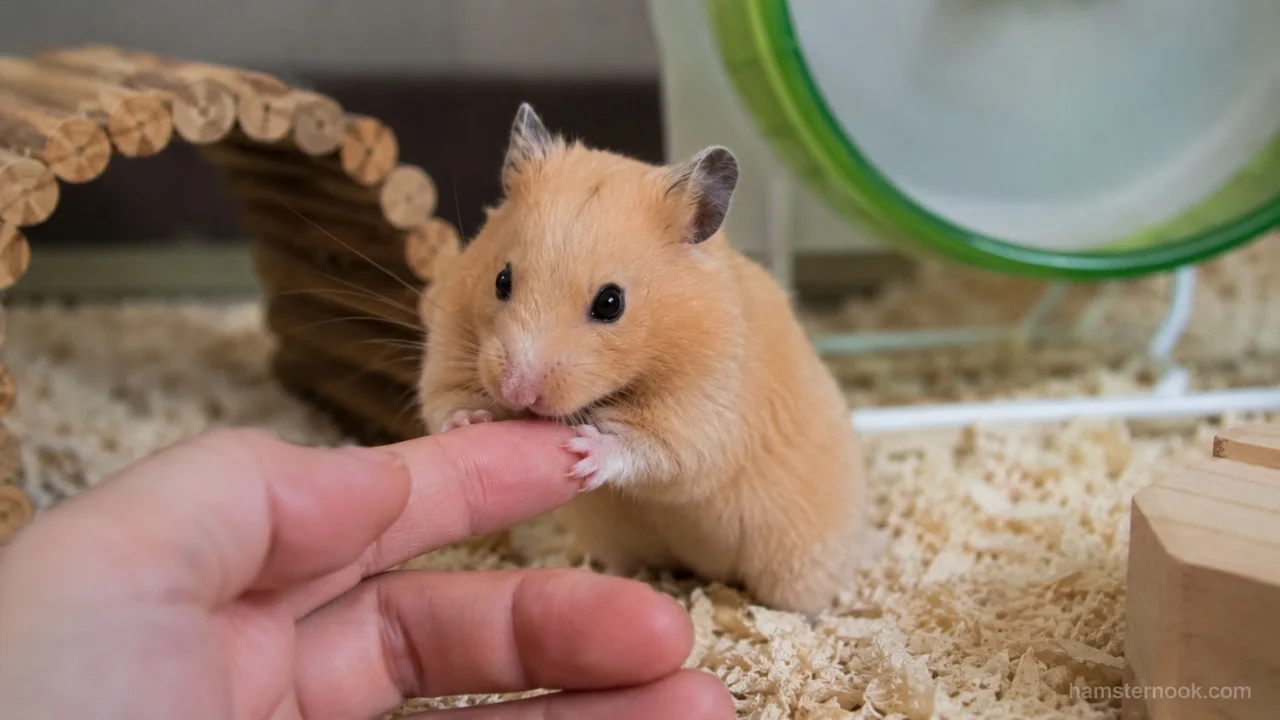
Why Syrian Hamsters Usually Enjoy Handling More
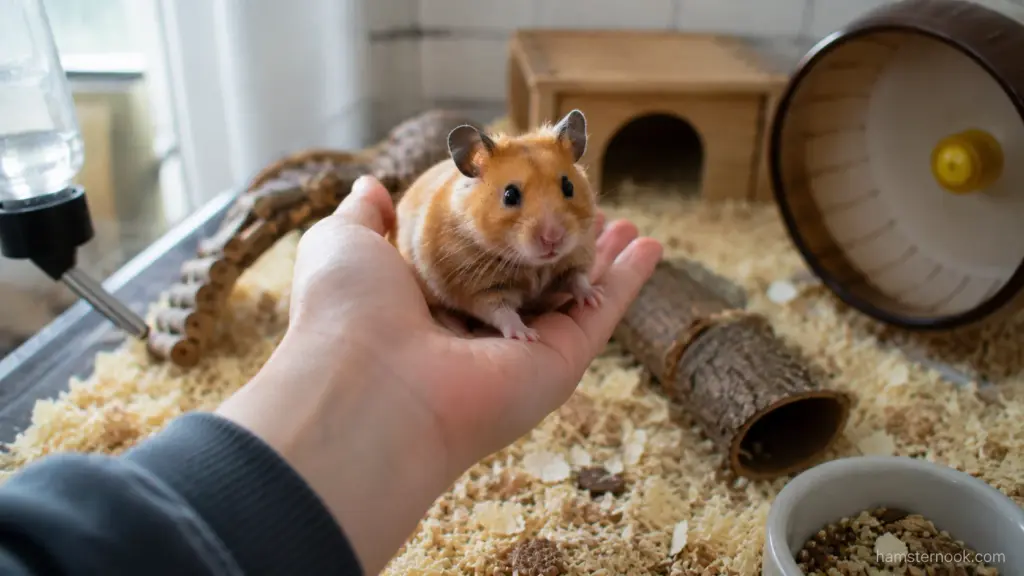
Several characteristics make Syrian hamsters the most handling-friendly species.
Larger Size Creates More Confidence
Syrian hamsters can grow much larger than dwarf species. Their larger size often makes them feel more secure during handling and reduces the likelihood of accidental injury.
For owners, this also means they are easier to hold without feeling like the hamster might slip through their fingers.
Slower Movement Makes Interaction Easier
Most Syrian hamsters move at a more manageable pace than dwarf breeds.
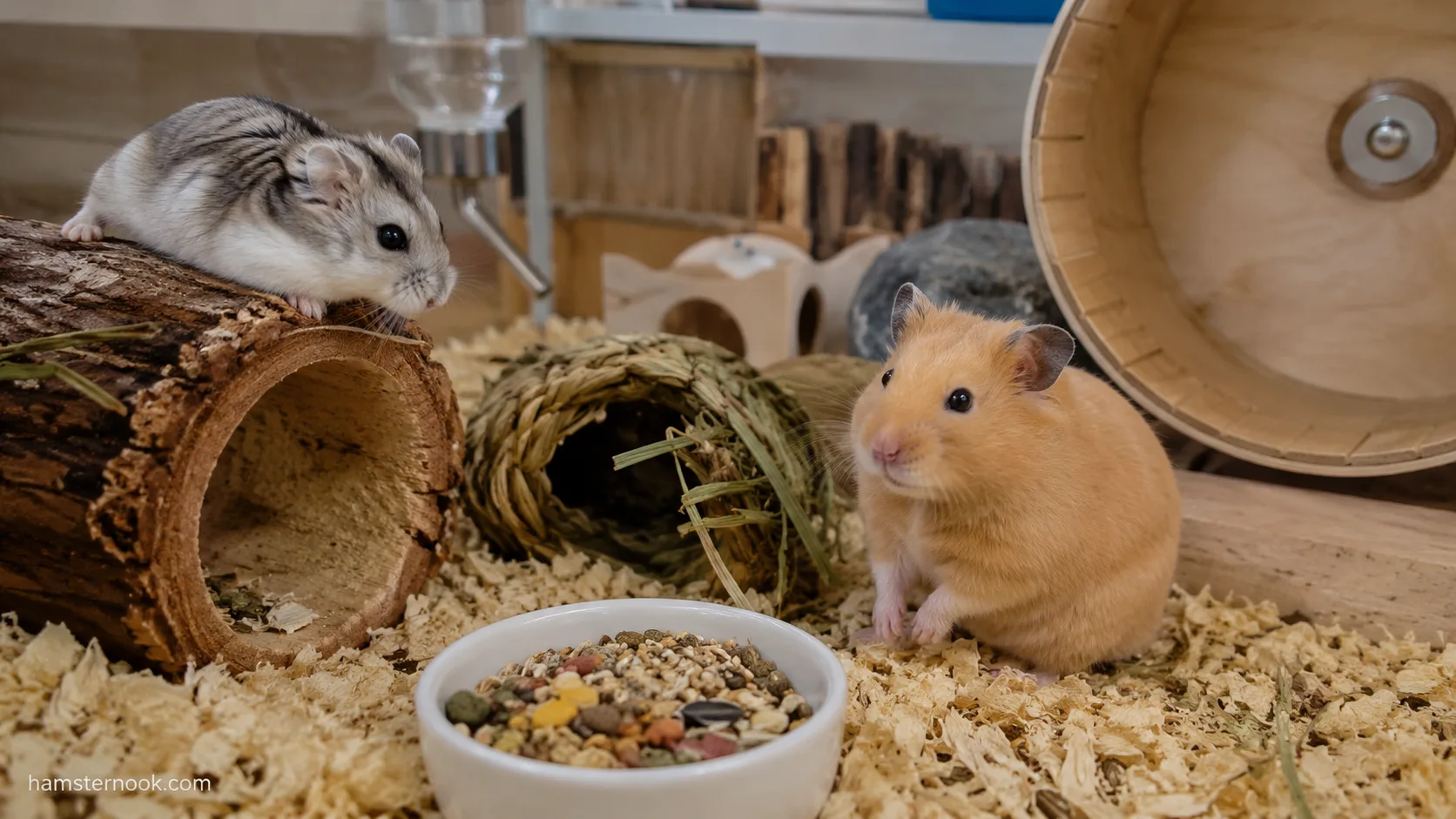
While they still enjoy exploring, they are generally less likely to dart suddenly across your hands or attempt quick escapes.
Easier to Read Body Language
Because Syrians are larger, owners often find it easier to recognize signs of comfort, stress, or curiosity.
This can help prevent handling mistakes and improve trust-building.
A Common Mistake New Owners Make
Many people expect hamsters to behave like miniature rabbits, guinea pigs, or even cats. In reality, most hamsters enjoy exploring far more than cuddling. Success with handling is usually measured by trust and comfort rather than how long a hamster sits still in your hands.
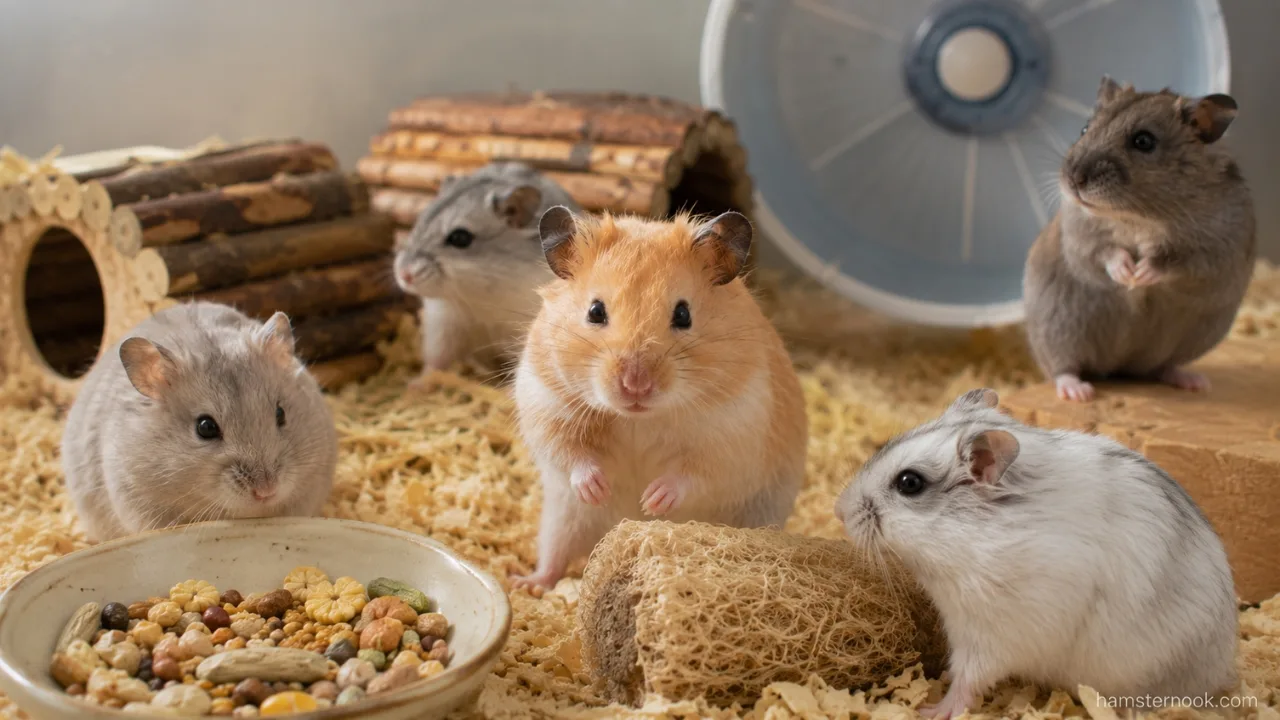
Do Hamsters Actually Like Being Held?
This is one of the most misunderstood topics in hamster care.
Hamsters are prey animals, not naturally cuddly animals like dogs or cats. Most hamsters do not crave physical affection in the same way larger pets might.
Instead, many tame hamsters learn to:
- Feel safe around their owners
- Accept handling calmly
- Climb onto hands voluntarily
- Explore while being supervised
- Enjoy positive interactions
A hamster that willingly walks onto your hand and remains relaxed is showing trust, which is often a more realistic goal than expecting cuddling behavior.
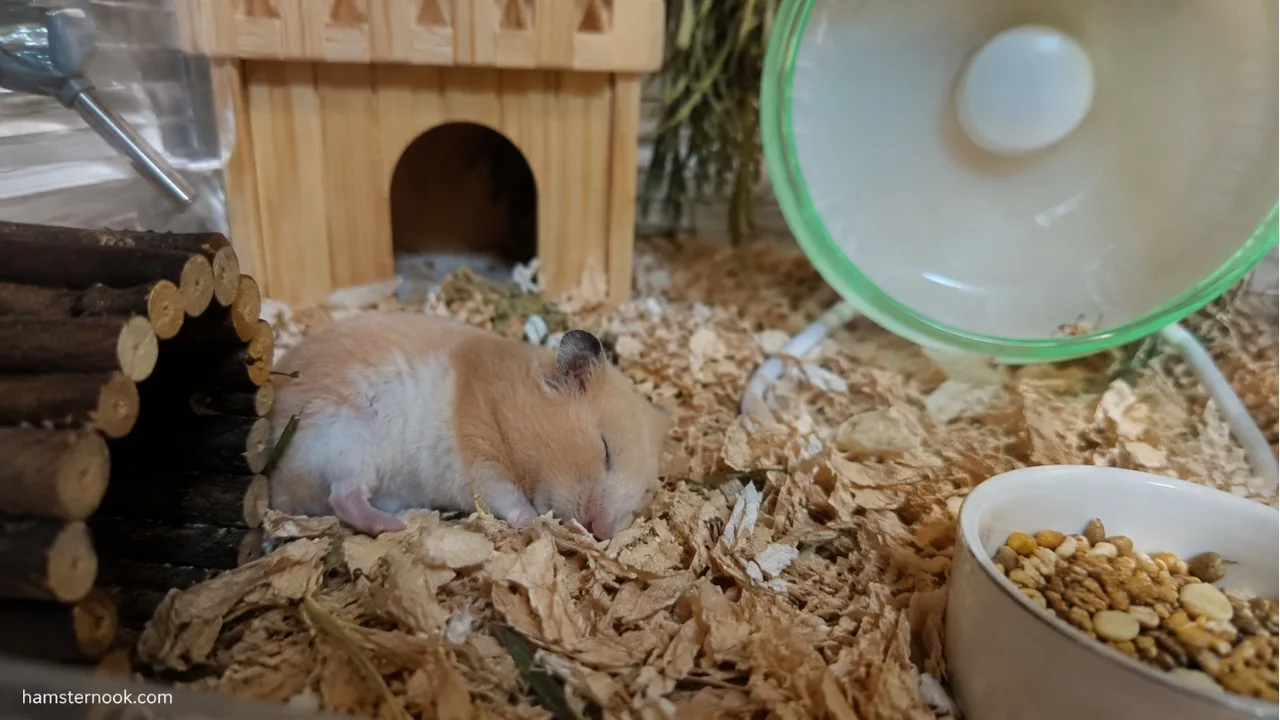
Why “Likes Being Held” Is Different From Being Friendly
Many owners assume a friendly hamster will automatically enjoy being held, but those are not always the same thing.
Some hamsters happily approach their owners, take treats, and interact regularly while still preferring not to sit in a person’s hands for long periods. Others may tolerate handling well even though they are less socially outgoing.
This difference is one reason handling ability and friendliness should be evaluated separately when choosing a hamster breed.
Factors More Important Than Breed
Choosing the right breed helps, but it won’t automatically guarantee a hamster that loves being held.
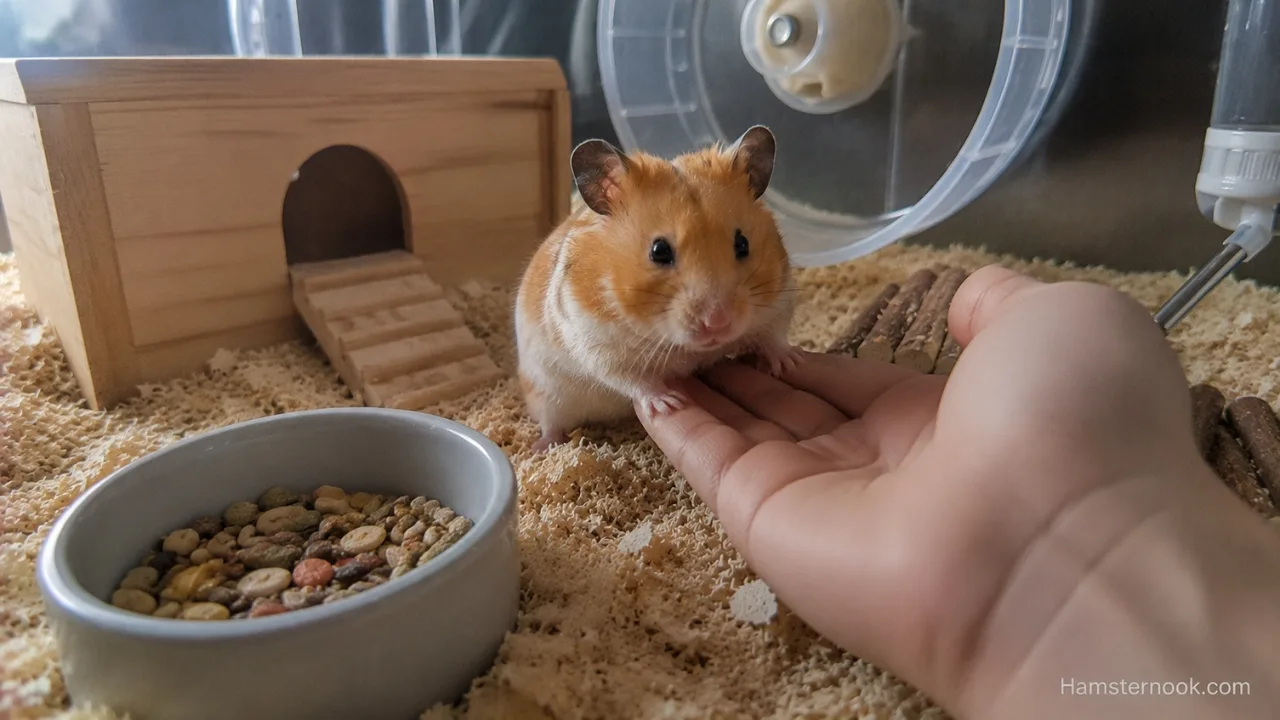
Early Socialization
Young hamsters that experience gentle handling often become more comfortable with humans.
Hamsters that rarely interact with people may remain nervous regardless of breed.
Individual Personality
Just like people, hamsters have unique personalities.
Some Syrian hamsters are naturally outgoing and curious, while others remain cautious even after months of taming.
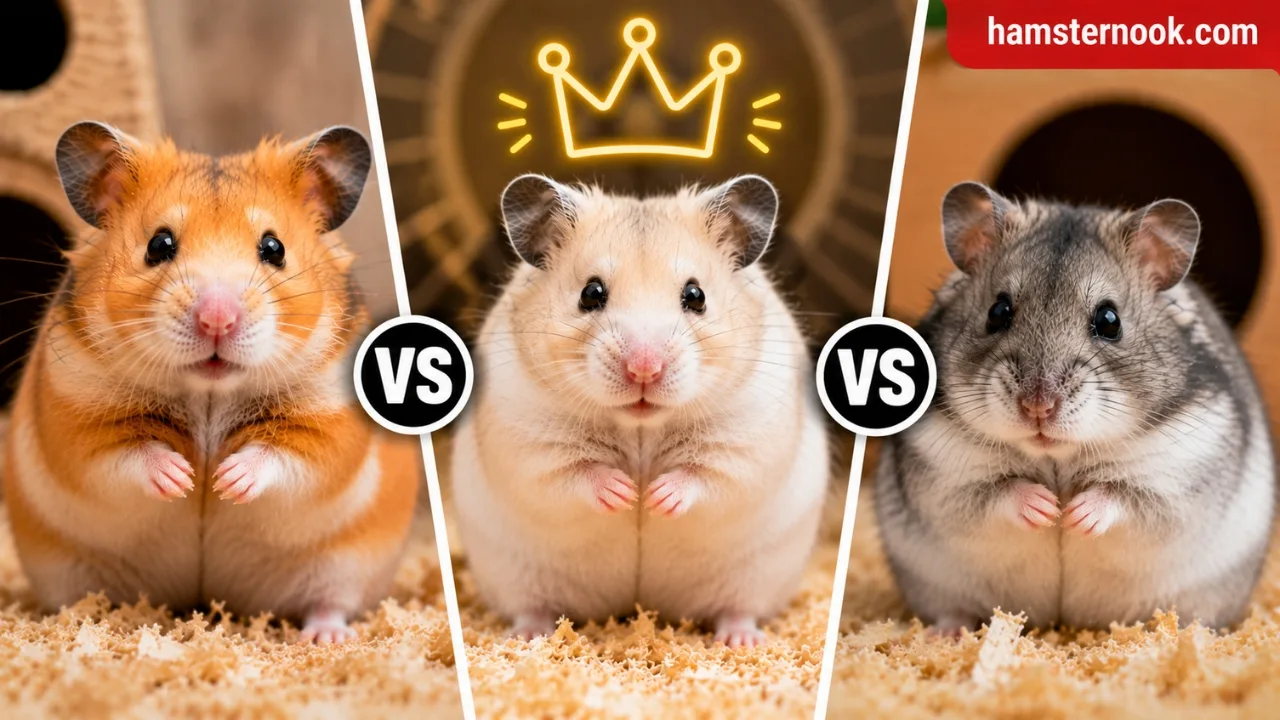
Proper Handling Techniques
Poor handling can make even a friendly hamster fearful.
Owners should always:
- Let the hamster approach voluntarily
- Move slowly
- Avoid sudden grabbing
- Support the hamster’s body fully
- Keep handling sessions short initially
Trust develops gradually over time.
Trust develops gradually over time. For more specific signs that your hamster is becoming comfortable with you, see our 10 Signs Your Hamster Trusts You: How to Tell If They Like You guide.
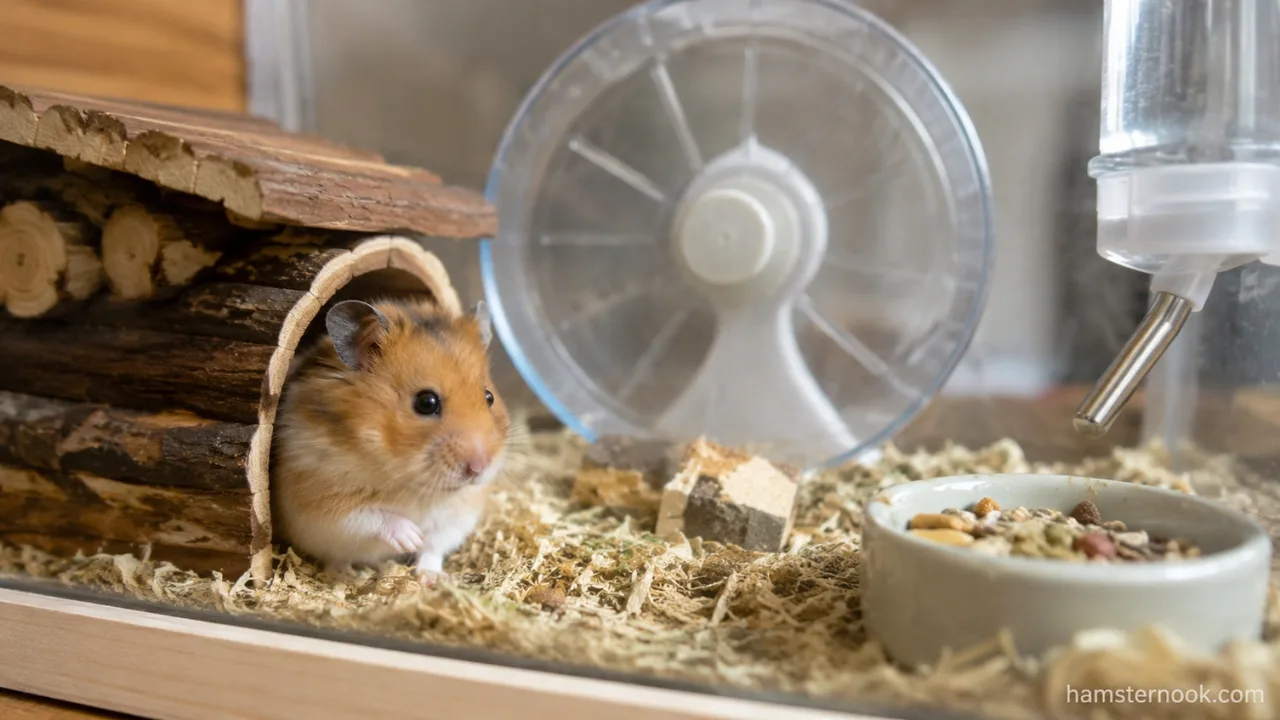
Which Hamster Breeds Are Hardest to Hold?
Some breeds are more challenging for owners who want frequent handling.
Roborovski Hamsters
Roborovskis are the fastest hamster species commonly kept as pets.
Although they can become accustomed to human presence, they often prefer running, digging, and exploring rather than sitting still.
| Trait | Roborovski Hamster |
|---|---|
| Speed | Extremely fast |
| Handling Ease | Difficult |
| Taming Time | Often longer |
| Risk of Escaping Hands | High |
| Best For | Observational owners |
Many Robo owners enjoy watching their hamster’s behavior rather than handling it frequently.

Campbell’s Dwarf Hamsters
Campbell’s dwarf hamsters can be friendly but are often more energetic than Syrians.
Some individuals enjoy interaction, while others remain independent.
Winter White Hamsters
Winter Whites can become very tame but usually remain more active and alert than Syrian hamsters.
Many owners successfully handle them, but they generally require more patience during the taming process.

How Long Does It Take a Hamster to Get Comfortable With Handling?
Every hamster is different. Some confident Syrian hamsters may willingly climb onto a hand within a few days, while shy dwarf hamsters may need several weeks of patience.
In general, trust develops faster when owners:
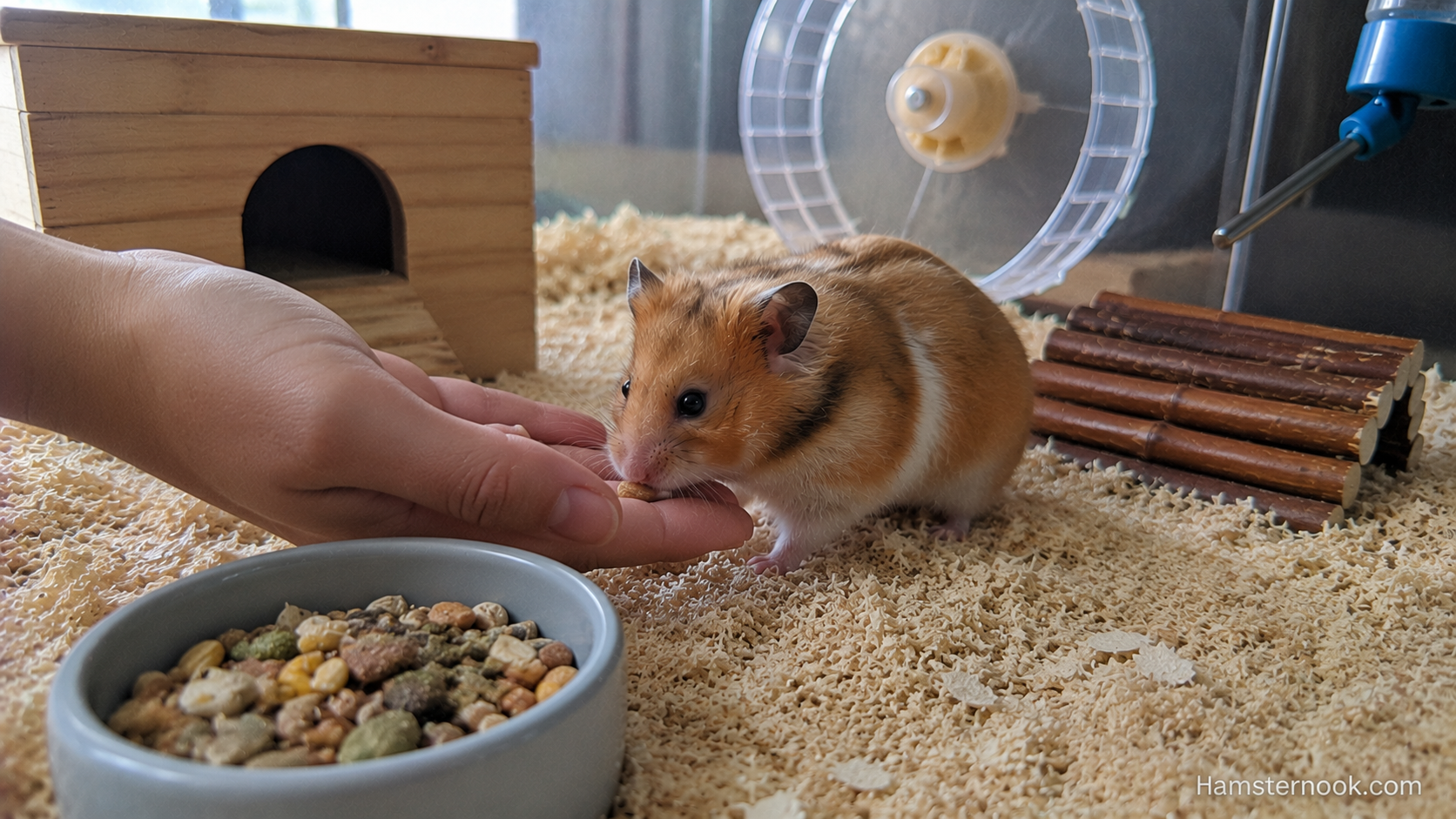
- Offer treats by hand
- Avoid waking a sleeping hamster
- Move slowly around the enclosure
- Handle consistently without forcing interaction
Rushing the process is one of the most common reasons hamsters become fearful of handling.
Building trust takes time, especially with nervous hamsters. Our How to Tame a Hamster That Bites: 7 Safe Steps to Build Trust guide explains practical steps for creating positive handling experiences.
Signs a Hamster Is Comfortable Being Held
Learning to recognize comfort signals helps create positive interactions.
| Positive Signs | What They Mean |
|---|---|
| Walks onto your hand willingly | Trust is developing |
| Explores calmly | Feels secure |
| Accepts treats while handling | Relaxed and confident |
| Normal grooming behavior | Comfortable in your presence |
| Curious sniffing | Interested rather than fearful |
A relaxed hamster should appear alert and curious, not frozen with fear.
Signs Your Hamster Does Not Want to Be Held
Respecting boundaries is important for building trust.
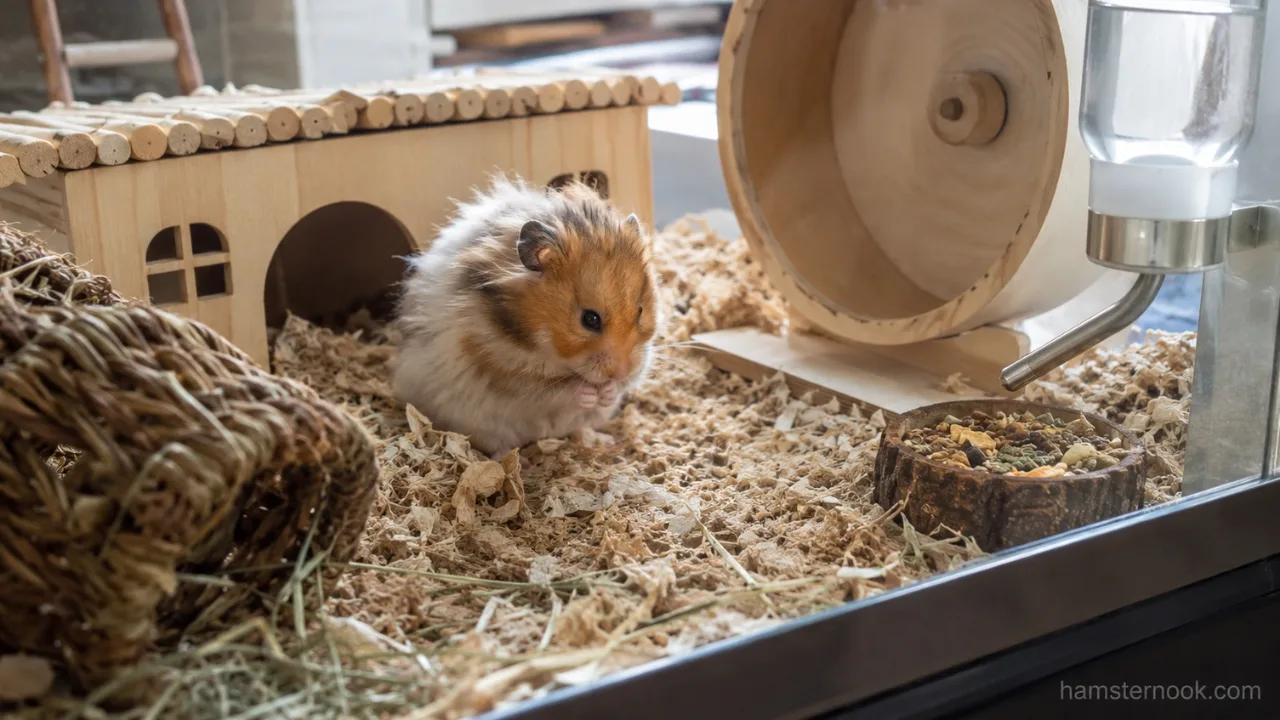
Fearful behavior during handling is often linked to stress. Our Hamster Stress: 10 Common Causes and How to Reduce It guide explains common mistakes that can make hamsters feel uncomfortable or insecure.
| Warning Sign | Possible Meaning |
|---|---|
| Running away repeatedly | Not ready for handling |
| Loud squeaking | Fear or discomfort |
| Flattened posture | Feeling threatened |
| Biting | Stress or fear |
| Jumping from hands | Wants to escape |
If these behaviors occur, reduce handling and focus on trust-building first.
How to Teach a Hamster to Enjoy Handling
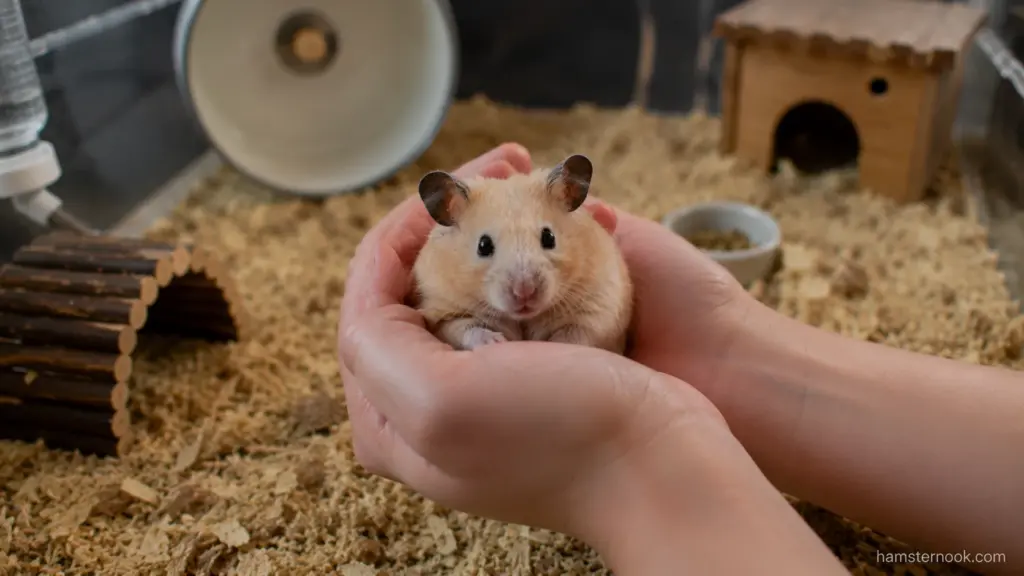
Even naturally friendly breeds need time to become comfortable.
Start With Hand Feeding
Offering treats from your hand helps the hamster associate you with positive experiences.
Let the Hamster Approach First
Avoid chasing or grabbing.
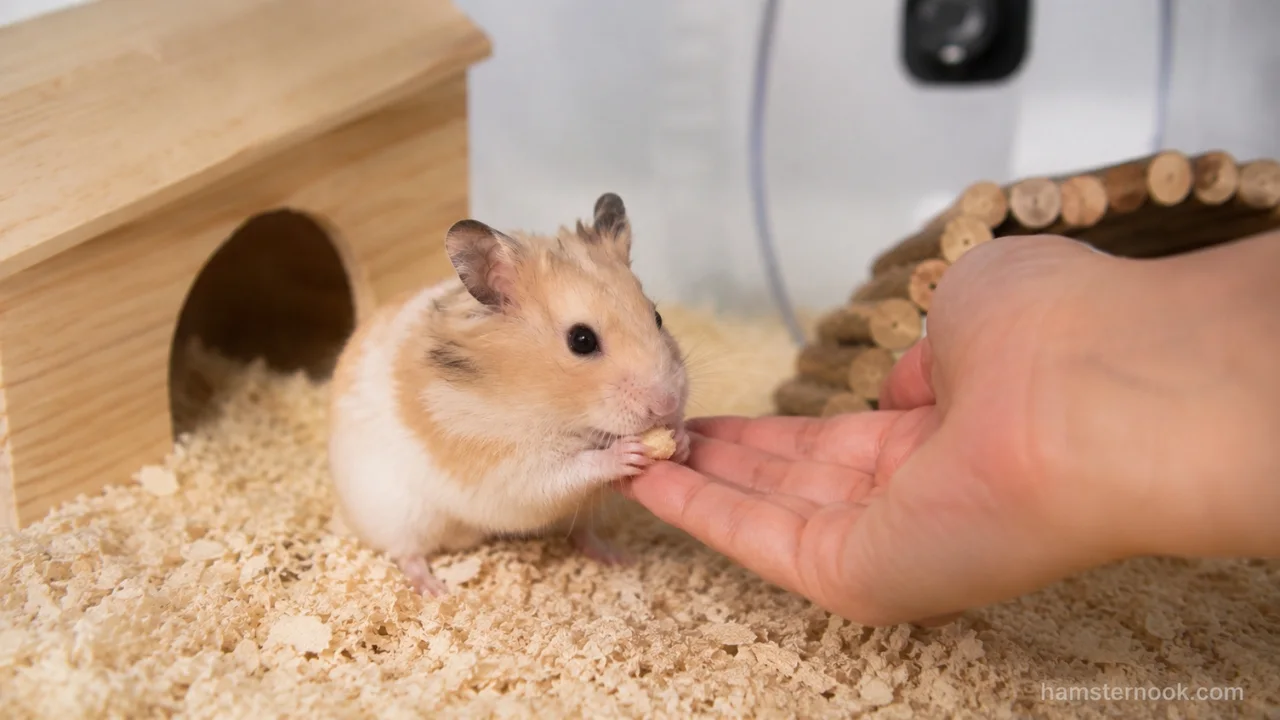
Allowing the hamster to make the first move builds confidence.
Use a Scoop Method
Instead of lifting from above, gently scoop the hamster from underneath.
This feels less threatening because predators usually attack from above.
Keep Sessions Short
A few minutes daily is often more effective than long handling sessions.
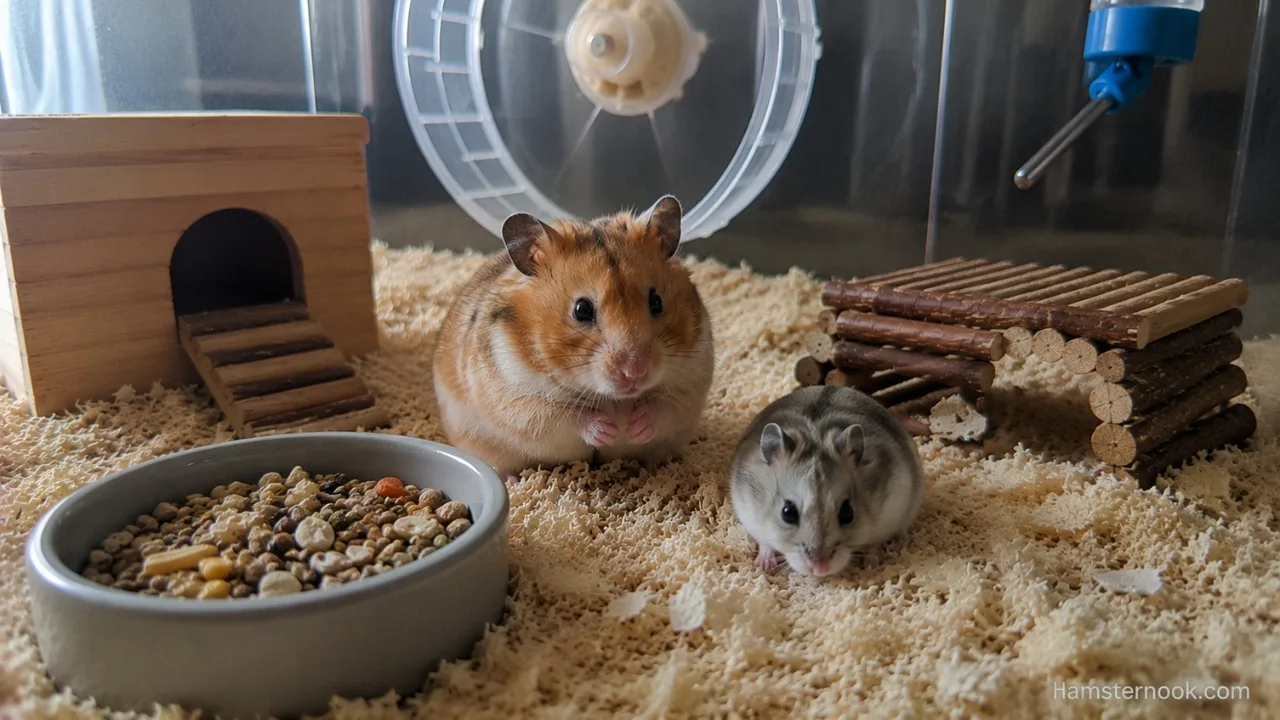
Consistency usually matters more than duration.
Choosing a Hamster for Children Who Want to Handle Their Pet
Syrian hamsters are generally easier to handle because of their larger size and slower movement, but no hamster breed should be treated as automatically suitable for children to hold. Hamsters can be frightened or injured by rough handling, so an adult should supervise interactions.
| Feature | Syrian Hamster |
|---|---|
| Size | Large |
| Handling Ease | High |
| Temperament | Calm |
| Beginner Friendly | Excellent |
| Visibility During Handling | Excellent |
For younger children, supervised feeding or gentle interaction in the enclosure may be safer than lifting the hamster. Any hamster can bite if frightened, startled, or handled roughly.
Can Older Hamsters Learn to Like Being Held?
Yes, many older hamsters can become comfortable with handling.
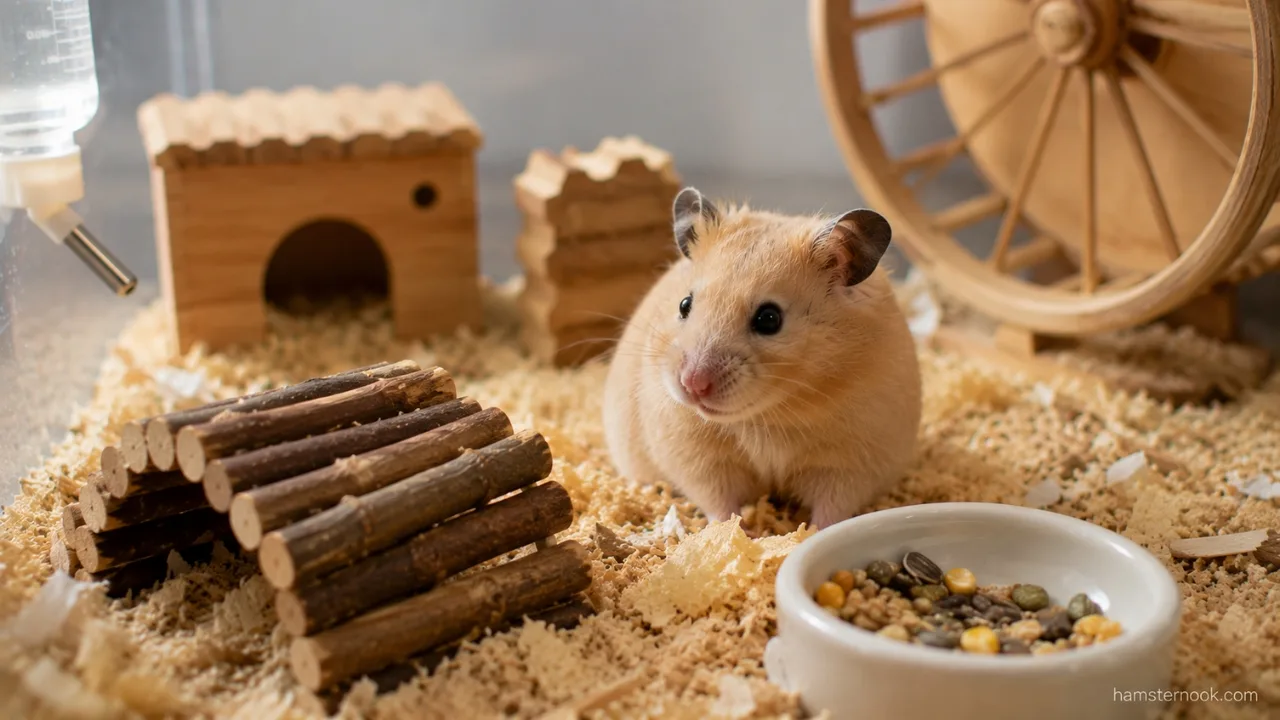
Building trust may take longer, especially if the hamster had little human interaction previously, but patience often produces excellent results.
The process should focus on positive experiences rather than forcing physical contact.
Final Thoughts
If your goal is to own a hamster that enjoys human interaction and is easiest to hold, the Syrian hamster is usually the best choice. Their larger size, calmer temperament, and generally relaxed nature make them the most handling-friendly hamster breed for most owners.
However, breed alone does not determine success. Gentle handling, patience, proper taming techniques, and respect for your hamster’s comfort level are often even more important than species.
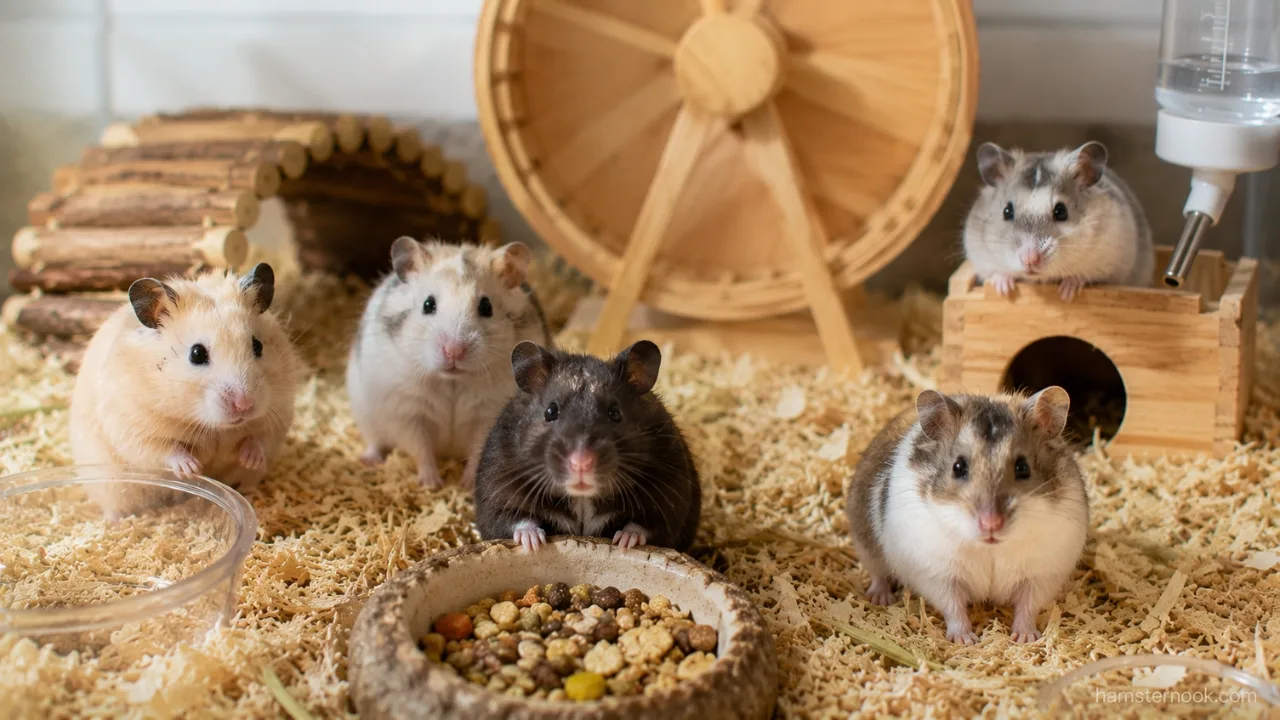
Even hamsters that never enjoy being held for long can still become comfortable around their owners and enjoy regular interaction.
While breed tendencies can be helpful, individual personality and handling history often have a bigger influence on behavior than breed alone.
Frequently Asked Questions
What is the friendliest hamster breed overall?
Syrian hamsters are often considered easier to handle than smaller hamster species, but friendliness and handling tolerance vary between individual hamsters.
Are dwarf hamsters affectionate?
Dwarf hamsters can become very tame, but they are usually more active and less likely to sit still compared to Syrian hamsters.
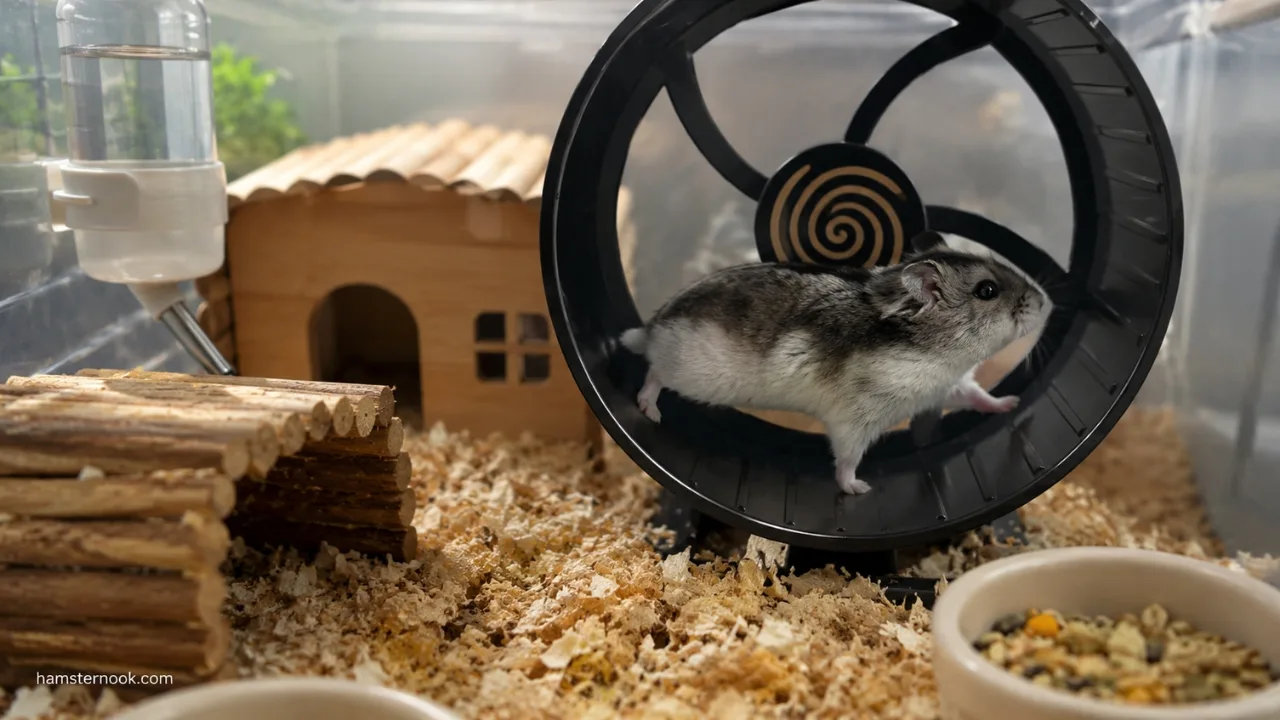
Do hamsters enjoy being petted?
Some tame hamsters tolerate gentle petting, but many prefer exploring hands rather than being stroked for long periods.
Which hamster is best for first-time owners?
Syrian hamsters are often recommended for beginners because they are easier to handle, easier to observe, and generally simpler to tame.
Why does my hamster run away when I try to hold it?
Your hamster may still be building trust, may be startled, or may simply not be in the mood for interaction. Patience and gradual taming usually help.
Can a hamster learn to trust humans?
Yes. Most hamsters can learn to trust their owners through consistent, gentle, positive interactions over time.
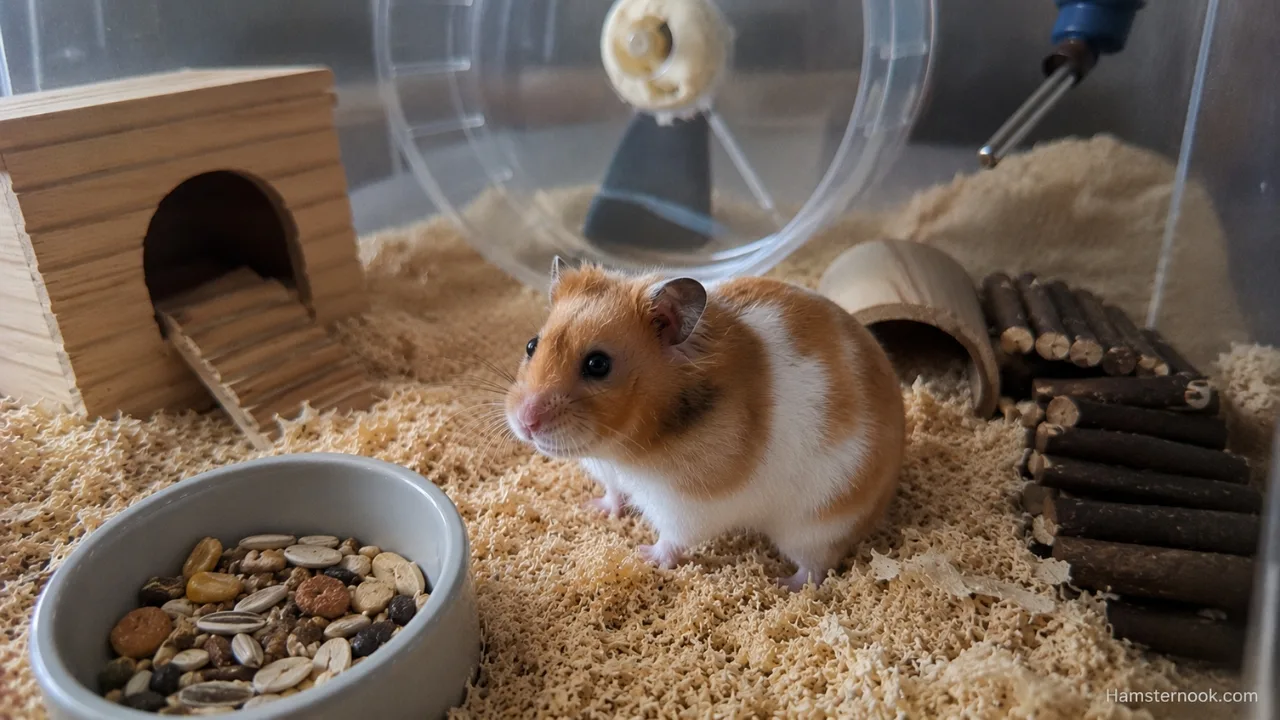
Which hamster breed bites the least?
There is no hamster breed that is guaranteed not to bite. Syrian hamsters are often easier to handle because of their larger size, but any hamster may bite when frightened, startled, stressed, or handled incorrectly.
Which hamster breed is easiest for children to hold?
For most families, Syrian hamsters are the easiest breed for children to hold because their larger size and calmer temperament make handling safer and more predictable. Adult supervision is still recommended.
References
This guide is based on hamster breed characteristics, behavior, handling, taming, housing, and welfare guidance from trusted animal welfare and veterinary resources, including:
- RSPCA – Hamster Behaviour – Guidance on natural hamster behavior, handling, activity patterns, social interaction, and signs of stress or fear.
- RSPCA – Keeping Hamsters as Pets – General hamster care, handling, behavior, housing, welfare, and understanding individual differences between hamsters.
- Blue Cross – Hamster Care Guide – Practical guidance on hamster handling, taming, enrichment, housing, and wellbeing.
- MSD Veterinary Manual – Hamsters – Veterinary reference information covering hamster species, behavior, husbandry, health, and appropriate care.
- NC3Rs – Housing and Husbandry: Hamster – Guidance on species-appropriate hamster housing, husbandry, environmental needs, and welfare.

Narayan Kumar is the founder and author of HamsterNook. He creates practical, research-based hamster care guides covering hamster behavior, nutrition, cage setup, enrichment, health, and everyday care. His goal is to help hamster owners make informed decisions and provide safer, healthier lives for their pets through clear, beginner-friendly information based on trusted animal care resources.