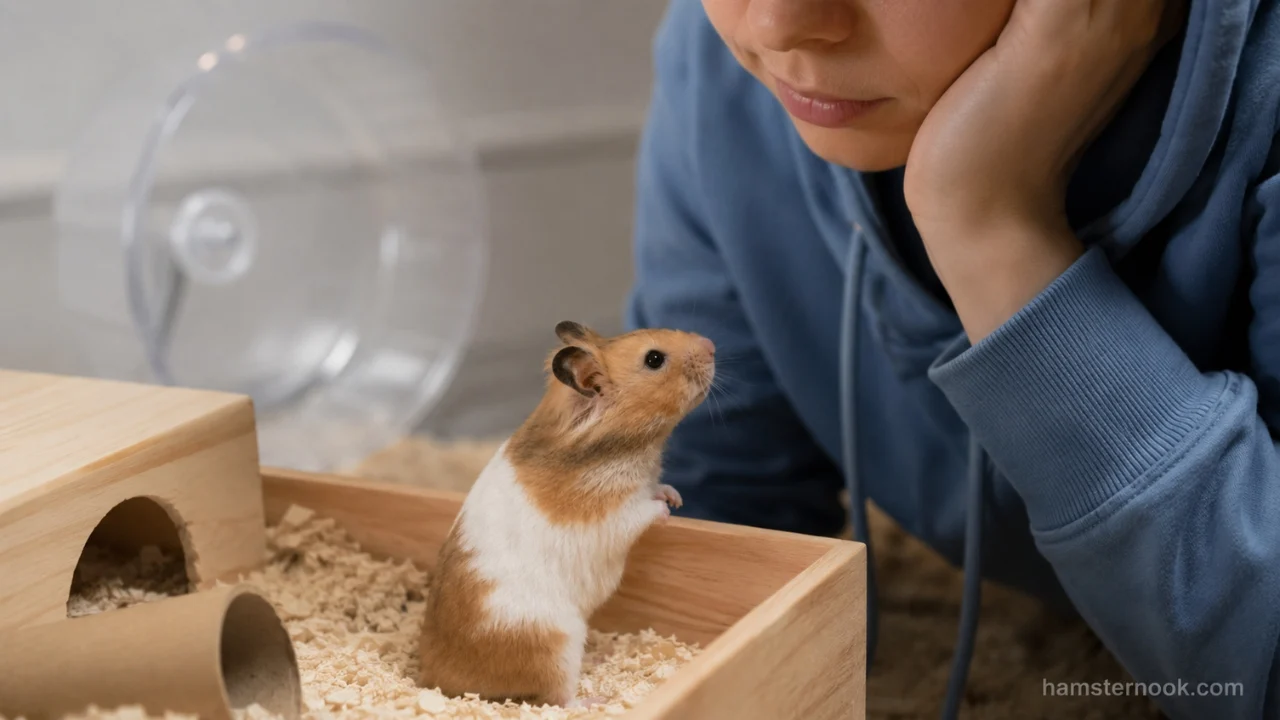
If you’ve ever sat quietly beside your hamster during a difficult day and noticed them acting differently, you may have wondered whether they can sense your emotions. Some hamster owners have experienced moments when their pet seems unusually calm, curious, or attentive during a difficult day, making them wonder whether the hamster can sense that something is wrong.
It’s a fascinating question because hamsters are very different from animals like dogs, which have been extensively studied for their ability to respond to human emotions. Hamsters are solitary prey animals with unique instincts and behaviors, so their relationship with humans works differently.
The short answer is that there is no scientific evidence showing that hamsters understand sadness in the same way humans do. However, they can often detect changes in your behavior, scent, voice, and body language. These cues may influence how they respond to you, creating the impression that they know when you’re feeling sad.
Understanding how hamsters experience their environment helps explain why these reactions can sometimes feel surprisingly personal.
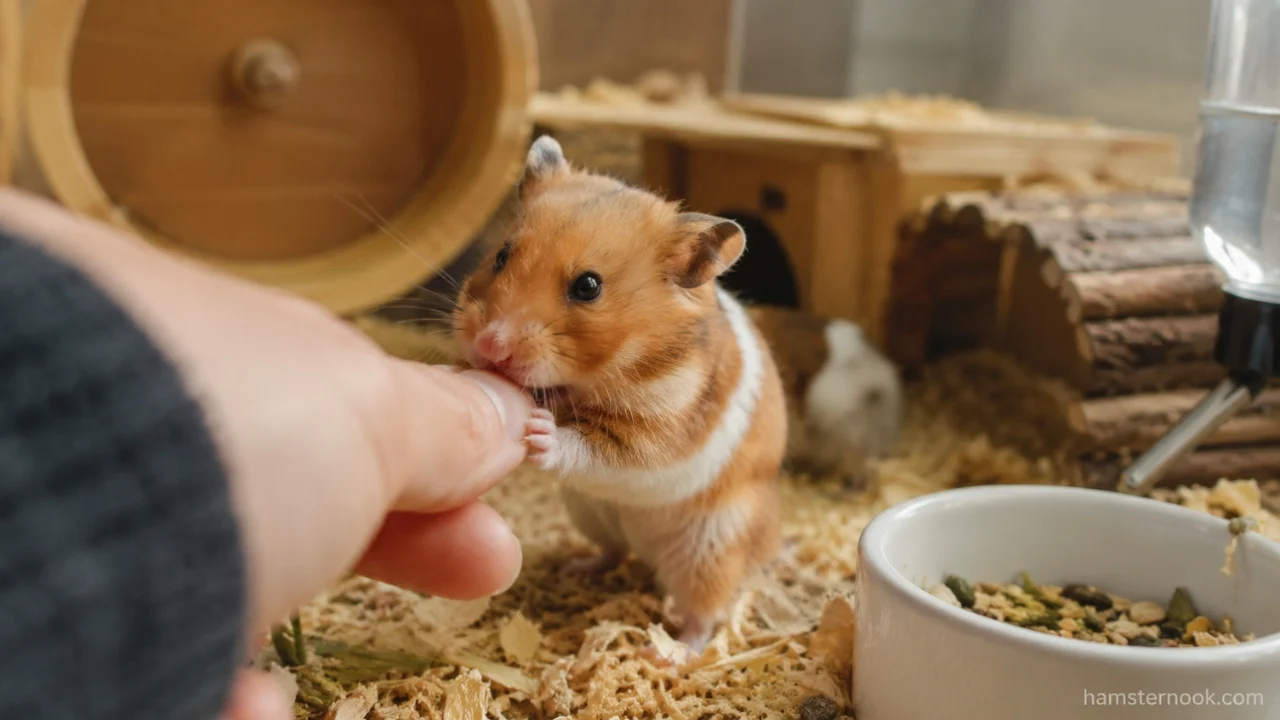
Can Hamsters Recognize Human Emotions?
Quick Answer
Hamsters do not appear to understand sadness itself, but they can notice changes in your voice, scent, movement, and daily routine. These changes may influence how they behave around you, which is why some owners feel their hamster reacts differently when they are upset.
Current scientific knowledge does not show that hamsters recognize complex human emotions such as sadness, grief, or depression the way people experience them.
Unlike highly social animals, hamsters did not evolve to interpret human facial expressions or emotional states. Their survival depends more on detecting threats, environmental changes, scents, sounds, and movement.
However, hamsters are observant animals. They may notice changes in:

- Your voice tone
- Your movement patterns
- Your scent
- Your handling style
- Your daily routine
Because they are sensitive to these signals, they may react differently when your behavior changes.
This doesn’t mean your hamster understands sadness in the human sense. Instead, it is responding to familiar changes in your voice, scent, movement, routine, and handling style that it has learned to recognize over time.
For example, a hamster may spend more time watching you, approach your hand more cautiously, or remain calmer if your movements are slower than usual.
What Hamsters Are Most Likely Detecting
Many owners interpret a hamster’s behavior as emotional awareness when the hamster may actually be responding to physical cues.
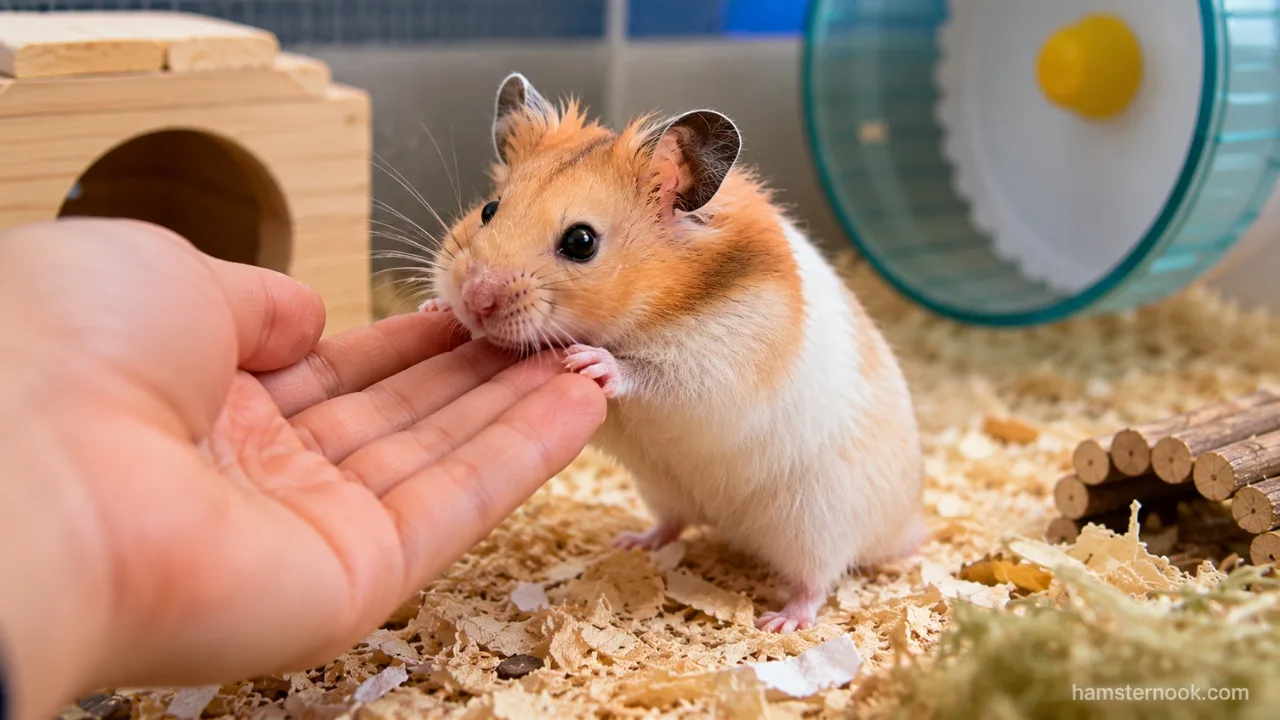
How Hamsters Perceive Human Changes
| Human Change | What the Hamster May Notice |
|---|---|
| Crying | Unusual sounds and vocal patterns |
| Reduced activity | Changes in routine and movement |
| Stress | Possible changes in scent and behavior |
| Quiet behavior | Less stimulation around the cage |
| More handling | Increased interaction frequency |
A hamster does not need to understand sadness itself to notice that something about your behavior has changed.
Can Hamsters Recognize Their Owners?
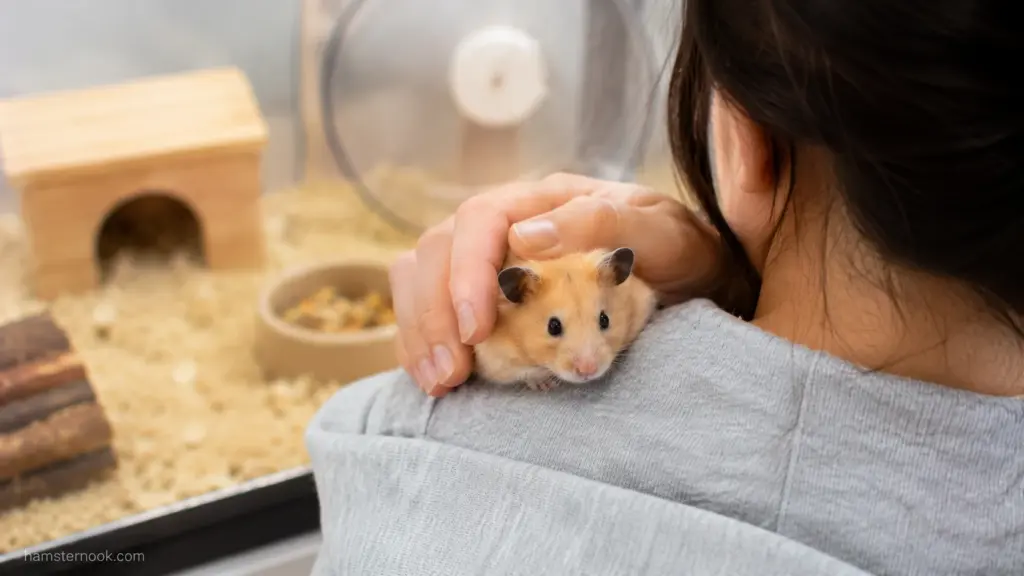
Yes, many hamsters learn to recognize familiar humans over time.
While they do not recognize people exactly as humans do, they can become familiar with:
- Your scent
- Your voice
- Your handling style
- Your daily schedule
This recognition often explains why some hamsters appear calmer around their primary caregiver than around strangers.
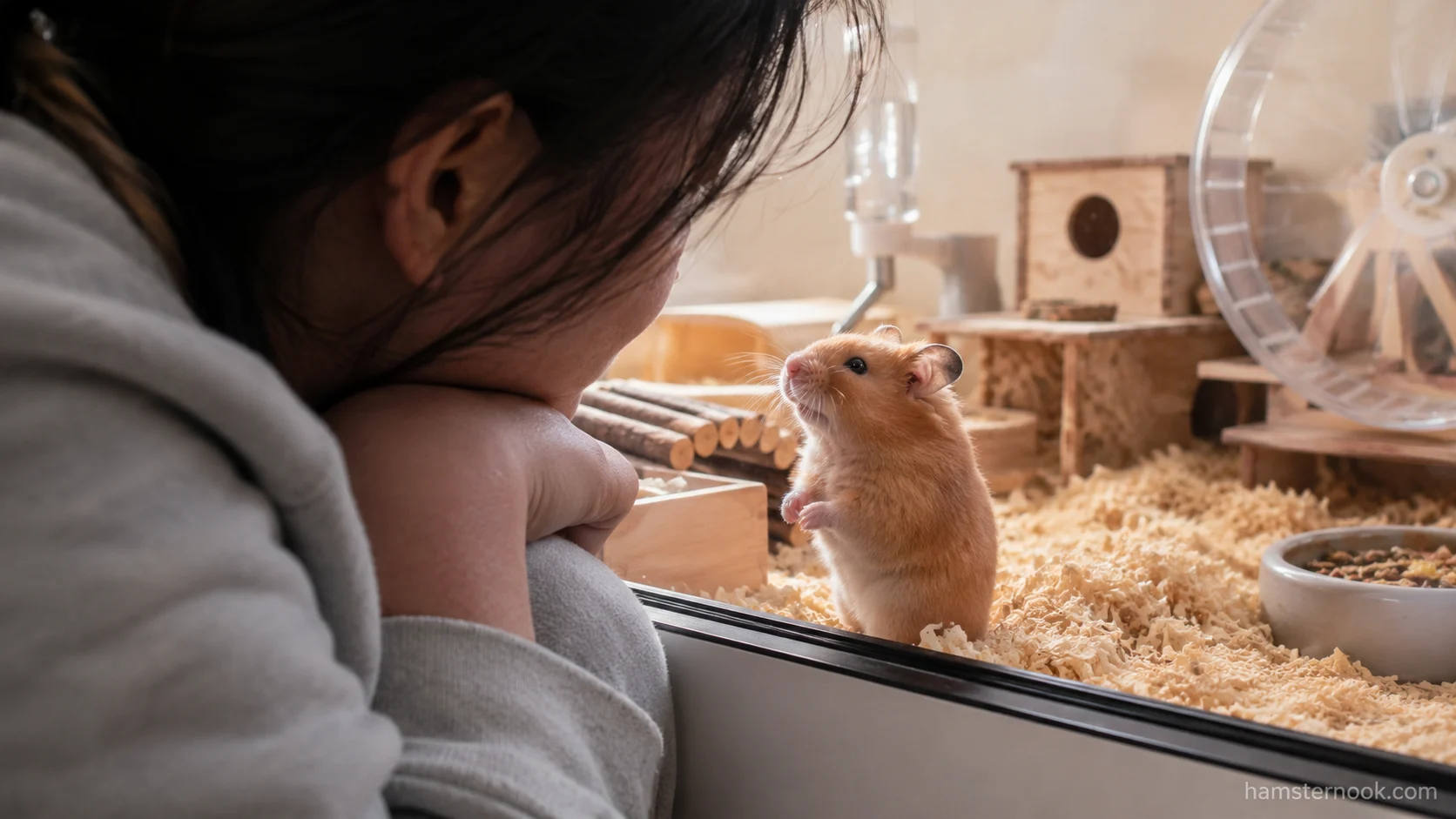
Some owners also notice that their hamster seems to prefer interacting with one person more than others. Our Do Hamsters Prefer One Person? guide explains why this can happen.
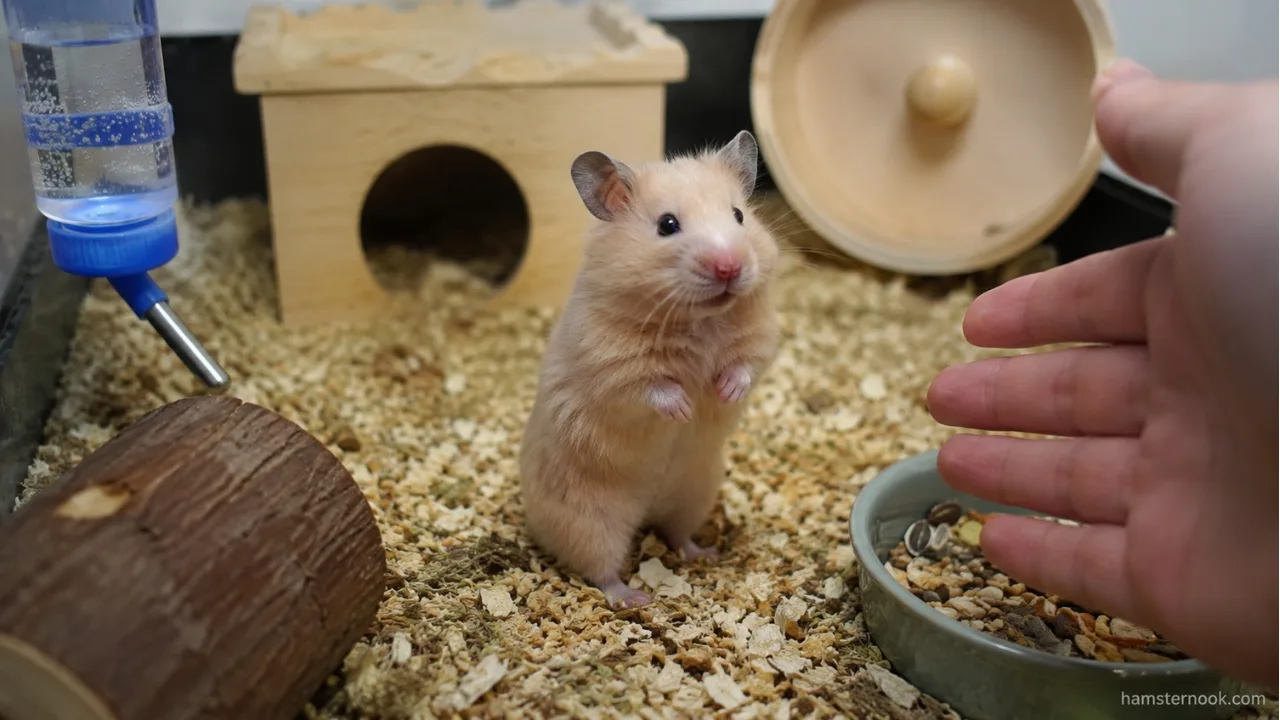
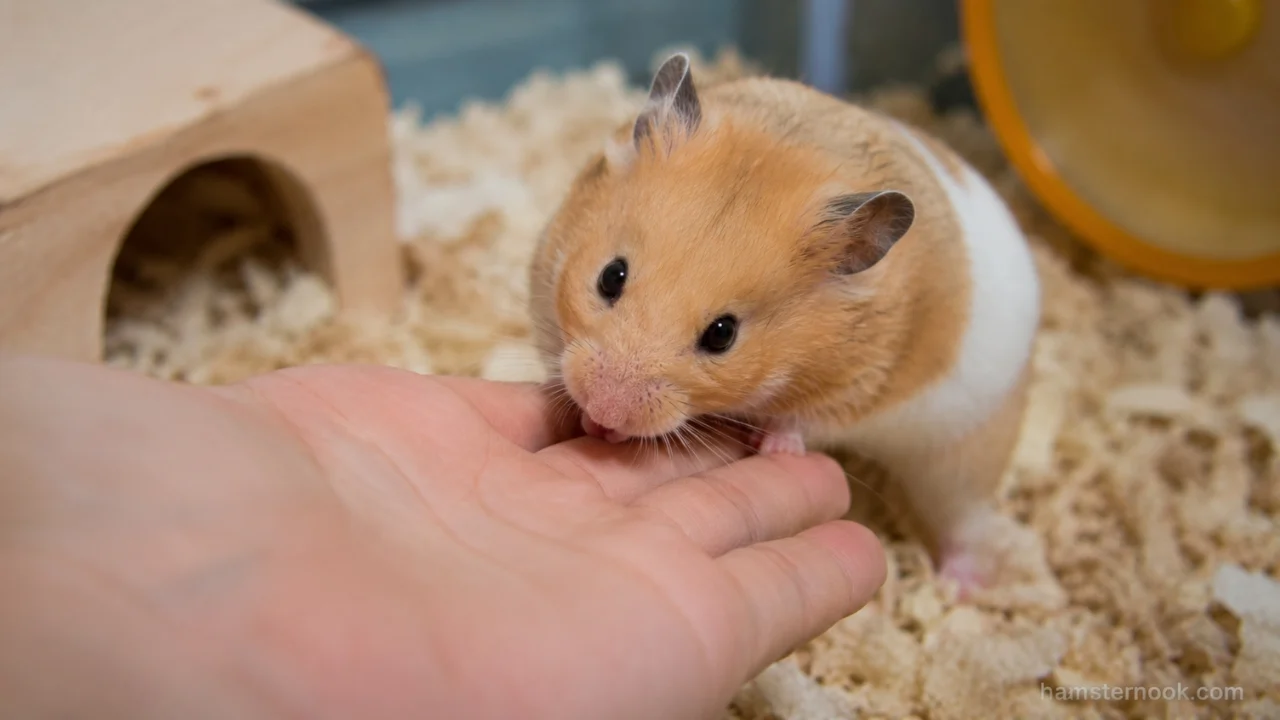
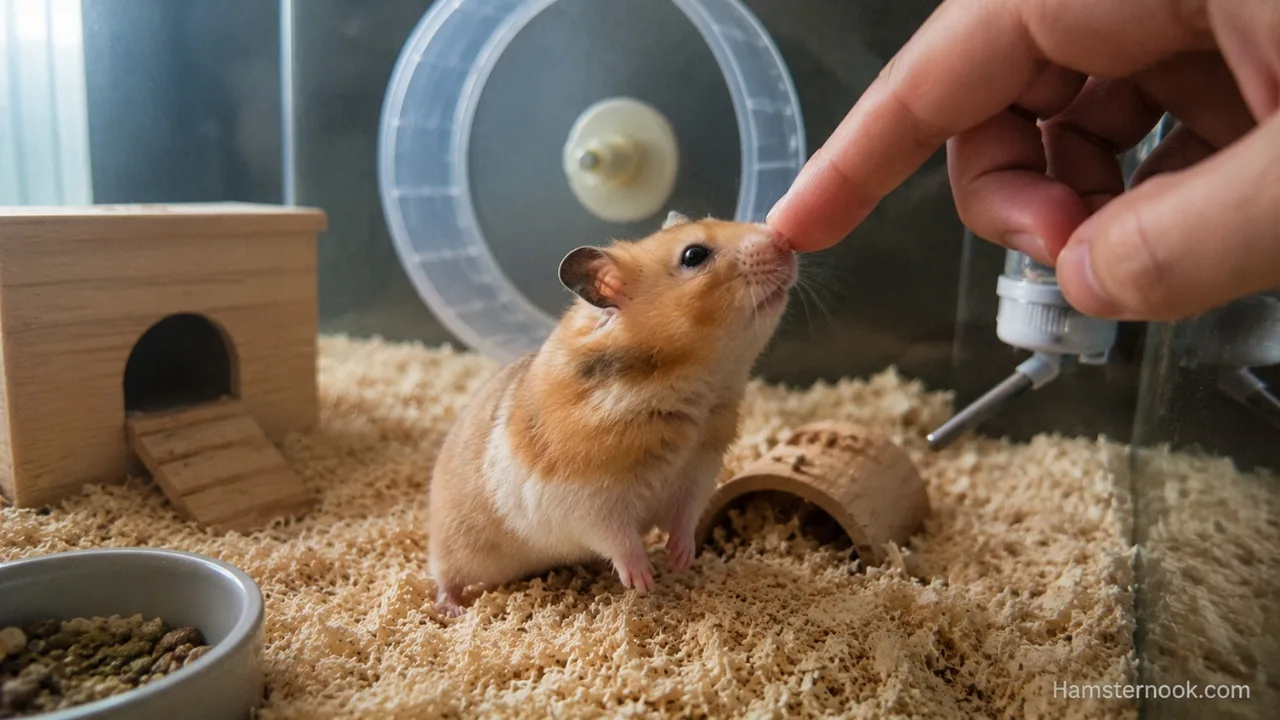
A hamster that trusts you may willingly approach your hand, accept treats, or appear more relaxed during handling sessions.
If you’re unsure whether your hamster is becoming comfortable around you, our 10 Signs Your Hamster Trusts You guide explains the behaviors that usually indicate growing trust.
Why Your Hamster May Seem More Affectionate When You’re Sad
Many owners notice that their hamster seems more willing to sit nearby or accept handling when they are having a difficult day.
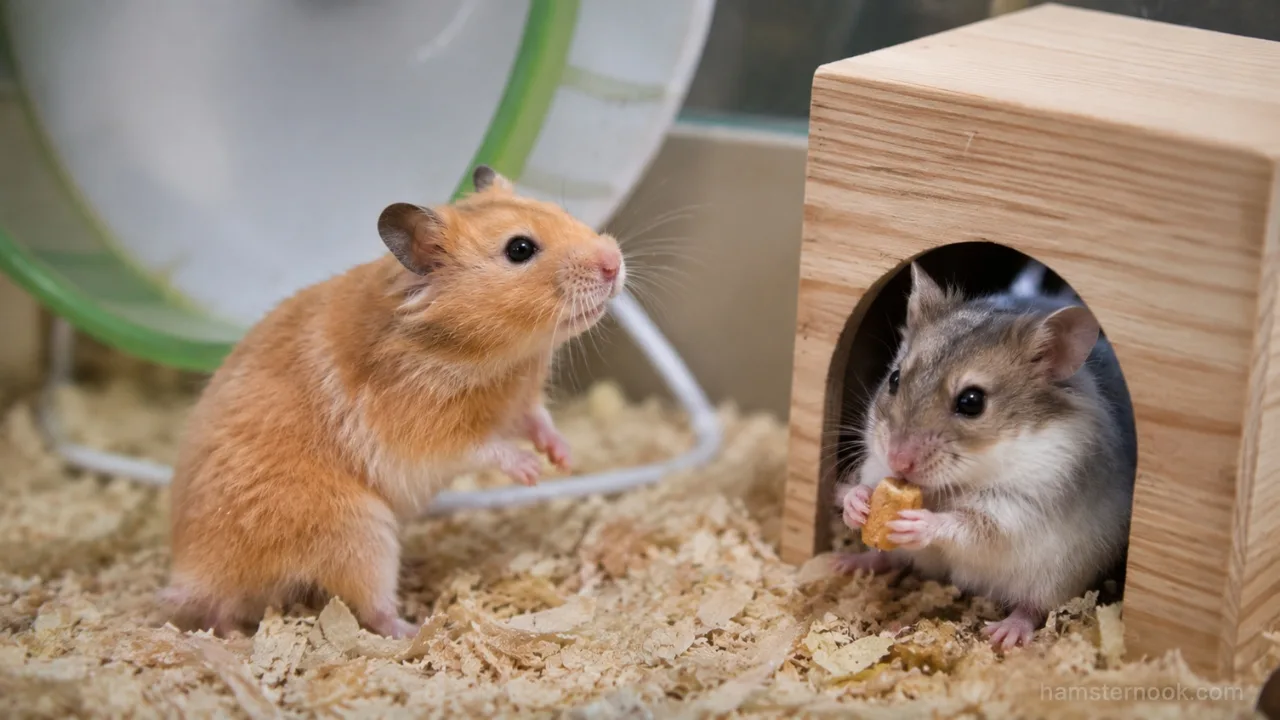
Several explanations may contribute to this observation.
You May Be Moving More Slowly
When people feel sad, stressed, or tired, they often move more gently and speak more softly.
From a hamster’s perspective, slower movement can feel less threatening.
This may encourage the hamster to:
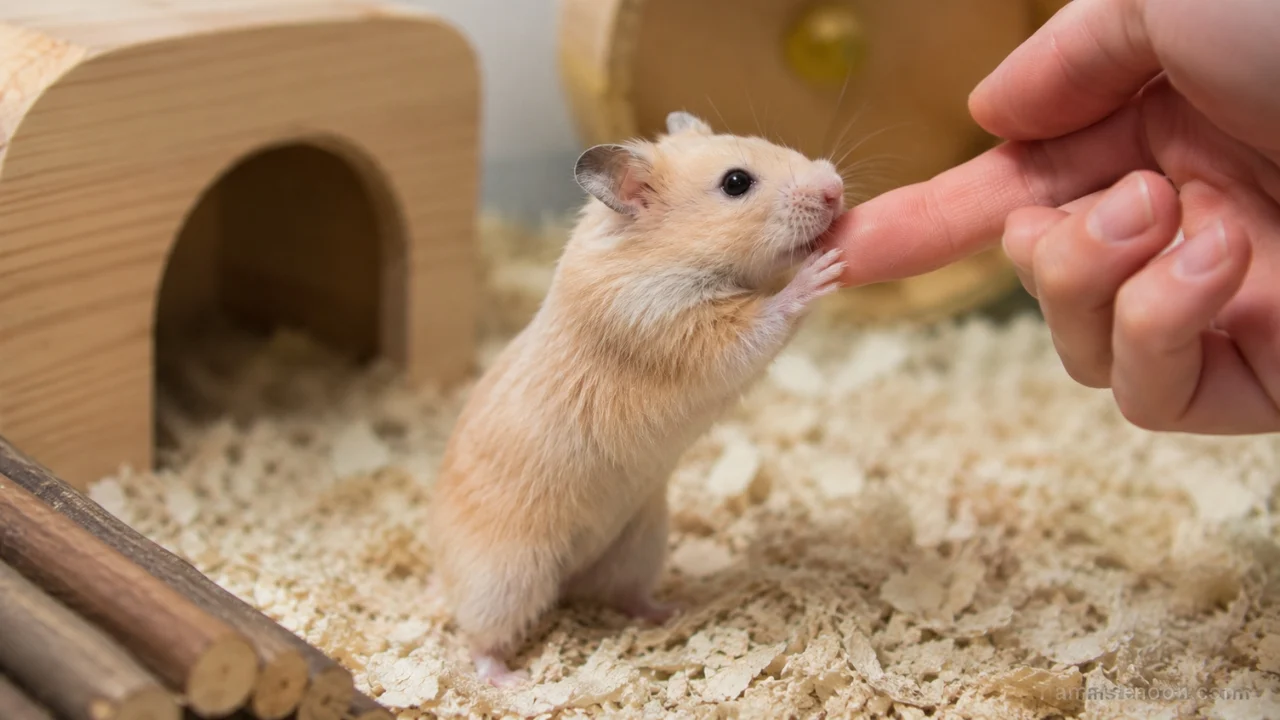
- Stay near you longer
- Accept handling more easily
- Appear calmer than usual
You May Be Spending More Time Nearby
People often spend extra quiet time with pets during emotional moments.
The hamster may simply be responding to increased attention and interaction rather than the emotion itself.
If your hamster consistently avoids interaction instead, our Why Does My Hamster Suddenly Ignore Me? 7 Common Reasons guide explains the most common reasons and how to build confidence gradually.
Familiarity Creates Comfort
A hamster that has learned to trust its owner may naturally feel secure in their presence.

When you spend quiet time together, that trust can become more noticeable.
Do Hamsters Respond to Human Stress?
Research on small rodents suggests that many animals can react to environmental and behavioral changes associated with stress.
Although evidence specifically involving pet hamsters is limited, it is reasonable to believe they can notice certain stress-related cues.
Possible Stress Signals a Hamster May Detect
| Signal | Potential Hamster Response |
|---|---|
| Louder voice | Increased alertness |
| Sudden movements | Hiding or freezing |
| Irregular routine | Temporary caution |
| Increased handling | Greater interaction |
| Calm behavior | Relaxed exploration |
These responses do not necessarily mean the hamster understands stress. They simply show that the animal reacts to changes in its environment.
How Hamsters Show Trust Toward Their Owners
Trust and emotional understanding are not the same thing.
A hamster may trust you deeply without actually understanding your feelings.
Signs of trust often include:
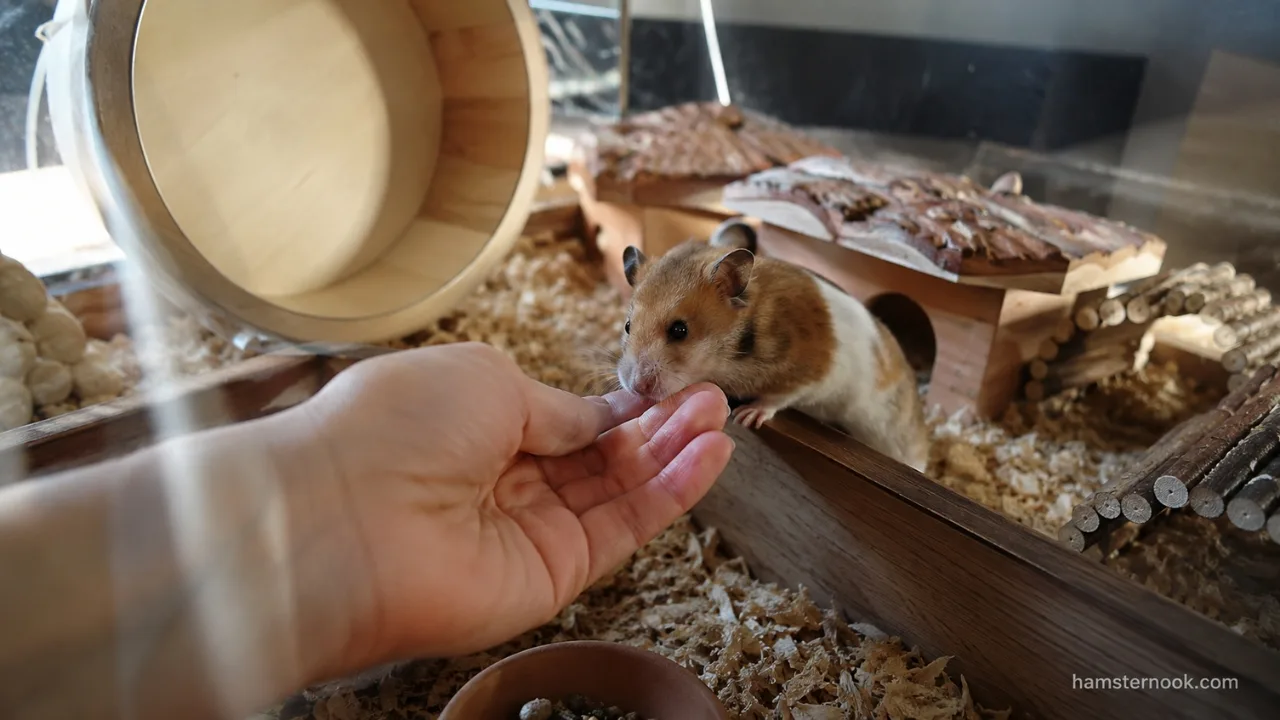
- Walking onto your hand voluntarily
- Accepting food directly from you
- Grooming while near you
- Remaining relaxed during handling
- Exploring confidently around you
These behaviors indicate comfort and familiarity rather than emotional empathy.
Comparing Hamsters to More Social Pets
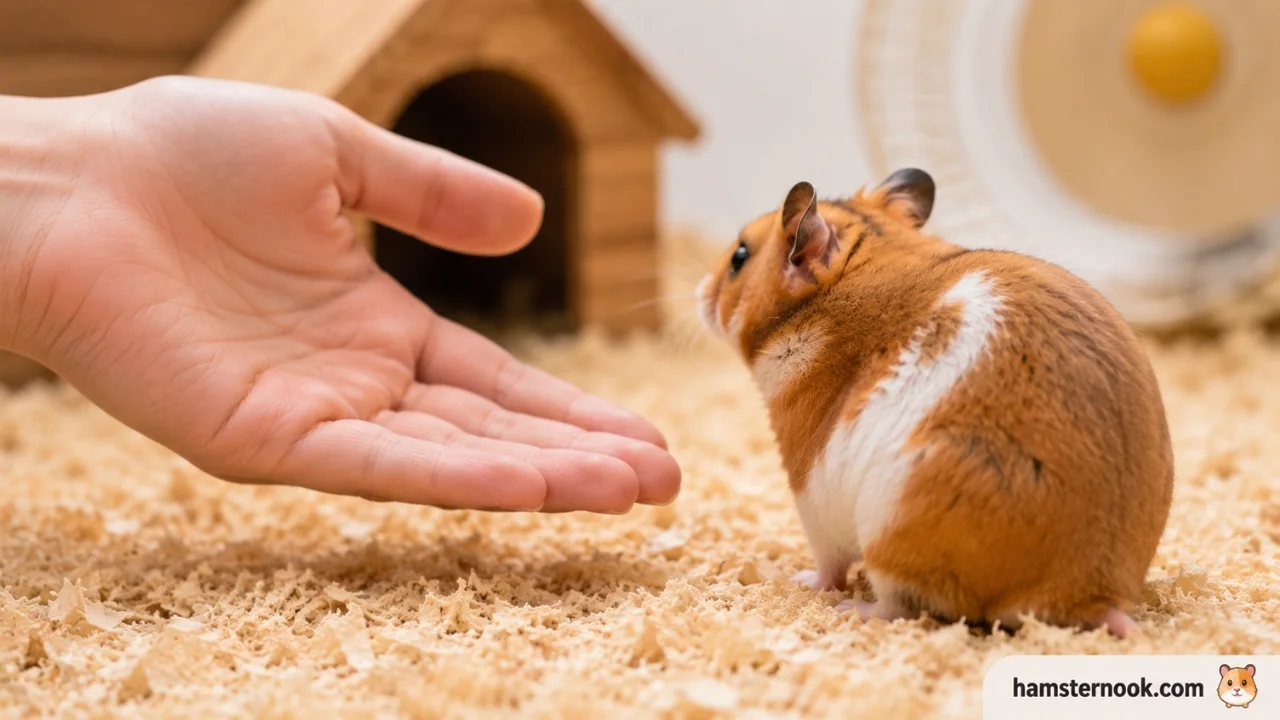
Many people compare hamsters to dogs or cats when discussing emotional awareness.
However, these animals evolved very differently.
Emotional Recognition Comparison
| Animal | Known Ability to Read Human Emotions |
|---|---|
| Dogs | Strong evidence supports emotional recognition |
| Cats | Some evidence suggests recognition of human cues |
| Rabbits | Can learn routines and respond to owner behavior |
| Hamsters | Limited evidence; mainly respond to cues and familiarity |
This does not make hamsters less rewarding pets. It simply means they form relationships differently.
This difference does not make hamsters less affectionate or enjoyable to keep. Instead, it highlights that trust is built through familiarity, routine, and positive experiences rather than an ability to understand complex human emotions.
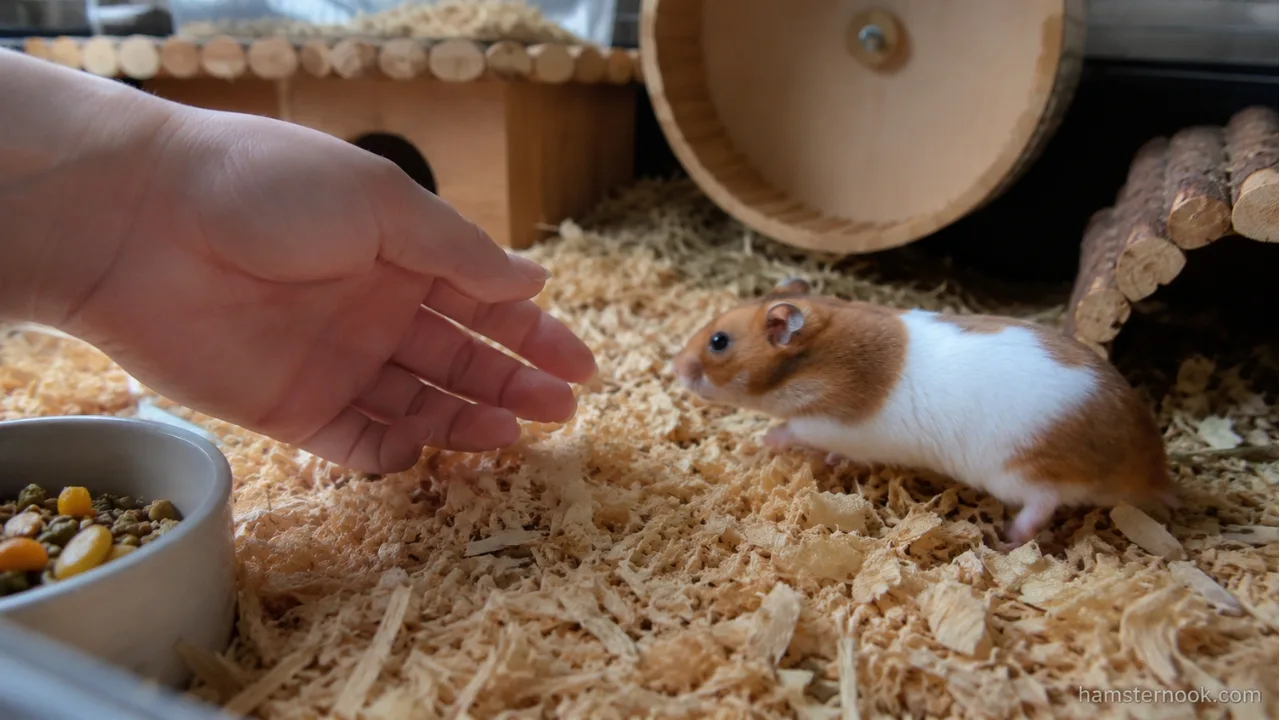
Can Your Mood Affect Your Hamster?
Indirectly, yes.
Hamsters thrive on consistency.
If your mood causes major changes in:
- Feeding schedules
- Cleaning routines
- Social interaction
- Noise levels
- Cage maintenance
Your hamster may notice and respond to those changes.

For example, a hamster may become confused if feeding times suddenly vary every day.
Maintaining a predictable routine helps your hamster feel secure regardless of your emotional state.
If you’re going through a stressful period, try to keep feeding times, cage maintenance, and evening interactions as consistent as possible. A predictable routine helps your hamster feel safe even when your own schedule changes temporarily.
Building a Stronger Bond With Your Hamster
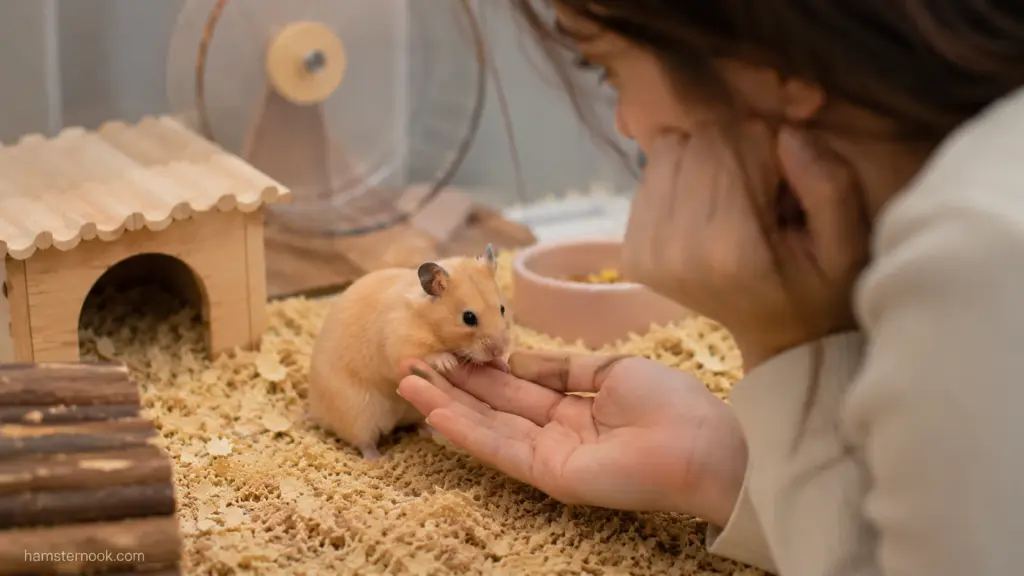
Whether or not your hamster understands sadness, building trust creates a more positive relationship for both of you.

Effective Ways to Strengthen Trust
| Activity | Benefit |
|---|---|
| Hand-feeding treats | Builds positive associations |
| Gentle handling | Increases confidence |
| Speaking softly | Creates familiarity |
| Consistent routines | Reduces stress |
| Respecting boundaries | Encourages trust |
Most hamsters become comfortable with people gradually rather than all at once.
As trust develops, you’ll also notice subtle signs that your hamster feels secure in its environment. Our Things Your Hamster Does When It No Longer Feels Safe guide explains the behavior changes that may suggest your hamster is feeling stressed or uncomfortable.
Some hamsters become very comfortable with their owners, while others remain more independent.
Part of this difference comes from natural personality variations between hamster species. Our Best Hamster Breeds for Beginners (Easy to Care For) guide explains what owners can generally expect from different breeds.
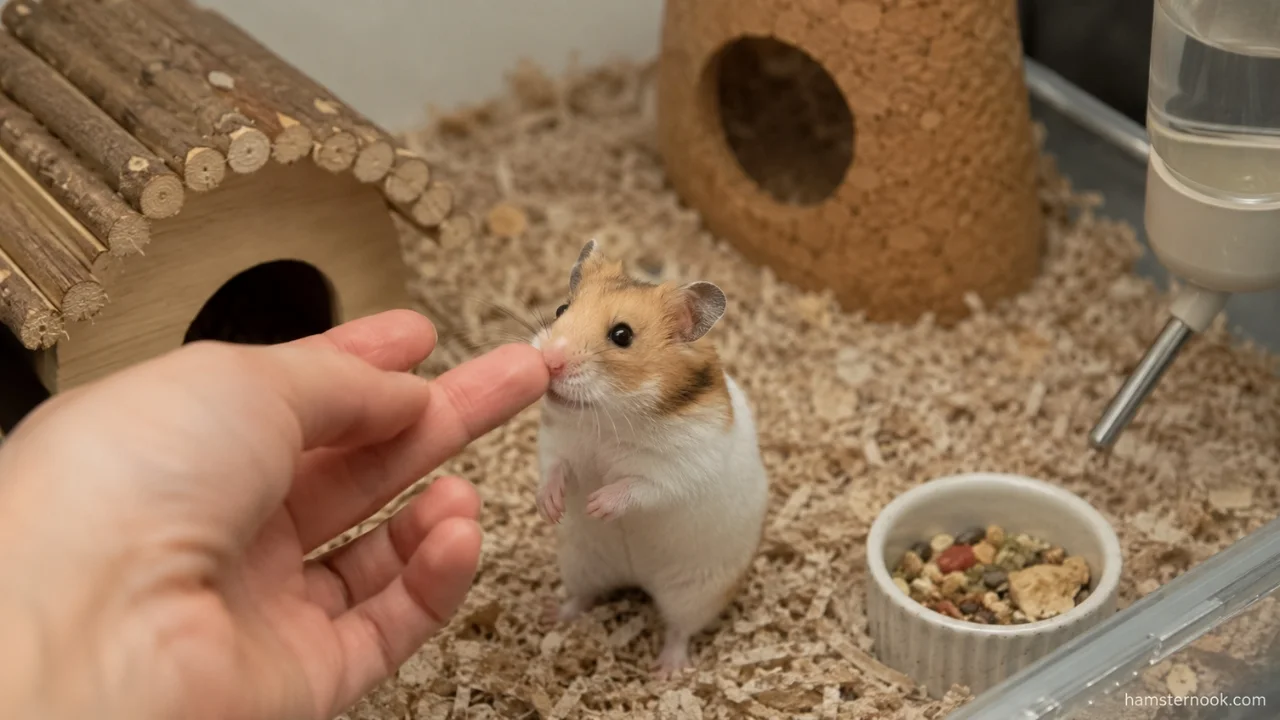
Common Misunderstandings About Hamster Emotions
It is easy to interpret hamster behavior through a human perspective.
However, some common assumptions can be misleading.
Myth vs Reality
| Myth | Reality |
|---|---|
| Hamsters understand human sadness | No scientific evidence currently supports this |
| A hamster comforting you proves empathy | The hamster may simply feel comfortable being nearby |
| Hamsters do not recognize owners | Many learn familiar scents and routines |
| Trust equals emotional understanding | Trust and emotion recognition are different abilities |
| Solitary animals cannot bond with people | Hamsters can develop trust and familiarity with owners |
Keeping these differences in mind makes hamster behavior much easier to interpret.
Many other hamster behavior myths are also based on human interpretations. Our Can Hamsters Get Jealous? What Their Behavior Really Means guide explains what current evidence suggests.
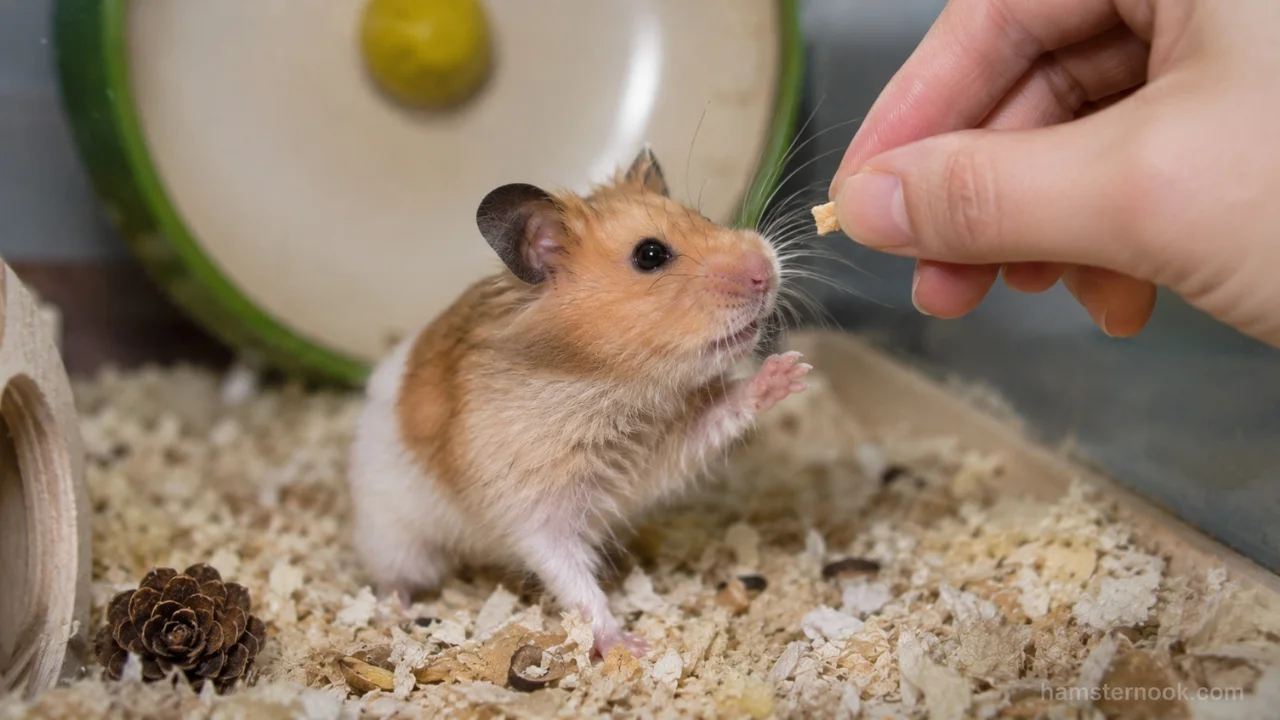
What Makes Hamsters Special Companions?
Hamsters may not provide emotional support in the same way a dog might, but that does not make the bond less meaningful.
Many owners enjoy hamsters because they are:
- Quiet companions
- Interesting to observe
- Full of unique personalities
- Curious and entertaining
- Capable of learning trust
The comfort many owners feel comes from the quiet companionship and routines they share with their hamster rather than from the hamster intentionally responding to human emotions.
Although hamsters do not provide emotional support in the same way as highly social pets, caring for them and spending quiet time together can still be relaxing and rewarding for many owners.
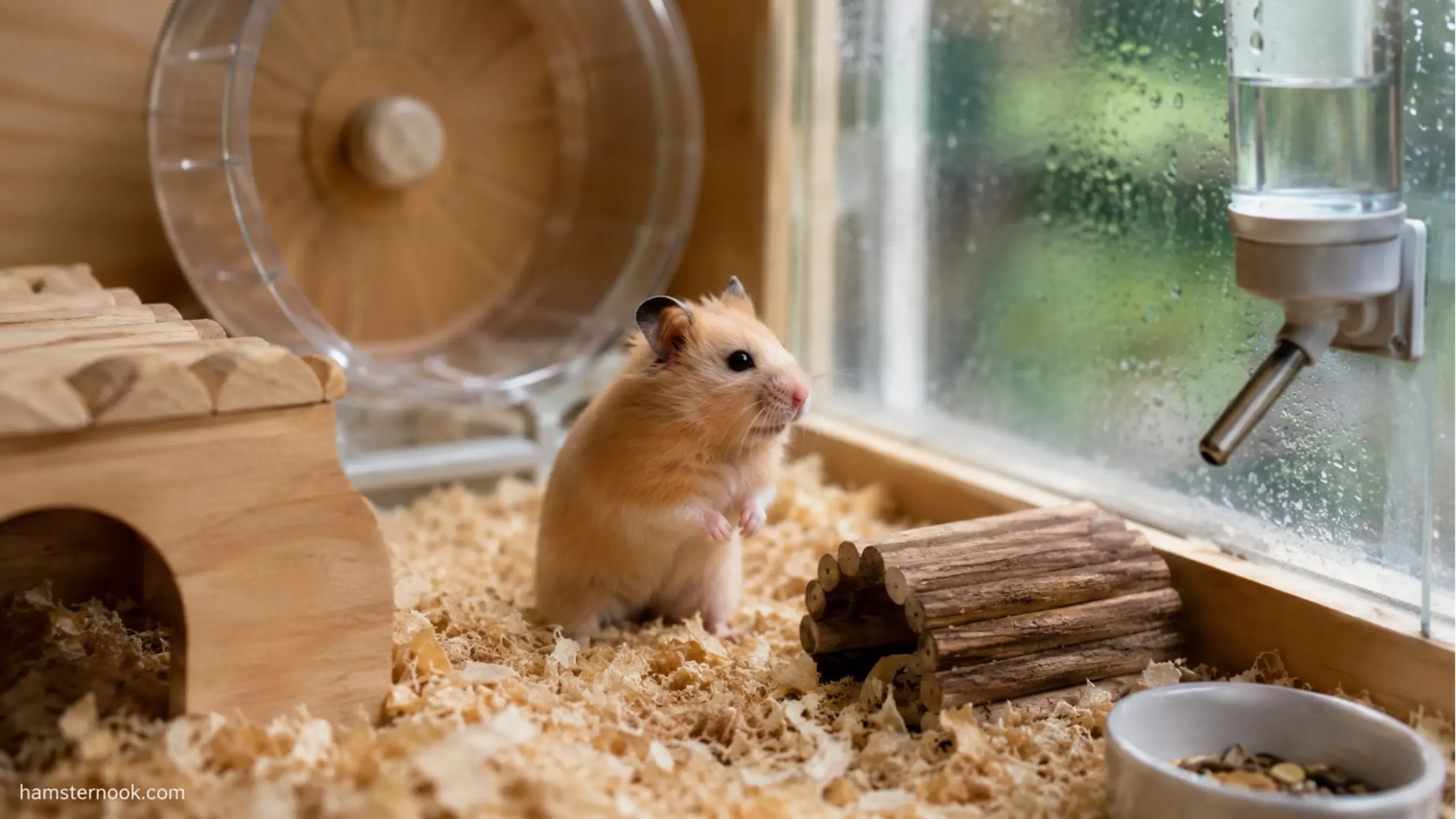
It’s also worth remembering that every hamster has a unique personality. Some naturally seek out interaction and seem highly aware of household routines, while others remain independent no matter how much trust they build with their owner.
Final Thoughts
There is currently no strong scientific evidence that hamsters understand sadness the way humans do. However, they are highly sensitive to changes in their environment and can often detect differences in your voice, scent, movement, and daily routines.
If your hamster seems unusually willing to sit near you during a difficult day, it is probably responding to familiar routines, sounds, scents, and the trust you have built together over time. While they may not recognize sadness as an emotion, they can learn who you are and become comfortable in your presence.
For many owners, that quiet companionship is more than enough. The bond between a hamster and its owner may be different from the bond shared with highly social pets, but it can still be meaningful, rewarding, and genuinely comforting.
References
This guide is based on hamster behavior, welfare, handling, and husbandry guidance from trusted veterinary and animal care organizations, including:
- RSPCA – Hamster Care Guidance
- PDSA – Hamster Care Advice
- Blue Cross – Hamster Care Guide
- Merck Veterinary Manual – Hamster Behavior & Care
Frequently Asked Questions
Can hamsters sense when you’re crying?
Hamsters can likely hear and notice unusual sounds such as crying, but there is no evidence that they understand the emotional meaning behind those sounds.
Do hamsters comfort their owners?
There is no scientific evidence that hamsters intentionally comfort humans. Any comforting feeling usually comes from the interaction and bond itself.
Can a hamster recognize its owner’s voice?
Many hamsters become familiar with their owner’s voice over time, especially when it is consistently associated with feeding and positive experiences.
Why does my hamster seem calmer around me than other people?
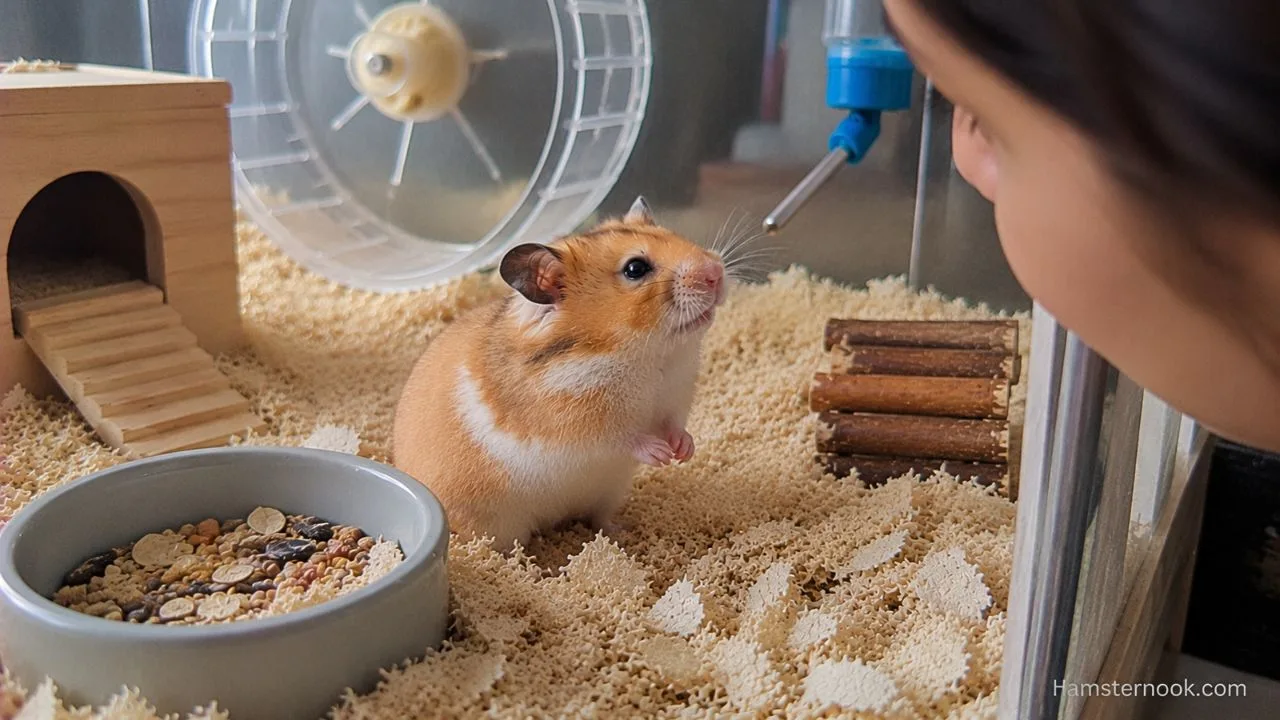
Your hamster likely recognizes your scent, handling style, and routine, making you feel more familiar and predictable.
Do hamsters form emotional bonds with humans?
Hamsters can develop trust and familiarity with owners, although their relationships are generally different from those seen in highly social animals.
Can stress affect how my hamster behaves?
Yes. Changes in routine, noise levels, handling, and environmental conditions can influence a hamster’s behavior and comfort level.
Can hamsters tell the difference between familiar and unfamiliar people?
Yes. Hamsters can often distinguish familiar people from strangers using scent, voice patterns, and repeated interactions. This is why many appear more relaxed around their primary caregiver.
Can hamsters remember their owners for a long time?
Many hamsters remember familiar people through repeated scent, voice, and handling patterns. Consistent positive interactions help maintain that familiarity over time.

Narayan Kumar is the founder and author of HamsterNook. He creates practical, research-based hamster care guides covering hamster behavior, nutrition, cage setup, enrichment, health, and everyday care. His goal is to help hamster owners make informed decisions and provide safer, healthier lives for their pets through clear, beginner-friendly information based on trusted animal care resources.