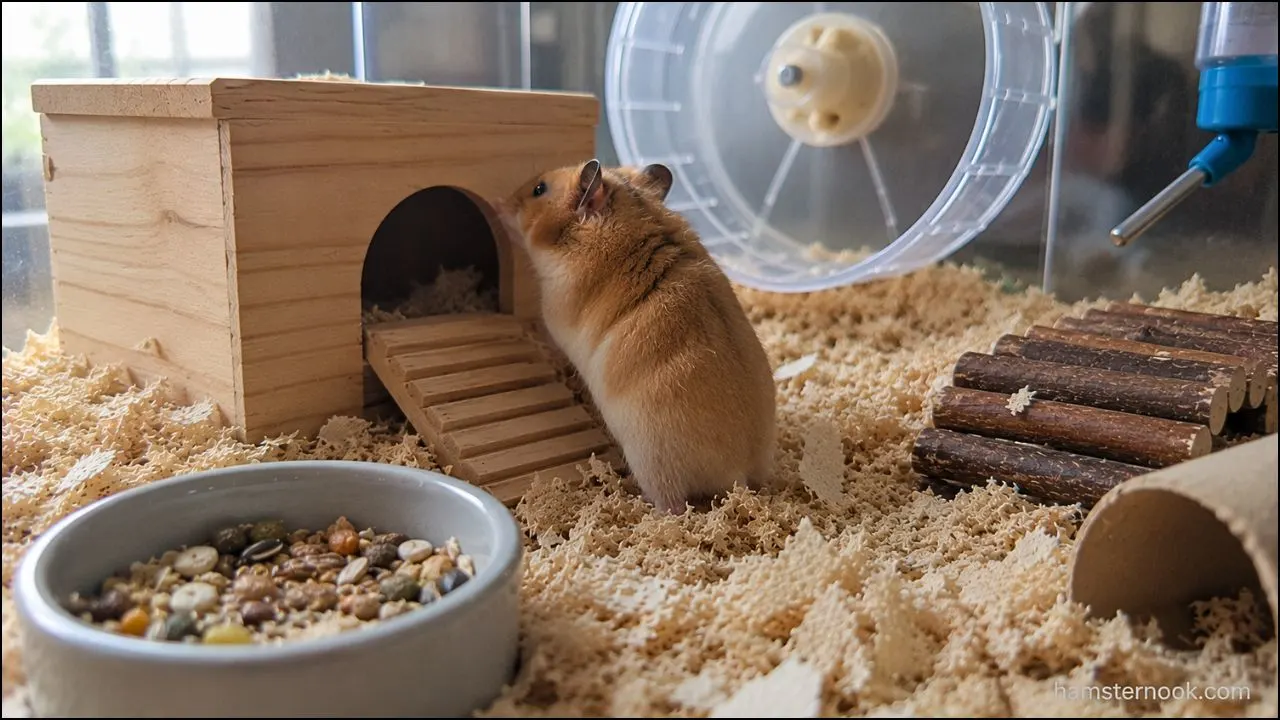
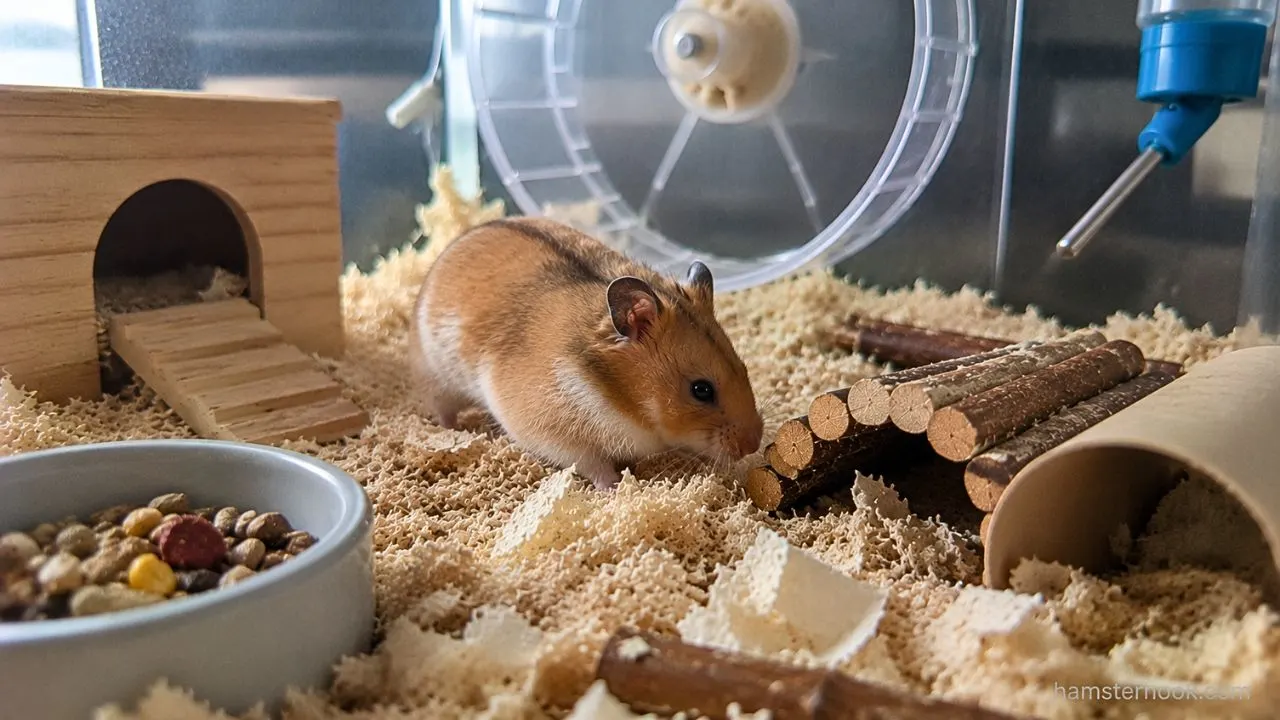
One evening, your hamster seems perfectly normal. The next, it’s throwing bedding across the cage, tunneling nonstop, and digging with an intensity you’ve never seen before. If this sudden change catches you off guard, you’re not alone.
Digging is such a natural part of hamster behavior that many owners actually see it as a sign that their pet feels comfortable enough to express its instincts.
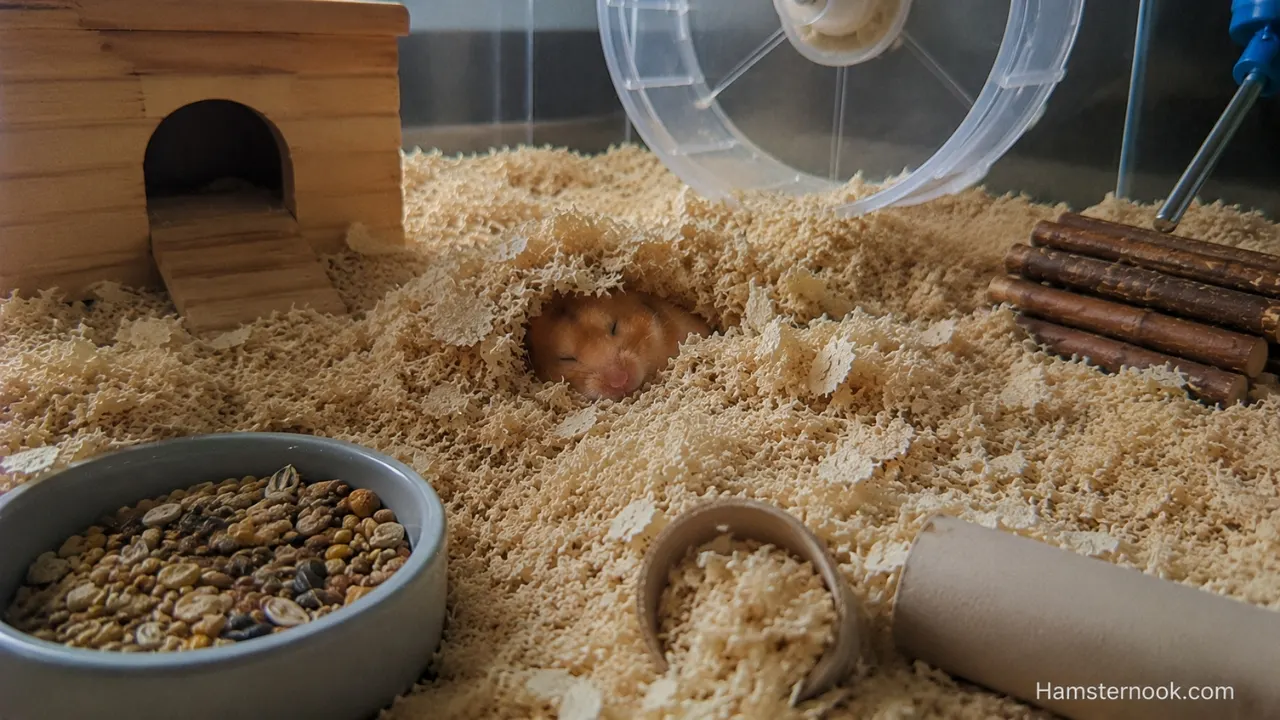
Hamsters are natural burrowers, so suddenly digging more than usual is often completely normal. Fresh bedding, deeper substrate, increased energy, food hoarding, temperature changes, or simply discovering a better place to build a nest can all increase digging.
Digging deserves closer attention when it becomes repetitive or frantic and appears alongside bar chewing, pacing, repeated escape attempts, appetite changes, aggression, or other unusual behavior.

Quick Answer
A hamster digging more than usual is often expressing normal burrowing behavior, especially after receiving fresh or deeper bedding. Hamsters also dig to build nests, store food, explore, and create secure underground spaces.
Repeated corner digging or frantic scratching can be different, particularly when it occurs alongside escape attempts, pacing, bar chewing, or other signs of stress.
Is Increased Digging Normal for Hamsters?
Usually, yes.
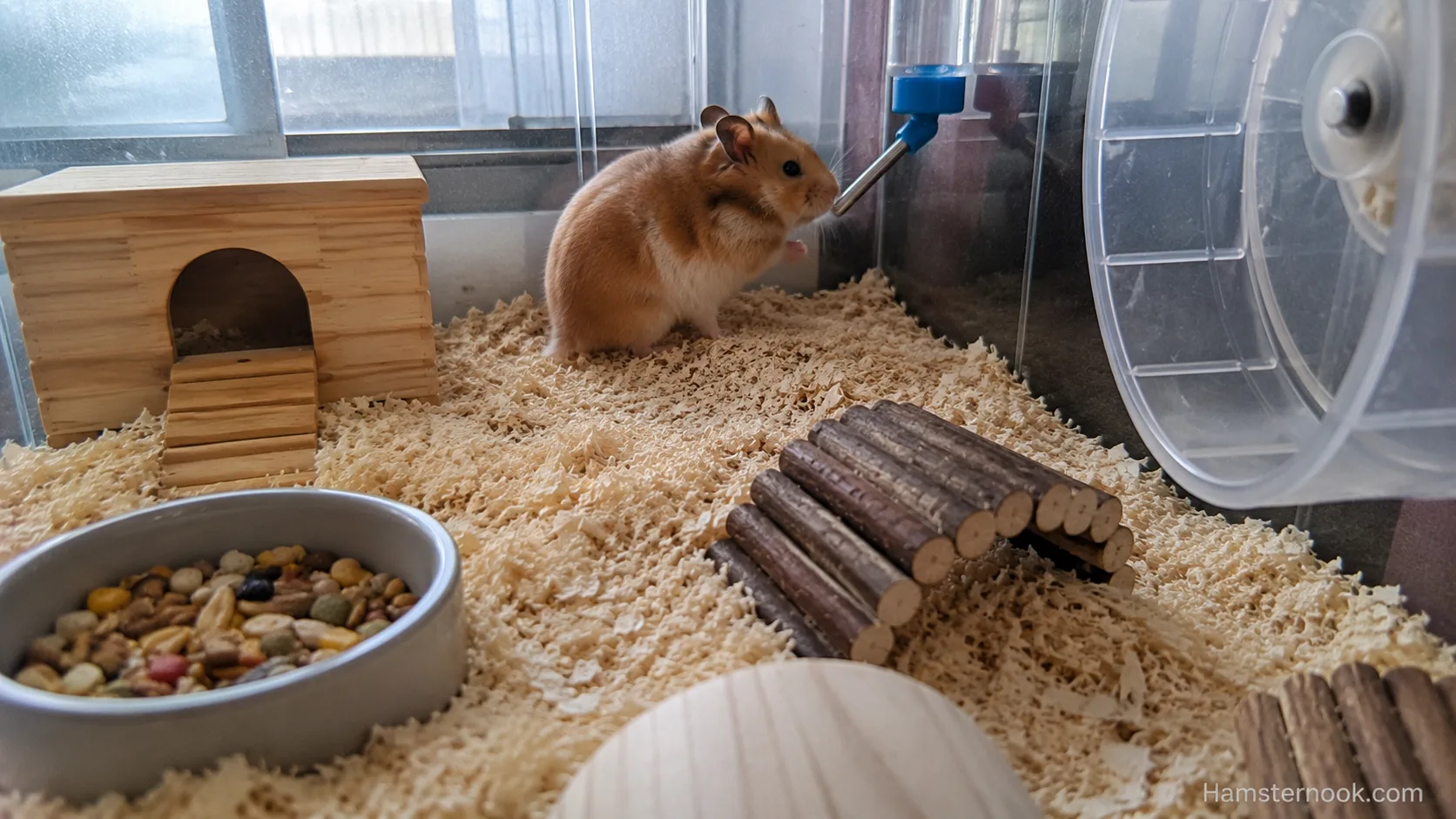
Hamsters are natural burrowers. Digging allows them to:
- Create safe sleeping areas
- Store food
- Explore their environment
- Stay mentally stimulated
- Regulate comfort and security
A hamster that suddenly starts digging more is not necessarily unhappy or unhealthy. Sometimes a simple environmental change can trigger a noticeable increase in burrowing activity.
Instead of focusing only on the digging, pay attention to everything else your hamster is doing.
Common Reasons Hamsters Start Digging More
Several factors can cause a hamster to become more interested in digging.
| Possible Cause | How Common It Is | Usually a Concern? |
|---|---|---|
| New bedding or cage setup | Very Common | No |
| Natural burrowing instincts | Very Common | No |
| Seasonal behavior changes | Common | No |
| Increased energy levels | Common | No |
| Boredom | Common | Sometimes |
| Stress or environmental changes | Common | Sometimes |
| Searching for a cooler area | Occasional | Depends |
| Inadequate bedding depth | Common | Yes |
Looking at what changed before the digging started often makes the cause much easier to identify.
New Bedding Often Triggers More Digging
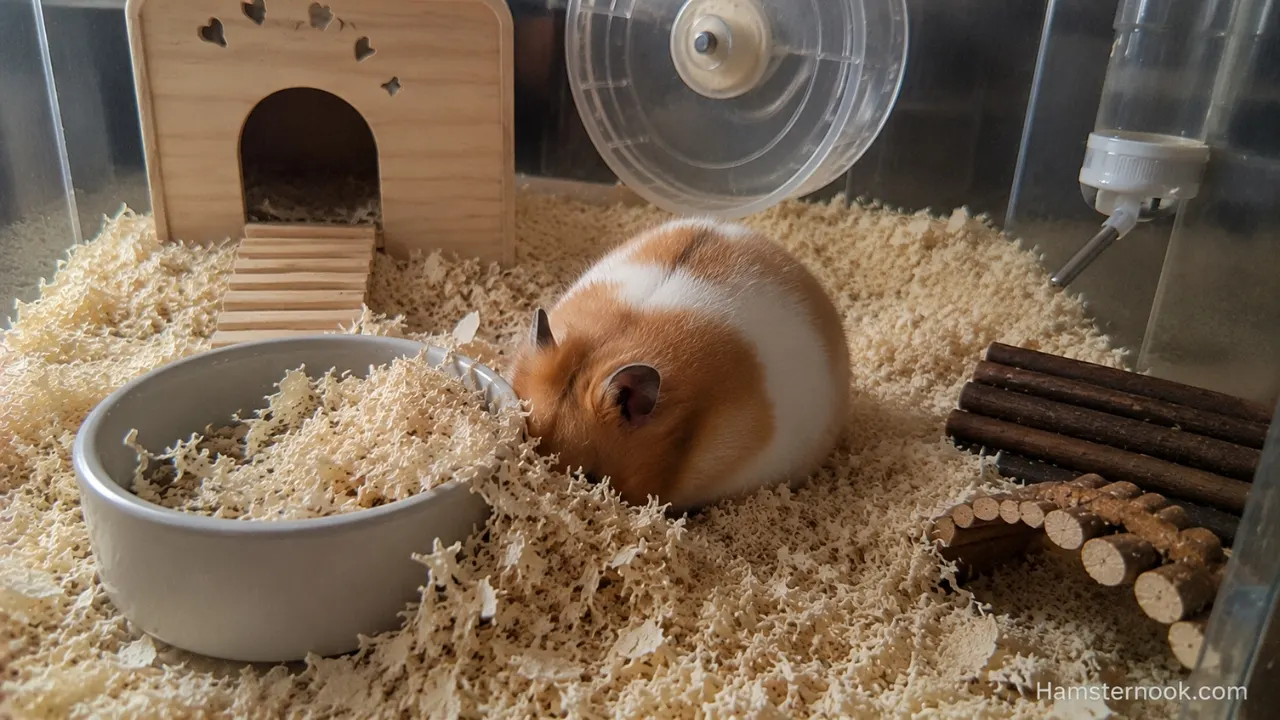
Many owners notice increased digging shortly after changing bedding.
Cage cleaning can temporarily increase digging because familiar scent markers and established tunnels may have been disturbed. The hamster may spend time rebuilding its nest and reorganizing the enclosure before returning to its usual routine.
Fresh bedding provides:
- New scents
- New textures
- New tunnel-building opportunities
Your hamster may simply be redesigning its burrow system.

Some hamsters spend hours reorganizing a freshly cleaned enclosure before settling back into their normal routine.
This type of digging is usually healthy and expected.
Your Hamster May Be Following Natural Burrowing Instincts

Even domesticated hamsters retain strong wild instincts.
In nature, hamsters create extensive underground tunnel networks that can include:

- Sleeping chambers
- Food storage rooms
- Escape routes
- Bathroom areas
Pet hamsters still possess these instincts despite living in cages.
If your hamster suddenly discovers that the bedding is deep enough for tunneling, you may see a dramatic increase in digging behavior.
Deeper Bedding Can Encourage More Digging
Sometimes the reason is actually positive.

Bedding depth directly affects whether a hamster can build and maintain tunnels. Our How Much Bedding Does a Hamster Need? Minimum Depth Guide for Healthy Burrowing explains how to create a substrate area that better supports natural burrowing behavior.

If you’ve recently increased bedding depth, your hamster may finally have enough material to create proper tunnels.
Deeper bedding generally provides more opportunity for burrowing, but there is no fixed depth at which every hamster will suddenly begin digging more. Species, individual behavior, bedding material, enclosure layout, and whether the substrate can hold tunnels all influence how a hamster uses it.
Many owners mistakenly assume increased digging means something is wrong when the hamster is simply taking advantage of a better environment.
Bedding Depth Isn’t the Only Thing That Matters
A deep layer of bedding is most useful when the material can support the tunnels your hamster creates. Very loose or unstable substrate may collapse repeatedly, even when plenty of bedding is available.

Using suitable hamster-safe bedding and gently compressing deeper areas can make burrowing opportunities more practical while still allowing the hamster to design its own tunnel system.
Boredom Can Lead to Excessive Digging
Not all digging is driven by natural burrowing.
A hamster lacking stimulation may start digging repeatedly because there is little else to do.
Signs that boredom may be contributing include:
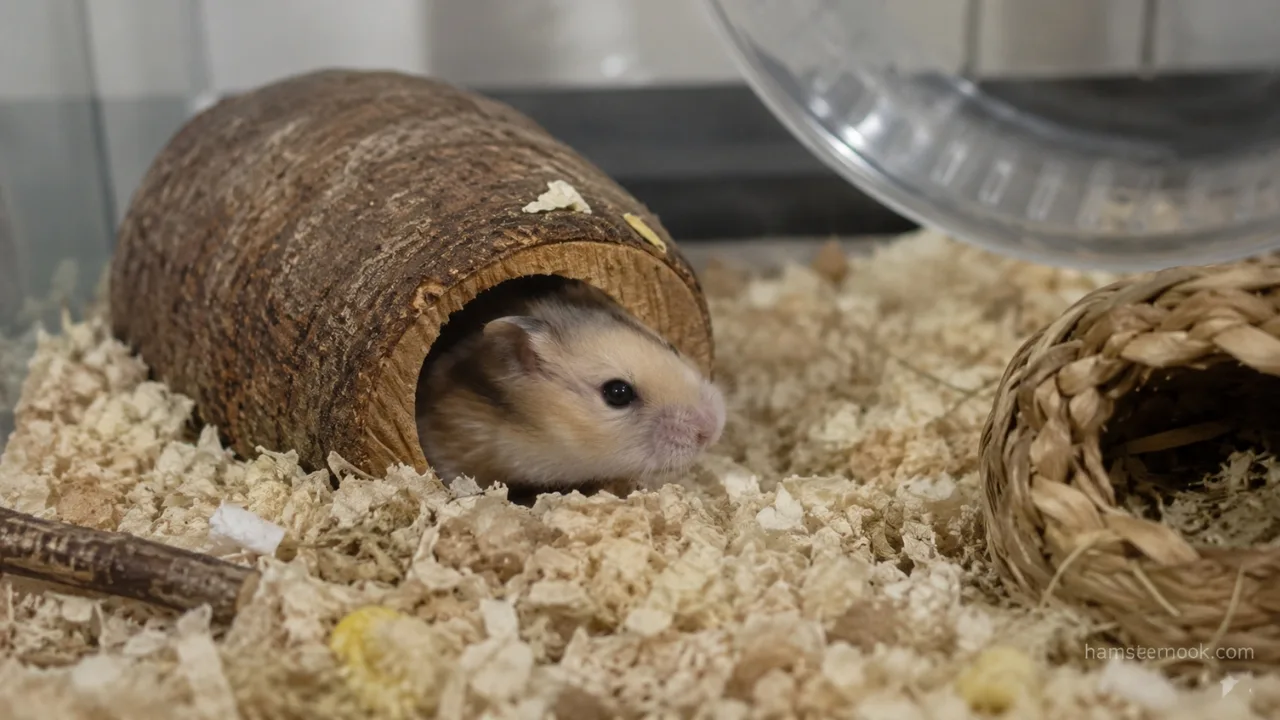
- Repetitive digging in corners
- Bar chewing
- Pacing
- Constant attempts to escape
- Lack of interest in toys
In these situations, digging may be part of a larger pattern of frustration.
Adding enrichment often helps reduce these behaviors.
Environmental Changes Can Increase Digging Activity
Hamsters are sensitive to changes in their surroundings.
Examples include:

- Moving the cage
- New household noises
- Rearranging cage accessories
- New pets in the home
- Changes in lighting
When something changes, a hamster may dig more as a way of creating a secure shelter.
Burrowing often helps hamsters feel protected when their environment feels unfamiliar.
Your Hamster Might Be Searching for a Cooler Spot
During warmer weather, some hamsters dig deeper into bedding to find cooler areas.
Bedding naturally insulates and can remain slightly cooler than the surface.

If increased digging occurs during hot conditions, check:
- Room temperature
- Cage placement
- Air circulation
Hamsters can be sensitive to excessive heat, so increased digging during warm weather is a good reason to check the conditions around the enclosure. Our Safe Temperature for Hamsters guide explains comfortable temperature ranges and signs that the environment may be becoming too hot or cold.
Food-Hoarding Behavior May Look Like Excessive Digging
Hamsters often dig while creating food storage areas.
Digging and food storage often occur together because hamsters naturally create protected areas for their food. Our Why Does My Hamster Keep Hiding Food? Explained Simply guide explains how normal hoarding behavior relates to nesting and burrow use.

You may notice your hamster:
- Carrying food underground
- Expanding tunnel systems
- Digging around favorite hiding spots
This behavior is completely normal.
Many hamsters regularly modify their food storage chambers, especially after receiving new treats or larger food portions.
Some Hamsters Dig More During Certain Life Stages
Younger hamsters often dig more frequently because they tend to be more energetic and curious. Newly adopted hamsters may also spend extra time digging while learning the layout of their enclosure and creating a safe nesting area. As long as your hamster remains healthy and relaxed, temporary increases in digging are usually nothing to worry about.

When Digging Becomes a Sign of Stress
Digging itself is not usually a problem.
Digging becomes more concerning when it appears alongside several changes in behavior rather than occurring on its own. Our 5 Warning Signs Your Hamster May Be Stressed guide explains other behaviors that may suggest the hamster is struggling with its environment.
However, stress-related digging often appears alongside other warning signs.
| Healthy Digging | Stress-Related Digging |
|---|---|
| Creates tunnels | Focuses repeatedly on one area |
| Occurs during exploration | Appears frantic or obsessive |
| Followed by resting | Continues for long periods without settling |
| Uses bedding naturally | Includes scratching cage corners or walls |
| Appears relaxed | Appears agitated or restless |
Looking at the hamster’s overall behavior provides valuable clues.

Corner Digging: What Does It Mean?
One behavior that worries owners is persistent corner digging.
Occasional corner digging is normal.
However, repeated attempts to dig through cage corners may indicate:
- Desire for more space
- Insufficient bedding
- Boredom
- Stress
- Attempts to escape
If corner digging becomes excessive, evaluate the enclosure size and enrichment level.

Corner Digging Is Different From Normal Burrowing
Normal burrowing usually involves moving through bedding, creating tunnels, building nests, and eventually settling into other activities.
Repeatedly scratching the same exposed corner or wall without creating a usable burrow may be more consistent with an escape attempt, insufficient digging opportunities, or environmental frustration.
Look at the pattern rather than the digging alone.
How Cage Size Affects Digging Behavior
A hamster housed in a small enclosure may show abnormal digging patterns.

When space is limited, natural burrowing opportunities decrease.
This can result in:
- Frustration digging
- Escape-oriented digging
- Repetitive corner scratching
A properly sized cage allows digging to occur in a more natural way.
| Cage Condition | Typical Digging Behavior |
|---|---|
| Spacious enclosure | Tunnel building and exploration |
| Shallow bedding | Surface scratching |
| Small cage | Corner digging and escape attempts |
| Enriched habitat | Balanced digging behavior |
Providing adequate floor space and bedding depth often improves behavioral issues.
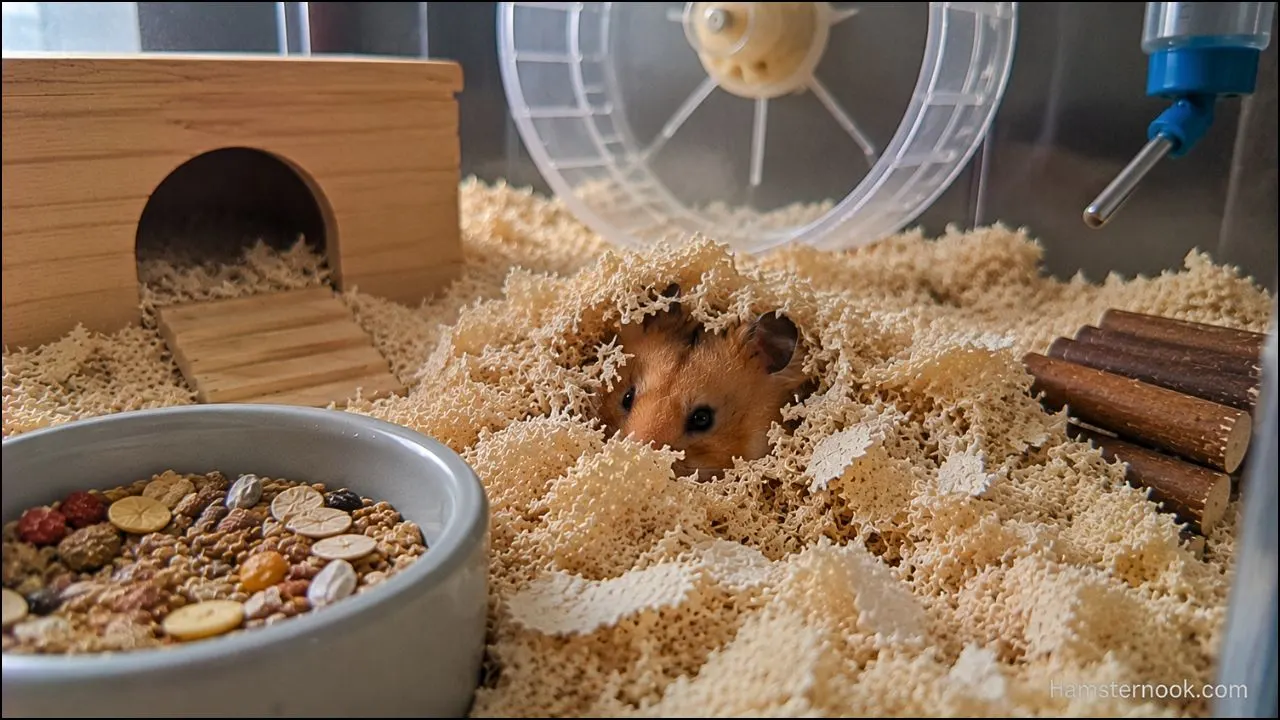
Should You Stop Your Hamster From Digging?
In most situations, absolutely not.
Digging is one of the healthiest and most natural behaviors a hamster can perform.
Stopping a hamster from digging may actually reduce opportunities for:
- Exercise
- Mental stimulation
- Stress relief
- Natural expression of instincts
Instead of discouraging digging, focus on providing safe opportunities for it.

Ways to Support Healthy Digging Behavior
If your hamster enjoys digging, consider enhancing the environment.
Provide Deep Bedding
Most hamsters benefit from deep bedding that supports stable tunnels.
Many experienced keepers aim for at least 8–10 inches where possible.
Create a Dig Box
A dedicated digging area can add enrichment.

Depending on the setup, a dig box can use suitable hamster-safe substrates such as paper bedding or aspen. Other substrates used for enrichment should be researched carefully for moisture, dust, cleanliness, and suitability before being added to the enclosure.
Scatter Feed Occasionally
Instead of placing all food in a bowl, scatter some throughout the enclosure to encourage natural foraging.
Add Tunnels and Hides
Additional structures encourage exploration and tunnel expansion.
These simple changes often satisfy a hamster’s natural instincts.

Deep bedding works best alongside enough floor space, secure hides, tunnels, and other enrichment. Our Best Hamster Cage Setup for Beginners guide explains how these habitat elements can support natural digging, nesting, and exploration.
What Counts as Excessive Digging?
There is no specific number of minutes or hours that makes digging excessive. Some hamsters naturally spend a large part of their active period modifying tunnels and nests.
The pattern matters more than the duration. Digging may deserve closer attention when it is repetitive, frantic, focused almost entirely on escaping through one area, or prevents the hamster from settling into normal activities such as eating, grooming, resting, and exploring.
When Should Owners Be Concerned?
Most increased digging is completely normal.
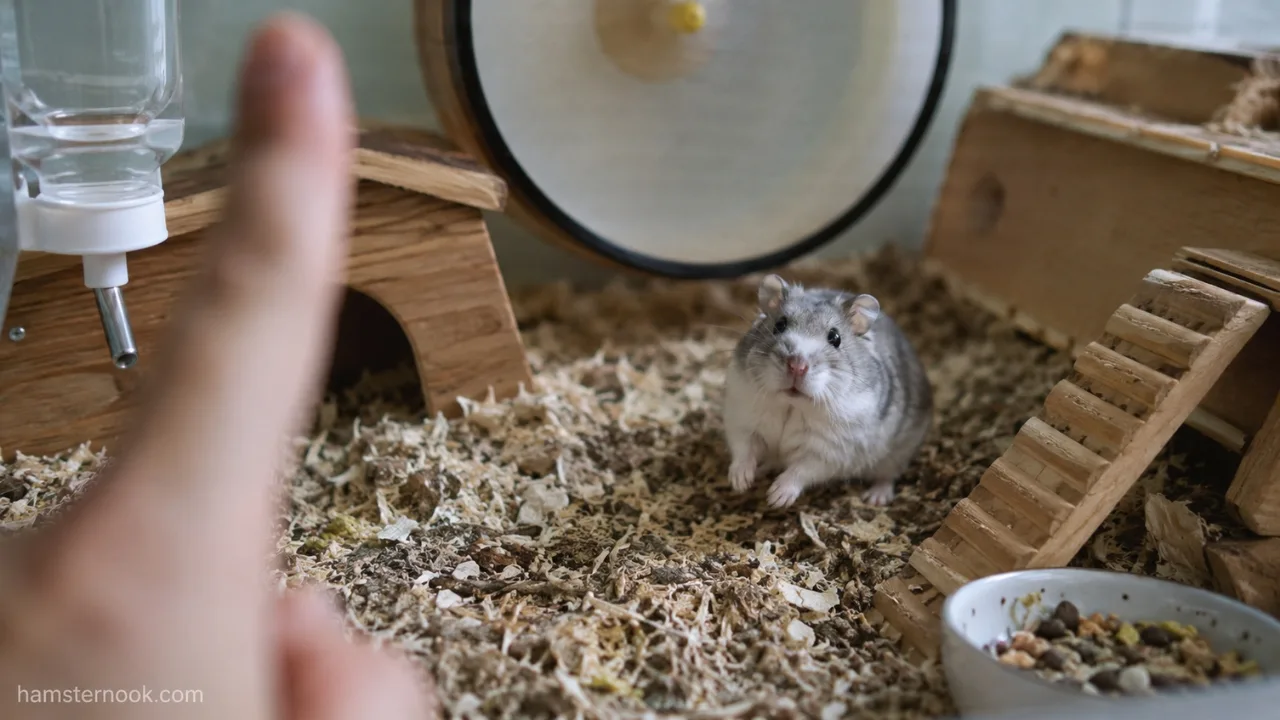
However, consider further investigation if digging is accompanied by:
- Sudden weight loss
- Loss of appetite
- Lethargy
- Aggression
- Visible injuries
- Persistent panic-like behavior
In those situations, the digging may be occurring alongside a separate health or welfare issue.
Final Thoughts
In many cases, a hamster that suddenly starts digging more is simply becoming more active, curious, or interested in building a better burrow system. Fresh bedding, deeper substrate, seasonal changes, increased activity, and natural burrowing instincts are all common reasons for increased digging.
What matters is understanding why the digging increased and whether anything else has changed. Relaxed tunnel-building and exploration are generally positive signs, while frantic corner digging combined with stress behaviors may indicate a need for environmental improvements.
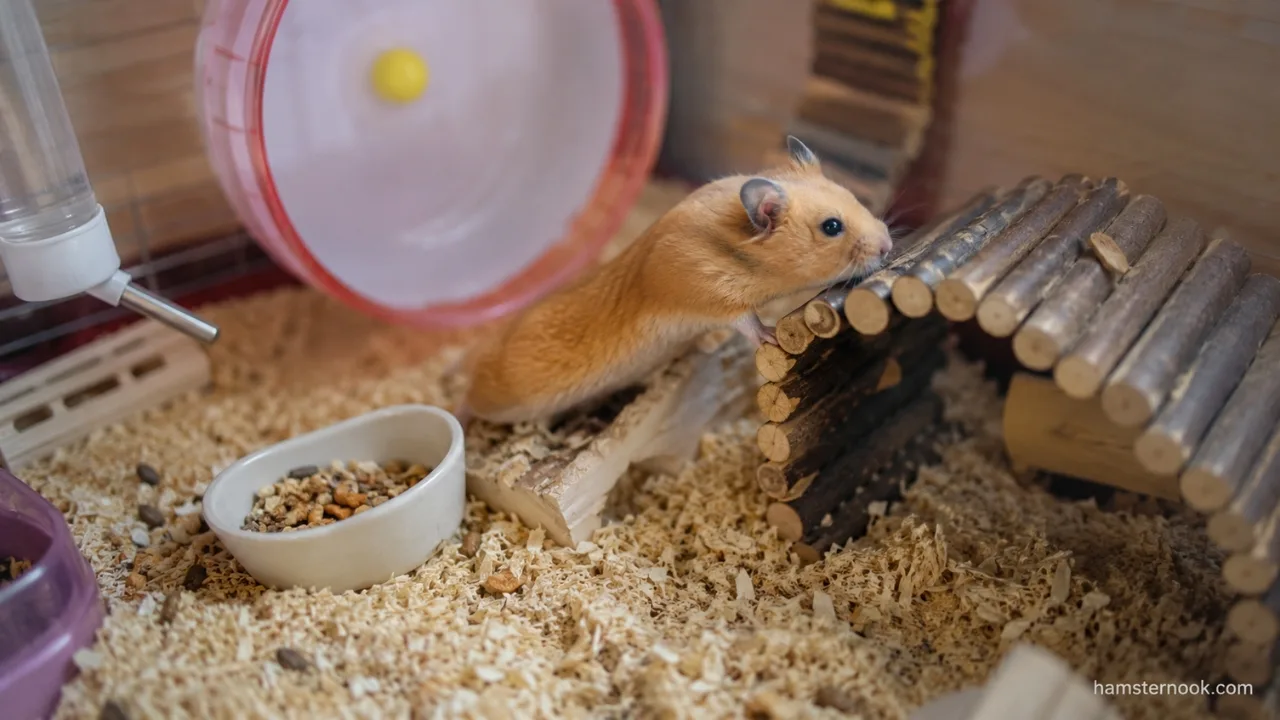
In most cases, increased digging is not something owners should discourage. Instead, it can be viewed as a healthy expression of one of the hamster’s most important natural instincts.
References
This guide is based on hamster digging behavior, natural instincts, housing, and welfare guidance from trusted animal care organizations, including:
- RSPCA – Hamster Care and Welfare Advice
- PDSA – Hamster Care Guidance
- Blue Cross – Hamster Care Advice
Frequently Asked Questions
Why is my hamster digging more after a cage cleaning?
Fresh bedding and changed scents often encourage hamsters to rebuild tunnels, reorganize nesting areas, and explore their environment.
Is excessive digging a sign of boredom?
Sometimes. If digging is accompanied by pacing, bar chewing, or escape attempts, boredom may be contributing to the behavior.
Why does my hamster only dig in the corners?
Corner digging may be related to escape attempts, insufficient bedding depth, stress, or simply a preferred digging location.
Do happy hamsters dig a lot?
Yes. Healthy and content hamsters often spend significant time digging, tunneling, and modifying their burrows.
Can hamsters dig too much?
Normal digging is rarely a problem. Concern arises only when the behavior becomes obsessive or occurs alongside other signs of stress or illness.
What bedding depth is best for digging?
Provide a generous area of deep, hamster-safe bedding that can support burrowing and tunnel building. The usable depth will depend on the enclosure and species, but deeper stable bedding generally offers more opportunity for natural digging than a shallow layer.
Why is my hamster suddenly digging at the cage walls?
Occasional wall or corner digging can be normal exploration, but repeated scratching at the same area may indicate an escape attempt, insufficient bedding, limited space, boredom, or environmental stress. Consider the behavior alongside the enclosure setup and your hamster’s other activities.

Narayan Kumar is the founder and author of HamsterNook. He creates practical, research-based hamster care guides covering hamster behavior, nutrition, cage setup, enrichment, health, and everyday care. His goal is to help hamster owners make informed decisions and provide safer, healthier lives for their pets through clear, beginner-friendly information based on trusted animal care resources.