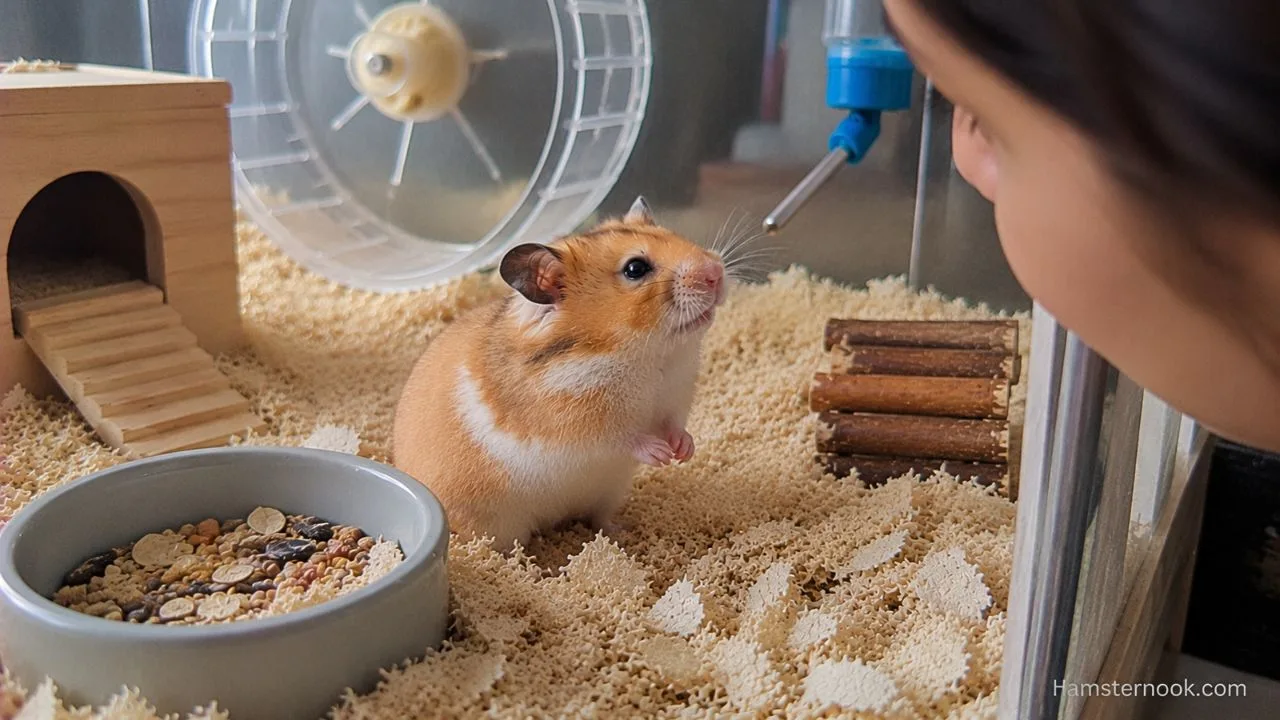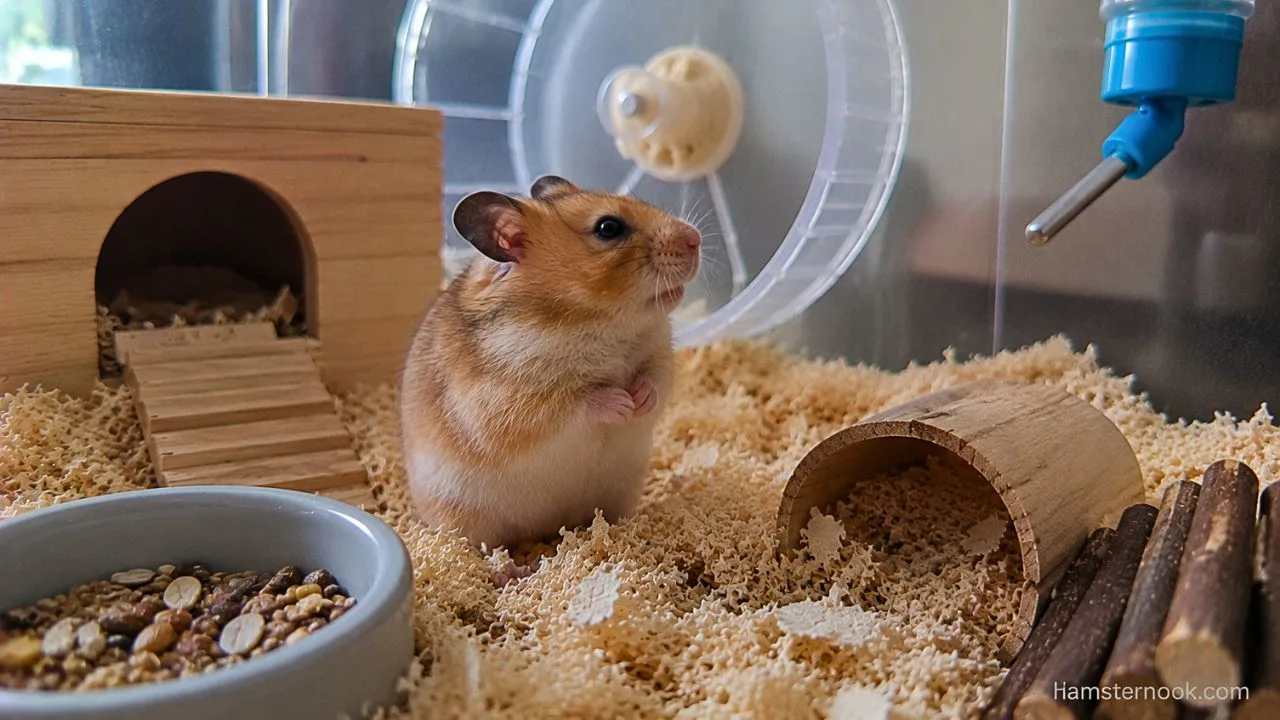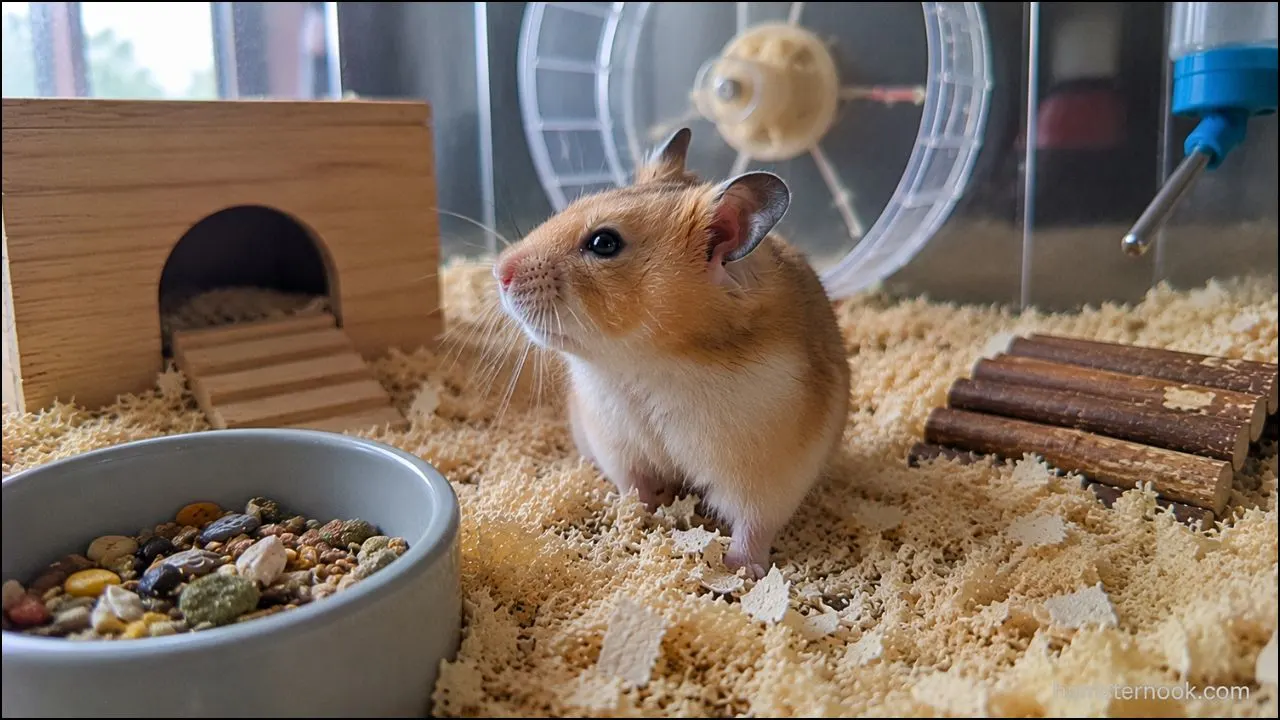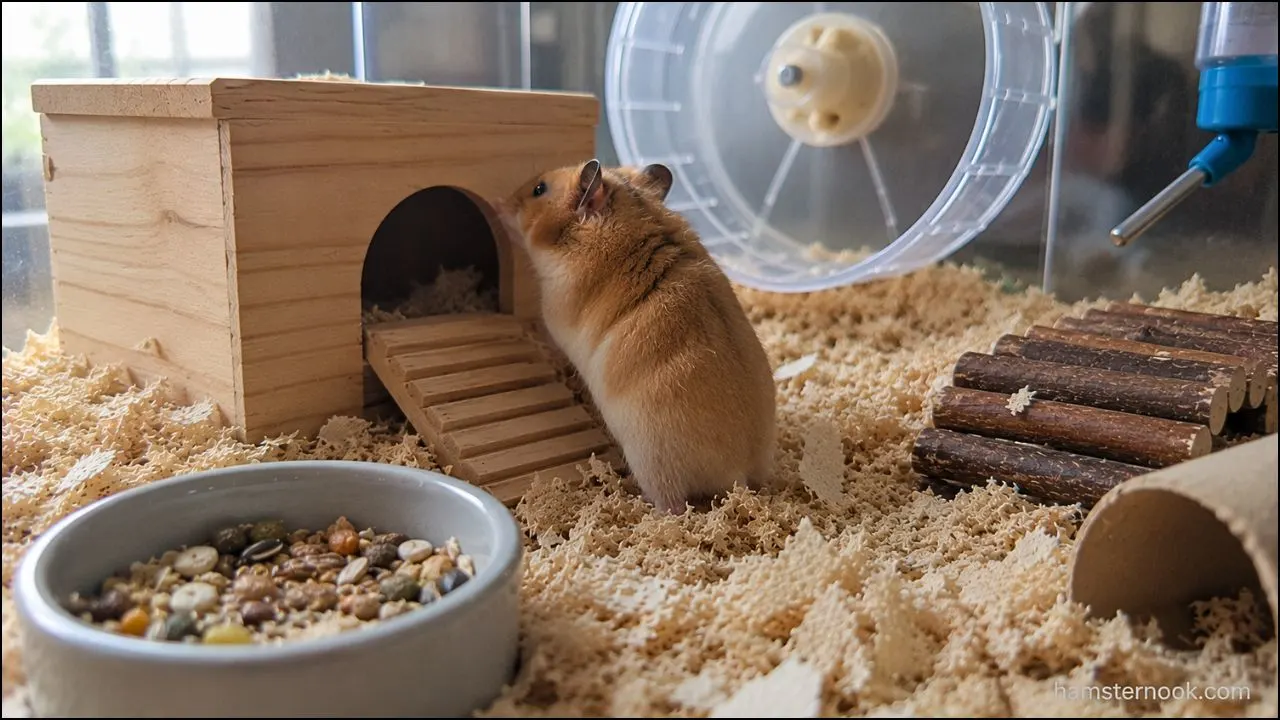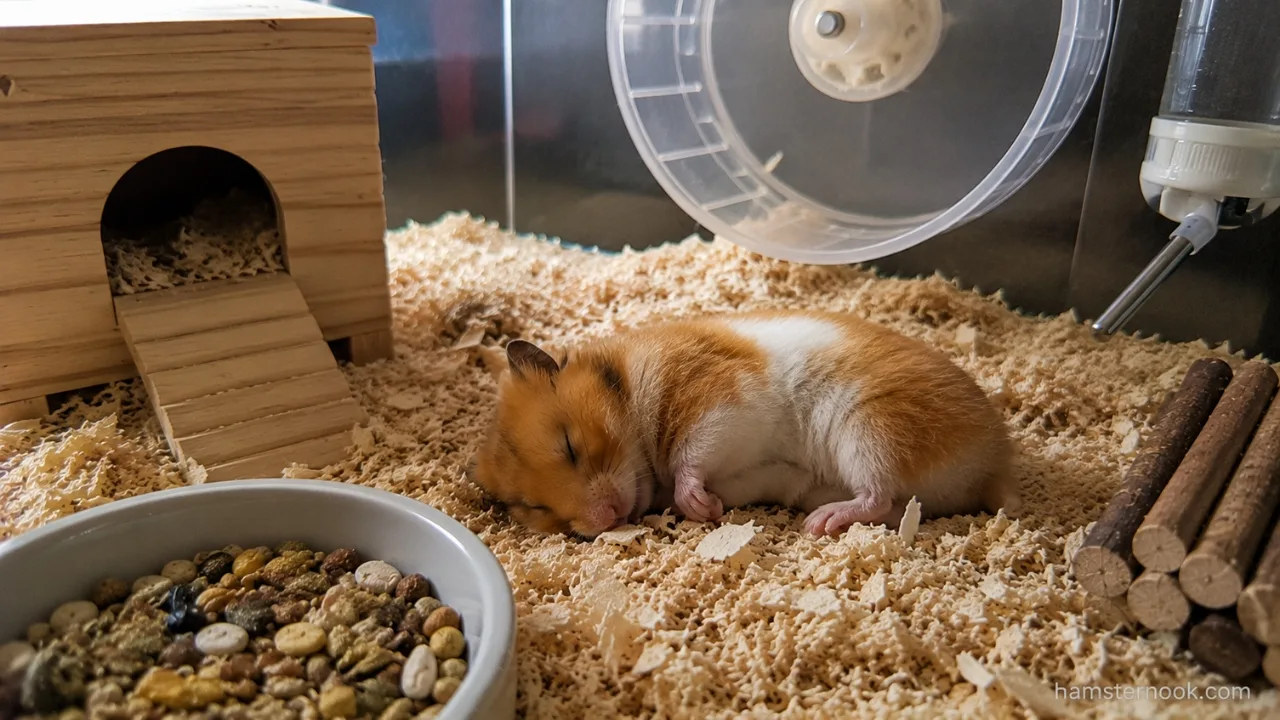
Hamsters naturally spend many hours sleeping during the daytime because they are nocturnal animals, but many owners never realize that the way a hamster sleeps can actually reveal important clues about its comfort, stress levels, body temperature, and overall health.
For a clearer explanation of normal hamster light and dark cycles, see our Do Hamsters Need Light? Daylight, Darkness & Night Lights Explained guide.
Many hamster sleeping positions are completely normal and simply reflect comfort or temperature preferences, while others may signal discomfort, overheating, illness, or environmental problems inside the cage. Learning how to recognize these differences can help owners catch potential issues early and improve their hamster’s quality of life.
The good news is that most unusual sleeping positions are not emergencies. Hamsters are naturally flexible sleepers and often rest in funny or unexpected ways. However, understanding what is normal versus concerning is one of the most useful skills for beginner hamster owners.
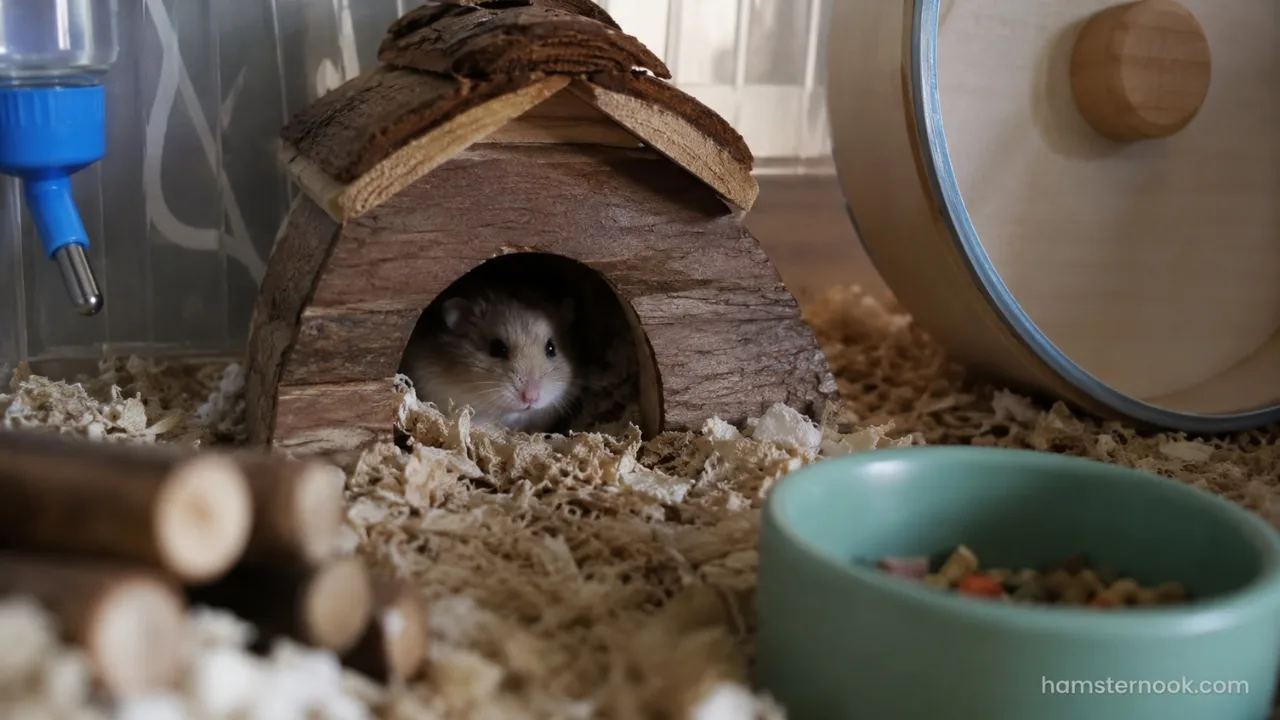
This guide explains what common hamster sleeping positions usually mean, which positions are completely normal, and which changes deserve closer attention. The most important thing is not the position itself, but whether it is new and whether it appears alongside changes in appetite, breathing, activity, or behavior.
Why Hamsters Sleep in Different Positions
A hamster’s sleeping posture often changes based on comfort, cage temperature, and stress levels, including:
- Body temperature
- Stress levels
- Feeling safe or unsafe
- Cage temperature
- Bedding softness
- Health condition
- Age
If you are checking whether temperature may be affecting your hamster’s sleeping behavior, our Hamster Temperature: Safe Range, Too Hot & Too Cold guide covers the signs of overheating and getting too cold.
Since hamsters are prey animals, sleep behavior is closely connected to comfort and security. A relaxed hamster usually sleeps differently from a stressed or overheated one.

Owners who are new to hamster care may find our Ultimate Hamster Care Guide for Beginners (2026) helpful for understanding the environmental factors that influence hamster behavior and well-being.
Observing changes in sleeping posture over time can help owners better understand their pet’s condition.
Why You Should Learn Your Hamster’s Normal Sleep Habits
One of the easiest ways to notice potential health problems is to understand what is normal for your individual hamster.
Some hamsters prefer sleeping underground almost all the time, while others occasionally nap in the open. Some regularly stretch out while sleeping, while others almost always curl into a ball.
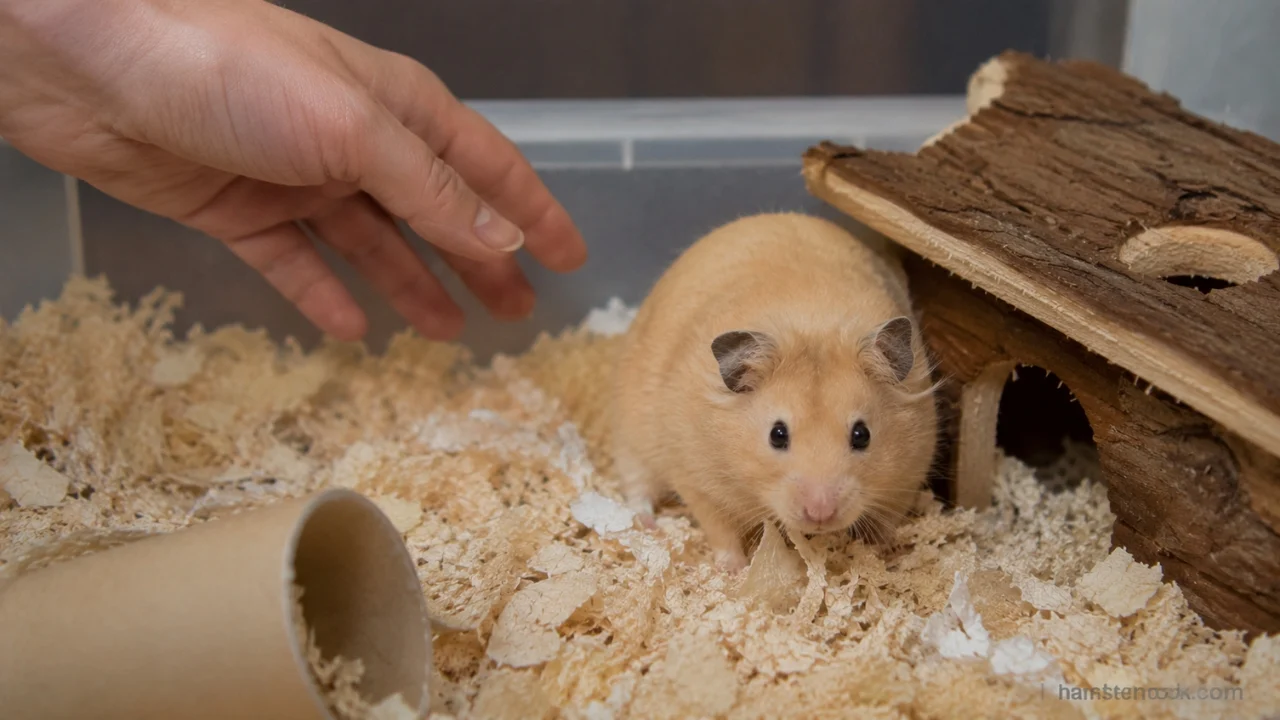
The goal is not to memorize every sleeping position but to notice sudden changes. A hamster that suddenly begins sleeping differently, hiding excessively, or showing other unusual behaviors may benefit from closer observation.
Taking an occasional photo of your hamster while it sleeps can make it easier to notice gradual changes over time. Comparing recent sleeping habits with older photos may help you spot subtle differences that are easy to miss day to day.
Common Hamster Sleeping Positions and What They Mean
Different hamster sleeping positions often reflect temperature, comfort, and how secure the hamster feels inside its enclosure.
The table below explains some of the most common sleeping positions seen in pet hamsters.
| Sleeping Position | What It Usually Means | Should Owners Worry? |
|---|---|---|
| Curled into a ball | Comfortable, warm, relaxed | Usually normal |
| Sleeping stretched out | Trying to cool down or fully relaxed | Usually normal |
| Sleeping on back | Feels very safe and relaxed | Rare but normal |
| Sleeping flat on belly | Comfortable resting posture | Normal |
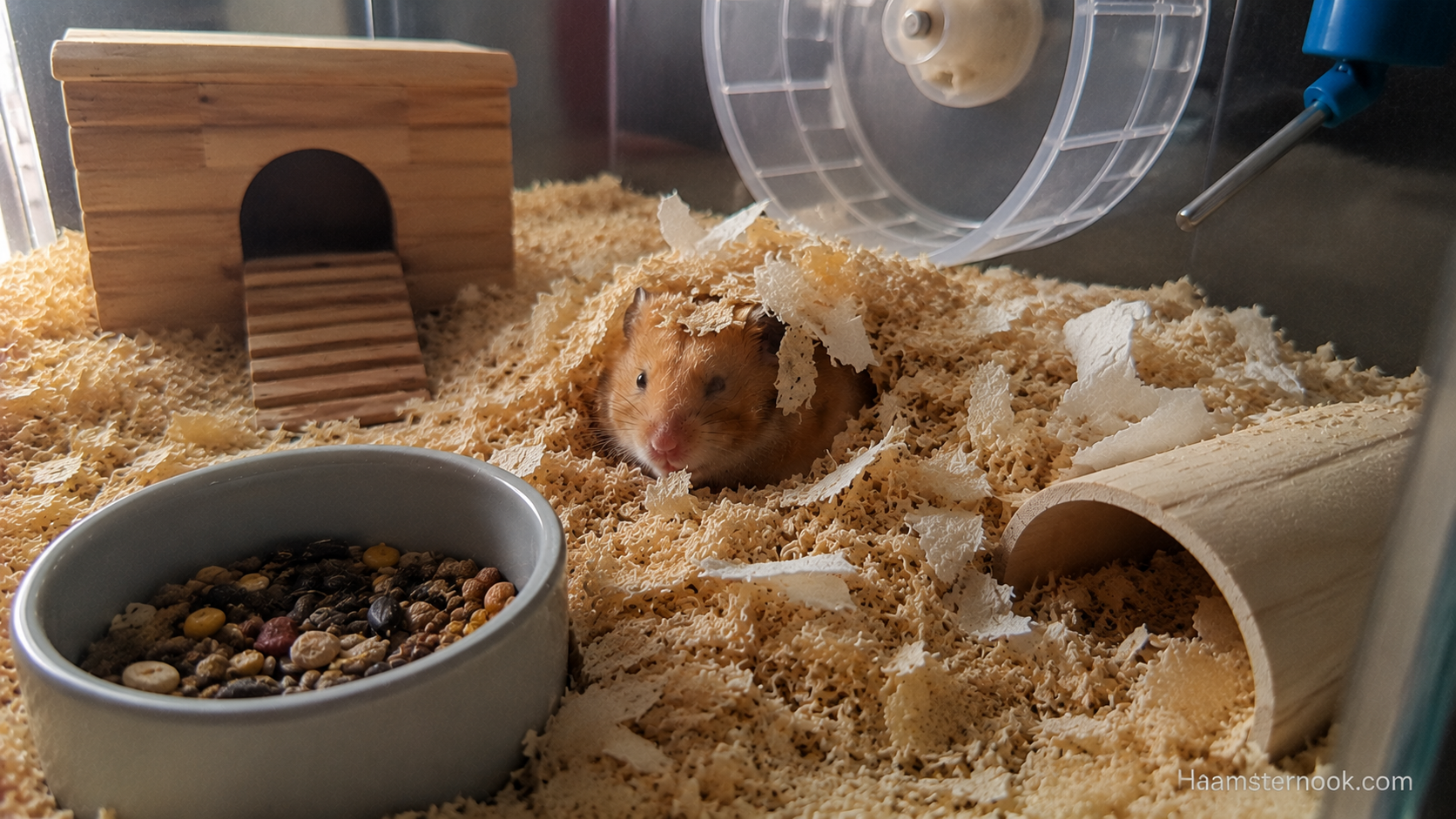
| Hiding deep under bedding | Seeking security and darkness | Very normal |
| Sleeping near water bottle | Possible overheating | Monitor cage temperature |
| Sudden unusual posture | Possible illness or discomfort | Watch closely |
Understanding context is important because one sleeping position alone does not automatically indicate illness.
When a Sleeping Position Is Actually Concerning
A sleeping position becomes more important when it is a sudden change or appears together with other symptoms. Instead of judging the posture alone, check whether your hamster is eating normally, drinking normally, moving normally during its active period, breathing comfortably, and responding as usual.
A hamster that sleeps in an unusual position but wakes normally, eats normally, and remains active at night may simply have a different sleeping preference. On the other hand, unusual sleeping combined with weakness, difficulty breathing, loss of appetite, persistent inactivity, or difficulty waking deserves closer attention.
For example, a hamster that suddenly becomes very still and difficult to wake should not be assumed to be in a deep sleep simply because it is lying in a familiar sleeping position.
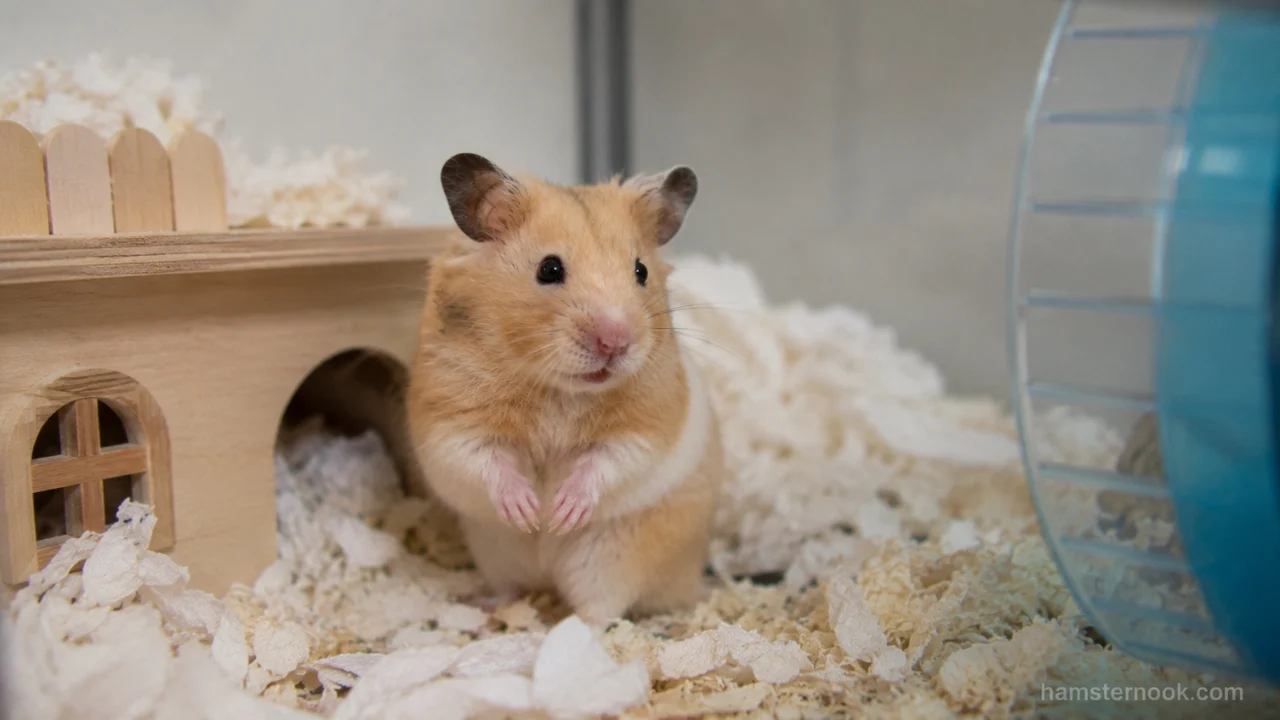
Curled-Up Sleeping Position: A Sign of Comfort and Warmth
One of the most common hamster sleeping positions is curling into a tight ball.
In this position, the hamster tucks its legs underneath its body and wraps itself into a compact shape. This helps conserve body heat and creates a feeling of safety.
Hamsters often sleep curled up when:
- The room is slightly cool
- They feel secure
- They are deeply relaxed
- They are nesting comfortably
This is considered one of the healthiest and most natural sleeping positions for hamsters.

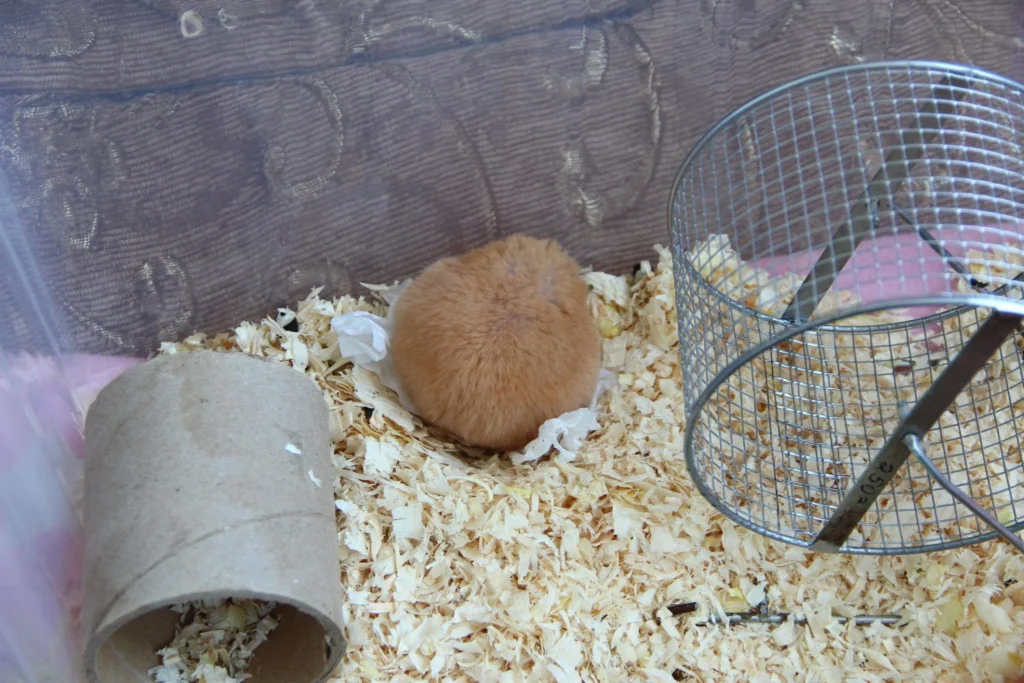
If your hamster regularly curls up inside soft bedding or nesting material, it usually means the cage setup feels safe and comfortable.
What It Means When a Hamster Sleeps Stretched Out
Sleeping stretched out is usually normal and often helps hamsters cool their bodies slightly across the cage floor. Fortunately, this is often normal.
Hamsters may stretch out while sleeping when:
- The environment feels safe
- They are deeply relaxed
- The cage temperature is warm
- They want to release body heat
Individual hamsters can have different sleeping preferences, so a stretched-out position is better judged by the hamster’s overall behavior and environment rather than by breed alone.
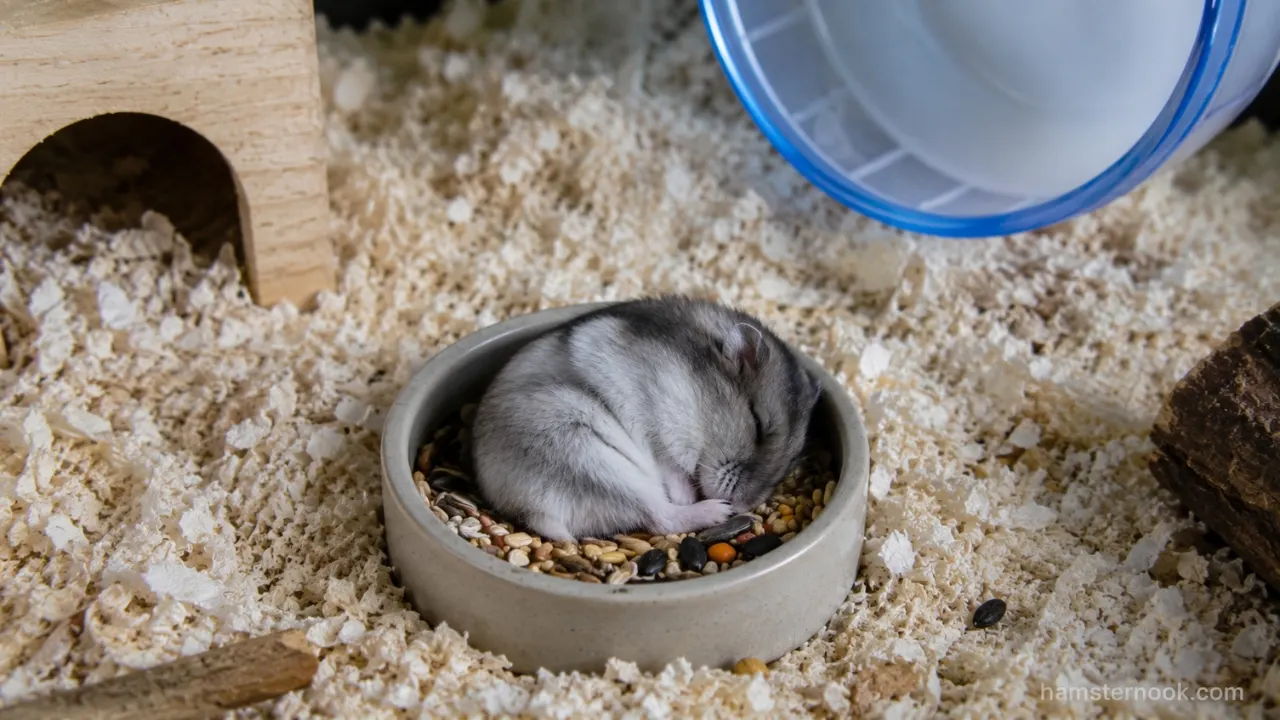
However, if the hamster appears overheated, breathing heavily, or lying completely motionless in excessive heat, the cage may be too warm.
Why Is My Hamster Sleeping on Its Back?
A hamster sleeping on its back can be completely normal, especially if it is breathing normally and behaves normally when it naturally wakes. Some hamsters simply choose unusual sleeping positions when they are comfortable or warm. Sleeping on the back by itself does not prove that a hamster is especially trusting or relaxed.
Hamsters may sleep on their backs when:
- They feel completely safe
- The room is warm
- They are deeply asleep
- They are naturally relaxed personalities
Although uncommon, this position is usually not dangerous by itself.
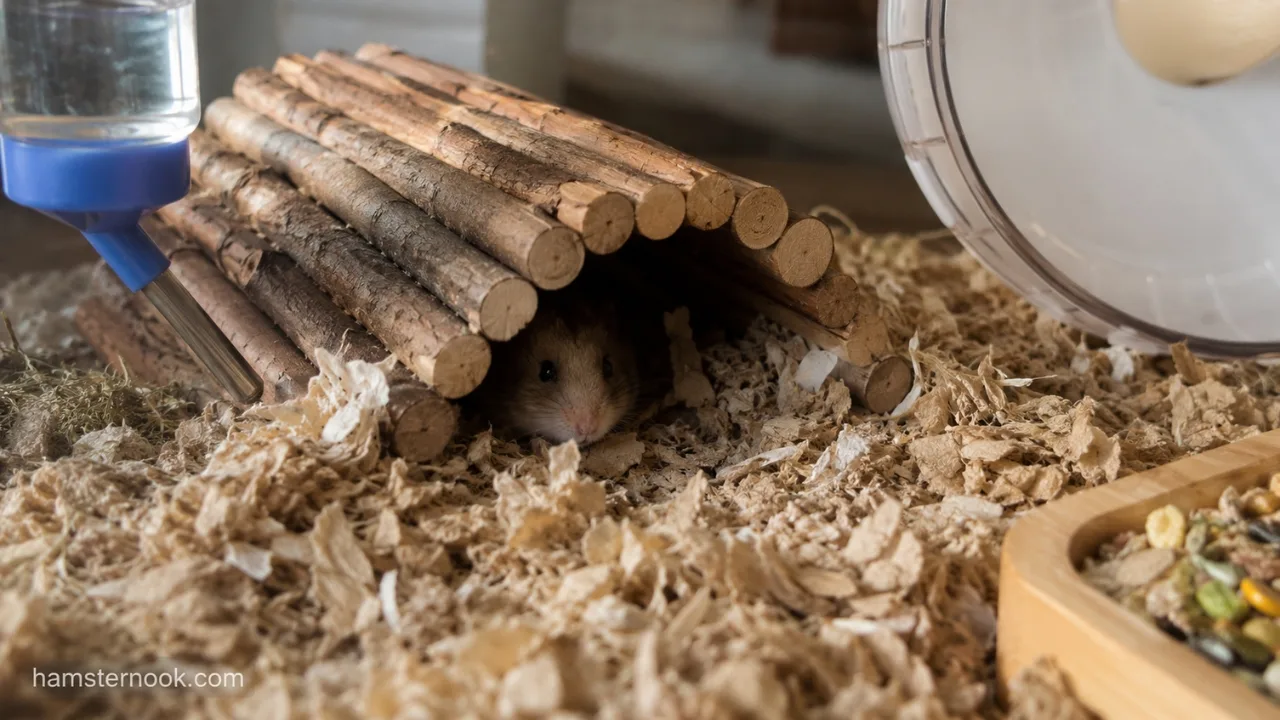
However, difficulty moving, stiff posture, or labored breathing while lying on the back should never be ignored.
Flat Belly Sleeping Position Explained
Many hamsters sleep with their bodies flattened gently against the ground or bedding.
This relaxed position often means:
- The hamster feels comfortable
- The bedding surface feels cool
- The hamster is lightly resting
- The environment is calm
This posture is commonly seen during naps outside the nest.
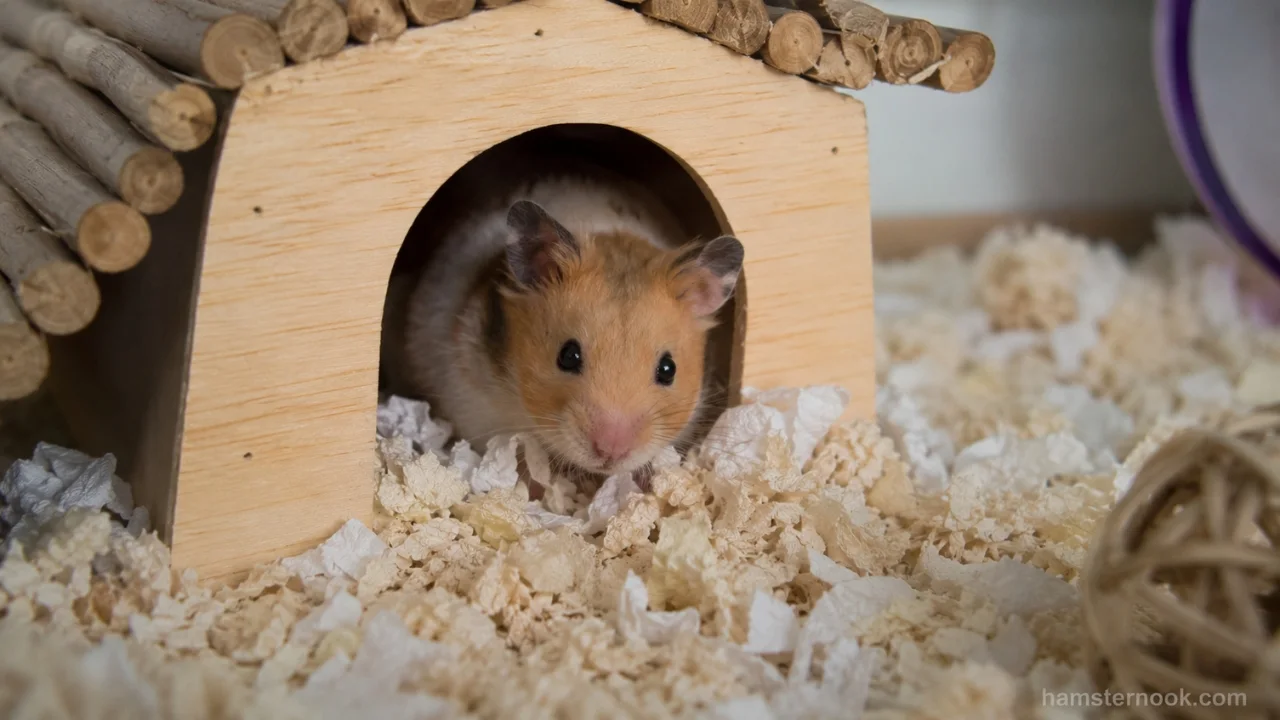
A flat sleeping posture becomes more concerning only if combined with lethargy, weakness, or poor appetite.
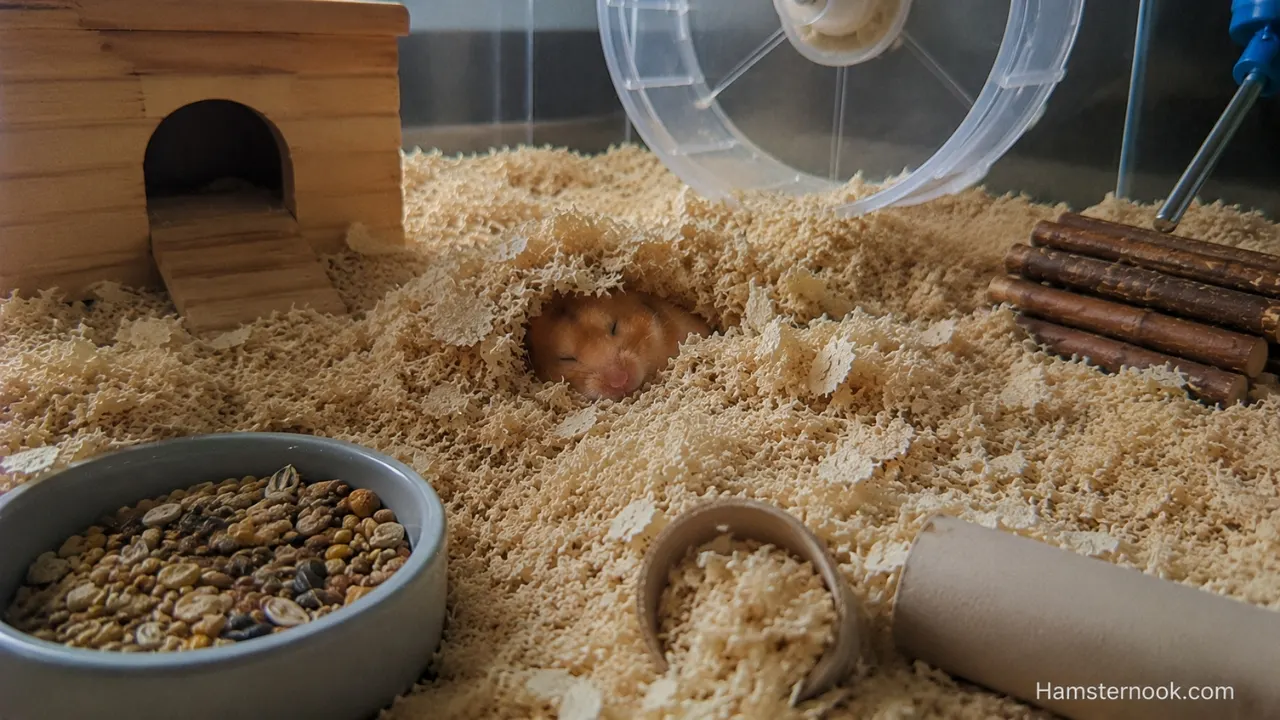
Why Hamsters Sleep Buried Under Bedding
Some new owners worry when their hamster disappears completely underground for long periods.
In reality, burrowing is one of the most natural behaviors a hamster can display.
Wild hamsters sleep inside underground tunnels for protection from predators and temperature changes. Pet hamsters continue this instinct even in captivity.

Sleeping buried under bedding usually means:
- The hamster feels secure
- The nesting setup is good
- The hamster is following natural instincts
- The cage environment feels stable
Deep bedding often improves hamster sleep quality significantly.
Sleeping Near the Water Bottle or Cage Corner
A hamster repeatedly sleeping near the water bottle or pressed against cooler cage surfaces may be trying to cool down. If this happens repeatedly, check the enclosure temperature and location. A stable room temperature is important for healthy sleep, so owners should also review this hamster temperature safety guide for practical temperature-related risks.
This behavior is more common during:
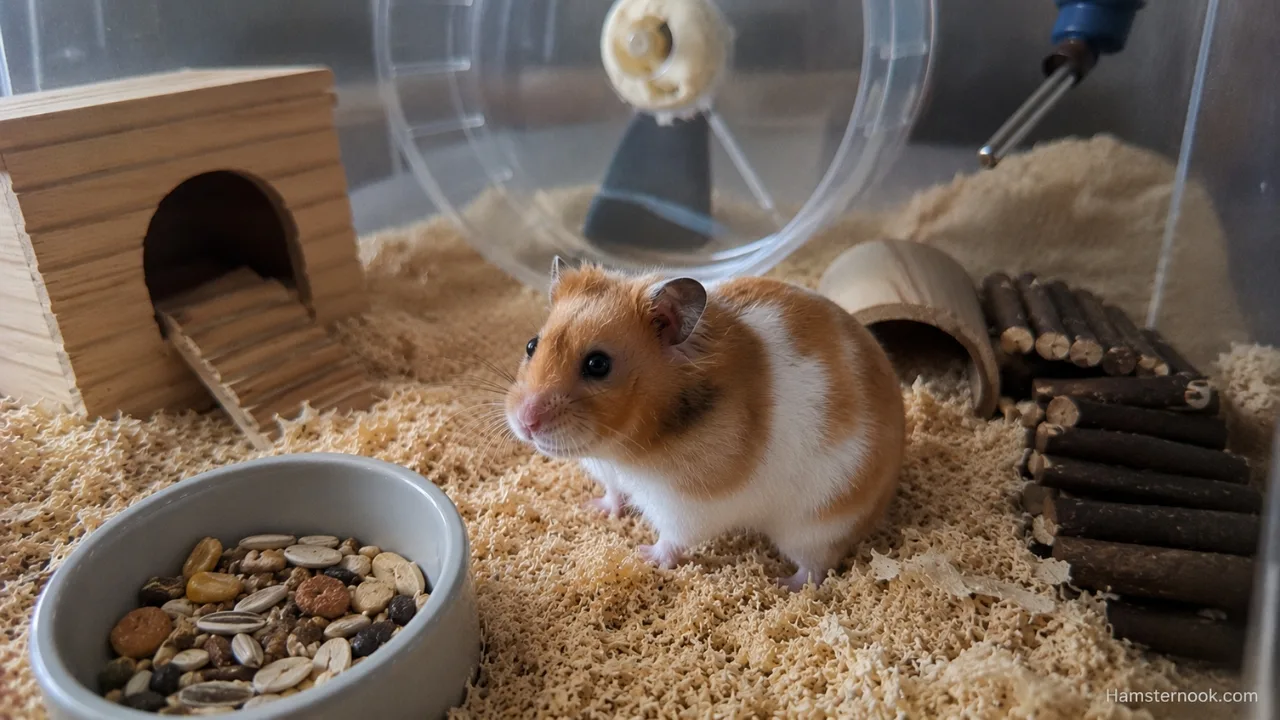
- Hot weather
- Poor cage ventilation
- Warm rooms
- Inadequate airflow
Hamsters are sensitive to overheating, especially Syrian hamsters with thicker fur.
Signs of Possible Overheating
| Warning Sign | Possible Meaning |
|---|---|
| Sleeping stretched constantly | Trying to cool body temperature |
| Warm ears | Heat stress |
| Rapid breathing | Overheating risk |
| Lethargy | Heat exhaustion |
| Drinking excessively | Attempting to stay hydrated |
If you suspect your hamster is too hot, move the cage away from direct sunlight and other heat sources and check the room temperature rather than trying to cool the hamster suddenly with ice or very cold water. Make sure fresh drinking water is available and that the enclosure has appropriate airflow without creating a strong draft.
If your hamster is weak, breathing abnormally, difficult to wake, or otherwise appears seriously unwell, contact an exotic-pet veterinarian promptly rather than relying on a change in cage temperature alone.
PDSA recommends keeping a hamster’s cage at a steady 18–21°C and away from direct sunlight and draughts.

Sleeping Outside the Hideout: Is It Normal?
Yes, many hamsters occasionally sleep outside their hideouts.
This often happens when:
- The cage feels very safe
- The hamster trusts its surroundings
- The room temperature is warm
- The hamster becomes comfortable with its owner
Some hamsters simply prefer open sleeping spots occasionally.
However, sudden changes in sleeping location may also suggest:
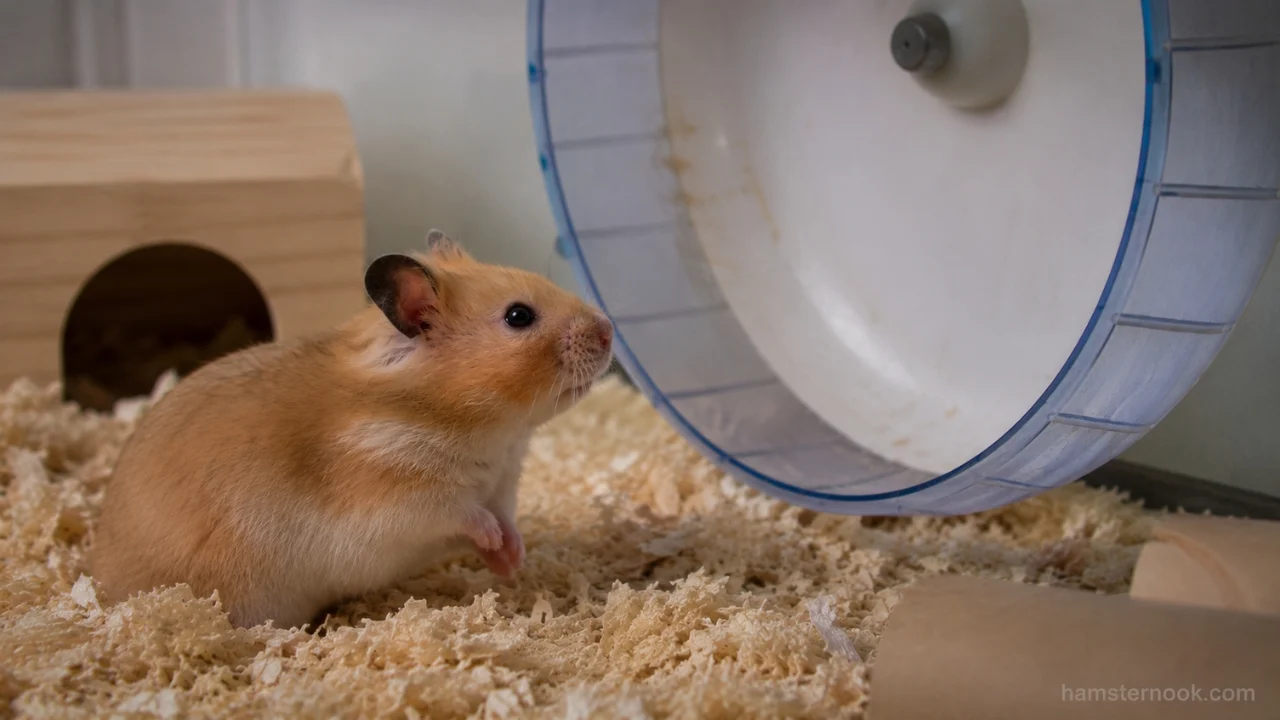
- Dirty bedding
- Stress
- Temperature problems
- Cage disturbances
Observing behavior patterns over time is more important than one isolated sleeping spot.
If a hamster suddenly abandons a favorite nesting area, check for possible causes such as damp bedding, excessive cage cleaning, temperature changes, or disturbances from nearby pets.
When Sleeping Positions May Signal Illness
Although most sleeping positions are harmless, certain changes can indicate health concerns.
If unusual sleeping positions are accompanied by weakness, appetite loss, or breathing difficulties, read our guide on Signs of a Sick Hamster for a detailed breakdown of warning symptoms.

Owners should monitor carefully if a hamster shows:
- Sudden weakness
- Difficulty waking up
- Labored breathing
- Trembling while sleeping
- Unusual stiffness
- Sleeping excessively outside normal habits
- Loss of appetite
A healthy hamster usually wakes up alert and responsive during active hours.
Healthy Sleep vs Torpor in Hamsters
Torpor is a serious condition that can sometimes be mistaken for normal deep sleep in hamsters.
Owners who are concerned about excessive sleeping may also find our Why Is My Hamster Sleeping So Much? Normal Sleep vs Warning Signs guide helpful for understanding normal sleep patterns versus potential health concerns.
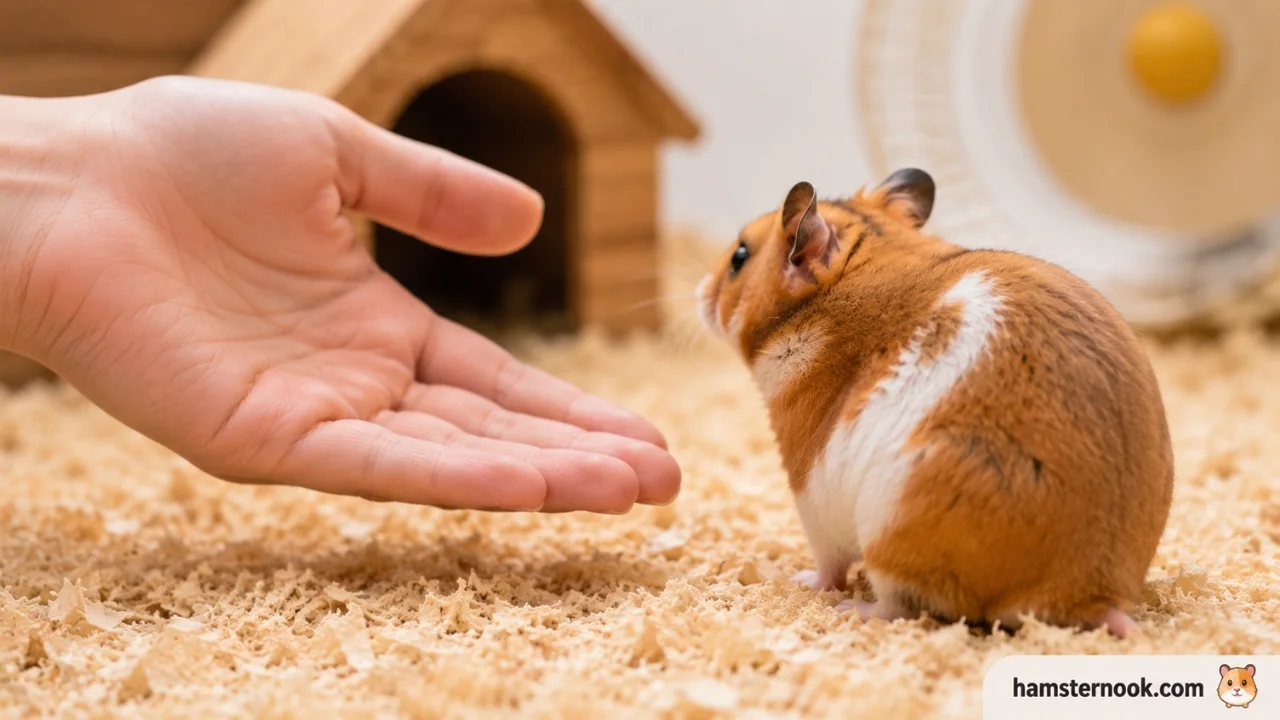
Torpor is a state in which a hamster’s body becomes much less active in response to low temperatures. A hamster in torpor may appear lifeless or dangerously ill, but serious illness can cause similar signs.
Normal Sleep vs Torpor
| Normal Sleep | Possible Torpor or Serious Illness |
|---|---|
| Normal body temperature | Body feels unusually cool |
| Normal breathing | Breathing becomes unusually slow or abnormal |
| Returns to normal activity when naturally awake | Remains very sluggish or difficult to rouse |
| Normal movement during active periods | Continued weakness or abnormal inactivity |
| Normal appetite and behavior | Other concerning changes may also appear |
Torpor can become dangerous and should not simply be treated as normal sleep. A hamster that feels unusually cold, is difficult to wake, or is barely moving needs careful assessment. Do not assume that every cold or unresponsive hamster is in torpor, because serious illness can produce similar signs.
Cold rooms, poor nutrition, or sudden temperature drops increase the risk.
How Cage Setup Affects Sleeping Habits
A hamster’s sleeping posture is heavily influenced by cage conditions.

Deep bedding has a major impact on sleep quality and natural burrowing behavior. Best Bedding for Hamsters explains how choosing the right bedding depth and material can help your hamster rest more comfortably.
Common Sleep Environment Mistakes
Some sleeping issues are caused by the enclosure rather than the hamster itself.
Common examples include:
- Bedding that is too shallow for burrowing
- Cages placed in direct sunlight
- Frequent cage rearrangements
- Constant daytime disturbances
- Lack of hideouts
- Poor ventilation
A comfortable and predictable environment usually supports healthier sleeping patterns.
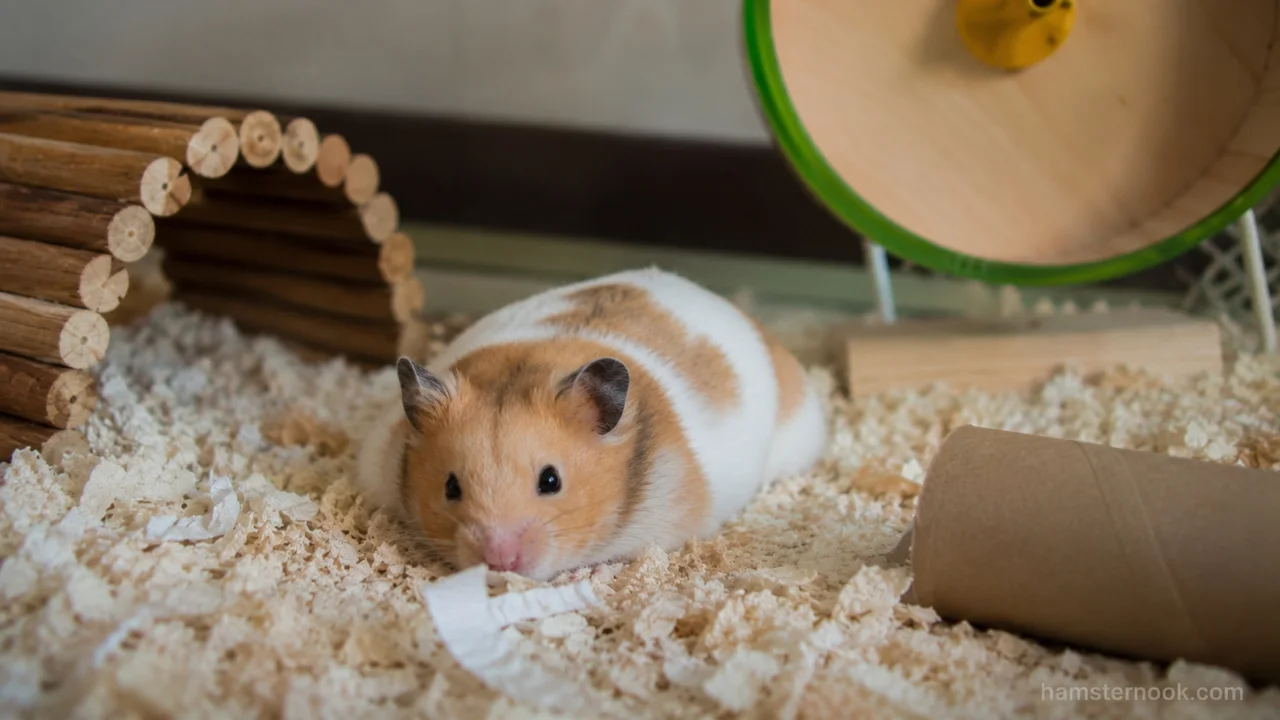
A Comfortable Sleep Environment Should Include
| Cage Feature | Why It Matters |
|---|---|
| Deep bedding | Supports natural burrowing |
| Quiet location | Reduces stress |
| Proper ventilation | Prevents overheating |
| Hideouts | Creates security |
| Stable temperatures | Supports healthy sleep patterns |
Hamsters sleeping comfortably in natural positions usually indicate that the cage environment is meeting their needs.
Do Older Hamsters Sleep Differently?
Yes, senior hamsters often develop different sleeping habits.
Older hamsters may:
- Sleep longer
- Stretch out more often
- Change positions slowly
- Sleep outside nests more frequently
Aging alone is not usually concerning unless accompanied by pain, weight loss, or mobility problems.

How to Monitor Your Hamster’s Sleep Safely
It is important not to disturb sleeping hamsters too often.
Instead of waking them repeatedly, owners should:
- Observe quietly
- Monitor routine changes
- Check eating and drinking habits
- Watch activity levels at night
- Maintain consistent cage temperatures
Focus on long-term patterns rather than a single unusual nap. One different sleeping position is rarely a concern, but repeated changes over several days deserve closer attention.
Stress from frequent disturbances can negatively affect sleep quality.
Quick Check When Your Hamster Sleeps Differently
Before becoming alarmed, check these five things:
- Is your hamster breathing normally?
- Does it wake and respond normally when it naturally becomes active?
- Is it eating and drinking as usual?
- Is it moving normally during its active period?
- Is the cage temperature stable and away from direct heat or sunlight?
If these remain normal, an occasional unusual sleeping position is usually less concerning. If several of these change at the same time, the sleeping position should be considered part of a larger health or environmental change.
Final Thoughts
A hamster’s sleeping position can reveal surprisingly useful information about comfort, stress, temperature, and overall health. In most cases, unusual-looking sleeping postures are completely normal and simply reflect how relaxed or comfortable the hamster feels.
If you are checking whether a sleeping change is actually concerning, look at the bigger picture: appetite, activity, grooming, breathing, and responsiveness matter more than the sleeping position alone.

Curled sleeping, stretching out, burrowing deeply, and even sleeping on the back can all be healthy behaviors depending on the situation.
The most useful approach is to view sleeping positions as one piece of the overall picture. Appetite, activity levels, grooming habits, and nighttime behavior are often just as important when assessing a hamster’s well-being. Healthy hamsters typically maintain normal appetite, activity, grooming, and curiosity even if their sleeping style changes occasionally.
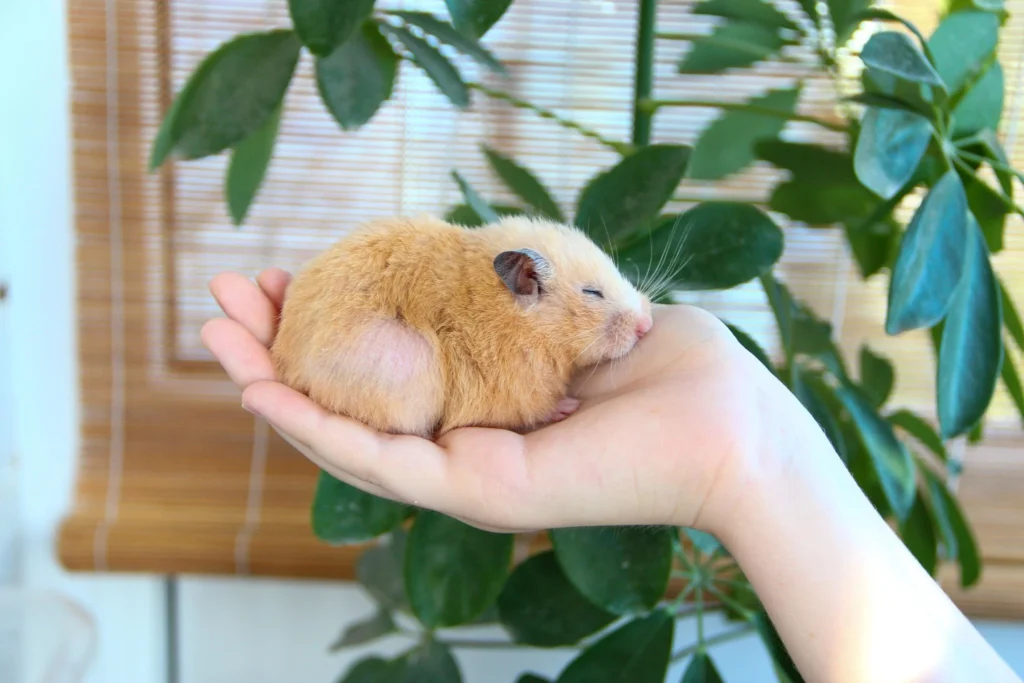
By paying attention to sleeping habits and maintaining a proper cage setup, owners can help their hamsters feel safer, healthier, and more comfortable long term.
Frequently Asked Questions
Is it normal for a hamster to sleep stretched out?
Yes. Hamsters often stretch out when they feel relaxed or when the cage temperature is slightly warm.
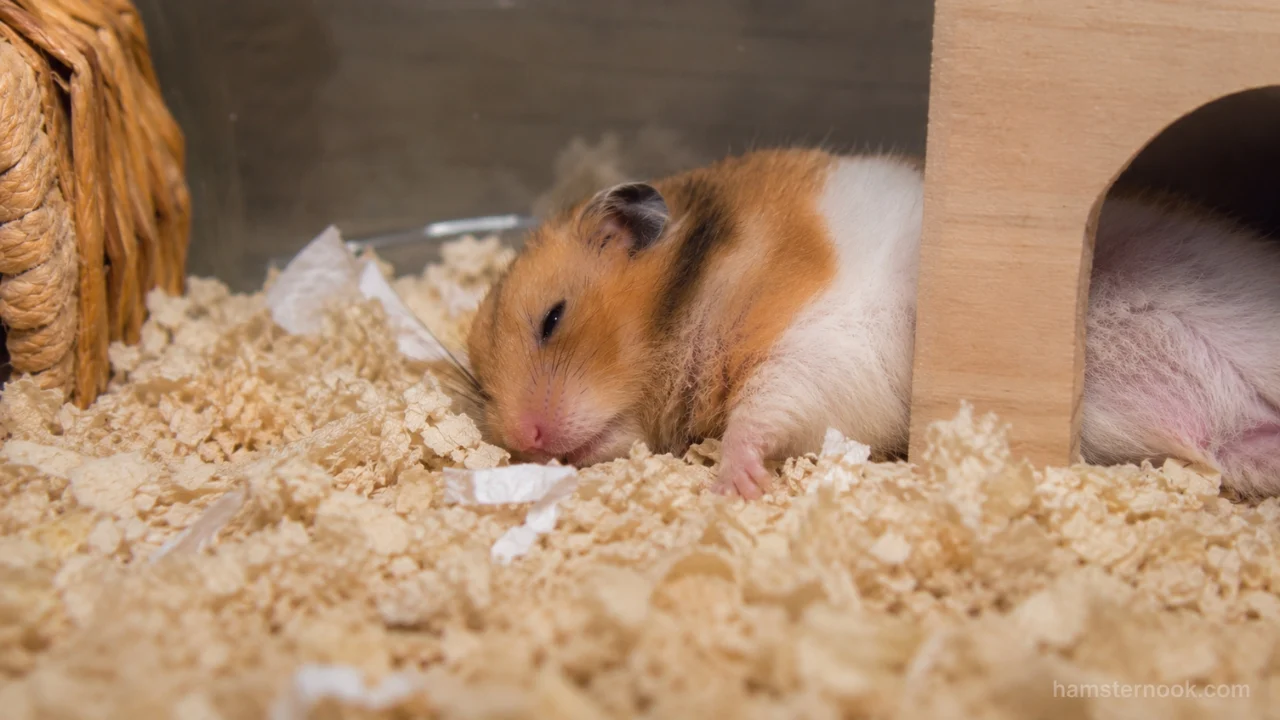
Why does my hamster sleep curled into a ball?
Curled sleeping helps conserve body heat and usually means the hamster feels safe and comfortable.
Should I wake my hamster if it sleeps deeply?
No. Hamsters are nocturnal animals and need uninterrupted sleep during the day.
Why is my hamster sleeping outside its house?
This can happen when the hamster feels safe, gets too warm inside the hideout, or prefers another sleeping spot temporarily.
Can hamster sleeping positions indicate illness?
Sometimes. Unusual posture combined with lethargy, breathing problems, weakness, or appetite loss may indicate health issues.

What does it mean if my hamster feels cold while sleeping?
A hamster that feels unusually cold and is difficult to rouse may be experiencing torpor, but serious illness can produce similar signs. Warm the environment gradually and contact a veterinarian if you are unsure or the hamster remains weak or unresponsive.
Can hamsters change sleeping positions as they age?
Yes. Older hamsters often sleep longer, move less while resting, and may choose different sleeping locations compared to when they were younger.
Why does my hamster suddenly start sleeping in a different place?
Changes in temperature, bedding condition, cage layout, stress levels, or simple preference can sometimes cause a hamster to choose a new sleeping spot.
Should I check on my hamster while it sleeps?
Brief visual checks are fine, but repeatedly waking a hamster can cause unnecessary stress and disrupt normal sleep patterns.
References
This guide is based on hamster sleep patterns, behavior, temperature, housing, health, and welfare guidance from trusted veterinary and animal welfare resources, including:
- RSPCA – Keeping Hamsters as Pets – General guidance on hamster behavior, sleeping patterns, housing, environmental needs, and welfare.
- RSPCA – Creating a Good Home for Hamsters – Guidance on suitable housing, bedding, temperature, ventilation, nesting areas, and environmental conditions.
- RSPCA – Hamster Health & Welfare – Information on recognizing changes in health, behavior, activity, appetite, and other signs that may require veterinary attention.
- PDSA – Hamsters as Pets – Guidance on hamster care, sleeping and activity patterns, housing, temperature, diet, and common health concerns.
- Blue Cross – Hamster Care Guide – Practical information on hamster housing, bedding, temperature, behavior, handling, and wellbeing.
- MSD Veterinary Manual – Hamsters – Veterinary reference information covering hamster health, diseases, husbandry, temperature-related concerns, and abnormal clinical signs.
- MSD Veterinary Manual – Routine Health Care of Hamsters – Guidance on monitoring hamster health, normal condition, and recognizing changes that may require veterinary evaluation.
Medical Disclaimer
This article is intended for educational purposes only and should not be considered veterinary advice. Sleeping positions can vary between individual hamsters, but unusual sleeping behavior accompanied by difficulty waking, breathing problems, weakness, loss of appetite, abnormal body temperature, or other concerning symptoms may indicate a health problem. If your hamster shows persistent or severe symptoms, consult a qualified exotic animal veterinarian promptly.

Narayan Kumar is the founder and author of HamsterNook. He creates practical, research-based hamster care guides covering hamster behavior, nutrition, cage setup, enrichment, health, and everyday care. His goal is to help hamster owners make informed decisions and provide safer, healthier lives for their pets through clear, beginner-friendly information based on trusted animal care resources.