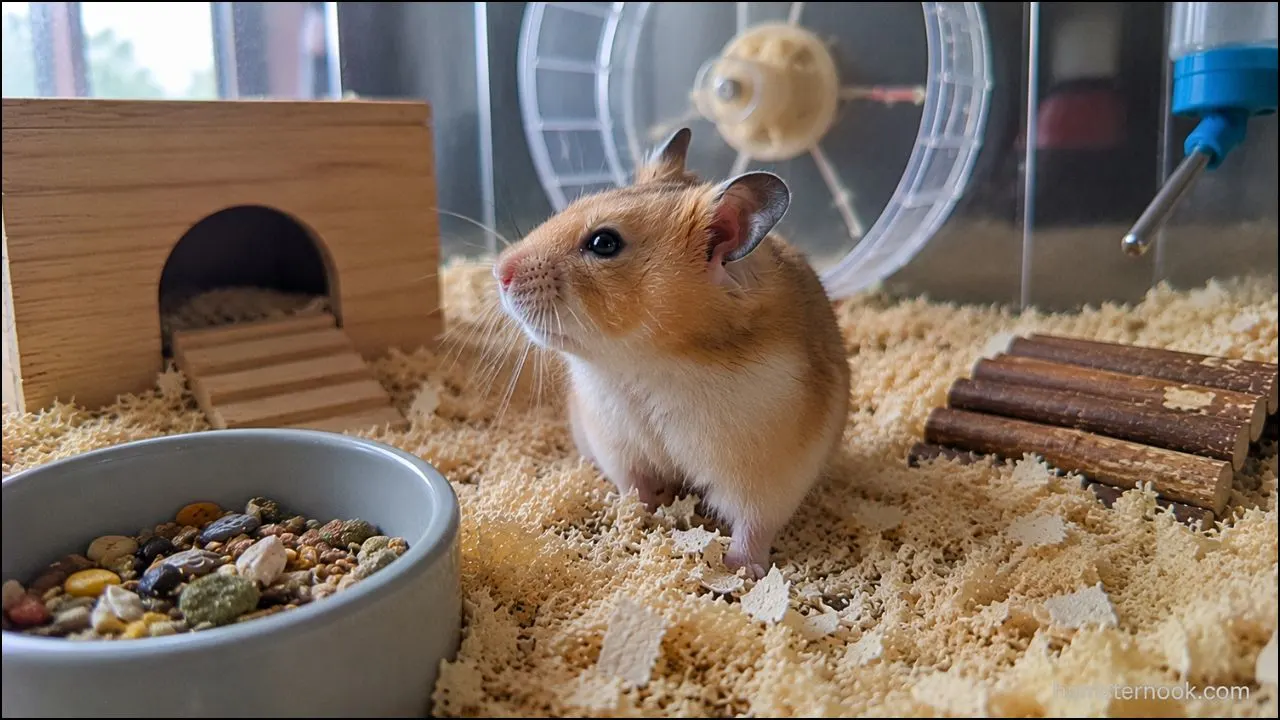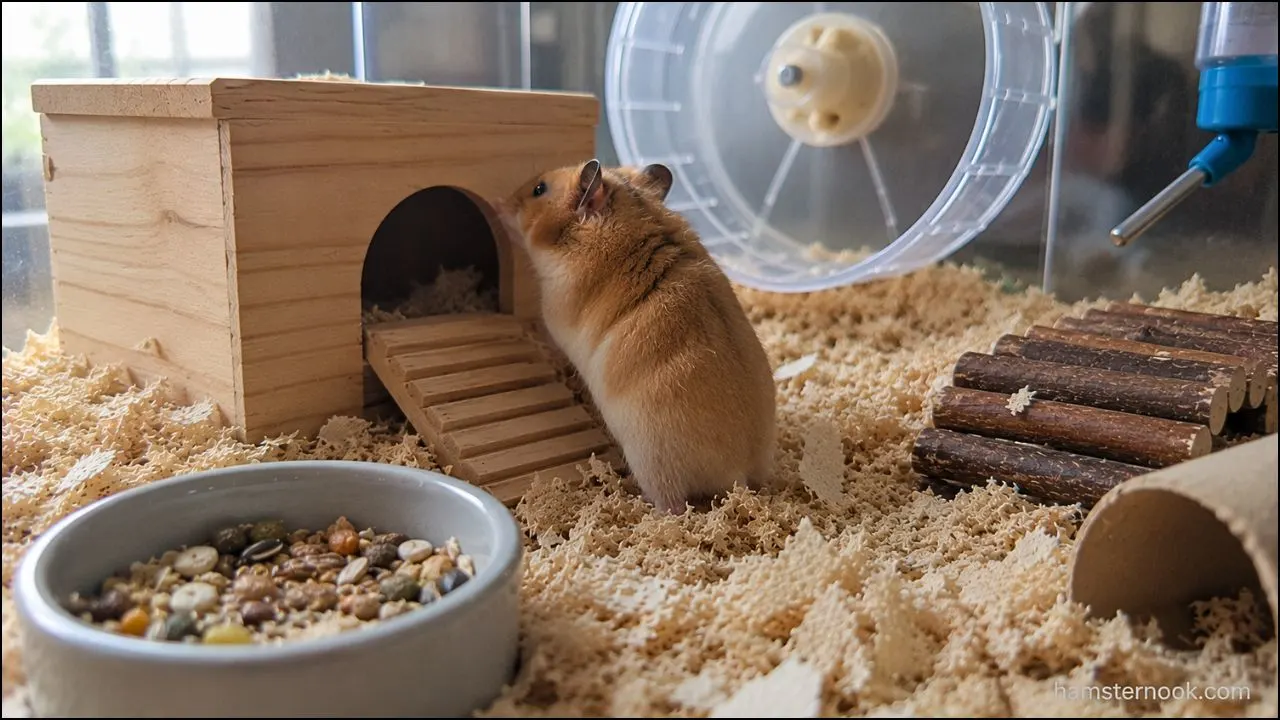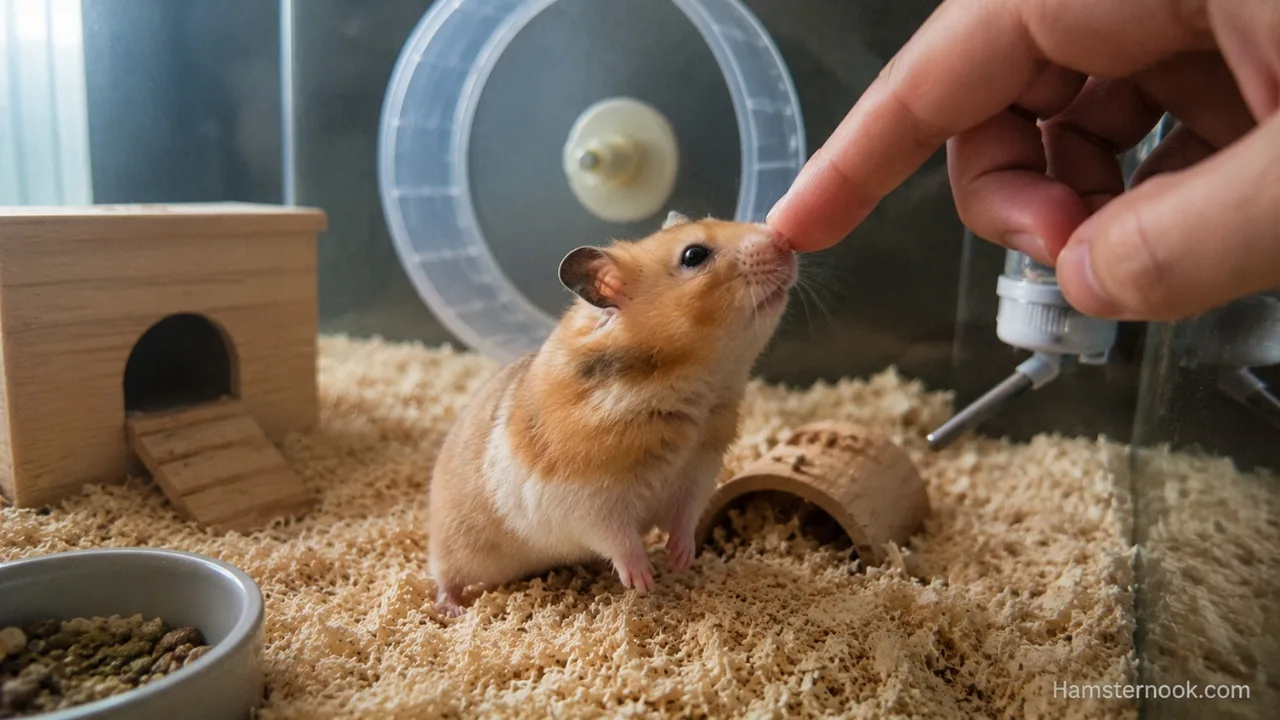
If your hamster sniffs your hand every time you reach into the cage, you might wonder whether it actually recognizes your scent. Many owners notice their hamster behaving differently toward familiar people than strangers, leading to an interesting question: can hamsters really smell their owners? The answer is yes—but recognizing a familiar scent is only one part of how hamsters become familiar with the people who care for them.
This guide explains how a hamster’s sense of smell works, whether they can identify their owner by scent, how smell influences trust and bonding, and what you can do to become a familiar and reassuring presence to your pet.
Quick Answer
Yes, hamsters have a well-developed sense of smell and rely heavily on scent to understand their surroundings. With repeated, calm interactions, your scent can become familiar to your hamster. Smell is not the only cue involved—routine, sound, handling experiences, and the surrounding environment can also become familiar over time.
A hamster that has learned your scent may still pause to sniff your hand before approaching. This is a normal way of confirming that you are familiar, not a sign that it has forgotten you.
How Powerful Is a Hamster’s Sense of Smell?
A hamster experiences its surroundings very differently from humans.
While people rely heavily on vision, hamsters depend much more on their sense of smell to gather information about the world. Scent helps them locate food, identify familiar places, recognize other hamsters, and investigate anything new that enters their environment.
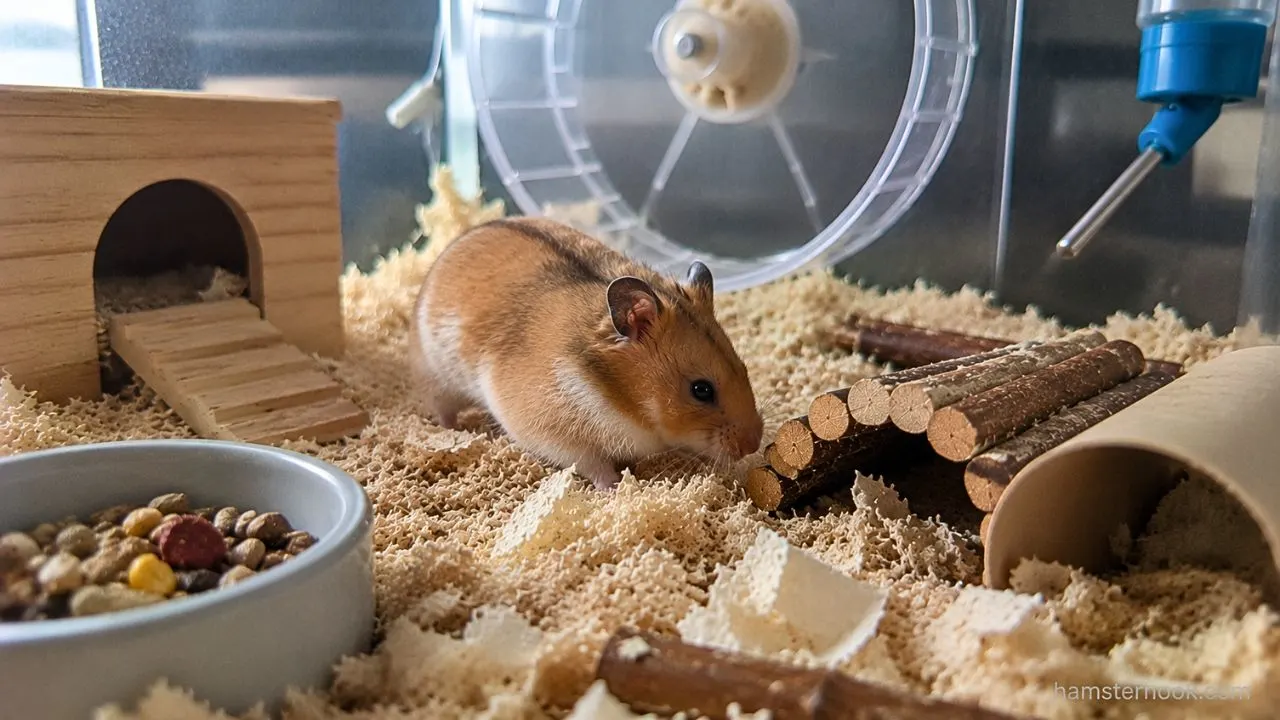
You’ll often see a hamster pause, lift its nose, and sniff repeatedly before approaching an unfamiliar object. This is completely normal behavior and shows how important scent is in helping it decide whether something is familiar or safe.
Because hamsters are naturally most active in low-light conditions, their strong sense of smell helps compensate for their relatively poor eyesight.

Their eyesight also affects how they investigate unfamiliar people and objects; our Can Hamsters See in the Dark? The Truth About Hamster Vision guide explains what hamsters can and cannot see in low light.
This is why many hamsters investigate new objects with their nose before deciding whether to approach, ignore, or avoid them.
What Can Hamsters Smell?
A hamster’s nose can detect many different scents in its environment, including:
- Food
- Bedding and nesting materials
- Familiar hiding places
- Other animals
- Humans
- Natural scent marks
- New objects placed inside the enclosure
Rather than relying on one single smell, hamsters build a picture of their surroundings using many familiar scents together.

This is one reason why changing every item in the enclosure at once can sometimes make a hamster seem uncertain or stressed.
Readers who want to understand how stress affects hamster behavior should also read our Hamster Body Language Explained: Signs of Stress, Fear & Happiness, where we explain the subject in greater detail with practical tips and beginner-friendly guidance.
Can Hamsters Really Smell Their Owners?
Yes.
Over time, hamsters become familiar with the scent of the people who care for them regularly.
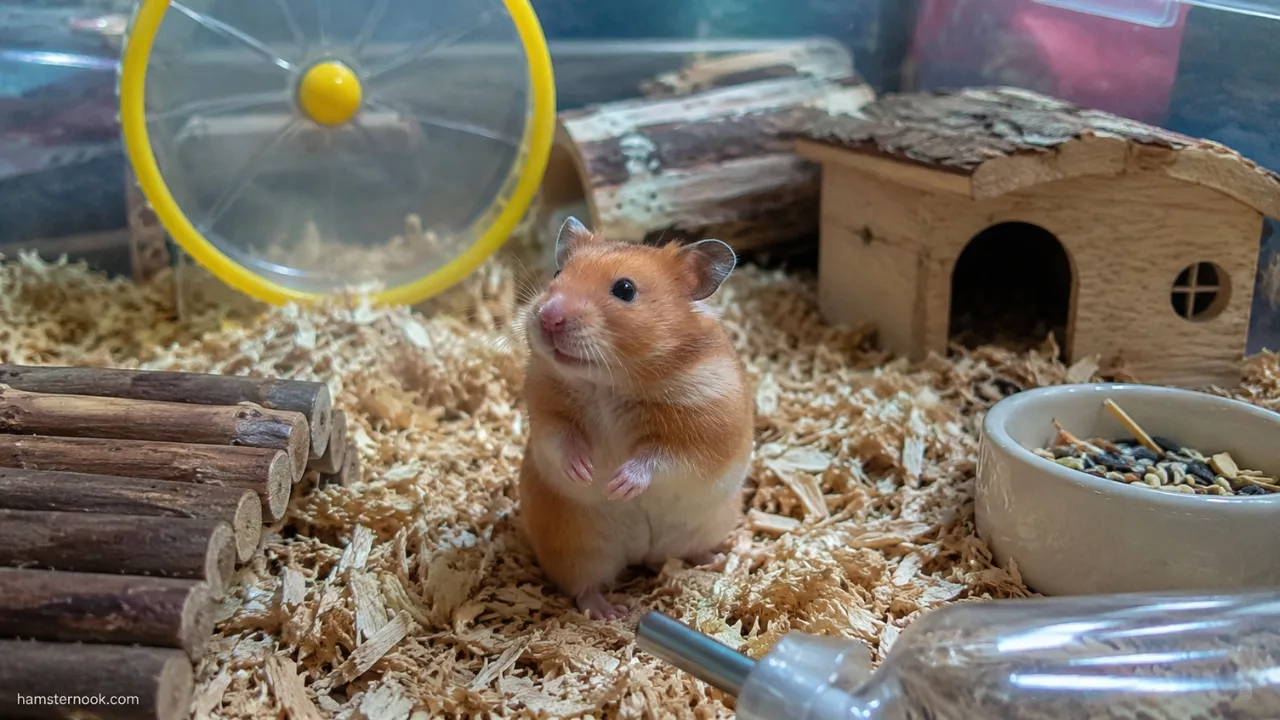
If you regularly feed and gently interact with your hamster, your scent can become part of its familiar environment. Over time, your hamster may investigate your hand with less caution because the smell is no longer completely unfamiliar.
This doesn’t necessarily mean your hamster experiences scent in the same emotional way humans recognize family members. Instead, repeated positive experiences allow your hamster to associate your scent with safety, food, and predictable interactions.
Readers interested in learning more about owner recognition should also read our Do Hamsters Recognize Their Owners? What Owners Should Know, where we explain the subject in greater detail with practical tips and beginner-friendly guidance.
Is Smell the Only Way Hamsters Recognize People?
No.

Although smell is extremely important, hamsters can also become familiar with repeated cues surrounding regular interactions, including sound, routine, handling, and their environment.
These may include:
| Familiar Cue | How It May Help |
|---|---|
| Scent | Helps a hamster investigate and become familiar with people and surroundings. |
| Repeated sounds | Sounds associated with regular, calm interactions may become familiar. |
| Daily routine | Predictable feeding and interaction routines can reduce uncertainty. |
| Gentle handling | Positive, unforced experiences can help a hamster become more comfortable. |
| Familiar environment | Recognizable surroundings and scents can make everyday exploration less unfamiliar. |
Rather than depending on one sense alone, hamsters learn through repeated experiences.
Readers who want to explore another aspect of hamster recognition should also read our Can Hamsters Recognize Your Voice?, where we explain the subject in greater detail with practical tips and beginner-friendly guidance.
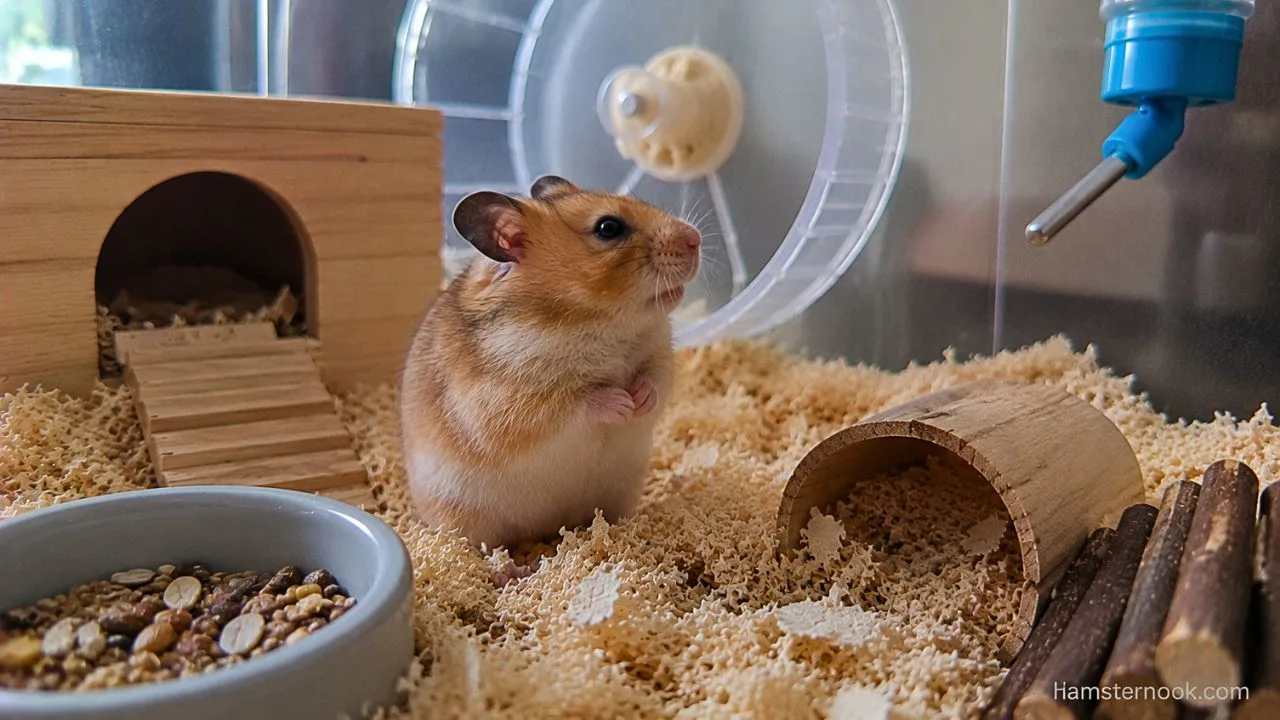
How Smell Helps Build Trust
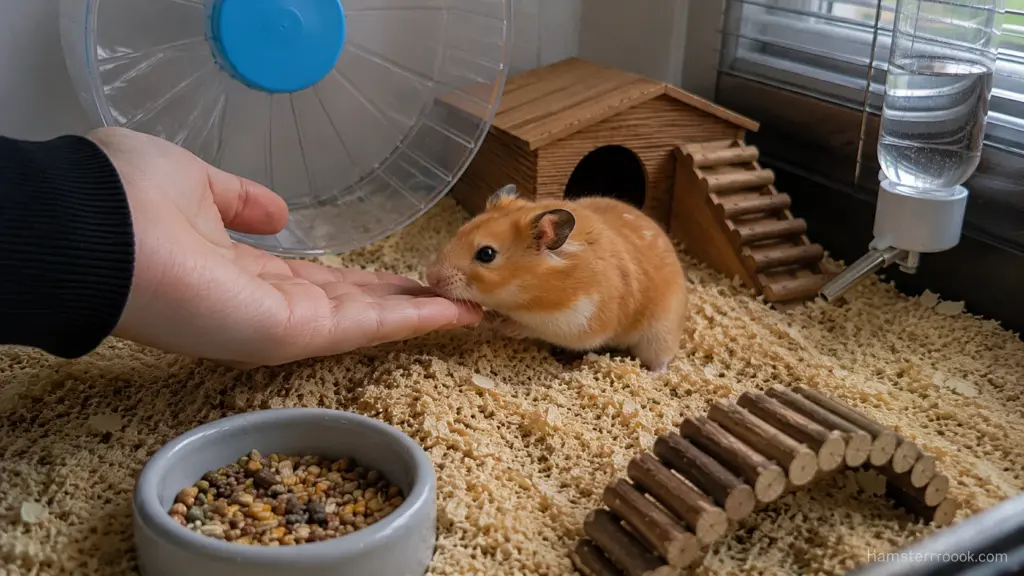
Building trust takes time and consistent positive experiences.
Each positive interaction teaches your hamster that your presence is predictable and non-threatening.
Simple routines can help, such as:
- Offering food from your hand
- Speaking softly before opening the enclosure
- Moving slowly around your hamster
- Avoiding sudden grabbing
- Handling your hamster gently and consistently
Over time, your hamster may become noticeably calmer when it detects your scent.

Readers who want to strengthen their bond should also read our How to Get a Hamster to Trust You Faster Without Stressing It Out, where we explain the subject in greater detail with practical tips and beginner-friendly guidance.
Why Does My Hamster Keep Sniffing My Hands?
In most cases, this is completely normal behavior.
Hamsters explore unfamiliar objects—including people—by smelling them.
Your hands carry many different scents throughout the day, including food, soap, other pets, and outdoor smells. Sniffing allows your hamster to gather information before deciding whether to approach.
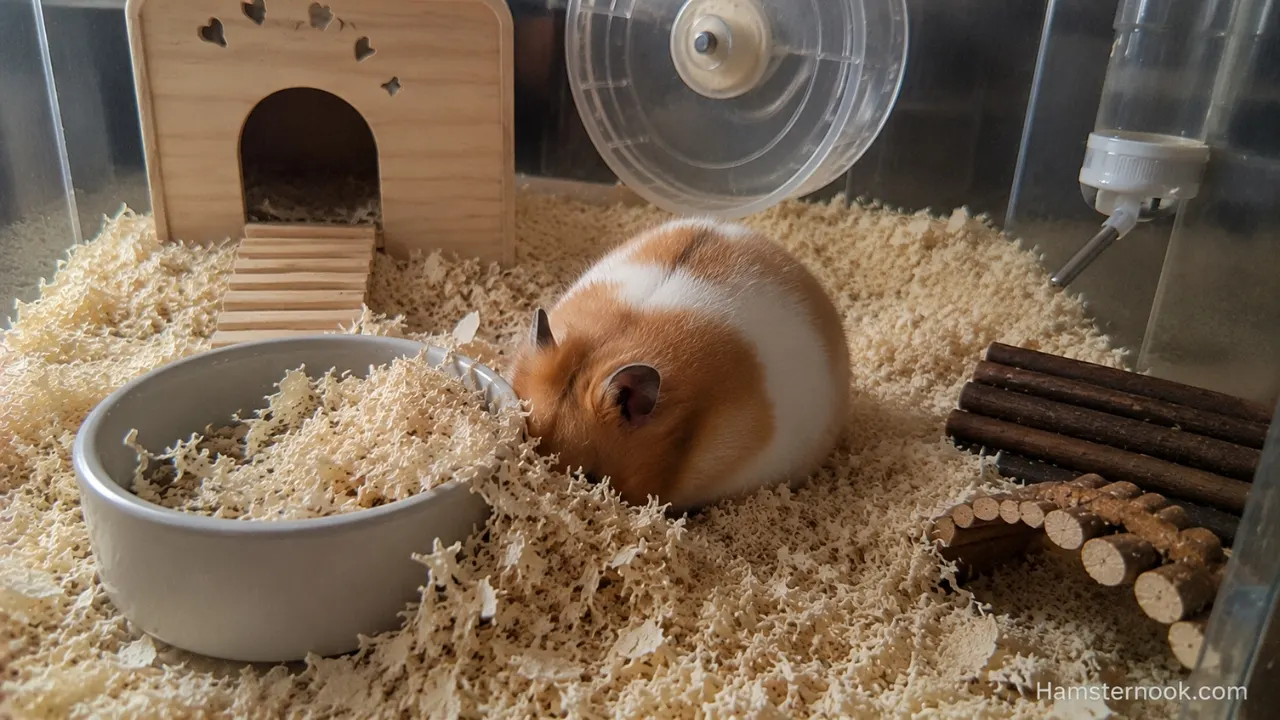
If your hamster sniffs briefly and remains relaxed, this behavior is generally a positive sign of curiosity.
Some hamsters also lick familiar hands while investigating them; our Why Does My Hamster Lick Me? 7 Meanings Every Owner Should Know guide explains what licking can mean in different situations.
However, if it appears startled or backs away immediately, it may simply need more time to become familiar with you.
Readers who would like to understand the early stages of bonding should also read our How Long Does It Take for a Hamster to Trust You?, where we explain the subject in greater detail with practical tips and beginner-friendly guidance.

Can a Hamster Recognize Your Smell After a Long Time?
Hamsters are capable of learning familiar scents through repeated exposure, but there is limited evidence showing exactly how long they retain recognition of a specific person’s scent after long periods without contact.
If you’ve been away for an extended time, your hamster may need a short period to become familiar with your scent again through gentle, consistent interactions.
Avoid expecting an immediate response, and let your hamster approach at its own pace.
Can Your Hamster Smell Food on Your Hands?
Absolutely.

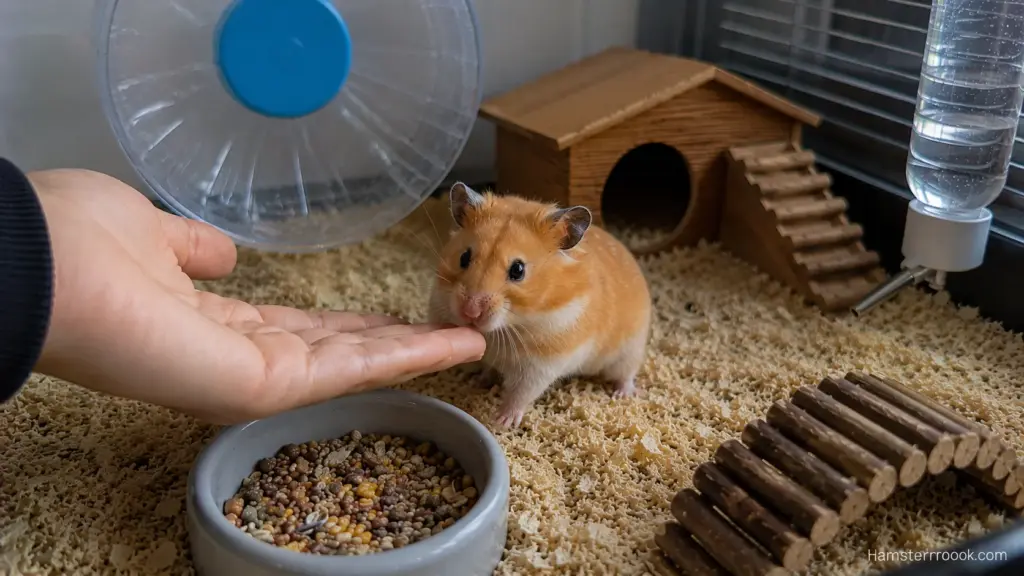
A hamster’s powerful sense of smell makes it very good at detecting food. If you’ve recently handled treats, fruits, vegetables, or even your own snacks, your hamster may spend extra time sniffing or gently investigating your fingers.
For this reason, it’s a good idea to wash your hands before handling your hamster. Clean hands help reduce confusing scents and lower the chance of your hamster mistaking your fingers for food.
If you’re offering a treat by hand, allow your hamster to approach calmly rather than placing your fingers directly in front of its face.
Keeping your hand still and allowing your hamster to make the first move often leads to calmer, more confident interactions.
Does Your Scent Make Your Hamster Feel Safe?
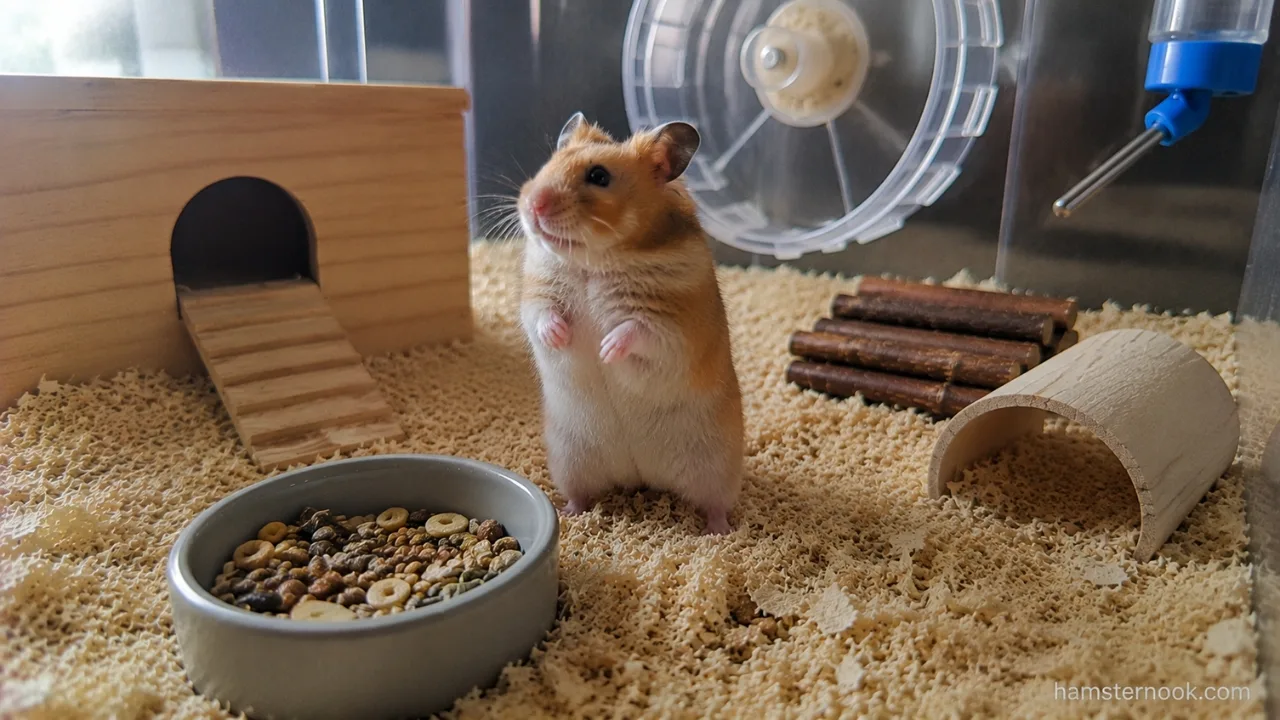
Many owners notice that their hamster appears more relaxed around the person who cares for it every day.
Recognition can also show up as changes in how a hamster approaches a familiar person; our Do Hamsters Get Excited to See Their Owners? Signs of Trust & Recognition guide covers those behaviors in more detail.
While it’s difficult to know exactly what a hamster experiences emotionally, repeated positive interactions allow it to associate familiar scents with predictable and safe experiences.
A hamster that trusts you may:

- Approach your hand voluntarily.
- Sniff without immediately running away.
- Accept treats calmly.
- Remain relaxed during gentle handling.
- Explore while you’re nearby.
These behaviors develop gradually through consistency rather than force.
If you are trying to judge whether familiarity is turning into genuine trust, our 10 Signs Your Hamster Trusts You guide covers the behaviors that can appear as a hamster becomes more comfortable around you.
Common Mistakes That Can Confuse Your Hamster
Your hamster depends heavily on familiar scents, so sudden changes can sometimes make it more cautious.
Avoid these common mistakes:
- Wearing strong perfumes before handling your hamster.
- Handling other pets immediately beforehand without washing your hands.
- Using heavily scented soaps or lotions.
- Changing all bedding and nesting material during every cage cleaning.
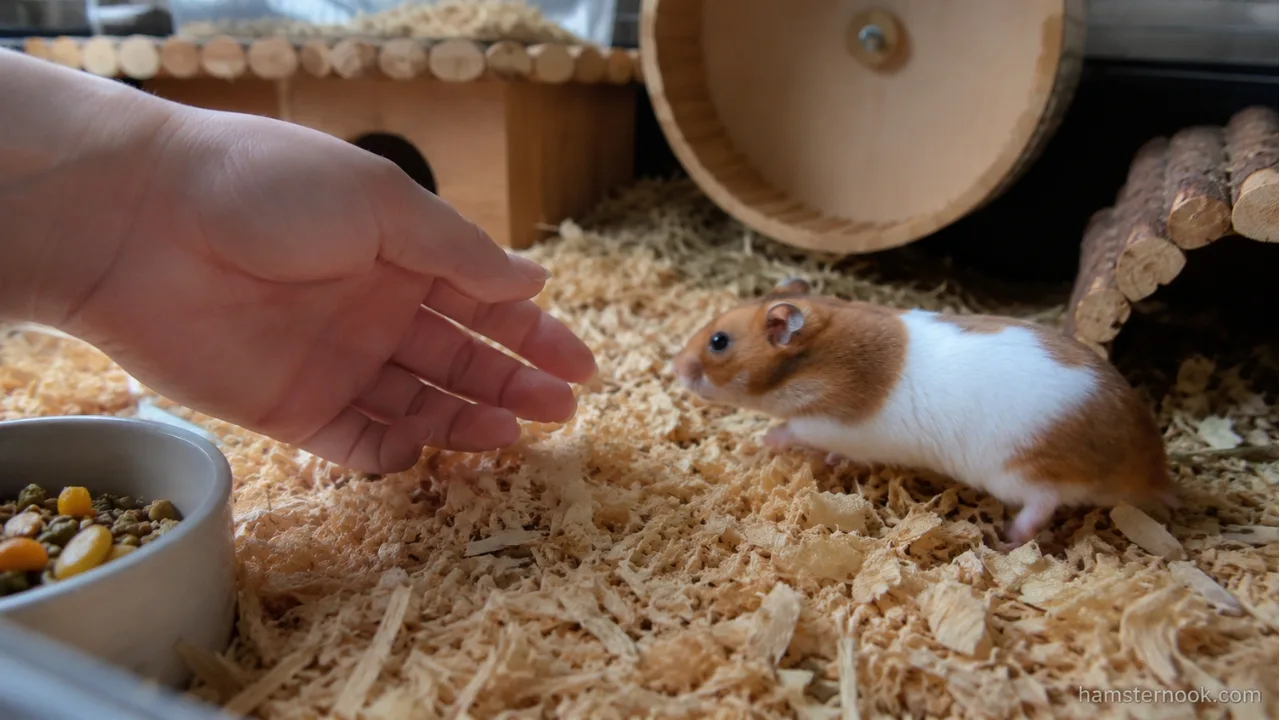
- Trying to pick up your hamster before it has time to investigate your scent.
Keeping familiar smells within the enclosure—such as a portion of clean nesting material during routine cleaning—can help your hamster feel more secure.
Readers interested in proper habitat maintenance should also read our How Often Should You Clean a Hamster Cage? A Complete Cleaning Schedule, where we explain the subject in greater detail with practical tips and beginner-friendly guidance.
What You Should Do to Help Your Hamster Recognize You
Helping your hamster recognize you is more about patience and consistency than complicated training techniques.
Simple habits can make a big difference:
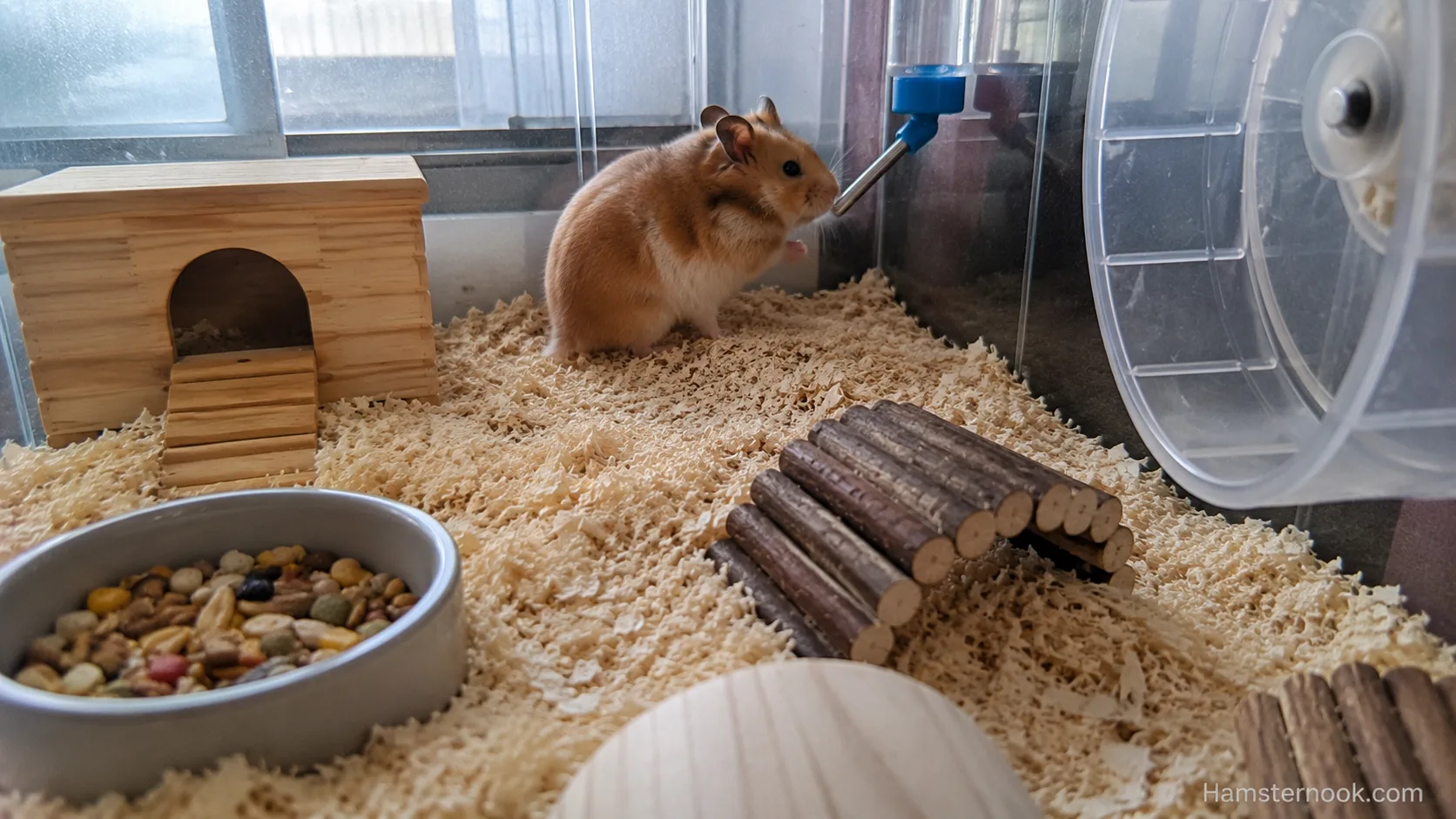
- Feed your hamster at roughly the same time each day.
- Speak softly before opening the enclosure.
- Wash your hands with unscented soap.
- Offer treats occasionally from your hand.
- Allow your hamster to approach you voluntarily.
- Avoid sudden movements.
- Handle your hamster gently and consistently.
Most hamsters become more comfortable over time when interactions remain calm and predictable.
When Should You Be Concerned?
Frequent sniffing by itself is completely normal and usually reflects curiosity rather than illness.
However, veterinary advice is recommended if unusual sniffing occurs alongside symptoms such as:
- Difficulty breathing
- Wheezing or clicking sounds
- Nasal discharge
- Swelling around the nose or face
- Loss of appetite
- Marked lethargy
- Sudden changes in normal behavior
These signs may indicate a medical issue unrelated to your hamster’s normal use of its sense of smell.

Conclusion
A hamster’s sense of smell is one of its most important tools for understanding the world. It helps locate food, recognize familiar surroundings, investigate new objects, and become familiar with the people who care for it.
Although scent isn’t the only way hamsters recognize their owners, it plays a major role in building trust through repeated positive experiences. By handling your hamster gently, maintaining a consistent routine, and avoiding overwhelming new scents, you can help your pet feel more comfortable and confident around you.
Patience is far more important than trying to speed up the bonding process. Given time and positive interactions, many hamsters learn to associate their owner’s scent with safety and routine care.
Small, positive interactions repeated over many days are far more effective than long handling sessions that make your hamster uncomfortable.

Frequently Asked Questions
Can hamsters recognize their owners by smell?
Yes. Hamsters can learn to recognize the familiar scent of the people who regularly care for them. This recognition develops through repeated positive experiences rather than instantly.
Can my hamster smell food on my hands?
Yes. Hamsters have an excellent sense of smell and can often detect food residue on your fingers. Washing your hands before handling your hamster helps prevent accidental nips and confusing scents.
Why does my hamster sniff me before climbing onto my hand?
Sniffing is a hamster’s natural way of gathering information. Your hamster is identifying your scent and deciding whether you are familiar and safe.
Do strong perfumes bother hamsters?
Strong fragrances may mask your natural scent and introduce unfamiliar odors. Using lightly scented or unscented products is generally a better choice when interacting with your hamster.

Can a hamster remember its owner’s scent after being away?
Hamsters can become familiar with regular caregivers through scent, but there is limited research on how long they retain recognition after long periods without contact. Gentle, consistent interactions help rebuild familiarity.
References
This guide draws on established animal-welfare guidance about hamster behaviour, scent communication, handling, and familiar interactions.
- RSPCA – Keeping Hamsters as Pets
- RSPCA – Understanding Hamster Behaviour
- RSPCA – Keeping Hamsters Together
- Blue Cross – Hamster Care Guide
Medical Disclaimer: This article is intended for educational purposes only and should not be considered veterinary advice. Normal sniffing and scent investigation are common hamster behaviors, but breathing difficulties, wheezing, nasal discharge, swelling, loss of appetite, marked lethargy, or other sudden health changes may require veterinary attention. If your hamster develops concerning or persistent symptoms, consult a qualified exotic animal veterinarian.

Narayan Kumar is the founder and author of HamsterNook. He creates practical, research-based hamster care guides covering hamster behavior, nutrition, cage setup, enrichment, health, and everyday care. His goal is to help hamster owners make informed decisions and provide safer, healthier lives for their pets through clear, beginner-friendly information based on trusted animal care resources.