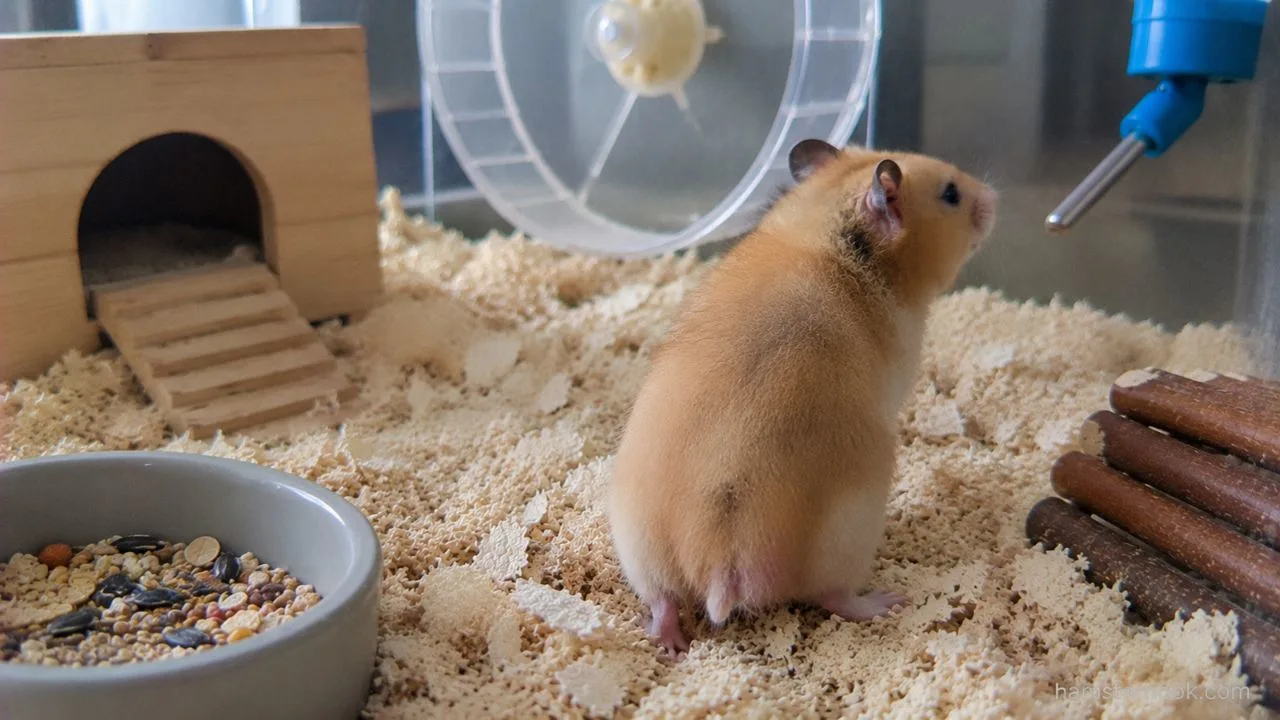
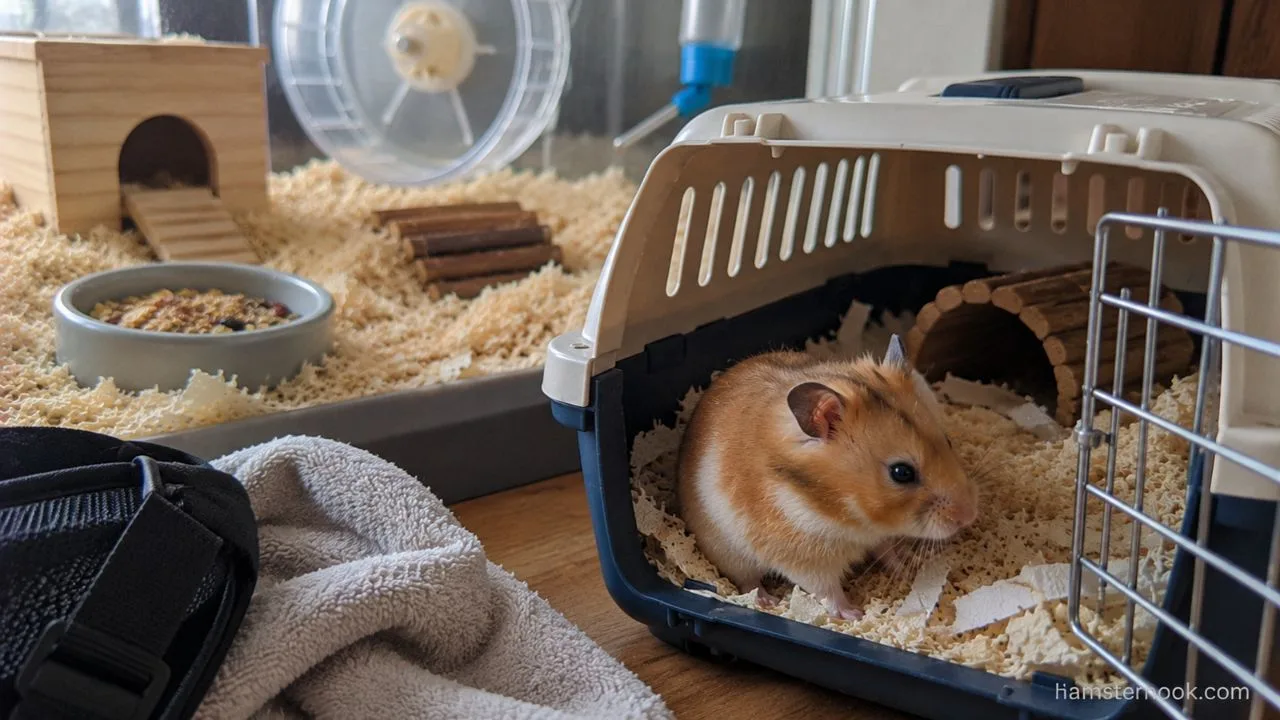
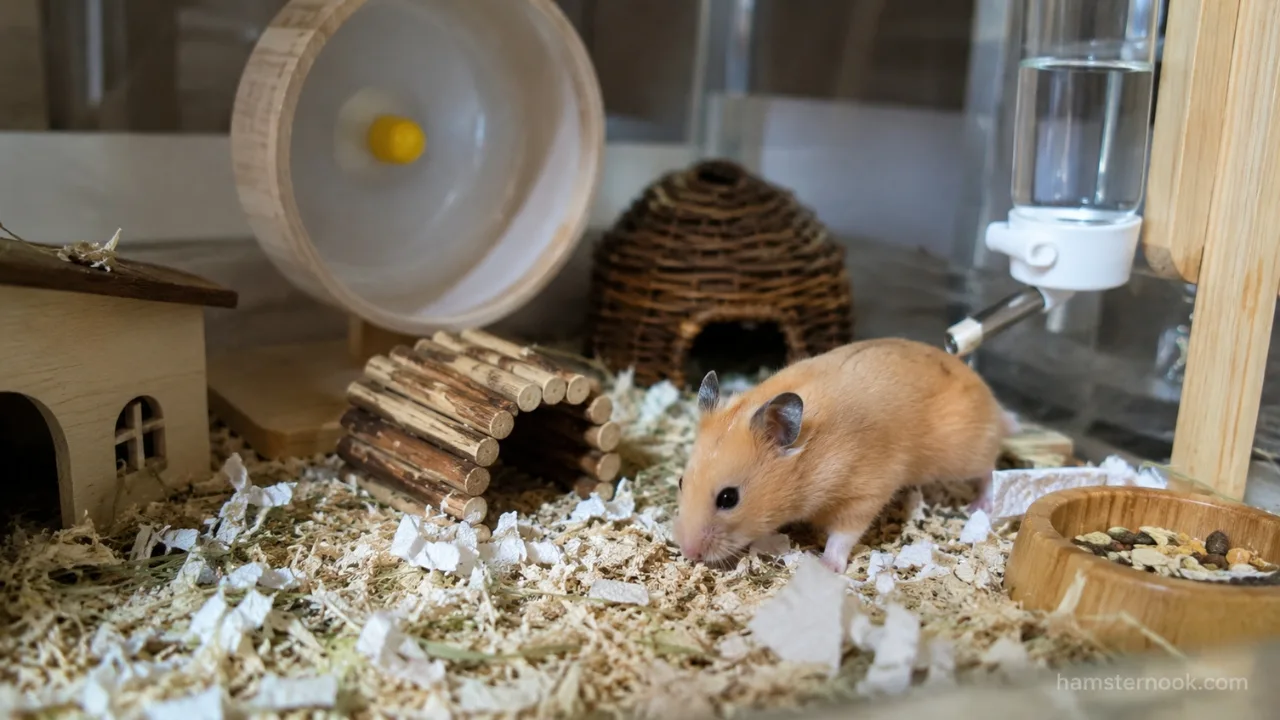
Yes, hamsters can have a sand bath, and for many pet hamsters it can be a useful part of their enclosure. A sand bath gives them a place to roll, dig, explore a different texture, and help keep their coat clean. The key is using an appropriate sand and offering it in a way that does not replace the hamster’s main bedding or create unnecessary dust. RSPCA and Blue Cross both include access to sand as part of good hamster care.
Quick Answer: Can Hamsters Have a Sand Bath?
Yes. A sand bath can be offered to hamsters as both a grooming opportunity and enrichment.
Blue Cross specifically recommends including a sand bath in a hamster’s enclosure because it can help keep the coat clean while also providing another texture for the hamster to explore. RSPCA also says hamsters generally do not need much grooming beyond their own self-grooming and occasional access to a sand bath.
The important part is what you put in the bath and how you maintain it. A dusty or contaminated substrate is not the same thing as a suitable sand bath.
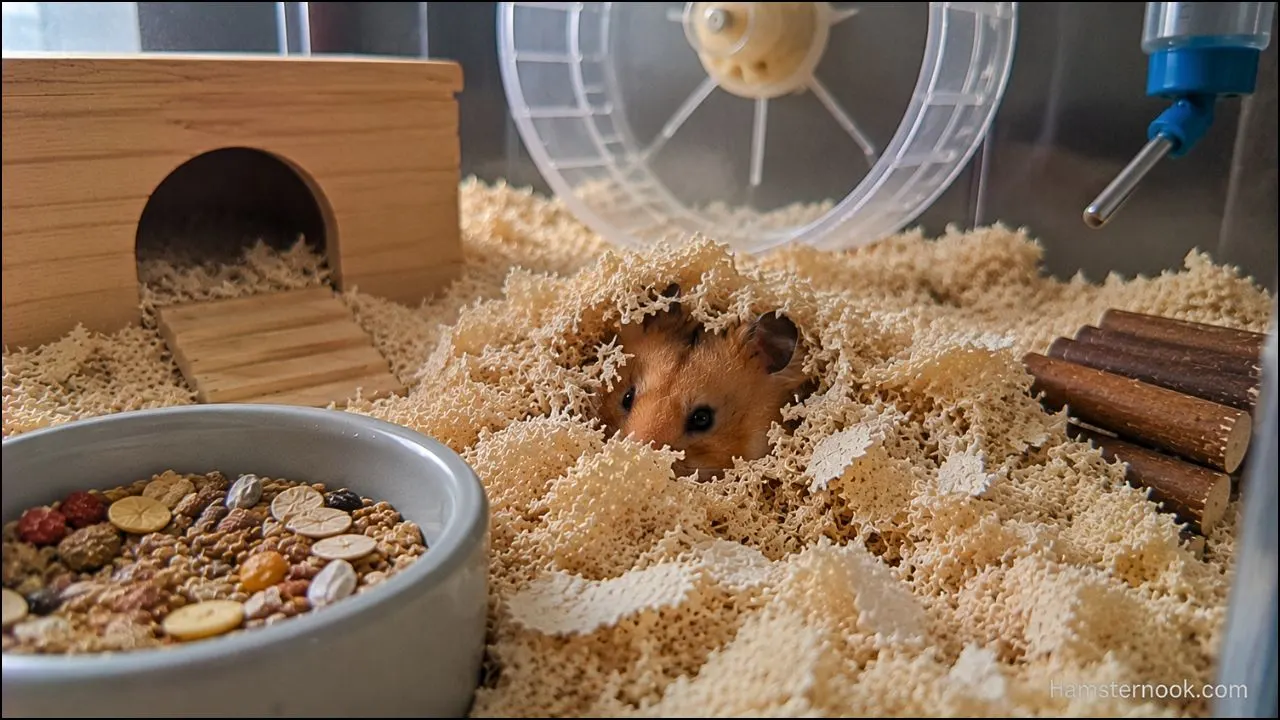
Why Do Hamsters Use Sand Baths?
A sand bath serves more than one purpose.
It helps with coat care
Hamsters naturally spend time grooming themselves. Providing access to a sand bath gives them another way to keep their coat clean. RSPCA specifically lists occasional access to a sand bath as part of normal hamster grooming care.
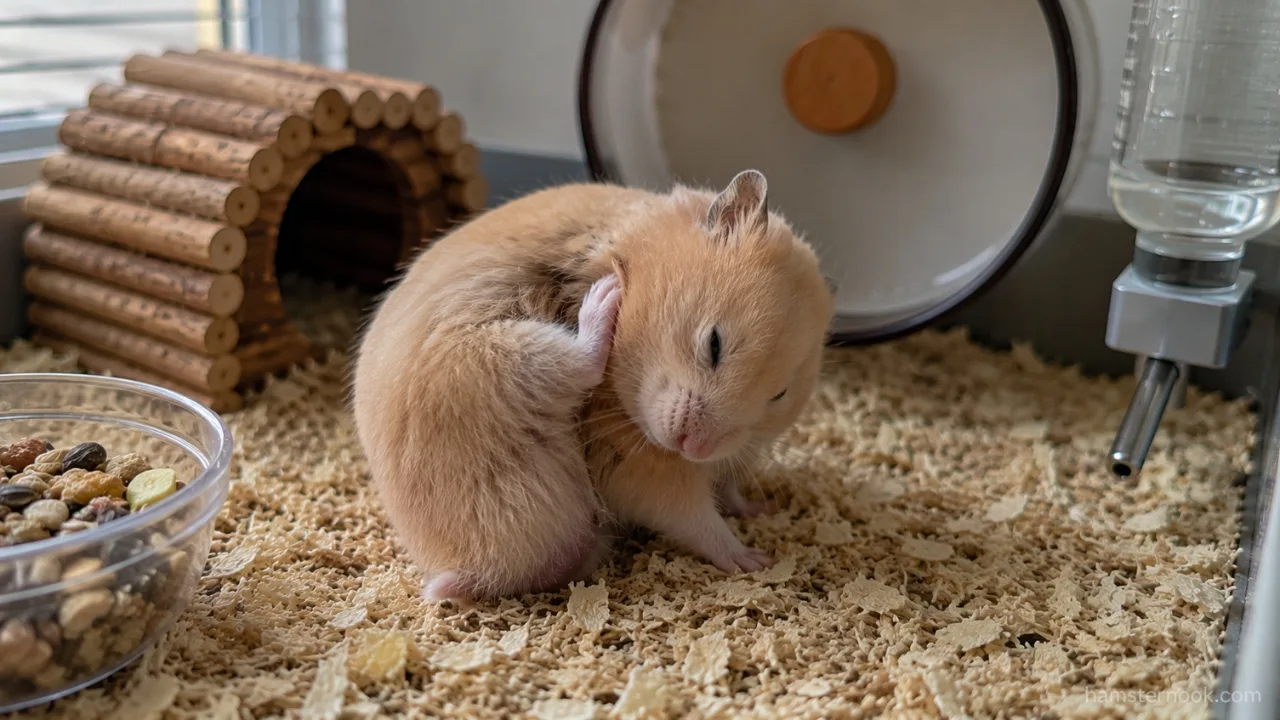
You may see your hamster walk into the sand, dig around, roll onto its side or back, and then shake itself off. Some hamsters use the bath regularly, while others may spend more time digging or exploring it.
It provides enrichment
A sand-filled area changes the texture and layout of the enclosure. That gives your hamster something different to investigate and interact with.
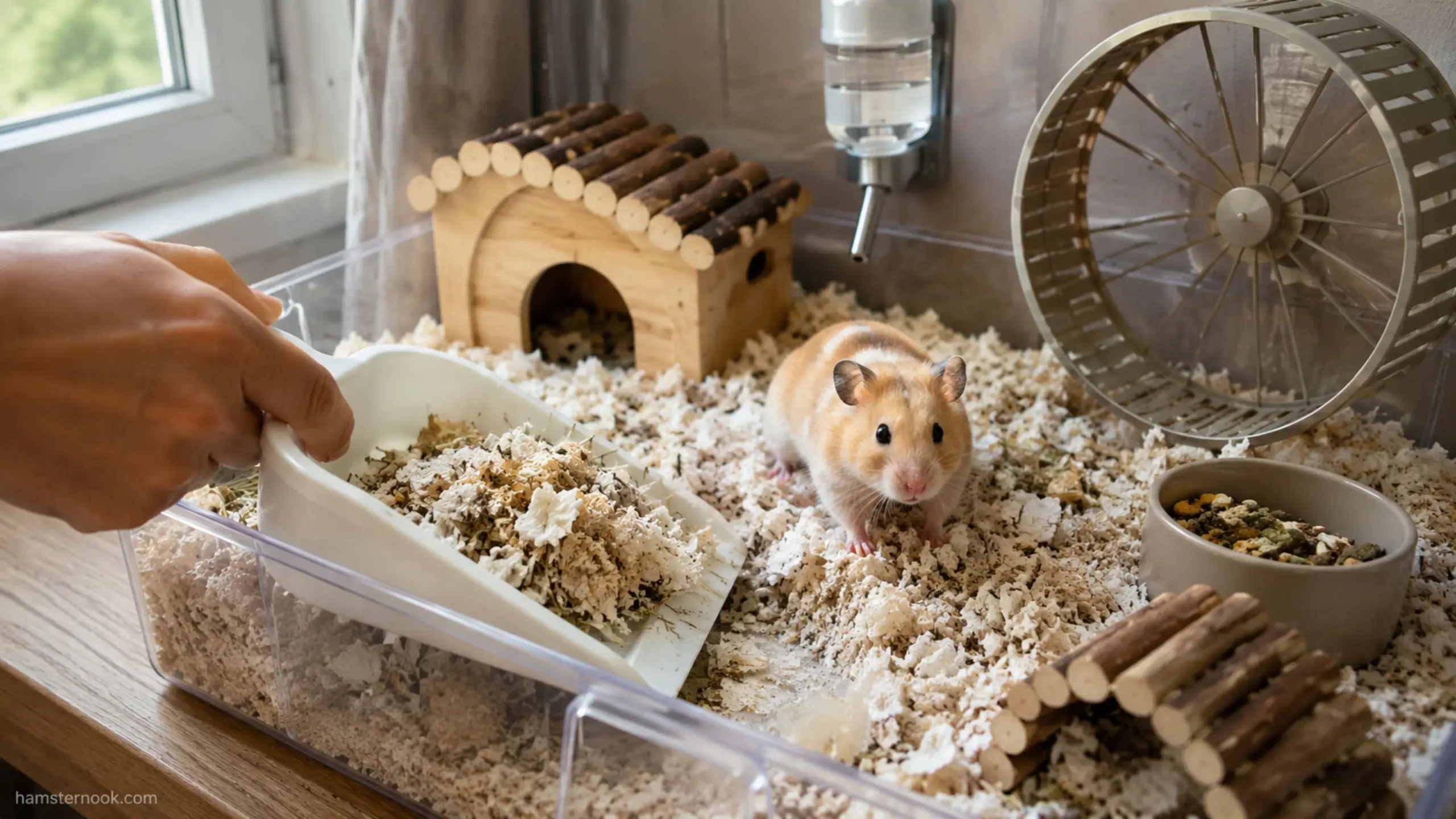
This fits into the wider principle of environmental enrichment: good enrichment gives captive animals opportunities to perform natural or desirable behaviors and make choices within their environment. NC3Rs identifies enrichment as an important part of improving animal welfare and lists different substrates and environmental features as ways to increase stimulation and behavioral opportunities.
It can become a useful toilet area
Some hamsters choose to urinate in their sand bath. This is not guaranteed, but when it happens, the sand area can become easier to spot-clean than the rest of the enclosure.
That can be particularly convenient because you can remove soiled sand without disturbing large areas of the hamster’s main bedding.
Is a Sand Bath Necessary for Every Hamster?
A sand bath is useful, but it should not be treated as a substitute for good housing.

Your hamster still needs an appropriate enclosure, deep bedding for digging and burrowing, nesting material, hiding places, food, fresh water, and opportunities for exercise and exploration. RSPCA and MSD Veterinary Manual both emphasize appropriate bedding and environmental conditions as important parts of hamster housing.
The sand bath should therefore be treated as one component of the overall enclosure setup. Best Hamster Cage Setup for Beginners: Size, Bedding & Essentials explains how the main enclosure elements work together to create a suitable living space.
Some hamsters will immediately roll around in a sand bath. Others may barely use it. That difference by itself does not mean something is wrong.
The goal is to provide the opportunity rather than force the behavior.

A sand bath is one form of enrichment, so it works best alongside other opportunities for natural behavior. Our Hamster Cage Enrichment: 10 Safe Ideas for Boredom & Natural Behavior guide covers additional ways to enrich the enclosure safely.
A sand bath works best as one part of a wider enclosure rather than as a standalone feature. Complete Hamster Care Guide for Beginners (2026) covers the broader housing, bedding, feeding, enrichment, and daily-care needs that support a suitable hamster environment.
What Kind of Sand Is Safe for a Hamster?
Choosing the substrate is probably the most important part of setting up a sand bath.
Look for a clean, appropriate sand that is specifically suitable for hamsters and does not produce visible dust when disturbed. Avoid products that create a cloud of fine particles around your hamster.

This matters because respiratory irritation can be a concern with inappropriate dusty materials. MSD Veterinary Manual recommends hamster bedding that is as dust-free as possible and notes that some bedding materials can irritate the respiratory tract. Blue Cross similarly recommends dust-extracted bedding and warns that many wood shavings or sawdust products can be harmful to a hamster’s respiratory system.
RSPCA also discusses coarse sand as a natural substrate for hamsters, while noting that it can be difficult to handle.

What should you avoid?
Avoid using:
- Very dusty material that produces airborne particles
- Unknown sand collected outdoors
- Sand that is visibly dirty or contaminated
- Products with a strong added fragrance
- Products marketed for other species unless they are clearly suitable for hamsters
A common mistake is assuming that anything labeled “dust bath” is automatically appropriate for every small animal. Different species have different grooming needs, so the product should be appropriate for hamsters rather than chosen simply because it contains the word “bath” or “dust.”
What About Dust Baths?
A dust bath is not the same as a sand bath. Do not choose a product simply because it is sold as a small-animal dust bath. The important consideration is whether the material is appropriate for hamsters and does not create excessive airborne dust.

If a product creates a visible cloud when your hamster rolls or digs, do not use it as the bath substrate.
How to Choose Hamster-Safe Sand
When choosing sand, focus on the actual material rather than the product label. It should be clean, suitable for hamsters, and free from obvious dust. Avoid anything that produces a visible cloud when your hamster digs or rolls. If you are unsure about a product, choosing a clearly hamster-appropriate sand is safer than experimenting with an unknown substrate.
The choice of sand should also be considered alongside the rest of the enclosure substrate. Our Best Hamster Bedding: Safest Types, Depth & What to Avoid guide explains which bedding materials are suitable and what to avoid.
Sand Bath vs. Main Bedding
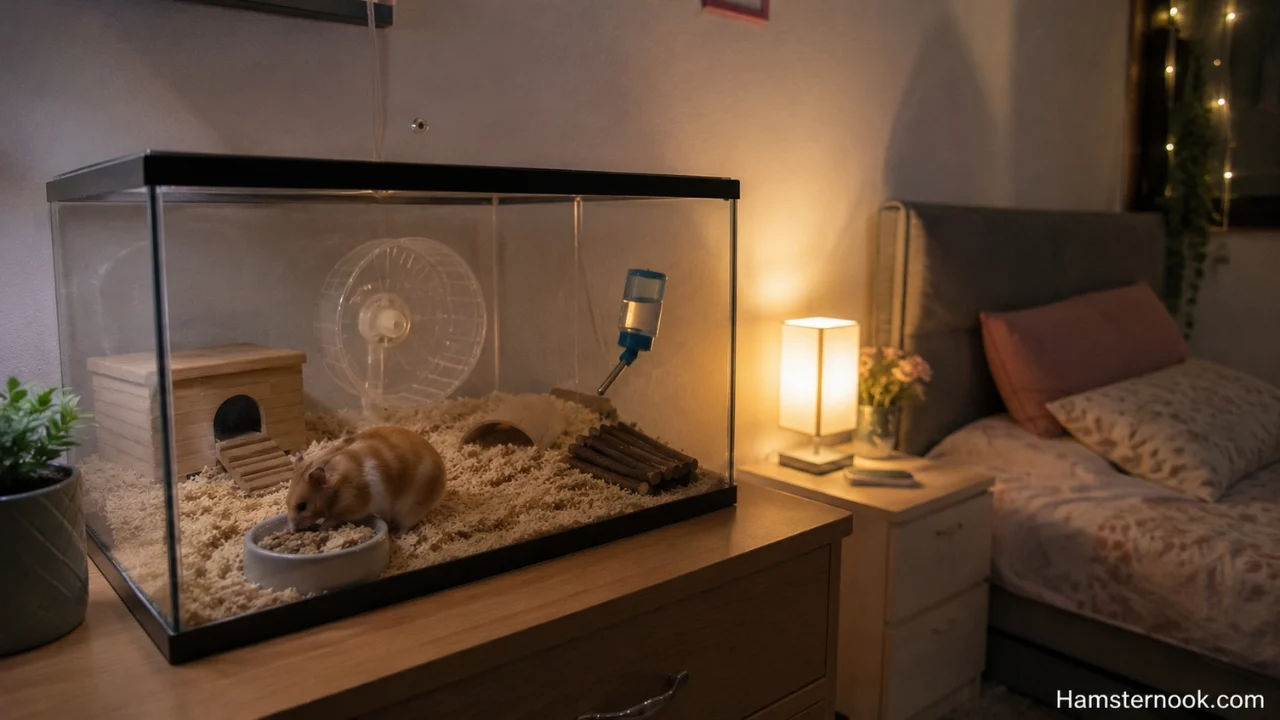
A sand bath should normally be a separate area, not a replacement for the hamster’s main bedding.
| Feature | Main Bedding | Sand Bath |
|---|---|---|
| Main purpose | Digging, burrowing, nesting and absorbing waste | Grooming and enrichment |
| Texture | Soft and suitable for burrowing | Loose sand |
| Location | Covers the main enclosure floor | Separate tray or dedicated area |
| Should hamster sleep in it? | Yes, if it chooses | Not the intended purpose |
| Cleaning | Spot-clean regularly | Remove soiled sand and refresh as needed |
| Should it be dusty? | No | No |
Deep bedding remains important because hamsters are burrowing animals. RSPCA recommends providing enough bedding to allow digging and burrowing, while MSD Veterinary Manual also recommends relatively deep bedding and abundant nesting material.
A sand bath should add to that burrowing environment rather than reduce the amount of suitable bedding available. Best Hamster Bedding for Beginners: Safe, Unsafe & Best Choices explains which bedding characteristics matter for digging, nesting, comfort, and respiratory safety.
A sand bath adds to that environment; it does not replace it.
How to Set Up a Sand Bath
You do not need a complicated setup.
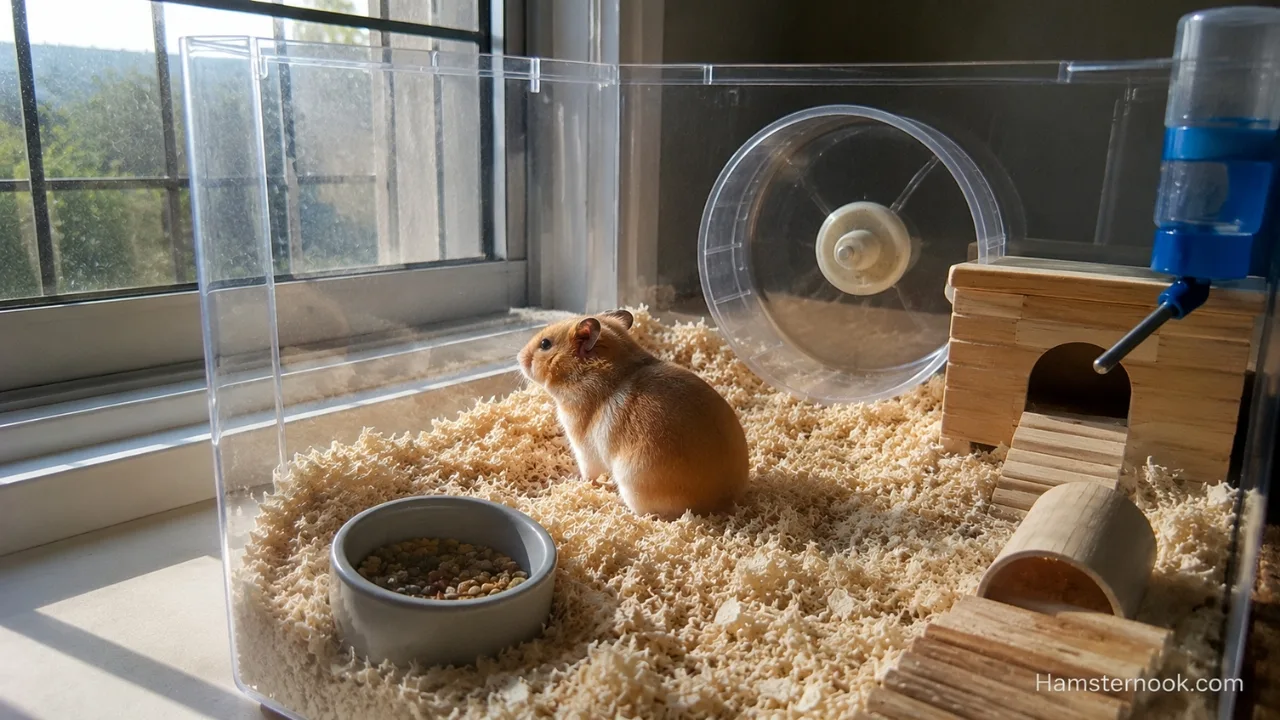
1. Choose a stable container
Use a sturdy tray or container that will not easily tip when your hamster digs or rolls around.
The sides should be high enough to keep most of the sand contained but low enough for your hamster to enter and leave easily.
2. Add appropriate sand
The container should also leave enough open space for your hamster to turn around and interact with the sand naturally. Avoid filling it so deeply or densely that entering and moving through the bath becomes difficult.
Fill the container with enough sand for your hamster to comfortably dig, turn around, and roll without struggling.
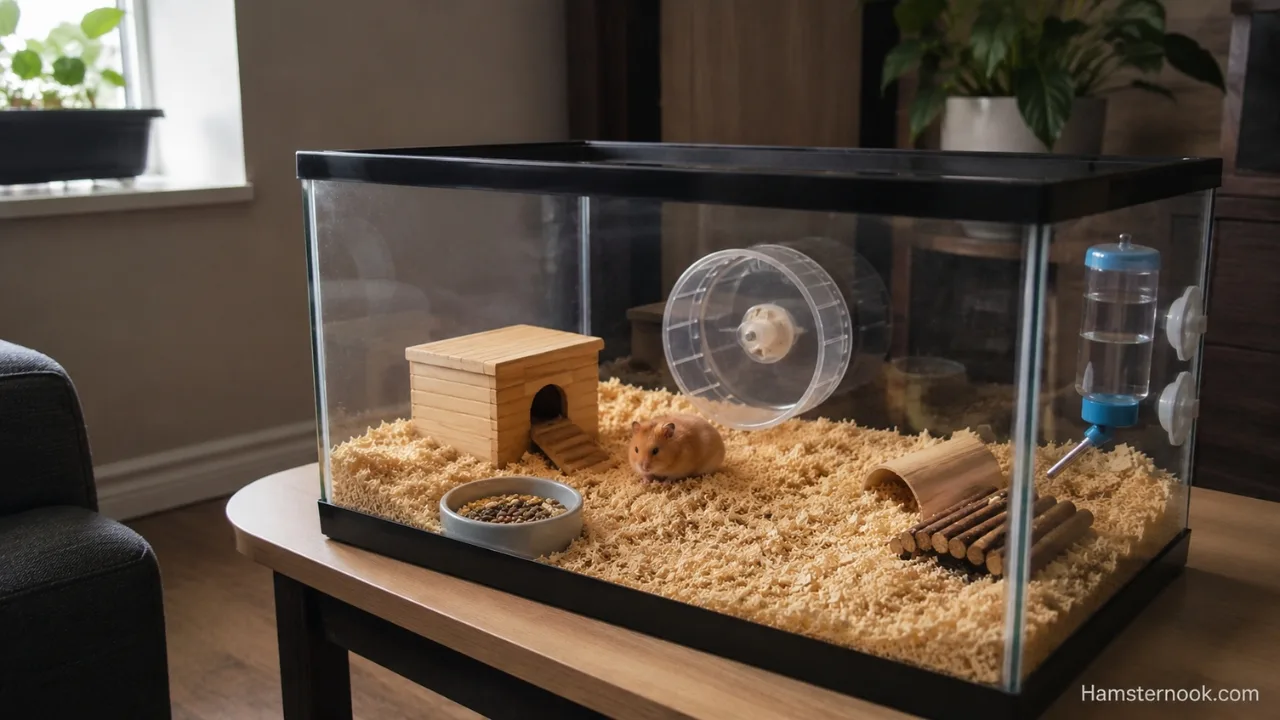
There is no need to create an extremely deep container simply because you think more sand must be better. The bath should give the hamster enough room to interact with the substrate comfortably without making access difficult.
3. Place it somewhere accessible
Put the bath in an area where your hamster can reach it easily.
You do not need to pick your hamster up and place it inside. Let the hamster investigate it independently.
4. Let your hamster decide how to use it
Your hamster might roll immediately.
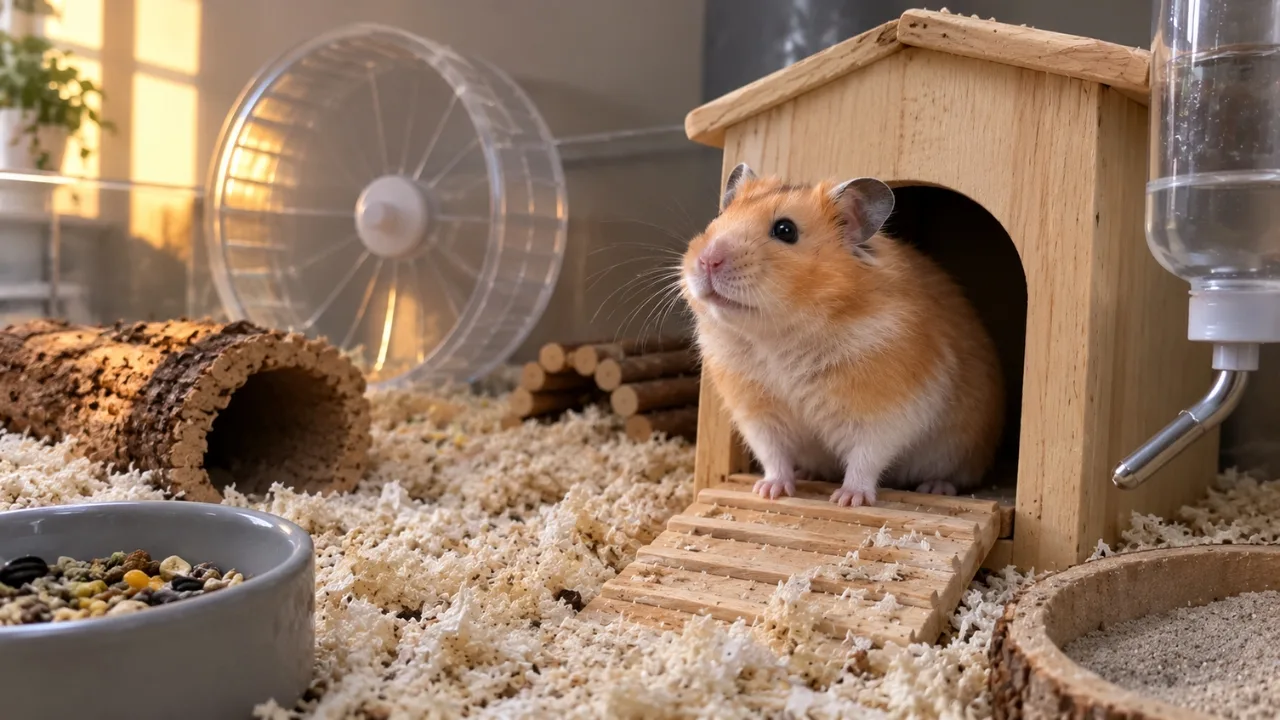
It might dig.
It might sniff it and walk away.
It might use it as a toilet.
All of these behaviors can happen. If your hamster ignores the bath initially, there is no need to repeatedly place it inside.
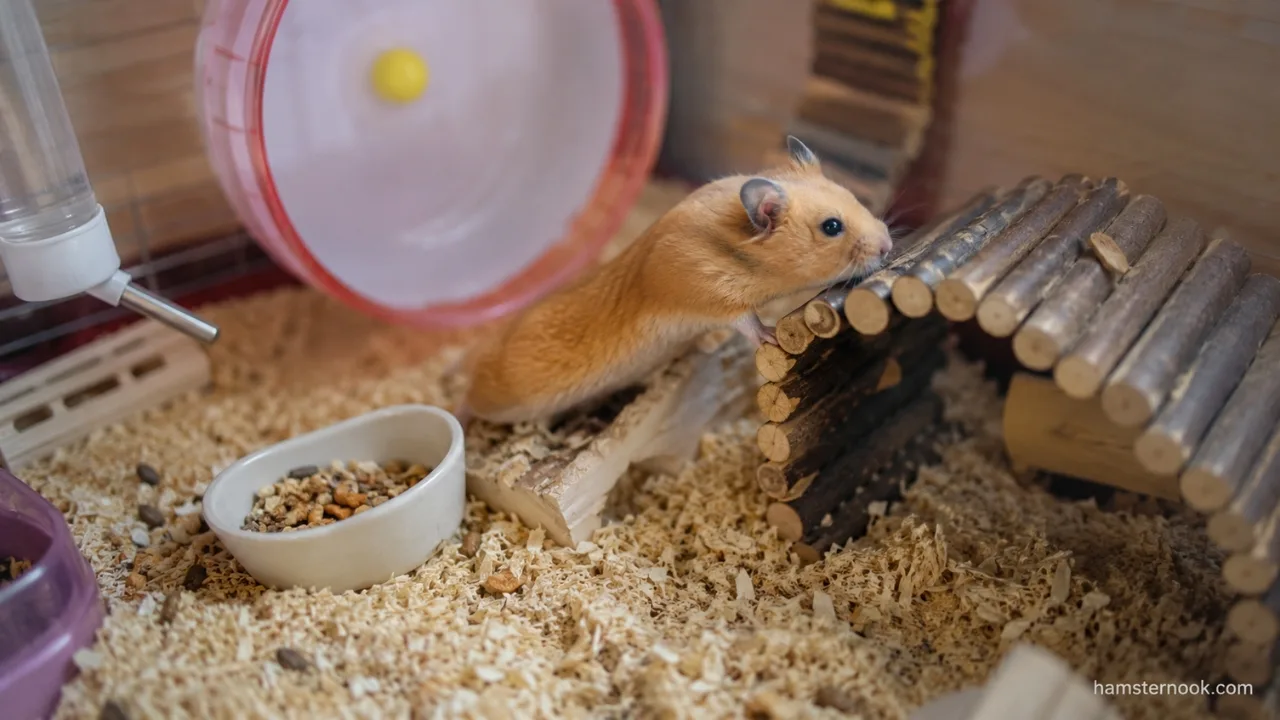
Hamsters benefit from having choices within their environment, and enrichment is most useful when it allows animals to engage with their surroundings rather than forcing an interaction.
Enrichment should still be provided within a stable and appropriate environment. Safe Temperature for Hamsters: How Hot or Cold Is Too Much? explains the temperature conditions owners should maintain while setting up the hamster’s living space.
How Often Should a Hamster Have a Sand Bath?
There is not a single evidence-based schedule that every hamster needs. Rather than forcing a bathing routine, provide a suitable sand area and let your hamster use it naturally.
RSPCA describes occasional access to a sand bath as part of hamster grooming, while Blue Cross recommends including a sand bath in the enclosure.
For that reason, a practical approach is to provide a suitable, clean sand area and allow your hamster to use it according to its own behavior.
You do not need to force a fixed bathing routine.
If the sand becomes contaminated with urine, feces, food, or wet bedding, remove the affected material and replace it with clean sand. Keeping the area clean is more important than following an arbitrary bathing timetable.
Keeping the surrounding enclosure clean also matters because the sand bath should remain a clean, separate resource. Our How Often Should You Change Hamster Bedding? Spot Cleaning, Partial Changes & Full Cleanouts guide explains how to maintain the rest of the enclosure without unnecessary disruption.
Should You Leave the Sand Bath in the Cage?
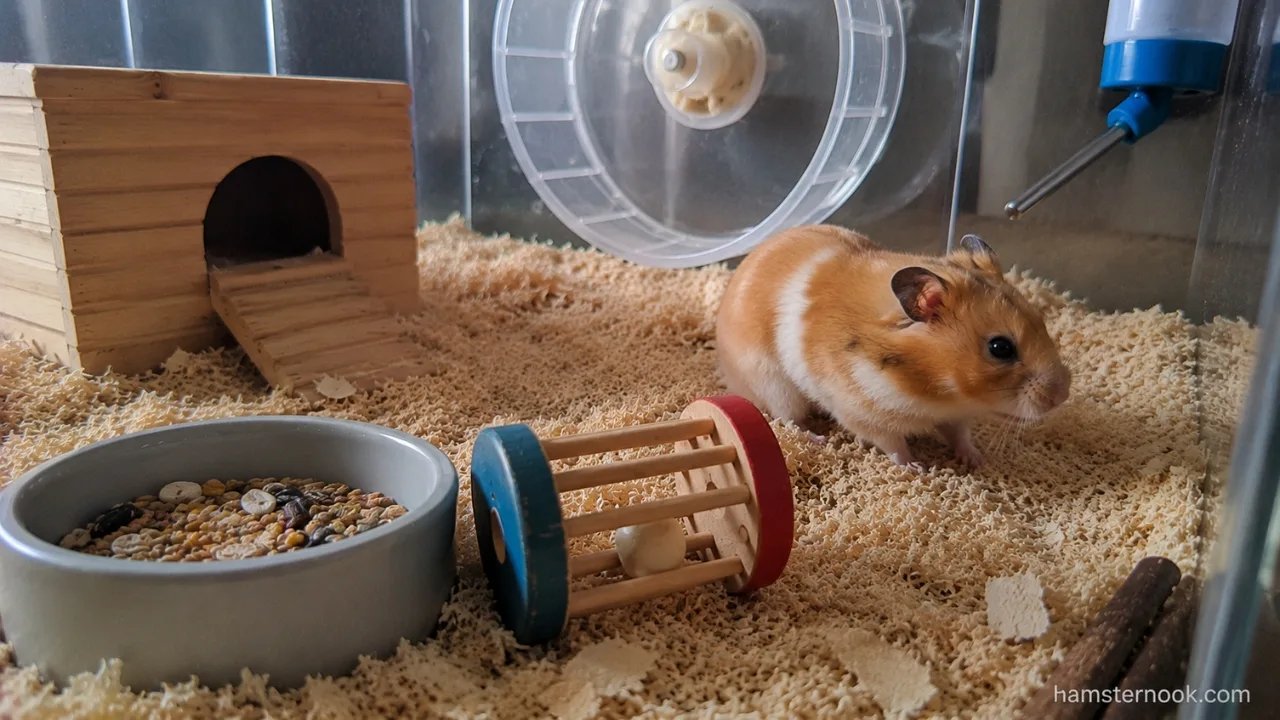
For many setups, yes. Blue Cross recommends including a sand bath in the hamster’s cage, and some hamsters use it as a regular part of their environment.
If your hamster uses the sand as a toilet, for example, you may need to clean it more frequently.
If the container constantly gets buried, contaminated, or tipped over, changing its position or using a more suitable container may solve the problem.
Common Sand Bath Mistakes
A few mistakes can turn a useful enrichment item into a problem.
Using very dusty material
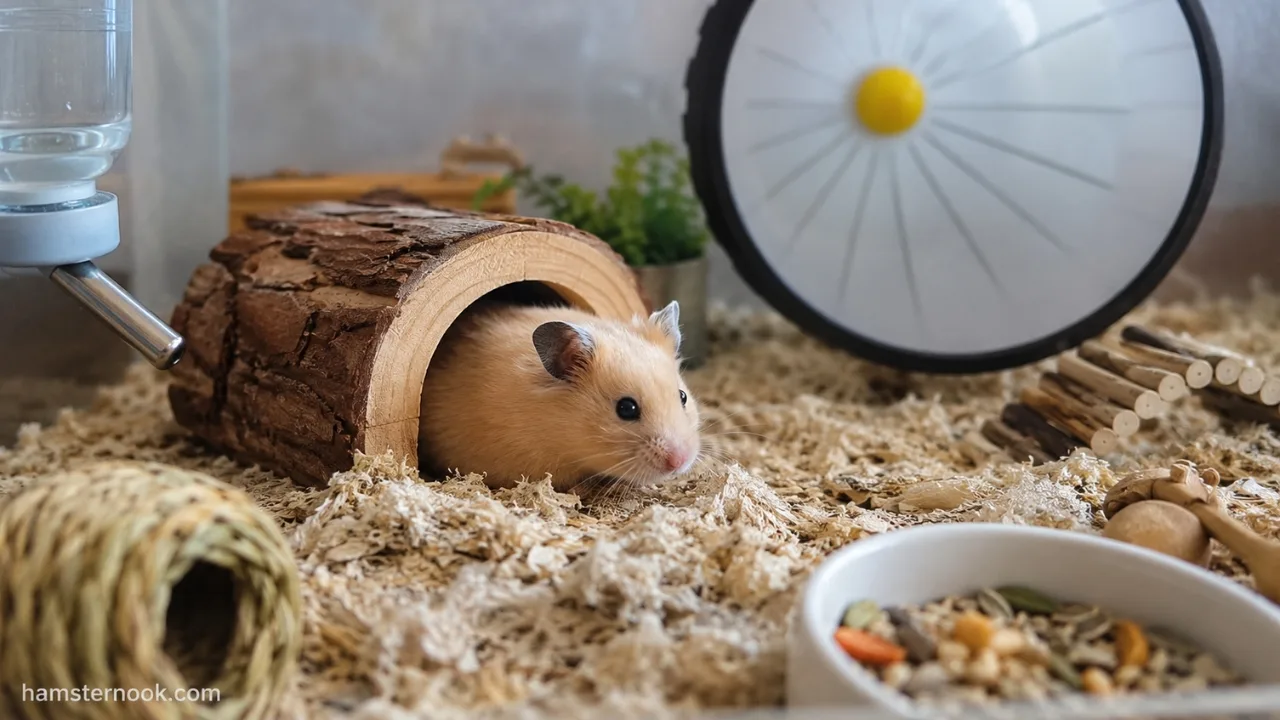
This is one of the biggest concerns. The sand should not create a visible cloud of dust whenever your hamster digs or rolls.
MSD Veterinary Manual recommends hamster bedding that is as dust-free as possible, and Blue Cross recommends dust-extracted bedding because respiratory irritation is a concern with unsuitable dusty materials.
Using outdoor sand
Outdoor sand can contain contaminants that you cannot easily see. There is little benefit in taking this risk when an appropriate commercial product is available.
Replacing the whole enclosure with sand
A hamster still needs suitable bedding for digging, burrowing, nesting, and creating a secure resting environment.

A sand bath is an additional feature, not the foundation of the enclosure.
Choosing a tiny container
If your hamster cannot comfortably turn around, dig, or roll, the bath is not doing much for it.
Forcing the hamster into the bath
Never hold a hamster in the sand and try to make it roll.
Give it the option and let it decide whether to use it.
Ignoring contamination
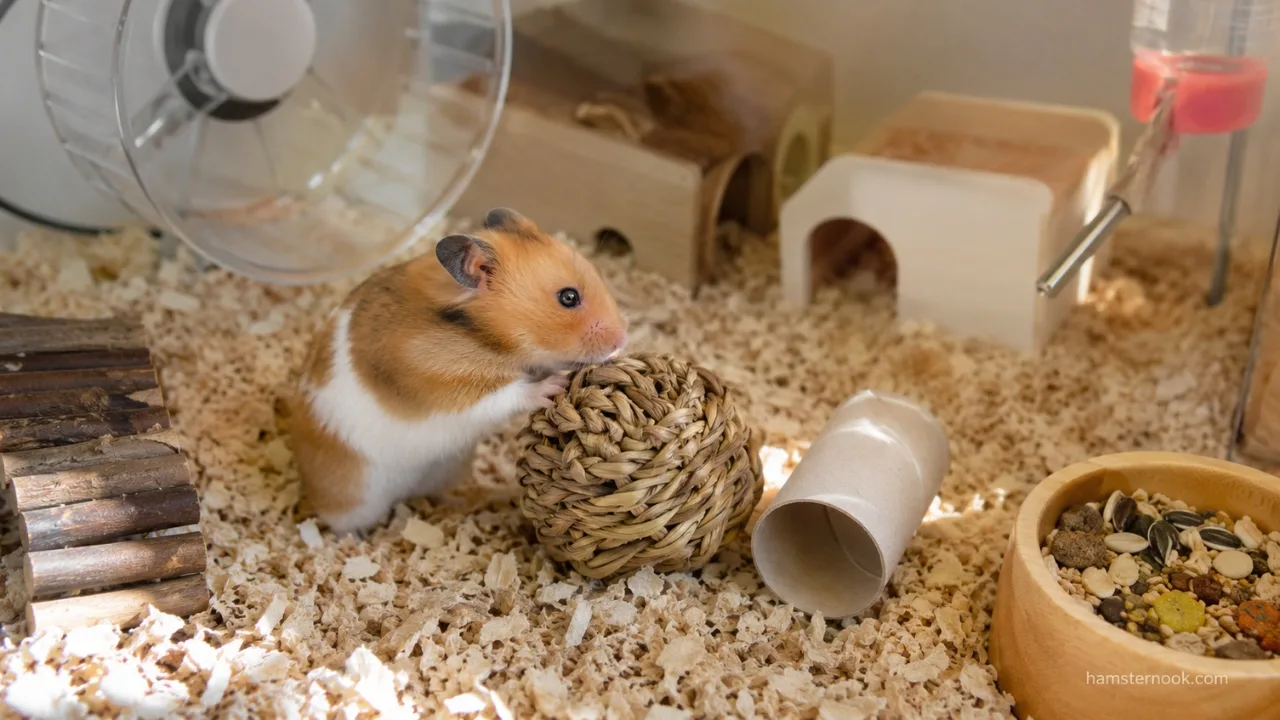
A sand bath can become a toilet or food-storage area. Check it regularly and remove contaminated material.

What You Should Do
If you are introducing a sand bath for the first time, keep the process simple:
- Choose an appropriate, dust-free sand suitable for hamsters.
- Put it in a stable, easy-to-enter container.
- Place it somewhere accessible inside the enclosure.
- Let your hamster investigate it without being forced.
- Watch how your hamster uses it.
- Remove visibly contaminated sand.
- Replace dirty sand with clean material.
- Continue providing deep, appropriate main bedding and nesting material.
Maintaining enough bedding is especially important when adding separate enrichment areas such as a sand bath. How Much Bedding Does a Hamster Need? Minimum Depth Guide for Healthy Burrowing explains why adequate bedding depth matters for natural digging and burrowing behavior.
If your hamster enjoys the bath, there is no reason to interrupt normal use simply because it spends a lot of time digging or rolling in it.
Can a Sand Bath Cause Sneezing?
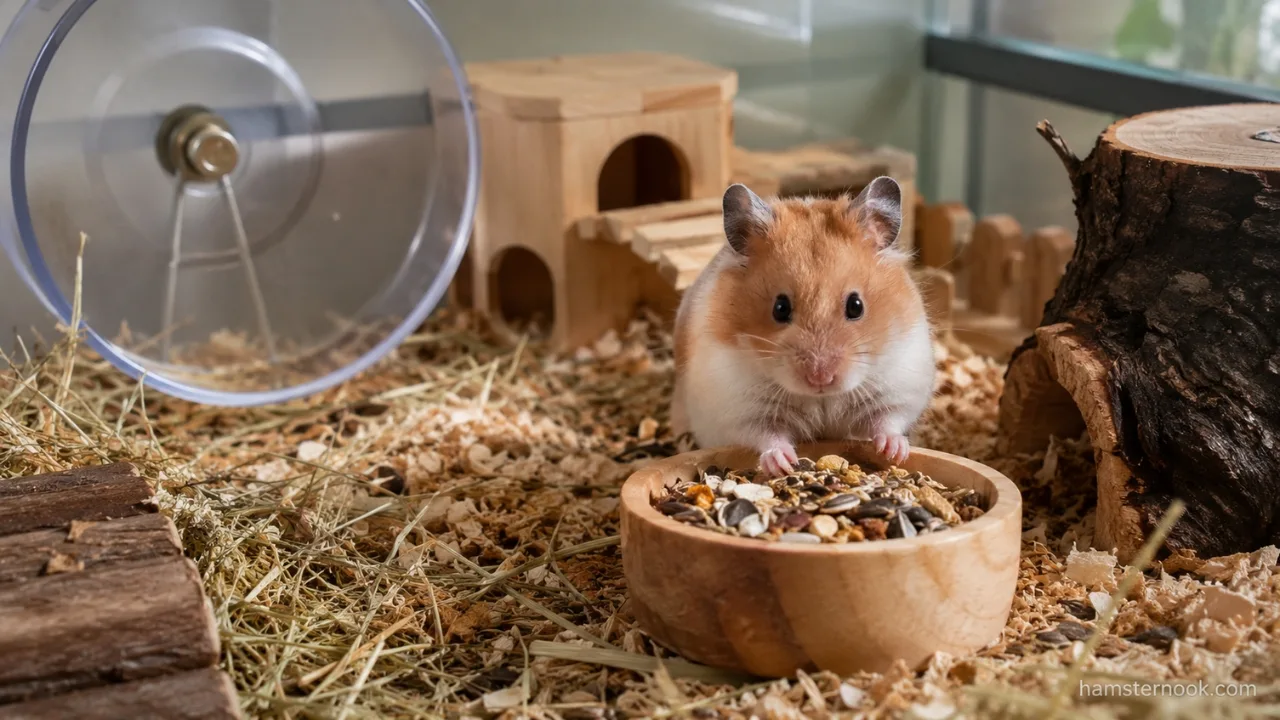
An occasional sneeze does not automatically mean that your hamster is sick, but repeated sneezing can be a sign that something in the environment or your hamster’s health needs attention.
However, the quality of the environment matters. Dusty bedding or other airborne irritants can be a concern, which is why veterinary guidance recommends keeping hamster housing as dust-free as possible.
If your hamster repeatedly sneezes around the sand bath, starts sneezing more frequently after it is introduced, or develops other respiratory signs, remove the suspected dusty material and reassess the setup rather than assuming the behavior is normal.
Persistent or repeated sneezing deserves more attention than an isolated sound, especially when it appears after an environmental change. Why Is My Hamster Sneezing? Causes, Warning Signs & When to See a Vet explains the possible causes and warning signs owners should watch for.
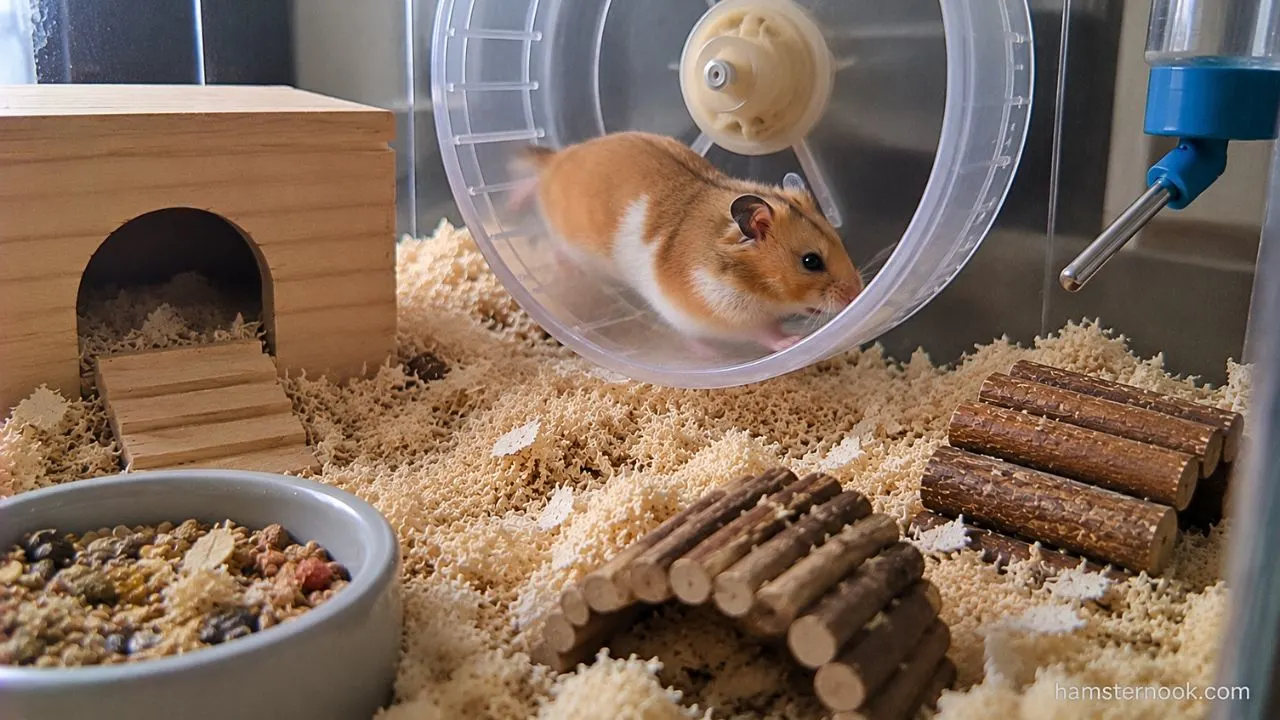
Persistent respiratory signs should not be diagnosed at home.
Warning Signs to Watch For
A sand bath itself is not a treatment for respiratory or skin problems.
Pay closer attention if you notice changes such as:
- Repeated or persistent sneezing
- Wheezing or noisy breathing
- Difficulty breathing
- Discharge from the nose or eyes
- Reduced activity
- Loss of appetite
- Noticeable weight loss
- A hunched or unwell appearance
- A sudden change from your hamster’s normal behavior
MSD Veterinary Manual lists nasal or eye discharge, inactivity, loss of appetite or weight, and trouble breathing among signs that a hamster may be sick. It also states that breathing difficulty or wheezing warrants prompt veterinary attention because airway problems can become serious quickly in these small animals.

When to Worry
If your hamster is having difficulty breathing, wheezing, or showing obvious respiratory distress, do not wait to see whether a sand bath fixes the problem. Contact a veterinarian promptly.
If the only thing you have noticed is an isolated sneeze and your hamster is otherwise eating, active during its normal waking period, grooming, and behaving normally, observe it and check the enclosure for obvious sources of dust or irritation.
The pattern matters more than one isolated sound.
Do Hamsters Need a Sand Bath if They Groom Themselves?
They can still benefit from one.
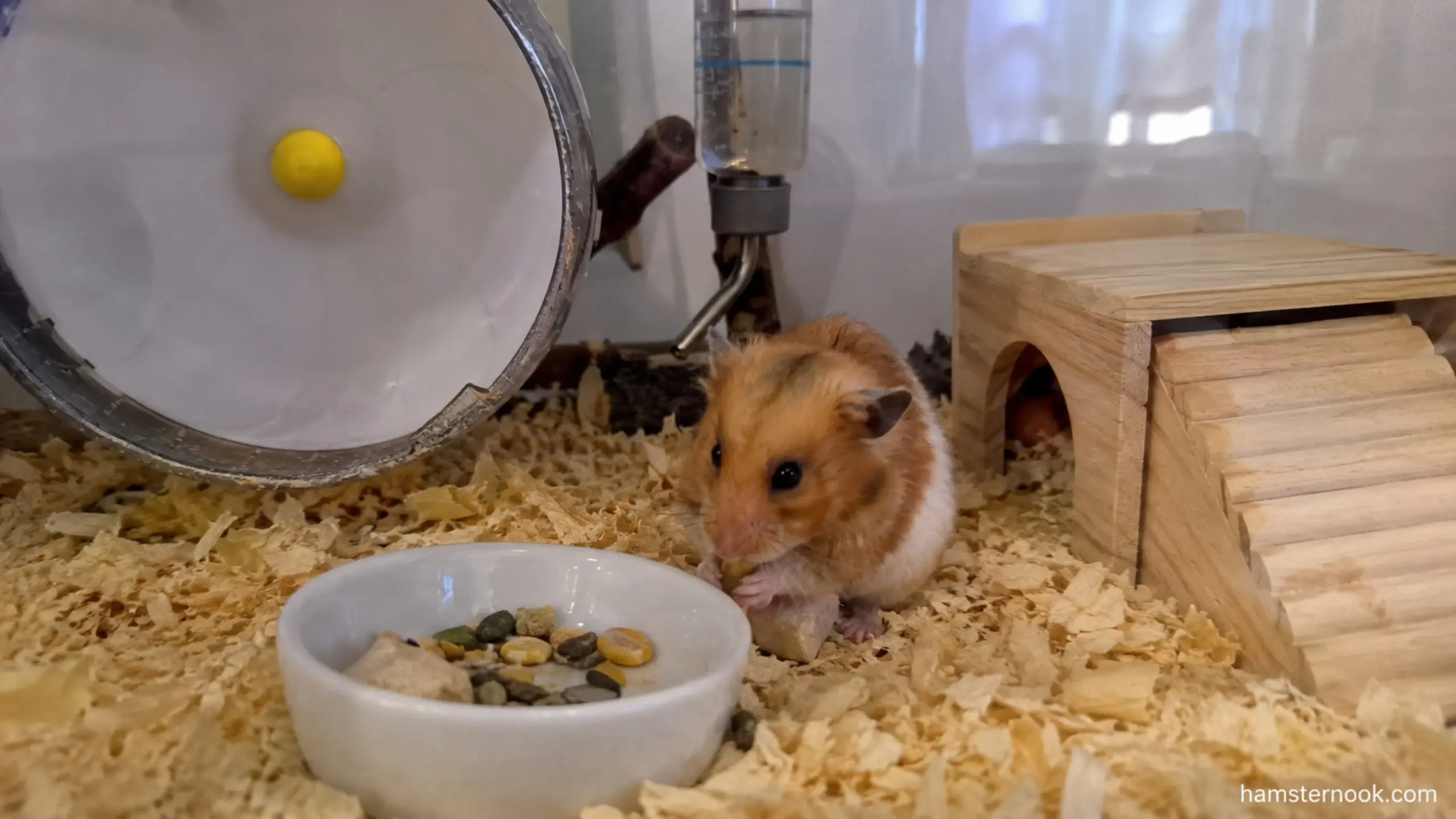
Hamsters already perform their own grooming, so a sand bath is not a replacement for normal self-grooming. RSPCA specifically notes that hamsters generally do not require extensive grooming from their owners and can have occasional access to a sand bath.
The additional value comes from giving the hamster another way to interact with its environment while supporting coat care.
Are Sand Baths Good for Roborovski Hamsters?
They can be particularly useful for Roborovski hamsters.
Blue Cross notes that a large area of sand is particularly important for Roborovski hamsters because they are naturally desert-dwelling animals.

That does not mean a Roborovski hamster should live entirely on sand. Deep bedding, nesting material, hiding places, exercise opportunities, and other enrichment remain important.
The same principle applies to other hamster types: a sand bath can be an enrichment area, but it should complement rather than replace the main enclosure, bedding, nesting material, and other resources your hamster needs.
Final Thoughts
Yes, a sand bath can be a valuable addition to a hamster’s enclosure. It can support coat care while giving your hamster another texture to dig, roll in, and explore. Welfare organizations including RSPCA and Blue Cross recognize sand baths as part of appropriate hamster care.
The safest approach is straightforward: use an appropriate, dust-free sand, provide it in a stable container, keep it clean, and let your hamster choose how to use it. Most importantly, do not let a sand bath replace the deep bedding and nesting material your hamster needs for normal burrowing and resting behavior.
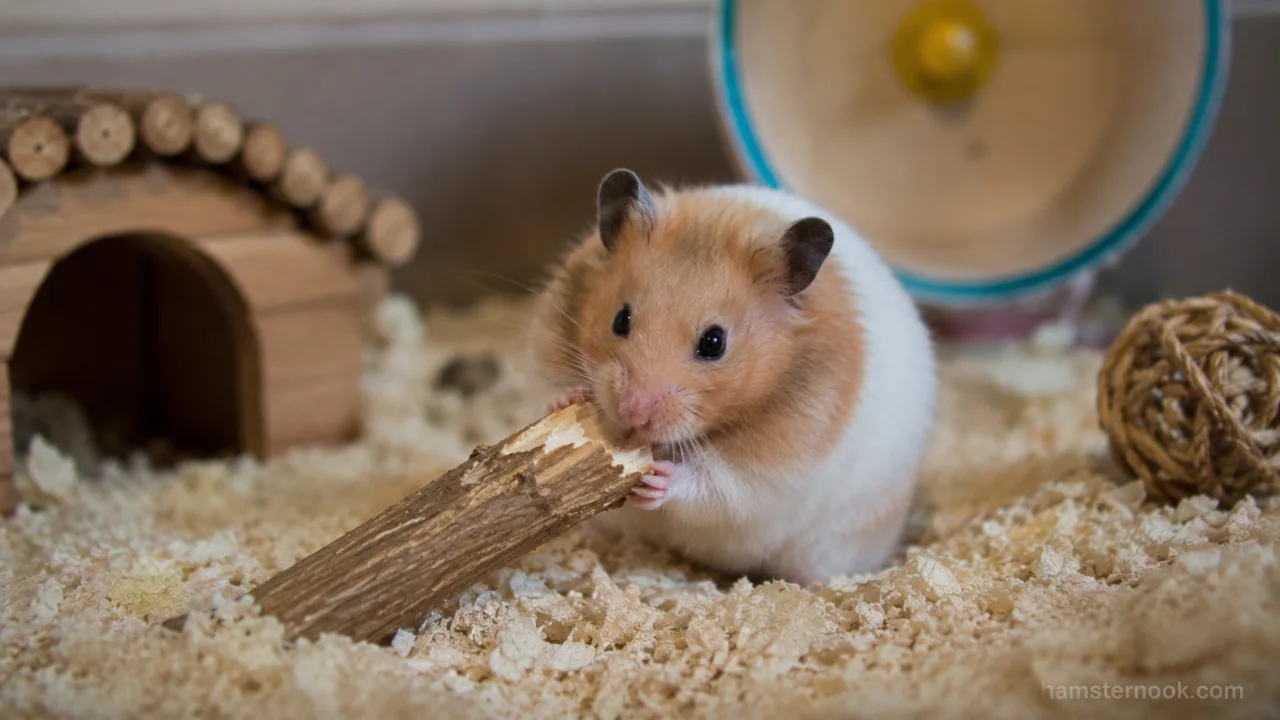
If your hamster develops persistent sneezing, wheezing, breathing difficulty, discharge, loss of appetite, or other signs of illness, treat that as a health issue rather than assuming the sand bath is responsible or that more bathing will solve it. Respiratory problems can become serious quickly, so veterinary advice is appropriate when concerning signs appear.
Frequently Asked Questions
Can I give my hamster a sand bath?
Yes. Sand baths can provide grooming opportunities and enrichment. RSPCA and Blue Cross both support access to a suitable sand bath for hamsters.
Do hamsters actually need sand baths?
They are not a replacement for essential housing needs, but they can be a useful addition. A sand bath gives your hamster another texture to explore and can support coat cleanliness.
Can hamsters use a sand bath every day?
There is no need to force a daily bathing routine. Blue Cross recommends including a sand bath in the enclosure, while RSPCA describes occasional access as part of grooming care. Let your hamster use the bath naturally and keep it clean.
Can hamsters use dust baths?
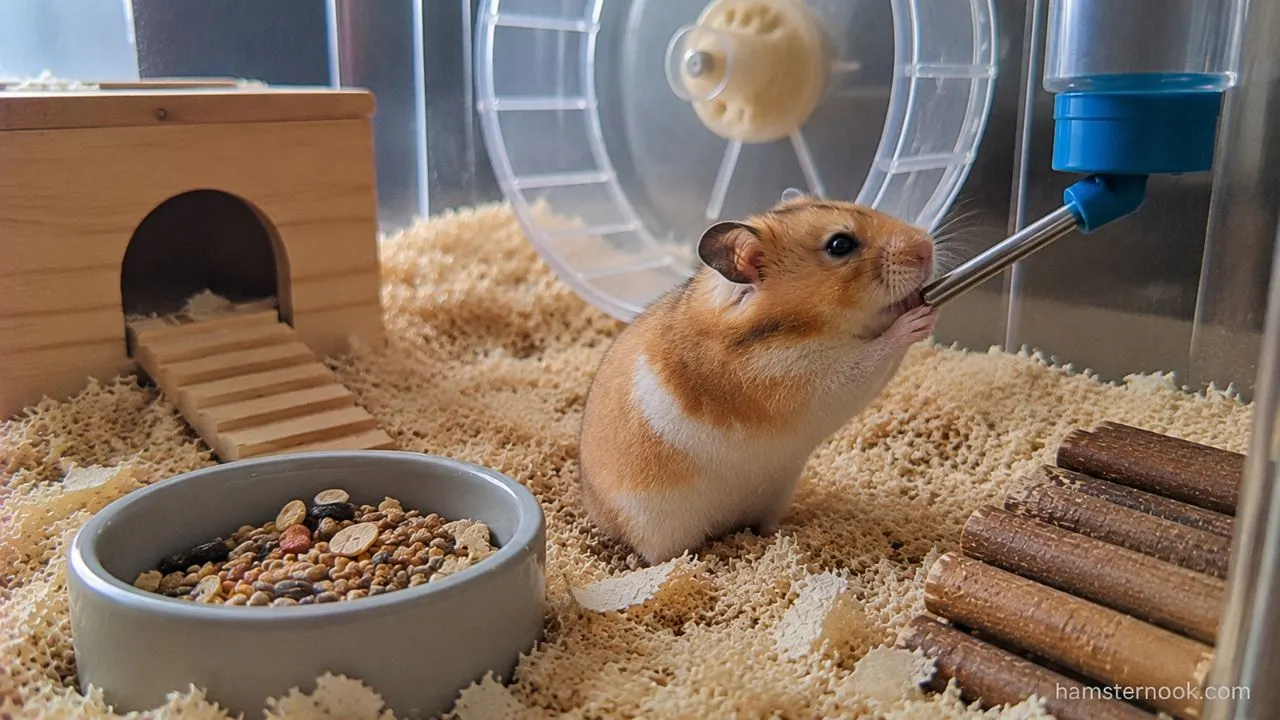
Be careful with the terminology. A product marketed as a “dust bath” is not automatically appropriate for hamsters. Choose a suitable, low-dust or dust-free sand product rather than deliberately exposing your hamster to a cloud of fine dust.
Can a hamster sleep in its sand bath?
A hamster may choose to spend time in or around the sand, but its enclosure should still contain appropriate bedding and nesting material for sleeping and burrowing. RSPCA and MSD Veterinary Manual both emphasize suitable bedding and nesting opportunities.
Why does my hamster roll around in the sand?
Rolling, digging, and exploring the sand are normal ways a hamster may interact with the bath. Sand can also help keep the coat clean and provides a different texture for enrichment.
What if my hamster never uses the sand bath?
That is not necessarily a problem. Leave the appropriate sand available and allow your hamster to choose. Do not force it into the container.

Can a sand bath make my hamster sneeze?
Dusty material can be an environmental concern, so a sand bath should not produce obvious airborne dust. If sneezing becomes persistent or is accompanied by wheezing, breathing difficulty, discharge, reduced activity, or appetite changes, contact a veterinarian.
Should a sand bath replace hamster bedding?
No. Hamsters need suitable bedding for digging, burrowing, nesting, and resting. A sand bath should complement the enclosure rather than replace its main bedding.
References
This guide is based on hamster grooming, housing, enrichment, welfare, and respiratory health guidance from trusted animal welfare and veterinary resources, including:
- RSPCA – Hamster Health & Welfare Tips – Grooming, sand baths, health monitoring, and general hamster welfare.
- RSPCA – Creating a Good Home for Hamsters – Bedding, enclosure environment, sand and substrate, cleaning, and nesting requirements.
- Blue Cross – Hamster Care – Sand baths, bedding, enrichment, and hamster housing guidance.
- MSD Veterinary Manual – Providing a Home for a Hamster – Veterinary guidance on housing, bedding, ventilation, and minimizing dust and respiratory irritation.
- MSD Veterinary Manual – Disorders and Diseases of Hamsters – Respiratory warning signs and health concerns requiring veterinary attention.
- NC3Rs – Choosing Appropriate Enrichment – Principles of environmental enrichment and opportunities for species-appropriate behavior.

Narayan Kumar is the founder and author of HamsterNook. He creates practical, research-based hamster care guides covering hamster behavior, nutrition, cage setup, enrichment, health, and everyday care. His goal is to help hamster owners make informed decisions and provide safer, healthier lives for their pets through clear, beginner-friendly information based on trusted animal care resources.