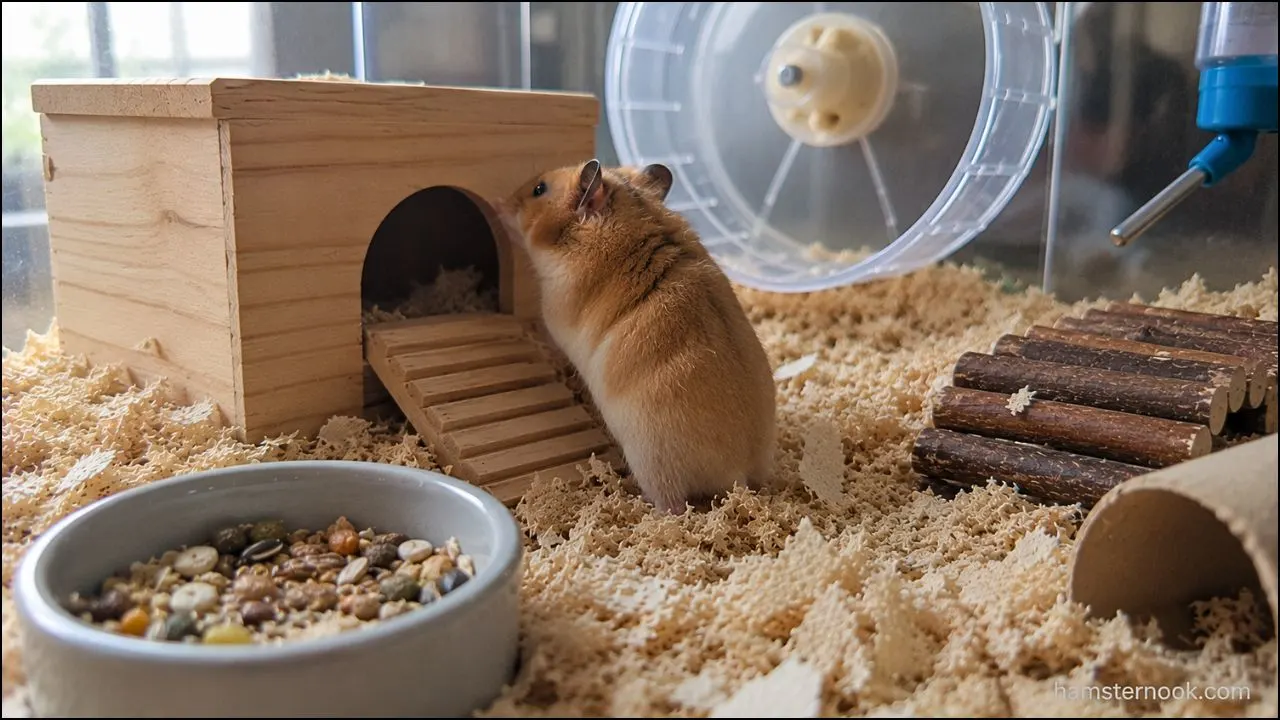
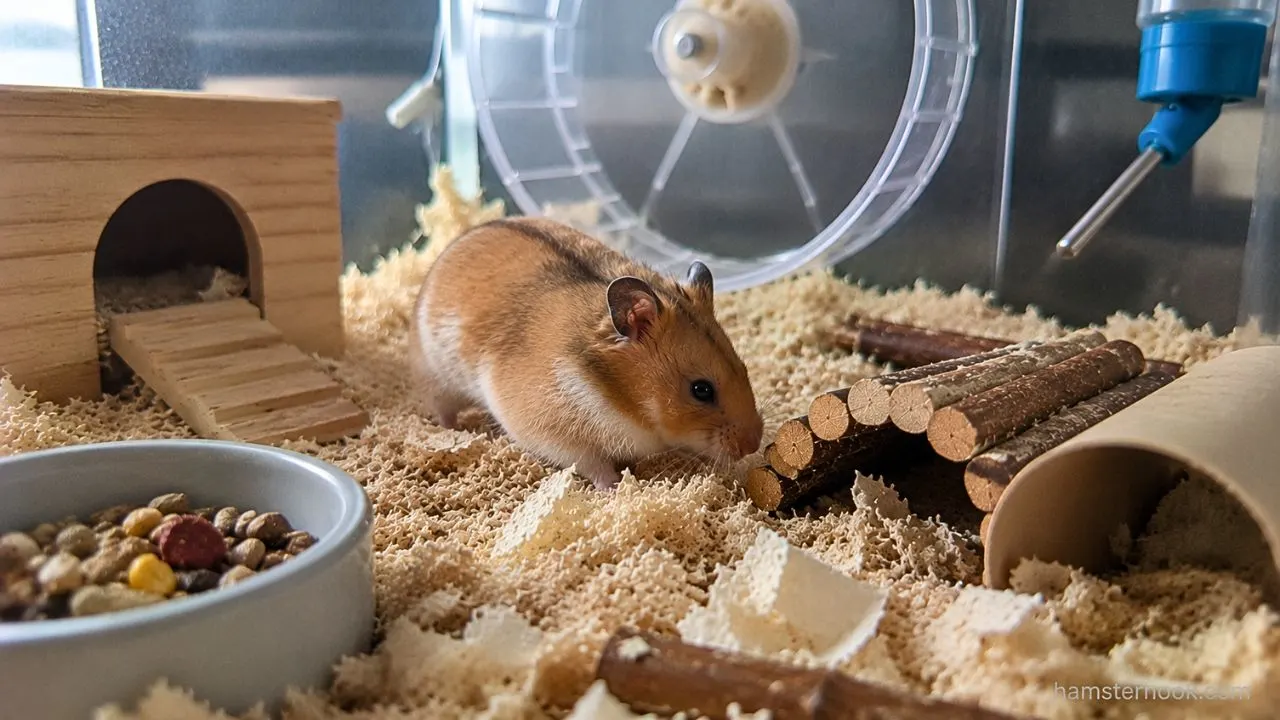
If your hamster sleeps through much of the day and becomes active later, that is usually part of its natural routine. Understanding when hamsters sleep and become active can help you choose better times for feeding, handling, cleaning, and interaction.
Hamsters are often described as nocturnal, but their activity pattern can be more nuanced. Many pet hamsters become active around evening, night, or early morning, with individual schedules varying.
In this guide, you’ll learn whether hamsters are nocturnal or crepuscular, why they sleep during the day, what a typical schedule can look like, and how to support healthy rest without unnecessarily disturbing your hamster.
Are Hamsters Nocturnal or Crepuscular?
Hamsters are often described as nocturnal, but their natural activity pattern can include crepuscular behavior, with activity commonly occurring around dusk, evening, night, or early morning. Individual hamsters can vary in exactly when they become active.

In the wild, hamsters spend much of their active time outside the brightest and hottest part of the day. Their natural rhythms are influenced by light, temperature, environment, and individual behavior.
Pet hamsters can retain these natural patterns even when living indoors, so their exact schedule may not match every other hamster.
What This Means for Owners
One thing many first-time owners don’t expect is that every hamster has its own routine within this general pattern. Some may wake shortly after sunset, while others stay hidden until much later in the evening. Rather than trying to change that schedule, spend a few days observing when your hamster naturally becomes active. Planning feeding, spot cleaning, and handling around those hours usually results in a calmer, more confident pet.
Your hamster will usually:
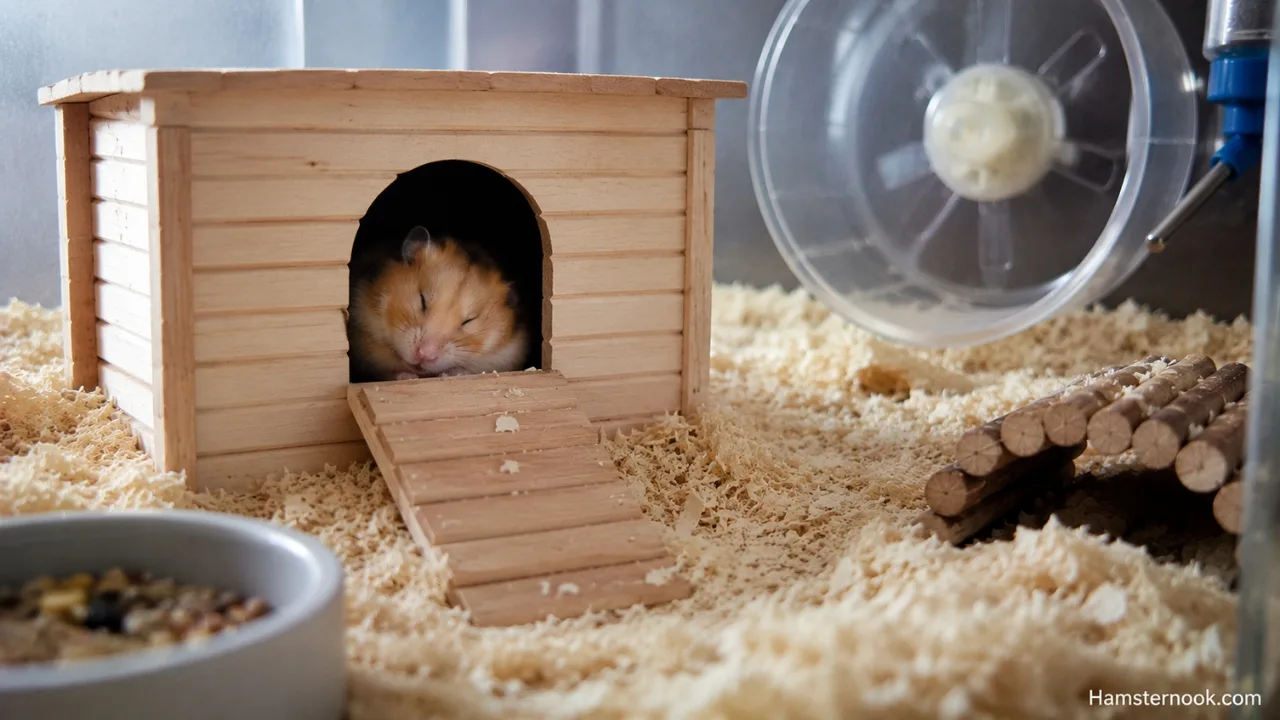
- Sleep for most of the daytime
- Wake up in the evening
- Become most active during the night
- Return to sleep early in the morning
Some hamsters may briefly wake during the day for water or food, but long daytime activity is uncommon.
Why Hamsters Sleep During the Day
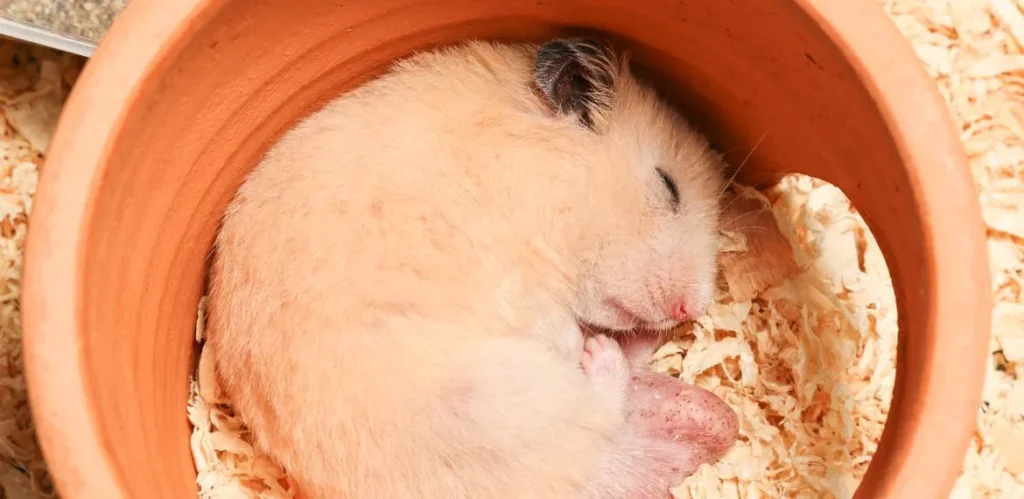
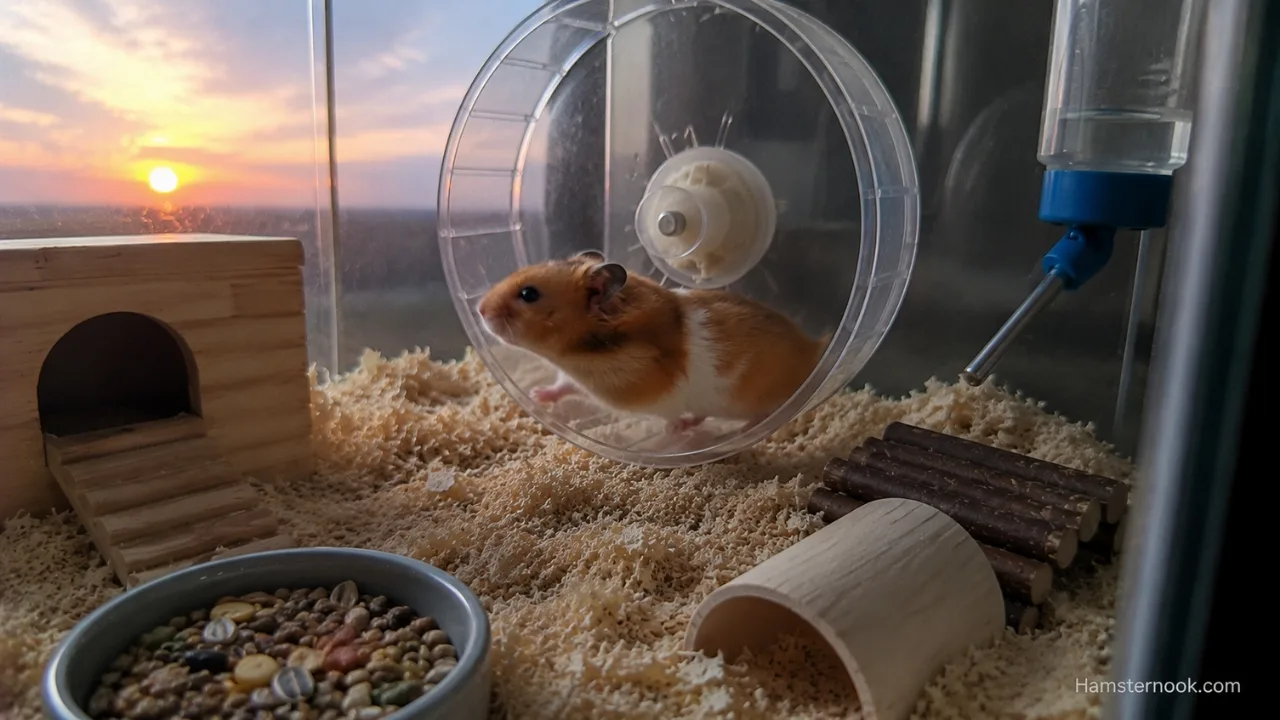
Hamsters are prey animals. In the wild, sleeping during daylight hours helped keep them hidden from predators like birds and snakes.
Even inside a safe home, those instincts remain strong.
Daytime sleep helps hamsters:
- Feel secure
- Conserve energy
- Avoid stress
- Maintain healthy body rhythms
Repeatedly or suddenly waking a sleeping hamster can cause stress and may increase the chance of defensive behavior.
Disturbed sleep and stress can sometimes lead to defensive behavior in hamsters. Learn the most common biting triggers and solutions in our hamster behavior guide.
If your hamster becomes defensive after being disturbed, understanding the common reasons behind biting can help you prevent future problems. Why Do Hamsters Bite? Causes & How To Stop It Safely
Typical Hamster Sleep Schedule
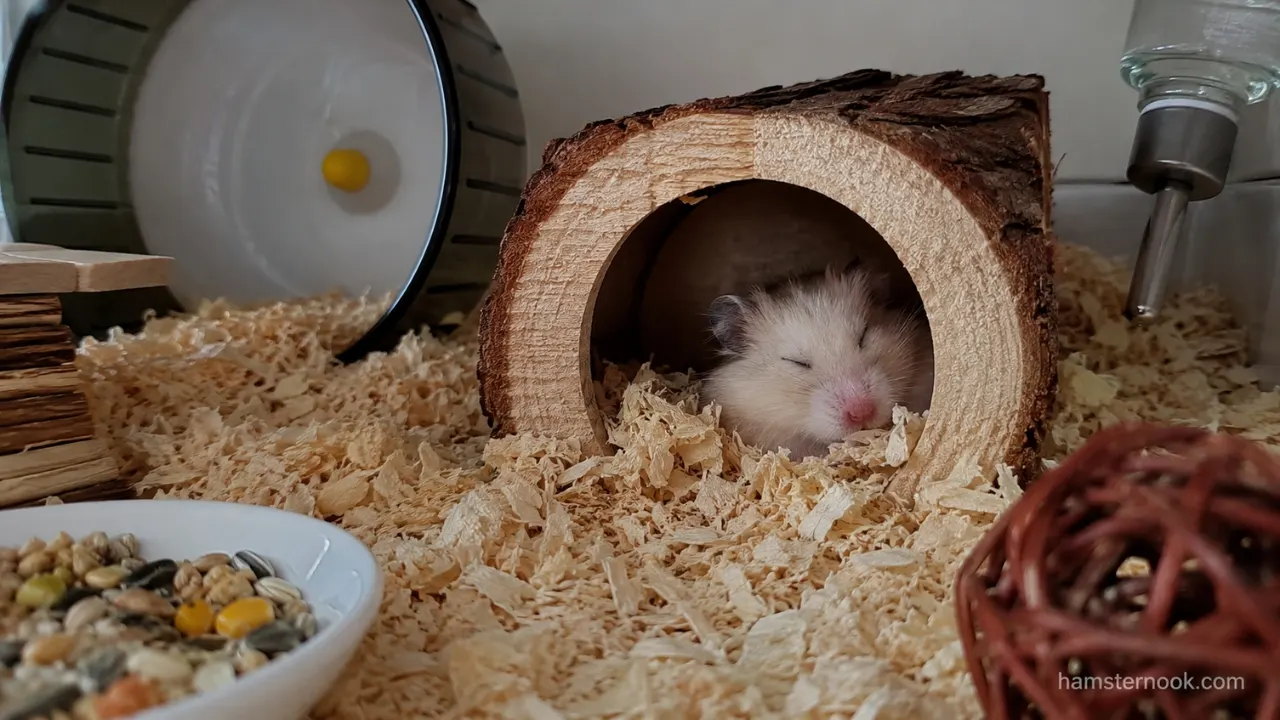
While every hamster has a slightly different routine, most follow a pattern similar to this:
| Time of Day | Common Hamster Behavior |
|---|---|
| Morning | Returning to nest and falling asleep |
| Afternoon | Deep sleep and minimal activity |
| Evening | Slowly waking up and exploring |
| Night | Peak activity: running, eating, digging, playing |
| Early Morning | Calming down and going back to sleep |
Some hamsters wake up earlier than others, especially if the room is quiet and dimly lit.
Do Hamster Species Have Different Sleep Patterns?
Different hamsters can have different individual schedules, even when they share the same general pattern of becoming more active later in the day.
| Hamster Type | General Activity Pattern |
|---|---|
| Syrian Hamster | Often active during the evening and night |
| Roborovski Hamster | Often very active during evening and nighttime |
| Campbell’s Dwarf Hamster | Commonly active during evening and night |
| Winter White Hamster | Often active around evening and nighttime |
| Chinese Hamster | Can be active during evening, night, or early morning |
These are general patterns rather than fixed schedules. Your hamster may wake earlier or later depending on its individual routine and environment.
Signs Your Hamster Has a Healthy Sleep Routine
Healthy sleep habits are easier to judge by looking at your hamster’s overall routine rather than the number of hours it sleeps. A hamster that eats well, maintains a healthy weight, regularly uses its wheel, and behaves normally during its active hours is usually following a healthy sleep pattern, even if its schedule differs slightly from another hamster’s.
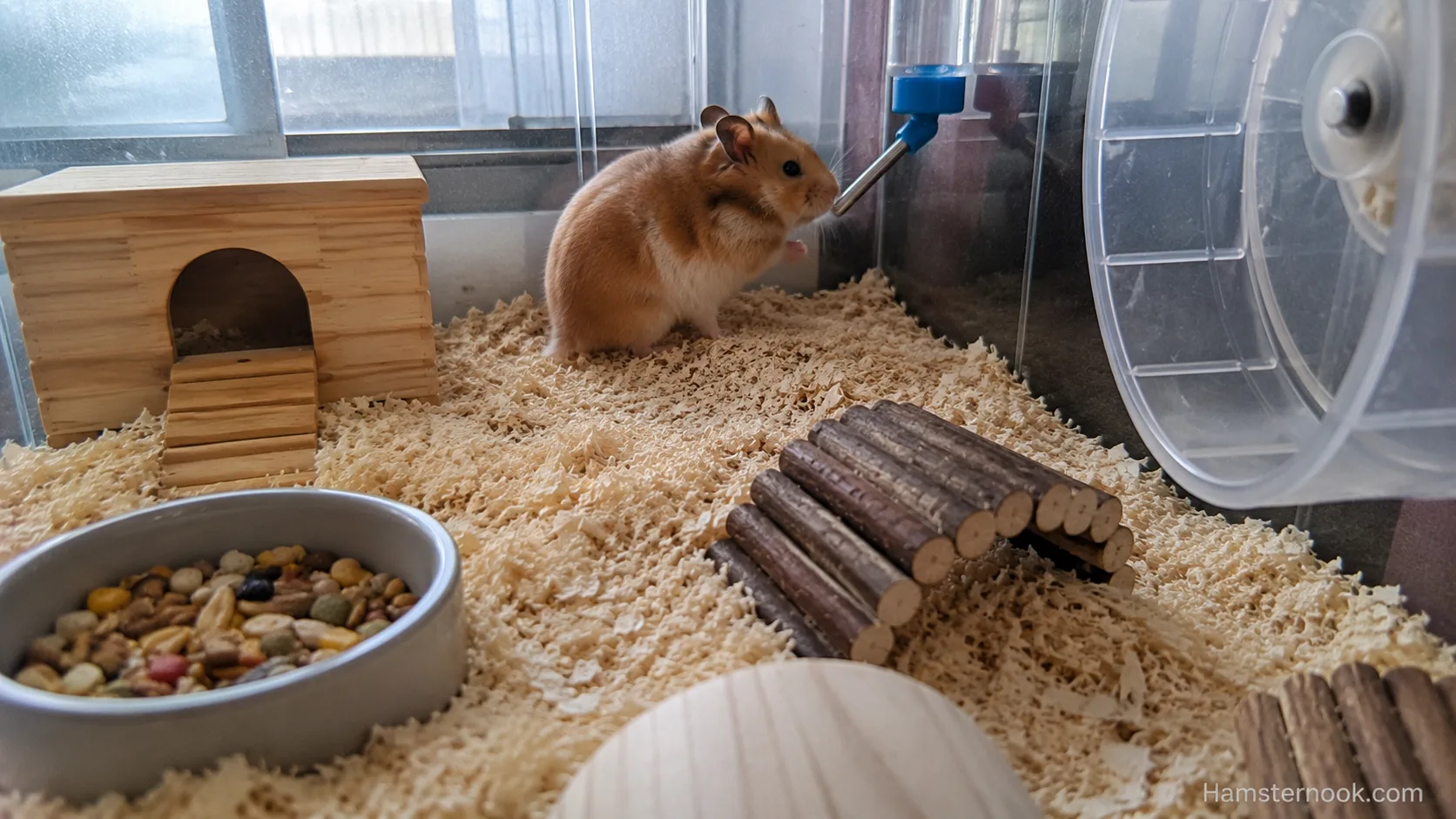
A healthy hamster usually:
- Sleeps peacefully during the day
- Wakes naturally in the evening
- Uses its wheel regularly at night
- Eats and drinks normally
- Explores confidently when awake
These behaviors can be consistent with a normal sleep routine, especially when your hamster is eating, drinking, exercising, and behaving normally when awake.
What Happens if You Wake a Sleeping Hamster?
Waking a hamster suddenly can be stressful and may trigger defensive behavior.
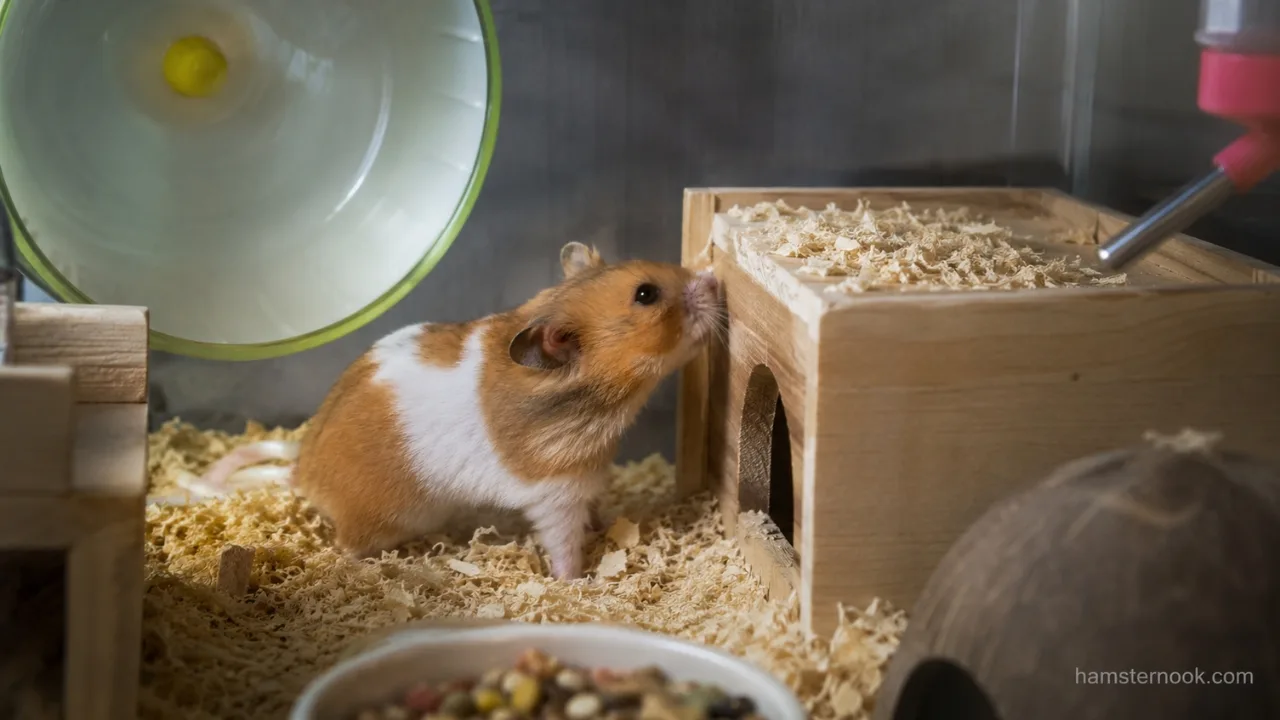
A startled hamster might:
- Bite unexpectedly
- Hide more often
- Become anxious
- Refuse interaction
- Show stress-related behaviors
Hamsters may also become temporarily disoriented if woken suddenly. If woken abruptly, they may not immediately recognize their surroundings and react out of fear.
This is why children should never grab or pick up a sleeping hamster.
Best Time to Play With Your Hamster
The best bonding time is usually:
- Early evening
- Late evening
- Shortly after your hamster wakes naturally
Wait until your hamster:
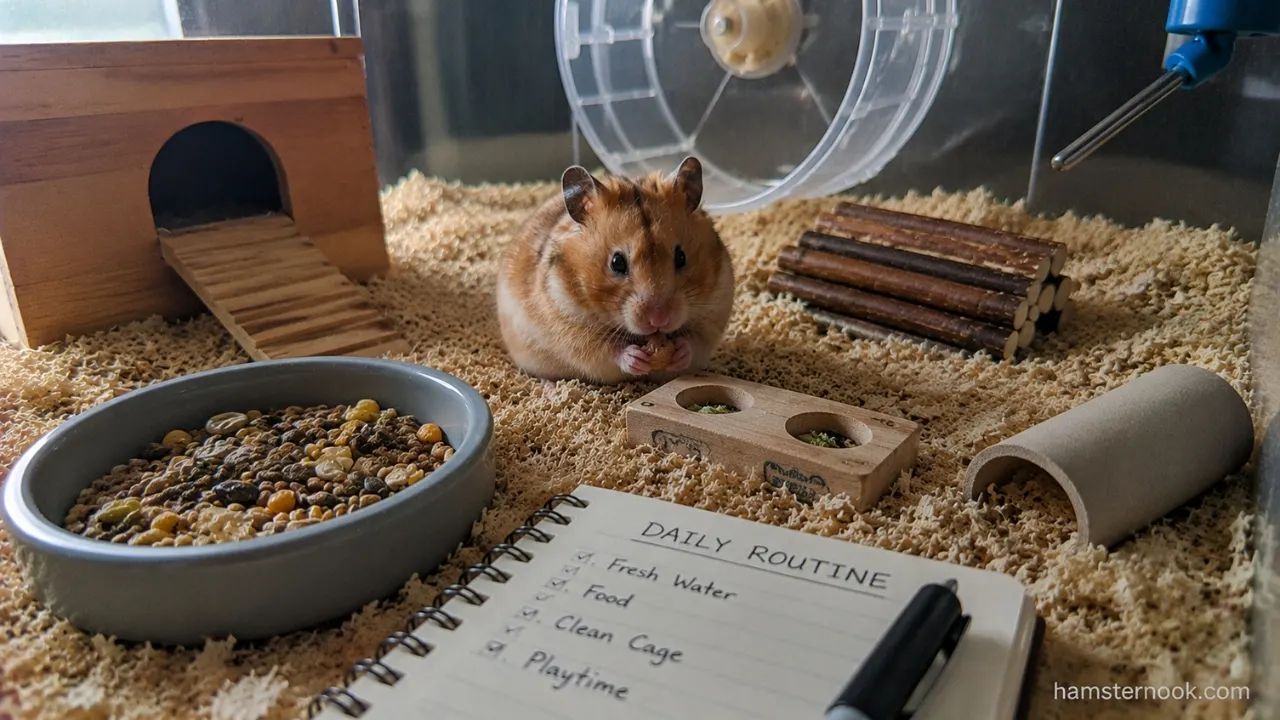
- Comes out of its nest willingly
- Looks alert and active
- Begins grooming or exploring
Avoid forcing interaction during daytime hours.
Can Hamsters Adjust to Your Schedule?
Seasonal changes and your home’s environment can also influence when a hamster becomes active. During warmer months, some hamsters may wait until the room cools before leaving their nest, while a consistently quiet household may encourage earlier evening activity. Small shifts like these are normal as long as your hamster continues eating, drinking, exercising, and behaving normally when awake.
Some hamsters may slightly adapt to household routines, especially if the environment stays calm and predictable.
However, you should never try to completely reverse their natural sleep cycle.
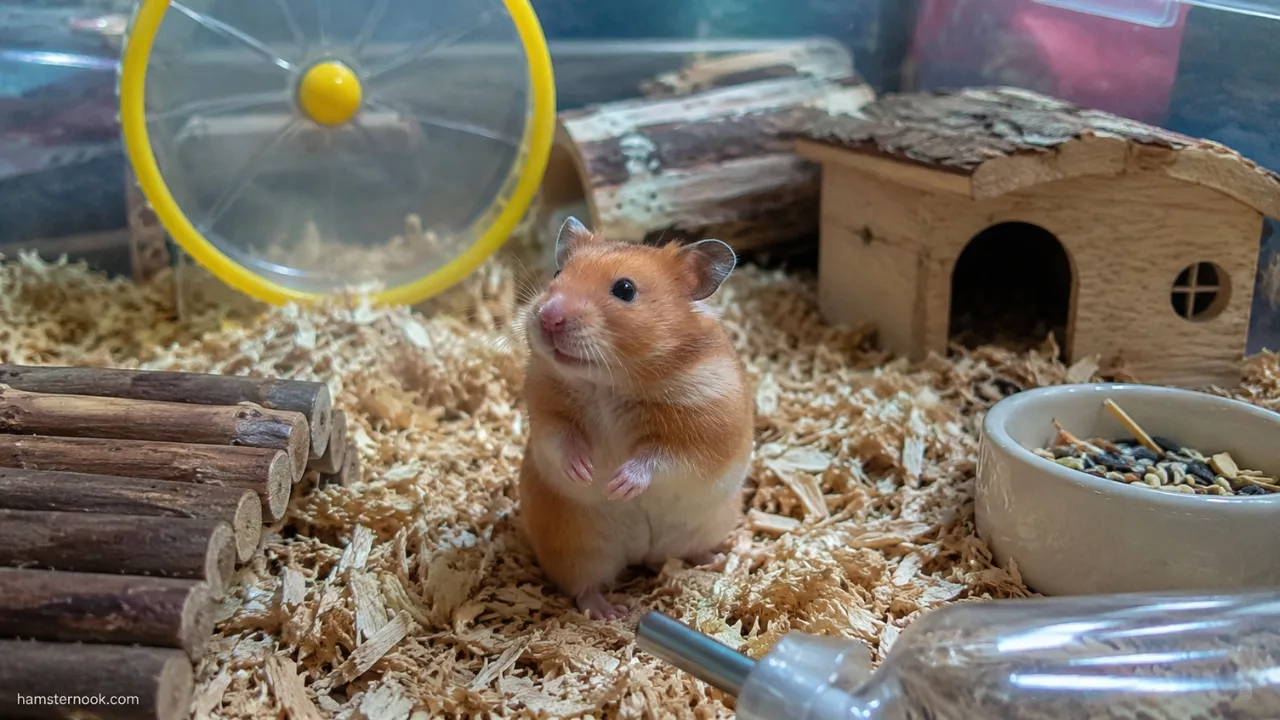
Repeatedly disrupting a hamster’s normal sleep and rest periods may contribute to stress or changes in behavior, such as:
- Increased hiding
- Defensive behavior
- Changes in appetite
- Lower activity during normal awake periods
- Increased fearfulness or irritability
If these changes persist or occur alongside other unusual symptoms, monitor your hamster closely and consider veterinary advice.
It’s healthier to adapt your routine around your hamster’s natural behavior instead of expecting them to behave like daytime pets.
How to Support a Healthy Hamster Sleep Schedule
Keep the Cage in a Quiet Area
Avoid placing the enclosure near:
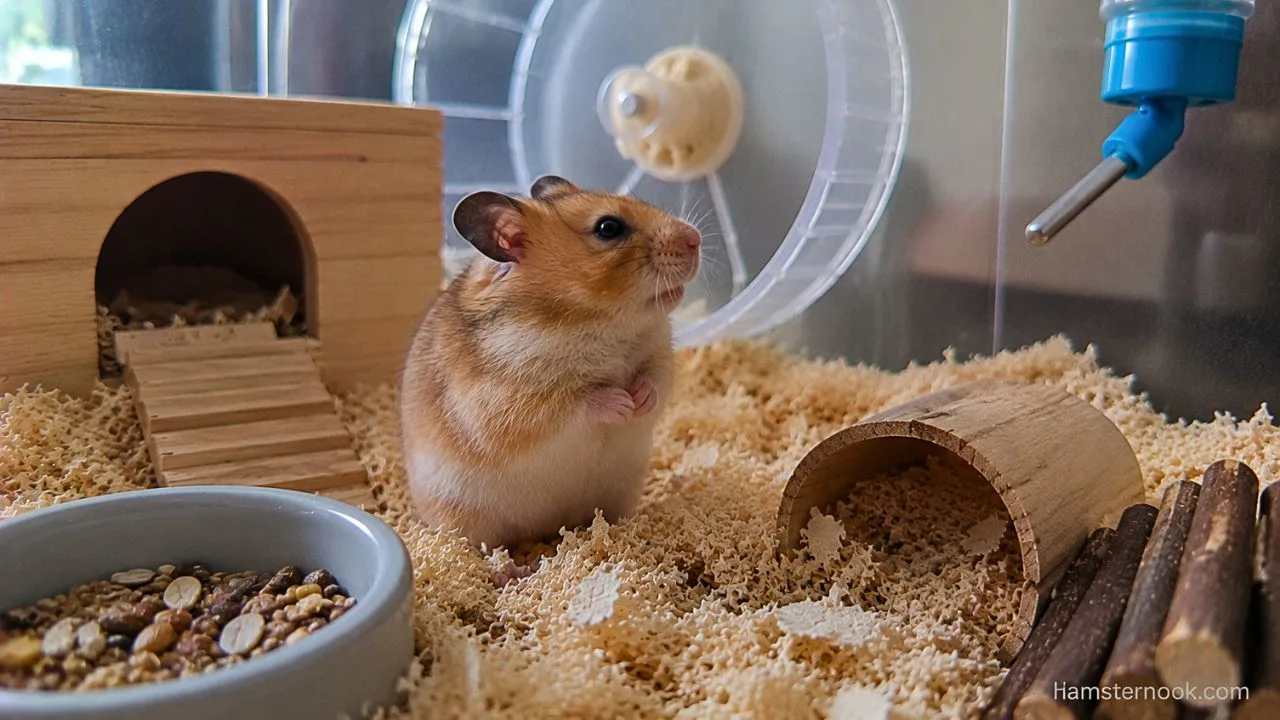
- Loud TVs
- Constant foot traffic
- Speakers
- Bright windows
A calm environment helps your hamster sleep properly during the day.
Avoid Bright Lights at Night
Hamsters prefer dim lighting when awake.
Very bright room lights late at night may make some hamsters uncomfortable or cautious.
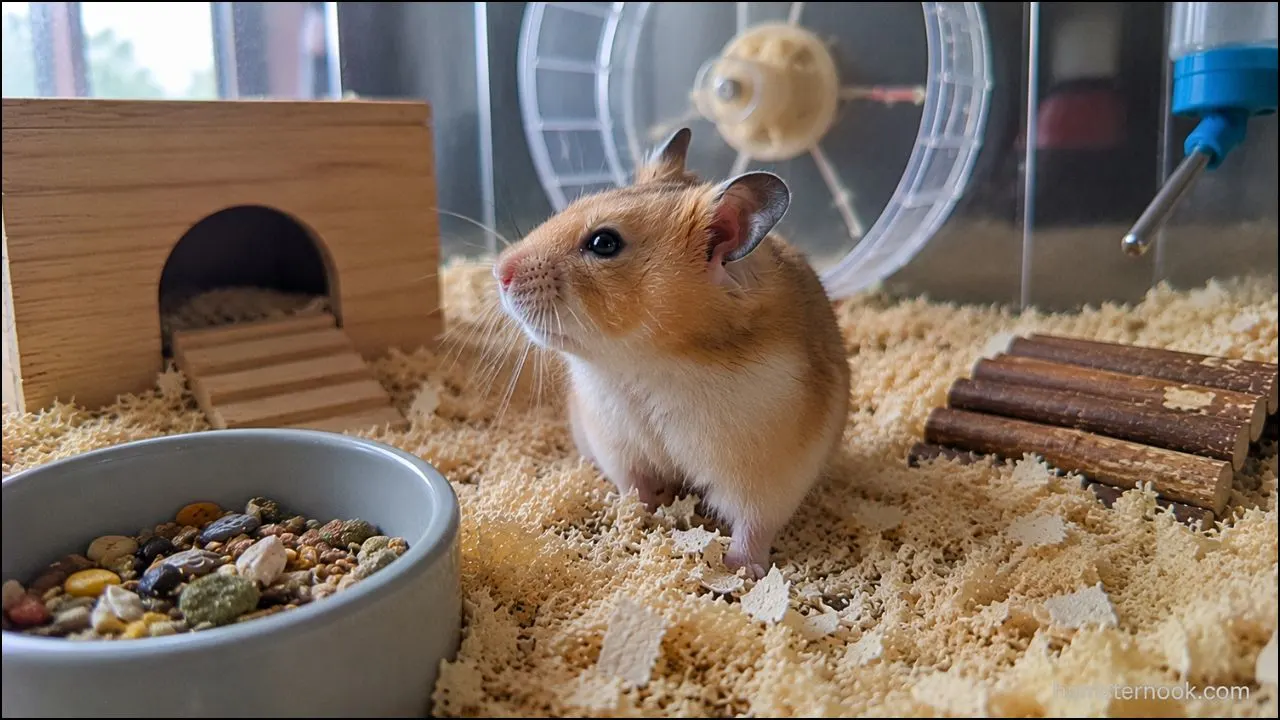
Provide a Proper Hiding Spot
Every hamster needs a secure sleeping area.

Good options include:
- Wooden hideouts
- Multi-chamber hides
- Paper bedding nests
- Tunnel systems
A safe sleeping space reduces stress and improves sleep quality.
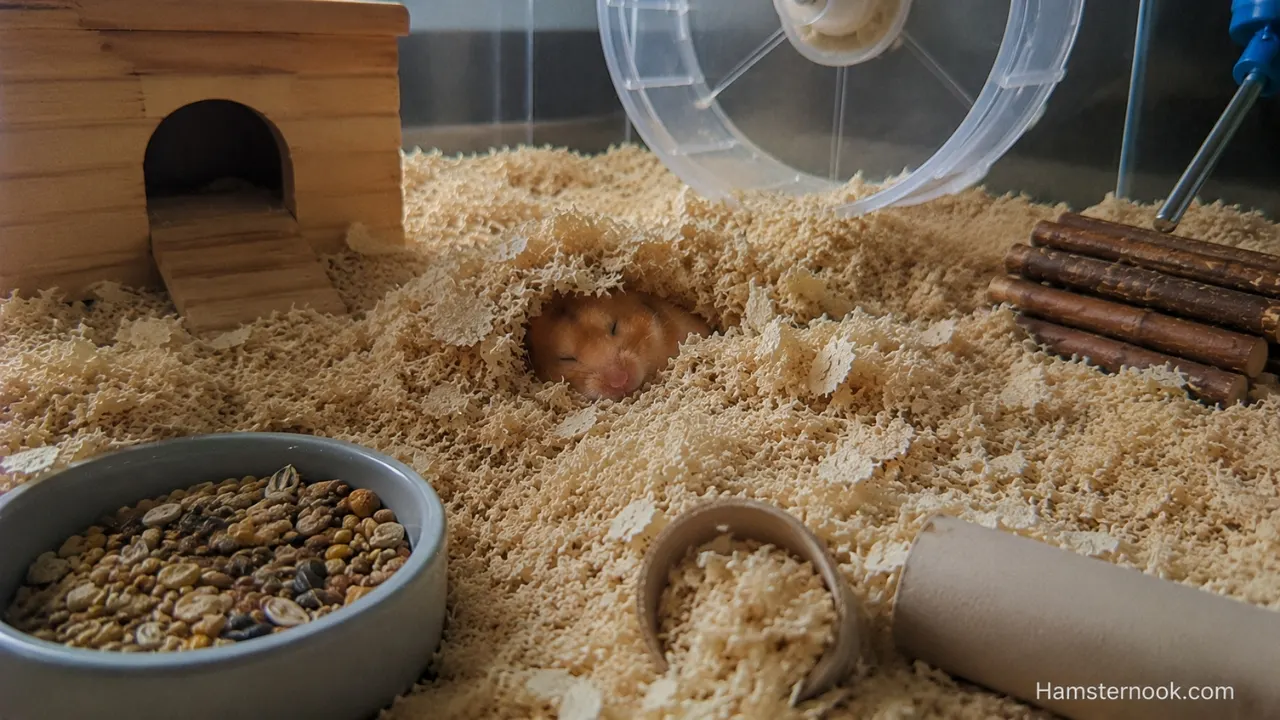
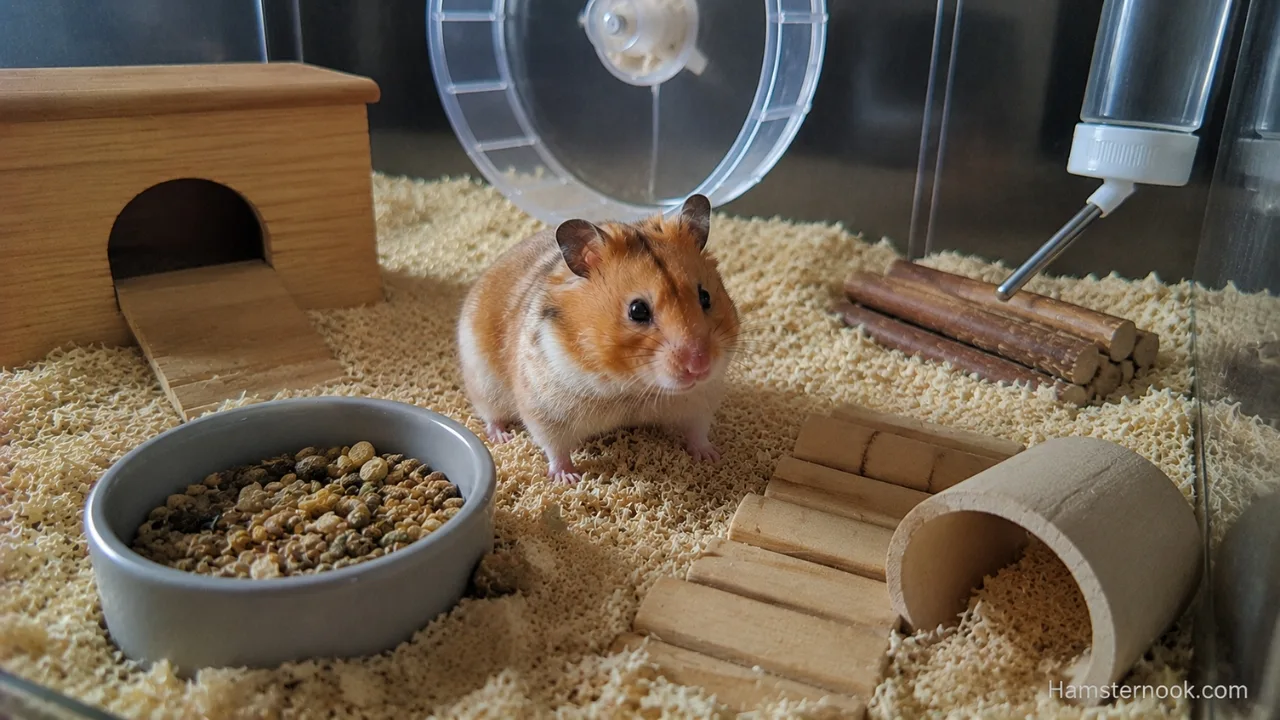
A properly designed enclosure with deep bedding and secure hideouts can significantly improve hamster comfort and sleep quality.
A well-designed habitat makes it much easier for hamsters to sleep undisturbed during the day. Our guide to Best Hamster Cage Setup for Beginners explains which enclosure features support healthy rest.
Maintain a Consistent Routine
Hamsters thrive on predictable schedules.
Try to:
- Feed them around the same time daily
- Clean the cage consistently
- Handle them during their normal awake hours
Consistency helps them feel secure.
Is It Normal for a Hamster to Be Awake During the Day?
Occasional daytime activity is completely normal.
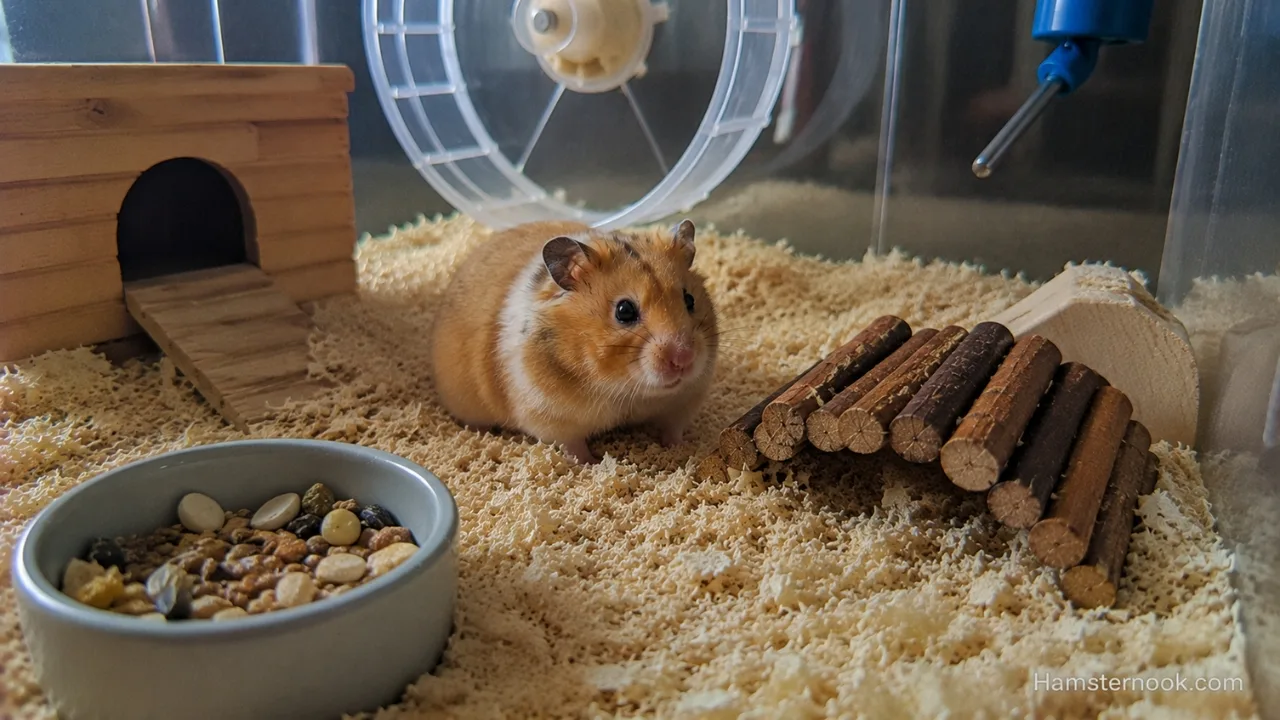
Your hamster may wake briefly to:
- Drink water
- Eat food
- Rearrange bedding
- Use the bathroom
However, if a hamster suddenly becomes active all day and restless at night, it may indicate:
- Stress
- Environmental disturbance
- Illness
- Improper lighting conditions
Major behavior changes should always be monitored carefully.
Changes in sleeping habits combined with weakness, appetite loss, or unusual behavior may sometimes indicate illness. Learn the most common warning signs in our hamster health guide.
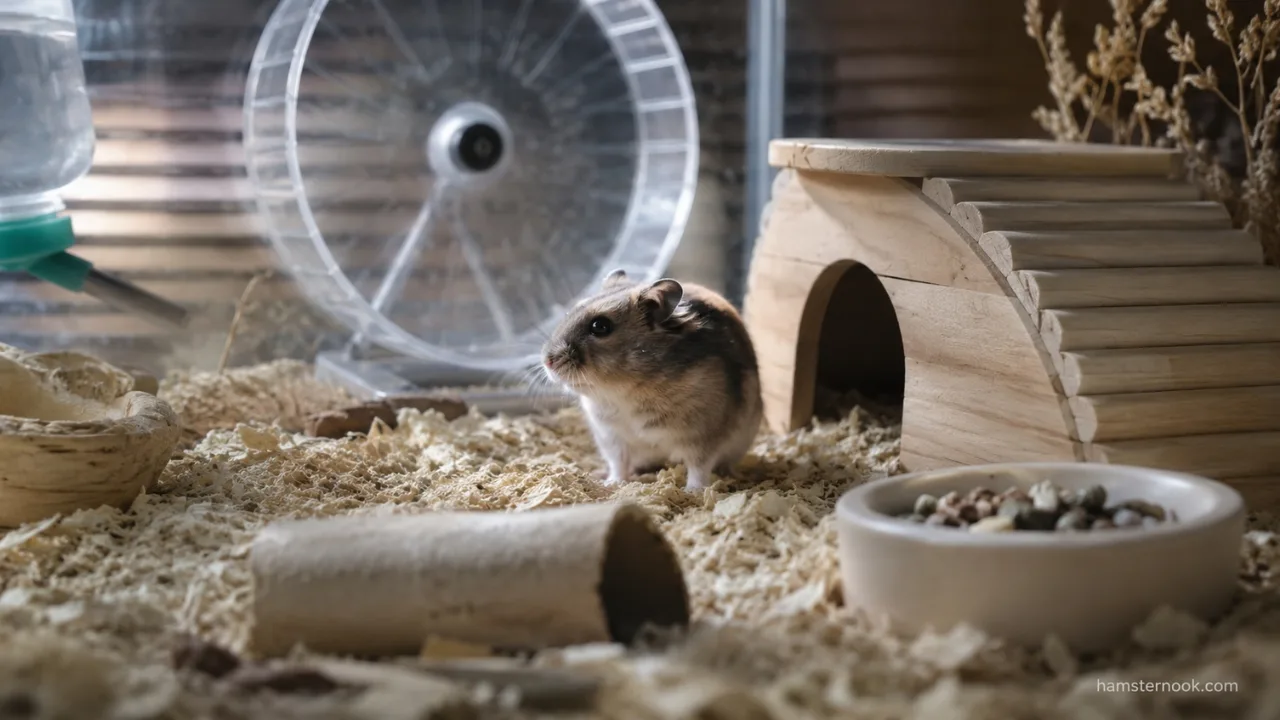
If your hamster’s sleeping routine changes along with other unusual symptoms, our guide on Signs of a Sick Hamster explains when those changes may require closer attention.
How to Tell if Your Hamster Is Sleeping Normally
Most healthy hamsters follow a fairly predictable routine, but it’s helpful to know what normal sleep actually looks like. A sleeping hamster should appear relaxed, breathe quietly, and wake on its own when it feels ready. It’s also common for them to change sleeping positions or briefly leave the nest for food or water before returning to sleep.
You should pay closer attention if your hamster becomes difficult to wake during its usual active hours, stops using its wheel for several nights, or remains inactive even after the room becomes quiet and dark. Changes like these don’t always indicate illness, but they deserve closer observation, especially if they’re accompanied by weight loss or a reduced appetite.
Can Hamsters Sleep Too Much?
Hamsters naturally sleep a lot compared to many other pets.
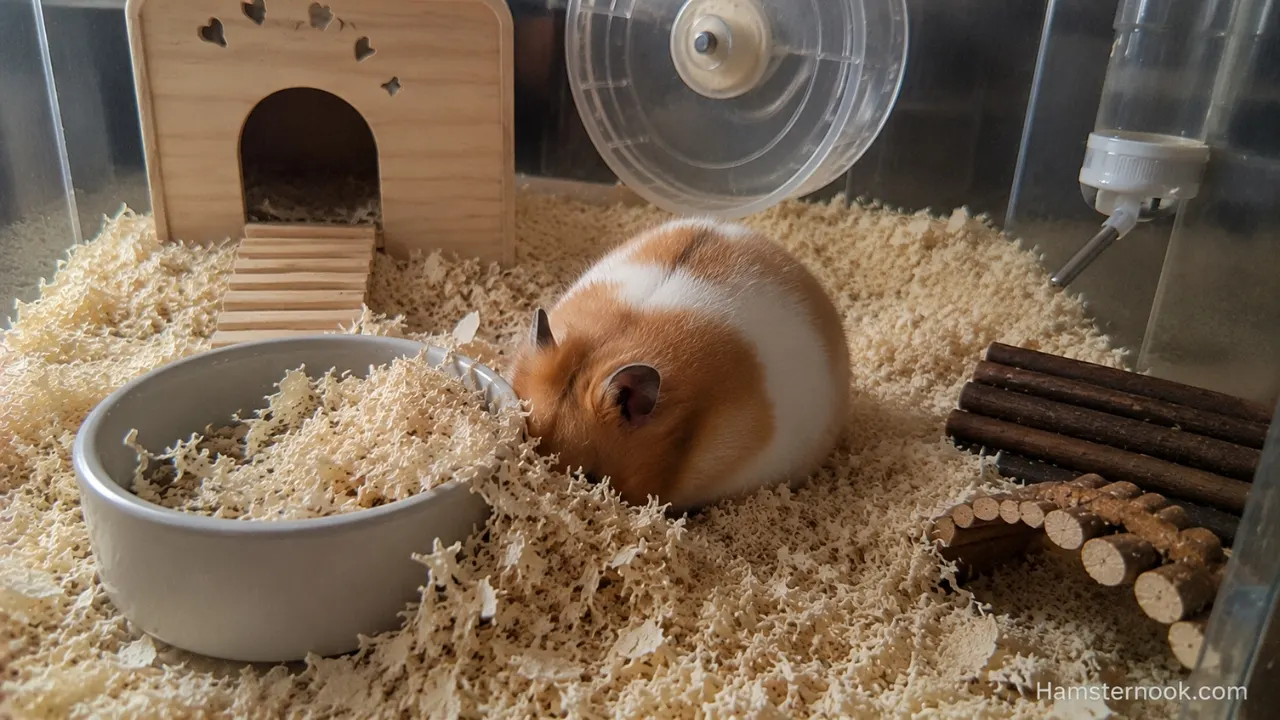
Most sleep:
Hamsters can spend a large part of the daytime resting or sleeping, although the exact amount varies between individuals.
Young, older, or temporarily stressed hamsters may have different activity and rest patterns.
But excessive lethargy combined with symptoms like:

- Weight loss
- Weakness
- Loss of appetite
- Breathing problems
could signal illness and may require veterinary attention.
Should You Cover a Hamster Cage at Night?
Usually, no.
Hamsters do not require cage covers at night unless:
- The room stays unusually bright
- There are constant disturbances
- The environment is stressful
Instead of covering the cage completely, it’s better to maintain a naturally dim, quiet room.
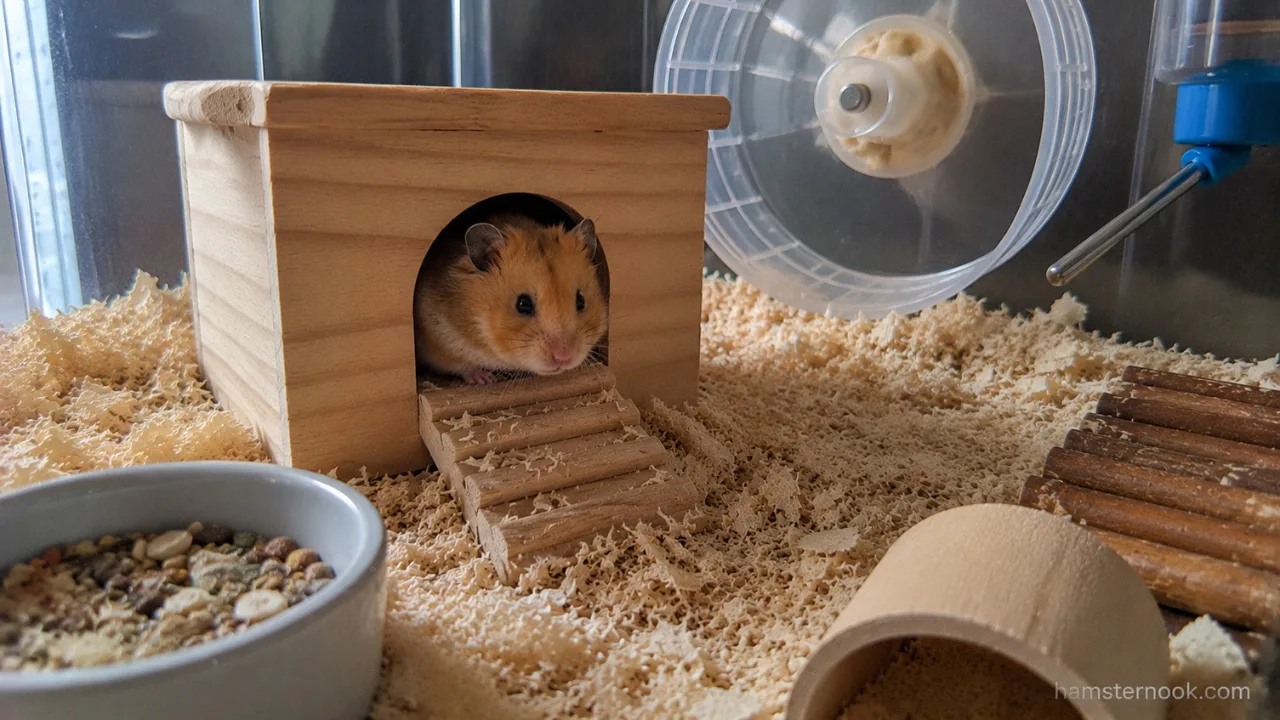
Poor airflow from heavy cage coverings can sometimes create problems.
Are Hamsters Good Pets for Children if They Sleep During the Day?
Hamsters can still make good pets for older children, but families should understand their schedule before bringing one home.
Very young children may become disappointed because:
- The hamster sleeps during school hours
- Interaction time happens mainly in the evening
- Hamsters dislike rough daytime handling
For families wanting a daytime-active pet, other small animals may be a better fit.
Common Mistakes Owners Make With Hamster Sleep
Waking the Hamster Frequently
Repeatedly disturbing sleep increases stress and biting risk.
Keeping the Cage in Bright Sunlight
Excessive light and heat can disrupt natural rhythms and create health risks.
Expecting Daytime Playfulness
Hamsters are not naturally daytime-social pets like dogs or some rodents.
Ignoring Noisy Night Activity
Wheel running and digging at night are completely normal behaviors.

Trying to stop nighttime activity usually creates frustration for both owner and hamster.
If you’ve recently adopted your first hamster, don’t worry if your pet seems to ignore you during the day. Building trust takes patience, and respecting your hamster’s natural sleep schedule is one of the easiest ways to reduce stress. Many owners find that quiet evening interactions and a consistent routine lead to a friendlier, more confident hamster over time.
Final Thoughts
Hamsters are often described as nocturnal, but their activity can also occur around dusk, evening, night, and early morning. Individual schedules vary, so there is no need to force every hamster into the same routine.
Allow your hamster to wake naturally, provide a quiet and comfortable sleeping area, and plan handling and interaction around its normal active periods. Respecting its natural rest cycle can help create a calmer and more predictable routine at home.
Frequently Asked Questions
Can room lights affect my hamster’s sleep schedule?
Yes. Bright lights late in the evening or frequent changes between light and darkness may make some hamsters more cautious about leaving their nest. Keeping a consistent day-night lighting pattern helps support their natural activity cycle.
Do hamsters sleep all day?
Most hamsters sleep through much of the daytime and become active in the evening or night.
What time do hamsters usually wake up?
Many pet hamsters wake between evening and late night, though exact times vary by individual hamster and household environment.
Can I wake my hamster up to play?
It’s better to wait until your hamster wakes naturally. Sudden waking can cause stress or defensive biting.
Are hamsters active every night?
Healthy hamsters are usually active nightly, especially when they have enough space, enrichment, and exercise opportunities.
Are hamsters nocturnal or crepuscular?
Hamsters are often described as nocturnal, but many show activity around dusk, evening, night, or early morning. Their exact schedule varies between individuals and can also be influenced by their environment.
Why is my hamster running all night?
Nighttime wheel running is completely normal. Hamsters naturally travel long distances in the wild and need regular exercise.
Do hamsters need darkness to sleep?
Hamsters generally prefer dim, quiet conditions for proper rest, though they do not require total darkness during daytime sleep.
References
This guide is based on hamster sleep patterns, natural behavior, activity cycles, welfare, and husbandry guidance from trusted animal welfare and veterinary resources, including:
- RSPCA – Hamster Behaviour – Guidance on natural hamster behavior, activity patterns, sleeping, handling, and environmental factors that can affect behavior.
- RSPCA – Keeping Hamsters as Pets – General guidance on hamster care, behavior, housing, activity, and welfare.
- Blue Cross – Hamster Care Guide – Practical information on hamster behavior, daily care, sleeping, handling, housing, and wellbeing.
- MSD Veterinary Manual – Providing a Home for a Hamster – Veterinary guidance on hamster housing, environmental conditions, activity, exercise, and suitable resting areas.
- NC3Rs – Housing and Husbandry: Hamster – Guidance on hamster housing, environmental conditions, husbandry, and supporting species-appropriate behavior.

Narayan Kumar is the founder and author of HamsterNook. He creates practical, research-based hamster care guides covering hamster behavior, nutrition, cage setup, enrichment, health, and everyday care. His goal is to help hamster owners make informed decisions and provide safer, healthier lives for their pets through clear, beginner-friendly information based on trusted animal care resources.