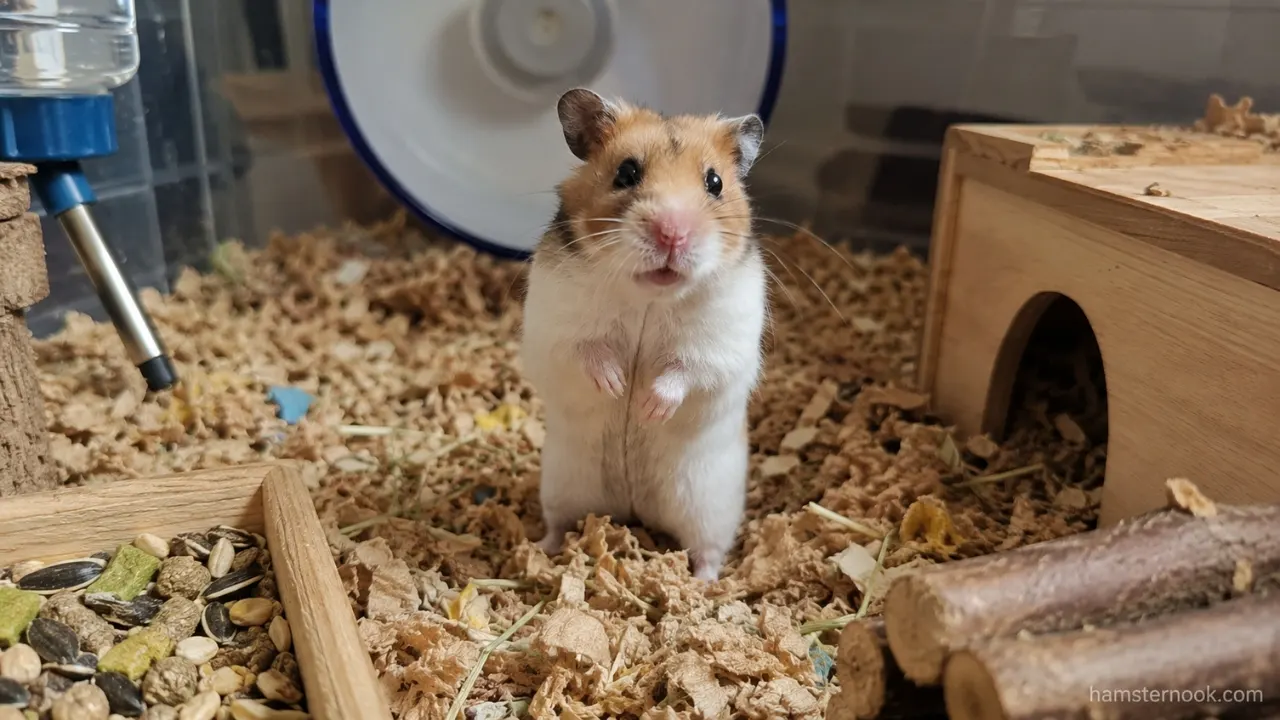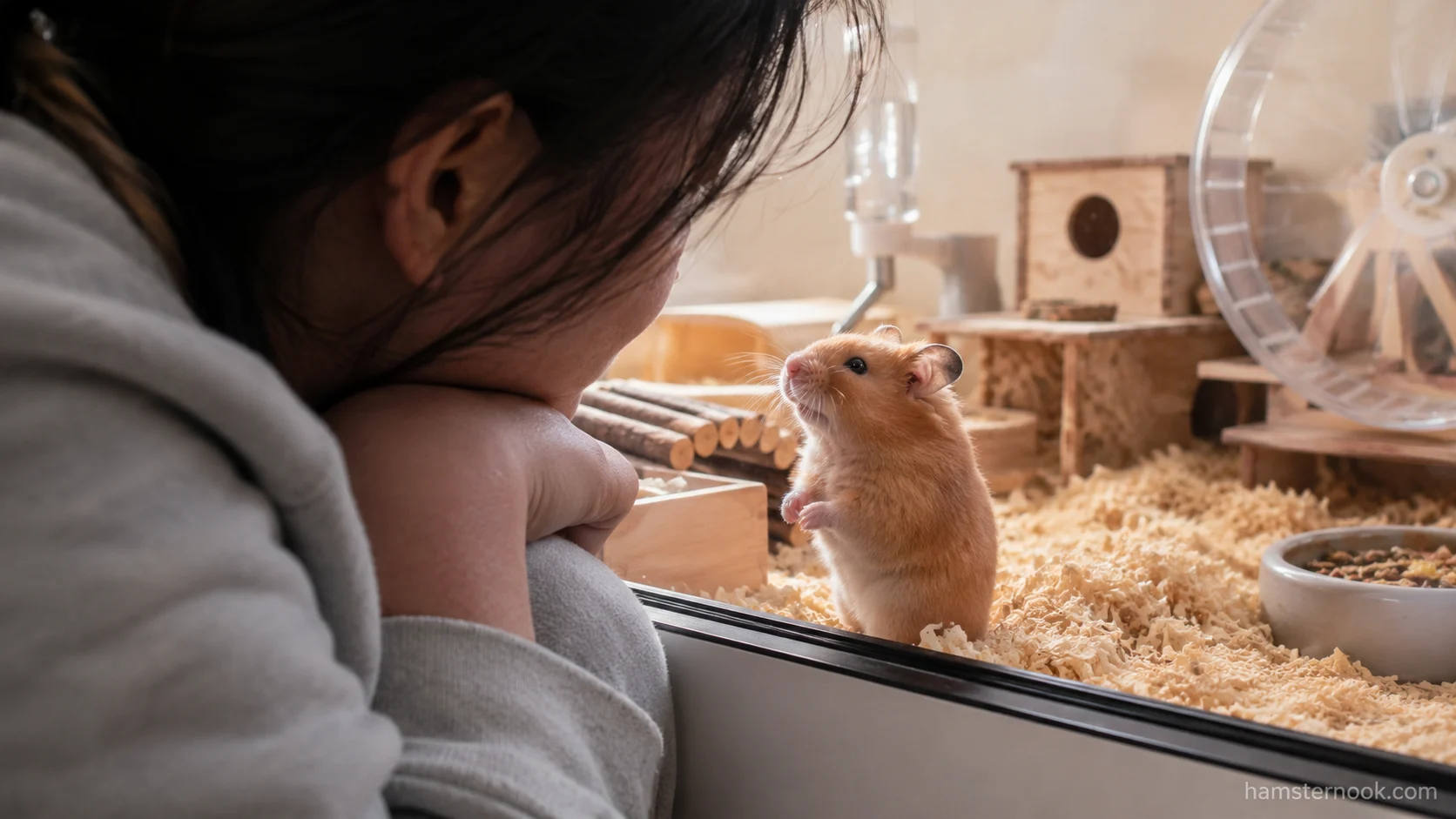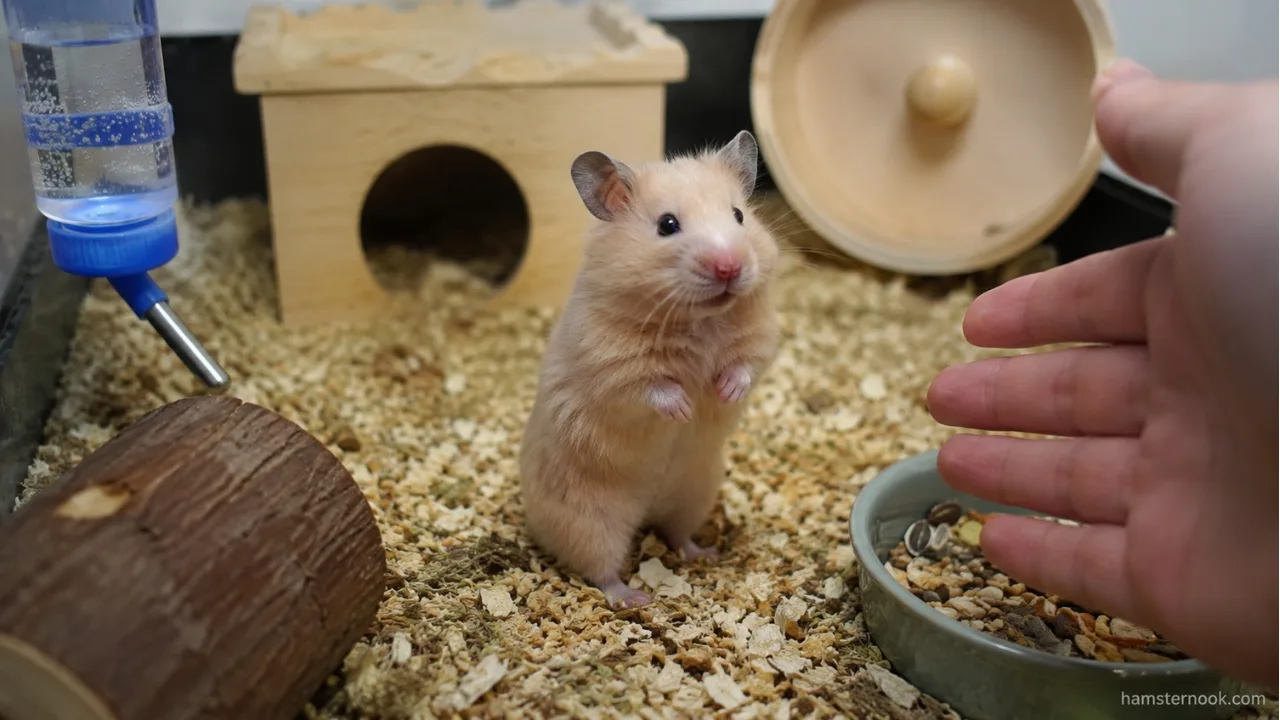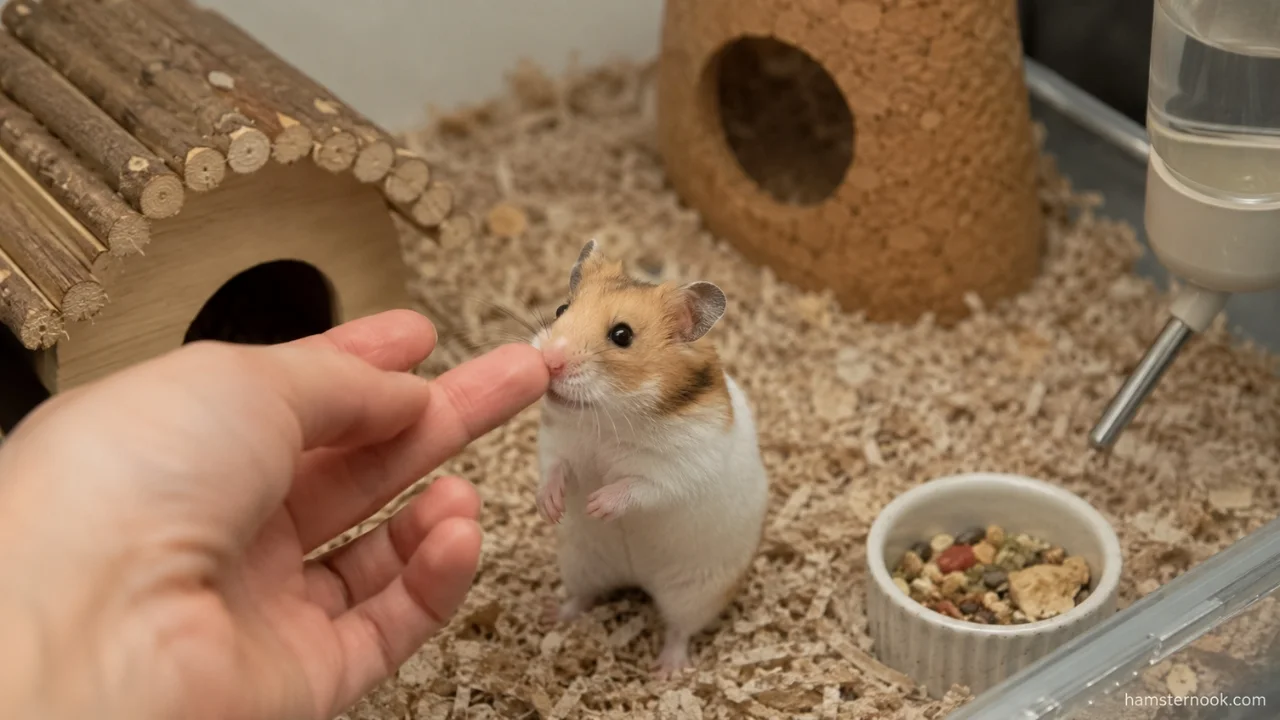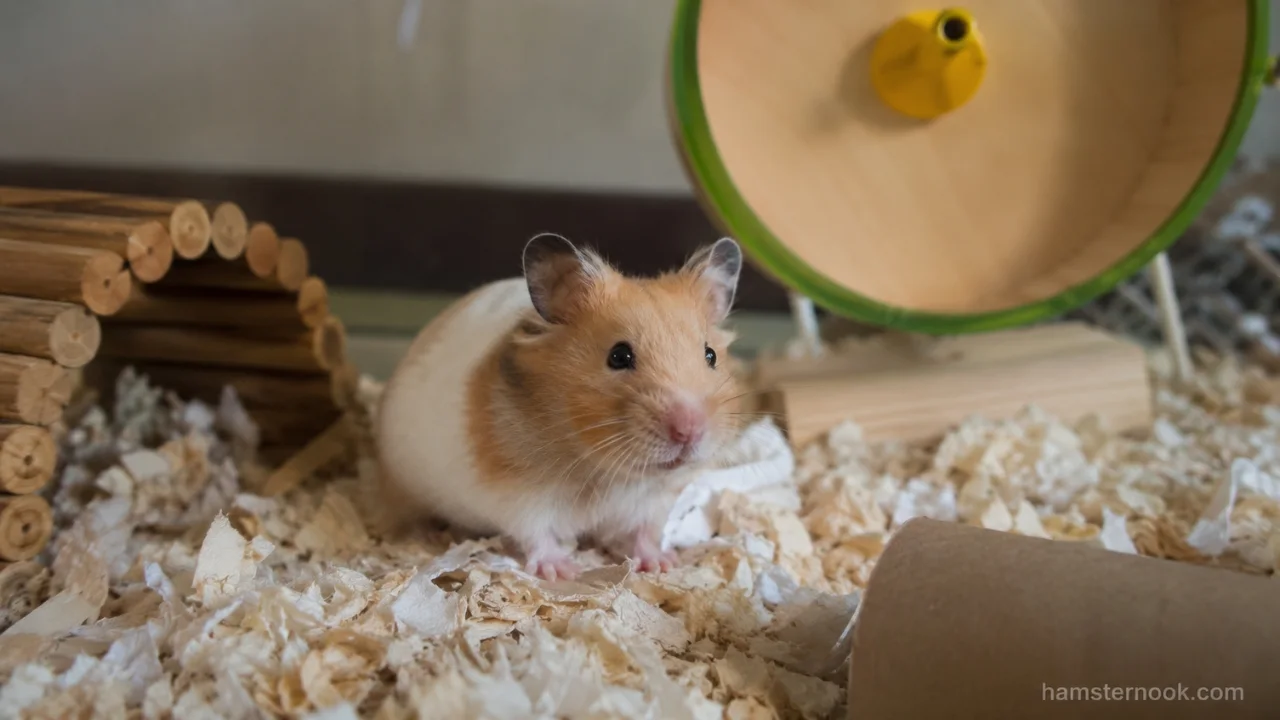
A hamster may spend most of its life inside a cage, but that does not mean it is content simply sitting in one place. Hamsters are naturally active, curious animals that spend their nights exploring, digging, foraging, and investigating their surroundings. When those natural behaviors are restricted, boredom can become a real problem.
Many owners assume that providing food, water, and a wheel is enough. While those essentials are important, they do not automatically create a stimulating environment. A hamster that lacks opportunities to explore and engage with its surroundings may develop stress-related behaviors that affect both its physical and mental well-being.
Once you understand why boredom happens, it becomes much easier to create a cage setup that keeps your hamster busy and interested in its surroundings.
For many owners, the first clue is a behavior change. A hamster that once seemed content may suddenly start chewing bars, pacing around the enclosure, or trying to escape more often.
Quick Answer:
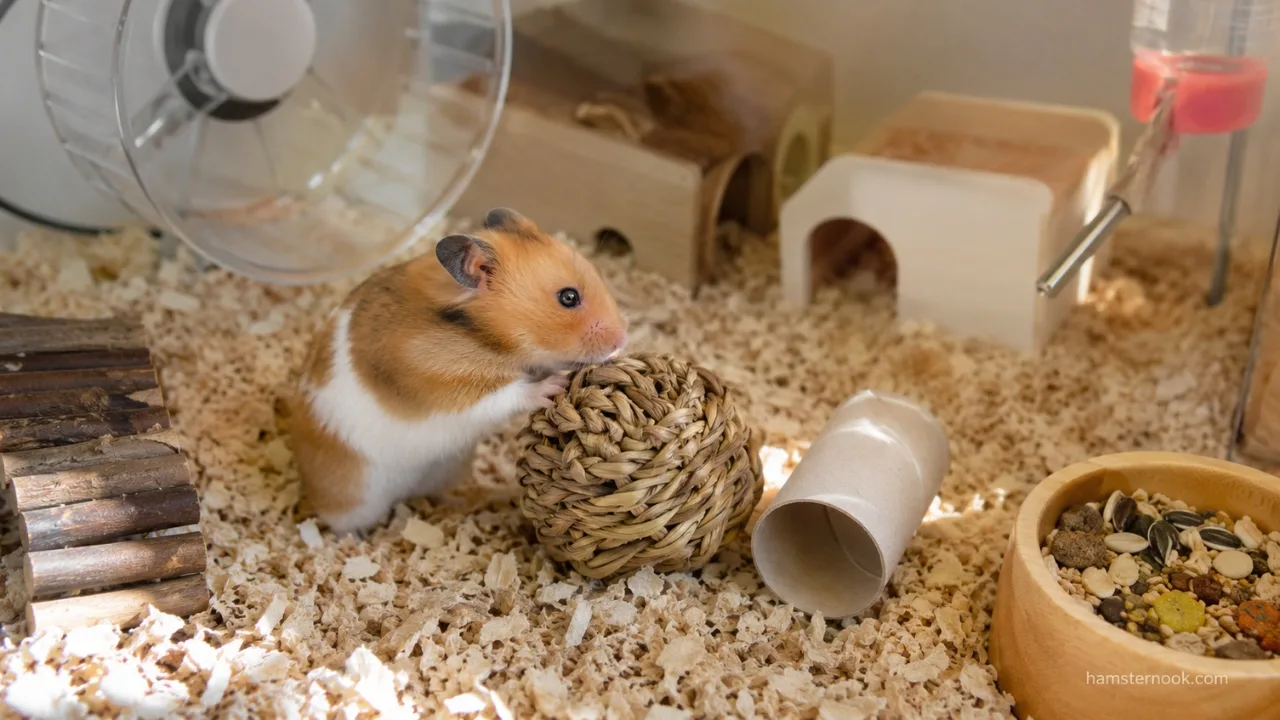
Yes, hamsters can get bored in their cage if they lack enrichment, space, and opportunities to explore. Common signs include bar chewing, repetitive pacing, excessive climbing, and reduced engagement with toys or activities. Providing deeper bedding, foraging opportunities, tunnels, and varied enrichment helps prevent boredom and supports natural behavior.
Can Hamsters Actually Get Bored?
Yes, hamsters can become bored.
Although they are small animals, hamsters have strong natural instincts. In the wild, they spend hours searching for food, creating burrows, and exploring large territories. Pet hamsters still have these instincts, even when living in captivity.
When a hamster has nothing new to investigate, limited space, or very little enrichment, it may struggle to express normal behaviors. Over time, this lack of stimulation can lead to frustration and repetitive habits.
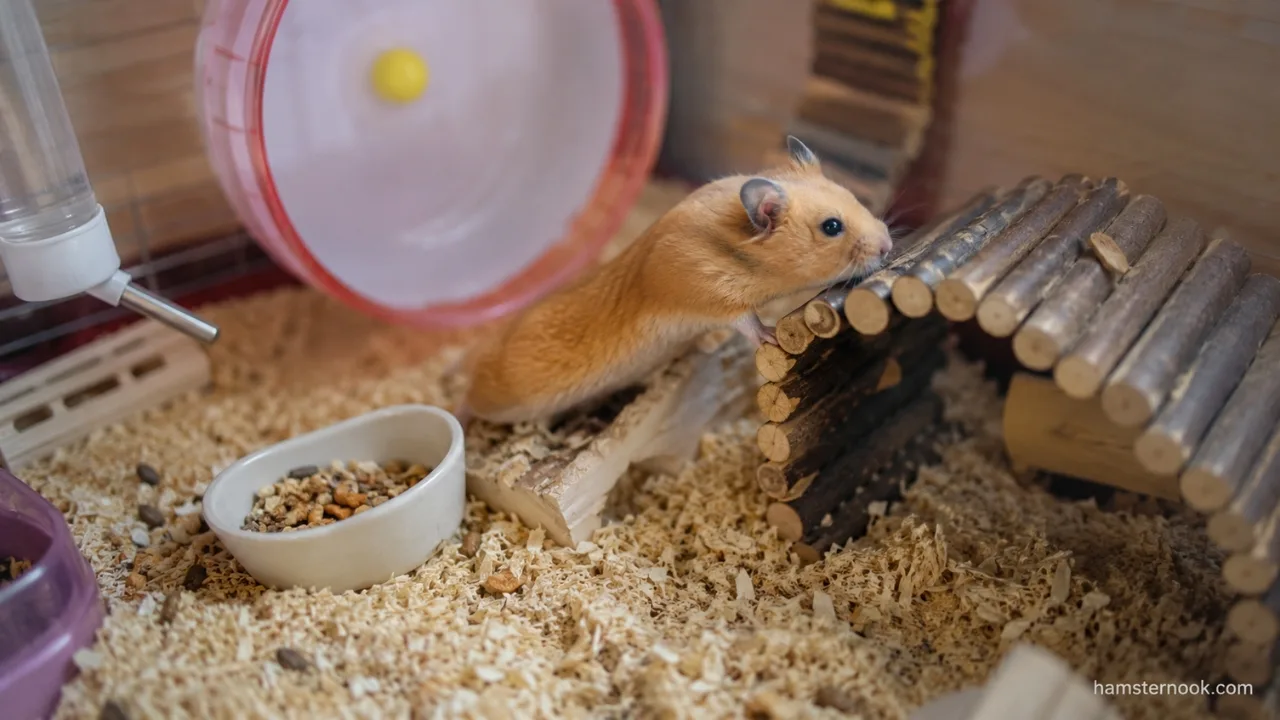
While boredom isn’t a medical condition, it can still affect a hamster’s behavior, activity level, and overall well-being.
Why Hamsters Need Mental Stimulation
Hamsters need more than physical exercise—they also need things that encourage them to explore, investigate, and stay curious.
Just as physical exercise helps maintain body health, enrichment helps support natural behaviors and mental well-being.
Benefits of enrichment include:
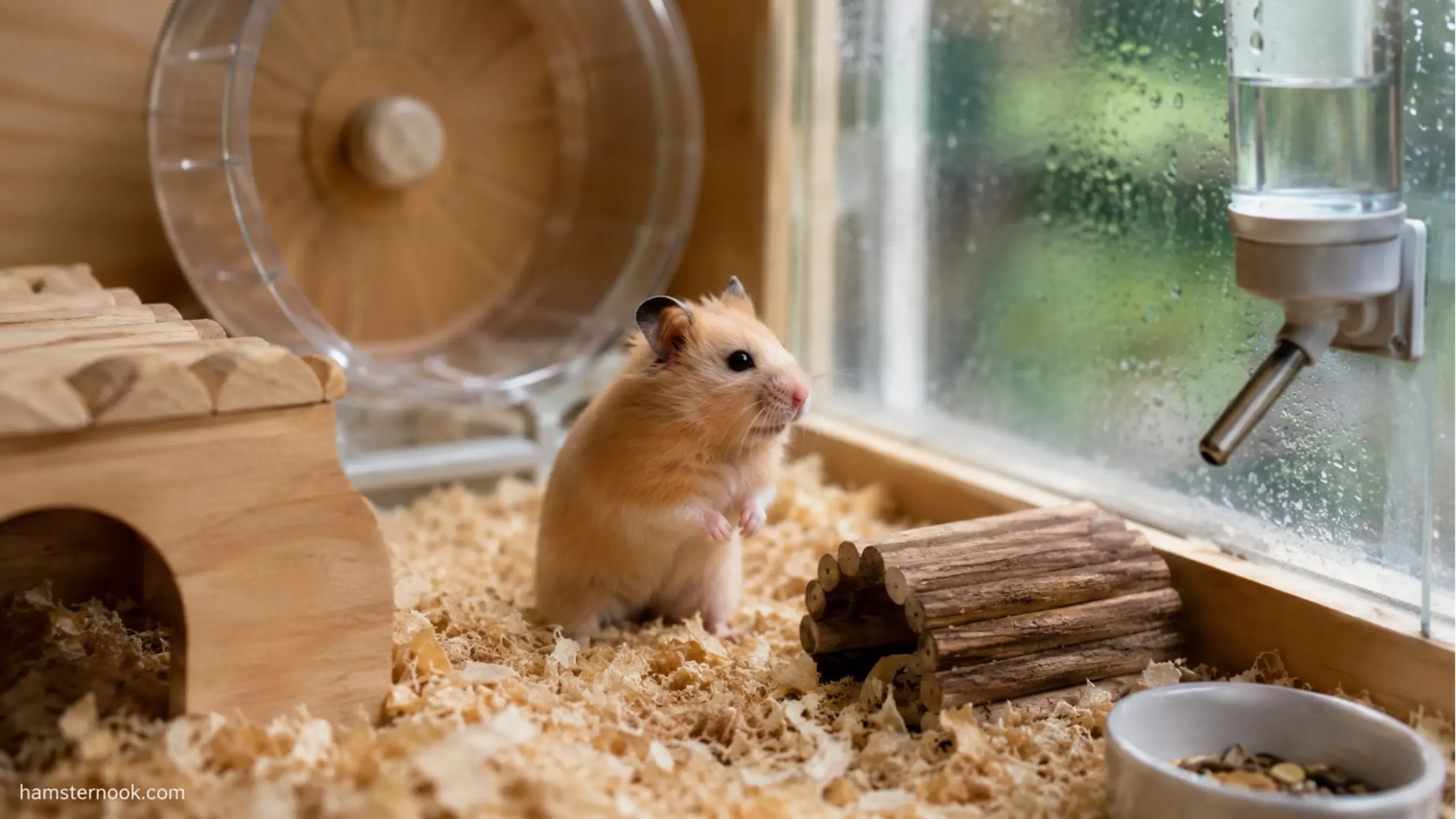
- Reduced stress
- Increased activity
- More natural behavior patterns
- Better physical fitness
- Less destructive behavior
- Greater environmental engagement
Hamsters usually seem more active and engaged when they have plenty of opportunities to dig, explore, and search for food.
Common Signs Your Hamster May Be Bored

Boredom can appear in several ways. While some behaviors may also have other causes, these signs are commonly associated with insufficient stimulation.
| Behavior | Possible Meaning |
|---|---|
| Constant bar chewing | Frustration or lack of enrichment |
| Repeated pacing | Environmental boredom |
| Obsessive climbing | Desire for stimulation or space |
| Excessive digging in corners | Attempting to escape or explore |
| Destructive chewing | Lack of appropriate activities |
| Sleeping more than usual when awake periods occur | Reduced engagement with surroundings |
If your hamster frequently moves around the cage in the same pattern, our Why Is My Hamster Running Around the Cage? guide explains possible causes.
A single behavior does not automatically mean boredom, but multiple signs together may indicate that the enclosure needs improvement.
What to Do If Your Hamster Seems Bored
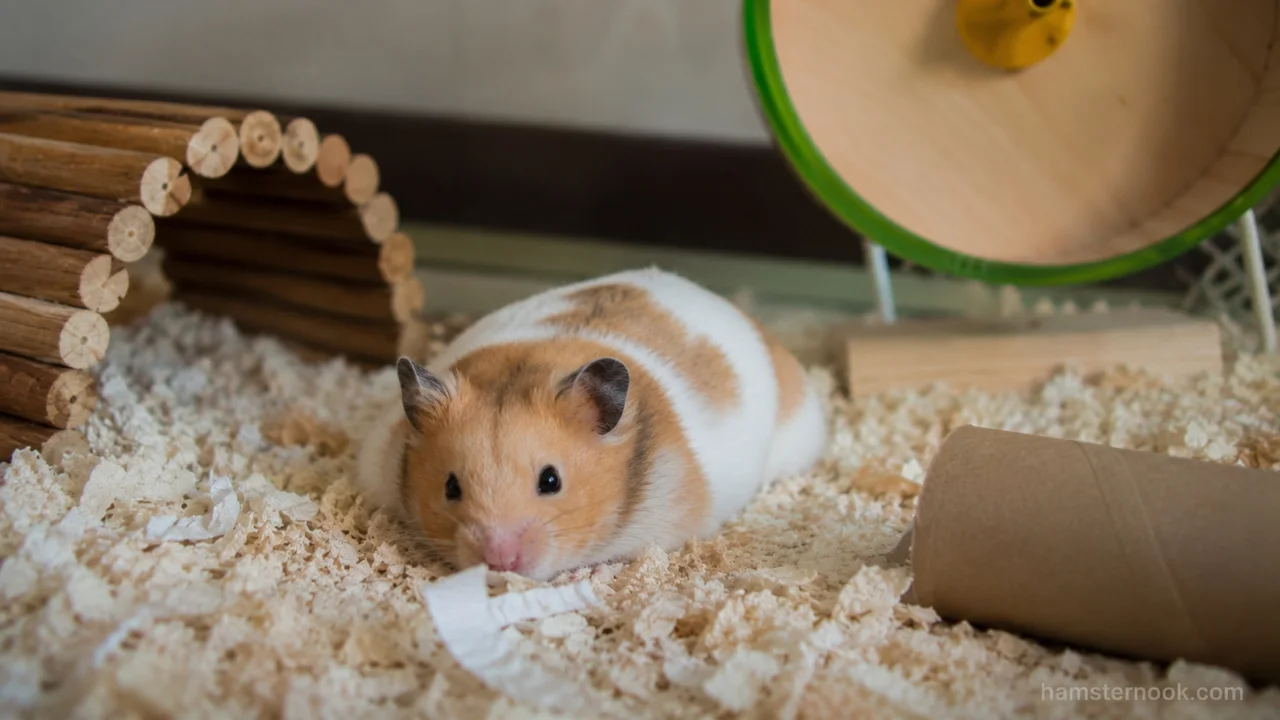
If your hamster shows several boredom-related behaviors, start by improving enrichment rather than simply adding more toys. Increase opportunities for digging, foraging, hiding, and exploring, and check that the enclosure has enough usable space for these activities.
Make changes gradually and observe how your hamster responds. If unusual behavior continues despite a suitable, enriched environment, do not assume boredom is the only explanation.
Corner digging can sometimes be related to enclosure setup issues discussed in Signs Your Hamster Cage Is Too Small.
What Causes Boredom in Hamster Cages?
Boredom rarely happens for just one reason.
Small Living Space
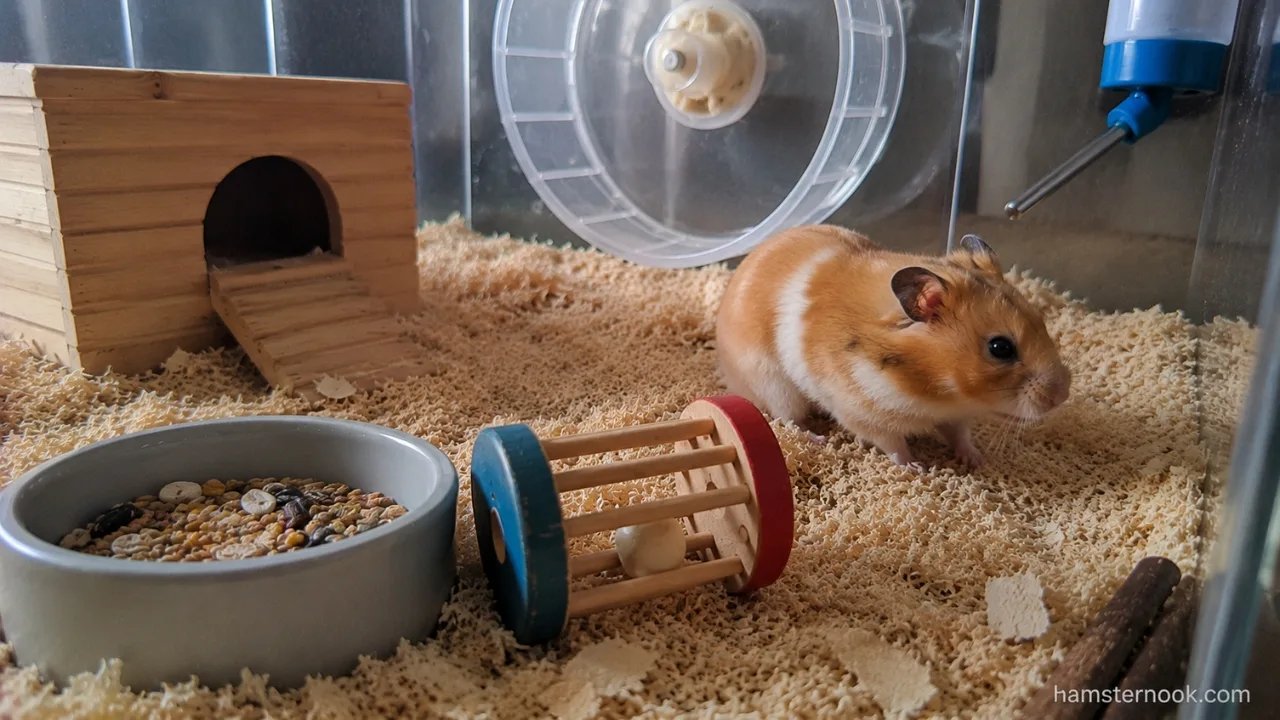
A cramped enclosure limits movement and exploration opportunities.
When a hamster cannot travel, forage, or create separate areas for sleeping and activity, boredom may develop more quickly.
Lack of Enrichment
An empty cage provides very little mental stimulation.
Without tunnels, hides, chew toys, digging areas, or foraging opportunities, a hamster has fewer ways to stay occupied.
Unchanging Environment
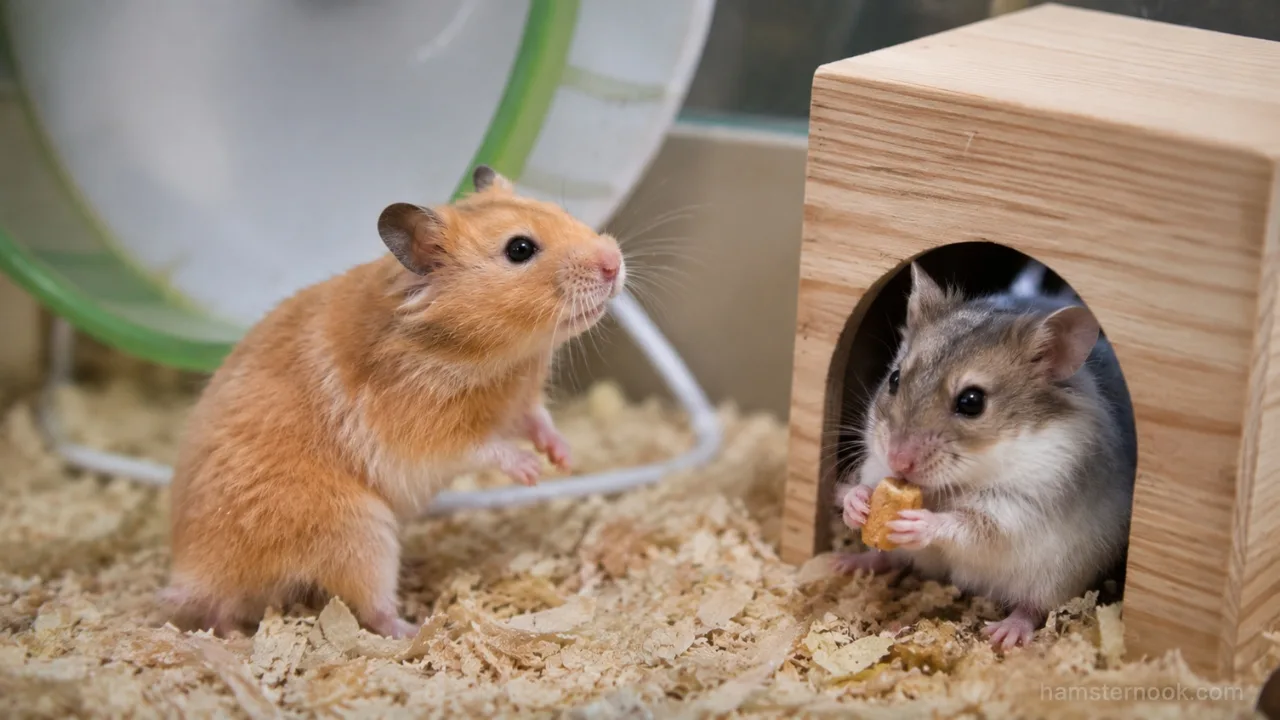
Hamsters often enjoy investigating changes in their surroundings.
If the cage layout never changes and no new enrichment items are introduced, the environment can become predictable.
Insufficient Bedding Depth
Burrowing is one of the most natural hamster behaviors.
A shallow layer of bedding prevents tunneling and nesting activities that would normally occupy a hamster for long periods.
Boredom vs Stress or Illness
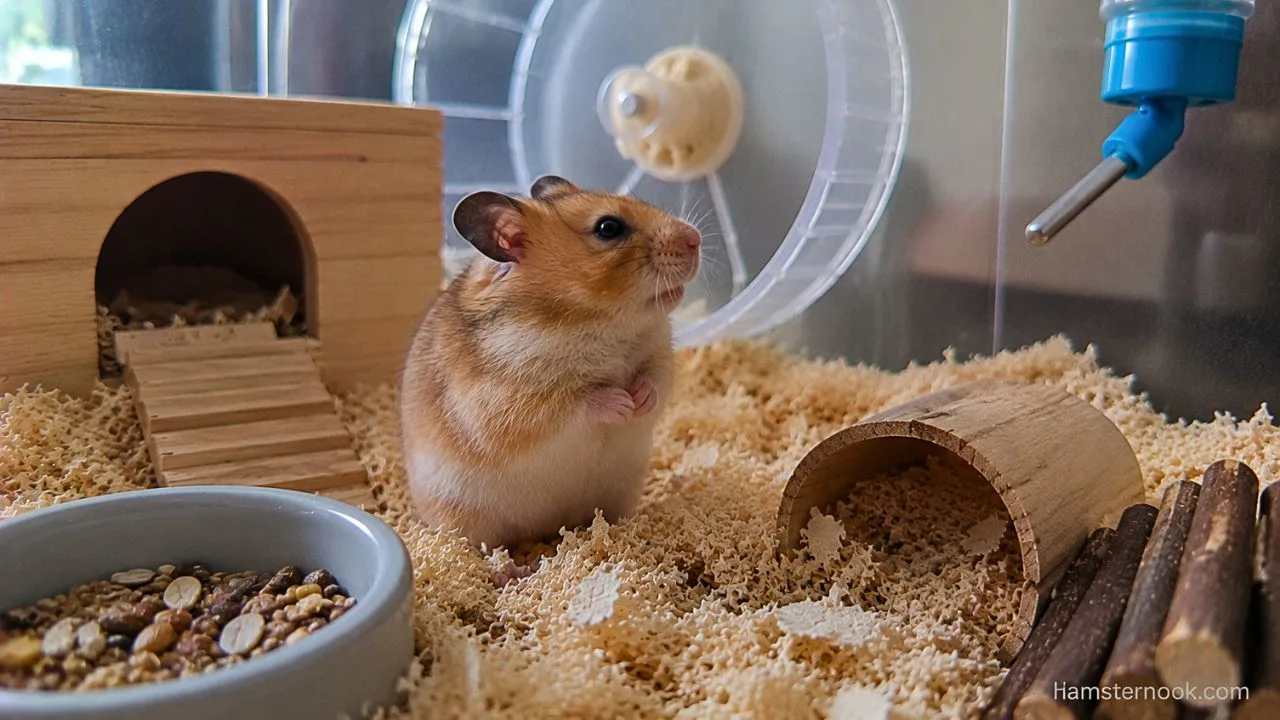
Boredom is not the only reason a hamster may change its behavior. Bar chewing, pacing, reduced activity, or unusual behavior can also be associated with stress or an underlying health problem.
If a behavior change is sudden, persistent, or accompanied by other concerning changes such as reduced eating or drinking, unusual weakness, breathing problems, or other signs of illness, contact a veterinarian rather than assuming the problem is simply boredom.
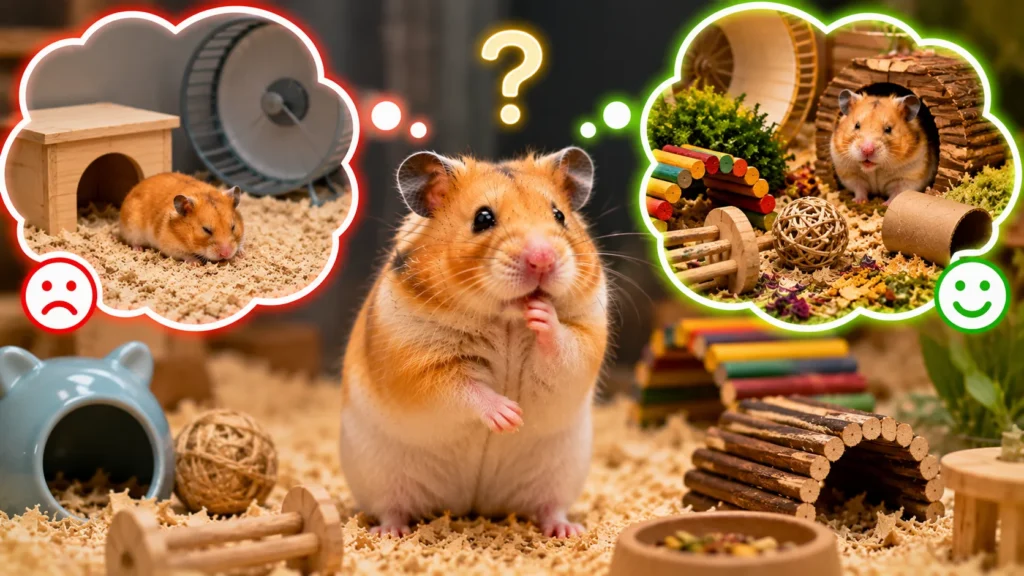
Bored Hamster vs Happy Hamster
The differences are often easy to spot once you know what to look for.
| Happy Hamster Behaviors | Bored Hamster Behaviors |
|---|---|
| Exploring different areas | Repeating the same route constantly |
| Burrowing and nesting | Bar chewing for long periods |
| Foraging for food | Attempting frequent escapes |
| Using enrichment items | Ignoring most cage items |
| Active but relaxed movement | Frantic or repetitive movement |
A healthy hamster should display a variety of natural behaviors rather than repeating a single activity continuously.
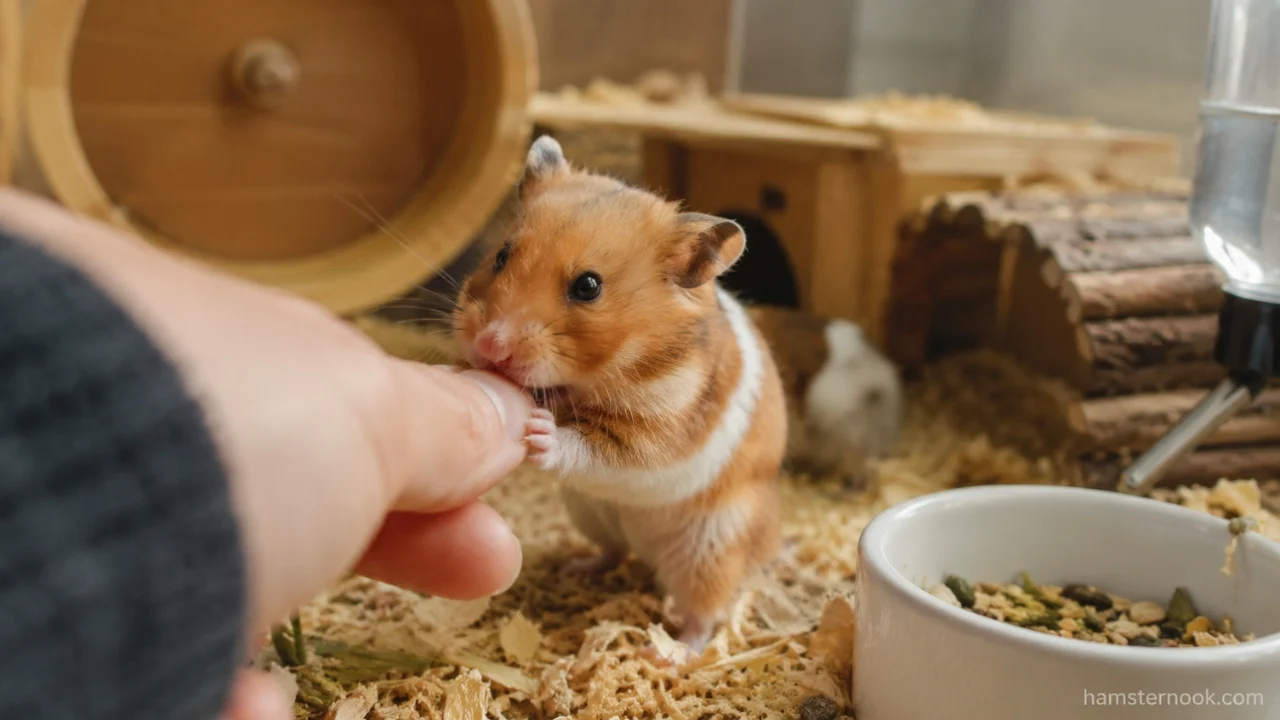
Does a Wheel Prevent Boredom?
A wheel is important, but it is not a complete solution.
Many owners believe a wheel alone provides enough entertainment. While running helps satisfy exercise needs, it does not replace exploration, digging, chewing, or foraging.
A wheel is important, but it works best when it’s part of a cage filled with other enrichment opportunities.
Even a hamster that spends hours running each night can become bored if it has no opportunities to dig, forage, chew, or explore.
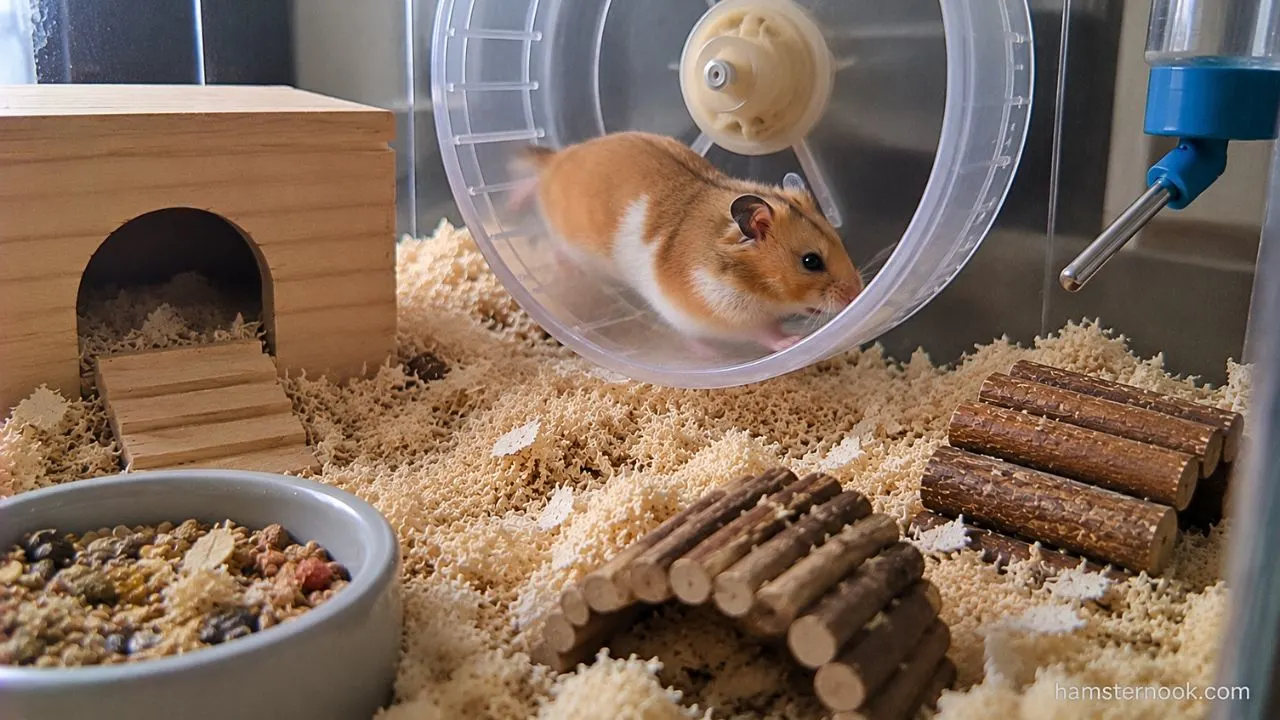
Best Ways to Prevent Hamster Boredom
Small changes and new experiences can go a long way toward keeping a hamster interested in its environment.
For a complete setup that combines the essentials with enrichment, see our Best Hamster Cage Setup for Beginners guide.
Create a Deep Burrowing Area
Choosing the right substrate matters. See our Paper vs Aspen Bedding for Hamsters comparison for safe burrowing options.
Many hamsters enjoy building tunnels and underground sleeping chambers.
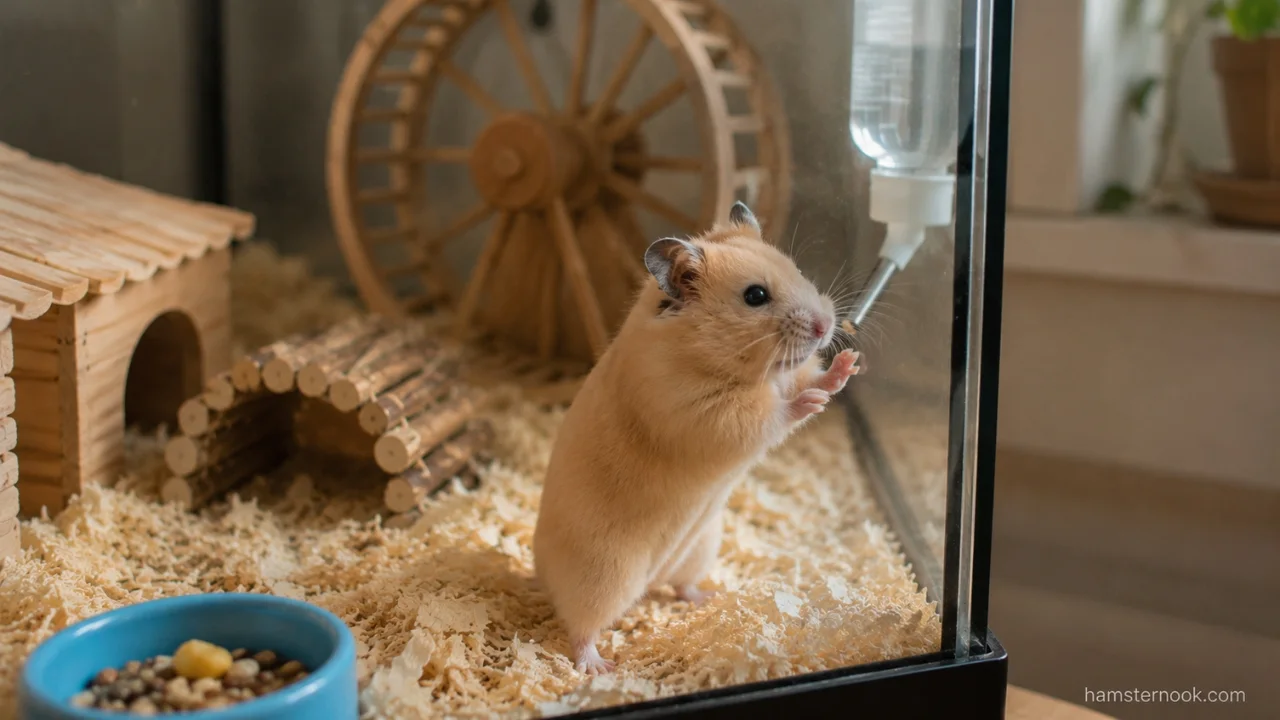
Providing deep bedding allows them to:
- Dig naturally
- Create tunnel systems
- Build nests
- Rearrange their environment
Burrowing alone can occupy a significant amount of a hamster’s active time.
Add Different Hides and Tunnels
Multiple hiding places encourage exploration.
Examples include:
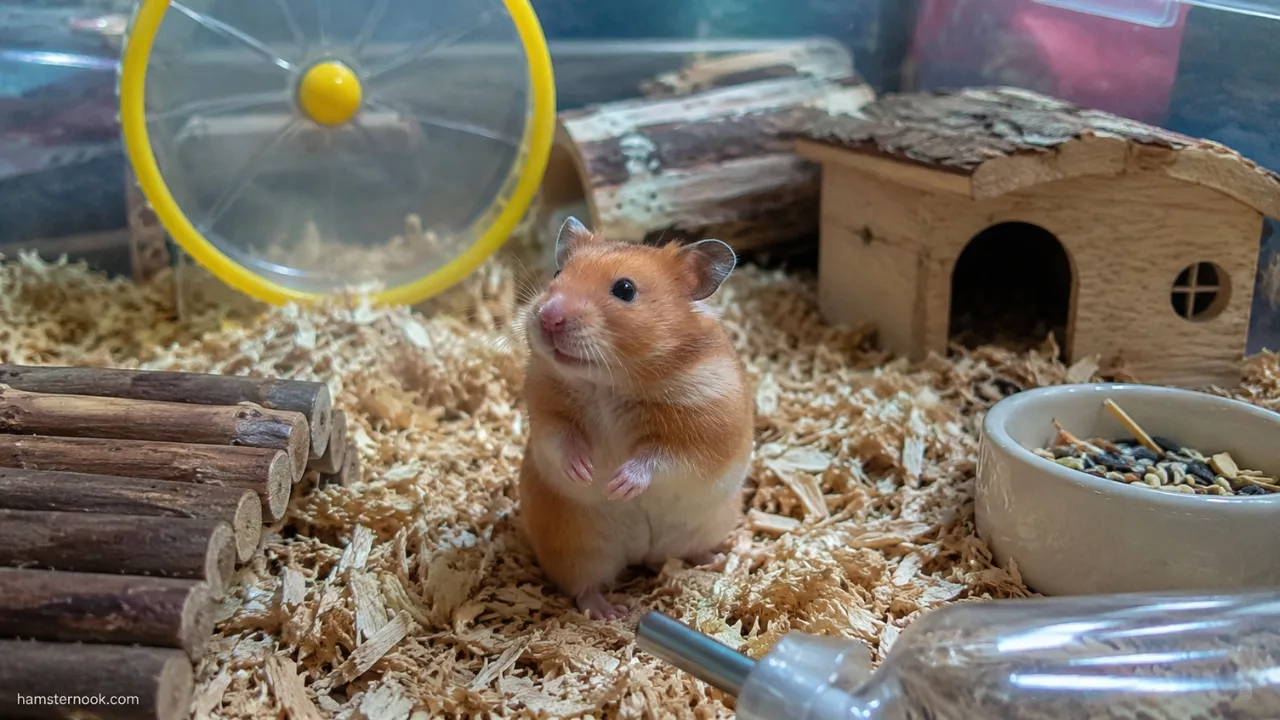
- Cork tunnels
- Wooden houses
- Multi-chamber hides
- Cardboard tunnels
- Natural bridges
Different textures and layouts make the cage more interesting.
Encourage Natural Foraging
Instead of always placing food in a bowl, consider occasional foraging opportunities.
Safe methods include:
- Scatter feeding
- Hiding treats in bedding
- Using forage toys
- Placing food in cardboard tubes
This encourages natural searching behavior.
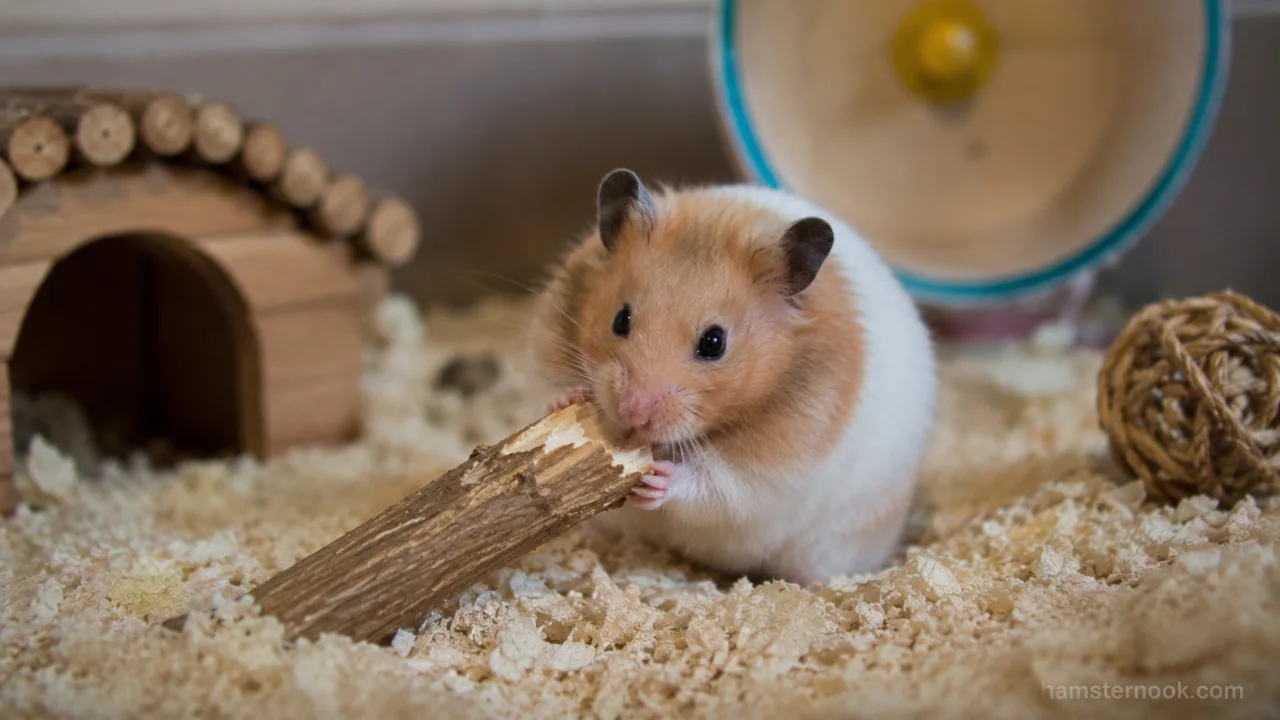
Rotate Enrichment Items
Hamsters often investigate unfamiliar objects.
You do not need to replace everything at once. Occasionally rotating toys or rearranging cage accessories can create new experiences without causing stress.
Enrichment Ideas for Hamsters
The following enrichment options can help reduce boredom and encourage natural behavior.
| Enrichment Item | Main Benefit |
|---|---|
| Sand Bath | Digging and grooming |
| Cork Log | Exploration and hiding |
| Chew Toys | Dental health and activity |
| Cardboard Tubes | Tunneling and exploration |
| Foraging Toys | Mental stimulation |
| Multi-Chamber Hide | Natural nesting behavior |
| Dig Box | Additional digging opportunities |
Combining several enrichment types usually works better than relying on a single item.
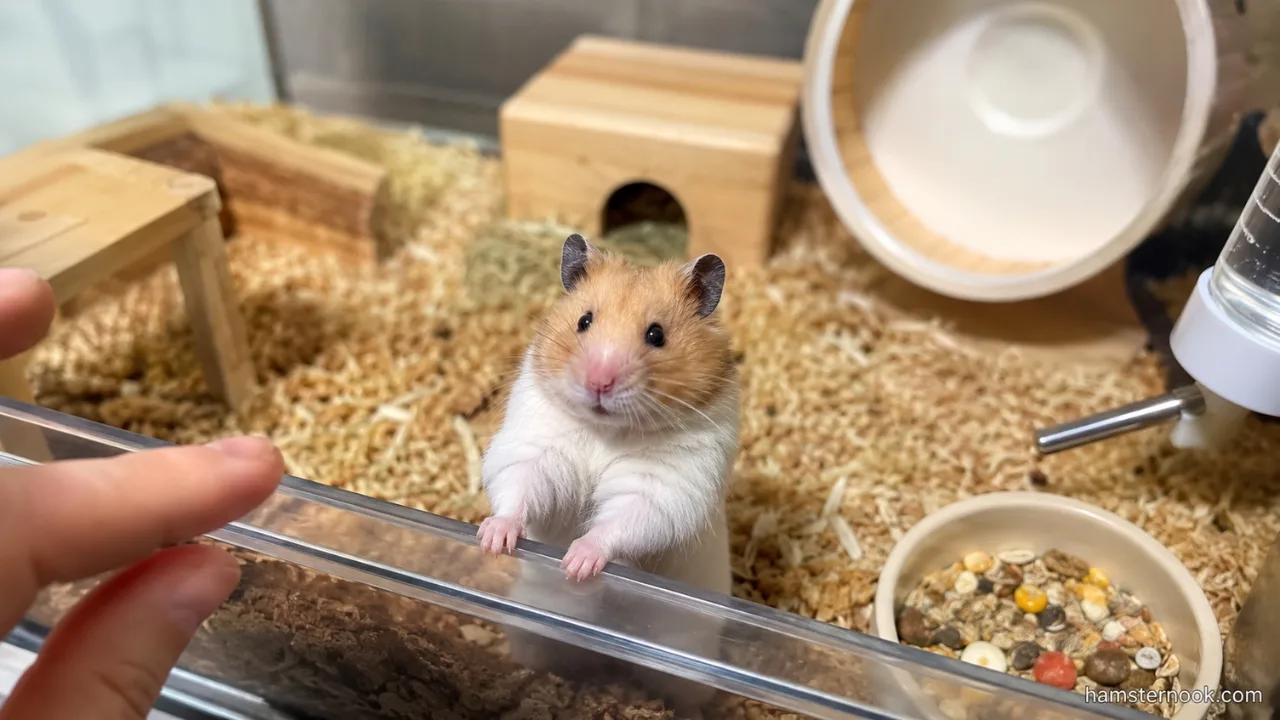
Can Hamsters Get Bored of the Same Toys?
Yes, some hamsters may lose interest in enrichment items that never change.
This does not mean owners need to buy new toys constantly. Simple adjustments can often make existing items feel new again.
Examples include:
- Moving tunnels to different locations
- Rearranging hides
- Changing foraging locations
- Introducing safe cardboard items
Small changes can renew curiosity without disrupting the hamster’s sense of security.

Does Human Interaction Prevent Boredom?
For nervous pets, our How to Bond With Your Hamster guide explains how to build trust safely.
Interaction can provide enrichment for some hamsters, but it should never replace a properly enriched cage.
Some hamsters enjoy:
- Gentle handling
- Free-roam sessions in safe areas
- Exploring playpens
- Investigating new scents
Others prefer limited interaction.
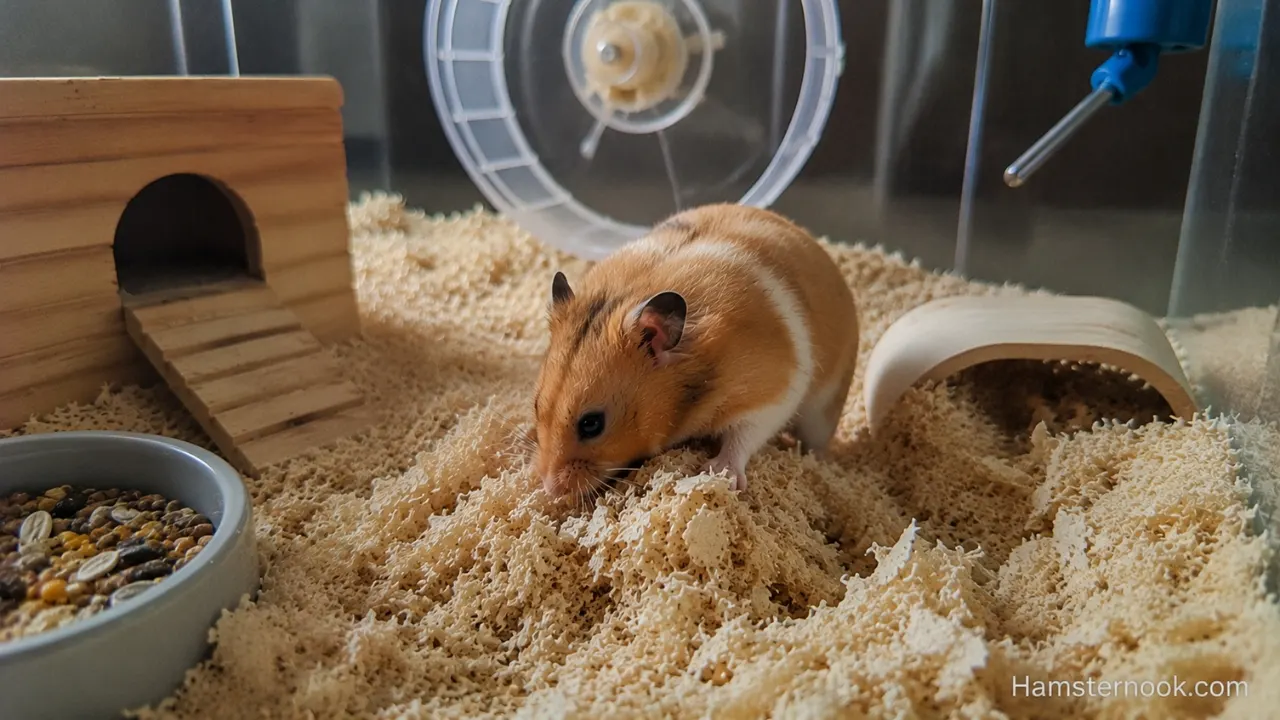
Every hamster has a unique personality, so owners should respect individual comfort levels.
Free-Roam Time and Mental Stimulation
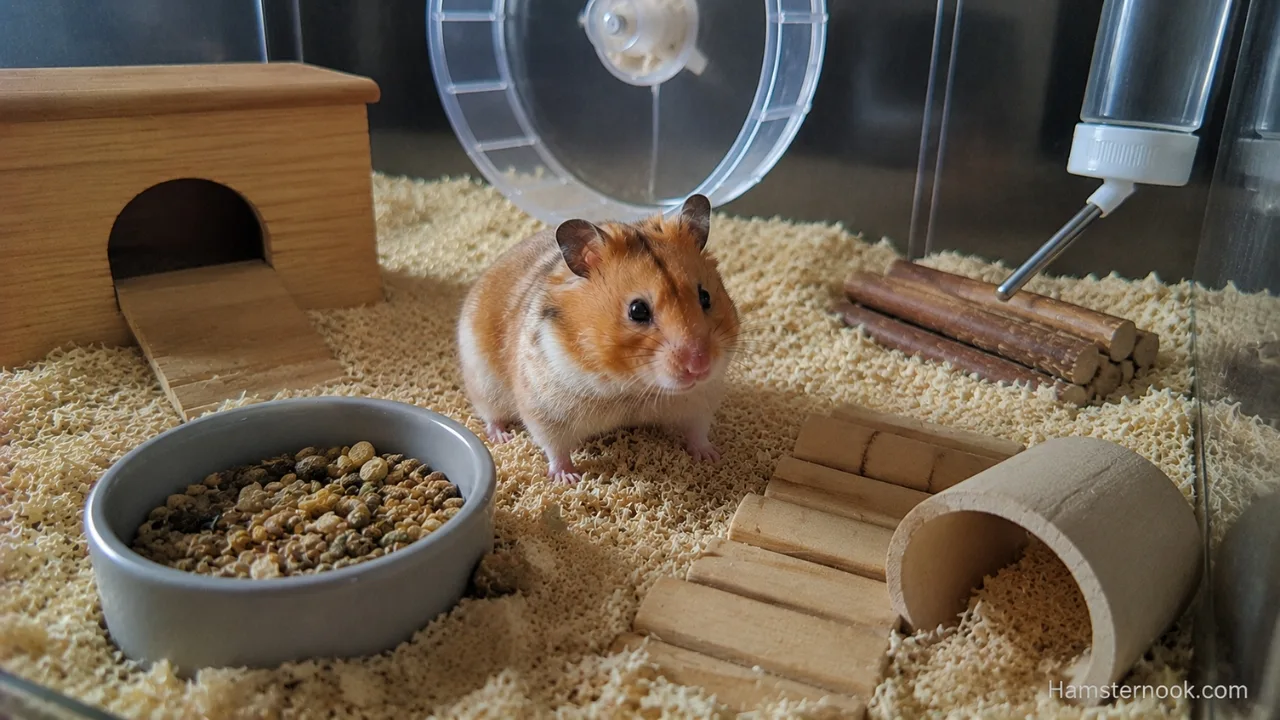
Free-roam time can provide additional mental stimulation and opportunities for exploration. However, many hamsters can stay mentally active even without free-roam sessions when they have enough enrichment inside their enclosure. For ideas that help prevent boredom, see our How to Make Your Hamster Happy in a Small Cage guide.
Supervised free-roam sessions can provide additional stimulation beyond the cage.
Benefits may include:
- Exploring new environments
- Increased exercise
- Exposure to different textures
- Additional enrichment opportunities
However, free-roam time should always occur in a secure, escape-proof area.
Mistakes That Can Increase Boredom
Some common husbandry mistakes unintentionally create a less stimulating environment.
| Mistake | Potential Result |
|---|---|
| Very small cage | Reduced exploration opportunities |
| Shallow bedding | Limited burrowing |
| No chew items | Destructive chewing |
| Lack of foraging activities | Reduced mental stimulation |
| Empty cage layout | Increased boredom |
| Single enrichment item only | Repetitive behavior |
Avoiding these mistakes helps create a more engaging habitat.
How Quickly Can Boredom Affect a Hamster?
The timeline varies between individuals.
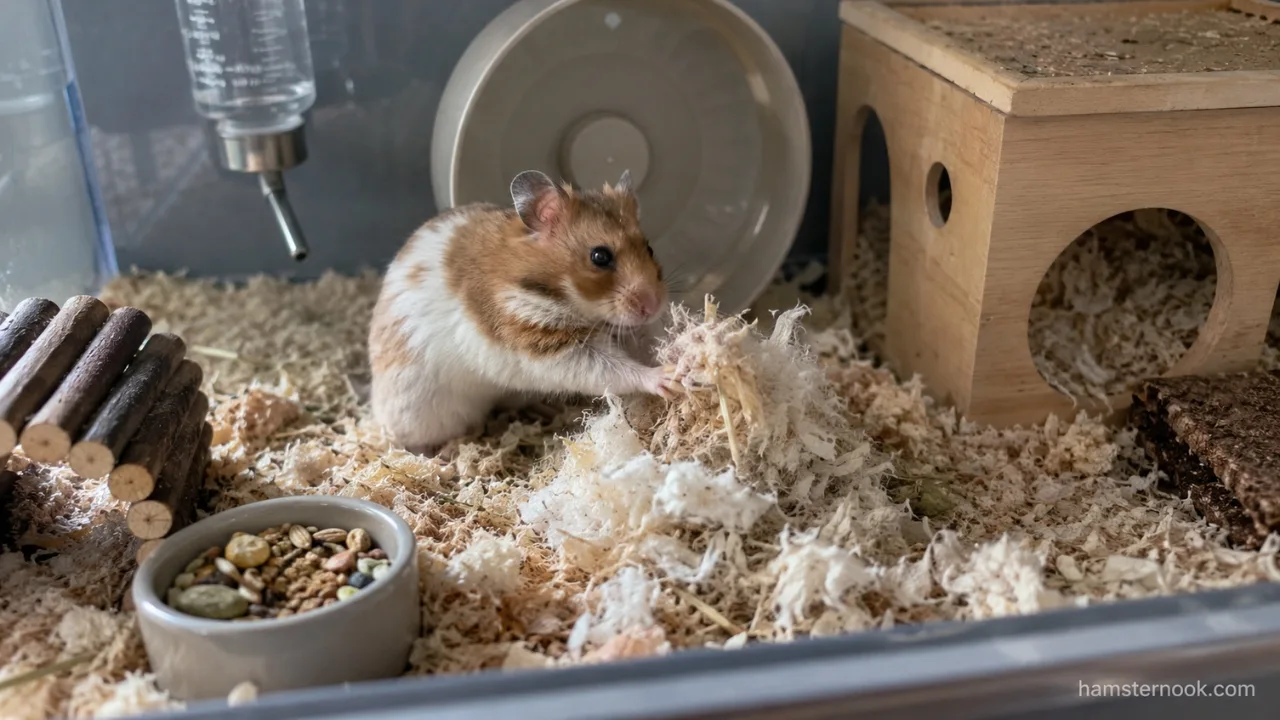
Some hamsters show signs of frustration within days of moving into an inadequate environment, while others may appear calm for weeks before developing repetitive behaviors.
The goal should not be waiting for boredom to appear. Instead, owners should provide enrichment from the beginning.
Many hamster owners first notice boredom through small changes in behavior, such as increased bar chewing, pacing, or reduced interest in enrichment items. These signs are often easy to overlook at first, which is why regular observation is an important part of hamster care.
Final Thoughts
Hamsters can absolutely get bored in their cage when their environment fails to meet their natural needs. A cage that lacks space, enrichment, variety, and opportunities for exploration can lead to frustration and repetitive behaviors over time.
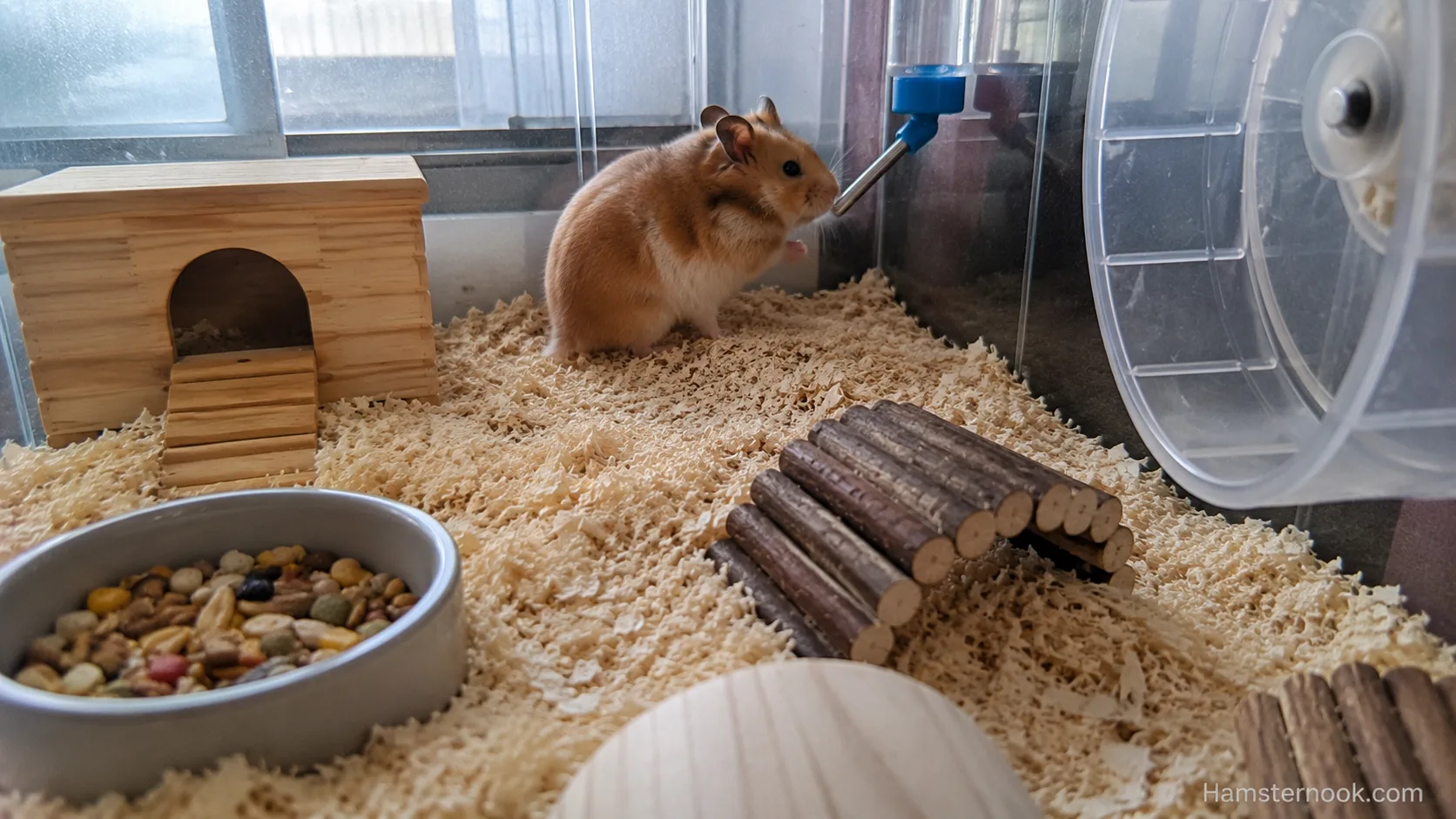
The good news is that preventing boredom is usually easier than many owners expect. Deep bedding, tunnels, hides, chew toys, foraging opportunities, and occasional environmental changes can make a significant difference in a hamster’s daily life.
A happy hamster is not simply one that has food and water. It is one that can dig, explore, forage, nest, and express the behaviors that come naturally to its species.
Frequently Asked Questions
Is bar chewing always a sign of boredom?
Not always. Bar chewing can have several causes, including stress, frustration, insufficient space, or lack of enrichment. Persistent bar chewing is often worth investigating.
Can hamsters get bored even with a wheel?
Yes. A wheel provides exercise, but hamsters also need opportunities to burrow, forage, explore, and interact with their environment.
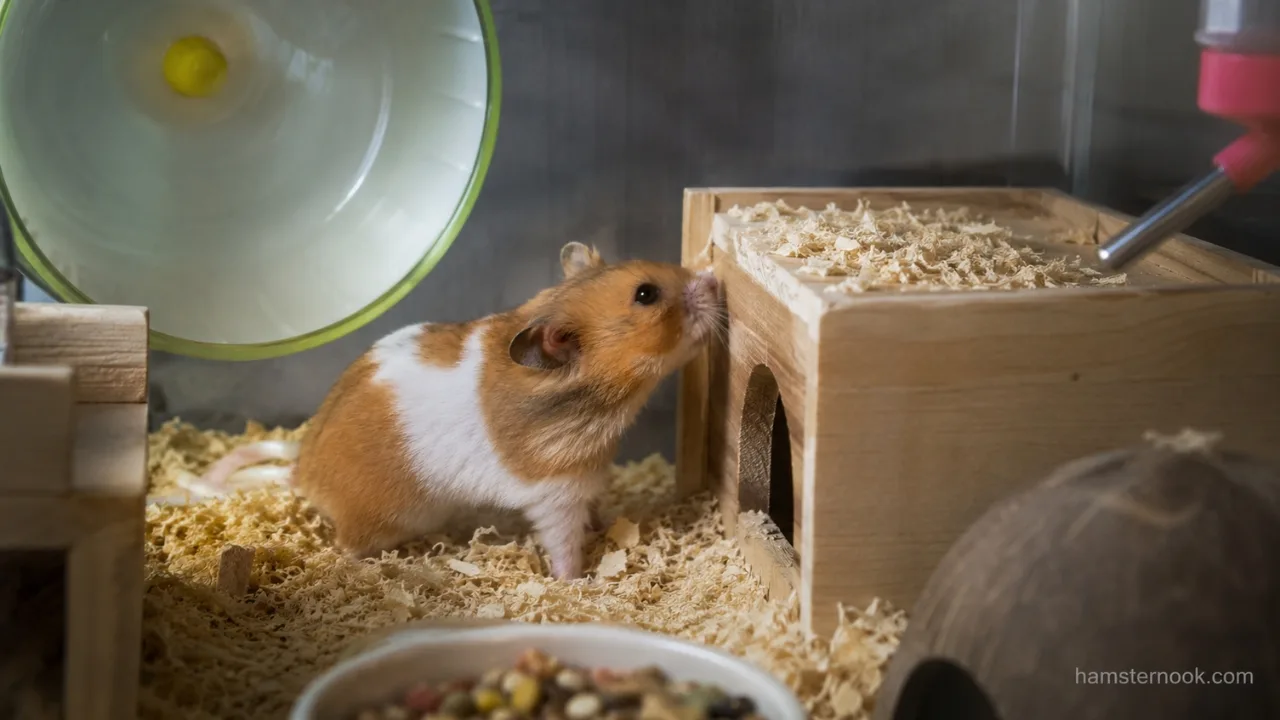
How often should I change my hamster’s cage layout?
Major changes should be limited because hamsters rely on familiar scents. Small adjustments or enrichment rotations every few weeks are often sufficient.
Do dwarf hamsters get bored more easily than Syrian hamsters?
Both dwarf and Syrian hamsters can experience boredom if their environment lacks enrichment. Individual personality often plays a larger role than species.
Are chew toys enough to keep a hamster entertained?
No. Chew toys are useful, but hamsters benefit from a combination of enrichment activities including digging, foraging, climbing, hiding, and exploring.
What is the easiest way to make a hamster cage more interesting?
Adding deeper bedding, scatter feeding, cardboard tunnels, and additional hiding spots are simple improvements that can significantly increase environmental enrichment.
References
This guide is based on hamster enrichment, housing, natural behavior, and welfare guidance from trusted animal welfare and veterinary resources, including:
- RSPCA – Hamster Environment, Housing and Welfare Guidance – Housing, enrichment, bedding, burrowing, and opportunities to express natural behaviors.
- PDSA – Hamsters as Pets – Hamster care, housing, activity, behavior, and welfare guidance.
- Blue Cross – Looking After Your Hamster – Hamster housing, bedding, enrichment, exercise, and general care guidance.
- NC3Rs – Housing and Husbandry: Hamster – Environmental enrichment, housing, bedding, and opportunities for species-appropriate behavior.

Narayan Kumar is the founder and author of HamsterNook. He creates practical, research-based hamster care guides covering hamster behavior, nutrition, cage setup, enrichment, health, and everyday care. His goal is to help hamster owners make informed decisions and provide safer, healthier lives for their pets through clear, beginner-friendly information based on trusted animal care resources.