If your hamster has stopped eating, it is understandable to wonder how long they can safely go without food. Hamsters are tiny animals with high nutritional needs, and a sudden loss of appetite should not be treated like a normal skipped meal. At the same time, it can be surprisingly difficult to tell whether a hamster is actually not eating because they naturally hide and store food.
The key is to check for hidden food, watch your hamster’s behavior, and take any genuine loss of appetite seriously.
Quick Answer: How Long Can a Hamster Go Without Food?
There is no reliable “safe number of days” that a hamster can go without food. A hamster that truly stops eating can become seriously unwell, and waiting several days to see what happens is not a good approach.
Hamsters are small animals, and loss of appetite can occur alongside problems such as dental disease, digestive illness, respiratory disease, pain, or other health problems. Veterinary guidance lists loss of appetite or weight, inactivity, a hunched posture, abnormal behavior, diarrhea, and breathing difficulties among signs that a hamster may be sick.
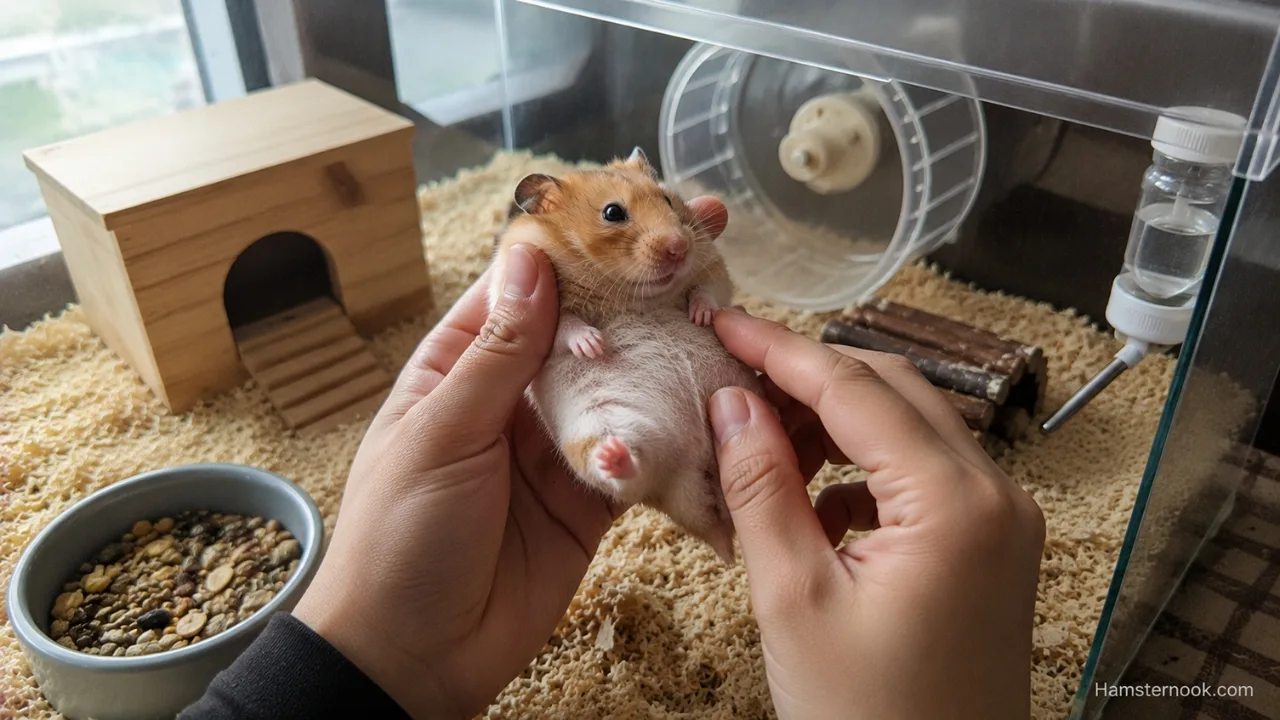
So if you think your hamster has stopped eating, the safest approach is to investigate promptly rather than trying to determine how long they can survive without food.
If your hamster is genuinely refusing food, Why Is My Hamster Not Eating? 9 Causes, Warning Signs & What to Do covers the possible causes and warning signs in more detail.
Why a Hamster May Look Like They Are Not Eating
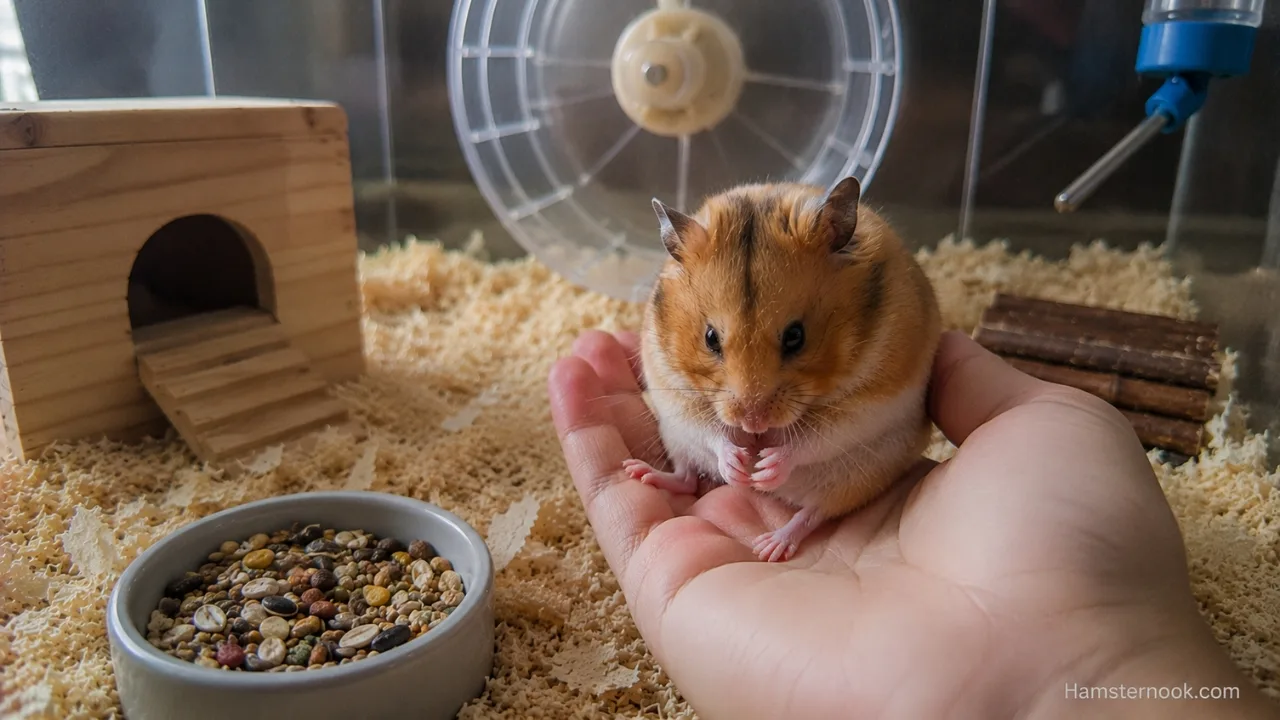
Before assuming your hamster has gone without food, remember that hamsters are natural food hoarders.
They commonly carry food in their cheek pouches and hide it in their nesting area or other parts of the enclosure. A hamster may therefore appear to eat very little when they are actually eating food that they stored earlier.
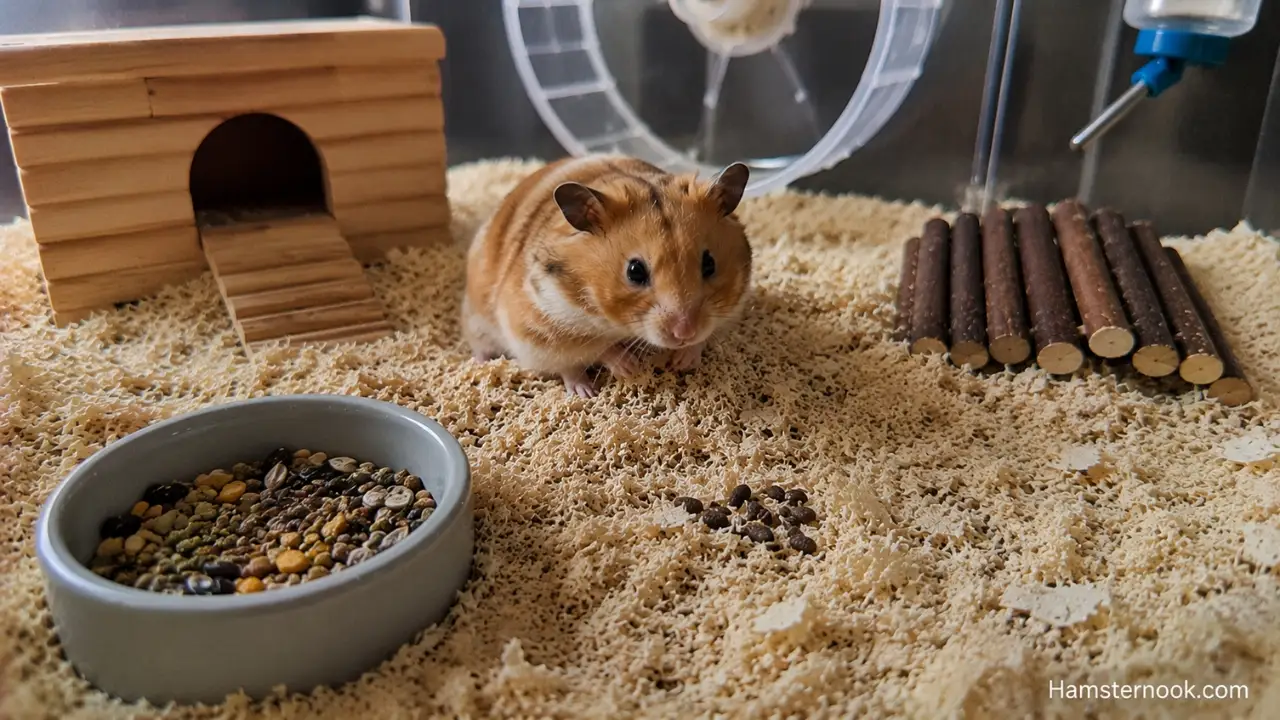
This is one reason simply looking at the food bowl is not enough.
Understanding this normal behavior can make it easier to judge your hamster’s actual food intake, and Why Does My Hamster Keep Hiding Food? Explained Simply explains food hoarding in more detail.
Check the Food Stash
Look carefully around the enclosure for stored dry food, particularly in:
- Nesting areas
- Hideouts
- Corners of the enclosure
- Beneath bedding
- Other places your hamster regularly visits
Do not completely destroy a hamster’s established nest just because you cannot immediately find food. Instead, observe where your hamster normally stores food and check those areas carefully.
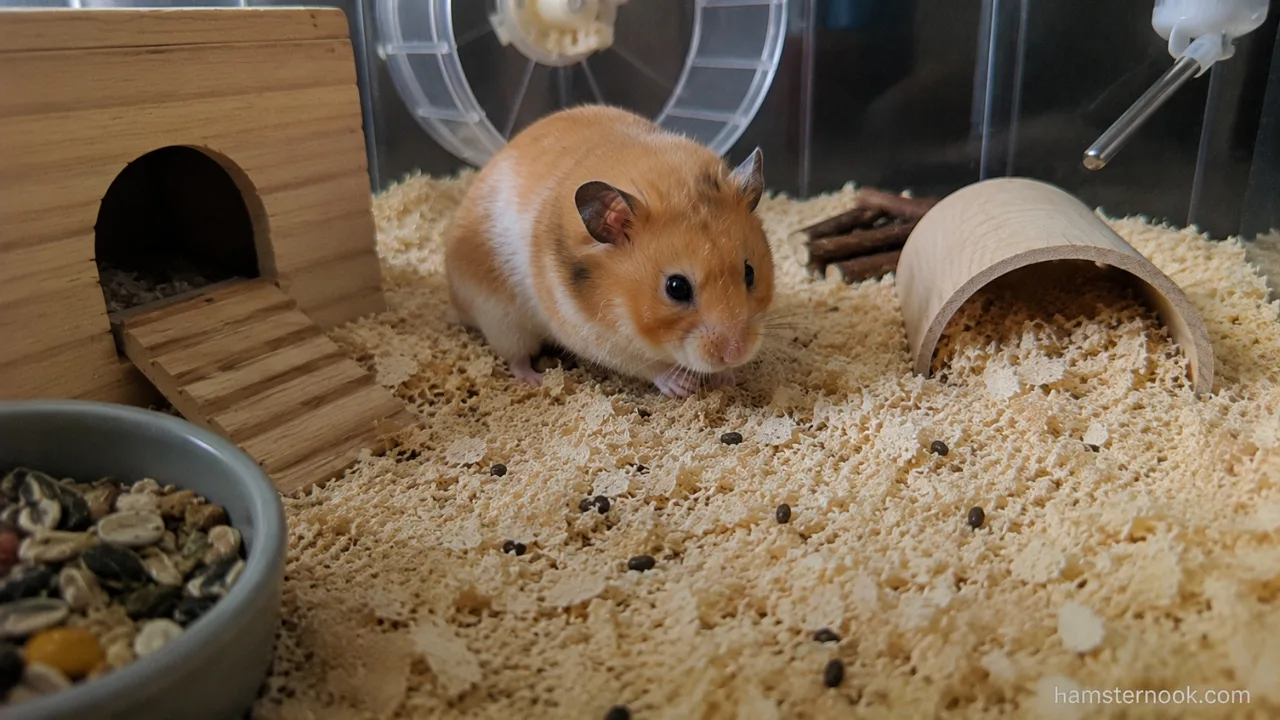
If you find a stash, look at whether your hamster is continuing to add fresh food to it and whether their normal activity has changed.
Watch Your Hamster at Their Normal Active Time
Hamsters are generally most active during the evening and night. A hamster sleeping during the day is not, by itself, evidence that something is wrong.
Pay attention during their normal active period.
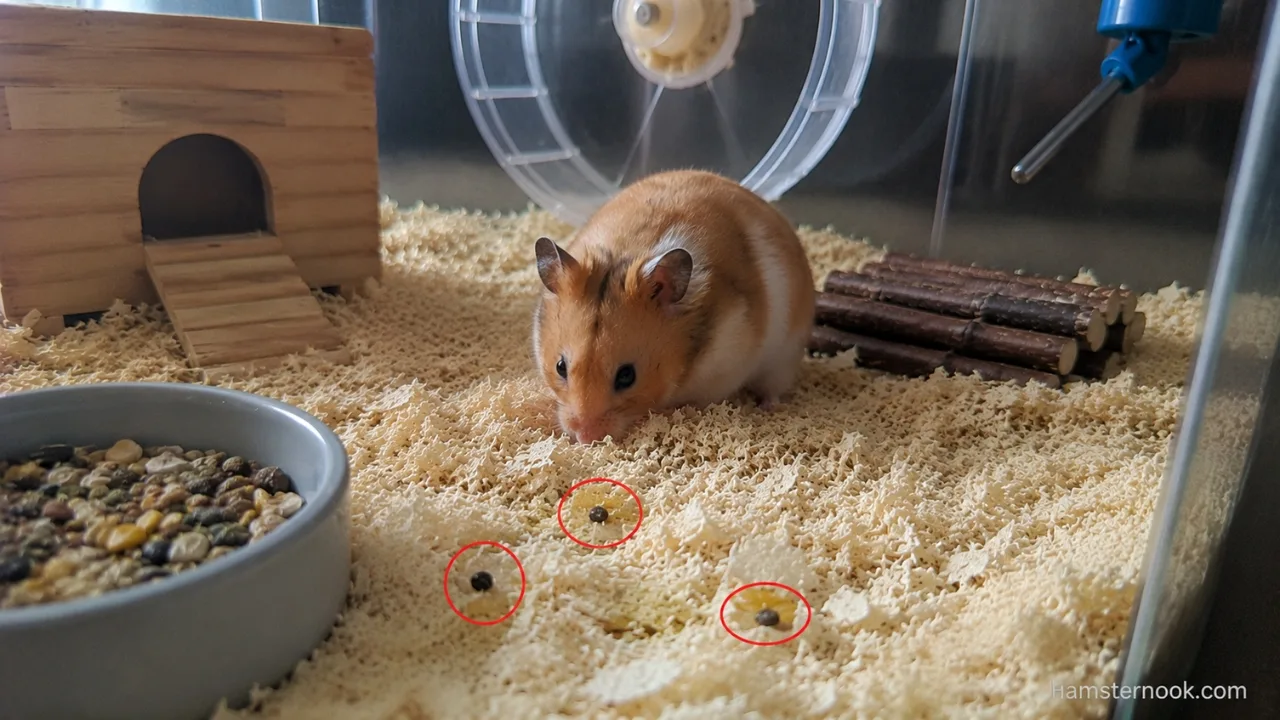
A healthy hamster should normally show their usual pattern of moving around, exploring, eating, drinking, grooming, and using their enclosure. A noticeable change in those routines can be more informative than an untouched food bowl.
How Quickly Can Not Eating Become a Problem?
There is no evidence-based cutoff that applies safely to every hamster.
The seriousness depends on why the hamster is not eating, how much they are actually consuming, whether they are drinking, and whether other symptoms are present.
For example, a hamster that ignores one meal but later comes out, eats from a hidden stash, drinks normally, and behaves normally is very different from a hamster that refuses food while becoming weak and inactive.
A genuine loss of appetite should therefore be treated as a possible sign of illness rather than as a test of how long the hamster can manage without food.
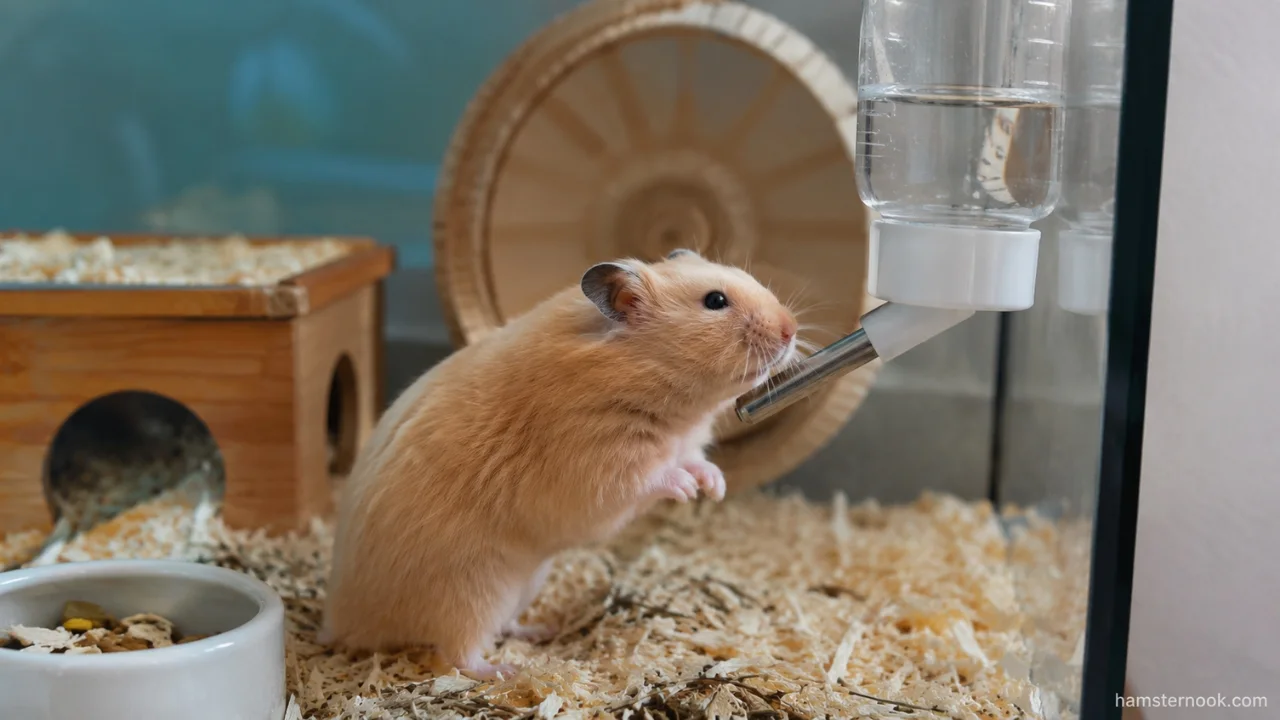
Hamsters can deteriorate quickly when they are ill, and their small size means that changes in appetite and body condition deserve attention.
If reduced eating is accompanied by weight loss, Hamster Losing Weight While Still Eating: Causes & Warning Signs covers that related concern in more detail.
What Happens When a Hamster Stops Eating?
Food provides the energy and nutrients required for normal body functions. If a hamster is not eating because of an underlying health problem, the lack of food is only part of the concern.
The underlying condition may continue to worsen while the hamster is consuming less food.
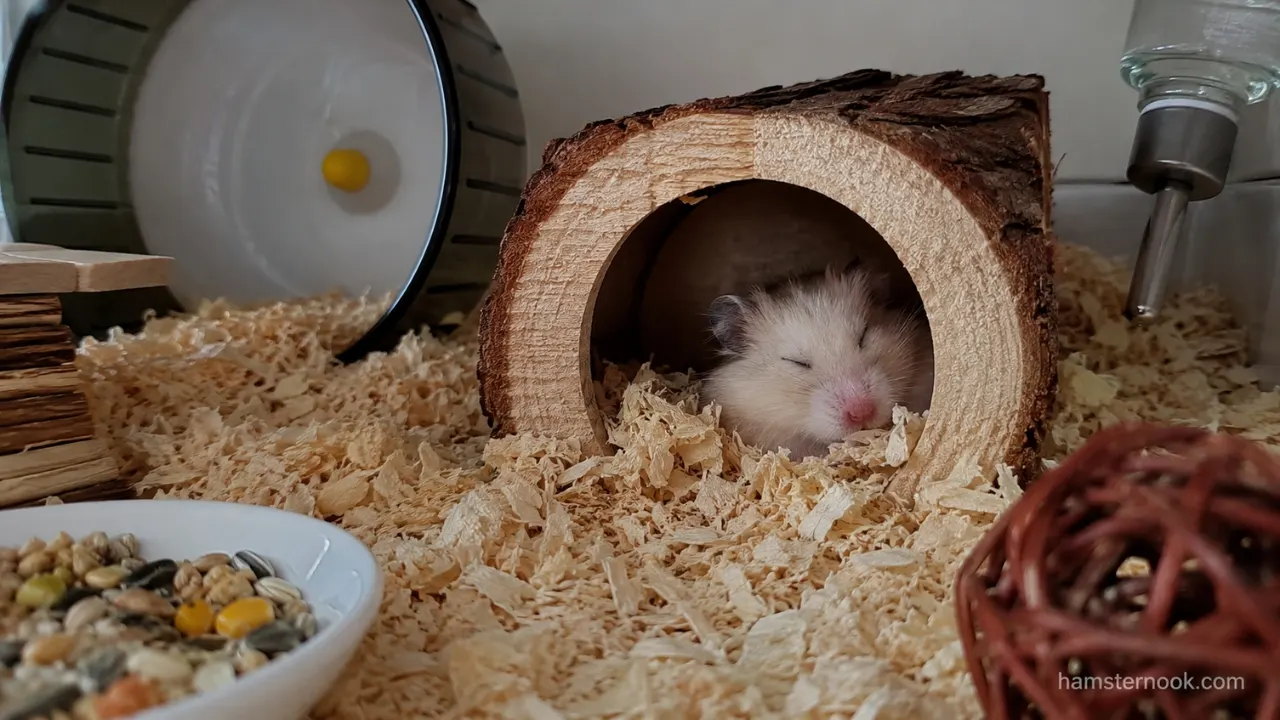
Loss of appetite can occur with several different problems, including digestive disease and dental problems. Overgrown teeth, for example, can interfere with eating and may cause drooling, appetite loss, and weight loss.
Respiratory illness can also be accompanied by reduced appetite. MSD Veterinary Manual lists appetite loss, inactivity, weight loss, hunched posture, and breathing difficulty among important signs of illness in hamsters.
That is why trying to solve the problem simply by offering more treats is not always appropriate.
Common Reasons a Hamster May Stop Eating
There are many possible causes, and you cannot reliably determine the cause at home just from appetite loss.

Dental Problems
Hamster incisors grow continuously. Normal chewing and eating help maintain them, but dental problems can make eating difficult.
A hamster with a dental problem may show reduced appetite, weight loss, drooling, or difficulty handling food.
If your hamster seems interested in food but repeatedly approaches it and cannot eat normally, dental problems are one possibility that warrants veterinary attention.
Digestive Problems
Digestive illnesses can cause appetite loss along with diarrhea, dehydration, weight loss, or reduced activity.

Wet or soiled fur around the rear end is particularly concerning when it occurs together with reduced appetite or low energy.
Do not assume that a hamster with diarrhea simply needs a different food. Some digestive diseases can progress rapidly and require veterinary treatment.
Pain or Other Illness
A hamster may eat less when it is experiencing pain or another health problem.
If pain may be affecting your hamster’s appetite, see Hamster Pain Signs: How to Tell If Your Hamster Is in Pain for related warning signs.
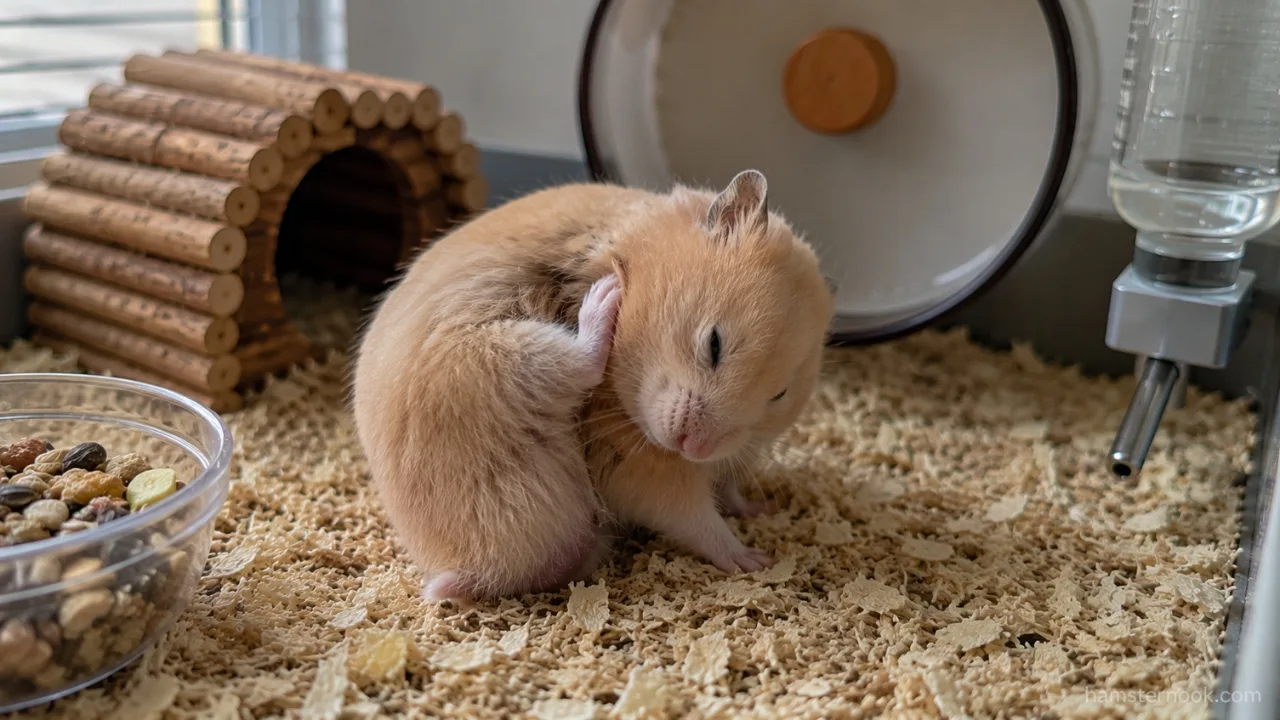
Other changes can provide important clues. Look for:
- Unusual inactivity
- Hunched posture
- Weight loss
- Rough or unkempt fur
- Reduced exploration
- Changes in urine or feces
- Eye, ear, or nose discharge
- Difficulty breathing
- An abnormal walk
A combination of appetite loss and any of these signs deserves more attention than appetite loss alone.
Stress or Environmental Changes
Stress can affect a hamster’s normal behavior, but it should not automatically be used to explain away a genuine loss of appetite.
If your hamster stops eating after a major environmental change, continue monitoring closely. A hamster that remains off food or develops physical signs of illness should be assessed by a veterinarian rather than assuming stress is the only explanation.
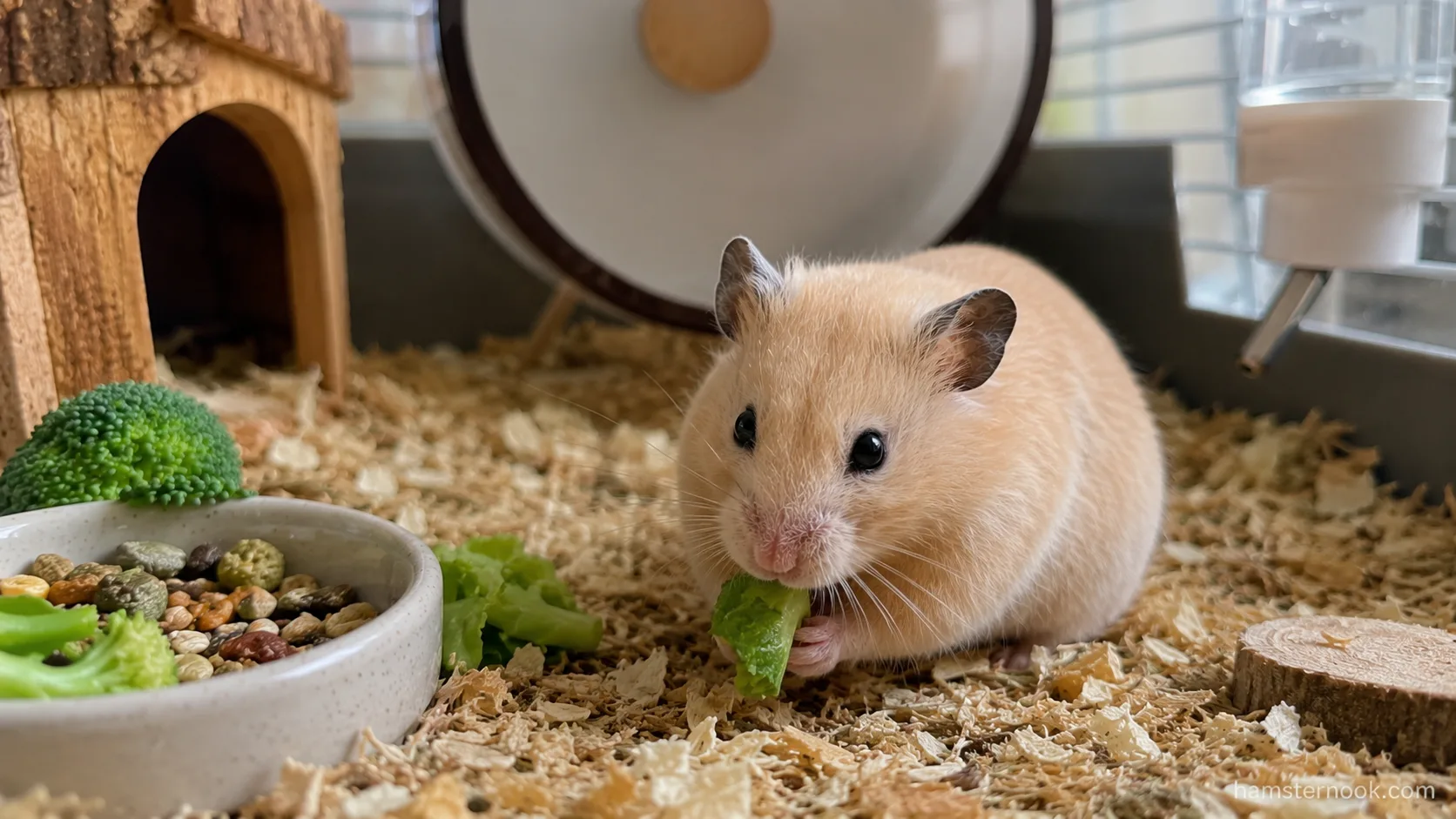
What You Should Do If Your Hamster Is Not Eating
If you suspect your hamster has stopped eating, work through these checks calmly.
1. Confirm Whether Food Is Actually Being Eaten
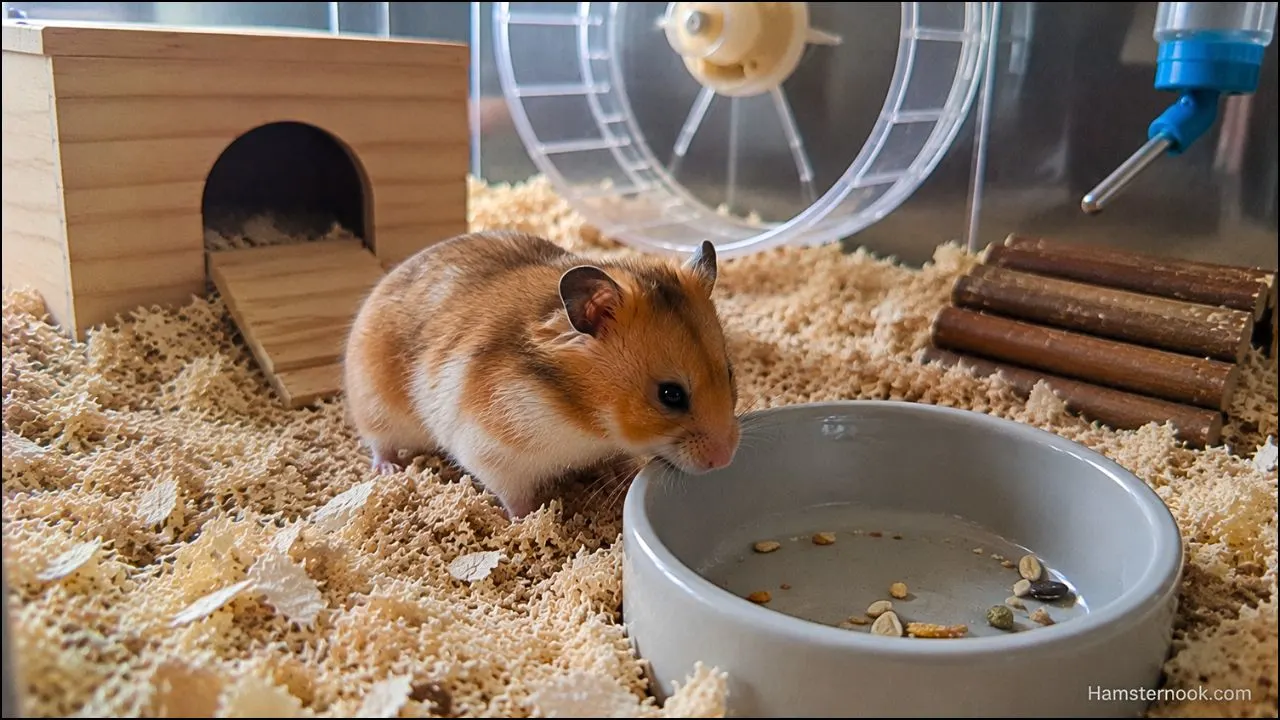
Check the food bowl, but also look for stored food.
If possible, compare what you normally see with what has changed. An empty bowl does not necessarily mean the hamster has eaten everything, and a full bowl does not necessarily mean they are refusing food.
2. Check the Water Supply
Your hamster should have constant access to fresh, clean drinking water.

Check that the bottle or other water source is functioning correctly and that the nozzle is not blocked. A hamster cannot drink normally if water is unavailable even when the bottle appears full.
3. Offer Their Normal Food
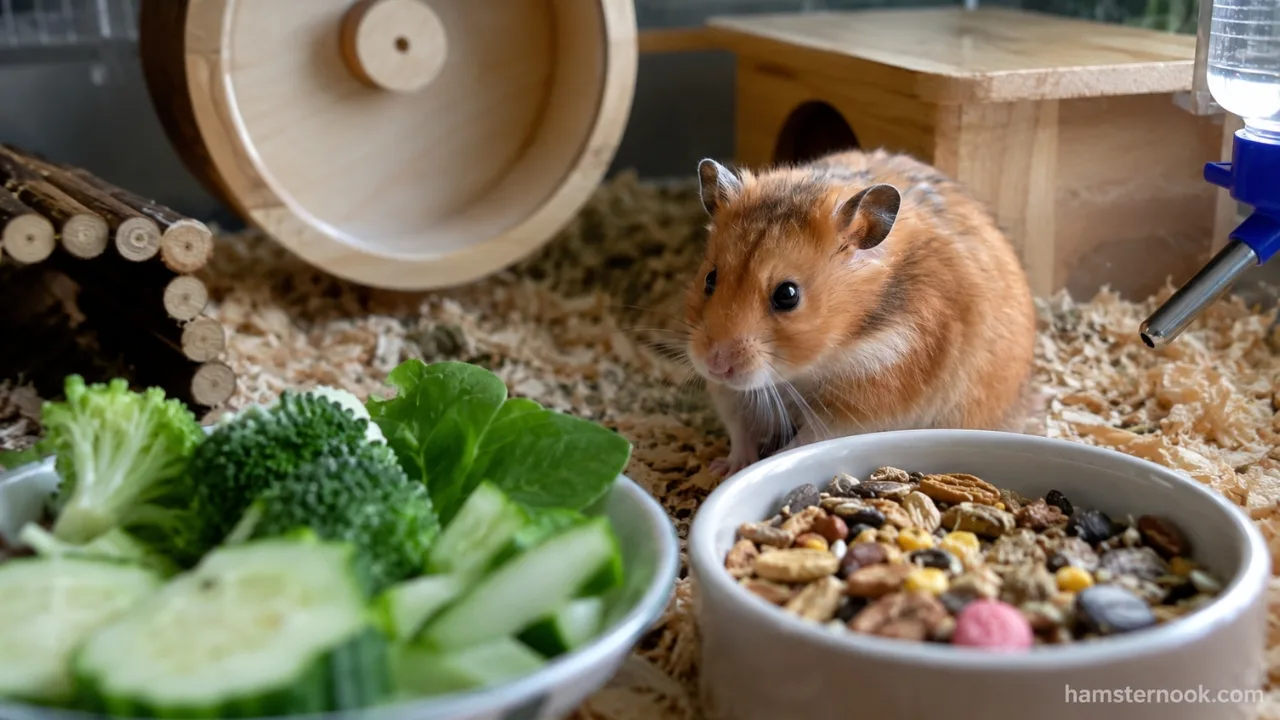
Provide their usual balanced hamster food rather than immediately replacing it with lots of treats.
A sudden dietary change can upset the digestive system, and treats should not become a substitute for a nutritionally balanced diet.
4. Observe Without Excessive Handling
Watch your hamster during their normal active period.
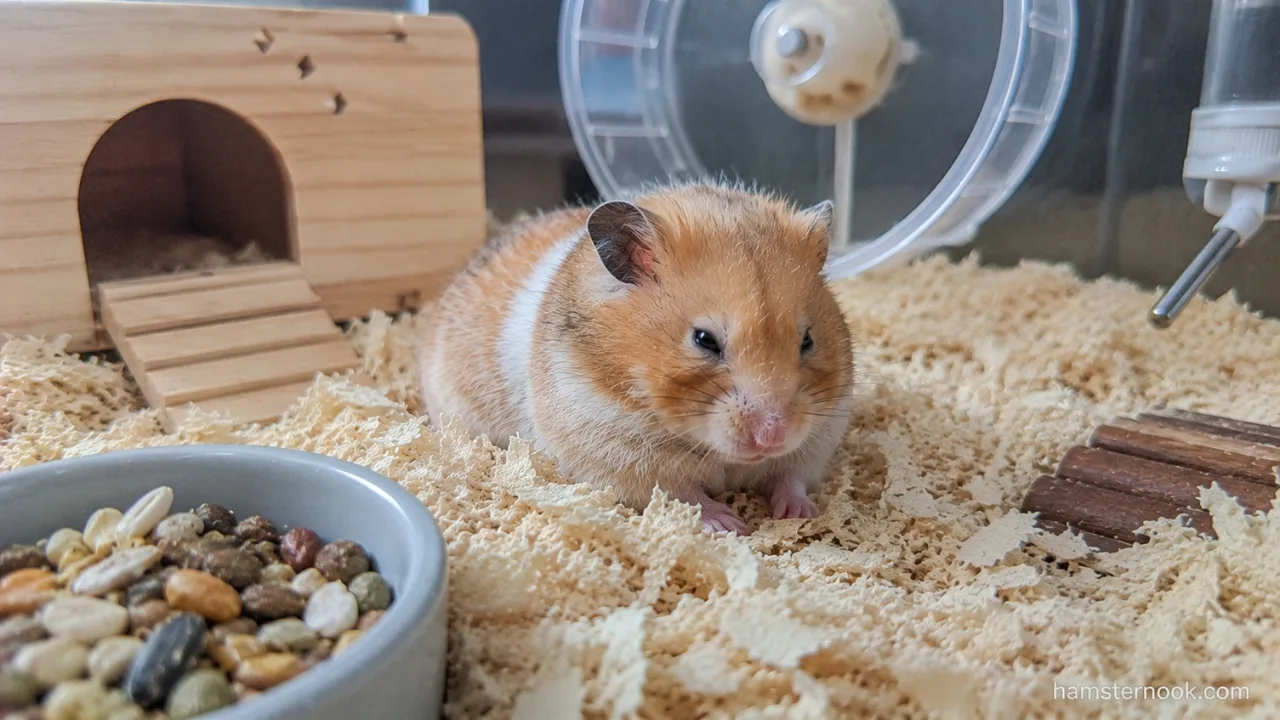
Look at their movement, posture, grooming, breathing, drinking, and interest in food. Avoid repeatedly waking or handling a sick-looking hamster simply to check whether they will eat.
5. Contact a Veterinarian if the Appetite Loss Is Genuine
If your hamster truly is not eating, particularly if this is accompanied by other changes, contact a veterinarian promptly.
When appetite loss is accompanied by weakness, Why Is My Hamster Suddenly Weak? 9 Causes, Warning Signs & What to Do provides more information about that related warning sign.
A veterinarian experienced with hamsters or other small exotic pets can assess the underlying cause rather than simply treating the appetite loss itself.

Warning Signs That Need Prompt Veterinary Attention
Do not wait for a hamster to become extremely weak before seeking help.
Contact a veterinarian promptly if appetite loss occurs with:
- Noticeable weight loss
- Marked inactivity or weakness
- Hunched posture
- Trouble breathing or abnormal breathing
- Diarrhea or a wet, soiled rear end
- Obvious digestive distress
- Discharge from the eyes or nose
- Difficulty walking or unusual movement
- Drooling or obvious difficulty eating
- Significant changes in urine or feces
- A hamster that stops behaving normally and remains withdrawn
Breathing problems deserve particular attention because airway disorders can become serious in hamsters.
If your hamster is struggling to breathe, extremely weak, collapsed, or otherwise appears critically ill, seek urgent veterinary care rather than trying home remedies.

Can You Force-Feed a Hamster?
Do not start syringe-feeding or force-feeding your hamster on your own simply because they have stopped eating.
Whether assisted feeding is appropriate depends on the underlying problem and the hamster’s condition. For example, an animal with a dental problem, digestive disorder, weakness, or difficulty swallowing may require a different approach.
Veterinary sources describe assisted feeding as part of supportive care for some sick hamsters, but that does not mean every owner should begin it without veterinary guidance.
A veterinarian can determine whether assisted feeding is appropriate and what type of food or method is safe.

Should You Give Extra Treats to Make Your Hamster Eat?
Offering a familiar, appropriate food can be reasonable while you monitor the situation, but loading the enclosure with sugary or fatty treats is not a good solution.
Hamsters need a balanced diet rather than a diet built around treats. Commercial hamster diets formulated to provide appropriate nutrition should form the foundation of feeding, with suitable fresh foods offered in limited amounts.
For a broader look at what that balanced diet should include, see Complete Hamster Diet Guide: What to Feed, How Much & How Often.
If a hamster refuses their normal food but eagerly accepts treats, that does not necessarily mean they are healthy. Some medical problems can make normal eating difficult while leaving an animal interested in particularly easy-to-eat foods.
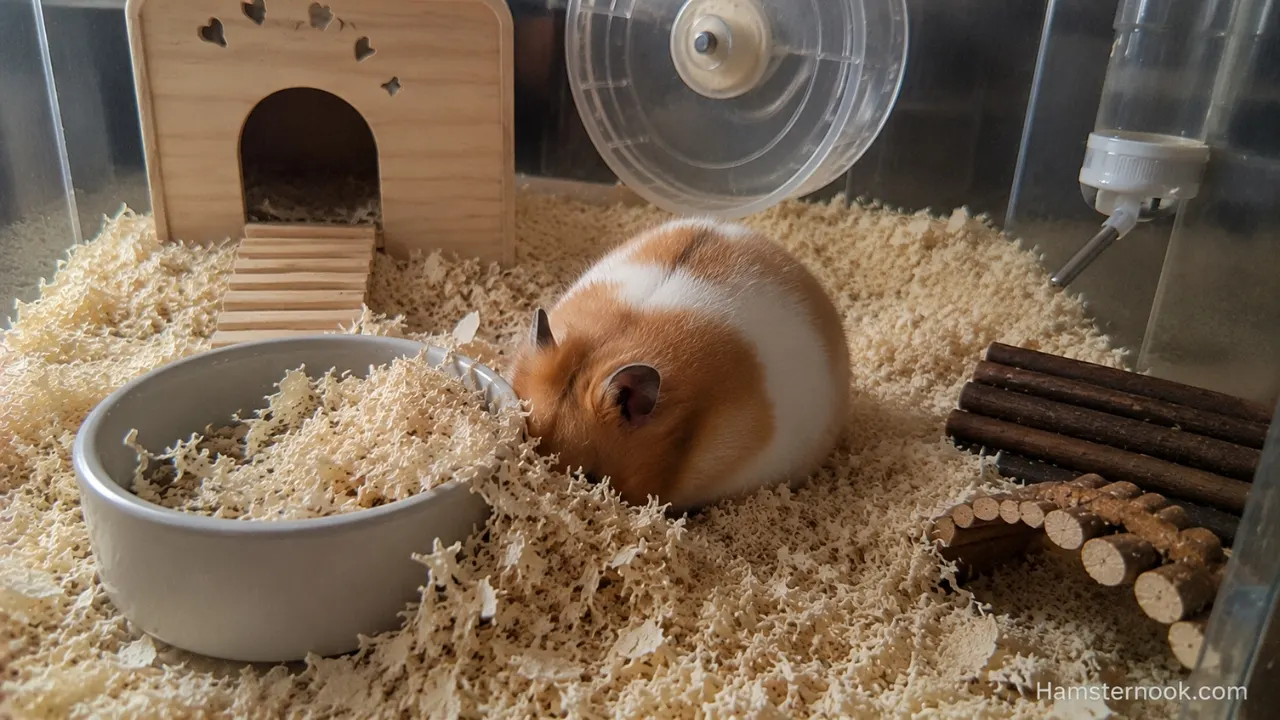
Persistent appetite changes still need attention.
A Hamster’s Food Hoarding Can Make This Confusing
Food hoarding is normal hamster behavior, and it is one of the biggest reasons owners can misjudge how much their hamster is eating.
Hamsters naturally carry food away from feeding areas and store it for later. A hamster can therefore have a seemingly untouched bowl while still having access to food elsewhere.
This is also why completely removing every food stash during routine cleaning is not always helpful. Food storage is part of normal hamster behavior, although spoiled or perishable food should be removed safely.
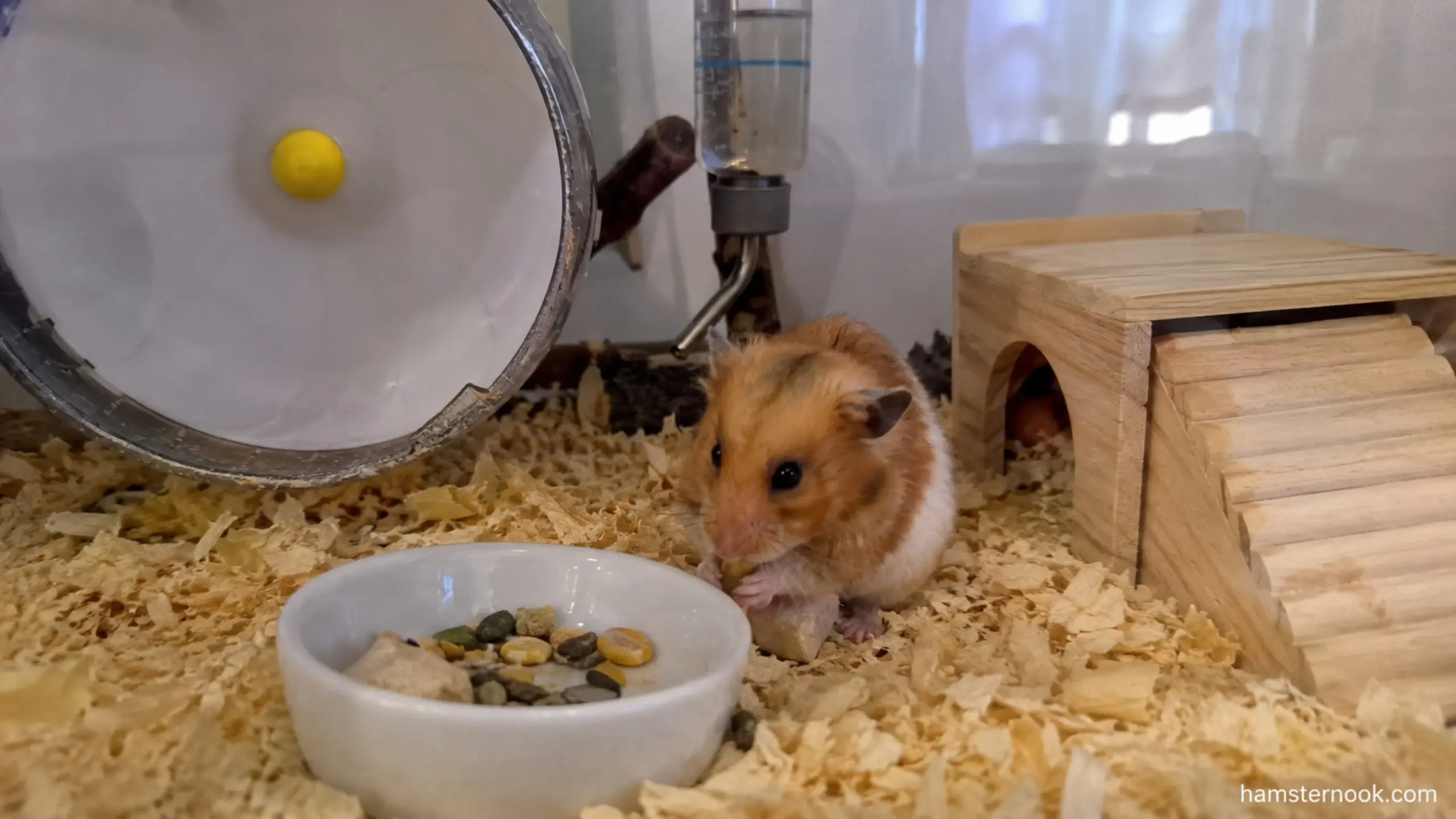
Dry food is generally easier to manage in a hoard than wet food. Wet food can spoil and support bacterial or mold growth, so any wet food given for a specific veterinary reason needs to be managed carefully.
Common Mistakes Owners Make
Waiting Several Days to See What Happens
There is no dependable rule saying that a hamster can safely go a certain number of days without food. Waiting for a fixed period can delay treatment of the underlying problem.
Assuming the Hamster Is Eating Because the Food Bowl Is Empty
Hamsters may move food into hidden storage, so bowl appearance alone is not a reliable measure of intake.
Assuming the Hamster Is Sick Because the Bowl Looks Full
The opposite can also happen. A hamster may have a well-stocked food stash and therefore not take much from the bowl.

Offering Lots of Treats Instead of Investigating
Treats may temporarily encourage eating, but they do not address dental disease, digestive illness, pain, or another underlying condition.
Trying Home Treatments Without Knowing the Cause
Avoid giving medications, supplements, antibiotics, or other treatments without veterinary direction. Hamsters are small enough that inappropriate treatment can create additional risks.
How to Prevent Appetite Problems From Going Unnoticed
The easiest way to notice a change is to know your hamster’s normal routine.
Spend a little time observing your hamster regularly. Pay attention to:
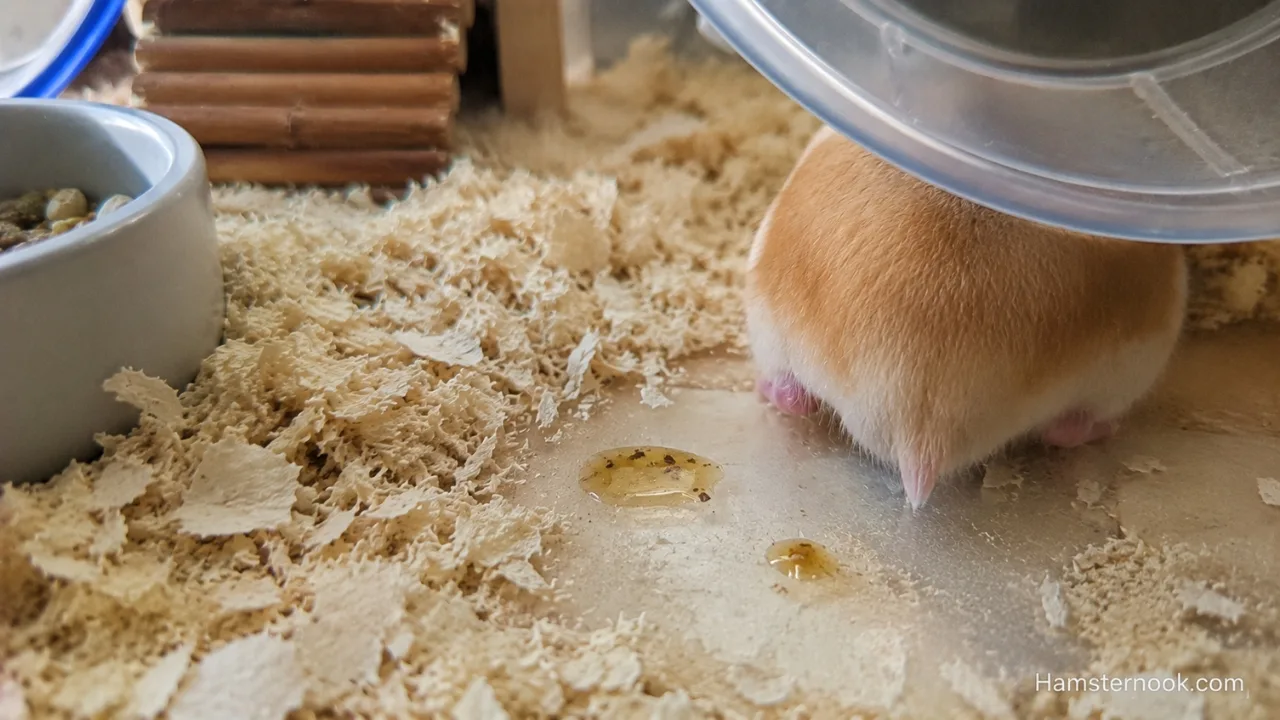
- Normal eating habits
- Drinking
- Activity levels
- Body condition
- Droppings
- Grooming
- Movement
- Breathing
- Where food is normally stored
Routine observation makes subtle changes much easier to recognize.
Providing a balanced diet, constant access to clean water, appropriate housing, and routine veterinary care also supports overall health.
When to Worry About a Hamster Not Eating
The most concerning situation is not simply “my hamster didn’t eat one meal.”
It is a persistent or genuine reduction in food intake, especially when it comes with another change in health or behavior.
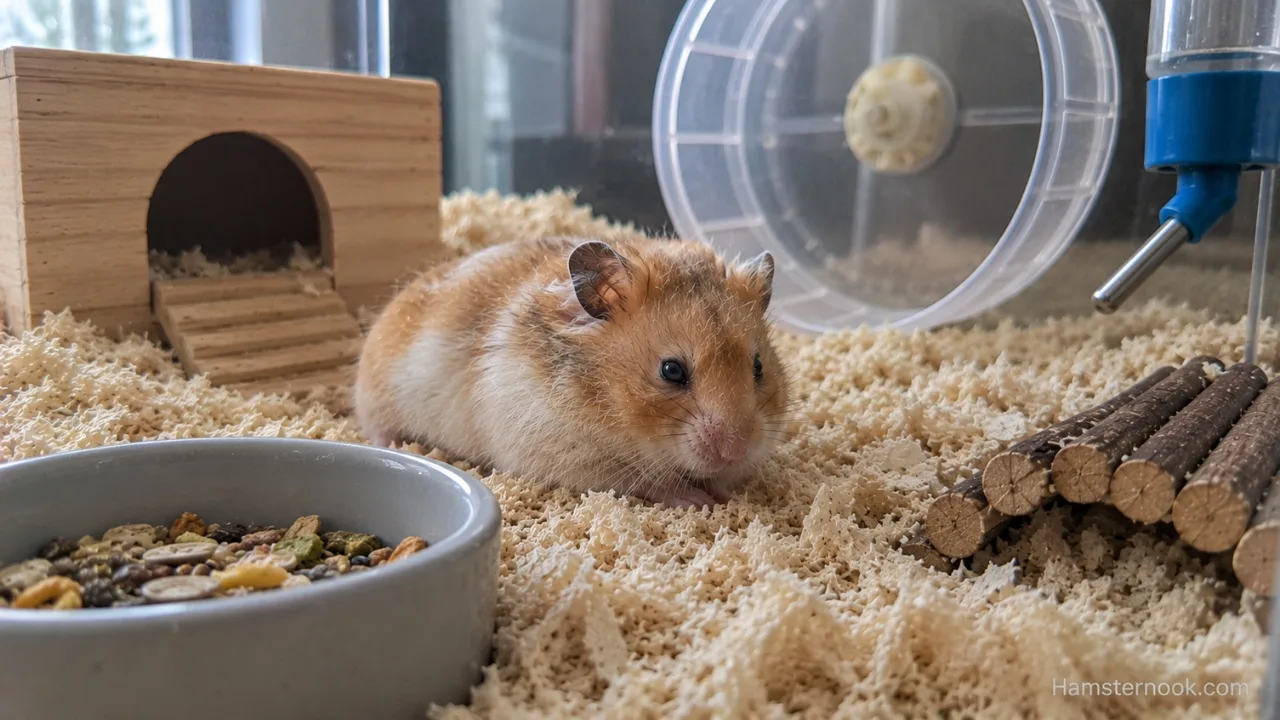
For example:
| What you notice | What it may mean for your next step |
|---|---|
| Food bowl looks untouched, but a normal food stash is present | Check the stash and continue observing normal eating behavior |
| Hamster eats from the stash and behaves normally | Less concerning than complete loss of appetite, but continue routine monitoring |
| Hamster refuses normal food and becomes unusually inactive | Contact a veterinarian promptly |
| Reduced appetite with weight loss or hunched posture | Veterinary assessment is warranted |
| Reduced appetite with diarrhea or a soiled rear end | Prompt veterinary attention is important |
| Reduced appetite with breathing difficulty | Seek veterinary care promptly |
| Hamster appears extremely weak or critically ill | Treat as urgent and seek veterinary care |
This table is not a diagnostic tool. The same symptom can occur with different conditions, and only a veterinarian can determine what is causing the problem.
What About a Hamster That Has Not Eaten Overnight?
An overnight change is not automatically an emergency.
Hamsters have individual routines, and owners can easily miss their eating activity because much of it occurs when the household is asleep.

Before assuming your hamster has gone without food, check their stored food and observe them during their normal active period.
However, if your hamster continues refusing food or you notice other signs of illness, do not rely on the fact that only one night has passed as reassurance. A genuine appetite change deserves attention.
Final Thoughts
There is no safe, universal number of days that a hamster can go without food, so “how long can a hamster survive without eating?” is not the most useful question to ask.
The more important question is whether your hamster is actually eating and behaving normally.
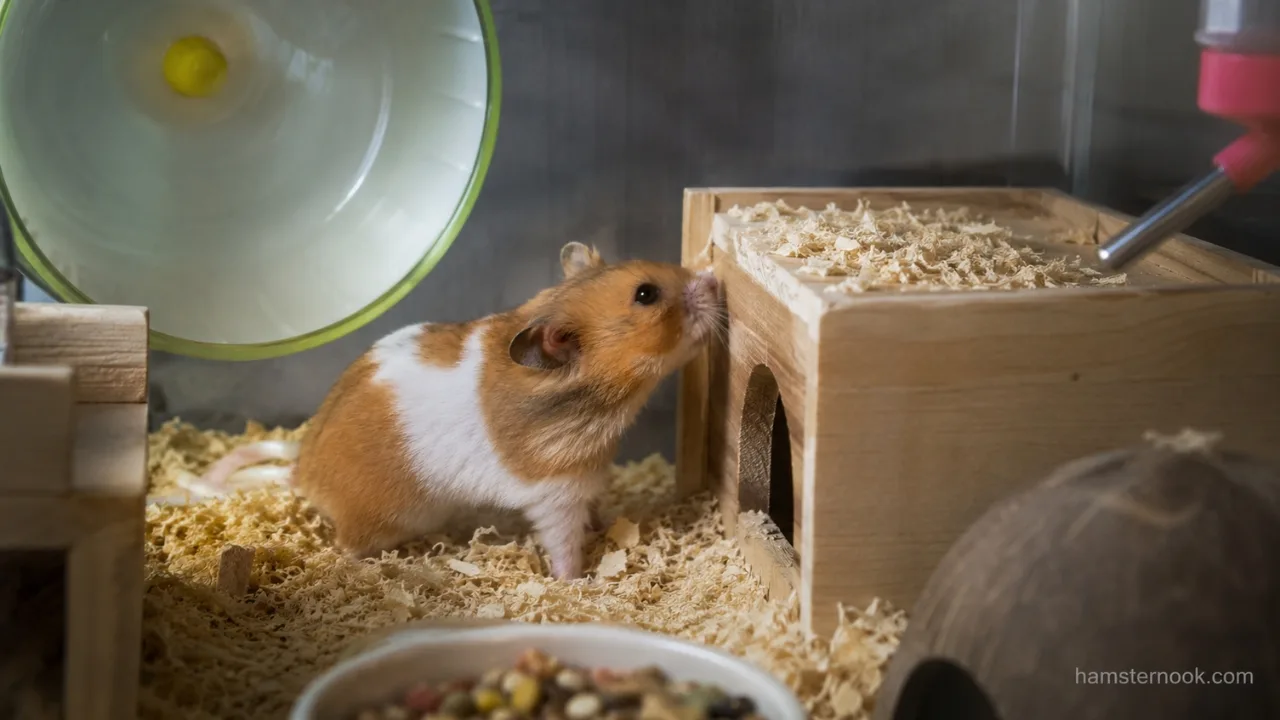
Because hamsters naturally hide food, check their food stash before assuming they have stopped eating. Then watch their normal activity, confirm that fresh water is available, and look for changes such as weight loss, inactivity, hunched posture, diarrhea, discharge, dental difficulty, or breathing problems.
If your hamster genuinely stops eating, especially when other warning signs are present, contact a veterinarian rather than waiting for the problem to resolve on its own.
Frequently Asked Questions
How long can a hamster go without food?
There is no reliable number of hours or days that can be considered safe for every hamster. A genuine loss of appetite can be a sign of illness, so it is better to investigate the cause promptly than to wait for a specific time limit.
Can a hamster survive one day without food?
You should not deliberately leave a hamster without food to see how long they can manage. If you think your hamster has not eaten for a day, first check hidden food stores and observe them during their normal active period. If they truly refuse food, particularly with other symptoms, contact a veterinarian.
Why does my hamster look like it is not eating?
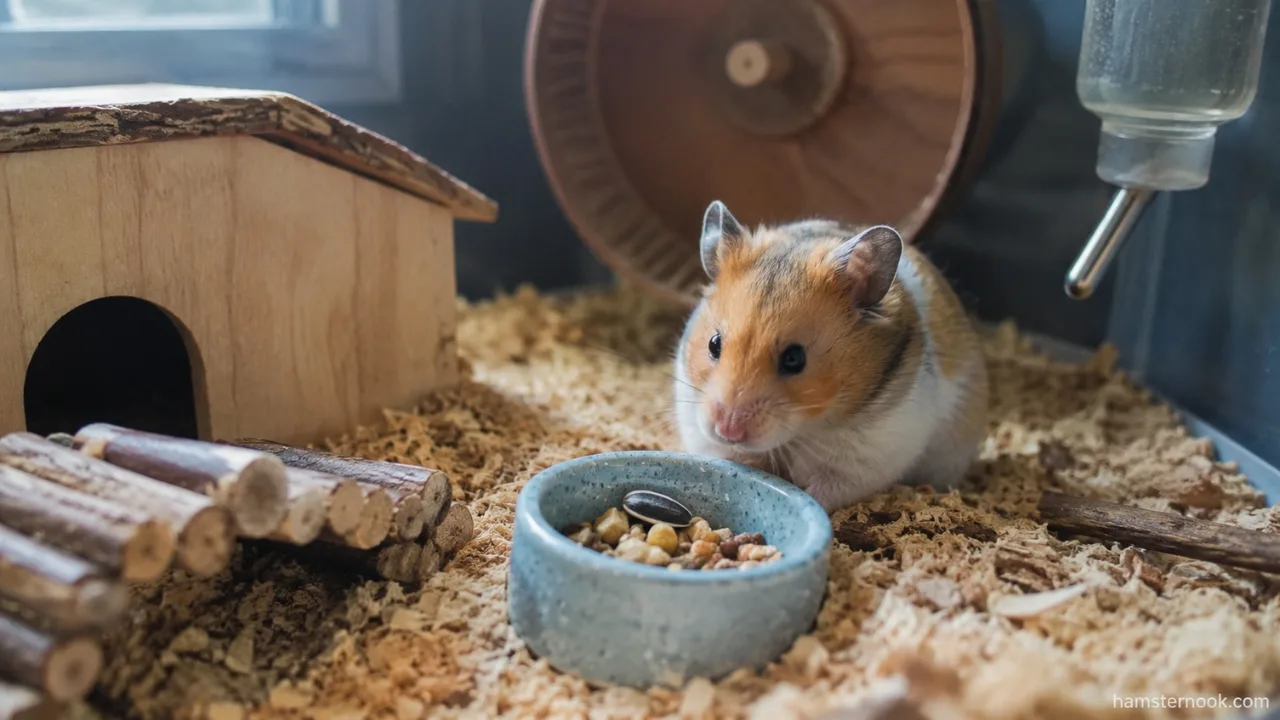
The most obvious explanation may be food hoarding. Hamsters naturally carry food in their cheek pouches and store it around their enclosure. Check their usual hiding places before assuming they have stopped eating.
Should I give my hamster more treats if they won’t eat?
Do not rely on treats to solve a persistent appetite problem. Offer their normal appropriate diet and investigate why they are not eating. If appetite remains reduced or other signs of illness appear, contact a veterinarian.
Can dental problems stop a hamster from eating?
Yes. Dental problems can interfere with normal eating. Overgrown teeth can cause difficulty eating, drooling, loss of appetite, and weight loss, so a hamster showing these signs should be evaluated by a veterinarian.
Should I force-feed a hamster that is not eating?
Not unless a veterinarian has specifically advised you to do so. Assisted feeding may be appropriate for some sick hamsters, but the underlying cause and the safest feeding method need to be considered first.
How can I tell whether my hamster is actually eating?
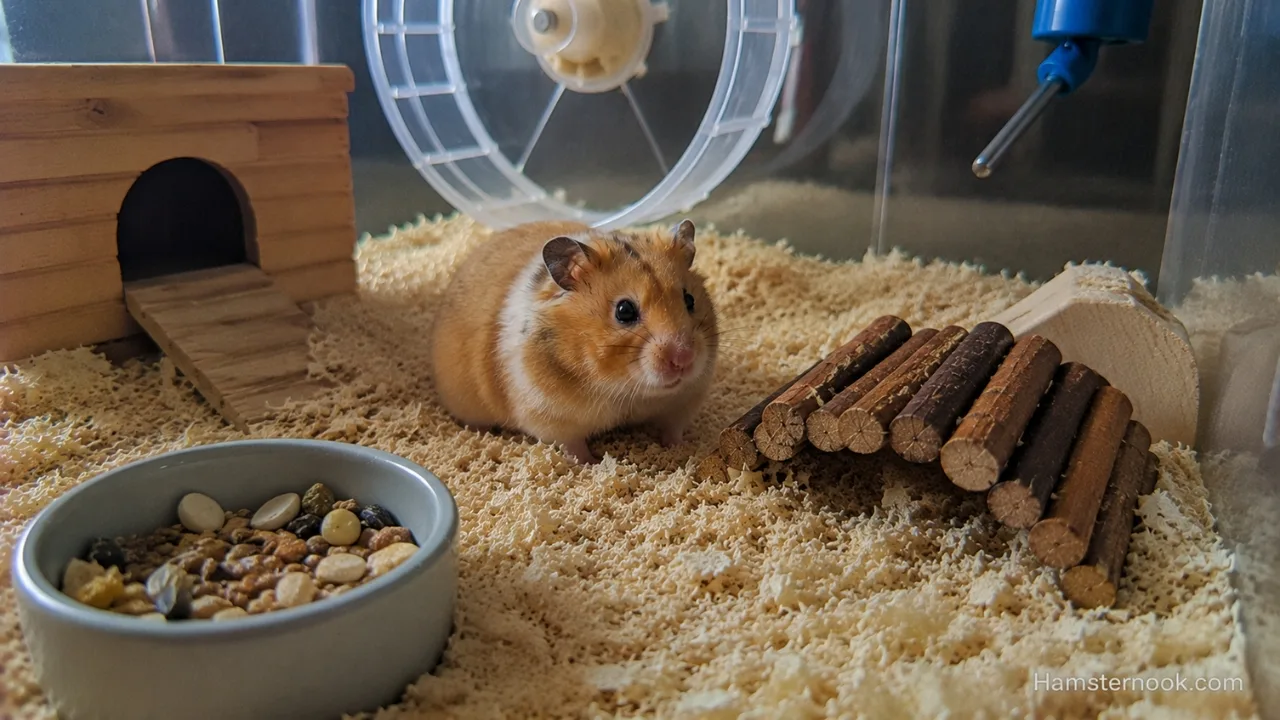
Look beyond the food bowl. Check for food stored in the enclosure, observe your hamster during their normal active period, and watch for normal chewing, drinking, activity, and droppings. A sudden change from your hamster’s usual routine is worth paying attention to.
What are the most serious signs when a hamster stops eating?
Loss of appetite combined with severe inactivity, weight loss, hunched posture, diarrhea, discharge, difficulty eating, or breathing difficulty is particularly concerning. Breathing problems and a hamster that appears critically weak warrant prompt veterinary attention.
References
This guide is based on trusted veterinary and animal welfare resources covering hamster husbandry, nutrition, feeding, and health, including:
- MSD Veterinary Manual – Hamsters – Veterinary reference covering hamster husbandry, feeding, physical examination, and signs of illness.
- MSD Veterinary Manual – Disorders and Diseases of Hamsters – Veterinary information on digestive, nutritional, and respiratory disorders in hamsters.
- RSPCA – What to Feed a Pet Hamster – Guidance on balanced diets, food hoarding, fresh water, and monitoring food intake.
- PDSA – Hamsters as Pets – Veterinary charity guidance on hamster nutrition and appropriate feeding.
Medical Disclaimer
This article is for general educational purposes and is not a substitute for veterinary diagnosis or treatment. A hamster that stops eating, loses weight, becomes unusually weak, develops diarrhea, or has difficulty breathing should be assessed by a veterinarian. Do not give medications or attempt assisted feeding unless a veterinarian has advised you how to do so safely.

Narayan Kumar is the founder and author of HamsterNook. He creates practical, research-based hamster care guides covering hamster behavior, nutrition, cage setup, enrichment, health, and everyday care. His goal is to help hamster owners make informed decisions and provide safer, healthier lives for their pets through clear, beginner-friendly information based on trusted animal care resources.