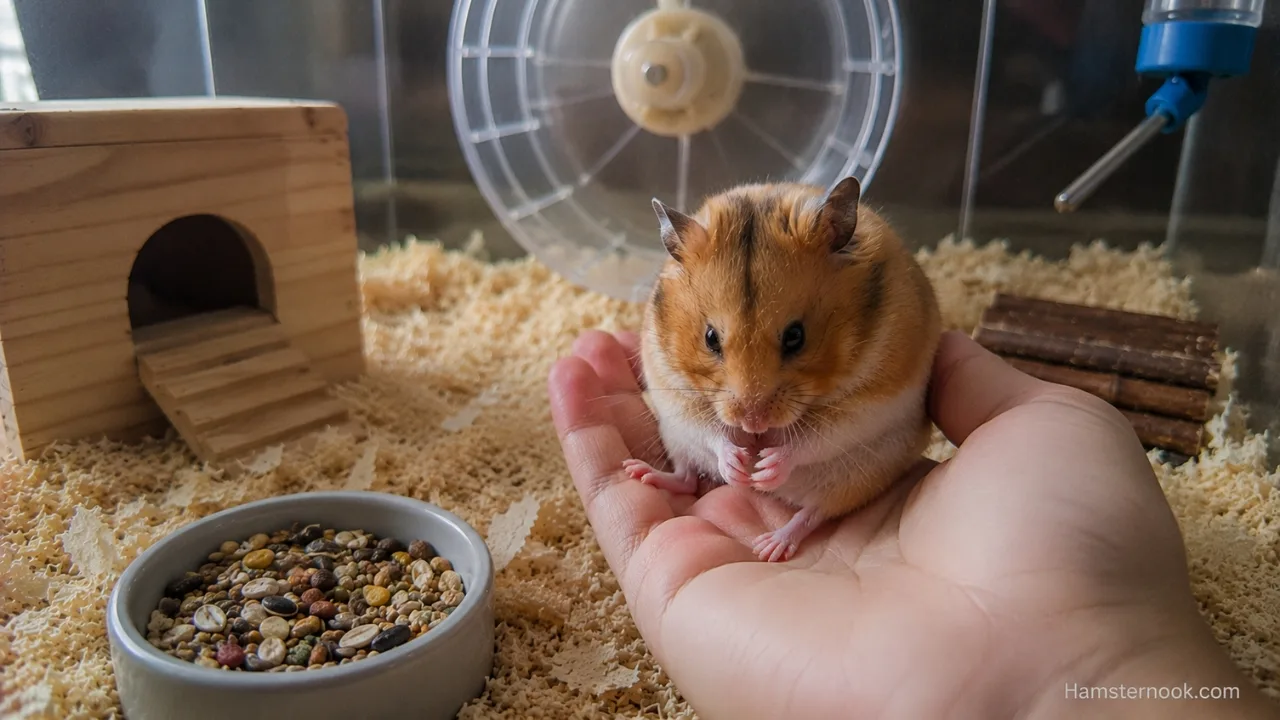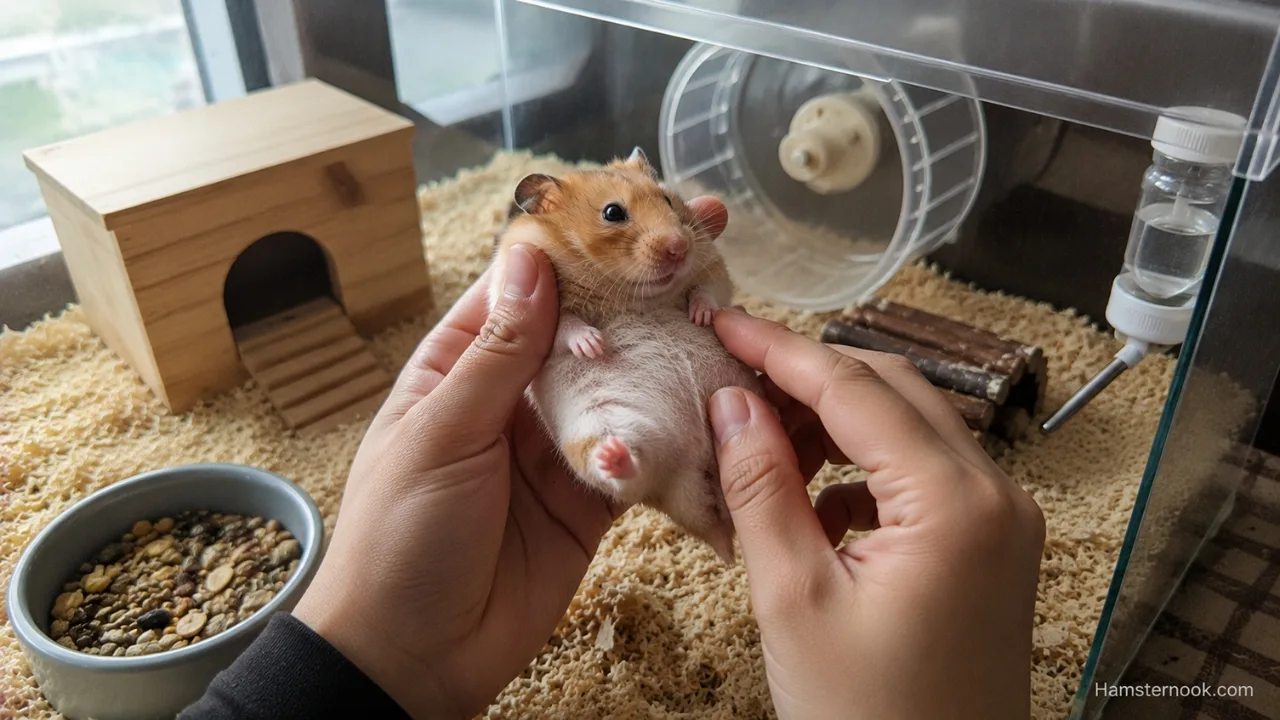
Hamsters can become unwell without making the problem obvious at first. That makes routine observation especially valuable: you learn what your hamster normally looks and acts like, so subtle changes are easier to notice. A simple daily visual check paired with a more careful weekly wellness check can help you spot changes in appetite, weight, movement, teeth, coat, and bathroom habits before they are easy to miss.
Quick Answer
Observe your hamster every day for changes in behavior, appetite, movement, breathing, and general appearance. A calm, more thorough wellness check about once a week is a practical routine for monitoring weight, body condition, coat, teeth, feet, nails, and the rear end.
The RSPCA advises visually checking hamsters every day for normal behavior, movement, breathing, posture, bright eyes, coat condition, wounds, and lumps. It also recommends gently checking the body during handling for lumps and changes in body condition. The MSD Veterinary Manual similarly recommends spending time with your hamster daily so you become familiar with its normal appearance and behavior.
A weekly wellness check does not replace veterinary examinations. Think of it as a consistent way to notice changes at home.
A regular wellness routine works best alongside strong everyday husbandry. Our Complete Hamster Care Guide for Beginners (2026) covers the core care, housing, feeding, and daily welfare needs new owners should understand.
Why Regular Hamster Health Checks Matter
Hamsters are small animals, and changes in their condition can become significant quickly. The RSPCA notes that hamsters have high metabolic rates and can lose condition quickly when unwell. It also warns that they may not show obvious outward signs of pain.
You also have an advantage that a veterinarian seeing your hamster occasionally does not: you know your hamster’s normal routine.
Perhaps your hamster normally emerges around the same time each evening, immediately begins foraging, uses the wheel later, and carries food back to a particular hide. A change from that routine doesn’t automatically mean illness, but it gives you something worth watching.
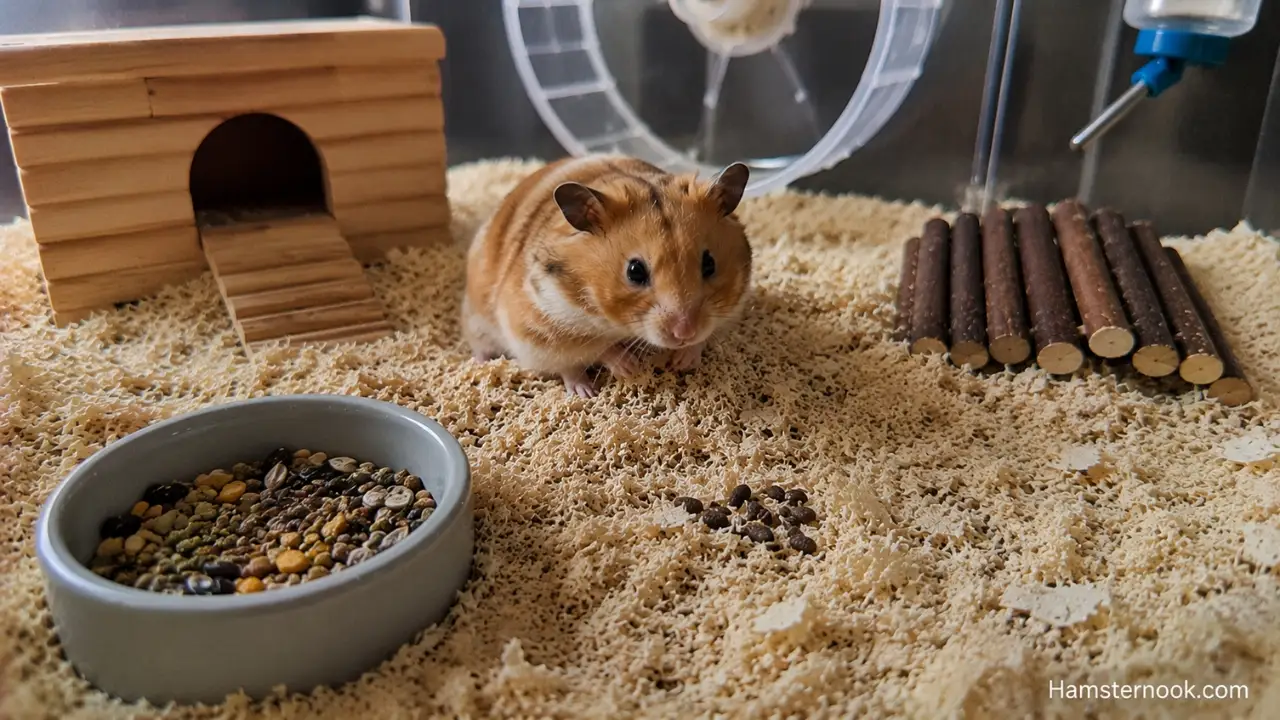
The MSD Veterinary Manual lists changes such as inactivity, appetite or weight loss, discharge, hunched posture, abnormal walking, coat changes, diarrhea, and difficulty breathing among signs that can accompany illness in hamsters.
Regular checks aren’t about trying to diagnose those problems yourself. They’re about noticing that something has changed.
Daily Checks vs. a Weekly Wellness Check
You don’t need to wake your hamster and perform a full examination every morning. In fact, repeatedly disturbing a sleeping hamster would work against a calm, predictable routine.
Instead, separate everyday observation from the closer weekly check.
| Check | How Often | What to Look For |
|---|---|---|
| General behavior | Daily | Normal activity, posture, exploration, unusual hiding |
| Eating and drinking | Daily | Noticeable changes from your hamster’s usual pattern |
| Breathing | Daily | Comfortable breathing without obvious difficulty |
| Eyes and nose | Daily | No unusual discharge |
| Urine and feces | Daily | Changes in appearance, amount, consistency, or odor |
| Body condition and weight | Weekly | Unexpected loss or noticeable change |
| Coat and skin | Weekly | Hair loss, wounds, irritation, lumps |
| Teeth | Weekly | Obvious overgrowth, damage, drooling, eating difficulty |
| Feet and nails | Weekly | Sores, damaged nails, excessive nail growth |
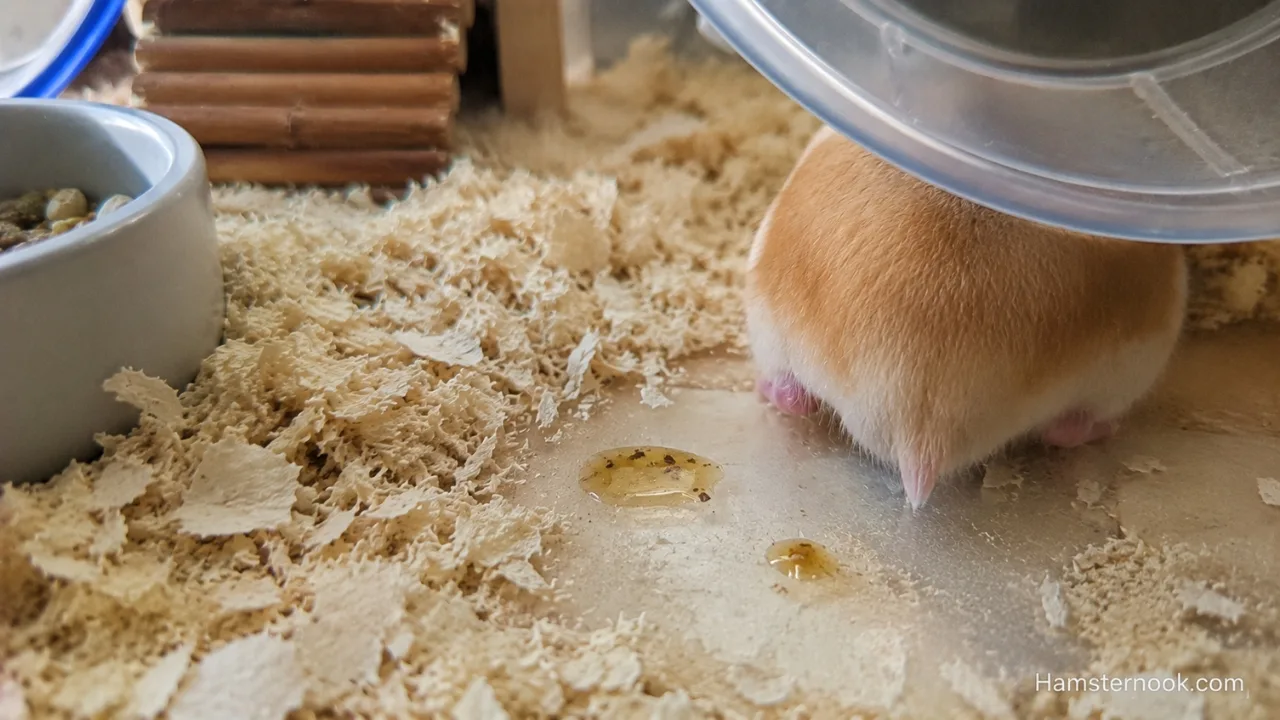
| Rear end | Weekly | Clean and dry without urine, fecal staining, or abnormal discharge |
Along with observing drinking behavior, check that the water bottle or other water source is functioning normally. A blocked or leaking bottle can change water availability even when the hamster’s behavior initially appears normal.
This schedule is a practical owner routine rather than a veterinary rule that every item must be examined exactly seven days apart. Daily observation matters most because a concerning change shouldn’t wait until “health-check day.”The body areas listed above reflect common areas assessed during hamster health examinations and provide owners with a practical framework for routine monitoring at home.
Your Weekly Hamster Wellness Checklist
Choose a time when your hamster is naturally awake and comfortable being handled. Keep the session calm and brief.
1. Start With Behavior Before Touching Your Hamster
Watch your hamster inside the enclosure first.

Does it move normally? Is it interested in exploring? Does its posture look like it usually does?
This first observation is useful because handling can change an animal’s behavior. You want to see what your hamster does before it knows a health check is happening.
Sick hamsters may show reduced activity, a hunched posture, less exploration, or other behavioral changes. None of those signs identifies a particular disease on its own, but a clear departure from your hamster’s normal behavior deserves attention.
2. Check Body Weight and Condition

A small digital scale that measures in grams can make weight tracking easier. Place a secure container on the scale, tare it to zero, and let your hamster sit inside briefly.
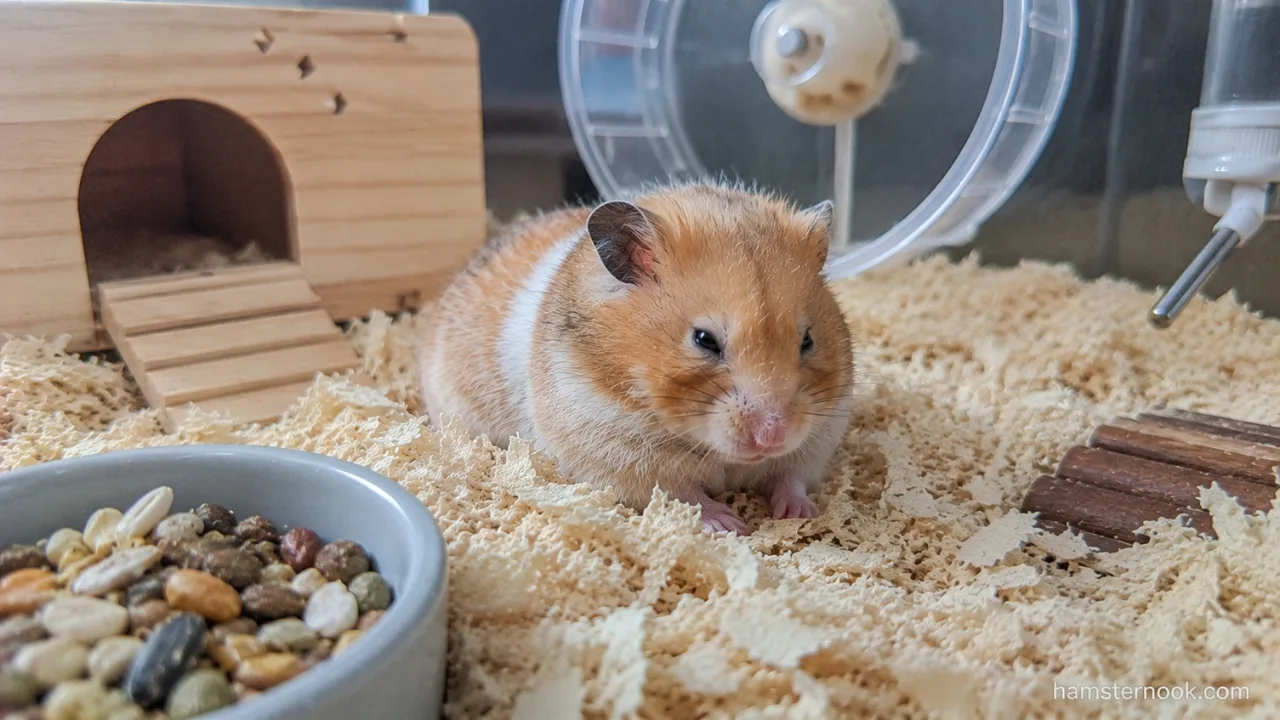
Record the number rather than relying on memory.
For more useful comparisons, weigh your hamster under similar conditions each time, such as around the same part of its active period and using the same container and scale.
The most useful information is not whether your hamster matches a weight found online, but whether its own weight changes unexpectedly over time. Species, sex, age, genetics, and individual build all affect body size. What matters at home is recognizing an unexpected change from your hamster’s established pattern.
Weight loss is among the signs of illness identified by the MSD Veterinary Manual, while routine veterinary examinations may include recording body weight.

While handling your hamster, gently notice its overall body condition. The RSPCA recommends feeling the body for lumps and checking that a hamster has not become excessively thin or overweight.
3. Look at the Eyes, Nose, and Ears
Healthy-looking eyes should appear clear rather than showing obvious discharge. Check around the nose and ears for anything unusual as well.
MSD’s hamster examination guidance specifically includes examining the eyes and ears for discharge or inflammation. Discharge from the eyes, ears, or nose can also occur with illness.
Don’t try to clean deep inside your hamster’s ears or apply eye products yourself. The home check is visual: you’re looking for changes that may need professional assessment.

4. Check the Teeth and Mouth Area
A hamster’s incisors grow continuously throughout life, so regularly observing the visible teeth, eating habits, and mouth area can help you notice potential problems.
You don’t need to force your hamster’s mouth open. When your hamster is comfortable, look at the visible front teeth and watch how it eats.
Pay attention to:
- Teeth that appear unusually long or damaged
- Drooling or persistent wetness around the mouth
- Difficulty picking up or chewing food
- Reduced interest in food
- Unexplained weight loss
Overgrown incisors can interfere with eating, and MSD identifies drooling, appetite loss, and weight loss as possible consequences of dental overgrowth. The RSPCA also recommends checking the front teeth regularly and seeking veterinary care if they become overgrown.
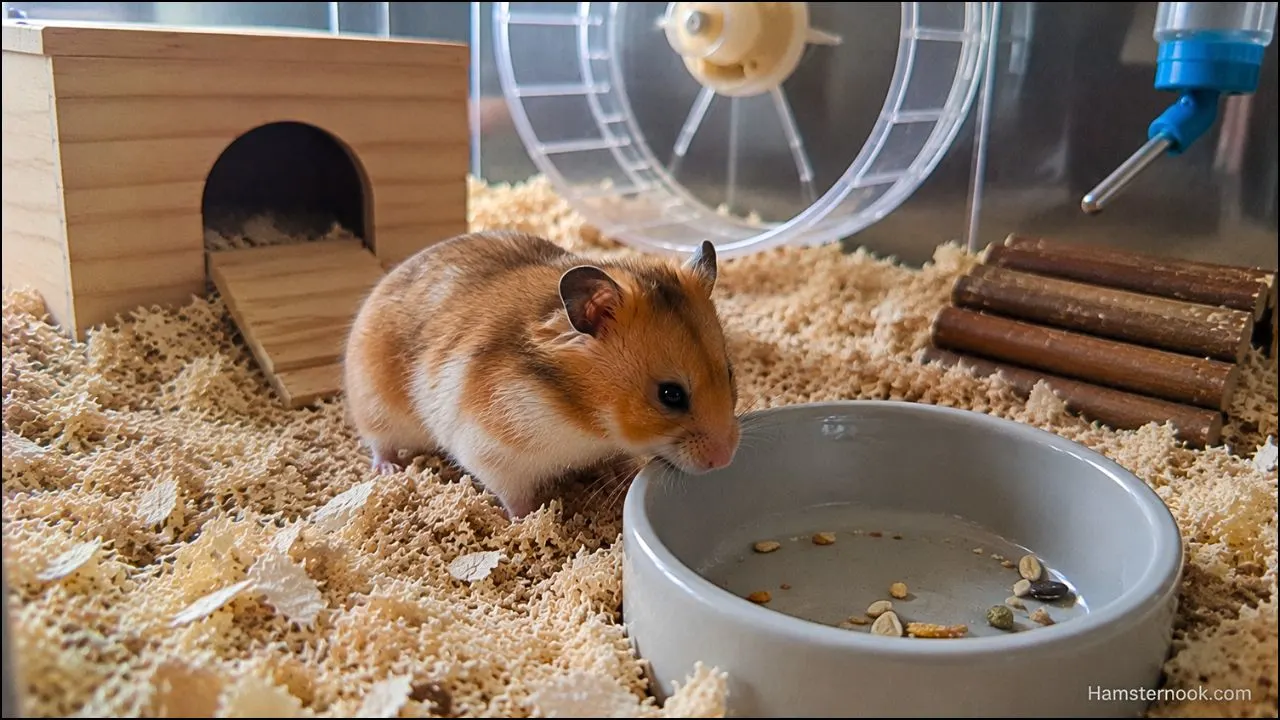
Chewing opportunities should be part of the enclosure, but don’t attempt to trim overgrown teeth at home. Dental problems need veterinary assessment.
Providing appropriate chewing opportunities can help support normal tooth wear before problems develop. For safe dental enrichment and materials to avoid, see our Best Hamster Chew Toys: Safe Materials, Dental Care & What to Avoid guide.
5. Examine the Coat and Skin
Run your eyes over the entire coat and gently feel the body if your hamster tolerates handling.
Look for:

- New bald areas
- Wounds or scratches
- Swelling
- Unusual lumps
- Matted or unusually scruffy fur
- Skin irritation
MSD recommends checking hamster skin and fur for hair loss, wounds, trauma, and other abnormalities. A rough coat or hair loss can also accompany illness.
Remember that normal anatomy can sometimes surprise beginners. Syrian hamsters, for example, have paired flank scent glands that can appear as darker areas on the sides of the body, particularly in males.
Rather than assuming every visible feature is abnormal, learn what your individual hamster normally looks like.
Check the Feet, Nails, and Movement
Let your hamster walk across a secure, flat surface or simply observe it moving around its enclosure.
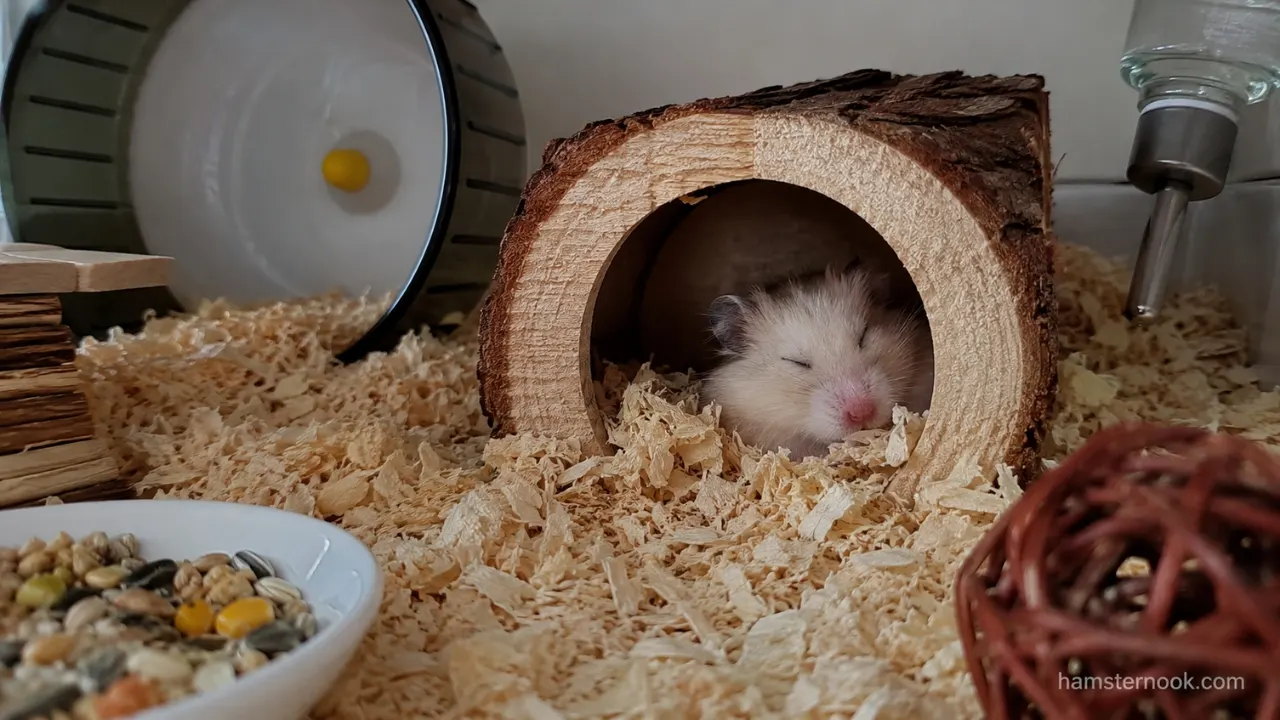
Movement should look normal for that individual. Pay attention to limping, reluctance to move, repeated stumbling, or an unusual posture.
Then look at the feet and nails. Veterinary examination guidance includes checking for foot sores and overgrown or broken nails.
Avoid cutting nails simply because they look longer than expected. Hamster nails contain living tissue, and incorrect trimming can cause injury. If nail length is becoming a problem, ask a hamster-experienced veterinarian how it should be managed.
Knowing how nail growth normally progresses can make weekly checks easier and help you recognize when intervention may actually be needed. Our How Fast Do Hamster Nails Grow? Do They Need Trimming? guide explains when nail length may need veterinary attention.

Check the Rear End and Bathroom Habits

This part isn’t glamorous, but it can reveal important changes.
Look around the rear end for:
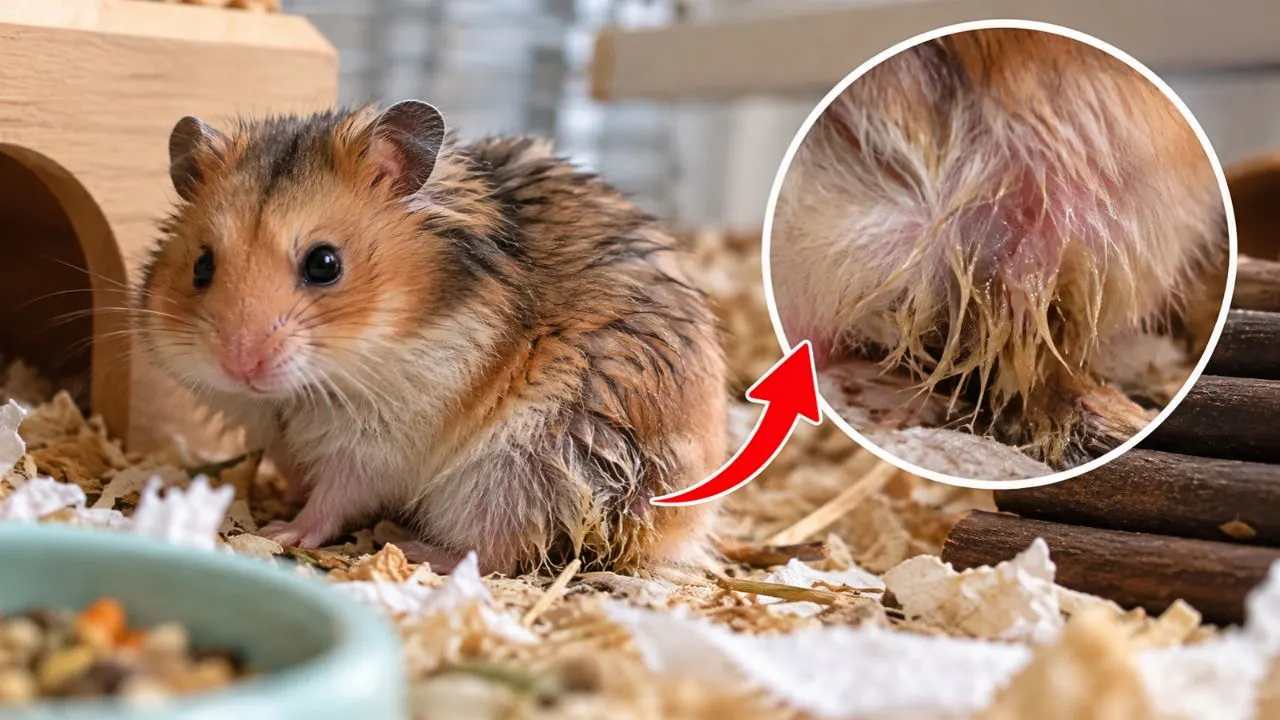
- Wet or matted fur
- Fecal staining
- Urine staining
- Diarrhea
- Abnormal discharge
The fur around the rear end should normally remain clean and dry, without obvious fecal or urine staining. MSD specifically recommends checking around the genitals and rear for fecal or urine staining and, in females, abnormal vaginal discharge.
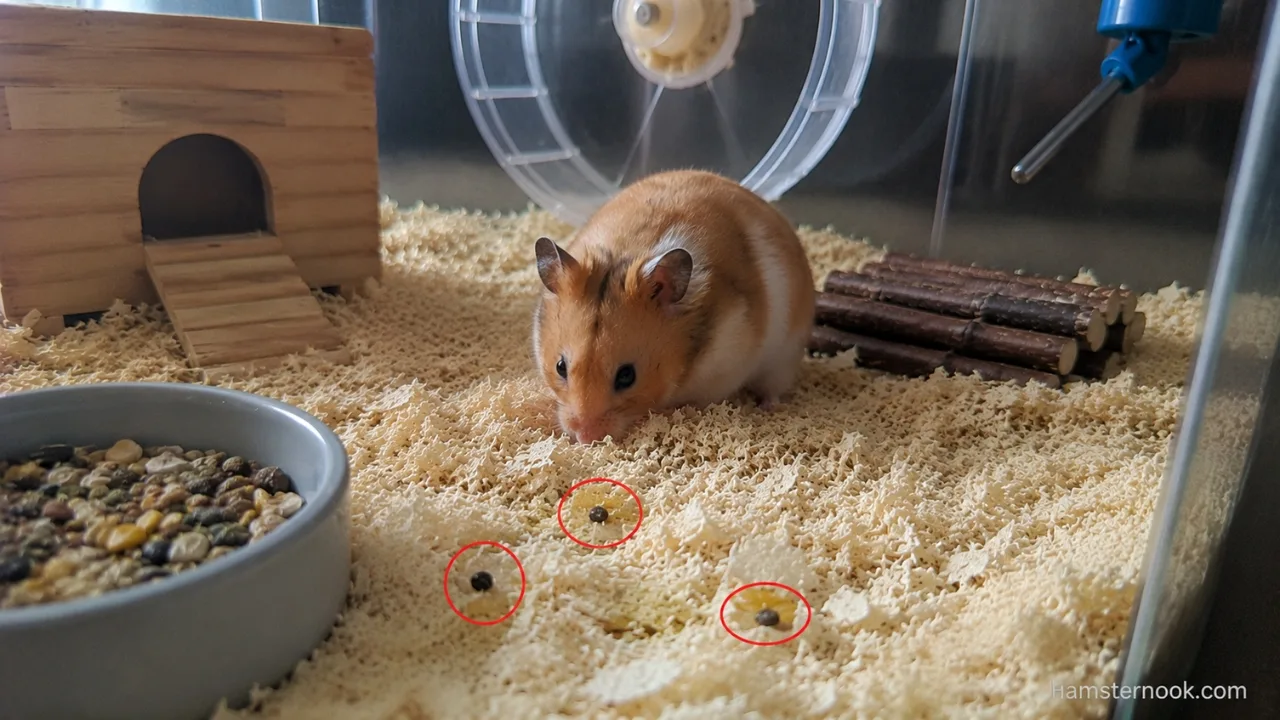
You should also notice what’s happening in the enclosure. Changes in the color, consistency, odor, or amount of urine and feces can be early indicators that something isn’t right.

Changes in urine can also be useful to track as part of a consistent health baseline. Our What Does Healthy Hamster Urine Look Like? Normal Color, Odor & Warning Signs guide covers normal urine changes and signs that may need attention.
Droppings are another useful part of routine monitoring because changes can be easier to recognize when you know your hamster’s normal baseline. Our What Do Healthy Hamster Droppings Look Like? Normal Color, Shape & Warning Signs guide explains what owners can look for when droppings change.
Practical Example: A Five-Minute Weekly Check
Suppose your hamster is already awake on Sunday evening.
Before opening the enclosure, watch it walk and explore. Check that its breathing and posture look normal. While it’s interested in a treat or calmly climbing into a container, weigh it and record the result.

During gentle handling, look over the coat and skin and feel for anything noticeably different. Check the eyes, nose, mouth area, feet, nails, and rear end without restraining the hamster unnecessarily.
Finally, think about the previous week. Has eating changed? Have you noticed unusual feces? Is the water bottle working? Has activity changed noticeably?
The goal isn’t a complicated physical examination. It’s a repeatable routine that makes changes easier to recognize.
Common Mistakes During Hamster Health Checks
A weekly wellness routine should make health monitoring easier, not turn into a stressful examination. Several common habits can make checks less useful or unnecessarily uncomfortable for the hamster.

Waiting for the Weekly Check When Something Looks Wrong
The weekly schedule is for routine monitoring, not for delaying action when you notice a concerning change between checks.
If you notice diarrhea, difficulty breathing, loss of appetite, unusual inactivity, abnormal walking, discharge, or another significant change on Tuesday, don’t wait until Sunday’s wellness check. MSD advises veterinary assessment when changes in a hamster’s appearance or behavior are noticed.
Waking a Hamster for an Examination
Try to check your hamster when it is naturally awake. NC3Rs guidance notes that handling hamsters during their active period is preferable, and regular gentle handling helps them become accustomed to human contact.
A sleeping hamster that is suddenly grabbed may become frightened or defensive. Waiting until it wakes naturally also gives you a better opportunity to observe normal movement and behavior.

Trying to Diagnose a Problem Yourself
A home wellness check can help you recognize that something has changed, but it cannot determine the underlying cause.
For example, weight loss can occur alongside many different health problems. A lump may have several possible causes. Diarrhea isn’t a diagnosis by itself.
Use the checklist to identify changes, then let a veterinarian determine the cause.
Forcing the Mouth Open to Inspect Teeth
You can observe the visible incisors, mouth area, eating behavior, and signs such as drooling without forcing a hamster’s mouth open.

Veterinarians can perform a more complete oral examination and check for issues such as overgrown teeth or impacted cheek pouches when necessary.
Relying on Memory for Weight
Gradual weight changes can be difficult to notice by appearance alone.
Recording your hamster’s weight under similar conditions each week gives you a personal baseline to compare over time. Don’t compare the number too closely with another hamster’s weight and assume yours should be identical.
A trend in your own hamster’s weight is more useful for home monitoring than a single isolated measurement.
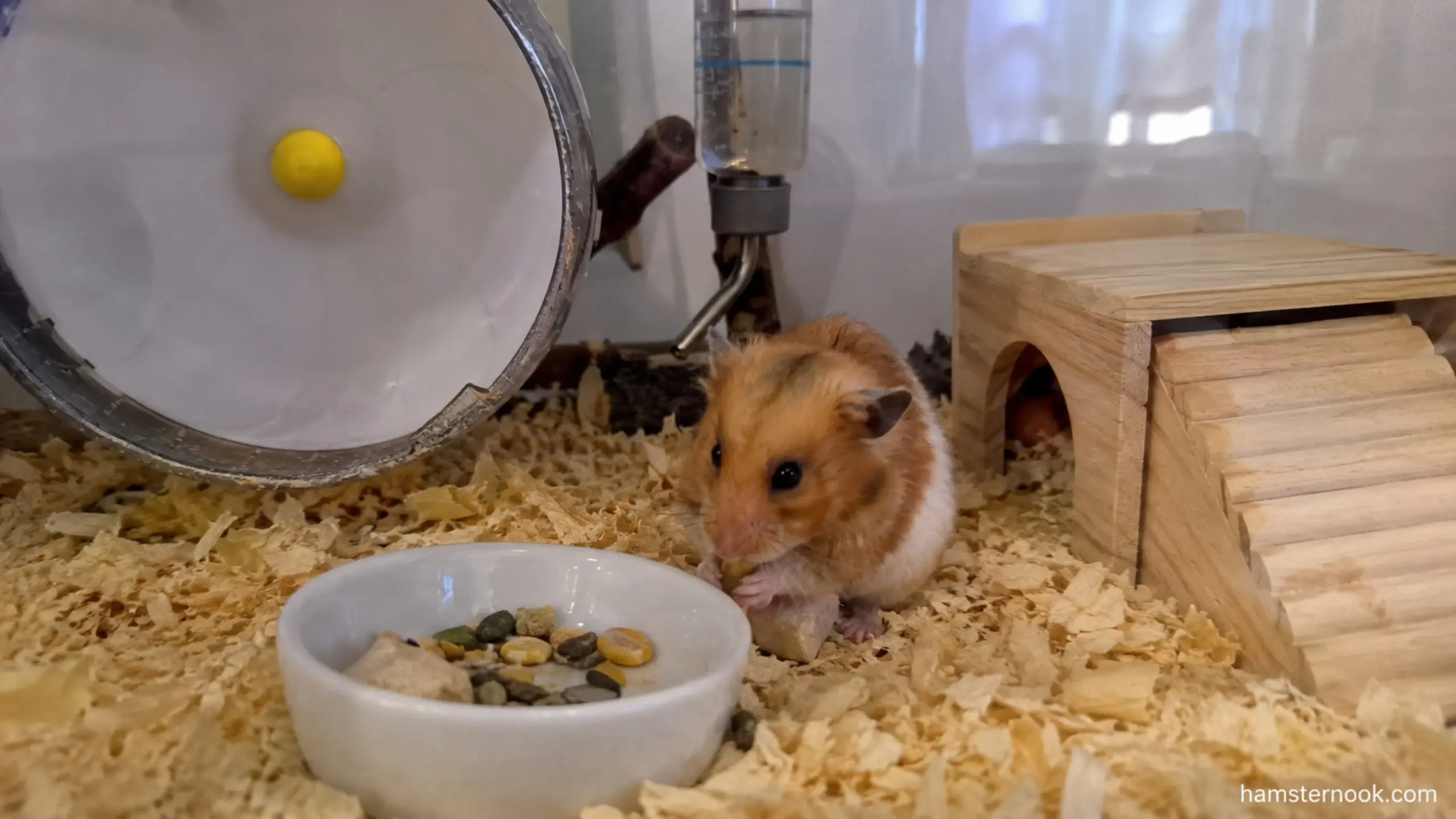
An unexplained downward trend deserves closer attention, especially when it appears alongside changes in appetite or activity. Our Why Is My Hamster Losing Weight? Causes, Warning Signs & What to Do guide covers warning signs and possible reasons for unexplained weight loss.
What You Should Do
Make the weekly wellness check simple enough that you’ll actually keep doing it.
Choose one evening each week when your hamster is normally awake. Keep a small record with the date, weight, and anything unusual you noticed.
Your notes might look like this:
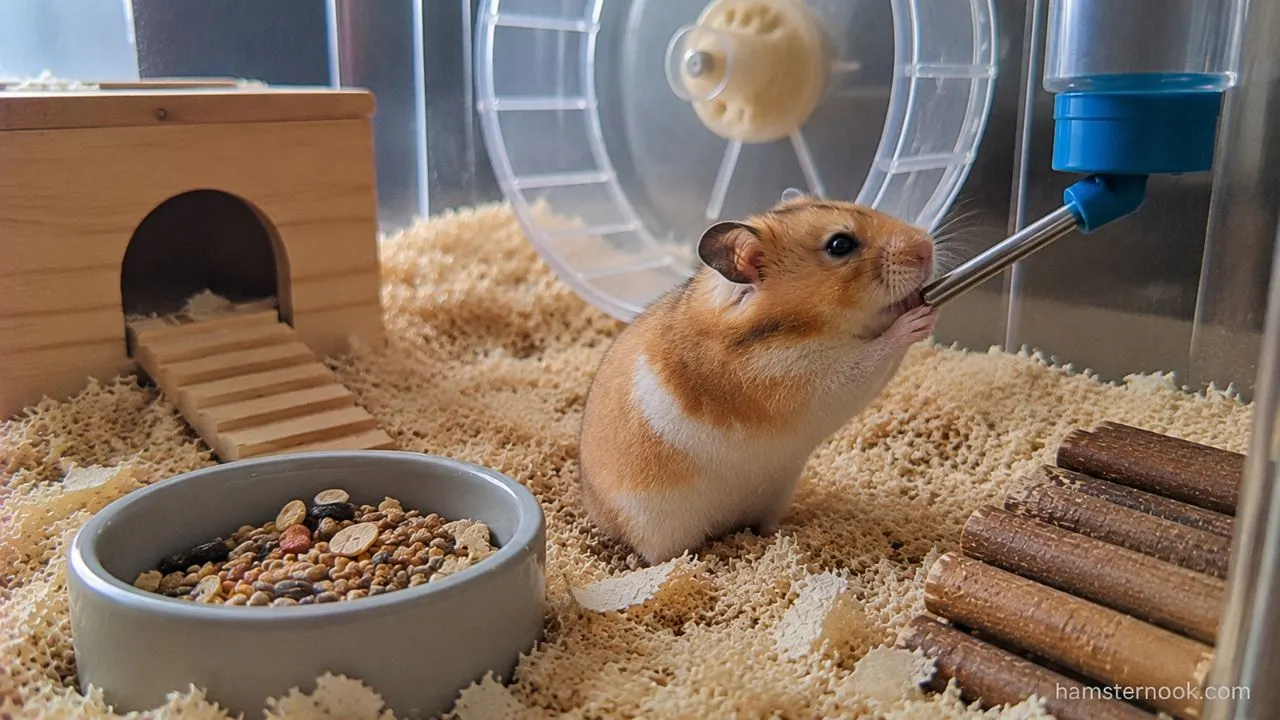
July 5 — 142 g — active, eyes clear, coat normal, eating normally
July 12 — 141 g — no noticeable changes
July 19 — 140 g — normal activity and appearance
These numbers are only an illustration of how a record could be formatted, not reference weights for hamsters.
You don’t need to write a detailed report every week. Consistent records make it easier to notice a change from your hamster’s usual pattern.
Bring these records to veterinary appointments when relevant. A simple history of weight, appetite, activity, and when a change first appeared can give the veterinarian useful context.

Daily care should continue alongside the weekly check. Make sure fresh water is available, food intake appears normal, the enclosure remains safe and sanitary, and your hamster behaves normally during its active period. Preventive care, appropriate nutrition, clean water and bedding, and safe housing all contribute to hamster health.
Warning Signs That Shouldn’t Wait for the Next Check
Some changes deserve attention as soon as you notice them.
Contact a veterinarian promptly if your hamster develops:
- Difficulty breathing or wheezing
- Diarrhea or a persistently wet, soiled rear
- Loss of appetite
- Significant or unexplained weight loss
- Severe inactivity or weakness
- Abnormal walking
- Eye, ear, or nasal discharge
- A hunched posture
- An injury or concerning new lump
MSD lists inactivity, appetite or weight loss, discharge, hunched posture, abnormal walking, coat changes, diarrhea, and breathing difficulty among signs of illness in hamsters. Respiratory problems can become serious quickly because of a hamster’s small size.

Because stress and illness can sometimes produce overlapping behavior changes, persistent changes in activity or behavior should be considered alongside physical signs rather than viewed in isolation. Our 7 Ways You’re Accidentally Stressing Your Hamster: Signs & What to Do guide covers common stress-related changes and what owners can do to reduce avoidable stress.
The RSPCA likewise recommends contacting a veterinarian immediately when a hamster shows signs of illness or poisoning.
When to Worry About a Change
Knowing your hamster’s baseline helps here.
A hamster sleeping during the day isn’t automatically lethargic. Hamsters are naturally most active during low-light periods, including night, dawn, and dusk.

What matters is a meaningful departure from the individual hamster’s normal pattern.
If a hamster that normally comes out every evening suddenly stays hunched in its nest and refuses food, that’s different from finding a healthy hamster asleep at midday.
The same principle applies to weight, coat condition, movement, bathroom habits, and behavior. Look for changes from normal rather than trying to match every hamster to an identical standard.
Looking at several physical and behavioral signs together can give you a clearer picture than relying on one symptom alone. Read How to Tell If Your Hamster Is Happy, Healthy, Stressed, or Sick: Complete Owner’s Guide (2026).
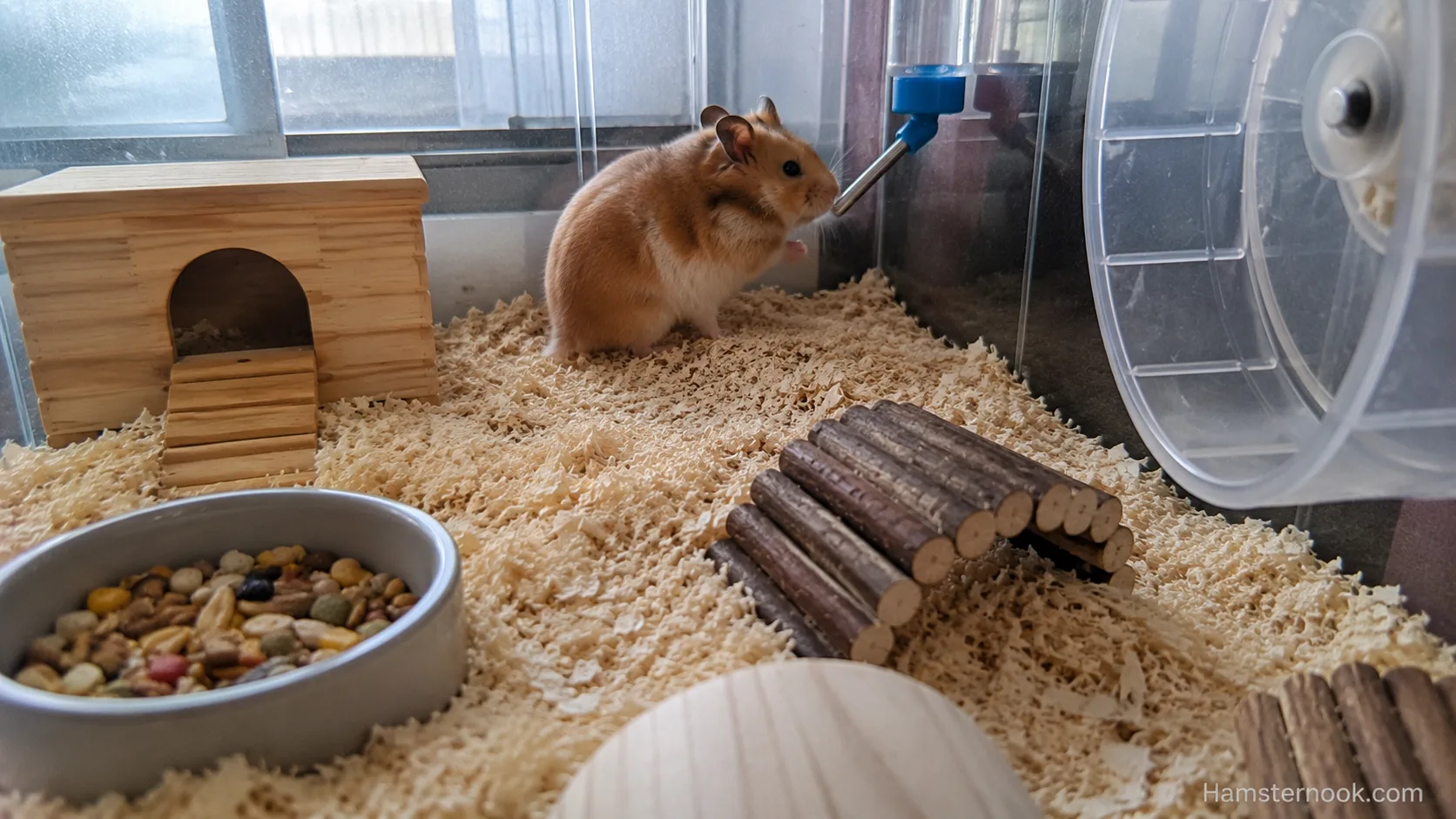
When a change is significant, persists, or occurs alongside another warning sign, contact a veterinarian rather than waiting for the next scheduled wellness check.
A Weekly Check Doesn’t Replace Veterinary Care
Home wellness checks and veterinary examinations serve different purposes.
At home, you’re well positioned to notice changes because you see your hamster regularly. A veterinarian can perform a physical examination, investigate abnormalities, diagnose disease, and recommend appropriate treatment.
MSD recommends arranging a veterinary health check after getting a hamster, both to identify potential problems and establish a medical record. It also recommends finding a veterinary practice experienced in treating hamsters.
Finding that veterinarian before an urgent problem develops can save valuable time later.
Never give a hamster human medication, leftover medication from another pet, or antibiotics without veterinary direction. Some antibiotics can seriously disrupt a hamster’s digestive tract, and their small body size makes accurate dosing particularly important.
Final Thoughts
You don’t need to perform a complicated examination every day to keep a close eye on your hamster’s health.
Instead, build two habits: observe your hamster daily and perform a calm, consistent wellness check about once a week.

Daily observation helps you notice changes in activity, eating, breathing, posture, and bathroom habits. The weekly check gives you a closer look at weight, body condition, coat, skin, teeth, feet, nails, and rear end.
More than anything, learn your hamster’s normal. The familiar details—when it wakes, how it walks, how eagerly it eats, what its coat normally looks like—give you a useful baseline.
A checklist won’t diagnose an illness. What it can do is help you recognize when something has changed, so you can seek veterinary help when it’s needed.
Frequently Asked Questions
How often should I check my hamster’s health?
Observe your hamster every day for changes in behavior, activity, appetite, breathing, movement, and general appearance. A more structured weekly check of weight, coat, skin, teeth, feet, nails, and rear end is a practical addition to daily monitoring. MSD recommends spending time with your hamster every day so you become familiar with how it normally looks and behaves.

Should I weigh my hamster every week?
Weekly weighing can be a useful part of a consistent home wellness routine because it creates a record you can compare over time. Weight loss is a recognized sign that can accompany illness, so unexpected changes should be considered alongside appetite, behavior, and other signs.
What does a healthy hamster look like?
There isn’t one appearance that describes every healthy hamster, but during a health assessment you would expect clear eyes, clean fur without obvious injury, normal movement, and no obvious diarrhea or abnormal discharge. Knowing your individual hamster’s usual appearance and behavior is equally important.
Should I wake my hamster for a health check?
Routine checks are better performed when your hamster is naturally awake. Hamsters are generally active during low-light hours, and NC3Rs recommends handling them during their active period where possible.
What should I record in a hamster health journal?
Keep it simple: date, body weight, appetite or eating changes, activity, coat and skin condition, bathroom changes, and anything else unusual. Consistent notes can help you recognize changes from your hamster’s normal pattern and provide useful background if veterinary care becomes necessary.

Should I check my hamster’s teeth every week?
Including the visible incisors and mouth area in your weekly check is sensible. Hamster incisors grow continuously, and overgrowth can lead to drooling, appetite loss, and weight loss. A veterinarian should assess suspected dental problems rather than having the teeth trimmed at home.
When should I take my hamster to a veterinarian?
Don’t wait for the next weekly check if you notice a concerning change. Loss of appetite or weight, diarrhea, breathing difficulty, abnormal walking, unusual inactivity, discharge, or a hunched posture are among signs that warrant veterinary attention.
References
This guide is based on hamster health monitoring, welfare, and husbandry guidance from trusted veterinary and animal welfare resources, including:
- NC3Rs – Housing and Husbandry: Hamster
- RSPCA – Hamster Health & Welfare Tips
- MSD Veterinary Manual – Routine Health Care of Hamsters
- MSD Veterinary Manual – Disorders and Diseases of Hamsters
Medical Disclaimer:
This article is intended for educational purposes only and is not a substitute for professional veterinary advice, diagnosis, or treatment. Regular wellness checks can help owners notice changes in a hamster’s appearance, appetite, activity, or behavior, but they cannot replace a veterinary examination. If you notice persistent or concerning changes, signs of pain, difficulty breathing, significant weight changes, injury, or other symptoms of illness, contact a qualified exotic animal veterinarian promptly.

Narayan Kumar is the founder and author of HamsterNook. He creates practical, research-based hamster care guides covering hamster behavior, nutrition, cage setup, enrichment, health, and everyday care. His goal is to help hamster owners make informed decisions and provide safer, healthier lives for their pets through clear, beginner-friendly information based on trusted animal care resources.