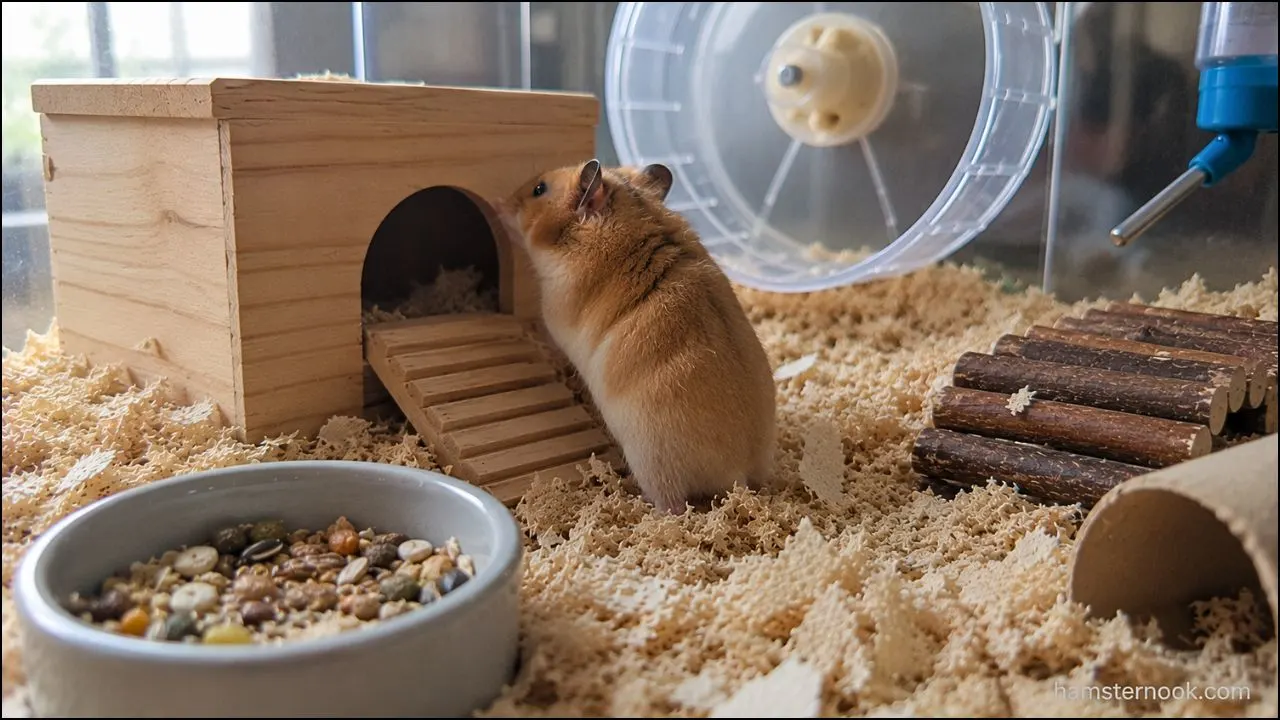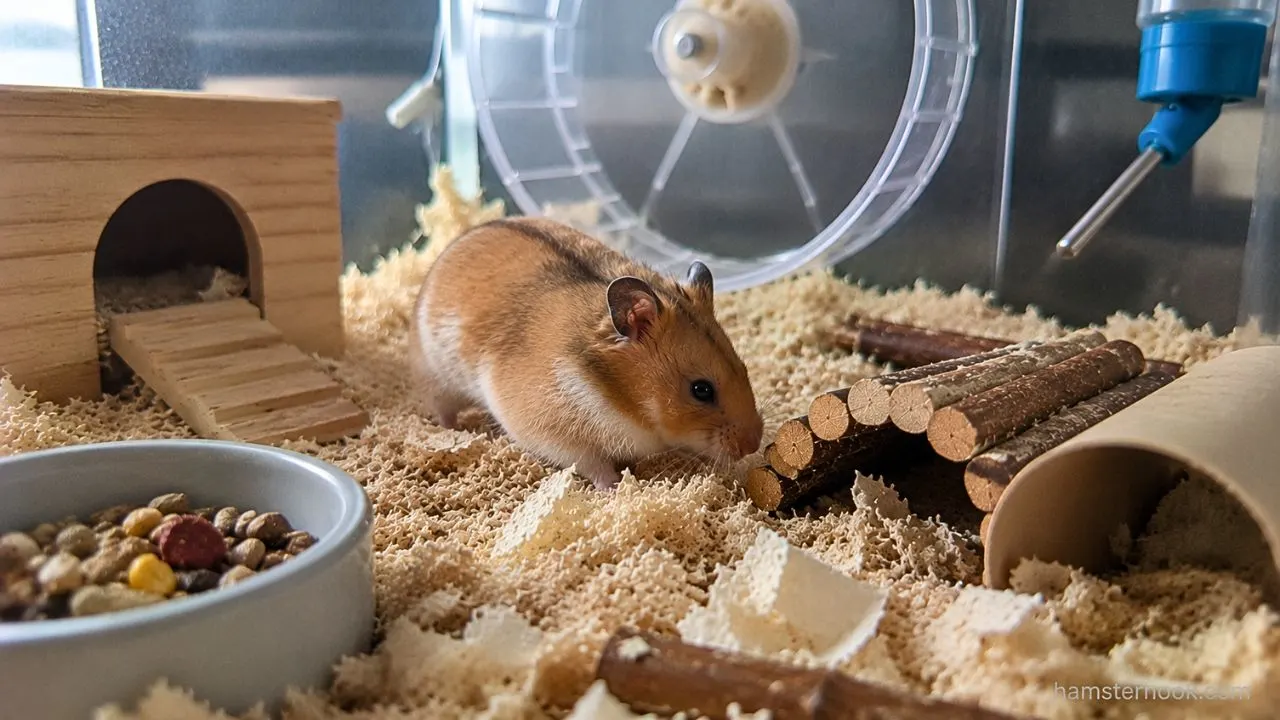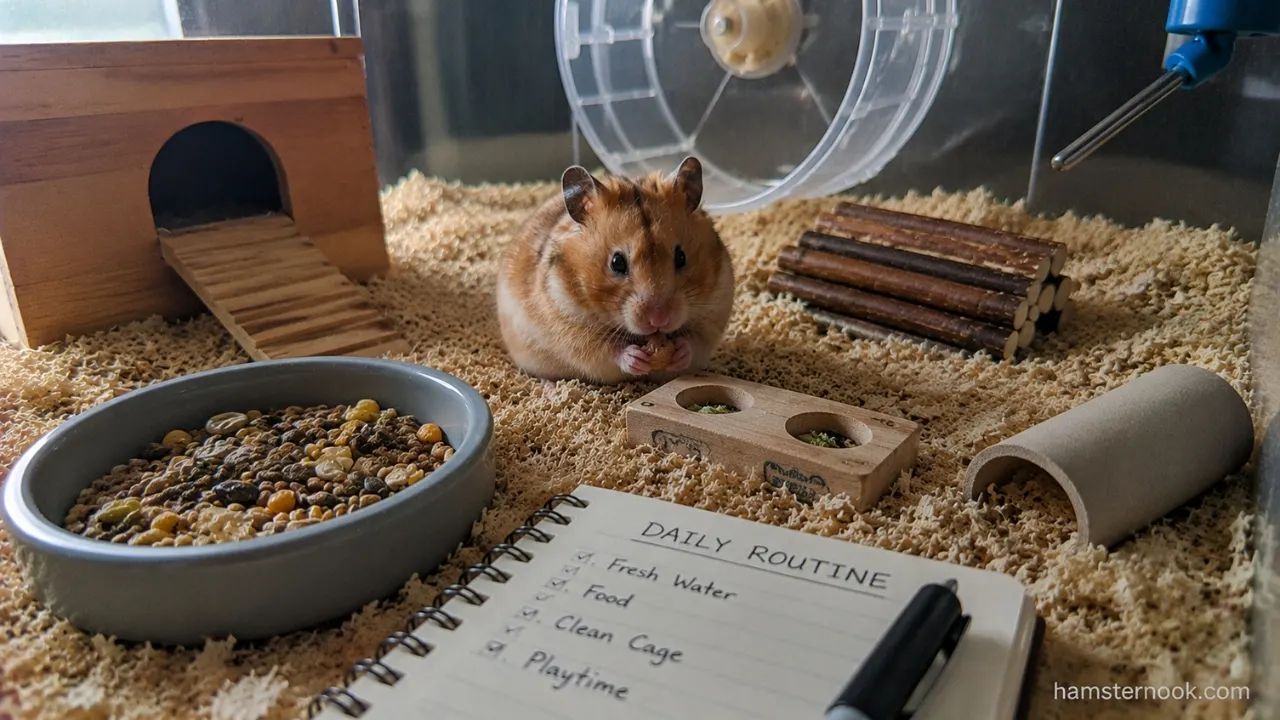
If you’ve noticed that your hamster wakes up at nearly the same time every evening, visits its food bowl before feeding, or follows familiar routes around its enclosure night after night, you’re seeing a normal part of hamster behavior. While every hamster has its own personality, most benefit from a daily environment that feels predictable and consistent.
A stable routine doesn’t mean life should become boring. Instead, it helps your hamster feel secure while still allowing plenty of opportunities to explore, forage, and behave naturally.
Quick Answer
Yes, hamsters generally benefit from a consistent daily routine. Regular feeding times, predictable handling, stable lighting, and a familiar environment can help reduce unnecessary stress and support natural behaviors. Small changes are usually well tolerated, but frequent disruptions may make some hamsters more cautious or unsettled.
If you’re just getting started with hamster ownership, Complete Hamster Care Guide for Beginners (2026) provides a solid overview of daily care, housing, feeding, and behavior.
Why Routine Matters to Hamsters
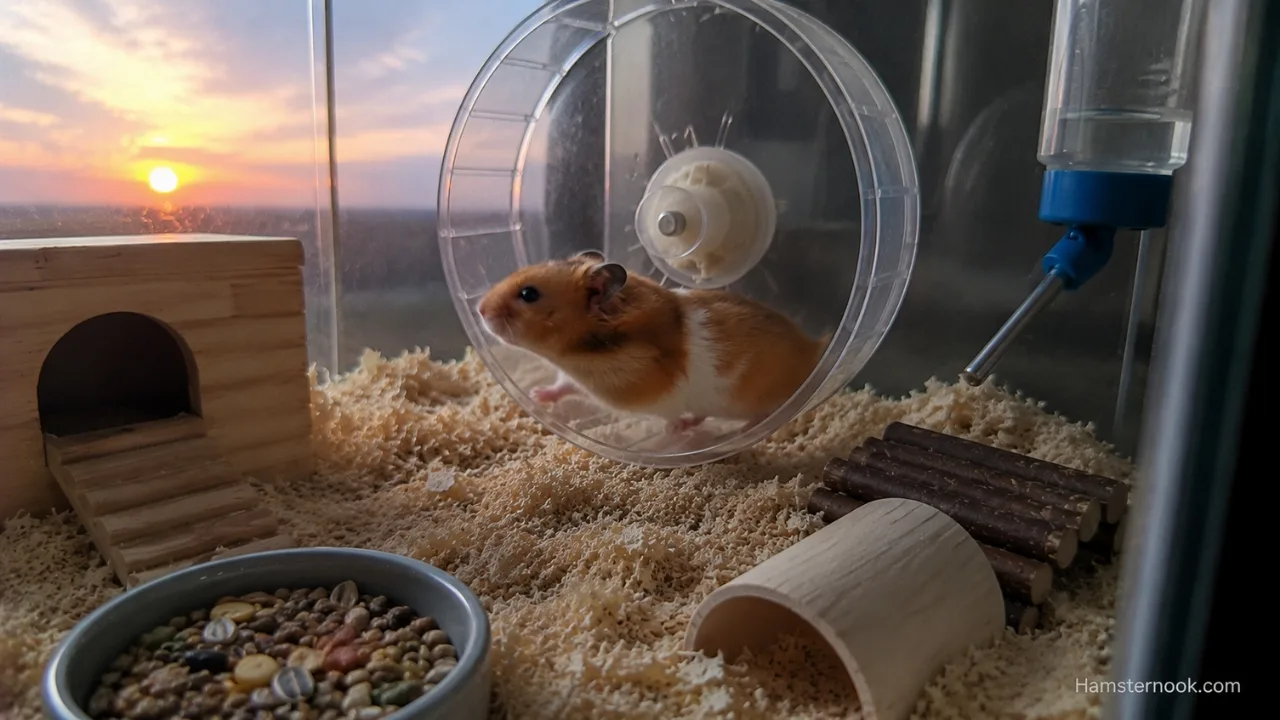
Hamsters are creatures of habit. In the wild, they follow regular patterns that revolve around staying safe, searching for food, maintaining their burrows, and avoiding predators.
Pet hamsters retain many of these natural instincts even though they live in a secure home.
A predictable routine helps your hamster know what to expect each day. When food, lighting, and interactions happen at fairly consistent times, many hamsters appear more confident in their surroundings.
This doesn’t mean every activity must happen at the exact minute each day. A little flexibility is perfectly normal.
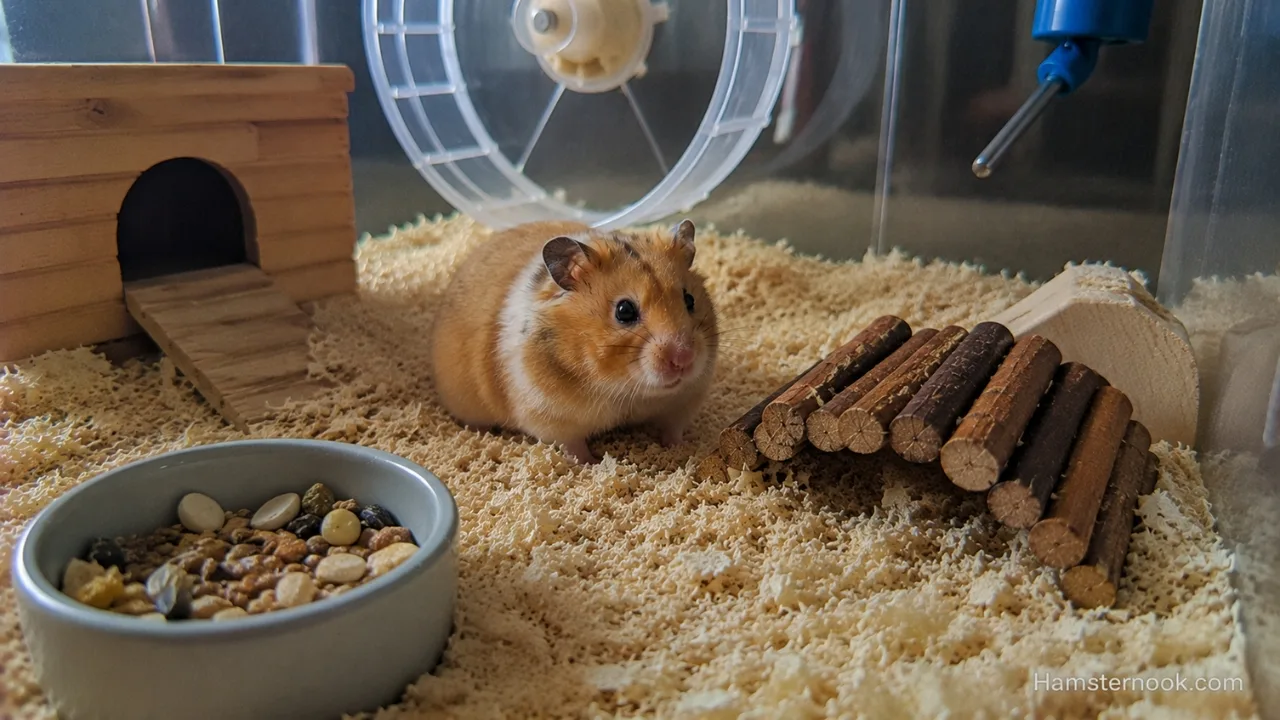
Signs Your Hamster Has Established a Routine
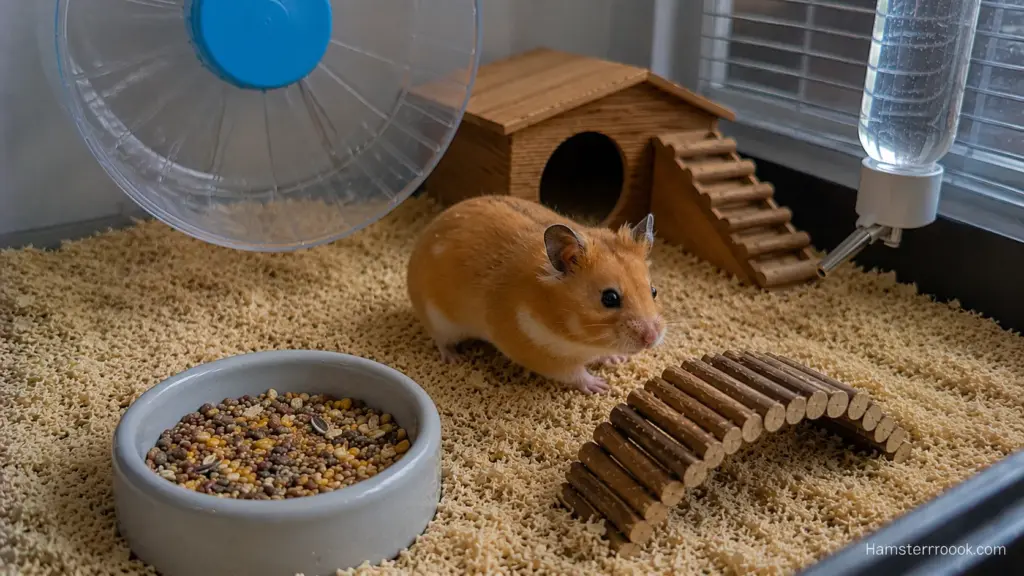
Many owners notice their hamster developing habits without any training.
Common examples include:
- Waking up around the same time every evening.
- Visiting the food area shortly before feeding.
- Running on the wheel during similar hours each night.
- Following familiar paths around the enclosure.
- Returning to the same sleeping area after exploring.
- Grooming after waking up.
These behaviors are generally considered normal and often reflect the hamster’s natural daily rhythm and growing familiarity with its environment.
Routine vs. Strict Scheduling
| Healthy Routine | Overly Strict Expectations |
|---|---|
| Feeding at roughly consistent times | Expecting feeding at the exact same minute every day |
| Maintaining a predictable light-dark cycle | Frequently changing the day-night schedule |
| Handling gently when the hamster is awake | Forcing interaction at a fixed time, even when the hamster is resting |
| Keeping familiar areas of the enclosure stable | Constantly rearranging accessories without a clear need |
Consistency is helpful, but perfection isn’t necessary.
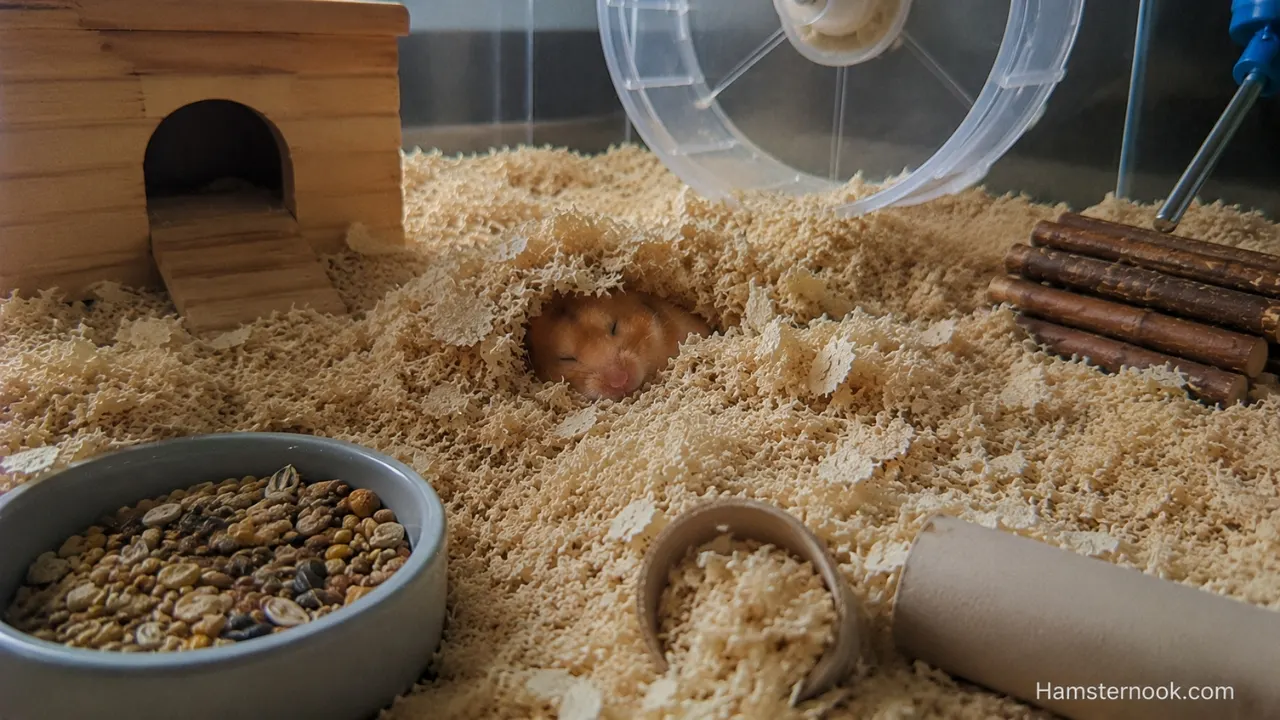
Your hamster is more likely to benefit from a generally predictable environment than from a rigid timetable.
If you’d like to better understand your hamster’s natural activity cycle, Are Hamsters Nocturnal? Their Natural Sleep Schedule Explained explains why hamsters are most active during the evening and night.
Daily Habits That Help Your Hamster Feel Secure
Feed Around the Same Time
Most hamsters quickly learn when food usually arrives.
Providing food during your hamster’s normal active period can help create a predictable daily rhythm.

That said, occasional changes of an hour or two are rarely a problem for a healthy hamster.
Small variations in feeding time are generally less important than maintaining a reasonably consistent routine over time.
The focus should be on consistency over time rather than absolute precision.
If your schedule changes occasionally, returning to your usual feeding routine over the next day or two is generally sufficient. Healthy hamsters usually adapt well to small, temporary changes.
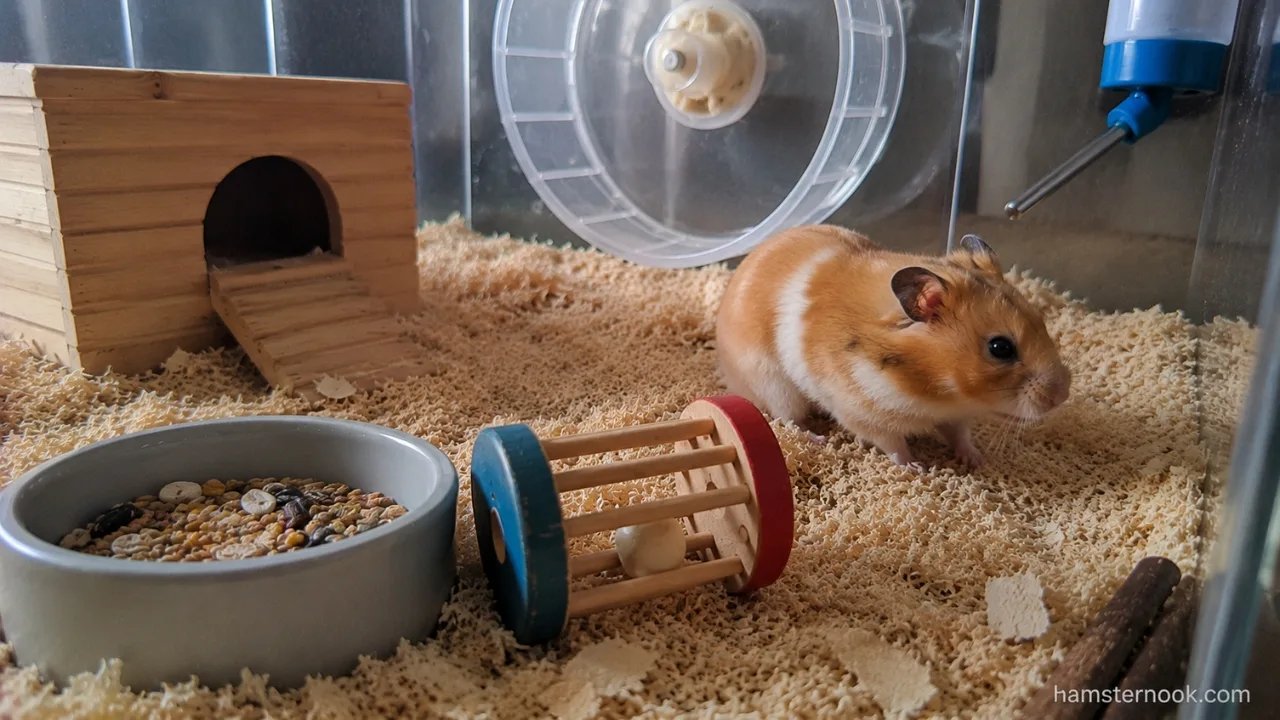
Maintain a Stable Light Cycle
Hamsters naturally respond to changes in light and darkness.
Keeping a regular day-night cycle supports their normal sleeping and waking patterns.
If you’re unsure how lighting affects your hamster’s sleep and activity, our Do Hamsters Need Light? Daylight, Darkness & Night Lights Explained guide covers the subject in more detail.
Avoid exposing your hamster to bright lights late at night or frequently changing its environment between light and dark conditions.
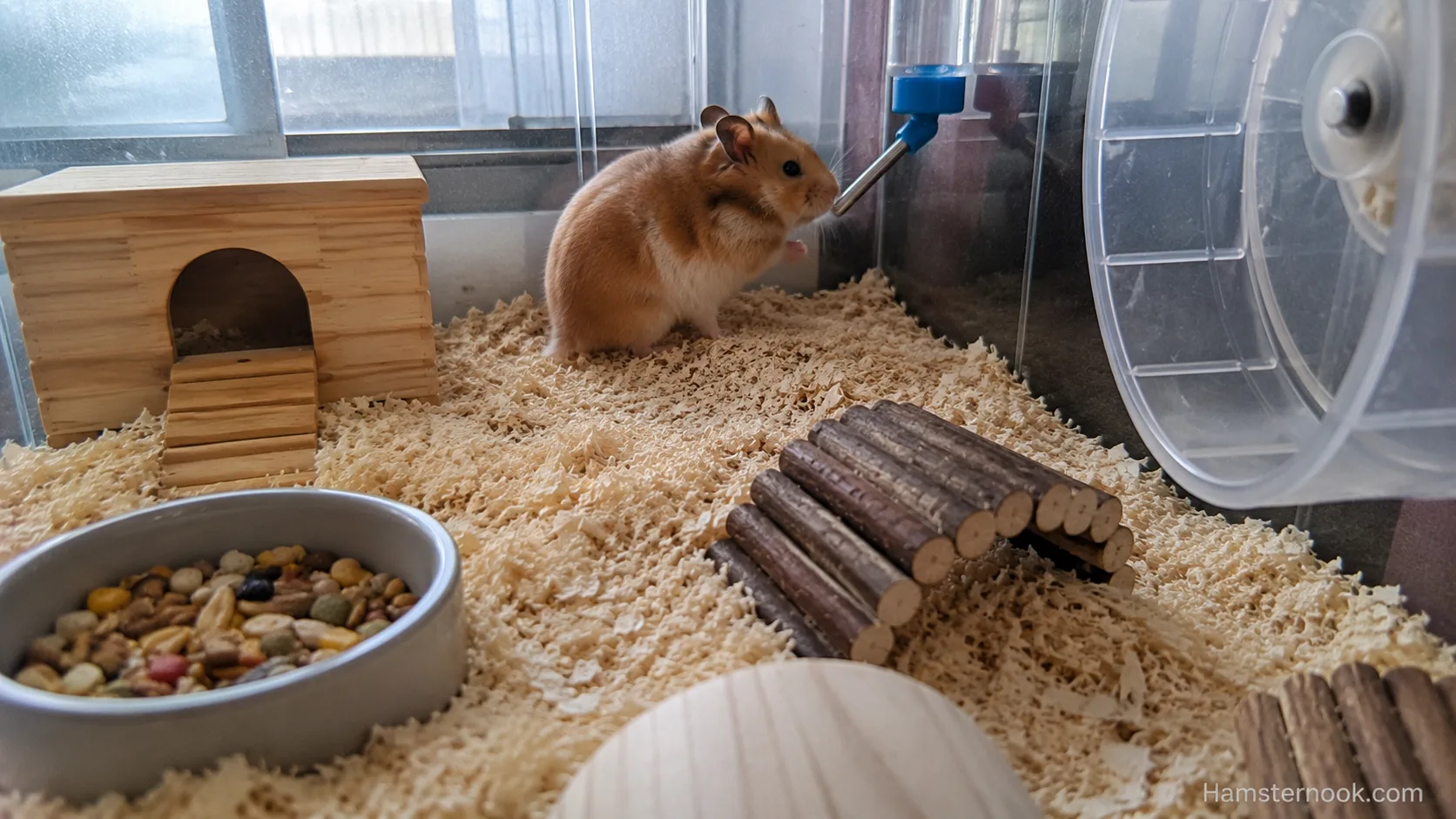
Handle Your Hamster Consistently
Gentle, predictable handling often helps build trust.
Rather than picking up your hamster randomly throughout the day, wait until it has naturally woken up and become active.
Many hamsters respond better when interactions follow a familiar routine.
If you’re working on building trust, How to Get a Hamster to Trust You Faster Without Stressing It Out explains how consistent, calm interactions help your hamster become more comfortable around you.
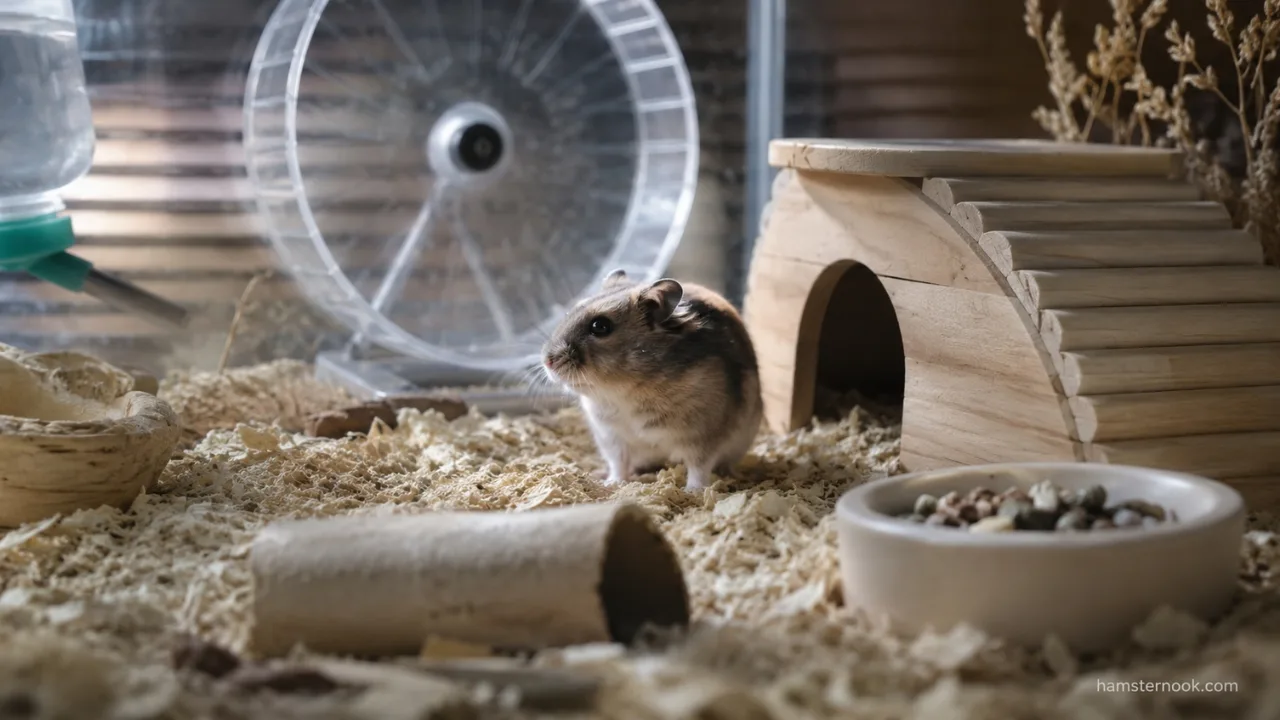
Can Too Many Changes Cause Stress?
Hamsters are naturally curious, but they can also be cautious.
Large or frequent changes may temporarily make some hamsters less confident.
If changes are followed by unusual hiding or other behavioral changes, our 7 Signs You’re Accidentally Stressing Your Hamster (Without Even Realizing It) guide explains what owners should watch for.
Examples include:

- Rearranging the entire enclosure every week.
- Changing bedding brands repeatedly.
- Moving the enclosure to different rooms.
- Frequently changing feeding times.
- Waking your hamster unexpectedly.
Small changes introduced gradually are usually easier for your hamster to accept than several major changes all at once.
Routine Doesn’t Mean Boredom
Some owners worry that keeping the same routine every day will make their hamster bored.
In practice, a consistent routine and regular enrichment complement one another rather than compete.
A hamster can enjoy:

- Predictable feeding.
- Regular sleep patterns.
- Familiar hideouts.
while still benefiting from:
- New foraging opportunities.
- Safe chew toys.
- Occasional enrichment rotation.
- Different digging areas.
The routine provides security, while enrichment encourages natural exploration.
If you’re wondering how to balance familiarity with mental stimulation, Do Hamsters Get Bored? 10 Signs Your Hamster Needs More Enrichment explains how to enrich your hamster’s environment without making it feel overwhelming.
How Can You Tell if Your Routine Is Working?
A healthy routine often supports predictable behavior rather than dramatic changes.

Many hamsters that feel comfortable with their daily environment will:
- Wake up during their normal active hours.
- Eat regularly.
- Explore confidently.
- Groom themselves.
- Use their wheel consistently.
- Return to familiar sleeping areas after activity.
These behaviors don’t prove that every aspect of the routine is perfect, but they often suggest your hamster feels comfortable within its environment.
If you’re unsure whether your hamster’s behavior reflects comfort or stress, How to Tell If Your Hamster Is Happy, Healthy, Stressed, or Sick: Complete Owner’s Guide (2026) explains the differences in much greater detail.
How to Build a Healthy Daily Routine
Creating a routine doesn’t have to be complicated. The goal is to provide enough consistency that your hamster feels secure while still allowing opportunities for natural behaviors.

A simple daily routine might include:
- Feeding during your hamster’s normal active hours.
- Checking fresh water every day.
- Spot-cleaning only when necessary.
- Handling your hamster after it wakes naturally.
- Allowing uninterrupted sleep during the day.
- Providing regular opportunities for digging, chewing, and exploring.
Small, consistent habits are usually more beneficial than frequent major changes.
If you’re looking for a practical checklist, Daily Hamster Care Checklist: 15 Things Every Owner Should Do offers a step-by-step guide to everyday hamster care.
Common Mistakes Owners Make
A good routine should support your hamster—not make life more stressful.
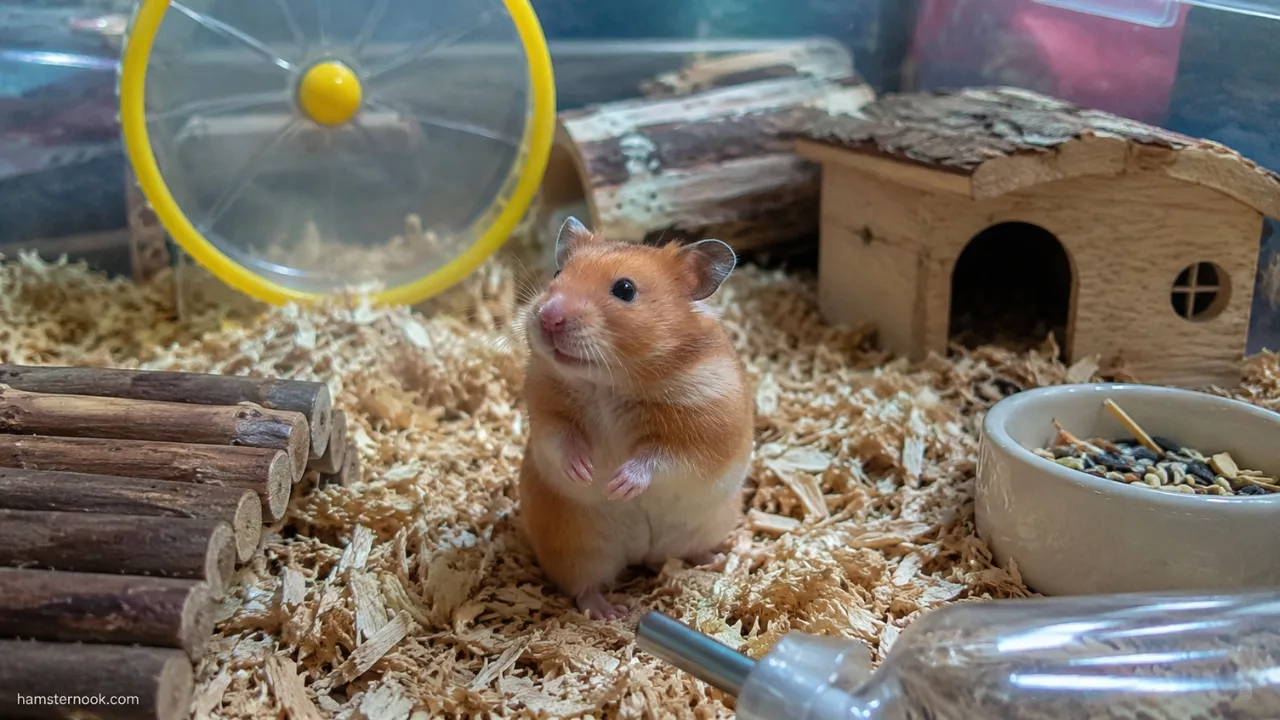
Avoid these common mistakes:
- Waking your hamster to play during the day.
- Rearranging the enclosure every few days.
- Changing food brands without a gradual transition.
- Feeding at completely unpredictable times every day.
- Cleaning the entire enclosure too frequently.
- Expecting your hamster to follow the exact same schedule every night.
Remember that individual hamsters develop their own routines. Some naturally become active earlier or later than others, even when they receive the same daily care.
Should You Ever Change Your Hamster’s Routine?
Yes. Life isn’t always perfectly predictable, and occasional changes are usually well tolerated.
For example, you may need to:

- Adjust feeding time slightly.
- Introduce new enrichment.
- Clean the enclosure.
- Move accessories to improve the habitat.
The key is making changes gradually whenever possible.
Changing only one part of your hamster’s routine at a time—such as adding a new toy or adjusting the feeding schedule—makes it easier to observe how your hamster responds.
Keeping some familiar bedding, hideouts, and nesting material helps maintain a sense of security while introducing something new.
When Could a Change in Routine Be a Concern?
Changes in routine alone aren’t necessarily a sign of illness.
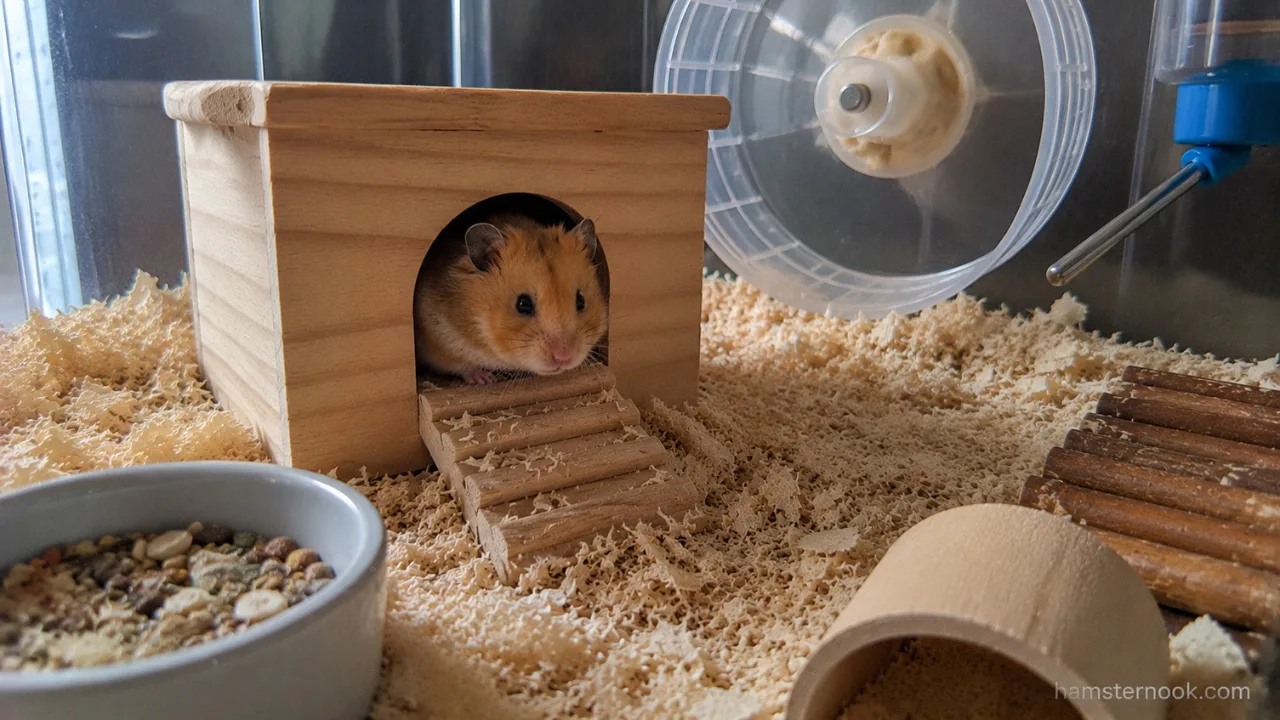
However, you should pay closer attention if your hamster suddenly:
- Stops waking during its usual active hours.
- Refuses food.
- Becomes unusually lethargic.
- Stops using its wheel altogether.
- Loses weight.
- Shows other unusual behaviors alongside the change.
A sudden change in routine combined with physical symptoms deserves veterinary attention, particularly when the change is persistent or accompanied by other concerning signs.
What You Should Do
If you’d like your hamster to develop a comfortable routine:
- Feed at approximately the same time each evening.
- Maintain a regular light-dark cycle.
- Let your hamster wake up naturally.
- Handle it gently and consistently.
- Avoid unnecessary changes to the enclosure.
- Introduce new enrichment gradually.
- Observe your hamster’s normal habits so you can recognize meaningful changes.
Knowing when your hamster normally wakes, eats, and exercises makes it much easier to notice unusual changes that may deserve closer attention.

Routine should help your hamster feel secure—not become a strict schedule that creates stress for you or your pet.
Conclusion
Most hamsters benefit from a predictable daily routine because it reflects the natural patterns they would follow in the wild. Regular feeding, a stable environment, consistent handling, and a reliable day-night cycle all contribute to a sense of security.
At the same time, routine shouldn’t mean a boring environment. Hamsters still need opportunities to dig, forage, chew, and explore. The best approach combines familiar daily habits with safe enrichment that encourages natural behaviors.
By adapting your routine to your hamster’s natural habits instead of following a rigid timetable, you can create an environment that feels both secure and enriching.
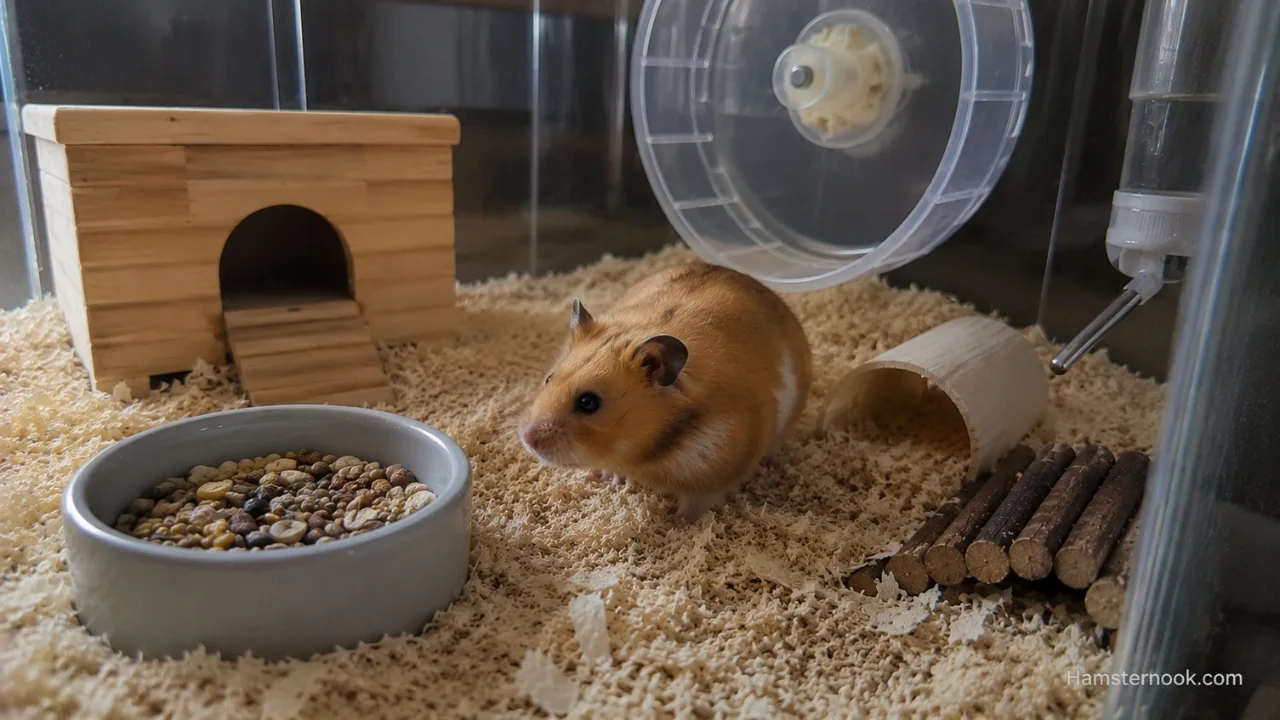
If you’re curious about another common behavior, Why Does My Hamster Ignore New Toys? explains why even healthy, curious hamsters sometimes take time to accept unfamiliar enrichment.
Frequently Asked Questions
Do hamsters like having a routine?
Most hamsters appear to benefit from a predictable daily environment. Consistent feeding, lighting, and handling can help them feel more secure.
Should I feed my hamster at exactly the same time every day?
No. Feeding at roughly the same time is generally sufficient. Small variations are normal and usually aren’t a problem.
Can changing my hamster’s routine cause stress?
Frequent or major changes may make some hamsters more cautious, especially if several aspects of the environment change at once. Gradual changes are usually easier to adjust to.

Is it okay to change toys regularly?
Yes, but introduce new toys gradually rather than replacing everything at once. Keeping familiar hideouts and bedding helps your hamster adjust.
What is the most important part of a hamster’s routine?
A stable light-dark cycle, regular feeding, uninterrupted daytime sleep, and a consistent environment are among the most important elements of a healthy daily routine.
References
This guide draws on established hamster care and welfare guidance about predictable lighting, appropriate handling, natural behavior, and a stable living environment.
- RSPCA – Understanding Hamster Behaviour
- Blue Cross – Hamster Care Guide
- MSD Veterinary Manual – Providing a Home for a Hamster

Narayan Kumar is the founder and author of HamsterNook. He creates practical, research-based hamster care guides covering hamster behavior, nutrition, cage setup, enrichment, health, and everyday care. His goal is to help hamster owners make informed decisions and provide safer, healthier lives for their pets through clear, beginner-friendly information based on trusted animal care resources.