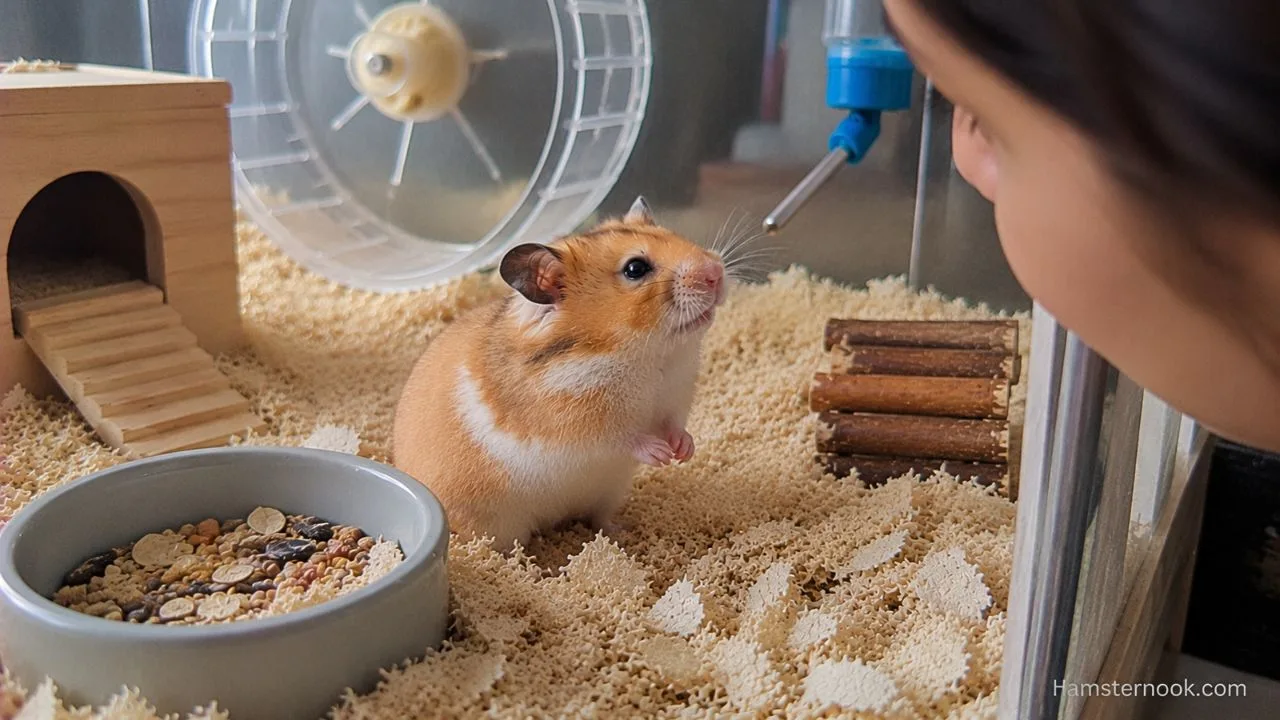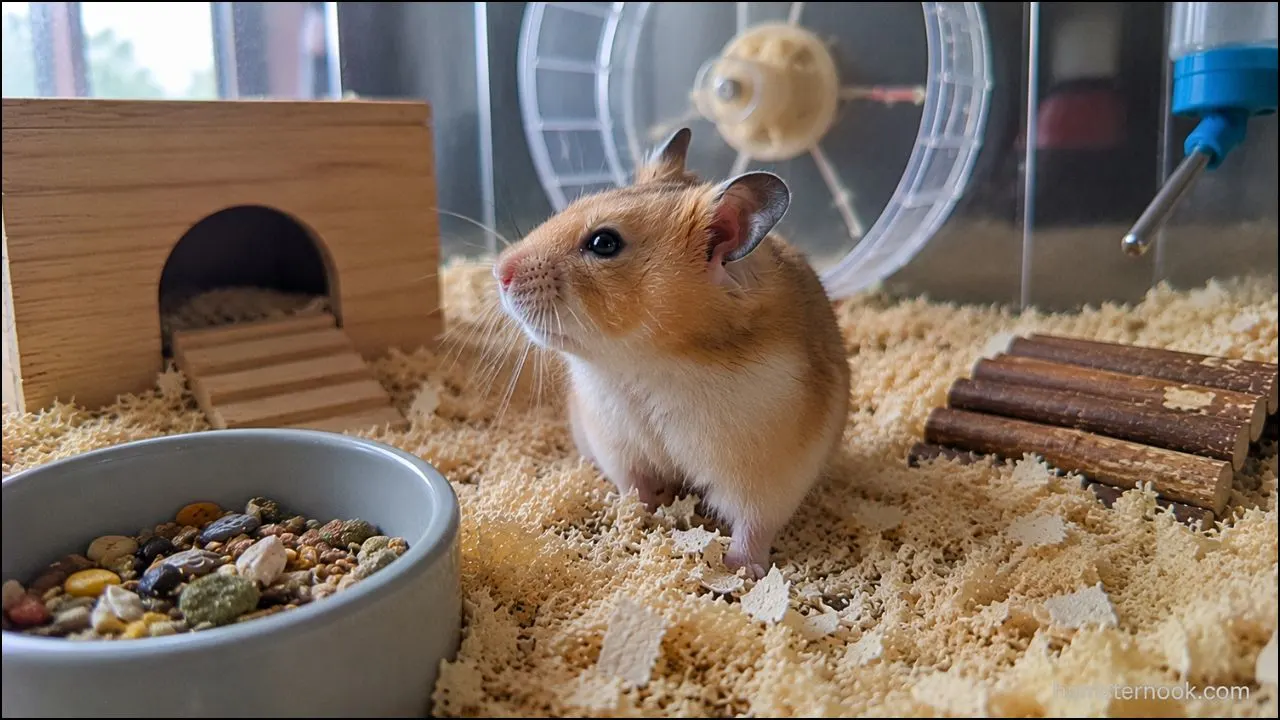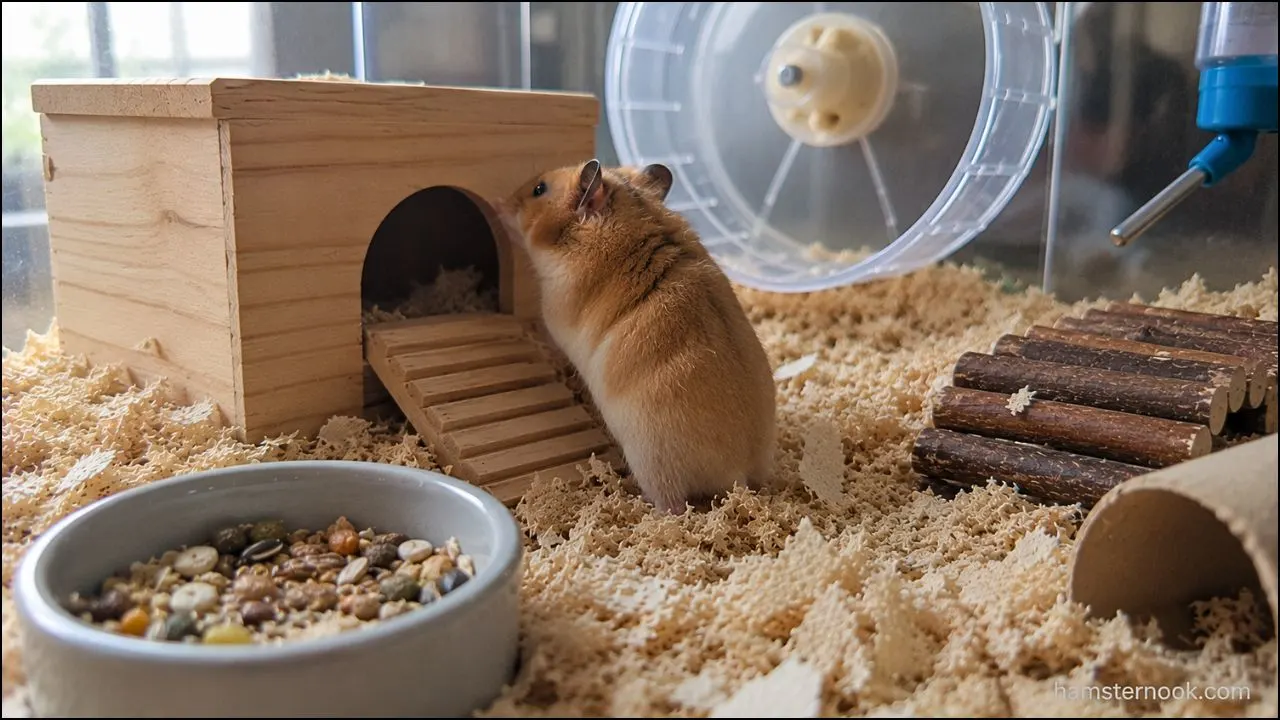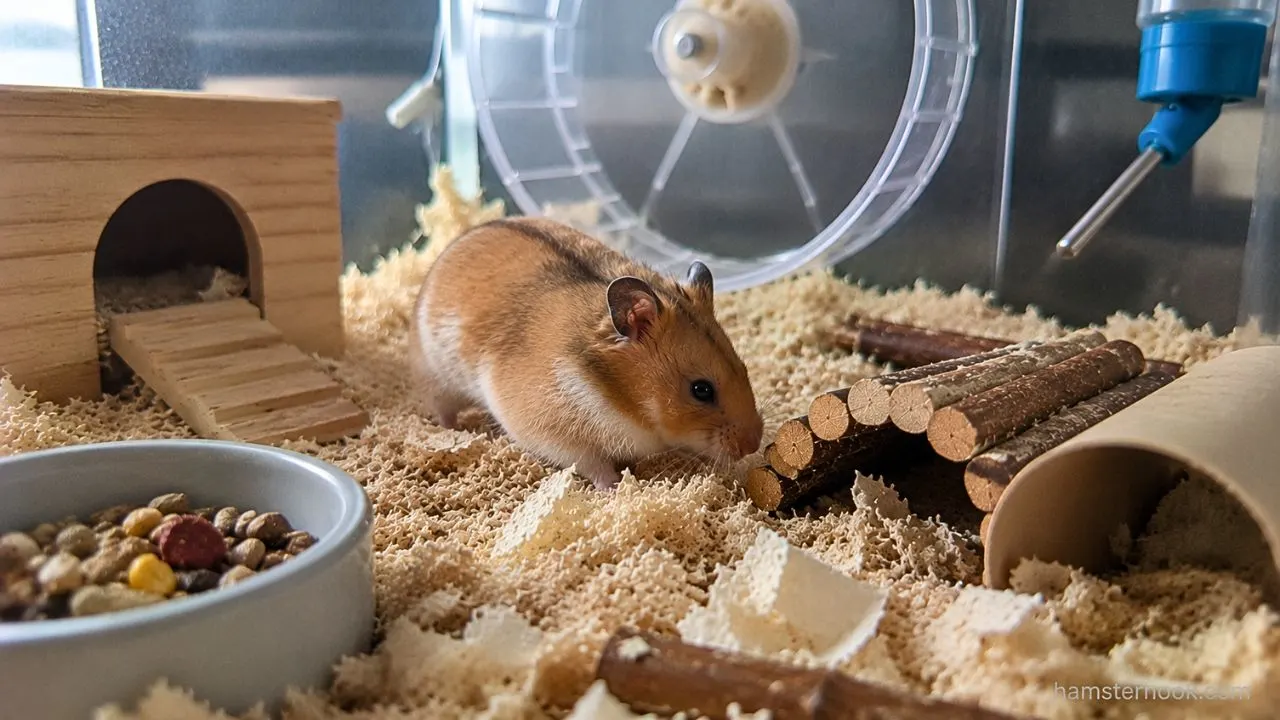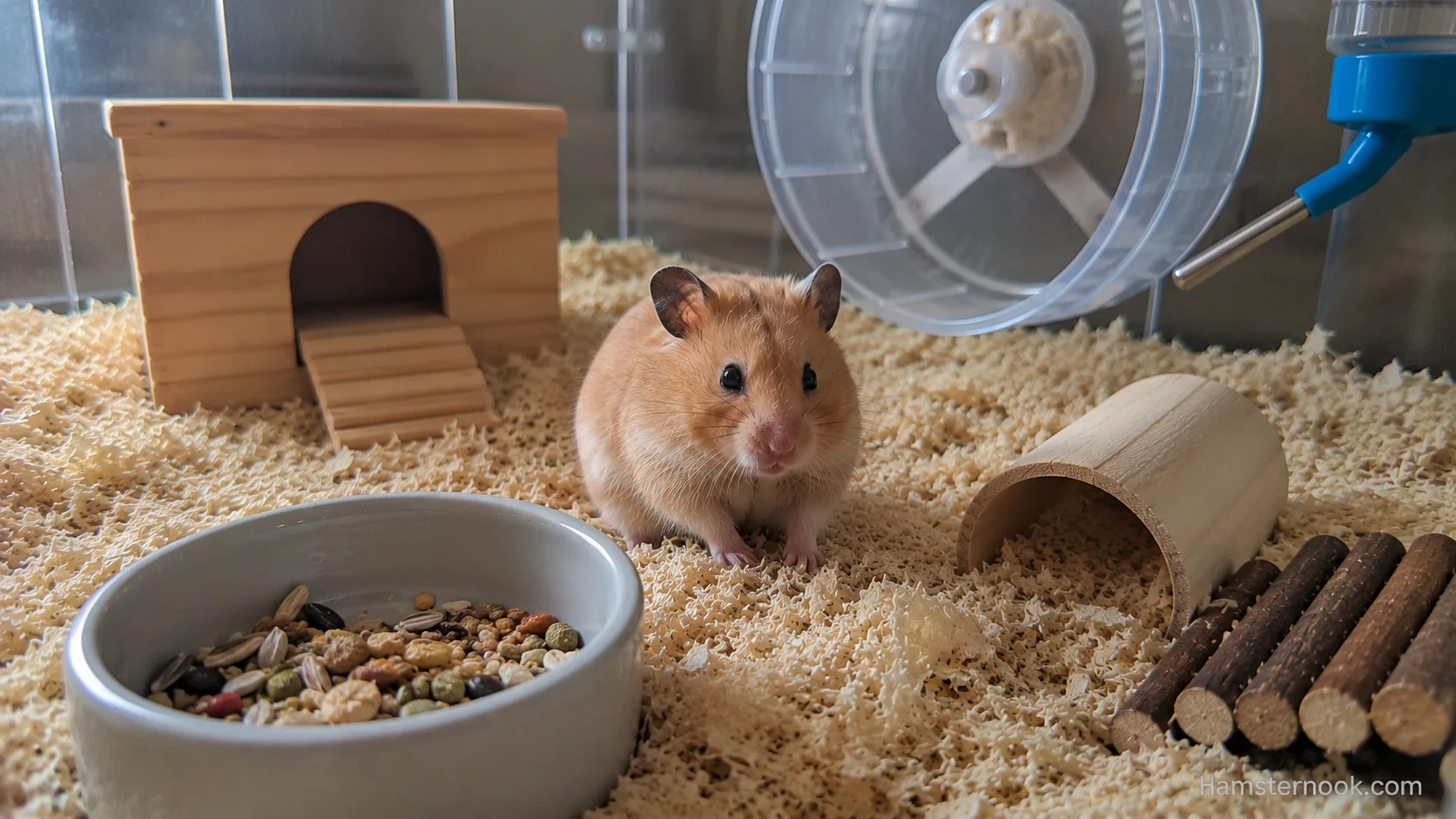
If your hamster has always carried food to its favorite hiding place but suddenly leaves pellets or seeds untouched in its food bowl, it’s easy to wonder if something is wrong. In many cases, a change in food-hoarding behavior isn’t an emergency. However, because hoarding is one of a hamster’s strongest natural instincts, a sudden change deserves a closer look.
This guide explains why hamsters hoard food, the most common reasons they may suddenly stop, what changes are considered normal, and when a change in behavior could indicate an underlying problem.
Quick Answer
Yes, it can be normal for a hamster to temporarily stop hoarding food. Changes in food availability, a recently cleaned enclosure, seasonal behavior, or feeling secure in its environment may all influence hoarding habits. However, if your hamster also stops eating, loses weight, or shows other unusual symptoms, the change should not be ignored.
A temporary pause in hoarding is usually less important than changes in appetite, activity level, or body condition. Looking at your hamster’s overall behavior provides a much clearer picture of its health.
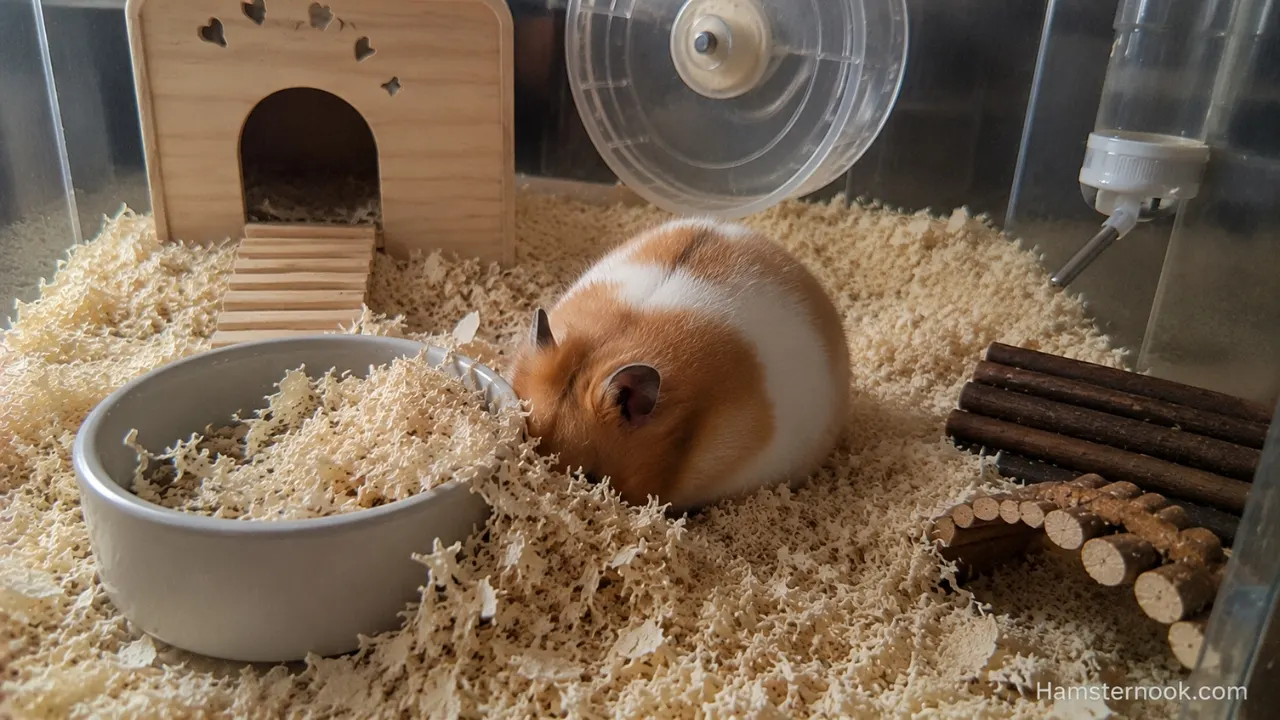
Readers who want a complete introduction to hamster care should also read our Complete Hamster Care Guide for Beginners (2026), where we explain the subject in greater detail with practical tips and beginner-friendly guidance.
Why Do Hamsters Hoard Food?
Food hoarding is one of the strongest natural instincts in hamsters.
Wild hamsters collect food whenever it is available and store it inside underground chambers. These food caches help them survive when food becomes scarce.
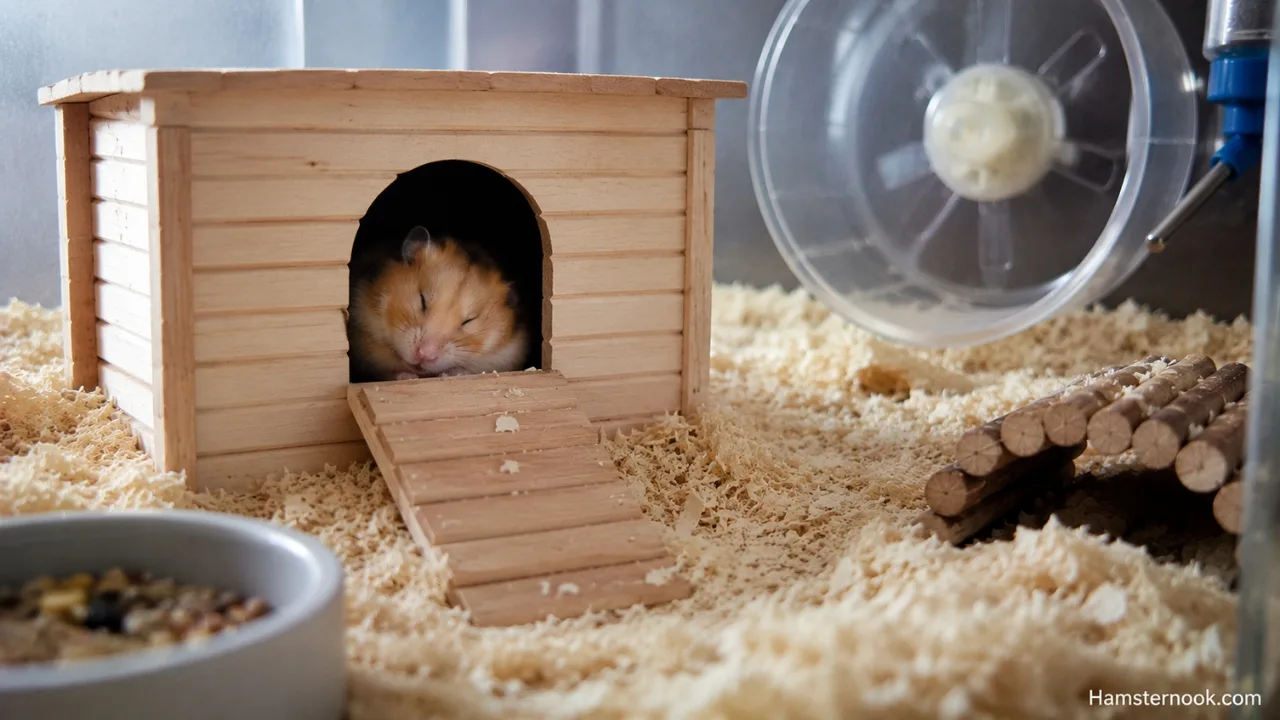
Pet hamsters still have this instinct, even though food is provided every day. Carrying food in their cheek pouches and hiding it around the enclosure is completely normal.
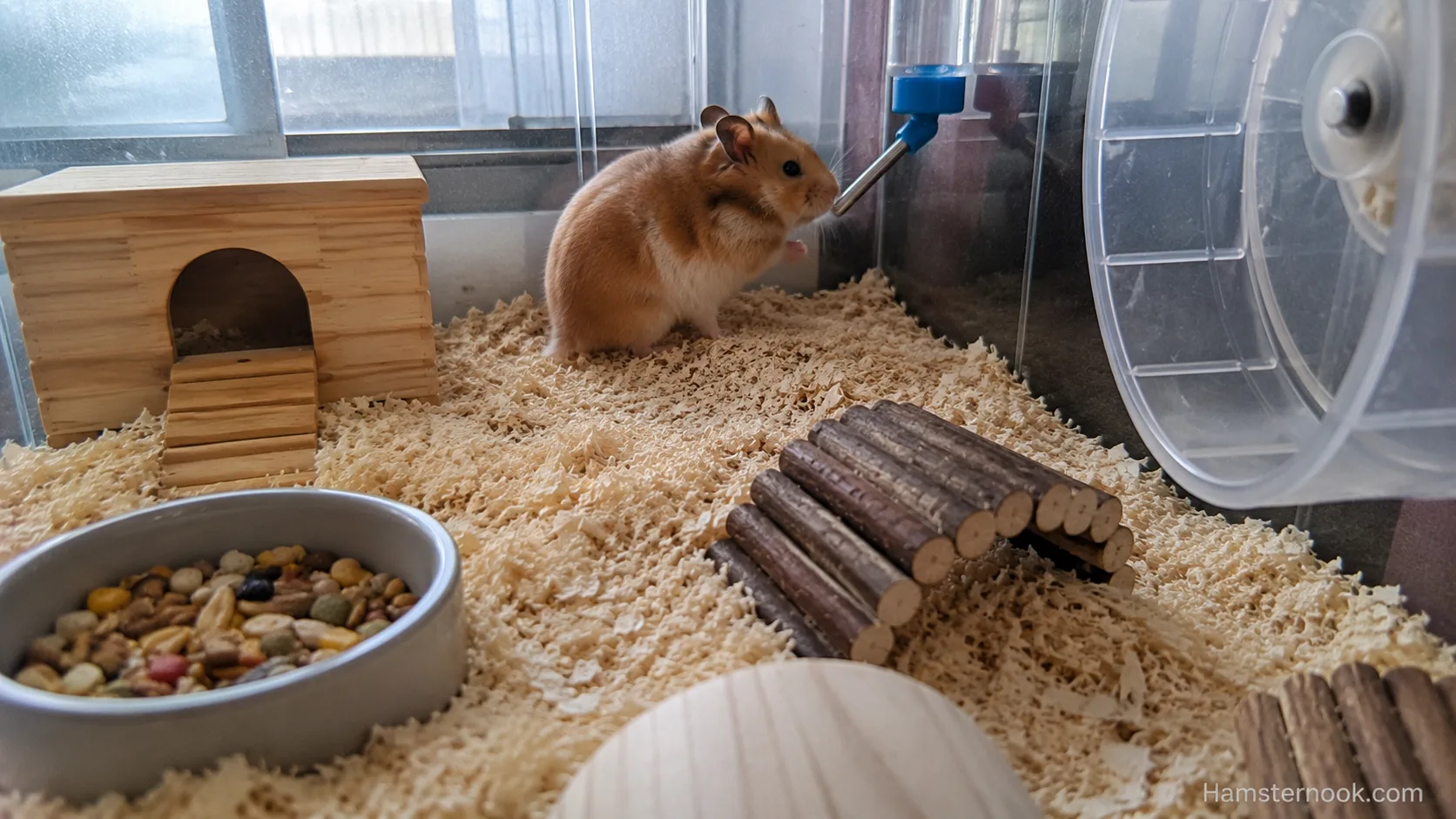
Some hamsters create one storage area, while others keep several small food caches in different locations.
Readers who want to understand this behavior in more detail should also read our Why Does My Hamster Keep Hiding Food? Explained Simply, where we explain the subject in greater detail with practical tips and beginner-friendly guidance.
Is It Normal for a Hamster to Stop Hoarding?
Yes, in many situations it can be.
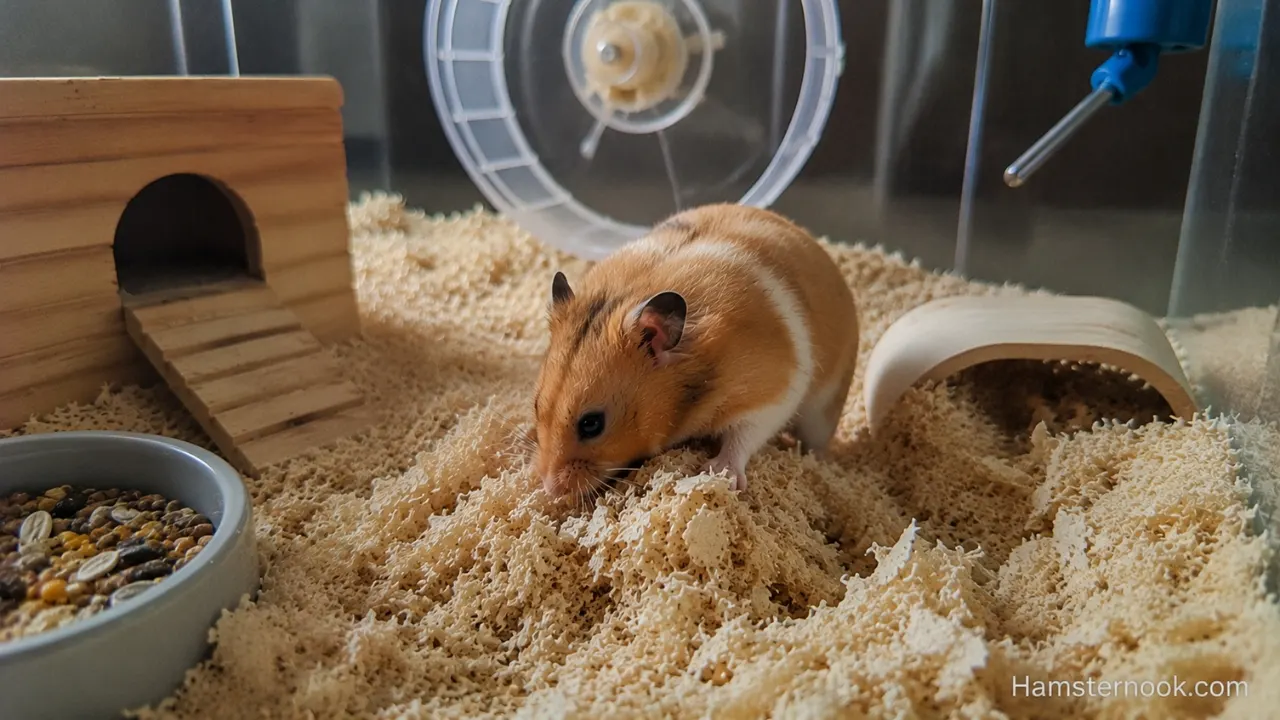
A hamster may temporarily reduce or stop hoarding without being sick. For example, if it already has plenty of stored food, it may simply stop collecting more until those supplies are used.
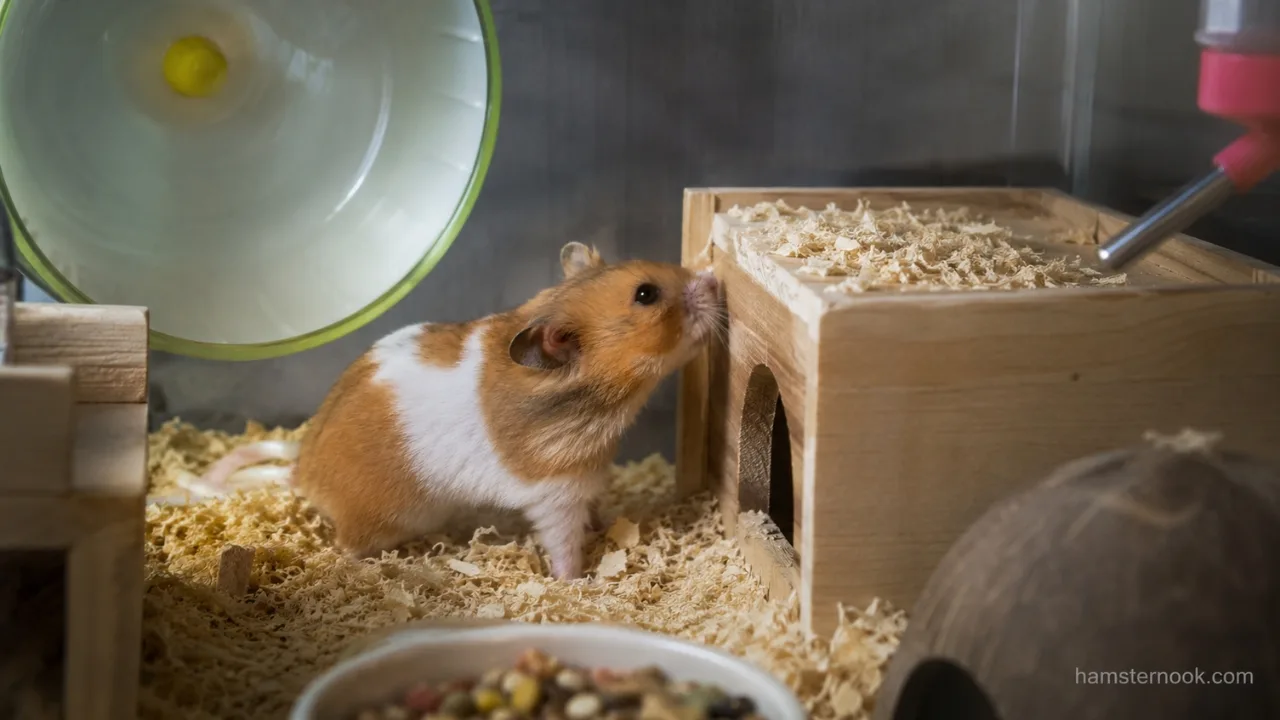
Changes in routine or the enclosure can also affect where and how a hamster stores food.
The important question is not just whether your hamster is hoarding, but whether it is still eating, drinking, remaining active, and behaving normally.
Normal Changes vs. Warning Signs
| Usually Normal | May Need Attention |
|---|---|
| Smaller food stash than usual | Stops hoarding and stops eating |
| Changes hiding location | Noticeable weight loss |
| Leaves more food in the bowl | Lethargy or unusual weakness |
| Continues eating normally | Refuses favorite foods |
| Normal activity levels | Other behavior changes appear suddenly |
Looking at your hamster’s overall health is much more helpful than focusing on one behavior alone.
Common Reasons Your Hamster May Stop Hoarding Food
It Already Has Enough Stored Food
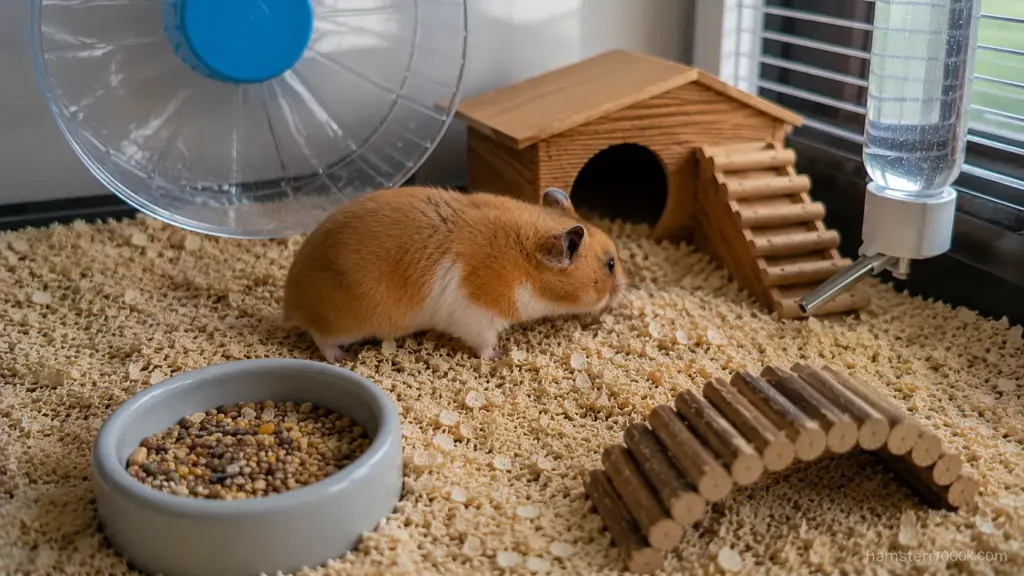
Many owners don’t realize how much food their hamster has hidden.
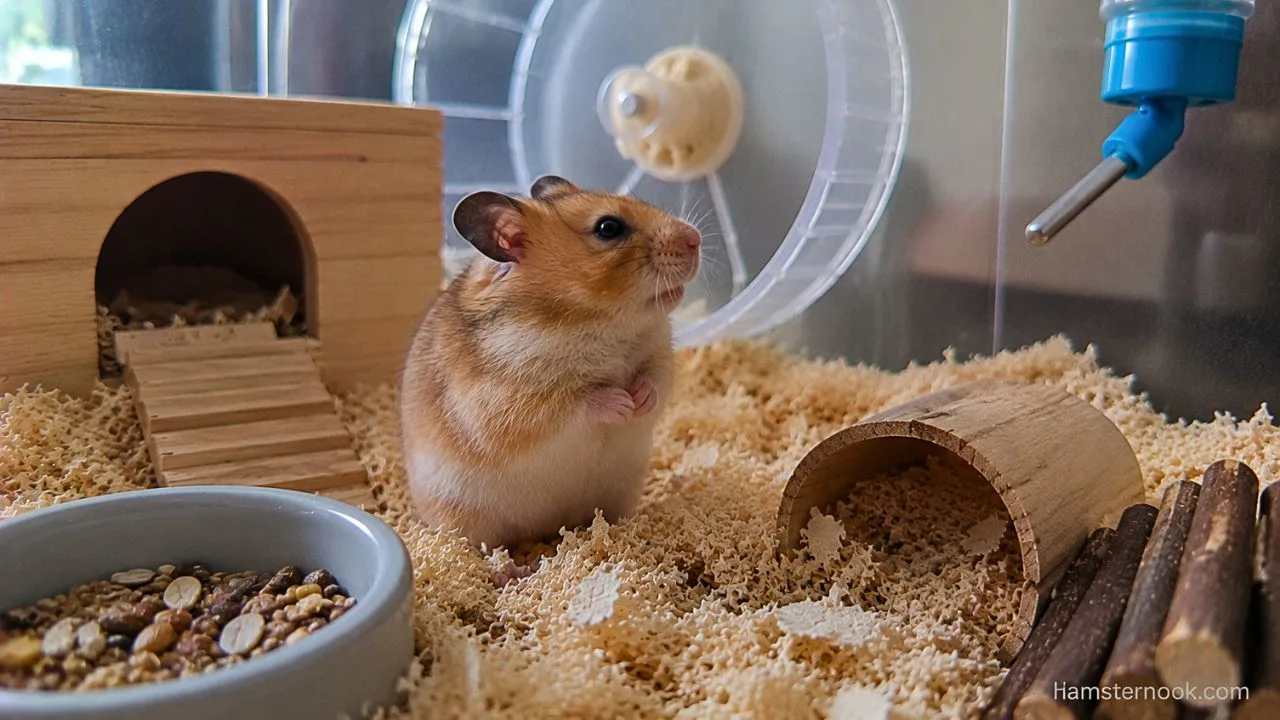
Food may be tucked inside tunnels, under bedding, inside hideouts, or beneath nesting material.
If these hidden stores are still full, your hamster may not feel the need to collect more.
Checking food storage areas carefully during routine cage maintenance can help explain the change.
It’s common for owners to underestimate how much dry food a hamster has hidden beneath bedding or inside nesting areas.
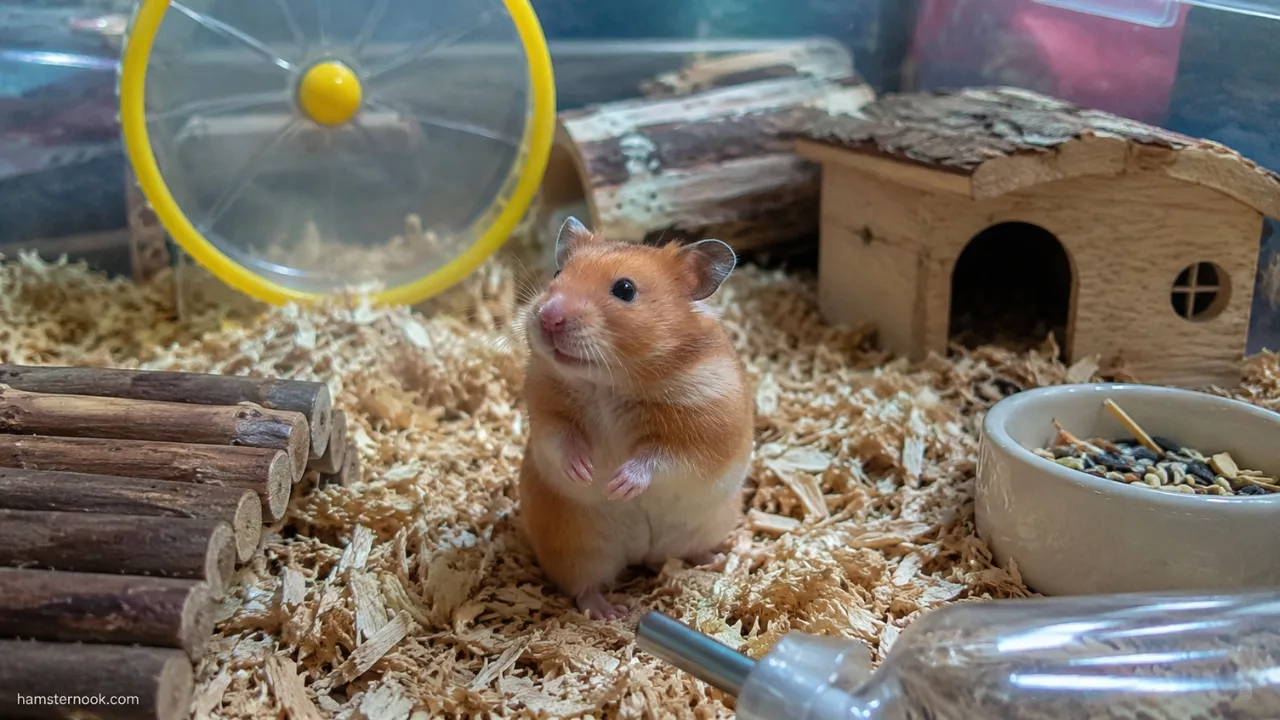
The Enclosure Was Recently Cleaned
Hamsters rely heavily on familiar scents.
A full cage clean removes many scent markers, including those around stored food.
Some hamsters take a little time to establish new storage areas after a thorough cleaning.
Instead of replacing every bit of bedding, many owners leave a small amount of clean nesting material behind to help preserve familiar scents.
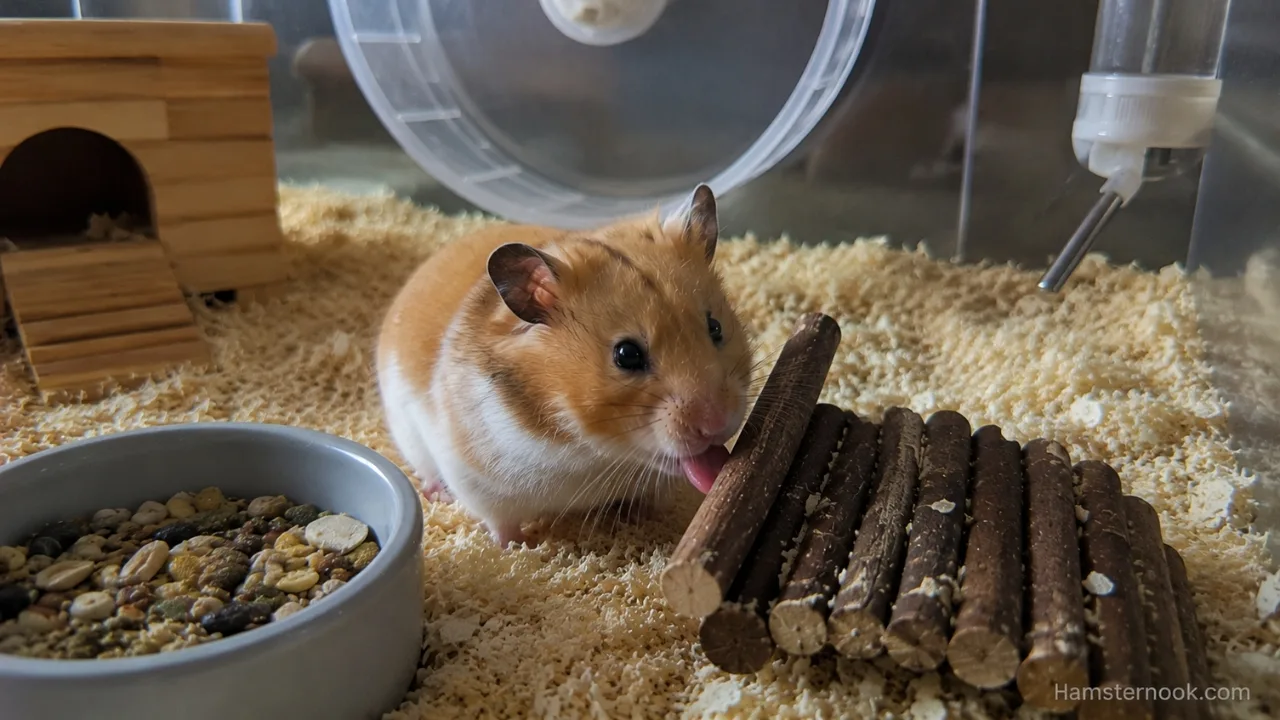
Readers who want to clean their hamster’s enclosure without causing unnecessary stress should also read our How Often Should You Clean a Hamster Cage? A Complete Cleaning Schedule, where we explain the subject in greater detail with practical tips and beginner-friendly guidance.
Changes in Food
Hamsters can notice differences in smell, texture, and ingredients.
If you’ve recently switched to a different food mix, your hamster may take time to investigate it before deciding whether to carry it to its storage area.
Introducing new foods gradually is generally less disruptive than making sudden dietary changes.
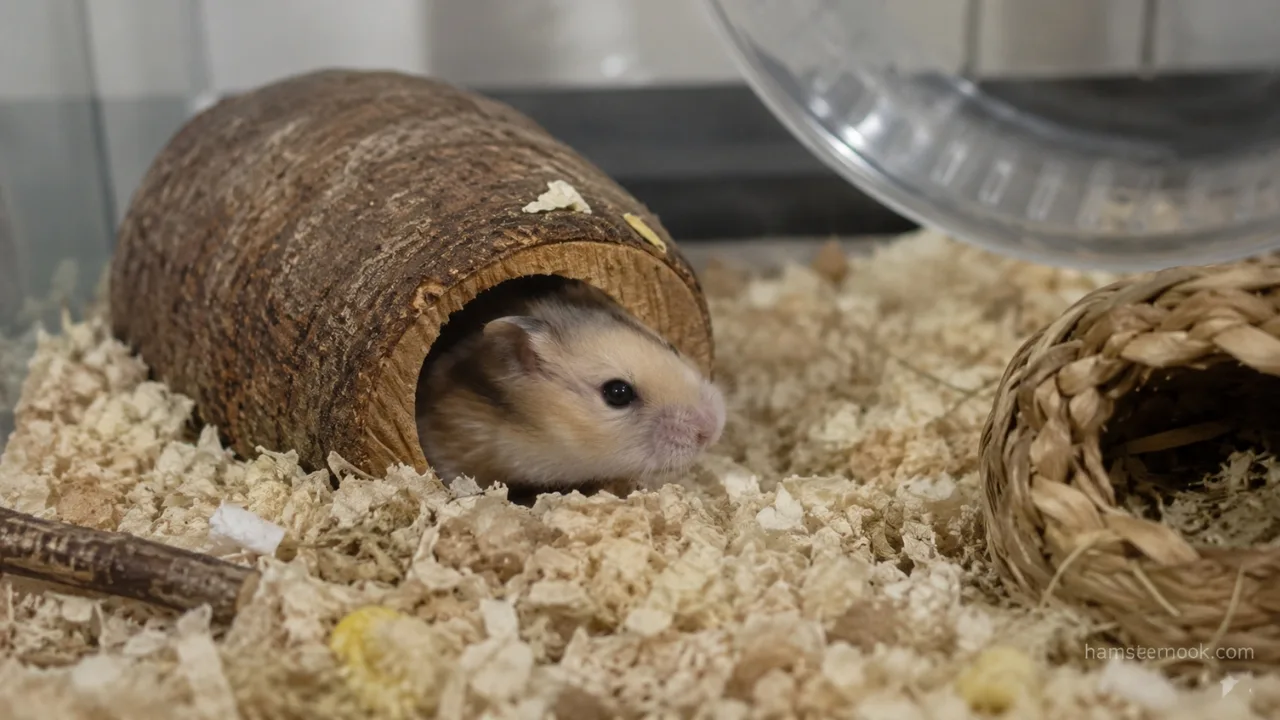
Readers planning to change their hamster’s diet should also read our How to Introduce New Foods to Your Hamster Without Upsetting Its Stomach, where we explain the subject in greater detail with practical tips and beginner-friendly guidance.
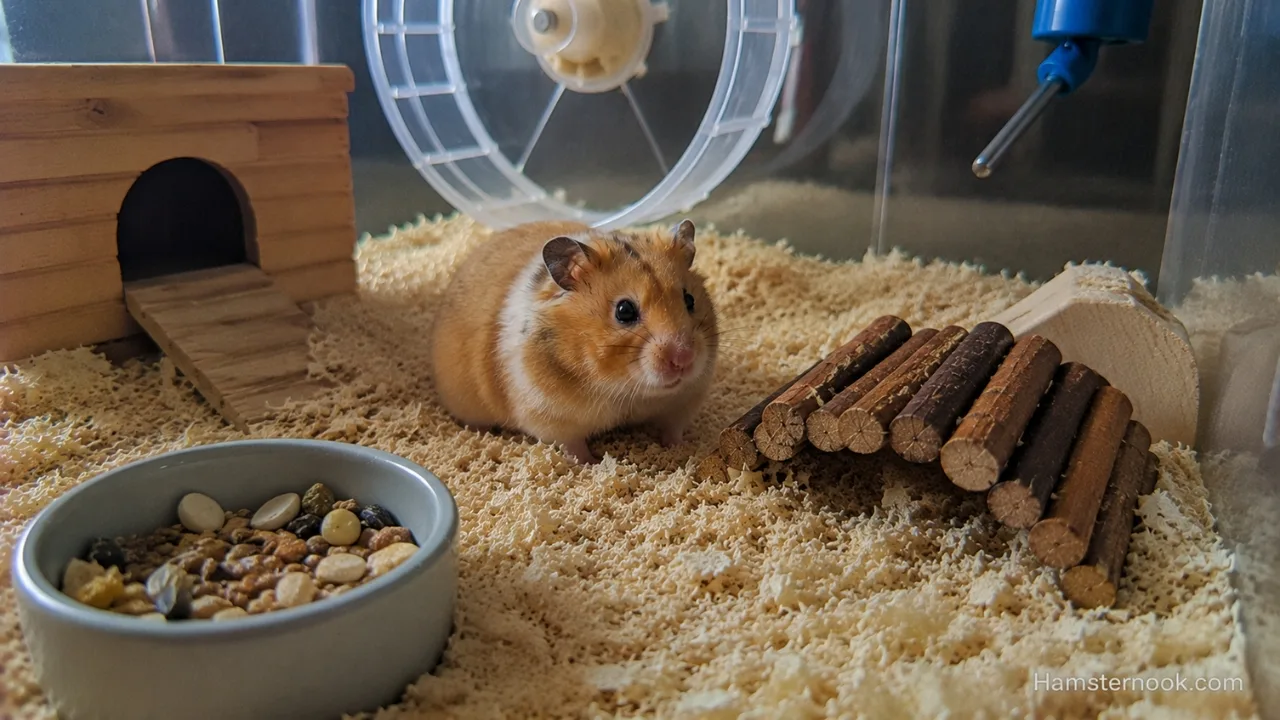
Your Hamster Feels Secure
A hamster living in a quiet, predictable environment with a consistent food supply may not feel the same urgency to build large food stores every day.
This doesn’t mean the natural instinct has disappeared. It simply means the behavior may become less obvious.
Many healthy pet hamsters alternate between periods of heavy hoarding and lighter food storage.
Age Can Influence Behavior
As some hamsters grow older, their daily routines may change.
An older hamster may move less, reorganize its nest differently, or collect food less frequently than it did when it was younger.
As long as it continues eating normally and maintains a healthy body condition, these gradual changes are not necessarily a cause for concern.
When Stopping Food Hoarding Could Signal a Problem
Although reduced hoarding can be harmless, it should never be viewed in isolation.
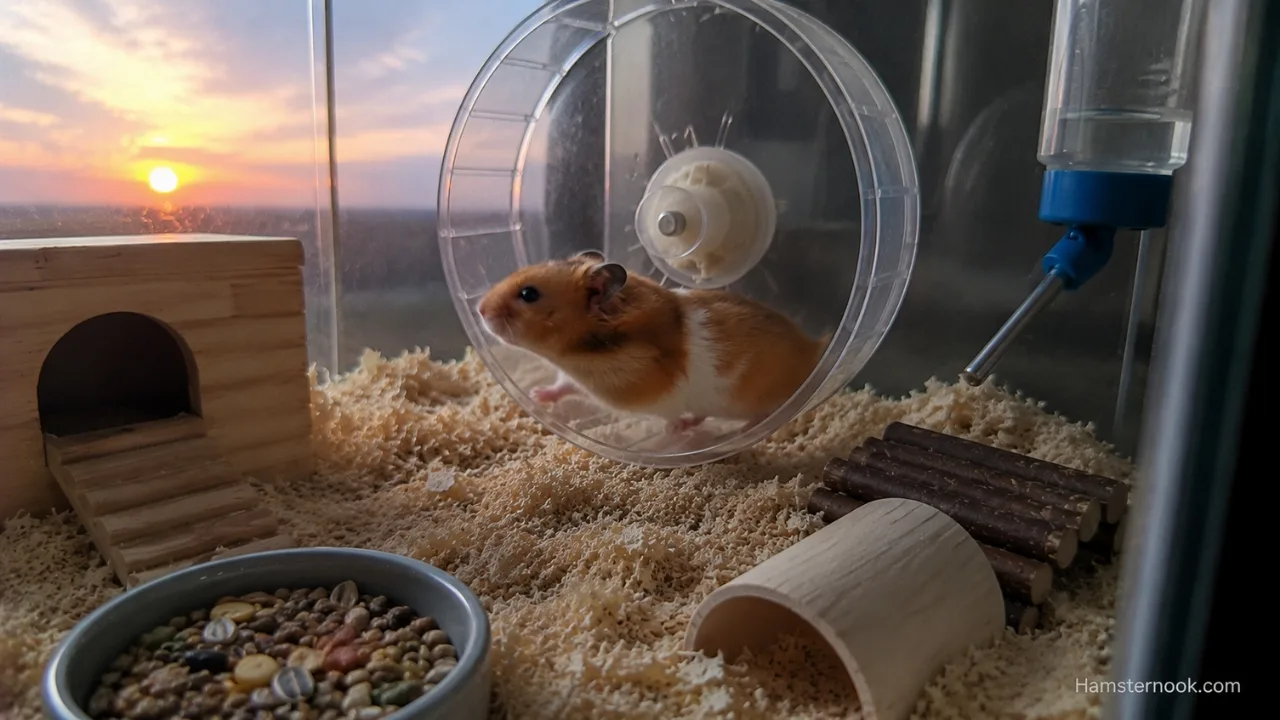
Pay closer attention if your hamster also:
- Eats much less than usual
- Leaves favorite foods untouched
- Loses weight
- Sleeps significantly more than normal
- Appears weak or inactive
- Has difficulty using its cheek pouches
- Shows other sudden behavioral changes
In these situations, the change may reflect a broader health or appetite issue rather than a simple change in hoarding habits.
Readers who notice that their hamster is eating less should also read our Why Is My Hamster Not Eating? 9 Causes You Should Never Ignore, where we explain the subject in greater detail with practical tips and beginner-friendly guidance.
What Should You Do if Your Hamster Stops Hoarding Food?
If your hamster suddenly changes its hoarding habits, there’s usually no need to panic. Instead, observe its overall behavior for a few days.
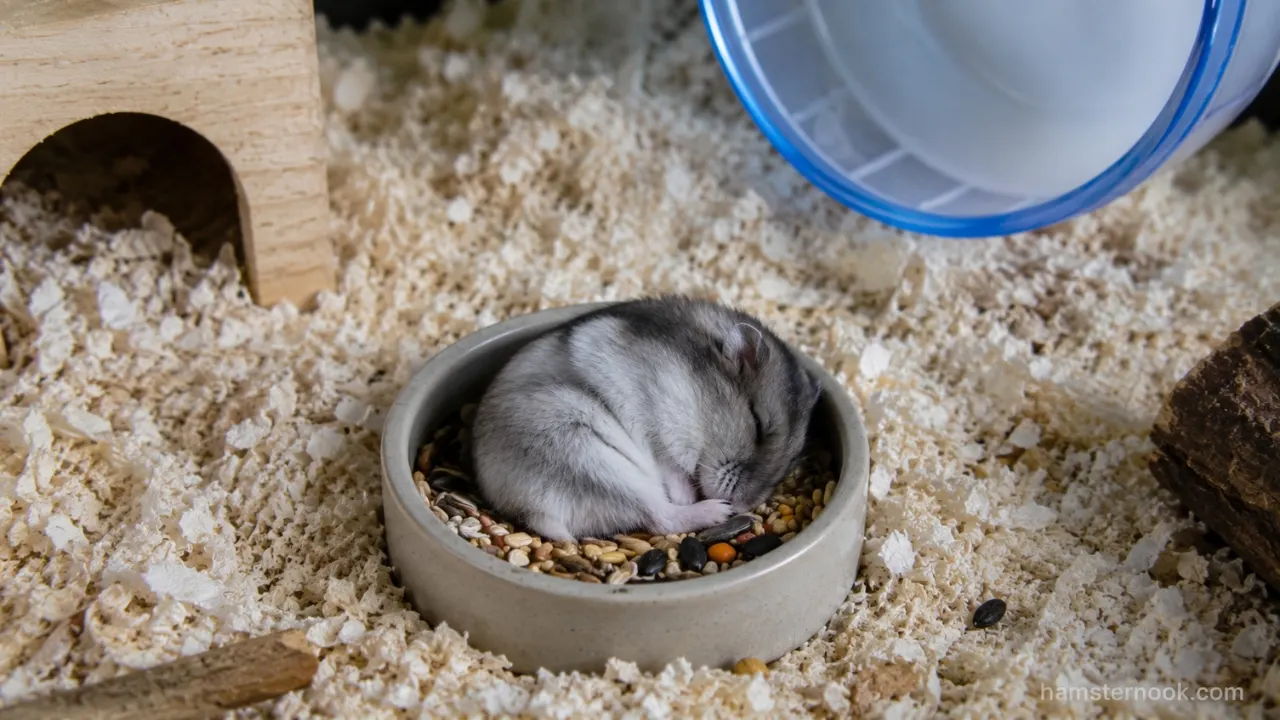
Ask yourself these questions:
- Is your hamster still eating normally?
- Is it drinking water as usual?
- Does it remain active during its normal waking hours?
- Has anything changed in the enclosure recently?
- Did you switch to a different food mix?
- Have you noticed any weight loss or other unusual symptoms?
Readers looking to review what a balanced daily diet should include should also read our Complete Hamster Diet Guide: Best Foods, Safe Treats & Toxic Foods, where we explain the subject in greater detail with practical tips and beginner-friendly guidance.
If everything else appears normal, the change may simply reflect a temporary shift in your hamster’s routine rather than a health problem.
How to Encourage Natural Hoarding Behavior
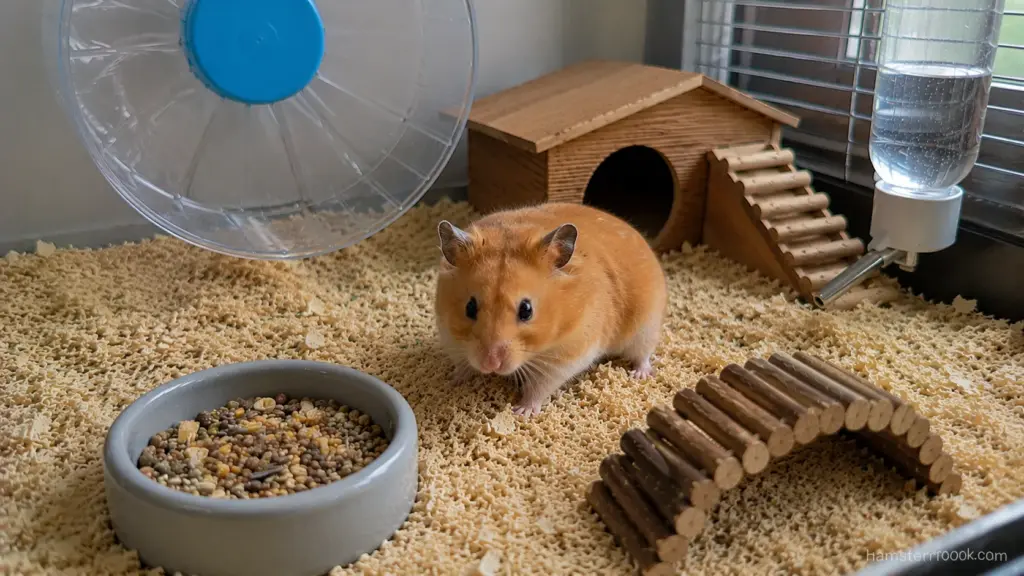
You should never force your hamster to hoard food, but you can encourage its natural instincts by creating an environment that supports normal behaviors.

Helpful ideas include:
- Feed a balanced hamster diet.
- Scatter a small portion of the daily food allowance for safe foraging.
- Provide deep bedding for digging and storing food.
- Offer several hideouts throughout the enclosure.
- Keep a consistent feeding schedule.
- Avoid unnecessary cage rearrangements.
Many hamsters naturally resume hoarding once they feel comfortable with their environment again.
Avoid checking hidden food stores too often, as frequent disturbance may discourage your hamster from using the same storage areas.
Readers who want to encourage more natural behaviors should also read our Do Hamsters Get Bored? 10 Signs Your Hamster Needs More Enrichment, where we explain the subject in greater detail with practical tips and beginner-friendly guidance.
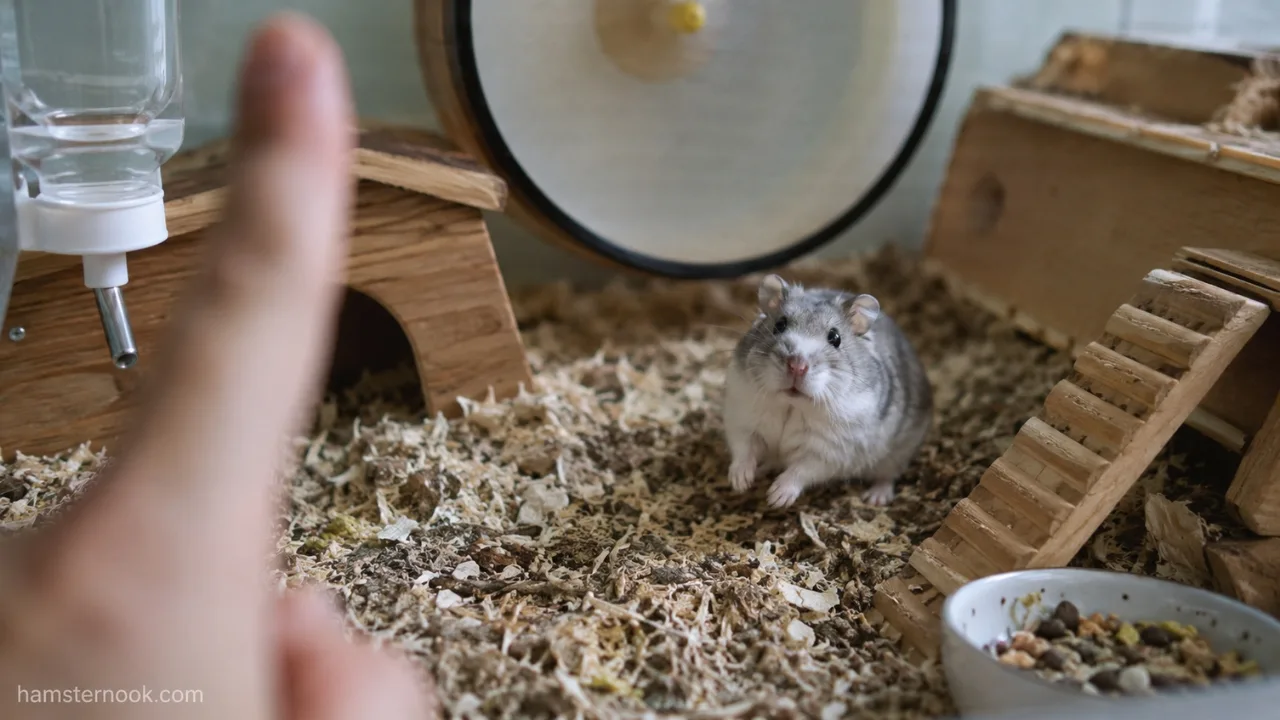
Common Mistakes Owners Make
Many owners become concerned when they notice a sudden change in food-hoarding behavior, even though it is often harmless.
Avoid these common mistakes:
- Throwing away hidden food every day.
- Assuming your hamster is sick based on one behavior alone.
- Changing food repeatedly to encourage hoarding.
- Cleaning the entire enclosure too frequently.
- Ignoring other signs such as appetite, weight, or activity level.
Remember that hoarding is only one part of your hamster’s overall behavior. Looking at the complete picture provides a much better understanding of its health and well-being.
When Should You Be Concerned?
Reduced food hoarding by itself is rarely an emergency.
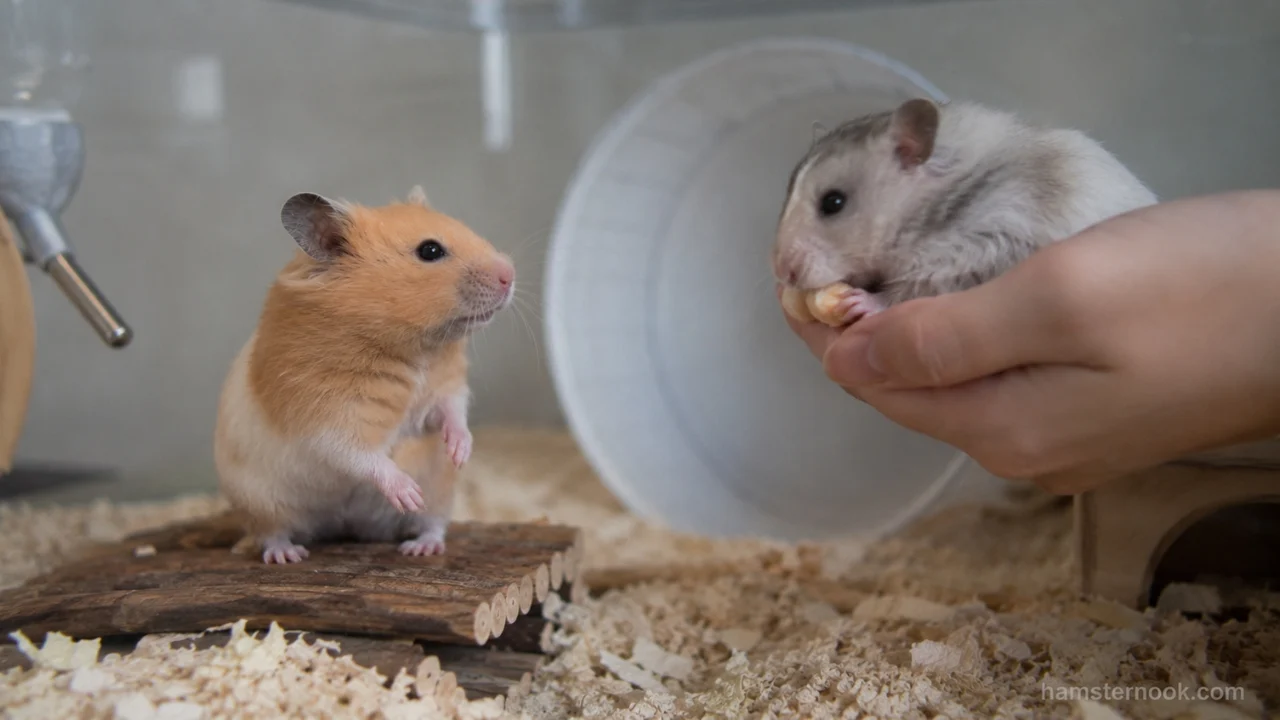
However, arrange a veterinary examination if your hamster:
- Stops eating completely.
- Rapidly loses weight.
- Appears weak or lethargic.
- Has trouble using its cheek pouches.
- Develops swelling around the mouth or cheeks.
- Shows persistent behavioral changes together with reduced appetite.
A veterinarian can determine whether the change is related to dental disease, cheek pouch problems, illness, or another medical condition.
Readers who want to recognize illness early should also read our Signs of a Sick Hamster: Warning Symptoms Every Owner Should Know, where we explain the subject in greater detail with practical tips and beginner-friendly guidance.
Conclusion
Food hoarding is one of the most recognizable hamster behaviors, but it doesn’t happen at exactly the same level every day. A hamster may temporarily stop collecting food because it already has a full food stash, recently experienced changes in its enclosure, or simply doesn’t feel the need to store more at that moment.
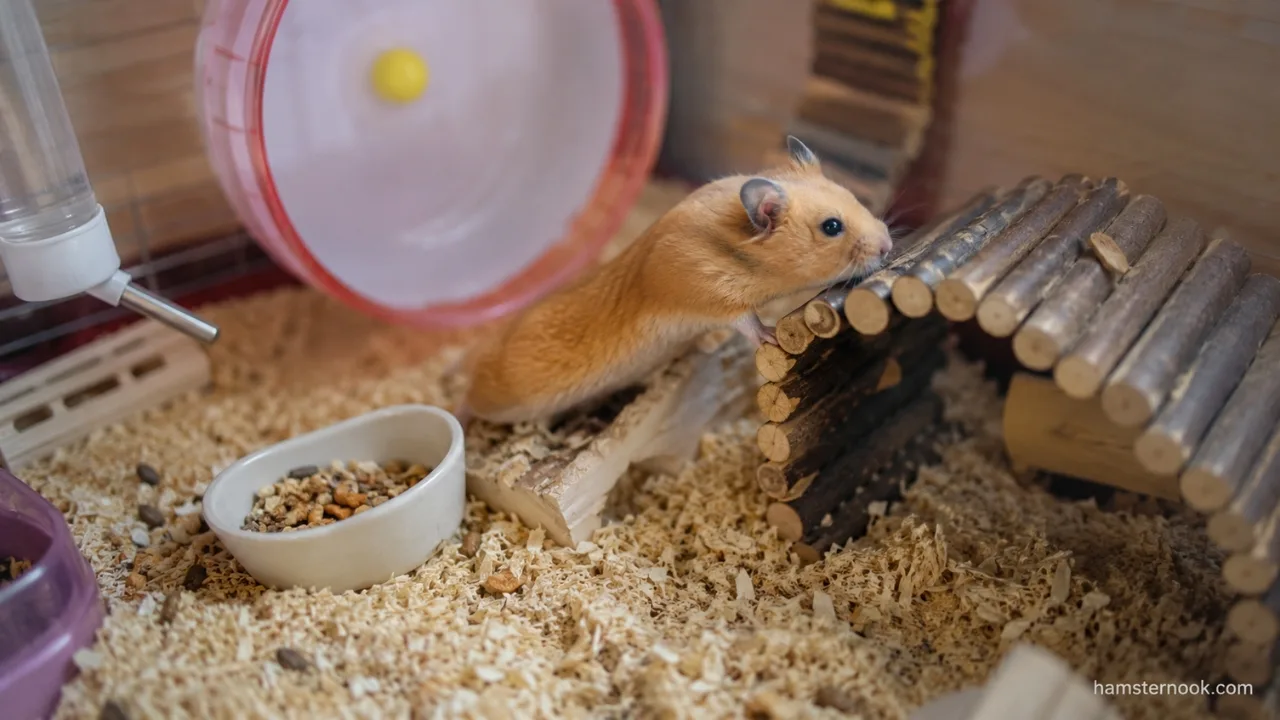
The most important thing is to look beyond the food bowl. If your hamster continues eating well, remains active, and behaves normally, a temporary change in hoarding is often nothing to worry about.
On the other hand, if reduced hoarding is accompanied by poor appetite, weight loss, lethargy, or other unusual symptoms, it’s best to seek advice from an experienced exotic animal veterinarian.
Observing your hamster’s overall routine rather than focusing on a single behavior is the best way to tell whether it’s simply adapting to its environment or needs medical attention.
Small changes in hoarding habits are often part of normal day-to-day variation, especially when your hamster continues eating, drinking, and behaving as usual.
Readers interested in another common food-related behavior should also read our Can Hamsters Smell Their Owners? How Powerful Is a Hamster’s Sense of Smell?, where we explain the subject in greater detail with practical tips and beginner-friendly guidance.
Frequently Asked Questions
Is it normal for a hamster to stop hoarding food?
Yes. A hamster may temporarily reduce or stop hoarding if it already has enough stored food, recently experienced environmental changes, or feels secure in its habitat. Continue monitoring its appetite and overall behavior.
Should I remove my hamster’s hidden food?
Not all hidden food needs to be removed. During routine cage cleaning, check food stores for spoiled fresh foods and remove anything that could rot. Dry food that’s still clean and safe can often be left until the next scheduled cleaning.
Why is my hamster leaving food in the bowl?
Your hamster may already have food stored elsewhere, may be adjusting to a dietary change, or simply may not feel the need to collect more food at that time.
Can stress affect food-hoarding behavior?
Yes. Major changes to the enclosure, frequent cleaning, loud environments, or other stressors may temporarily change how a hamster stores food.
Should I worry if my hamster stops hoarding overnight?
A sudden change isn’t always serious, but if it occurs together with poor appetite, weight loss, weakness, or other signs of illness, veterinary advice is recommended.
References
The information in this guide is based on trusted veterinary and animal welfare resources, including:
- RSPCA – Keeping Hamsters as Pets
- Blue Cross – Hamster Care Guide
- MSD Veterinary Manual – Providing a Home for a Hamster
- NC3Rs – Housing and Husbandry: Hamster

Narayan Kumar is the founder and author of HamsterNook. He creates practical, research-based hamster care guides covering hamster behavior, nutrition, cage setup, enrichment, health, and everyday care. His goal is to help hamster owners make informed decisions and provide safer, healthier lives for their pets through clear, beginner-friendly information based on trusted animal care resources.