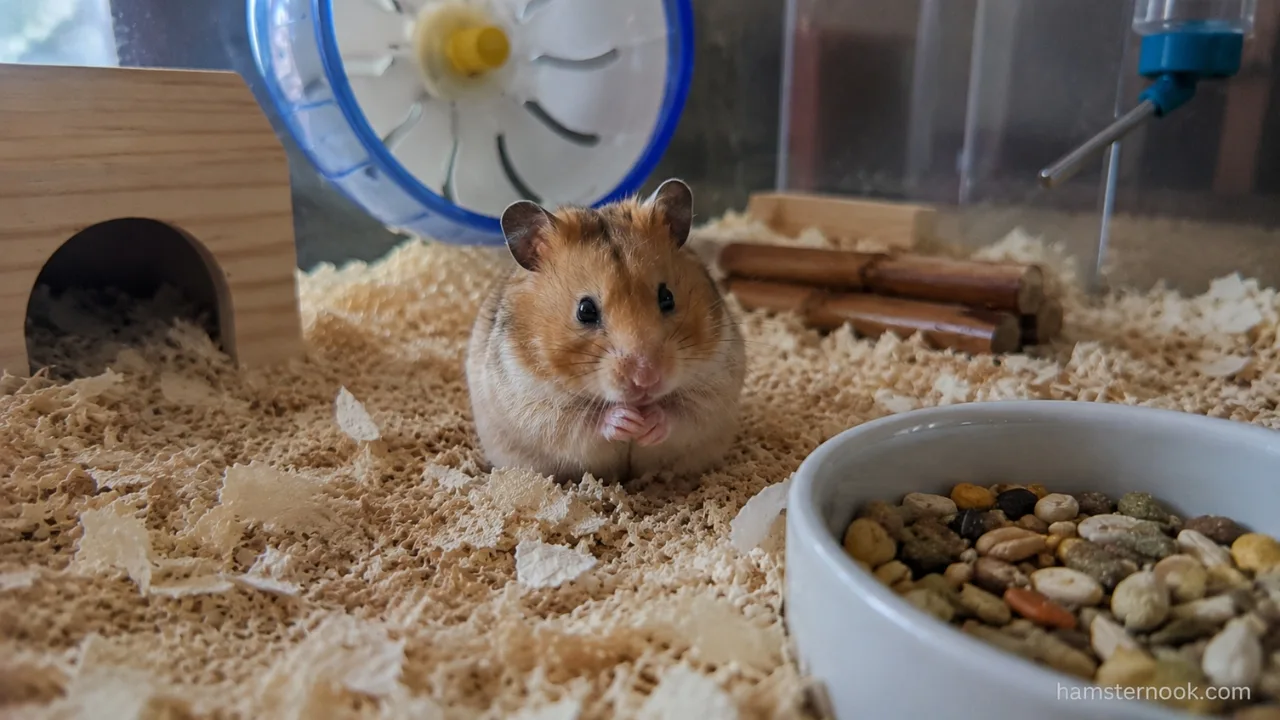
One of the hardest parts of owning a hamster is knowing that these small pets have relatively short lifespans. Many owners start wondering how long their hamster is likely to live and whether there is anything they can do to support a longer, healthier life. While no care routine can change a hamster’s natural lifespan, good husbandry can have a major impact on overall health, comfort, and quality of life.
These tiny companions are fun to watch, relatively easy to care for, and can form strong bonds with their owners over time. However, one question almost every hamster owner eventually asks is: How long do hamsters live?
Unfortunately, hamsters have much shorter lifespans than dogs, cats, and many other pets. Because their lives are relatively brief, providing the right care from the beginning can make a meaningful difference in both their quality of life and overall longevity.
In this guide, you’ll learn how long different hamster species typically live, what factors affect lifespan, common causes of early death, and practical ways to help your hamster stay healthy for as long as possible.
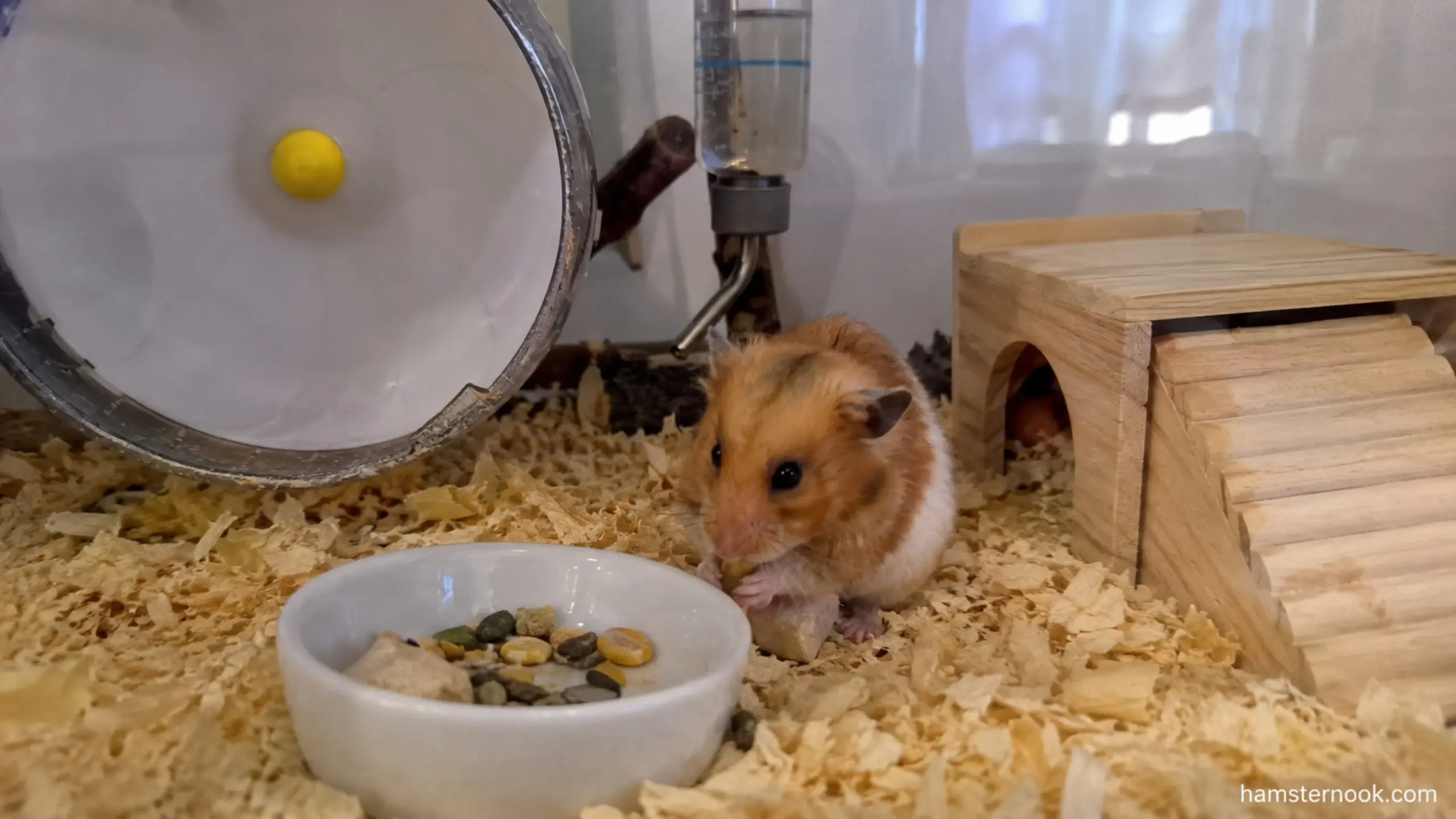
If you’re new to hamster ownership, our Ultimate Hamster Care Guide for Beginners: Everything You Need to Know (2026) explains everything from housing and feeding to enrichment, health monitoring, and daily care routines.
Average Hamster Lifespan by Species
Most pet hamsters live about 2–4 years, depending on species and individual health. Syrian hamsters commonly live around 2–3 years, while Roborovski hamsters can live around 3–4 years. Campbell’s and Winter White dwarf hamsters can have different lifespan ranges from Syrian and Roborovski hamsters, while Chinese hamsters have their own typical lifespan range.
These are typical ranges, not guarantees. Genetics, diet, housing, stress, exercise, and veterinary care can all affect how long an individual hamster lives.
Not all hamster species live for the same amount of time. Genetics, size, and breed characteristics can influence lifespan.
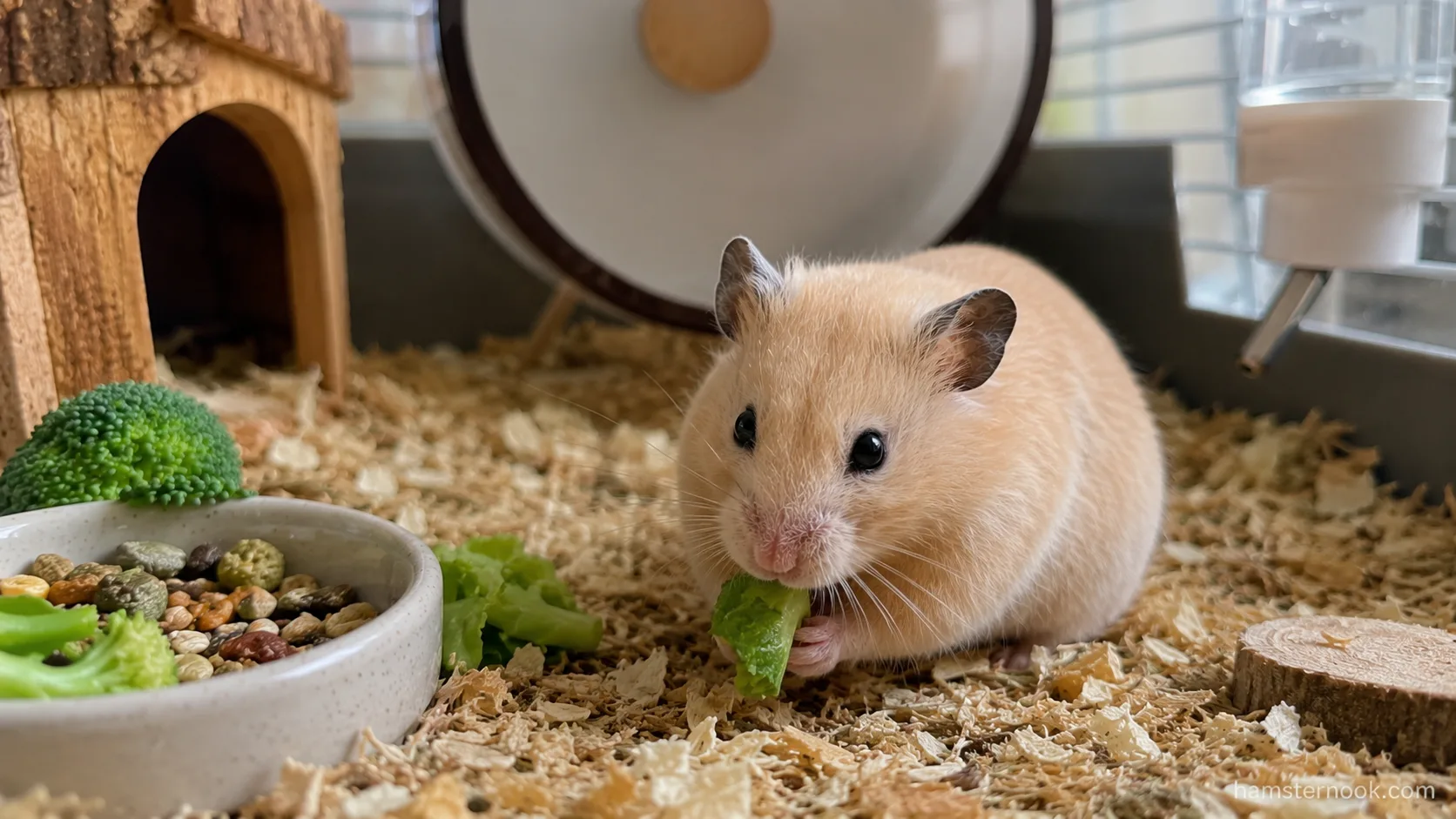
Why Lifespan Estimates Vary So Much
Owners are often surprised when they see different lifespan figures online.
The reason is that lifespan depends on several factors, including:
- Genetics
- Species
- Diet quality
- Housing conditions
- Stress levels
- Access to veterinary care
Because individual hamsters age differently, lifespan ranges should be viewed as averages rather than guarantees.
Average Lifespan Comparison
| Hamster Species | Typical Lifespan |
|---|---|
| Syrian Hamster | Around 2–3 years |
| Roborovski Hamster | Around 3–4 years |
| Campbell’s Dwarf Hamster | Around 1.5–2 years |
| Winter White Dwarf Hamster | Around 1.5–2 years |
| Chinese Hamster | Around 2–3 years |
Teddy Bear hamster is a common name used for the Syrian hamster, so its lifespan is generally the same as a Syrian hamster. A typical Syrian hamster lives around 2–3 years, although individual hamsters can live shorter or longer depending on genetics and overall care.
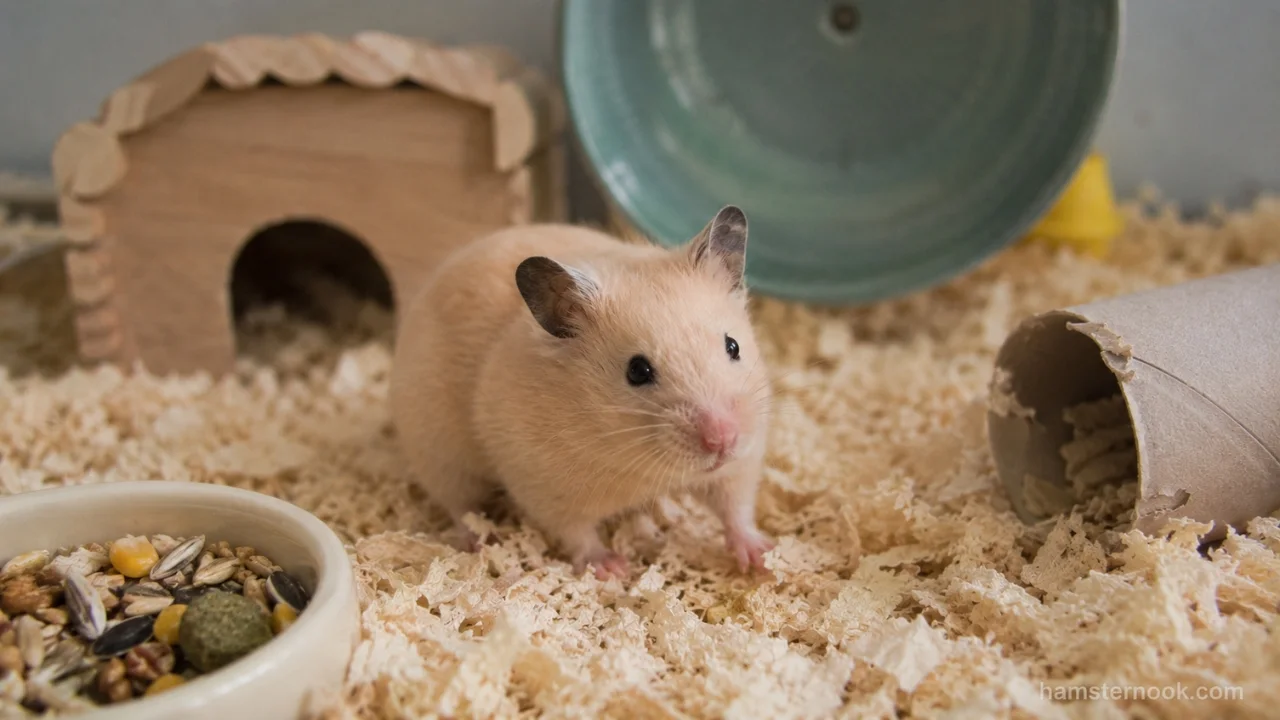
Golden hamster is another common name for the Syrian hamster, so searches for Teddy Bear, Golden, and Syrian hamster lifespan generally refer to the same species.
Among common pet hamsters, Roborovski hamsters often have the longest average lifespan, while some dwarf species tend to have shorter lifespans.
Which Hamster Lives the Longest?
Many new owners wonder whether one hamster species naturally lives longer than another. While individual health and genetics always play a role, some species generally have longer average lifespans than others.
For a direct species-by-species comparison of longevity, see our Which Hamster Breed Lives the Longest? Breed Lifespan Comparison guide.
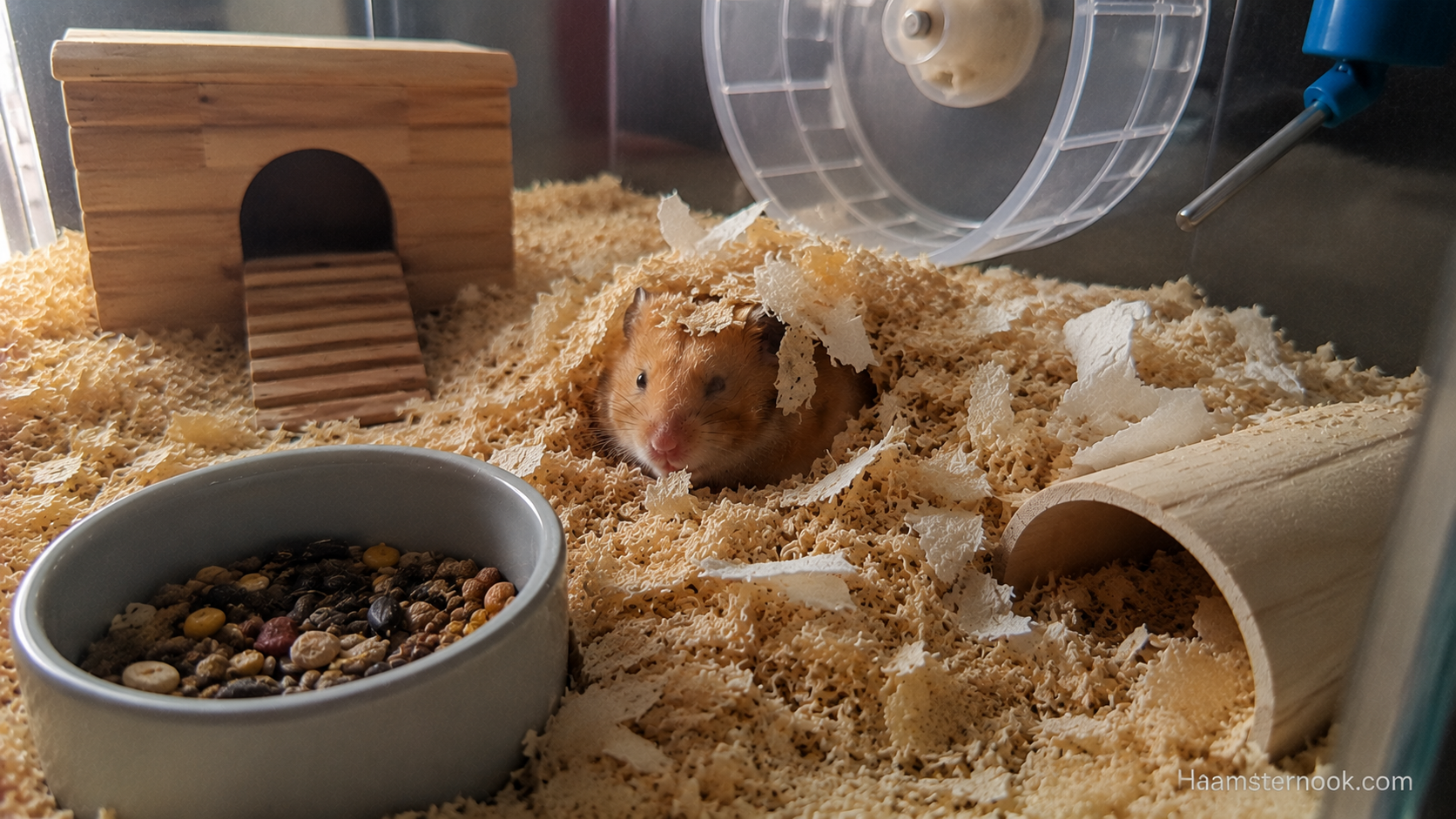
Among commonly kept pet hamsters, Roborovski hamsters are generally reported to have one of the longer typical lifespans. They commonly live around three to four years, although individual lifespan varies with genetics, health, and living conditions.
For a closer comparison of the longest-lived species, see our Longest-Living Hamster Breed: Roborovski vs Syrian & Dwarf.
Syrian hamsters typically live between two and three years, while Chinese hamsters often have a similar lifespan. Campbell’s and Winter White dwarf hamsters usually have slightly shorter average lifespans, although individual hamsters may live longer with excellent daily care.
Regardless of species, a balanced diet, a spacious enclosure, low stress, and regular health monitoring have a much greater impact than trying to compare breeds alone.

Why Do Hamsters Have Short Lifespans?
Hamsters are small prey animals with naturally fast metabolisms.
In general, smaller animals tend to age more quickly than larger mammals. Hamsters grow rapidly, reach adulthood within a few months, and move through life stages much faster than larger pets.
Their short lifespan is a natural part of their biology and is not usually related to owner care. However, proper husbandry can help ensure they live as long and comfortably as possible.
Do Pet Hamsters Live Longer Than Wild Hamsters?
In most cases, pet hamsters live considerably longer than wild hamsters.
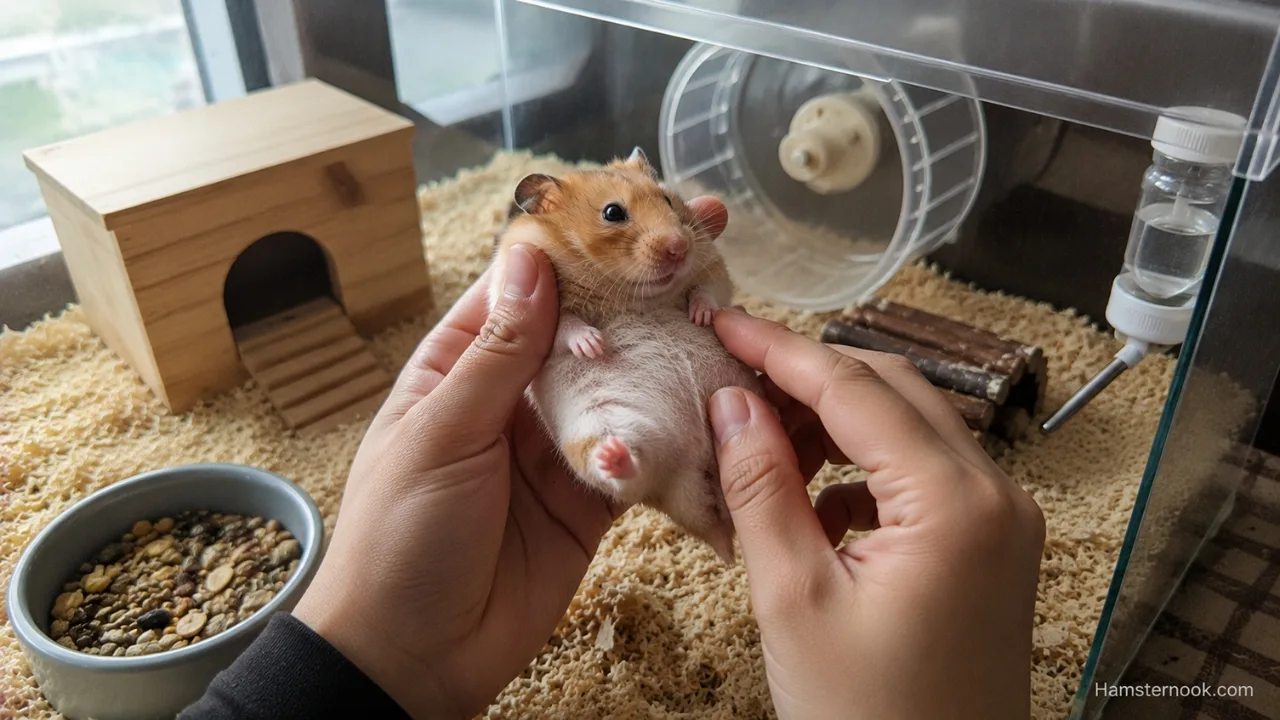
Wild hamsters face many challenges every day, including predators, food shortages, harsh weather, disease, and injuries. Many never reach the maximum lifespan that their species is biologically capable of.
Pet hamsters, on the other hand, usually benefit from regular meals, clean water, safe housing, protection from predators, and medical care when needed. While these advantages cannot change a hamster’s natural lifespan, they often help it reach the upper end of its normal life expectancy.
Good daily care cannot make a hamster immortal, but it can greatly improve both lifespan and quality of life.
Factors That Affect How Long a Hamster Lives
Several factors influence lifespan beyond simple genetics.
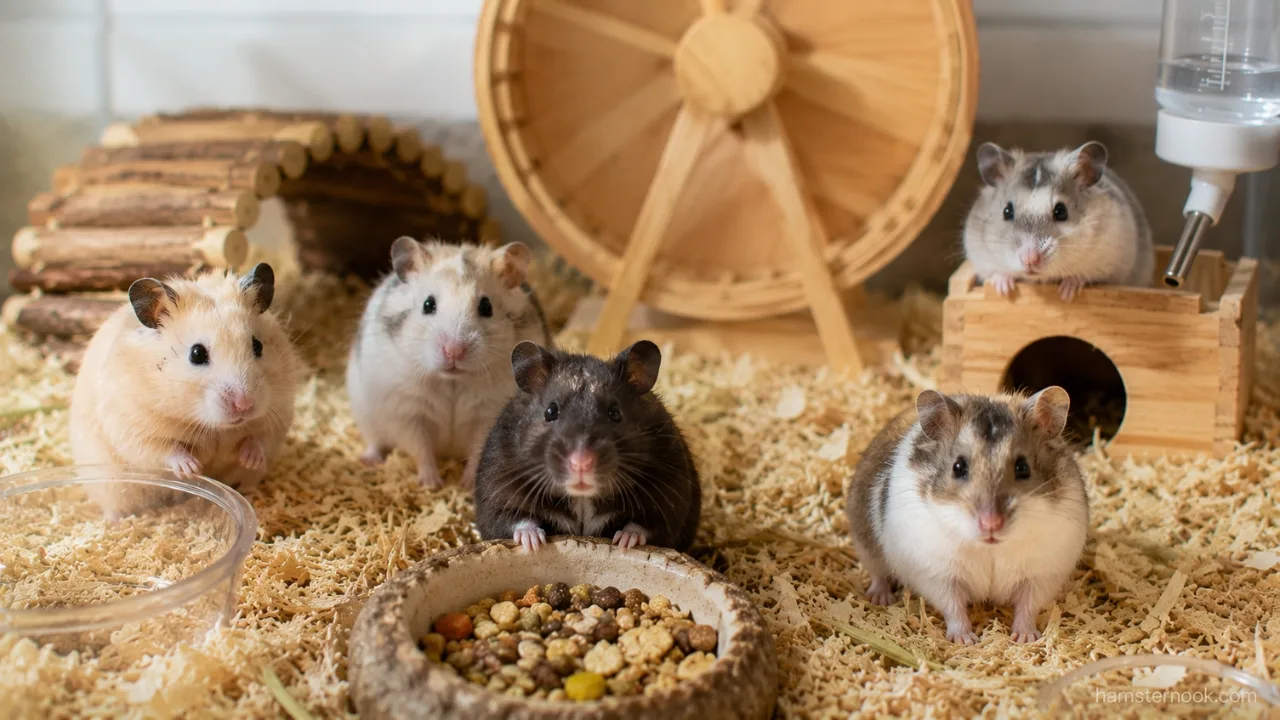
Lifespan Factors at a Glance
| Factor | Impact on Lifespan |
|---|---|
| Genetics | Strong influence |
| Diet Quality | Significant |
| Cage Environment | Significant |
| Stress Levels | Moderate to High |
| Veterinary Care | Moderate |
| Exercise Opportunities | Significant |
| Cleanliness | Significant |
| Injury Prevention | Significant |
While genetics cannot be changed, many other factors are within an owner’s control.
Do Male or Female Hamsters Live Longer?
Many owners also ask whether male or female hamsters live longer. In reality, there is no consistent scientific evidence showing that one sex naturally lives longer than the other across all pet hamster species.
Some individual hamsters may outlive others simply because of genetics, overall health, diet, living conditions, or access to veterinary care. A healthy male hamster can easily outlive a female, and the opposite is equally possible.
Instead of focusing on gender, owners are far more likely to improve lifespan by providing proper nutrition, enough exercise, a low-stress environment, and routine health checks throughout the hamster’s life.
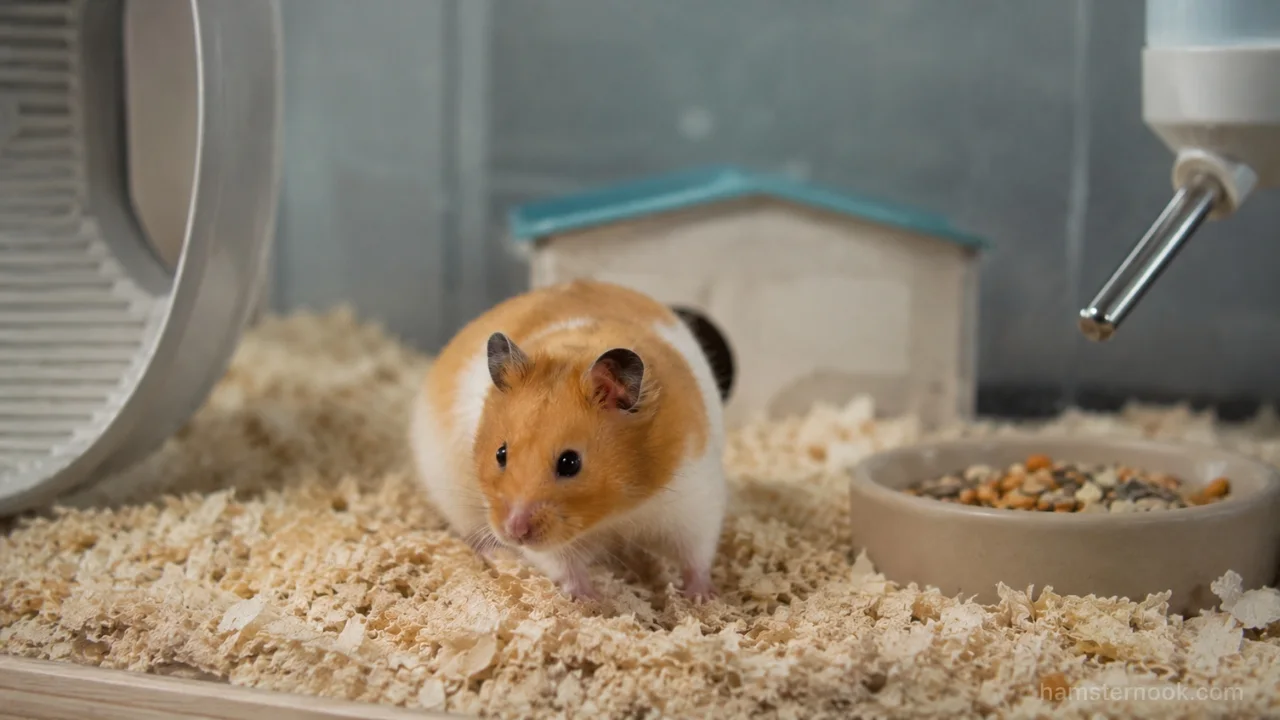
How Diet Affects Hamster Lifespan
Nutrition is one of the most important parts of hamster care.
A balanced diet helps maintain healthy body weight, supports immune function, and reduces the risk of nutrition-related health problems.
A healthy hamster diet typically includes:
- High-quality hamster pellets
- Safe seed mixes
- Fresh vegetables in moderation
- Occasional protein sources
- Fresh water available at all times
Treats should be limited, especially sugary foods that may contribute to obesity or diabetes in certain hamster species.
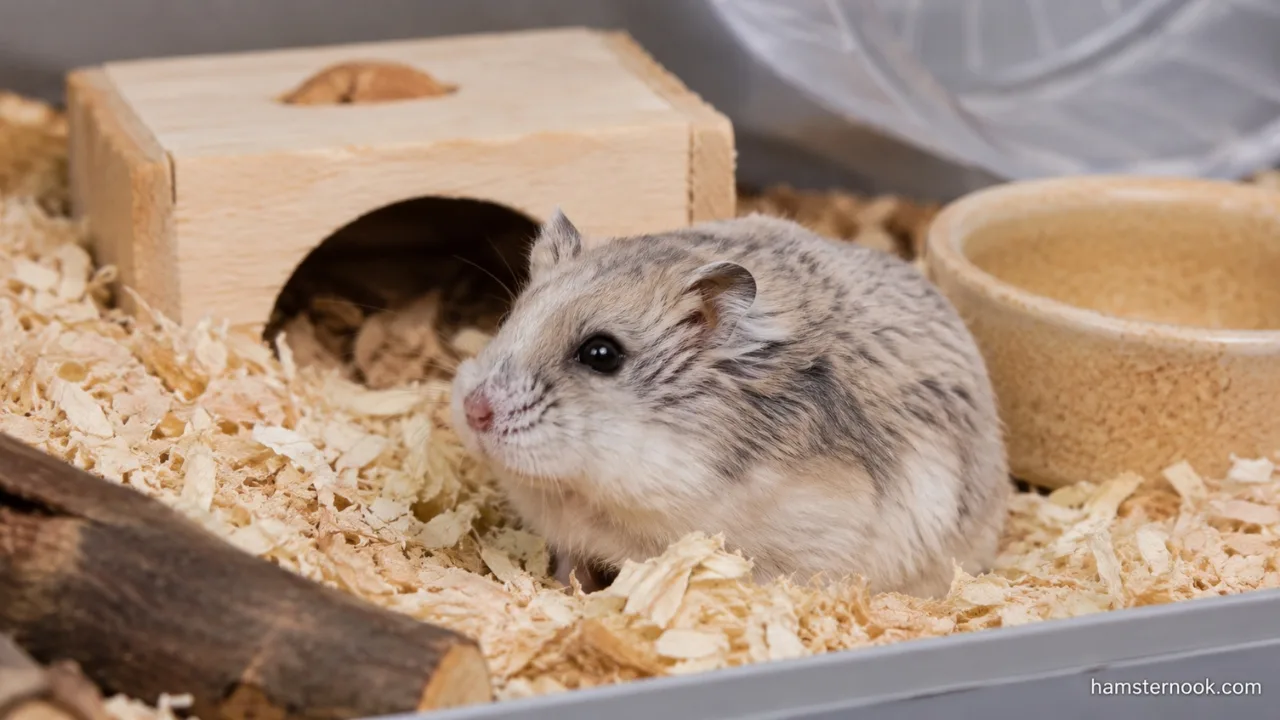
Maintaining a Healthy Weight Matters
Both obesity and being underweight can affect a hamster’s long-term health.
Owners should monitor:
- Body condition
- Appetite
- Activity levels
- Treat consumption
Sudden weight changes often deserve closer observation because they can sometimes signal underlying health issues.
A balanced diet and regular exercise are generally more important than any specific treat or supplement.

Foods That Support Long-Term Health
| Food Type | Role in a Healthy Diet |
|---|---|
| Hamster Pellets | Primary nutrition source |
| Seeds and Grains | Variety and energy |
| Fresh Vegetables | Vitamins and fiber |
| Protein Treats | Muscle maintenance |
| Fresh Water | Essential hydration |
A balanced diet is far more important than any single “superfood.”
Owners who are unsure what foods belong in a healthy hamster diet can read our Complete Hamster Diet Guide for safe foods, treats, and feeding basics.
The Importance of Proper Housing
A hamster’s living environment directly affects both physical and mental health.
Many commercial cages sold for hamsters are actually too small. Limited space can increase stress, reduce exercise, and contribute to health problems over time.

A suitable enclosure should provide:
- Adequate floor space
- Deep bedding for burrowing
- Good ventilation
- Safe enrichment items
- A properly sized exercise wheel
Hamsters naturally spend much of their time exploring, digging, and foraging. Enclosures that support these behaviors can help improve overall well-being.
A properly designed enclosure can also reduce stress-related behaviors. Our guide to the Best Hamster Cage Setup for Beginners covers the essentials in detail.
Why Exercise Helps Hamsters Live Longer
Exercise plays a major role in maintaining healthy body weight and preventing boredom.

Without enough activity, hamsters may become overweight or develop stress-related behaviors.
Mental Stimulation Is Part of Healthy Aging
Physical exercise is important, but mental stimulation matters too.
Hamsters benefit from:
- Foraging opportunities
- Safe chew toys
- Tunnels and hideouts
- Deep bedding for burrowing
- Regular enrichment changes
Mental stimulation encourages natural behaviors and helps prevent boredom-related stress.
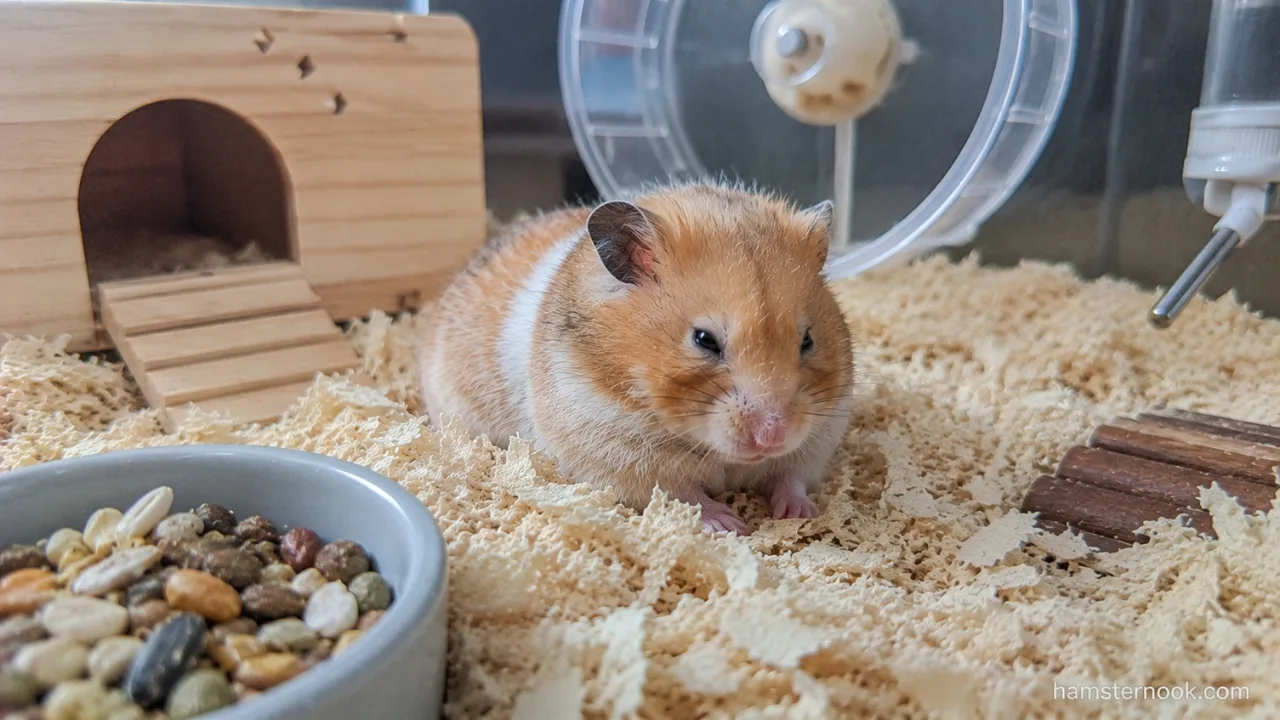
Benefits of Daily Exercise
| Benefit | Why It Matters |
|---|---|
| Weight Control | Helps prevent obesity |
| Muscle Health | Maintains strength |
| Mental Stimulation | Reduces boredom |
| Natural Behavior Expression | Supports well-being |
| Stress Reduction | Improves overall health |
Most pet hamsters use an exercise wheel daily when given access to a properly sized wheel.
Daily opportunities to explore outside the cage in a safe, escape-proof playpen can also provide extra exercise and mental stimulation, although they should always be supervised.
A noticeable increase in sleeping can sometimes be part of normal aging, but sudden changes may deserve closer attention. Learn more in our guide on why hamsters sleep all day suddenly.

How Stress Can Shorten a Hamster’s Life
Hamsters are sensitive animals.
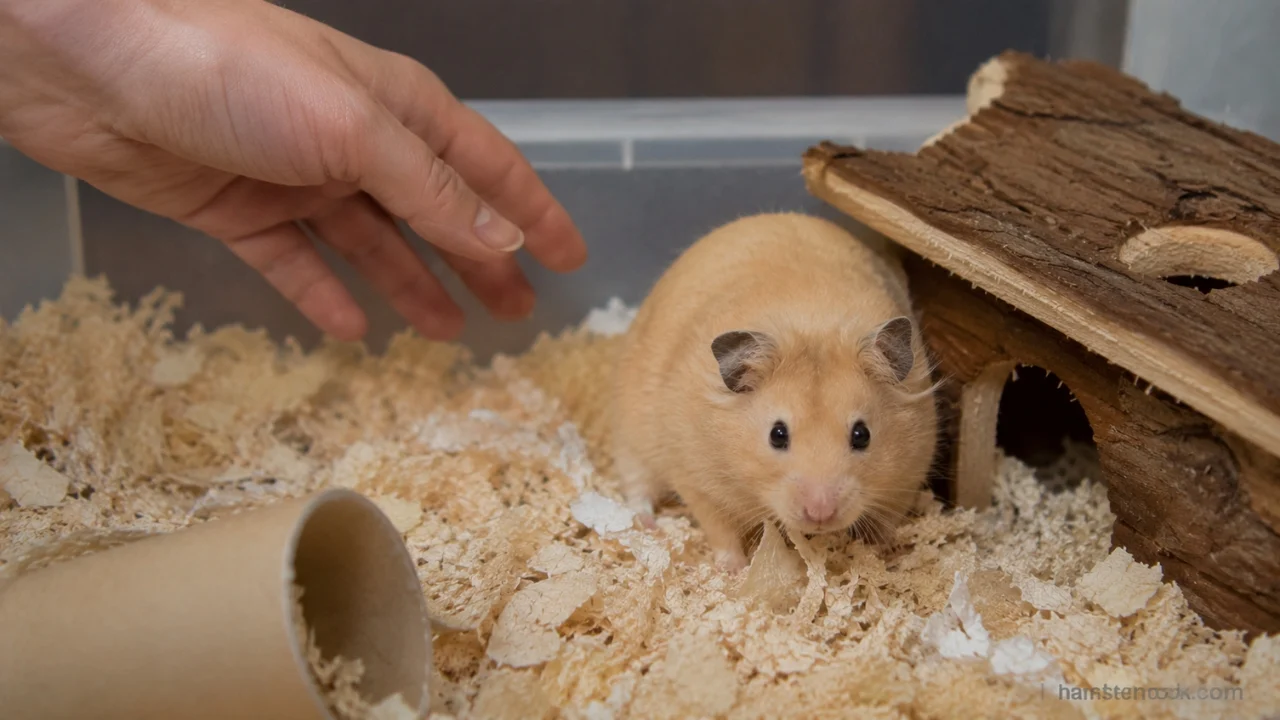
Chronic stress may negatively affect their health over time. Stress can weaken the immune system, reduce appetite, and contribute to abnormal behaviors.
Common causes of hamster stress include:
- Frequent disturbances during sleep
- Loud noises
- Small cages
- Lack of hiding places
- Rough handling
- Improper cage mates
Since most hamster species are solitary, housing them together can sometimes create serious stress and aggression.
Even when conflict is not obvious, competition for food, sleeping areas, or resources can create ongoing stress that affects overall well-being.

Common Health Problems That Affect Lifespan
Like all animals, hamsters can develop health conditions as they age.
Some of the more common problems include:
- Tumors
- Dental issues
- Respiratory infections
- Wet tail disease
- Obesity
- Diabetes in some dwarf species
Early detection often improves treatment options. Owners should regularly monitor their hamster’s behavior, appetite, weight, and activity level.
Owners who understand the early warning signs of illness are often better able to seek help quickly. Learn more in our guide to what hamsters do right before they get sick.
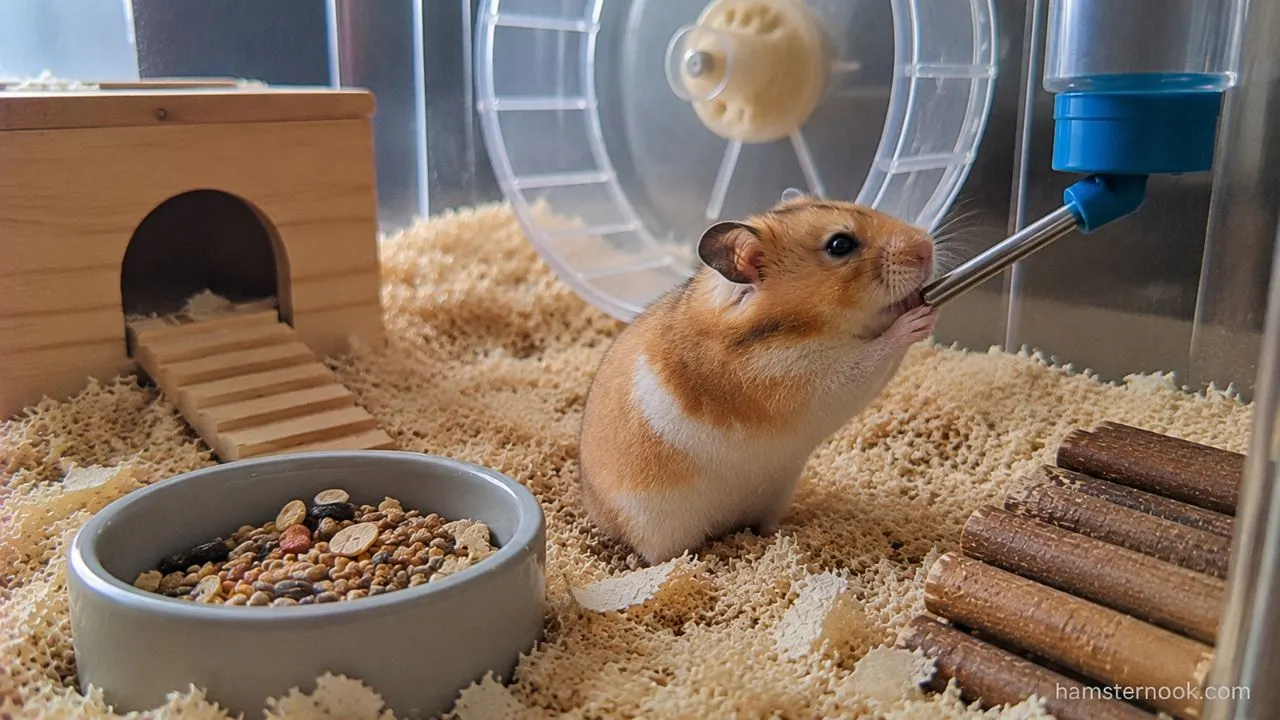
Health Checks Owners Should Perform Regularly
Routine observation helps owners notice potential problems earlier.
Pay attention to:
- Eating and drinking habits
- Body weight
- Coat condition
- Activity level
- Teeth appearance
- Walking and movement
Small changes are often easier to spot when you already know what is normal for your hamster.
Signs Your Hamster May Be Aging
As hamsters grow older, physical and behavioral changes often become noticeable.
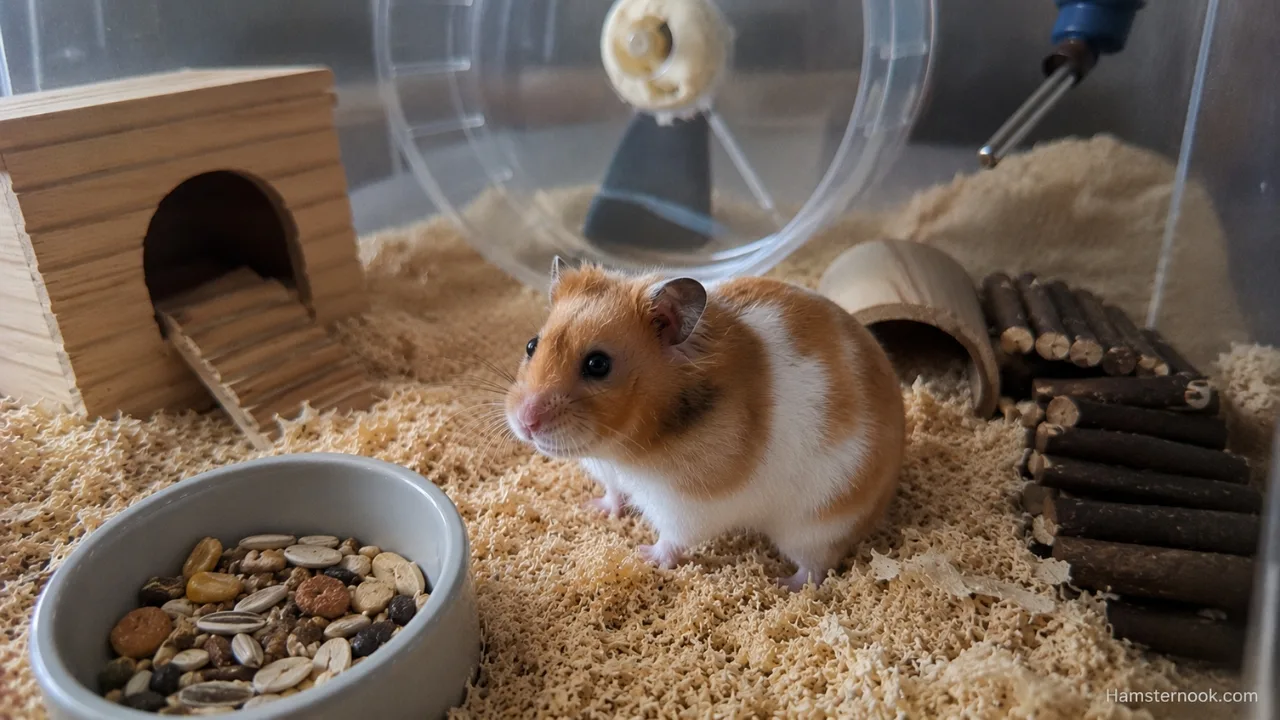
Common Signs of Aging
If your hamster is already showing age-related changes, our Is Your Hamster Getting Old? Aging Signs, Care Tips & When to Worry guide covers senior-care considerations in more detail.
| Sign | What Owners May Notice |
|---|---|
| Reduced Activity | Less running and exploring |
| Weight Changes | Gradual weight loss or gain |
| Thinning Fur | Coat appears less dense |
| Increased Sleeping | Longer resting periods |
| Slower Movement | Reduced agility |
| Vision Changes | Less awareness of surroundings |
Related: 7 Signs Your Hamster May Be Dying (Most Owners Notice Too Late)
These changes are often normal parts of aging, although sudden changes should be evaluated by a veterinarian.
Can Hamsters Live Longer Than Average?
Occasionally, yes.
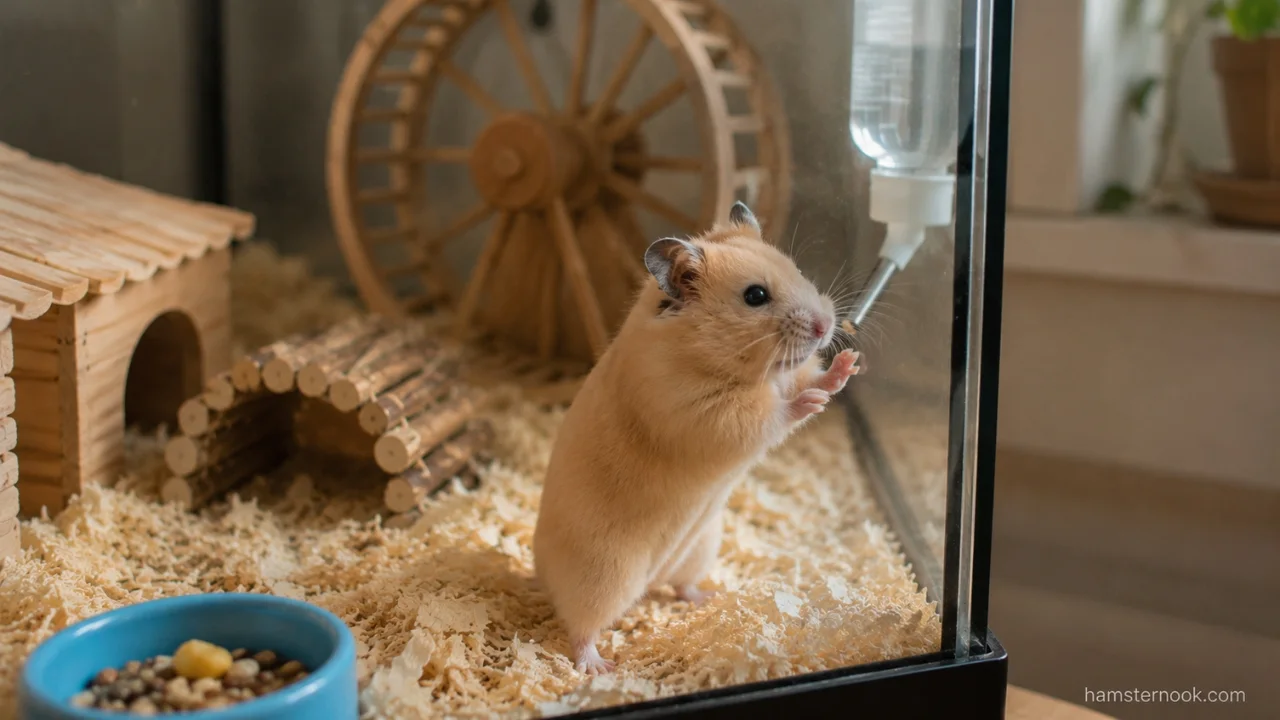
Some hamsters exceed their species’ average lifespan thanks to favorable genetics and excellent care. However, owners should avoid focusing solely on lifespan numbers.
Many hamsters live within their normal lifespan range, and providing excellent daily care is often more important than reaching an unusually old age.
The goal should always be quality of life rather than simply extending lifespan.
Common Mistakes That Can Affect Lifespan
Some care mistakes may gradually affect health over time.

Examples include:
- Feeding too many treats
- Using undersized cages
- Ignoring dental problems
- Disturbing sleep repeatedly
- Skipping routine cage maintenance
- Waiting too long to address illness symptoms
Many health problems are easier to manage when noticed early.
Best Ways to Help Your Hamster Live Longer
There is no guaranteed method to increase lifespan, but good care can improve health outcomes.
Can You Actually Increase a Hamster’s Lifespan?
Many products and online tips claim to make hamsters live longer, but there is no guaranteed way to extend a hamster’s natural lifespan.

No special food, vitamin, or supplement can guarantee a longer lifespan. Good husbandry can instead support normal growth, health, and quality of life and give your hamster a better chance of reaching its expected lifespan.
Providing a balanced diet, a spacious cage, regular exercise, deep bedding for burrowing, low stress, and prompt veterinary care all support better long-term health. Rather than trying to increase lifespan artificially, the goal should always be helping your hamster enjoy a healthier and more comfortable life from beginning to end. Healthy daily habits are far more valuable than searching for quick fixes or miracle products.
Habits That Support Longevity
| Care Practice | Potential Benefit |
|---|---|
| Feed a Balanced Diet | Supports overall health |
| Provide Fresh Water Daily | Prevents dehydration |
| Use a Spacious Cage | Reduces stress |
| Offer Daily Exercise | Maintains fitness |
| Keep the Cage Clean | Reduces disease risk |
| Minimize Stress | Supports immune function |
| Monitor Health Regularly | Detects problems early |
| Seek Veterinary Care When Needed | Improves treatment outcomes |
Consistent daily care often matters more than expensive products or supplements.
Avoid These Common Problems
| Mistake | Possible Consequence |
|---|---|
| Overfeeding Treats | Obesity and diabetes risk |
| Using Tiny Cages | Stress and inactivity |
| Ignoring Illness Symptoms | Delayed treatment |
| Poor Diet Quality | Nutritional deficiencies |
| Lack of Exercise | Weight gain |
| Inadequate Cleaning | Increased disease risk |
Avoiding these mistakes can significantly improve your hamster’s quality of life.
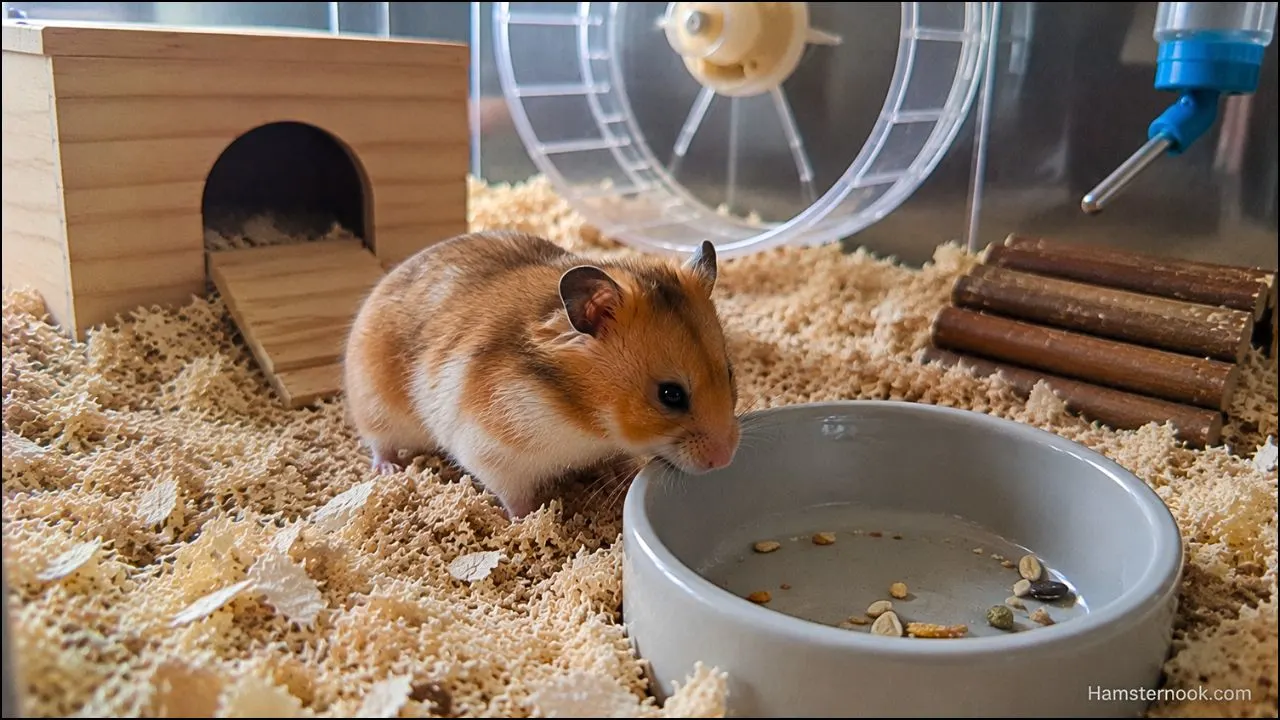
What Is the Oldest Age a Hamster Can Reach?
Most pet hamsters live between one and four years depending on species and individual circumstances.
Although stories occasionally circulate online about hamsters reaching exceptionally advanced ages, such cases are uncommon and often difficult to verify.
For most owners, reaching the upper end of the normal lifespan range is a realistic goal.
Final Thoughts
Although hamsters have relatively short lifespans compared with many other pets, owners have a significant influence over their quality of life. A balanced diet, spacious enclosure, regular exercise, low-stress environment, and early health monitoring give a hamster the best chance of living a healthy life within its natural lifespan.
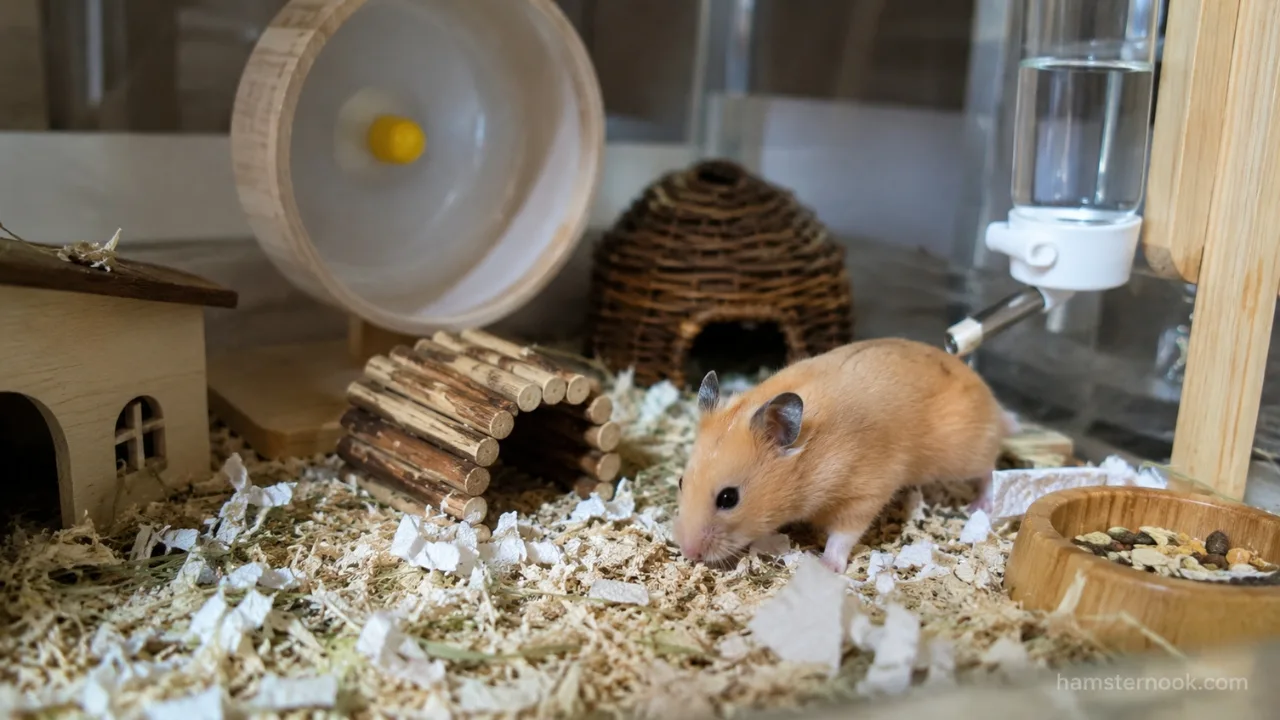
While no owner can control genetics, providing a balanced diet, proper housing, daily exercise, low-stress living conditions, and prompt veterinary attention can help your hamster enjoy the healthiest life possible.
Rather than focusing only on lifespan, aim to give your hamster a safe, enriching environment where it can thrive throughout every stage of life.
Frequently Asked Questions
Which hamster breed lives the longest?
Roborovski hamsters generally have the longest average lifespan among commonly kept pet hamster species, often living around three to four years.
Is two years old considered old for a hamster?
Yes. For many hamster species, two years is considered senior age, although some individuals remain active beyond that point.

Can a hamster live for five years?
A five-year lifespan is extremely uncommon. Most healthy pet hamsters live within their species’ normal lifespan range of roughly two to four years.
Does a bigger cage help hamsters live longer?
A larger cage cannot guarantee a longer life, but it can reduce stress, encourage exercise, and improve overall welfare.
Do indoor hamsters live longer than wild hamsters?
Generally, yes. Pet hamsters are protected from predators, harsh weather, and food shortages, which often allows them to live longer than their wild counterparts.
What is the most important factor for a hamster’s lifespan?
There is no single factor, but proper nutrition, housing, exercise, low stress, and good health care all play important roles in supporting a long and healthy life.

Can stress reduce a hamster’s lifespan?
Long-term stress may negatively affect overall health and well-being. Providing a suitable enclosure, proper enrichment, and a predictable routine can help reduce unnecessary stress.
Does a hamster’s lifespan depend on its species?
Yes. Different hamster species have different average lifespans, which is why some species typically live longer than others.
At what age is a hamster considered elderly?
The exact age varies by species, but many hamsters are considered seniors once they reach the later part of their typical lifespan. Owners often notice reduced activity and other age-related changes around this stage.
References
This guide is based on hamster lifespan, health, nutrition, housing, exercise, aging, and welfare guidance from trusted veterinary and animal welfare resources, including:
- RSPCA – Keeping Hamsters as Pets – General guidance on hamster lifespan, housing, diet, exercise, behavior, health, and welfare.
- RSPCA – Hamster Health & Welfare – Guidance on hamster health monitoring, common health concerns, signs of illness, and maintaining good welfare.
- RSPCA – Hamster Diet – Guidance on balanced nutrition, fresh foods, treats, water, and healthy feeding practices.
- RSPCA – Creating a Good Home for Hamsters – Guidance on suitable housing, bedding, exercise, enrichment, environmental conditions, and hamster welfare.
- PDSA – Hamsters as Pets – Practical information on hamster care, nutrition, exercise, housing, health, and common problems.
- MSD Veterinary Manual – Hamsters – Veterinary reference information covering hamster health, diseases, husbandry, nutrition, and clinical care.
- MSD Veterinary Manual – Routine Health Care of Hamsters – Veterinary guidance on routine health monitoring, nutrition, dental care, weight, and preventive care.
- NC3Rs – Housing and Husbandry: Hamster – Guidance on hamster housing, bedding, enrichment, exercise, environmental conditions, and welfare.
Medical Disclaimer
This article is intended for educational purposes only and should not be considered veterinary advice. A hamster’s lifespan can vary depending on species, genetics, overall health, and living conditions, and no care routine can guarantee a longer lifespan. Health problems such as rapid weight loss, loss of appetite, breathing difficulties, dental problems, unusual growths, severe lethargy, or significant changes in behavior should not simply be attributed to aging. If your hamster shows persistent or concerning symptoms, consult a qualified exotic animal veterinarian for proper evaluation, diagnosis, and treatment.

Narayan Kumar is the founder and author of HamsterNook. He creates practical, research-based hamster care guides covering hamster behavior, nutrition, cage setup, enrichment, health, and everyday care. His goal is to help hamster owners make informed decisions and provide safer, healthier lives for their pets through clear, beginner-friendly information based on trusted animal care resources.