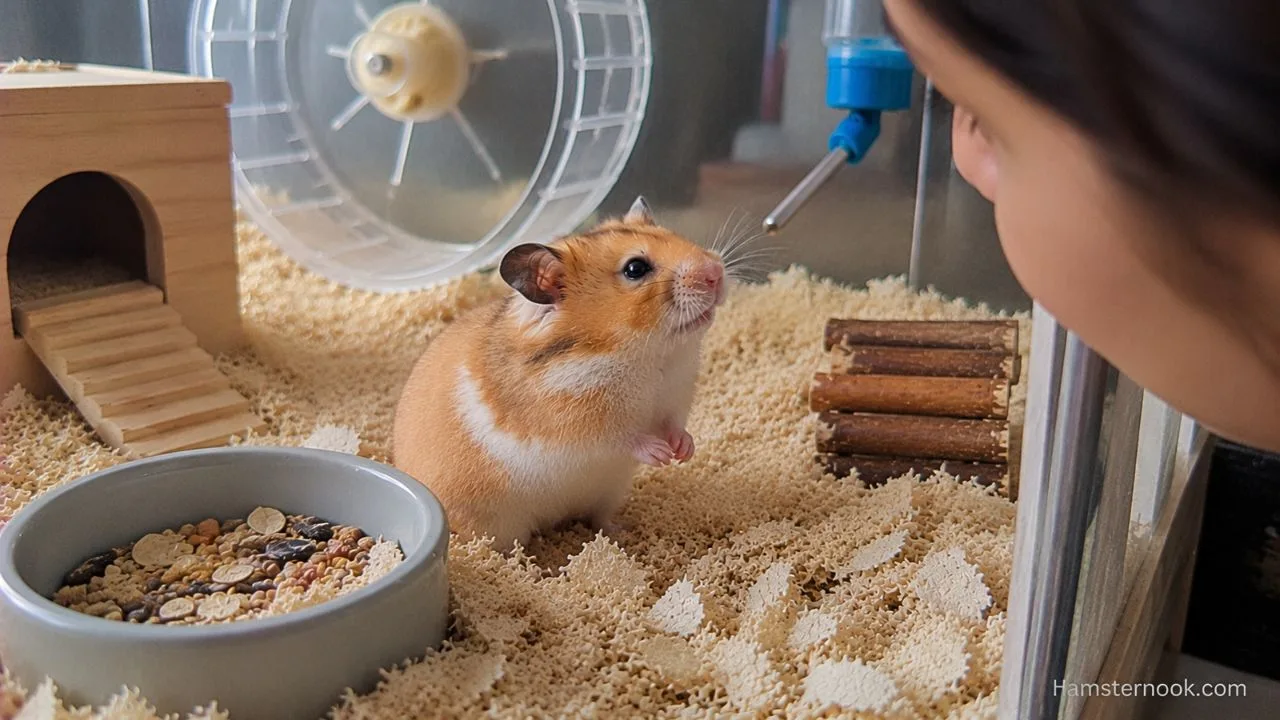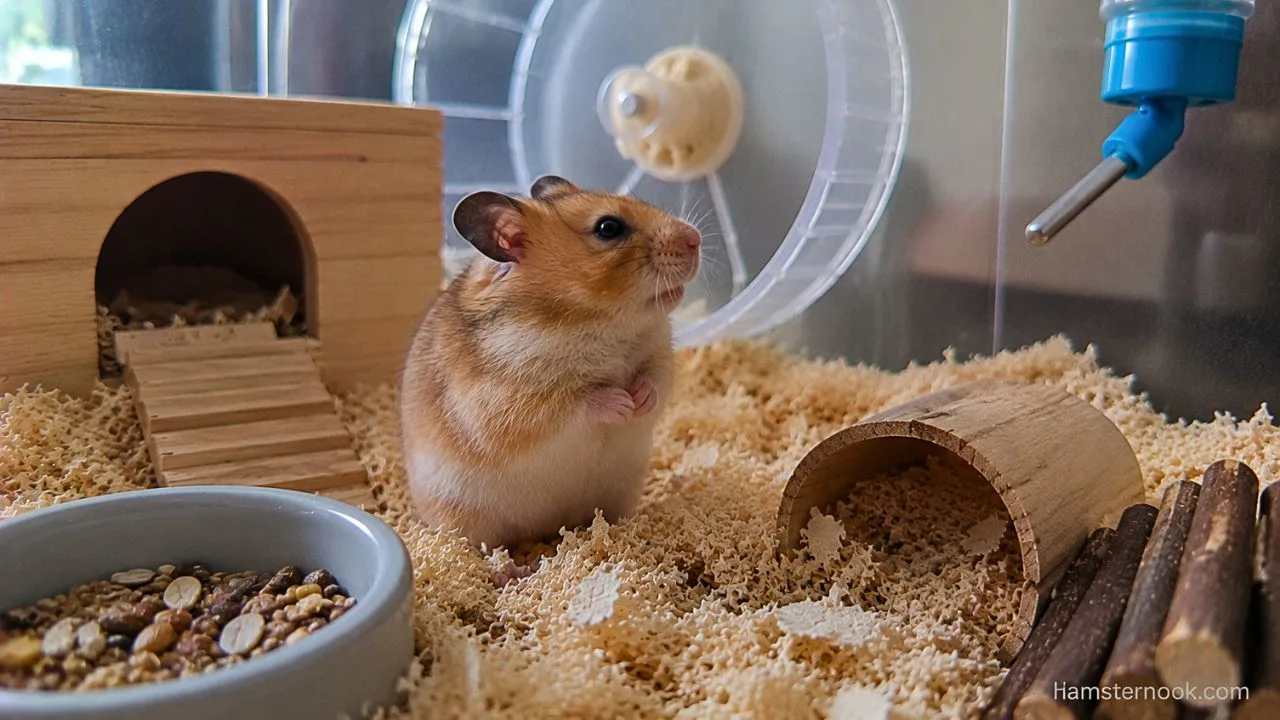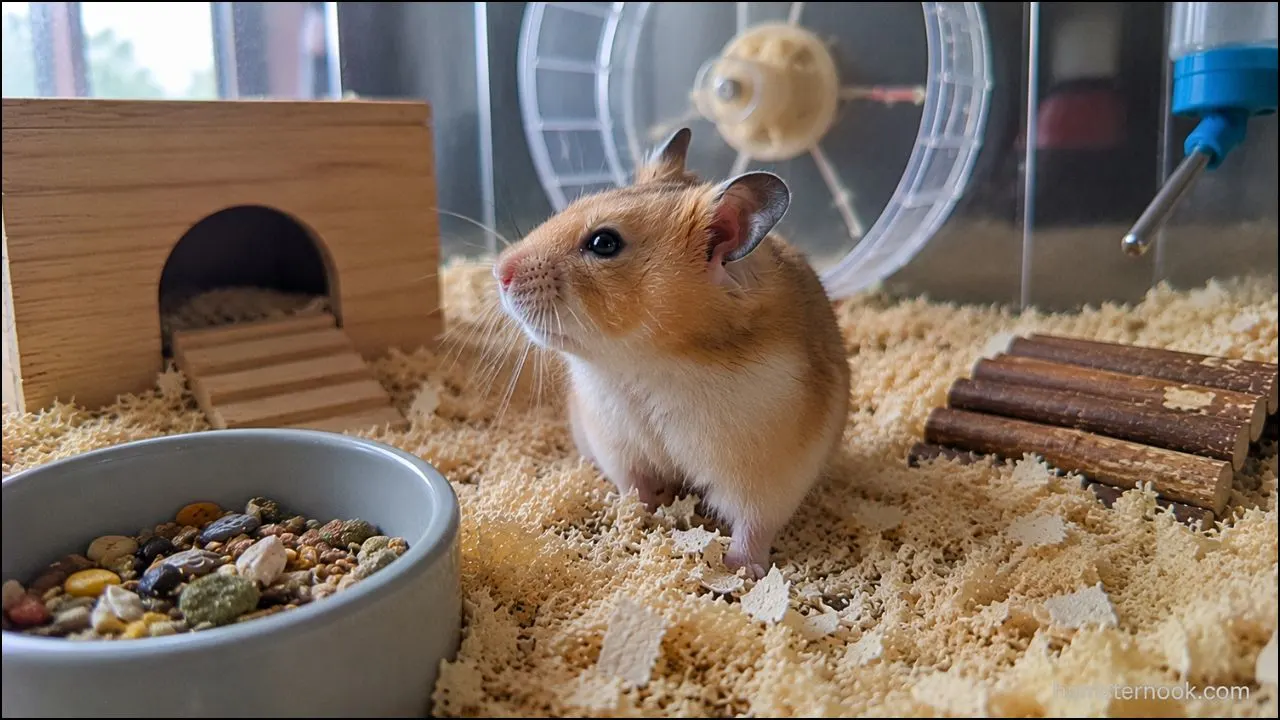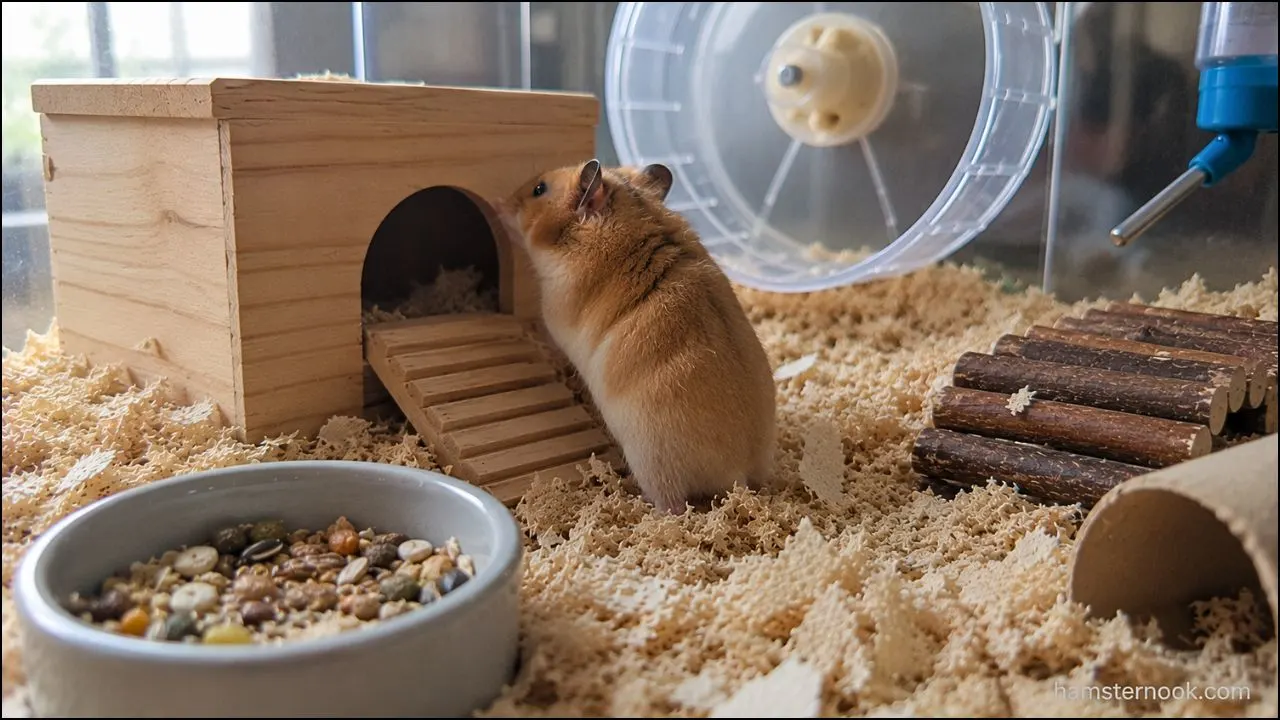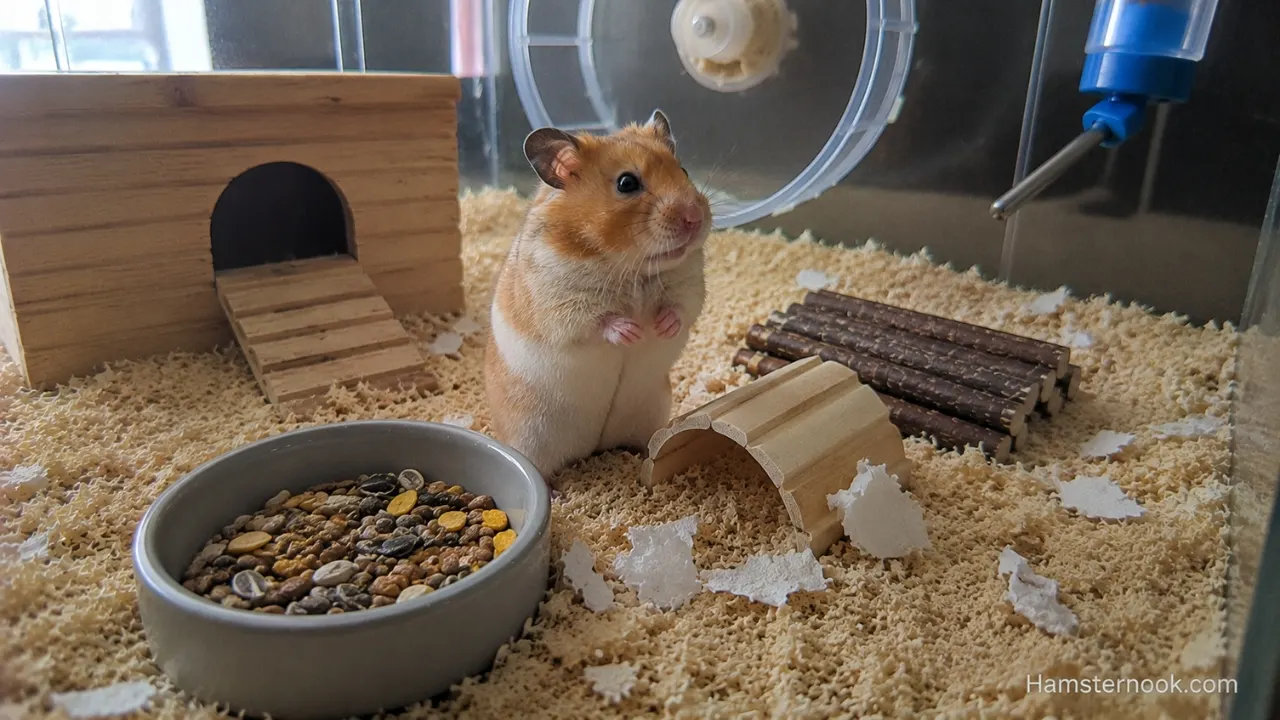
One day your hamster seems completely normal, running on the wheel, eating well, and reacting the way it always has. Then their behavior suddenly starts feeling unusual or out of character. Maybe your hamster starts hiding more, acting aggressive, sleeping at unusual times, freezing in corners, biting unexpectedly, or ignoring food. For many owners, this behavior can feel confusing and even alarming.
Hamsters often react strongly to changes in their environment, routine, stress levels, or overall health. Because they are prey animals, they naturally hide signs of stress or illness for as long as possible. Small behavioral changes are sometimes the very first clue that something is wrong.
Understanding the possible reasons behind “weird” hamster behavior can help owners react quickly, reduce stress, and prevent more serious problems later. In many cases, the issue is fixable once the real cause is identified.
Common Signs Your Hamster Is Acting Unusual
Behavior changes in hamsters are often early warning signs that something in their environment or health needs attention.
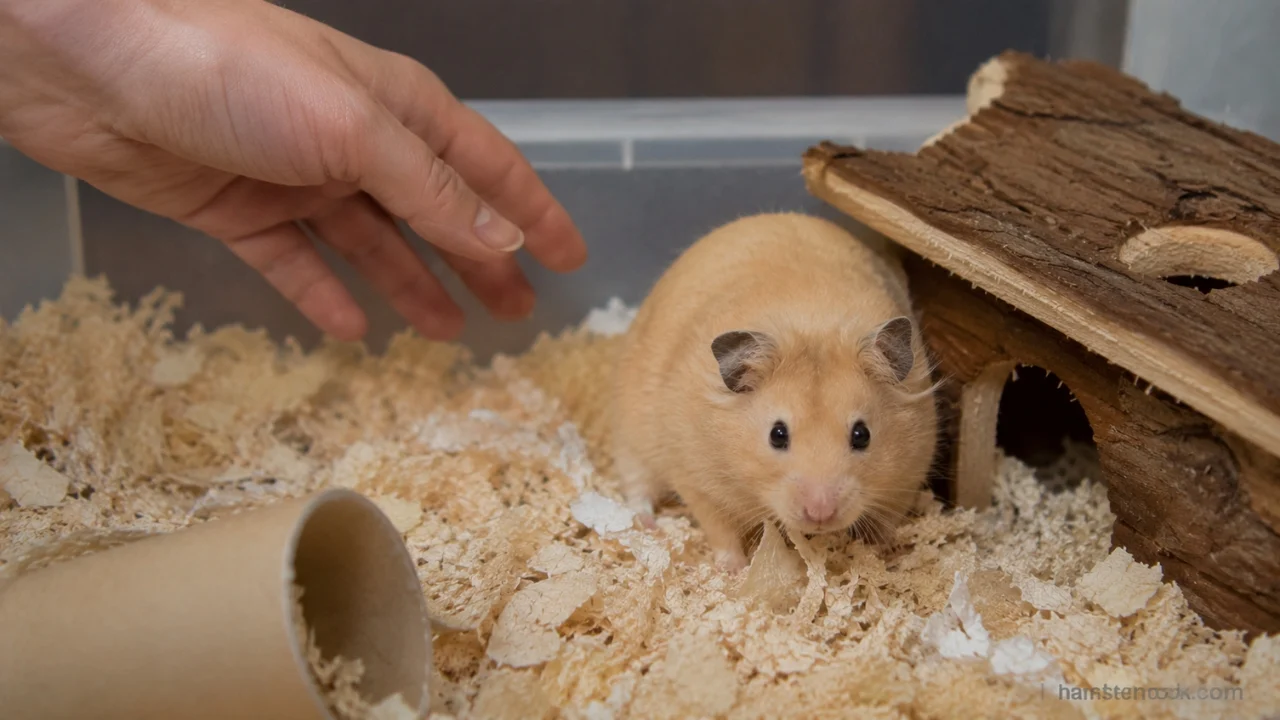
Not every hamster behaves the same way, but sudden behavioral changes usually stand out because they differ from your pet’s normal habits.
Here are some of the most common signs owners notice:
| Sudden Behavior Change | Possible Meaning |
|---|---|
| Hiding constantly | Stress, fear, illness |
| Aggressive biting | Pain, territorial behavior, stress |
| Sleeping more than usual | Temperature issues, illness, aging |
| Refusing food | Dental issues, sickness, stress |
| Running frantically | Anxiety or boredom |
| Freezing in place | Fear or feeling unsafe |
| Excessive chewing | Stress or lack of enrichment |
| Sudden squeaking | Pain, fear, irritation |
| Ignoring interaction | Illness, stress, exhaustion |
A single unusual moment is not always an emergency, but ongoing behavioral changes deserve attention.
Looking at several changes together usually provides a clearer picture than focusing on a single behavior. For example, hiding combined with appetite loss is often more concerning than hiding alone.
Stress Is One of the Most Common Causes
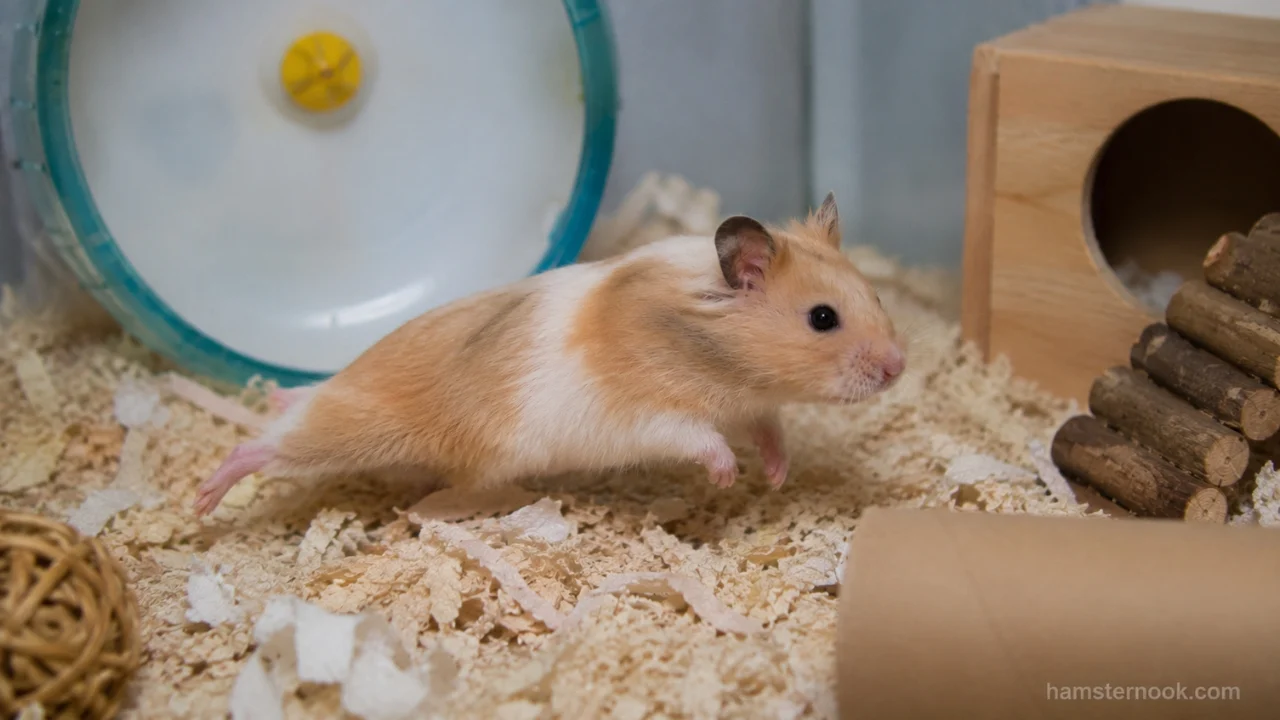
Stress is one of the most common causes behind sudden hamster behavior changes.
Stress is one of the most common reasons a hamster suddenly behaves differently. Even small environmental changes can affect how safe and comfortable a hamster feels. Our 7 Signs You’re Accidentally Stressing Your Hamster guide explains the subtle mistakes that can increase stress and affect your hamster’s behavior.
Hamsters are highly sensitive animals. Changes that seem minor to humans can feel overwhelming to them.
Common stress triggers include:

- Loud noises
- Bright lights
- Frequent cage movement
- Strong smells
- Lack of hiding spaces
- Sudden handling
- Other pets nearby
- Dirty cages
- New environments
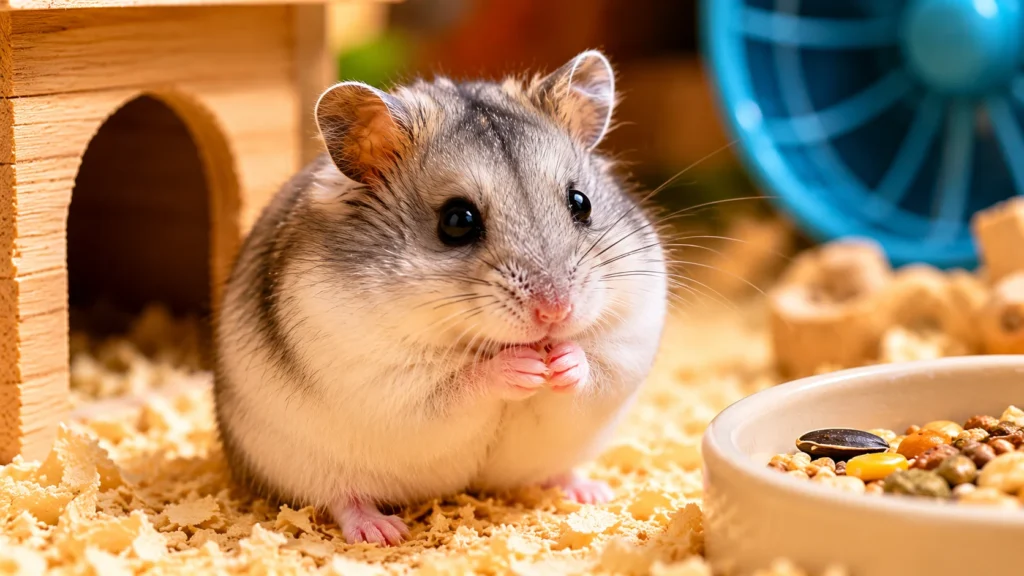
A stressed hamster may become withdrawn, defensive, hyperactive, or unusually quiet.
Signs of a Stressed Hamster
| Stress Symptom | What It May Look Like |
|---|---|
| Cage pacing | Running back and forth repeatedly |
| Bar chewing | Constant biting at cage bars |
| Sudden biting | Defensive behavior during handling |
| Hiding excessively | Rarely coming out |
| Overgrooming | Fur thinning or irritated skin |
| Jumpiness | Startling very easily |
Reducing environmental stress often improves behavior within several days.
Your Hamster May Be Sick or in Pain
Behavior changes are sometimes linked to hidden health problems.
Hamsters instinctively hide illness because showing weakness in the wild makes them vulnerable to predators. By the time symptoms become obvious, the issue may already be serious.
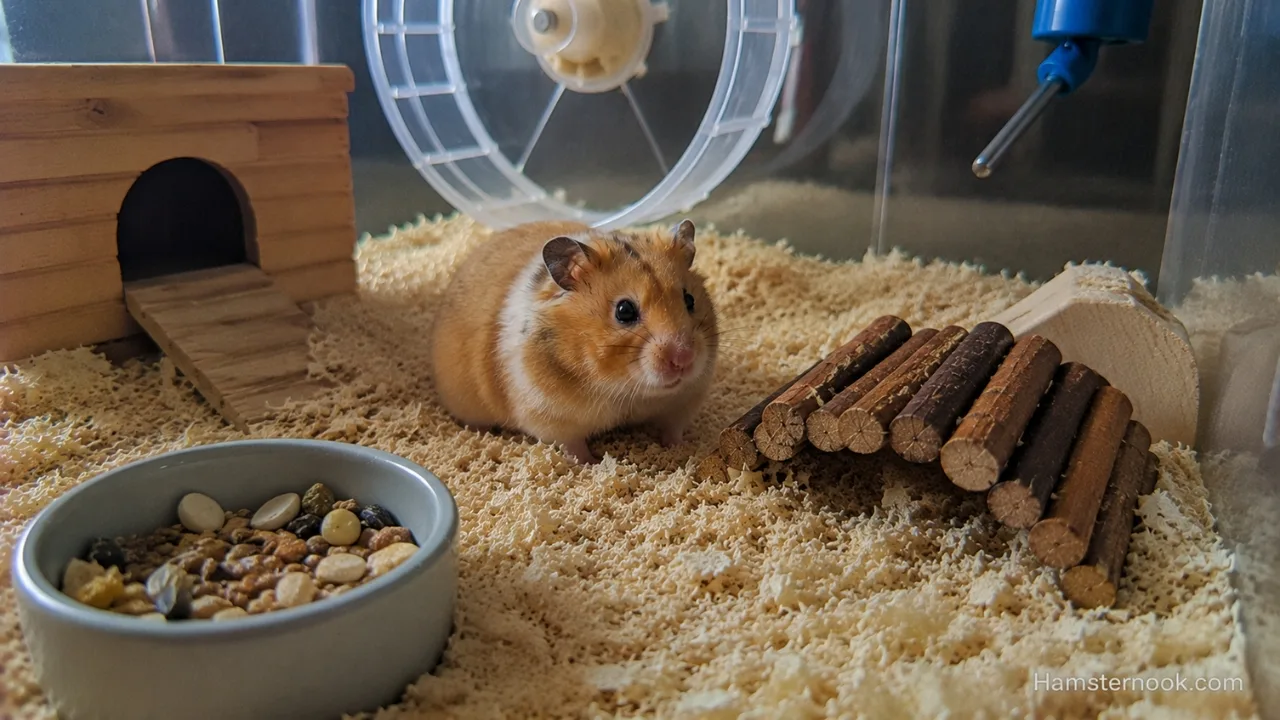
Possible medical causes include:
- Dental problems
- Wet tail
- Respiratory infections
- Injuries
- Tumors
- Digestive problems
- Arthritis in older hamsters
If strange behavior appears alongside physical symptoms, veterinary care is important.
Warning Signs That Need Immediate Attention
| Serious Symptom | Why It Matters |
|---|---|
| Wet tail area | Possible wet tail disease |
| Trouble breathing | Respiratory emergency |
| Sudden weight loss | Possible illness |
| Bleeding | Injury or infection |
| Refusing food or drinking noticeably less | Serious health concern |
| Extreme lethargy | Could indicate severe illness |
| Hunched posture | Pain or discomfort |
Hamsters can become unwell quickly and may show only subtle signs at first. If unusual behavior occurs with changes in eating, drinking, breathing, movement, weight, or appearance, contact a veterinarian promptly.
Because hamsters instinctively hide weakness, experienced owners often pay close attention to small changes in routine, appetite, posture, and activity levels rather than waiting for severe symptoms to appear.

Changes in Temperature Can Affect Behavior
Sudden temperature shifts can place significant stress on small animals like hamsters, especially in poorly ventilated rooms.
Hamsters are sensitive to temperature shifts.
If the room becomes too cold, some hamsters may become sluggish or enter a dangerous hibernation-like state called torpor. Owners sometimes mistake this for illness or death.
On the other hand, excessive heat can cause dehydration and weakness.
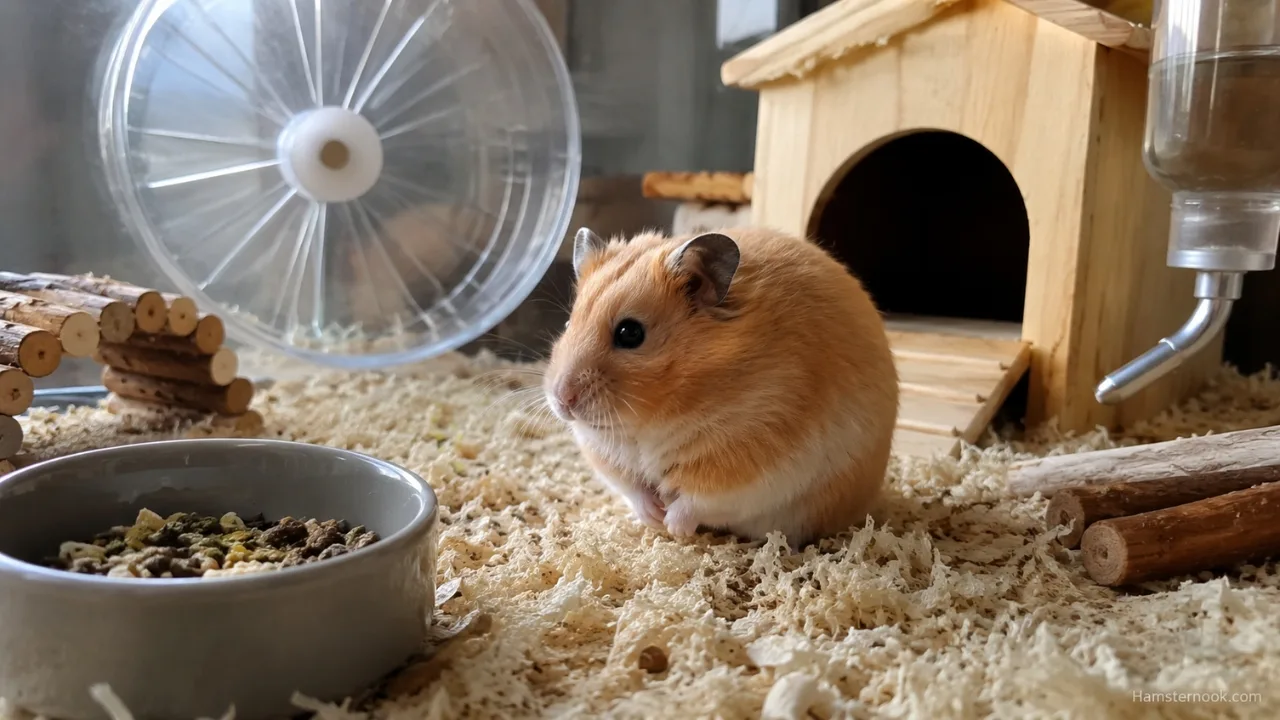
Temperature Changes and Hamster Behavior
| Condition | Recommended Range |
|---|---|
| Safe room temperature | 65°F–75°F |
| Too cold | Below 60°F |
| Too hot | Above 80°F |
A hamster that suddenly becomes inactive, cold, or weak should have its environment checked immediately.
Your Hamster Could Be Bored
Hamsters need daily exercise, enrichment, and mental stimulation to stay healthy and active.
A hamster’s environment has a major impact on daily behavior. Our Best Hamster Cage Setup for Beginners guide explains how enclosure size, enrichment, bedding depth, and hideouts influence activity levels and stress.
A hamster kept in a small or empty enclosure may develop unusual repetitive behaviors caused by boredom or frustration.
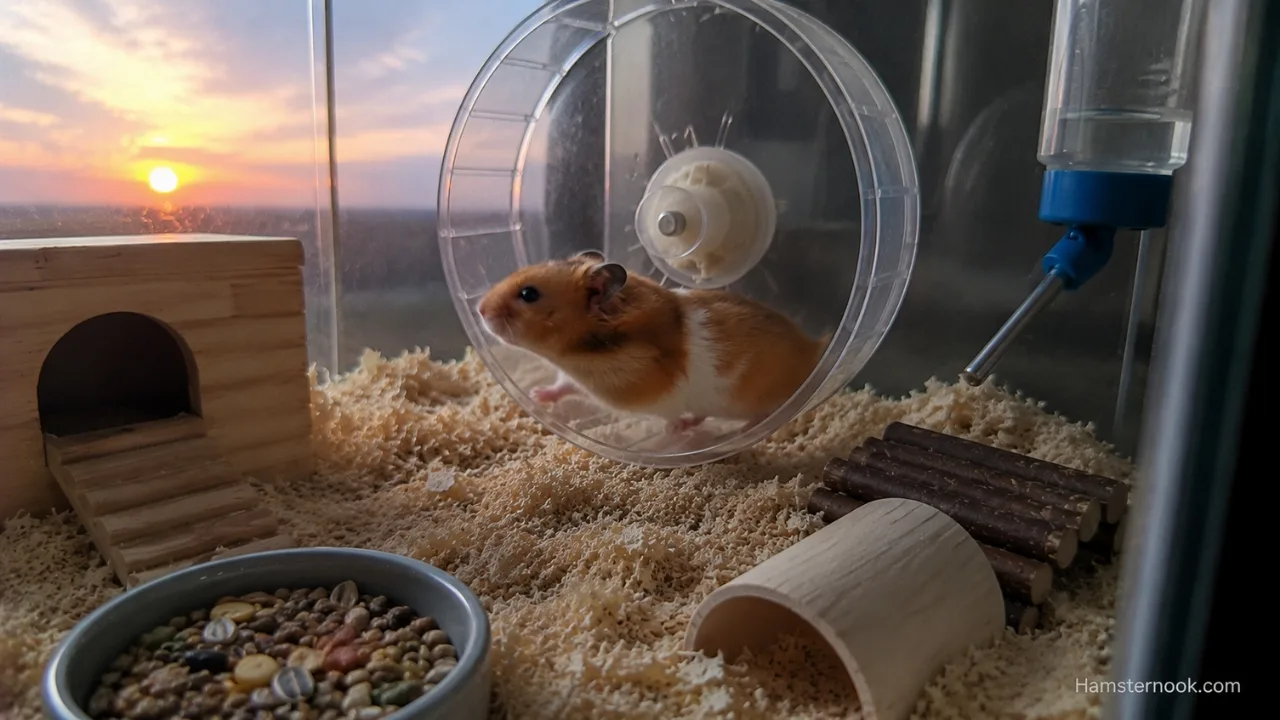
Common boredom-related behaviors include:
- Constant climbing
- Chewing bars
- Digging obsessively
- Running nonstop
- Attempting escape repeatedly
Enrichment is essential for long-term mental health.
Ways to Reduce Hamster Boredom
| Enrichment Item | Benefit |
|---|---|
| Exercise wheel | Physical activity |
| Deep bedding | Encourages burrowing |
| Tunnels | Natural exploration |
| Chew toys | Dental health and stimulation |
| Hideouts | Security and comfort |
| Scatter feeding | Encourages natural foraging |
Hamsters usually behave more naturally when they have enough space and stimulation.
Sudden Aggression Often Has a Reason
A hamster that suddenly starts biting or acting aggressive is usually reacting to something rather than becoming “mean.”
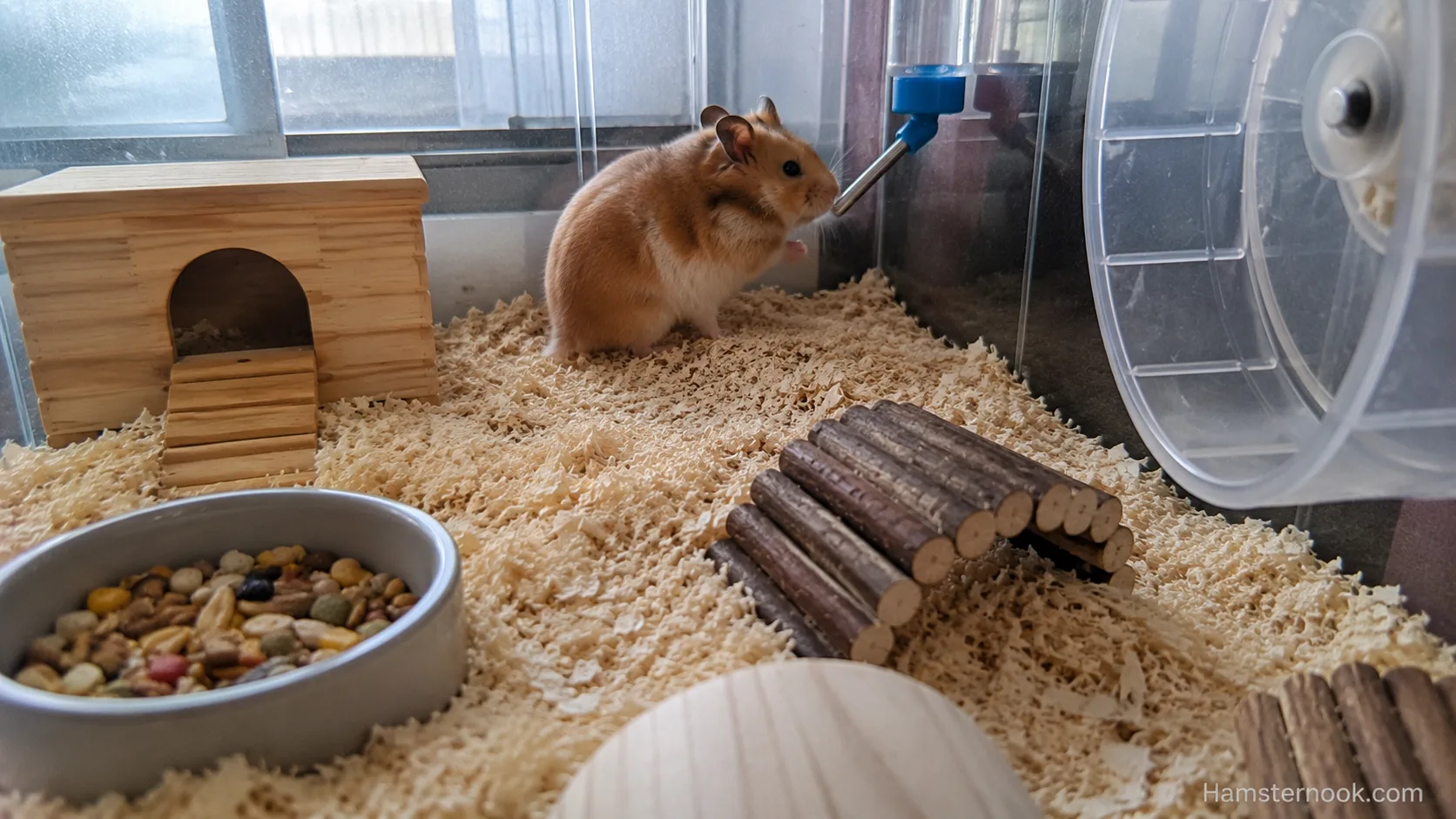
Sudden biting is often a reaction to fear, stress, pain, or interrupted sleep rather than aggression. Our Why Does My Hamster Bite Me? Causes & How To Stop It guide explains the most common reasons hamsters bite and how to build trust safely over time.
Aggression may happen because of:
- Fear
- Pain
- Territorial behavior
- Sleep disturbance
- Hormonal changes
- Stress from handling
Hamsters that are woken abruptly during daytime sleep are especially likely to bite.
Why Hamsters Hate Being Woken Up
Hamsters are nocturnal or crepuscular animals, meaning they are most active in the evening and nighttime hours.
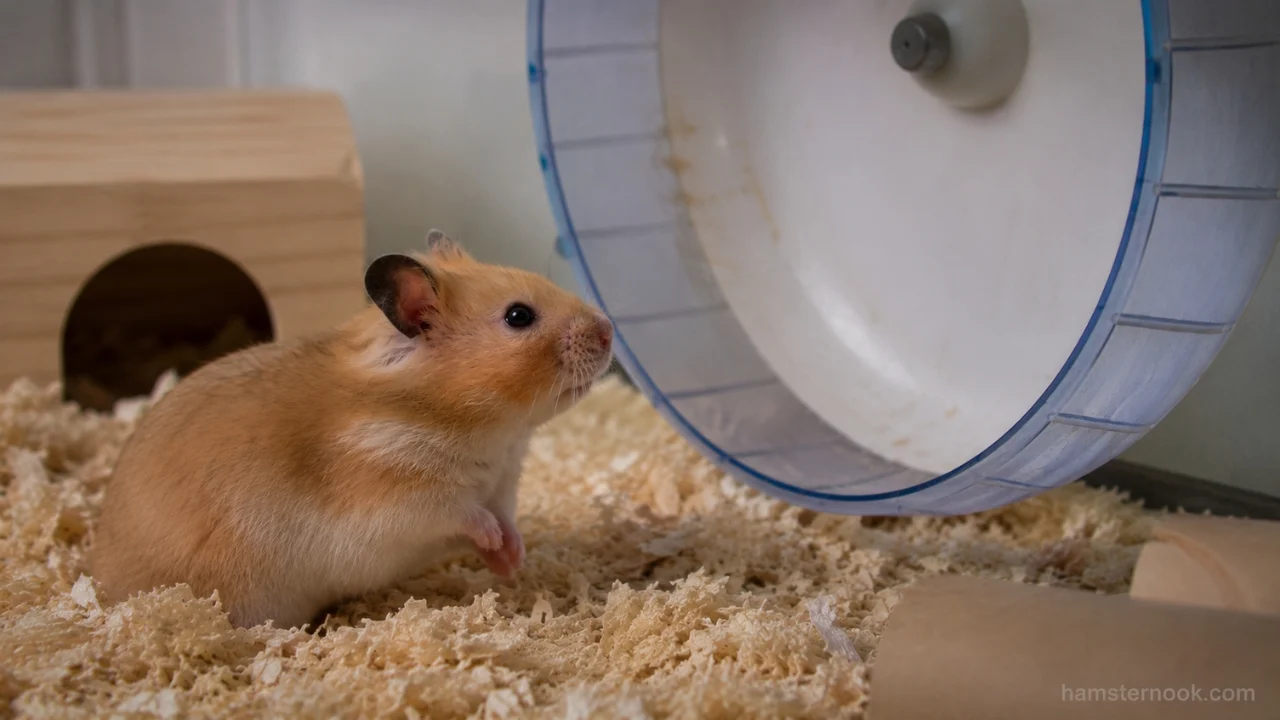
Many owners accidentally mistake normal nighttime activity for unusual behavior. Our Are Hamsters Nocturnal? Understanding Their Sleep Schedule guide explains why hamsters are naturally most active during the evening and night, and how their sleep patterns can affect daily behavior.
Interrupting sleep frequently can make them anxious, irritated, and defensive.
Owners should avoid:
- Loud daytime interaction
- Forcing handling
- Sudden grabbing
- Tapping on glass
Allowing the hamster to wake naturally often improves behavior.
A New Environment Can Trigger Weird Behavior
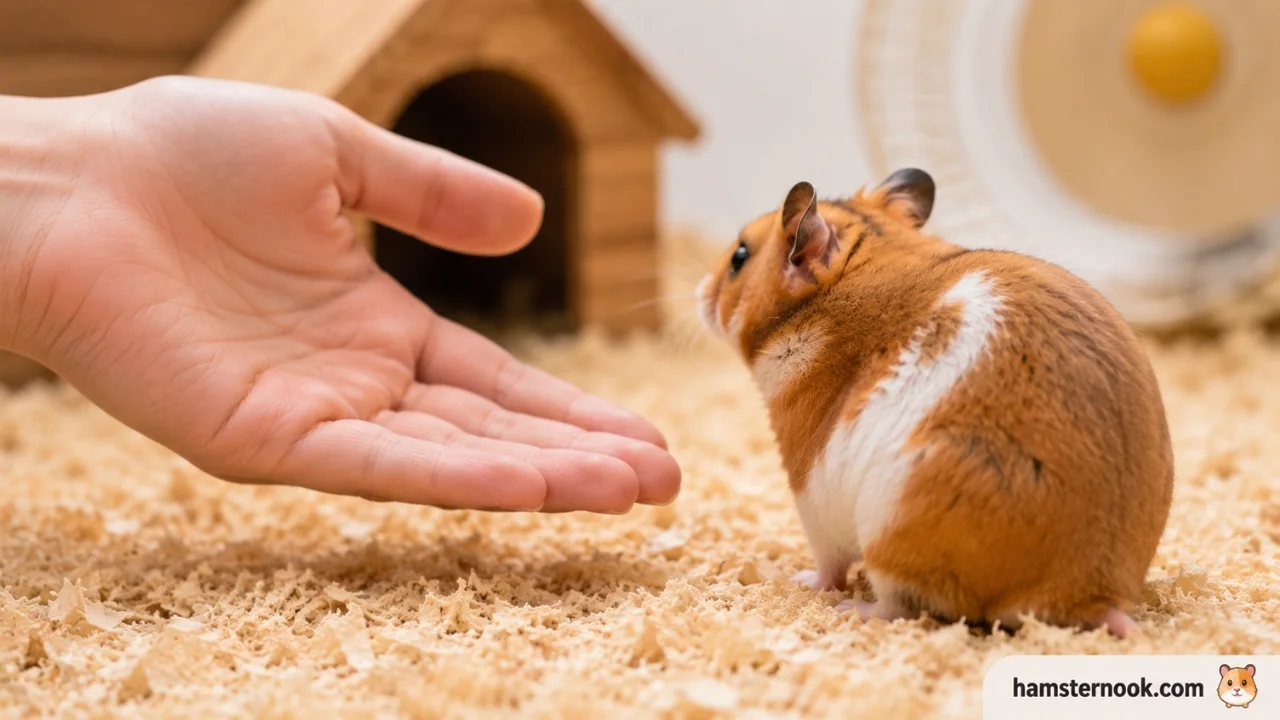
Recently adopted hamsters often behave strangely during the adjustment period.
New hamsters may:
- Hide constantly
- Refuse treats
- Freeze when approached
- Avoid interaction
- Sleep more
This is normal in many cases.
Most hamsters need several days or even weeks to fully settle into a new home.

How Long Does Adjustment Usually Take?
| Situation | Typical Adjustment Time |
|---|---|
| New home | 1–2 weeks |
| Cage upgrade | Several days |
| Major environment change | Up to 2 weeks |
| New sounds or smells | A few days |
Patience is extremely important during this phase.
Dietary Changes Can Affect Behavior
A poor diet may influence mood, energy, and overall behavior.
Nutrition can influence energy levels, activity, and overall wellbeing. Our Complete Hamster Diet Guide: Best Foods, Safe Treats & Toxic Foods explains how proper nutrition supports healthy behavior.
Too many sugary treats or unhealthy foods may contribute to hyperactivity, weight gain, or digestive issues. Sudden food changes can also upset the digestive system.
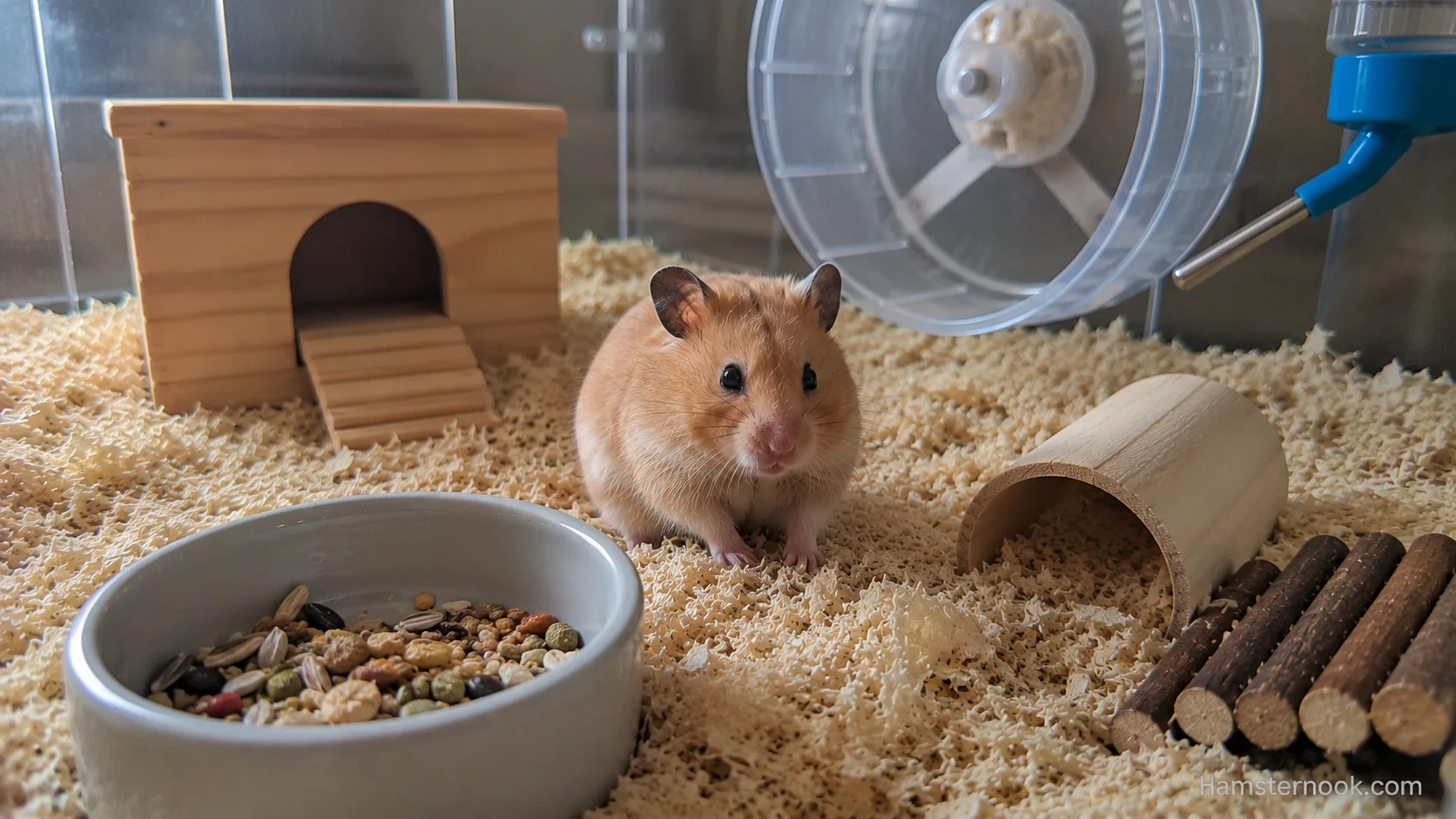
Hamsters need balanced diets that include:
- Quality hamster pellets
- Seeds and grains
- Fresh vegetables
- Occasional protein
- Fresh water daily
Nutritional deficiencies may sometimes affect activity levels and coat condition.
Aging Hamsters Behave Differently
Older hamsters naturally slow down with age.
Senior hamsters may:
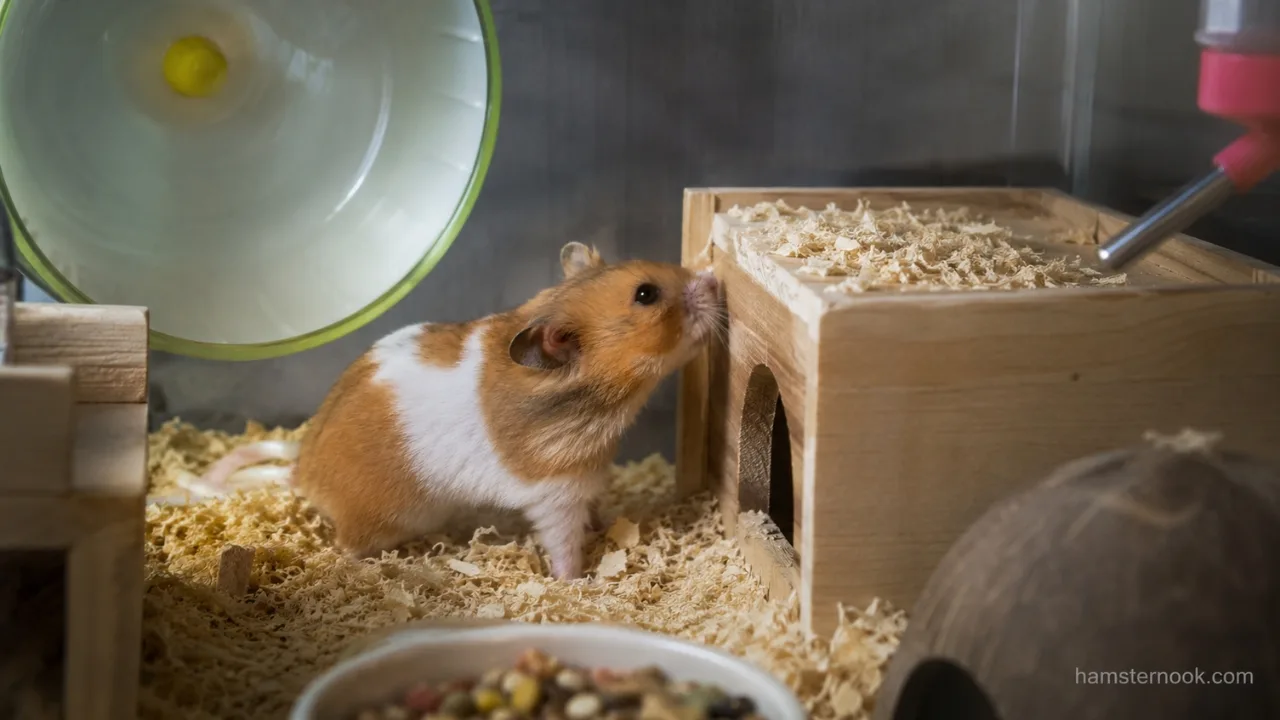
- Sleep longer
- Move more slowly
- Become less social
- Lose interest in climbing
- Develop vision problems
These changes are not always signs of illness.
However, sudden personality changes in elderly hamsters should still be monitored carefully.
Could Your Hamster Be Scared?
Fear-based behavior is extremely common in prey animals.
A hamster’s body language often reveals fear long before more obvious stress behaviors appear. Our Hamster Body Language Explained: Signs of Stress, Fear & Happiness guide explains how posture, ear position, movement, and other subtle signals can help owners understand what their hamster is feeling.
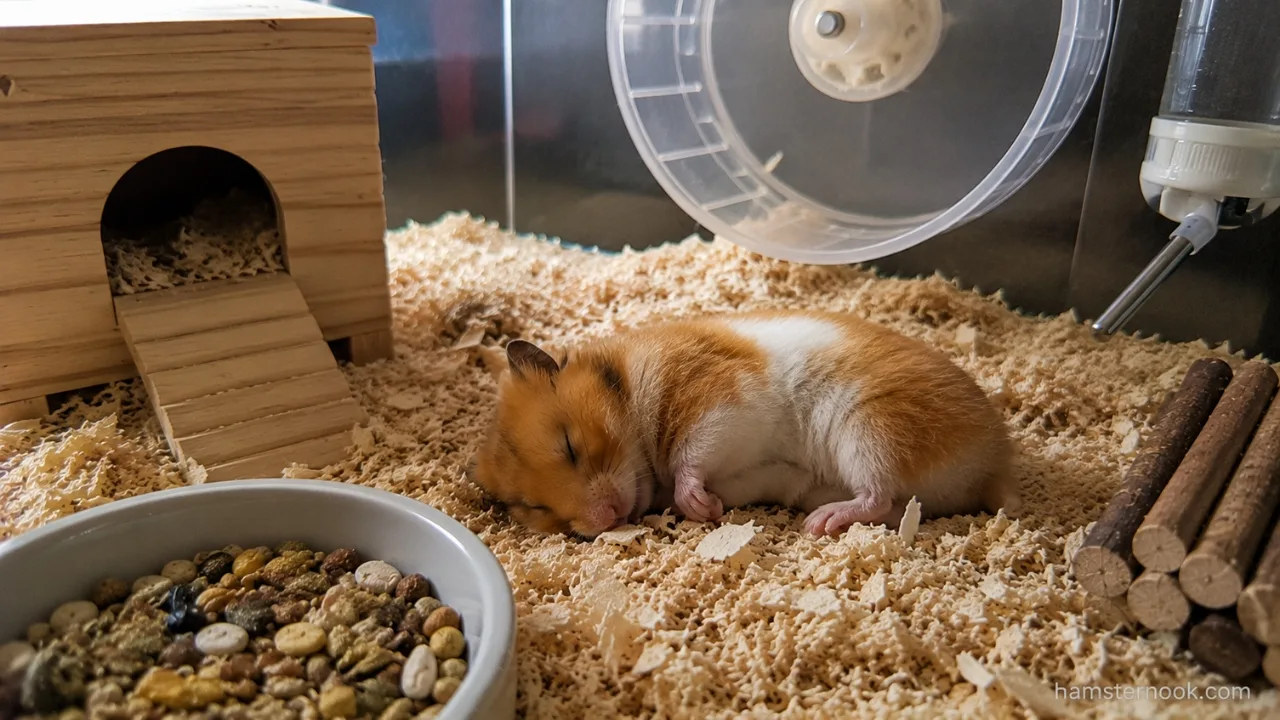
Hamsters may feel unsafe because of:
- Cats or dogs near the cage
- Loud televisions
- Strong perfume or cleaning chemicals
- Sudden movements
- Lack of hiding spots
A frightened hamster may freeze, squeak, run away, or bite defensively.
Creating a calmer environment often helps restore normal behavior.
When Weird Behavior Is Actually Normal
Not every unusual action means something is wrong.
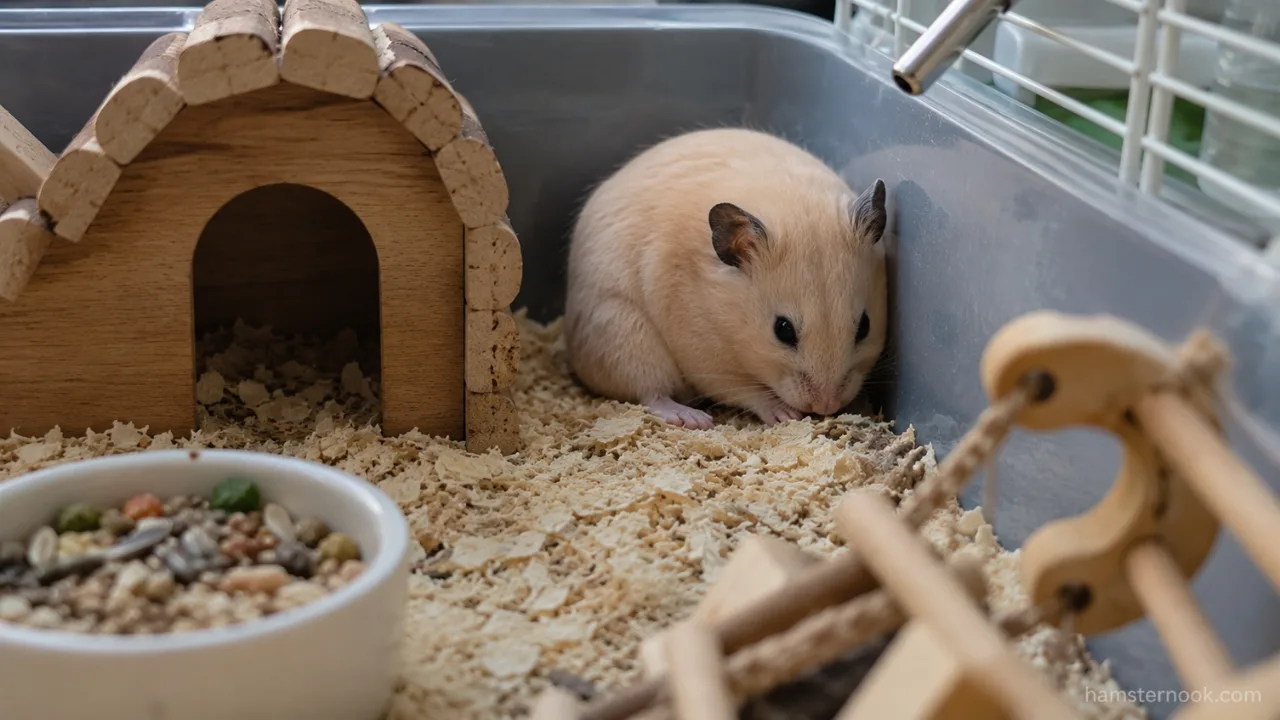
Some hamster behaviors that confuse beginners are actually normal.
| Behavior | Usually Normal? | Explanation |
|---|---|---|
| Storing food in cheeks | Yes | Natural hoarding instinct |
| Rearranging bedding | Yes | Territory building |
| Running at night | Yes | Normal active hours |
| Digging constantly | Yes | Natural burrowing behavior |
| Short bursts of hyperactivity | Usually | Common nighttime energy |
Understanding natural hamster instincts helps owners avoid unnecessary panic.
How to Help a Hamster Acting Strange
If your hamster suddenly starts acting differently, stay calm and observe carefully.
Helpful First Steps
- Check food and water availability.
- Look for physical symptoms.
- Reduce loud noises and stress.
- Clean the enclosure if needed.
- Avoid excessive handling temporarily.
- Monitor eating and bathroom habits.
- Ensure the room temperature is safe.
If the behavior change is sudden, avoid assuming it is only stress or boredom. Recheck the hamster later during their normal active period and compare their appetite, drinking, movement, breathing, posture, and appearance with their usual behavior. If the change persists or you notice signs of illness, seek veterinary advice.

If your hamster is repeatedly sitting still, freezing, or becoming unusually inactive, our Why Does My Hamster Keep Sitting in One Spot? Is It Resting, Stressed, or Sick? guide covers the main possibilities.
Sometimes small environmental fixes solve the problem quickly.
When to See an Exotic Vet
Behavior changes that continue for more than a few days should not be ignored.
Many unusual behavior changes are actually early health warnings. Our Signs of a Sick Hamster: Warning Symptoms Every Owner Should Know guide explains the symptoms that often appear before a hamster becomes seriously ill.
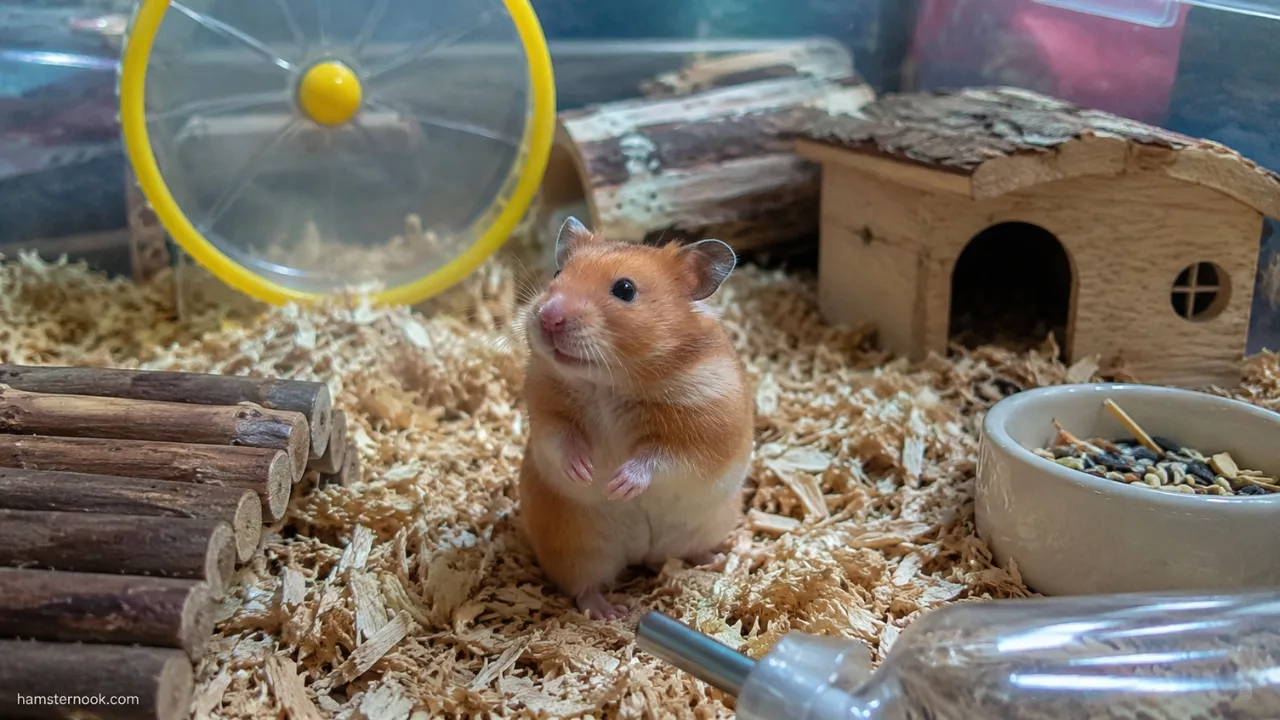
Seek veterinary care if your hamster has:
- Breathing difficulty
- Severe lethargy
- Weight loss
- Wet tail symptoms
- Bleeding
- Swelling
- Sudden collapse
- Persistent refusal to eat
Exotic animal veterinarians are best equipped to treat hamsters properly.
Final Thoughts
If your hamster is suddenly acting weird, first compare the behavior with their normal routine and check for changes in eating, drinking, activity, breathing, posture, and appearance. Common causes include stress, fear, illness, boredom, disrupted sleep, temperature changes, and a new environment. If the unusual behavior is persistent or occurs with physical symptoms, contact a veterinarian.
A hamster suddenly acting weird is often a sign that something has changed physically, emotionally, or environmentally. In many cases, the behavior is linked to stress, boredom, illness, fear, or changes in routine.
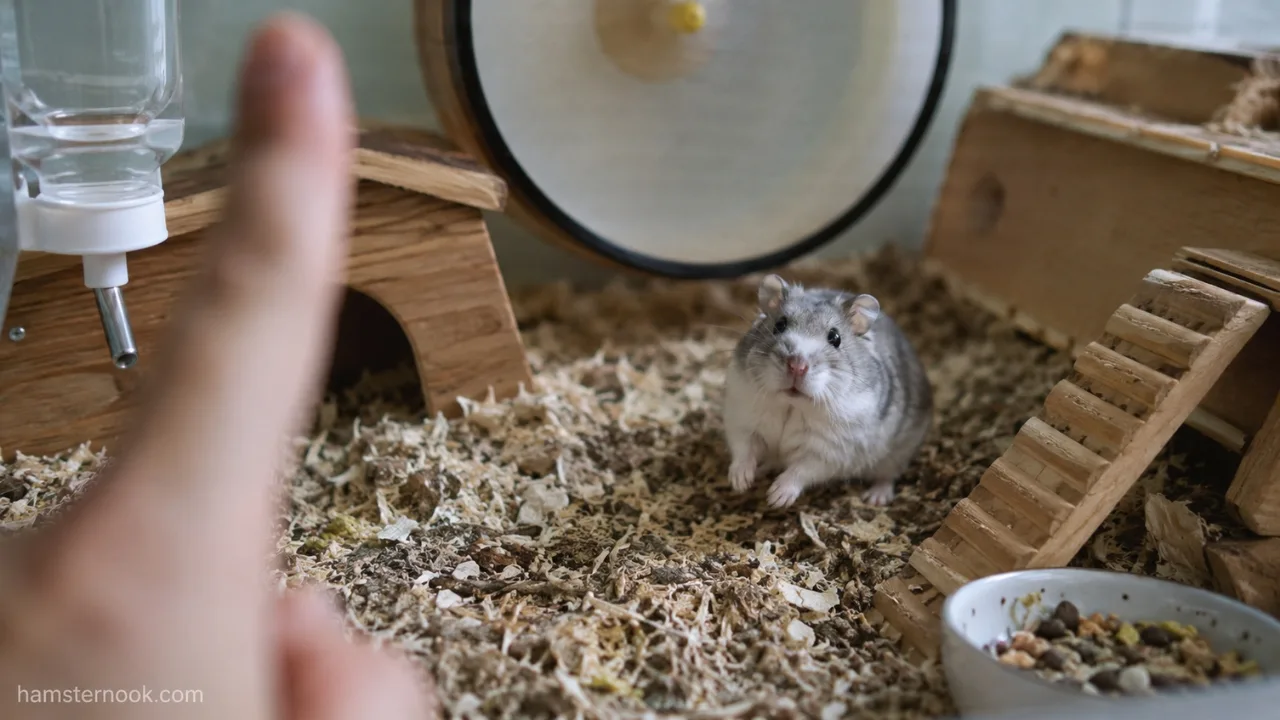
Since hamsters naturally hide weakness and discomfort, even small behavior changes should be monitored carefully. Early observation can make a major difference in preventing more serious health or stress-related problems.
The most important thing is to stay patient, avoid panic, and look at the hamster’s overall environment, habits, and physical condition together. Small adjustments often help, but persistent or severe symptoms should always be checked by a qualified exotic veterinarian.
Frequently Asked Questions
Why is my hamster suddenly hiding all the time?
Hamsters often hide more when stressed, scared, sick, or adjusting to environmental changes. Excessive hiding that continues for days may need closer monitoring.
Why did my hamster suddenly start biting me?
Sudden biting usually happens because of fear, pain, stress, or interrupted sleep. Hamsters rarely bite without a reason.
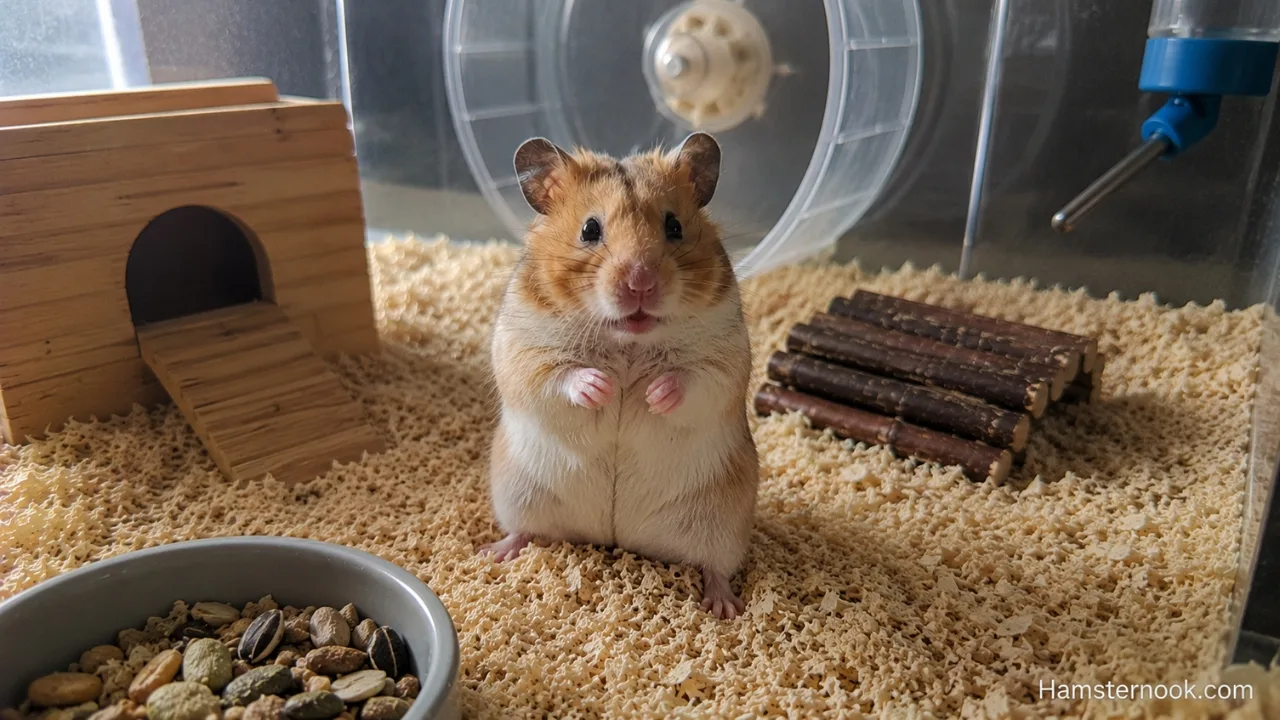
Is it normal for hamsters to act hyper at night?
Yes. Hamsters are naturally most active during evening and nighttime hours.
Why is my hamster freezing in one spot?
Freezing is often a fear response. Loud sounds, sudden movement, or unfamiliar surroundings can trigger this behavior.
Can boredom cause strange hamster behavior?
Yes. Hamsters without enough enrichment may develop repetitive or unusual behaviors like bar chewing or frantic running.
Should I worry if my hamster suddenly sleeps more?
Sometimes increased sleep is harmless, especially in older hamsters. However, sudden lethargy combined with weakness, weight loss, or poor appetite should be checked by a veterinarian.
Can a hamster act weird for just one day?
Yes. Temporary stress, environmental changes, poor sleep, or a brief disturbance can sometimes affect behavior for a short period. However, unusual behavior that continues for several days should be monitored more closely.
References
- RSPCA – Hamster Care Advice
- PDSA – Hamster Welfare Guidance
- Blue Cross – Small Pet Care Resources
- Veterinary Partner – Small Mammal Health & Behavior

Narayan Kumar is the founder and author of HamsterNook. He creates practical, research-based hamster care guides covering hamster behavior, nutrition, cage setup, enrichment, health, and everyday care. His goal is to help hamster owners make informed decisions and provide safer, healthier lives for their pets through clear, beginner-friendly information based on trusted animal care resources.