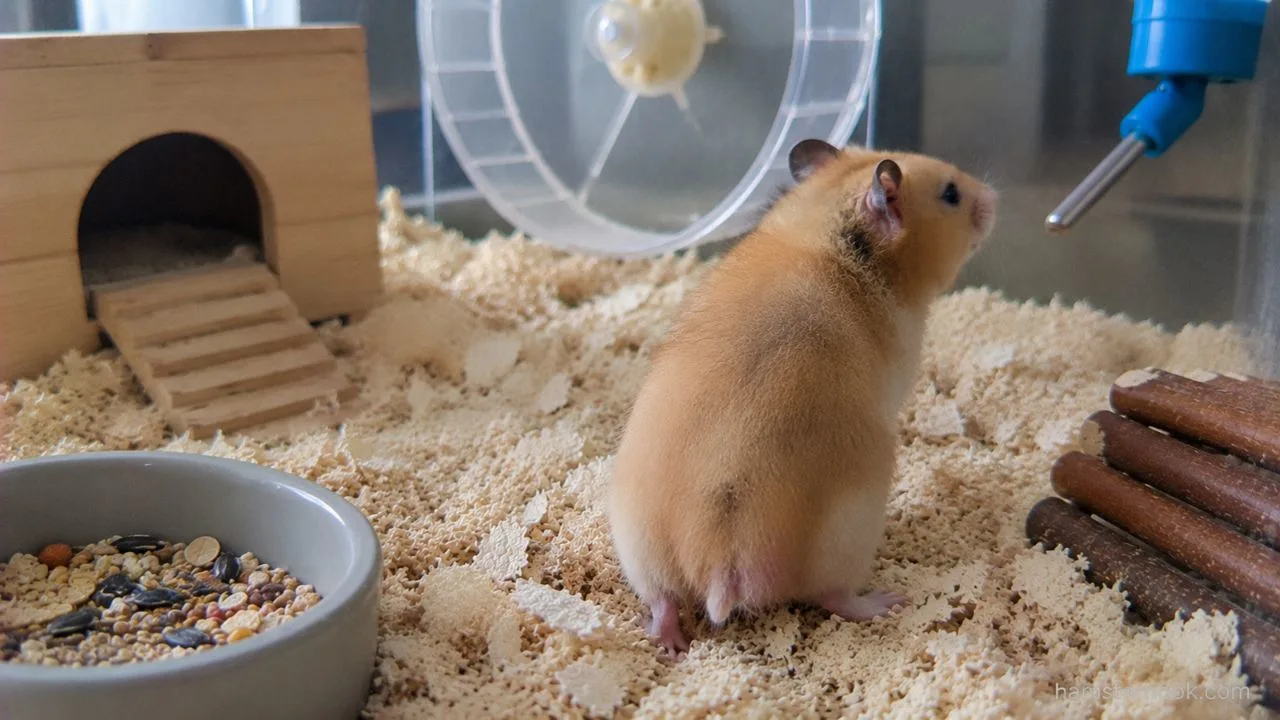
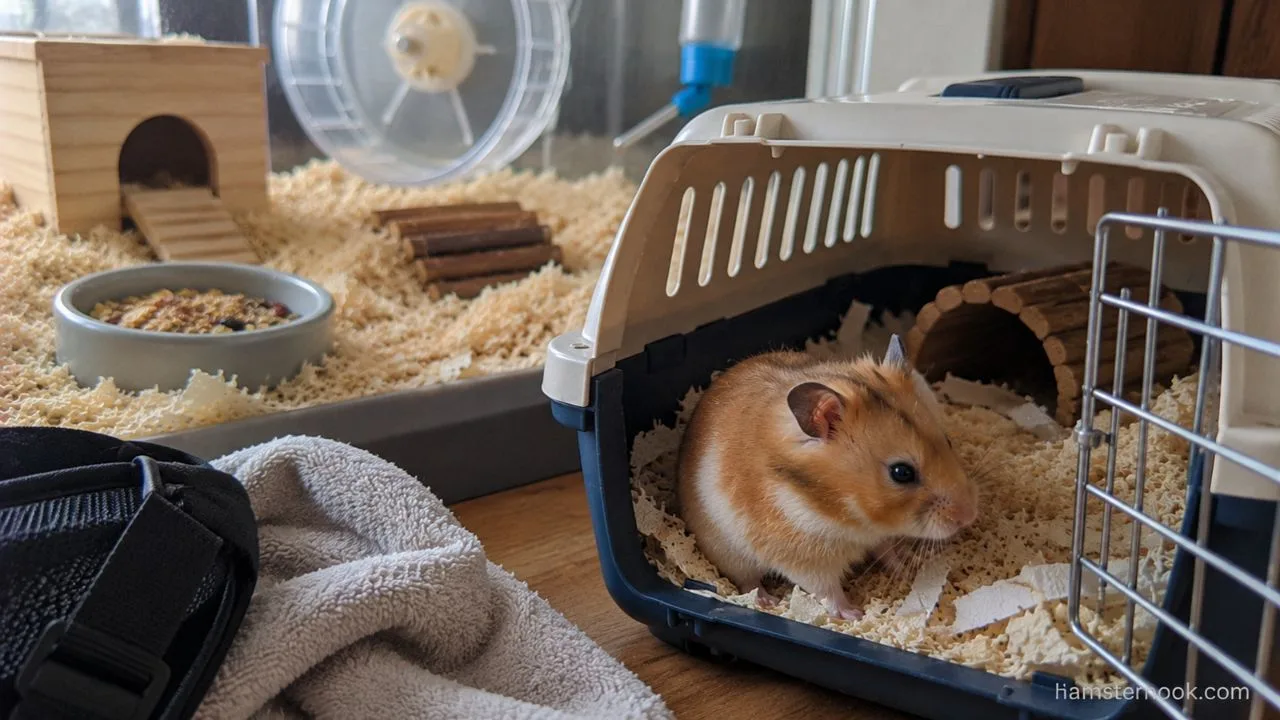
A clean hamster cage is one of the most important parts of keeping your hamster healthy, active, and stress-free. But many new owners make the same mistake: either cleaning too little and allowing waste, odors, and bacteria buildup inside the enclosure, or cleaning too often and accidentally stressing their hamster.
Hamsters rely heavily on scent to feel safe in their environment. If you remove every smell too frequently, your hamster may become anxious, restless, or start marking the cage even more. On the other hand, a dirty cage can quickly lead to strong odors, respiratory problems, skin irritation, and poor hygiene.
So how often should you actually clean a hamster cage?
For most hamsters, remove wet or soiled bedding, spoiled fresh food, and other dirty areas as soon as they are noticed. Smaller enclosures may need a more frequent full clean, while larger setups can often go longer between major cleanouts. The right schedule depends on cage size, bedding depth, toilet habits, and how quickly the enclosure becomes soiled. The goal is to keep the habitat clean and dry without unnecessarily disturbing your hamster.
How Often Should You Clean a Hamster Cage?
Most hamster cages need:
| Cleaning Task | Recommended Routine |
|---|---|
| Remove spoiled fresh food | Daily and whenever noticed |
| Spot-clean wet or heavily soiled bedding | As soon as noticed |
| Check sand bath and toilet areas | Regularly; clean when soiled |
| Clean food and water equipment | Regularly and whenever dirty |
| Replace soiled bedding | As needed |
| Larger enclosure clean | Based on cage size, soiling, moisture, odor, and enclosure condition |
There is no single cleaning schedule that works for every hamster enclosure. Cage size, bedding depth, toilet habits, ventilation, and the amount of soiling all affect how often cleaning is needed. The goal is to remove dirty material while preserving as much clean, familiar bedding as practical.
A properly sized cage with deep bedding usually stays cleaner longer than a small cage with limited ventilation.
Syrian hamsters often need slightly more cleaning because they are larger and produce more waste, while dwarf hamsters may keep cages cleaner for longer periods.
Why Cleaning Too Often Can Be Harmful
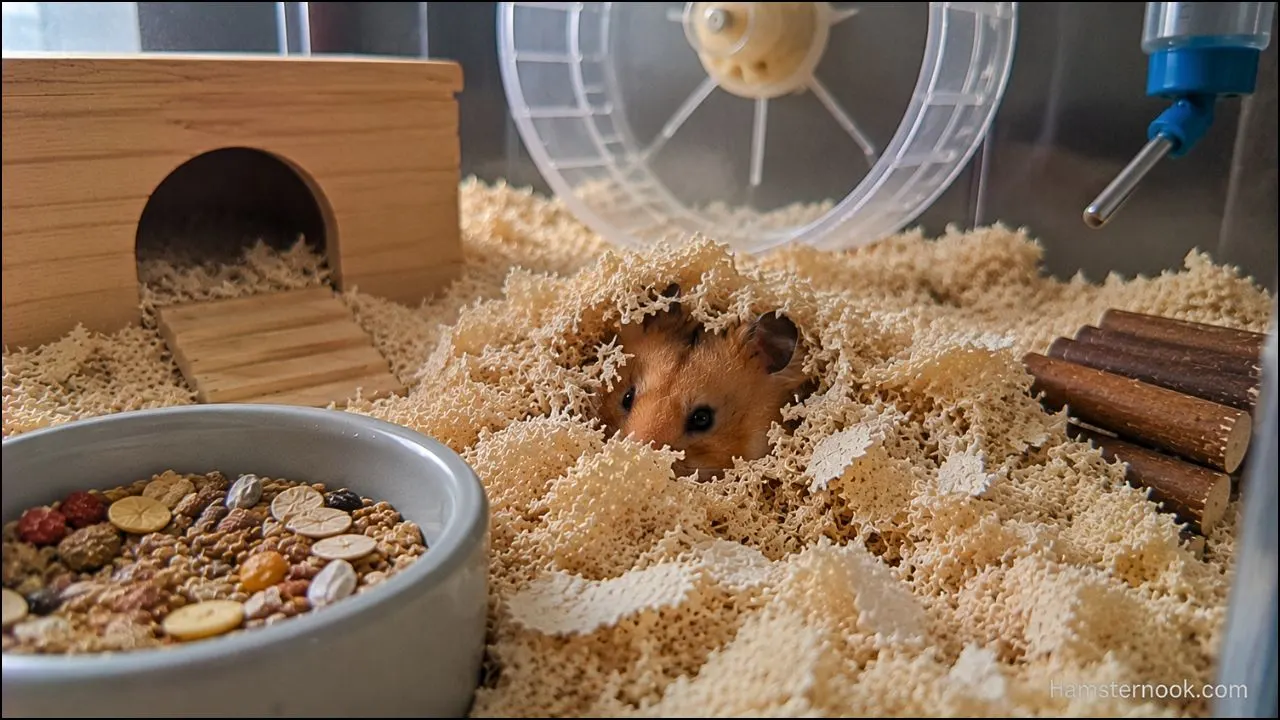
Many beginners believe a hamster cage should smell “fresh” all the time like a cleaned room. But hamsters do not see their habitat the same way humans do.
Hamsters use scent to:
- Recognize safe territory
- Find food storage areas
- Feel secure
- Reduce stress
If you completely remove all bedding and scent every few days, your hamster may become stressed and start overmarking the cage with urine. This can actually make the cage smell worse faster.
Over-cleaning may also lead to:
- Stress-related behavior
- Increased hiding
- Cage aggression
- Excessive scent marking
- Anxiety during handling
This is why spot cleaning and partial cleaning are usually better than constant full cleanouts.
Spot Cleaning vs Partial Cleaning vs Deep Cleaning
These cleaning methods serve different purposes, and knowing the difference can prevent unnecessary disruption.
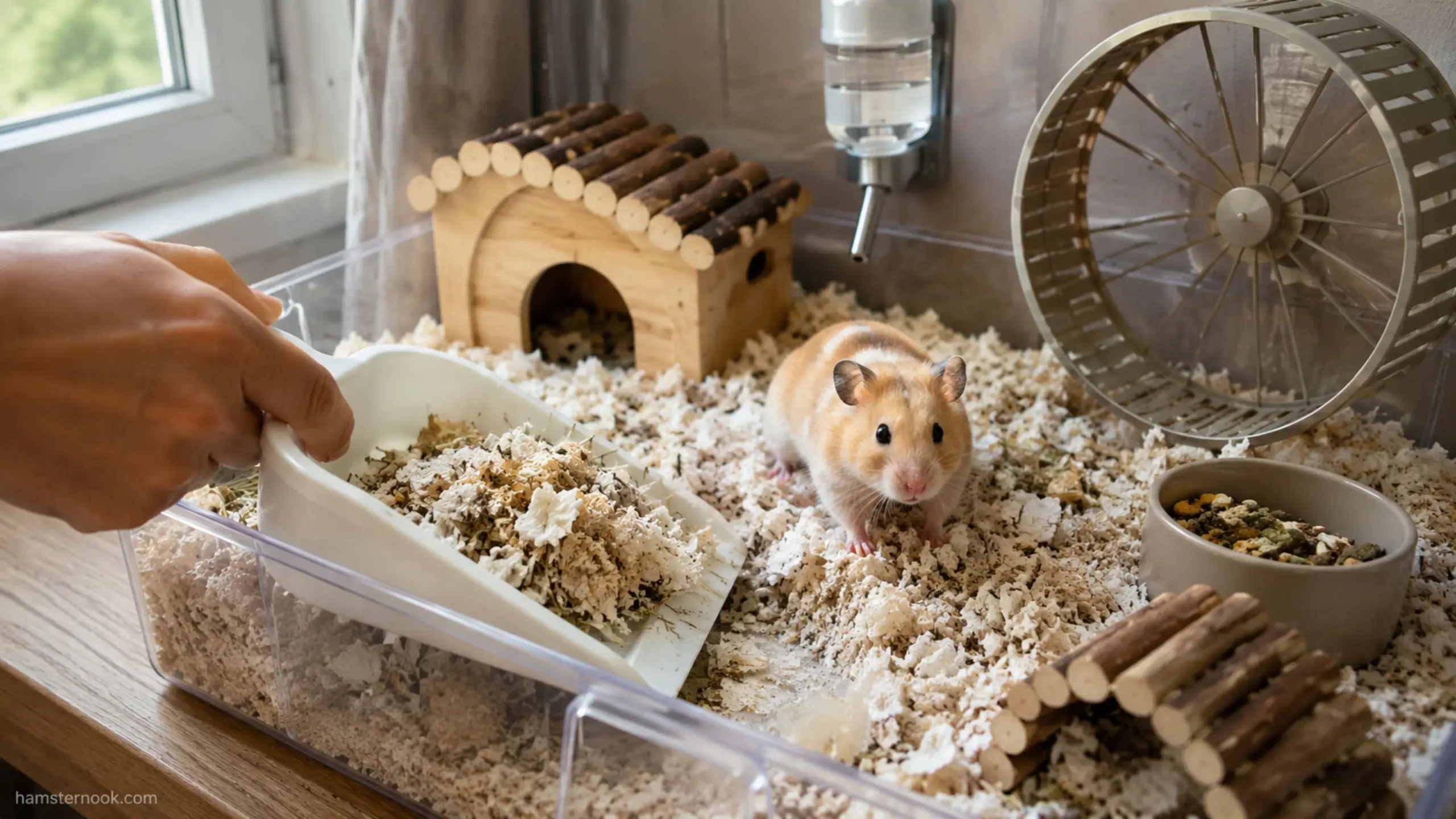
Spot cleaning means removing individual wet, dirty, or contaminated areas while leaving the rest of the enclosure untouched.
Partial cleaning involves cleaning several soiled areas, accessories, or sections of bedding without resetting the entire habitat.

Deep cleaning is a more extensive clean used when contamination, persistent odor, moisture, pests, illness-related hygiene needs, or widespread soiling makes normal spot cleaning insufficient.
For routine maintenance, the least disruptive cleaning method that keeps the enclosure hygienic is usually the better choice.
Best Hamster Cage Cleaning Schedule for Beginners
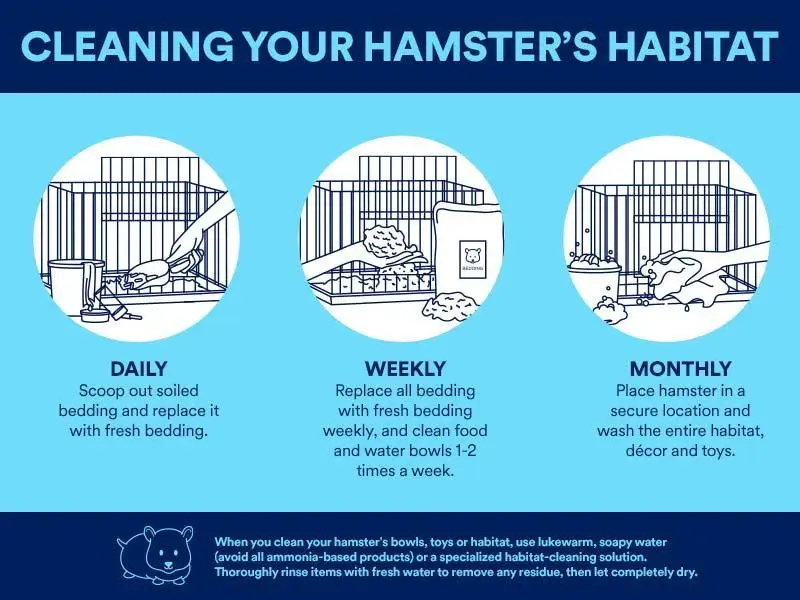
A balanced cleaning routine works best for most hamsters.
Daily Spot Cleaning
Daily spot cleaning keeps the cage hygienic without disturbing your hamster too much.

You should remove:
- Wet bedding
- Soiled nesting material
- Leftover fresh food
- Visible droppings in dirty areas
- Dirty sand from the sand bath
Most hamsters choose one corner as a toilet area, which makes spot cleaning easier.
This process usually takes only 5–10 minutes.
Weekly Partial Cage Cleaning
Regular partial cleaning should be based on what actually needs attention rather than a fixed percentage of bedding.
Tasks may include:
- Removing wet or heavily soiled bedding
- Cleaning dirty platforms and accessories
- Cleaning the wheel when soiled
- Washing food and water equipment
- Refreshing the sand bath when it becomes dirty
Keep clean, dry bedding in place whenever possible. This preserves familiar scent and avoids disturbing areas that do not need cleaning.
For more detail on when bedding itself needs replacing, see our How Often Should You Change Hamster Bedding? Spot Cleaning, Partial Changes & Full Cleanouts guide.
How Often Should You Fully Deep Clean a Hamster Cage?
A larger enclosure clean should be based primarily on hygiene rather than a rigid calendar. Deep cleaning may be needed when odors, moisture, contamination, or waste buildup can no longer be managed through routine spot cleaning.
Well-maintained enclosures with deep bedding and established toilet areas may go longer between major cleanouts, while smaller or heavily soiled setups may require attention sooner.
However, the exact timing depends on:
Cage Size
Large enclosures stay cleaner much longer than small cages.
Larger, well-maintained enclosures may need major cleaning less often, while smaller setups may need it sooner. Use the condition of the enclosure rather than a fixed monthly schedule as the deciding factor.

Smaller cages become dirty faster and may require more frequent maintenance.
Bedding Depth
Deep bedding absorbs moisture better and allows natural burrowing behavior.
Shallow bedding becomes dirty and smelly much faster.
Ventilation
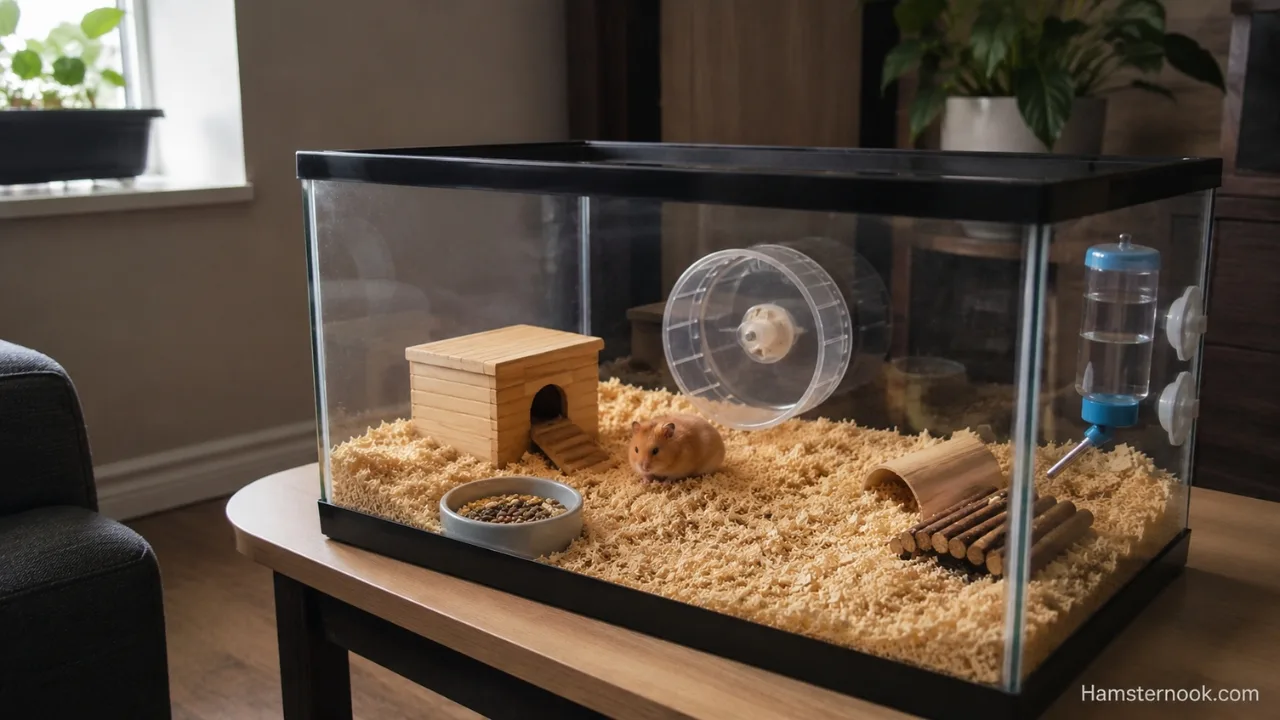
Glass tanks with poor airflow can trap humidity and odors if not cleaned properly.
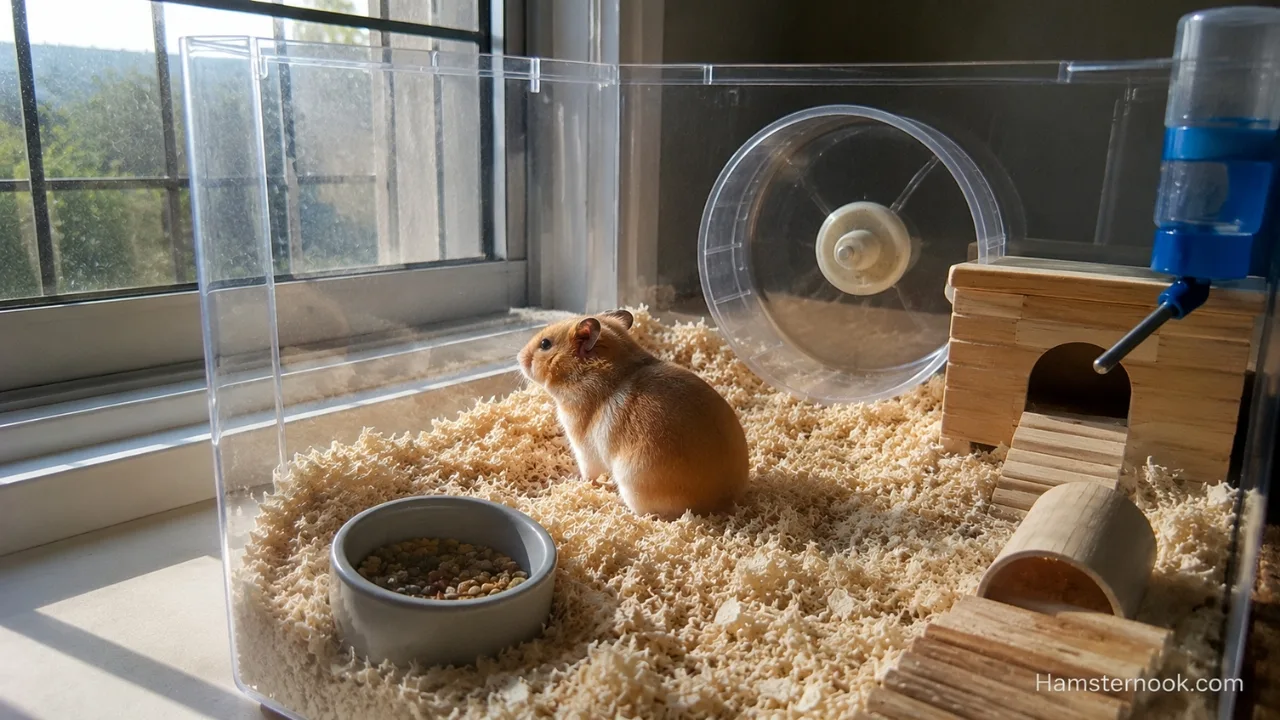
Wire cages usually allow better airflow.
Hamster Species
Cleaning frequency should not be determined by species alone. Cage size, bedding depth, toilet habits, ventilation, and the amount of soiling are more useful factors when deciding when additional cleaning is needed.
Signs Your Hamster Cage Needs Cleaning
Instead of following a strict calendar only, pay attention to the cage condition.
Common signs include:
- Strong ammonia or urine smell
- Damp bedding
- Dirty wheel buildup
- Moldy hidden food
- Sticky surfaces
- Dirty sand bath
- Excessive droppings accumulation
If you notice these signs, it is time for cleaning even if your normal schedule says otherwise.
Step-by-Step Guide to Cleaning a Hamster Cage Properly
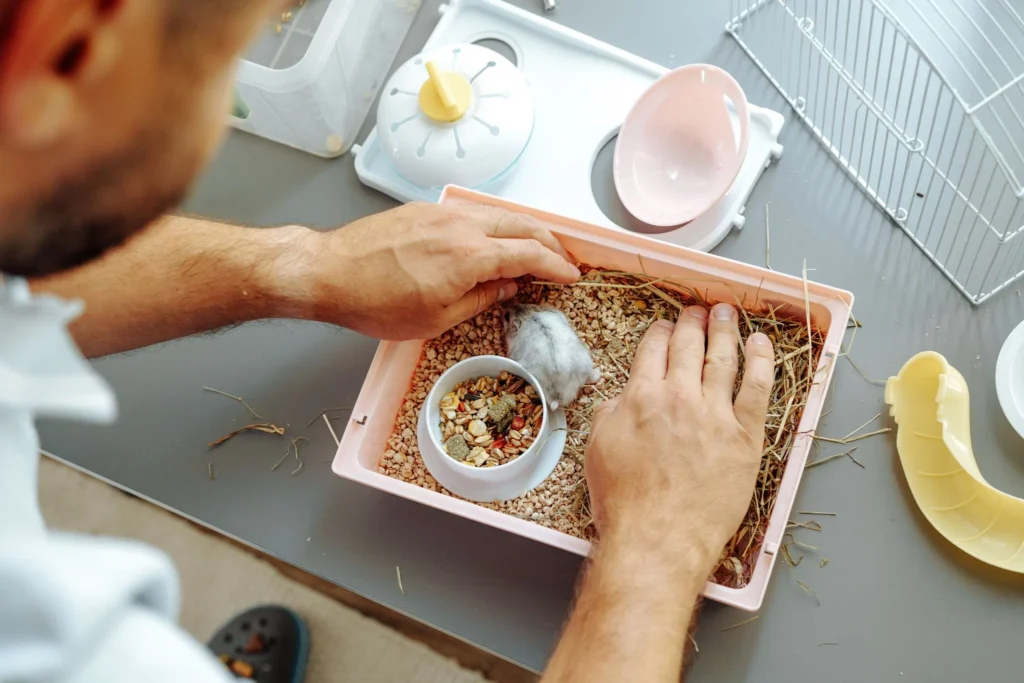
Step 1: Move Your Hamster to a Safe Temporary Area
Place your hamster in a secure carrier or playpen while cleaning.
Add:
- Some familiar bedding
- A hideout
- Small snacks
- Water if cleaning takes longer
Never leave your hamster loose during cage cleaning.

Step 2: Remove Dirty Bedding
Take out wet or heavily soiled bedding first.
During deep cleaning, remove most bedding but keep a small portion of clean old bedding to mix back in later.
This helps preserve familiar scents.
Step 3: Wash Cage Accessories
Clean items such as:

- Food bowls
- Water bottle
- Wheel
- Hideouts
- Platforms
- Toys
Use warm water and hamster-safe mild soap if necessary.
Rinse thoroughly so no soap residue remains.
Step 4: Clean the Cage Base
Wipe the enclosure with warm water or a pet-safe cleaner.
Avoid strong chemicals, bleach fumes, scented sprays, or harsh disinfectants because hamsters have sensitive respiratory systems.

Dry the cage completely before adding fresh bedding.
Step 5: Add Fresh Bedding
Add a thick layer of clean bedding.
Most hamsters benefit from at least 10 inches of suitable bedding so they can burrow naturally.
Mix in some old clean bedding so the environment still smells familiar.

Bedding choice affects moisture control, burrowing, comfort, and how easily dirty areas can be identified. Our Best Hamster Bedding for Beginners: Safe, Unsafe & Best Choices guide explains which materials work well for hamster enclosures and which options should be avoided.
Step 6: Return Accessories and Your Hamster
Put hides, tunnels, wheel, and enrichment items back in the cage.
Return your hamster gently and allow time to explore.
Some hamsters may act cautious for a few hours after cleaning, which is normal.
Best Cleaning Products for Hamster Cages
Safe cleaning options include:
| Safe Options | Avoid These |
|---|---|
| Warm water | Bleach |
| Pet-safe cleaners | Strong disinfectants |
| Unscented mild soap | Air fresheners |
| Paper towels | Scented cleaning sprays |
| Ammonia-based cleaners |
Always rinse surfaces thoroughly after using any cleaning product.
For guidance on products that may be unsafe around hamsters, see our Can Household Cleaning Sprays Affect Hamsters? What Owners Should Avoid guide.
How to Reduce Hamster Cage Smell Naturally
A healthy hamster cage should not produce overwhelming odors.
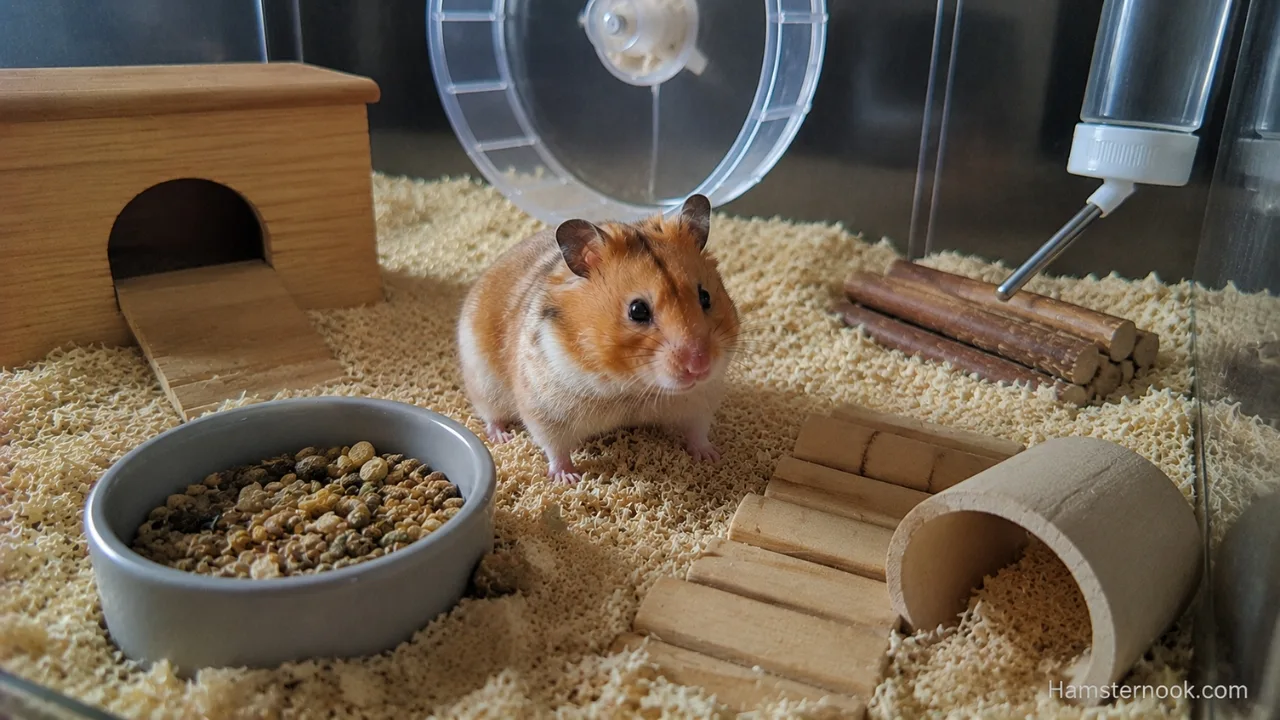
Strong smells usually come from poor cleaning habits or unsuitable cage setups.
Use a Proper Cage Size
Small cages become dirty faster and trap odors more easily.
Larger enclosures improve airflow and reduce smell buildup.
Provide Deep Bedding
Deep bedding absorbs urine better and keeps odors controlled longer.
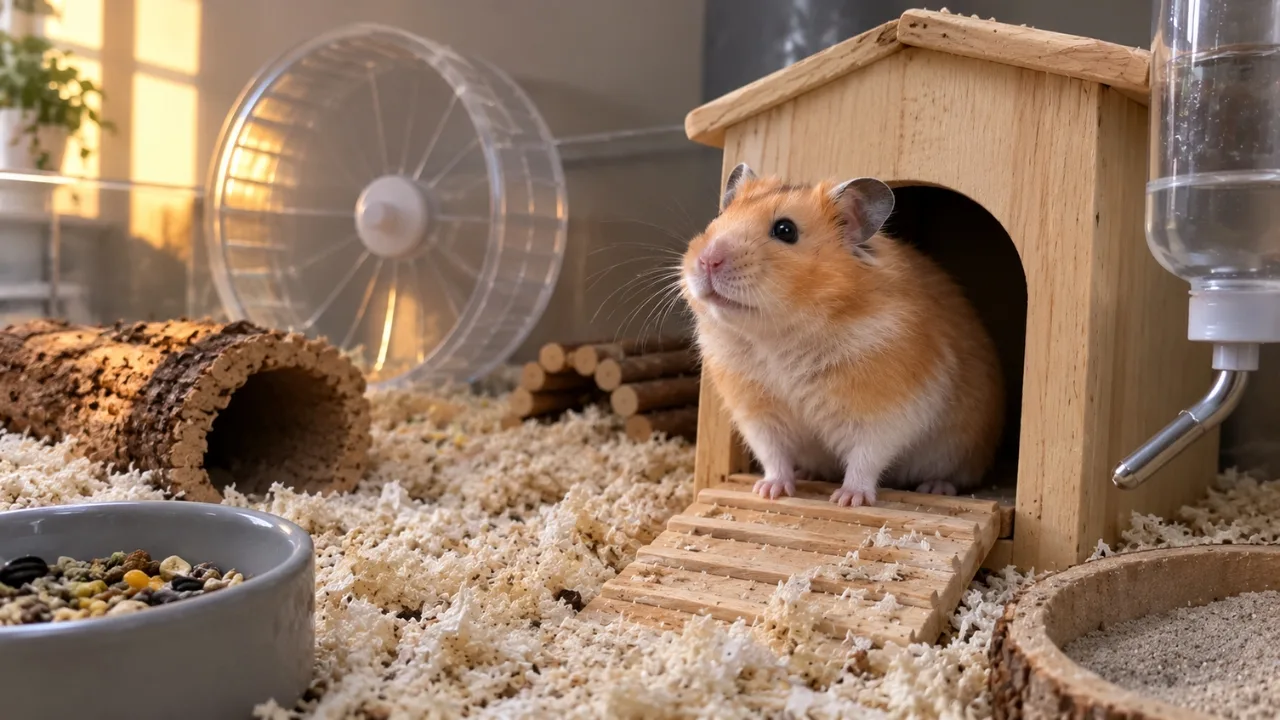
Spot Clean Frequently
Removing wet bedding daily prevents ammonia buildup.
Avoid Overcrowding Accessories
Too many cramped items can trap moisture and hidden food.
Clean the Wheel Regularly
Hamster wheels often become dirty very quickly and can become one of the main sources of odor buildup.
Enclosure size, ventilation, bedding depth, and layout can all affect how quickly waste and odors build up. Our Best Hamster Cage Setup for Beginners guide explains how these elements work together in a practical hamster habitat.
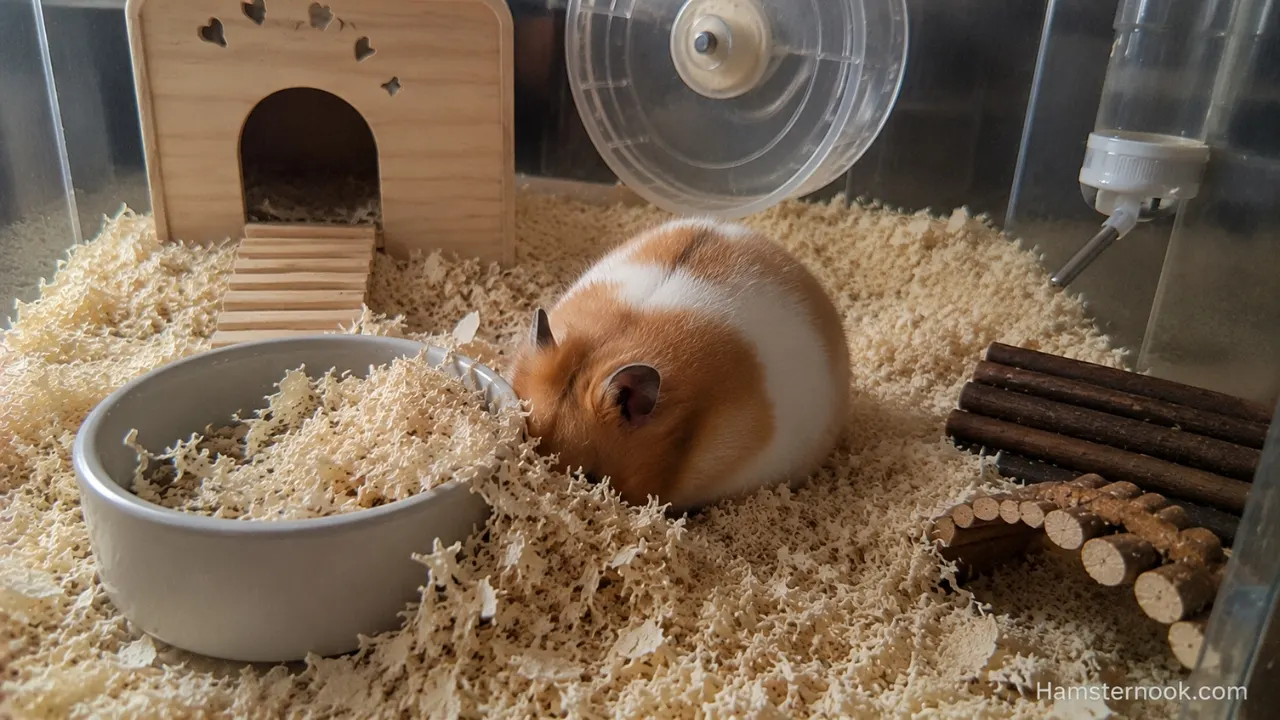
Common Hamster Cage Cleaning Mistakes
Cleaning the Entire Cage Too Often
Completely replacing all bedding every week may stress your hamster unnecessarily.
Using Scented Products
Perfumes and scented cleaners can irritate a hamster’s sensitive respiratory system.
Using Unsafe Bedding
Some bedding materials trap moisture poorly or create dust that affects breathing.
Forgetting Hidden Food Stashes
Hamsters often hide fresh food, which can spoil and grow mold if not removed.

Check hideouts and burrows carefully.
Dry food stored in a clean hoard does not automatically need to be removed. Focus on fresh foods that can spoil, food that has become wet or contaminated, and anything showing signs of mold or deterioration. Removing an entire clean food hoard unnecessarily may encourage additional hoarding and disrupt familiar routines.
Not Cleaning Water Bottles
Water bottles can develop bacteria buildup over time.
Clean the nozzle and inside regularly.

Should You Clean Your Hamster’s Nest?
Avoid disturbing a clean, dry nest simply because you are cleaning the enclosure. The nest contains familiar scent and is an important secure area for your hamster.
If nesting material becomes wet, heavily soiled, moldy, or contaminated with spoiled food, remove the affected material and replace it with safe bedding. When possible, retain some clean nesting material so the sleeping area still smells familiar.
Should You Bathe a Hamster During Cage Cleaning?
No. Hamsters should not be bathed in water unless specifically instructed by an exotic veterinarian for a medical reason.
Water baths can:

- Remove natural oils
- Cause stress
- Lower body temperature
- Increase illness risk
Instead, provide a proper sand bath so your hamster can clean itself naturally.
Cleaning Schedule for Syrian vs Dwarf Hamsters
| Hamster Type | Typical Cleaning Needs |
|---|---|
| Syrian Hamster | More frequent spot cleaning due to larger waste output |
| Dwarf Hamster | Usually slightly less waste and odor |
| Robo Hamster | Often cleaner but very active in sand areas |
Every hamster is different, so adjust based on cage condition rather than species alone.
Can a Dirty Hamster Cage Make Your Hamster Sick?
Yes. Poor cage hygiene can lead to several health problems.
Possible issues include:
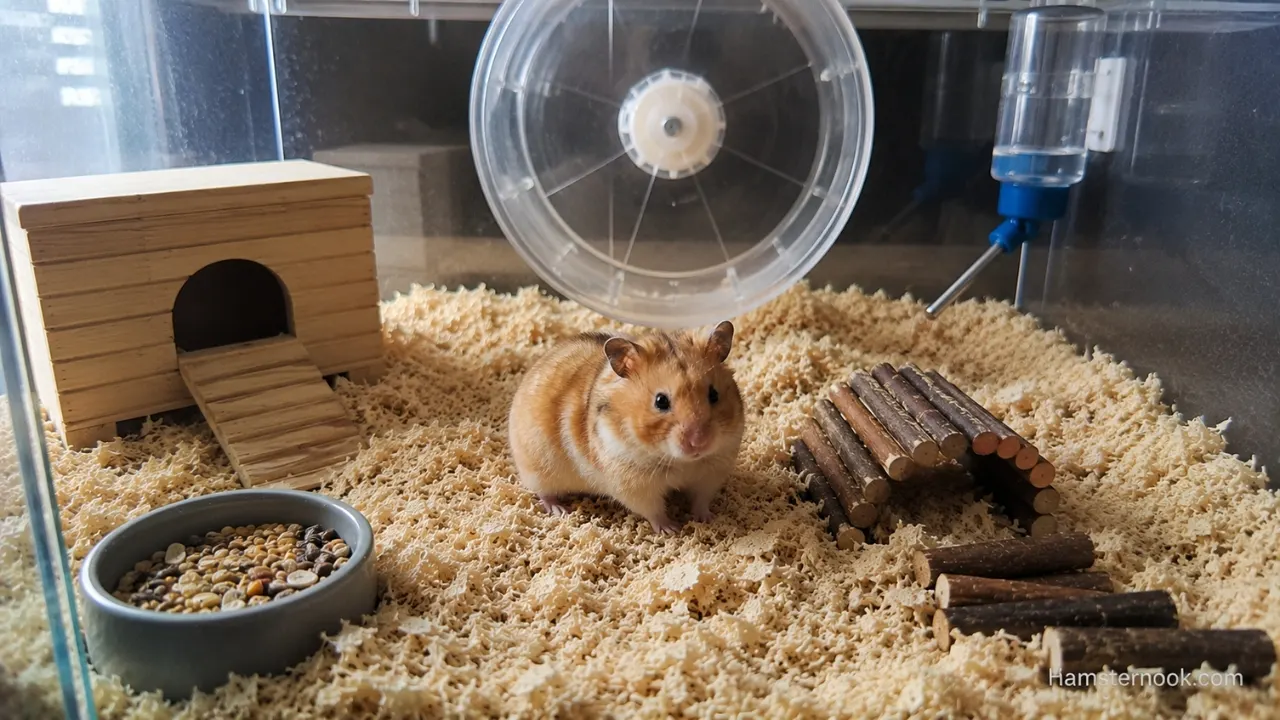
- Respiratory irritation
- Bacterial growth
- Skin infections
- Parasites
- Stress-related illness
Ammonia buildup from urine may irritate a hamster’s respiratory system in enclosed or poorly ventilated cages.
Keeping the cage clean is an important part of maintaining hamster health and hygiene.
Poor cage hygiene becomes more concerning when it occurs alongside lethargy, appetite changes, diarrhea, discharge, or breathing problems. Our Signs of a Sick Hamster: Symptoms, Warning Signs & When to See a Vet guide explains which health changes deserve closer attention and when veterinary care may be needed.
Final Thoughts
Cleaning a hamster cage is all about balance. Your goal is to keep the habitat hygienic without removing the familiar scents that help your hamster feel secure.
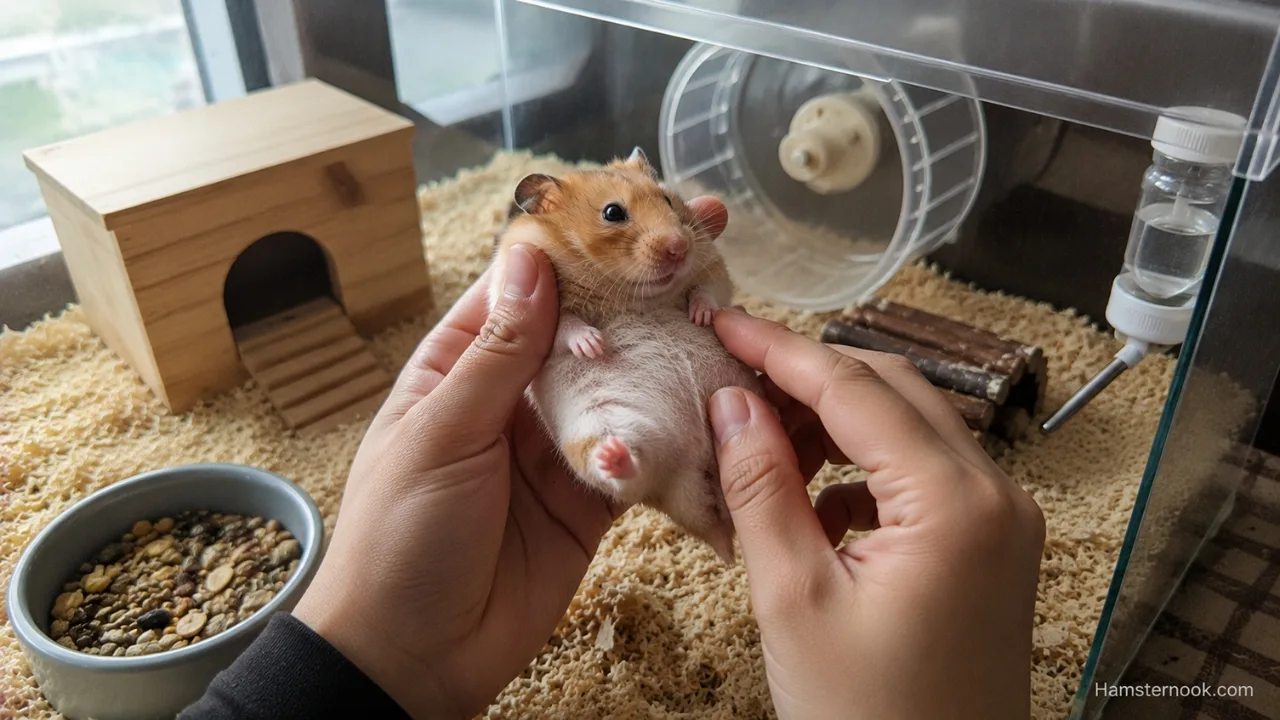
For most owners, daily spot cleaning combined with weekly maintenance and occasional deep cleaning works best.
A larger cage, deep bedding, proper ventilation, and consistent spot cleaning will make cage maintenance much easier while keeping your hamster healthier and more comfortable.
Once you develop a routine based on your hamster’s habits and enclosure condition, cage cleaning becomes easier to manage without unnecessarily disrupting your hamster’s environment.
FAQ: Hamster Cage Cleaning
How often should I change all hamster bedding?
Avoid replacing all bedding on a fixed schedule when most of it is still clean. Remove wet, contaminated, or heavily soiled areas as needed, and reserve extensive bedding replacement for situations where enclosure hygiene actually requires it.
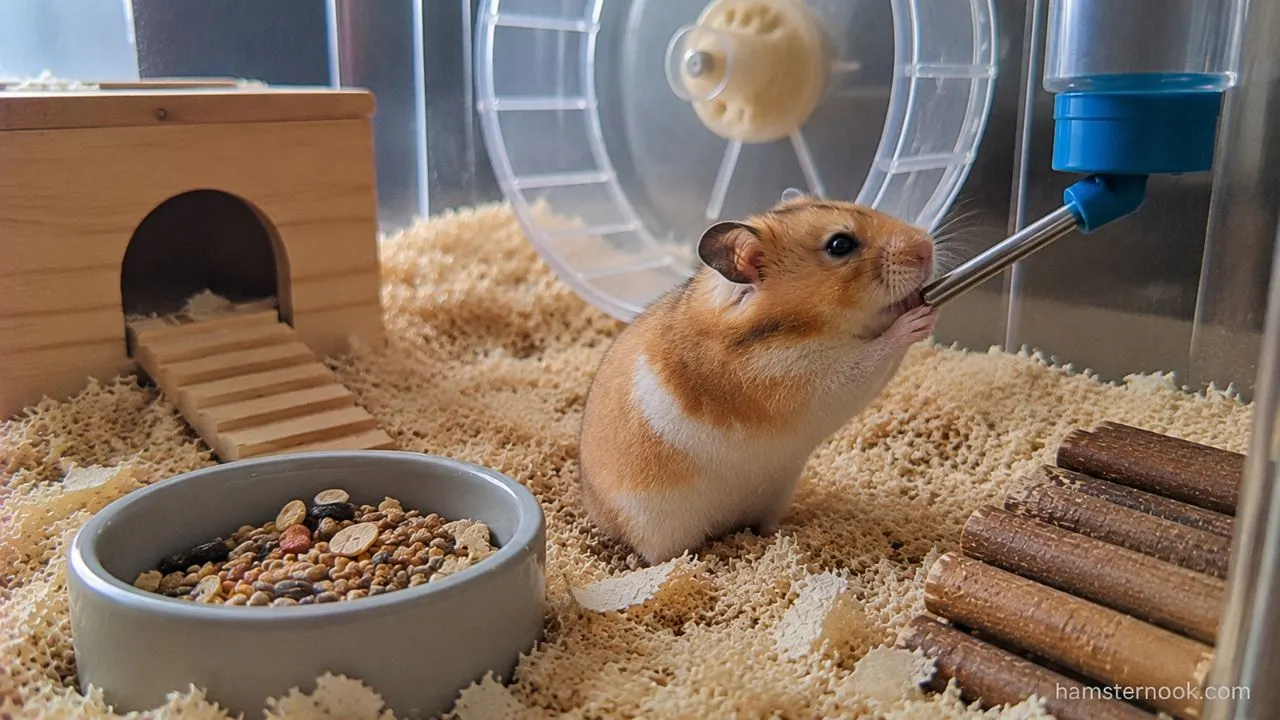
Why does my hamster cage smell bad so quickly?
Common causes include shallow bedding, small cages, poor ventilation, infrequent spot cleaning, or dirty wheels and accessories.
Can I use vinegar to clean a hamster cage?
A pet-safe cleaner is the safer default for routine hamster-cage cleaning. Whatever cleaner you use, rinse surfaces thoroughly and allow the enclosure to dry completely before returning your hamster.
Is it okay to wake a hamster for cage cleaning?
It is better to clean while your hamster is naturally awake when possible. Waking them suddenly can cause stress.
How deep should hamster bedding be?
Most hamsters benefit from at least 10 inches of suitable bedding so they can burrow naturally.
Should hamster poop be removed daily?
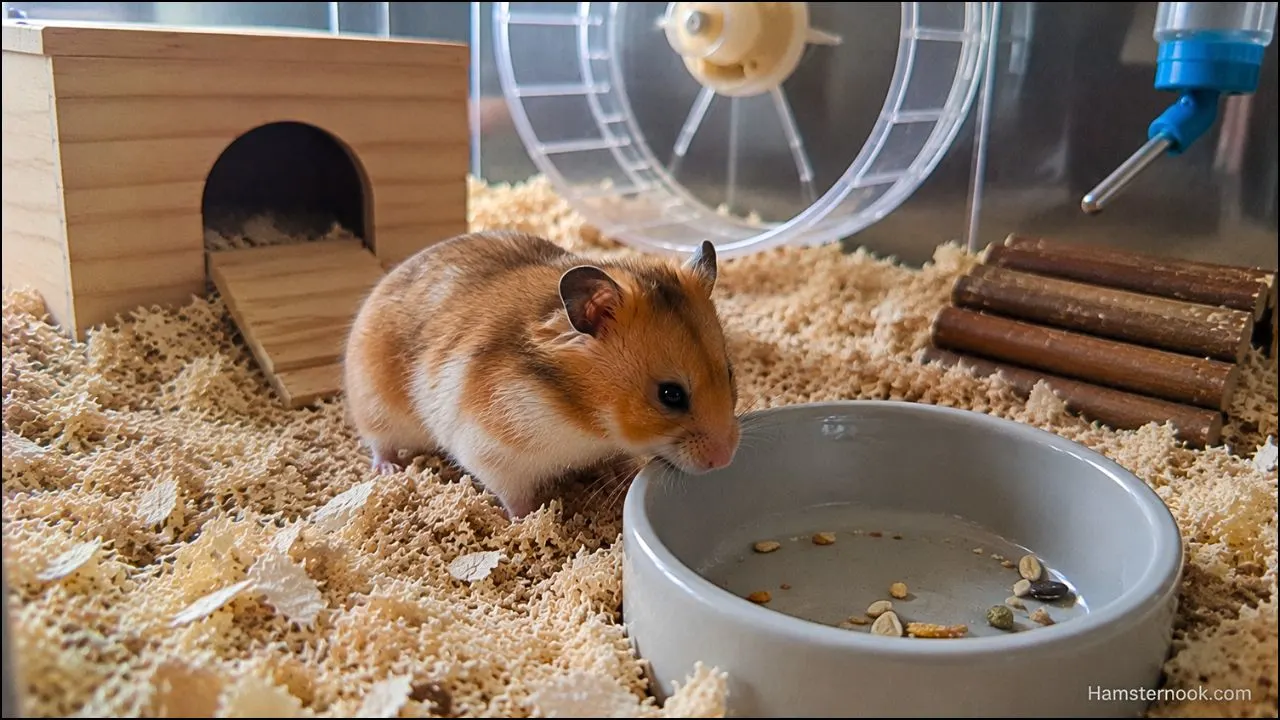
Dry droppings can be removed during routine spot cleaning, but wet bedding, spoiled food, and urine-soiled areas are generally higher priorities. Cleaning should focus on maintaining hygiene without unnecessarily disturbing clean bedding.
How do I know when my hamster cage needs a deep clean?
A deeper clean may be needed when persistent odor, widespread dampness, contaminated bedding, spoiled food, pest problems, or heavy waste buildup cannot be controlled through normal spot cleaning. Cage condition is usually a better guide than following a fixed number of weeks.
References
This guide is based on hamster cage cleaning, bedding, hygiene, housing, ventilation, and welfare guidance from trusted animal welfare and veterinary resources, including:
- RSPCA – Creating a Good Home for Hamsters – Guidance on cage cleaning frequency, spot cleaning, bedding, nesting material, ventilation, cage size, and preserving familiar scents.
- Blue Cross – Hamster Care – Practical guidance on spot cleaning, full cage cleaning, safe cleaning practices, bedding, and maintaining familiar smells.
- MSD Veterinary Manual – Providing a Home for a Hamster – Veterinary guidance on hamster housing, deep bedding, nesting material, ventilation, cleanable enclosures, and safe environmental conditions.
- NC3Rs – Housing and Husbandry: Hamster – Guidance on hamster enclosure design, bedding, nesting, ventilation, environmental enrichment, and cage cleaning practices.
- RSPCA – Hamster Health & Welfare Tips – Health and welfare guidance, including monitoring changes in behavior and maintaining conditions that support hamster wellbeing.

Narayan Kumar is the founder and author of HamsterNook. He creates practical, research-based hamster care guides covering hamster behavior, nutrition, cage setup, enrichment, health, and everyday care. His goal is to help hamster owners make informed decisions and provide safer, healthier lives for their pets through clear, beginner-friendly information based on trusted animal care resources.