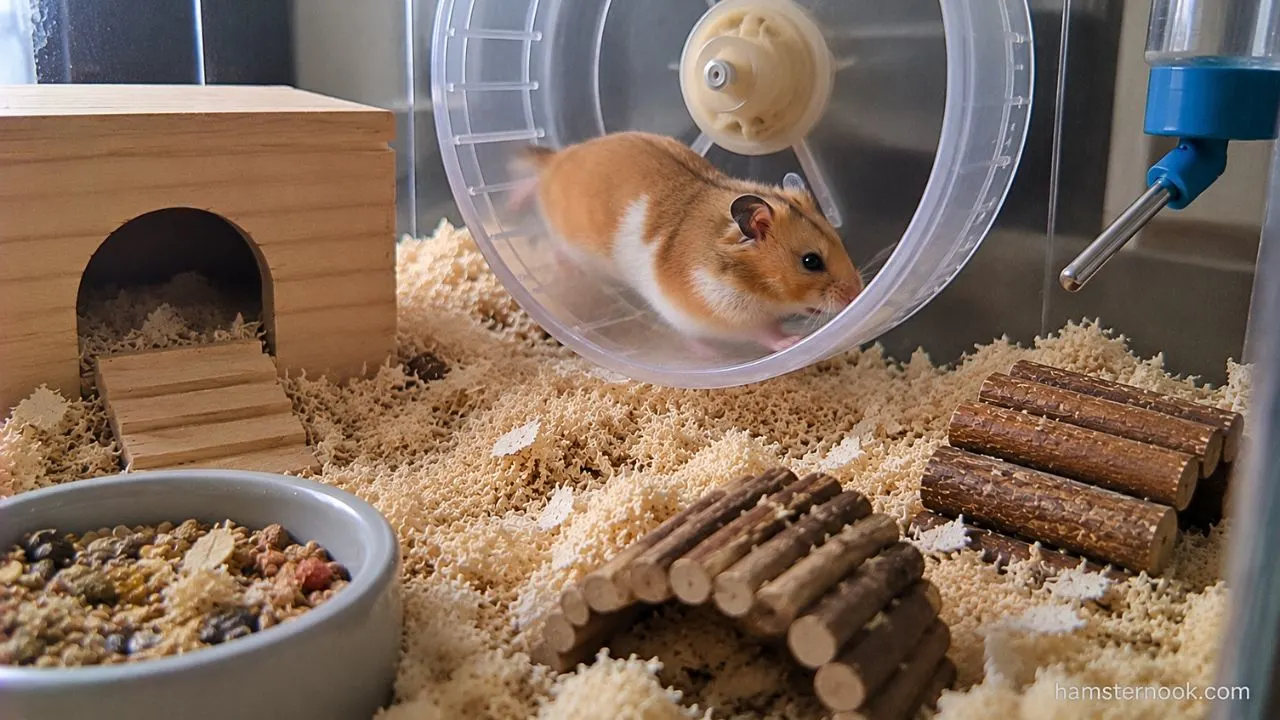
Traveling with a hamster takes more planning than simply placing your pet in a small cage and heading out. Car noise, unfamiliar smells, movement, temperature changes, and handling can make the experience stressful for a small animal. Whether you’re moving to a new home, visiting a veterinarian, or facing another necessary journey, the goal is to keep your hamster secure, comfortable, and protected throughout the trip.
Quick Answer: How Do You Travel With a Hamster Safely?
Hamsters should travel only when necessary because transportation can be stressful. For a necessary journey, use a secure, escape-resistant carrier with good ventilation, familiar dry bedding, unsoiled nesting material, and a lightweight hide that cannot fall on your hamster. Keep the carrier stable in the vehicle, maintain a comfortable temperature, reduce noise, and never leave your hamster unattended in a parked car on a warm day.
Before leaving, make sure you have:
- A secure small-animal travel carrier with a tightly closing lid.
- Familiar bedding and some clean, previously used nesting material.
- Your hamster’s usual food and a safe way to provide water.
- A lightweight hide or tunnel that will not tip over easily.
- A plan for keeping the carrier stable, ventilated, and cool.
- Contact information for a veterinarian at your destination, particularly for a long move or a hamster with existing health concerns.
For a vacation or a casual outing, consider leaving your hamster at home with a responsible caregiver instead. Familiar surroundings are generally preferable to unnecessary travel.

1. Choose the Right Hamster Travel Carrier
The carrier is the foundation of a safe journey. It needs to prevent escapes, allow adequate ventilation, and give your hamster enough room to rest in a natural position.
What type of carrier is best?
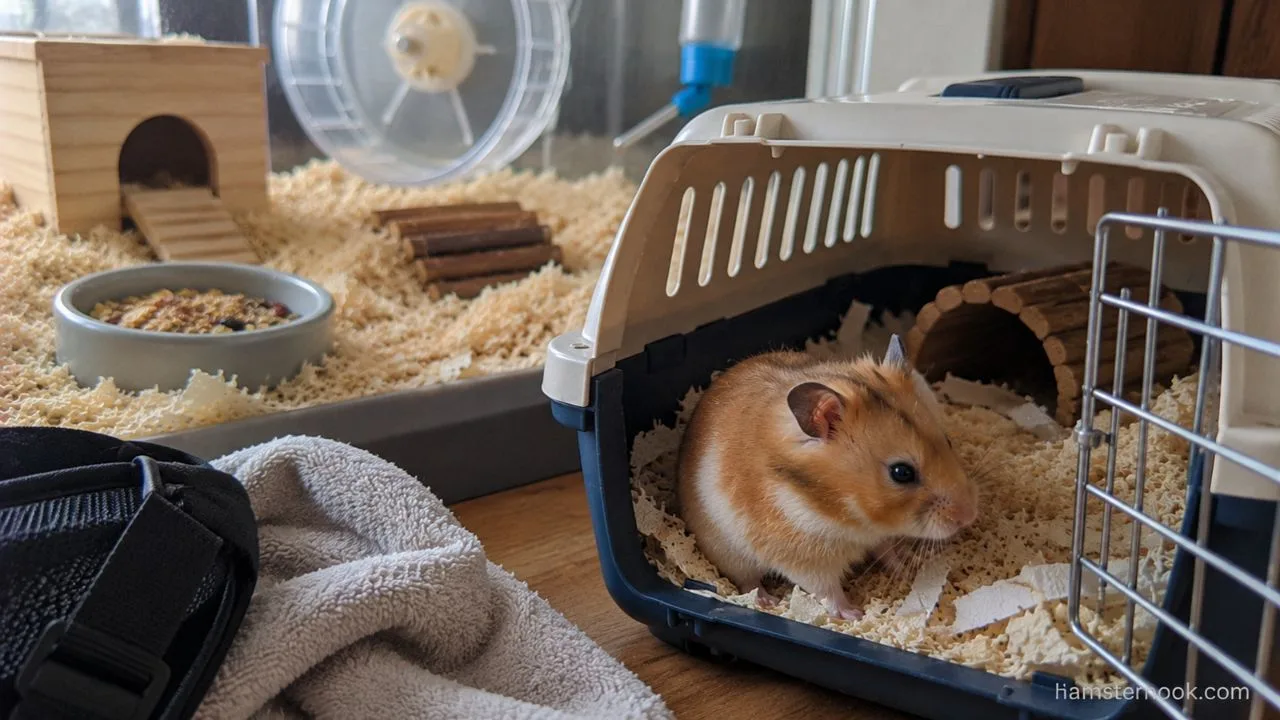
Choose a sturdy small-animal carrier with secure closures and ventilation openings that are too small for your hamster to escape through. It should be easy to clean and large enough for your pet to turn around, lie down naturally, and use a small hide.
A carrier designed for transporting small mammals is generally a better choice than a cardboard box or an improvised container. Hamsters are capable chewers and can escape through surprisingly small openings.
| Carrier option | Suitability | What to consider |
|---|---|---|
| Secure, rigid small-animal carrier | Usually the best practical option | Check the lid, ventilation, and escape-proof construction. |
| Original home enclosure | May be suitable in some circumstances | Loose accessories, heavy objects, and the enclosure’s design can create hazards during transport. |
| Cardboard box | Poor choice for a journey | It may be chewed through and usually lacks dependable security and ventilation. |
| Open basket or ordinary pet bed | Unsafe | Your hamster could escape or be injured during sudden movement. |
| Plastic storage container | Only if appropriately designed for transport | It must have secure ventilation, a reliable lid, and no dangerous edges or openings. |
There is some variation in animal-welfare guidance about whether a hamster should travel in its home enclosure or a separate carrier. The RSPCA advises keeping hamsters in their usual cage whenever possible, while another RSPCA branch recommends a suitable travel carrier because loose cage accessories can fall during transport. Follow the advice of your veterinarian and prioritize a secure, stable setup suited to the particular enclosure.

Prepare the carrier before travel
Wash and dry the carrier if needed, then add a layer of your hamster’s familiar bedding. Transfer a small amount of clean, unsoiled nesting material from its usual sleeping area. Familiar smells can help make the unfamiliar space less disruptive.
Add a lightweight hide or tunnel if it fits securely. Avoid heavy ceramic houses, tall structures, large exercise wheels, and other objects that could slide, roll, or fall when the vehicle brakes.
Check the carrier’s lid and ventilation before placing your hamster inside. A cover can help reduce visual disturbance, but never block airflow or cover ventilation openings.
2. How to Set Up the Carrier for Comfort and Safety
A good carrier should feel like a protected resting space, not an empty plastic box. Keep the setup simple so your hamster can settle without being surrounded by unfamiliar objects.
Use familiar bedding and nesting material
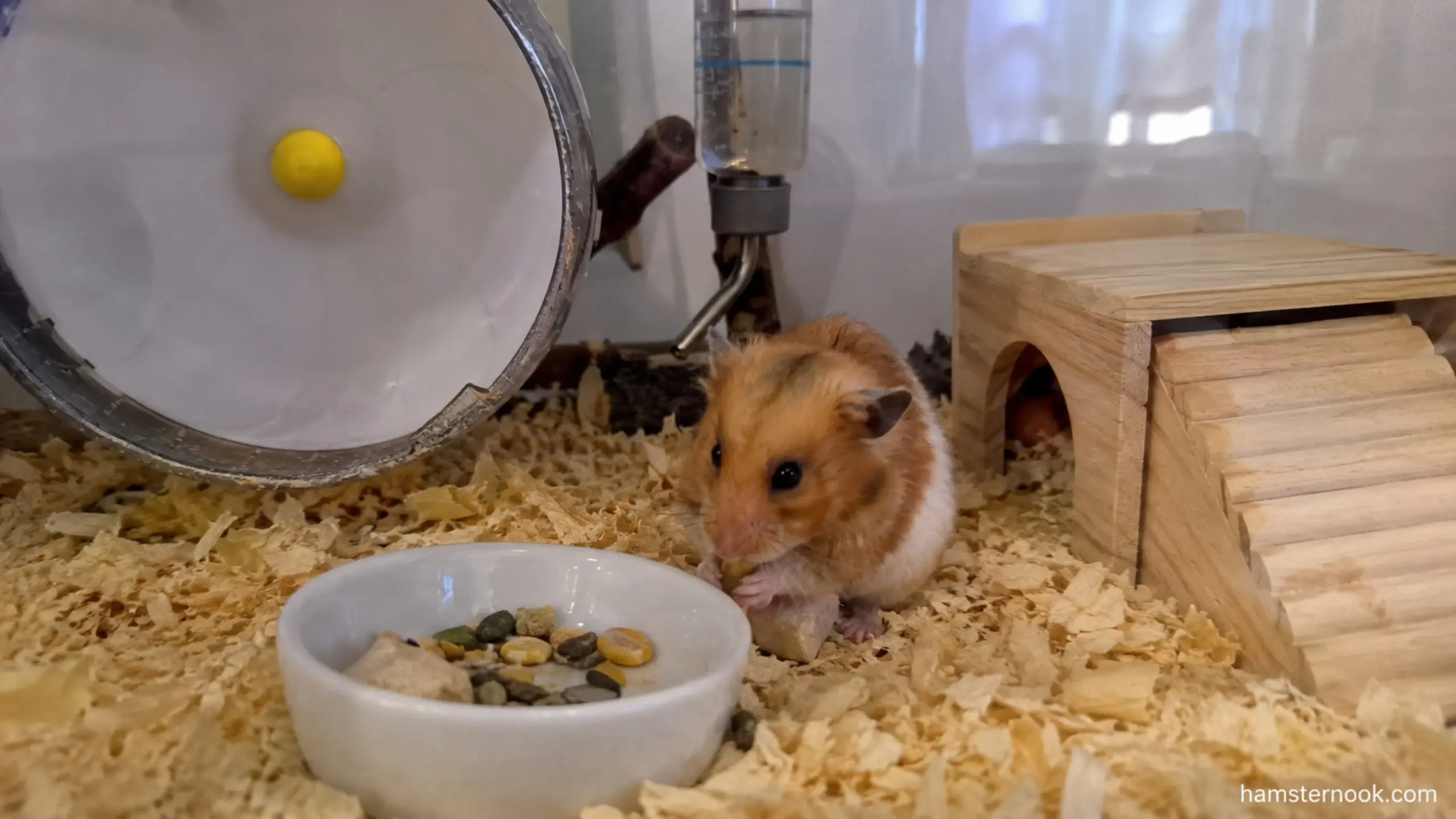
Place familiar, dry bedding on the carrier floor. Add some clean nesting material from your hamster’s usual sleeping area rather than replacing everything with brand-new material immediately before departure.
Avoid dusty bedding, strongly scented products, and loose materials that could become tangled around your hamster. The carrier should remain dry, clean, and well ventilated.
Provide a secure hiding place
Hamsters need opportunities to hide when they feel exposed. A small cardboard hide or lightweight tunnel can provide shelter, provided it cannot collapse, roll around, or block the carrier’s ventilation.
Don’t overcrowd the carrier with toys. During a car ride, stability matters more than providing a large selection of enrichment items.

Plan for food and water
Bring your hamster’s regular food and offer it in a way that minimizes spills. For longer journeys, plan how your pet will have access to water throughout the trip.
A water bottle may leak or become difficult to use if it cannot be mounted securely. Small pieces of suitable watery vegetables may provide some moisture during a short journey, but they should not be treated as a replacement for reliable access to drinking water on a long trip.
For extended travel, ask your veterinarian how best to provide water and food in the particular carrier. Check for spills and damp bedding during safe stops.
3. How to Travel With a Hamster in a Car
A car can provide a quieter, more controlled environment than some other forms of transport, but only if the carrier is properly secured and the temperature is managed.

Secure the carrier before driving
Place the carrier in a stable position where it cannot slide, tip, or fall during braking or turning. Follow the carrier manufacturer’s instructions and your vehicle’s safety guidance when securing it.
Never hold the carrier in your lap while driving or allow the hamster to roam freely inside the car. An unsecured carrier can injure its occupant during sudden movement and can distract the driver.
Keep the doors and windows controlled during stops so the hamster cannot escape if the carrier needs to be handled.
Maintain a comfortable temperature
Temperature management is especially important for small animals during transportation.

- Keep the vehicle at a comfortable, stable temperature.
- Avoid placing the carrier in direct sunlight.
- Keep it away from direct air-conditioning or heating vents.
- Ensure adequate ventilation throughout the journey.
- Never leave your hamster unattended in a parked car on a warm or hot day.
A vehicle can become dangerously hot even when the outside temperature does not feel extreme. Opening a window slightly is not a dependable substitute for maintaining a safe environment.
If the car becomes too hot or cold, stop somewhere safe and correct the conditions before continuing. If your hamster appears unwell, seek veterinary advice rather than assuming it simply needs time to settle.
Temperature needs attention throughout the journey, not just when the vehicle first starts moving. Direct sunlight, changing weather, and unsuitable heating or cooling can make the carrier environment uncomfortable. The guide Hamster Temperature: Safe Range, Too Hot & Too Cold explains the wider temperature risks hamster owners should understand.
Keep noise and movement to a minimum
Drive smoothly, avoid unnecessarily loud music, and keep the carrier away from curious pets or passengers who may repeatedly tap or shake it.

Sudden braking, loud sounds, and frequent handling can add to the disruption of an already unfamiliar experience. A secure carrier and a direct route help reduce avoidable disturbance.
4. How to Reduce Hamster Stress Before and During Travel
You cannot guarantee that a hamster will enjoy transportation. The practical goal is to minimize unnecessary stress and avoid making the experience more frightening than it needs to be.
Familiarize your hamster with the carrier
If you know a journey is coming, introduce the carrier in advance.
- Place it in a quiet area of your home with the door secured open when it is not being used for transport.
- Add familiar bedding and a little of your hamster’s usual food.
- Allow your hamster to investigate voluntarily.
- Repeat these brief opportunities over several days if time permits.
- Avoid chasing your hamster around the enclosure or forcing it into the carrier for practice.
This gradual introduction may make the carrier less unfamiliar, although it cannot guarantee that the actual journey will be stress-free.

Even with preparation, a hamster may find unfamiliar surroundings and handling unsettling. Watching for changes in normal behavior can help you recognize when your pet may need a calmer environment or less disturbance. See 7 Ways You’re Accidentally Stressing Your Hamster: Signs & What to Do for additional signs and prevention advice.
If travel is urgent, such as for a veterinary emergency, don’t delay necessary care simply to complete carrier training.
Choose the right time
Hamsters are generally active during the evening and night, although activity patterns vary. When practical, plan a necessary journey around your hamster’s usual activity period rather than repeatedly waking it for handling.
Temperature and journey duration take priority over trying to match a particular hour. Avoid the hottest part of the day when possible, especially during warm weather.

Keep handling calm and brief
Move your hamster gently into the carrier using a familiar, safe handling method. Avoid gripping tightly, lifting it by a limb or tail, or repeatedly removing it from its hiding place to check whether it is comfortable.
Once the hamster is secured, let it settle. You can check on it during safe stops without constantly opening the carrier.
5. What to Pack for a Hamster Road Trip
For a necessary journey, prepare a small travel kit before departure.
| Item | Why it helps |
|---|---|
| Secure travel carrier | Prevents escape and provides a protected space. |
| Familiar dry bedding | Provides a recognizable surface and absorbs small amounts of moisture. |
| Clean nesting material | Brings familiar scents into the carrier. |
| Lightweight hide | Gives the hamster somewhere to shelter. |
| Regular hamster food | Keeps feeding consistent during a longer journey. |
| Safe water arrangement | Supports access to drinking water during transport. |
| Spare bedding and cleaning supplies | Help you deal with spills or soiled material. |
| Veterinarian’s contact details | Useful if a health concern develops during the trip. |
For a short journey, you may not need every item immediately accessible. For a long move, however, prepare enough supplies to maintain your hamster’s normal care routine at the destination.

6. How to Handle Long Car Rides and Moving House
A short drive to the veterinarian and an all-day move are not the same undertaking. Longer journeys require more planning for hydration, food, temperature, and opportunities to assess your hamster’s condition.
Before a long journey
If possible, arrange a veterinary check for a hamster that is unwell, elderly, or otherwise vulnerable before a lengthy trip. Ask the veterinarian whether travel is appropriate and whether any special arrangements are needed.
Choose the most direct practical route and check traffic conditions. Pack familiar food and bedding, and arrange suitable accommodation at the destination before leaving.
During the journey
Plan safe stops where you can check the carrier, assess the temperature, and address any spills. Do not release your hamster in the car or take it outside for exercise.

Hamsters do not need to be removed from the carrier at every stop. Unnecessary handling and transfers can create escape opportunities and additional disturbance.
For a very long journey, consult a veterinarian about the appropriate feeding, watering, and monitoring schedule for your hamster.
After arriving at your new home
Set up the hamster’s enclosure in a quiet location away from direct sunlight, drafts, and household commotion. Restore its usual food, water, bedding, and hiding places as soon as practical.
Allow your hamster to explore and settle without repeated handling. Check that it is eating, drinking, moving normally, and behaving broadly as expected.
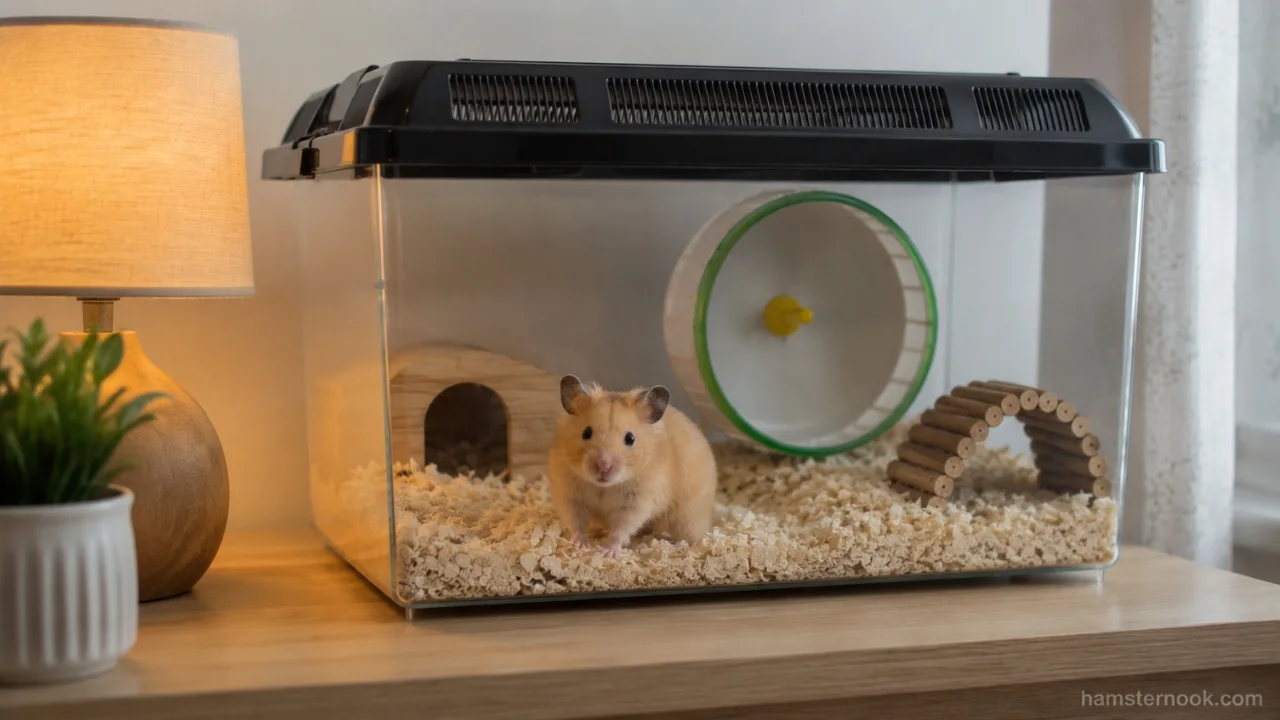
If you are moving house, having the enclosure ready before unloading other belongings can make the transition easier to manage.
7. Should You Take Your Hamster on Vacation?
In most cases, it is better to leave a hamster at home with a reliable caregiver than to take it on a holiday.
Travel introduces unfamiliar sounds, movement, handling, and changes in surroundings. A destination that seems relaxing to a person may be unsettling for a small animal that depends on a familiar enclosure.
The RSPCA advises against taking hamsters and other small animals on ordinary holidays when they are unfamiliar with travel and the experience is likely to cause stress.
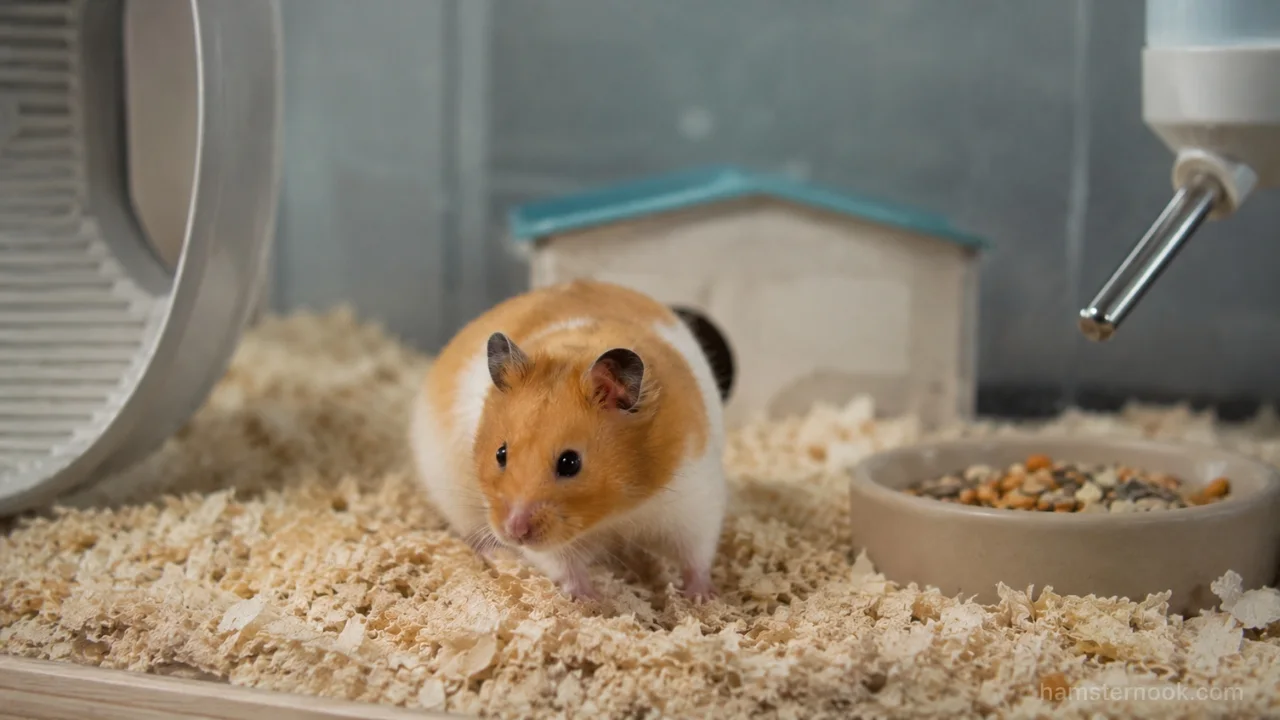
Noise is another environmental factor worth considering when deciding where your hamster should stay. Loud television, music, and other repeated sounds can create unnecessary disturbance even when the enclosure itself is secure. The guide Can Loud TV or Music Stress a Hamster? Signs & Safer Setup explains how to make the surrounding environment more suitable.
Before leaving, arrange for a responsible person to provide fresh water, the normal food, and appropriate daily care. Give them clear instructions about feeding, cleaning, and recognizing changes in your hamster’s behavior.
If nobody can provide reliable care, speak with an experienced small-animal boarding provider or your veterinarian about appropriate alternatives.
8. Warning Signs During or After Travel
Some hiding or reduced activity in an unfamiliar setting may reflect a response to disturbance, but it is not safe to attribute every change to stress.

Pay attention to your hamster’s breathing, posture, movement, appetite, and responsiveness.
When to worry
Contact a veterinarian promptly if your hamster shows persistent loss of appetite, unusual lethargy, diarrhea, or a marked change from its normal behavior after travel.
Seek emergency veterinary care for signs such as:
- Difficulty breathing or open-mouth breathing.
- Collapse or inability to stand normally.
- Severe weakness or markedly reduced responsiveness.
- Signs of serious overheating or sudden deterioration.
Do not attempt to cool an overheated hamster with ice, administer human medicines, or force food or water into its mouth. Keep the carrier in a safe, appropriately ventilated environment and follow urgent veterinary instructions.
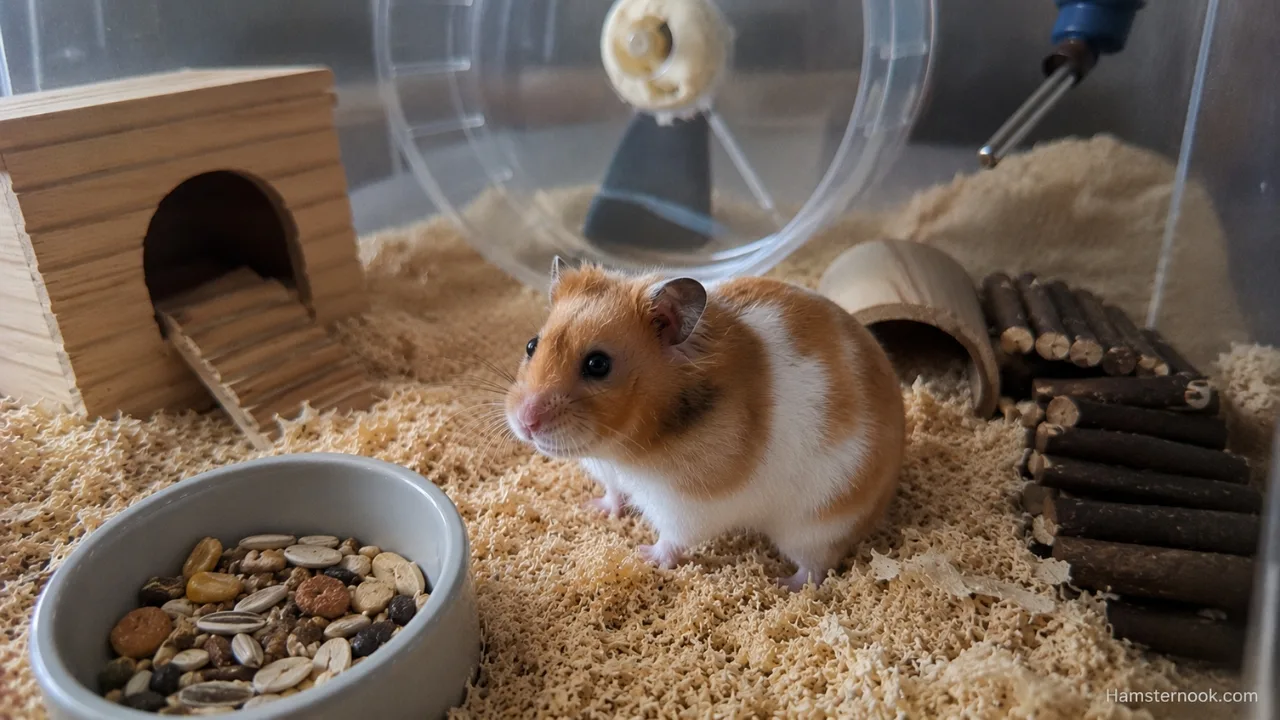
9. Common Hamster Travel Mistakes to Avoid
A few seemingly convenient choices can create unnecessary risks during transportation.
- Using an unsecured carrier: Sudden braking can cause it to slide or tip.
- Leaving the hamster in a parked car: Vehicle temperatures can become dangerous quickly.
- Blocking ventilation with a towel: A cover must not prevent adequate airflow.
- Adding heavy toys or houses: Loose objects can move and injure the hamster.
- Opening the carrier outdoors: A frightened hamster can escape rapidly.
- Changing food immediately before travel: Introducing unfamiliar foods adds an avoidable variable.
- Taking a hamster on unnecessary outings: Short trips are not automatically beneficial or enjoyable for hamsters.
- Ignoring health changes: Breathing difficulty, collapse, or severe weakness should never be dismissed as ordinary travel stress.
Changes after a journey should be assessed carefully rather than automatically attributed to stress. Pay attention to unusual changes in appetite, activity, breathing, or responsiveness, and seek veterinary advice when something seems wrong. For a broader overview of warning signs, see How to Tell If Your Hamster Is Sick: Signs, Symptoms & When to See a Vet.
What You Should Do Before Traveling With Your Hamster
Use this checklist before setting off:
- Confirm that the journey is necessary.
- Choose a secure, well-ventilated carrier.
- Add familiar, dry bedding and clean nesting material.
- Provide a secure lightweight hide.
- Pack the hamster’s usual food and plan for water access.
- Secure the carrier in the vehicle.
- Check the route and expected weather.
- Keep the vehicle comfortable, quiet, and ventilated.
- Prepare a suitable enclosure at the destination.
- Keep veterinary contact information available.
Final Thoughts
Traveling with a hamster safely is mainly about preparation, stability, and knowing when not to travel. A suitable carrier, familiar bedding, a quiet vehicle, controlled temperature, and minimal handling can reduce avoidable risks during a necessary journey.

For ordinary vacations and outings, a trusted caregiver at home is usually the better option. If you must move your hamster, plan its transport as carefully as you plan your own journey, and never ignore signs that it may be struggling.
Frequently Asked Questions
1. Can I take my hamster on a car ride?
Yes, when the journey is necessary and the hamster can be transported safely. Use a secure carrier, maintain a comfortable temperature, and keep the trip as direct and quiet as practical. Avoid unnecessary recreational car rides.
2. How long can a hamster stay in a travel carrier?
There is no single duration that is safe for every hamster and every carrier setup. The appropriate length depends on the hamster’s health, the carrier, temperature, and access to food and water. Keep necessary journeys as short as practical and ask a veterinarian for guidance before an extended trip.
3. Should I cover my hamster’s carrier during travel?
A partial cover may reduce visual disturbance, but it must never block ventilation or trap heat. Keep the carrier well ventilated and monitor the surrounding temperature.
4. Can I hold my hamster while someone else drives?
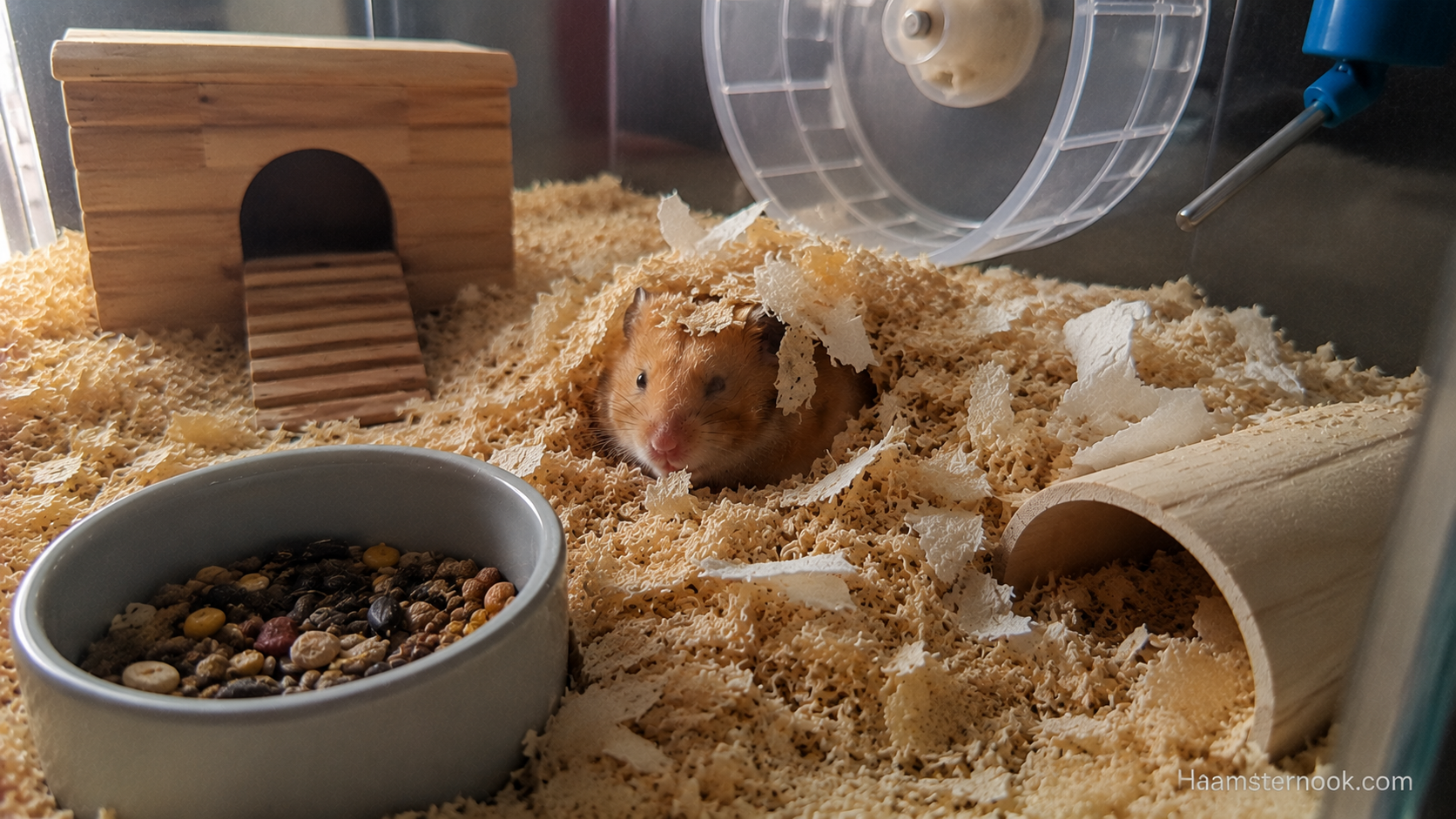
Keeping a hamster loose in someone’s hands during a car journey is unsafe. Sudden braking or movement can cause injury or an escape. Keep your hamster inside a properly secured carrier throughout the drive.
5. Should I feed my hamster before a car ride?
Keep your hamster’s usual feeding routine in mind, but avoid making major dietary changes before travel. Follow your veterinarian’s advice for long journeys, particularly regarding meal timing and access to water.
6. Can I take my hamster on a train or bus?
That depends on the transport provider’s rules and whether the journey can be completed safely. Check the policy before traveling, keep your hamster in a secure carrier, and consider noise, crowding, temperature, and journey duration.
7. How do I know if my hamster is stressed during travel?
Hiding, reduced interaction, or changes in activity may occur after a disturbance, but these signs alone cannot establish the cause. Watch for persistent changes in appetite or behavior, and seek veterinary help for concerning symptoms, especially breathing difficulty or severe weakness.
8. Can I leave my hamster alone in the car for a few minutes?
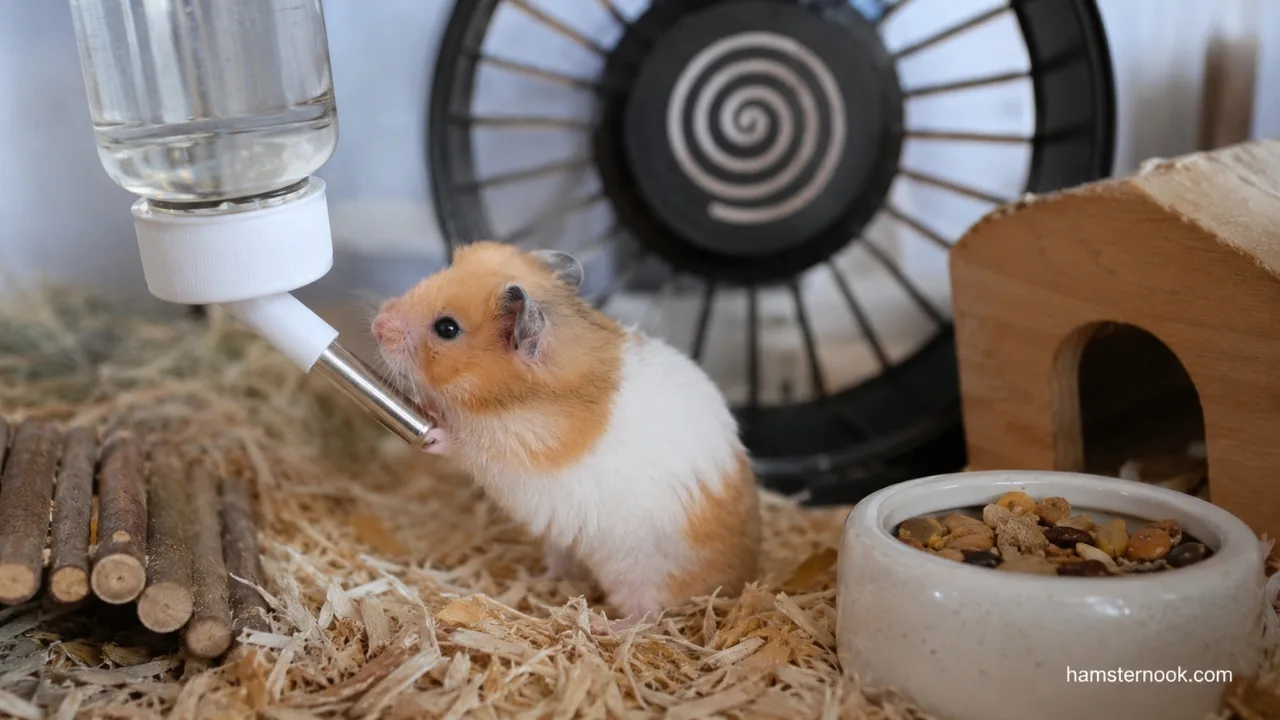
No. Do not leave your hamster unattended in a parked car on a warm or hot day. Vehicle temperatures can become dangerous, and opening a window slightly does not make this safe.
9. Is it better to use the hamster’s regular cage or a travel carrier?
It depends on the enclosure’s design and the transport conditions. A familiar enclosure may be appropriate in some circumstances, but loose accessories can become dangerous when a vehicle moves. A secure travel carrier is often the more practical option for a car journey.
10. What should I do when my hamster reaches its new home?
Prepare the enclosure in advance, restore familiar bedding and nesting material, provide its usual food and fresh water, and allow it to settle quietly. Avoid unnecessary handling immediately after arrival and monitor for changes in normal behavior.
References
This guide is based on hamster transportation, travel safety, housing, and welfare guidance from trusted animal welfare and veterinary resources, including:
- RSPCA – Transporting Your Hamster – Guidance on suitable transport containers, familiar bedding, food and water, ventilation, and minimizing travel stress.
- RSPCA – Taking Your Pet on Holiday – Advice on whether small animals should travel, carrier requirements, car safety, temperature control, and care at the destination.
- RSPCA Worcester and Mid-Worcestershire Branch – Hamster Care – Practical advice on travel carriers, familiar bedding, hiding places, and reducing transport hazards.
- Blue Cross – Hamster Care – Information on hamster housing, ventilation, bedding, and environmental needs.
- MSD Veterinary Manual – Hamsters – Veterinary reference information on hamster biology, husbandry, and health considerations relevant to responsible transport and care.
Medical Disclaimer
This article provides general hamster-care information and cannot diagnose illness or replace advice from a veterinarian experienced with small mammals. If your hamster develops concerning symptoms during or after travel, seek professional veterinary guidance. Emergency signs require immediate attention.

Narayan Kumar is the founder and author of HamsterNook. He creates practical, research-based hamster care guides covering hamster behavior, nutrition, cage setup, enrichment, health, and everyday care. His goal is to help hamster owners make informed decisions and provide safer, healthier lives for their pets through clear, beginner-friendly information based on trusted animal care resources.