Most hamster owners spend plenty of time checking food bowls, water bottles, and bedding, but droppings can reveal just as much about a hamster’s wellbeing. Because hamsters are small prey animals that often hide signs of illness, changes in their droppings may be one of the earliest clues that something isn’t quite right.
Learning what healthy hamster droppings look like can help you spot potential problems sooner and better understand your pet’s daily health.
Quick Answer
Healthy hamster droppings are usually small, firm, dry, dark brown to black pellets with a consistent shape. They should not be soft, sticky, watery, unusually pale, or have a strong foul odor. A healthy hamster typically produces droppings regularly throughout the day and night. Changes in color, texture, shape, or frequency can sometimes indicate dietary issues, stress, dehydration, or illness and may warrant closer observation.
Why Checking Hamster Droppings Matters
Many owners overlook droppings because they seem like a routine part of cage cleaning. However, changes in droppings can sometimes provide early clues about digestion, hydration, diet, and overall health.
Since hamsters naturally hide weakness to avoid appearing vulnerable, obvious signs of illness may not appear until a condition has already progressed. Monitoring droppings gives owners another way to notice subtle changes early.
Droppings are only one part of the overall health picture. Learn how to assess your hamster’s condition in How to Tell If Your Hamster Is Happy, Healthy, Stressed, or Sick: Complete Owner’s Guide (2026).
Checking droppings doesn’t require handling your hamster or causing stress. A quick look during routine spot cleaning is often enough.
What Healthy Hamster Droppings Look Like
Healthy droppings are generally easy to recognize once you know what to expect.
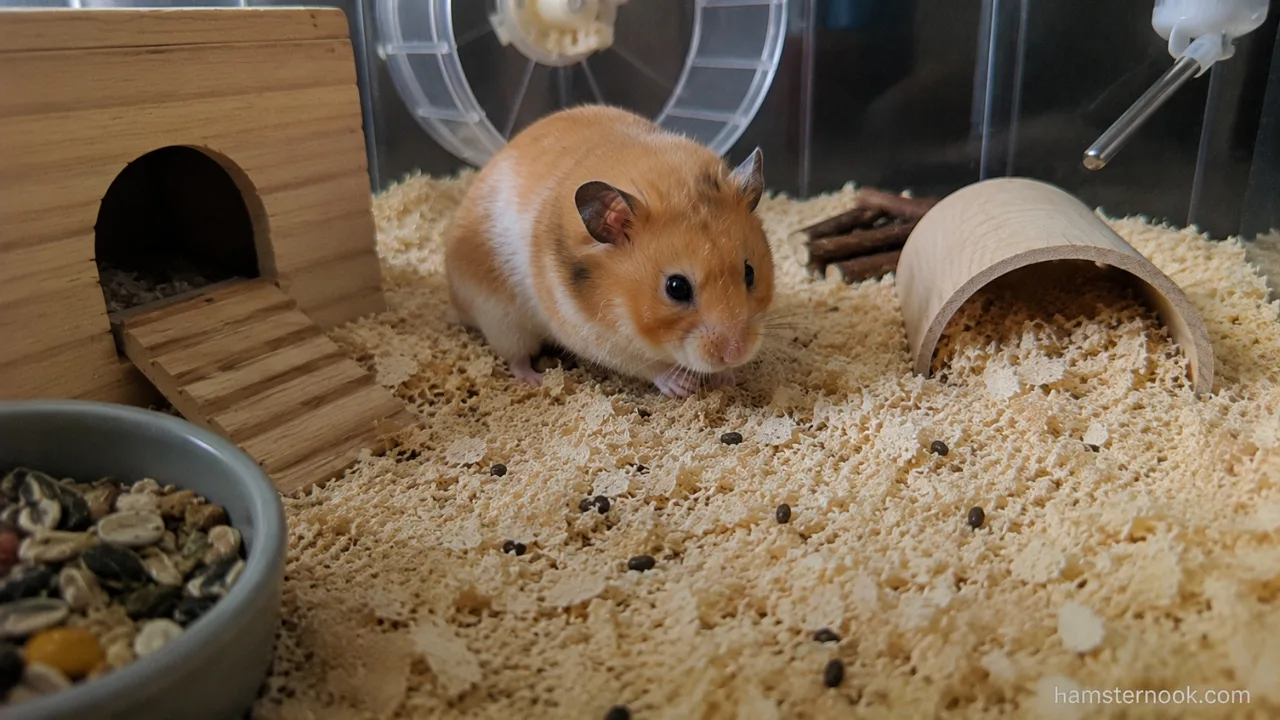
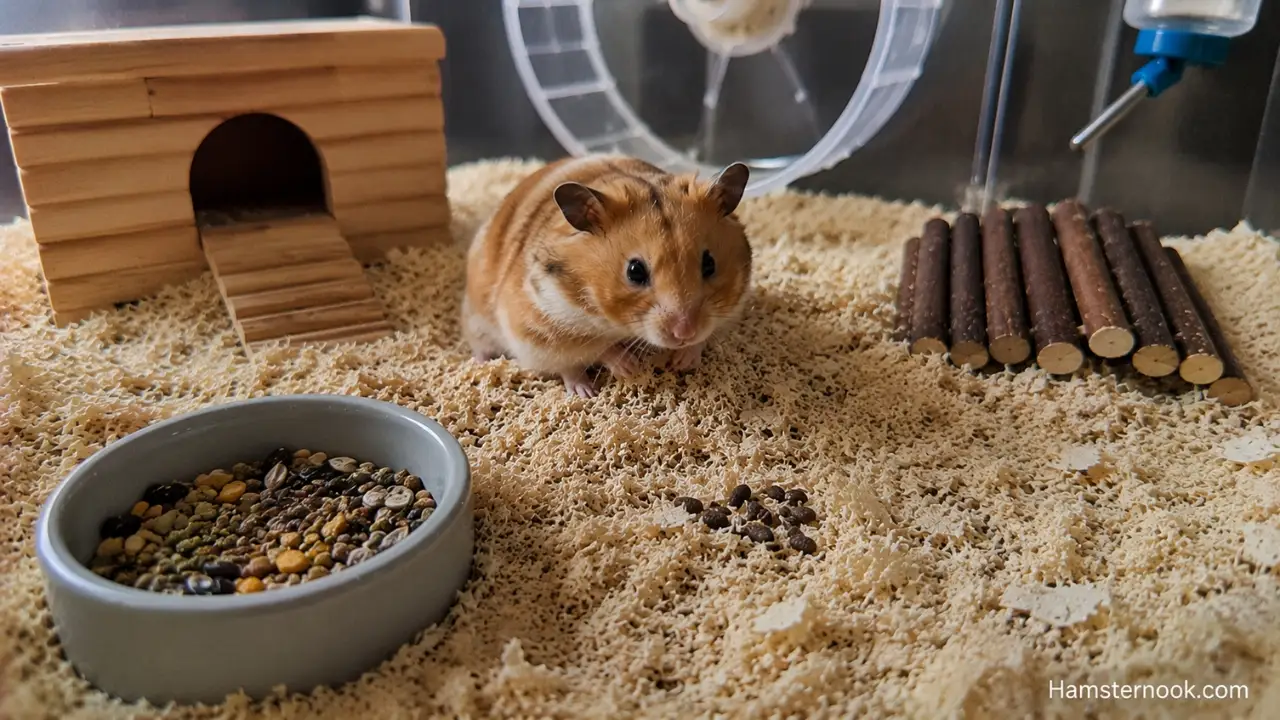
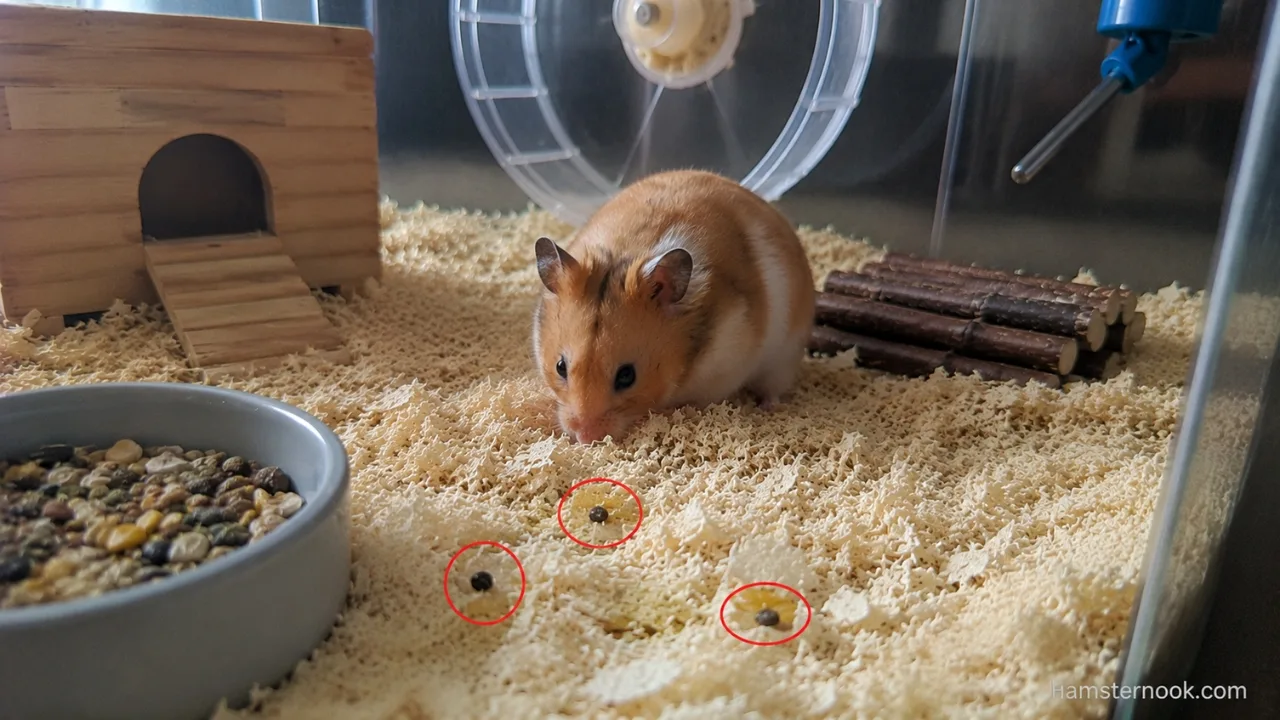
Most healthy hamster droppings are:
- Firm and well-formed
- Dry rather than wet
- Dark brown to nearly black
- Small and pellet-shaped
- Consistent in appearance
- Easy to pick up without leaving residue
The exact size varies slightly depending on the species and individual hamster, but healthy droppings should look fairly similar from day to day.
Small day-to-day differences can occur, but healthy droppings usually remain consistent in color, texture, and shape over time.
A hamster that is eating, drinking, and behaving normally will usually produce droppings regularly throughout its active periods.
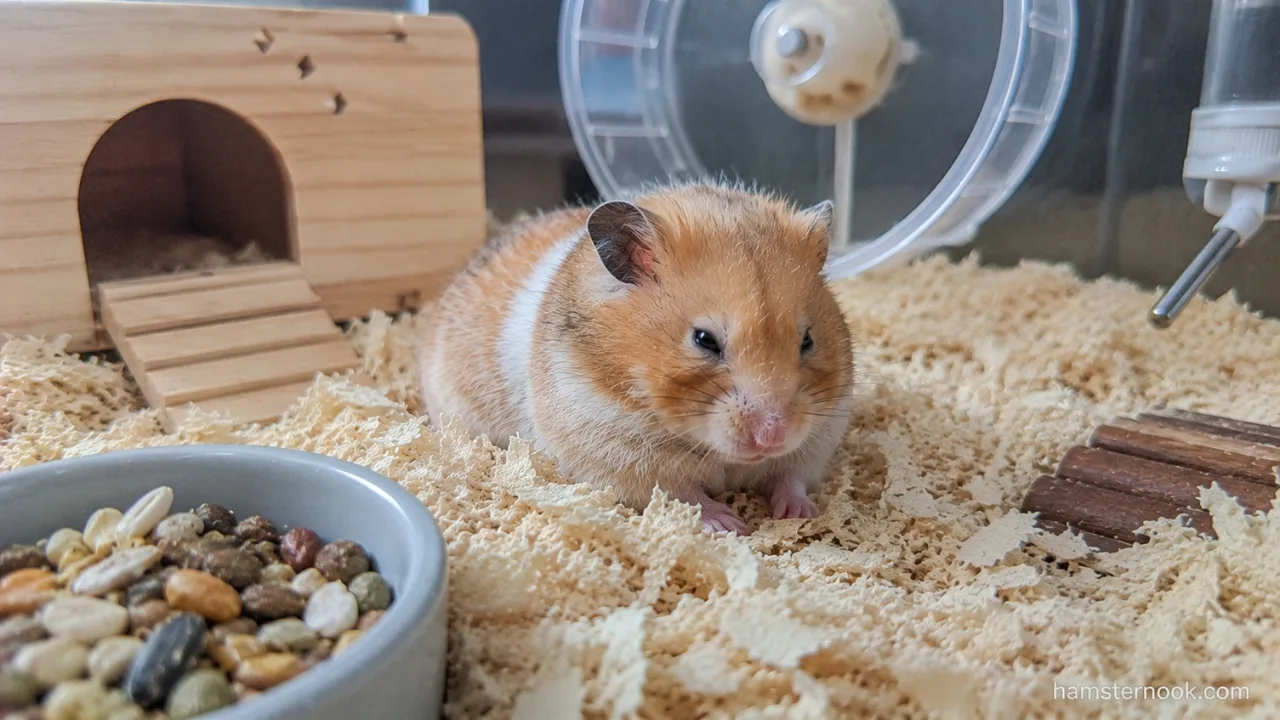
Healthy vs. Unhealthy Hamster Droppings
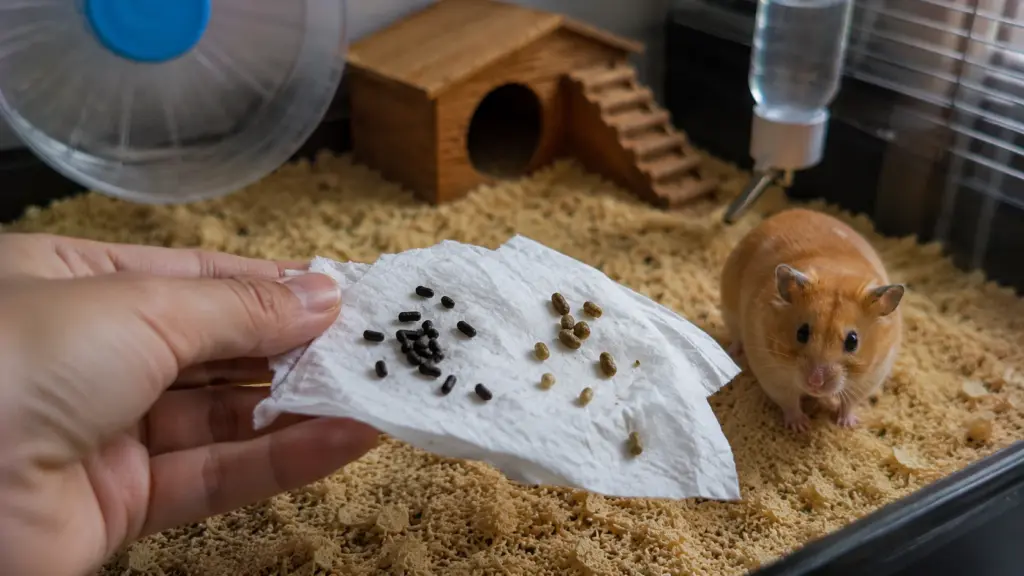
| Healthy Droppings | Changes That May Need Attention |
|---|---|
| Firm, well-formed pellets | Repeated soft, mushy, or watery stools |
| Dry surface | Wet fur around the rear end or persistent stool residue |
| Usually dark brown to nearly black | A persistent or unexplained color change, especially if other symptoms appear |
| Fairly consistent shape and appearance | A continuing change in shape, size, or consistency |
| Produced regularly | A noticeable reduction or absence of droppings |
| No obvious signs of discomfort | Straining, reduced appetite, lethargy, or other signs of illness |
An occasional unusual dropping isn’t always a cause for concern. What matters more is a persistent change in appearance or a pattern that continues over time.
Why Healthy Droppings Are Usually Dark
Many owners are surprised by how dark hamster droppings normally are.
The dark color comes from digested food and is considered normal in healthy hamsters. Diet can influence the exact shade slightly, but healthy droppings generally remain within the dark brown to black range.
A hamster eating a balanced commercial diet alongside safe fresh foods will usually produce consistent droppings.

Diet plays a major role in digestive health. See Complete Hamster Diet Guide: Best Foods, Safe Treats & Toxic Foods (2026) for feeding recommendations.
Can Food Change Dropping Color?
Sometimes.
Certain vegetables and treats may cause temporary changes in appearance. However, dramatic or persistent color changes should not automatically be blamed on food without considering other possible causes.
If you notice unusual colors that continue beyond a short period, it’s worth monitoring your hamster more closely.
How Often Should a Hamster Produce Droppings?
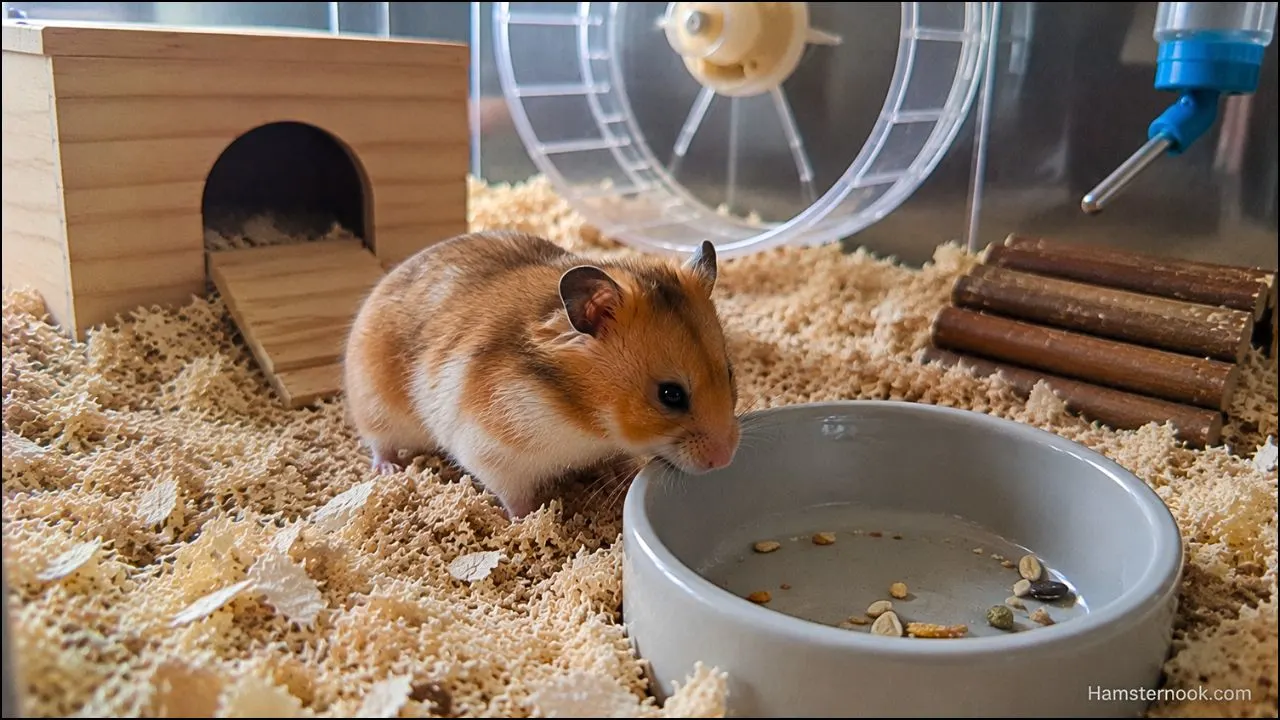
Healthy hamsters produce droppings frequently.
Because they eat small amounts throughout their active periods, they also pass droppings regularly. Owners often discover pellets scattered around:
- Food areas
- Wheel areas
- Tunnels
- Nesting zones
- Sand baths
Finding droppings throughout the enclosure is usually normal.
A sudden reduction in droppings may indicate that the hamster is eating less than usual, which deserves attention.
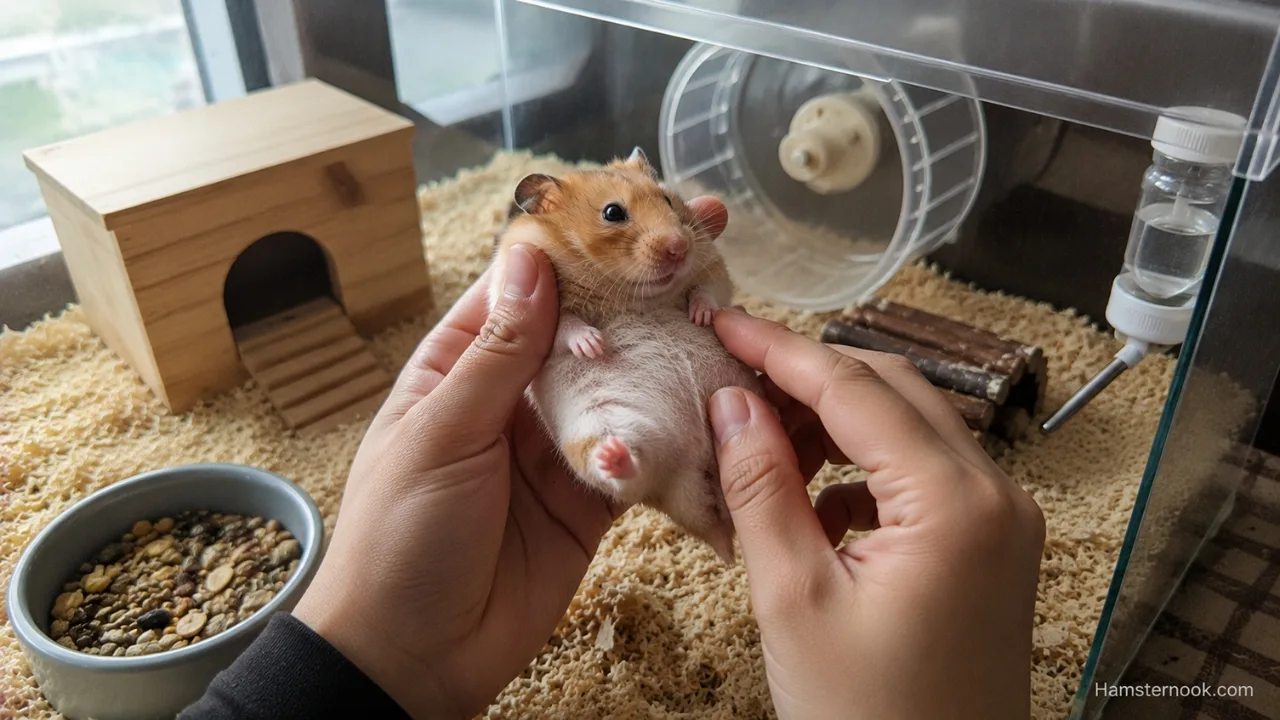
Checking food intake at the same time can help determine whether the change is related to reduced eating or simply a temporary variation in bathroom habits.
If fewer droppings occur alongside reduced appetite, our guide to why hamsters stop eating explains other warning signs and what owners should watch for.
Soft Droppings vs. Diarrhea
This is where many beginners become confused.
Occasionally, owners notice softer material in the enclosure and immediately assume their hamster has diarrhea.
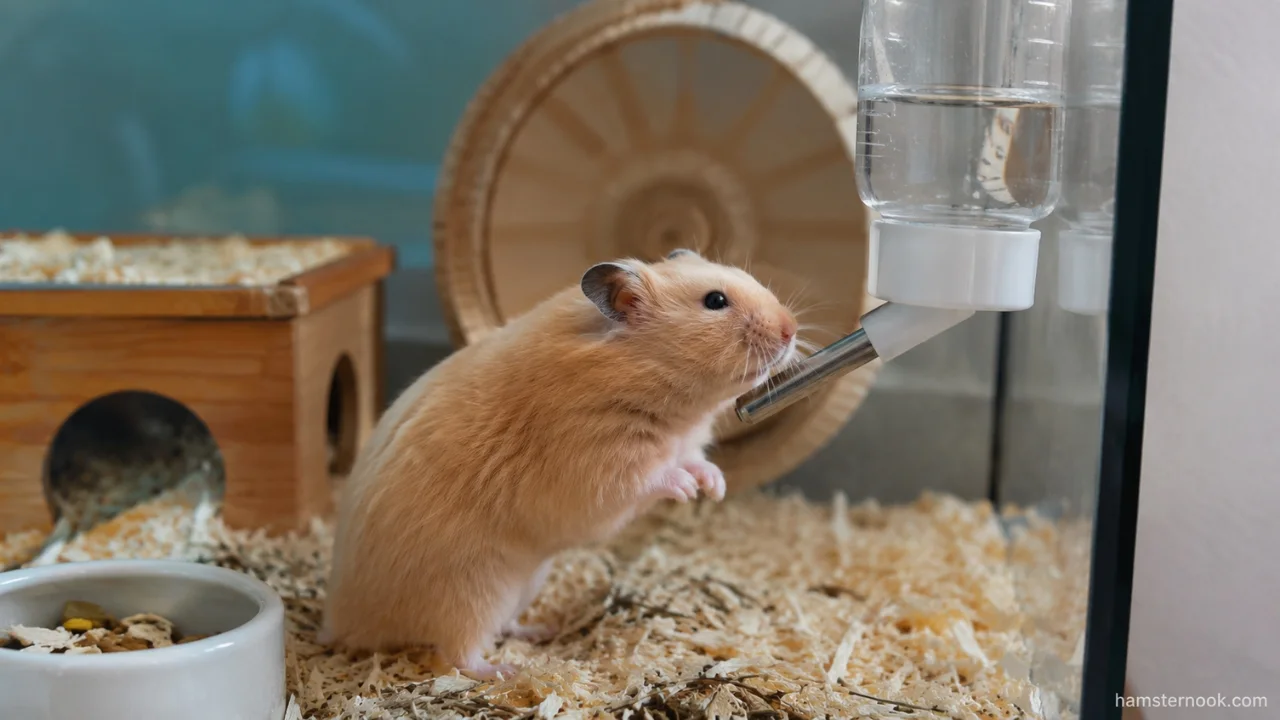
Not every soft stool is true diarrhea.
Diarrhea is typically characterized by:
- Very loose or watery feces
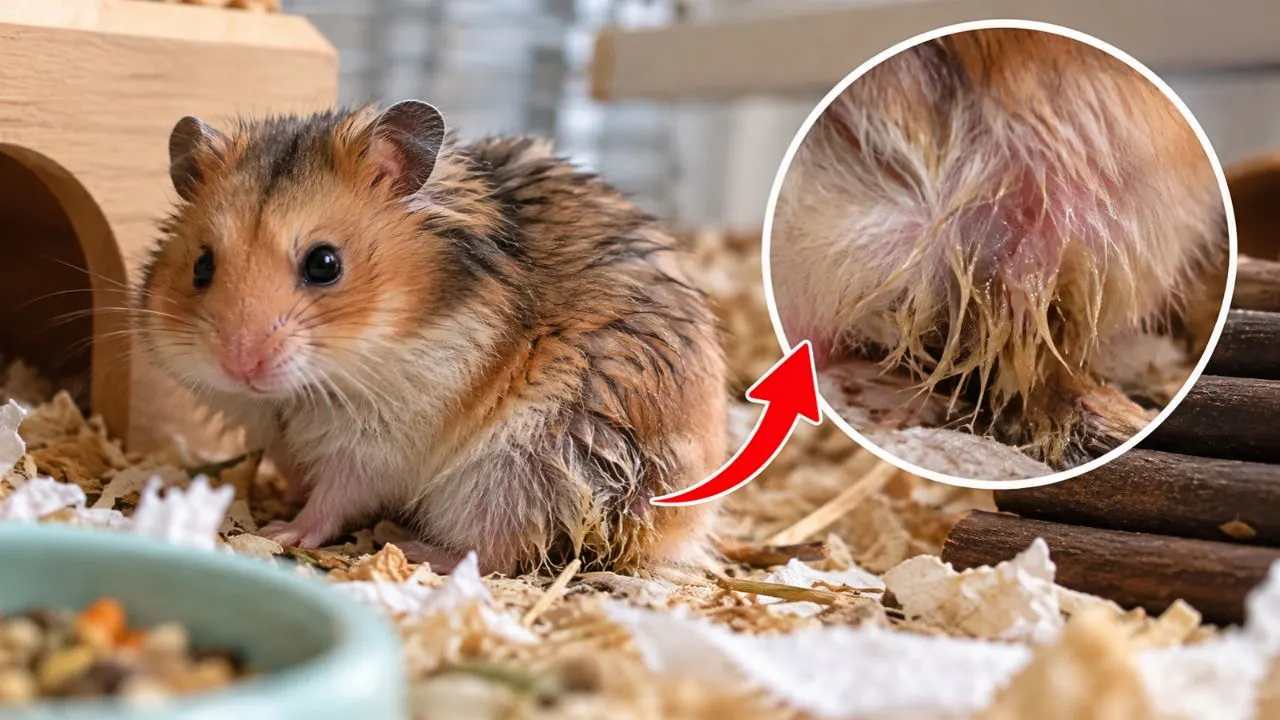
- Wetness around the rear end
- Dirty or stained fur
- Strong odor
- Reduced activity
- Other signs of illness
Because diarrhea can become serious quickly in small animals, persistent watery droppings should never be ignored.
What Can Cause Changes in Droppings?
Several factors can influence a hamster’s digestive system.
Sudden Diet Changes
Abrupt dietary changes can sometimes affect stool consistency.
New foods are generally best introduced gradually so the digestive system has time to adapt.
Too Many Fresh Foods
Fresh vegetables can be beneficial when offered appropriately, but larger-than-usual amounts may sometimes contribute to softer droppings.
Balance is important.

Stress
Environmental stress can influence digestion.
Potential stressors include:
- Frequent cage rearrangements
- Loud noises
- Improper housing
- Sudden environmental changes
- Disturbance during sleep
Reducing unnecessary stress supports overall wellbeing.
Stress can affect both digestion and behavior. Learn how to recognize the warning signs in 5 Warning Signs Your Hamster Is Stressed (And How to Help).
Illness
Digestive disturbances can sometimes be associated with illness. Because hamsters are vulnerable to dehydration, ongoing diarrhea or significant stool changes should be taken seriously.
Practical Examples
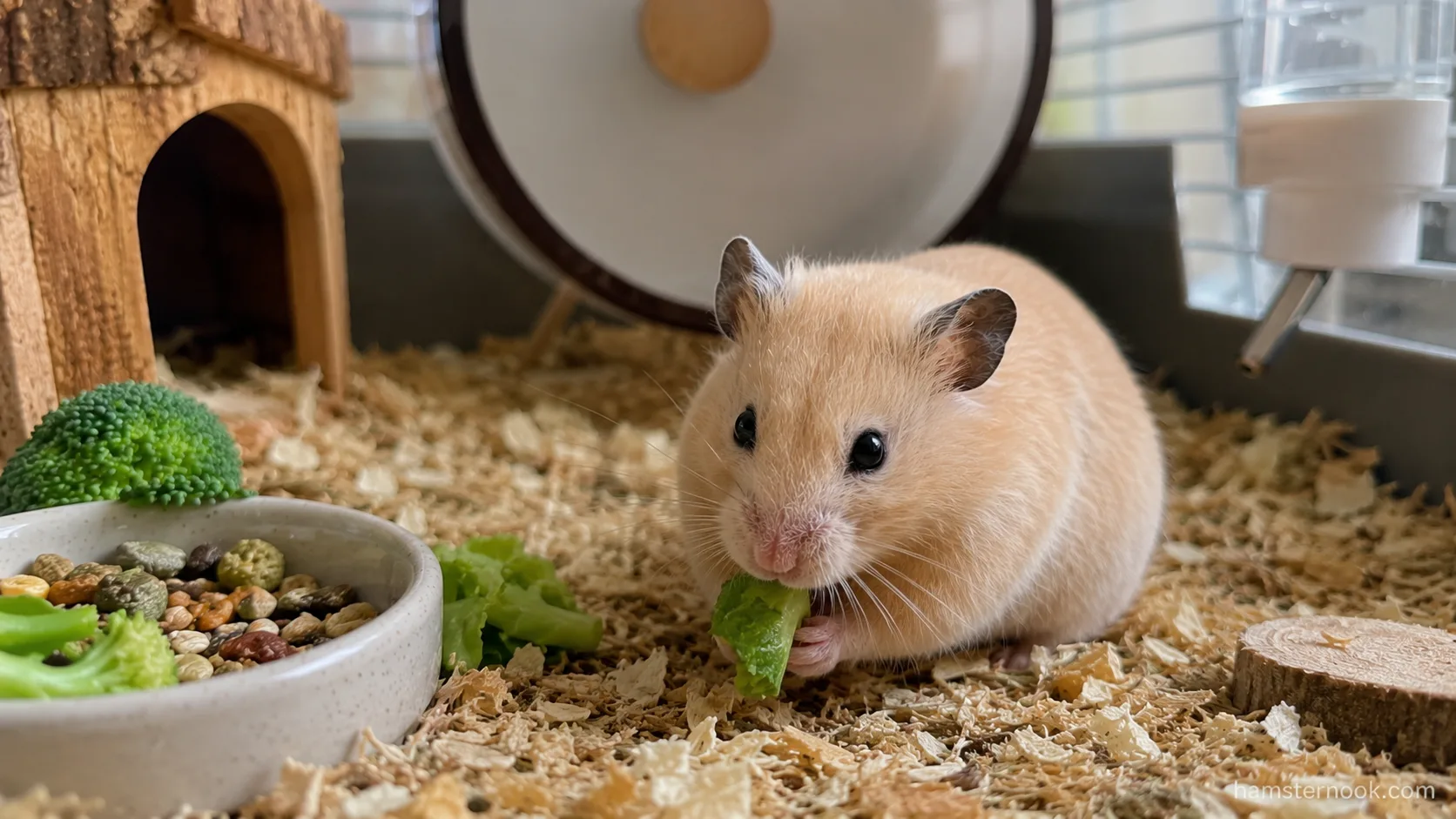
Example 1: Normal Droppings
You clean the enclosure and find dozens of small, dry, dark pellets scattered throughout the bedding.
Your hamster is active, eating normally, and drinking as usual.
This is what healthy droppings typically look like.
Example 2: Temporary Dietary Change
You introduce a new fresh vegetable and notice a change in your hamster’s droppings.
Stop offering the new food for now and check your hamster’s appetite, activity, and the condition of its rear end. If the stools become watery, the fur around the rear end becomes wet or soiled, or your hamster seems unwell, contact a veterinarian promptly. Do not assume that diarrhea is simply a reaction to a new food.
Example 3: Concerning Changes
A hamster suddenly produces watery droppings, appears less active, and shows reduced interest in food.
This situation deserves prompt veterinary attention because small animals can deteriorate quickly.

Sudden digestive changes are often accompanied by other unusual behaviors. Read Why Your Hamster Suddenly Started Acting Weird to learn what else to watch for.
Can Hamsters Eat Their Own Droppings?
Yes, this can happen.
Hamsters, like many small herbivorous and omnivorous animals, may consume certain soft fecal material produced by the digestive tract. This behavior is part of normal digestion and nutrient utilization.
Owners occasionally witness this behavior and mistakenly believe something is wrong.
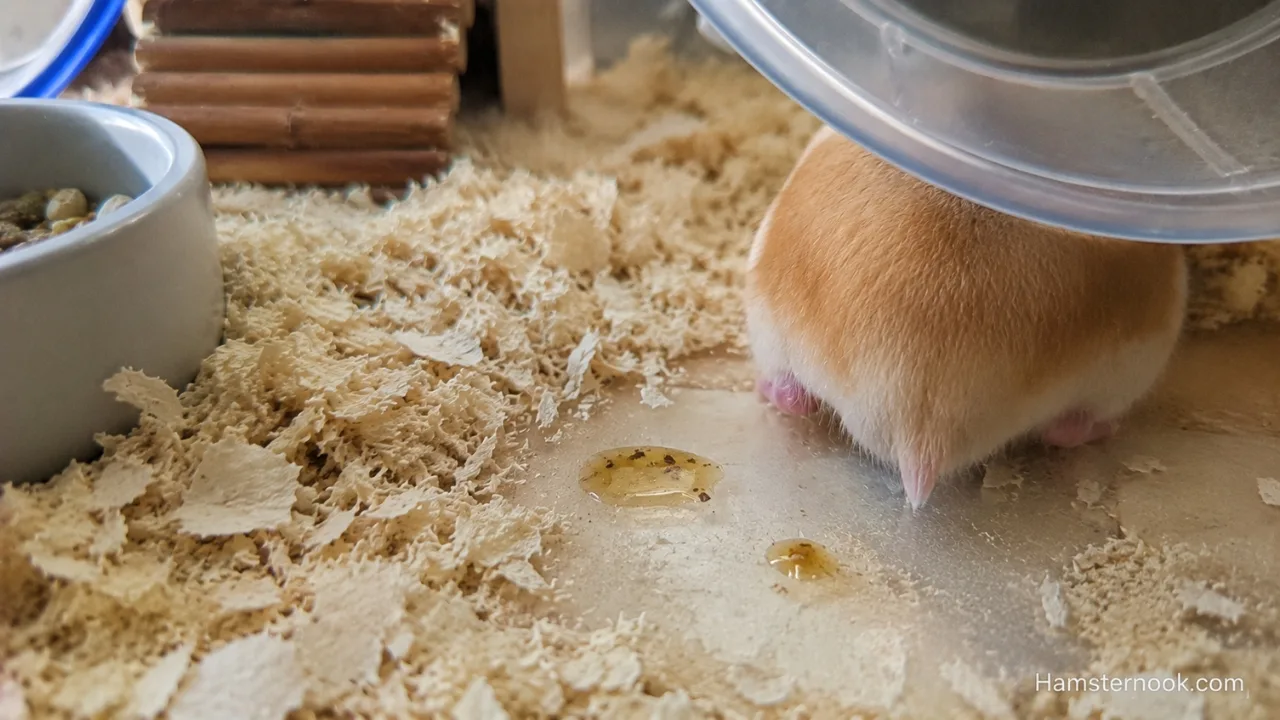
In a healthy hamster, it is generally considered normal.
Common Mistakes Owners Make
Monitoring droppings can be useful, but it’s easy to jump to conclusions when something looks slightly different than usual.
Panicking Over a Single Unusual Dropping
One oddly shaped or slightly softer dropping does not automatically indicate illness. Temporary changes can occur due to diet, stress, or normal variation.
It’s usually more helpful to look for ongoing patterns rather than isolated incidents.

Ignoring Changes Because the Hamster Looks Fine
Hamsters are skilled at hiding signs of illness. Waiting until a hamster appears visibly sick can sometimes delay treatment.
Persistent changes in droppings deserve attention even if your hamster still seems relatively normal.
Many illnesses begin with subtle warning signs before becoming obvious. Learn the early symptoms in Signs of a Sick Hamster: Warning Symptoms Every Owner Should Know.
Introducing Too Many New Foods at Once
When several new foods are offered together, it becomes difficult to identify what caused digestive changes.
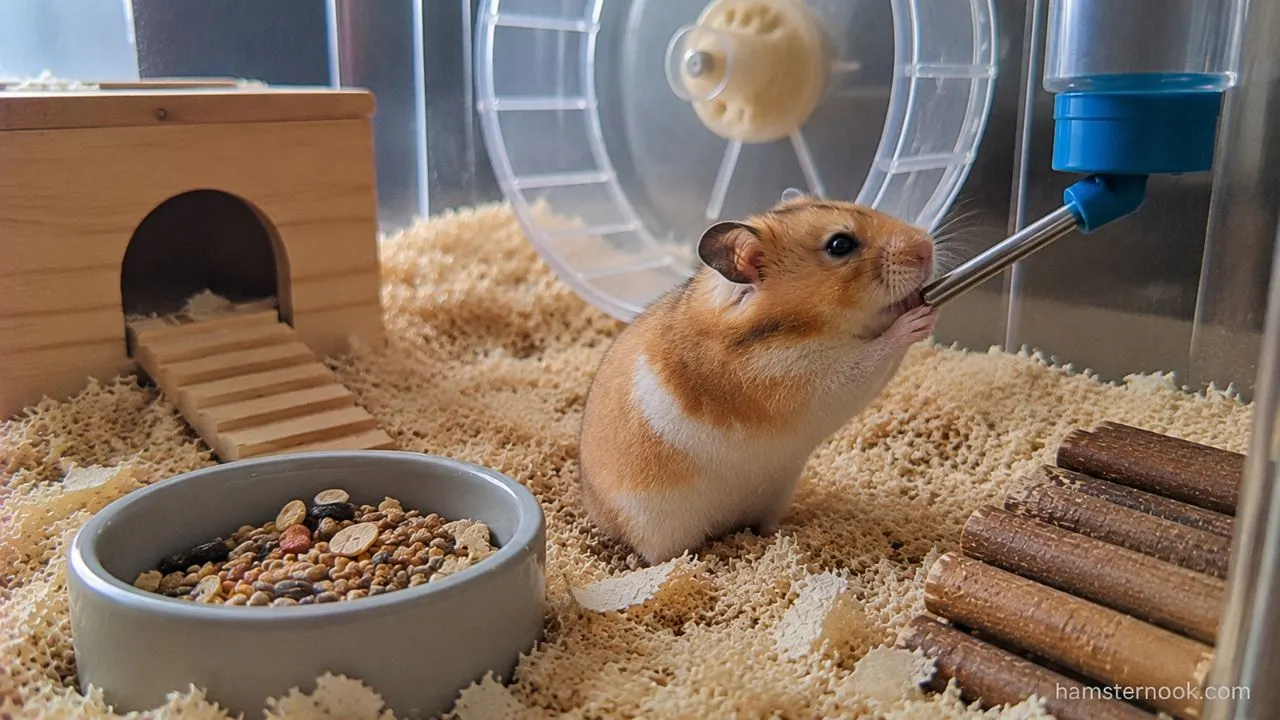
Introducing foods gradually makes it easier to monitor how your hamster responds.
Focusing Only on Droppings
Droppings provide useful clues, but they should always be evaluated alongside other factors such as:
- Appetite
- Water intake
- Activity level
- Weight stability
- Grooming habits
- General behavior
Looking at the whole picture gives a more accurate assessment of your hamster’s health.
If stool changes are accompanied by weight loss even though your hamster is still eating, our hamster weight-loss guide covers other possible warning signs to monitor.
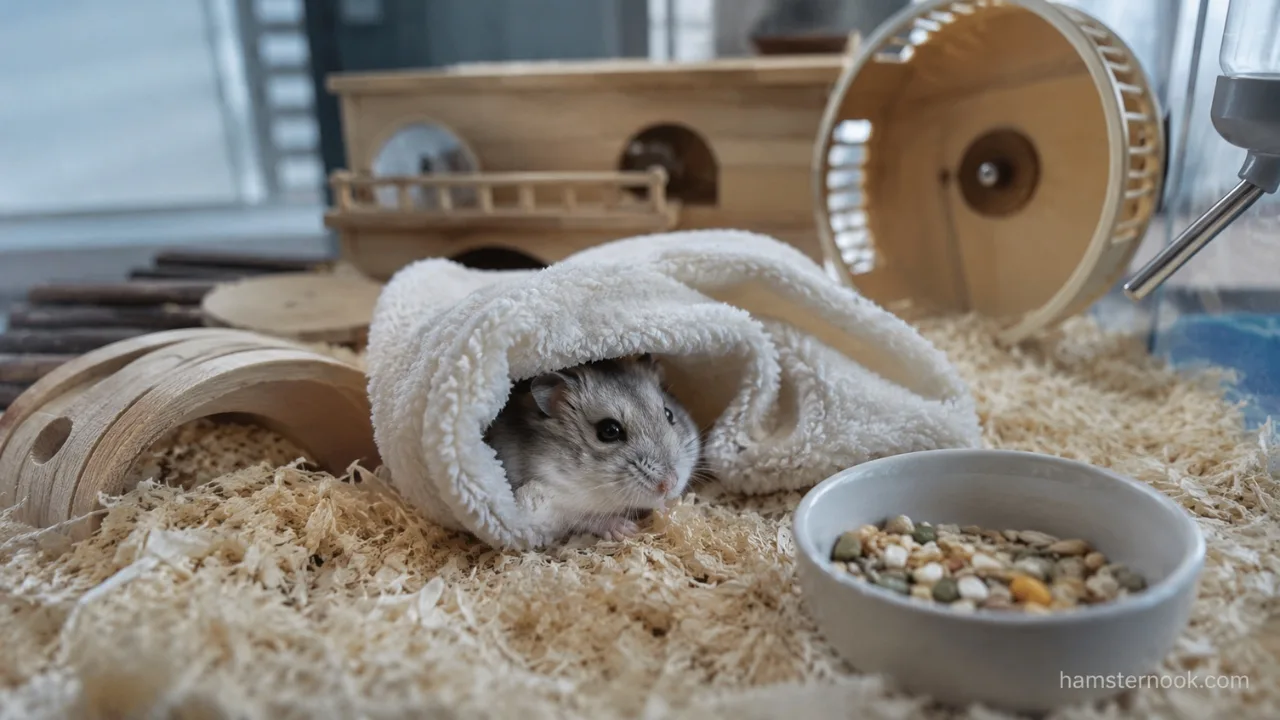
Changes in droppings are most useful when considered alongside other daily observations rather than viewed in isolation.
What You Should Do
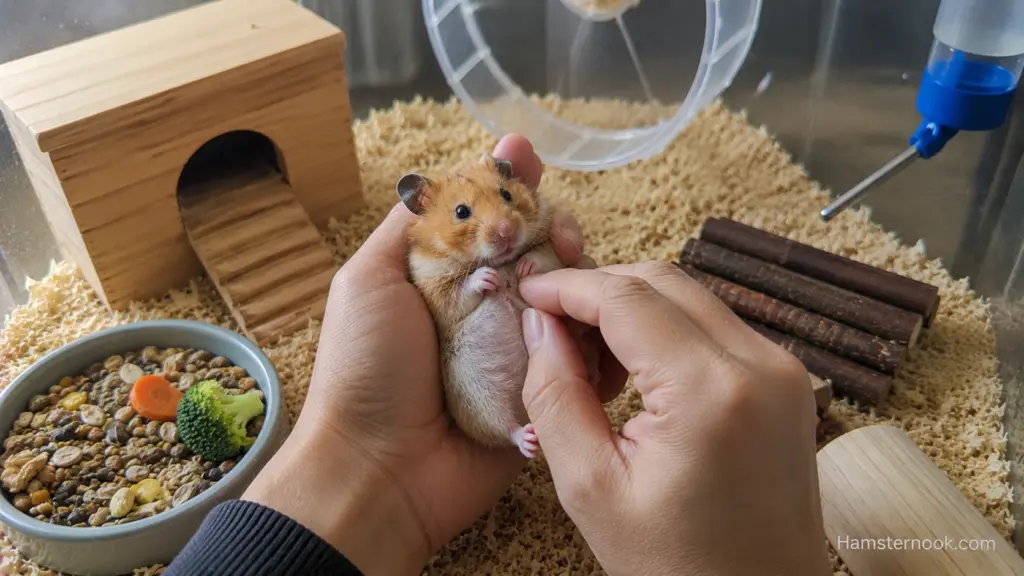
A simple routine health check can help you notice changes before they become more significant.
During routine cage maintenance:
- Observe the color and texture of droppings.
- Make sure droppings remain firm and well-formed.
- Monitor your hamster’s appetite.
- Check that the water bottle is functioning properly.
- Watch for changes in energy levels.
- Keep track of any recent dietary changes.
If you introduce new foods, do so gradually and in small amounts.
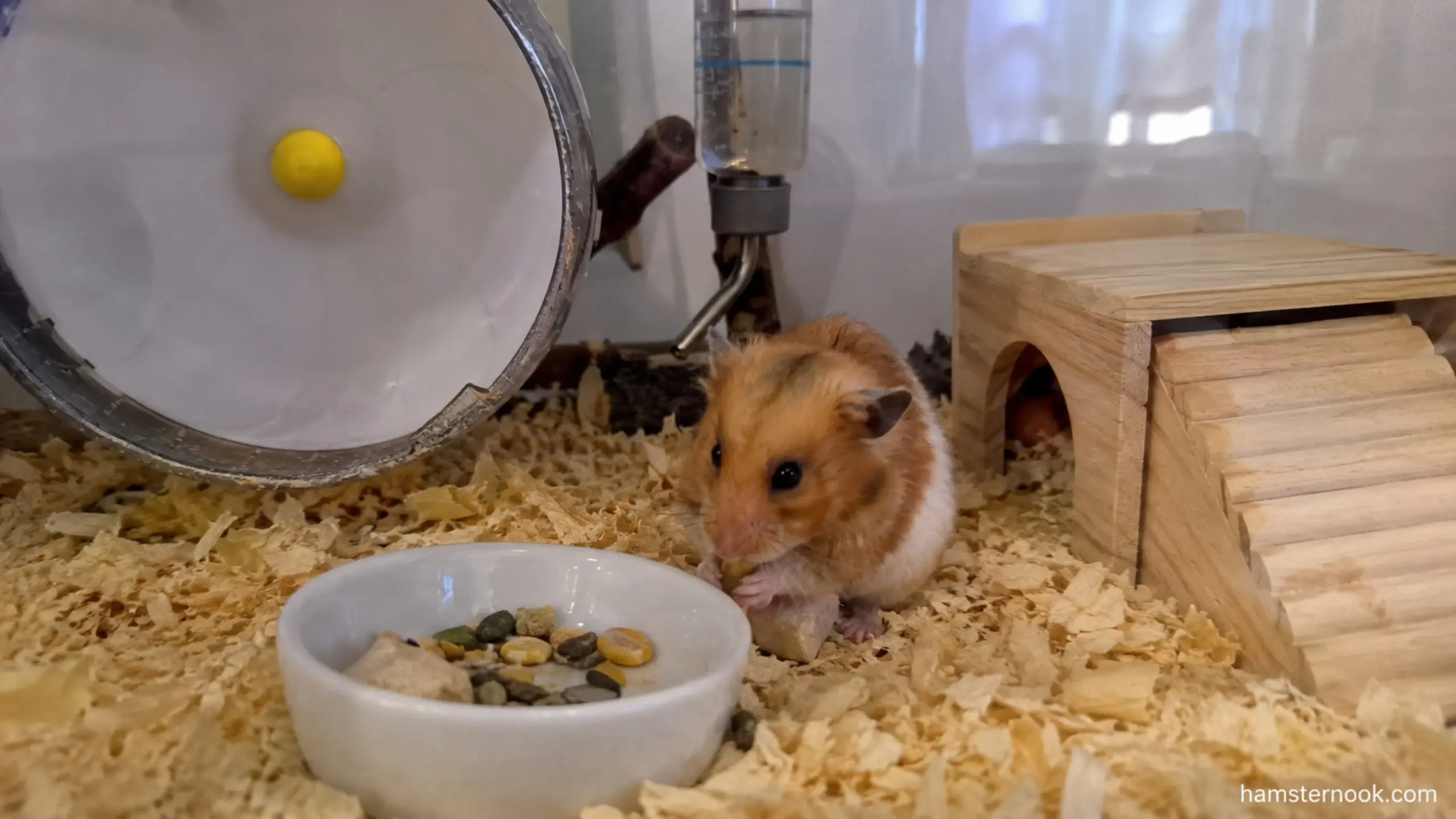
Maintaining a consistent, species-appropriate diet and a low-stress environment supports healthy digestion.
Warning Signs
Certain changes in droppings should prompt closer observation.
Watch for:
- Persistent soft stools
- Watery diarrhea
- Strong foul odor
- Significant color changes
- Sudden reduction in droppings
- Droppings stuck to fur around the rear end
- Visible discomfort while passing stool
- Loss of appetite alongside stool changes
These signs suggest that something more than normal variation may be occurring.
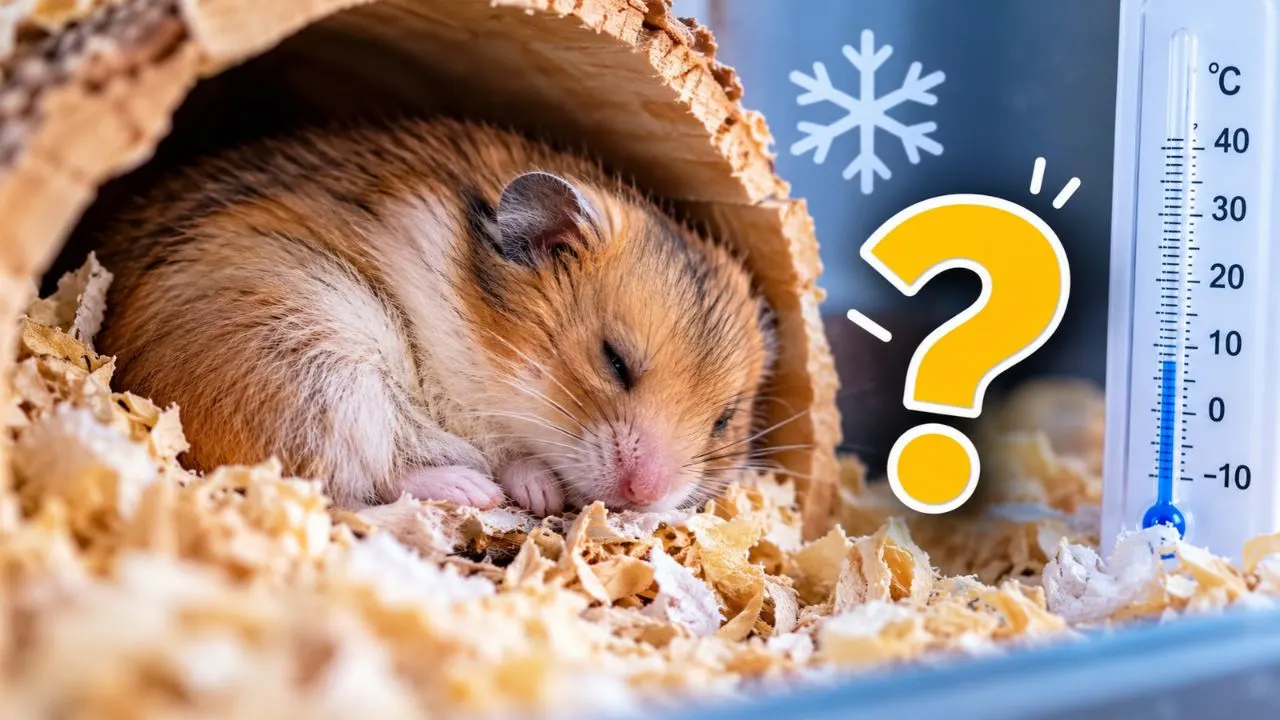
When to Worry
Contact an experienced exotic animal veterinarian if you notice:
- Ongoing diarrhea
- No droppings being produced for an extended period
- Rapid decline in activity
- Refusal to eat or drink
- Significant weight loss
- Signs of dehydration
- A dirty or wet rear end combined with loose stools
- Additional symptoms such as lethargy or difficulty breathing
Diarrhea can cause rapid dehydration in hamsters. If you notice watery stools, a wet or soiled rear end, reduced appetite, or unusual weakness, contact a veterinarian experienced with small mammals promptly. Do not wait for several symptoms to appear or try human medicines or home remedies. For additional dehydration warning signs, see Can Hamsters Get Dehydrated? Signs Every Owner Should Know.
Small animals can become dehydrated quickly, particularly when diarrhea is involved. Prompt veterinary assessment is often the safest approach when severe or persistent digestive changes occur.
Final Thoughts
Healthy hamster droppings are typically small, firm, dry, and dark in color. Once you become familiar with your hamster’s normal droppings and bathroom habits, it becomes much easier to recognize meaningful changes early.

Regular observation during routine cleaning can provide valuable insight into your hamster’s digestive health without causing stress or disruption. While occasional variations may not be a problem, persistent changes in color, texture, frequency, or odor should never be ignored.
A healthy diet, proper hydration, appropriate housing, and low-stress husbandry practices all contribute to healthy digestion and consistent droppings.
Frequently Asked Questions
What color should healthy hamster droppings be?
Healthy hamster droppings are usually dark brown to black. Minor variations can occur depending on diet, but they should generally remain dark and consistent.
Are hamster droppings supposed to be hard?
Yes. Healthy droppings are typically firm and dry rather than soft, sticky, or watery.
How many droppings does a hamster produce each day?
Healthy hamsters usually produce many droppings throughout their active periods. Exact numbers vary by individual hamster, diet, and activity level.
Why are my hamster’s droppings softer than usual?
Soft droppings can sometimes occur after dietary changes, stress, or excessive fresh foods. Persistent softness or diarrhea should be monitored carefully.
Is diarrhea dangerous for hamsters?
Yes. Diarrhea can lead to dehydration, which may become serious quickly in small animals. Veterinary attention is recommended if diarrhea persists or other symptoms develop.
Should I be worried if I find fewer droppings than normal?
A noticeable reduction in droppings can indicate reduced food intake or other health concerns. Observe your hamster closely and seek veterinary advice if the change continues.
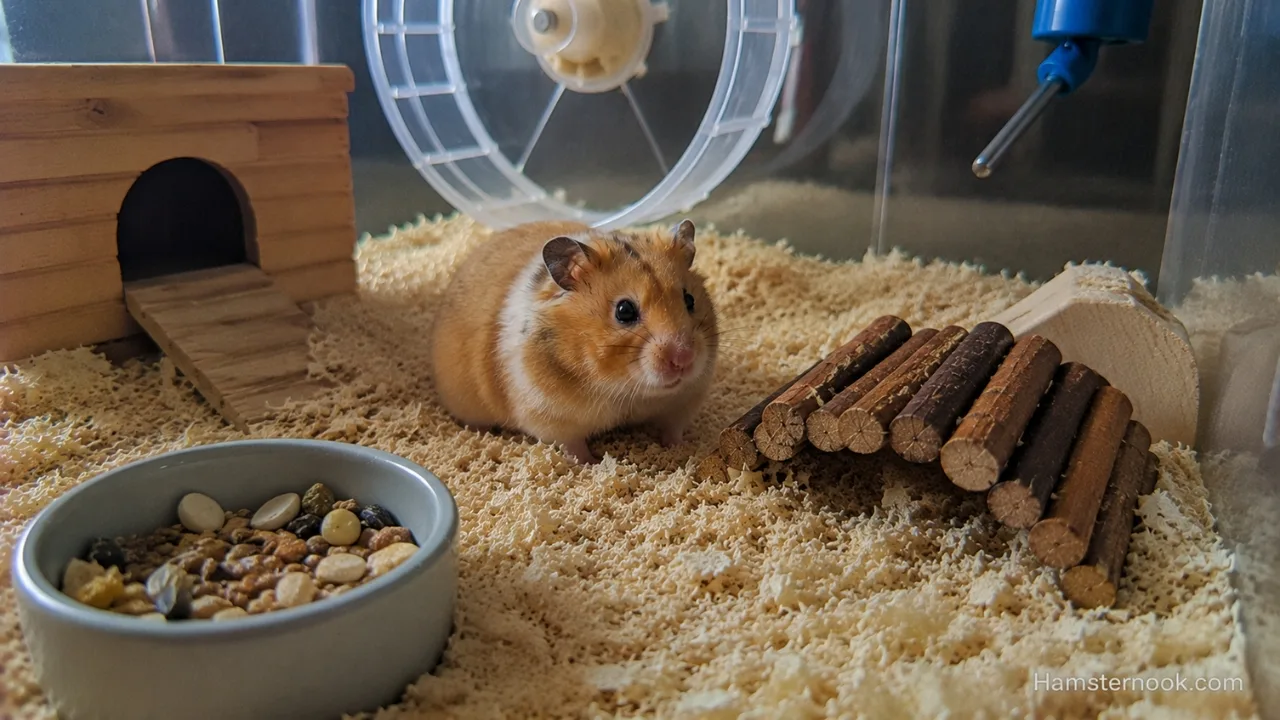
Do hamsters eat their own droppings?
Yes. Hamsters are naturally coprophagic and may eat their own feces. This is a normal behavior in hamsters and is not, by itself, a sign of illness.
References
This guide draws on recognized hamster welfare and veterinary resources for normal care, droppings-related warning signs, and digestive illness.
- RSPCA – Signs of Illness in Hamsters
- Blue Cross – Hamster Care Guide
- Merck Veterinary Manual – Disorders and Diseases of Hamsters
Medical Disclaimer
This article is intended for educational purposes only and should not replace professional veterinary advice. If your hamster develops persistent diarrhea, significant stool changes, loss of appetite, lethargy, dehydration, or any other signs of illness, seek guidance from a qualified veterinarian experienced with small mammals.

Narayan Kumar is the founder and author of HamsterNook. He creates practical, research-based hamster care guides covering hamster behavior, nutrition, cage setup, enrichment, health, and everyday care. His goal is to help hamster owners make informed decisions and provide safer, healthier lives for their pets through clear, beginner-friendly information based on trusted animal care resources.