Hamsters may look quiet and low-maintenance, but they are surprisingly sensitive animals. Even small problems in a hamster’s environment or routine can quickly create stress and anxiety. The problem is that stressed hamsters often hide their discomfort until the behavior becomes serious.
Many new owners mistake stress signs for “normal hamster behavior,” especially because hamsters naturally sleep a lot and prefer solitude. Ongoing stress can affect eating habits, behavior, and overall welfare, while persistent changes can also overlap with signs of illness.
Learning how to recognize the early warning signs can help you fix problems before they become dangerous. In this guide, you’ll learn the most common signs of hamster stress, what causes them, and how to help your hamster feel safe again.
Many hamster owners assume stress is only caused by obvious problems, such as loud noises or a small cage. In reality, stress can build gradually from several minor issues happening at the same time. A hamster that feels unsafe, bored, or constantly disturbed may show subtle behavior changes long before serious health problems appear. Recognizing these early signs can help prevent long-term physical and emotional stress.

Quick Answer: How Can You Tell If a Hamster Is Stressed?
Common signs of hamster stress include repeated bar biting, pacing or escape behavior, sudden defensiveness, changes in eating or sleeping, and excessive grooming. One behavior by itself does not always mean stress, so look for changes from your hamster’s normal routine and whether several signs appear together. If your hamster is also weak, losing weight, struggling to breathe, refusing food or water, or showing other signs of illness, contact a veterinarian rather than assuming stress is the only cause.
Why Stress Is Dangerous for Hamsters
Hamsters are prey animals. In the wild, they survive by staying alert and hiding signs of weakness. That means stress often shows up through subtle behavior changes rather than obvious symptoms.
Short-term stress may happen during cage cleaning, travel, or moving to a new home. This is usually temporary. But chronic stress is more serious and can lead to:
| Stress Effect | How It Impacts Your Hamster |
|---|---|
| Poor appetite | Weight loss and low energy |
| Weak immune system | Higher risk of illness |
| Aggressive behavior | More biting or cage defensiveness |
| Sleep disruption | Exhaustion and anxiety |
| Repetitive behaviors | Signs of mental frustration |
Knowing when a behavior is normal and when it signals stress can make a huge difference to your hamster’s wellbeing. Many stress-related behaviors start subtly, which is why paying attention to routine changes is so important.
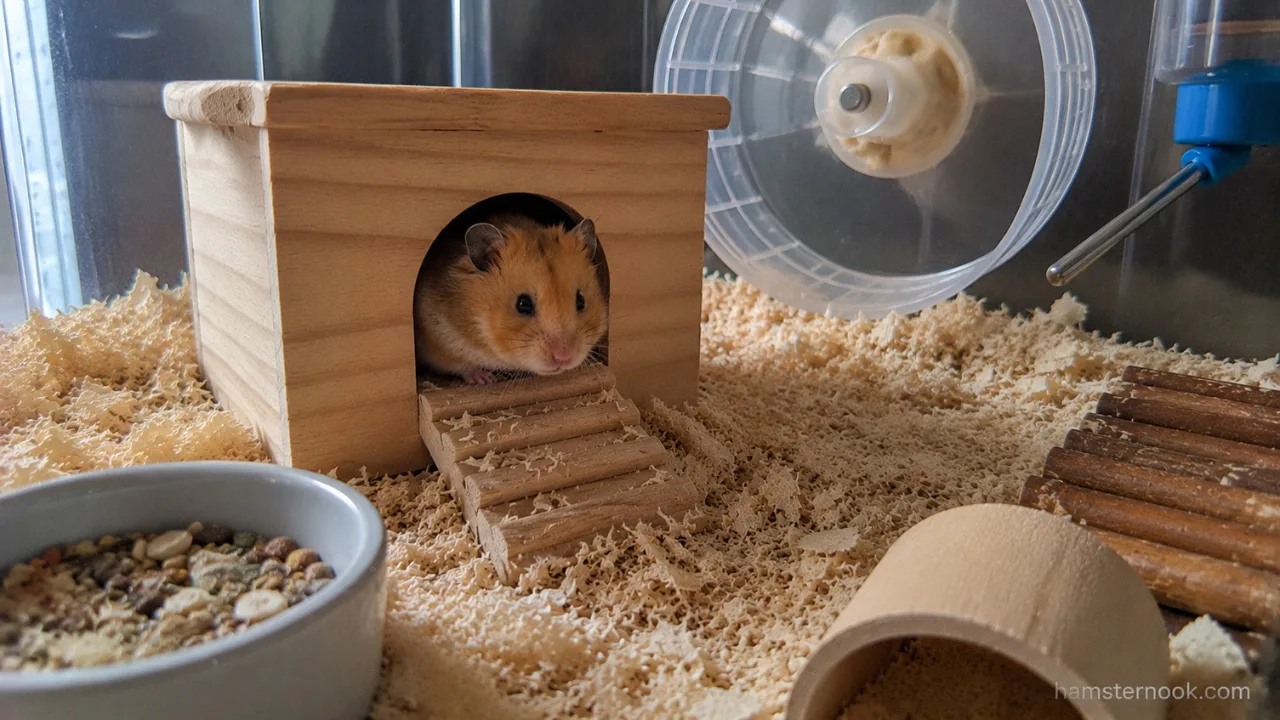
Many owners don’t notice stress until several small behavior changes appear together. Watching for patterns in eating, sleeping, activity, grooming, and normal behavior is usually more helpful than worrying about a single unusual behavior.
For a broader look at behavior changes that can indicate stress, fear, or illness, see our Hamster Body Language: Signs of Happiness, Stress, Fear & Illness guide.
1. Excessive Bar Biting or Cage Chewing
Repeated bar biting can be a sign of frustration, stress, or an enclosure that is not meeting a hamster’s behavioral needs. Hamsters naturally need to gnaw, but safe chew materials are a better outlet than repeatedly chewing cage bars. Persistent bar biting is worth investigating alongside cage size, bedding depth, enrichment, hiding places, and other behavior changes.
If your hamster keeps chewing the cage bars for long periods, Why Is My Hamster Biting the Cage? Causes & Easy Fixes explains the most common reasons behind this behavior and the best ways to stop it naturally.
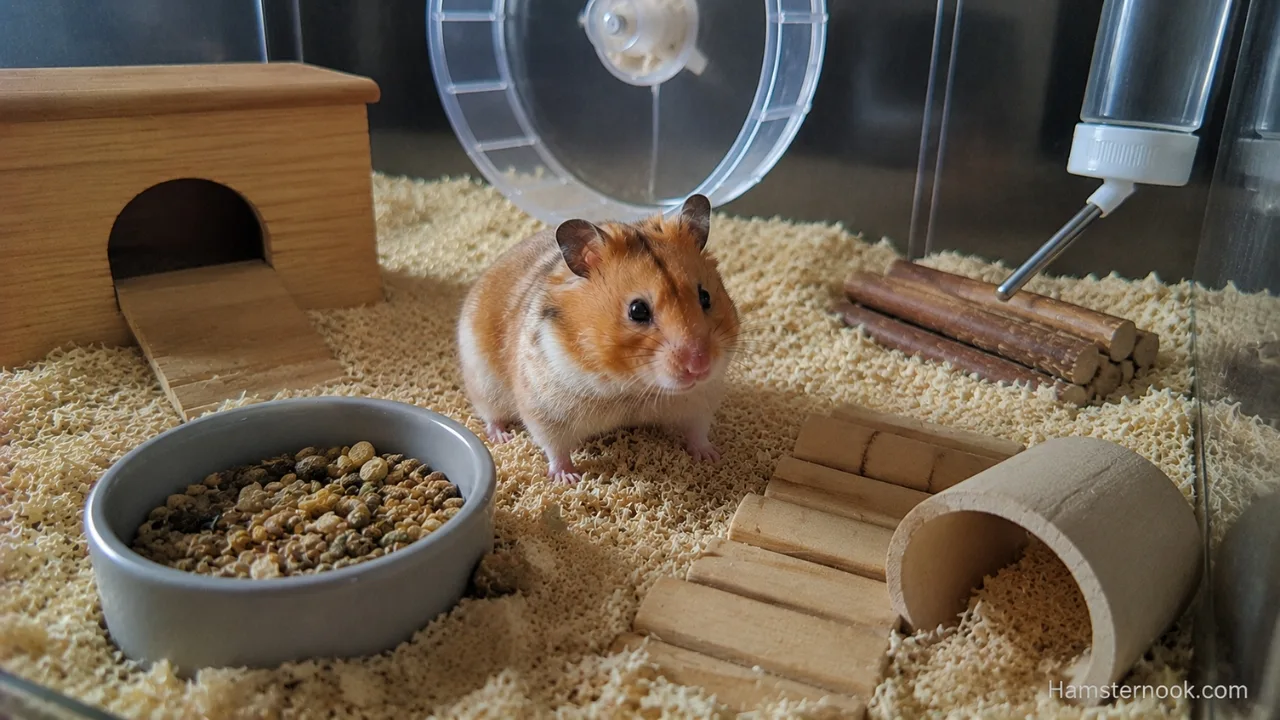
Why Stressed Hamsters Bite Cage Bars
Common causes include:
- Cage that is too small
- Lack of enrichment
- Boredom
- Not enough bedding for burrowing
- Excess energy
- Feeling trapped
Boredom is one of the biggest causes of stress-related behaviors. Is My Hamster Bored? 8 Signs of Boredom and What to Do explains why enrichment matters and how to keep your hamster mentally stimulated.
Many commercial cages sold in pet stores are unfortunately too small for healthy hamster behavior. Hamsters need room to run, dig, hide, and explore naturally.
How to Reduce Bar Biting
Try these improvements:

- Upgrade to a larger enclosure
- Add deeper bedding
- Provide safe chew toys
- Use tunnels and hides
- Ensure the wheel is large enough
- Scatter-feed food occasionally for enrichment
Providing enough bedding allows hamsters to burrow naturally. How Much Bedding Does a Hamster Need? Minimum Depth Guide for Healthy Burrowing explains the recommended depth for different hamster species.
If the bar biting continues despite improvements, monitor for tooth damage or nose irritation.
2. Sudden Aggression or Increased Biting
Hamsters that suddenly become defensive, aggressive, or more likely to bite may be experiencing stress.
A calm hamster usually does not bite without a reason. Stress can make them feel unsafe, especially if they are frequently disturbed during sleep or handled incorrectly.

Fear and stress are often connected, especially after sudden handling changes, unfamiliar sounds, or an upsetting experience. Our Why Is My Hamster Suddenly Scared of Me? Causes & How to Rebuild Trust guide explains how fear-related behavior can develop and how to rebuild trust gradually.
Common Stress Triggers That Cause Aggression
| Trigger | Why It Causes Stress |
|---|---|
| Waking them suddenly | Hamsters dislike interrupted sleep |
| Loud noises | Sensitive hearing increases fear |
| Overhandling | Too much interaction can overwhelm them |
| Lack of hiding spots | They feel exposed and unsafe |
| Strong smells | Perfume or other pet scents may alarm them |
If household noise is a recurring trigger, our Can Loud Noises Stress a Hamster? Signs, Effects & Prevention guide explains the effects of noise and ways to create a calmer environment.
Some hamsters also become territorial if they feel their cage is not secure.
What You Should Do
- Avoid waking your hamster during the daytime
- Let them approach your hand first
- Use slow movements
- Add more hiding areas
- Keep the cage in a quiet location
Building trust again may take several days or weeks depending on the hamster’s personality and stress level.
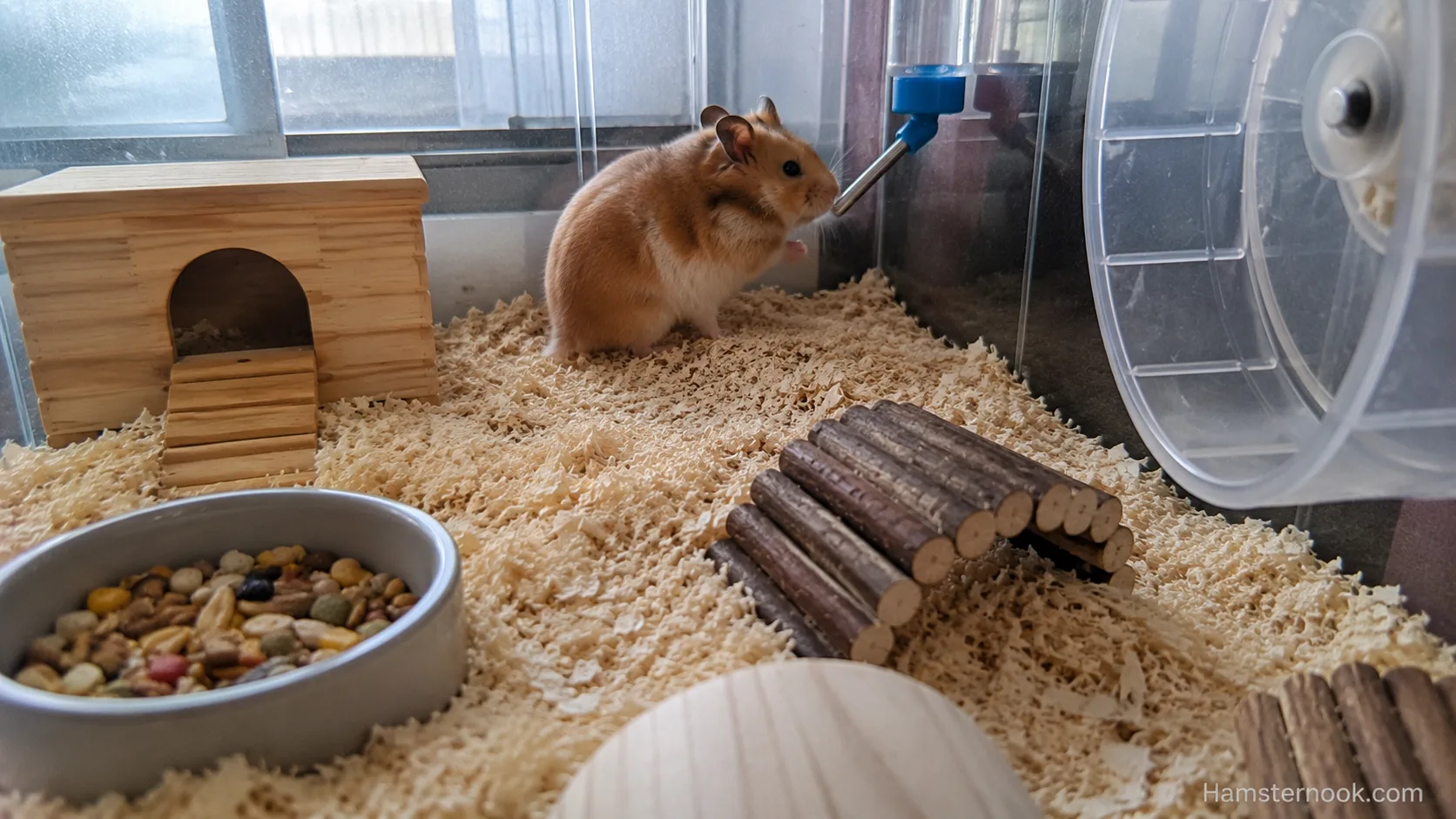
3. Repetitive Pacing or Monkey Barring
Repetitive behaviors are often called “stress behaviors” because they can signal boredom, frustration, or poor environmental conditions.
Common Repetitive Stress Behaviors
- Running back and forth along cage walls
- Climbing repeatedly across the cage roof
- Digging obsessively in corners
- Constantly trying to escape
Monkey barring, where hamsters hang from cage bars repeatedly, is especially common in small cages.
These repetitive behaviors can be linked to frustration, boredom, or an environment that does not meet a hamster’s needs. They should be considered alongside other changes rather than treated as proof of stress by themselves.
How to Improve Mental Stimulation
Hamsters need enrichment that encourages natural instincts.
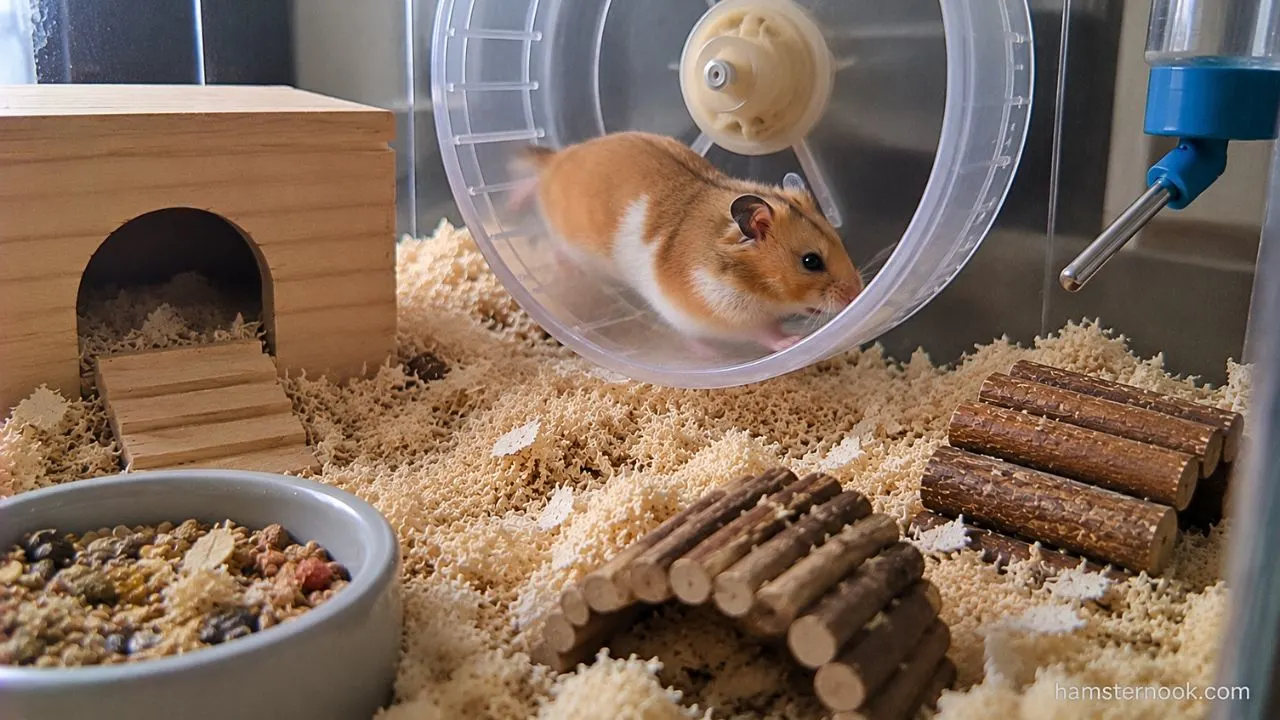
Helpful enrichment ideas include:
- Multi-chamber hides
- Cork tunnels
- Dig boxes
- Safe wooden chews
- Sand baths
- Rotating enrichment occasionally without changing the entire enclosure at once
- Food foraging activities
A more stimulating environment often reduces repetitive stress behaviors significantly.
4. Changes in Eating or Sleeping Habits
If your hamster has become much sleepier than usual, Why Is My Hamster Sleeping So Much? Normal Sleep, Causes & Warning Signs explains when extra sleep is normal and when it could signal a health concern.
Hamsters normally have predictable routines. Sudden changes in appetite or sleep patterns can be a sign that something is wrong.
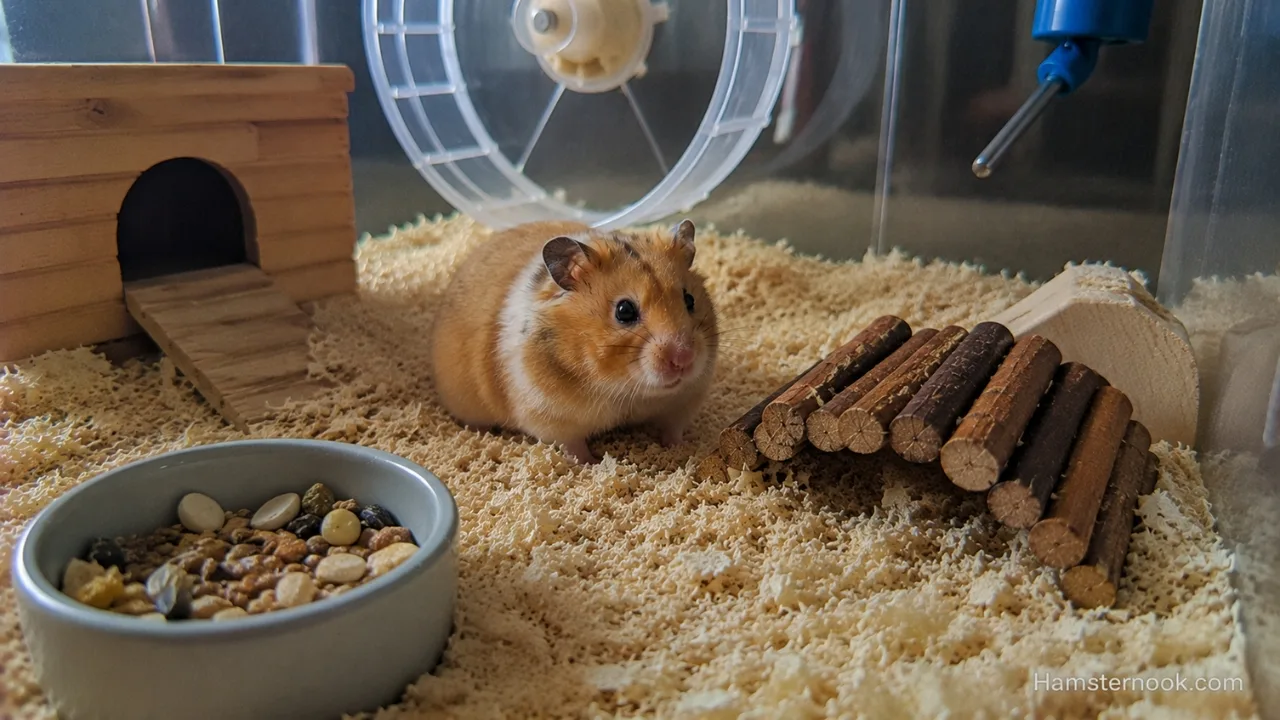
Stress-Related Appetite Changes
A stressed hamster may:
- Eat less than usual
- Ignore favorite treats
- Hoard food excessively
- Lose weight over time
However, appetite loss can also signal illness, so it should never be ignored.
Sleep Changes That May Signal Stress
Hamsters are nocturnal or crepuscular, meaning they are most active during evening and nighttime hours. Stress may cause them to:
- Hide more than normal
- Wake less frequently
- Become restless during sleep
- Stay active at unusual times
Environmental disturbances are a major factor.

Common Sleep Stressors
| Environmental Issue | Possible Effect |
|---|---|
| Bright lights | Disrupted sleep cycle |
| Loud TV or music | Increased anxiety |
| Frequent cage tapping | Fear and hiding |
| Other pets nearby | Feeling threatened |
A quiet, low-traffic area is best for hamster cages.
5. Excessive Grooming or Fur Loss
Hamsters naturally groom themselves often, but excessive grooming can sometimes indicate stress.
Signs to Watch For
- Bald patches
- Thinning fur
- Constant scratching
- Over-cleaning the same area
Stress-related grooming is usually connected to anxiety or poor living conditions. However, fur loss can also be caused by mites, allergies, aging, or medical issues.
If you notice skin redness, scabs, or rapid hair loss, contact an exotic veterinarian.
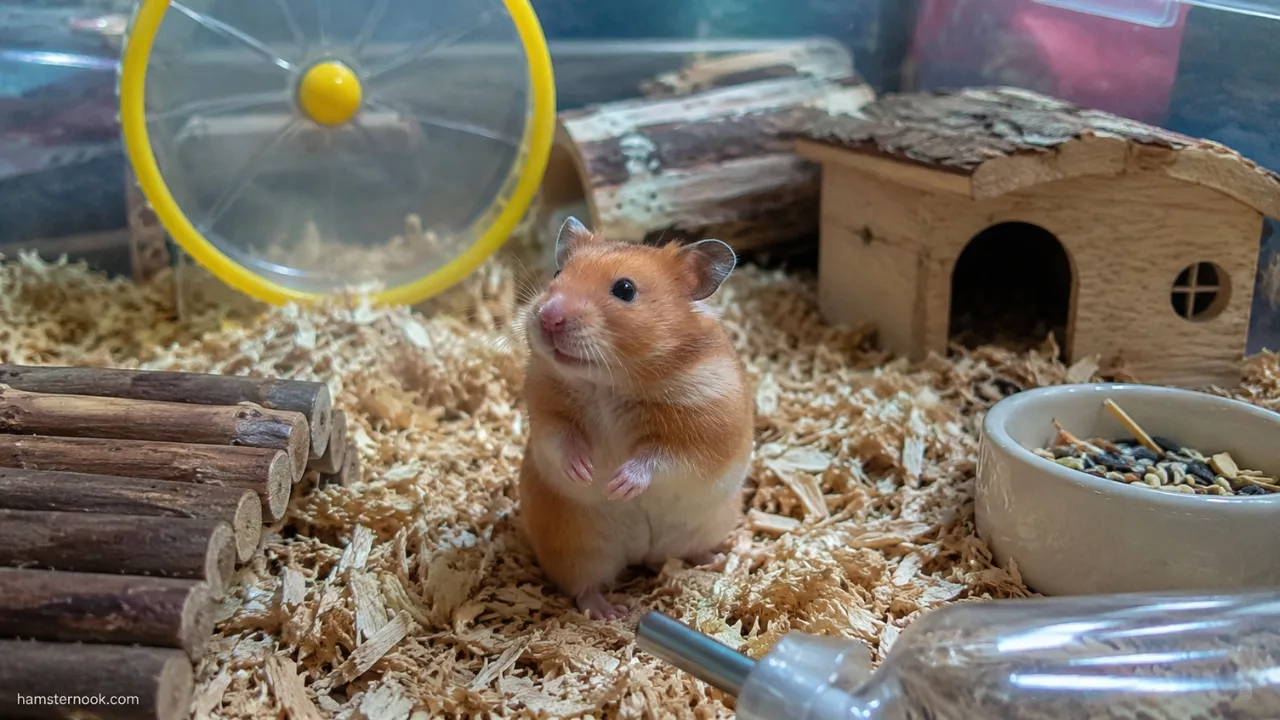
Common Causes of Stress in Pet Hamsters
Understanding the root cause is just as important as spotting the symptoms.
Small Cage Size
Lack of space is one of the biggest causes of chronic hamster stress. Wild hamsters spend hours exploring and digging each night, so limited space can become mentally stressful.
Poor Cage Setup
A properly designed habitat reduces stress significantly. See Best Hamster Cage Setup for Beginners: Size, Bedding, Wheel & Essentials to learn which enclosure features help create a safe and comfortable environment.
A stressful setup may include:

- Shallow bedding
- No hiding places
- Tiny exercise wheel
- Constant bright lighting
- Lack of enrichment
Incorrect Handling
Frequent handling, rough grabbing, or waking a sleeping hamster can create fear and defensive behavior.
Dirty or Unstable Environment
Hamsters need stability. Constant cage rearranging, strong odors, or infrequent cleaning can all create stress.
Where you place the enclosure can also affect noise, light, and household disturbance, so our Hamster Cage Placement: Safe Locations, Room Conditions & What to Avoid guide covers suitable cage locations.
No single behavior confirms that a hamster is stressed. Many healthy hamsters occasionally chew cage bars, hide for longer than usual, or sleep more after an active night. Stress is much more likely when several behavior changes appear together or continue for several days.
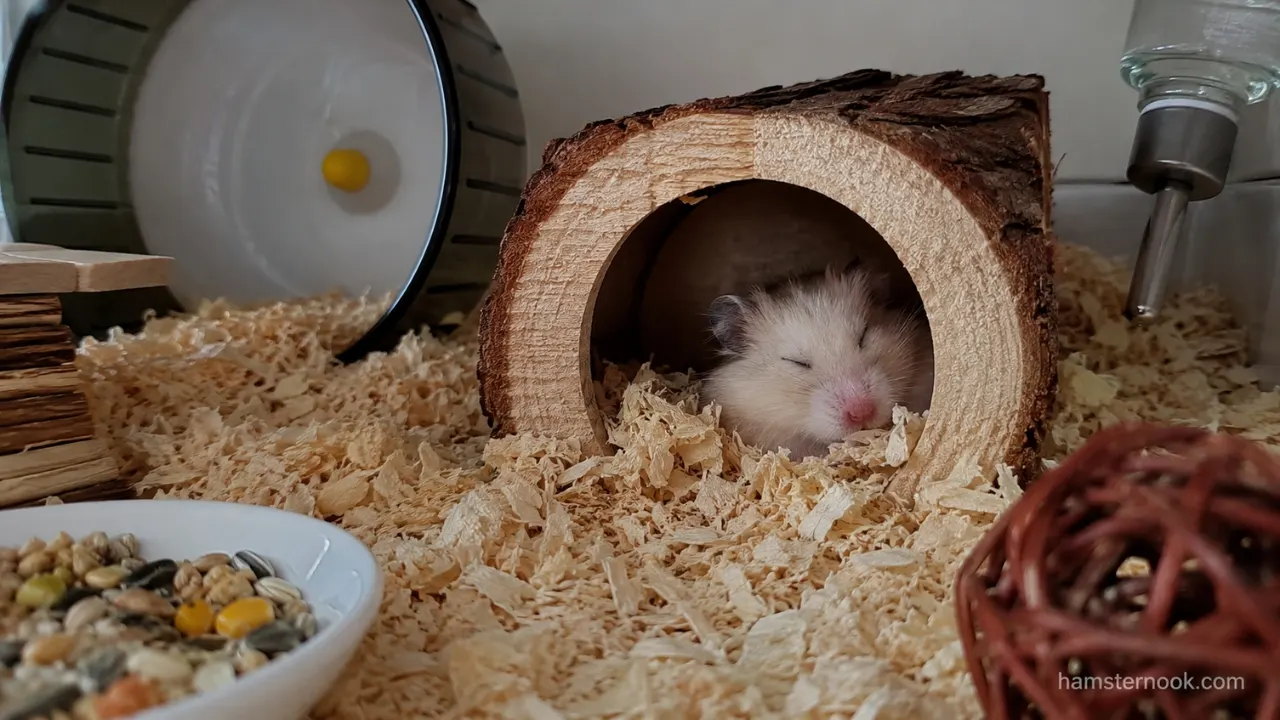
How to Calm a Stressed Hamster

If your hamster is showing stress signs, focus on creating a safer and more natural environment.
If your hamster seems stressed right now, first reduce noise and other disturbances, avoid unnecessary handling, and let your hamster retreat to a familiar hiding place. Keep food and water available, and avoid repeatedly changing the enclosure while you watch for a gradual return to normal eating, activity, and behavior.
Quick Improvements That Often Help
| Improvement | Why It Helps |
|---|---|
| Deeper bedding | Encourages natural burrowing |
| Larger wheel | Supports healthy exercise |
| More hides | Helps hamsters feel secure |
| Quiet room placement | Reduces anxiety |
| Enrichment toys | Prevents boredom |
| Consistent routine | Creates stability |
Avoid making too many changes at once. Hamsters usually respond better to gradual improvements, especially when the cause of stress is still present or unclear.
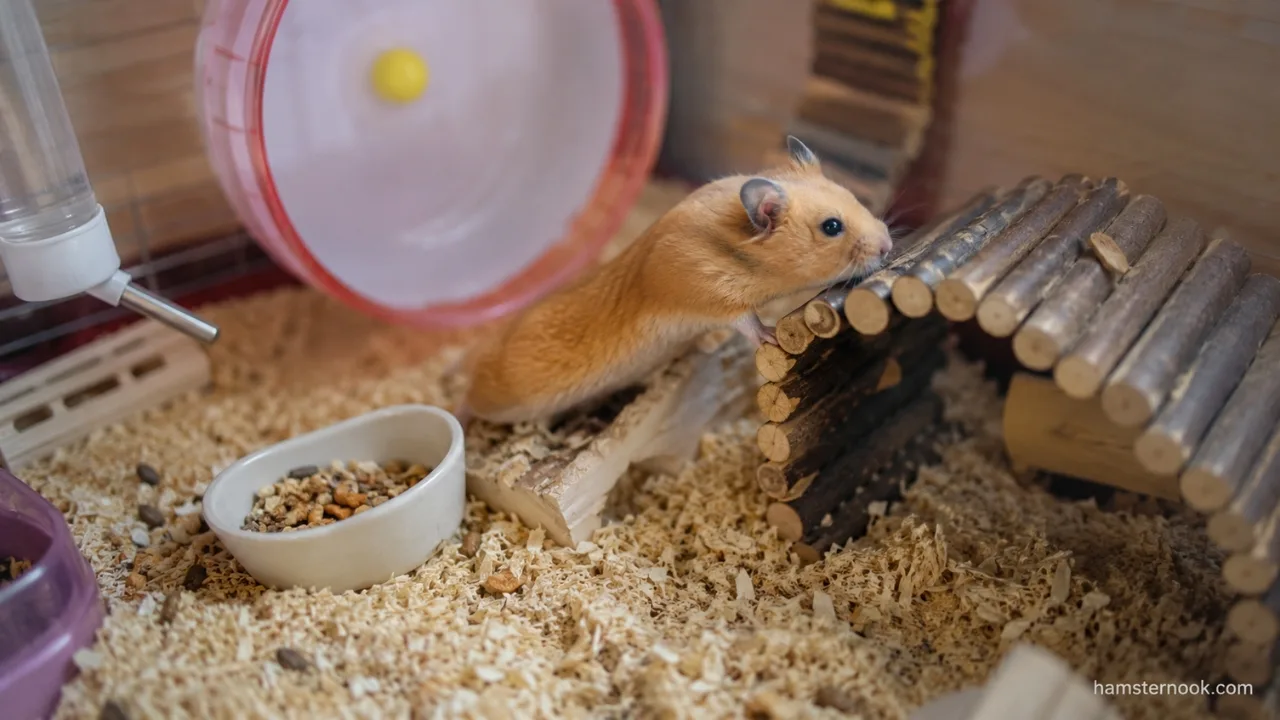
If you’ve recently upgraded the cage or added new accessories, avoid repeatedly changing the setup while your hamster is still becoming familiar with it. Preserve familiar hides, nesting areas, and some clean old bedding where practical so the enclosure does not suddenly lose every familiar scent at once.
When Stress May Actually Be Illness
Some stress symptoms overlap with health problems. A hamster should be checked by a veterinarian if you notice:
- Rapid weight loss
- Wet tail symptoms
- Severe lethargy
- Labored breathing
- Persistent fur loss
- Refusal to eat or drink
Behavior alone does not always tell the full story.
If stress-like changes are accompanied by physical symptoms, our How to Tell If Your Hamster Is Sick: Signs, Symptoms & When to See a Vet guide covers the warning signs that should not be mistaken for stress alone.
Final Thoughts
Stress in hamsters is more common than many owners realize. Because hamsters hide weakness naturally, even small behavior changes deserve attention.

Bar biting, aggression, pacing, appetite changes, and excessive grooming are all important warning signs that your hamster may be uncomfortable or anxious.
The good news is that most stress issues improve with proper housing, enrichment, gentle handling, and a quieter environment. Recognizing stress signs early can help your hamster stay healthier, calmer, and more comfortable long-term.
Housing, handling, diet, enrichment, and daily routines all affect a hamster’s overall welfare. Our How to Care for a Hamster: Complete Beginner Guide (2026) brings those core care needs together in one place.
FAQ About Stress in Hamsters
Can stress make a hamster sick?
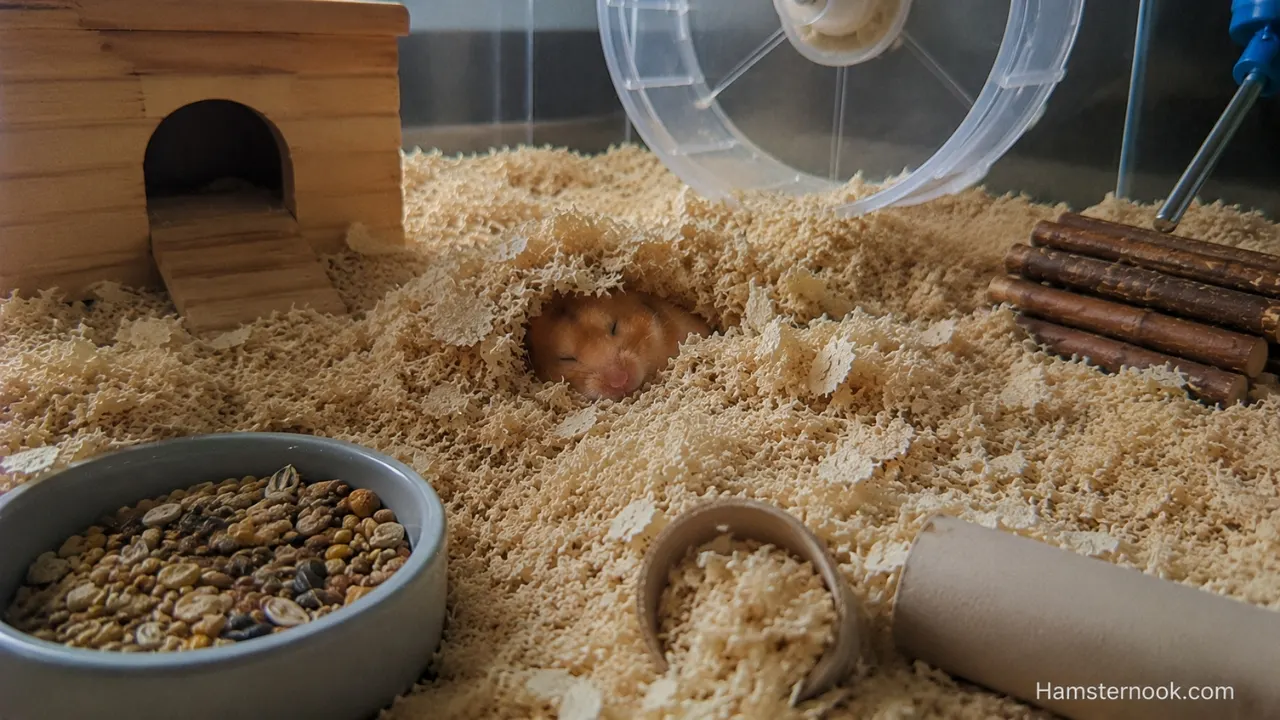
Yes. Long-term stress can weaken the immune system and increase the risk of illness, appetite problems, and behavioral issues.
How long does it take for a stressed hamster to calm down?
It depends on the cause and the individual hamster. Mild stress may improve after the trigger is removed, while fear related to handling or repeated disturbance can take longer to resolve. Focus on whether your hamster is gradually returning to its normal eating, sleeping, exploring, and handling behavior rather than expecting recovery within a fixed number of days.
Do hamsters get stressed from loud noises?
Yes. Hamsters have sensitive hearing and can become anxious around loud TVs, shouting, music, or constant household activity.
Is bar biting always a stress sign?
Not always. Occasional chewing is normal for dental health. But constant, repetitive bar biting is usually linked to boredom, frustration, or an enclosure that is too small.
Can moving a hamster to a new cage cause stress?
Yes. Even positive changes can temporarily stress hamsters because they rely heavily on familiar scents and routines.

Should I hold my hamster if it seems stressed?
Usually it is better to give the hamster space first. Allow it to settle down and approach you voluntarily instead of forcing interaction.
Can a new hamster be stressed after coming home?
Yes. Many hamsters experience temporary stress during the first few days after moving to a new home. Giving them time to settle, limiting handling, and maintaining a quiet environment usually helps them adjust more comfortably.
References
This guide is based on hamster behavior, stress, housing, enrichment, health, and welfare guidance from trusted animal welfare and veterinary resources, including:
- RSPCA – Hamster Behaviour – Guidance on natural hamster behavior, activity, handling, environmental changes, and signs of stress or discomfort.
- RSPCA – Creating a Good Home for Hamsters – Guidance on enclosure size, bedding, hiding places, enrichment, cage placement, and environmental conditions that support hamster welfare.
- RSPCA – Hamster Health & Welfare – Information on recognizing health changes, monitoring behavior and physical condition, and when veterinary attention may be needed.
- Blue Cross – Hamster Care Guide – Practical guidance on hamster housing, bedding, enrichment, handling, routine care, and wellbeing.
- MSD Veterinary Manual – Hamsters – Veterinary reference information covering hamster health, diseases, behavior, husbandry, and clinical warning signs.
- NC3Rs – Housing and Husbandry: Hamster – Guidance on hamster housing, bedding, environmental conditions, enrichment, and species-appropriate husbandry.
- NC3Rs – Choosing Appropriate Enrichment – Guidance on appropriate enrichment and providing opportunities for natural behaviors to support animal welfare.
Medical Disclaimer
This article is intended for educational purposes only and should not be considered veterinary advice. Stress-related behaviors can sometimes overlap with signs of illness, so behavioral changes should be considered alongside your hamster’s eating, drinking, activity, breathing, weight, grooming, and overall condition. If your hamster shows rapid weight loss, severe lethargy, labored breathing, persistent fur loss, refusal to eat or drink, wet tail symptoms, or other concerning physical changes, consult a qualified exotic animal veterinarian for proper evaluation and treatment.

Narayan Kumar is the founder and author of HamsterNook. He creates practical, research-based hamster care guides covering hamster behavior, nutrition, cage setup, enrichment, health, and everyday care. His goal is to help hamster owners make informed decisions and provide safer, healthier lives for their pets through clear, beginner-friendly information based on trusted animal care resources.