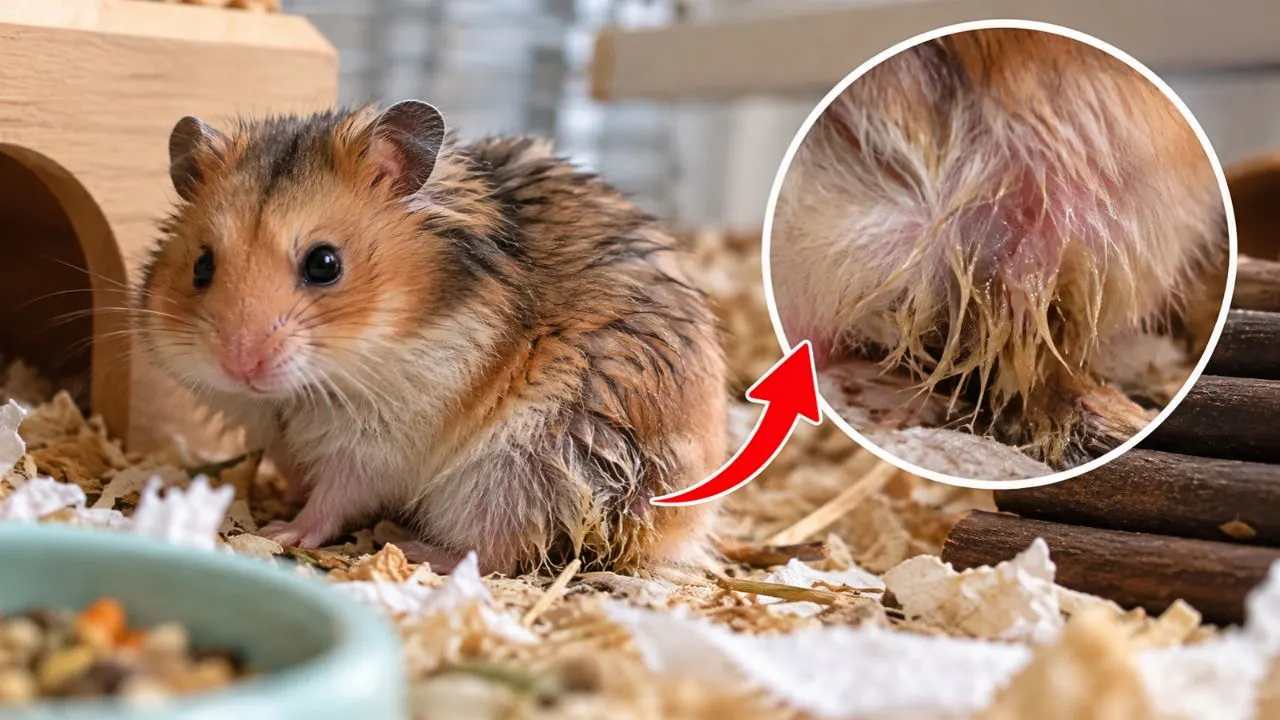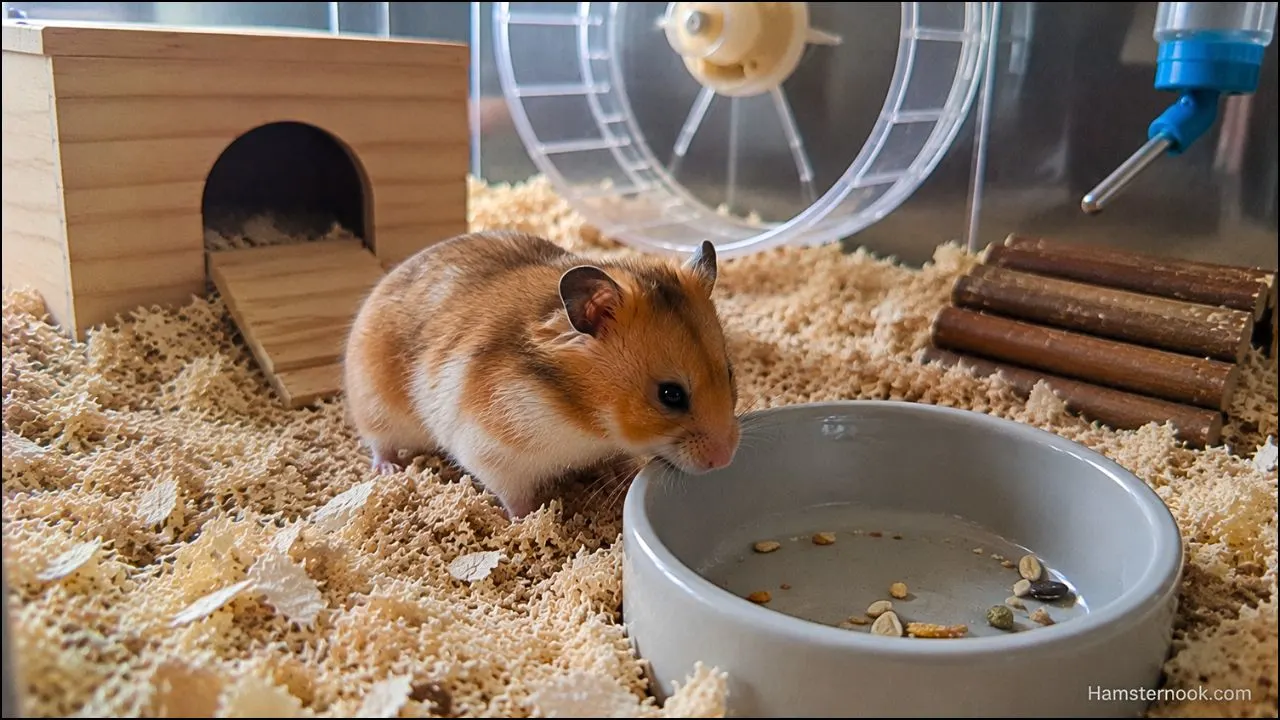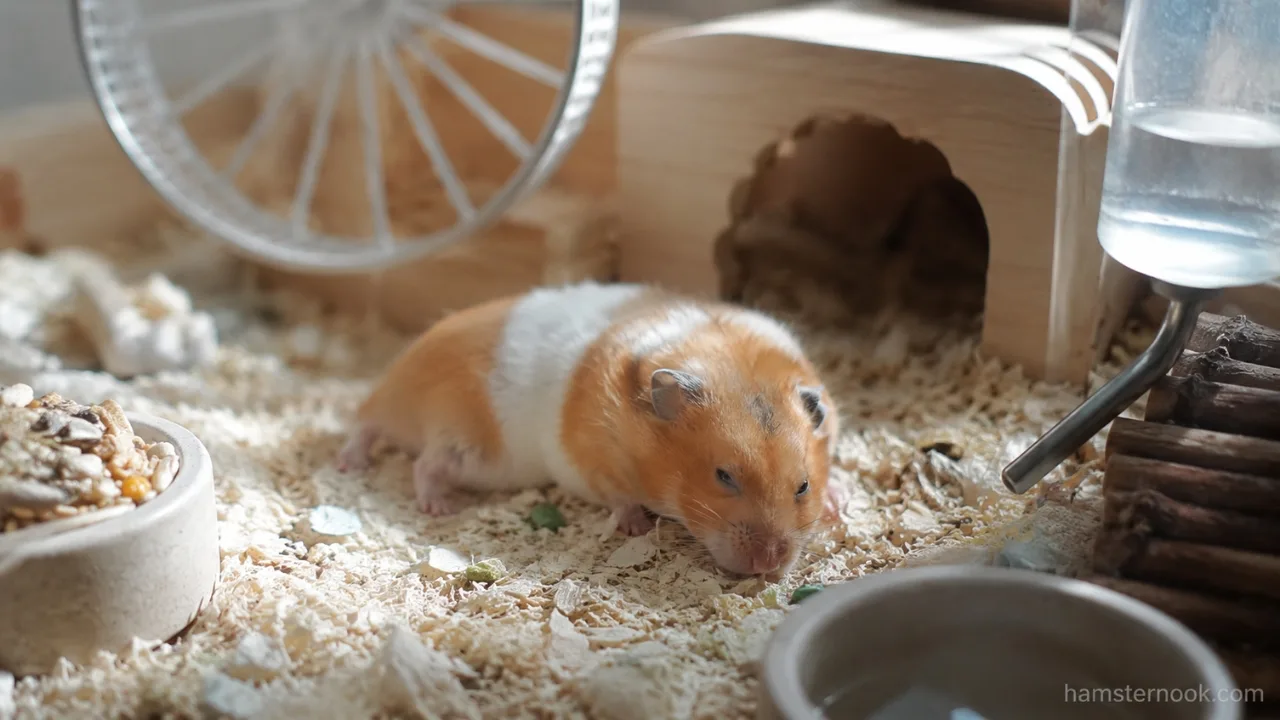
One evening your hamster is running on its wheel, exploring the cage, and eagerly accepting treats. The next day, it seems unusually tired, slow, or weak. For many owners, this sudden change can be alarming.
Sudden weakness is one of the most important health warning signs a hamster can show. Because hamsters are small prey animals, they naturally try to hide signs of illness for as long as possible. By the time weakness becomes noticeable, there may already be an underlying problem that needs attention.
The good news is that not every case of weakness signals a serious emergency. Sometimes the cause is relatively simple, such as dehydration or stress. However, sudden weakness can also be linked to infections, injury, age-related decline, nutritional problems, or other health conditions.
Recognizing the warning signs early gives you a better chance of addressing problems before they become more serious.
Quick Answer:
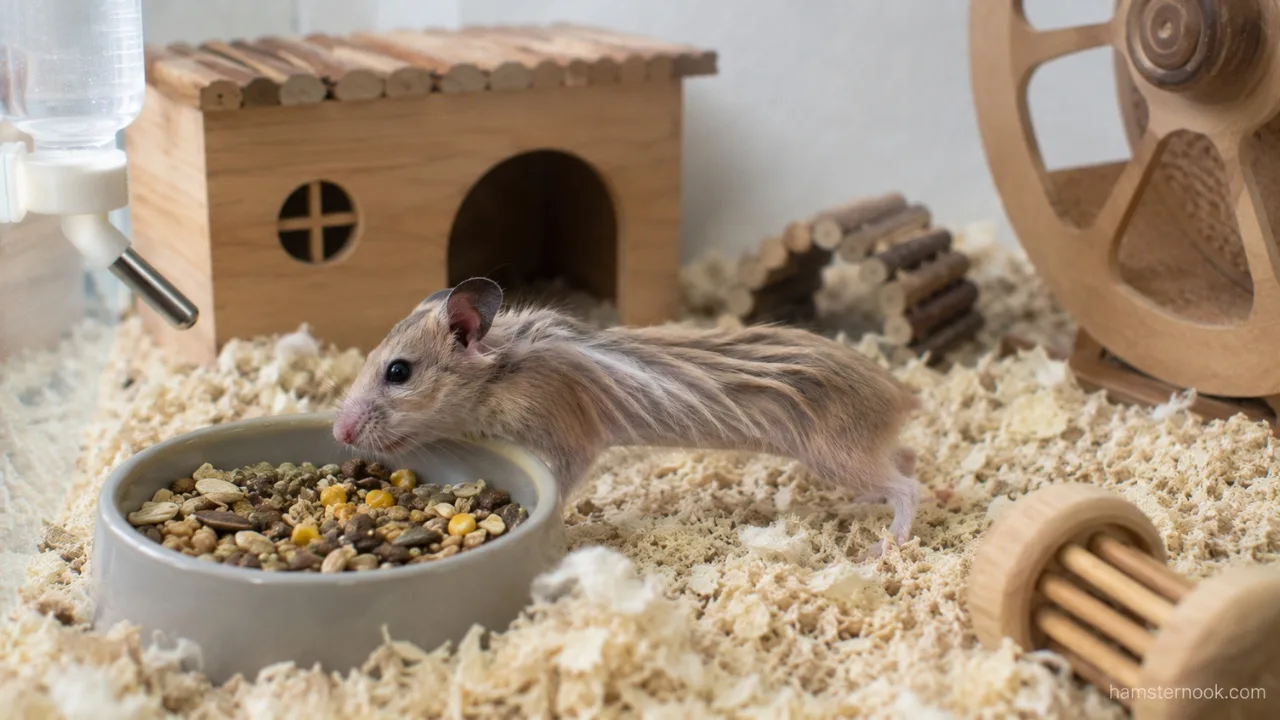
A hamster that suddenly becomes weak may be affected by dehydration, illness, injury, overheating, nutritional problems, or age-related changes. Check that fresh water and food are available, reduce stress and unnecessary handling, and watch for other symptoms. If the weakness is severe, worsening, or accompanied by breathing problems, inability to walk, refusal to eat or drink, severe diarrhea, or unresponsiveness, contact a veterinarian promptly.
What Does Weakness Look Like in a Hamster?
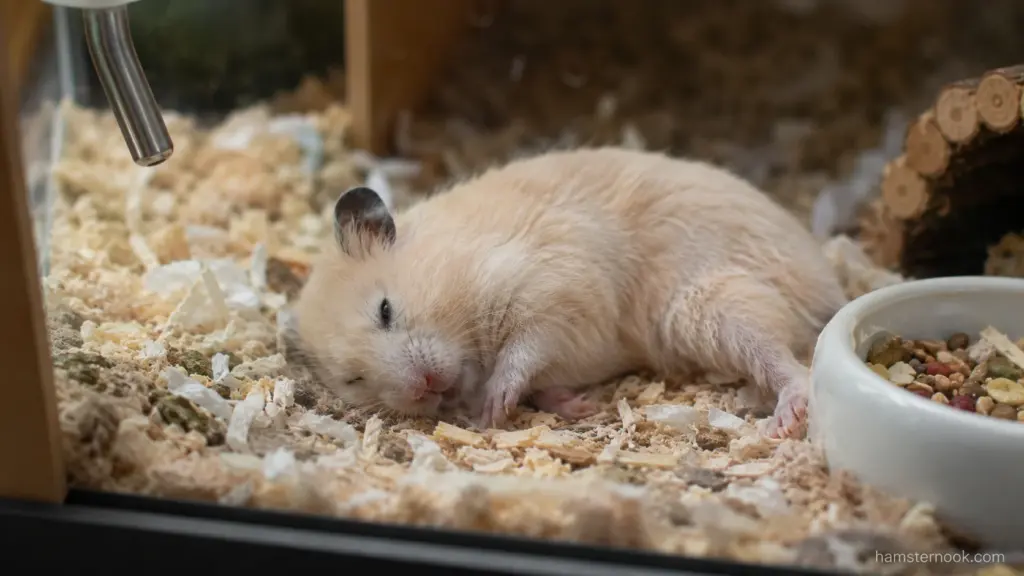
Weakness is more than simply sleeping a little longer than usual.
A weak hamster often shows a noticeable reduction in energy, strength, coordination, or normal activity levels. The change may happen gradually or appear almost overnight.
Common signs include:
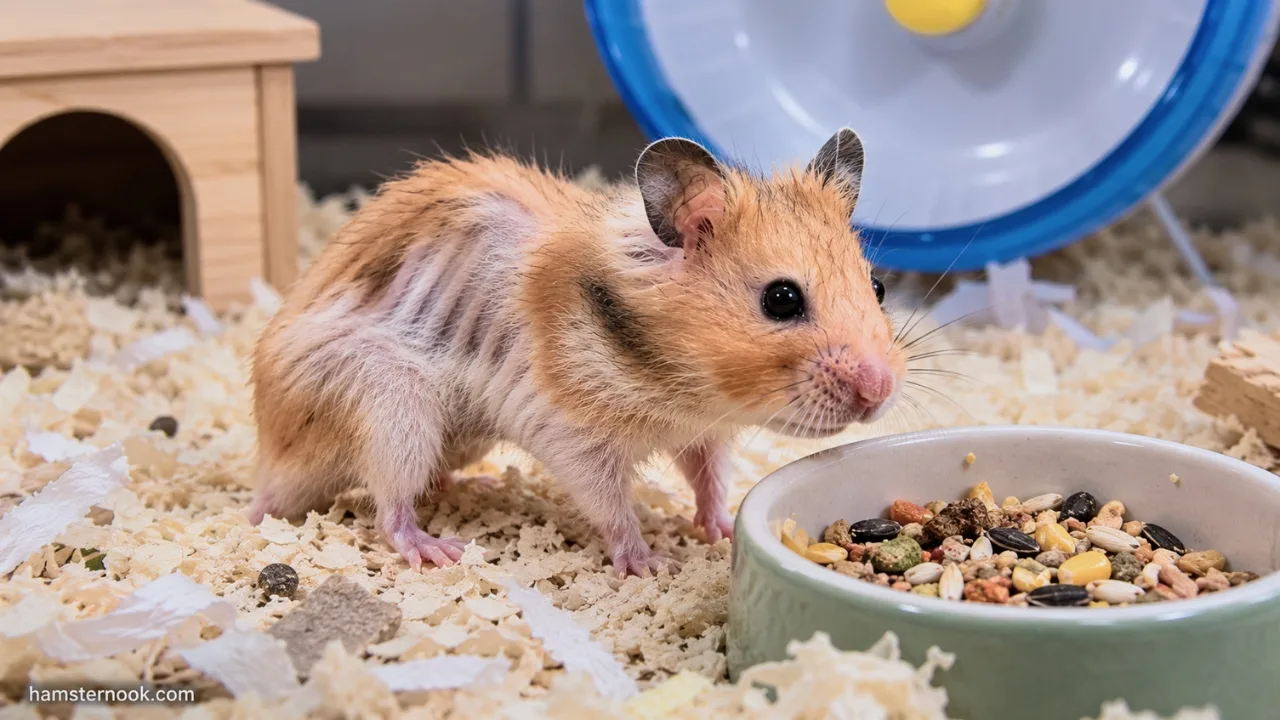
- Moving more slowly than usual
- Difficulty climbing or walking
- Spending unusually long periods sleeping
- Reduced interest in food
- Lack of interest in exercise wheels
- Hunched posture
- Shaking or trembling
- Trouble keeping balance
- Remaining in one spot for long periods
Many owners first realize something is wrong when a normally active hamster suddenly loses interest in its usual routine.
If your pet has suddenly become inactive, it can help to compare its current behavior with its normal routine. Articles like Can Hamsters Learn Their Names? may help owners understand what normal attentive behavior looks like before illness changes activity levels.
Not every weak hamster is facing a life-threatening emergency, but sudden weakness should still be taken seriously. Eating or drinking normally does not rule out illness. Weakness becomes especially concerning when it is severe, worsening, or accompanied by difficulty breathing, inability to walk, refusal to eat or drink, severe diarrhea, or reduced responsiveness.
Common Causes of Sudden Weakness in Hamsters
Weakness can develop for many different reasons, which is why looking for other symptoms is often important.
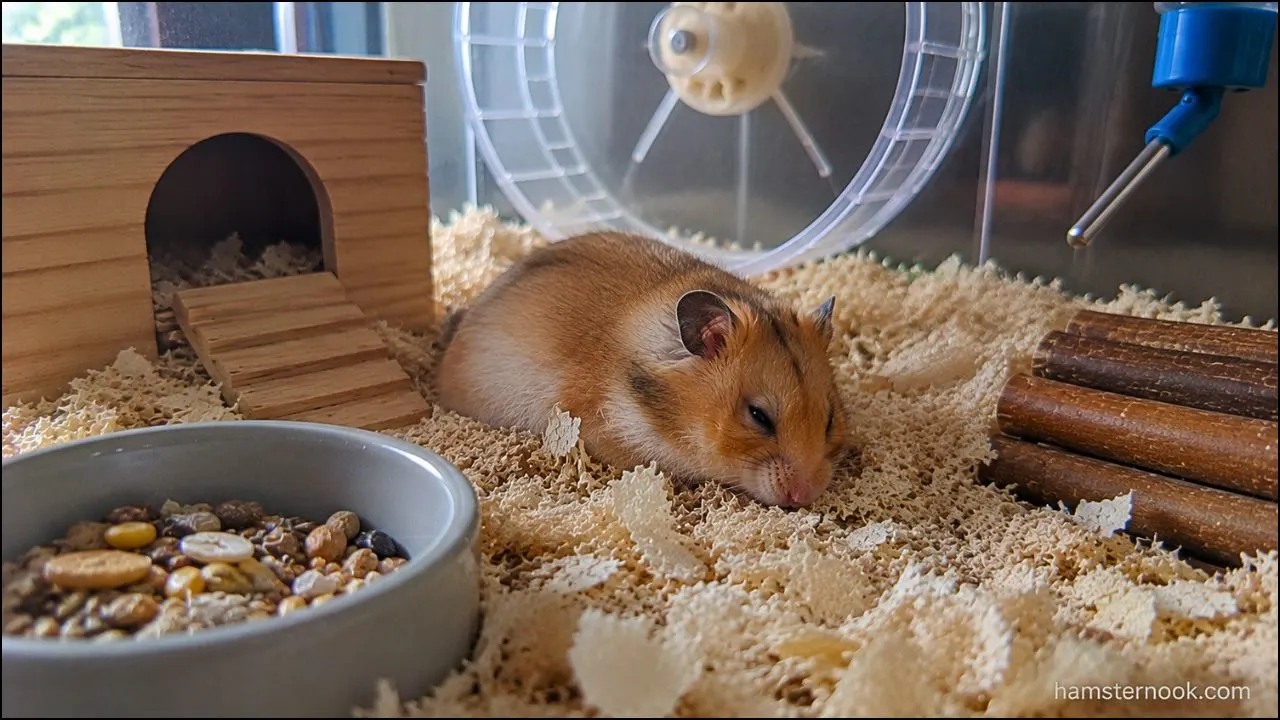
Some are relatively mild, while others require immediate veterinary care.
Dehydration
Dehydration is one of the most common causes of weakness in small animals.
A hamster that is not drinking enough water may quickly become lethargic and physically weak.
Possible causes include:

- Empty water bottle
- Blocked water bottle nozzle
- Illness reducing water intake
- Excessive heat
Signs of dehydration may include:
- Sunken eyes
- Dry mouth
- Lethargy
- Reduced appetite
Always check that fresh water is available and flowing properly.
Nutritional Problems and Poor Diet
Hamsters rely on a balanced diet for energy and overall health.
A diet lacking essential nutrients can contribute to weakness over time.

Potential issues include:
| Dietary Problem | Possible Effect |
|---|---|
| Insufficient protein | Muscle weakness |
| Poor-quality seed mix | Nutritional imbalance |
| Excessive treats | Reduced intake of healthy foods |
| Inadequate food intake | Low energy levels |
| Vitamin deficiencies | General weakness |
Owners reviewing their hamster’s nutrition may also benefit from reading What Good Hamster Care Actually Looks Like (Most Owners Get This Wrong) to ensure all basic care needs are being met.
Illness and Infection
Infections can cause weakness surprisingly quickly.
Respiratory infections, bacterial illnesses, and other medical conditions often reduce energy levels before more obvious symptoms appear.
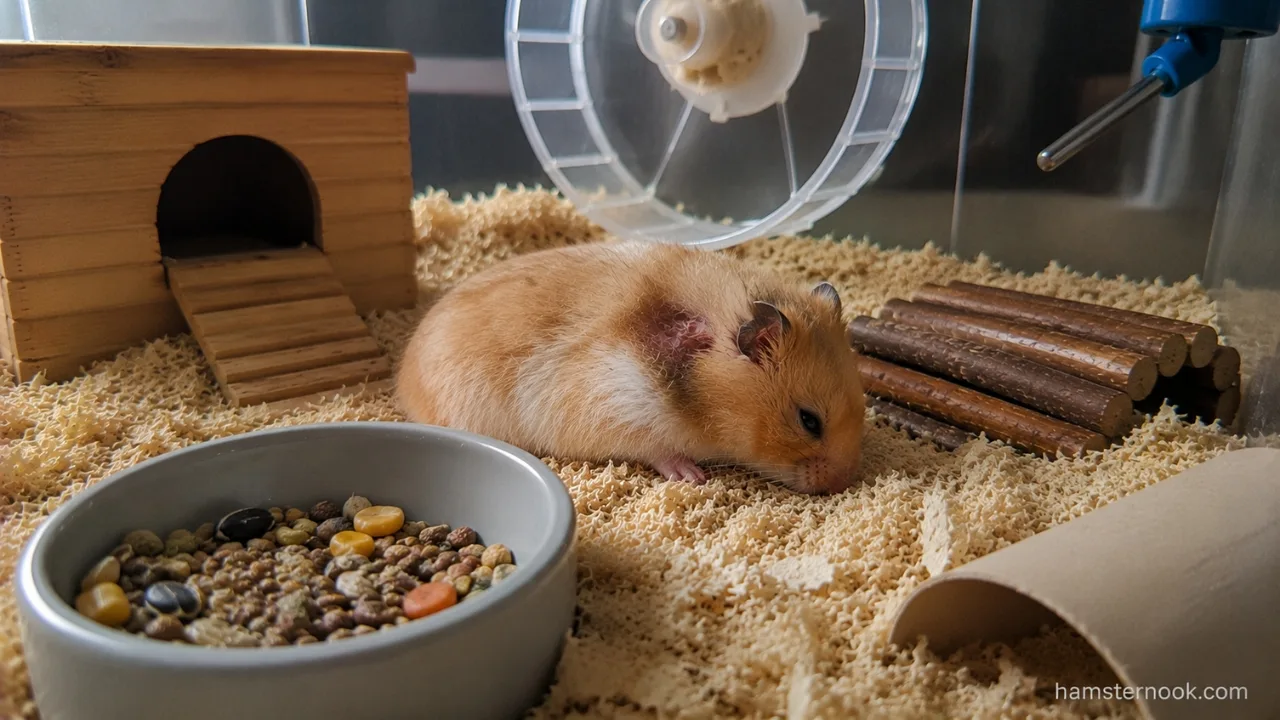
Additional warning signs may include:
- Labored breathing
- Sneezing
- Weight loss
- Wet fur
- Discharge from the eyes or nose
Because hamsters can deteriorate rapidly, persistent weakness accompanied by these symptoms should be evaluated by an exotic veterinarian.
Wet Tail
Wet tail is one of the most serious illnesses that can affect hamsters, particularly younger animals.
Symptoms may include:
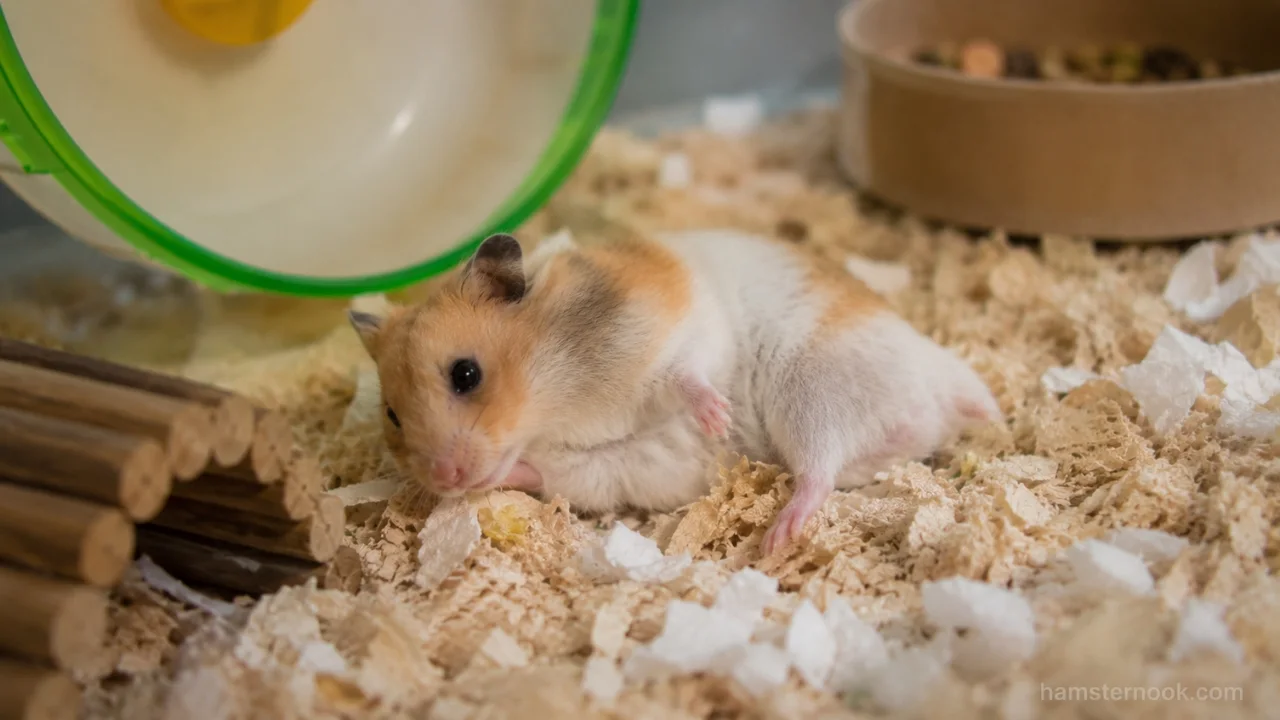
- Severe lethargy
- Diarrhea
- Wetness around the tail area
- Loss of appetite
- Rapid weakness
Wet tail is considered a veterinary emergency.
Without prompt treatment, affected hamsters may become critically ill very quickly.
Injury or Physical Trauma
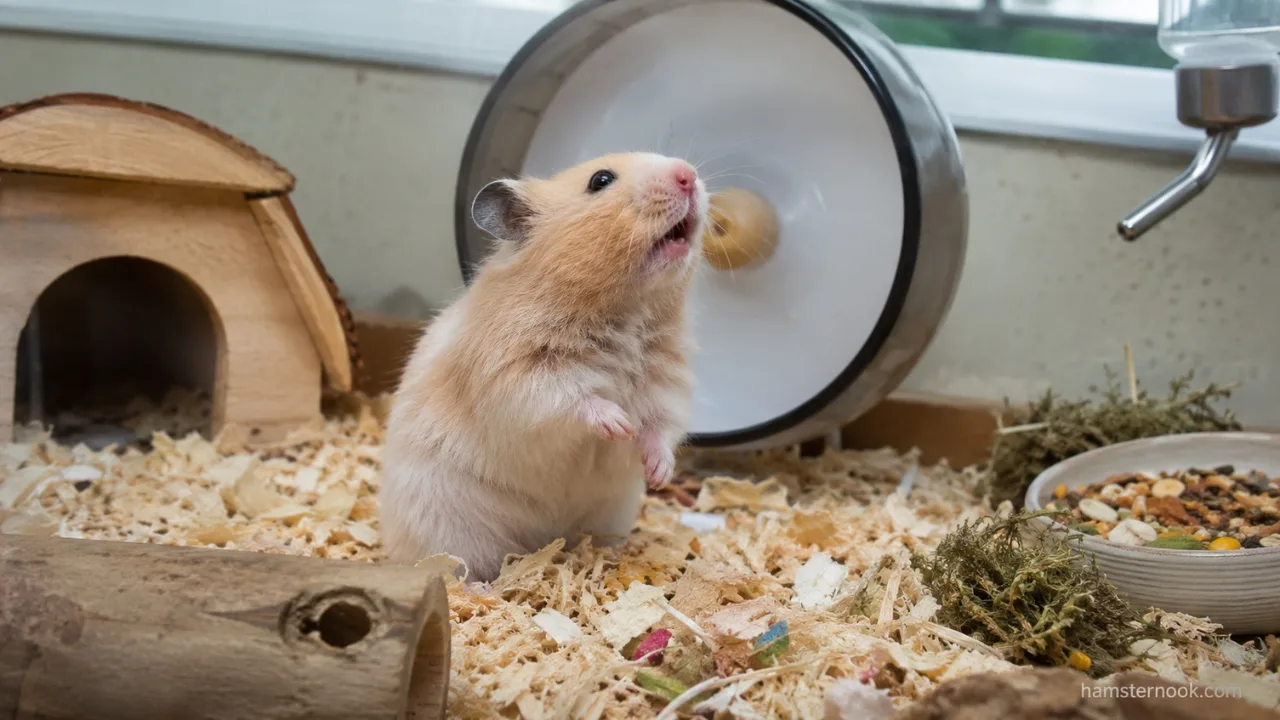
Hamsters can become weak after an injury, even if the injury is not immediately obvious.
Possible causes include:
- Falls
- Cage accidents
- Exercise wheel injuries
- Rough handling
- Fighting with another hamster
Look carefully for:
- Limping
- Swelling
- Unusual posture
- Sensitivity when touched
If movement suddenly becomes difficult, injury should be considered.
If your hamster seems painful as well as weak, How to Tell If Your Hamster Is in Pain: 10 Warning Signs can help you recognize additional signs of discomfort.
Heat Stress and Overheating
Hamsters are sensitive to high temperatures.

When a hamster becomes overheated, weakness may develop rapidly.
Warning signs include:
| Sign | Possible Meaning |
|---|---|
| Lying stretched out | Attempting to cool down |
| Rapid breathing | Heat stress |
| Weakness | Rising body temperature |
| Reduced activity | Overheating |
| Unresponsiveness | Emergency situation |
Keeping the cage in a cool, well-ventilated area is essential during warmer months.
Age-Related Weakness in Senior Hamsters
Not every case of weakness is caused by illness.
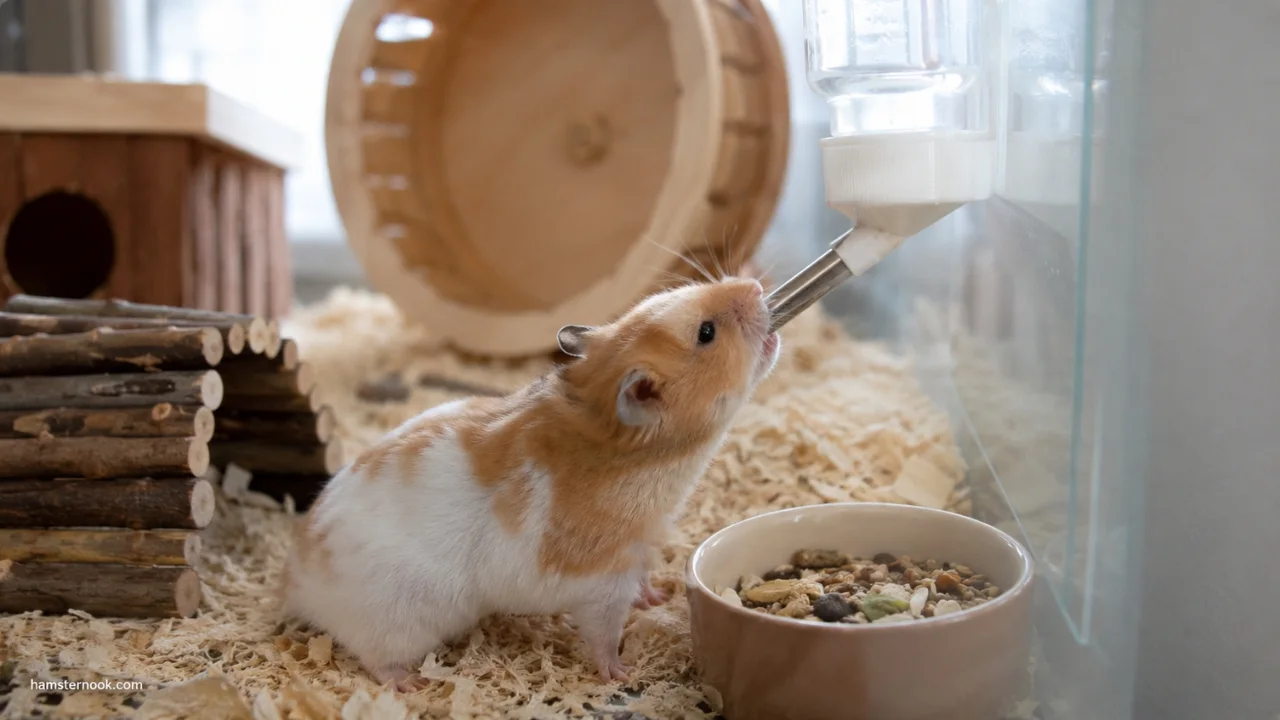
As hamsters age, gradual physical decline becomes normal.
Older hamsters may show:
- Reduced stamina
- Slower movement
- More sleeping
- Less climbing
- Decreased muscle strength
Unlike sudden illness, age-related weakness usually develops slowly over weeks or months.
If you’re unsure whether changes are age-related or medical, a veterinary examination is the safest option.

Early Warning Signs Owners Should Never Ignore
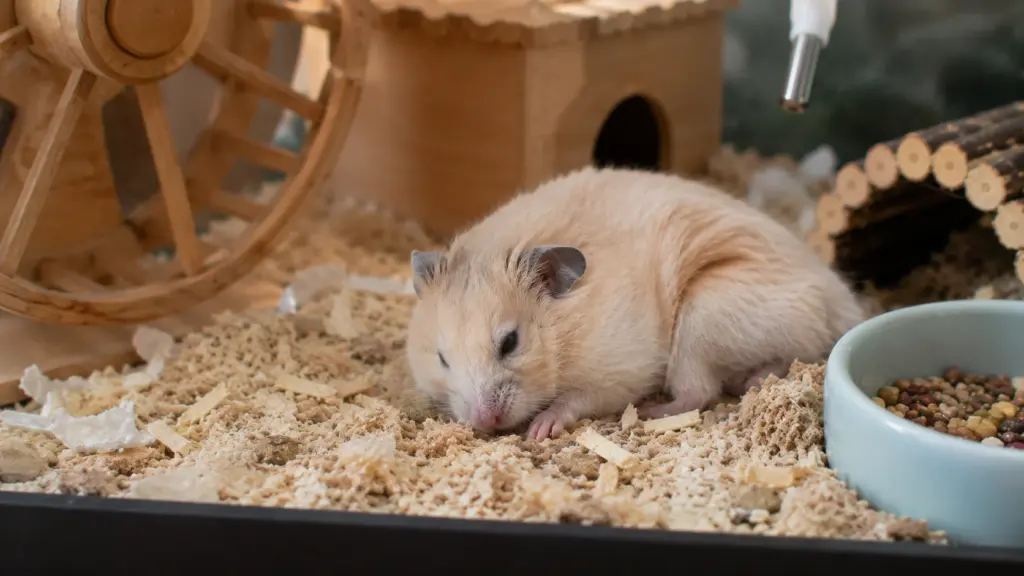
Some symptoms deserve immediate attention when they appear alongside weakness.
Seek Immediate Veterinary Help If Your Hamster:
- Cannot stand or walk normally
- Is struggling to breathe
- Refuses food and water completely
- Appears unresponsive
- Has severe diarrhea or wet tail symptoms
- Shows rapid worsening weakness
These situations should be treated as urgent rather than monitored for several days.
Sudden Refusal to Eat or Drink
A hamster that completely stops eating or drinking should be treated as a serious health concern. Contact a veterinarian promptly, especially if the weakness is severe or occurs with breathing problems, diarrhea, dehydration, or reduced responsiveness.
If appetite has also changed, Why Is My Hamster Not Eating? 9 Causes, Warning Signs & What to Do covers common reasons for appetite loss and when it becomes concerning.
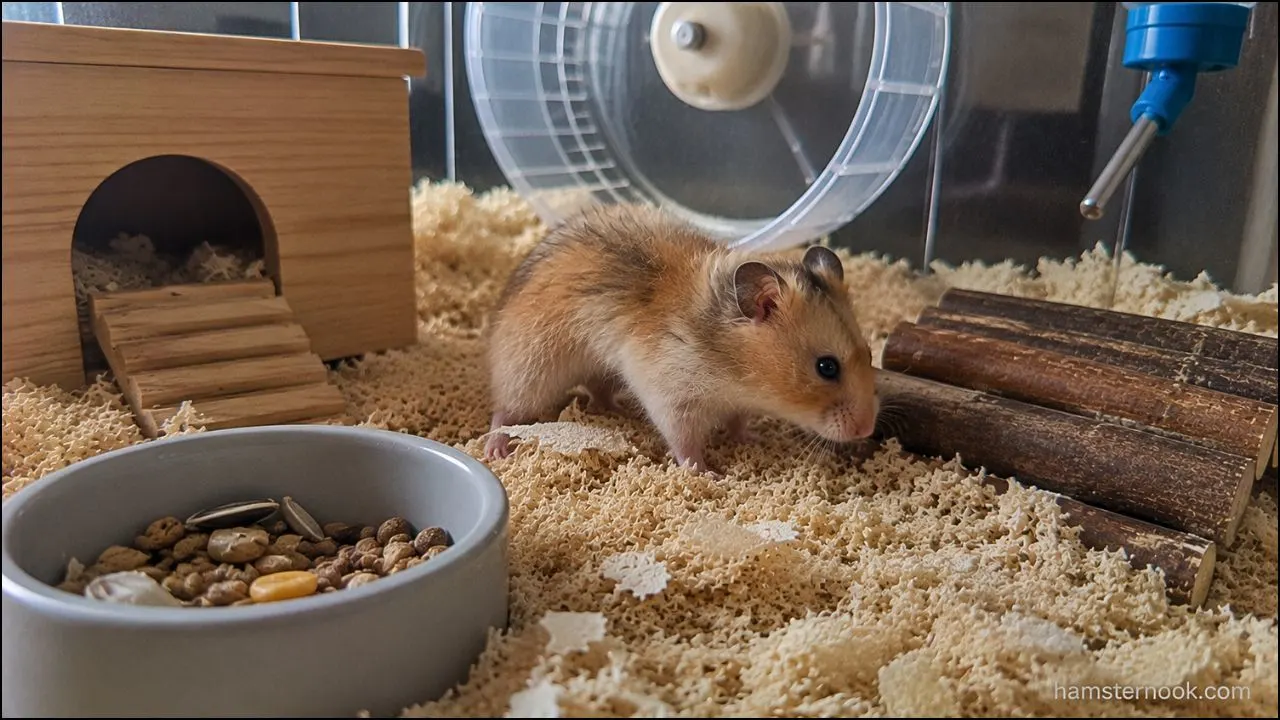
Even a single day without normal food intake can be concerning.
Difficulty Breathing
Breathing problems should never be considered normal.
If breathing changes are also present, Why Is My Hamster Breathing Fast or Heavy? Causes & Warning Signs explains common breathing problems and warning signs that need attention.
Seek veterinary care if you notice:

- Wheezing
- Open-mouth breathing
- Rapid breathing
- Visible effort while breathing
Inability to Stand or Walk Properly
Loss of coordination or inability to move normally may indicate:
- Injury
- Neurological problems
- Severe illness
- Extreme weakness
This symptom warrants prompt evaluation.
Rapid Weight Loss
Visible weight loss often signals an underlying health problem.
Owners who regularly observe their hamster may notice:

- More prominent bones
- Smaller body size
- Loose skin appearance
Unexplained weight loss should always be investigated.
What You Should Do If Your Hamster Suddenly Becomes Weak
Start by observing your hamster closely and looking for any additional symptoms or changes in behavior.
Check Basic Needs Immediately
Confirm that:
- Water is available
- Food is accessible
- Cage temperature is appropriate
- No obvious injuries are present
Simple issues can sometimes explain sudden weakness.

Reduce Stress
Move the cage to a quiet area away from:
- Loud noises
- Other pets
- Excessive handling
- Bright lights
A calm environment helps conserve energy.
Monitor Food and Water Intake
If possible, compare your hamster’s behavior with the previous few days. Small changes in posture, movement speed, appetite, or wheel activity often provide useful clues about when the problem started.
Keep track of whether your hamster is:
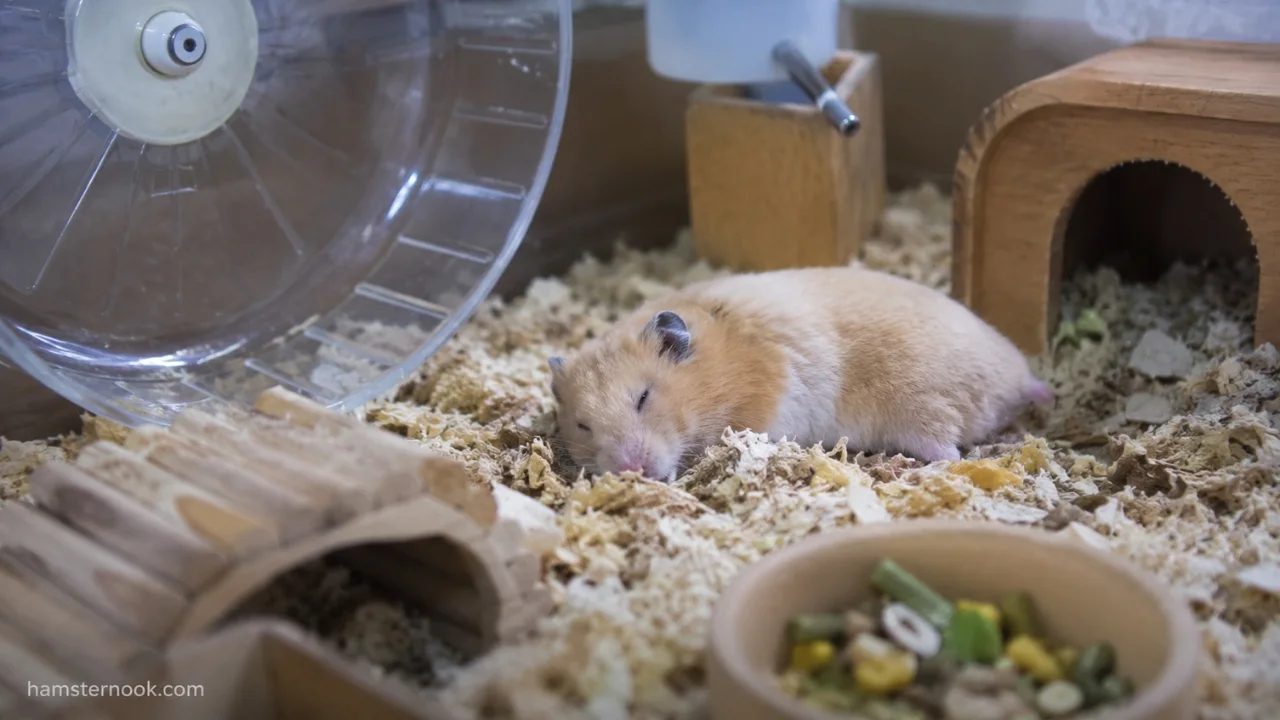
- Drinking normally
- Eating normally
- Producing normal droppings
These observations can provide valuable information if veterinary care becomes necessary.
Contact a Veterinarian When Needed
Weakness that is severe, sudden, worsening, or accompanied by additional symptoms should not be managed at home without professional guidance.
Hamsters can decline much faster than larger pets.
Common Mistakes Owners Make When a Hamster Becomes Weak
Good intentions sometimes lead to poor decisions.
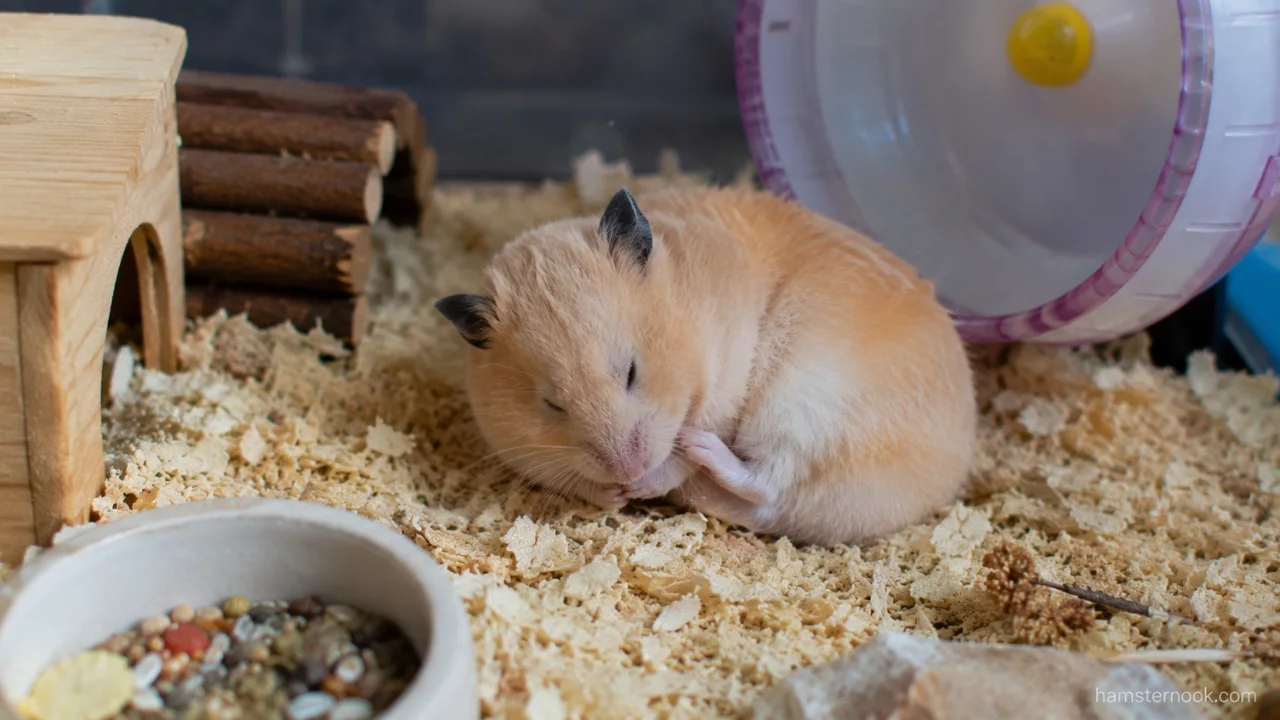
Avoid these common mistakes:
| Mistake | Why It’s Risky |
|---|---|
| Waiting several days to see if it improves | Illness may worsen rapidly |
| Forcing food into the hamster’s mouth | Risk of choking |
| Excessive handling | Increases stress |
| Assuming the hamster is simply tired | May delay treatment |
| Ignoring reduced water intake | Dehydration can become serious |
The sooner the cause is identified, the better your hamster’s chances of recovery.
Can Stress Alone Cause Weakness?
Stress can contribute to weakness, especially in newly adopted hamsters.
A hamster experiencing significant stress may:
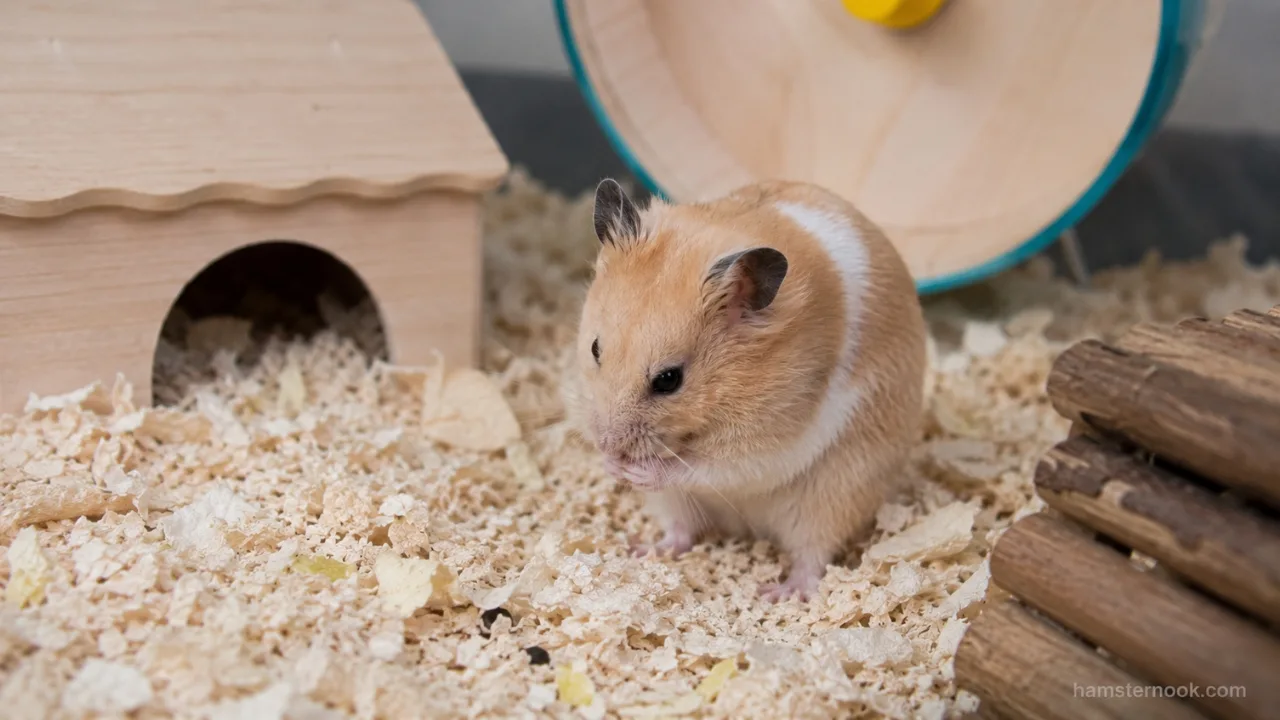
- Eat less
- Sleep more
- Avoid activity
- Appear lethargic
This is one reason why owners are encouraged to avoid excessive handling during the adjustment period. Many new owners underestimate how stressful the first few days can be, which is discussed in The Biggest Mistake New Hamster Owners Make in the First Week.
How to Help Prevent Weakness in the Future
Although some health problems are unavoidable, consistent daily care can reduce the risk of many common issues.
Focus on:
- Balanced nutrition
- Fresh water daily
- Appropriate cage size
- Regular observation
- Clean living conditions
- Proper temperatures
- Low-stress handling
Recognizing what is normal for your hamster can also make it easier to spot subtle changes in behavior or activity levels. Articles like Why Does My Hamster Watch Me So Closely? and Can Hamsters Learn Their Names? can help owners better understand everyday hamster behavior.
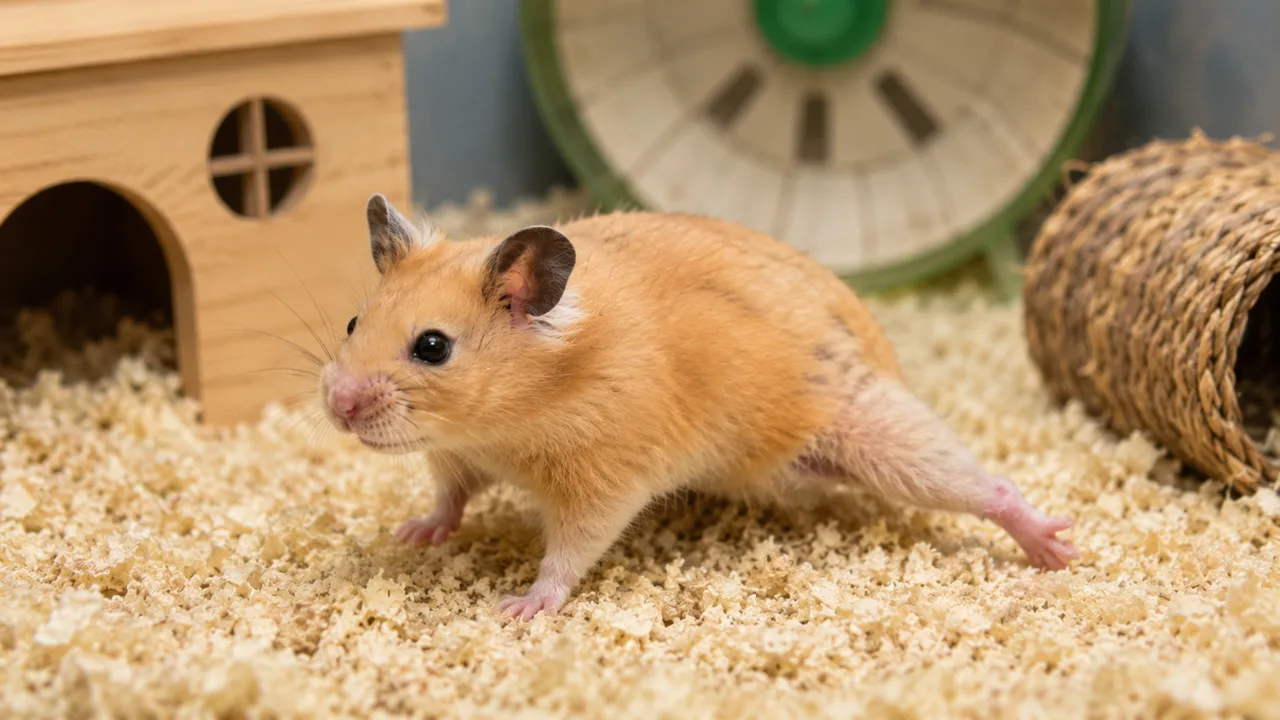
Many health problems become easier to treat when detected early. Spending a few minutes observing your hamster’s eating habits, activity level, and posture each day can help you spot subtle changes before weakness becomes severe.
Keep a Simple Health Record
Many experienced hamster owners keep a basic record of:
- Weekly body weight
- Appetite changes
- Water consumption
- Activity levels
- Unusual behaviors
Tracking these details makes it easier to notice gradual health changes that might otherwise go unnoticed.
Final Thoughts
A hamster that suddenly becomes weak is sending an important signal that something may be wrong. While the cause may be relatively minor in some cases, weakness should never be dismissed as normal behavior without careful observation.
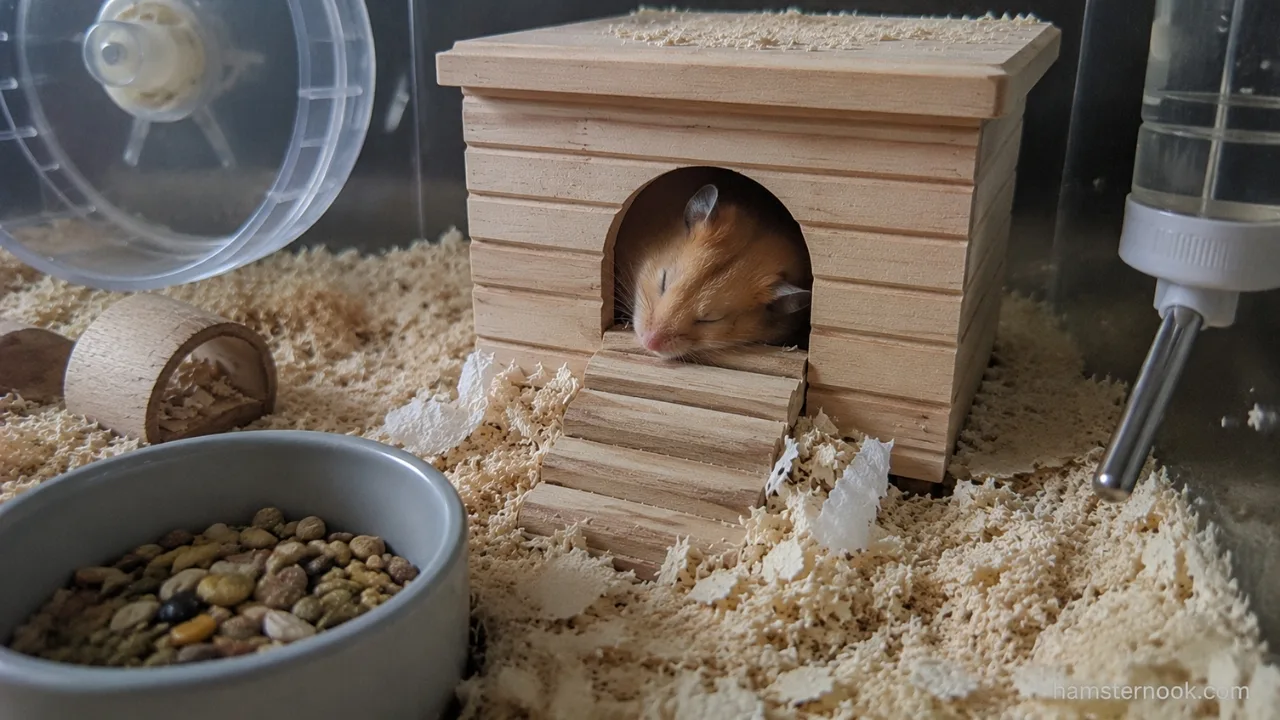
By the time weakness becomes obvious, a hamster may have been feeling unwell for longer than it appears. Paying attention to changes in activity, appetite, posture, and movement can help owners recognize problems sooner.
When in doubt, it is always safer to seek veterinary advice. Quick action can make a significant difference and may even save a hamster’s life.
Frequently Asked Questions
Why is my hamster suddenly weak and sleeping more?
Excessive sleeping combined with weakness may be caused by illness, dehydration, stress, injury, age-related decline, or environmental factors such as overheating.
Is weakness in a hamster always an emergency?
Not always, but sudden or severe weakness should be taken seriously, especially if it occurs alongside weight loss, breathing problems, diarrhea, or refusal to eat.

Can dehydration make a hamster weak?
Yes. Dehydration can quickly cause lethargy, reduced activity, weakness, and loss of appetite in hamsters.
Why is my hamster weak but still eating?
Some conditions affect energy levels before appetite changes. Even if your hamster continues eating, persistent weakness should still be monitored carefully.
Can old age cause weakness in hamsters?
Yes. Senior hamsters often experience gradual declines in strength, mobility, and activity levels. However, sudden weakness should not automatically be blamed on age.
When should I take a weak hamster to the vet?
Seek veterinary care immediately if weakness is severe, worsening, accompanied by breathing difficulties, diarrhea, inability to walk, injury, or refusal to eat and drink.

Can a hamster recover from sudden weakness?
Yes, recovery is possible if the underlying cause is identified and treated early. Conditions such as dehydration, mild stress, or minor nutritional issues may improve quickly, while infections, injuries, or serious illnesses usually require veterinary care.
Why is my hamster weak but still eating and drinking?
Some health problems affect energy levels before appetite changes occur. Even if your hamster continues eating, persistent weakness should still be monitored closely and discussed with a veterinarian if it does not improve.
Can a Hamster Be Weak From Being Too Hot or Too Cold?
Temperature problems can cause weakness and changes in activity. Check that the enclosure is kept at an appropriate, stable temperature and move the hamster away from direct heat or cold exposure. If weakness continues or other illness signs appear, contact a veterinarian.
For temperature-related concerns, Hamster Temperature: Safe Range, Too Hot & Too Cold explains common temperature risks and warning signs.
References
This guide is based on hamster health, illness, dehydration, nutrition, injury, environmental care, and veterinary warning signs from trusted veterinary and animal welfare resources, including:
- RSPCA – Hamster Health & Welfare – Guidance on common health problems, signs of illness, changes in behavior, weight, appetite, and when veterinary attention may be needed.
- RSPCA – Keeping Hamsters as Pets – General hamster care, diet, hydration, housing, environmental needs, behavior, and welfare guidance.
- MSD Veterinary Manual – Disorders and Diseases of Hamsters – Veterinary information on hamster diseases, clinical signs, gastrointestinal problems, respiratory conditions, and other causes of illness and weakness.
- MSD Veterinary Manual – Routine Health Care of Hamsters – Guidance on routine health monitoring, nutrition, body condition, dental health, and recognizing changes that may require veterinary evaluation.
- MSD Veterinary Manual – Providing a Home for a Hamster – Veterinary guidance on housing, temperature, environmental conditions, bedding, food, water, and other husbandry factors that affect hamster health.
- PDSA – Hamsters as Pets – Practical guidance on hamster nutrition, housing, health, behavior, and recognizing common health concerns.
- Blue Cross – Hamster Care Guide – Practical hamster care, housing, feeding, handling, environmental management, and wellbeing advice.
Medical Disclaimer
This article is intended for educational purposes only and should not be considered veterinary advice. Sudden weakness in a hamster can have many possible causes, including dehydration, illness, injury, overheating, nutritional problems, or age-related changes. Severe or worsening weakness, difficulty breathing, inability to walk normally, refusal to eat or drink, severe diarrhea, unresponsiveness, or other concerning symptoms require prompt evaluation by a qualified exotic animal veterinarian.

Narayan Kumar is the founder and author of HamsterNook. He creates practical, research-based hamster care guides covering hamster behavior, nutrition, cage setup, enrichment, health, and everyday care. His goal is to help hamster owners make informed decisions and provide safer, healthier lives for their pets through clear, beginner-friendly information based on trusted animal care resources.