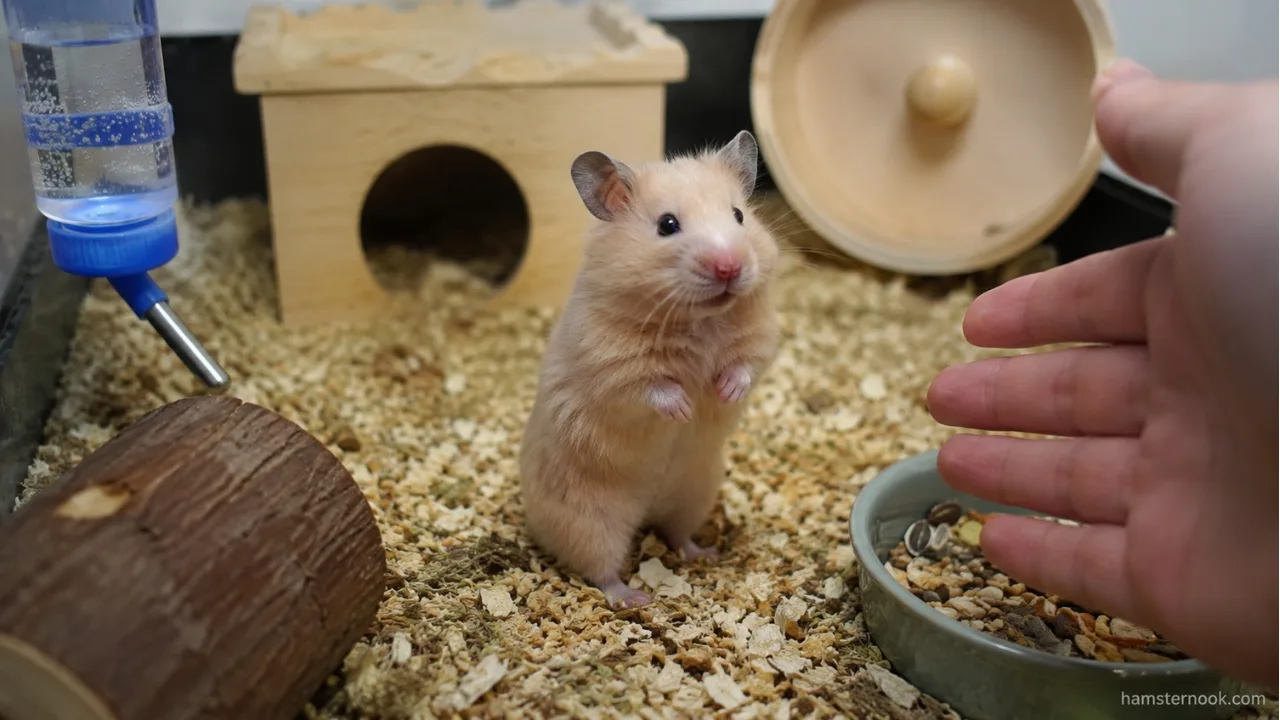
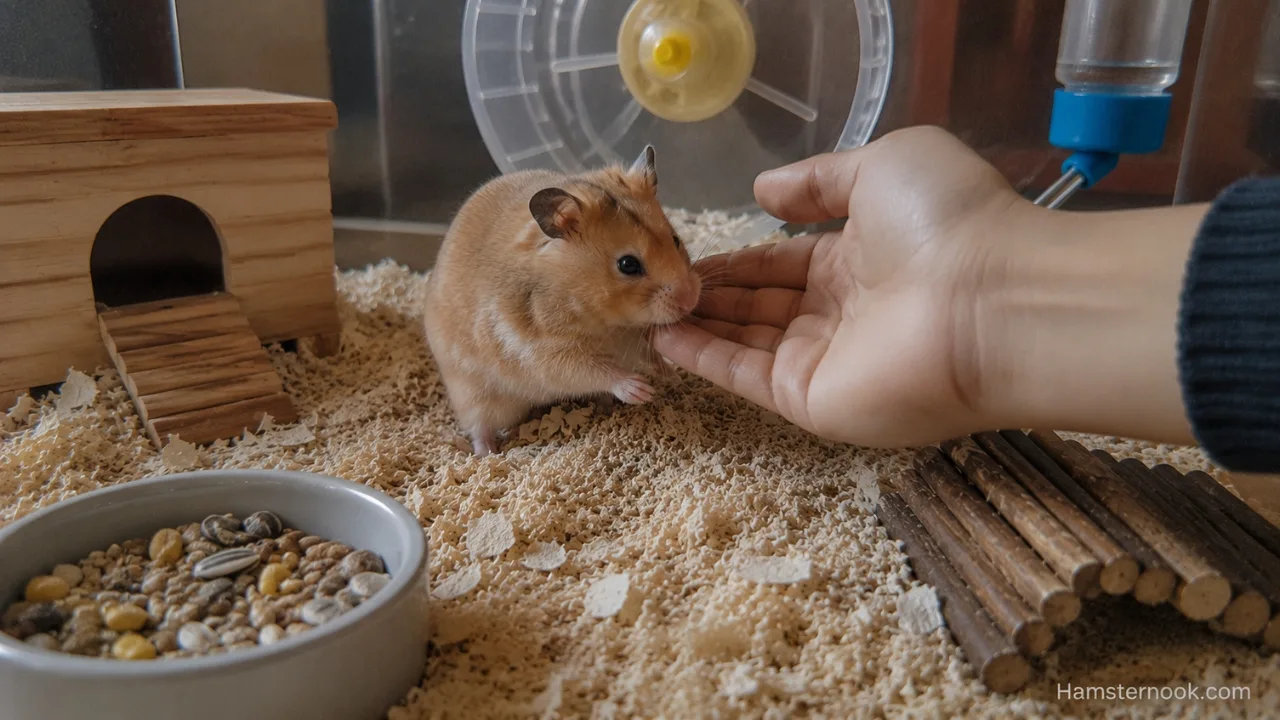
Many hamster owners eventually wonder whether their pet actually understands the care and attention they receive every day. Unlike dogs or cats, hamsters rarely show obvious signs of affection, which can make their behavior difficult to interpret. Understanding how hamsters naturally recognize people, build trust, and respond to positive experiences helps set realistic expectations while strengthening the relationship you share with your pet.
You provide food, keep the cage clean, buy enrichment toys, and spend time building trust. Yet unlike dogs or cats, hamsters rarely show obvious signs of affection. They don’t wag their tails, run to greet you at the door, or curl up in your lap for hours. This often leaves owners wondering whether their efforts mean anything to their tiny pet.
The answer isn’t a simple yes or no because hamsters experience relationships very differently from highly social animals. Hamsters do not understand affection in exactly the same way humans or highly social animals do. However, they can learn to recognize safety, trust, positive experiences, and familiar people. In their own way, these behaviors may be the closest equivalent to affection that a hamster can express.
Understanding how hamsters naturally respond to people makes it easier to appreciate the trust they show in their own way.

Quick Answer
Hamsters do not understand affection in the same way humans, dogs, or cats do. Instead, they recognize familiar people through scent, routine, and repeated positive experiences. Over time, many hamsters learn to trust their owners, making trust and comfort the closest equivalents to affection.
Why Hamsters View Relationships Differently Than Humans
It’s easy to judge hamster behavior through a human perspective, but doing so often leads to misunderstandings about what your pet is actually feeling.
Hamsters are generally solitary animals, although social behavior varies by species. Syrian and Chinese hamsters are typically kept alone, while some dwarf hamster species can sometimes live in stable groups. As prey animals, hamsters also tend to rely on caution and careful assessment of their surroundings.
Instead of forming complex social relationships, hamsters focus heavily on:
- Safety
- Food availability
- Territory
- Routine
- Environmental awareness
That doesn’t mean people are irrelevant to them. It simply means their version of bonding looks very different from what many pet owners expect.
If you’ve ever wondered why your hamster seems friendly one day and distant the next, understanding The Biggest Mistake New Hamster Owners Make in the First Week can provide valuable insight into how trust develops.
Do Hamsters Recognize Their Owners?
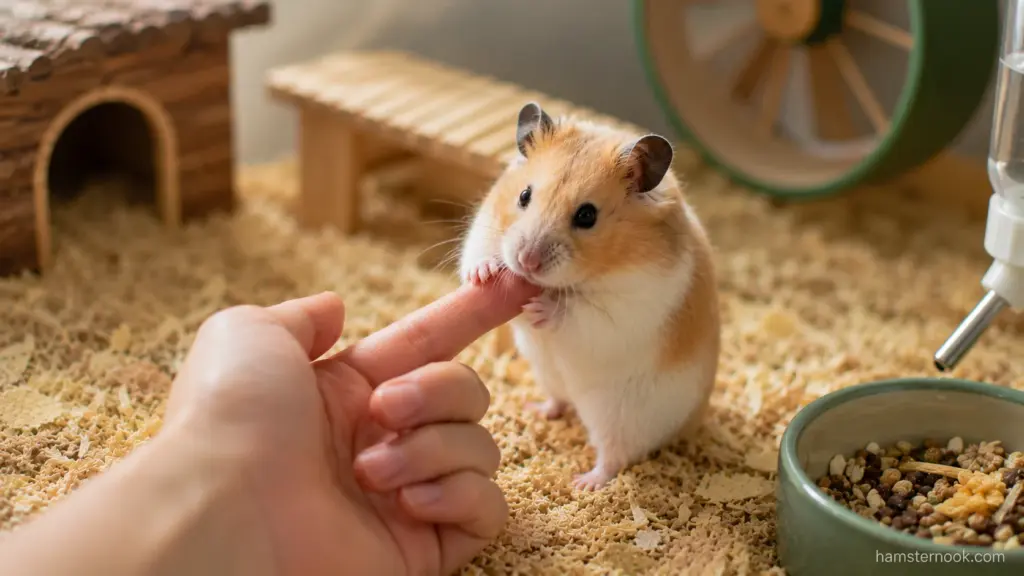
Hamsters can learn and remember differences between familiar and unfamiliar individuals, and research in golden hamsters shows strong abilities for recognizing individual odors. However, these studies examined recognition of other hamsters rather than pet owners, so they do not directly prove that a hamster recognizes a human owner in exactly the same way.
For a pet hamster, repeated exposure to a person’s scent, routine, sounds, and handling may contribute to familiarity and reduced fear. These behaviors are better described as familiarity and learned trust than as proof of human-style affection.

Some owners notice their hamster becoming calmer when they approach compared to strangers. This can be a strong sign that the hamster recognizes them as part of its routine.
One important thing to remember is that recognition doesn’t happen overnight. Hamsters build familiarity through hundreds of small, predictable interactions rather than one big bonding moment. Offering food at similar times, speaking softly before opening the enclosure, and handling your hamster gently all help create a routine that becomes familiar and reassuring over time.
Many owners are surprised by how quickly hamsters can become familiar with repeated routines and sounds. Our Do Hamster Recognize Their Owners? How Hamsters Recognize You guide explains what hamster recognition research can and cannot tell us.
Signs Your Hamster Feels Safe and Comfortable Around You
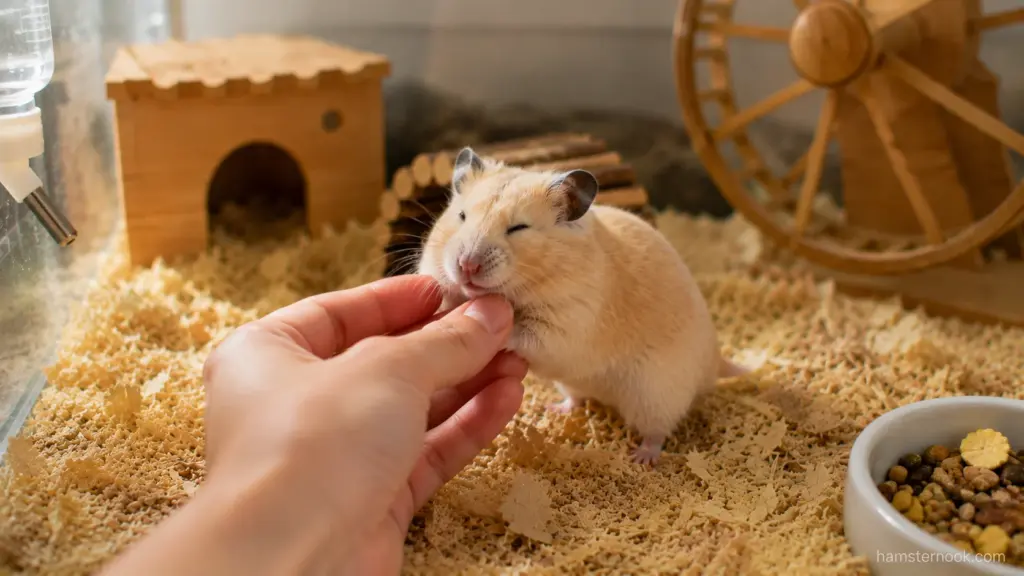
Because hamsters communicate differently from humans, their signs of trust are often subtle.
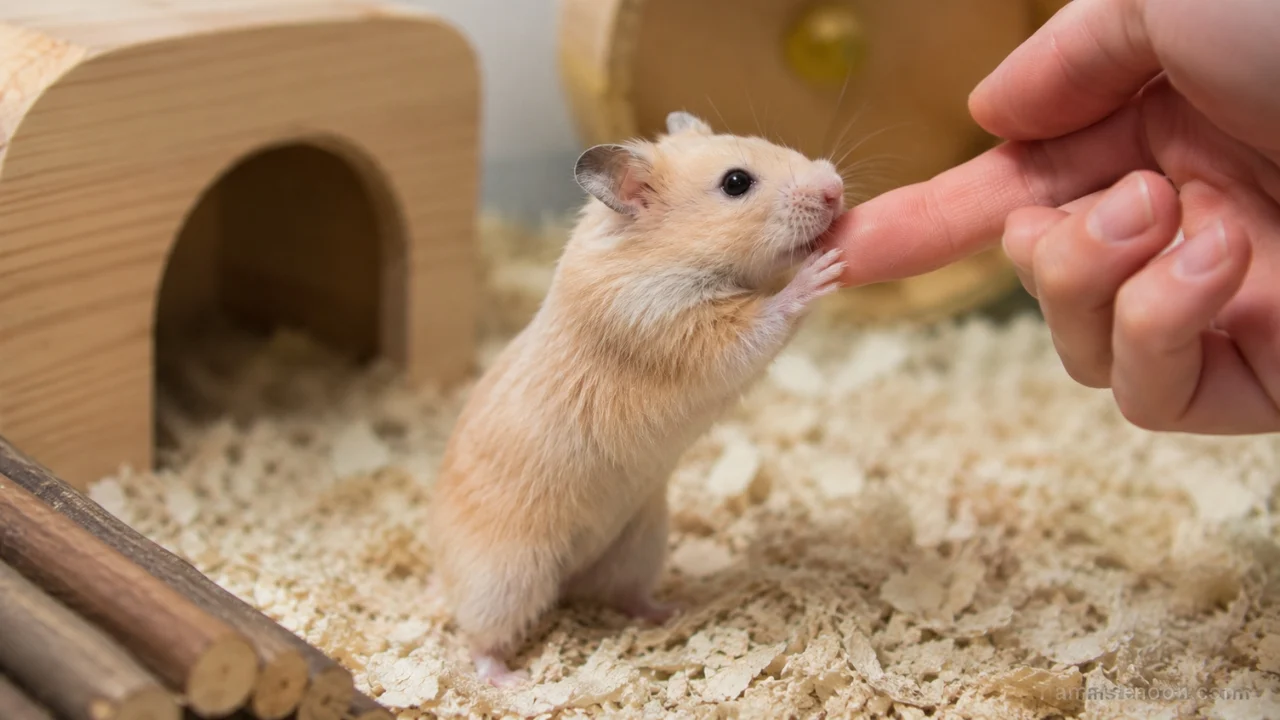
A hamster that feels safe around you may:
| Behavior | What It May Mean |
|---|---|
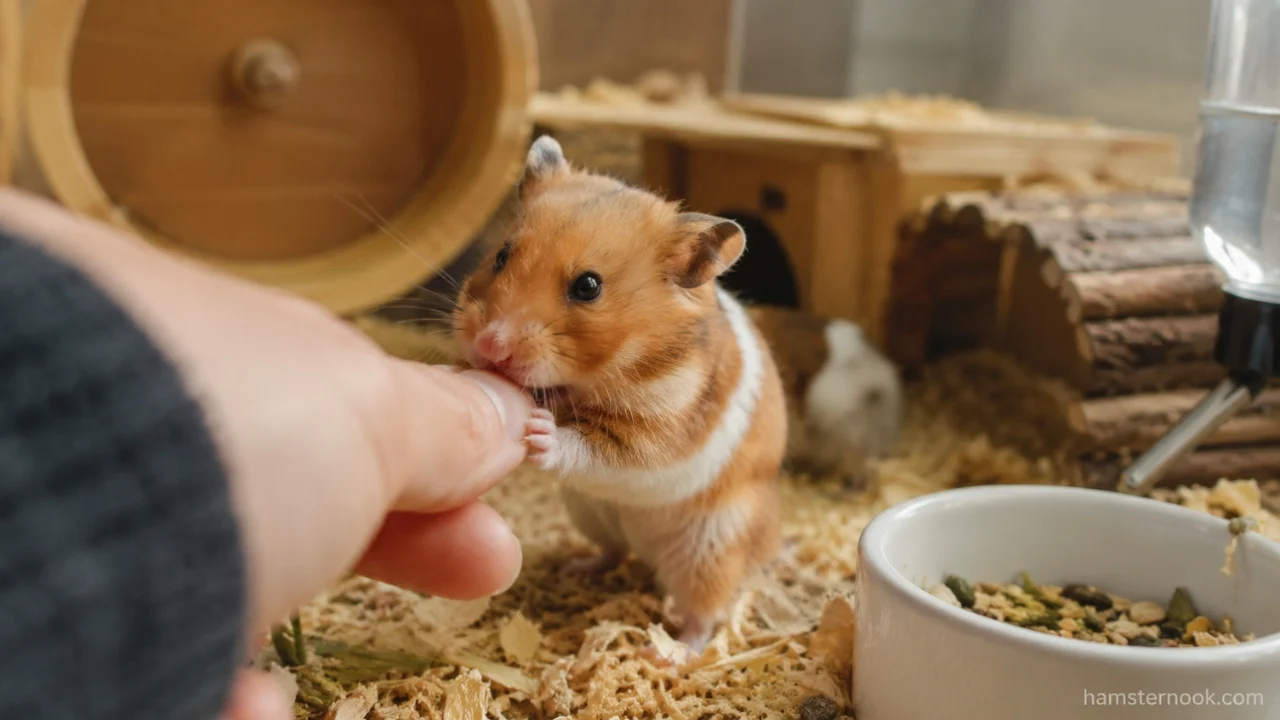
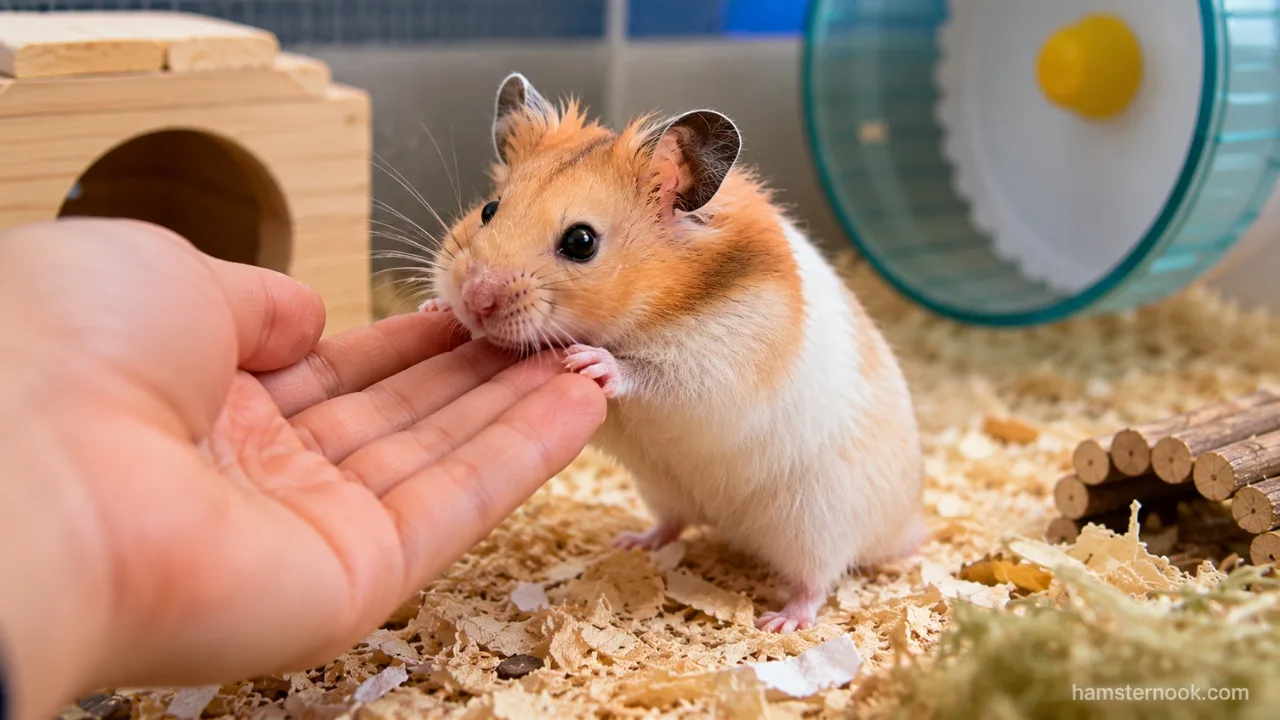
| Takes treats from your hand | Growing trust |
| Approaches the cage front when you appear | Recognizes your presence |
| Climbs onto your hand voluntarily | Feels relatively safe |
| Grooms itself near you | Comfortable in the environment |
| Explores while you are nearby | Not viewing you as a threat |
| Sleeps peacefully after interaction | Low stress levels |
These behaviors may not seem dramatic, but for a prey animal, they can be meaningful signs of confidence.
Do Hamsters Feel Love Like Dogs or Cats?
Current scientific understanding suggests that hamsters do not experience relationships in the same way highly social animals do.
Dogs evolved alongside humans and developed complex social bonds. Hamsters evolved with a different survival strategy centered around independence and caution.
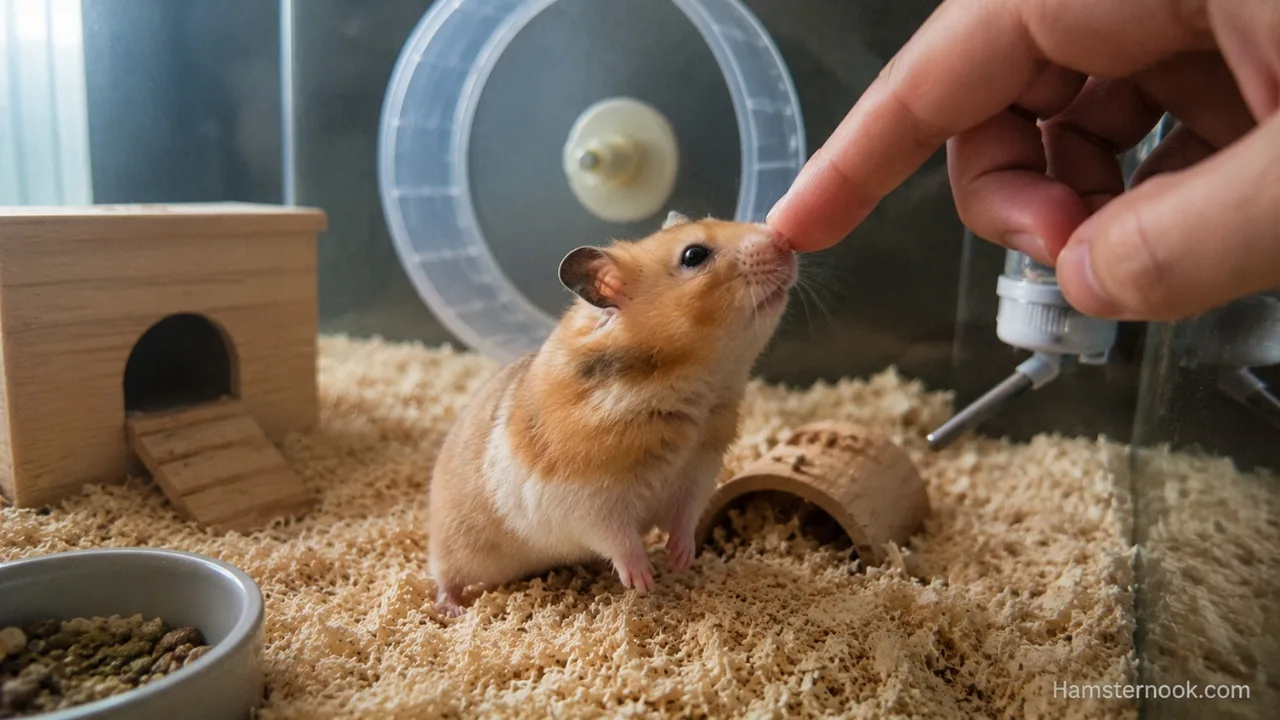
We cannot directly determine that a hamster experiences human-style love or attachment simply because it learns to trust a person. What we can observe is that hamsters can learn familiar individual cues and develop different responses to familiar and unfamiliar individuals.
A hamster can learn that:
- You provide safety
- You provide resources
- You are predictable
- You are not dangerous
For a prey animal, this level of trust is significant.
How Trust Develops Between Hamsters and Humans
Hamsters usually learn to trust people through predictable, positive experiences.
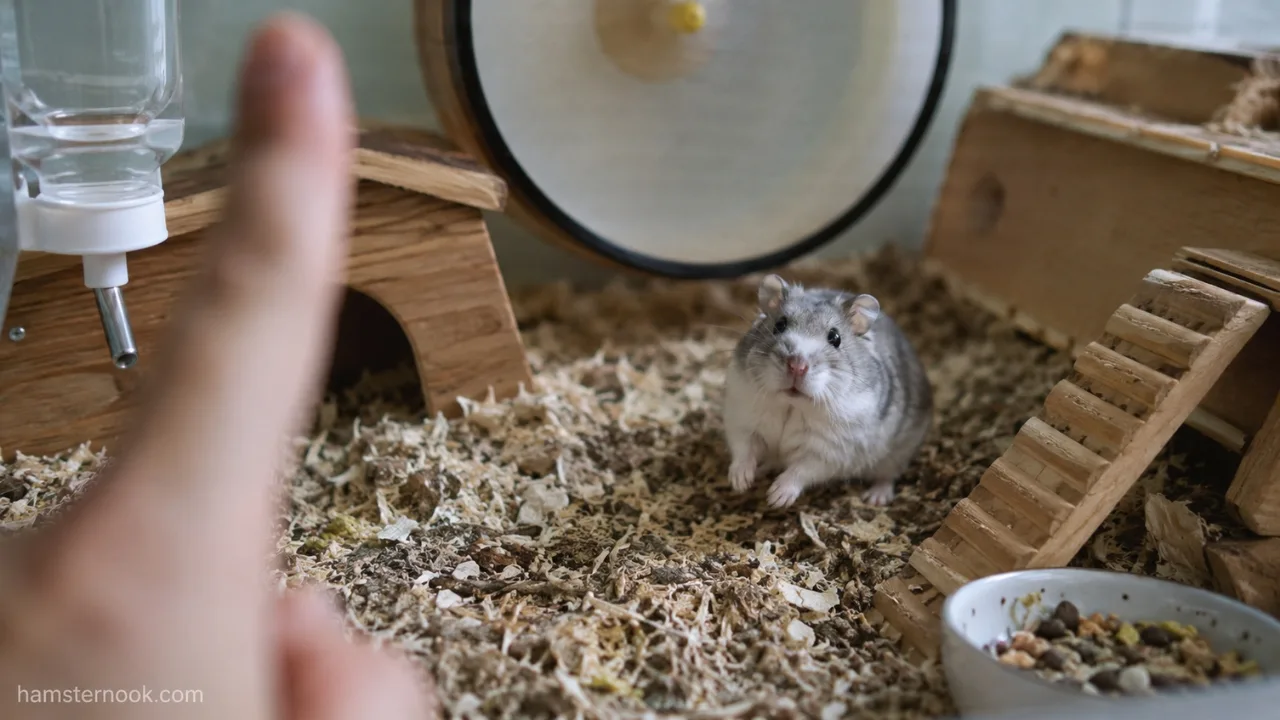
Hamsters gradually learn through repeated experiences.
How Long Does It Take a Hamster to Trust You?
Trust develops at different speeds depending on the hamster’s personality, age, previous experiences, and environment.
A hamster’s progress is individual, so there is no reliable timeline that applies to every pet.
| Stage | Common Signs of Growing Trust |
|---|---|
| Early interactions | Hiding less, observing you, and becoming comfortable with your presence |
| Growing familiarity | Taking treats calmly and investigating your hand |
| More established trust | Approaching voluntarily, remaining relaxed during gentle interaction, and exploring while you are nearby |
Some hamsters become confident quickly, while others require much more patience.
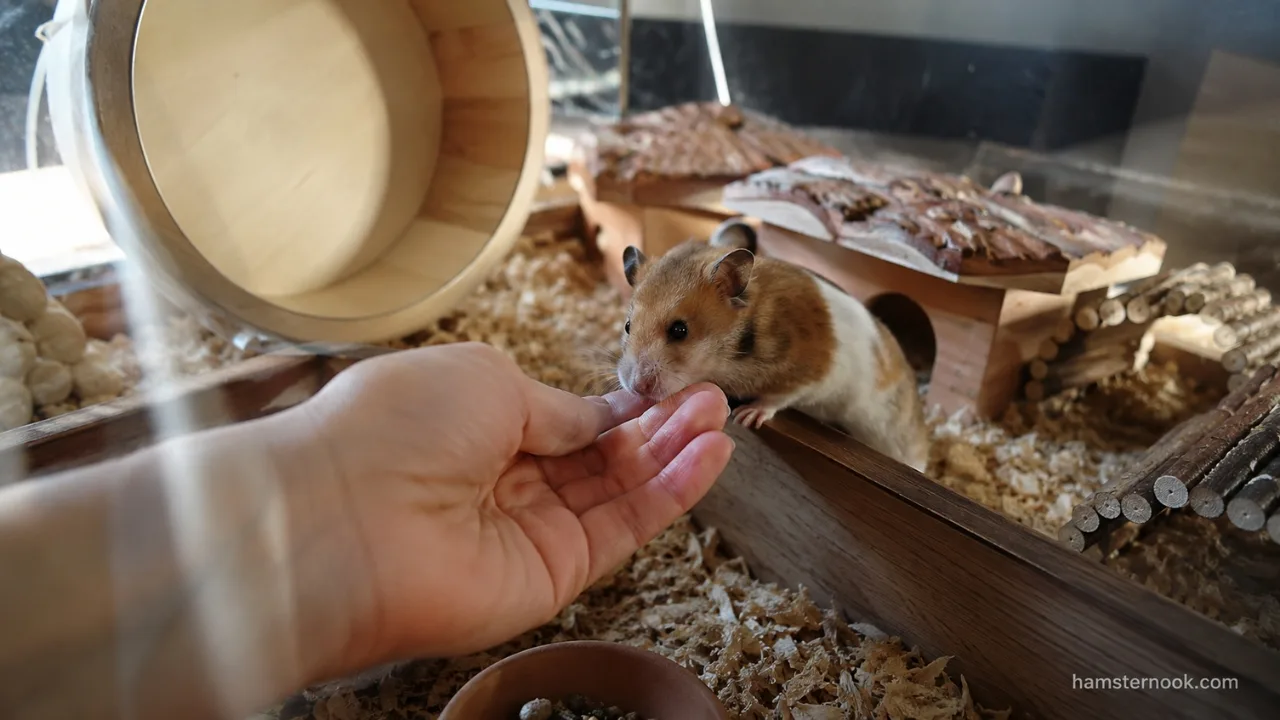
Positive Experiences Build Confidence
Small positive experiences gradually shape how your hamster responds to you.
Examples include:
- Receiving a favorite treat
- Gentle handling sessions
- Calm environments
- Consistent feeding schedules
Over time, these experiences create positive associations.
Predictability Matters
Hamsters often thrive on routine.
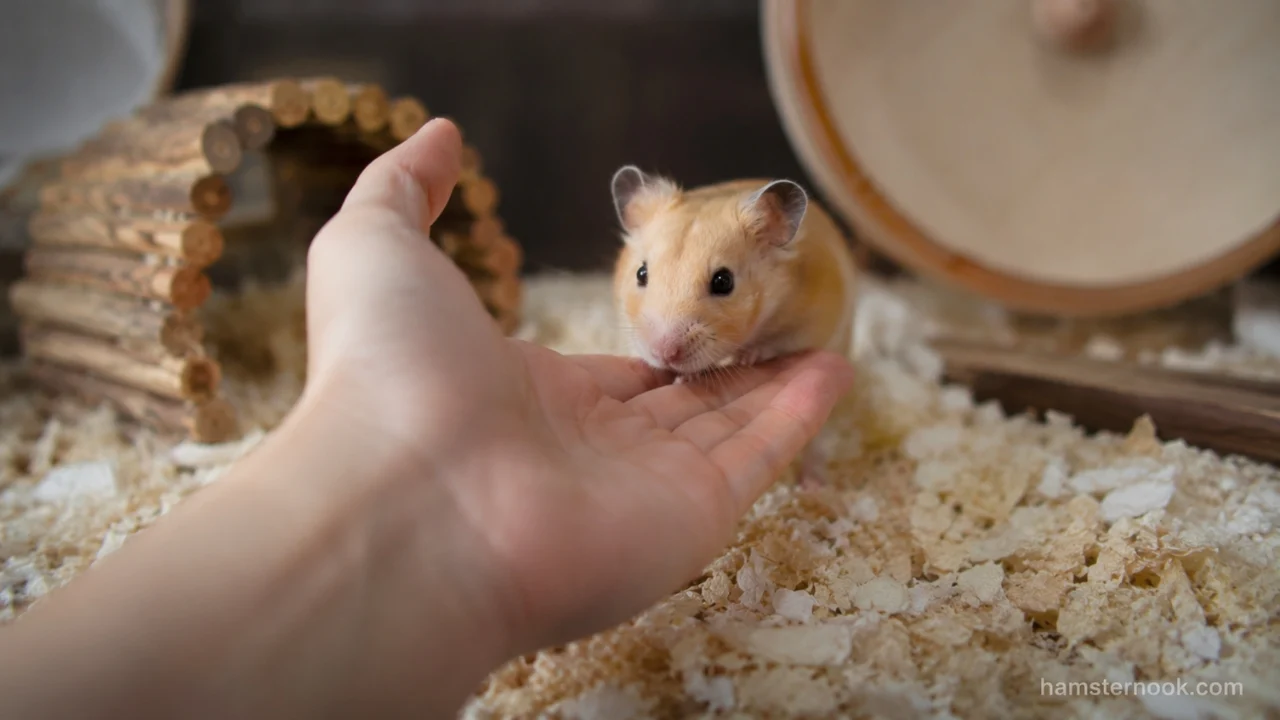
A predictable owner becomes easier to trust because the hamster knows what to expect.
This is one reason why sudden changes in handling habits or environment can sometimes cause setbacks.
Understanding Why Your New Hamster Seems Scared of Everything can help owners recognize how important consistency is during trust-building.
Strong Signs Your Hamster Trusts You
Comfort and trust are often more realistic goals than affection.

Look for these positive indicators:
Voluntary Interaction
The most meaningful interactions are those your hamster chooses.
A hamster that willingly approaches your hand is demonstrating confidence.
Relaxed Body Language
A relaxed hamster typically:
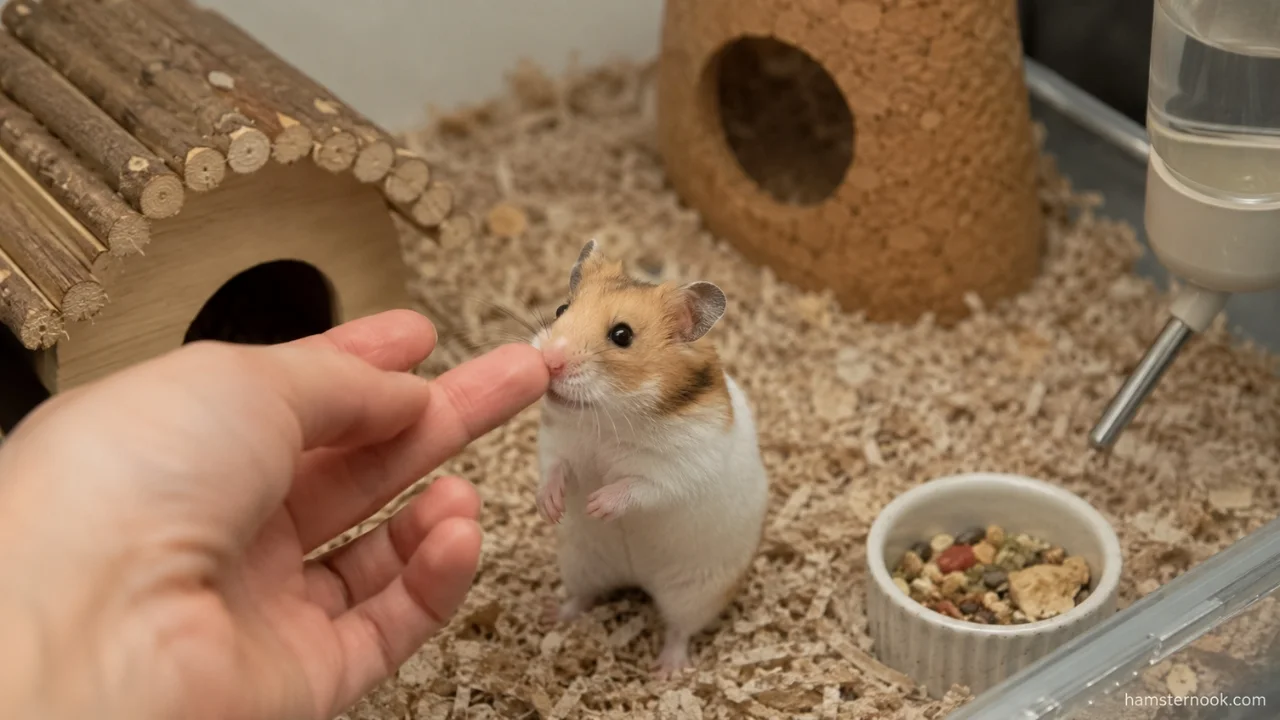
- Moves normally
- Explores confidently
- Eats comfortably
- Shows curiosity
Fearful hamsters often freeze, hide excessively, or flee.
Taking Food Without Hesitation
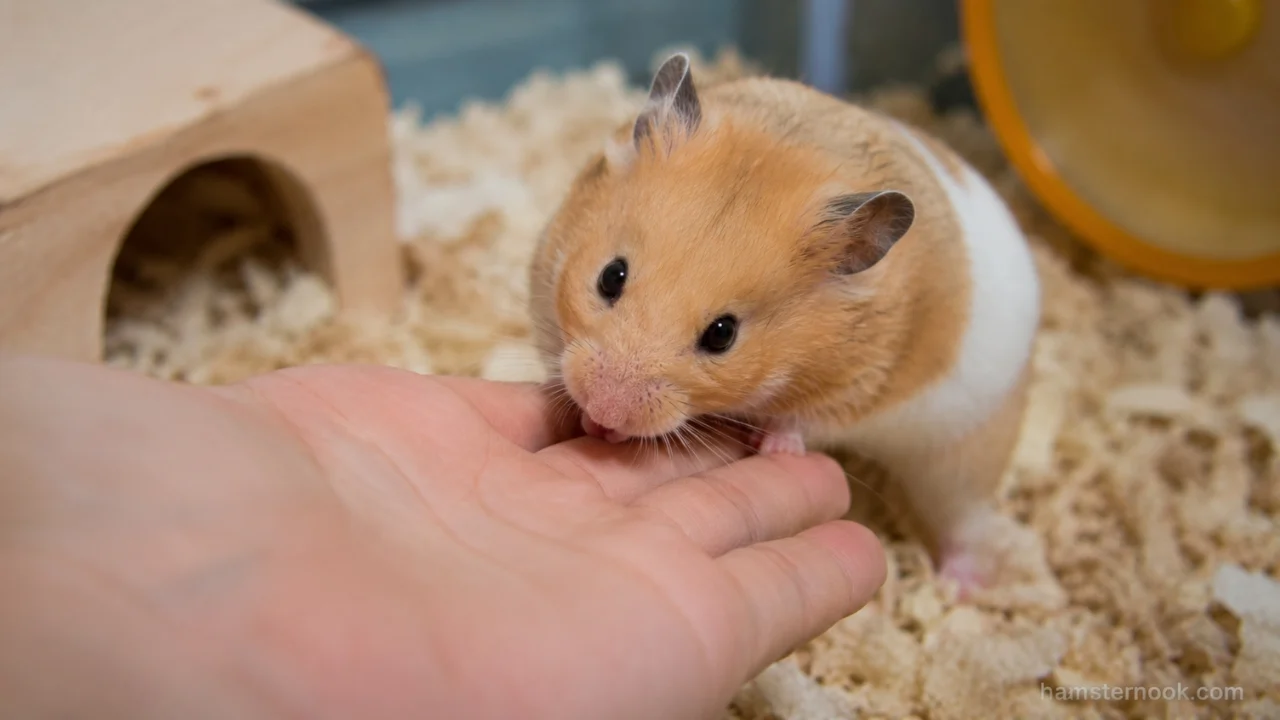
Accepting food directly from your hand is often one of the earliest trust milestones.
Progress isn’t always linear. A hamster that seemed confident last week may suddenly become more cautious after a cage deep-clean, a move to a new room, or another stressful change. Temporary setbacks are normal, and returning to calm, predictable interactions usually helps rebuild confidence without forcing contact.
While food motivation plays a role, many nervous hamsters initially refuse treats until they feel secure.
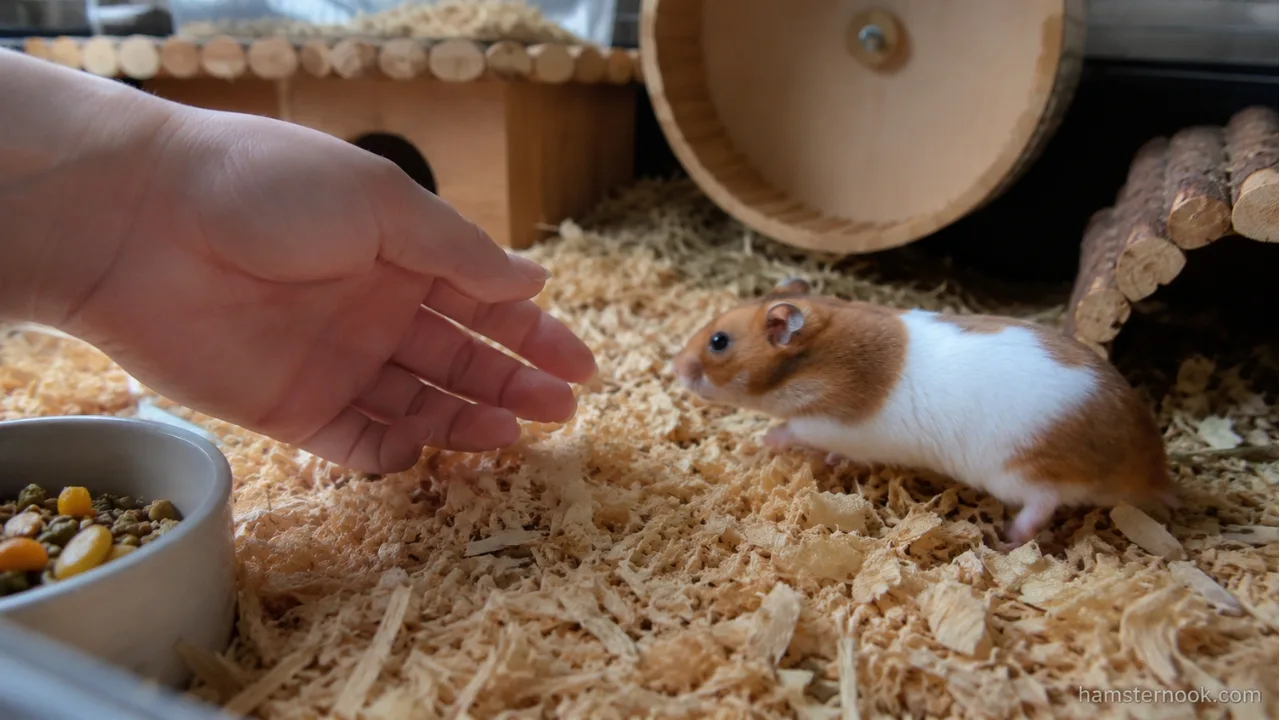
Can a Hamster Have a Favorite Person?
Some hamsters appear noticeably more comfortable with one person than others.
This usually happens because the hamster has the most positive experiences with that individual. Consistent feeding, gentle handling, familiar scents, and predictable interactions can make one person feel safer and more familiar than everyone else.
Rather than choosing a favorite person emotionally, the hamster is typically responding to familiarity and trust.
Common Behaviors That Are Often Misinterpreted
Owners sometimes misunderstand normal hamster behaviors.
| Behavior | Common Assumption | More Likely Explanation |
|---|---|---|
| Sitting on your hand | Loves being held | Feels safe enough to stay |
| Following your hand | Wants affection | Curious or expecting treats |
| Sleeping near cage front | Wants attention | Comfortable in environment |
| Climbing on you | Bonding behavior | Exploring a new surface |
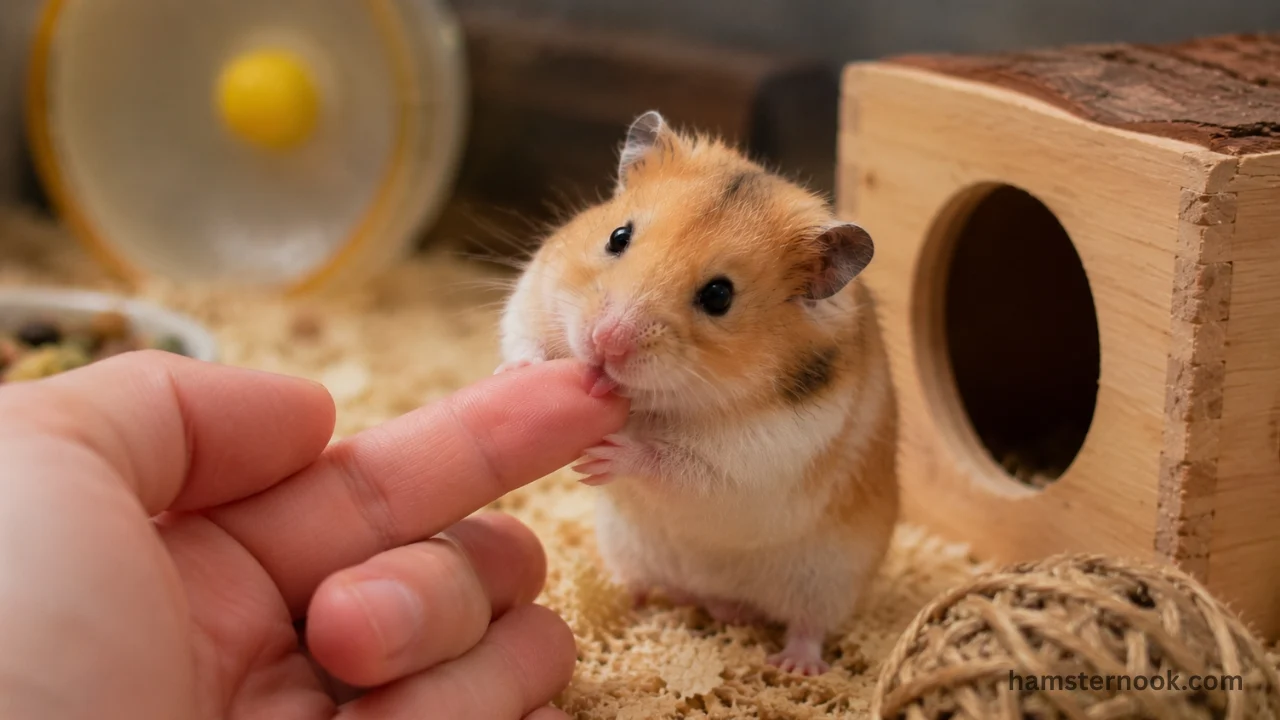
| Licking your fingers | Showing affection | Investigating scent or salt residue |
Understanding these distinctions helps set realistic expectations.
Mistakes That Can Damage Trust
Many owners unintentionally slow down the bonding process.
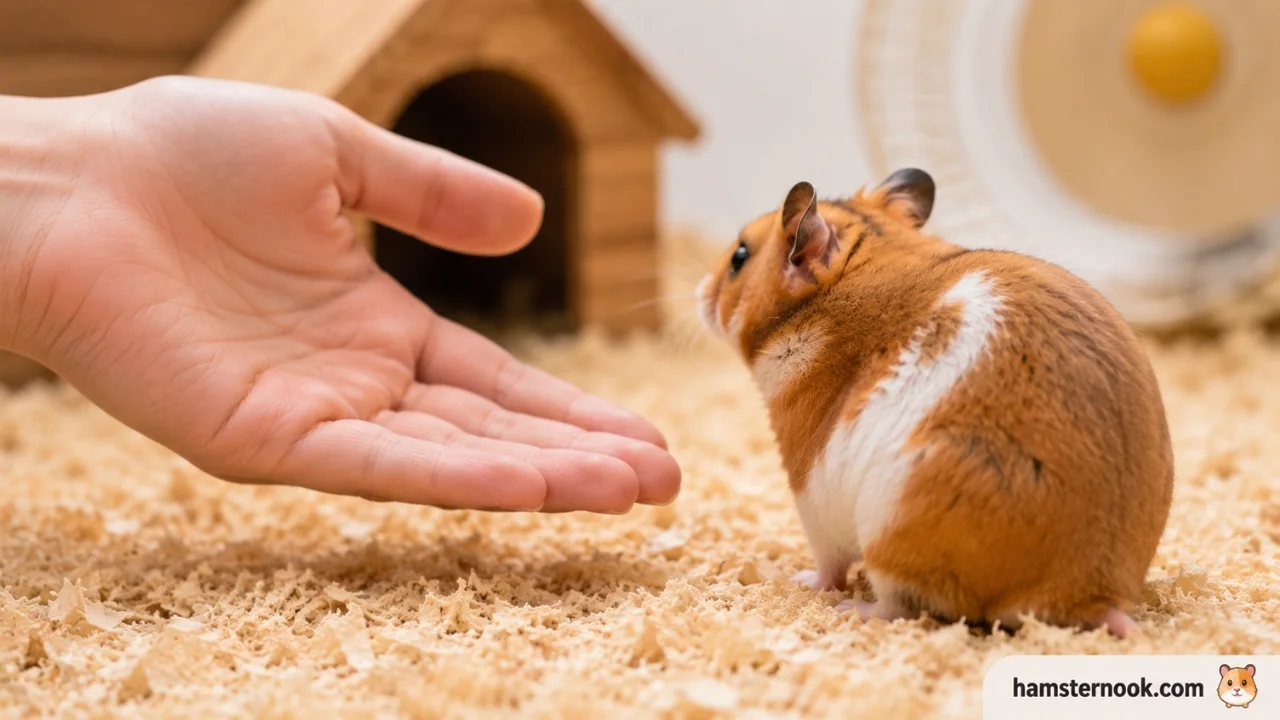
Forcing Handling Sessions
Picking up a hamster repeatedly before it is comfortable can create fear.
Trust is easier to build when the hamster chooses interaction.
Waking a Sleeping Hamster
Interrupting sleep often causes stress and defensive behavior.
If you’re unsure whether your hamster’s schedule is normal, reading Why Is My Hamster Sleeping So Much? can help clarify healthy sleep patterns.
Ignoring Stress Signals
Hamsters communicate discomfort through behavior.
Warning signs include:

- Flattened posture
- Sudden freezing
- Teeth chattering
- Attempting to escape
- Repeated hiding
Respecting these signals helps preserve trust.
Like people, hamsters have individual personalities.
Some are naturally:
- Curious
- Outgoing
- Confident
Others are:
- Shy
- Reserved
- Cautious
Breed can influence behavior somewhat, but personality differences often matter more.
If you’re still choosing a hamster, understanding the personality differences between species can help you pick one that better matches your expectations. Our Best Hamster Breeds for First-Time Owners guide compares the most beginner-friendly options.
How to Strengthen Your Bond With a Hamster
While you cannot force affection, you can encourage trust.
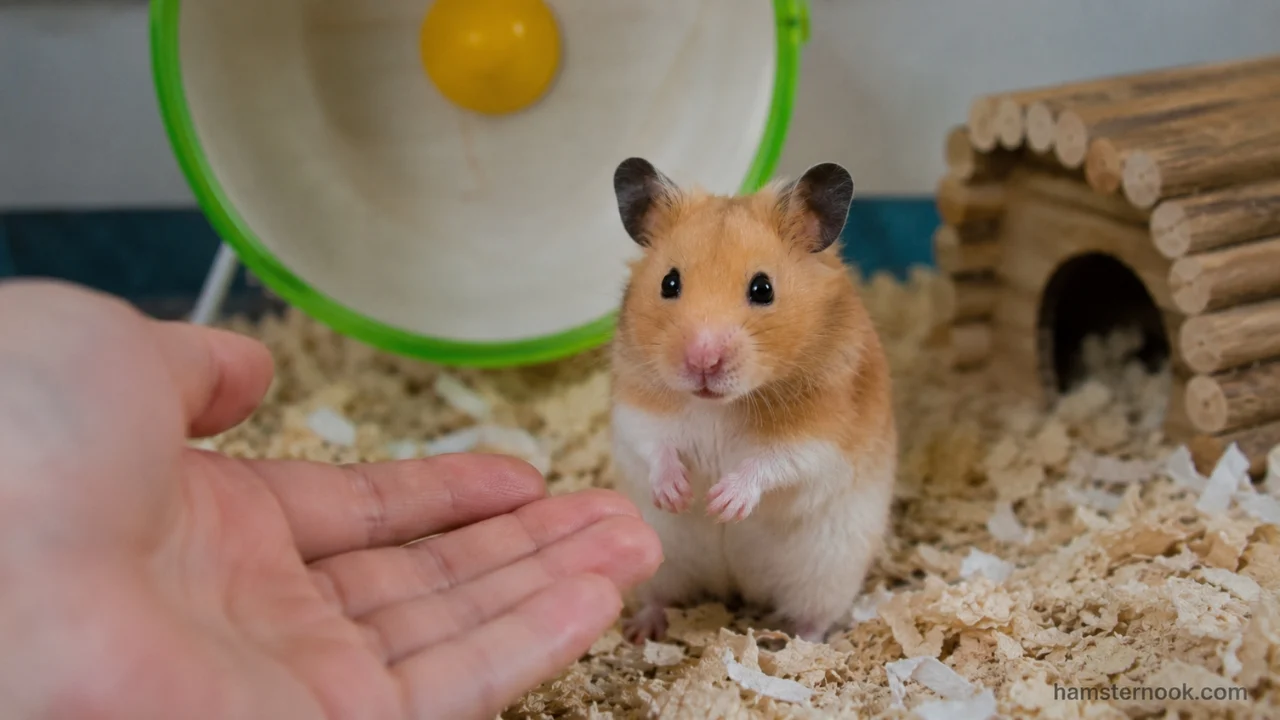
Let Your Hamster Set the Pace
The best relationships develop when the hamster feels in control.
Allow it to:
- Approach voluntarily
- Explore at its own speed
- Retreat when uncomfortable
Use Positive Reinforcement
Reward calm behavior with:
- Tiny healthy treats
- Gentle praise
- Consistent routines
Avoid punishment or forced interaction.
Spend Quiet Time Near the Cage
Sometimes simply being present helps.
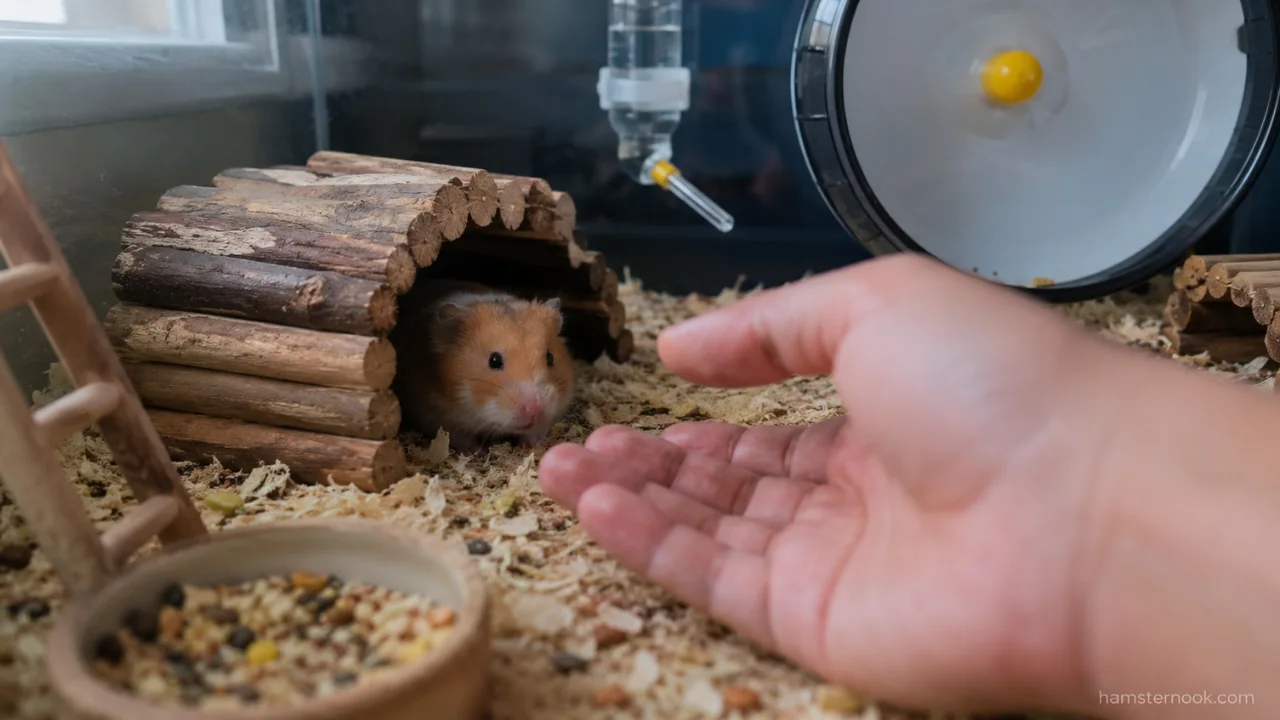
Your hamster gradually becomes accustomed to your voice, scent, and movements.
Many owners underestimate how effective this simple strategy can be.
For additional trust-building techniques, Signs Your Hamster Trusts You can help you better understand how positive interactions strengthen your bond.
Understanding the Difference Between Trust and Affection
One of the most helpful things to understand is that trust often means far more to a hamster than affection does.

A hamster may never display obvious emotional attachment.
However, a hamster that:
- Approaches you willingly
- Accepts handling calmly
- Feels safe in your presence
- Shows curiosity rather than fear
is demonstrating something valuable.
For a naturally cautious prey animal, choosing not to fear you is a major sign of confidence and comfort.
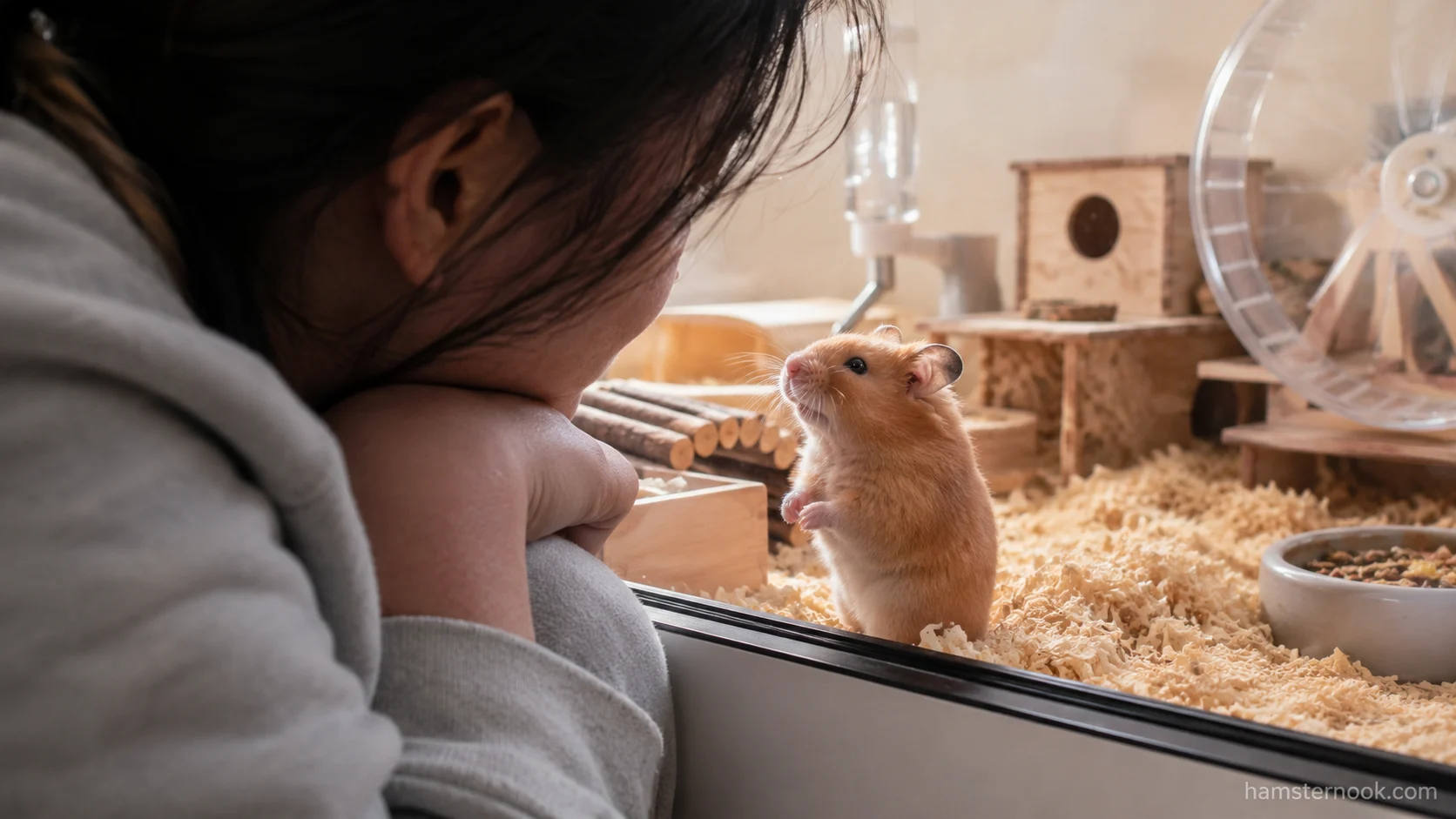
It’s also worth remembering that every hamster has its own comfort level with human interaction. Some individuals naturally tolerate handling better than others, even when both receive excellent care. Measuring progress by your hamster’s willingness to stay relaxed, rather than expecting cuddling or constant interaction, creates more realistic expectations and supports better welfare.
That trust is often the strongest bond a hamster can offer.
How to Tell If Trust Is Growing Over Time
Instead of looking for dramatic displays of affection, watch for small improvements over several weeks. A hamster that begins accepting treats sooner, spends more time exploring while you’re nearby, or climbs onto your hand without hesitation is showing increasing confidence. These gradual changes are often more meaningful than a single friendly interaction because they reflect a growing sense of safety.
Instead of looking for dramatic displays of affection, watch for small improvements over several weeks. A hamster that begins accepting treats sooner, spends more time exploring while you’re nearby, or climbs onto your hand without hesitation is showing increasing confidence. These gradual changes are often more meaningful than a single friendly interaction because they reflect a growing sense of safety. For another look at how excitement, recognition, and trust can appear in everyday behavior, see our Do Hamsters Get Excited to See You? Signs They Recognize & Trust You guide.
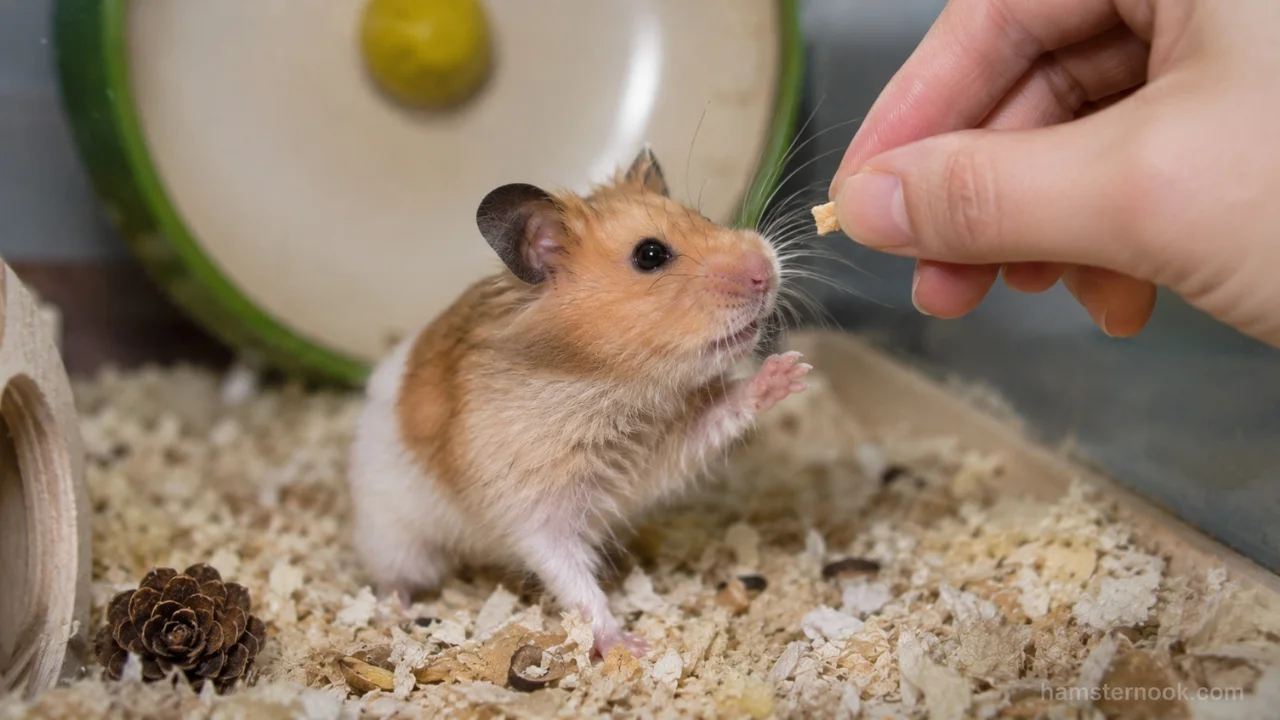
What Matters Most to a Hamster?
Owners often focus on whether their hamster loves them, but a more useful question is whether the hamster feels safe around them.
A hamster that willingly approaches you, takes treats, explores confidently, and remains relaxed in your presence is showing a high level of comfort. For a naturally cautious prey animal, that trust is meaningful and should never be underestimated.
Many owners worry that a hamster which doesn’t enjoy cuddling must dislike them. In reality, respecting your hamster’s boundaries is often one of the best ways to build trust. Giving your hamster the choice to approach you, rather than forcing interaction, usually creates a stronger and more relaxed relationship over time.
Final Thoughts
Hamsters may never express affection in the way highly social pets do, but that doesn’t make the bond you build with them any less meaningful. Their trust is earned gradually through consistency, gentle handling, and a predictable routine. When a hamster willingly approaches you, accepts treats, or remains relaxed in your presence, it’s demonstrating confidence rather than fear. For a naturally cautious prey animal, that’s one of the strongest signs of a successful relationship and something every owner should value.
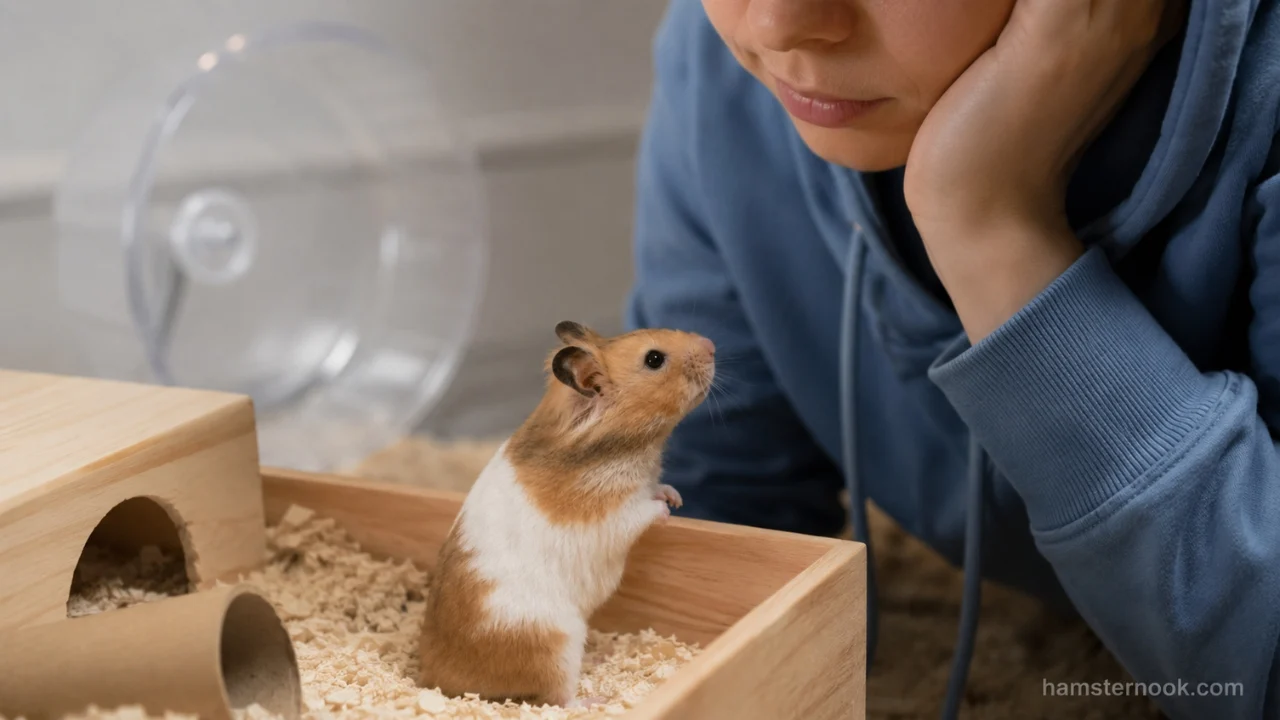
However, they can absolutely learn to recognize their owners, associate them with positive experiences, and develop a level of trust that grows stronger over time.
Instead of measuring your relationship by human standards, focus on the small signs of comfort and confidence. A hamster that willingly approaches your hand, accepts treats, explores around you, and remains calm in your presence is showing something meaningful.
In the hamster world, trust is often the closest thing to affection—and earning that trust is one of the most rewarding parts of hamster ownership.
Frequently Asked Questions
Do hamsters know who their owner is?
Hamsters can learn to distinguish familiar from unfamiliar individuals, particularly through scent-based cues. Direct research on human-owner recognition is limited, so familiar behavior around an owner is better interpreted as recognition or familiarity rather than proof of human-style attachment.

Can hamsters become attached to humans?
They can develop familiarity and trust, but they do not typically form attachments in the same way highly social animals such as dogs do.
Why does my hamster sniff me before climbing onto my hand?
Hamsters rely heavily on scent to understand their surroundings. Sniffing your hand helps them recognize who you are and decide whether they feel comfortable interacting. This behavior is a normal part of building trust.
How do hamsters show affection?
Hamsters usually show trust rather than affection. Voluntarily approaching you, taking treats, and remaining calm during handling are positive signs.
Why doesn’t my hamster seem interested in me?
Some hamsters are naturally more independent than others. Personality, age, species, and previous experiences can all influence behavior.
Can a hamster miss its owner?
There is no strong evidence that hamsters miss owners in the same emotional way dogs or highly social animals do. However, they can notice changes in routine and may respond differently when a familiar person is absent.
How long does it take for a hamster to trust you?
Some hamsters become comfortable within days, while others may take several weeks or even months. Patience and consistency are usually the keys to success.
Why does my hamster come to me when I approach the cage?
Many hamsters learn to associate their owners with food, treats, enrichment, and positive experiences. This behavior often reflects recognition and trust rather than human-style affection.
Do hamsters enjoy being petted?
Some hamsters tolerate or enjoy gentle petting after trust has been established, while others prefer minimal physical contact. Individual personality plays a major role.
References
This guide is based on hamster behavior, recognition, social interaction, handling, trust-building, and welfare guidance from trusted animal welfare and veterinary resources, including:
- RSPCA – Hamster Behaviour – Guidance on natural hamster behavior, communication, handling, activity patterns, and signs of comfort or stress.
- RSPCA – Keeping Hamsters as Pets – General guidance on hamster care, behavior, handling, enrichment, welfare, and understanding natural needs.
- Blue Cross – Hamster Care Guide – Practical advice on hamster handling, behavior, enrichment, housing, and helping hamsters become comfortable with their owners.
- MSD Veterinary Manual – Hamsters – Veterinary reference information covering hamster behavior, husbandry, health, and environmental needs.
- NC3Rs – Housing and Husbandry: Hamster – Guidance on hamster housing, natural behaviors, environmental needs, enrichment, and welfare.
- NC3Rs – Choosing Appropriate Enrichment – Guidance on providing appropriate enrichment and opportunities for natural behaviors that support hamster welfare.

Narayan Kumar is the founder and author of HamsterNook. He creates practical, research-based hamster care guides covering hamster behavior, nutrition, cage setup, enrichment, health, and everyday care. His goal is to help hamster owners make informed decisions and provide safer, healthier lives for their pets through clear, beginner-friendly information based on trusted animal care resources.