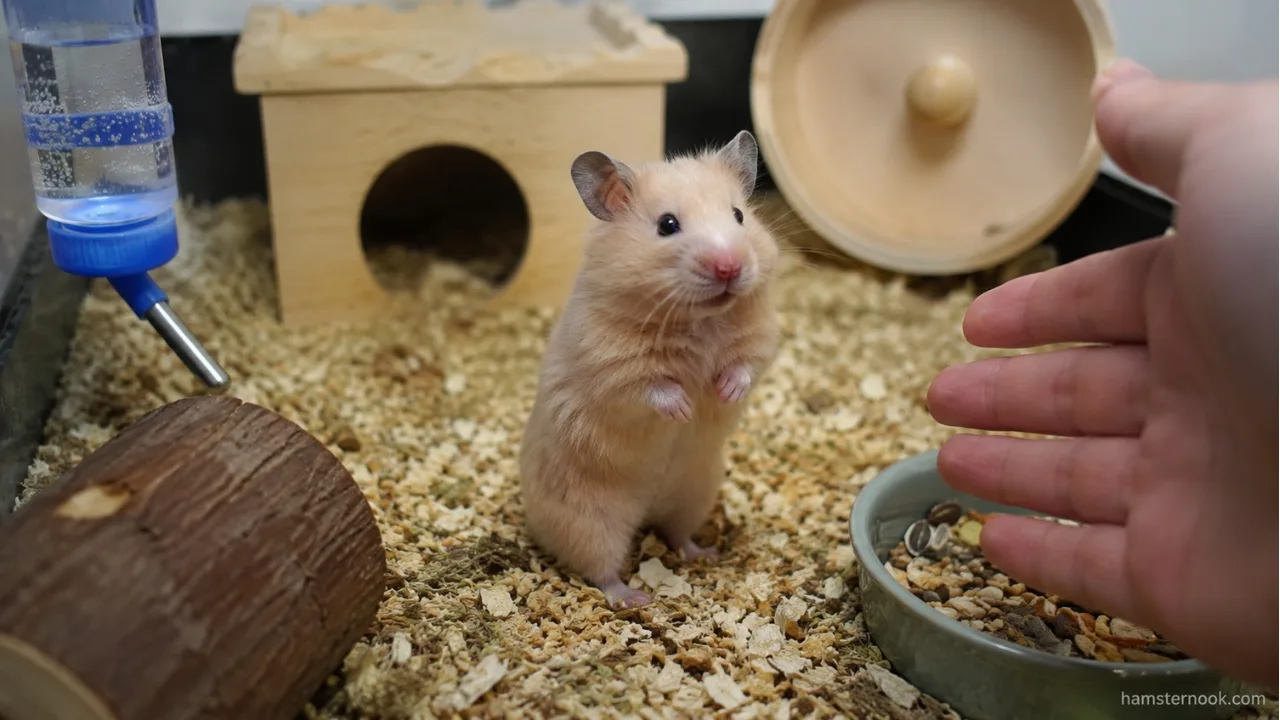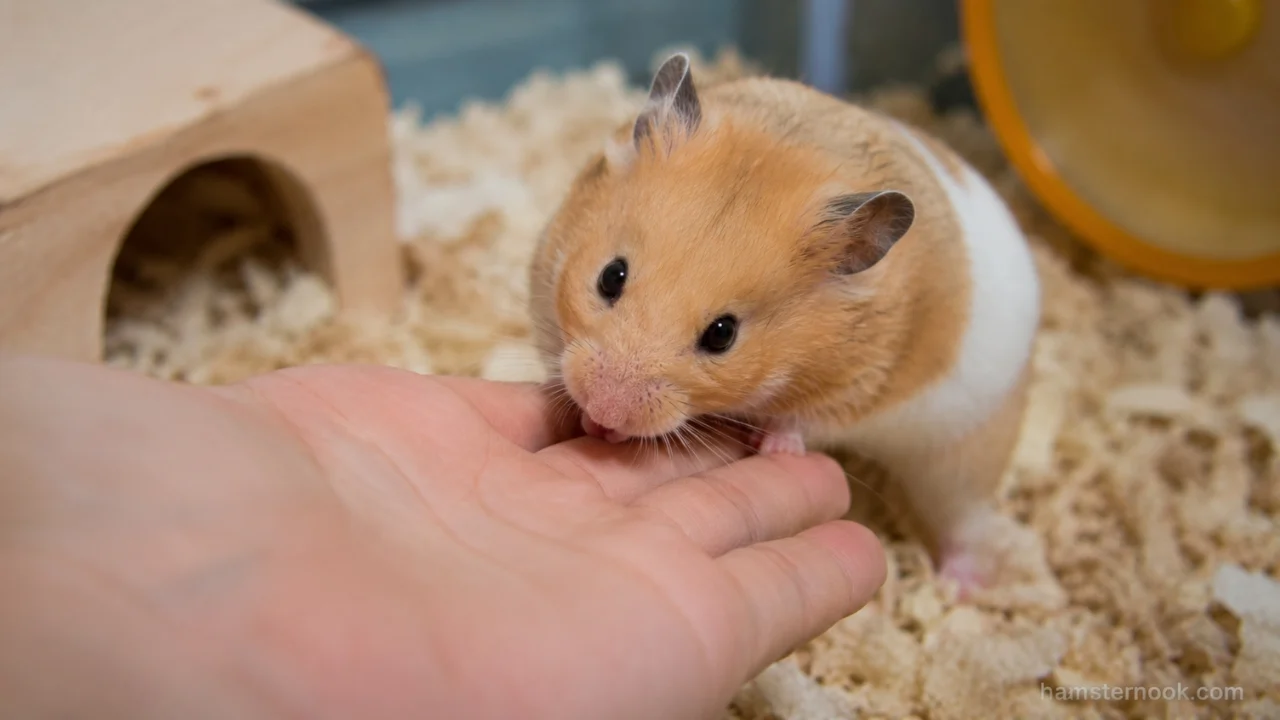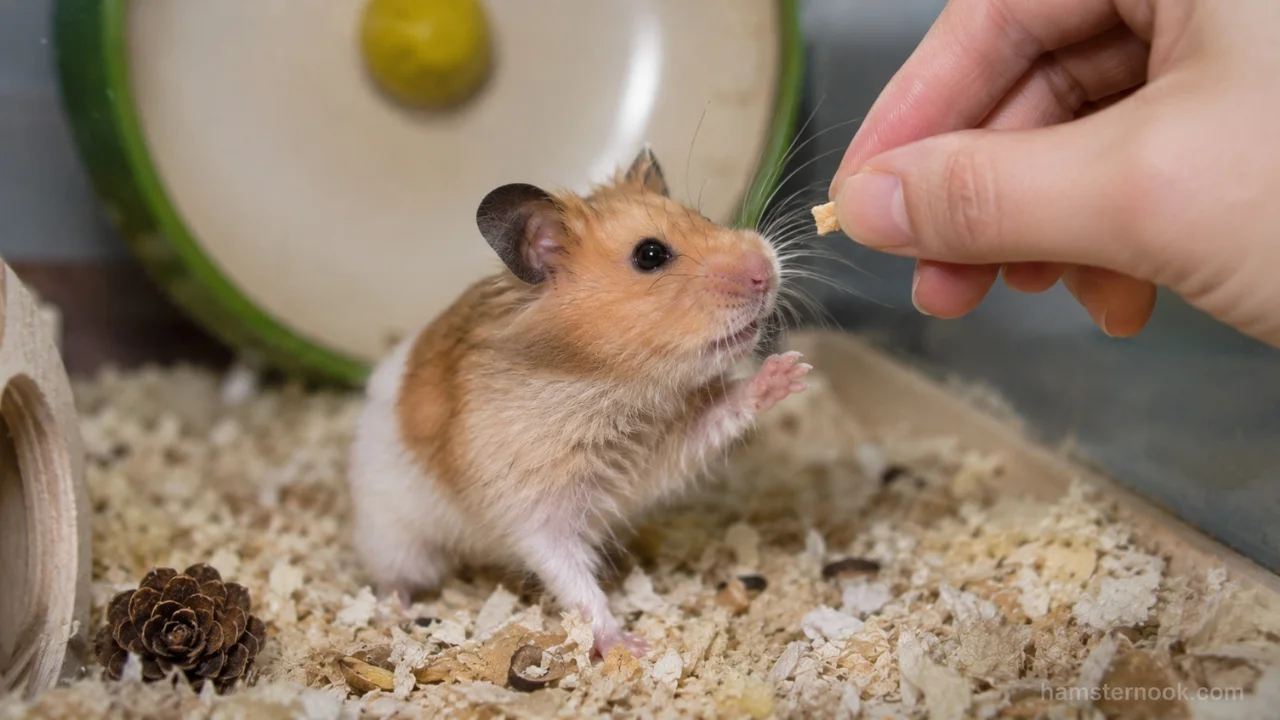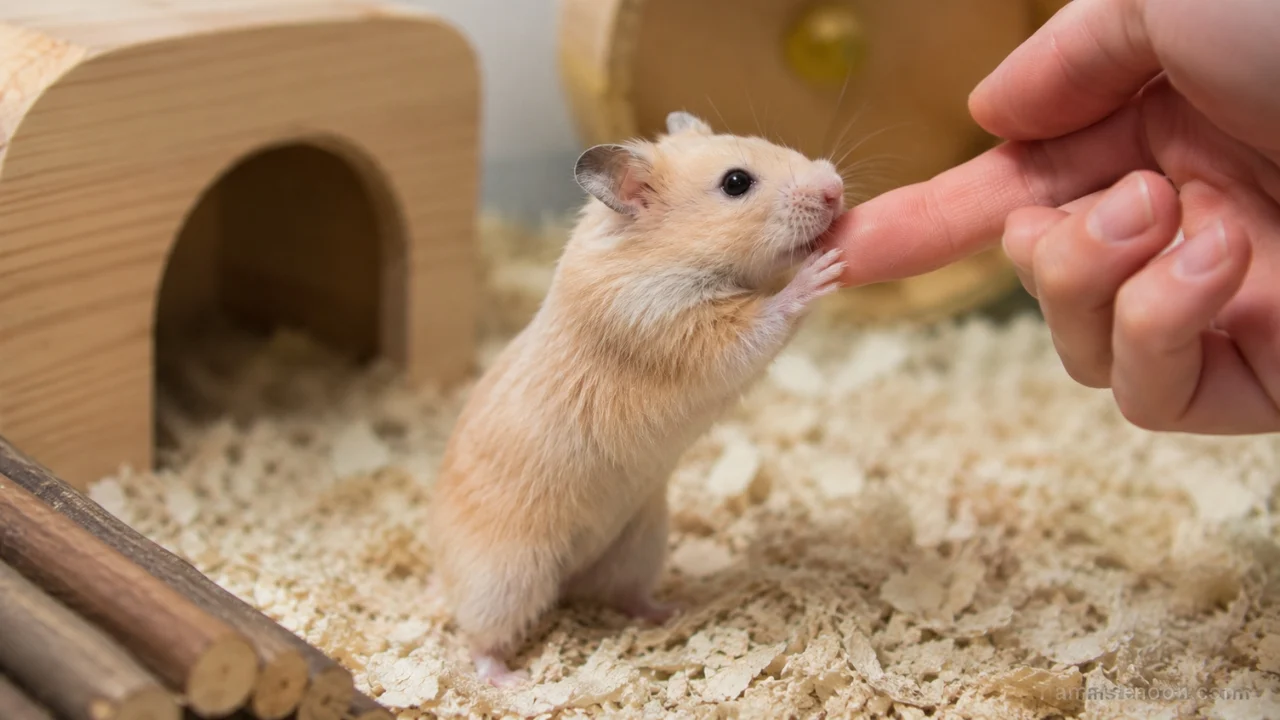
If you’ve ever noticed that your hamster happily climbs onto your hand but seems nervous around everyone else, you might wonder whether hamsters choose a favorite person. Many hamster owners notice that their pet willingly climbs onto one person’s hand while acting much more cautious around everyone else.
This often leads to a common question: do hamsters actually prefer one person?
The answer is somewhere in the middle. Hamsters do not form relationships in the same way that dogs or cats do, but they can learn to recognize and trust certain people through repeated positive interactions. Over time, a hamster may become noticeably more comfortable with one individual, especially if that person handles them regularly and respects their boundaries.
Knowing how hamsters recognize people makes it easier to understand why they seem comfortable with some individuals and cautious around others.

Can Hamsters Recognize Individual People?
For most hamsters, scent is the biggest clue. They often recognize familiar people by smell long before they recognize a face.
Scent is only one part of owner recognition. Our Can Hamsters Recognize Their Owners by Smell Alone? guide explains how scent, voice, and routine work together.
Yes, hamsters can recognize people to some extent.
While their eyesight is relatively poor, hamsters rely heavily on their senses of smell, hearing, and routine. They become familiar with scents, voices, and handling patterns.
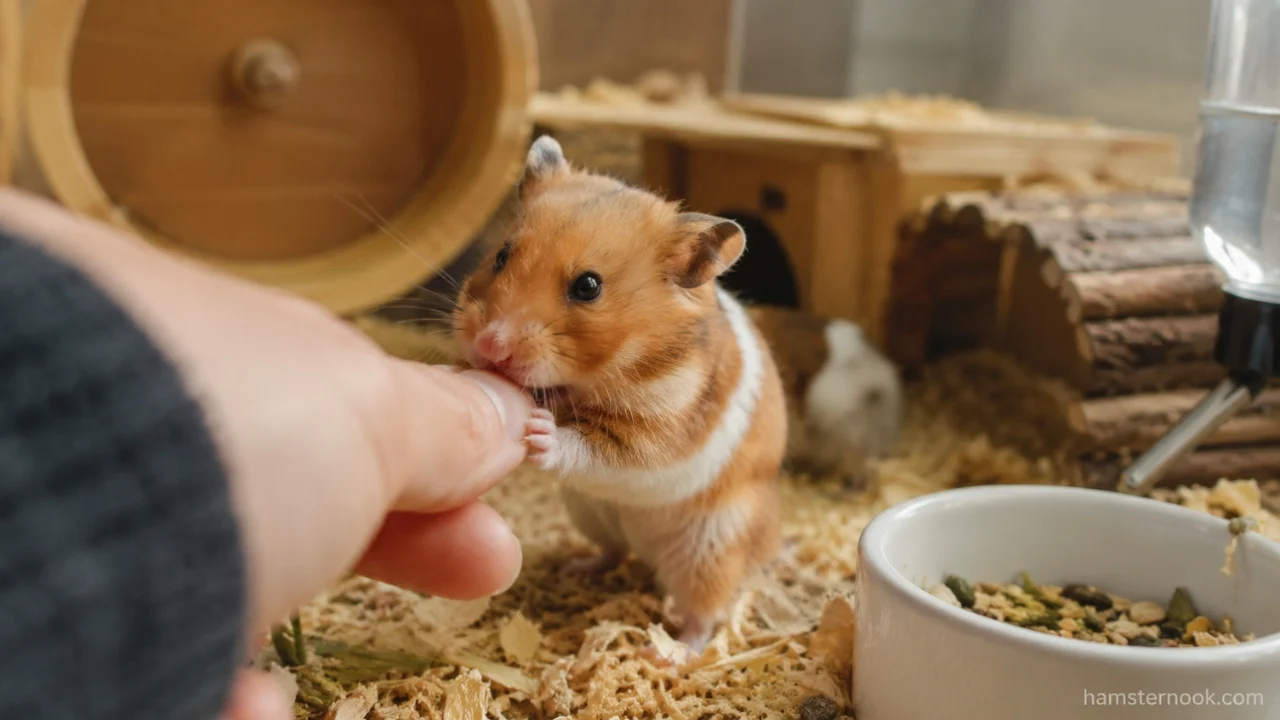
A hamster may learn to recognize:
- A person’s scent
- The sound of a particular voice
- Regular feeding routines
- Familiar handling techniques
- Daily interaction patterns
While this is not the same type of attachment seen in dogs, it does help a hamster recognize which people feel familiar and safe. If you’re wondering how long that recognition lasts, our Will Your Hamster Remember You After Months? Most Owners Get This Wrong guide explains what owners can realistically expect.
Do Hamsters Actually Have a Favorite Person?
Quick Answer
Yes, many hamsters appear to prefer one person, but that preference is usually based on trust and familiarity rather than emotional attachment. The person who handles the hamster gently, offers food, and interacts consistently often becomes the hamster’s most trusted human.
How Can You Tell If a Hamster Really Prefers One Person?
Look for a consistent pattern rather than one isolated interaction. A genuine preference is more convincing when the hamster repeatedly approaches one person voluntarily, accepts treats calmly, remains relaxed during interaction, and chooses to stay nearby while still having the freedom to leave. A single approach or refusal does not necessarily mean the hamster prefers or dislikes someone.

A hamster’s “favorite person” can also change over time. If another family member begins feeding, handling, and interacting gently on a regular basis, the hamster may gradually become just as comfortable with them. This shows that trust is built through positive experiences rather than permanent loyalty.
If you want your hamster to become comfortable with more than one person, each family member should use the same calm approach: interact during the hamster’s active hours, let the hamster approach voluntarily, avoid sudden grabbing, and keep interactions short and positive. This gives the hamster more than one familiar and predictable person to associate with safety.
A hamster often becomes most comfortable with the person who:
| Factor | Why It Matters |
|---|---|
| Handles them regularly | Familiarity reduces fear |
| Provides food and treats | Creates positive associations |
| Uses gentle movements | Helps the hamster feel safe |
| Respects sleeping schedules | Prevents stress |
| Interacts consistently | Builds trust over time |
Because trust develops gradually, the person who spends the most calm, positive time with the hamster often becomes the hamster’s preferred handler.

If you’re still building that trust, our How to Get a Hamster to Trust You Faster Without Stressing It Out guide explains the safest way to strengthen your relationship.
This is why a hamster may eagerly approach one family member while hesitating around others, even when everyone lives in the same home.
That difference can become especially noticeable when one person has a stronger daily routine with the hamster. Some owners also notice that their hamster becomes visibly more active or responsive when a familiar person approaches. Our Do Hamsters Get Excited to See Their Owners? guide explains the behaviors owners may notice when a hamster recognizes a familiar person.
How Hamsters Show Trust Toward a Person
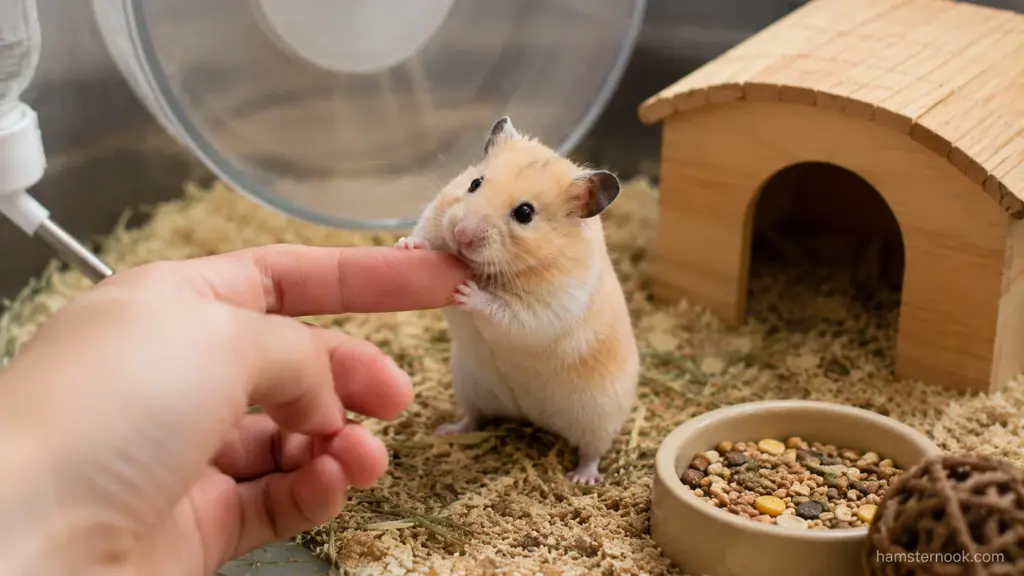
Some trusted hamsters also show their comfort through subtle behaviors that owners may overlook, such as gently licking a familiar hand. Our Why Does My Hamster Lick Me? guide explains why this behavior can happen and when it is simply normal interaction.
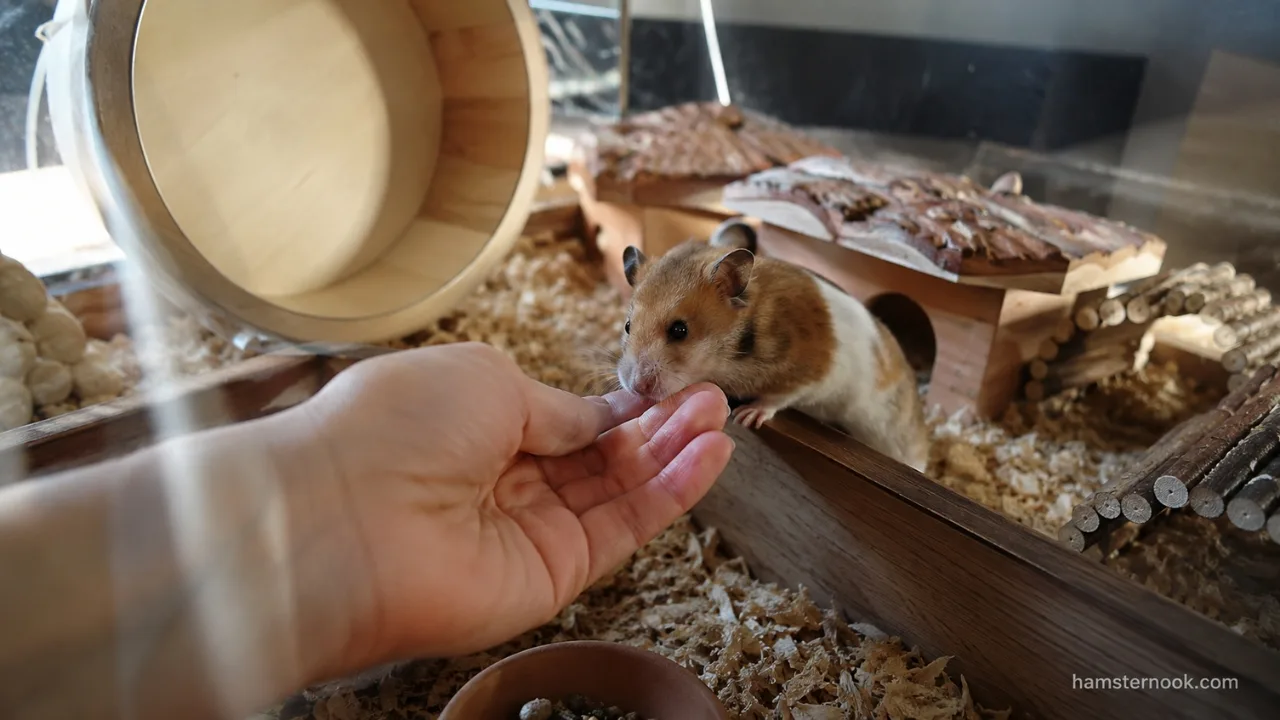
Hamsters cannot tell us directly who they prefer, but their behavior often provides clues.
A hamster that trusts someone may:
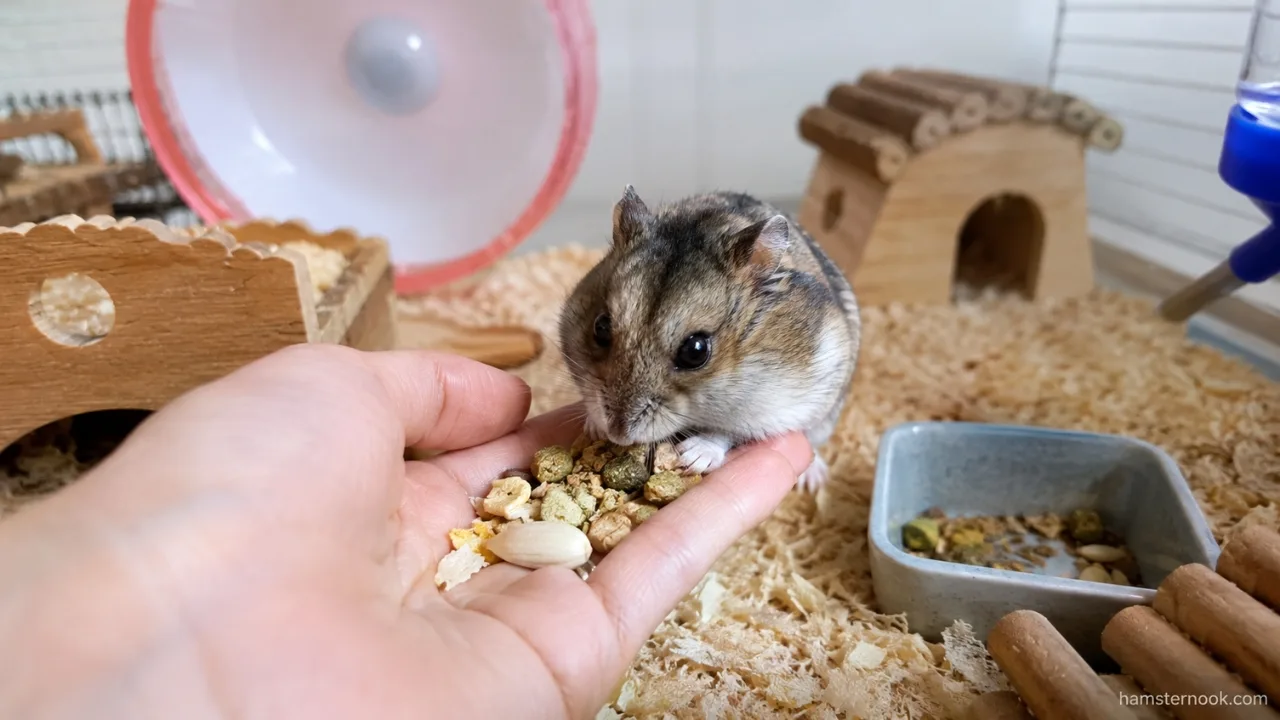
- Walk onto their hand voluntarily
- Accept treats comfortably
- Remain relaxed during handling
- Groom themselves while nearby
- Explore confidently around them
- Show less hiding behavior
These behaviors usually indicate comfort and familiarity rather than dependency.
Our 10 Signs Your Hamster Trusts You article explains these behaviors in more detail and helps you recognize genuine trust.
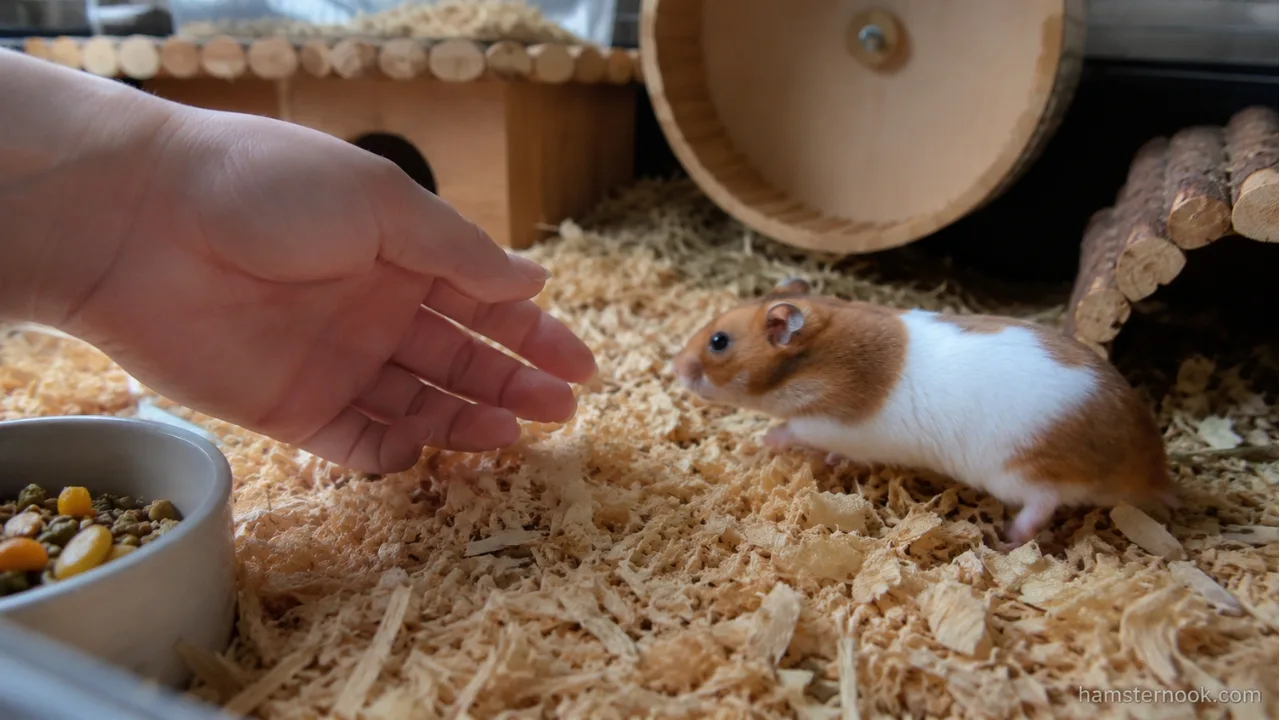
Signs Your Hamster Is More Comfortable With You Than Others
Some owners notice clear differences when multiple people interact with the hamster.
For example:
| Behavior | Around Trusted Person | Around Unfamiliar Person |
|---|---|---|
| Taking treats | Immediate | Hesitant |
| Handling response | Relaxed | Nervous |
| Hiding behavior | Minimal | More frequent |
| Exploration | Confident | Cautious |
| Willingness to approach | High | Lower |
Not every hamster displays these differences, but many do.
A preference should not be judged only by avoidance of another person. If a hamster approaches one person but hides from everyone else, the difference may reflect familiarity, lack of experience, or fear rather than a true “favorite person.” Look for relaxed behavior, voluntary approach, and consistent comfort with the preferred person before assuming the hamster has chosen a favorite.
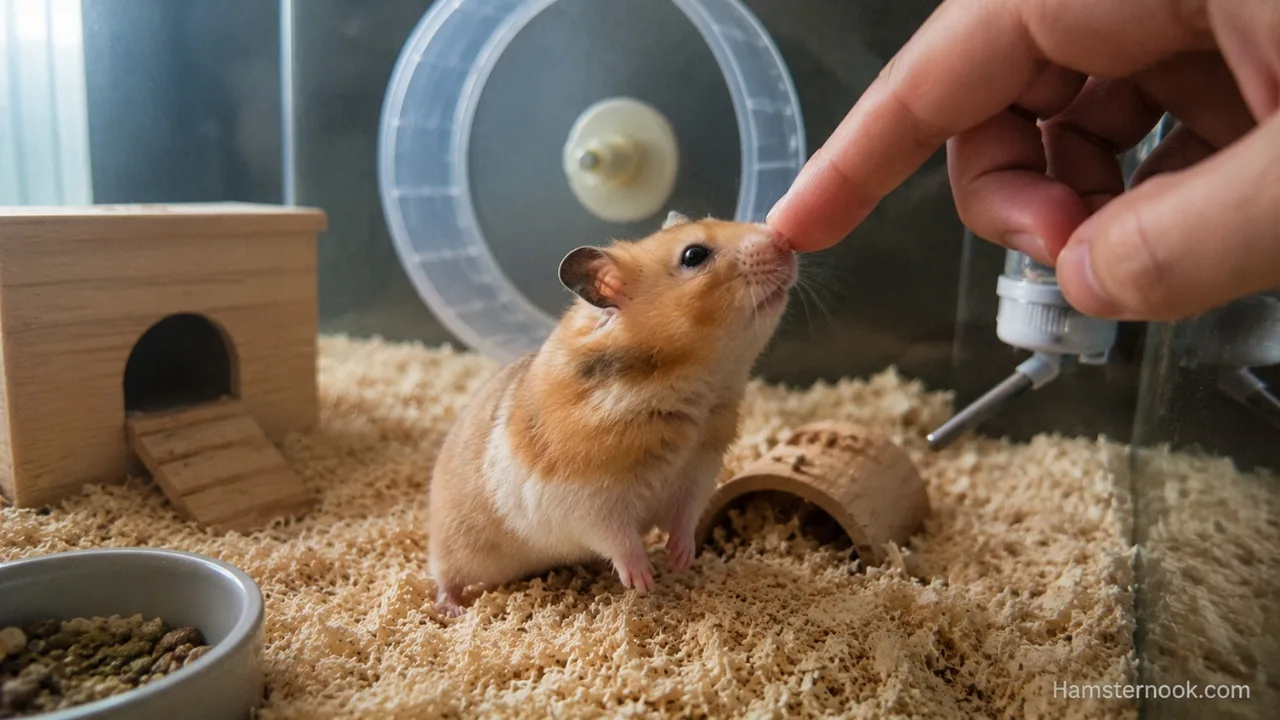
Why Some Hamsters Seem to Dislike Certain People
A hamster’s reaction to a person is often influenced by previous experiences.
Factors that may cause hesitation include:
Strong or Unfamiliar Scents
Hamsters rely heavily on smell.
Strong perfumes, lotions, soaps, or unfamiliar scents can make a hamster cautious.
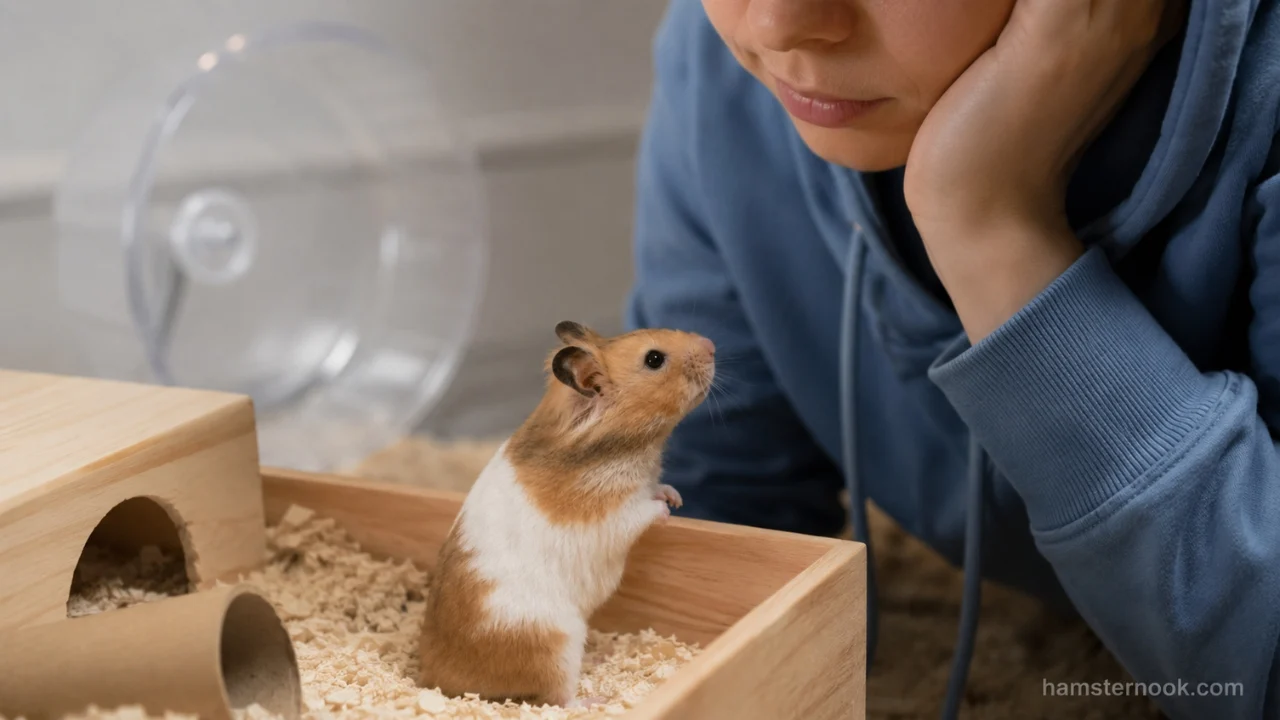
Scent is not the only environmental factor that can affect how comfortable a hamster feels around people. Repeated disturbances, sudden movements, and other things that make a hamster feel unsafe can also damage confidence. Our 11 Things Hamsters Absolutely Hate (Most Owners Don’t Realize) guide covers common stress triggers owners should avoid.
Rough Handling
A hamster that has experienced uncomfortable handling may become defensive around that person.
Examples include:
- Sudden grabbing
- Tight restraint
- Waking the hamster abruptly
- Chasing the hamster around the cage
Negative experiences can reduce trust quickly.
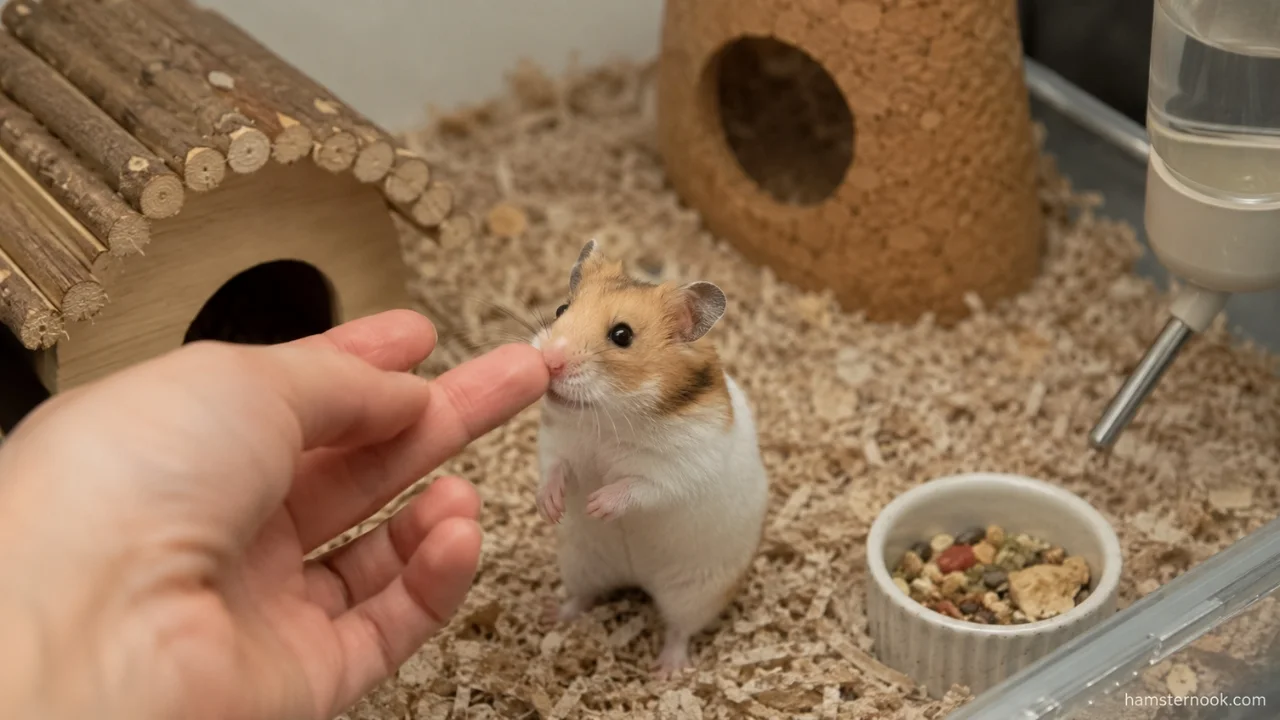
If your hamster suddenly becomes nervous around everyone, our Why Your New Hamster Seems Scared of Everything (And How to Help) guide explains common causes and practical solutions.
Inconsistent Interaction
Hamsters generally respond better to predictable routines.
Someone who interacts rarely may remain unfamiliar even after weeks or months.
Do Hamsters Bond With Their Owners?
The word “bond” can mean different things depending on the species.
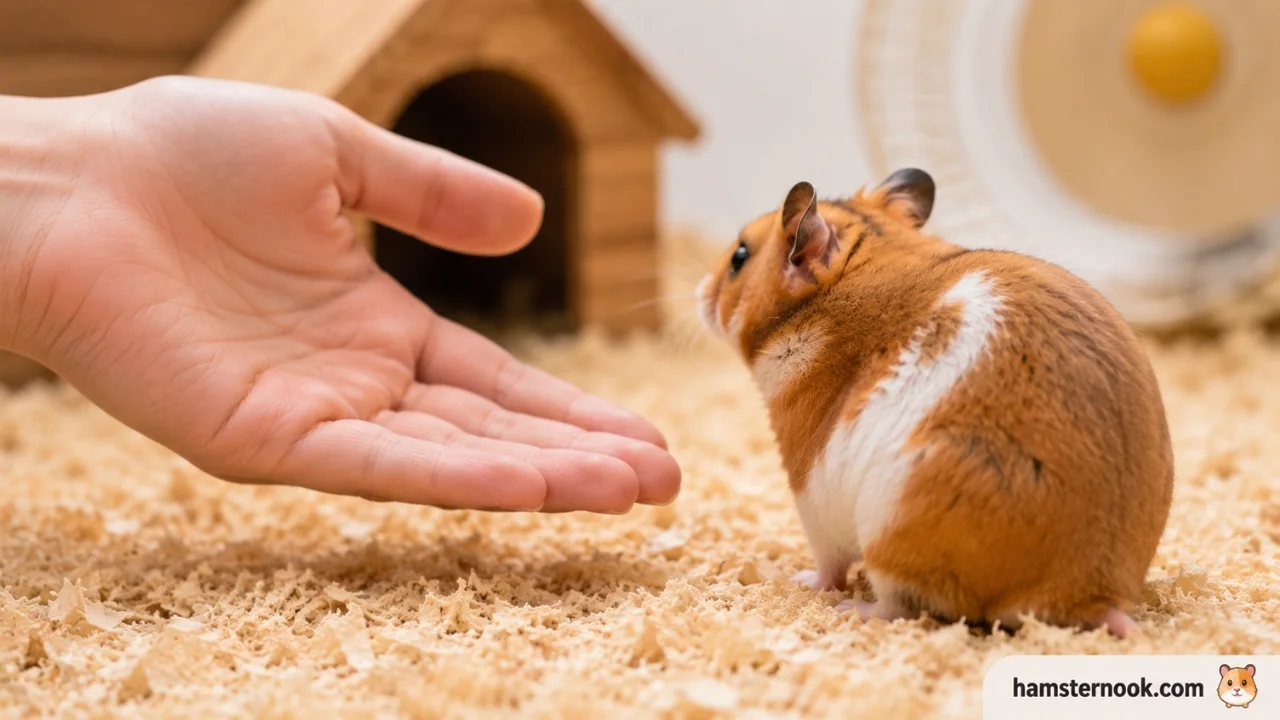
Hamsters do not typically form deep social attachments like highly social animals. They are naturally solitary creatures and spend much of their lives independently.
However, they can develop:
- Familiarity
- Trust
- Positive associations
- Comfort with handling
Although hamsters do not form human-like emotional bonds, they can develop long-lasting trust through calm, predictable interactions. Over time, this trust often explains why one person appears to become the hamster’s preferred companion.
How Long Does It Take a Hamster to Trust Someone?
Individual personalities vary quite a bit from one hamster to another.

Several factors affect trust-building:
| Factor | Impact on Trust Development |
|---|---|
| Age | Younger hamsters often adjust faster |
| Personality | Some are naturally bolder |
| Previous experiences | Negative experiences may slow progress |
| Consistency | Daily interaction helps |
| Handling style | Gentle handling builds confidence |
Some hamsters become comfortable within days, while others may need several weeks or even months.
Can a Hamster Change Its Favorite Person?
Yes.
A hamster’s preferred person is usually the individual who currently provides the most positive experiences.
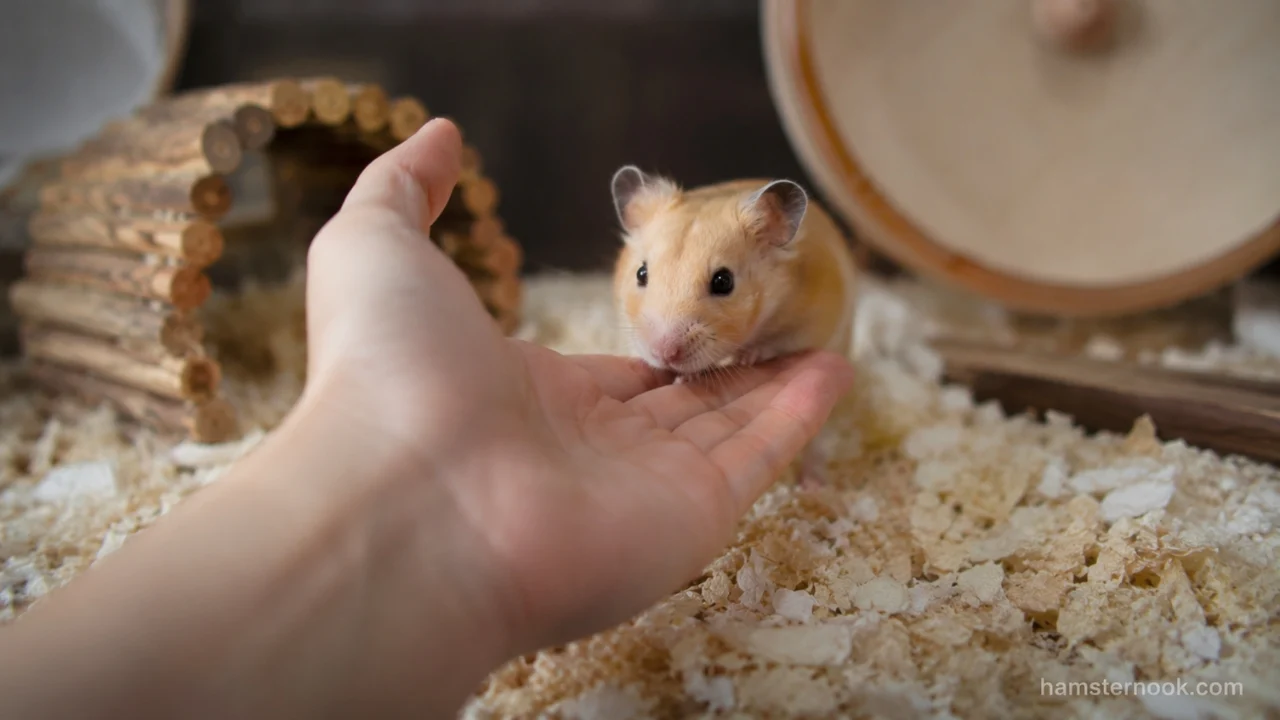
If another family member begins handling the hamster gently and consistently, the hamster may gradually become equally comfortable with them.
A hamster’s trust can grow stronger over time, but negative experiences can also make the animal more cautious again.
How to Become Your Hamster’s Trusted Person
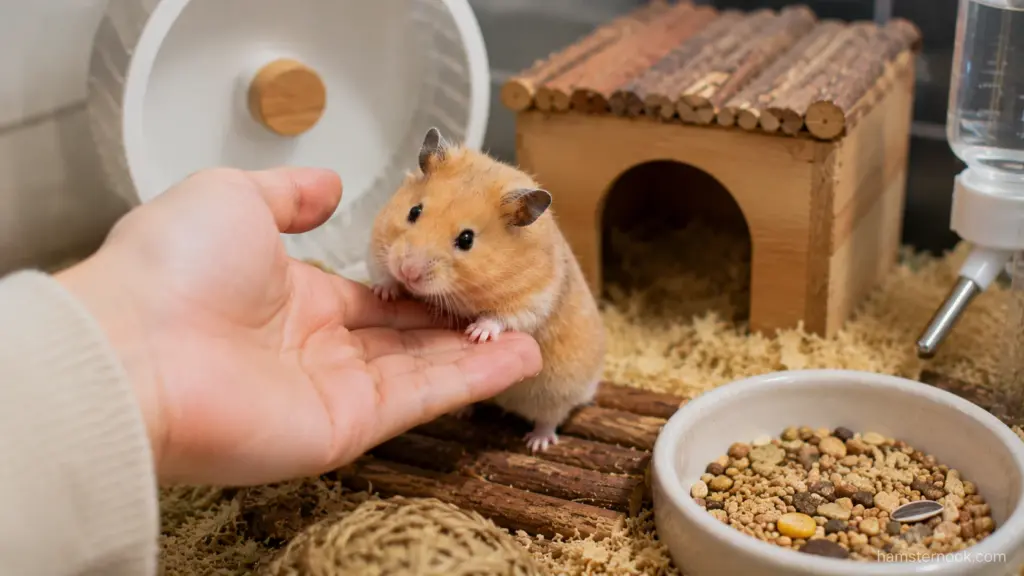
Building trust requires patience rather than force.
Let the Hamster Approach First
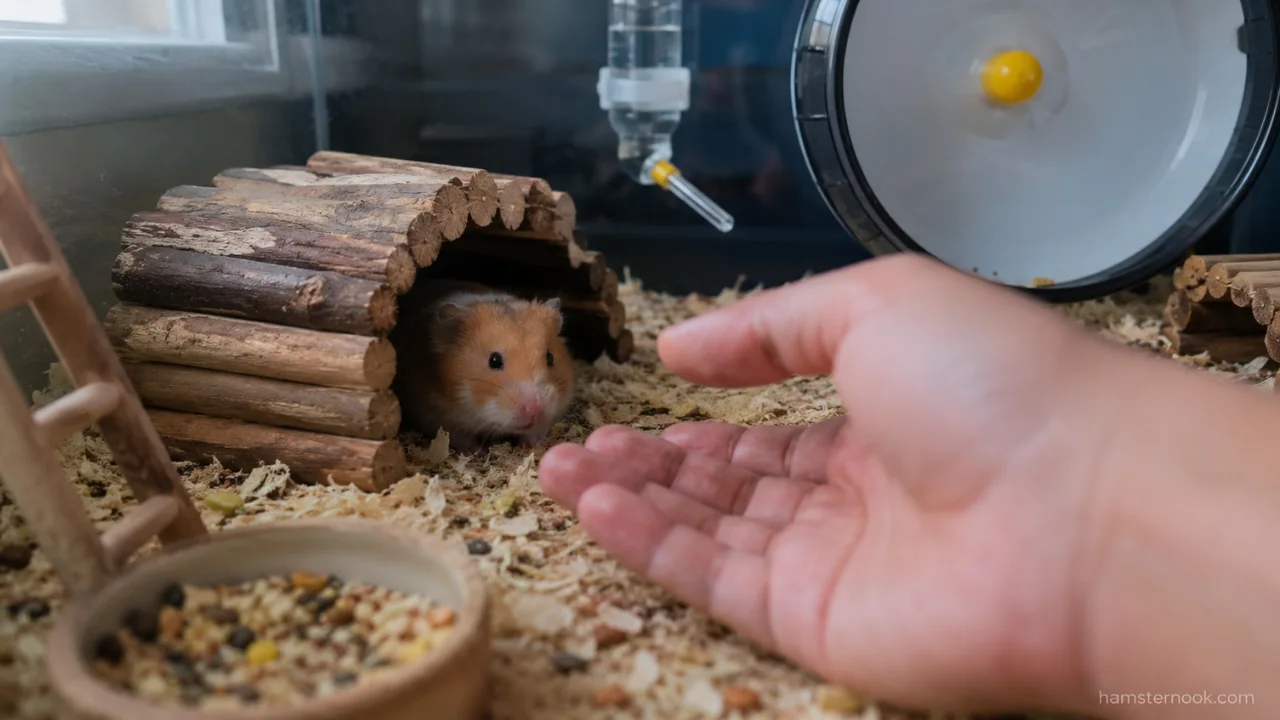
Allowing the hamster to investigate your hand voluntarily often produces better results than picking them up immediately.

Once your hamster begins approaching confidently, our How to Tame a Hamster Without Getting Bitten guide explains the next stage of safe handling.
Keep your hand low inside the enclosure instead of reaching down from above. This feels less threatening and gives your hamster the freedom to approach or walk away.
Use Treats Strategically
Offering safe treats can create positive associations.
Popular options include:
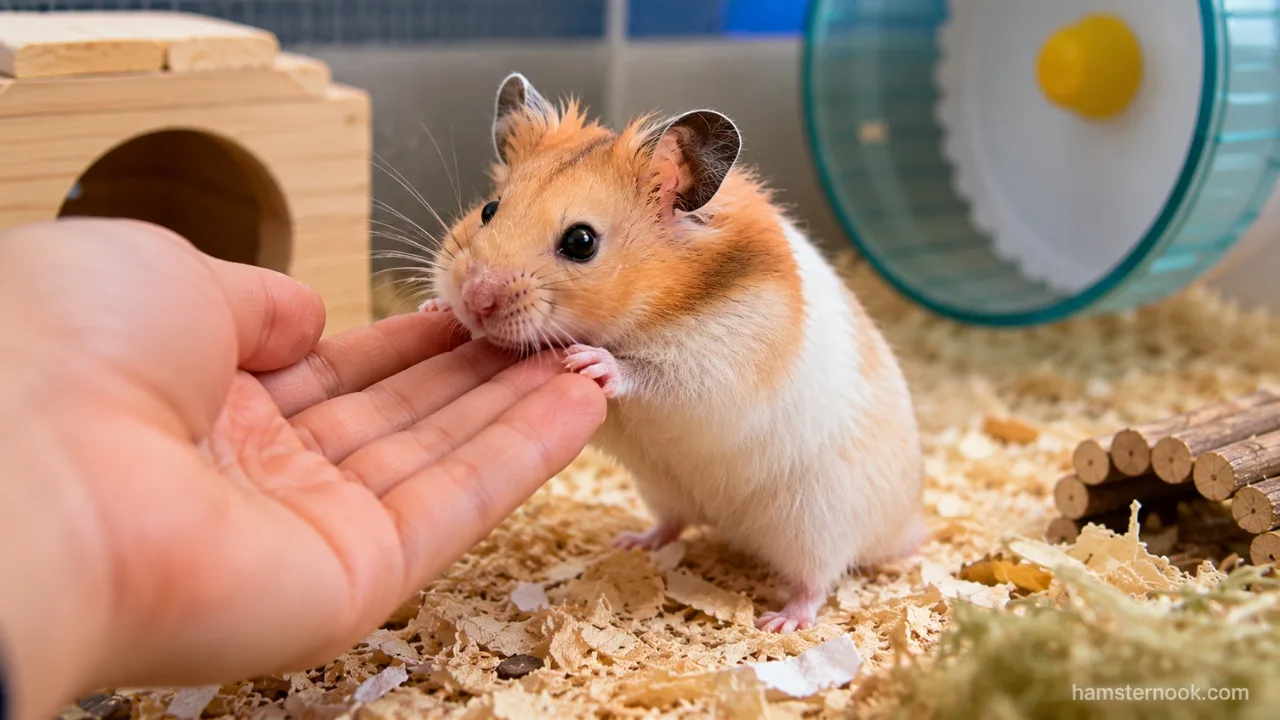
- Small vegetable pieces
- Hamster-safe seeds
- Tiny fruit treats in moderation
Treats should support taming rather than replace proper handling.
Food can help create a positive association, but it should not be the only reason your hamster approaches you. If the hamster only comes close when a treat is present, continue building trust through calm presence, predictable handling, and voluntary interaction.
Handle During Active Hours
Hamsters are usually most active during the evening and nighttime hours.
Trying to bond with your hamster shortly after it wakes up is usually more successful than interacting immediately after turning on bright lights or making loud noises.

Trying to interact with a sleeping hamster often creates stress.
Be Consistent
Short daily interactions are often more effective than occasional long handling sessions.
Consistency helps the hamster learn that your presence is safe and predictable.
If several family members handle the hamster, encourage everyone to use similar handling techniques and avoid waking the hamster unexpectedly. Consistent experiences help prevent confusion and reduce stress.
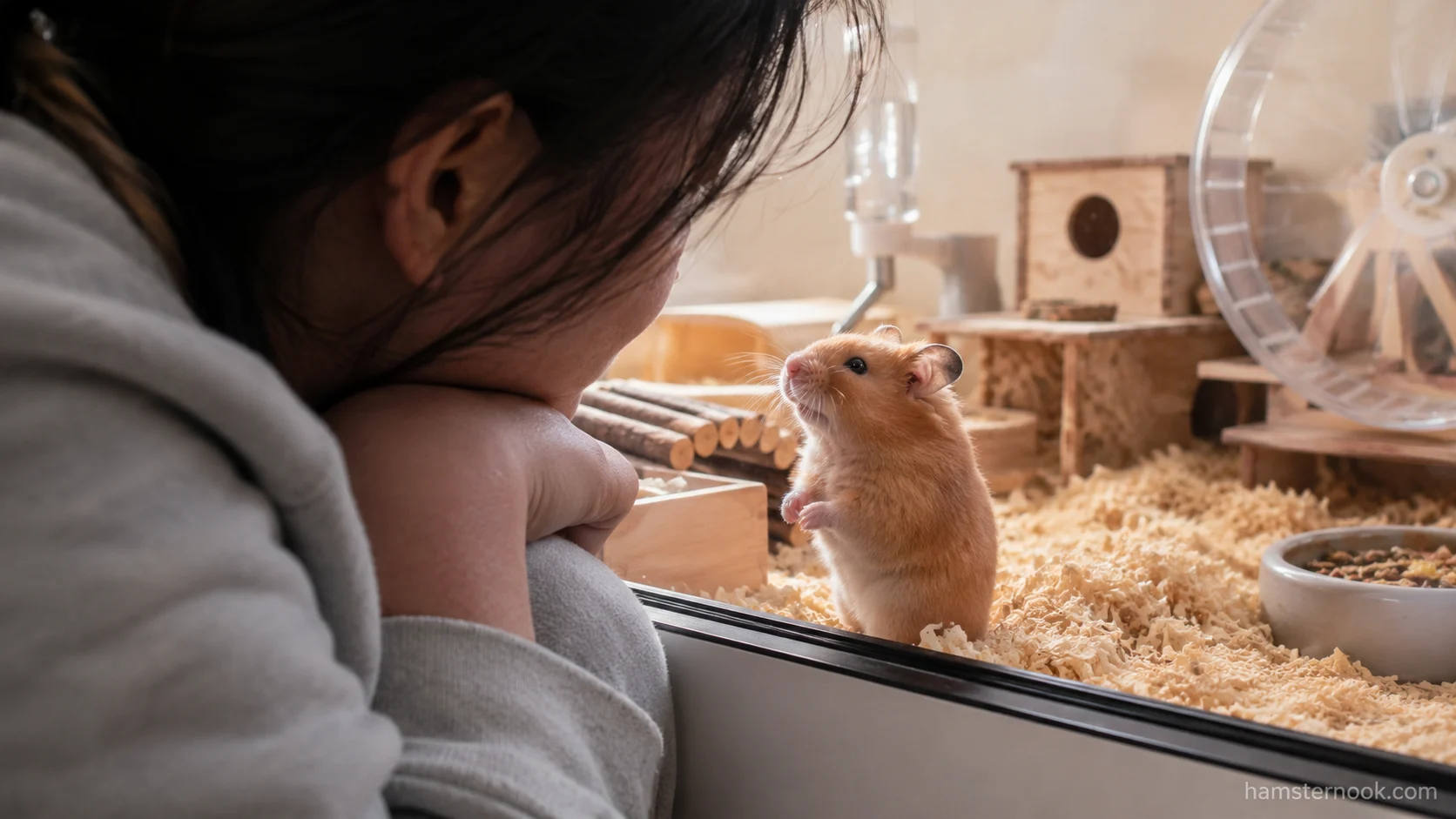
Common Mistakes That Damage Trust
Many owners accidentally slow the taming process.
| Mistake | Possible Result |
|---|---|
| Waking a sleeping hamster | Fear and stress |
| Grabbing from above | Defensive reactions |
| Moving too quickly | Increased nervousness |
| Overhandling | Loss of confidence |
| Ignoring warning signs | Reduced trust |
Avoiding these mistakes can significantly improve your relationship with your hamster.
Does Breed Affect Human Preference?
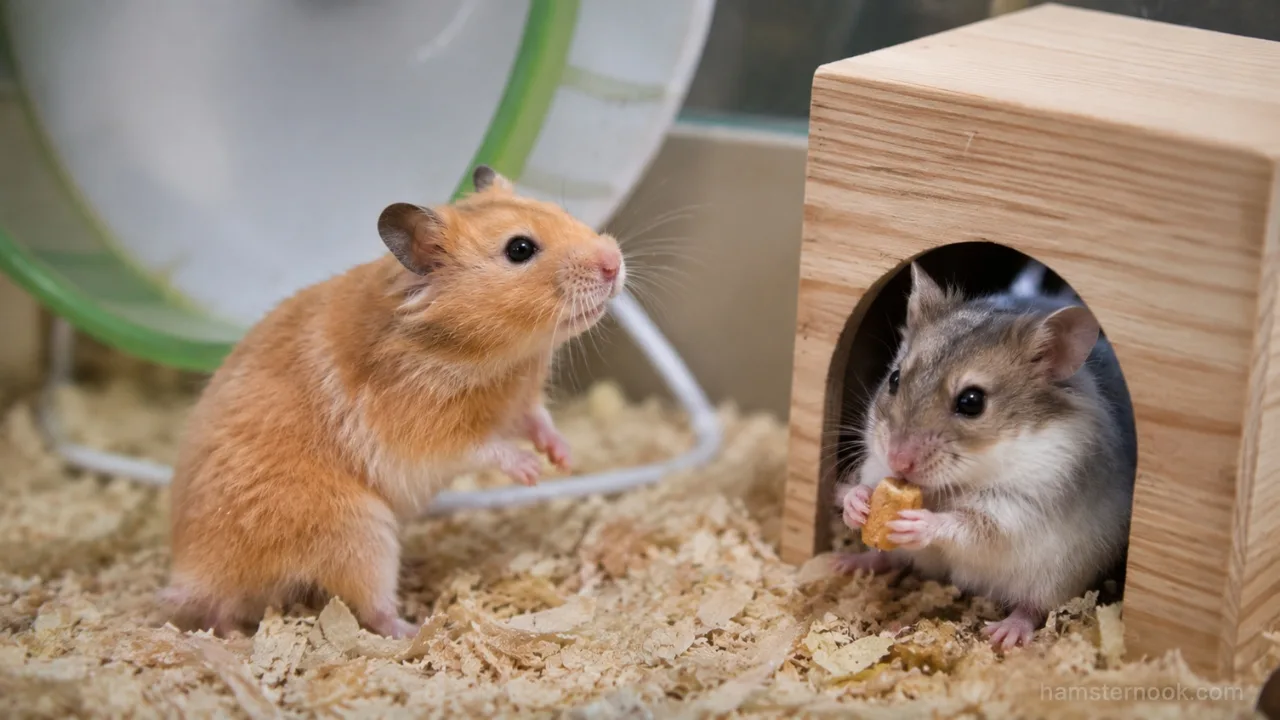
Personality generally matters more than breed.
However, some hamster species are often considered easier to handle than others.
| Hamster Species | Typical Handling Reputation |
|---|---|
| Syrian Hamster | Often considered beginner-friendly |
| Roborovski Hamster | Very active and less interested in handling |
| Campbell’s Dwarf Hamster | Can vary greatly by individual |
| Winter White Hamster | Often tolerant when socialized |
| Chinese Hamster | Frequently calm but sometimes cautious |
Individual temperament remains more important than species stereotypes.
What If Your Hamster Doesn’t Like Being Handled?
Not every hamster enjoys frequent handling.
Some hamsters simply need more time before feeling comfortable around people. Our Why Does My Hamster Run Away From Me? What It’s Really Trying to Tell You article explains why this happens.
Some hamsters simply prefer observing their environment rather than sitting in human hands.
That does not necessarily mean your hamster is unhappy or does not trust you. Some behaviors are easier to understand when you know what relaxed hamsters normally do while resting. Our Hamster Sleeping Positions Meaning guide explains what different sleeping positions can tell owners about comfort and normal behavior.
This does not necessarily mean the hamster dislikes you.
A hamster may trust you while still preferring:
- Minimal handling
- Cage exploration
- Independent activity
- Treat-based interaction
Respecting individual personality often leads to a healthier relationship than forcing interaction.
Can You Become Your Hamster’s Favorite Person Faster?
There is no safe shortcut, but gentle daily interaction, respecting your hamster’s routine, avoiding forced handling, and allowing voluntary contact will usually build trust more quickly than trying to handle your hamster frequently. Patience and consistency are far more effective than speed.
Final Thoughts
Hamsters can recognize familiar people and often become more comfortable with the person who handles them regularly, provides food, and interacts gently. While they do not form human-like emotional attachments, they can absolutely develop trust and familiarity with specific individuals.
In many households, this results in a hamster appearing to prefer one person over everyone else. That preference is usually built through positive experiences, consistency, patience, and respectful handling.
The strongest relationships develop when a hamster feels safe, respected, and free to interact at its own pace. When a hamster willingly approaches your hand, accepts treats calmly, and feels secure in your presence, that trust is often the closest thing to a favorite person that a hamster can have.

References
This guide is based on hamster behavior, husbandry, welfare, and care guidance from trusted veterinary and animal care organizations, including:
- RSPCA – Hamster Care Guidance
- PDSA – Hamster Care Advice
- Blue Cross – Hamster Care Guide
- Merck Veterinary Manual – Hamster Behavior & Husbandry
Frequently Asked Questions
Can a hamster recognize its owner?
Yes. Hamsters can recognize familiar scents, voices, and routines, allowing them to distinguish their owner from other people.
Why does my hamster like me but not my family members?
Your hamster may be more familiar with your scent, handling style, and daily interactions. Trust often develops through repeated positive experiences.
Do hamsters get attached to people?
Hamsters can develop trust and familiarity with people, but they do not typically form social attachments in the same way as dogs or other highly social animals.

Can multiple people bond with the same hamster?
Yes. A hamster can become comfortable with several people if each person handles the hamster gently and consistently.
Why does my hamster run away from strangers?
Hamsters are naturally cautious animals. Unfamiliar scents, voices, and movements may cause them to be more defensive around strangers.
Does giving treats make a hamster trust you more?
Treats can help create positive associations, but trust develops best when treats are combined with patient, gentle, and consistent interaction.
Can a hamster recognize my scent?
Yes. Hamsters rely heavily on their sense of smell and can often recognize familiar owners by scent. This is one reason regular gentle interaction helps build trust over time.
Can two people become a hamster’s favorite?
Yes. If both people interact gently and consistently, many hamsters become comfortable with more than one person, although they may still show a slight preference for whoever spends the most positive time with them.

Narayan Kumar is the founder and author of HamsterNook. He creates practical, research-based hamster care guides covering hamster behavior, nutrition, cage setup, enrichment, health, and everyday care. His goal is to help hamster owners make informed decisions and provide safer, healthier lives for their pets through clear, beginner-friendly information based on trusted animal care resources.