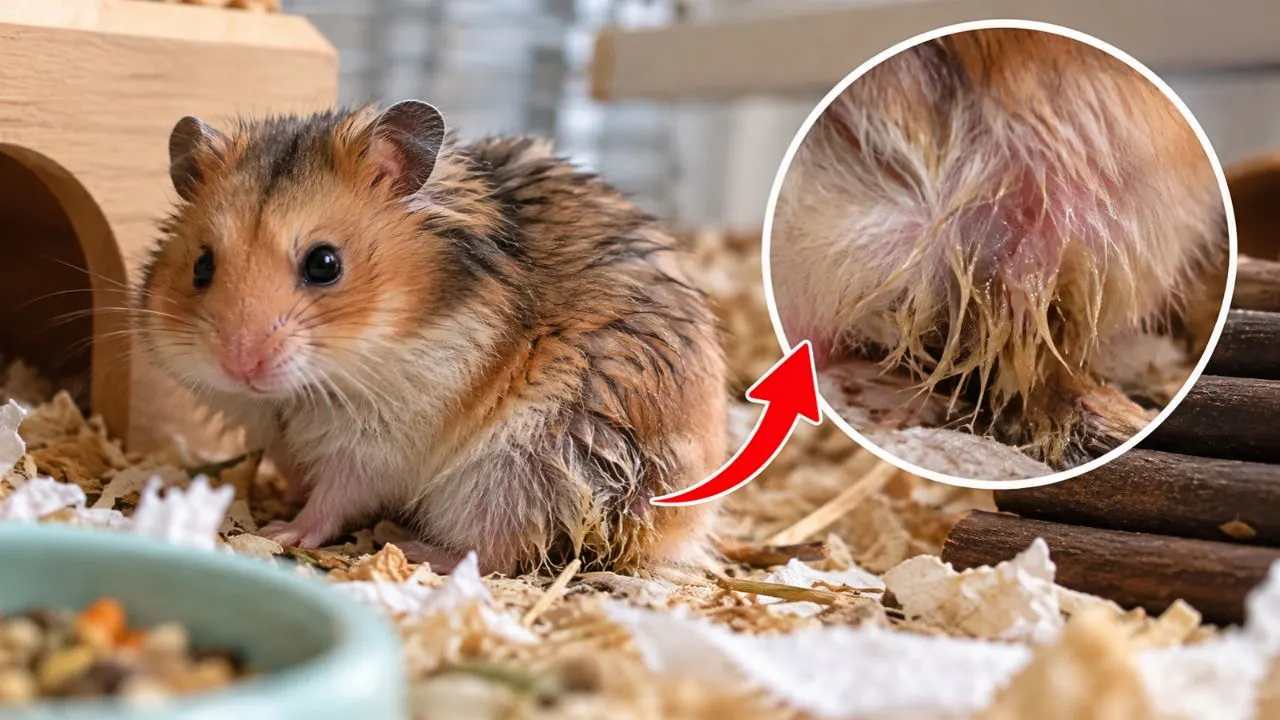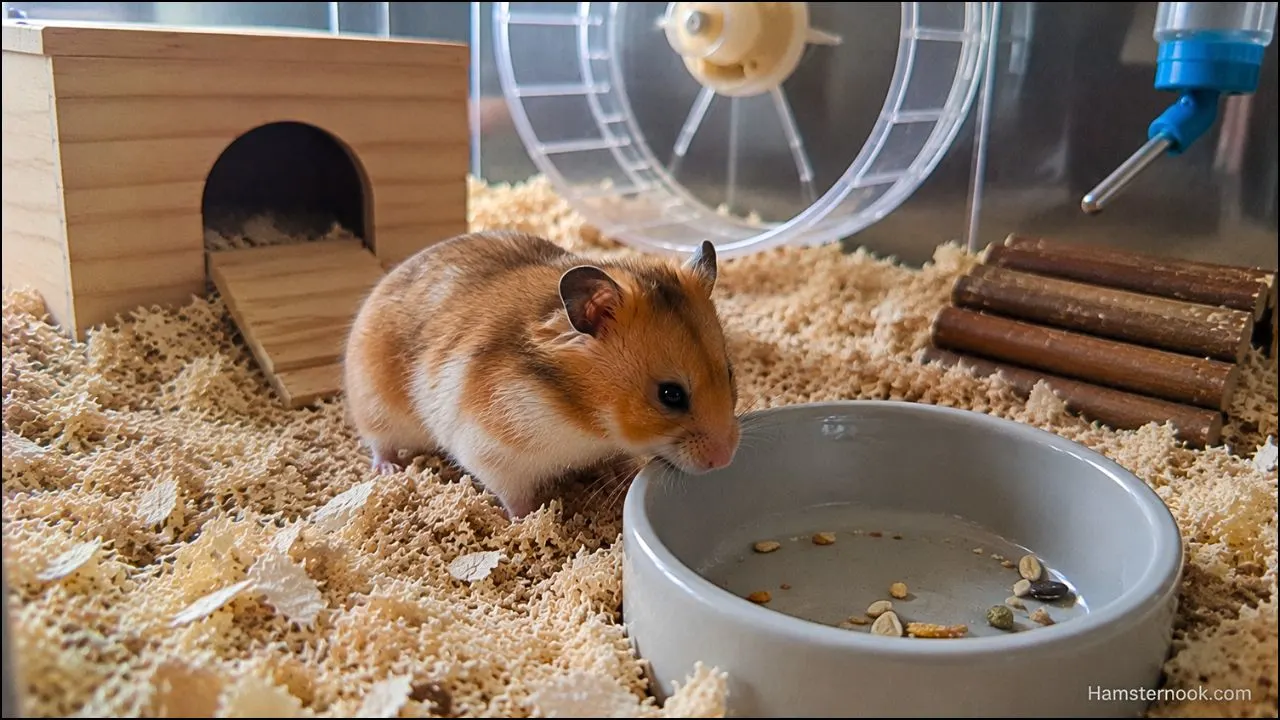
You refill the food bowl every day, you see your hamster eating normally, and yet somehow it seems thinner than before. Many owners first assume their hamster is eating enough because the food bowl keeps emptying, which makes the weight loss even more confusing. After all, if a hamster is eating, shouldn’t its weight stay stable?
Weight loss in hamsters can happen even when food consumption appears normal. In some cases, the reason is relatively simple, such as aging or changes in activity levels. In others, unexplained weight loss may signal an underlying health issue that requires veterinary attention.
Because hamsters are small animals, even a modest drop in body weight can have a significant impact on their health. Understanding the possible causes can help owners recognize when weight loss is harmless and when it may be a warning sign.
Is Weight Loss in Hamsters Always a Problem?
Quick Answer:
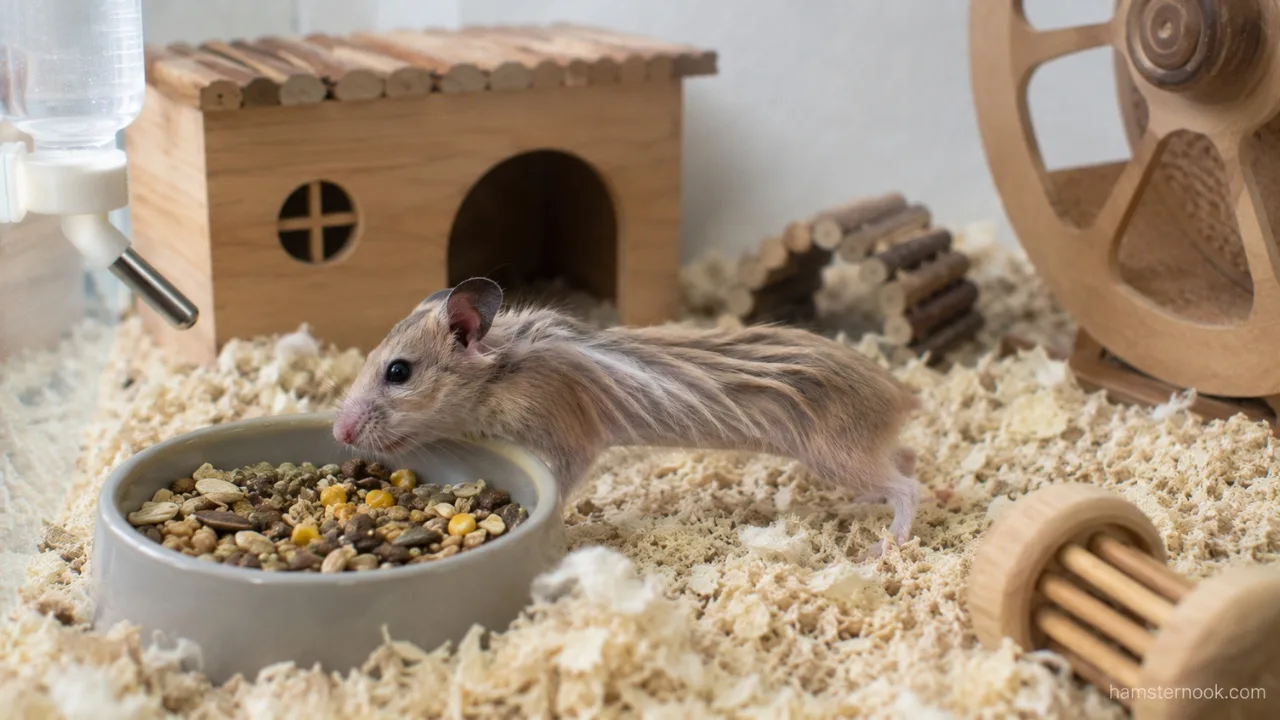
A hamster can lose weight even while eating due to dental problems, diabetes, parasites, poor nutrient absorption, stress, aging, or underlying illness. Ongoing weight loss should always be monitored closely, especially if other symptoms develop.
Not always.
A slight change in weight can occur due to:
- Normal aging
- Seasonal changes in activity
- Temporary stress
- Dietary adjustments
However, noticeable or ongoing weight loss should never be ignored, especially if your hamster continues eating but still appears thinner over time.

Regular weighing is often the best way to track changes because hamsters can lose a surprising amount of weight before it becomes obvious visually.
Many owners do not notice weight loss until they pick up their hamster and realize it feels lighter than usual. By that stage, the change may have been developing for several weeks, which is why regular weight checks are so valuable.
Common Reasons a Hamster May Lose Weight Despite Eating
Several different factors can contribute to weight loss.
| Possible Cause | Can Still Appear to Eat Normally? | When Veterinary Attention Matters |
|---|---|---|
| Aging | Yes | Ongoing or unexplained weight loss |
| Dental problems | Sometimes | Difficulty chewing, dropping food, drooling, or continued weight loss |
| Internal illness | Yes | Persistent or unexplained weight loss, especially with other symptoms |
| Parasites | Yes | Weight loss with diarrhea, weakness, or other digestive changes |
| Diabetes | Yes | Weight loss with increased drinking or urination |
| Stress | Usually | Persistent weight loss or other changes in behavior |
| Poor nutrient intake or absorption | Yes | Continued weight loss despite apparently normal eating |
| Increased activity | Yes | Weight loss that is noticeable, persistent, or unexplained |
Because several causes can produce the same symptoms, it is often difficult to identify the real problem without looking at the hamster’s overall behavior, weight trend, and eating habits.
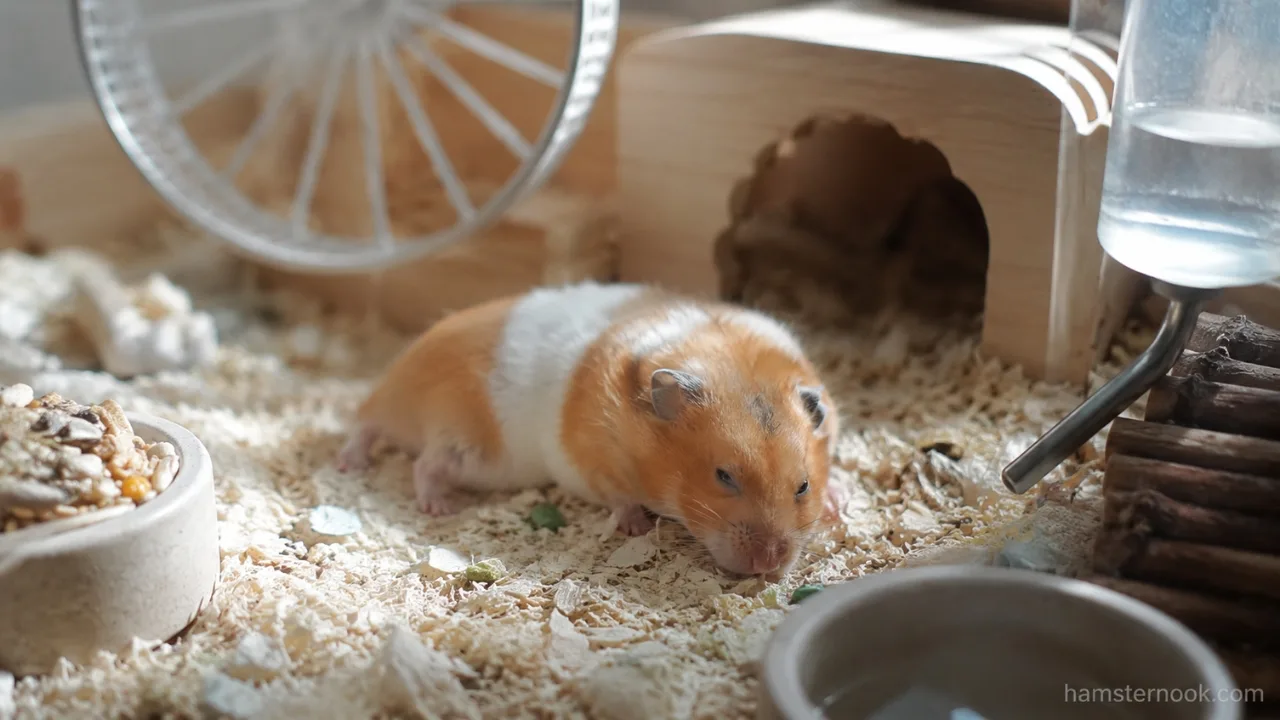
Dental Problems Can Make Eating Less Effective
One of the most common causes of weight loss in hamsters is dental disease.
Hamster teeth grow continuously throughout life. If teeth become overgrown, misaligned, broken, or infected, a hamster may still attempt to eat while actually consuming less food than it appears.
Watch for signs such as:
- Dropping food while eating
- Taking longer to finish meals
- Excessive drooling
- Wet fur around the mouth
- Preference for soft foods
A hamster may spend plenty of time at the food bowl but still fail to consume enough calories.
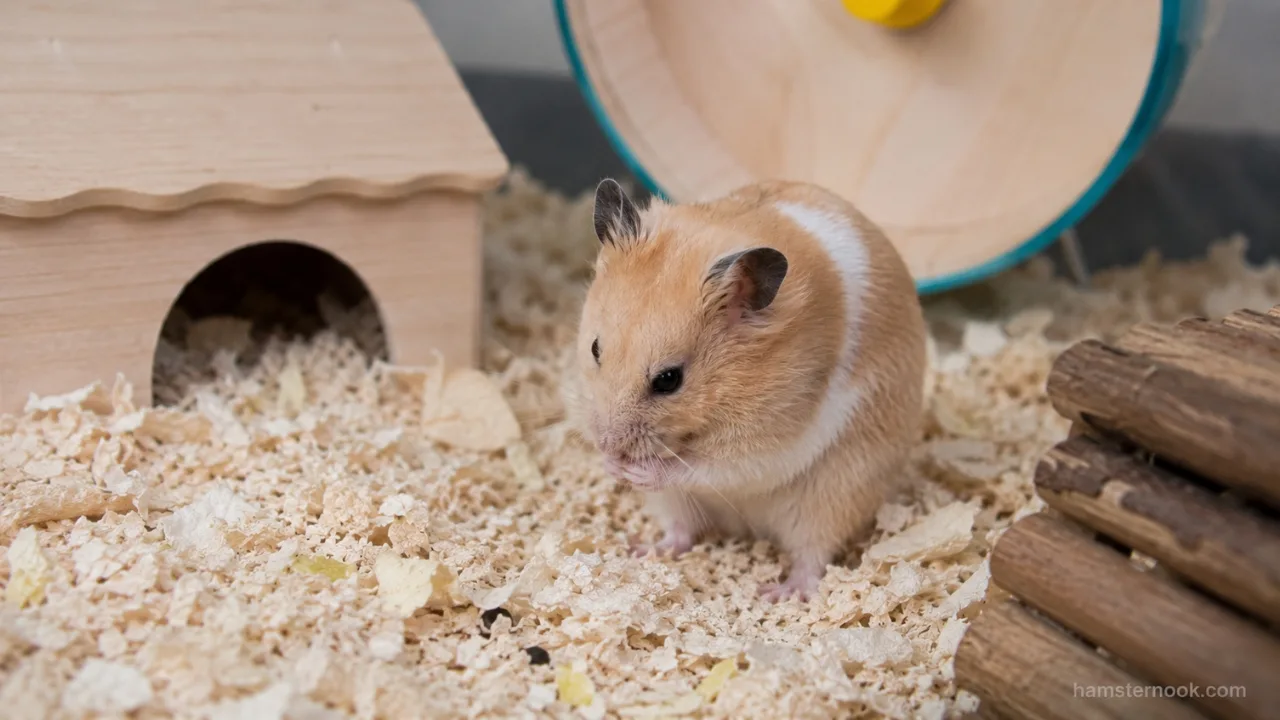
If chewing also seems difficult or your hamster appears uncomfortable while eating, How to Tell If Your Hamster Is in Pain: 10 Warning Signs can help you recognize additional signs of discomfort.
Hidden Food Storage Can Create a False Impression
Hamsters naturally pouch and hoard food.
Many owners assume their hamster is eating well because food disappears from the bowl. In reality, some of that food may simply be stored elsewhere in the enclosure.
Check common hoarding locations such as:
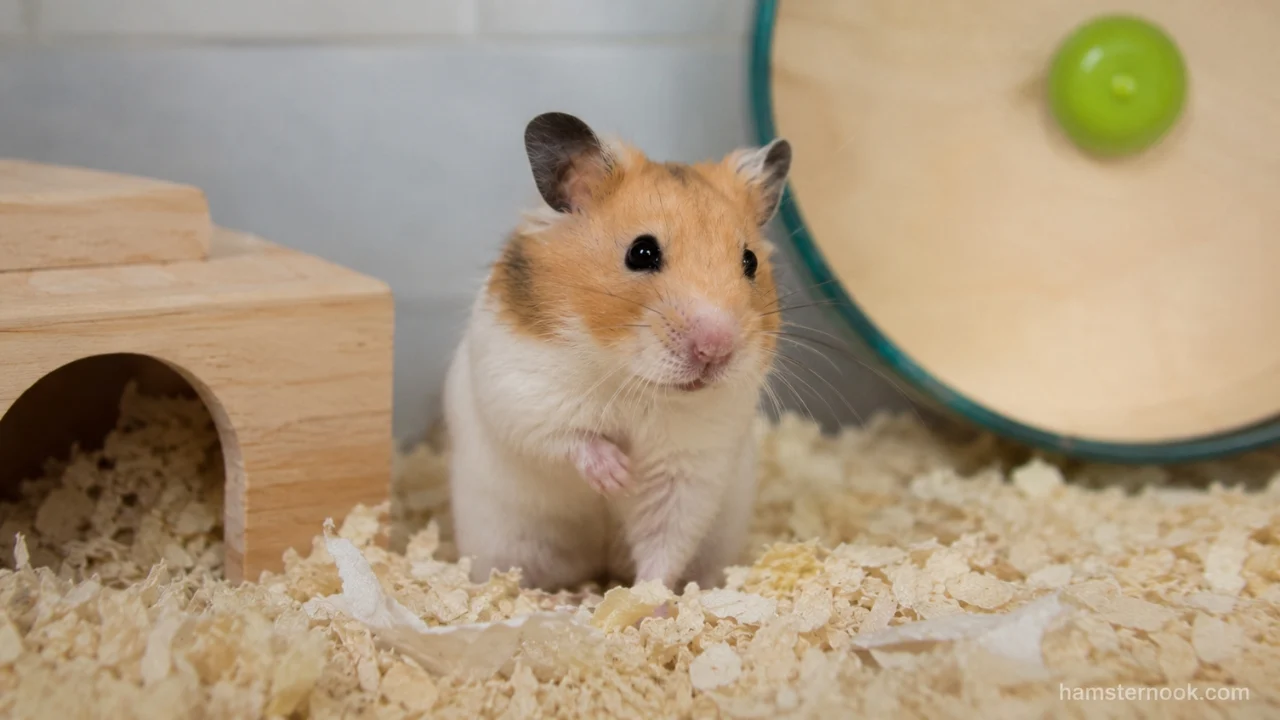
- Nesting areas
- Burrows
- Hideouts
- Tunnels
If large food stashes are accumulating while body weight decreases, the hamster may not be eating as much as expected.
Diabetes May Cause Weight Loss
Certain hamster species, particularly dwarf hamsters, are more prone to diabetes.
Diabetes can sometimes cause weight loss despite a normal or even increased appetite.
Additional signs may include:

- Increased thirst
- Frequent urination
- Sticky urine spots
- Reduced energy
- Poor coat condition
Changes in coat condition can occur with several health problems, so they should be considered alongside weight, appetite, drinking, urination, and other symptoms.
A veterinarian can help determine whether diabetes may be contributing to weight loss.
If increased drinking or urination is also noticeable, our What Does Healthy Hamster Urine Look Like? Normal vs Warning Signs guide explains what changes in urine may deserve closer attention.
Internal Illnesses Can Affect Weight
Various medical conditions may interfere with how the body uses nutrients.
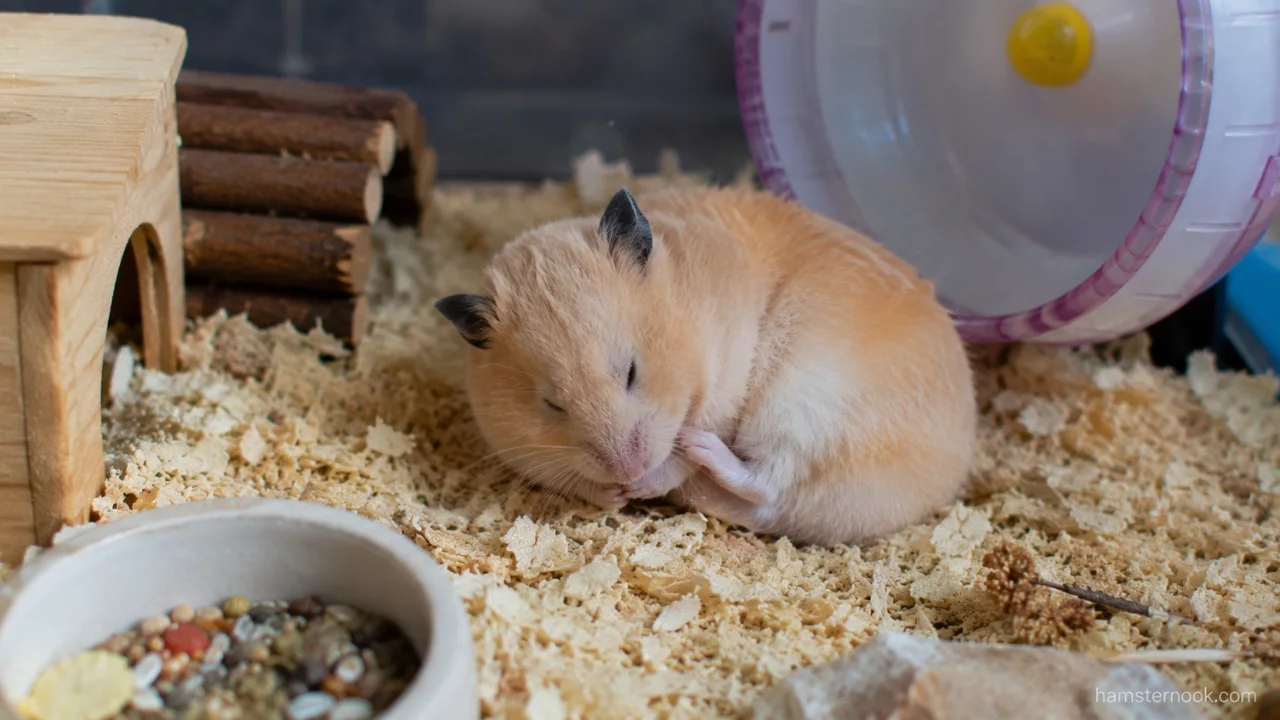
Examples include:
- Organ disease
- Chronic infections
- Certain cancers
- Metabolic disorders
In these situations, the hamster may continue eating while the body struggles to maintain normal weight.
Because these illnesses often develop gradually, weight loss may be one of the earliest visible signs.
Parasites Can Reduce Nutrient Absorption
Internal parasites are less common in pet hamsters than in some other animals, but they can occur.
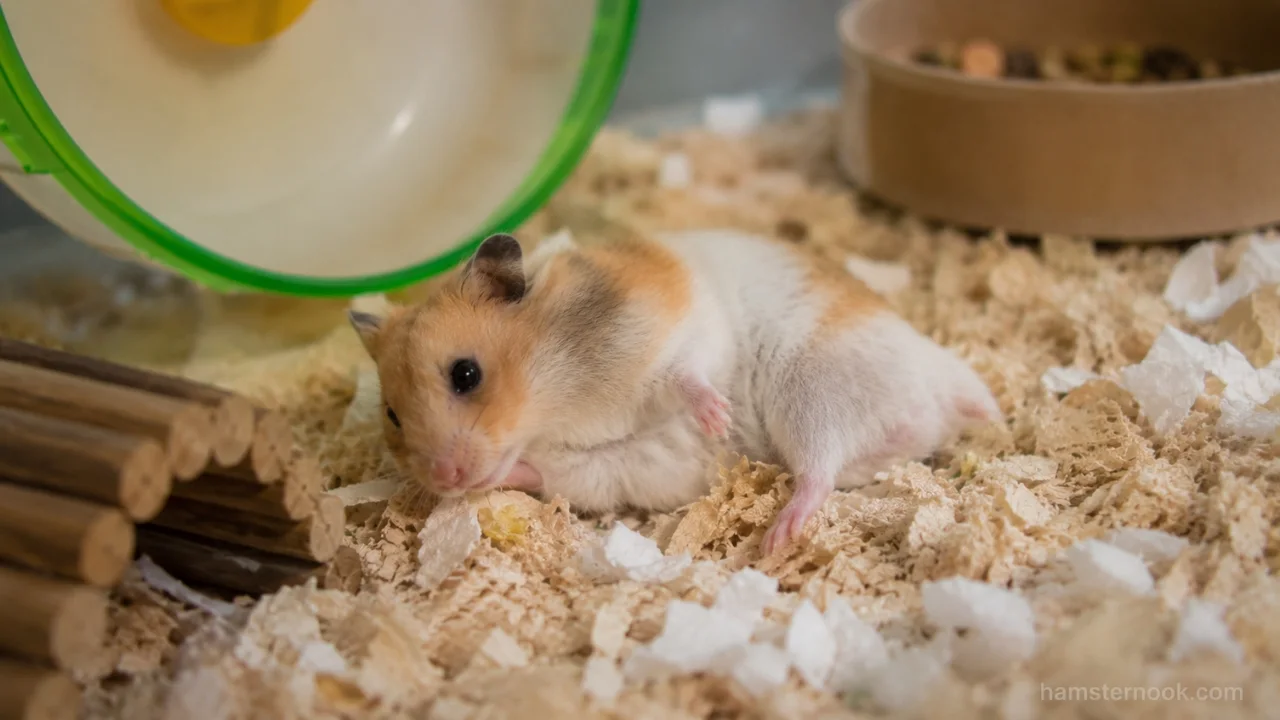
Some intestinal parasites can contribute to digestive problems, weakness, or weight loss, but the signs can overlap with other illnesses. A veterinarian may need to examine your hamster and test a stool sample to determine whether parasites are involved.
Potential warning signs include:
- Weight loss
- Diarrhea
- Poor coat quality
- Weakness
- Reduced energy
A veterinary examination is necessary for diagnosis.
Poor Diet Quality Can Lead to Weight Loss
Sometimes the issue is not how much the hamster eats but what it eats.

A diet consisting mainly of:
- Seed-only mixes
- Sugary treats
- Low-quality commercial foods
may lack balanced nutrition.
Hamsters require a variety of nutrients, including:
| Nutrient | Why It Matters |
|---|---|
| Protein | Supports normal growth and maintenance of body tissues |
| Healthy fats | Provide a concentrated source of energy |
| Fiber | Supports normal digestive function |
| Vitamins | Support normal body functions |
| Minerals | Help support bones and other body functions |
A hamster can eat regularly but still have an unbalanced diet if its main food does not provide the nutrients it needs. A complete, balanced hamster diet is more important than simply measuring how much food disappears from the bowl.

Stress Can Affect Body Condition
Hamsters are sensitive animals.
Environmental stress may contribute to weight loss even when food intake appears normal.
Common stress triggers include:
- Cage that is too small
- Frequent disturbances
- Lack of hiding places
- Improper temperatures
- Loud household noises
- Presence of predators such as cats or dogs
Stress increases energy expenditure and may alter normal feeding behavior.
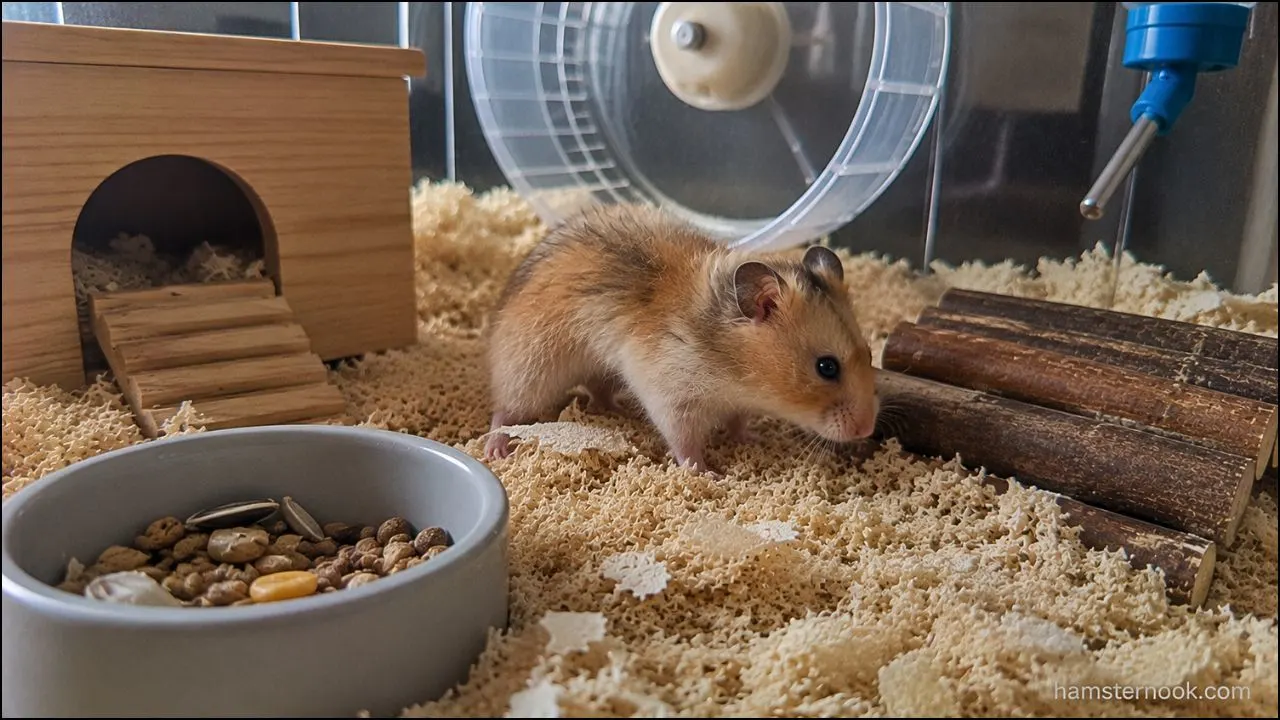
If stress may be contributing to the change in body condition, 7 Ways You’re Accidentally Stressing Your Hamster: Signs & What to Do covers common stress triggers and warning signs.
Increased Activity Levels Can Burn More Calories
Not all weight loss is caused by illness.
A hamster that suddenly becomes more active may burn more calories than before.
Examples include:

- Upgrading to a larger cage
- Adding a larger wheel
- Increased exploration opportunities
- More enrichment activities
In these situations, slight weight changes may occur naturally.
However, significant or ongoing weight loss still deserves investigation.
Aging Hamsters Often Lose Weight
Senior hamsters frequently experience gradual body changes.
As hamsters age, they may:
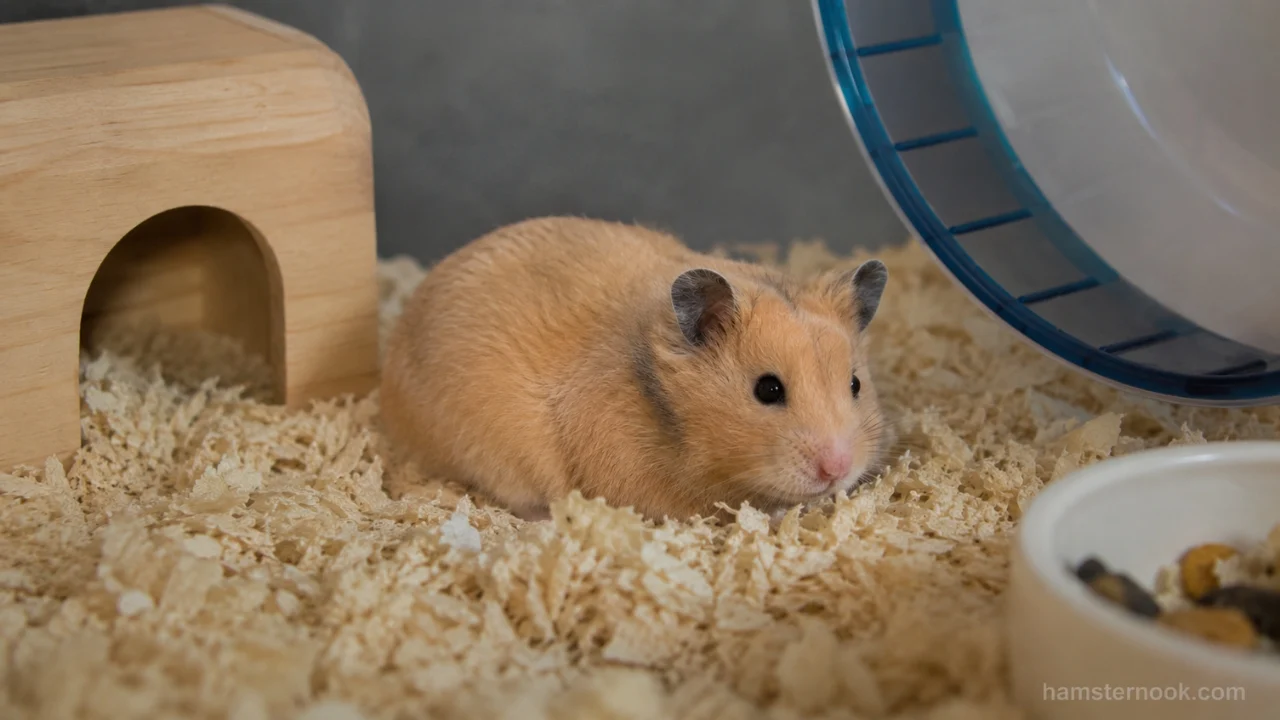
- Lose muscle mass
- Become less efficient at absorbing nutrients
- Develop mild dental issues
- Experience chronic health conditions
Weight loss in older hamsters is relatively common but should still be monitored carefully.
For older hamsters, Senior Hamster Care: How to Keep an Older Hamster Comfortable and Healthy covers age-related changes and practical care considerations.
| Age Group | What Weight Changes May Mean |
|---|---|
| Young hamsters | Growth and development can affect body weight |
| Adult hamsters | Weight is generally expected to remain relatively stable |
| Senior hamsters | Gradual changes can occur, but unexplained weight loss still deserves attention |
Sudden weight loss at any age is more concerning than slow, gradual changes.
Signs That Weight Loss May Be Serious

Weight loss becomes more concerning when it is accompanied by changes in behavior, grooming, activity levels, or drinking habits. Looking at the whole picture is often more helpful than focusing on body weight alone.
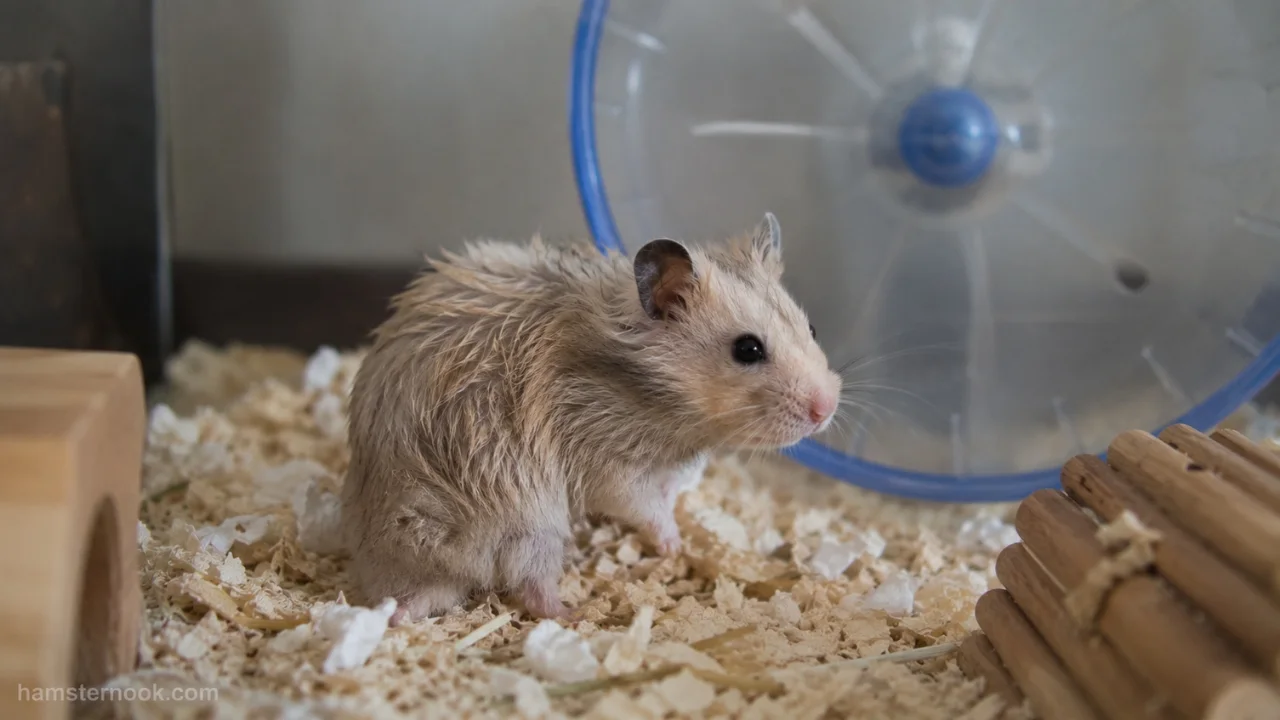
Additional warning signs are covered in 10 Signs Your Hamster May Be Getting Sick.
Some symptoms should prompt veterinary evaluation as soon as possible.
| Warning Sign | Why It Matters |
|---|---|
| Rapid or continuing weight loss | May indicate an underlying health problem |
| Refusing food | Can become serious, especially with other symptoms |
| Diarrhea | Can contribute to dehydration and illness |
| Lethargy | May indicate an underlying health problem |
| Difficulty eating | Can be associated with dental or other health problems |
| Labored breathing | Requires prompt veterinary attention |
| Hunched posture | Can be a sign of discomfort or illness |
Weight loss accompanied by any of these signs should not be ignored.
If your hamster is also eating less than usual, our Why Is My Hamster Not Eating? guide covers common causes and warning signs that can help you decide what to do next.
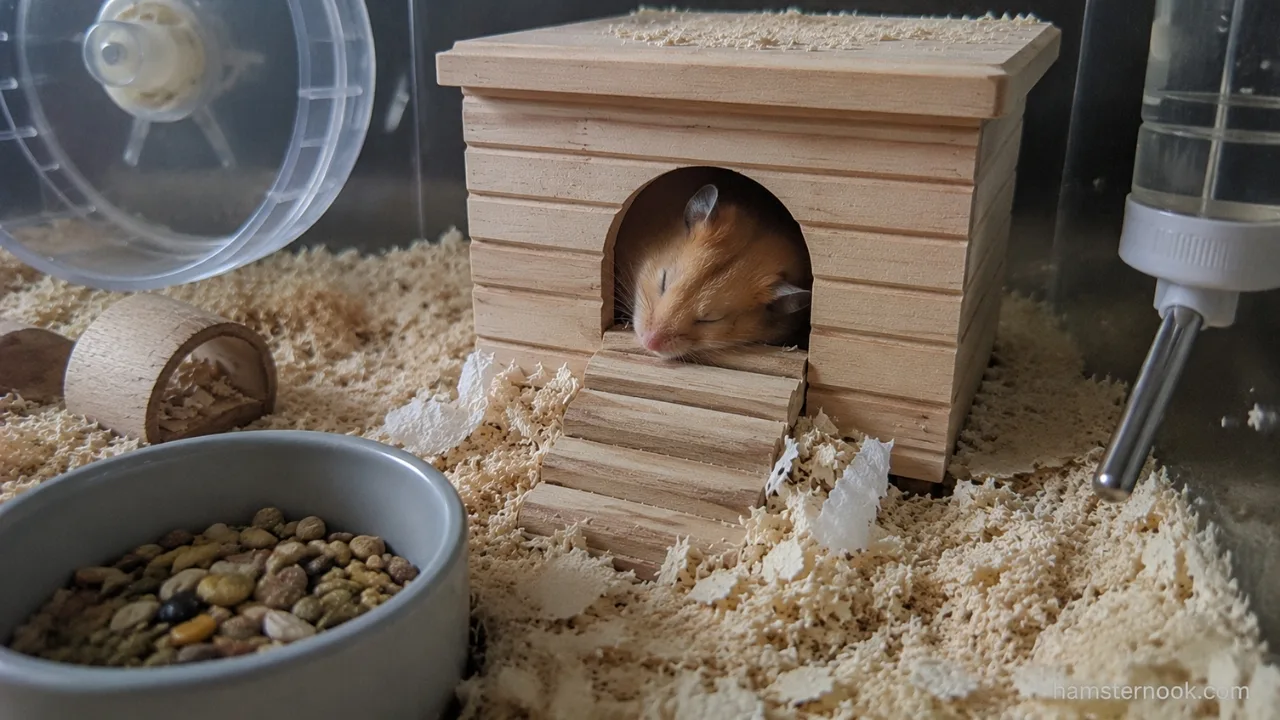
How to Monitor Your Hamster’s Weight Properly
The best way to detect problems early is through regular weighing.
Use a digital kitchen scale and weigh your hamster:
- Once weekly
- At the same time of day
- Using the same container each time
Record the results in a notebook or spreadsheet.
Tracking trends is often more useful than focusing on a single number.

There is no single weight-loss amount that is automatically normal or concerning for every hamster. A persistent downward trend from your hamster’s usual weight matters more than one isolated reading, especially when it occurs with changes in appetite, eating ability, energy, stool, drinking, or behavior.
What to Do If Your Hamster Is Losing Weight
If you notice ongoing weight loss:
- Check food hoards to confirm actual food consumption.
- Examine eating behavior closely.
- Review diet quality.
- Ensure fresh water is available.
- Evaluate cage conditions and stress factors.
- Monitor for additional symptoms.
- Schedule a veterinary examination if weight loss continues.
A poor habitat setup can contribute to long-term stress. Review our Best Hamster Cage Setup for Beginners guide for enclosure recommendations.
Early intervention often provides the best outcome.

If weight loss is accompanied by unusual weakness or reduced activity, our Why Is My Hamster Suddenly Weak? guide explains other warning signs that may occur with sudden changes in health.
Can Weight Loss Be Reversed?
In many cases, yes.
The outlook depends on the underlying cause.
| Cause | What May Happen |
|---|---|
| Stress-related weight loss | May improve when the underlying stress is addressed |
| Dietary imbalance | May improve when the diet is corrected appropriately |
| Dental problems | Depends on the dental problem and veterinary treatment |
| Parasites | Depends on the underlying parasite and appropriate treatment |
| Chronic disease | Outlook varies according to the condition |
| Age-related changes | Depends on the hamster’s overall health and the underlying cause |
The sooner the cause is identified, the greater the chance of successful management.

Weight loss is often easier to recognize when you understand what healthy eating habits look like. If you’re unsure whether your hamster’s diet is balanced, see What Do Hamsters Eat? Food List.
Final Thoughts
A hamster that is losing weight despite eating should always be monitored carefully. While some causes are relatively harmless, others may signal significant health problems that are not immediately visible.
Dental disease, diabetes, parasites, poor nutrition, stress, and age-related changes can all contribute to unexpected weight loss. Because hamsters are small and often hide signs of illness, gradual weight loss may be one of the first clues that something is wrong.
Regular weight checks, close observation, and prompt veterinary care when needed can help identify problems early and improve your hamster’s quality of life.
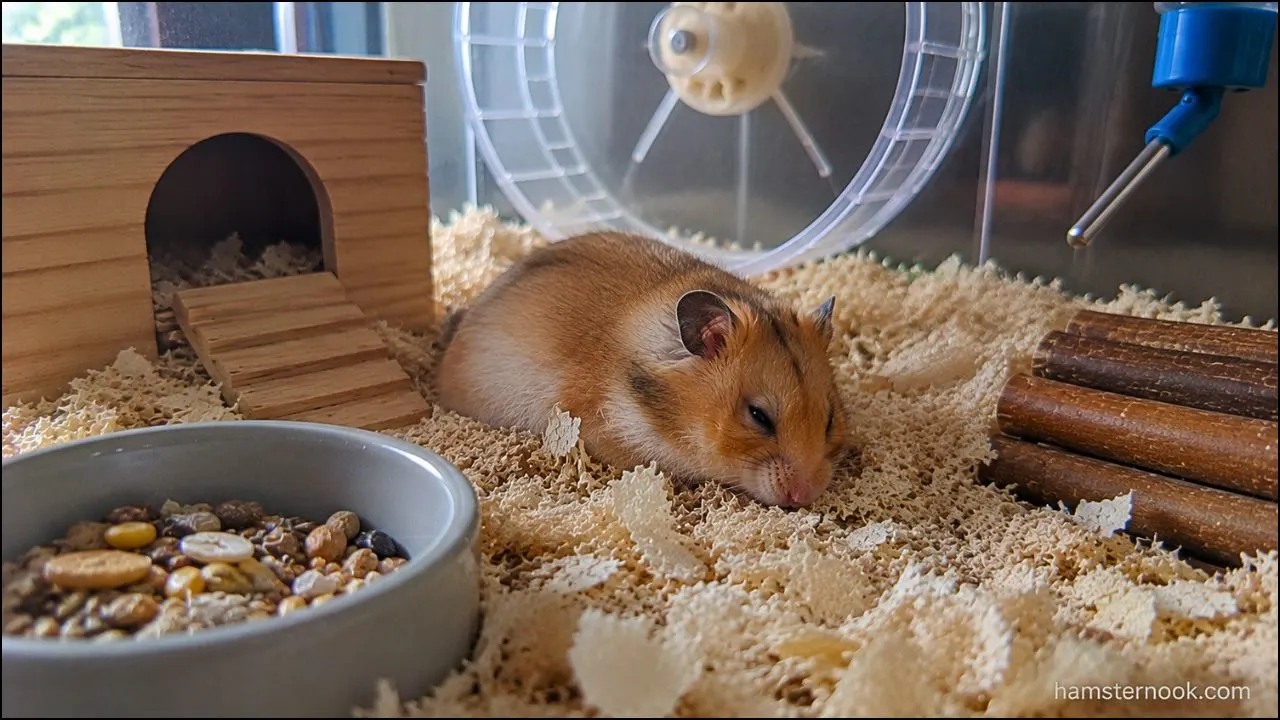
Can a hamster lose weight from increased activity?
Yes. A hamster that becomes significantly more active may burn more calories than before. However, noticeable or ongoing weight loss should still be monitored carefully because medical problems can produce similar results.
Frequently Asked Questions
My hamster looks thinner, but it still eats every day. Should I be concerned?
Yes. If weight loss continues despite normal eating habits, there may be an underlying issue such as dental disease, illness, parasites, or nutrient absorption problems.
How often should I weigh my hamster?
For routine health monitoring, regular weekly weigh-ins can help you notice a downward trend. If your hamster is already losing weight or seems unwell, ask your veterinarian how often it should be weighed and monitored.
How much weight loss is concerning?
There is no single gram or percentage cutoff that applies to every hamster. What matters is a continuing drop from the hamster’s normal weight, particularly when other signs such as difficulty eating, lethargy, diarrhea, breathing problems, or reduced appetite are present. If the downward trend continues, veterinary advice is appropriate.

Can stress cause weight loss in hamsters?
Yes. Chronic stress can affect appetite, metabolism, activity levels, and overall body condition, sometimes leading to noticeable weight loss.
If your hamster has recently become withdrawn or fearful, read Things Your Hamster Does When It No Longer Feels Safe to identify stress-related warning signs.
Do older hamsters naturally lose weight?
Many senior hamsters experience gradual weight loss due to aging-related changes. However, sudden or severe weight loss should still be evaluated by a veterinarian.
Can dental problems cause weight loss even if my hamster is eating?
Yes. A hamster with dental issues may appear to eat normally while actually consuming less food than needed because chewing is difficult or painful.

When should I take my hamster to a veterinarian?
Seek veterinary advice if weight loss is ongoing, rapid, accompanied by lethargy, diarrhea, difficulty eating, breathing problems, or any other unusual symptoms.
References
This guide is based on hamster health, nutrition, dental care, weight monitoring, disease prevention, and veterinary welfare guidance from trusted animal welfare and veterinary resources, including:
- RSPCA – Hamster Health & Welfare – Guidance on monitoring hamster health, recognizing signs of illness, dental problems, weight changes, and when veterinary care may be needed.
- RSPCA – Hamster Diet – Guidance on balanced hamster nutrition, feeding habits, fresh foods, water, and maintaining a healthy diet.
- PDSA – Hamsters as Pets – Information on hamster nutrition, common health problems, weight, dental care, behavior, and general welfare.
- MSD Veterinary Manual – Hamsters – Veterinary reference information covering hamster diseases, dental disorders, diabetes, digestive problems, parasites, and other health conditions.
- MSD Veterinary Manual – Disorders and Diseases of Hamsters – Veterinary information on common hamster diseases, clinical signs, weight changes, and conditions that may require veterinary evaluation.
- MSD Veterinary Manual – Routine Health Care of Hamsters – Guidance on routine health monitoring, examination, nutrition, dental health, and recognizing changes in a hamster’s condition.
Medical Disclaimer
This article is intended for educational purposes only and should not be considered veterinary advice. Weight loss in a hamster can have many possible causes, including dental problems, illness, parasites, nutritional issues, stress, or age-related changes. If your hamster has ongoing or rapid weight loss, difficulty eating, diarrhea, lethargy, breathing problems, increased drinking or urination, or other concerning symptoms, consult a qualified exotic animal veterinarian for proper examination and treatment.

Narayan Kumar is the founder and author of HamsterNook. He creates practical, research-based hamster care guides covering hamster behavior, nutrition, cage setup, enrichment, health, and everyday care. His goal is to help hamster owners make informed decisions and provide safer, healthier lives for their pets through clear, beginner-friendly information based on trusted animal care resources.