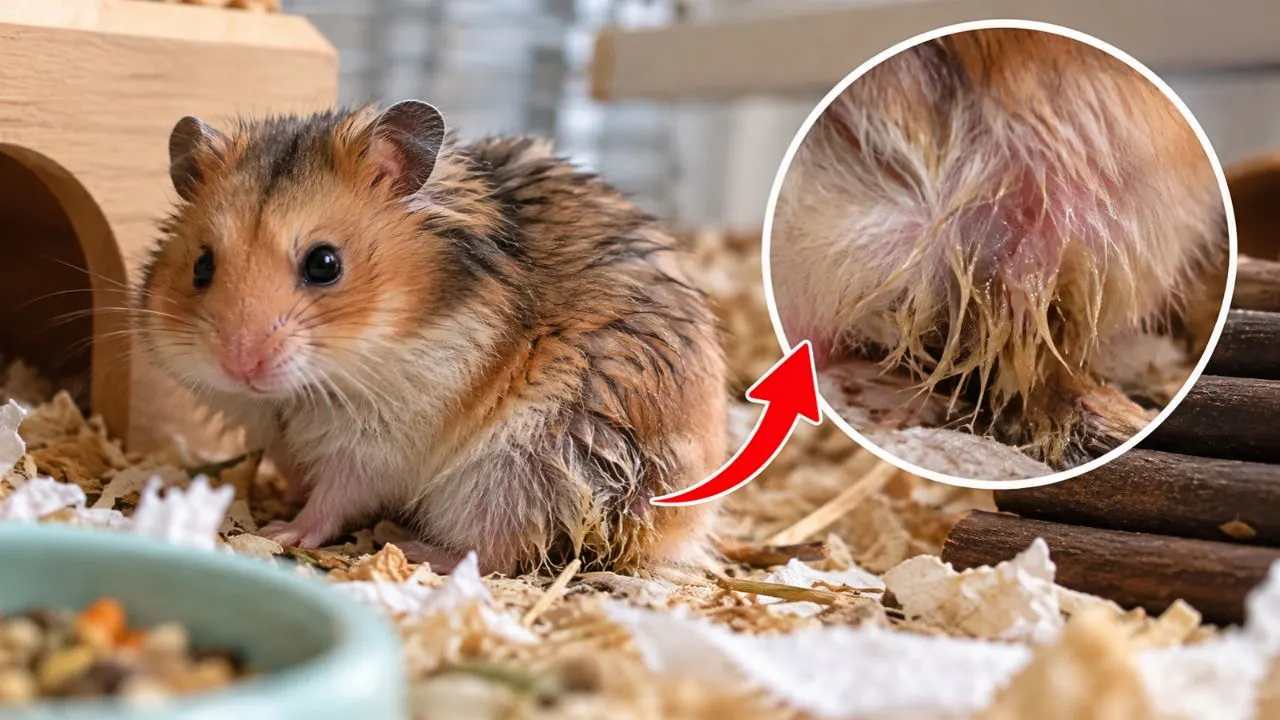
One day your hamster is running on its wheel, exploring its cage, and eagerly coming out for treats. Then suddenly, it starts sleeping much more than usual and barely touches its food. For many hamster owners, this change can be worrying.
A noticeable decrease in eating combined with unusually long sleeping periods deserves closer observation. Sometimes the cause is relatively harmless, such as stress from a recent environmental change. In other cases, it can signal illness, pain, aging, or even a medical emergency that requires veterinary attention.
Understanding the possible reasons behind these behavioral changes can help you determine whether your hamster simply needs time to adjust or needs professional care. This guide covers the most common causes, warning signs, and practical steps every owner should take.
Quick Answer: Why Is My Hamster Not Eating and Sleeping More?
A hamster that is sleeping more than usual and eating less should be watched closely, especially when both changes happen together. Normal daytime sleep can be expected, but a clear change from your hamster’s usual routine may be linked to stress, illness, pain, dehydration, temperature problems, dental issues, or aging. Check food intake, water, activity, weight, droppings, breathing, and other behavior changes, and contact a veterinarian promptly if the change is sudden, severe, or accompanied by other warning signs.

Is It Normal for Hamsters to Sleep a Lot?
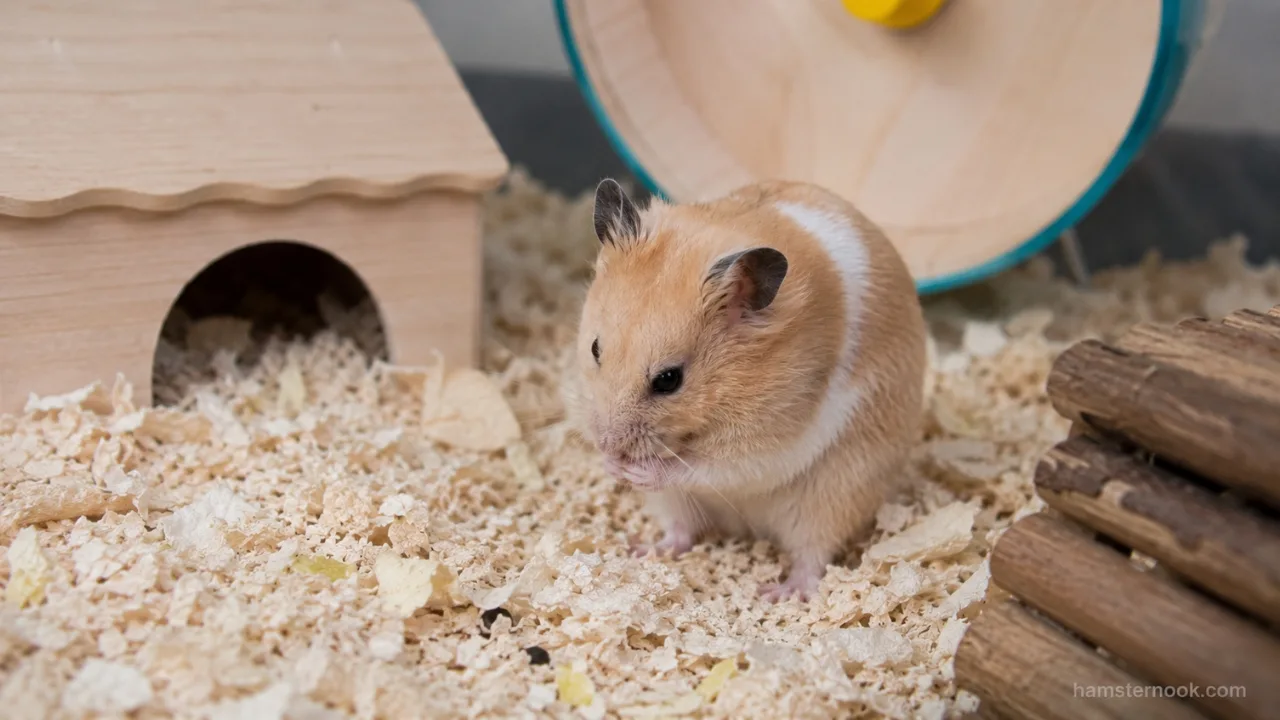
Hamsters are naturally nocturnal or crepuscular animals. They spend much of the day sleeping and become active during the evening and nighttime hours.
How much a hamster sleeps can vary with its normal routine, age, species, temperature, and activity level. Because hamsters normally sleep during the day and become active in the evening and at night, a major change from your hamster’s usual pattern matters more than a fixed number of hours.
- Age
- Species
- Temperature
- Activity level
- Seasonal changes
However, a hamster that is sleeping significantly more than usual while also refusing food deserves closer attention.
Normal Sleep vs Concerning Sleep Changes
| Behavior | Usually Normal | Potential Concern |
|---|---|---|
| Sleeping during the day | Yes | No |
| Sleeping slightly longer after activity | Yes | No |
| Reduced activity after stress | Sometimes | Monitor closely |
| Refusing favorite foods | No | Yes |
| Sleeping almost all day and night | No | Yes |
| Difficulty waking up | No | Yes |
| Weight loss with increased sleeping | No | Yes |
If your hamster’s eating and activity levels both decrease at the same time, it often points to an underlying issue.
If the change in sleep is especially noticeable, our Why Is My Hamster Sleeping So Much? guide explains normal sleep patterns and warning signs in more detail.
Common Reasons a Hamster Stops Eating and Sleeps More
Several factors can cause these symptoms. Some are minor, while others require immediate attention.
If appetite loss is the main change you’re seeing, our Why Is My Hamster Not Eating? guide goes deeper into the common causes, warning signs, and what owners should do next.
Stress From Environmental Changes
Hamsters are creatures of habit. Even small disruptions can affect their appetite and activity levels.
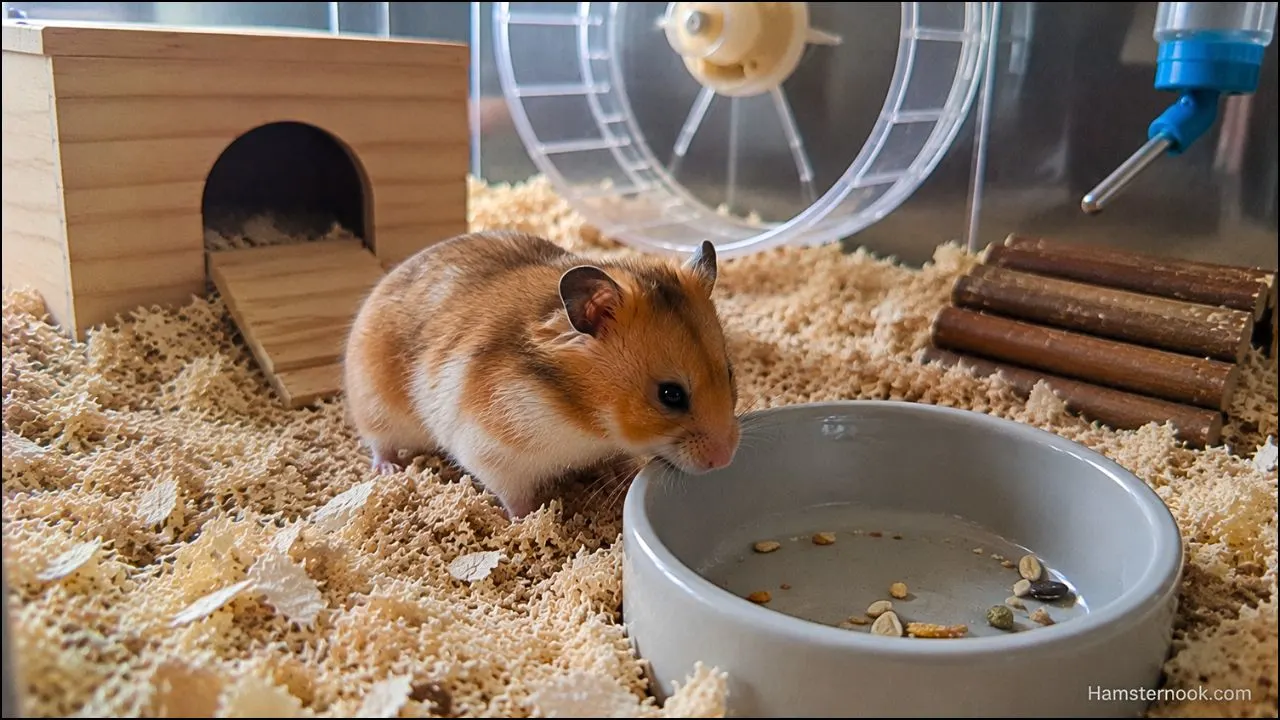
Common stress triggers include:
- Moving to a new cage
- Relocating to a new home
- Loud noises
- New pets nearby
- Excessive handling
- Rearranging cage furniture
A stressed hamster may spend more time hiding, sleeping, and eating less than normal.
If environmental changes may be involved, our 7 Signs You’re Accidentally Stressing Your Hamster guide covers common stress signals owners may notice.
Signs of Stress
| Common Stress Signs | What You May Notice |
|---|---|
| Increased hiding | Staying inside nesting area |
| Reduced appetite | Ignoring food bowl |
| Less exploration | Rarely leaving hideouts |
| Nervous behavior | Startling easily |
| Sleeping more | Longer inactive periods |
If stress is contributing to the change, appetite and activity may improve once the hamster feels secure again. However, ongoing or worsening appetite loss should not automatically be attributed to stress, especially when other symptoms are present.

Illness Can Cause Appetite Loss and Lethargy
One of the most common reasons for reduced eating and increased sleeping is illness.
When hamsters feel unwell, they often conserve energy by resting more and eating less.
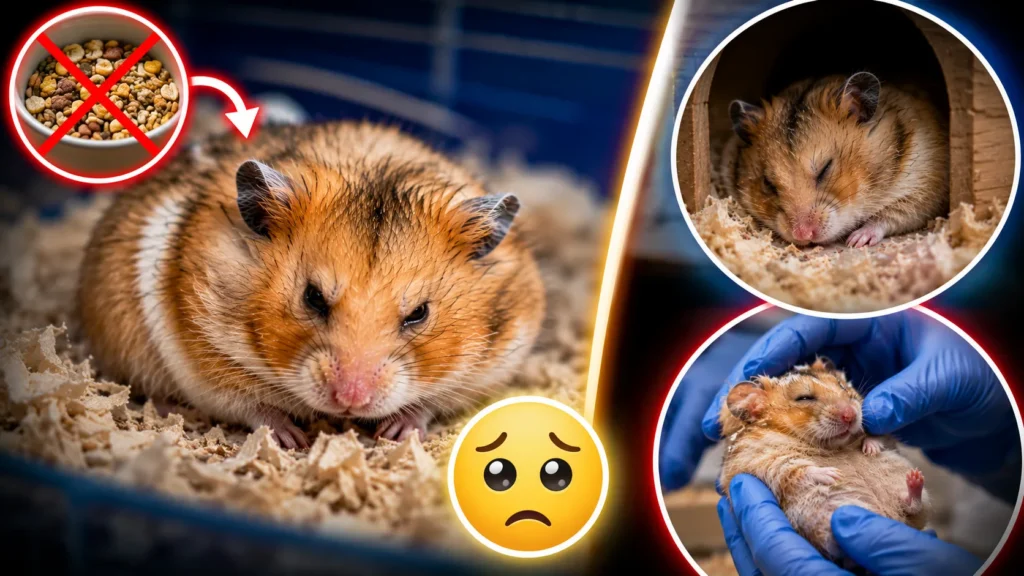
Possible health conditions include:
- Respiratory infections
- Digestive disorders
- Dental problems
- Internal infections
- Organ disease
Hamsters often show only subtle signs of discomfort, making behavior changes especially important to monitor.
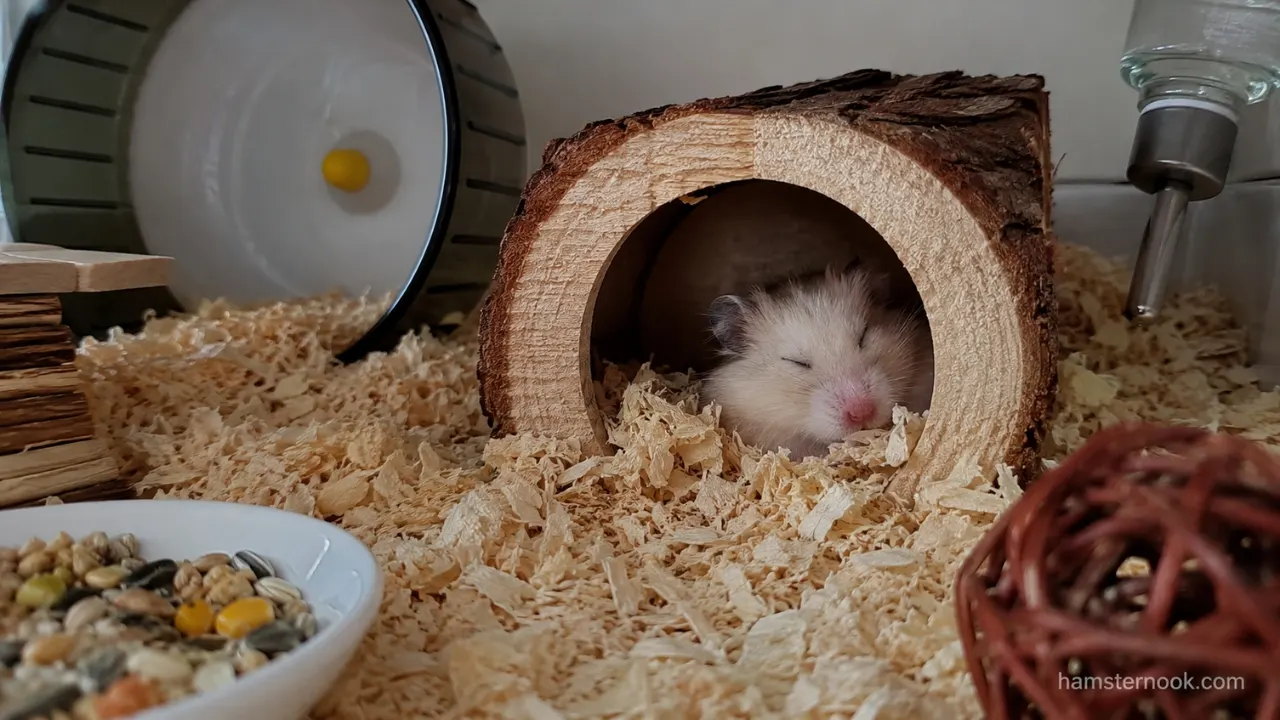
Dental Problems May Make Eating Painful
A hamster’s teeth continuously grow throughout its life.
If teeth become overgrown, broken, or misaligned, eating can become difficult and painful.
Signs of Dental Issues
| Symptom | Possible Cause |
|---|---|
| Dropping food | Tooth pain |
| Weight loss | Inability to chew |
| Wet fur around mouth | Dental discomfort |
| Eating soft foods only | Overgrown teeth |
| Reduced appetite | Mouth pain |
Dental problems require veterinary examination because they rarely improve on their own.
Old Age Can Reduce Appetite and Activity
Senior hamsters naturally become less active over time.
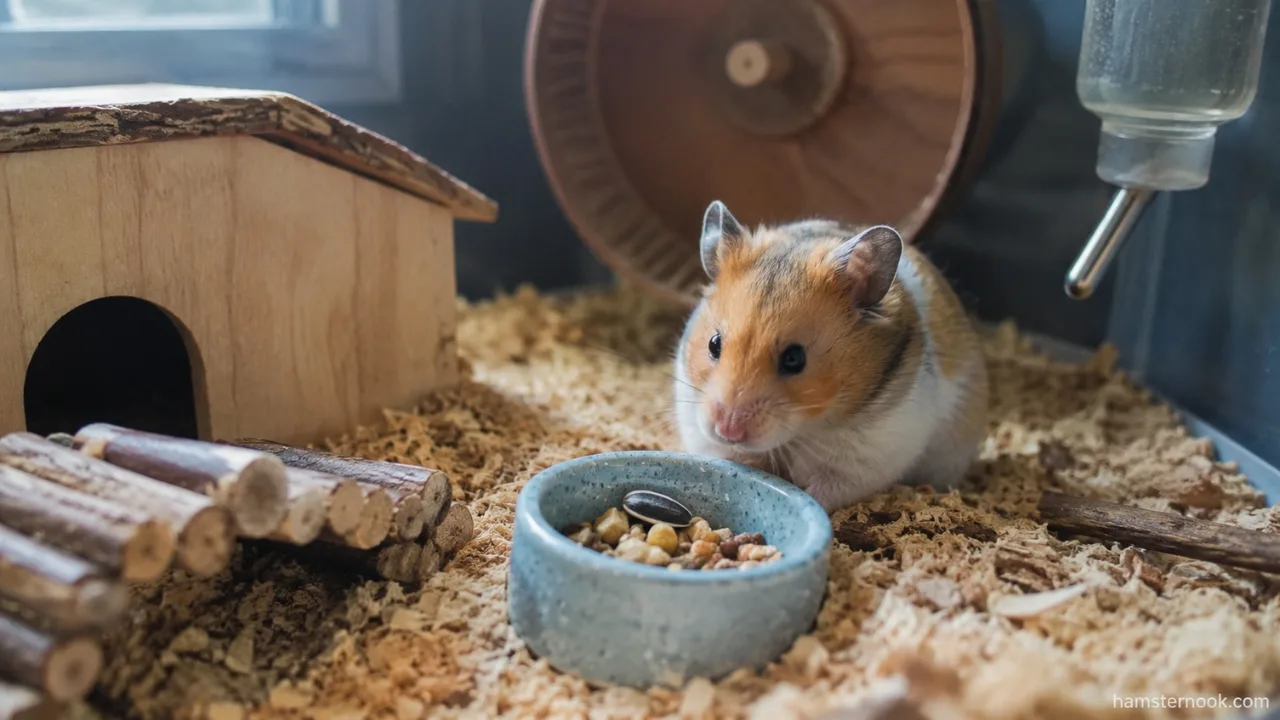
As hamsters age, they may:
- Sleep more frequently
- Move more slowly
- Eat smaller meals
- Spend less time exercising
Aging vs Illness
| Sign | Normal Aging | Possible Illness |
|---|---|---|
| Slightly increased sleeping | Yes | No |
| Gradual decrease in activity | Yes | No |
| Sudden refusal to eat | No | Yes |
| Rapid weight loss | No | Yes |
| Difficulty breathing | No | Yes |
Even elderly hamsters should continue eating regularly.
Cage Temperature May Be Too Cold
Hamsters are sensitive to temperature extremes.
If the environment becomes too cold, a hamster may enter a state called torpor. Torpor is not true hibernation, but it causes:
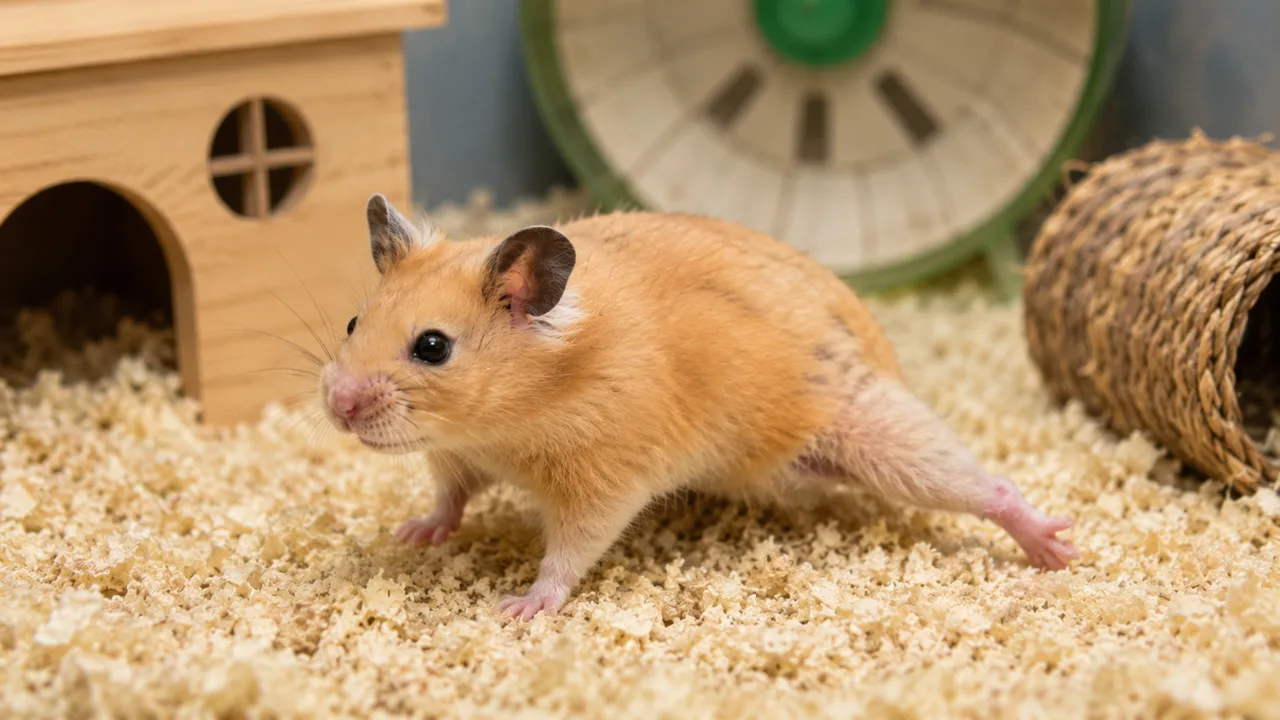
- Reduced activity
- Increased sleeping
- Slower breathing
- Reduced food intake
Temperature Guide for Hamsters
| Temperature Concern | What to Watch For |
|---|---|
| Environment becomes unusually cold | Reduced activity, unusual sleepiness, or signs consistent with torpor |
| Environment becomes unusually hot | Low energy, eating less, rapid breathing, or other signs of heat stress |
| Sudden temperature change | Monitor closely and move the enclosure to a stable, appropriate environment |
Cold temperatures should always be considered if symptoms appear during cooler weather.
Respiratory Infections Are Common in Hamsters
Respiratory illnesses can quickly affect a hamster’s appetite and energy levels.
Symptoms may include:
- Sneezing
- Wheezing
- Clicking sounds while breathing
- Nasal discharge
- Sleeping more than normal
If your hamster is also sneezing, wheezing, or breathing differently, our Why Is My Hamster Breathing Fast? Normal Breathing, Causes & Warning Signs guide covers abnormal breathing patterns and warning signs.
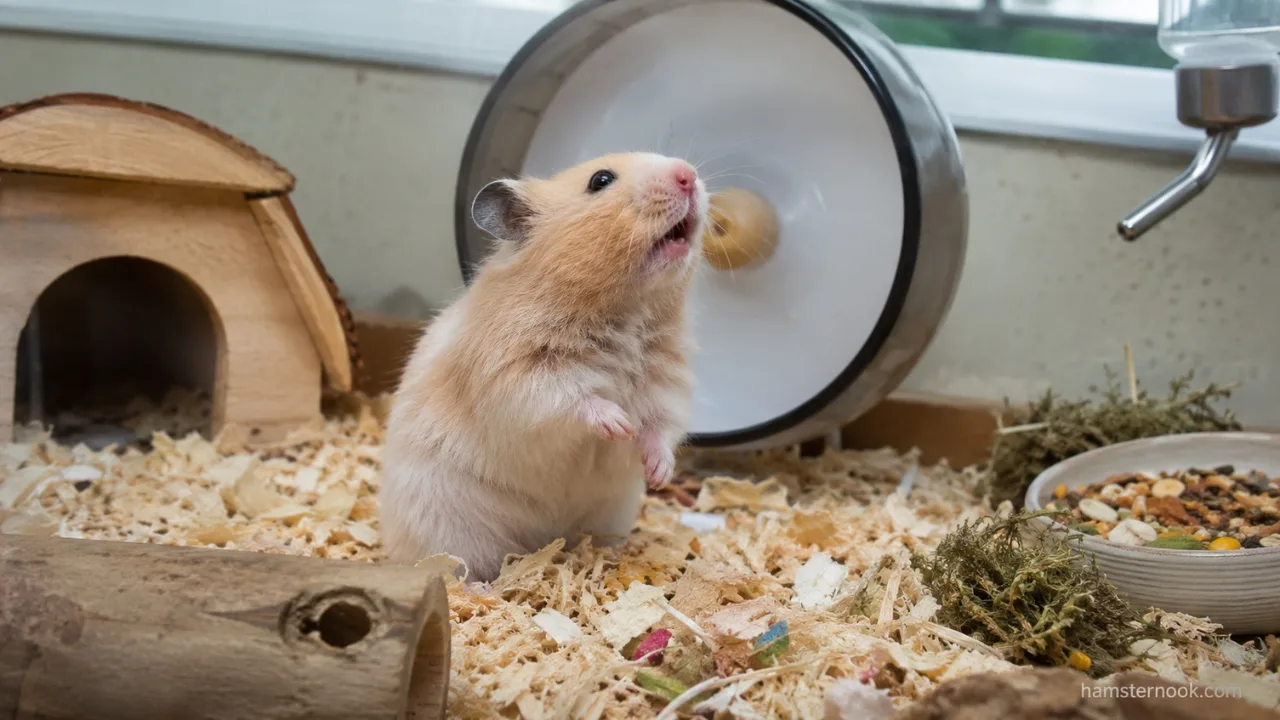
Respiratory infections should be treated promptly because hamsters can deteriorate quickly.
Digestive Problems Can Reduce Food Intake
Digestive discomfort often causes hamsters to stop eating.
Possible causes include:
- Sudden diet changes
- Spoiled food
- Excess sugary treats
- Bacterial infections
Look for additional symptoms such as:
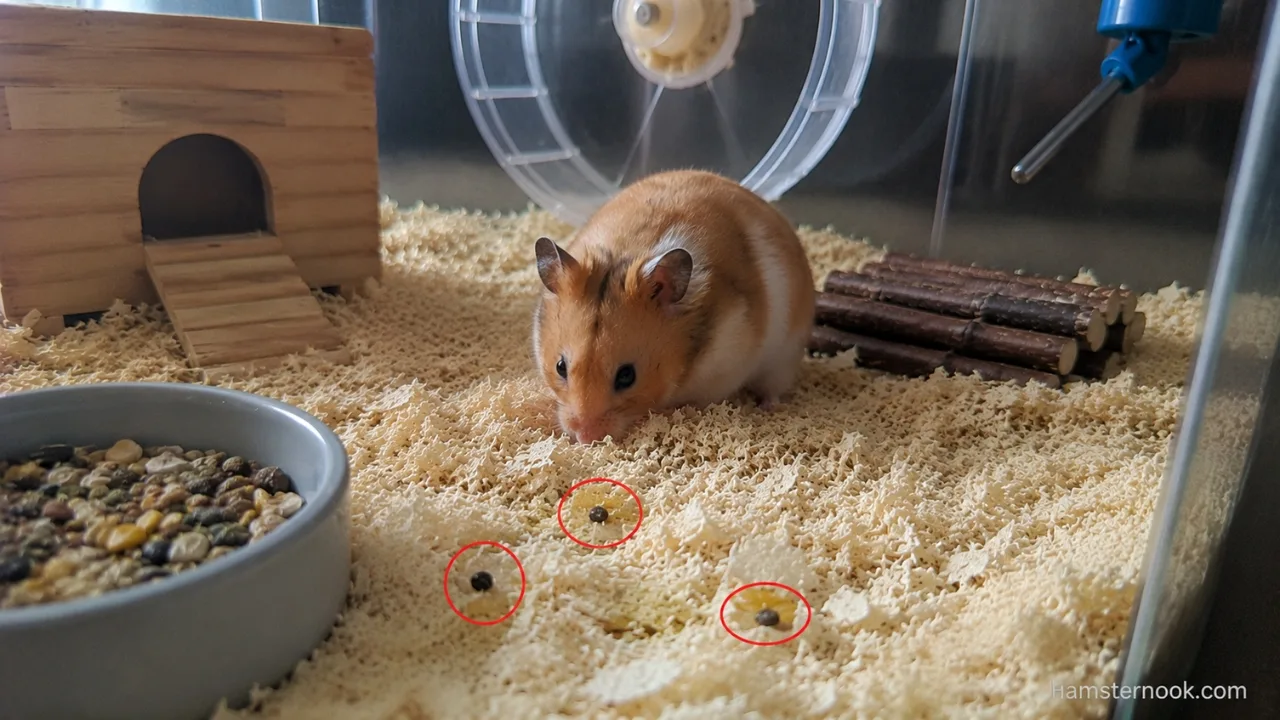
- Diarrhea
- Wet tail area
- Bloating
- Unusual droppings
Digestive issues can become serious, especially in young hamsters.
Could Your Hamster Be Dehydrated?
Dehydration often causes lethargy and reduced appetite.
Check for:
- Weakness or unusually low energy
- Reduced appetite
- Drinking less than normal
- Diarrhea or a wet or soiled hind end
- Other noticeable changes in normal behavior
Always ensure the water bottle functions properly and contains fresh water.
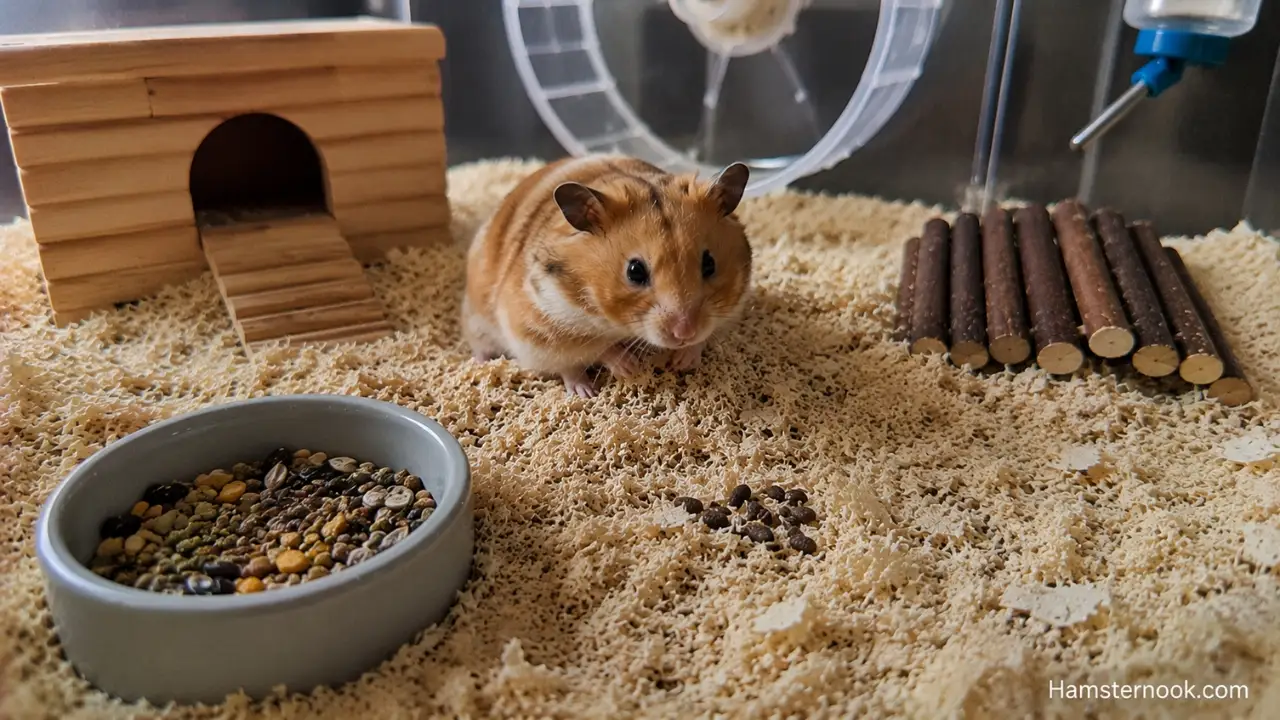
If your hamster is also drinking less or you are worried about how long it can safely go without water, our How Long Can Hamsters Go Without Water? Risks, Warning Signs & What to Do guide explains the risks and warning signs.
If temperature may be contributing to the change in activity, our Hamster Temperature: Safe Range, Too Hot & Too Cold guide explains the signs of excessive heat, cold temperatures, and torpor.
Warning Signs That Require Immediate Veterinary Care
Some symptoms should never be ignored.
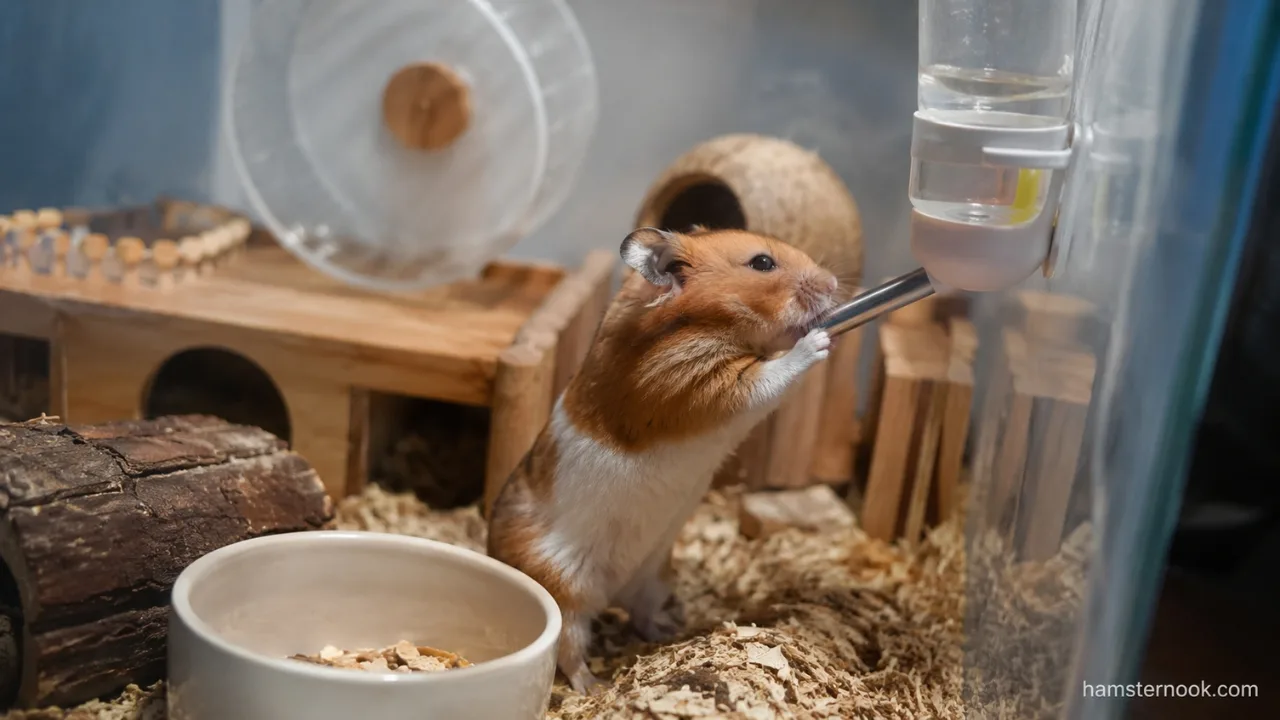
Seek veterinary attention as soon as possible if your hamster shows:
| Warning Sign | Why It Needs Veterinary Attention |
|---|---|
| Marked or complete loss of appetite | Hamsters can become unwell quickly when they stop eating |
| Labored or difficult breathing | May indicate a serious respiratory or other health problem |
| Severe weakness or difficulty standing | Can indicate significant illness |
| Diarrhea or a wet/soiled hind end | Can occur with serious digestive illness and dehydration |
| Rapid or noticeable weight loss | May indicate an underlying health problem |
| Blood in urine or stool | Needs prompt veterinary assessment |
| Unresponsiveness or collapse | Requires urgent veterinary attention |
Prompt attention to ongoing symptoms can help owners respond before problems become more serious.
If your hamster is also becoming unusually weak or struggling to stand, our Why Is My Hamster Suddenly Weak? guide covers other warning signs that can accompany sudden low energy.
How to Check If Your Hamster Is Actually Eating
Monitoring your hamster’s body weight consistently can help you notice changes that may not be obvious from appearance alone. During a suspected illness, follow your veterinarian’s advice about how often to weigh your hamster.
Many owners assume their hamster has stopped eating when food is simply being stored elsewhere.
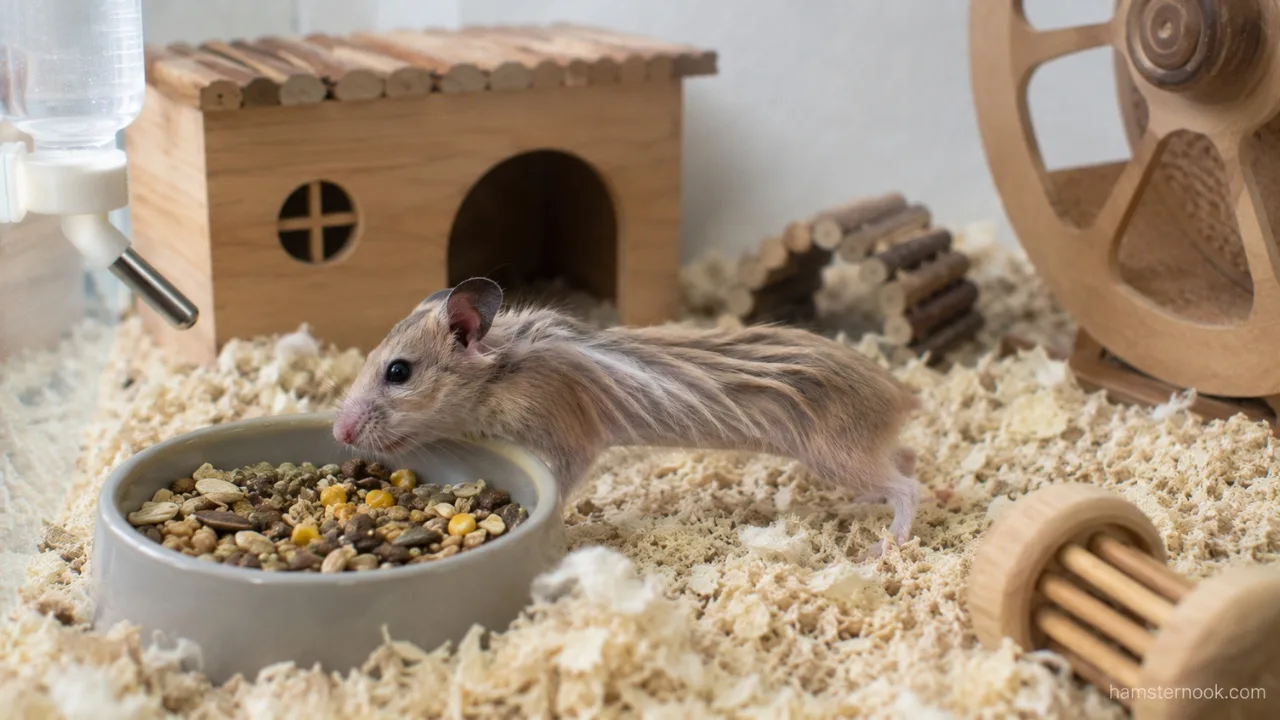
If your hamster is eating but still losing weight, our Why Is My Hamster Losing Weight Even Though It’s Eating? guide covers the possible reasons and warning signs to watch for.
Hamsters naturally hoard food in hidden locations.
Check:
- Nesting areas
- Burrows
- Hideouts
- Bedding corners
You may discover a food stash containing much of the missing food.

Signs Your Hamster Is Still Eating
| Observation | Meaning |
|---|---|
| Food hoards growing | Likely still eating |
| Fresh chew marks on pellets | Active feeding |
| Stable body weight | Good sign |
| Normal droppings | Digestive system functioning |
Regular weight tracking can help you notice changes that may not be obvious from appearance alone, particularly when appetite or activity has changed.
What You Should Do at Home
Keeping a simple record of eating habits, weight, and activity levels can help identify patterns and changes earlier.
If your hamster suddenly starts sleeping more and eating less, take these steps:
- Check cage temperature.
- Confirm the water bottle works properly.
- Look for signs of illness or injury.
- Monitor body weight consistently; during suspected illness, follow your veterinarian’s advice about how often to weigh your hamster.
- Look for signs of dental trouble such as dropping food, difficulty chewing, drooling, or a wet chin; do not force your hamster’s mouth open.
- Reduce stress and noise.
- Offer fresh, familiar foods.
- Observe nighttime activity.
Avoid introducing new treats or making major cage changes while monitoring the situation.
What to Offer If Your Hamster Is Eating Less
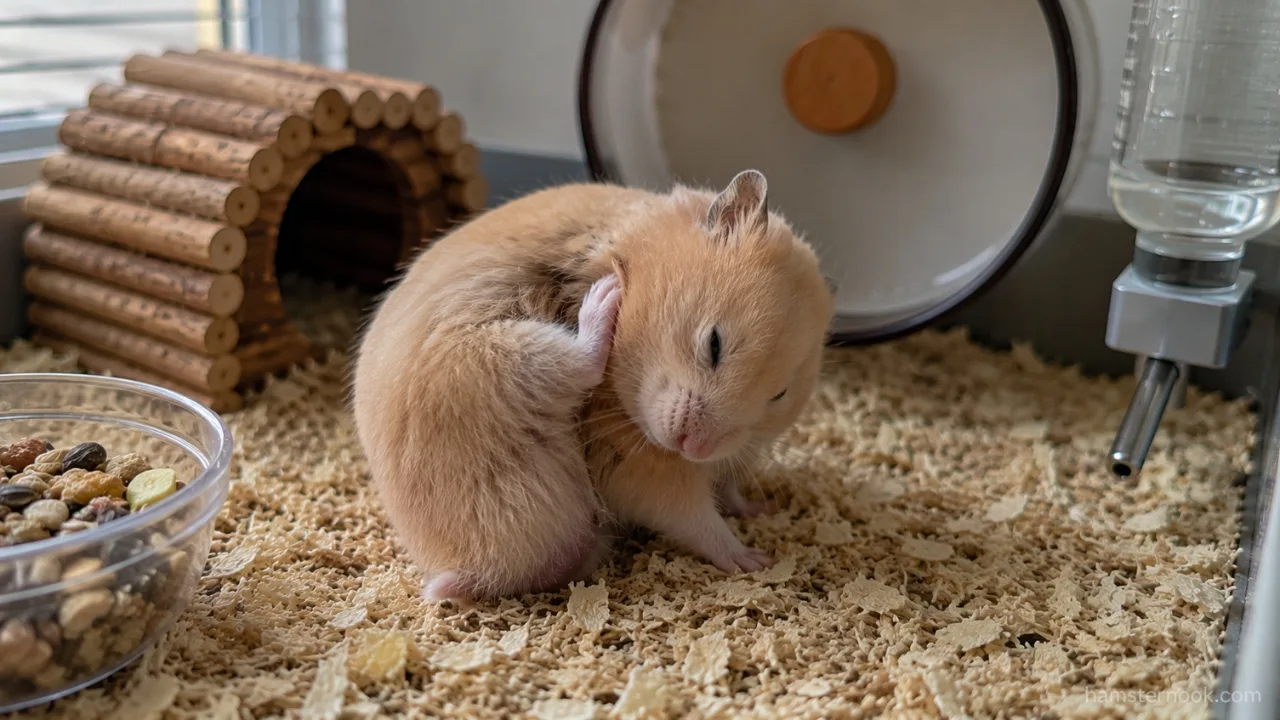
If your hamster is eating less, don’t rely on treats or favorite foods to mask the problem. Keep fresh water available, make sure the usual food is accessible, and monitor eating, drinking, droppings, activity, and weight while arranging veterinary advice when needed.
Avoid suddenly changing the diet or offering lots of new foods. If a veterinarian has advised a specific soft or assisted diet because of illness or dental problems, follow their instructions rather than trying to treat the appetite loss yourself.
Any sudden or marked appetite loss, especially when combined with lethargy or other symptoms, should be discussed with a veterinarian.
How to Prevent Future Appetite and Activity Problems
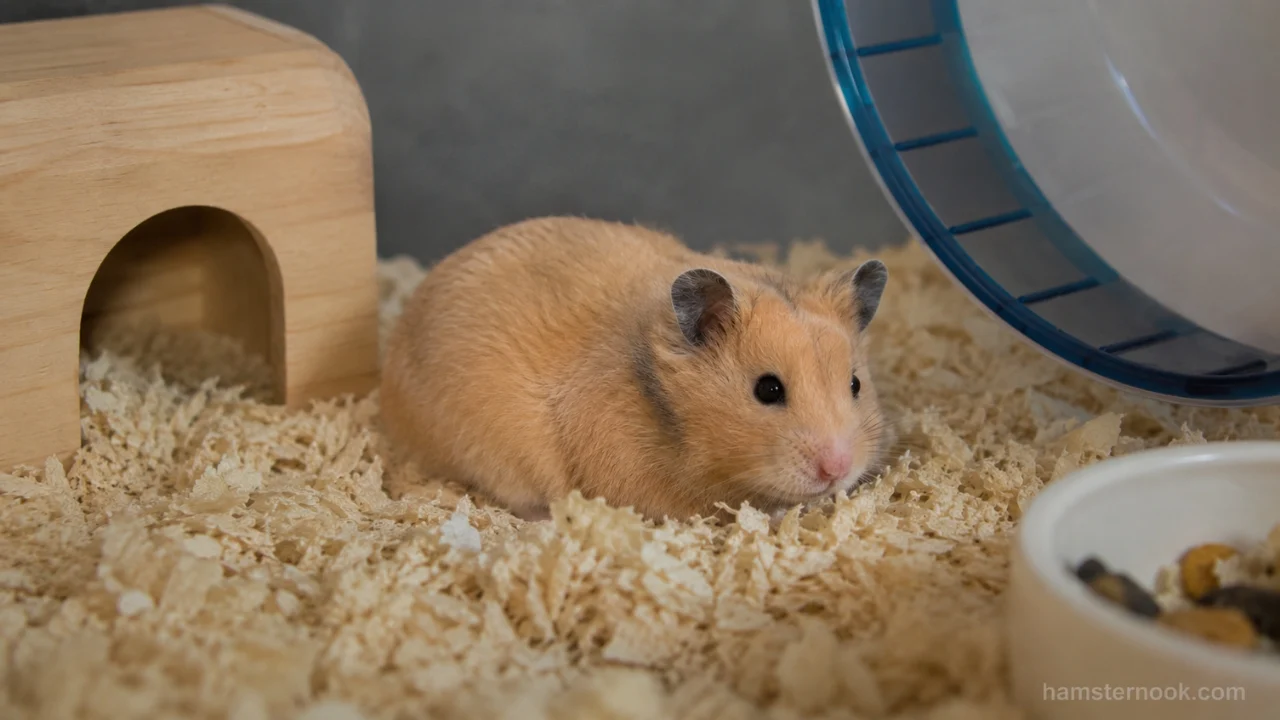
Prevention starts with proper daily care.
Healthy Habits for Long-Term Wellness
| Preventive Measure | Benefit |
|---|---|
| Consistent feeding schedule | Reduces stress |
| Proper cage temperature | Prevents torpor |
| Fresh water daily | Supports hydration |
| Regular weight checks | Detects illness early |
| Quality hamster diet | Supports overall health |
| Routine cage cleaning | Reduces disease risk |
Small changes are often easier to detect when you regularly monitor your hamster’s normal behavior.
Final Thoughts
A hamster that suddenly stops eating and begins sleeping much more than usual should never be ignored. While stress, aging, or temporary environmental changes may sometimes explain the behavior, illness is also a common possibility.
The most important step is to look for additional symptoms, monitor your hamster closely, and seek veterinary care if appetite loss continues or other warning signs appear. Because hamsters naturally hide signs of weakness, early action often makes a significant difference in recovery.
Paying attention to eating habits, activity levels, body weight, and overall behavior can help you recognize health problems before they become serious.

Frequently Asked Questions
How long can a hamster go without eating?
Hamsters should not go long without food. If your hamster has completely stopped eating, or is eating much less than normal, contact a veterinarian promptly rather than waiting for a fixed number of hours. This is especially important if the appetite loss occurs with lethargy, weight loss, diarrhea, breathing problems, weakness, or other concerning changes.
Why is my hamster sleeping all day and all night?
Excessive sleeping beyond your hamster’s normal routine may indicate stress, illness, aging, cold temperatures, or dehydration.
Should I wake my hamster to make it eat?
No. Forcing a hamster awake can increase stress. Instead, monitor its behavior during normal waking hours and seek veterinary advice if appetite loss continues.
Can stress cause a hamster to stop eating?
Yes. Moving, loud environments, excessive handling, or major cage changes can temporarily reduce appetite and increase hiding behavior.
Is it normal for older hamsters to eat less?
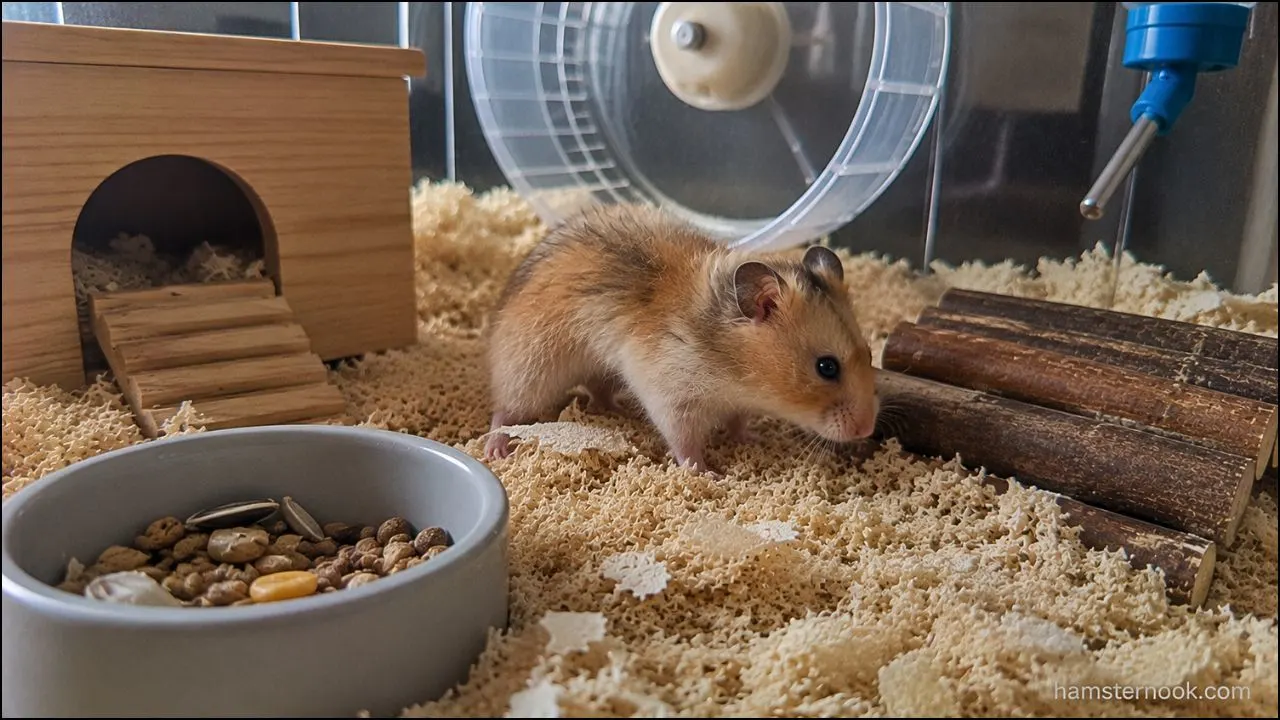
Older hamsters often eat slightly smaller meals and sleep more. However, complete food refusal or rapid weight loss is not considered normal aging.
When should I take my hamster to the vet?
Contact a veterinarian promptly if your hamster stops eating or is eating much less than normal, particularly if it is also losing weight, struggling to breathe, developing diarrhea, or becoming unusually weak or unresponsive. Do not rely on a fixed waiting period if your hamster appears seriously unwell.
References
This guide is based on hamster health, appetite, behavior, nutrition, temperature, hydration, dental care, and veterinary warning signs from trusted animal welfare and veterinary resources, including:
- RSPCA – Hamster Health & Welfare – Guidance on recognizing signs of illness, changes in eating and drinking, dental health, breathing problems, weight changes, and when veterinary care may be needed.
- RSPCA – Hamster Diet – Guidance on balanced hamster nutrition, food, water, feeding habits, and monitoring changes in appetite.
- RSPCA – Creating a Good Home for Hamsters – Guidance on suitable housing, environmental conditions, temperature, bedding, and reducing stress.
- PDSA – Hamsters as Pets – Practical advice on hamster care, diet, behavior, common health problems, and signs that may require veterinary attention.
- MSD Veterinary Manual – Disorders and Diseases of Hamsters – Veterinary reference information on common hamster diseases, digestive problems, respiratory conditions, dental issues, weakness, and other clinical signs.
- MSD Veterinary Manual – Routine Health Care of Hamsters – Guidance on monitoring hamster health, body condition, nutrition, dental care, and recognizing changes that may require veterinary evaluation.
- MSD Veterinary Manual – Providing a Home for a Hamster – Veterinary guidance on appropriate housing, environmental conditions, temperature, bedding, food, and water.
Medical Disclaimer
This article is intended for educational purposes only and should not be considered veterinary advice. A noticeable decrease in eating combined with unusual sleeping, weakness, breathing changes, weight loss, diarrhea, or other concerning symptoms can have several possible causes and may require prompt veterinary evaluation. If your hamster stops eating, becomes unusually weak or unresponsive, has difficulty breathing, or develops other serious or persistent symptoms, contact a qualified exotic animal veterinarian as soon as possible.

Narayan Kumar is the founder and author of HamsterNook. He creates practical, research-based hamster care guides covering hamster behavior, nutrition, cage setup, enrichment, health, and everyday care. His goal is to help hamster owners make informed decisions and provide safer, healthier lives for their pets through clear, beginner-friendly information based on trusted animal care resources.