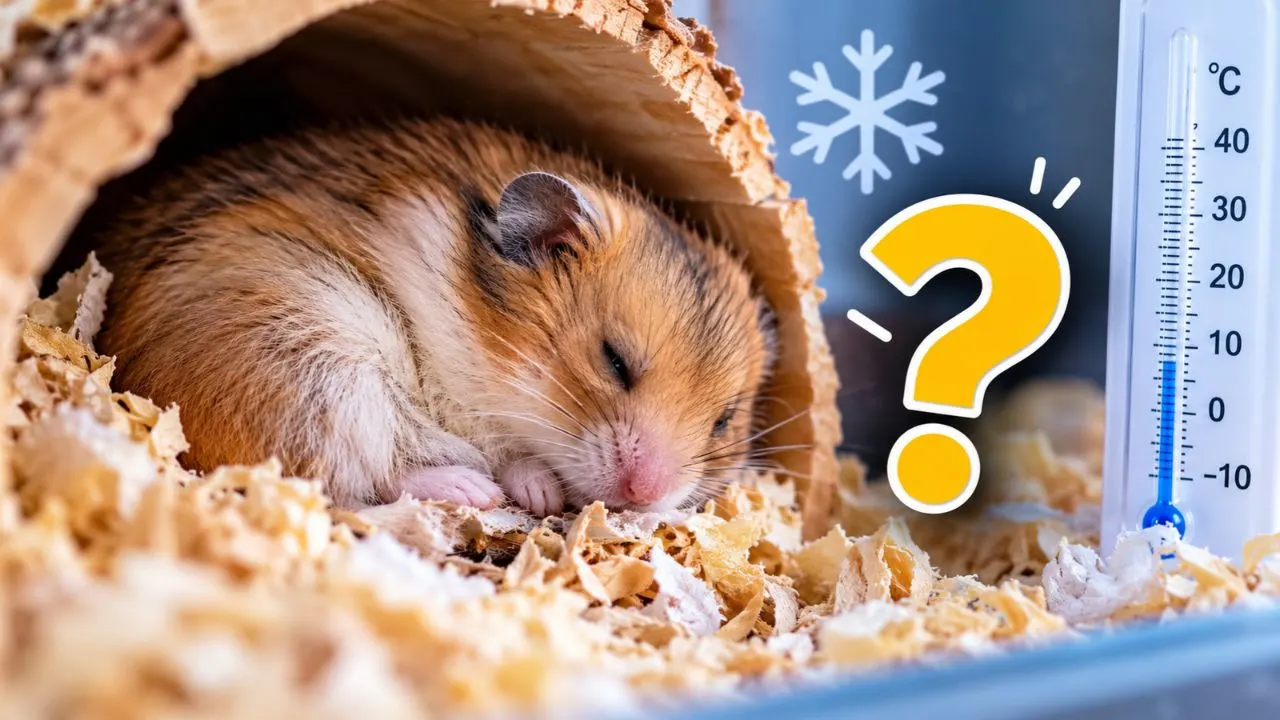
If your hamster suddenly becomes cold, barely moves, or appears to be sleeping unusually deeply, you may wonder whether it is hibernating. This can be frightening, especially if your pet normally wakes up and explores its enclosure at night. Hamsters can enter a state called torpor when conditions are unfavorable, particularly when they become too cold. However, a motionless hamster may also be seriously ill, so knowing what to look for—and how to respond safely—is essential.
Quick Answer: Do Hamsters Hibernate?
Hamsters can enter torpor, a temporary state of reduced activity and metabolism, but pet hamsters should not be allowed to enter it as part of routine care.
Torpor may occur when a hamster experiences low temperatures, inadequate food availability, or other unfavorable conditions. Some hamster species also naturally experience seasonal physiological changes, but the response varies by species and environment.
Unlike ordinary sleep, torpor can involve a substantial reduction in body temperature, heart rate, breathing, and responsiveness. A hamster in torpor may feel cold and appear almost lifeless.
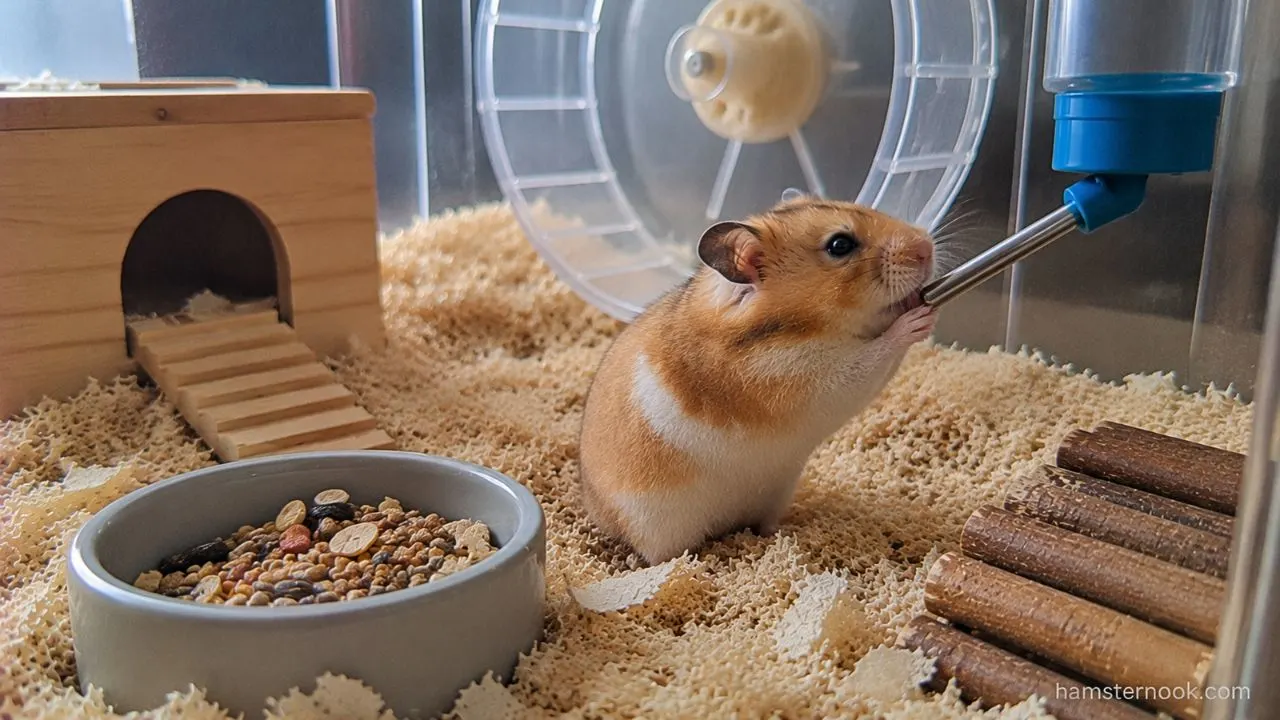
The important thing to understand is that you cannot safely assume a cold, unresponsive hamster is simply hibernating. Severe illness, shock, and other emergencies can cause similar signs.
If your hamster is cold and barely responsive, seek urgent veterinary advice while gently moving it to a comfortably warm environment. Do not wait to see whether it wakes up on its own.
What Is Torpor in Hamsters?
Torpor is a temporary physiological state in which an animal reduces its metabolic activity and body temperature to conserve energy. During torpor, the heartbeat and breathing can slow, and the hamster may become much less responsive than usual.
For pet owners, the main concern is that torpor can resemble a serious medical emergency.
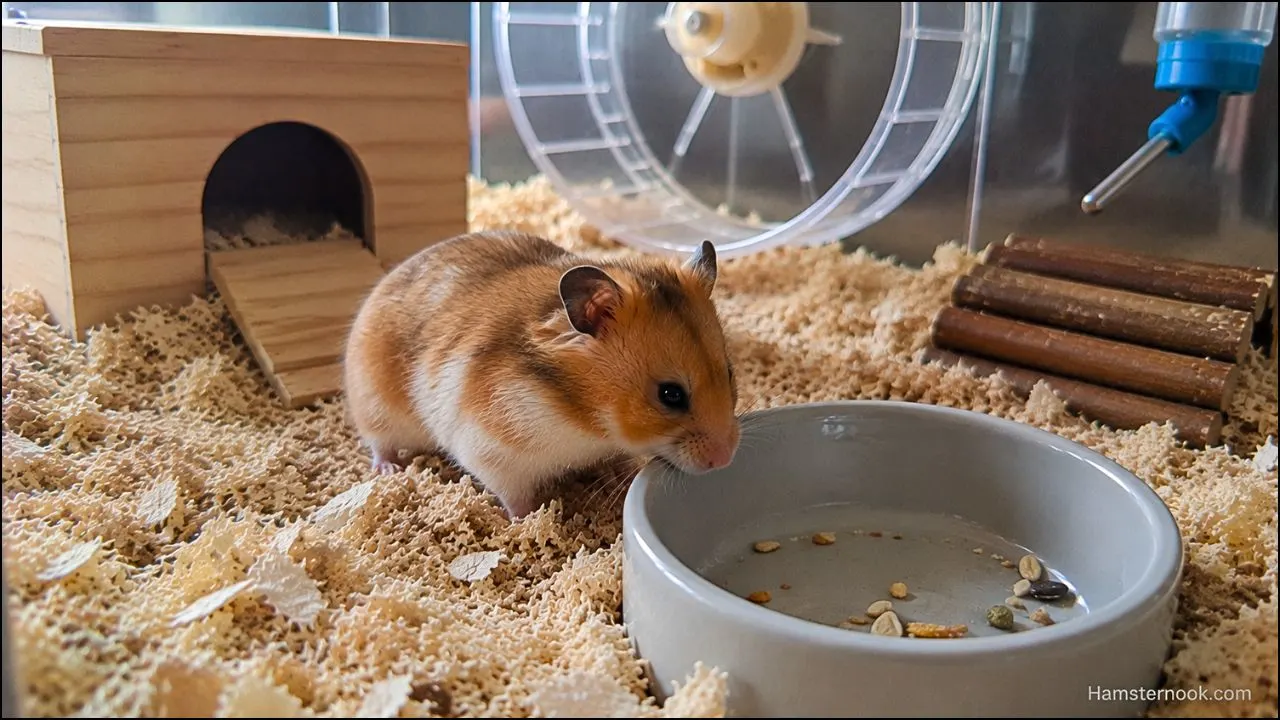
Torpor versus hibernation
The terms are related, but they are not exactly interchangeable. Torpor generally describes a temporary reduction in metabolic activity, while hibernation usually refers to a longer-term seasonal pattern involving repeated periods of reduced activity and periodic arousal.
Hamster species differ in their responses to environmental conditions. Syrian hamsters can undergo hibernation under appropriate winter-like conditions, while some dwarf hamsters exhibit daily torpor. In a domestic pet, unexpected torpor should prompt a review of the environment and consultation with a veterinarian.
A pet hamster becoming cold and unresponsive is not something to encourage or treat as normal seasonal behavior.
Why can torpor be dangerous for pet hamsters?
Pet hamsters may not have the energy reserves or environmental conditions needed to cope safely with prolonged torpor. Cold temperatures and limited food availability can contribute to the problem.
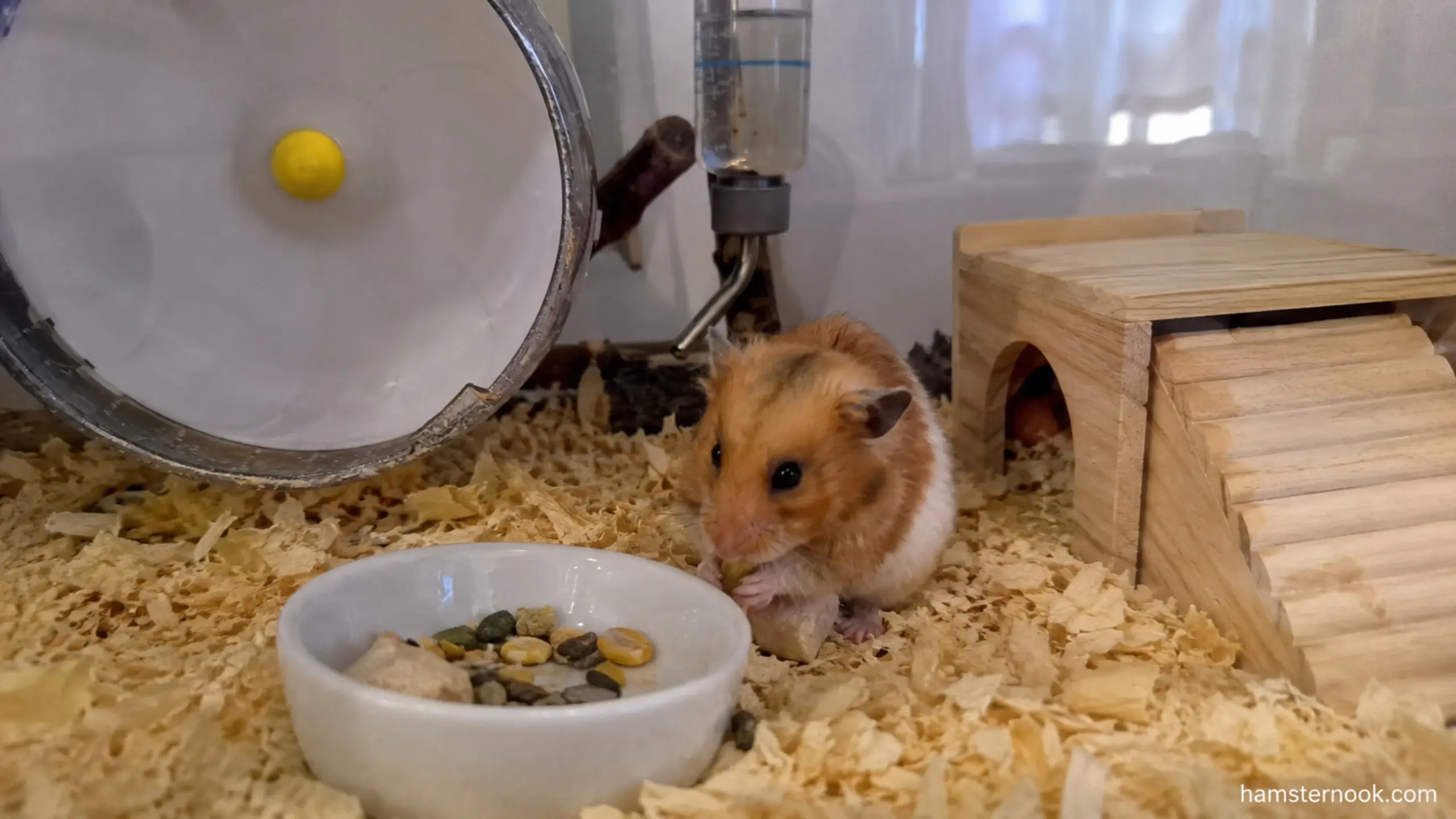
A hamster may also have an illness that produces similar signs. Because you cannot reliably distinguish torpor from serious illness at home, a cold, minimally responsive hamster needs urgent assessment.
For additional guidance on recognizing concerning changes in your pet’s condition, see Why Is My Hamster Suddenly Weak? 9 Causes, Warning Signs & What to Do.
Signs Your Hamster May Be in Torpor
The signs can vary, but several changes should raise concern.
1. Your hamster feels unusually cold
A hamster in torpor may feel cold to the touch, particularly around its feet and other extremities. This is different from simply sleeping inside a cool-looking nest.
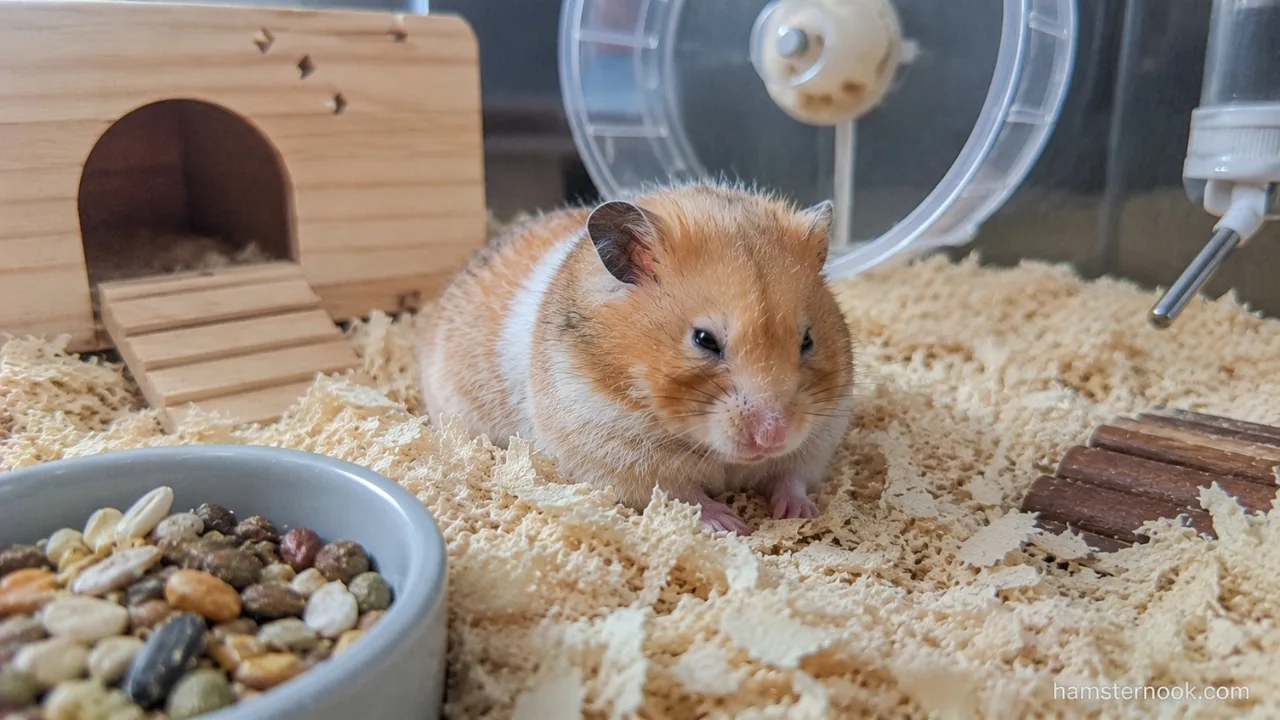
Do not rely on touch alone to determine whether your hamster is in torpor. A dangerously ill animal can also feel cold.
2. Your hamster barely moves
A torpid hamster may remain in one position and respond very little to its surroundings. It may not react in its usual way when you approach the enclosure.
A hamster that is difficult to wake needs urgent attention, regardless of the suspected cause.
3. Breathing appears very slow
Breathing can become extremely slow during torpor and may be difficult to notice at first glance.

Observe your hamster closely without shaking it or repeatedly disturbing it. If you cannot tell whether it is breathing, treat the situation as an emergency and contact an emergency veterinarian immediately.
4. Your hamster appears limp or unusually stiff
A torpid hamster may have reduced muscle activity and appear limp. However, unusual stiffness, weakness, or loss of coordination can also occur with serious illness or other emergencies.
Do not assume these signs prove that your hamster is hibernating.
5. Your hamster has stopped its usual activity
Hamsters normally sleep for much of the day and are often most active in the evening and at night. Sleeping through daylight hours is not, by itself, evidence of torpor.
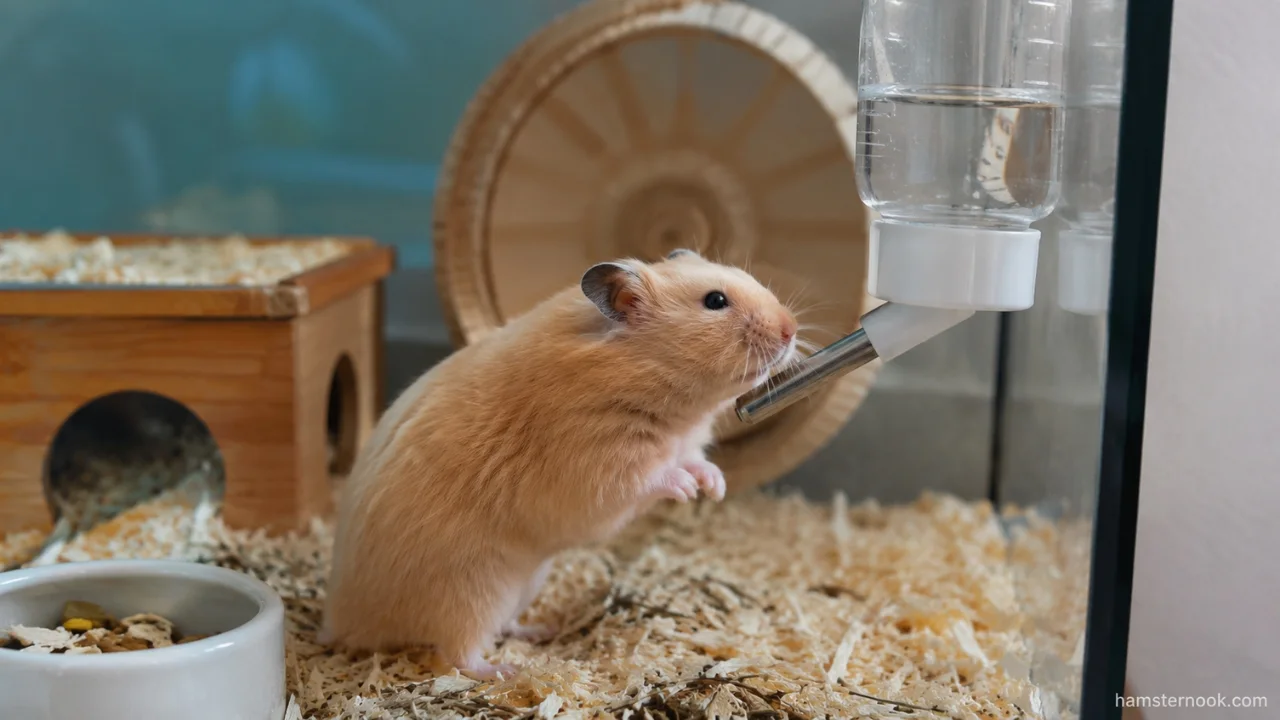
To better understand ordinary hamster sleep patterns and when increased sleep may be concerning, read Why Is My Hamster Sleeping So Much? Normal Sleep, Causes & Warning Signs.
A sudden change becomes more concerning when the hamster is unusually cold, barely responsive, or behaving very differently from its normal pattern.
Is My Hamster Sleeping, in Torpor, or Seriously Ill?
These conditions can look similar at first, so use the overall picture rather than relying on one symptom.
| Sign | Normal sleep | Possible torpor | Possible serious illness |
|---|---|---|---|
| Body temperature | Usually feels normally warm | May feel unusually cold | May be cold or warm, depending on the condition |
| Response to surroundings | Usually wakes or responds normally | May respond very little | May be weak or unresponsive |
| Breathing | Normal for the resting animal | Can become extremely slow | May be abnormal, labored, or difficult to detect |
| Activity after waking | Returns to its usual pattern | May gradually become more active as it warms | May remain weak or abnormal |
| What to do | Allow undisturbed rest | Provide gentle warmth while seeking urgent veterinary advice | Seek urgent veterinary assessment |
This comparison is not a diagnostic test. Even if your hamster begins moving after gentle warming, that does not rule out an underlying health problem.

If your hamster is cold and minimally responsive, do not spend time trying to decide which condition it has. Contact a veterinarian immediately.
What Causes Hamsters to Enter Torpor?
Understanding the triggers can help you prevent dangerous temperature-related problems.
1. Low room temperature
Cold surroundings are a major trigger for torpor. A cage near a drafty window, an exterior door, or an air-conditioning vent may become colder than the rest of the room.
The temperature around the enclosure matters, not just the temperature displayed on a thermostat elsewhere in your home.
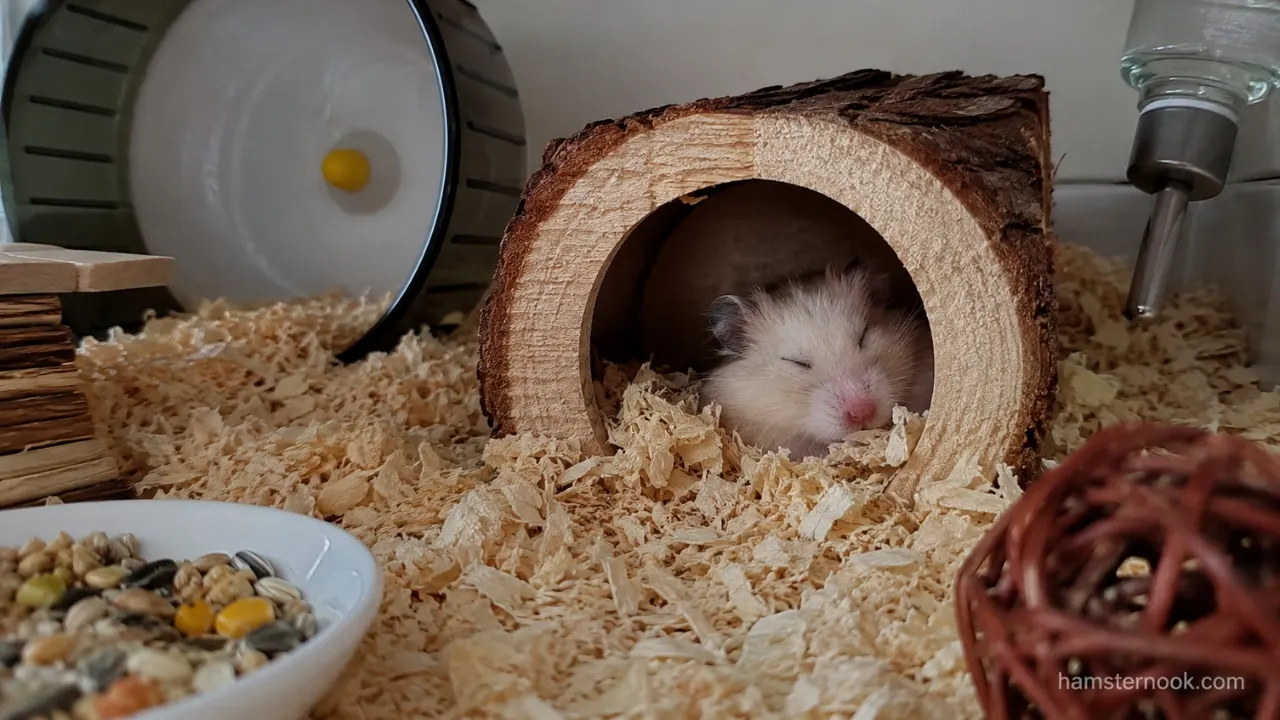
For practical guidance on keeping your hamster’s environment within a suitable range, see Hamster Temperature: Safe Range, Too Hot & Too Cold.
2. Sudden temperature changes
A room that becomes significantly colder overnight can expose a hamster to unfavorable conditions, particularly if its enclosure is poorly insulated from drafts.
Try to maintain a stable room temperature instead of allowing large fluctuations between day and night.
3. Short daylight hours
Changes in day length can contribute to seasonal physiological responses in some hamster species. In combination with other winter-like conditions, shorter daylight periods may influence torpor or hibernation.
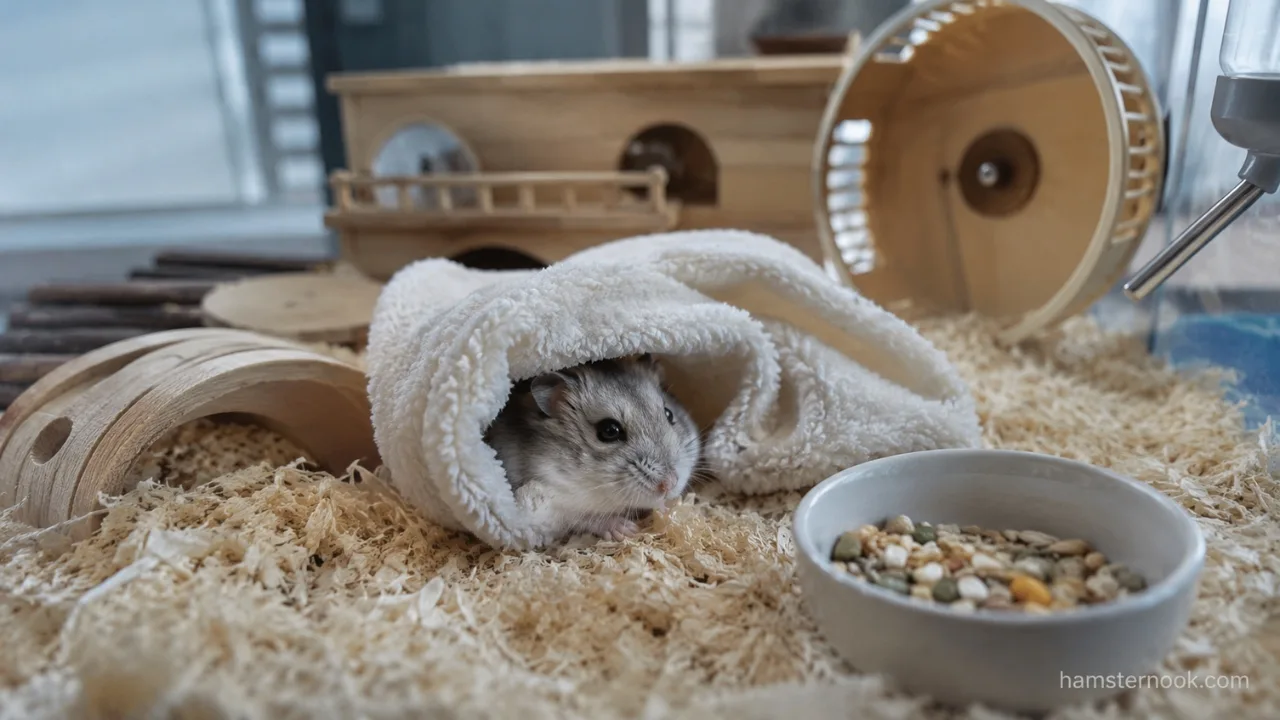
However, ordinary seasonal darkness alone does not mean a pet hamster will enter torpor.
4. Inadequate food availability
Food scarcity can contribute to energy conservation responses in hamsters. Make sure your pet has consistent access to a nutritionally complete hamster diet and fresh drinking water.
A hamster that is not eating enough may also be ill, so loss of appetite should not automatically be blamed on cold weather.
5. Poor enclosure placement
Even a heated home can have cold spots. An enclosure placed directly on a cold floor, beside a poorly sealed window, or near a frequently opened exterior door may experience uncomfortable temperature changes.

Choose a quiet indoor location with a stable temperature and adequate ventilation.
If you are deciding where to position the enclosure, Hamster Cage Placement: Safe Locations, Room Conditions & What to Avoid covers practical placement considerations.
What Temperature Should a Hamster’s Room Be?
A commonly recommended indoor temperature range for pet hamsters is approximately 65–75°F (18–24°C), although individual care guidance varies slightly.
The PDSA recommends keeping a hamster’s environment at a steady 18–21°C (64–70°F). Following a stable temperature range within this guidance is a sensible way to reduce the risk of cold-related torpor.

Practical precautions include:
- Keep the enclosure away from drafts, exterior doors, and open windows.
- Avoid placing the cage directly beside an air conditioner or heating vent.
- Check the temperature near the enclosure, especially during colder weather.
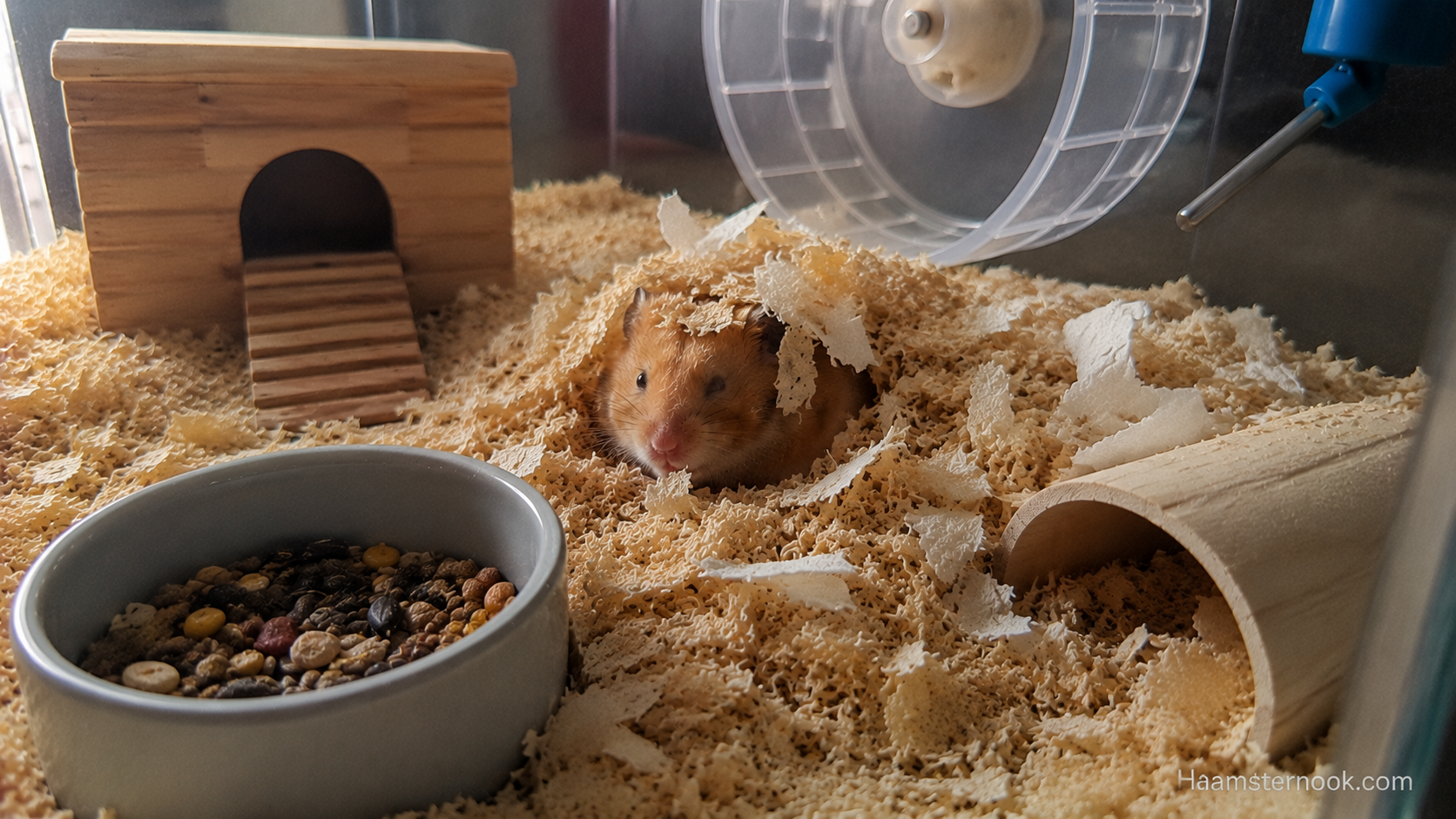
- Provide suitable nesting material and a secure hide.
- Make sure fresh food and water are consistently available.
- Avoid direct sunlight and overheating while trying to keep the enclosure warm.
Deep, appropriate bedding allows hamsters to burrow and create sheltered sleeping areas. However, bedding should not be used as a substitute for maintaining a suitable room temperature.
To compare suitable bedding materials and understand burrowing needs, see Best Hamster Bedding: Safest Types, Depth, Burrowing & What to Avoid.
What to Do If Your Hamster Is in Torpor
If your hamster feels cold and is barely responsive, treat the situation as urgent. Torpor is only one possible explanation, and a veterinarian needs to assess the animal.
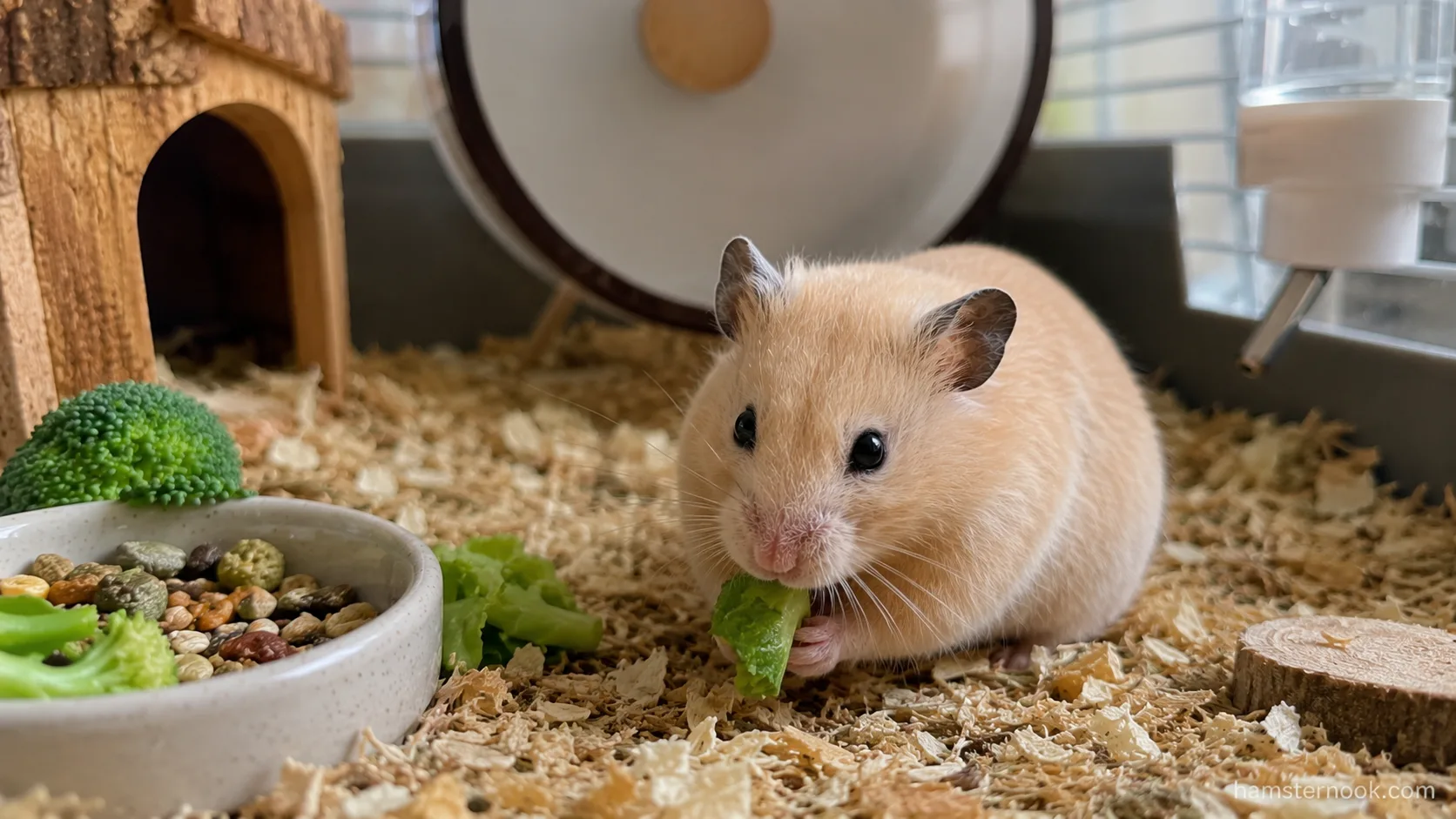
Step 1: Contact a veterinarian immediately
Call a veterinarian who treats hamsters or other small mammals. Describe the cold body, reduced responsiveness, and any changes in breathing.
If you cannot find an exotic-pet veterinarian immediately, contact an emergency veterinary clinic and explain the situation. Do not delay seeking help while searching for the perfect specialist.
Step 2: Move your hamster away from the cold
If the enclosure is in a cold or drafty location, move it to a comfortably warm, stable room if you can do so safely.
Keep your hamster in a secure, quiet environment while arranging veterinary care.

Step 3: Provide gentle warmth
If your hamster is cold, gently warm it with your cupped hands or by providing a comfortably warm environment. Avoid sudden temperature changes.
Do not place your hamster directly on a heating pad, against a radiator, beside a heat lamp, or in hot water. These methods can cause burns or overheating.
Do not shake, squeeze, or vigorously rub your hamster in an attempt to wake it.
Step 4: Observe breathing and responsiveness
Watch for any signs of breathing or movement without repeatedly handling or disturbing the animal.
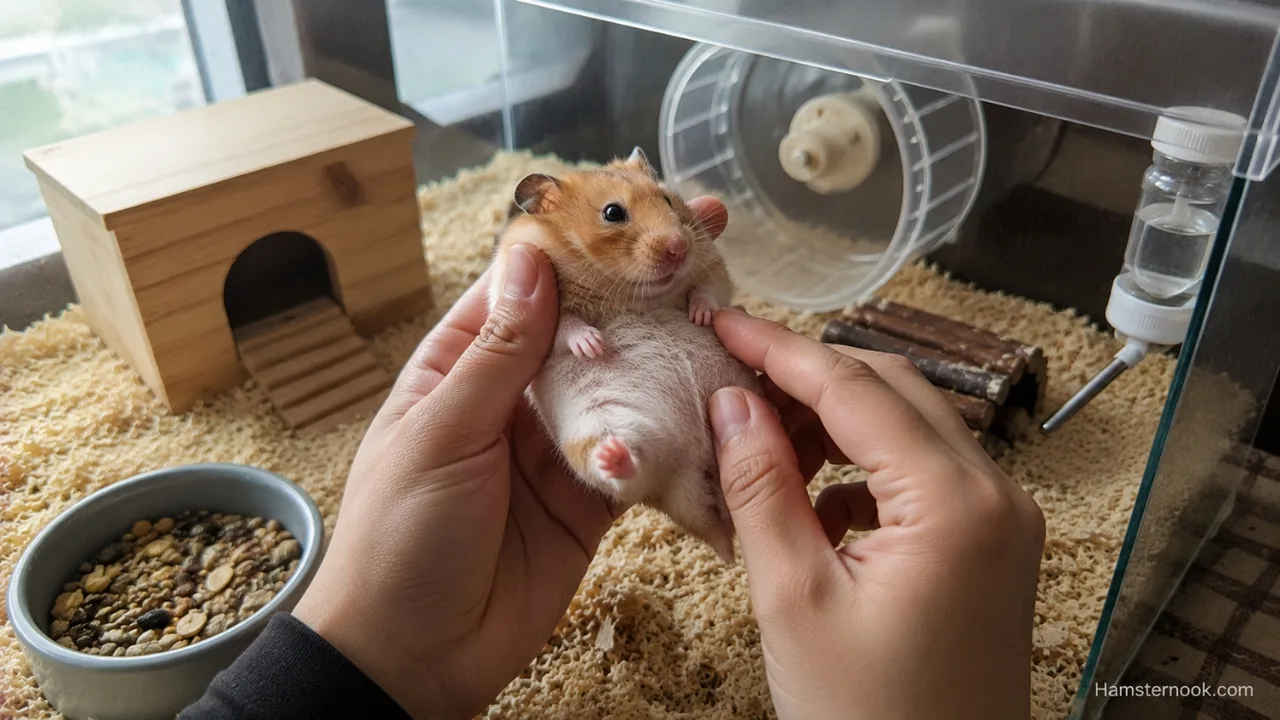
If breathing is difficult to detect, the hamster remains unresponsive, or its condition worsens, seek emergency veterinary care immediately.
Step 5: Follow veterinary instructions
Even if your hamster starts moving again, arrange veterinary assessment. Recovery of movement does not establish that torpor was the cause or that the animal is healthy.
Do not force food or water into its mouth. A weak or poorly responsive hamster may not swallow normally.
When to Worry: Warning Signs That Need Emergency Care
A hamster that is cold, limp, or barely responsive should receive urgent veterinary attention.
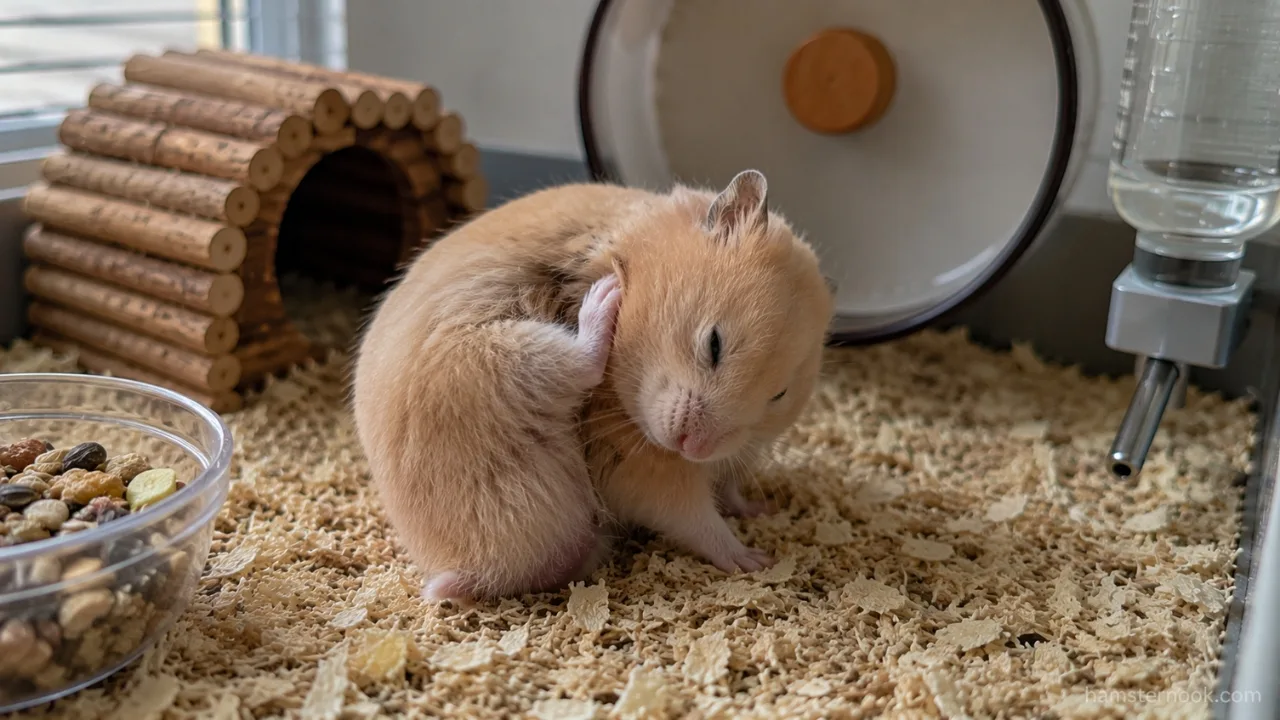
Other warning signs include:
- Breathing that is labored, irregular, or difficult to detect.
- Collapse or inability to stand.
- Severe weakness or loss of coordination.
- Refusal to eat or drink alongside marked lethargy.
- Unusual discharge, bleeding, or other visible signs of illness.
- Failure to become more responsive or worsening condition despite gentle warming.
Do not wait a specific number of minutes for your hamster to wake up before seeking help. There is no reliable home test that can rule out serious illness in an unresponsive hamster.
Common Mistakes Hamster Owners Make
Assuming every motionless hamster is hibernating
Normal sleep, torpor, and illness can look similar. A cold, unresponsive hamster should never automatically be assumed to be hibernating.
Waiting until morning
If your hamster is barely responsive or breathing abnormally, waiting overnight can delay essential treatment. Contact an emergency veterinarian rather than postponing care.
Using direct heat
Heating pads, hot-water bottles, radiators, and heat lamps can expose a small animal to excessive heat or burns. Use gentle, indirect warmth while arranging veterinary care.
Waking a hamster unnecessarily during normal sleep
Hamsters need undisturbed rest during the day. Avoid repeatedly waking a healthy sleeping hamster to check whether it is active.
Instead, learn its normal evening activity patterns so you can recognize genuine changes.
Ignoring food and water access
Food scarcity and unfavorable environmental conditions can contribute to torpor. Check that food is available, the water bottle works, and the enclosure remains at a suitable temperature.
What You Should Do to Prevent Torpor
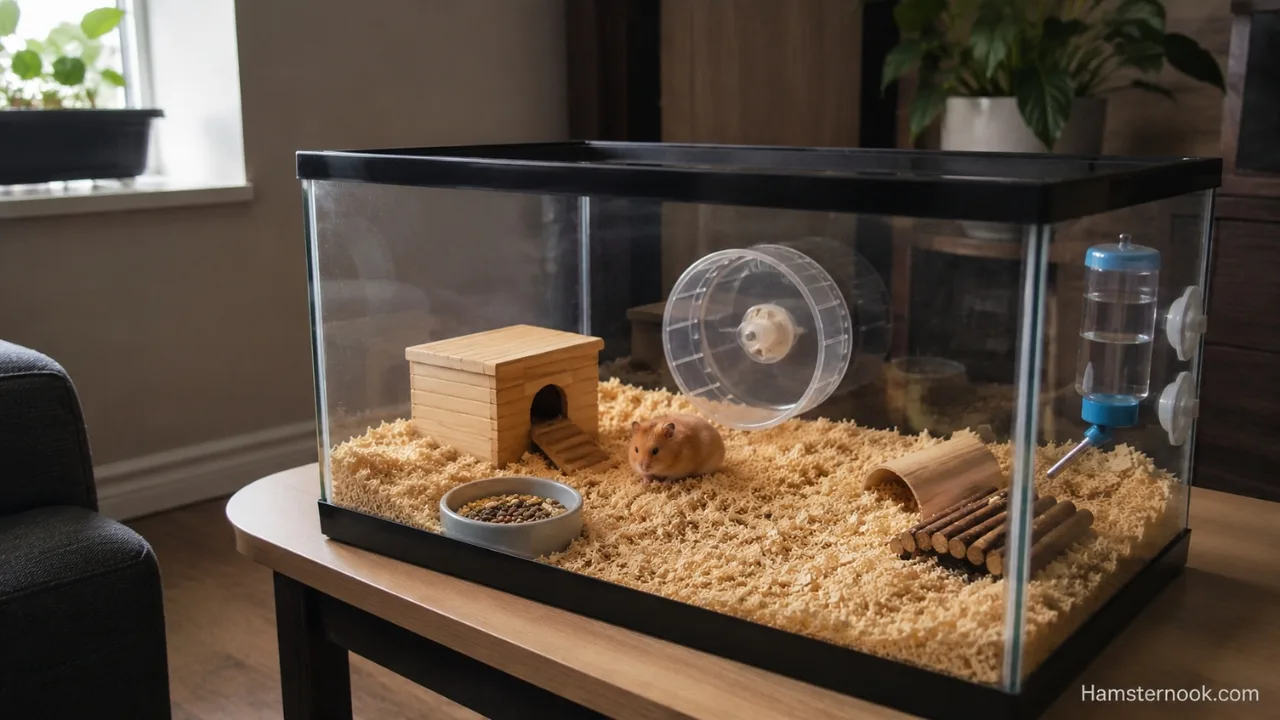
Prevention is mainly about maintaining a suitable, stable environment.
- Keep the room temperature steady. Follow a suitable indoor temperature range and check for cold spots near the enclosure.
- Provide appropriate bedding. Allow your hamster to burrow and build a sheltered nest.
- Maintain a consistent diet. Offer a complete hamster food and ensure fresh water is always accessible.
- Choose the enclosure location carefully. Avoid drafts, direct sunlight, and sudden temperature changes.
- Check your hamster daily. Pay attention to appetite, activity, breathing, and normal behavior.
- Plan for colder weather. Check the room temperature when outdoor temperatures drop, especially overnight.
- Seek advice after an episode. If your hamster appears to have entered torpor, consult a veterinarian and review its housing conditions.
A suitable enclosure cannot guarantee that illness will never occur, but consistent temperature control and good husbandry reduce avoidable risks.
For a broader overview of everyday husbandry, housing, and essential care, see How to Care for a Hamster: Complete Beginner Guide (2026).
Final Thoughts
Hamsters can enter torpor, a state that may look remarkably like deep sleep or even death. Cold temperatures and other unfavorable conditions can trigger this response, but a cold, motionless hamster may also be seriously ill.
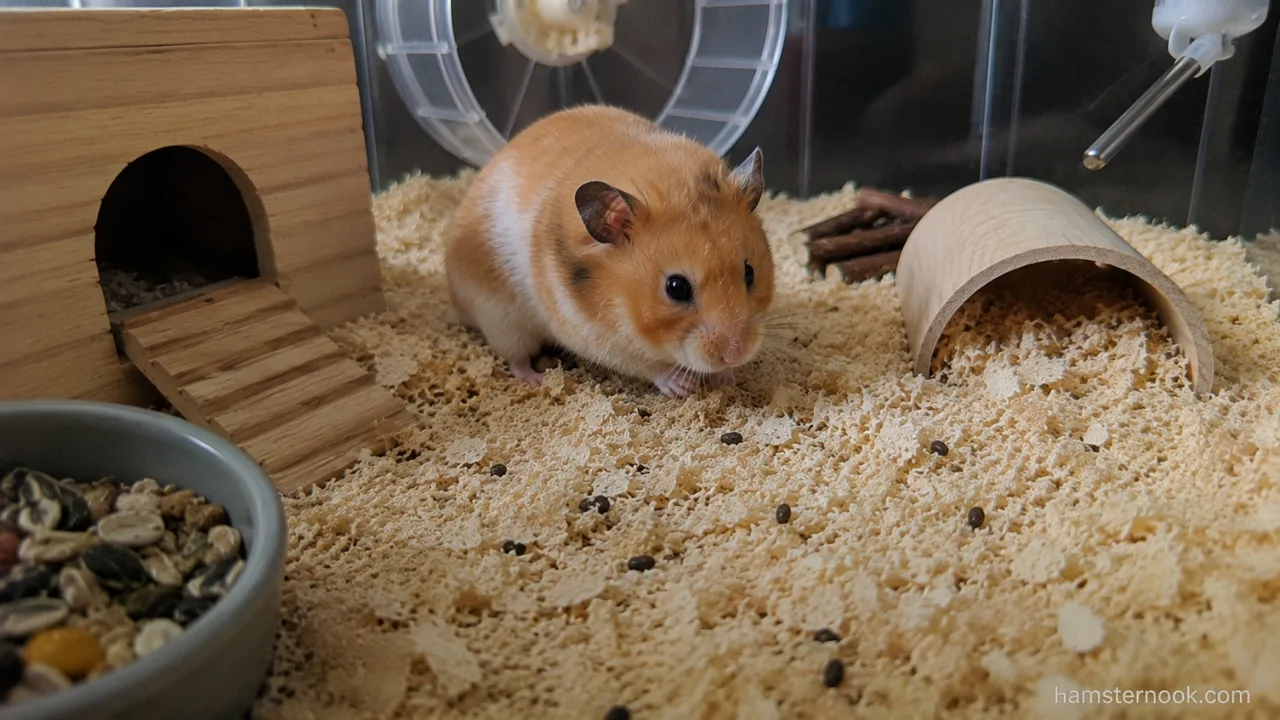
The safest approach is to maintain a stable indoor temperature, provide suitable bedding and food, and learn your pet’s normal activity patterns.
If your hamster suddenly becomes cold and barely responsive, contact a veterinarian immediately and provide only gentle warmth while arranging care. Never assume that it is harmless hibernation or wait for it to wake up on its own.
Frequently Asked Questions
1. Do pet hamsters hibernate in winter?
Pet hamsters can enter torpor or hibernation-like states when environmental conditions become unfavorable. Cold temperatures, food scarcity, and seasonal cues may contribute. Keeping a pet hamster in a stable, suitable indoor environment helps reduce this risk.
2. How do I know if my hamster is hibernating or dead?
You cannot reliably distinguish torpor from death at home by touch or visual inspection alone. Breathing and heartbeat may be extremely difficult to detect during torpor. If your hamster is cold and unresponsive, contact an emergency veterinarian immediately.
3. How long does torpor last in hamsters?
Torpor duration varies with the species and environmental conditions. Some forms of torpor are brief, while hibernation involves a longer seasonal pattern. Do not use an expected duration to decide whether it is safe to wait before seeking veterinary care.
4. Can Syrian hamsters enter torpor?
Yes. Syrian hamsters can undergo hibernation under suitable winter-like conditions. For pet Syrian hamsters, maintaining appropriate temperatures and consistent access to food and water is essential.
5. Can dwarf hamsters enter torpor?
Some dwarf hamster species, including Djungarian hamsters, can exhibit daily torpor. The response varies by species and conditions, and a cold, unresponsive pet should still be assessed urgently rather than assumed to be in a normal physiological state.
6. Can a hamster enter torpor because of a cold room overnight?
Yes. Low temperatures can trigger torpor, and an enclosure exposed to cold drafts or large temperature changes may put a hamster at risk. Check the temperature around the enclosure and keep the environment stable.
7. Should I wake my hamster if I think it is in torpor?
Do not shake or forcibly wake it. Contact a veterinarian immediately and provide gentle warmth while arranging care. Avoid direct heat and do not delay veterinary assessment to see whether it wakes up.
8. Will my hamster eat and drink during torpor?
Activity and energy use are reduced during torpor, and feeding behavior may be greatly reduced. Hamsters undergoing longer hibernation periods may periodically awaken. Never assume that a pet can safely remain in torpor without veterinary assessment.
9. Can stress cause torpor in hamsters?
Environmental conditions such as cold, food scarcity, and seasonal cues are recognized triggers. Stress may affect a hamster’s overall health, but it should not be assumed to be the direct cause of torpor without considering the full situation.
10. Can I prevent hamster torpor completely?
You can reduce the risk by maintaining a suitable room temperature, providing appropriate bedding, and ensuring consistent food and water access. However, no husbandry measure guarantees that a hamster will never become ill or develop abnormal behavior.
References
This guide is based on veterinary and animal welfare guidance about hamster torpor, temperature requirements, housing, and recognizing signs of illness, including:
- MSD Veterinary Manual – Hamsters: Exotic and Laboratory Animals – Veterinary information on hamster biology, environmental requirements, and cold-related torpor.
- NC3Rs – Housing and Husbandry: Hamster – Guidance on hamster housing, environmental conditions, and torpor-related considerations.
- Blue Cross – Hamster Care – Practical advice on hamster welfare, temperature stability, drafts, and suitable housing.
- PDSA – Hamsters as Pets – Guidance on suitable room temperatures, enclosure placement, and hamster care.
- RSPCA – Hamster Health and Welfare Tips – Advice on recognizing signs of illness, seeking veterinary care, and using veterinarian-recommended treatments.
Medical Disclaimer
This article provides general educational information and is not a substitute for veterinary care. Torpor can resemble serious illness, and a cold or unresponsive hamster may be experiencing a life-threatening emergency. Contact a veterinarian immediately if you notice these signs.

Narayan Kumar is the founder and author of HamsterNook. He creates practical, research-based hamster care guides covering hamster behavior, nutrition, cage setup, enrichment, health, and everyday care. His goal is to help hamster owners make informed decisions and provide safer, healthier lives for their pets through clear, beginner-friendly information based on trusted animal care resources.