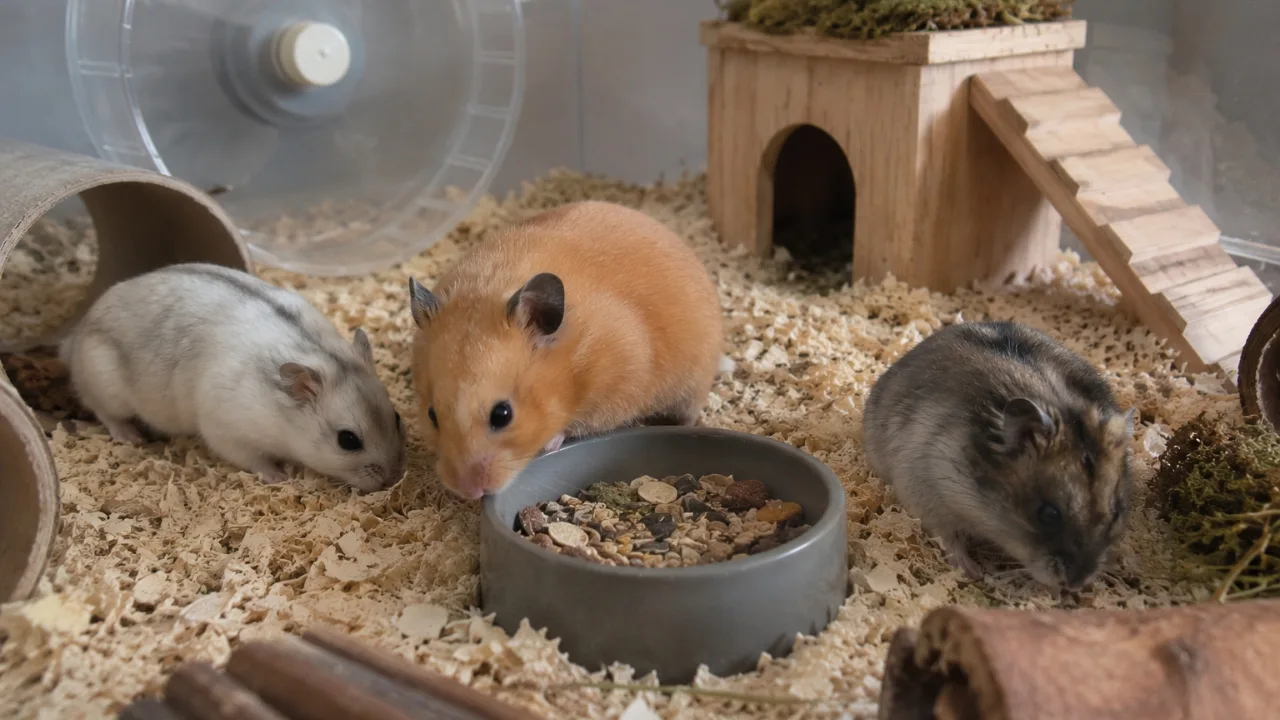
Choosing your first hamster can feel surprisingly complicated. Pet stores often display several species together, yet their personalities, housing needs, and handling preferences can be quite different. Some hamsters are easier for beginners to observe and handle, while others are extremely fast and better suited to experienced owners.
Understanding these differences before bringing a hamster home can help you choose a pet that matches your expectations and lifestyle.
Before choosing any hamster species, it’s important to understand the fundamentals of responsible ownership. Our Complete Hamster Care Guide for Beginners explains housing, feeding, enrichment, and daily care essentials for new owners.
Quick Answer
For most beginners, Syrian hamsters are generally considered the easiest hamster species to care for and handle because they are larger, easier to observe, and usually easier to manage during routine interactions. Dwarf hamsters can also make excellent pets, but some species are faster, more active, and may require more patience when it comes to handling and taming.
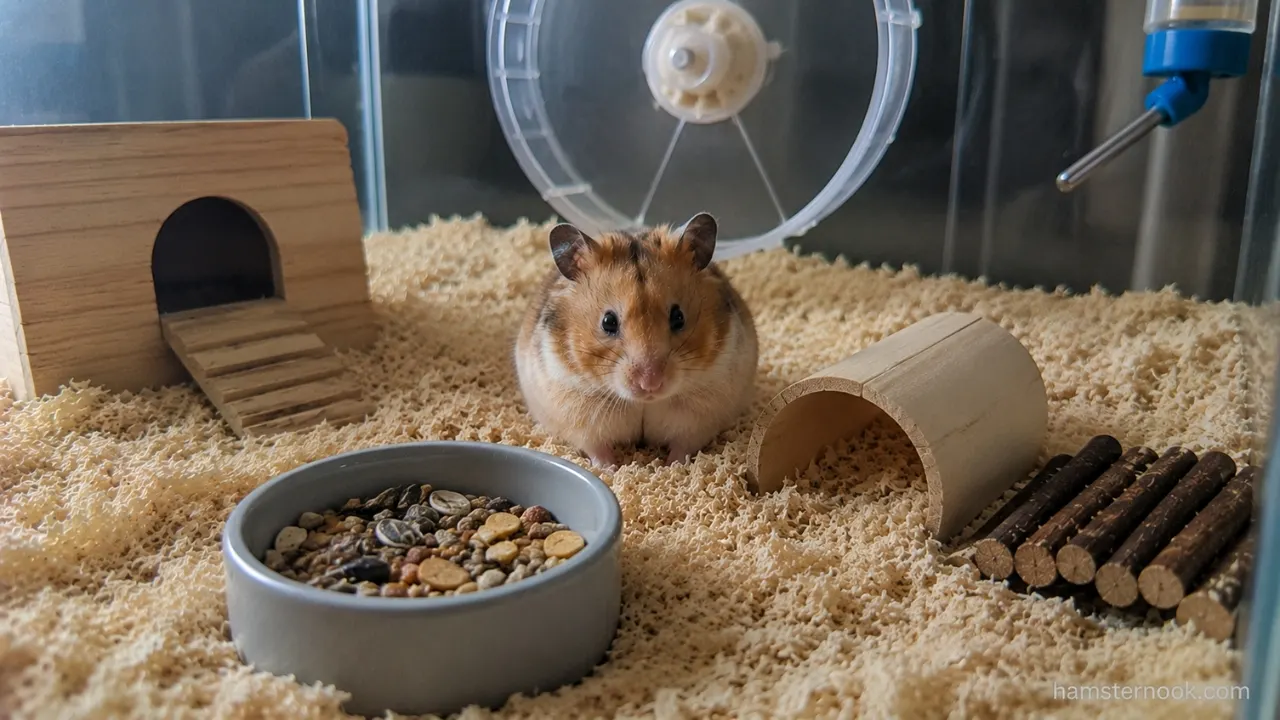
If easy handling and taming are your main priorities, a Syrian hamster is often the simplest starting point, although individual personality still matters. Regardless of species, every hamster needs a properly sized enclosure, deep bedding, enrichment, and species-appropriate care.
What Makes a Hamster Beginner-Friendly?
When experienced hamster owners recommend a species for beginners, they’re usually looking at several factors rather than just appearance.
A beginner-friendly hamster is typically:
- Easy to observe and monitor
- Less likely to escape during handling
- Generally confident around people
- Readily available through responsible breeders or rescues
- Adaptable to a well-designed pet enclosure
- Suitable for gradual taming
No hamster is automatically tame, and personality always matters. Still, some species tend to be easier for new owners to manage than others.
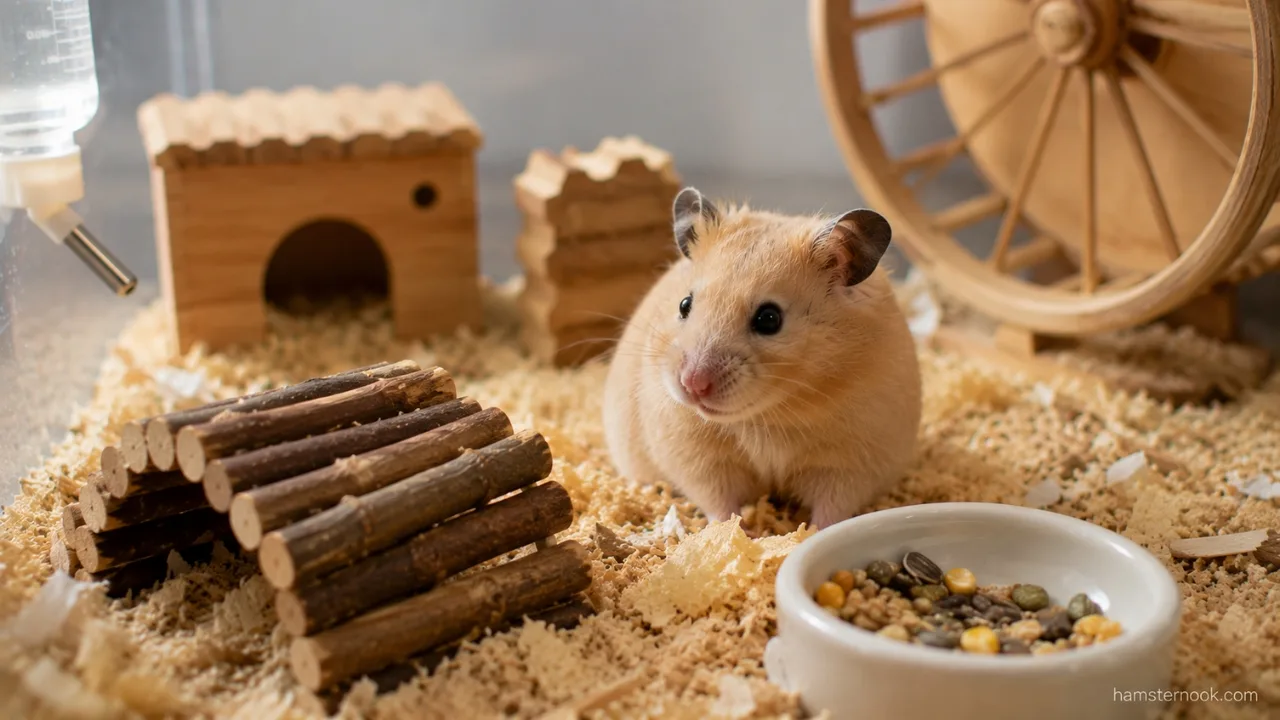
Personality can vary significantly between species. Learn more in The Friendliest Hamster Breeds Ranked From Most to Least Social.
The Most Common Pet Hamster Species
There are five hamster species commonly kept as pets:
- Syrian Hamster
- Campbell’s Dwarf Hamster
- Winter White Dwarf Hamster
- Roborovski Hamster
- Chinese Hamster
Each has strengths and challenges for first-time owners.
Many new owners find themselves choosing between these two popular options. See Syrian Hamster vs Dwarf Hamster: Which Is Better for Beginners? for a side-by-side comparison.
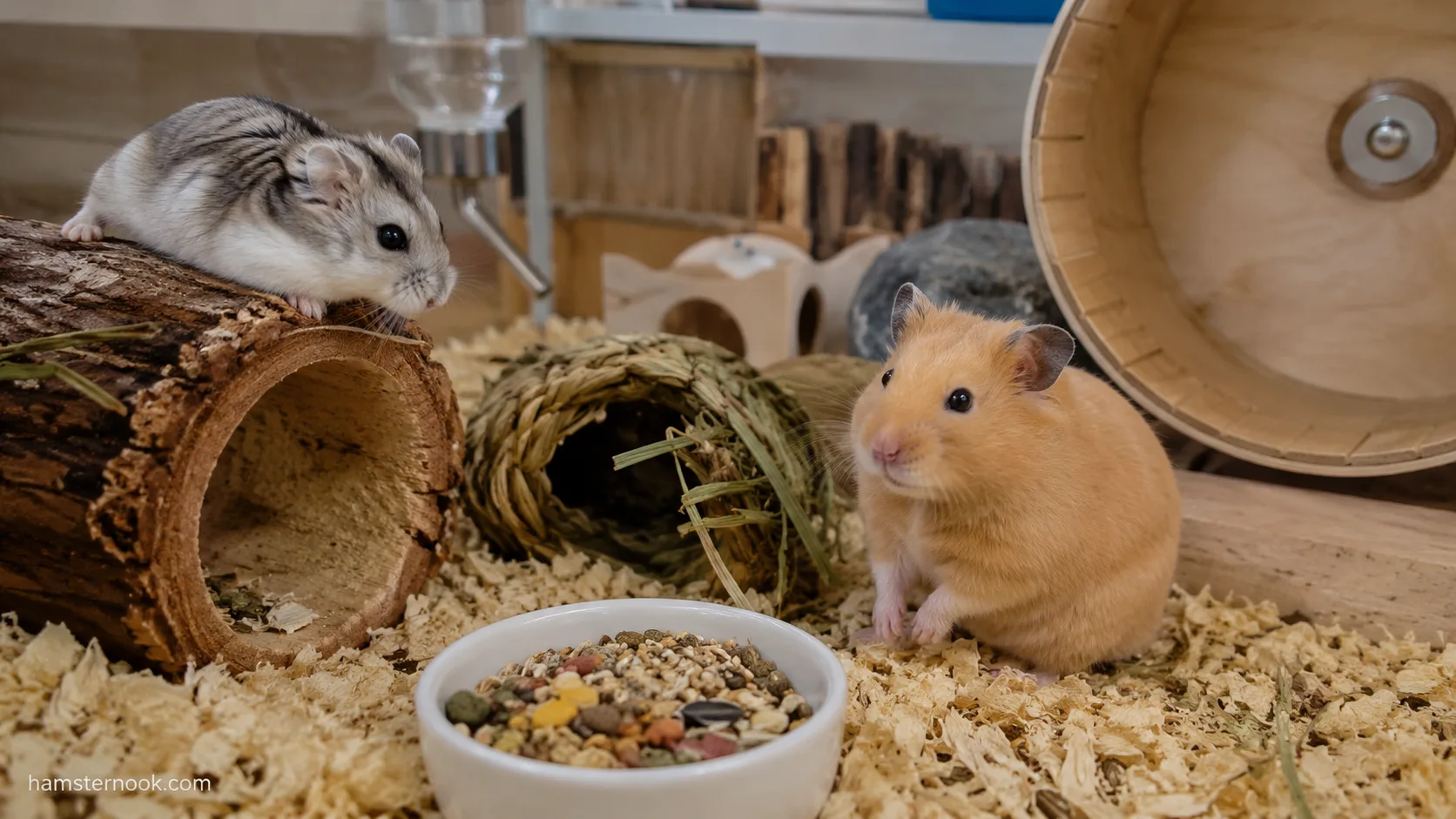
Comparison Table: Best Hamster Breeds for Beginners
| Hamster Species | Beginner Friendly | Handling Ease | Activity Level | Size |
|---|---|---|---|---|
| Syrian Hamster | Excellent | Easier | Moderate | Largest |
| Winter White Dwarf | Good | Moderate | Moderate | Small |
| Campbell’s Dwarf | Good | Moderate | Moderate to High | Small |
| Chinese Hamster | Fair to Good | Moderate | Moderate | Small |
| Roborovski Hamster | Less Ideal for Beginners | Difficult | Very High | Smallest |
For most households, Syrian hamsters remain the easiest starting point because their larger size makes routine care and interaction less intimidating for both the owner and the hamster.
Syrian Hamsters: The Best Choice for Most Beginners
Why Syrians Are Often Recommended First
Syrian hamsters are the largest pet hamster species. Their size alone makes many aspects of care easier.
If you’re considering a Syrian hamster, our Syrian Hamster Care Guide: Everything Owners Need to Know explains their care, temperament, and housing needs in more detail.
A beginner can more easily:
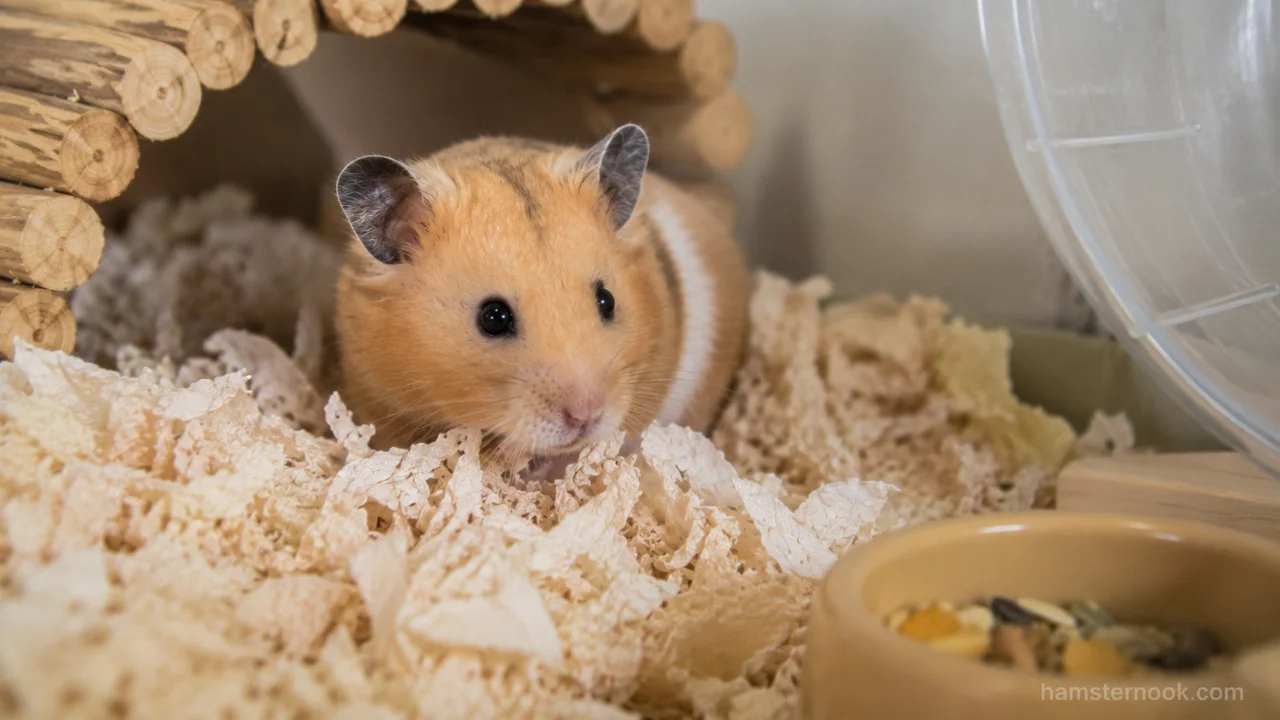
- Observe behavior changes
- Spot health concerns
- Handle the hamster safely
- Clean the enclosure
- Interact during taming sessions
Syrians are often curious and confident when given enough space and enrichment.
Advantages of Syrian Hamsters
- Larger body size
- Easier to handle gently
- Widely available
- Strong personalities
- Easy to observe during evening activity
Many experienced keepers consider Syrian hamsters the most forgiving species for new owners who are still learning proper hamster care.
Things Beginners Should Know
Syrian hamsters must live alone. Adult Syrians are solitary animals and should not be housed with other hamsters because serious fighting can occur.
Animal welfare organizations consistently recommend individual housing for Syrian hamsters.
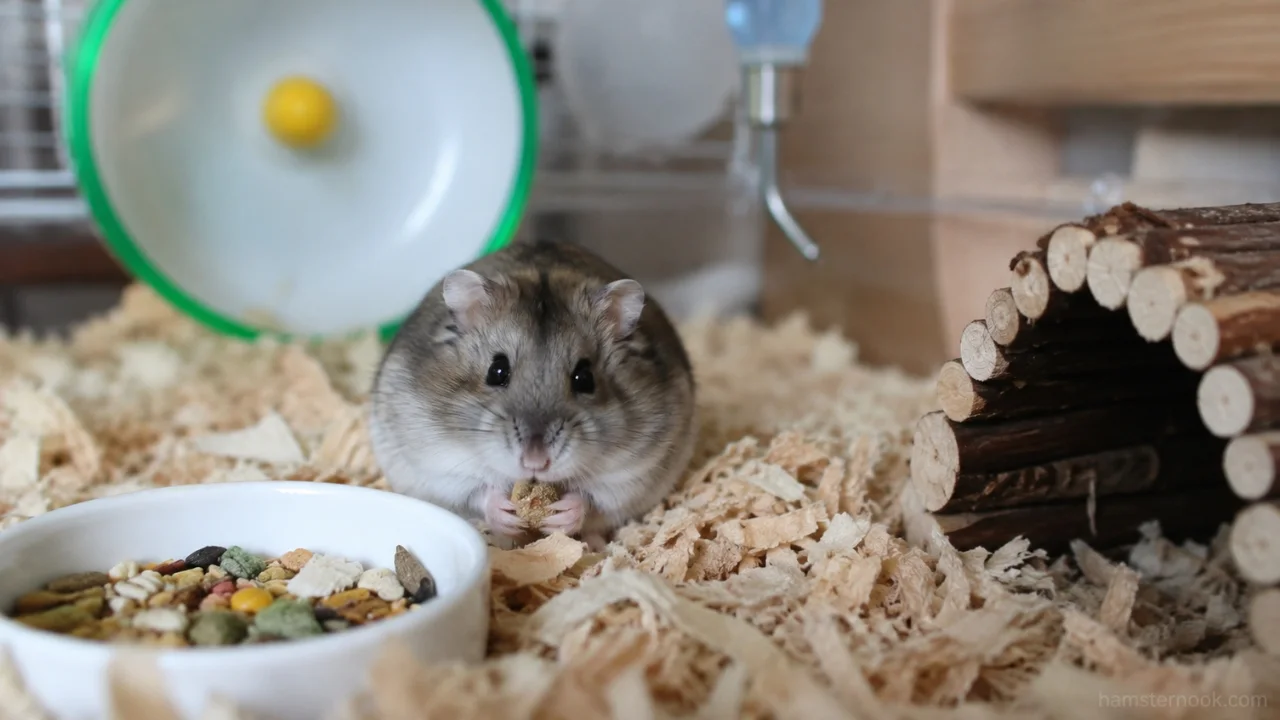
Winter White Dwarf Hamsters
Winter White hamsters are another popular option for first-time owners.
They tend to be calmer than many people expect and are often easier to observe than Roborovski hamsters.
Why Beginners Like Them
Winter Whites are:
- Smaller than Syrians but not extremely tiny
- Generally active without being overly frantic
- Interesting to watch
- Often adaptable to gentle taming
Many owners enjoy their curious personalities and energetic exploration habits.

Potential Challenges
Because they are smaller than Syrian hamsters, beginners need to be extra careful during handling sessions.
A startled dwarf hamster can move surprisingly quickly.
Campbell’s Dwarf Hamsters
Campbell’s dwarf hamsters share many similarities with Winter Whites.
In fact, the two species are closely related and can sometimes be confused by inexperienced owners.

Beginner Advantages
Campbell’s hamsters are:
- Active and entertaining
- Intelligent explorers
- Often comfortable with routine interaction
- Smaller but still relatively easy to observe
Things to Consider
Individual temperament varies significantly.
Some Campbell’s hamsters become very confident with regular handling, while others remain more cautious throughout their lives.
Patience is important when building trust.
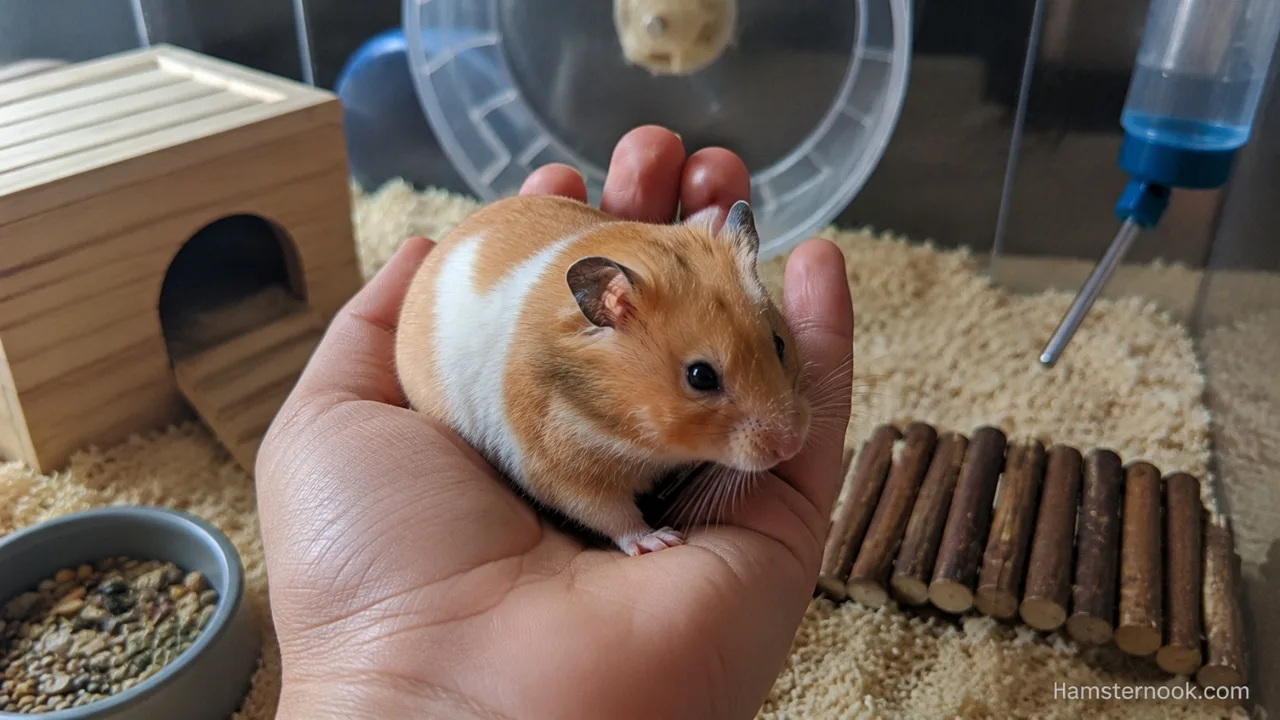
Chinese Hamsters
Chinese hamsters are less common than Syrians or dwarf species but can make rewarding pets.
Their appearance differs noticeably from other pet hamsters because they have a longer, slimmer body shape.
Why Some Beginners Enjoy Them
Chinese hamsters often display:
- Curious personalities
- Good climbing ability
- Interesting exploratory behavior
- Moderate activity levels
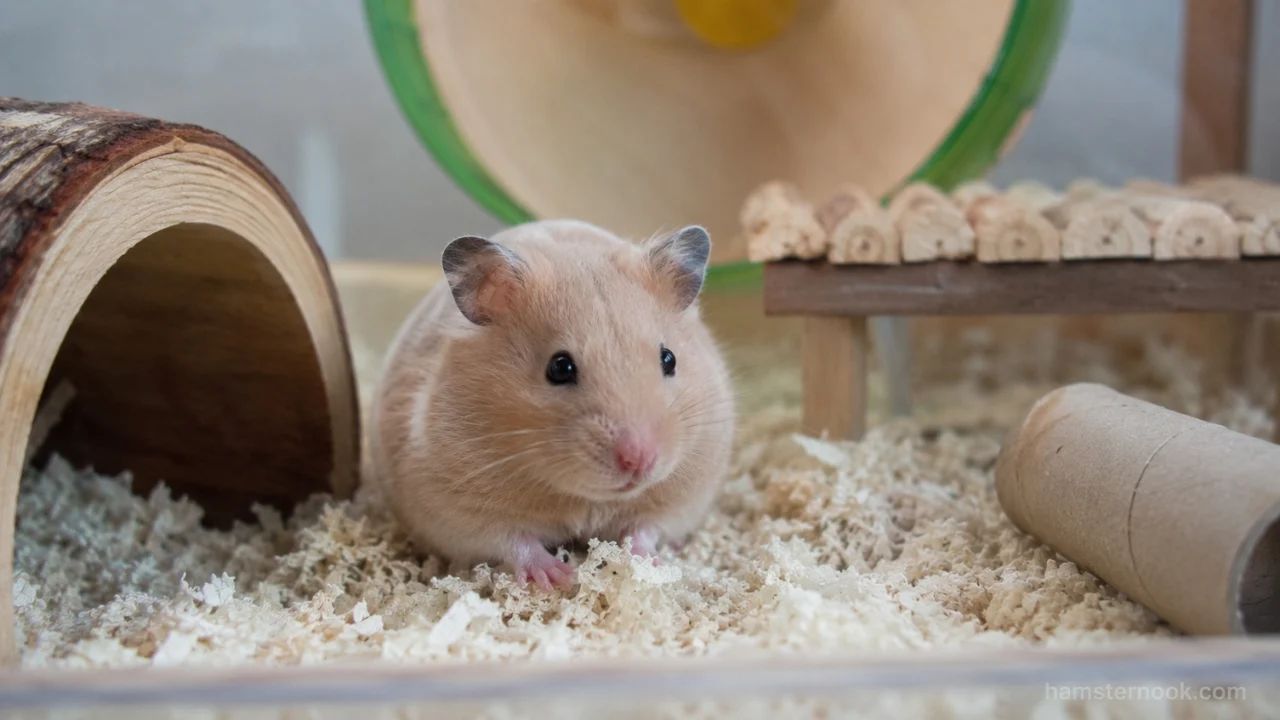
They are fascinating to watch in a well-enriched enclosure.
Potential Drawbacks
Finding a responsibly bred Chinese hamster may be more difficult depending on your location.
Because they are less common, new owners may also find fewer species-specific care resources compared with Syrians.
Roborovski Hamsters: Adorable but Challenging
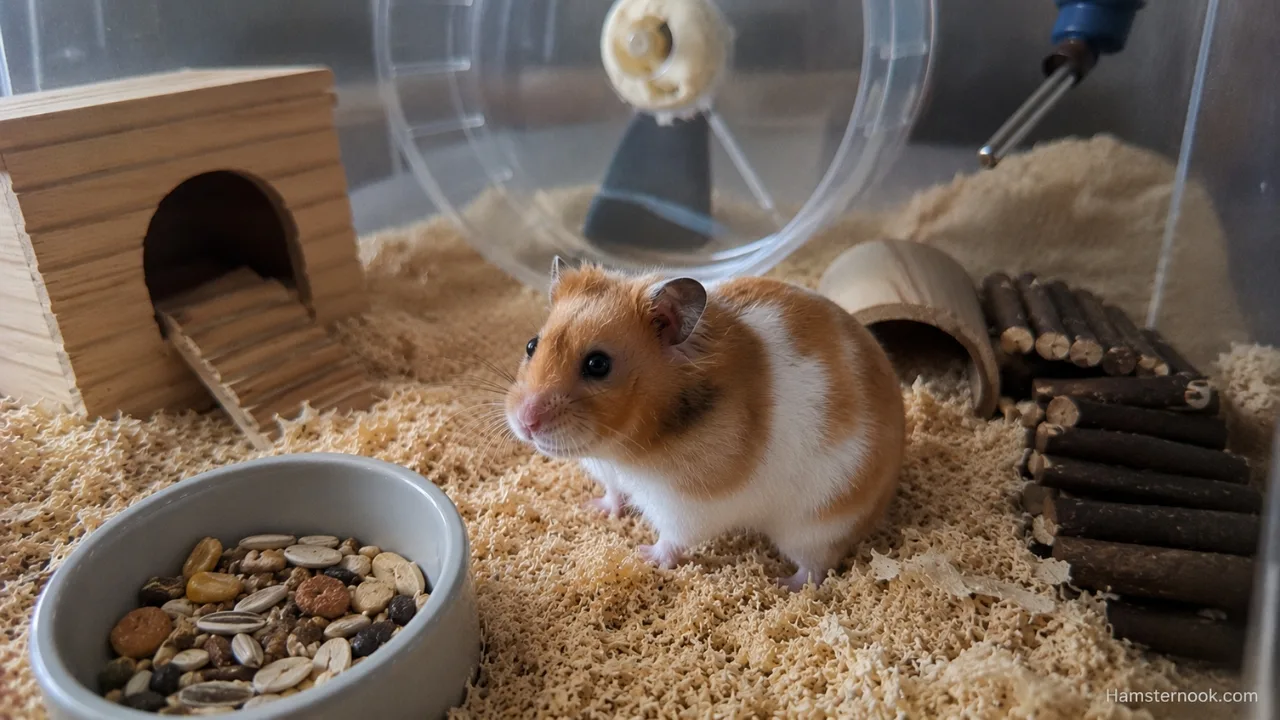
Roborovski hamsters are incredibly popular because of their tiny size and energetic personalities.
Unfortunately, those same traits can make them difficult for beginners.
Why They’re More Challenging
Roborovskis are:
- Extremely fast
- Difficult to handle
- Quick to startle
- Constantly active
Many Roborovskis prefer running, digging, and exploring over interacting with people.
For owners who mainly enjoy observing natural behavior, this may not be a problem.
For someone hoping for frequent handling sessions, a Syrian hamster is usually a better choice.

Excellent for Observation
Despite the challenges, Roborovskis are fascinating pets.
Watching them dig tunnels, forage, and race around a properly enriched enclosure can be incredibly rewarding.
Breed Isn’t Everything
One mistake many beginners make is assuming species guarantees personality.
It doesn’t.
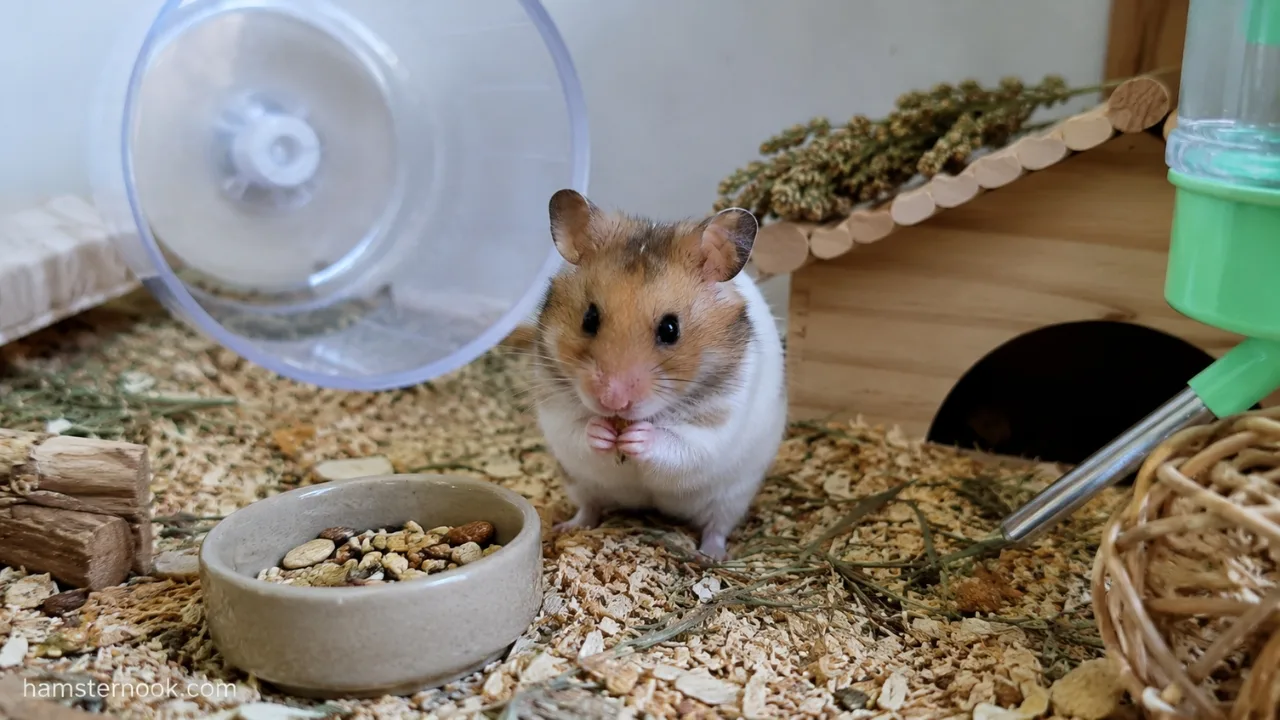
A calm Syrian may enjoy interacting with people, while another Syrian may prefer keeping its distance.
Similarly, some dwarf hamsters become remarkably confident with consistent, gentle handling.
Individual temperament, early experiences, enclosure quality, and owner behavior all influence how a hamster responds to people.
What Else Matters Besides Breed?
Choosing the right species is only part of the equation.

Even the most beginner-friendly hamster can become stressed if its environment doesn’t meet its needs.
Key factors include:
Enclosure Size
Hamsters need significantly more space than many commercial cages provide.
Choosing the right enclosure is just as important as choosing the right species. Read Best Hamster Cage Setup for Beginners (Safe, Comfortable & Stress-Free) before bringing a hamster home.
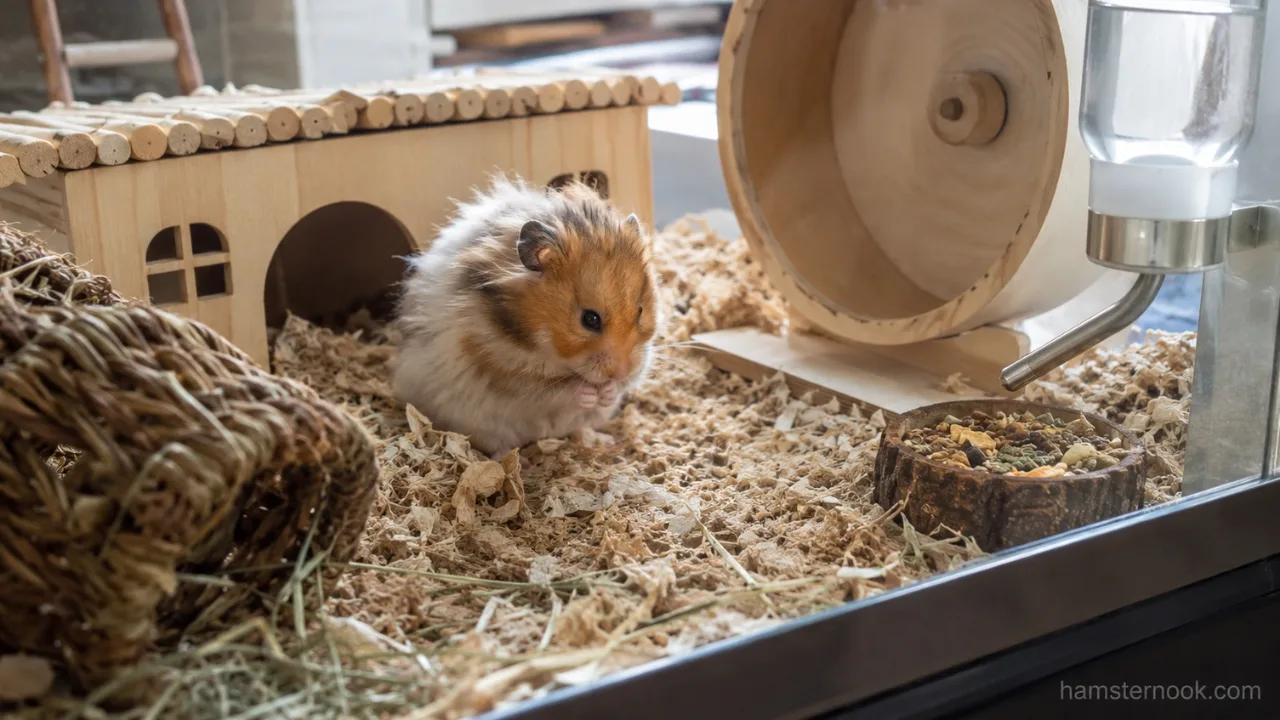
Animal welfare organizations recommend spacious enclosures that allow for natural behaviors such as digging, foraging, and exploring.
Deep Bedding
Hamsters are natural burrowers.
Deep bedding allows them to create tunnels and underground sleeping areas, supporting normal behavior and welfare.
Enrichment
Chews, hides, sand baths (for appropriate species), tunnels, and foraging opportunities help keep hamsters mentally stimulated.

Patience During Taming
Trust develops gradually.
Rushing handling sessions often creates setbacks, regardless of species.
The first few days can be especially important when choosing how much interaction to offer; our The First Night With a New Hamster: What to Expect and What to Avoid guide explains what new owners should expect during the initial adjustment period.
Practical Example
Imagine two first-time hamster owners.

The first chooses a Syrian hamster and spends time allowing the hamster to approach voluntarily. Within a few weeks, the hamster comfortably climbs into their hand.
The second chooses a Roborovski hamster expecting the same experience. The hamster remains highly active and prefers running and exploring rather than sitting still.
Neither hamster is “better.” They simply have different tendencies and require different expectations.
Which Hamster Breed Should You Choose?
For most beginners:

Best Overall Beginner Choice
Syrian Hamster
Best Small Hamster for Beginners
Winter White Dwarf Hamster
Best for Watching Natural Behaviors
Roborovski Hamster
Best for Owners Seeking Something Different
Chinese Hamster

The right choice depends on whether you prioritize handling, observation, activity level, or personality.
Which Hamster Is Easiest to Tame?
For beginners who want a hamster that is easier to handle and tame, Syrian hamsters are often the simplest choice because their larger size makes them easier to observe and manage. However, tameness is not guaranteed by species, and individual temperament and patient handling still matter.
Common Mistakes Beginners Make When Choosing a Hamster
Many first-time owners focus on appearance instead of considering how a hamster behaves day to day.
Choosing the Smallest Hamster Without Research
Roborovski hamsters are incredibly cute, but their speed and constant activity can surprise new owners. A beginner expecting a calm, easy-to-handle pet may become frustrated when a Robo prefers running and exploring over interaction.

Buying the Cage Before Choosing the Species
Different hamster species have different space requirements and activity levels. It’s better to decide on the hamster first and then build an appropriate enclosure around its needs.
Expecting Immediate Tameness
No hamster species is automatically tame. Even beginner-friendly Syrians need time to settle into their new environment and build trust with their owner.
As your hamster becomes more comfortable, recognizing signs of trust can help you judge whether your approach is working; our 10 Signs Your Hamster Trusts You guide covers these behaviors in more detail.
Ignoring Individual Personality
Two hamsters of the same species can behave very differently. Breed matters, but temperament matters too.

Assuming Hamsters Are Low-Maintenance Pets
Hamsters may be small, but they still require daily care, proper nutrition, enrichment, regular enclosure maintenance, and ongoing observation to ensure they remain healthy and comfortable.
What You Should Do
If you’re choosing your first hamster, focus on matching the species to your expectations.
A Syrian hamster is often the best choice if you:
- Want a larger hamster that’s easier to handle
- Enjoy interacting with your pet
- Are new to hamster care
- Want an easier species to observe
A Winter White or Campbell’s dwarf hamster may be a good fit if you:

- Prefer a smaller hamster
- Don’t mind spending extra time building trust
- Enjoy watching active behavior
A Roborovski hamster may suit you if:
- You primarily want an observation pet
- You’re comfortable with minimal handling
- You enjoy watching fast, natural behaviors
Before bringing any hamster home:
- Prepare the enclosure in advance
- Provide deep bedding for burrowing
- Include multiple hides and enrichment items
- Learn the species’ basic care requirements
- Allow time for a gradual adjustment period
A well-prepared environment often has a greater impact on hamster welfare than species alone.
Warning Signs After Bringing a New Hamster Home
Some nervous behavior is normal during the first few days in a new environment. However, owners should watch for signs that suggest the hamster may be struggling to adjust.

Potential concerns include:
- Refusing food for an extended period
- Rarely leaving the hide during normal active hours
- Persistent escape attempts
- Repeated stress-related behaviors
- Unusual lethargy
- Sudden changes in normal activity levels
Most healthy hamsters gradually become more comfortable as they settle into a predictable routine.
When to Worry
Choosing the “right” breed doesn’t eliminate all potential problems.
If your hamster shows signs of illness, injury, significant weight loss, breathing difficulties, or major behavioral changes, seek advice from an experienced exotic animal veterinarian.

Behavioral differences between species are normal. Physical symptoms or significant changes in normal behavior deserve closer attention regardless of breed.
Final Thoughts
For most first-time owners, the Syrian hamster remains the easiest and most beginner-friendly choice. Its larger size, generally confident personality, and ease of handling make it an excellent introduction to hamster ownership.
That doesn’t mean dwarf species or Chinese hamsters are poor choices. Many owners successfully care for these species and enjoy their unique personalities. The key is understanding what each hamster type is naturally like before making a decision.
A hamster’s welfare depends far more on proper housing, enrichment, nutrition, and patient care than on species alone. When those needs are met, any of the commonly kept pet hamster species can become a rewarding companion.
Frequently Asked Questions
What is the easiest hamster breed for beginners?
For most people, the Syrian hamster is considered the easiest hamster species for beginners because it is larger, easier to handle, and generally easier to observe.
Are dwarf hamsters good for first-time owners?
Yes. Winter White and Campbell’s dwarf hamsters can make excellent pets for beginners, although they are smaller and often move faster than Syrian hamsters.
Which hamster breed is friendliest?
Individual personality varies, but many Syrian hamsters become confident and comfortable around people when handled gently and consistently.
Are Roborovski hamsters good for kids?
Roborovski hamsters are usually better suited to observation than frequent handling. Their speed and small size can make them difficult for young children to manage safely.

Do different hamster breeds require different cages?
All hamster species need spacious enclosures that allow natural behaviors such as digging, burrowing, foraging, and exploring. Some highly active species may benefit from especially large setups.
Is a male or female hamster better for beginners?
Both can make excellent pets. Personality, early experiences, and individual temperament generally have a greater influence than sex.
Can I keep two hamsters together?
Syrian hamsters should always be housed alone. Some dwarf hamster species have historically been housed in pairs or groups, but many welfare organizations recommend individual housing because conflicts and injuries can occur.
References
This guide is based on hamster welfare, behavior, handling, housing, enrichment, and species-specific care guidance from trusted animal welfare and veterinary resources, including:
- RSPCA – Hamster Care and Welfare Guidance – Housing, behavior, handling, enrichment, diet, and welfare considerations for pet hamsters.
- PDSA – Hamsters as Pets – General hamster care, housing, handling, behavior, activity, and health guidance.
- Blue Cross – Looking After Your Hamster – Hamster housing, handling, enrichment, welfare, and general care advice.
- Merck Veterinary Manual – Hamsters – Veterinary information on hamster health, husbandry, behavior, housing, and common health concerns.
- NC3Rs – Housing and Husbandry: Hamster – Evidence-based guidance on hamster housing, environmental needs, enrichment, and species-appropriate behavior.

Narayan Kumar is the founder and author of HamsterNook. He creates practical, research-based hamster care guides covering hamster behavior, nutrition, cage setup, enrichment, health, and everyday care. His goal is to help hamster owners make informed decisions and provide safer, healthier lives for their pets through clear, beginner-friendly information based on trusted animal care resources.