If you’re looking for a hamster that’s more likely to sit quietly in your hands rather than dart across the room at lightning speed, you’re not alone. One of the first questions many new hamster owners ask is: Which hamster breed is the calmest?
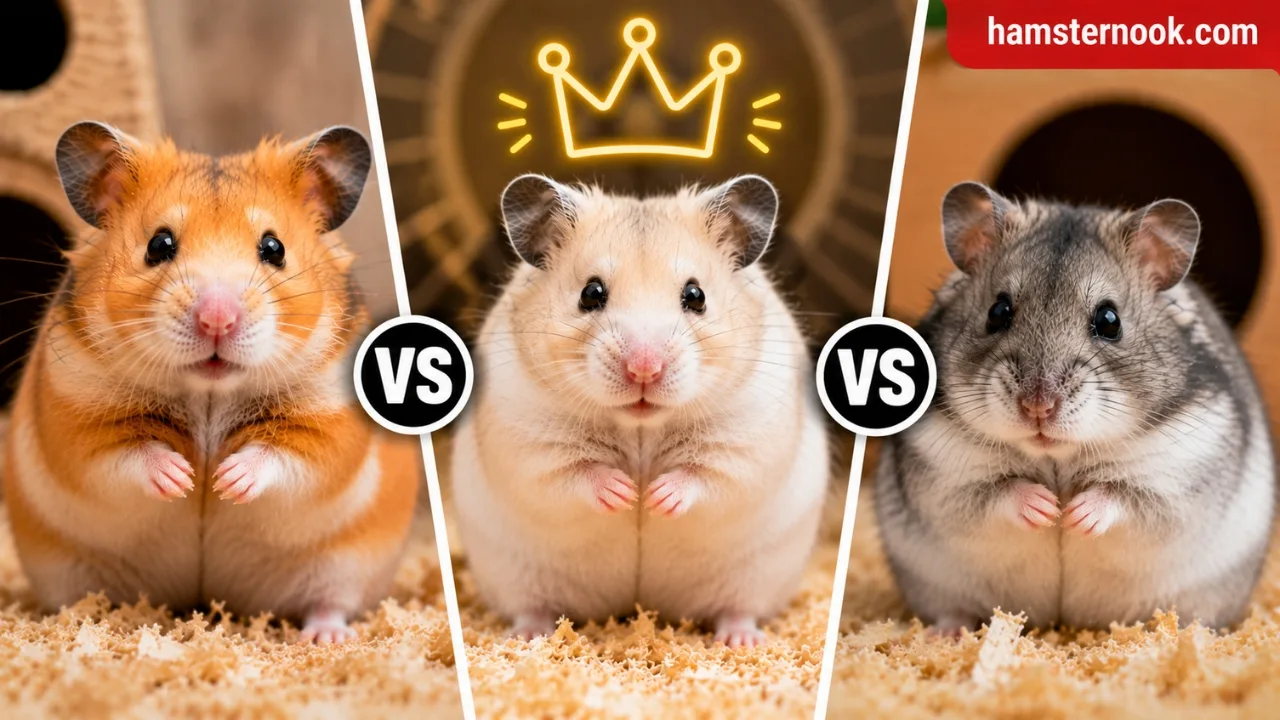
The answer may surprise you. While many people assume smaller hamsters are easier to handle because of their size, the opposite is often true. The hamster breed most commonly known for a calm and manageable temperament is actually the largest pet hamster species.
However, choosing the calmest hamster isn’t as simple as picking a breed. Age, socialization, personality, and care all play important roles in how relaxed a hamster becomes around people.
In this guide, we’ll explore which hamster breed is generally considered the calmest, how different species compare, and what factors matter more than breed alone.
Quick Answer
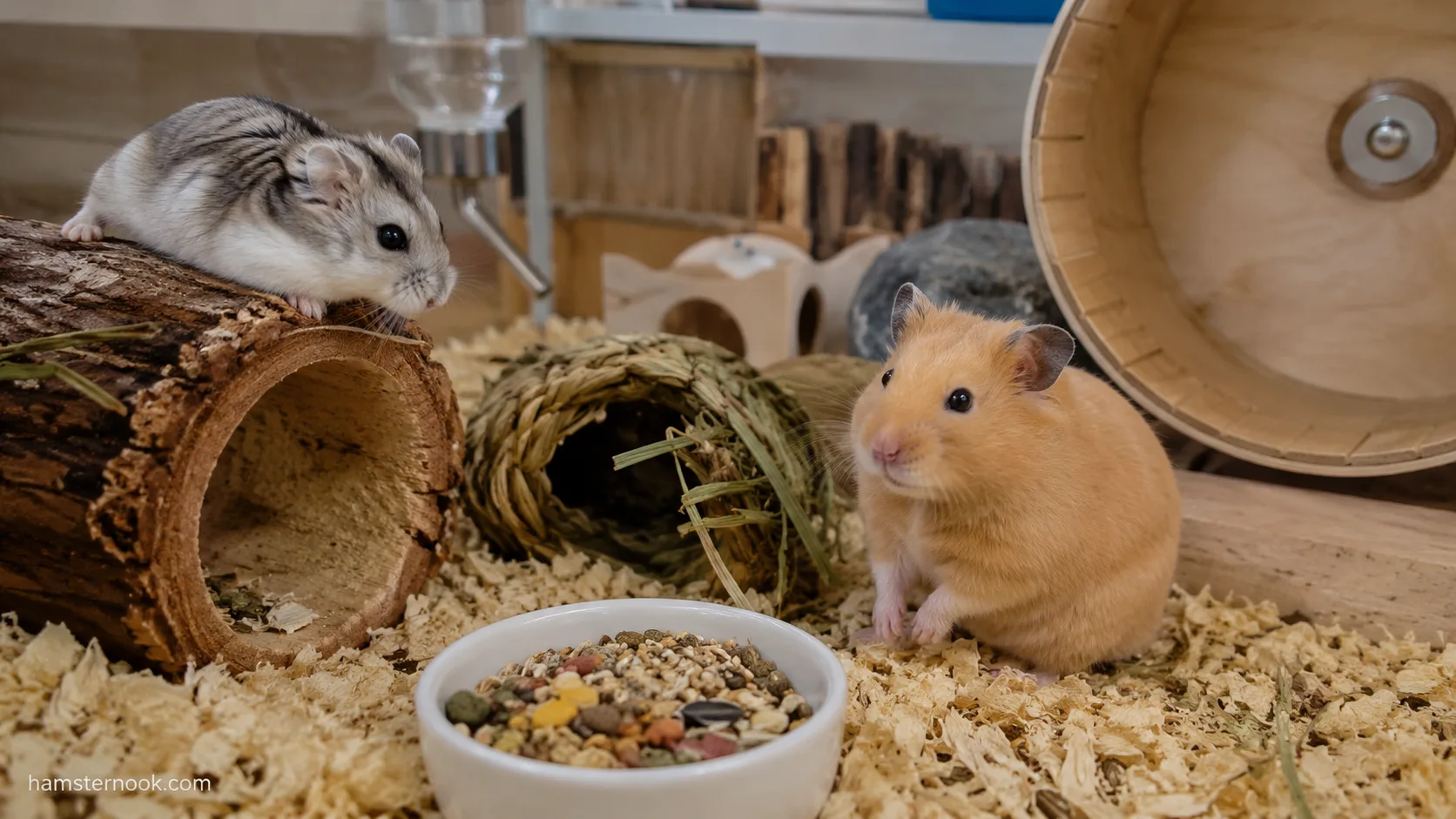
The Syrian hamster is often considered the easiest hamster species for beginners to handle and tame, but there is no guarantee that every Syrian will have a calm personality. Individual temperament, early experiences, gentle handling, sleep routine, and housing all influence how comfortable a hamster becomes around people.
Which Hamster Breed Is Generally Considered the Calmest?
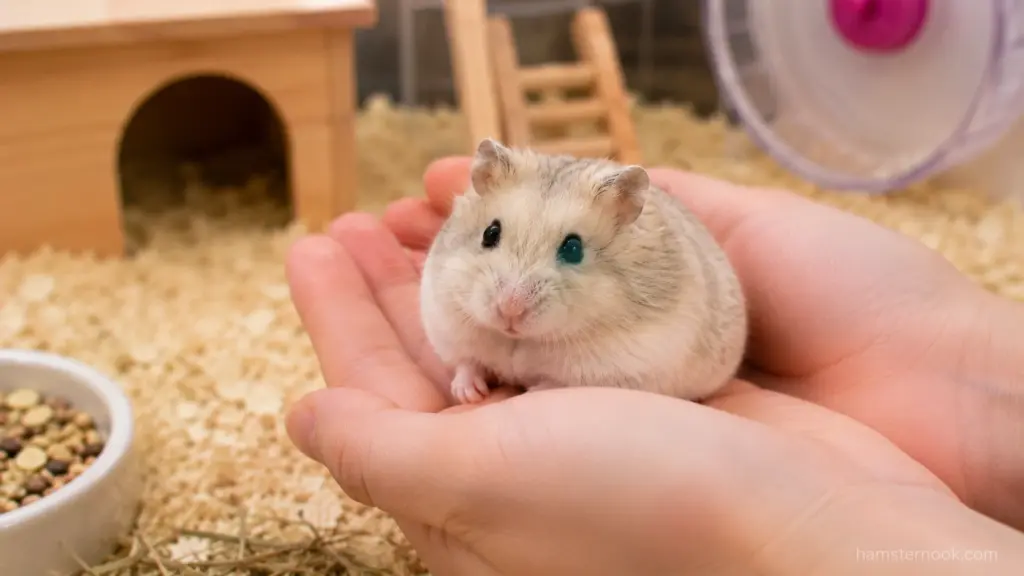
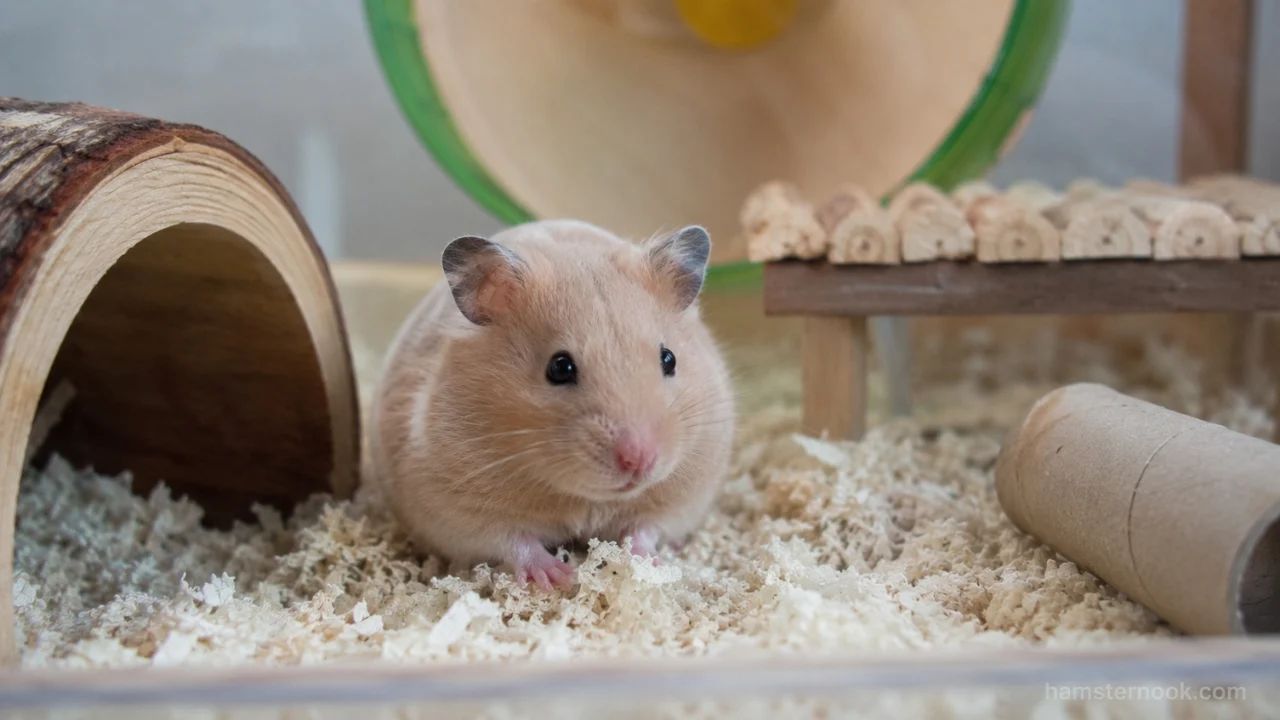
Syrian hamsters are often easier for beginners to handle because their larger bodies are easier to hold securely. They can also become comfortable with gentle, consistent handling, although individual personalities vary and no breed is guaranteed to be calm.
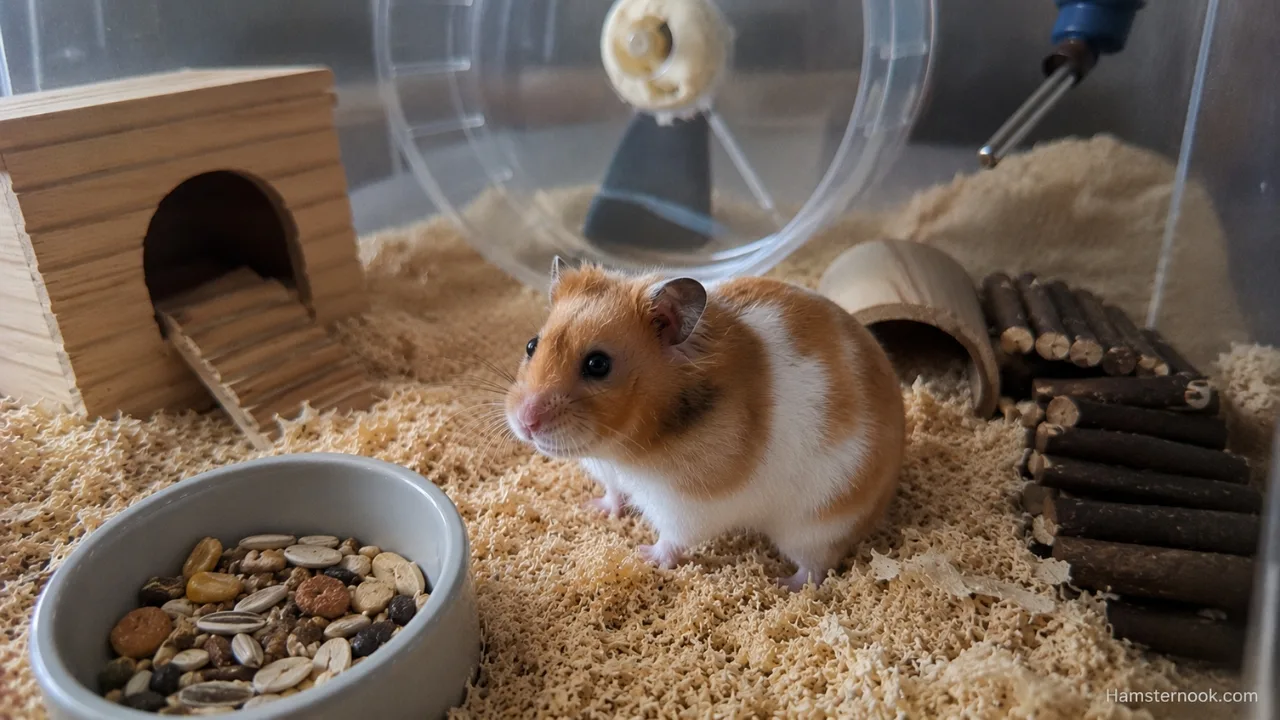
Syrian hamsters are the largest commonly kept pet hamsters. Their larger size makes them easier to hold securely, and many individuals tend to be less fast-moving than smaller dwarf species.
While every hamster has its own personality, Syrians are often recommended for:
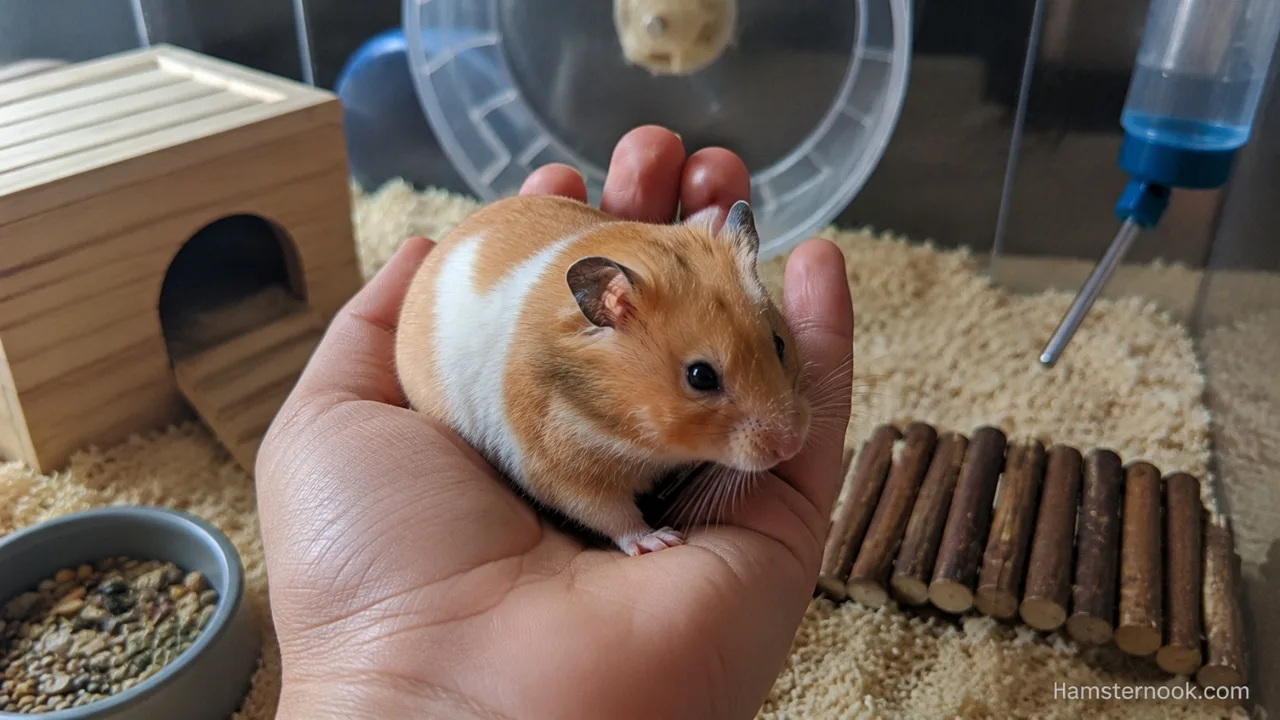
- First-time hamster owners
- Families with older children
- People interested in taming and handling
- Owners seeking a more relaxed pet
Not every Syrian hamster will be relaxed from day one, but they are usually easier to handle and tame than many smaller hamster species, which is why they are often recommended to beginners.
What Makes a Hamster Seem Calm?
A calm hamster is not necessarily one that sits still all the time. In most cases, a calm hamster is one that feels safe around people, accepts handling without panic, takes treats confidently, and explores its surroundings without constantly trying to escape.
If you’re comparing breeds because you want a hamster that is easier to handle, our Which Hamster Breed Likes Being Held the Most? Best Breeds for Handling Ranked article provides a more specific handling-focused comparison.
Comparing the Temperament of Popular Hamster Breeds
Temperament varies between individuals, but certain breed tendencies are commonly observed by experienced owners.
| Hamster Breed | Typical Temperament | Handling Difficulty | Activity Level |
|---|---|---|---|
| Syrian Hamster | Generally calm and confident | Easy to Moderate | Moderate |
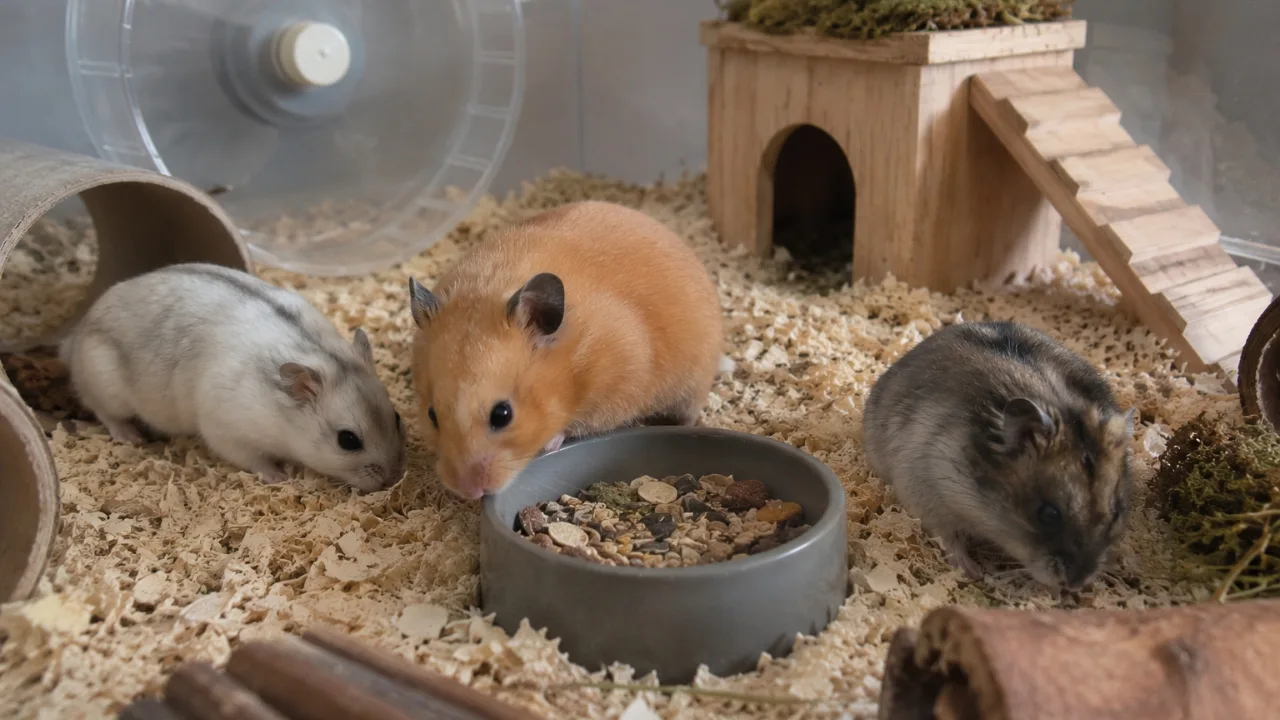
| Roborovski Hamster | Very fast and energetic | Difficult | Very High |
| Campbell’s Dwarf Hamster | Curious but active | Moderate | High |
| Winter White Hamster | Often gentle but quick | Moderate | Moderate to High |
| Chinese Hamster | Usually shy and cautious | Moderate | Moderate |
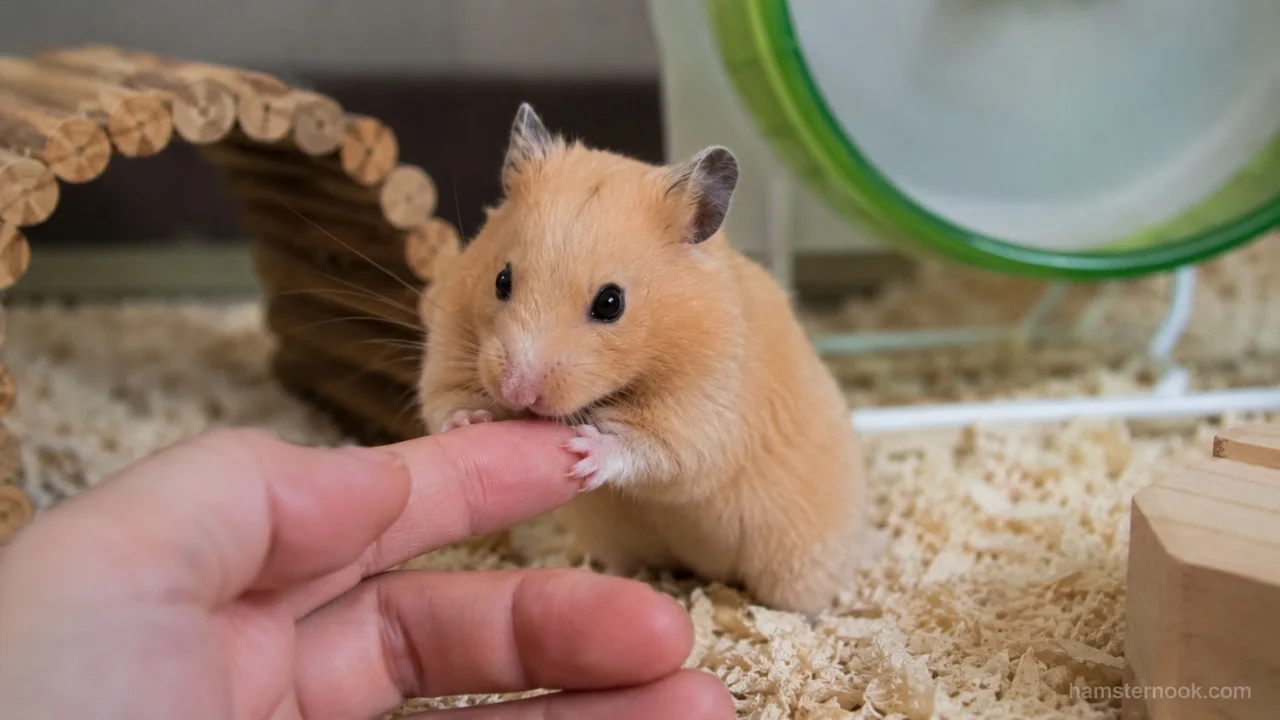
Syrian hamsters often stand out because their larger size makes them easier to interact with, even when they are active.
Why Syrian Hamsters Are Often Considered the Best for Beginners
Several factors contribute to the Syrian hamster’s reputation as a beginner-friendly pet.
Larger Size Makes Handling Easier
One major advantage is size.
A Syrian hamster’s larger body can make it easier for a beginner to handle securely than a much smaller, faster-moving hamster.
- Pick up safely
- Observe closely
- Handle confidently
- Avoid accidental escapes
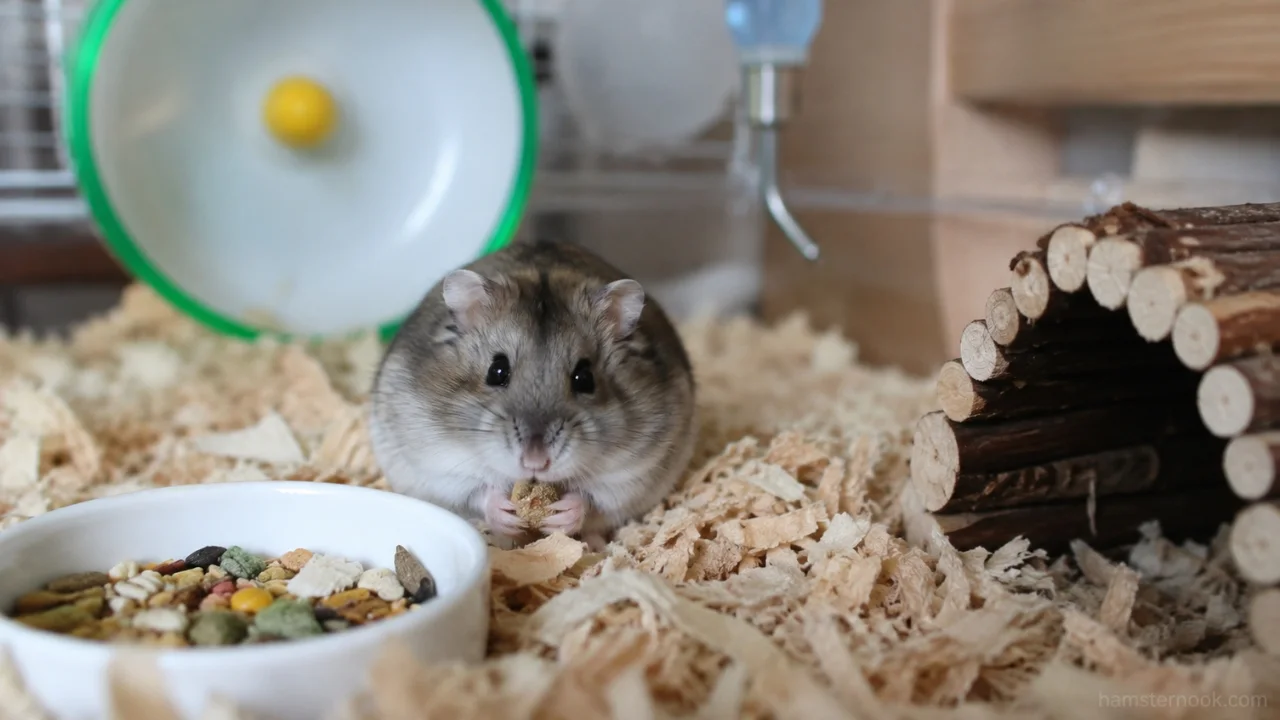
Smaller hamster species can move incredibly fast and may slip through hands more easily.
Many Syrians Tame Well
When handled patiently and consistently, many Syrian hamsters learn to tolerate or even enjoy interaction with their owners.
A well-socialized Syrian may:
- Walk onto your hand voluntarily
- Accept gentle petting
- Stay calmer during handling
- Show curiosity rather than fear
Individual personality still matters, but Syrians often respond well to gradual taming.
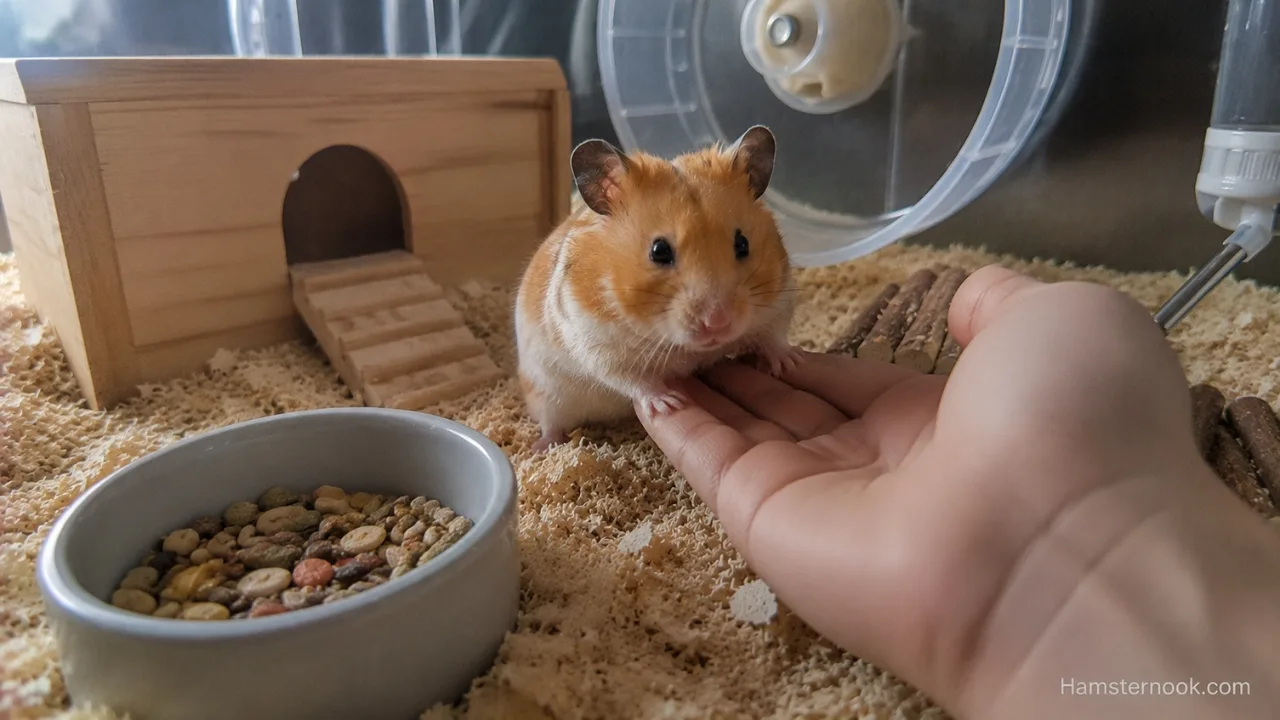
They Tend to Be Less Hyperactive Than Roborovskis
Roborovski hamsters are famous for their speed.
While Roborovskis can be wonderful pets, they often prefer running and exploring over sitting still. Syrians, by comparison, are usually easier to observe and interact with outside the cage.
The Surprising Truth: Breed Isn’t Everything
Breed can influence behavior, but it does not guarantee a specific personality. Two hamsters of the same species can behave very differently depending on their genetics, experiences, and environment.
Two hamsters from the same litter can behave completely differently.
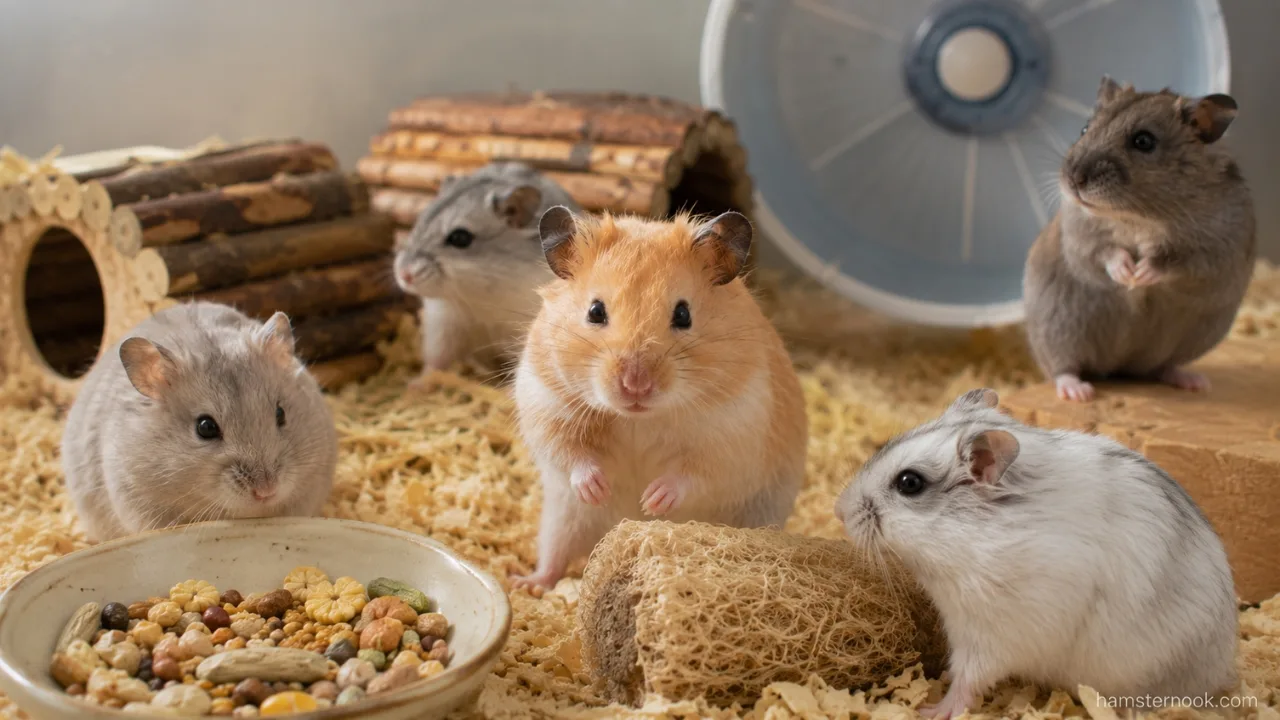
Several factors influence temperament.
| Factor | Impact on Temperament |
|---|---|
| Genetics | Influences natural behavior tendencies |
| Early Handling | Helps build trust with humans |
| Environment | Affects stress levels |
| Cage Size | Impacts comfort and behavior |
| Age | Younger hamsters are often more active |
| Health | Illness can affect temperament |
A calm breed raised in a stressful environment may become nervous, while a naturally energetic breed raised properly may become surprisingly relaxed.
Which Hamster Breed Is the Most Energetic?
Learning the differences between species can make choosing a hamster easier. Our Syrian Hamster vs Dwarf Hamster: Which Is Better for Beginners? comparison explains the main differences in size, temperament, handling, and care.
If you’re specifically trying to avoid an extremely active hamster, it’s helpful to know which species are known for high energy levels.
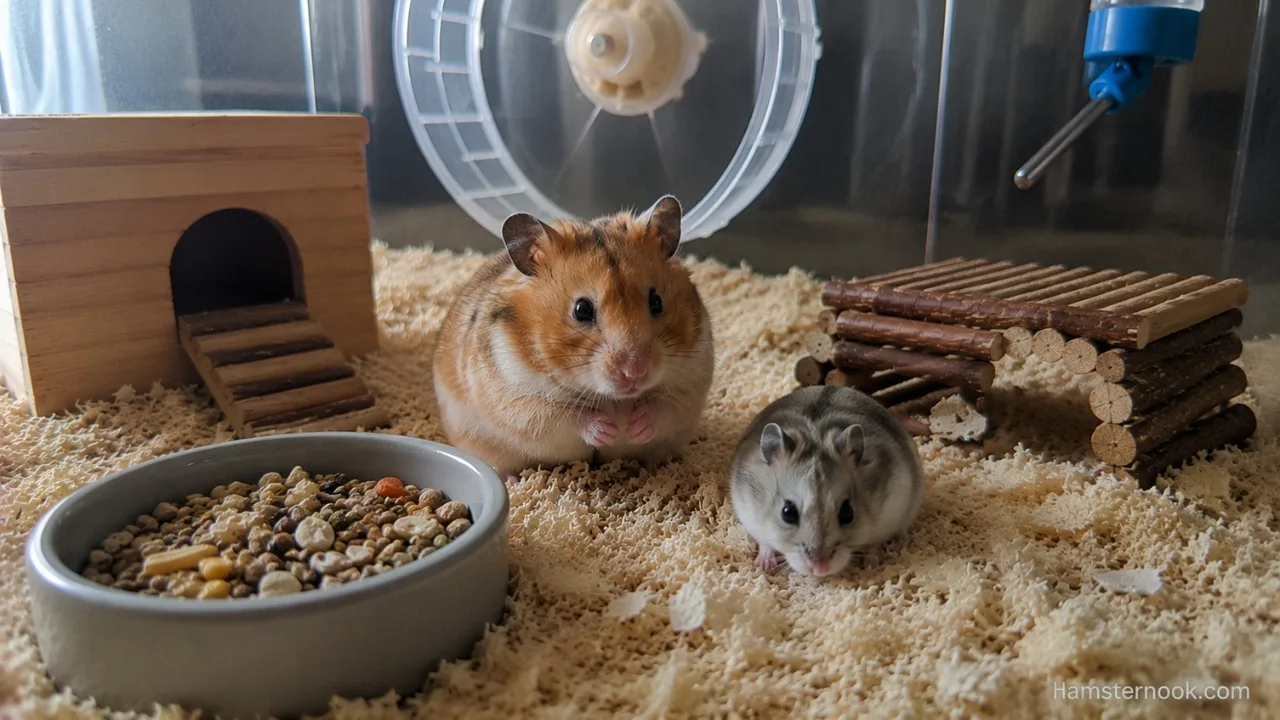
Roborovski hamsters are generally considered the most active pet hamster breed.
Common Roborovski traits include:
- Extremely fast movement
- Constant exploration
- High energy
- Difficulty sitting still
- Less interest in prolonged handling
Many owners enjoy watching Roborovskis, but they are often less suitable for people seeking a cuddly pet.
Calmest to Most Active Hamster Breeds
In general, hamster breeds are often viewed on a spectrum:

- Syrian Hamster — often easier to handle
- Winter White Hamster — often gentle but active
- Chinese Hamster — can be shy and cautious
- Campbell’s Dwarf Hamster — active and curious
- Roborovski Hamster — especially fast and energetic
Individual personality can always vary, but this ranking generally matches what many owners experience.
Are Dwarf Hamsters Calm?
Dwarf hamsters can absolutely be friendly and gentle, but their smaller size and faster movements may make handling more challenging for some beginners. Individual temperament still varies widely.
The term “dwarf hamster” includes several species, each with different tendencies.
| Dwarf Species | General Temperament |
|---|---|
| Winter White | Often gentle and curious |
| Campbell’s | Active and outgoing |
| Roborovski | Extremely energetic |
| Chinese Hamster | Shy but often calm once comfortable |
Many dwarf hamsters become tame with patience, though their small size can make handling more challenging.

Signs You Have a Naturally Calm Hamster
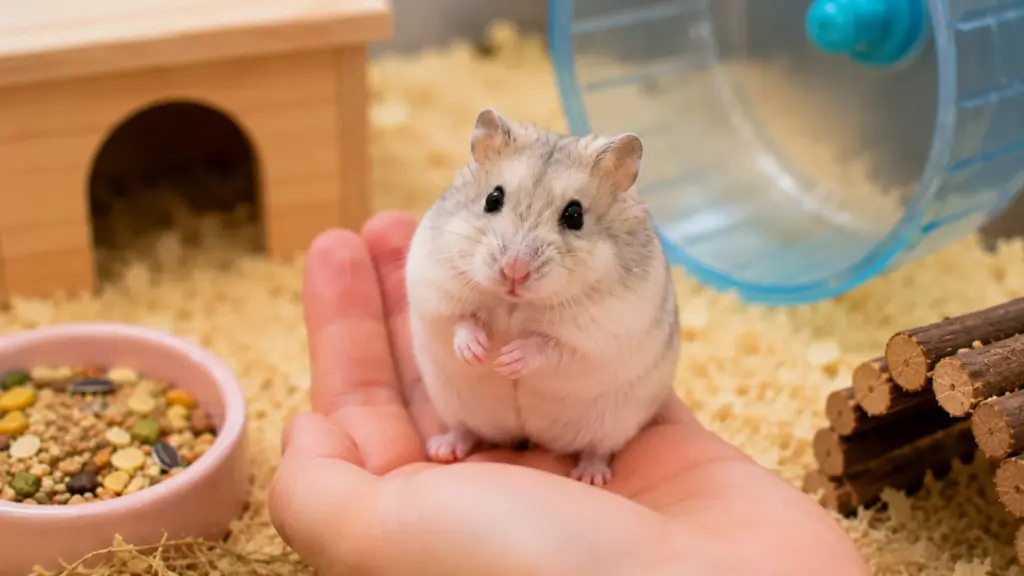
Regardless of breed, certain behaviors suggest a relaxed temperament.
A calm hamster may:
- Approach your hand willingly
- Accept treats without hesitation
- Explore calmly during handling
- Groom normally around you
- Show curiosity rather than fear
These behaviors often develop gradually as trust grows.
Signs a Hamster Is Nervous or Stressed
Recognizing stress signals early can help you avoid forcing interaction when your hamster is uncomfortable. Common signs include freezing, hiding, jumping away, or defensive biting.
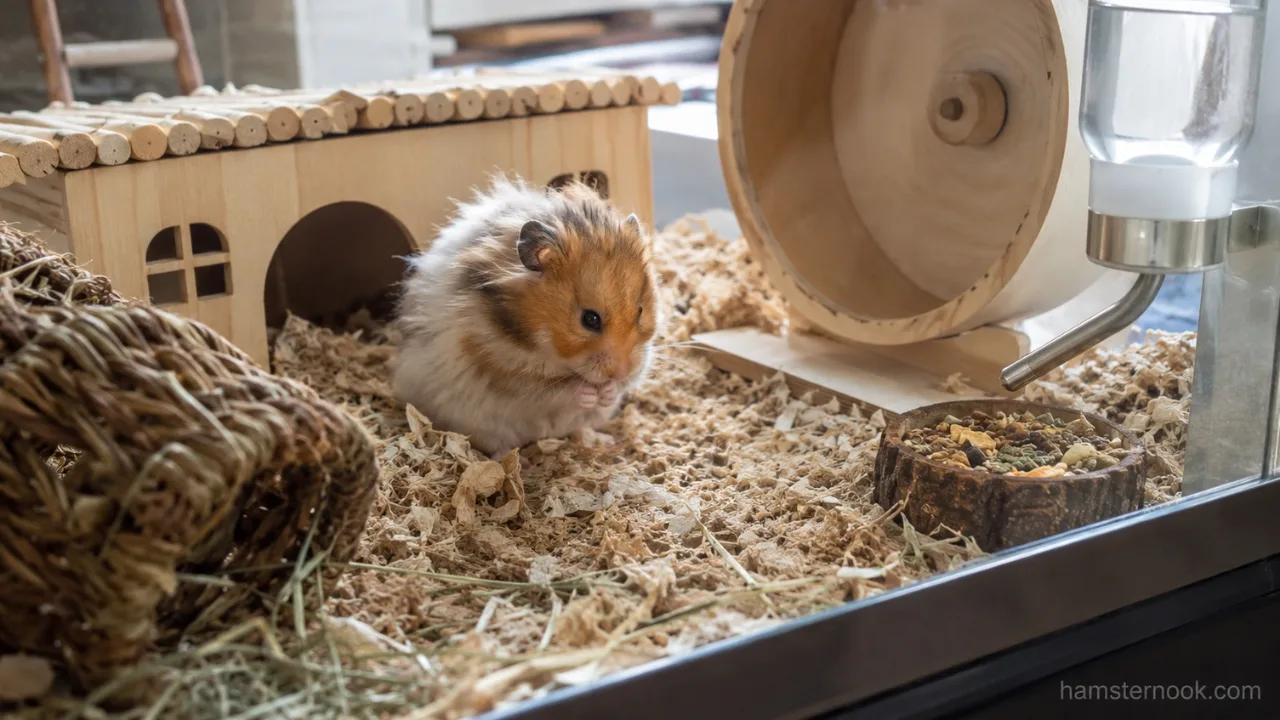
A hamster that appears aggressive may actually be frightened.
Common stress signals include:
- Freezing suddenly
- Hiding constantly
- Loud squeaking
- Biting
- Jumping away from hands
- Flattening the body against surfaces
Patience and proper care are often more effective than forcing interaction.
Understanding body language can also help you tell the difference between a hamster that is comfortable and one that needs more space. Hamster Body Language: Signs of Happiness, Stress, Fear & Illness covers these signals in more detail.
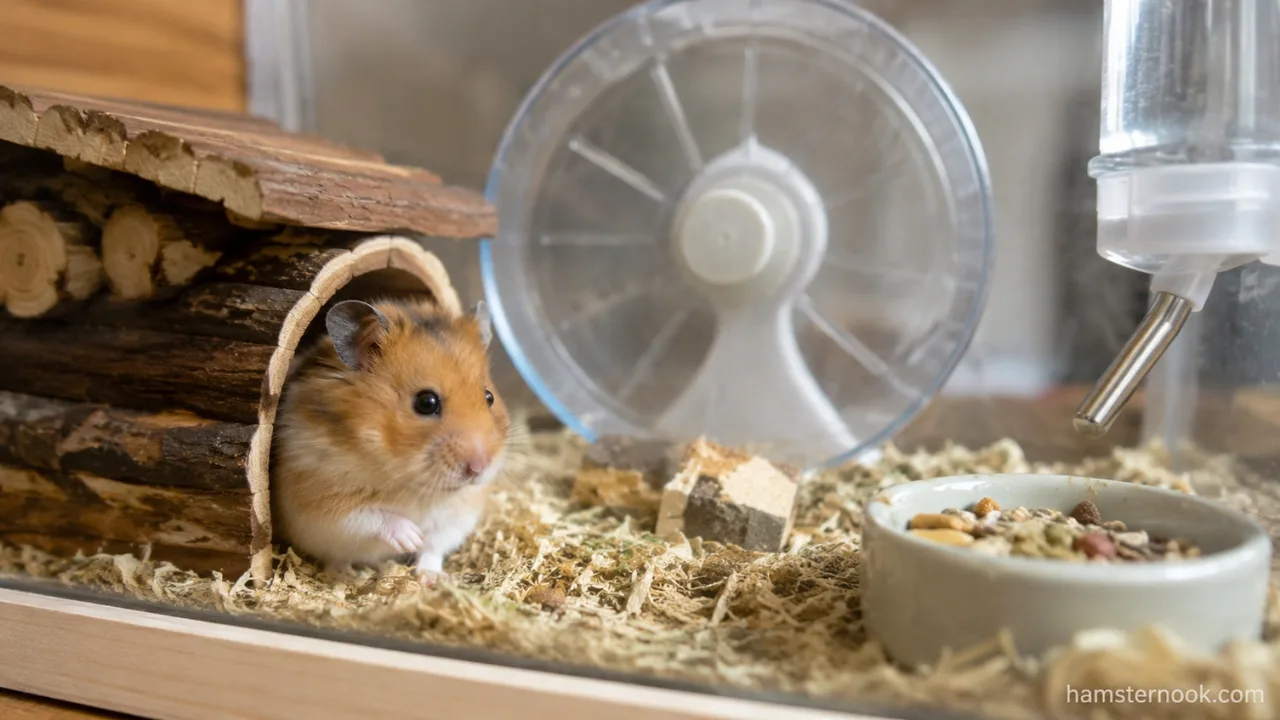
How to Help Any Hamster Become Calmer
Even naturally cautious hamsters can become more comfortable over time.
Give Your Hamster Time to Settle
New hamsters often need time to adjust before becoming comfortable with handling. Begin slowly and allow your hamster to investigate your hands at its own pace.
A newly adopted hamster may need several days or even weeks to adjust to its new home.
Avoid rushing handling sessions during this period.
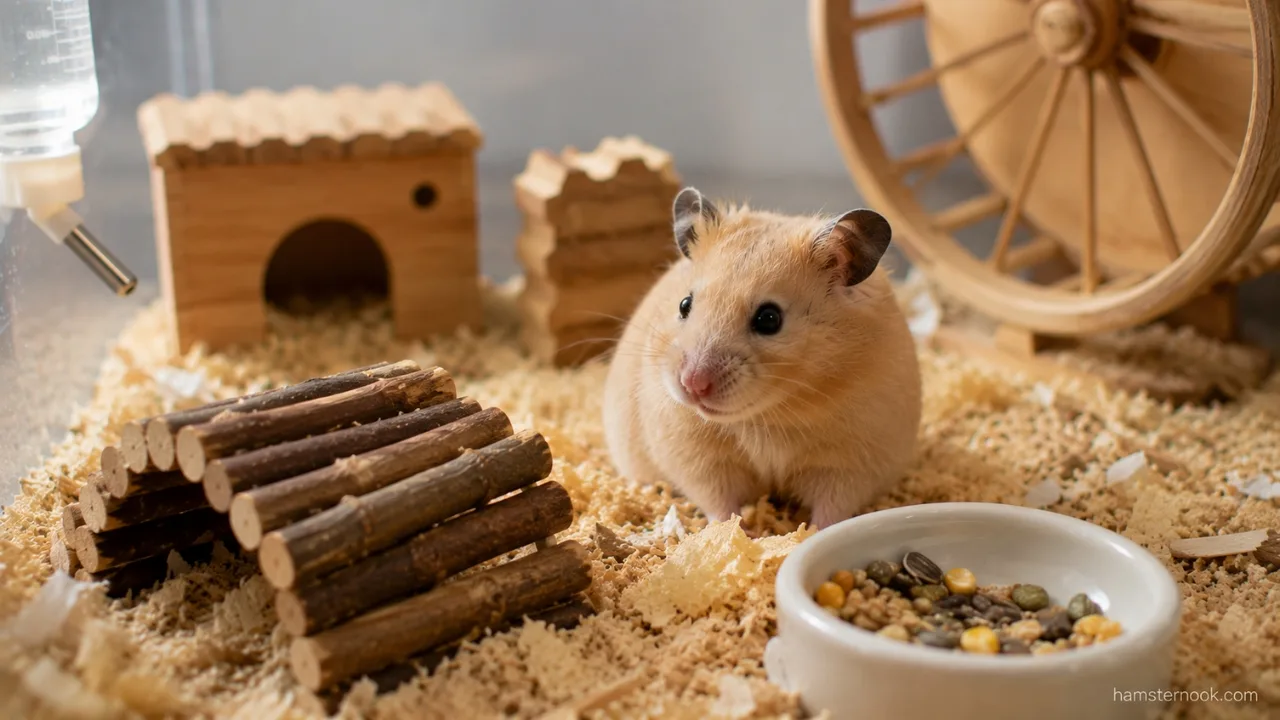
Use Food-Based Trust Building
Offering treats by hand helps many hamsters associate people with positive experiences.
Good options include:
- Small vegetable pieces
- Hamster-safe treats
- Tiny portions of fruit
Consistency matters more than speed.
If your main goal is building trust and making handling easier, How to Tame a Hamster That Bites: 7 Safe Steps to Build Trust explains a gradual approach without forcing interaction.
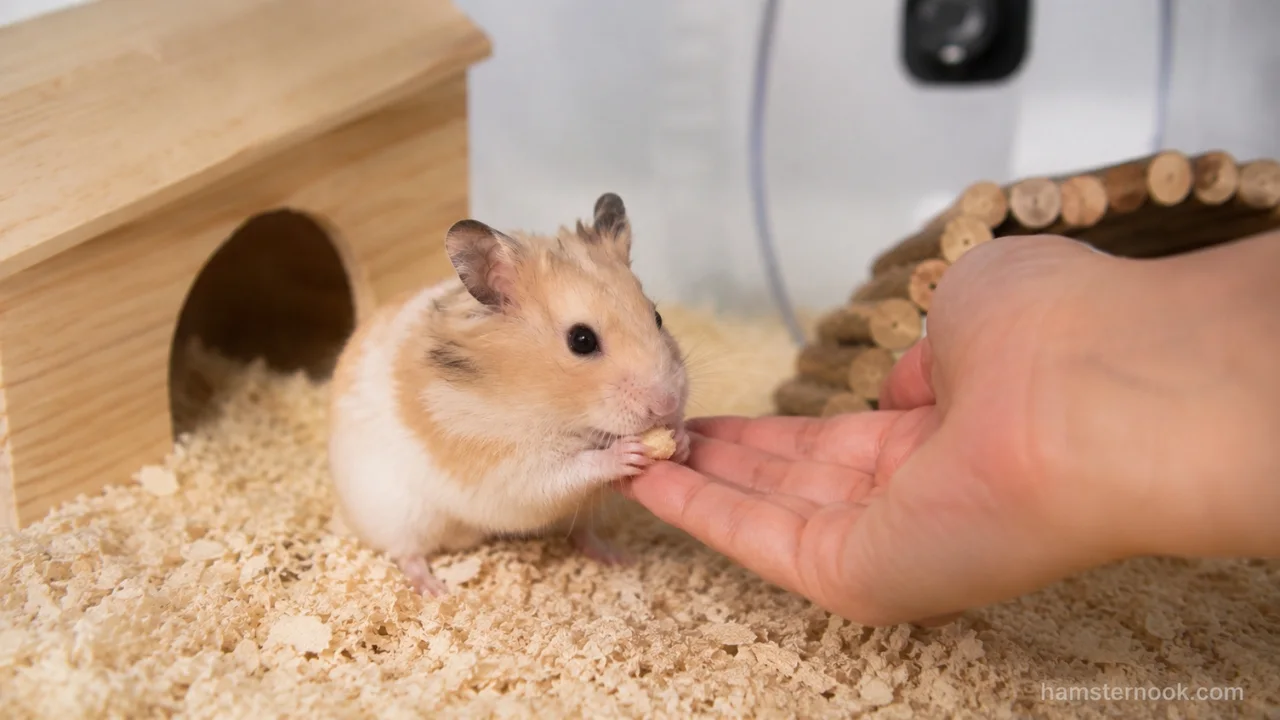
Avoid Waking a Sleeping Hamster
Understanding normal sleep patterns helps prevent unnecessary stress. Read Why Is My Hamster Sleeping So Much? Normal vs Warning Signs to learn what healthy sleep behavior looks like.
Hamsters are naturally nocturnal or crepuscular.
Waking them suddenly can lead to:
- Stress
- Fear
- Defensive biting
Allow your hamster to wake naturally whenever possible.
Provide a Proper Habitat
A hamster living in a stressful environment is less likely to feel calm.
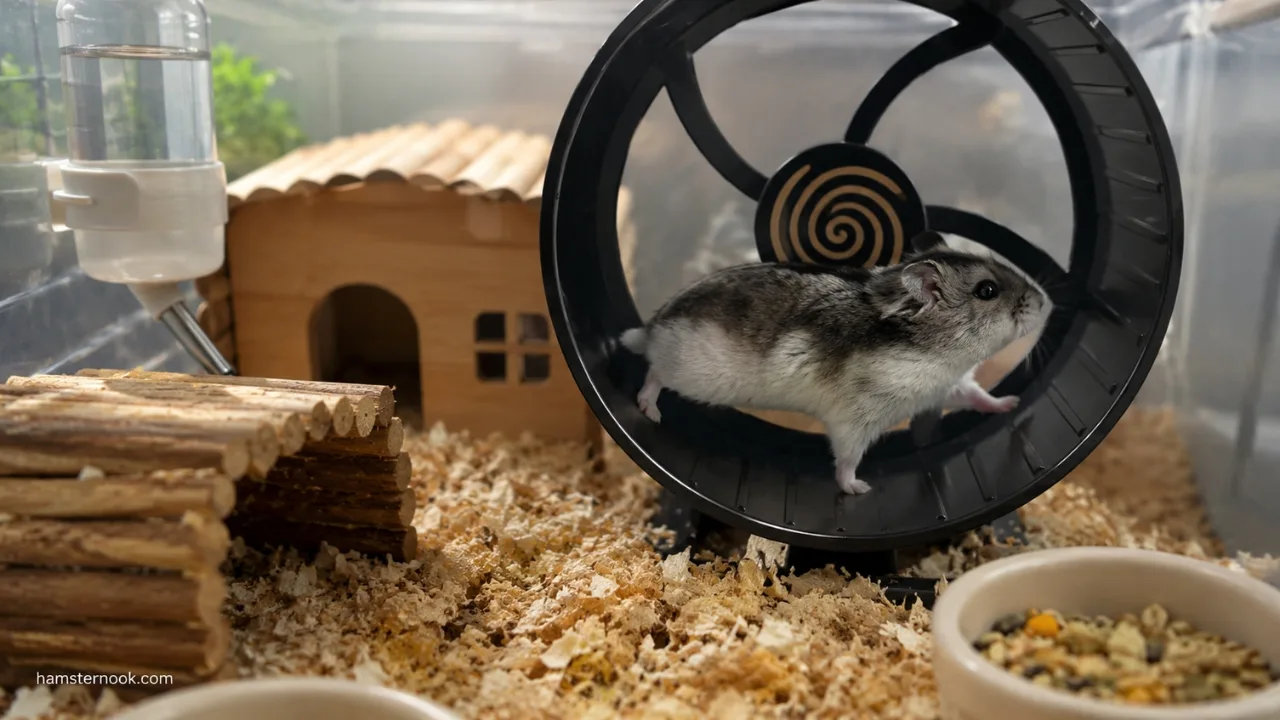
Key habitat features include:
- Adequate cage space
- Deep bedding
- Proper wheel size
- Multiple hiding spots
- Enrichment opportunities
A secure hamster is more likely to feel comfortable exploring and interacting with its surroundings. Adequate space, deep bedding, hiding places, enrichment, and a suitable wheel all help create a more appropriate habitat.
Best Hamster Breeds for Different Owners
Choosing the right breed depends on your expectations.
| Owner Type | Recommended Breed |
|---|---|
| First-Time Owner | Syrian Hamster |
| Wants Easier Handling | Syrian Hamster |
| Enjoys Watching Activity | Roborovski Hamster |
| Limited Space for Interaction | Winter White Hamster |
| Experienced Small Pet Owner | Chinese or Campbell’s Hamster |
There is no perfect hamster for everyone, but matching expectations with breed tendencies can improve the ownership experience.
What Matters More Than Breed When Choosing a Calm Hamster
Breed can give you a useful starting point, but an individual hamster’s temperament matters just as much. When choosing a hamster, look for one that appears alert but not panicked when awake, allows gentle interaction without repeated attempts to escape, and has had positive handling experiences. A calm individual from a suitable environment may be a better match for you than choosing a species based only on its reputation.
Should You Choose a Hamster Based on Breed Alone?
No. Breed is a helpful starting point, but observing an individual hamster’s behavior before adoption can be just as important. A confident, well-socialized hamster from a reputable source may be easier to handle than a naturally nervous hamster of a typically calm breed.
Final Thoughts
When people ask what the calmest hamster breed is, the Syrian hamster is usually the best answer. Their larger size, generally manageable temperament, and strong potential for taming make them one of the most beginner-friendly hamster species available.
However, breed is only part of the story. Proper housing, gentle handling, patience, and individual personality all influence how calm a hamster becomes. Even the most relaxed breed can become stressed in poor conditions, while a naturally energetic hamster can develop trust and confidence with consistent care.
If your goal is to find a hamster that is easier to handle, easier to tame, and more comfortable with regular interaction, a Syrian hamster is usually the best place to start. Still, patience, proper housing, and gentle handling will have a major impact on how calm any hamster becomes over time.
Frequently Asked Questions
What is the easiest hamster breed to tame?
For most owners, Syrian hamsters are considered the easiest breed to tame because their larger size makes handling easier and many individuals respond well to consistent, gentle interaction.
Are dwarf hamsters harder to handle?
Many dwarf hamsters are friendly, but their smaller size and faster movements can make them more challenging for beginners compared with Syrian hamsters.
Are Syrian hamsters always calm?
No. While Syrians are generally considered the calmest hamster breed, individual personality varies. Some are very relaxed, while others remain energetic or cautious.
Which hamster breed is best for children?
For older, responsible children who understand gentle handling, Syrian hamsters are often considered the easiest breed to manage due to their larger size.
Are female or male hamsters calmer?
Temperament differs by individual. There is no reliable rule that one sex is always calmer than the other. Individual personality, early experiences, handling, and environment can all affect how comfortable a hamster is around people.
What is the friendliest hamster breed?
Syrian hamsters are commonly viewed as the friendliest because many respond well to taming and regular interaction.
Are Roborovski hamsters aggressive?
Not usually. Roborovskis are more likely to run away than act aggressively. Their challenge is their speed and energy level rather than aggression.
Can a shy hamster become calm later?
Yes. Many shy hamsters become much more confident after weeks or months of patient handling, proper care, and trust-building.
References
This guide is based on hamster breed characteristics, behavior, handling, housing, socialization, and welfare guidance from trusted animal welfare and veterinary resources, including:
- RSPCA – Keeping Hamsters as Pets – General guidance on hamster behavior, handling, housing, enrichment, diet, and welfare.
- RSPCA – Hamster Behaviour – Information on natural hamster behavior, activity patterns, handling, stress, and behavioral needs.
- Blue Cross – Hamster Care Guide – Practical guidance on hamster care, handling, housing, enrichment, and helping hamsters become comfortable with people.
- MSD Veterinary Manual – Providing a Home for a Hamster – Veterinary guidance on appropriate hamster housing, environmental needs, exercise, bedding, and shelter.
- NC3Rs – Housing and Husbandry: Hamster – Guidance on hamster housing, husbandry, environmental needs, and supporting species-appropriate behavior.
- NC3Rs – Choosing Appropriate Enrichment – Guidance on enrichment that supports natural behaviors and promotes good welfare.

Narayan Kumar is the founder and author of HamsterNook. He creates practical, research-based hamster care guides covering hamster behavior, nutrition, cage setup, enrichment, health, and everyday care. His goal is to help hamster owners make informed decisions and provide safer, healthier lives for their pets through clear, beginner-friendly information based on trusted animal care resources.