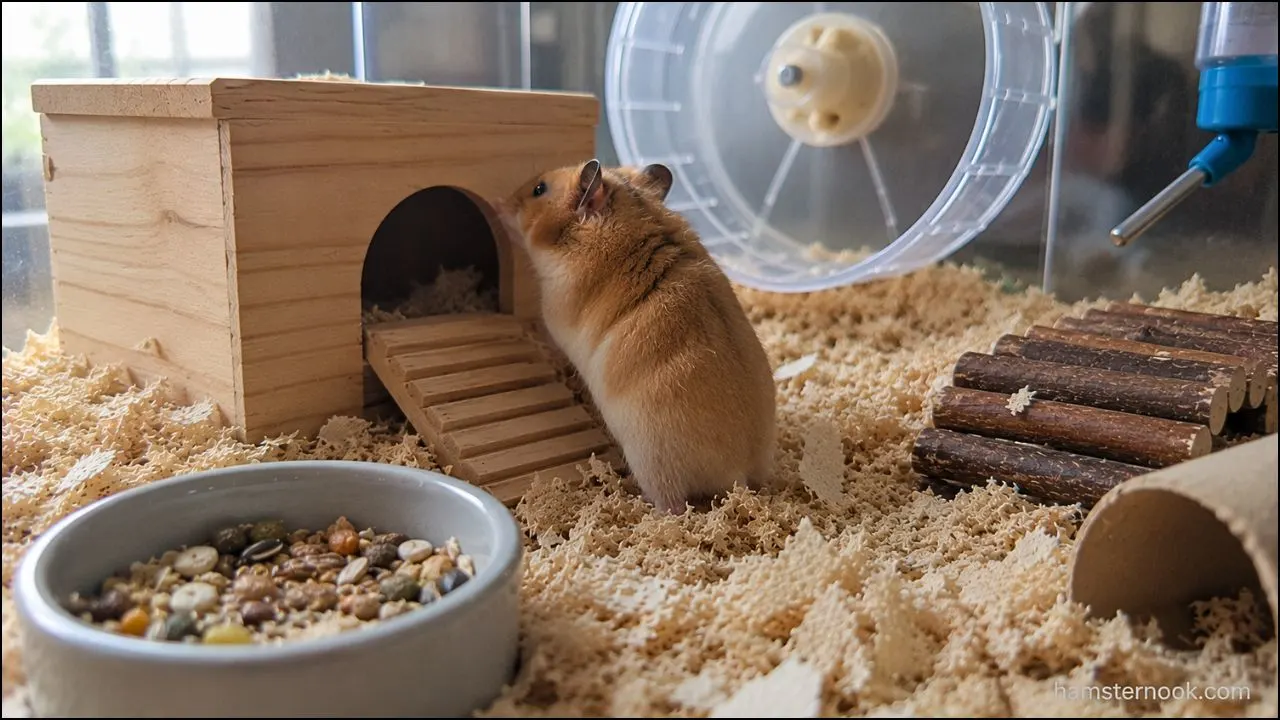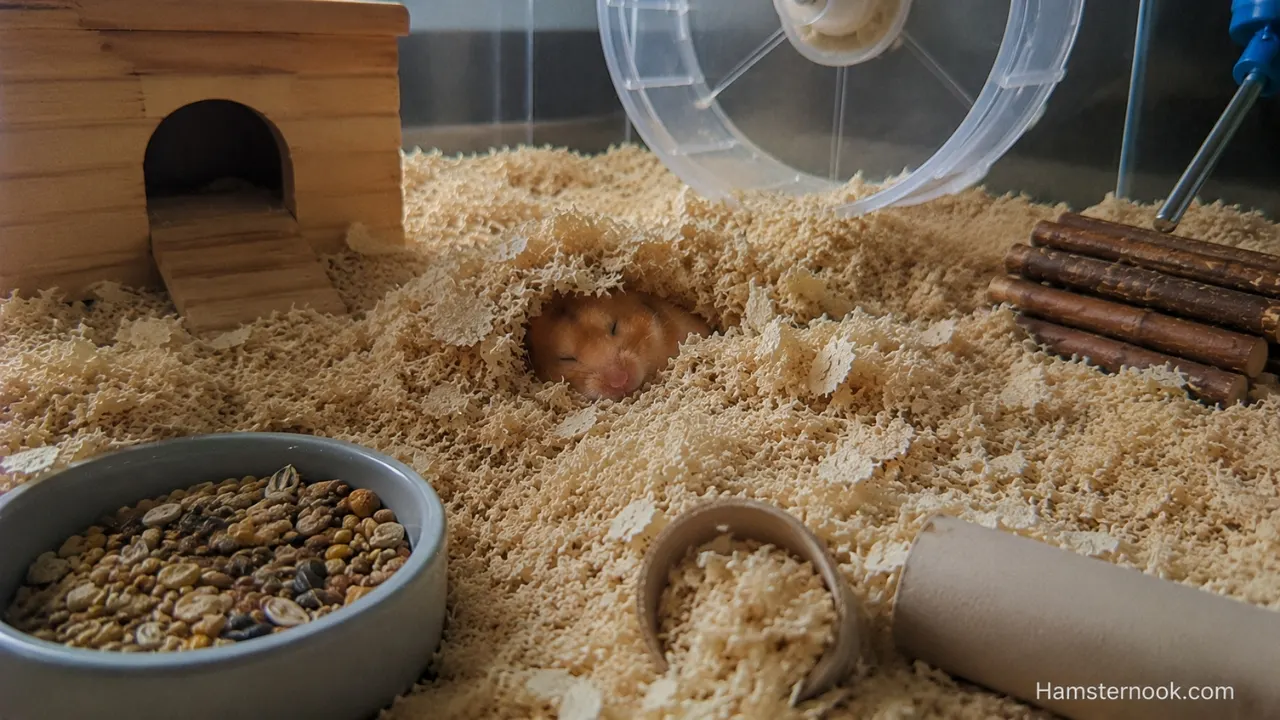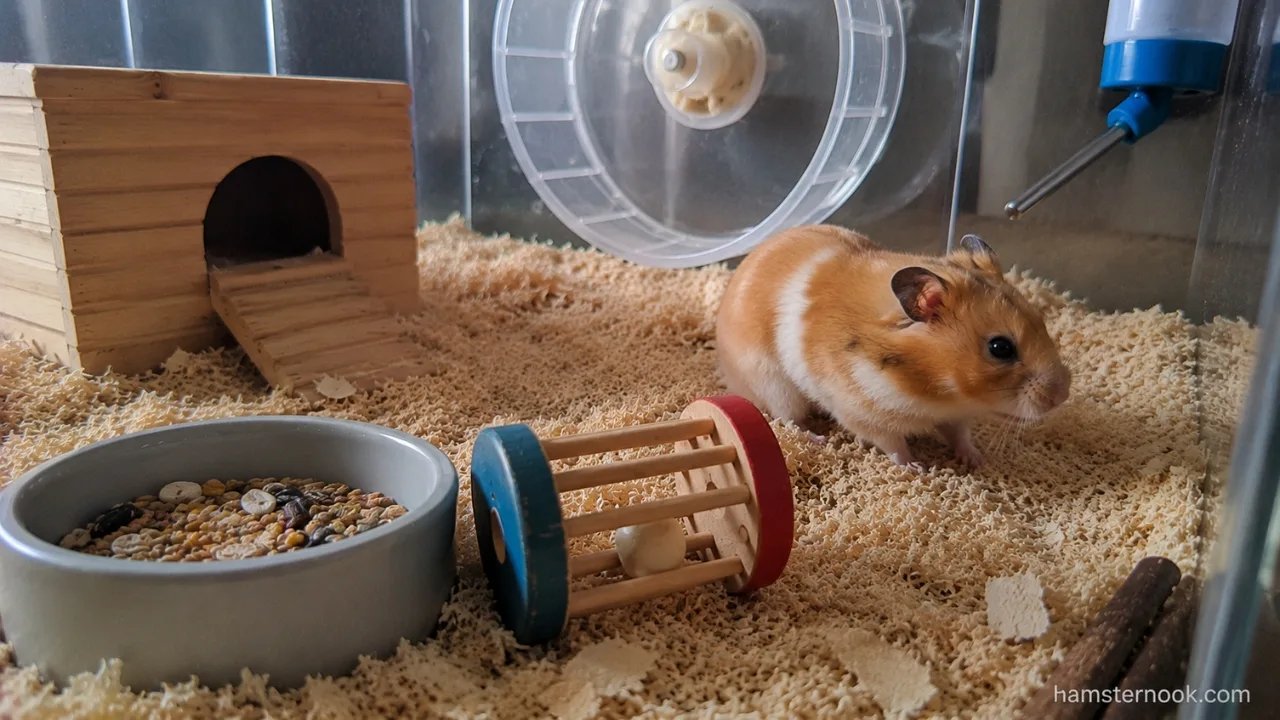
If your hamster suddenly freezes when you make a noise, wakes up when someone enters the room, or disappears into its hide when the vacuum starts, it is not simply being dramatic. Hamsters have a well-developed sense of hearing that helps them detect sounds around them, including sounds at frequencies humans cannot hear. Understanding how sensitive hamster hearing is can help you create a calmer, more comfortable home.
Quick Answer: Do Hamsters Have Sensitive Hearing?
Yes. Hamsters have a well-developed sense of hearing and can detect high-frequency sounds beyond the range of human hearing. Hearing is particularly useful to hamsters because they are prey animals that need to detect potential danger while moving through their environment.
Animal-welfare guidance specifically recommends keeping hamsters away from sudden loud noises and household equipment that may produce high-frequency or ultrasonic sounds. Hamsters can find these sounds stressful even when people cannot hear them.
Their hearing is not just useful for detecting danger. Hamsters also use sound as part of communication, and some hamster vocalizations occur in the ultrasonic range.
Why Is a Hamster’s Hearing So Sensitive?
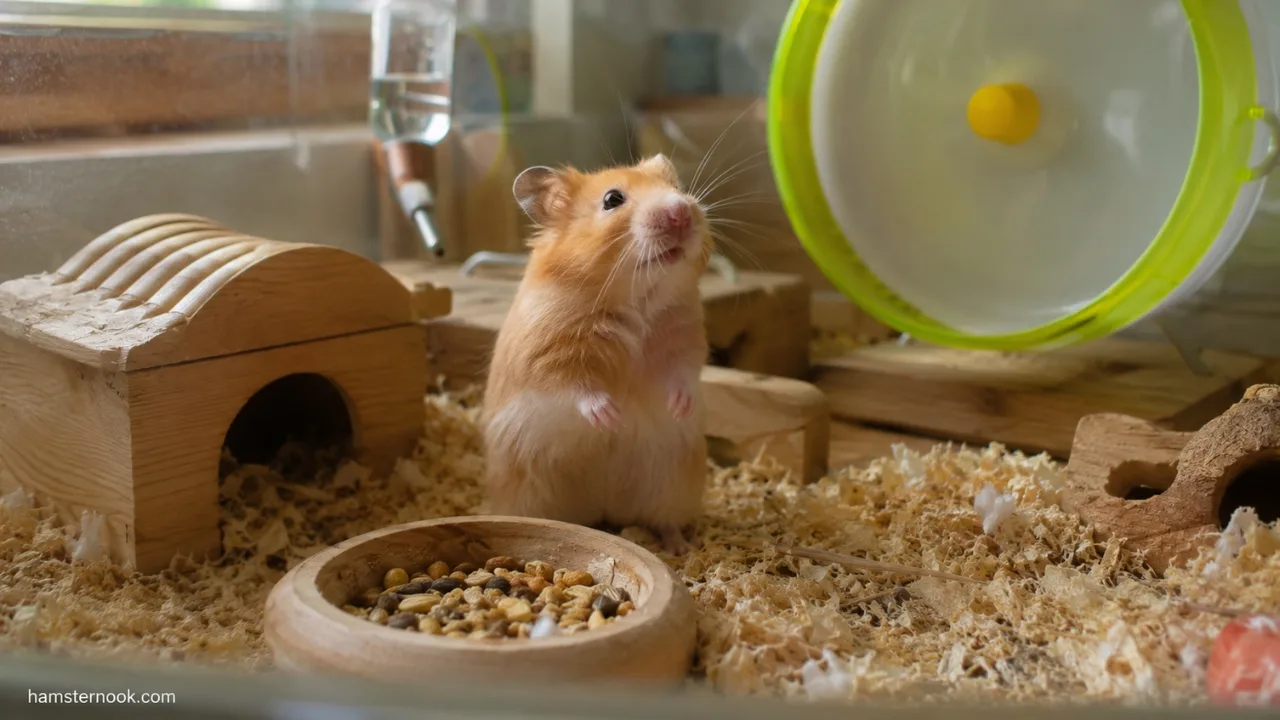
Hamsters are small prey animals. In the wild, being able to detect something approaching can be important for survival.
Their senses work together. Hearing can alert a hamster to something it cannot see, while smell, touch, whiskers and vision provide additional information about what is happening nearby.
Hearing is only one part of how a hamster understands its surroundings. Vision also contributes to how it responds to movement and changes around the enclosure, although hamster eyesight works differently from human vision. For a closer look at this sense, see Can Hamsters See in the Dark? The Truth About Hamster Vision.
The RSPCA describes hamsters as having well-developed hearing and smell that help them detect predators. Hamsters can also produce ultrasonic calls in certain situations, including communication between mothers and pups and during mating-related behavior.

These sounds are part of the wider way hamsters communicate with one another, and not every vocalization is obvious to human ears. Understanding the different ways hamsters use sounds, body language and scent can make these behaviors easier to interpret. You can explore this broader topic in How Do Hamster Communicate? Body Language, Sounds & Scent Marking Explained.
This does not mean your hamster is constantly frightened by every sound. A healthy hamster can become accustomed to normal household sounds. The bigger concern is unexpected, intense, repetitive or high-frequency noise, particularly when the animal has no way to retreat to a quiet hiding place.
Not every reaction to a sound means that a hamster is stressed, but repeated or intense disturbances deserve attention. Looking at the wider pattern can help distinguish an ordinary startle response from behavior that may indicate ongoing discomfort. For more detail, see 7 Ways You’re Accidentally Stressing Your Hamster: Signs & What to Do.
What Frequencies Can Hamsters Hear?
Human hearing is generally limited to roughly the audible range we experience in everyday life, while hamsters can perceive frequencies outside the range people can hear.
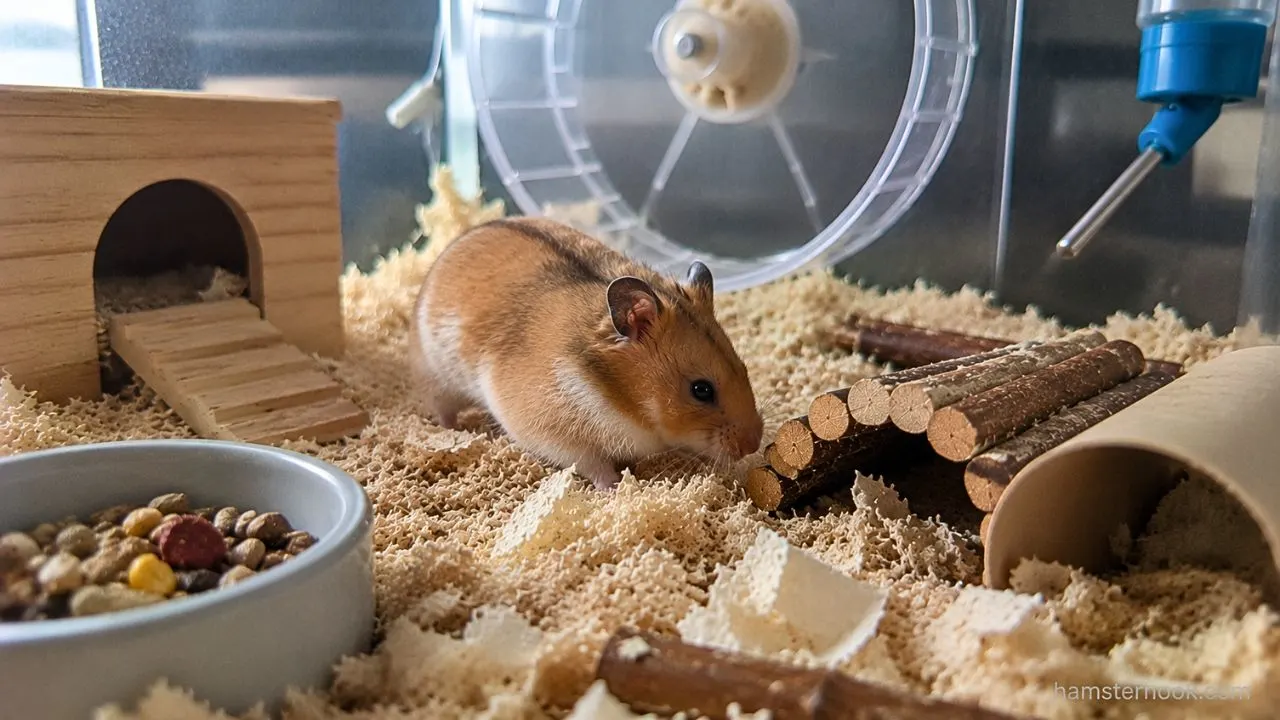
NC3Rs guidance for hamsters reports that they are able to perceive both infrasound and ultrasound, with a reported range of approximately 0.1 to 46.5 kHz, while hamster ultrasonic vocalizations can extend into higher frequencies. The exact hearing range and use of different frequencies can vary between species.
That distinction matters because saying that “hamsters hear everything” would be misleading. Their hearing is sensitive, but their auditory abilities are still biological rather than unlimited.
What does “ultrasound” mean?
Ultrasound refers to sound at frequencies above the upper limit of normal human hearing.
You may not hear an ultrasonic sound at all, but that does not necessarily mean your hamster cannot detect it.
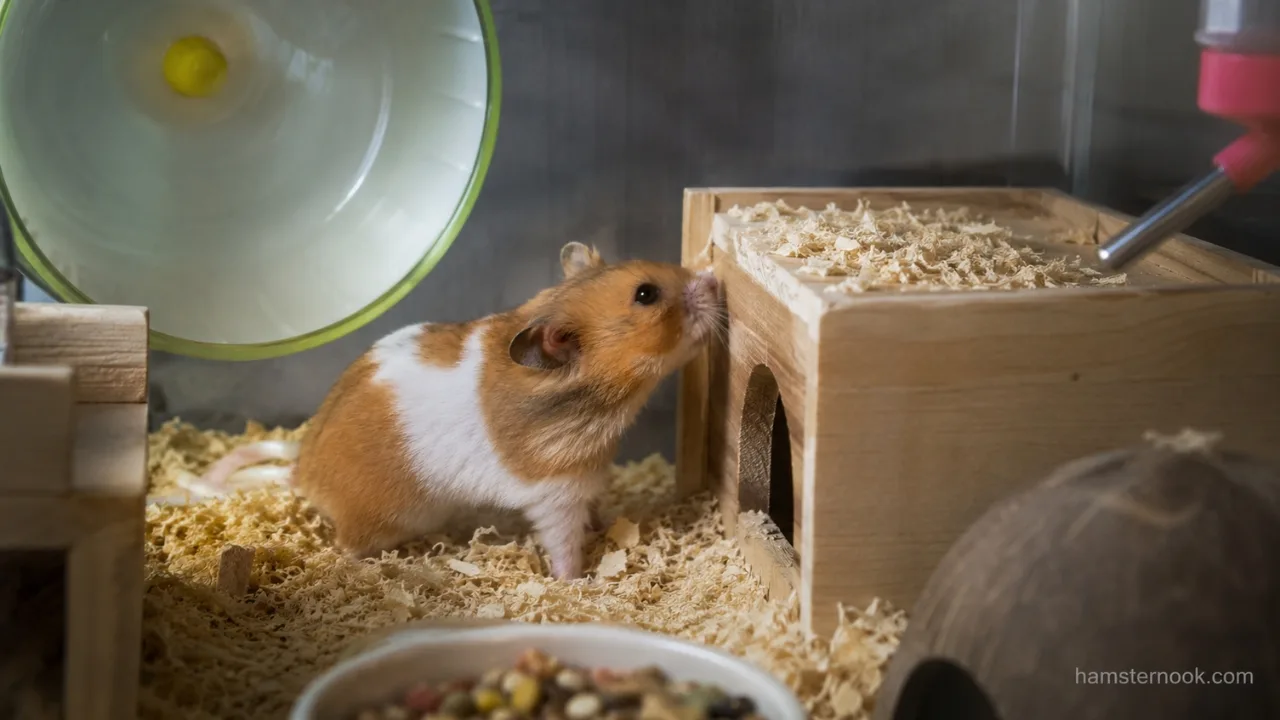
This is one reason the location of a hamster cage matters. A device can seem completely quiet to you while still producing sounds that are detectable by a hamster.
What Can Hamsters Detect With Their Ears?
A hamster can use hearing to gather information about its surroundings, including sounds made by other animals, people and objects.
| Sound or situation | What your hamster may experience |
|---|---|
| Normal household conversation | Usually a familiar environmental sound |
| Sudden shouting | Can be startling or stressful |
| A dropped object | Sudden, unexpected noise that may trigger a startle response |
| Vacuum cleaner | Loud mechanical noise that can be disturbing |
| Running water | May produce high-frequency sounds that humans don’t notice |
| Some electrical equipment | May generate high-frequency or ultrasonic sounds |
| Other animals | Potentially important environmental or threat-related sounds |
| Hamster vocalizations | Can include frequencies outside the range humans hear |
The important point is that volume is not the only consideration. Frequency, predictability and how close the sound is to the hamster can also matter.
Can Hamsters Hear Sounds Humans Cannot?
Yes.
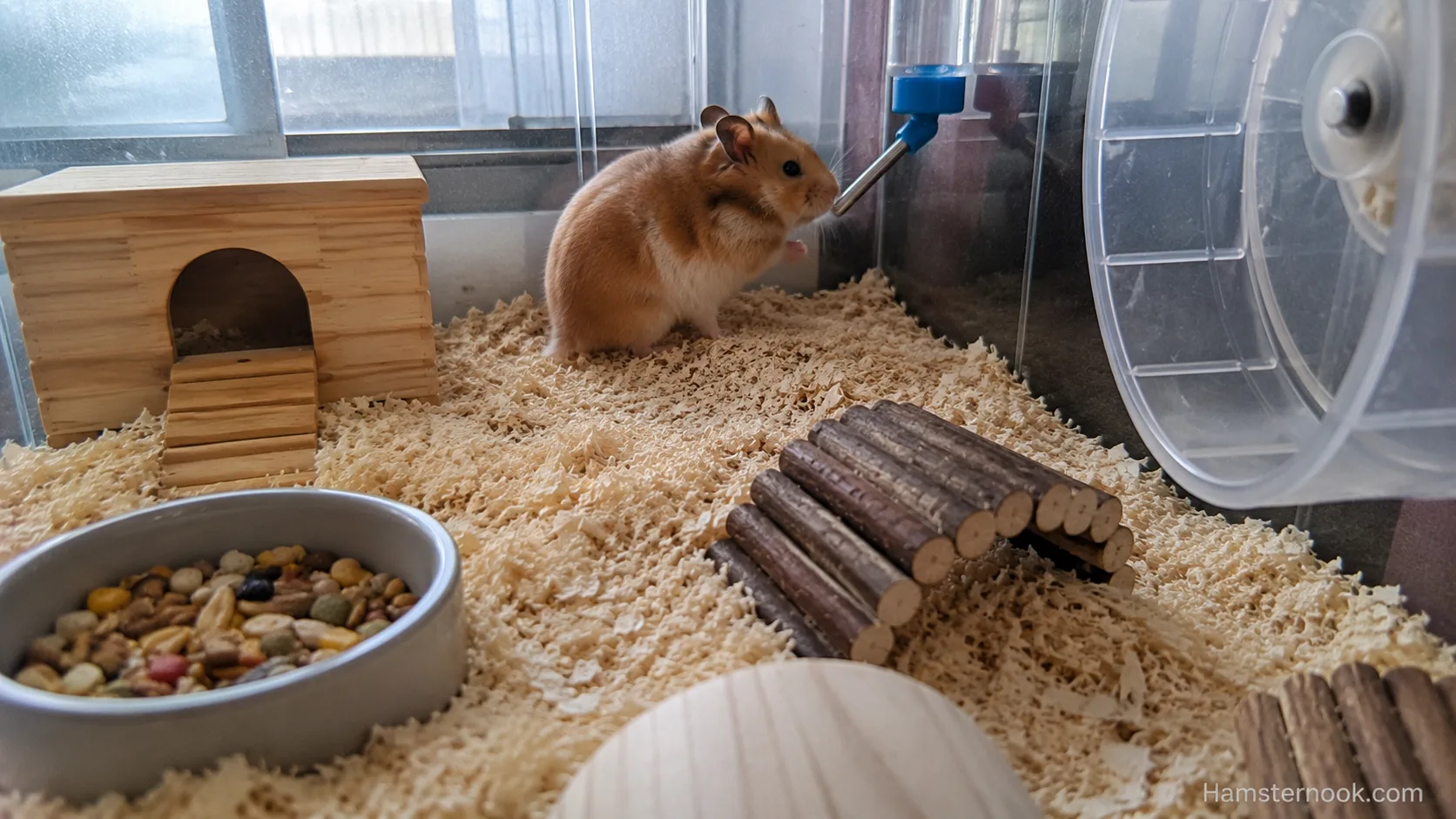
This is one of the most interesting parts of hamster hearing. Some sounds around your home can contain frequencies above the range people can detect.
The RSPCA specifically advises keeping hamsters away from household sources that can generate ultrasound, including televisions, computer screens, vacuum cleaners and sources of running water.
That advice is especially relevant when choosing where to put a cage. A quiet-looking corner is not necessarily acoustically quiet from your hamster’s perspective.
Where the enclosure sits can therefore affect more than just how much noise you notice yourself. Nearby speakers, appliances, people and other household activity can all influence the environment around the cage. A more detailed guide to choosing a suitable location is Hamster Cage Placement: Safe Locations, Room Conditions & What to Avoid.

Why ultrasonic sounds can be a problem
You cannot judge every sound simply by asking, “Can I hear it?”
If a sound is outside your hearing range, you may have no obvious indication that it is reaching your hamster.
For that reason, a sensible approach is to minimize unnecessary exposure to equipment known to produce high-frequency noise and provide your hamster with a secure, quiet area where it can retreat.
Are Loud Noises Bad for Hamsters?
Repeated or sudden loud noises can be stressful for hamsters.
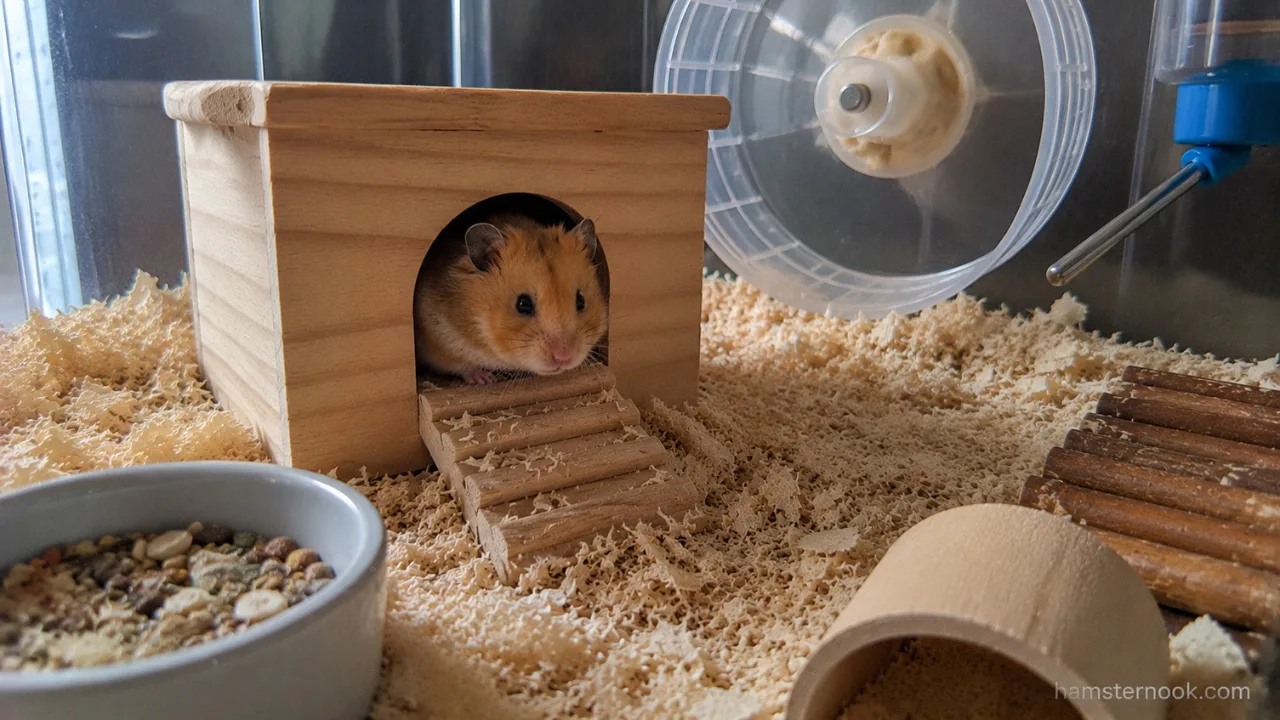
The RSPCA notes that hamsters are naturally timid and do not like loud or threatening noises. NC3Rs likewise recommends minimizing extraneous noise and avoiding sudden loud noises when caring for hamsters.
This does not mean you need to keep your house completely silent.
Normal household activity is unavoidable, and your hamster does not need to live in a soundproof room. The goal is to avoid placing the enclosure directly beside a major source of noise or vibration and to give the hamster places to hide.
Examples of noises worth reducing
Try to keep the cage away from:
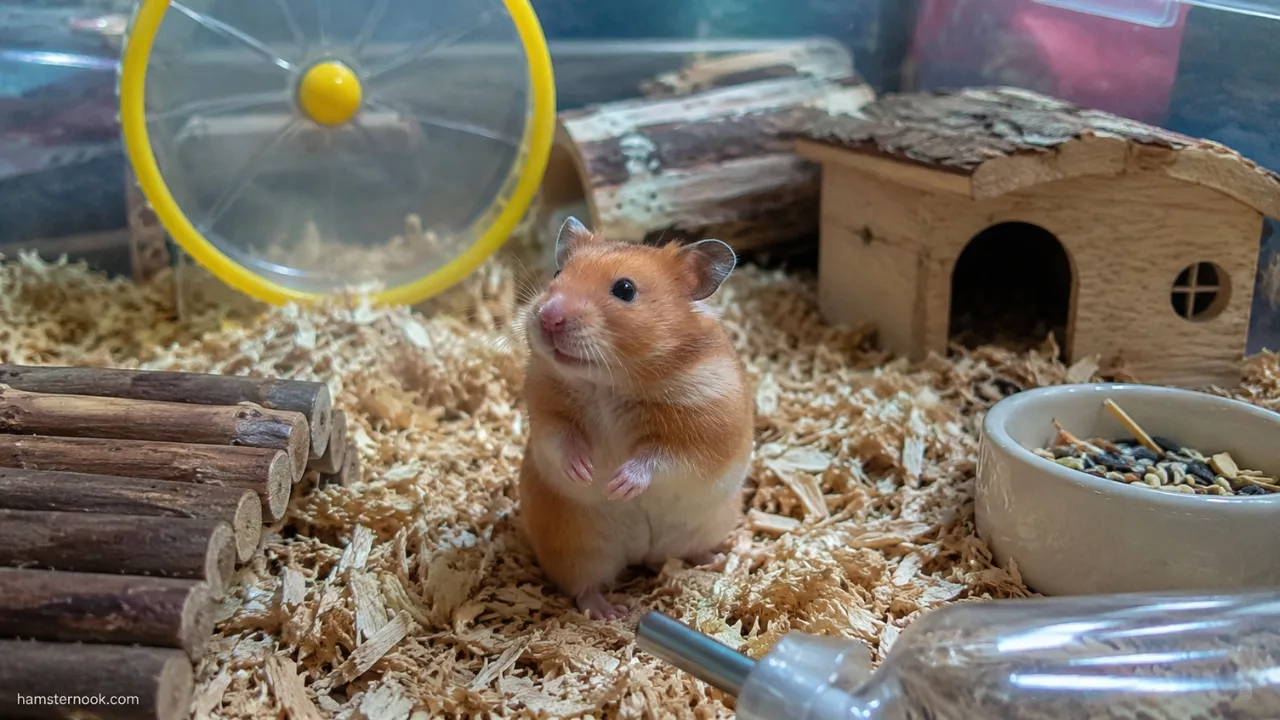
- Loud speakers or subwoofers
- Television speakers
- Vacuum cleaners when possible
- Constantly running or dripping water
- Loud machinery
- Areas with frequent shouting or banging
- Equipment that produces noticeable vibration
- Busy areas where people repeatedly startle the hamster
If you need to vacuum or make another unavoidable loud noise, allowing your hamster access to a dark, secure hiding area can help it retreat from the disturbance.
Can Hamsters Hear You Coming?
Very often, a hamster may notice you before you touch it.
This is one reason suddenly reaching into the cage can startle a hamster. NC3Rs recommends approaching hamsters carefully and allowing them to smell and hear you before making gentle contact.
Instead of putting your hand into the enclosure without warning, you can speak softly or make your presence known before handling.

This is particularly useful when your hamster is awake but still inside its nest or a sheltered area.
A startled hamster may react defensively even if it normally accepts handling.
Do Hamsters Hear Better at Night?
Hamsters are primarily active during the evening and night, but this does not necessarily mean that their ears become biologically more sensitive after dark.
What changes is the environment.

When the house becomes quieter and there is less visual activity, sounds can become more noticeable to an animal that relies heavily on its senses. Hamsters are also naturally adapted to moving around when light levels are low.
Because of this, nighttime disturbances can be particularly noticeable to a hamster that is trying to explore, eat, dig or exercise.
The nighttime environment is influenced by more than sound alone. Light levels and the timing of household activity can also affect how comfortable a hamster feels while it is naturally active. For practical guidance on this part of the environment, see Do Hamsters Need Light? Daylight, Darkness & Night Lights Explained.
How Should You Set Up a Hamster Cage for Better Hearing Comfort?
You do not need specialized soundproofing.
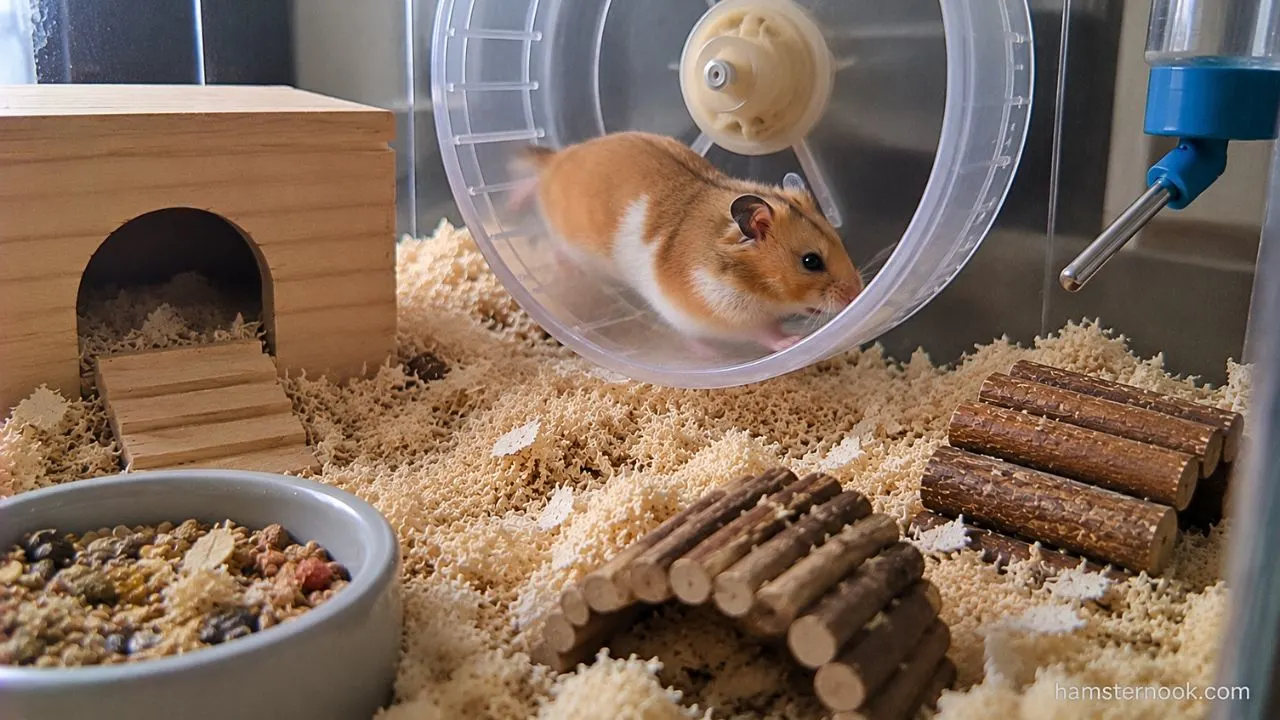
Instead, focus on the cage’s location and the hamster’s ability to retreat.
1. Choose a relatively quiet room
Place the enclosure somewhere that is calm but still part of the household.
A quiet living area can work well if the hamster is not directly beside speakers, a television or another noisy appliance.
2. Avoid direct exposure to high-frequency equipment
The RSPCA recommends keeping hamsters away from household objects that may generate ultrasound.
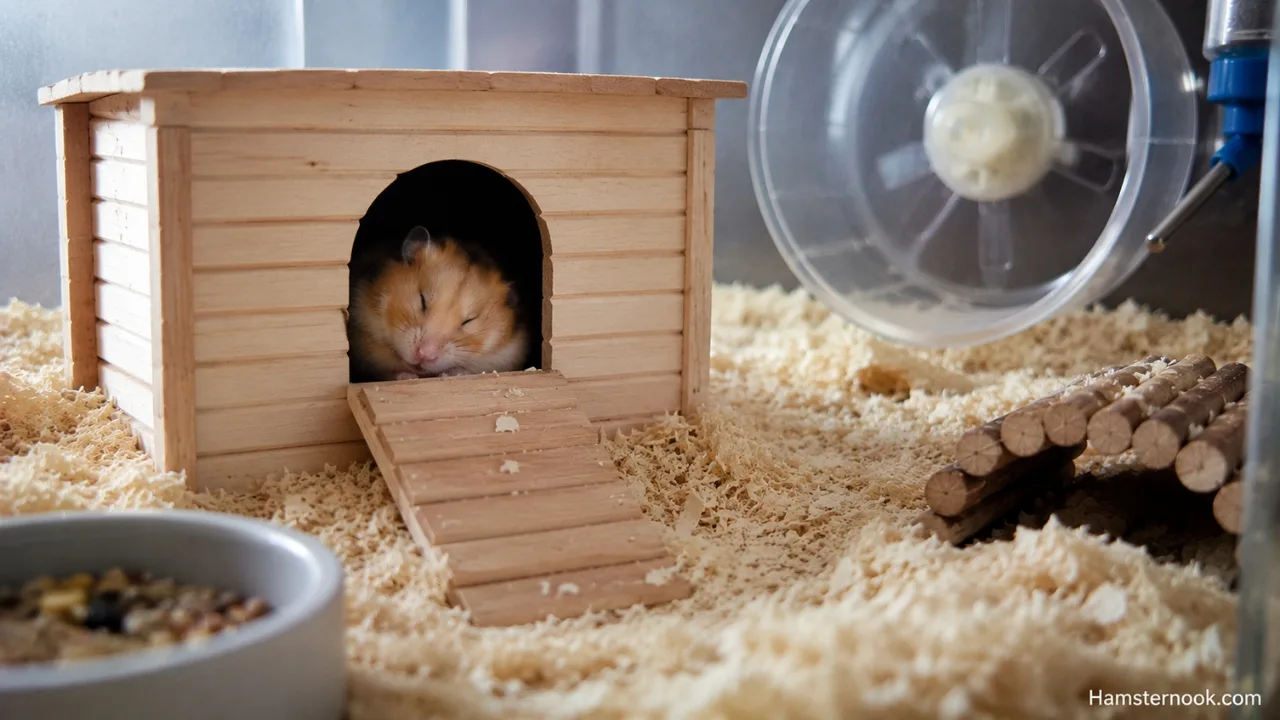
Do not assume that equipment is harmless simply because it sounds quiet to you.
3. Provide proper hiding places
A hamster should have places where it can retreat and feel protected.
Dark shelters, tunnels and appropriate nesting material allow a hamster to control how much exposure it has to activity around the cage.
4. Avoid startling your hamster
Approach calmly, especially when your hamster is resting.

Avoid tapping on the enclosure, shouting near it or deliberately making noises to get its attention.
5. Keep the daily environment predictable
Hamsters benefit from a consistent routine. Sudden disturbances are more likely to be stressful than ordinary sounds that occur regularly and predictably.
How Can You Tell If a Sound Is Disturbing Your Hamster?
You cannot diagnose stress from one reaction alone.
A hamster may run into its hide because something startled it and then come back out a short time later. That can be a normal response to an unexpected event.

Instead, pay attention to changes in its normal behavior.
One useful part of this is noticing whether your hamster is repeatedly retreating or spending more time hidden after particular disturbances. Hiding can be completely normal in some situations, so the surrounding pattern matters when interpreting the behavior. This is covered in more detail in Why Is My Hamster Always Hiding? When It’s Normal and When to Worry.
Possible signs that your hamster is uncomfortable with its environment include:
- Frequently retreating immediately after a particular noise begins
- Becoming unusually difficult to approach
- Repeatedly freezing or startling when the same disturbance occurs
- Changes in normal activity
- Repetitive or unusual behavior
- Becoming noticeably more fearful than usual
These signs are not specific to noise. Changes in behavior can also occur for many other reasons, including illness, pain, changes in the environment or handling-related stress.
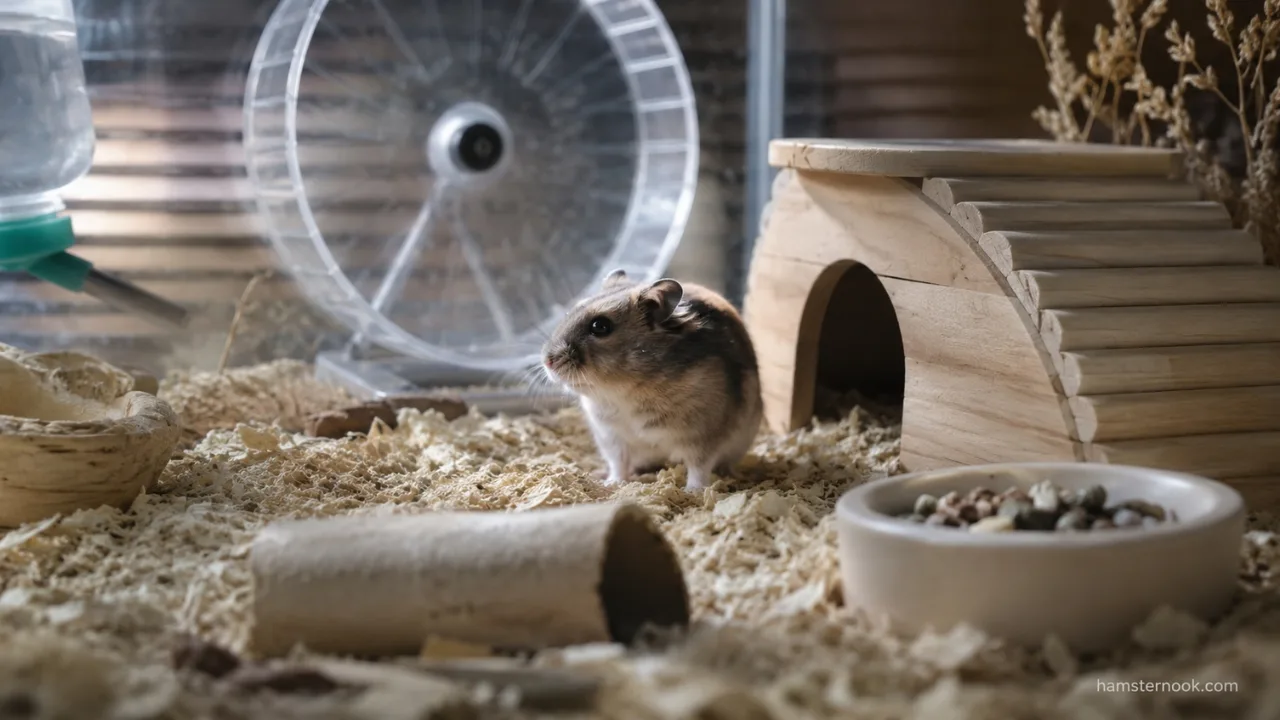
That is why the pattern and context matter more than one isolated reaction.
Common Mistakes Owners Make About Hamster Hearing
Assuming silence means safety
A device can be quiet to you while still producing high-frequency sounds.
Putting the cage beside a television or speaker
Even if the television volume is moderate, placing the enclosure directly beside entertainment equipment may expose the hamster to unnecessary sound and vibration.
Tapping the cage to wake the hamster
This may seem harmless, but sudden noise can startle a sleeping hamster. It is better to allow your hamster to wake naturally whenever possible.

Playing loud music beside the enclosure
Hamsters do not need loud music for enrichment. Their environment should provide opportunities for natural behaviors such as digging, nesting, exploring and foraging rather than relying on loud auditory stimulation.
Waking a hamster during the day
Hamsters normally sleep during much of the daytime. Repeatedly disturbing a sleeping hamster can be stressful and may make handling more difficult.
What You Should Do
If you want to protect your hamster’s sensitive hearing, you do not need to eliminate every sound from your home.
Instead:

- Put the cage in a relatively quiet location.
- Keep it away from speakers and obvious sources of high-frequency noise.
- Avoid sudden shouting, banging and cage tapping.
- Give your hamster dark shelters and suitable nesting material.
- Approach your hamster calmly before handling.
- Let it sleep without unnecessary disturbance.
- Watch for persistent changes in normal behavior rather than reacting to one brief startle.
- Keep the environment predictable and give your hamster control over when it retreats.
These simple changes can make the enclosure feel much safer without making your home unusually quiet.
When to Worry About Your Hamster’s Ears
Sensitive hearing itself is not a disease. However, changes involving the ears or hearing can sometimes occur alongside a health problem.
Contact a veterinarian if you notice signs such as:
- Discharge from an ear
- Visible inflammation or swelling
- Repeated scratching around an ear
- Persistent head tilting
- Problems with balance or walking
- A major unexplained change in behavior
- Reduced responsiveness accompanied by other abnormal signs
- Trouble breathing, weakness, loss of appetite or other signs of illness
Do not put human ear drops, oils or home remedies into a hamster’s ears unless a veterinarian has specifically recommended them.
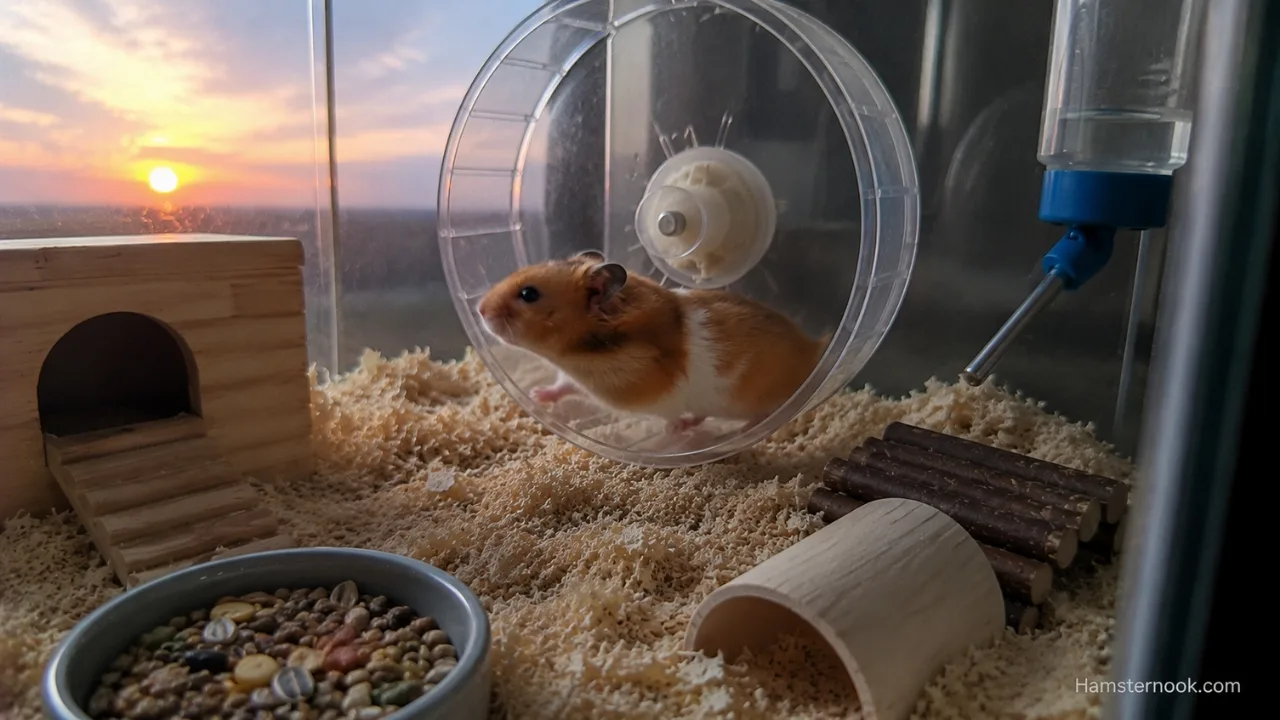
Ear problems can have different causes, and treatment depends on what is actually happening.
Can You Test Your Hamster’s Hearing at Home?
There is no reliable reason to perform repeated “hearing tests” by making loud noises near your hamster.
In fact, deliberately creating loud sounds is a poor way to test hearing because it can frighten the animal and does not provide a dependable assessment of its hearing ability.
If a veterinarian suspects hearing loss or another ear problem, professional examination is more appropriate. Specialized hearing tests are available in veterinary medicine for assessing hearing in animals, although the appropriate diagnostic approach depends on the species and the suspected problem.

At home, it is more useful to observe normal behavior over time.
For example, notice whether your hamster normally responds to familiar environmental sounds, movement and your approach. A single missed response does not establish hearing loss.
Frequently Asked Questions
Do hamsters have better hearing than humans?
Hamsters have a well-developed sense of hearing and can detect high-frequency sounds that are outside the range of human hearing. Their auditory abilities are therefore different from ours, particularly at higher frequencies.
Can hamsters hear ultrasonic sounds?
Yes. Hamsters can perceive high-frequency sounds, including ultrasonic frequencies. Animal-welfare guidance specifically warns that household sources of ultrasound can be stressful for hamsters.
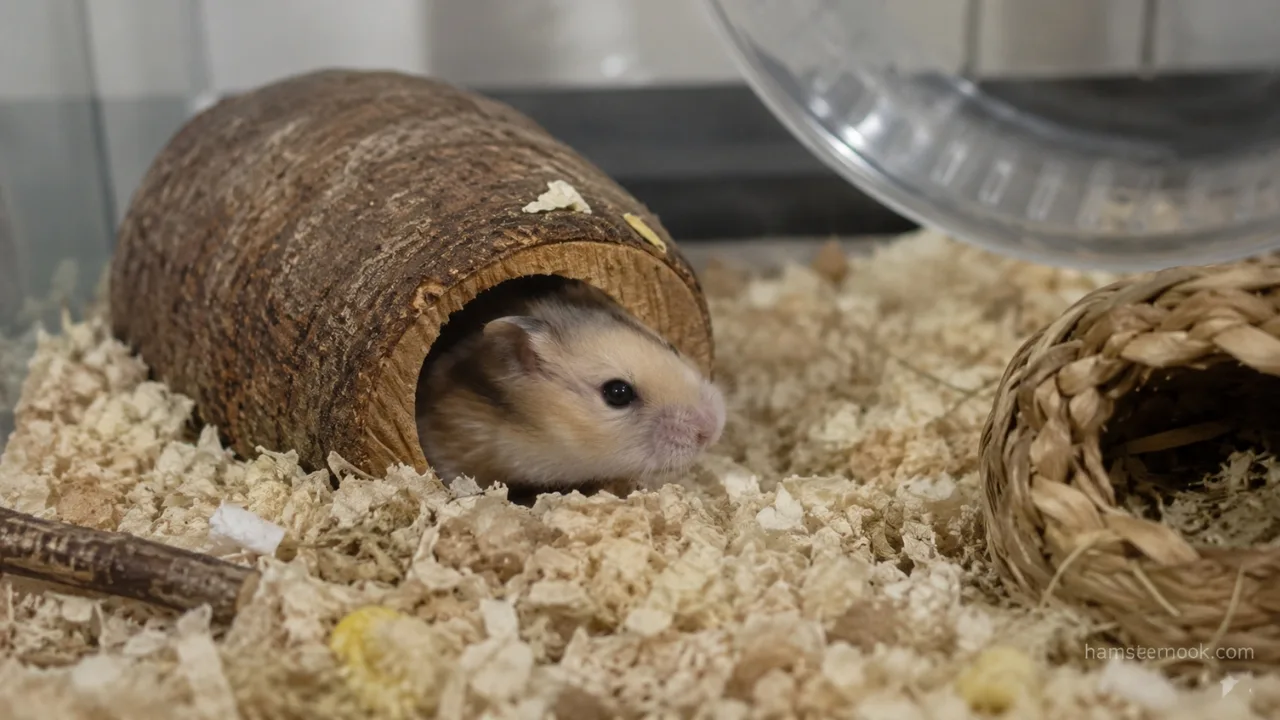
Can a hamster hear you from another room?
A hamster may detect sounds coming from outside its immediate area, but how clearly it detects a particular sound depends on factors such as the sound itself, distance, barriers and background noise. It is better not to assume a specific hearing distance.
Are TVs bad for hamsters?
A television is not automatically harmful simply because it is a television. However, the RSPCA recommends keeping hamsters away from household equipment that may generate ultrasound, including televisions and computer screens. Keeping the cage away from speakers and loud entertainment equipment is a sensible precaution.
Does a hamster’s hearing get worse with age?
Hearing can change with age in animals, but a noticeable change in your hamster’s responsiveness should not automatically be blamed on aging. Ear disease, injury and other health problems can also affect hearing. If you notice a persistent change, a veterinarian can assess the hamster.
Why does my hamster suddenly run into its hide when I make a noise?
A sudden sound can trigger a startle response. Hamsters are prey animals and may retreat when they detect something unexpected. If your hamster quickly returns to normal afterward, an isolated reaction does not necessarily indicate a health problem.
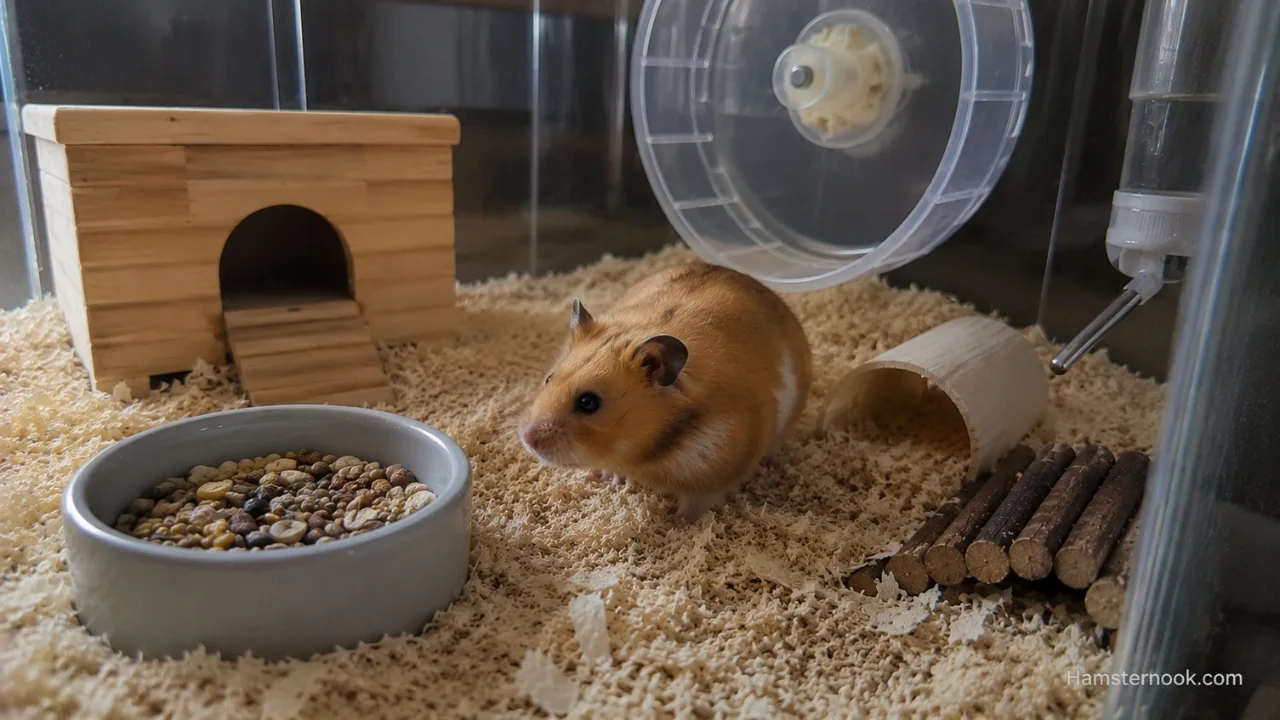
Should I keep my hamster in complete silence?
No. Complete silence is unnecessary and generally unrealistic. The goal is a calm, predictable environment with protection from unnecessary loud, sudden or high-frequency noise and enough hiding places for the hamster to retreat.
Can hamsters hear sounds from electronics that I cannot hear?
Some electronics and household equipment can produce high-frequency sounds that people may not hear. The RSPCA specifically recommends keeping hamsters away from certain potential ultrasound sources such as televisions, computer screens, vacuum cleaners and running water.
Do hamsters use sound to communicate?
Yes. Hamsters can produce vocalizations, including ultrasonic calls. The exact frequencies and circumstances vary among species and situations.
Final Thoughts
Hamsters may be tiny, but their hearing is an important part of how they understand the world around them. They can detect high-frequency sounds that humans cannot hear, and their hearing works alongside smell, touch, whiskers and vision to help them respond to their surroundings.

For owners, the practical lesson is simple: do not judge your hamster’s sound environment only by what you can hear. Keep the enclosure away from unnecessary loud or high-frequency noise, avoid deliberately startling your hamster, provide secure hiding places and let your pet sleep undisturbed.
A calm, predictable environment gives your hamster the ability to retreat when something feels threatening while still allowing it to experience the normal sounds of a household.
References
This guide is based on hamster housing, behavior, sensory needs, environmental care, and veterinary health guidance from trusted animal welfare and veterinary resources, including:
- RSPCA – Creating a Good Home for Hamsters – Guidance on quiet housing, ultrasonic sounds, household equipment, nesting, and environmental needs.
- RSPCA – Keeping Hamsters as Pets – Information on hamster senses, hearing, ultrasonic calls, natural behavior, and welfare.
- RSPCA – Hamster Behaviour – Guidance on handling, sleep patterns, sudden noises, and reducing stress.
- NC3Rs – Housing and Husbandry: Hamster – Information on hamster sensory abilities, ultrasound, vocalizations, environmental noise, and husbandry.
- MSD Veterinary Manual – Routine Health Care of Hamsters – Veterinary guidance on recognizing abnormal behavior and health changes and when veterinary assessment may be appropriate.
- MSD Veterinary Manual – Disorders and Diseases of Hamsters – Veterinary information concerning ear and other health disorders in hamsters.
Medical Disclaimer
This article provides general hamster-care information and is not a diagnosis or substitute for veterinary care. If your hamster has abnormal ear changes, balance problems, breathing difficulty, significant behavior changes, or other signs of illness, contact a veterinarian experienced with hamsters or other small exotic mammals.

Narayan Kumar is the founder and author of HamsterNook. He creates practical, research-based hamster care guides covering hamster behavior, nutrition, cage setup, enrichment, health, and everyday care. His goal is to help hamster owners make informed decisions and provide safer, healthier lives for their pets through clear, beginner-friendly information based on trusted animal care resources.