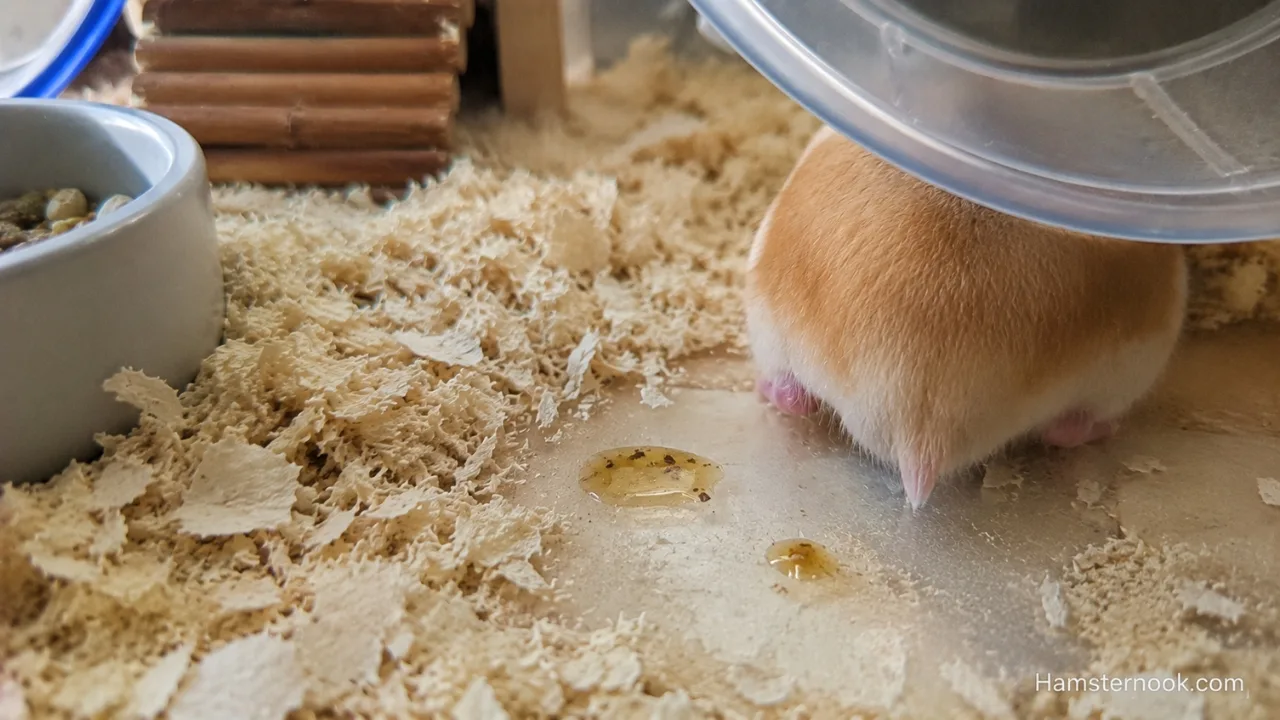
Noticing changes in your hamster’s urine can be surprising, especially if you’re a new owner. Since hamsters are small and often urinate in hidden corners or inside their nest, it’s easy to miss subtle changes. Understanding what healthy hamster urine normally looks like—and recognizing changes that may indicate a problem—can help you identify potential health concerns early without worrying about harmless day-to-day variations.
Learning what’s normal for your hamster goes beyond monitoring urine alone. Our Complete Hamster Care Guide for Beginners (2026) explains the essential daily care, health checks, and welfare practices every owner should know.
Quick Answer
Healthy hamster urine is typically pale yellow to yellow, clear to slightly cloudy, and produced in small amounts. It shouldn’t contain visible blood, thick mucus, or large amounts of sediment. While urine may dry darker on bedding and develop a noticeable smell over time, dramatic color changes, persistent red or brown urine, difficulty urinating, or signs of pain deserve prompt veterinary attention.
Why Hamster Urine Can Look Different
Many first-time owners expect hamster urine to look exactly like human urine, but that’s not always the case.
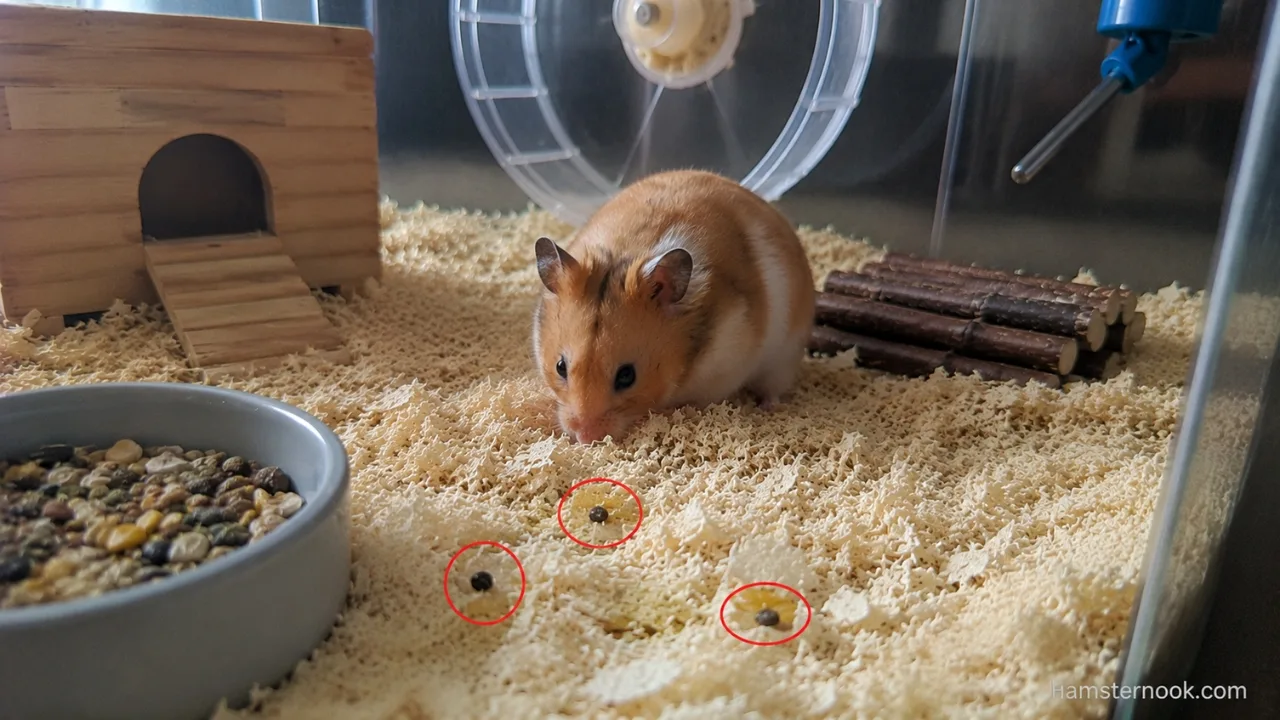
Several normal factors can influence how urine appears, including:
- Hydration level
- Diet
- Time since the urine was passed
- Bedding material
- Lighting conditions
- How long the urine has been exposed to air
Fresh urine often looks different from urine that has dried on paper bedding or wood shavings. As it dries, it usually becomes darker and more concentrated in appearance.
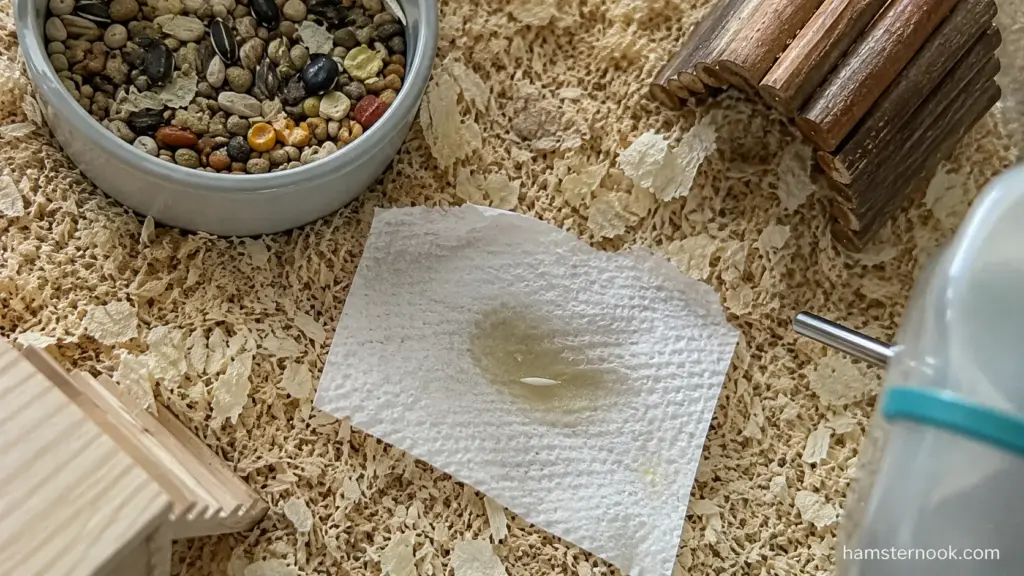
If you ever need to check urine color more closely, observing a fresh urine spot is generally more reliable than judging stains that have been sitting in the bedding for several hours.
Because hamsters produce only small amounts of urine, even a tiny fresh spot can appear darker than many owners expect.
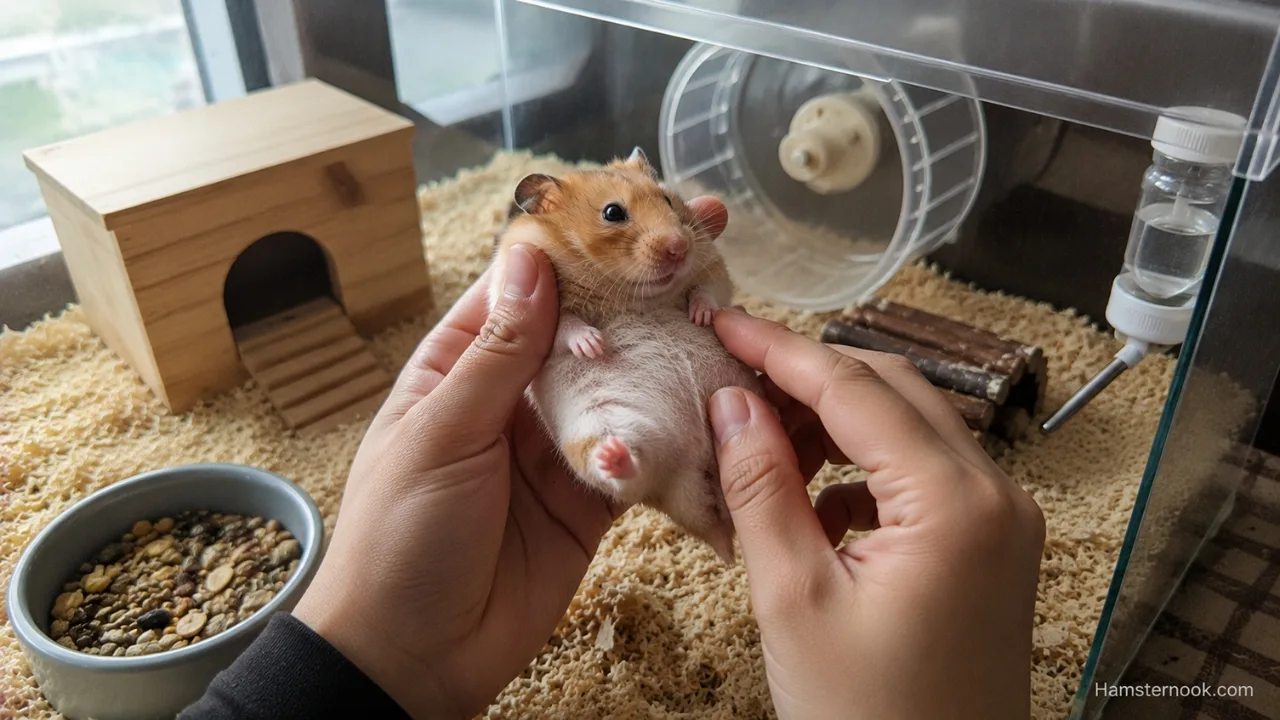
What Healthy Hamster Urine Normally Looks Like
In a healthy hamster, urine is generally:
- Pale yellow to medium yellow
- Mostly clear or slightly cloudy
- Free of visible blood
- Produced without obvious straining
- Passed regularly during normal activity
Some healthy hamsters naturally produce urine that appears slightly darker if they haven’t been drinking recently, while well-hydrated hamsters may produce lighter-colored urine.
The most important observation isn’t the exact shade of yellow—it’s whether your hamster continues behaving normally and urinates comfortably.
Normal Urine vs. Warning Signs
| Urine Finding | What It May Mean | What to Do |
|---|---|---|
| Pale yellow to yellow urine | Often within the normal range, especially if your hamster is behaving normally. | Continue routine observation. |
| Slightly cloudy urine | May occur naturally, but appearance alone cannot confirm that everything is healthy. | Watch for other changes or discomfort. |
| Darker urine stain on old bedding | Urine can look darker as it dries. | When possible, compare with a fresh urine spot. |
| Persistent red, pink, or brown urine | May indicate blood or another urinary or health problem. | Contact an exotic animal veterinarian promptly. |
| Cloudy or discoloured urine with frequent urination | Can be associated with urinary tract problems, including bladder stones. | Arrange veterinary assessment. |
| Straining, apparent pain, or repeated attempts to urinate with little or no urine | Potentially serious urinary problem. | Seek urgent veterinary care. |
| Urine changes with reduced appetite, weakness, or unusual lethargy | May indicate a broader health problem. | Contact a veterinarian promptly. |
Urine color alone doesn’t confirm a medical problem, but changes that occur alongside illness or unusual behavior deserve closer attention.
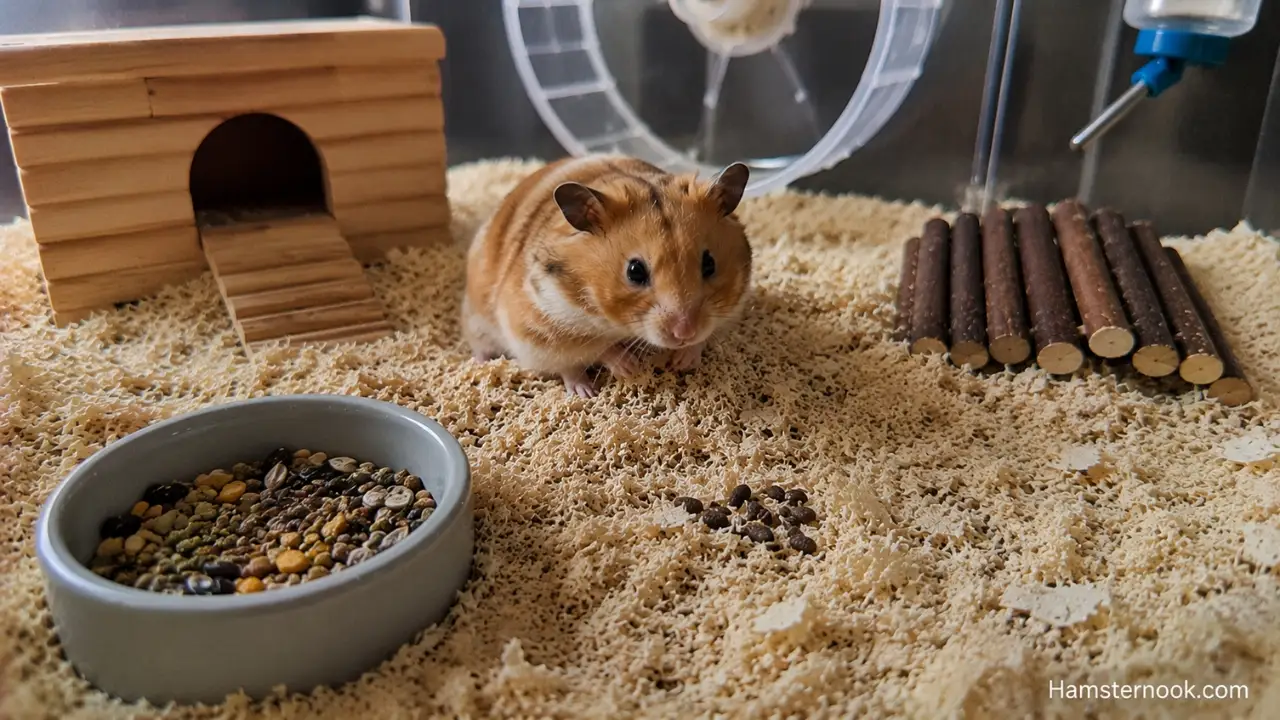
Does Cloudy Urine Always Mean Something Is Wrong?
Not necessarily.
Healthy hamster urine may appear slightly cloudy due to naturally occurring minerals and concentrated waste products.
Urine that has dried on bedding can also leave behind pale or chalky-looking deposits as water evaporates.
However, urine that suddenly becomes much cloudier than usual and is accompanied by signs such as pain, reduced appetite, or difficulty urinating should not be ignored.
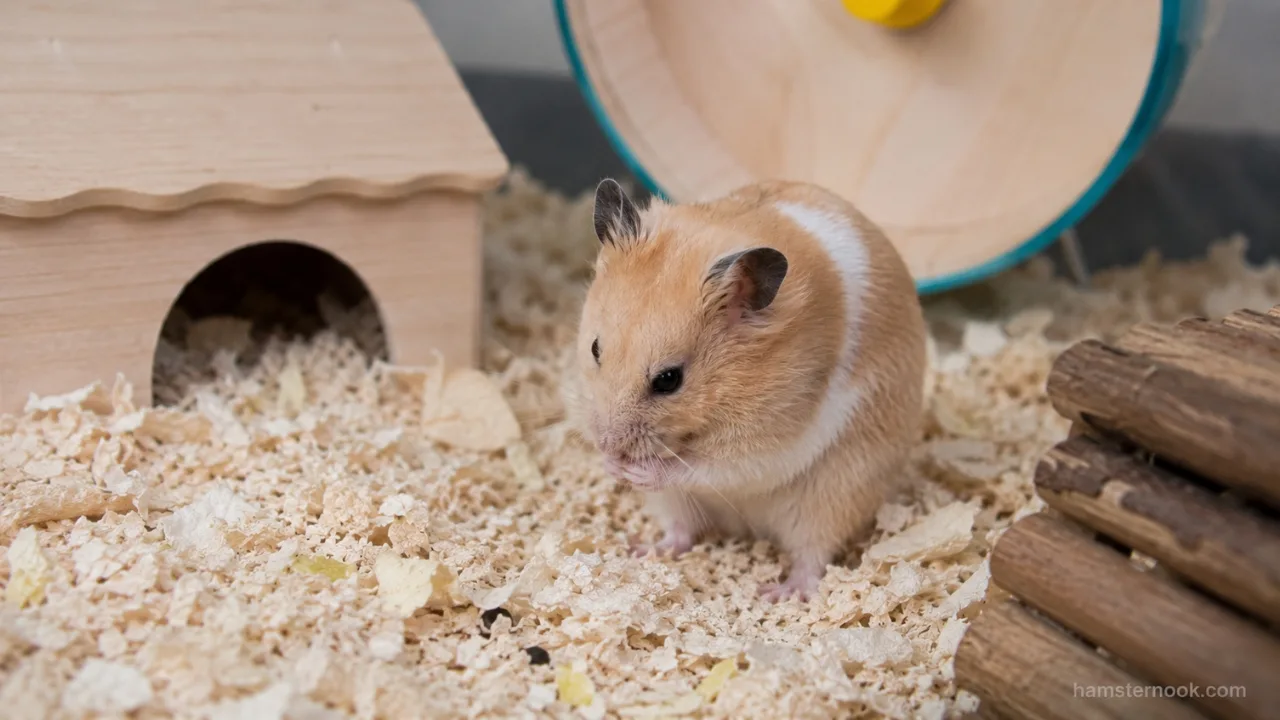
Can Bedding Change the Way Urine Looks?
Yes.
Paper bedding, wood-based bedding, and white tissue nesting material can all make urine spots appear different.
For example:
- White paper bedding often makes yellow urine appear darker.
- Wood bedding may absorb urine quickly, making it harder to judge its color.
- Older urine spots naturally darken as they dry.
Checking fresh urine, when possible, provides a much more accurate picture than examining old stains.

Does Diet Affect Urine Color?
Hydration usually has a greater influence than diet, although some foods may slightly affect urine appearance.
Fresh vegetables with high water content may result in lighter-colored urine because they increase water intake.
A hamster that drinks less during a particular day may produce urine that looks slightly darker and more concentrated.
Reduced water intake can influence urine concentration, so it’s helpful to understand when lower drinking habits are normal and when they may indicate a problem. See Why Is My Hamster Suddenly Drinking Less Water? Causes, Warning Signs & What to Do.
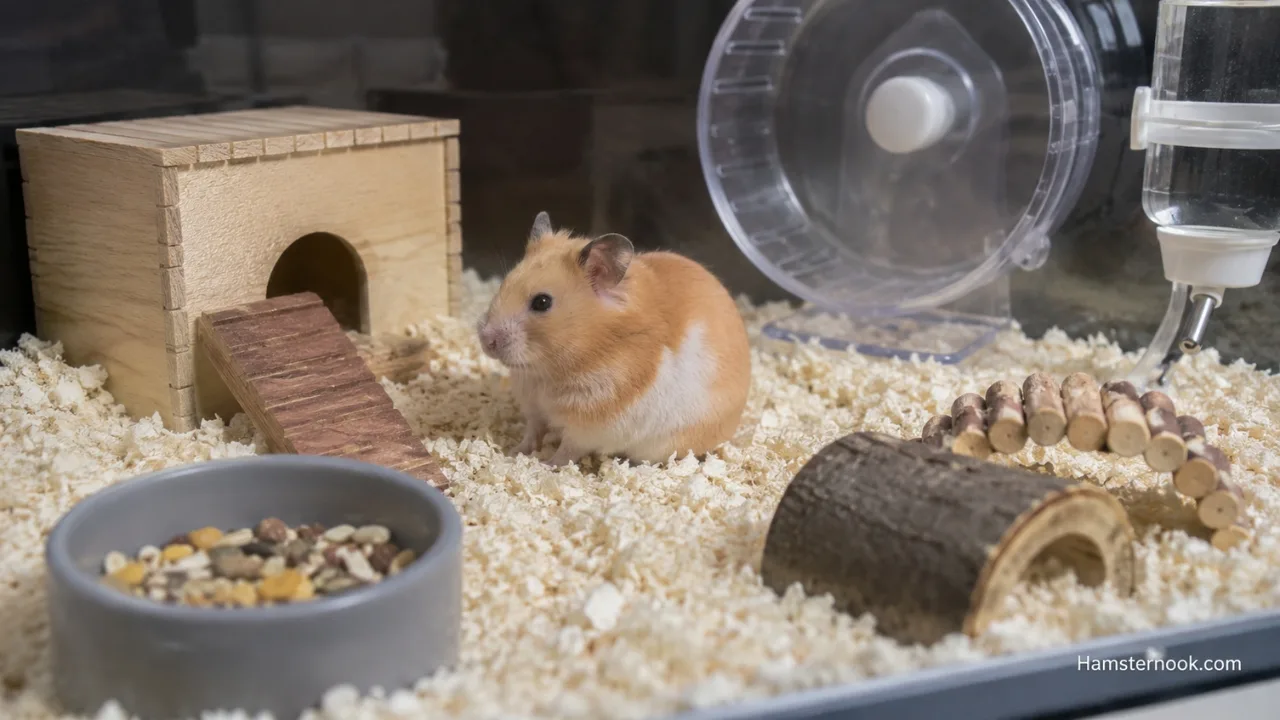
However, owners should avoid assuming that dramatic color changes are always caused by food. Persistent red, brown, or unusually dark urine should never be dismissed without considering your hamster’s overall health.
What About Urine Smell?
Hamster urine naturally has an odor, especially if the enclosure hasn’t been spot-cleaned recently.
The smell may become stronger when:
- Bedding becomes saturated.
- Urine dries and concentrates.
- The enclosure needs cleaning.
A stronger urine smell from the enclosure doesn’t automatically mean your hamster is ill.
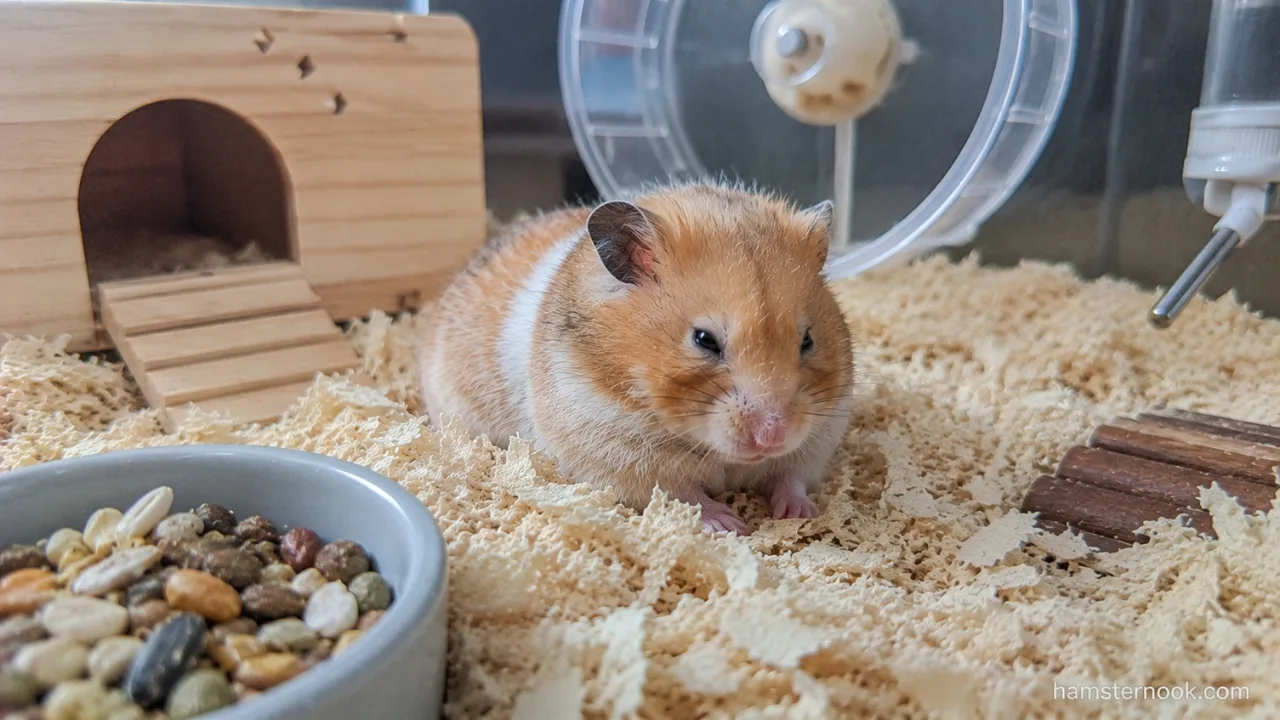
Instead, observe whether the odor is accompanied by other changes, including reduced activity, poor appetite, weight loss, or unusual urination habits.
Practical Examples
Example 1: Yellow Spot on White Bedding
You notice a pale yellow stain where your hamster recently urinated. It dries slightly darker over the next hour, and your hamster continues running, eating, and burrowing as usual.
This is generally considered normal.
Example 2: Slightly Cloudy Fresh Urine
Your hamster urinates during handling, and the urine appears light yellow with a slight cloudiness.
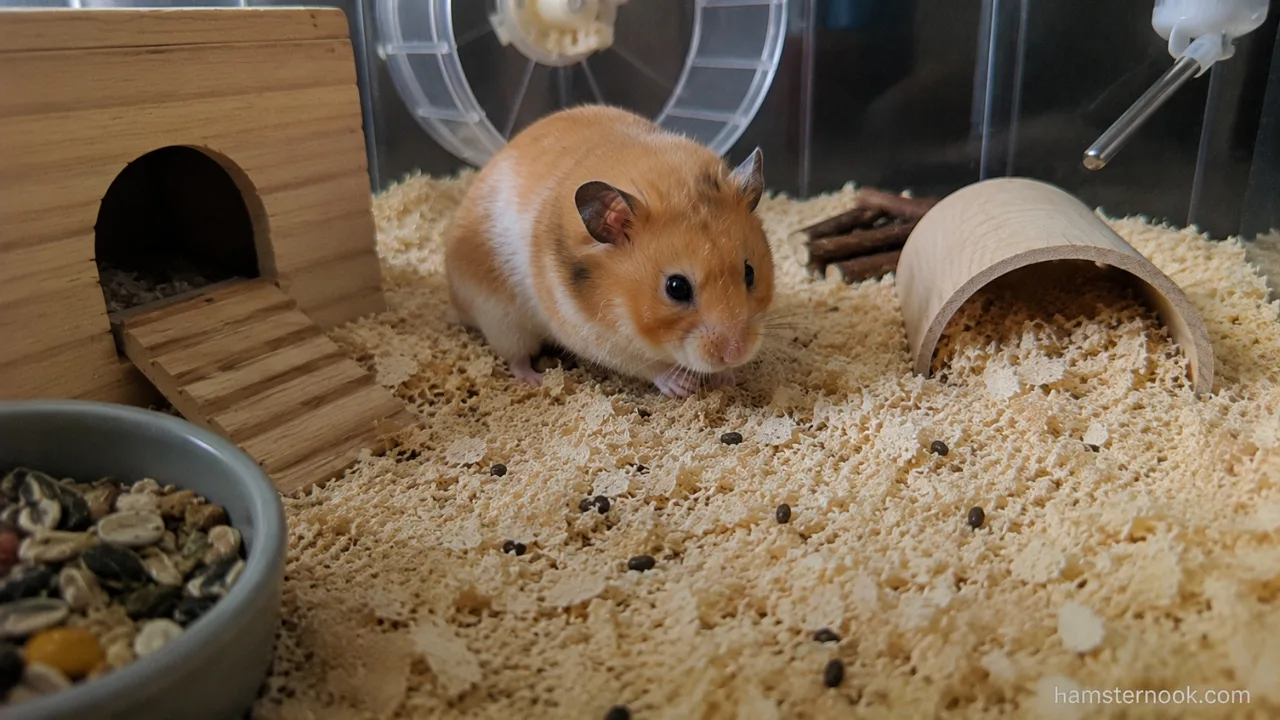
If your hamster is otherwise healthy and comfortable, this can still fall within the range of normal appearance.
Example 3: Darker Urine After Sleeping
Your hamster wakes in the evening and produces urine that’s slightly darker than usual before heading to the water bottle.
This may simply reflect more concentrated urine after resting and drinking less during sleep.
Can Older Hamsters Have Different Urine?
Age itself doesn’t create a specific “normal” urine color.
However, older hamsters may develop health conditions more commonly than younger animals, making regular observation increasingly important.
Rather than focusing on age alone, compare your hamster’s urine with what has been normal for that individual over time.
Observing patterns over several days is usually more helpful than drawing conclusions from a single unusual urine spot.
Sudden changes are usually more meaningful than minor differences that have remained consistent for months.

How Often Should You Check?
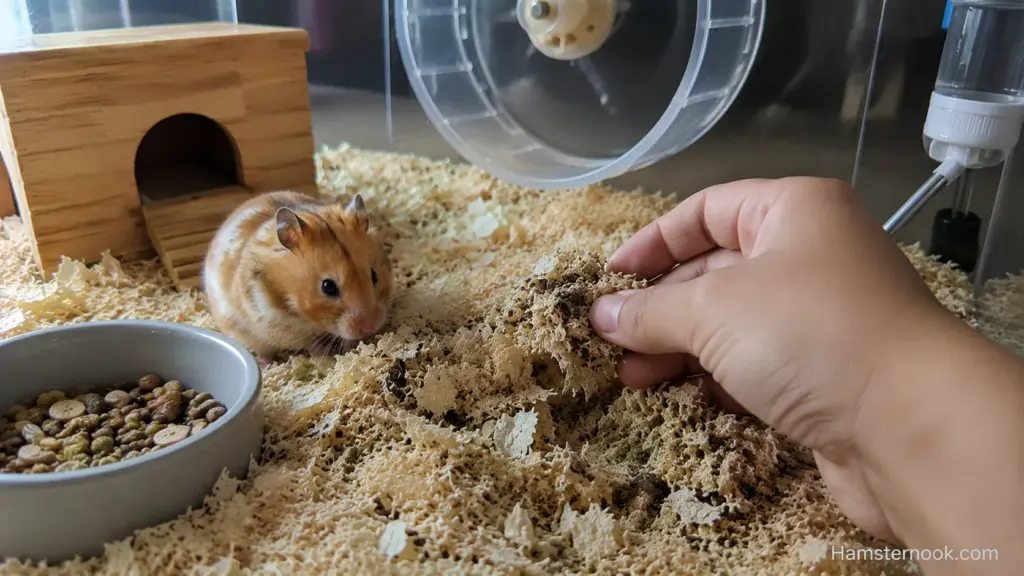
You don’t need to inspect every urine spot.
Instead, make urine observation part of your regular health checks.
When cleaning the enclosure, take a quick look for anything unusual, such as:
- Significant color changes
- Blood-like staining
- Signs that your hamster struggled to urinate
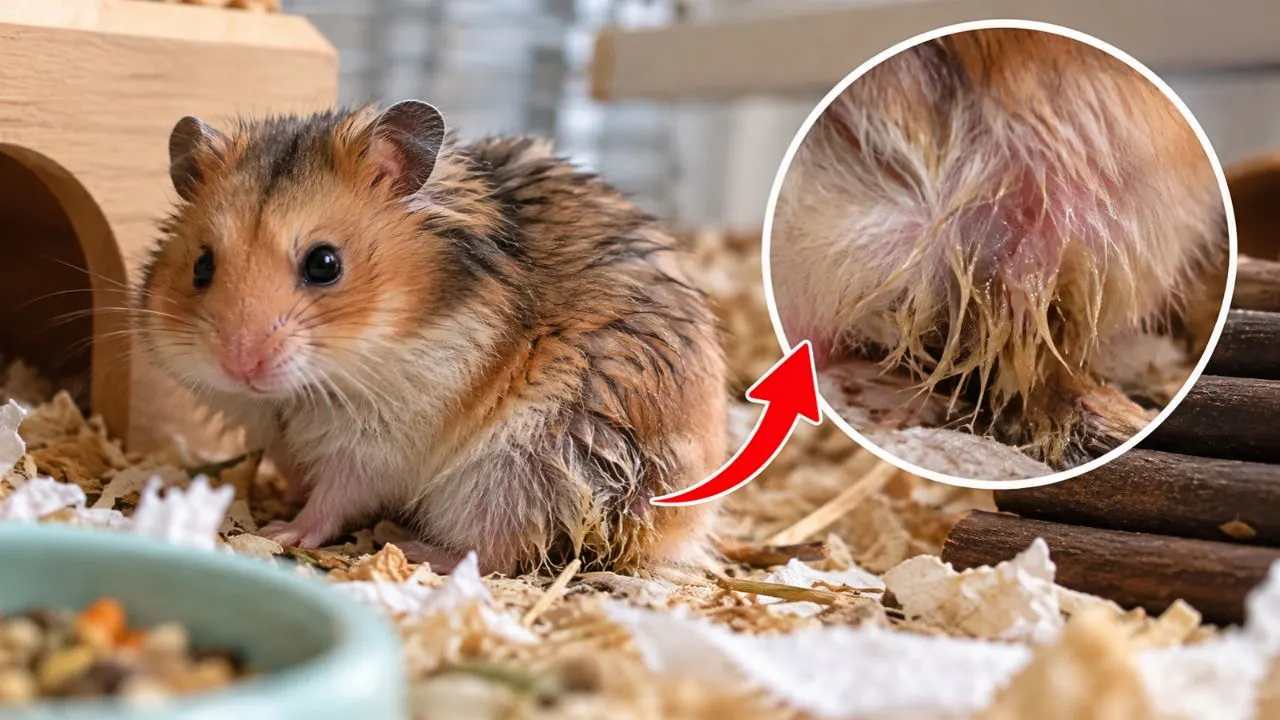
- Wet fur around the rear end
- A noticeable decrease or increase in urine production
These observations are most useful when combined with changes in appetite, weight, activity level, and behavior.
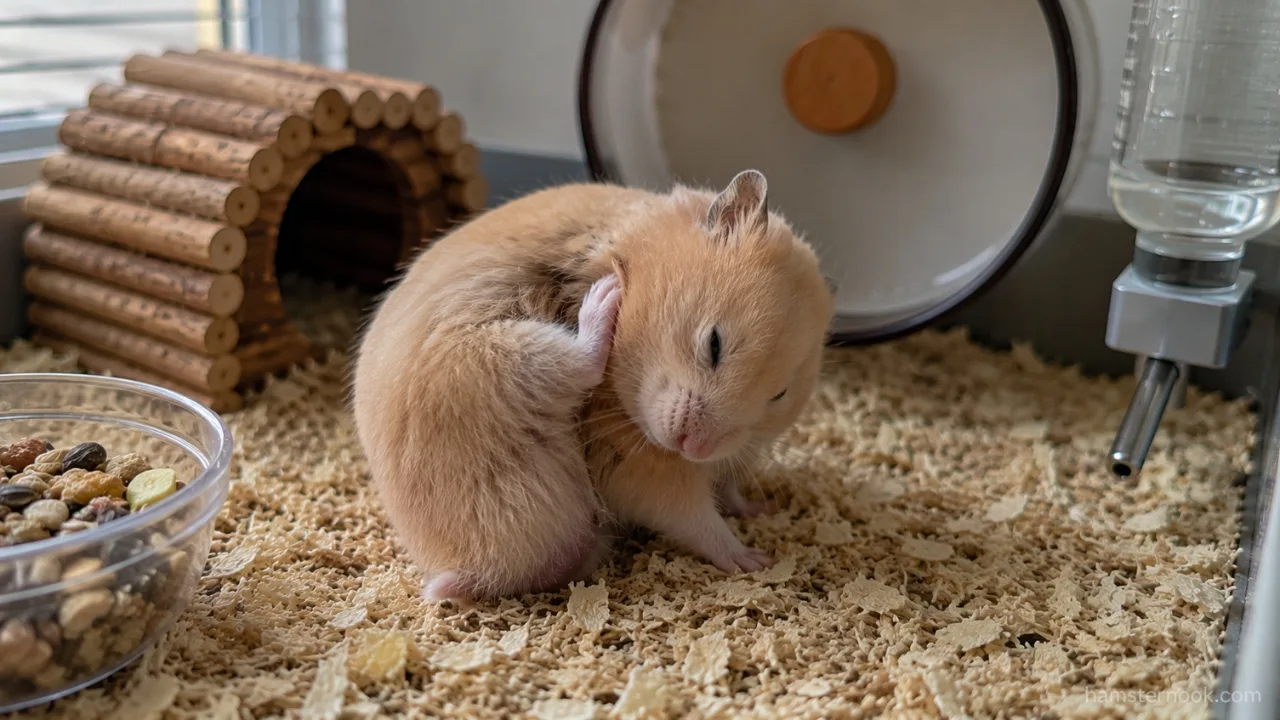
Looking at all of these signs together provides a much better picture of your hamster’s overall wellbeing than focusing on a single symptom. Read How to Tell If Your Hamster Is Happy, Healthy, Stressed, or Sick: Complete Owner’s Guide (2026).
Common Mistakes Owners Make
Checking your hamster’s urine can be helpful, but it’s easy to draw the wrong conclusions from a single observation. Here are some of the most common mistakes new owners make.
Assuming Every Color Change Means an Illness
A urine spot may look darker simply because it has dried on the bedding. Fresh urine usually provides a much more accurate indication than an old stain found during cage cleaning.
Ignoring Changes in Behavior
Urine should never be assessed on color alone. A hamster that is eating well, staying active, and urinating comfortably is less concerning than one showing additional signs such as lethargy, loss of appetite, or hiding continuously.

Waiting Too Long to Seek Help
Small pets can become ill quickly. If your hamster shows repeated abnormal urine along with signs of discomfort or illness, delaying veterinary care may allow the problem to worsen.
Cleaning the Cage Before Observing
Owners sometimes perform a full cage clean before checking whether there are any unusual urine spots. Taking a quick look at the bedding before removing it can provide useful information if your hamster has been behaving differently.
Assuming Strong Odor Always Means Infection
Hamster urine naturally develops a stronger smell as it accumulates in bedding. A dirty enclosure often smells much stronger than a clean one, even when the hamster is perfectly healthy.
What You Should Do
If your hamster appears healthy, continue monitoring its normal routine without becoming overly focused on every urine spot.

A simple routine includes:
- Spot-cleaning the enclosure regularly.
- Watching your hamster during its active evening hours.
- Checking that it eats and drinks normally.
- Looking for comfortable urination without straining.
- Noting any sudden changes in urine color that occur more than once.
If you notice an unusual urine color, observe whether it happens again over the next urination rather than relying on a single dried stain.
Keeping the enclosure clean also makes it much easier to notice genuine changes.
Spot-cleaning regularly while leaving most clean bedding undisturbed can also make it easier to notice new urine stains without unnecessarily disrupting your hamster’s familiar environment.
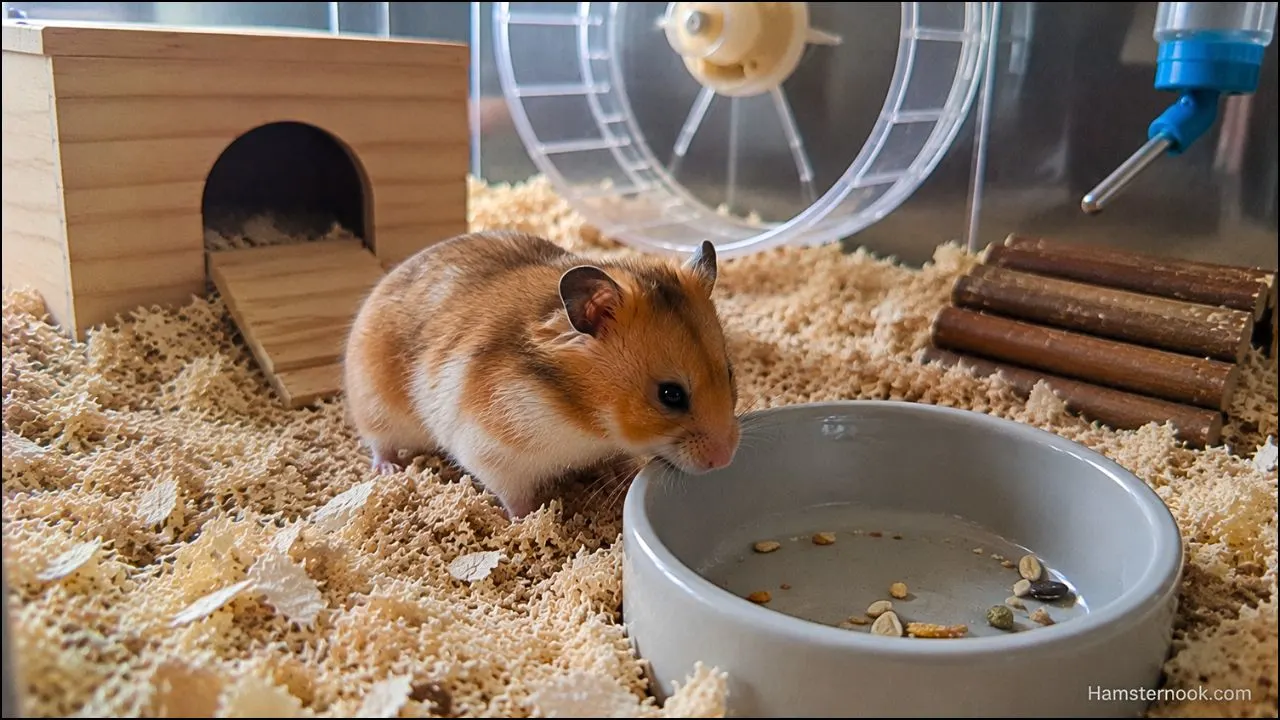
A regular cleaning routine makes it easier to spot unusual urine stains, droppings, and other health changes before they become easy to miss. Read How Often Should You Clean a Hamster Cage? Complete Cleaning Guide.
Warning Signs
While healthy urine varies slightly between individual hamsters, some changes should never be ignored.
Watch for:
- Red or pink urine that persists.
- Brown or very dark urine not explained by drying.
- Visible blood.
- Thick mucus-like material.
- Straining or crying while urinating.
- Frequent attempts to urinate with little or no urine produced.
- Wet, soiled fur around the rear end.
- Loss of appetite together with abnormal urine.
- Reduced activity or unusual lethargy.
Behavioral changes such as reduced activity can also occur when a hamster experiences ongoing stress. Learn how to recognize the signs in 5 Warning Signs Your Hamster Is Stressed (And How to Help).
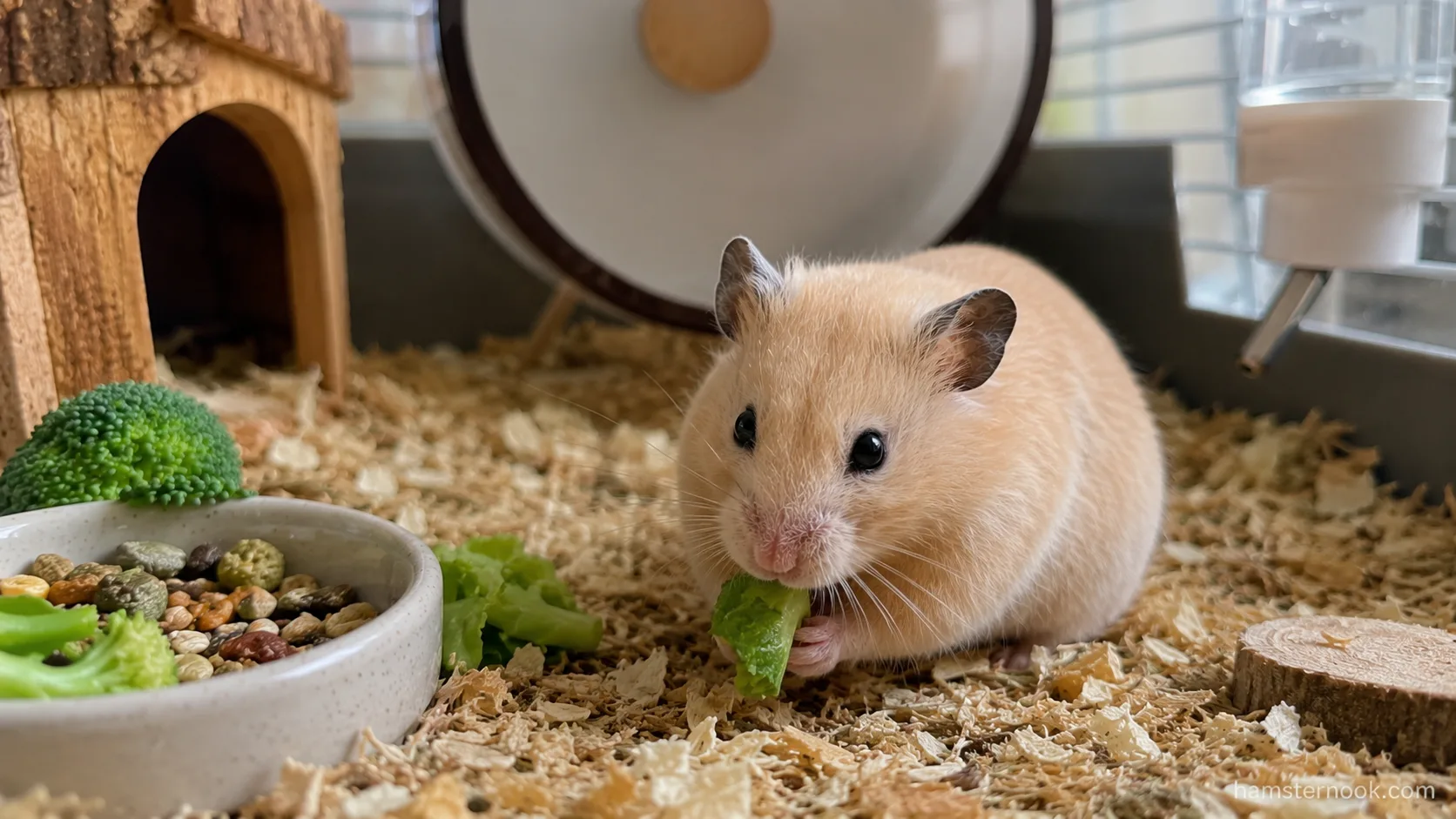
These signs may indicate an underlying urinary or general health problem rather than a harmless variation.
When to Worry
A single darker urine stain on bedding isn’t necessarily an emergency.
However, contact an experienced exotic animal veterinarian if your hamster:
- Repeatedly passes red, pink, or brown urine.
- Appears unable to urinate normally.
- Shows obvious pain while urinating.
- Stops eating or drinking.
- Becomes unusually quiet or weak.
- Has abnormal urine together with weight loss or persistent lethargy.
Because hamsters are very small animals, illnesses affecting the urinary system can progress quickly. Prompt veterinary assessment offers the best chance of identifying and treating the underlying cause.
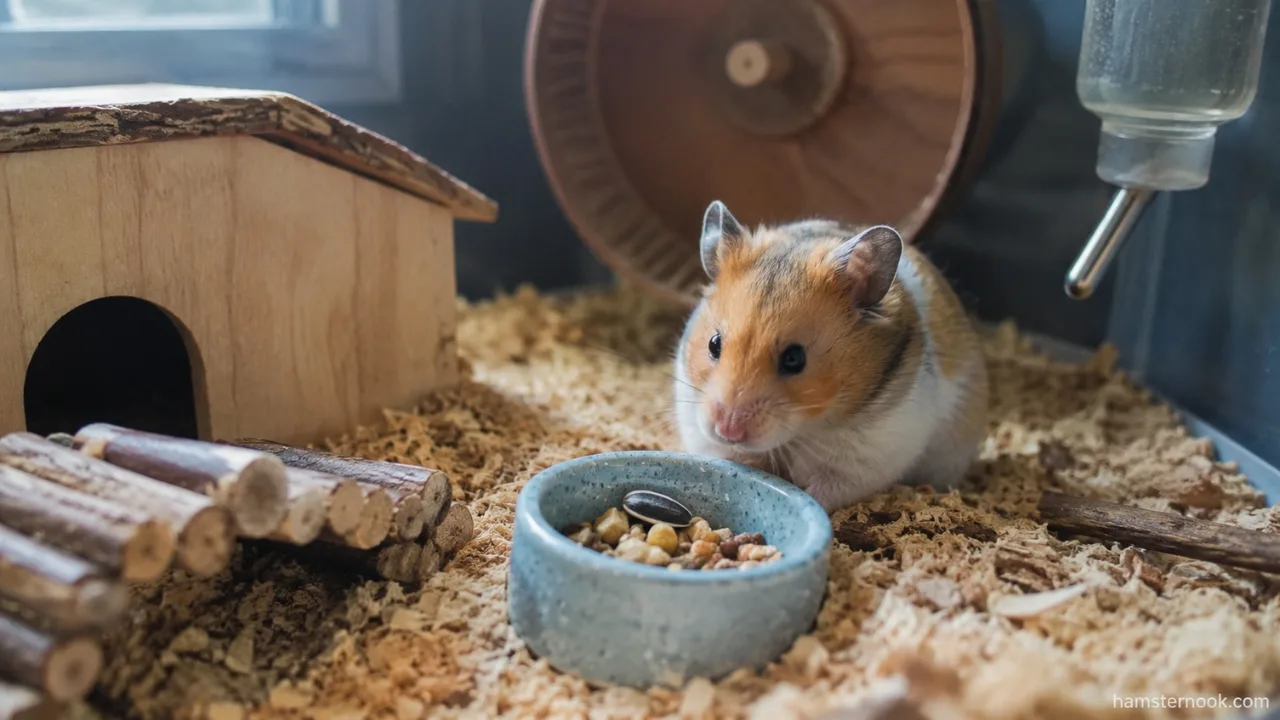
Knowing which symptoms require urgent action can help you respond quickly if your hamster’s condition suddenly worsens. Read 7 Signs Your Hamster May Be Dying: When to Seek Emergency Veterinary Care.
Final Thoughts
Healthy hamster urine is usually pale yellow to yellow, clear to slightly cloudy, and passed without discomfort. Small differences in color can occur because of hydration, bedding, or the way urine changes as it dries.
Rather than focusing on one urine spot, pay attention to the bigger picture. A hamster that remains active, eats well, drinks normally, and behaves as usual is generally a reassuring sign. Persistent changes in urine color—especially when combined with discomfort or other signs of illness—deserve prompt veterinary attention.
Checking droppings alongside urine gives you a more complete picture of your hamster’s health. See What Do Healthy Hamster Droppings Look Like? A Simple Health Check Guide.

Becoming familiar with your hamster’s normal urine, appetite, activity, and behavior makes it much easier to recognize meaningful changes that may require veterinary attention.
Frequently Asked Questions
What color should healthy hamster urine be?
Healthy hamster urine is generally pale yellow to medium yellow. It may appear slightly darker after drying on bedding.
Is cloudy hamster urine normal?
Slight cloudiness can occur naturally. However, urine that becomes unusually cloudy along with other signs of illness should be evaluated by a veterinarian.
Why does my hamster’s urine look darker on bedding?
As urine dries, water evaporates and the remaining pigments become more concentrated, making the stain appear darker than when it was first passed.

Is strong-smelling hamster urine always a sign of illness?
No. Urine naturally develops a stronger odor as it sits in bedding. A dirty enclosure often smells much stronger than a freshly cleaned one.
Should I worry if I see one unusual urine spot?
One isolated spot isn’t always cause for concern. Continue observing your hamster’s behavior and monitor future urine. Persistent abnormalities or accompanying signs of illness should be checked by a veterinarian.
Can dehydration make hamster urine darker?
Yes. Like many mammals, a hamster that has consumed less water may temporarily produce more concentrated, darker yellow urine. Persistent dark urine together with illness or reduced drinking should be assessed by a veterinarian.
References
- Blue Cross – Hamster Care. Includes guidance on bladder stones and changes in urine appearance.
- MSD Veterinary Manual – Disorders and Diseases of Hamsters. Veterinary information on kidney and urinary tract disorders and changes in urination.
- RSPCA – Signs of Illness in Hamsters. Guidance on recognizing concerning health changes and seeking veterinary help.
Medical Disclaimer:
This article is intended for educational purposes and should not replace professional veterinary advice. If your hamster develops abnormal urine, difficulty urinating, blood in the urine, or any other concerning symptoms, consult a qualified veterinarian experienced in treating small mammals.

Narayan Kumar is the founder and author of HamsterNook. He creates practical, research-based hamster care guides covering hamster behavior, nutrition, cage setup, enrichment, health, and everyday care. His goal is to help hamster owners make informed decisions and provide safer, healthier lives for their pets through clear, beginner-friendly information based on trusted animal care resources.


