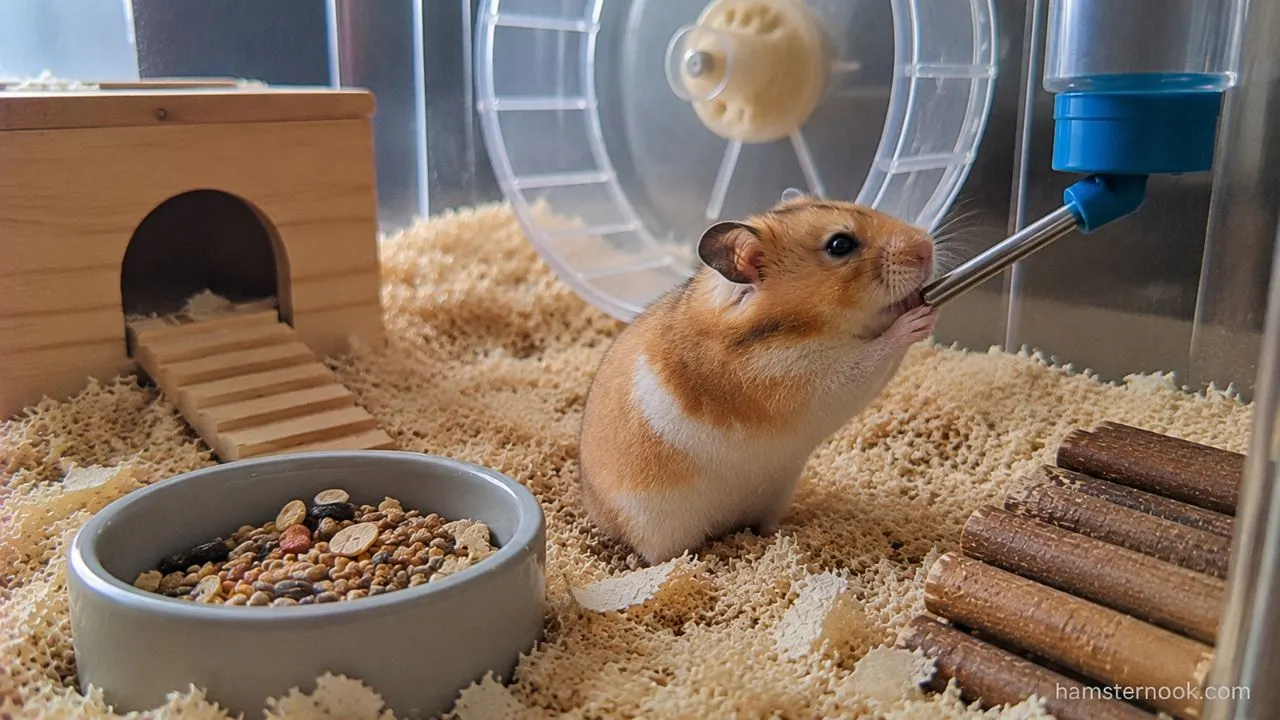
The moment many hamster owners look forward to most is letting their pet explore outside the cage. Watching a curious hamster investigate new surroundings can be fun, enriching, and rewarding. However, allowing a hamster out of its enclosure without proper preparation is one of the fastest ways accidents happen.
Unlike larger pets, hamsters can disappear into surprisingly small spaces, chew dangerous objects, fall from heights, or become injured in seconds. What looks like a safe room to a human may contain dozens of hidden risks for a tiny animal.
Before opening that cage door, it’s important to understand how to create a safe environment, recognize potential hazards, and know when your hamster is actually ready for out-of-cage time. Taking a few minutes to prepare the area can prevent the kind of mistakes that turn a fun session into a stressful search for a missing hamster.
Why Out-of-Cage Time Can Be Beneficial for Hamsters
Out-of-cage time should be viewed as enrichment rather than a requirement. A hamster living in a large, properly enriched enclosure can still live a healthy and fulfilling life even if free-roaming sessions are only occasional.
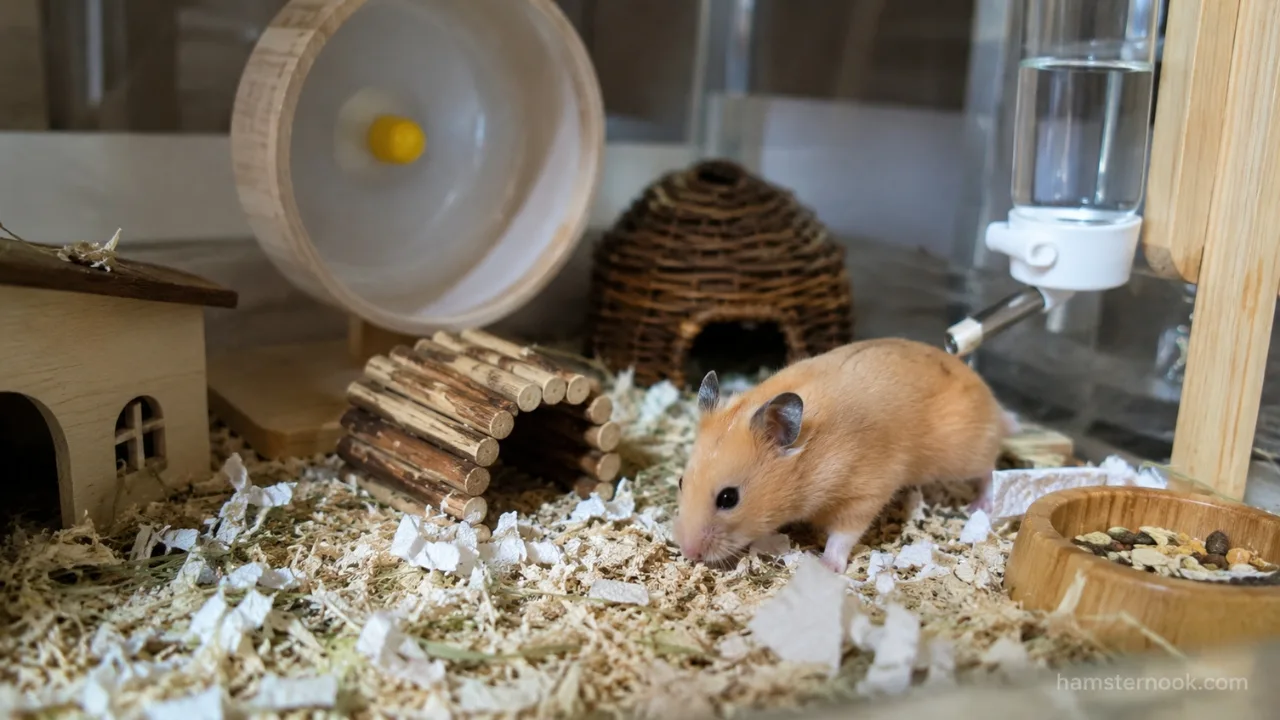
A properly supervised exploration session can provide valuable enrichment for many hamsters.
Benefits may include:
- Mental stimulation
- Physical exercise
- Exploration opportunities
- Reduced boredom
- Increased confidence
- Better owner-hamster interaction
A well-designed enclosure should cover a hamster’s daily needs, but occasional supervised exploration can provide a change of scenery and new experiences.
Free Roaming Is Not a Substitute for a Proper Cage
One of the most common misconceptions among new owners is that free-roaming can compensate for a small enclosure.
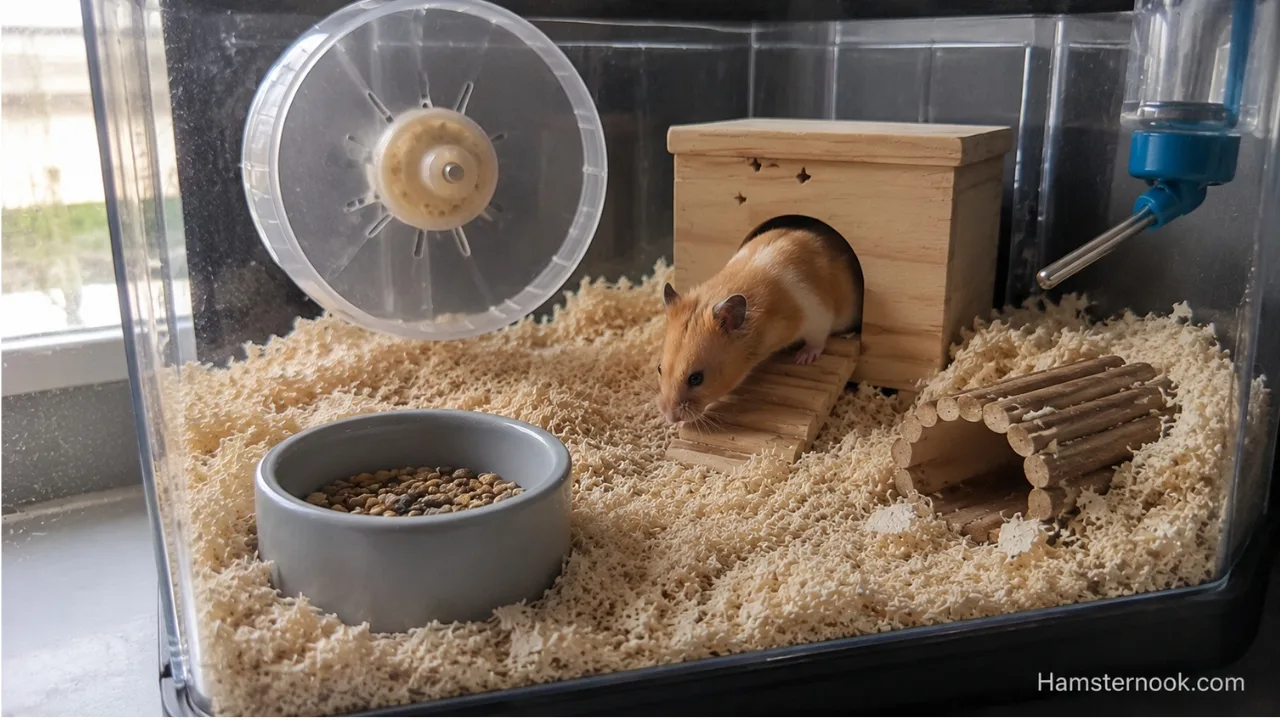
In reality, out-of-cage time should be viewed as enrichment rather than a replacement for adequate floor space, deep bedding, exercise opportunities, and daily enrichment inside the enclosure itself.
A secure enclosure remains the foundation of hamster care, and choosing a suitable hamster cage setup is more important than relying on extra time outside the cage.
A hamster living in a properly sized habitat will generally benefit more from occasional supervised exploration than a hamster that depends on free-roaming to meet its basic needs.
Is Your Hamster Ready to Leave the Cage?
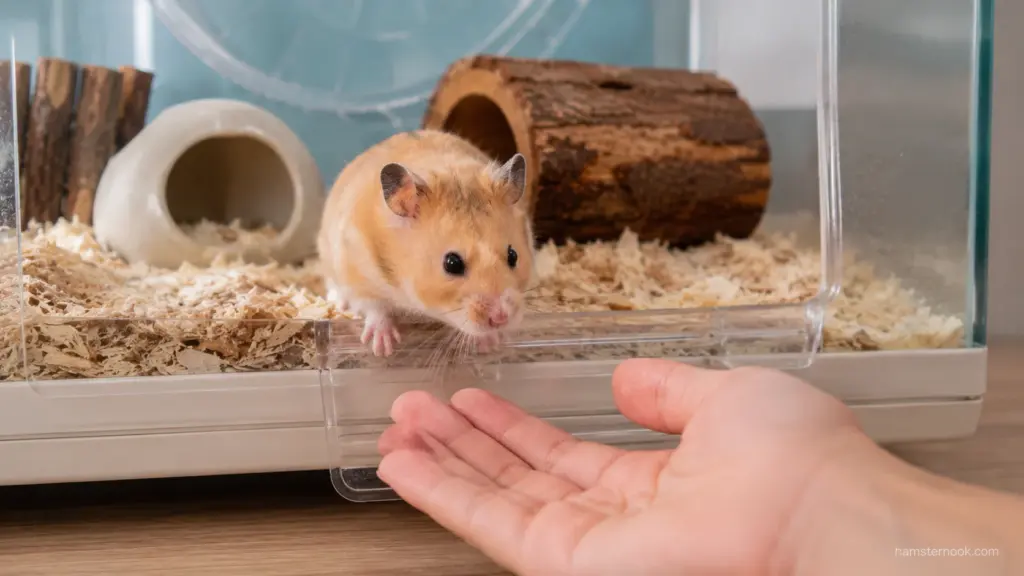
Not every hamster should immediately begin free-roaming outside its enclosure.

A newly adopted hamster should first have time to settle into its environment. If your hamster still hides constantly or seems nervous around your presence, focus on building trust before introducing larger spaces.
Many free-roaming problems begin when owners rush interactions before a hamster feels secure in its new environment. Our Biggest Mistake New Hamster Owners Make in the First Week guide explains why patience during the adjustment period is so important.
Can Hamsters Go Outside the House?
If by “outside” you mean outside the cage but still indoors, supervised exploration can be an option when the area is secure and your hamster is comfortable being handled. If you mean outdoors in a garden, yard, or other open area, that is a different situation and is much harder to make safe.
Outdoor areas can expose a hamster to escape routes, other animals, unfamiliar surroundings, weather and temperature changes, and hazards that are difficult to control. For routine enrichment, a secure indoor playpen or carefully hamster-proofed indoor area is a safer choice.
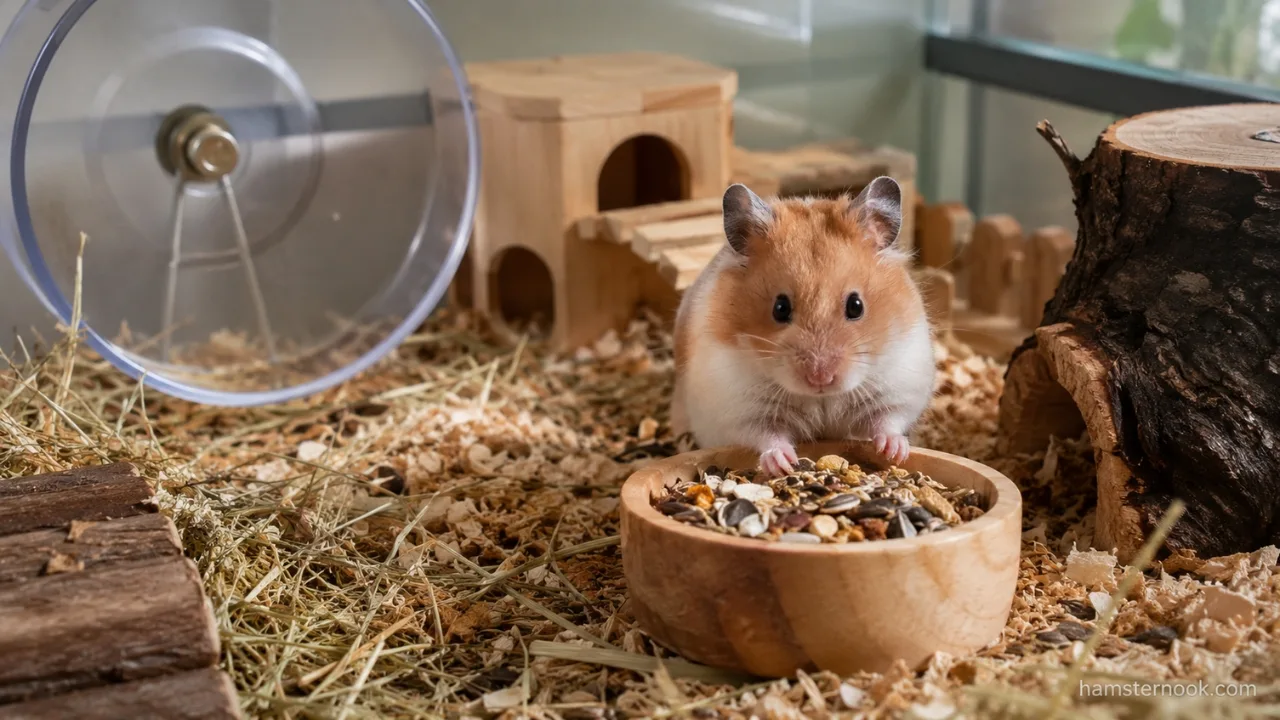
If your hamster is outside its cage, keep the session supervised and make sure it cannot reach other pets or escape from the controlled area.
Signs Your Hamster May Be Ready
| Positive Sign | What It Suggests |
|---|---|
| Accepts treats calmly | Growing trust |
| Explores the cage regularly | Confidence |
| Uses the wheel frequently | Normal activity level |
| Approaches your hand voluntarily | Reduced fear |
| Shows curiosity about surroundings | Readiness for enrichment |
These signs do not guarantee a hamster will enjoy free-roaming, but they often indicate that the hamster feels secure enough to handle new experiences.
Hamsters showing these behaviors often adjust more comfortably to supervised exploration sessions.
The Biggest Risks of Letting a Hamster Roam Freely
One of the biggest surprises for new owners is how quickly a hamster can reach places that seemed completely inaccessible a moment earlier.
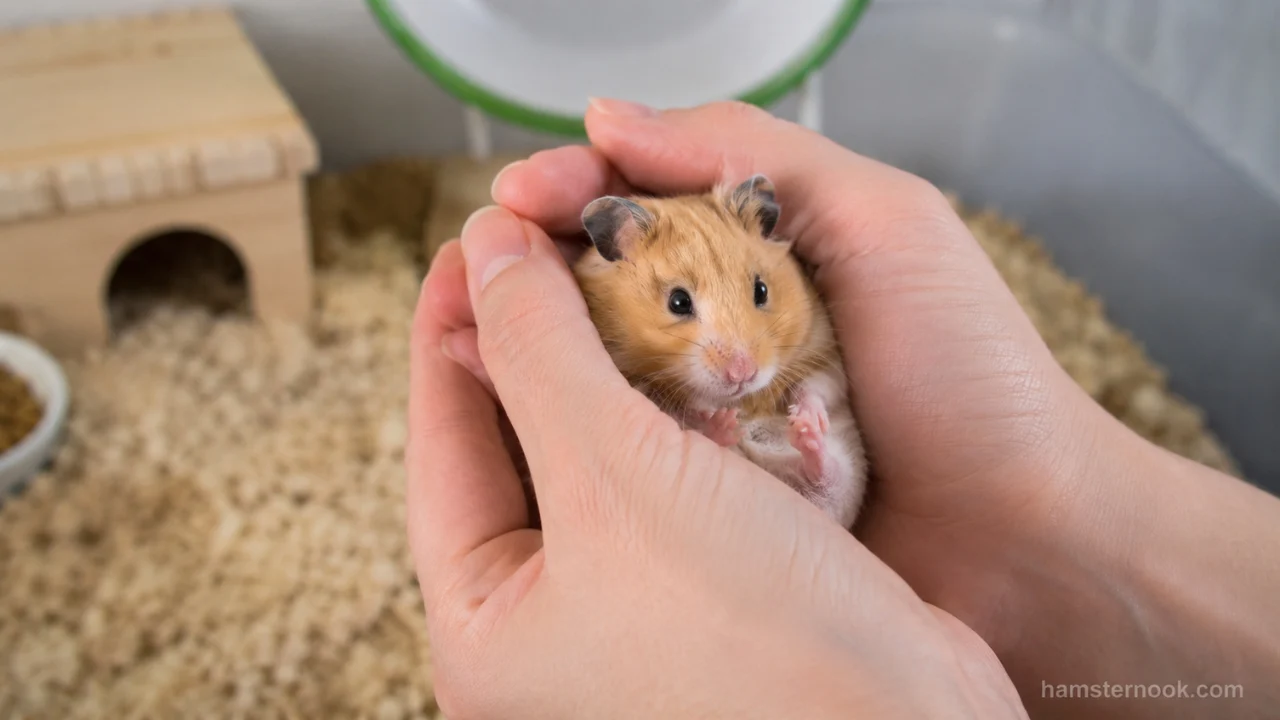
Hamsters are natural explorers and skilled escape artists. Their instincts often lead them toward dark, hidden areas that are difficult for owners to access.
Common Household Hazards
| Hazard | Potential Risk |
|---|---|
| Electrical cords | Chewing injuries |
| Furniture gaps | Becoming trapped |
| Stairs | Falls and injuries |
| Houseplants | Toxicity risk |
| Open doors | Escape |
| Other pets | Serious injury |
| Recliners and sofas | Crushing injuries |
| Small objects | Choking hazards |
Removing these risks before each session is much easier than trying to intervene once a hamster has already reached them.
Even a room that appears safe may contain several hidden dangers at hamster level.
Why Hamster Balls Are No Longer Recommended
For years, exercise balls were marketed as a safe way to let hamsters explore.

Today, many experienced owners and animal welfare organizations discourage their use.
Potential concerns include:
- Limited ventilation
- Difficulty navigating obstacles
- Stress from inability to hide
- Trapped toes or feet in ventilation slots
- Lack of access to water or rest
Instead of using an exercise ball, many owners prefer supervised playpens or hamster-proofed exploration areas.
How to Hamster-Proof a Room Before Free Roaming
It only takes a few seconds for a hamster to disappear behind furniture or chew something unsafe. Completing a quick safety check before every session helps prevent many common accidents.
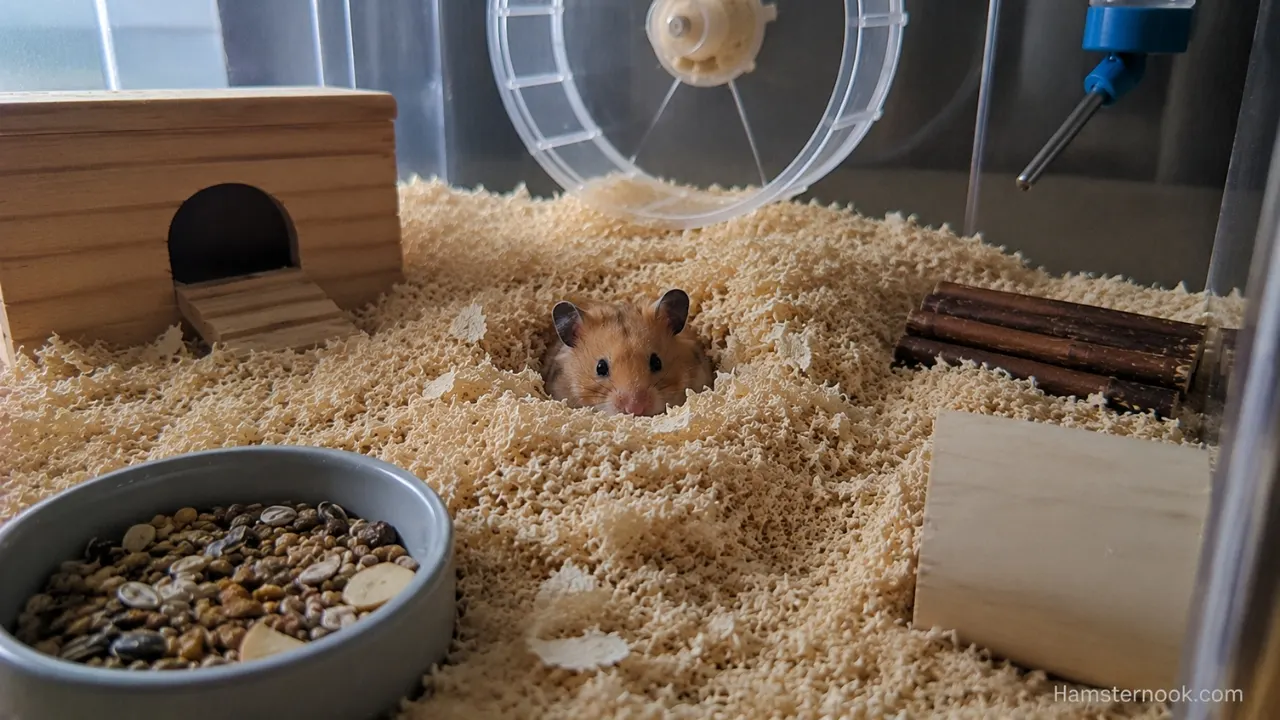
Most free-roaming problems can be avoided before the session even begins.
Before free-roaming begins, get down to floor level and look at the room from your hamster’s point of view. Small gaps and hazards become much easier to spot.
Remove Dangerous Items
Move or secure:
- Electrical cables
- Charging cords
- Plastic bags
- Medications
- Cleaning products
- Small decorations
- Toxic plants
Anything that can be chewed, swallowed, or climbed should be considered a potential risk.

Block Escape Routes
Hamsters can squeeze through surprisingly narrow openings.
Check for:
- Gaps under furniture
- Open closets
- Air vents
- Door cracks
- Spaces behind appliances
If a gap looks barely large enough, assume your hamster will probably try to squeeze through it.
Eliminate Climbing Hazards
Despite being good climbers, hamsters are not always good at climbing down safely.

Prevent access to:
- Shelves
- Tall furniture
- Stairs
- Elevated surfaces
Falls can result in serious injuries.
Best Alternatives to Free Roaming Around the House
Many owners assume an entire room is necessary, but smaller controlled spaces are often safer.
Playpens
A secure playpen can provide:

- Extra exercise
- Enrichment
- Easy supervision
- Reduced escape risk
Playpens also make it easier to add tunnels, hides, and safe toys.
Bathtub Play Areas
Some owners use clean, dry bathtubs as temporary exploration spaces.
Advantages include:
- Smooth escape-resistant walls
- Easy supervision
- Limited hazards
A towel or non-slip surface should be added for comfort.

What to Include in a Safe Exploration Area
A hamster should have opportunities to engage in natural behaviors during out-of-cage time.
Consider providing:
| Enrichment Item | Purpose |
|---|---|
| Cardboard tunnels | Exploration |
| Hideouts | Security |
| Safe chew toys | Dental health |
| Dig boxes | Natural digging behavior |
| Treat puzzles | Mental stimulation |
| Foraging opportunities | Enrichment |
A few simple enrichment items are usually enough to encourage natural exploration and curiosity.
How Long Should Out-of-Cage Sessions Last?
There is no single session length that suits every hamster. Instead of following a fixed number of minutes, watch how your hamster responds to the environment.

Keep early sessions short and end them if your hamster repeatedly tries to escape, freezes, hides excessively, becomes defensive, or otherwise appears uncomfortable. A hamster that calmly explores can gradually have longer supervised sessions as it becomes familiar with the area.
The goal is comfortable exploration, not keeping your hamster outside the cage for as long as possible. If your hamster chooses to return to its hideout, allow the session to end.
Signs Your Hamster Is Feeling Stressed During Exploration
Not every hamster enjoys free-roaming equally.
Watch for behaviors that may indicate discomfort.
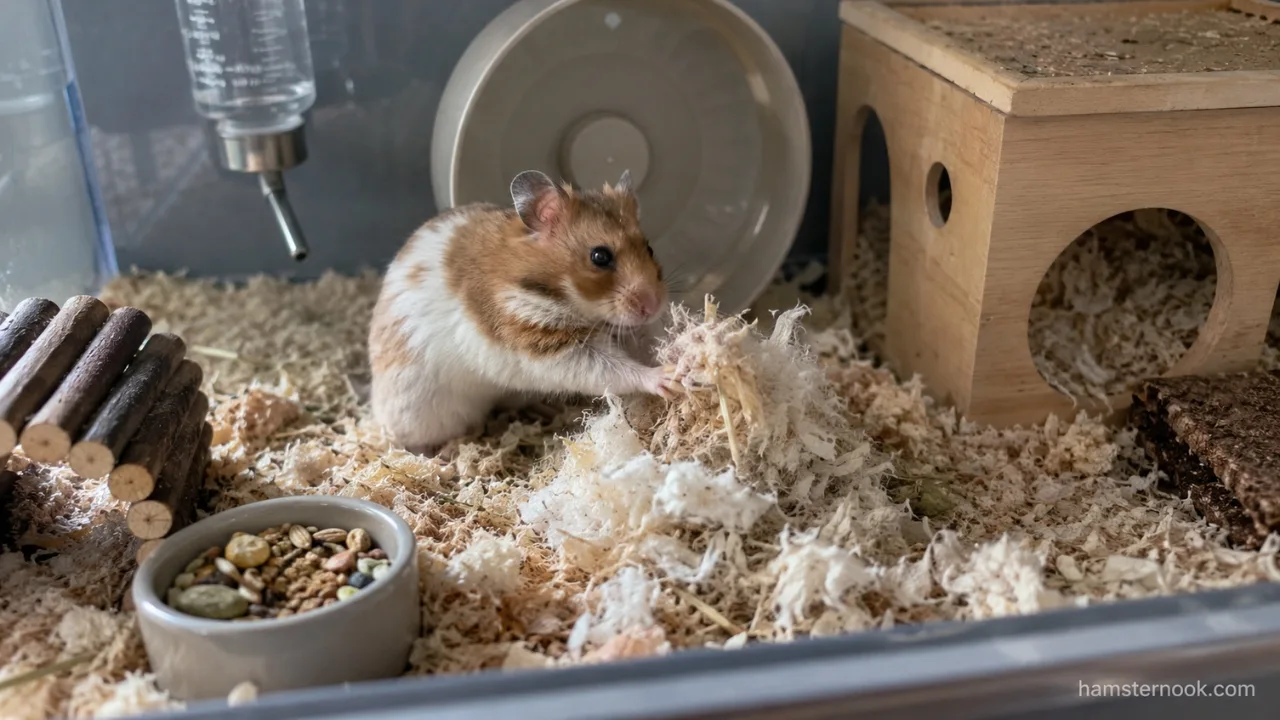
Possible Stress Signals
- Frantic running
- Repeated attempts to escape
- Freezing for long periods
- Excessive hiding
- Sudden defensive behavior
- Refusing favorite treats
If these signs appear, calmly return your hamster to its enclosure and try again another day.
Understanding normal activity levels can make it easier to tell the difference between healthy exploration and stress-related behavior. Our How Active Should a Healthy Hamster Be at Night? guide explains what owners should expect from a healthy hamster.
Common Free-Roaming Mistakes Owners Make
Many issues occur because owners unintentionally overlook basic safety precautions.
Leaving the Hamster Unsupervised
Even a few minutes can be enough for a hamster to:

- Escape
- Chew wires
- Become trapped
- Get injured
Supervision should be continuous.
Allowing Access to Other Pets
Dogs and cats may seem calm around a hamster, but their instincts can change suddenly.
Never allow direct interaction during exploration sessions.
Choosing the Wrong Time of Day
Hamsters are naturally most active during evening and nighttime hours.
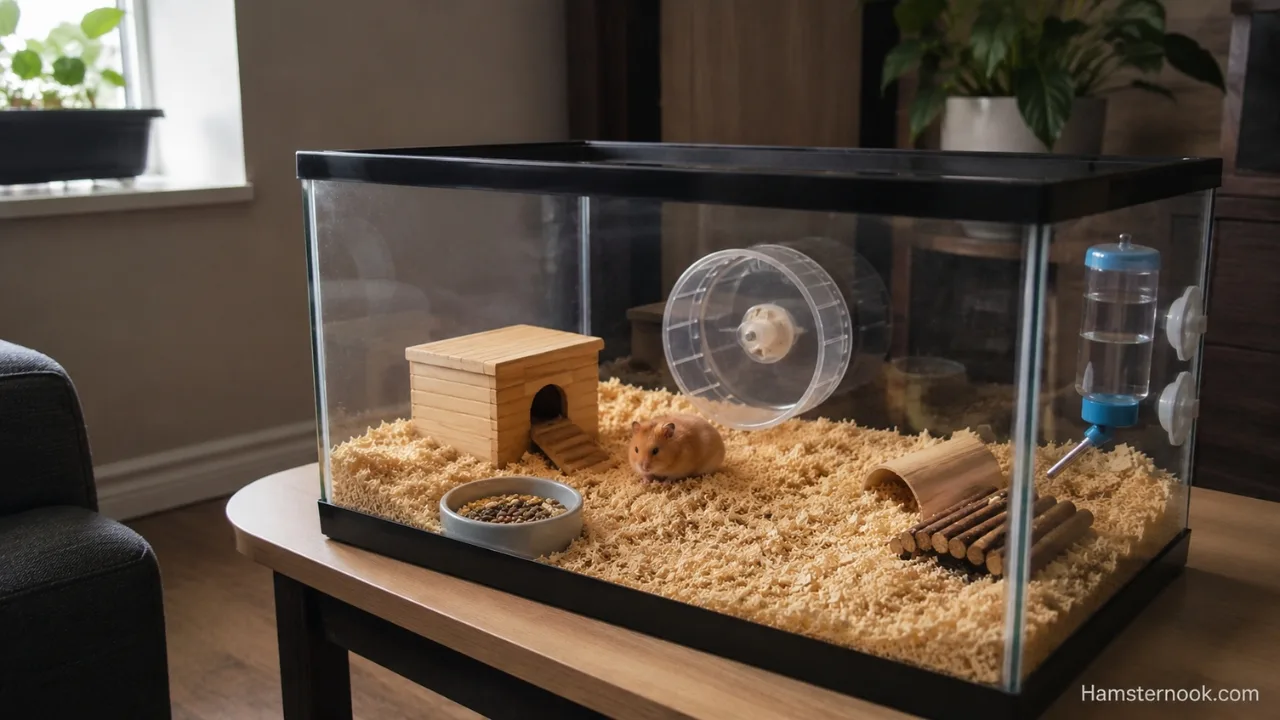
Scheduling exploration sessions around your hamster’s natural waking hours often leads to a more positive experience. Our Are Hamsters Nocturnal? Their Natural Sleep Schedule Explained guide explains when most hamsters are naturally active.
Ignoring Room Temperature
Temperature plays an important role in hamster safety.
Maintaining a safe room temperature is an important part of free-roaming safety. Our What Temperature Is Too Hot or Too Cold for Hamsters? guide explains the temperature range most hamsters tolerate comfortably.
How Out-of-Cage Time Helps Build Trust
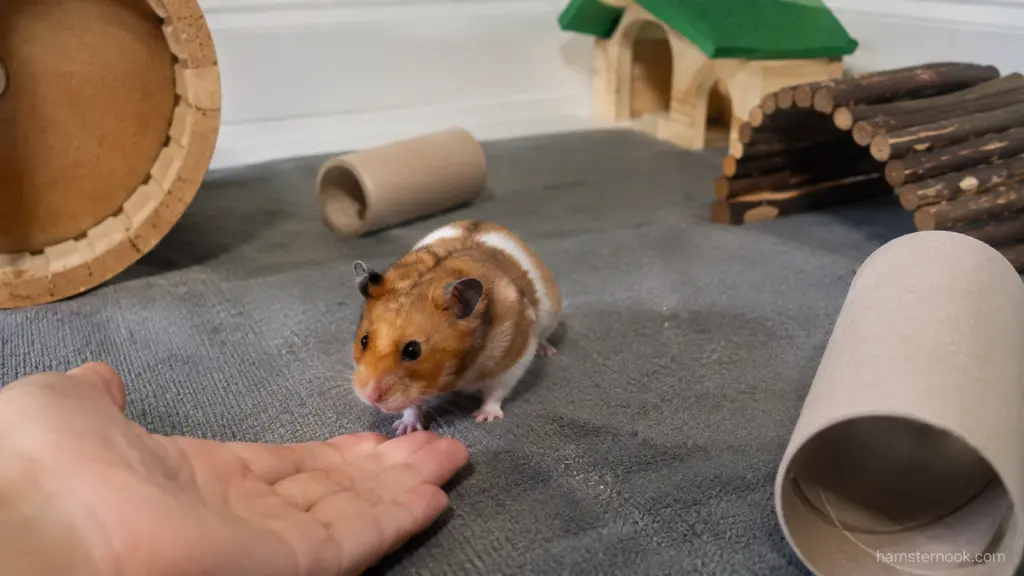
Out-of-cage sessions can also create positive experiences between you and your hamster. When the hamster chooses to approach, investigate, or accept treats voluntarily, it learns that your presence is associated with safety rather than stress.

When a hamster voluntarily approaches you during exploration, accepts treats, or chooses to investigate your hands, these interactions can become positive experiences rather than forced handling.
Allowing your hamster to approach you voluntarily is usually far more effective than trying to force interaction.
Building trust gradually can make handling and supervised exploration easier; watch for signs your hamster trusts you rather than forcing interaction.
Even experienced hamster owners occasionally deal with escapes. Acting calmly and methodically is usually far more effective than rushing around the room trying to catch the hamster.
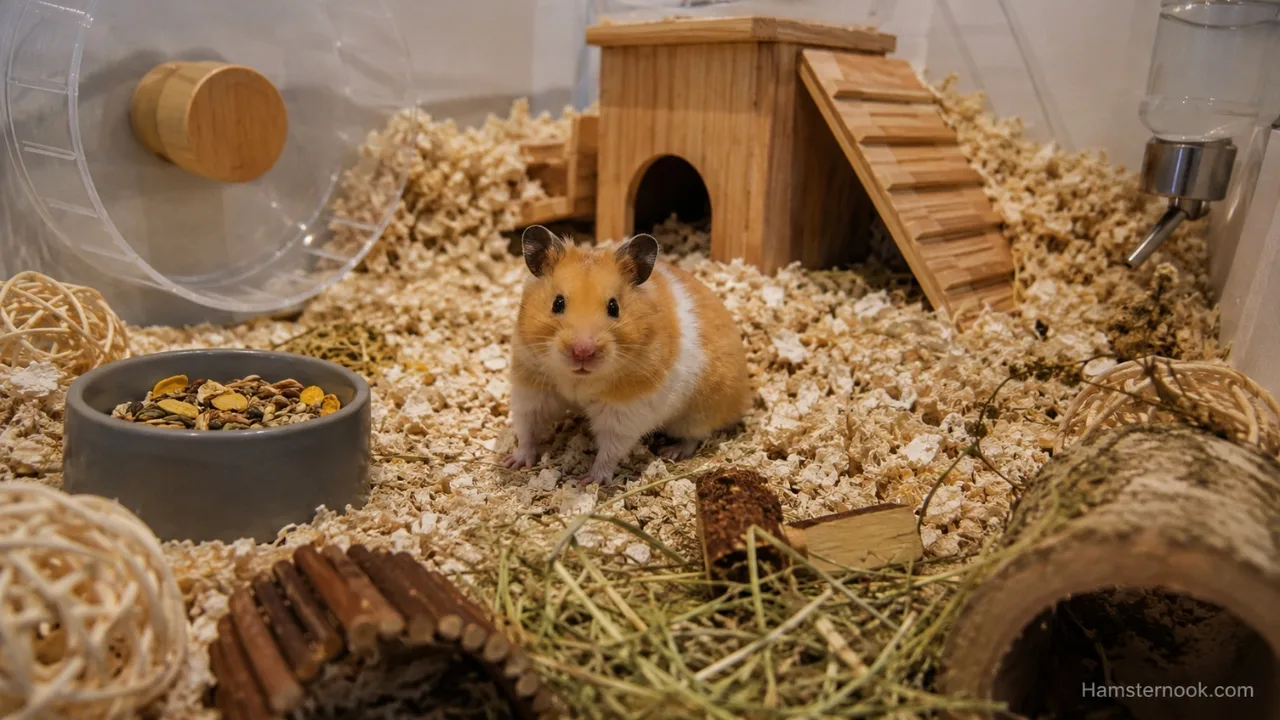
What to Do If Your Hamster Escapes
Even careful owners sometimes experience escapes.
Preparing a simple recovery plan before each session can help owners react quickly if an escape occurs. Knowing which rooms to check first often reduces stress for both the owner and the hamster.
If your hamster disappears:
- Stay calm.
- Close doors immediately.
- Remove other pets from the area.
- Check dark, quiet spaces first.
- Listen for movement during evening hours.
- Place familiar food nearby.
Most escaped hamsters are eventually found within the same room if action is taken quickly.
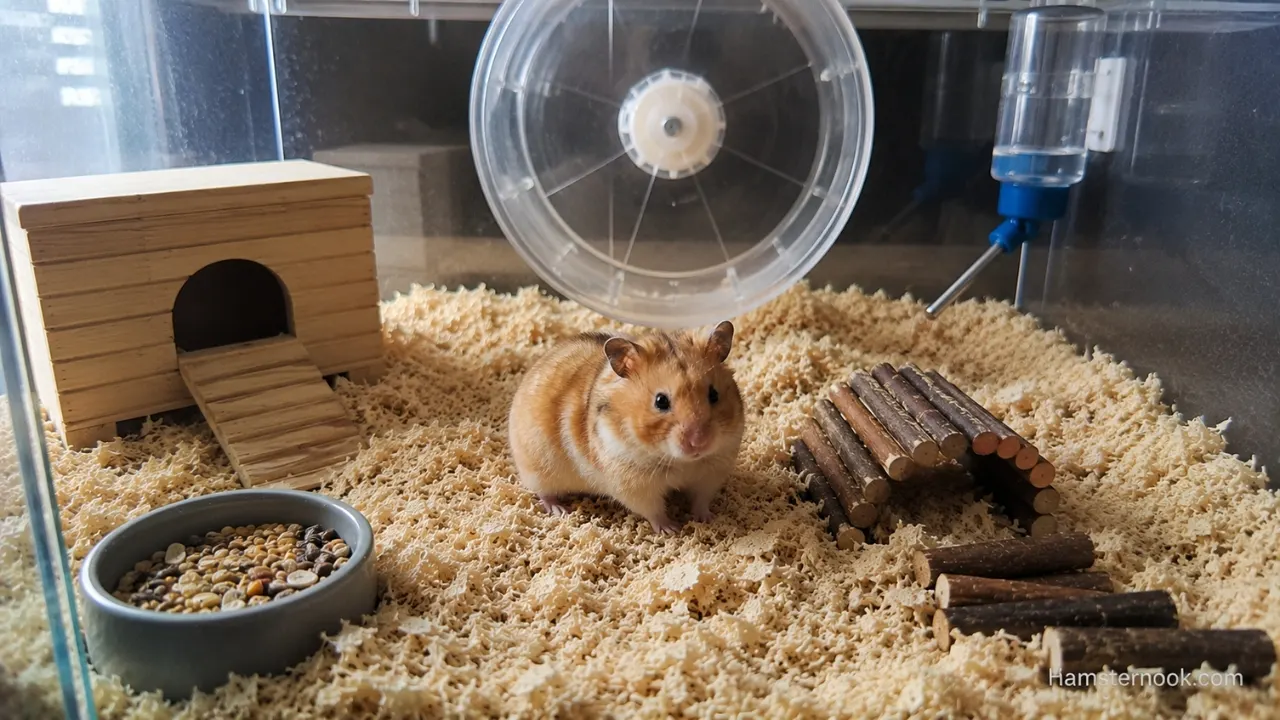
Once your hamster has been found, check it carefully for cuts, limping, or unusual behavior before returning it to the enclosure. Even a short escape can sometimes result in minor injuries that are easy to miss at first.
Final Thoughts
Letting your hamster out of the cage can be a wonderful way to provide enrichment, exercise, and mental stimulation. However, successful free-roaming requires more preparation than many beginners realize.
A safe exploration session begins with careful preparation. Taking a few minutes to hamster-proof the room, remove hazards, and supervise your hamster throughout the session greatly reduces the risk of accidents while allowing your pet to explore with confidence.
When approached carefully, out-of-cage time can become a safe and rewarding part of your hamster’s routine. Taking the time to prepare properly is one of the best investments you can make in your pet’s safety and well-being.
Frequently Asked Questions
Is it safe to let my hamster roam around the house?
Generally, a fully free-roaming hamster is not recommended unless the environment has been thoroughly hamster-proofed. Controlled spaces such as playpens are usually safer.
Can I take my hamster outside?
If you mean outdoors in a garden or yard, it is generally safer to keep your hamster indoors in a secure, controlled environment. Outdoor areas can be difficult to fully secure and expose hamsters to unfamiliar surroundings, other animals, and changing weather conditions.
Can I let my hamster roam on the bed?
Beds are not ideal because hamsters can fall unexpectedly, disappear into bedding, or become difficult to monitor.
Should I use a hamster ball for exercise?
Many modern hamster care experts discourage exercise balls due to safety and welfare concerns. Secure playpens are typically a safer alternative.
What is the safest room for hamster free roaming?
A small, enclosed room with minimal furniture, no gaps, no wires, and no other pets is generally the safest option.
How do I know if my hamster enjoys out-of-cage time?
A hamster that explores calmly, investigates its surroundings, accepts treats, and displays normal curiosity is usually comfortable with the experience.
Can I let my hamster out of its cage every day?
Supervised out-of-cage time can be offered regularly if the area is secure and your hamster is comfortable with it. It should supplement, not replace, a properly enriched enclosure. If you mean taking your hamster outdoors, that is different and is generally harder to keep safe.
References
The information in this guide is based on trusted veterinary and animal welfare resources, including:
- RSPCA – Hamster Care and Welfare – General hamster care, health, housing, diet, behavior, and welfare guidance.
- PDSA – Caring for Hamsters – Practical guidance on hamster care, nutrition, housing, handling, and common health concerns.
- Merck Veterinary Manual – Small Mammals – Veterinary reference information on hamster health, diseases, nutrition, and husbandry.

Narayan Kumar is the founder and author of HamsterNook. He creates practical, research-based hamster care guides covering hamster behavior, nutrition, cage setup, enrichment, health, and everyday care. His goal is to help hamster owners make informed decisions and provide safer, healthier lives for their pets through clear, beginner-friendly information based on trusted animal care resources.