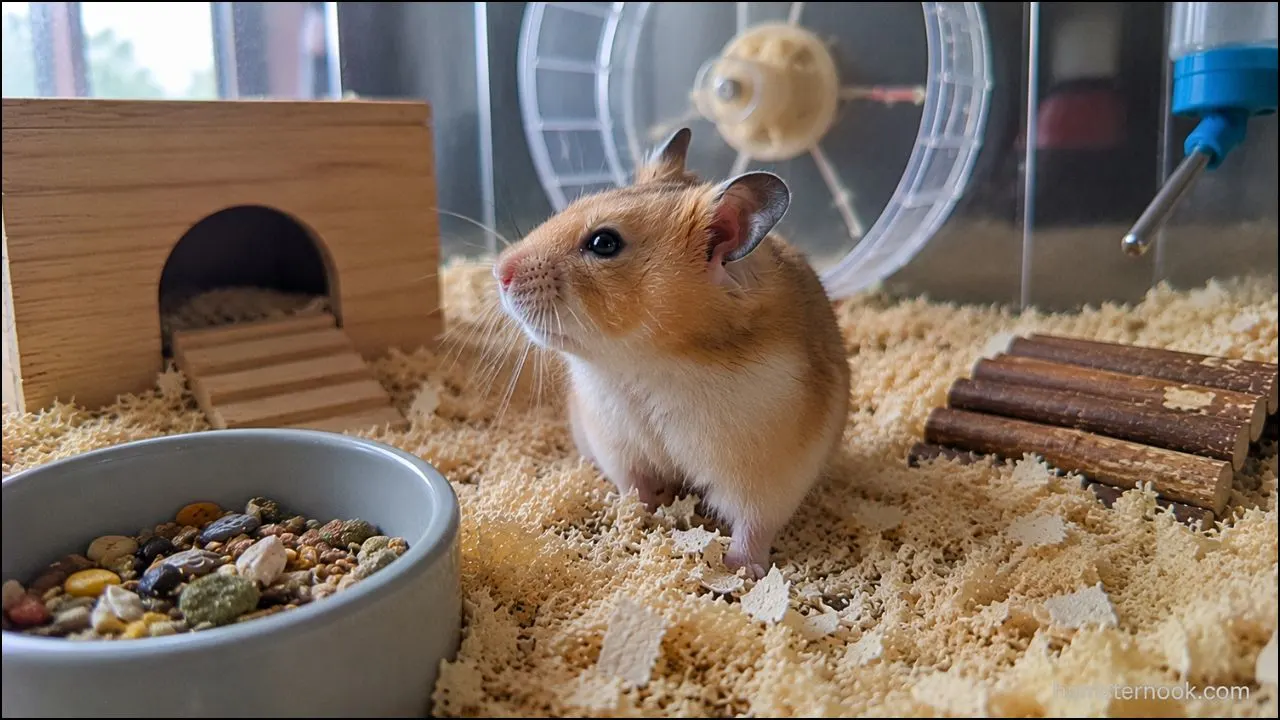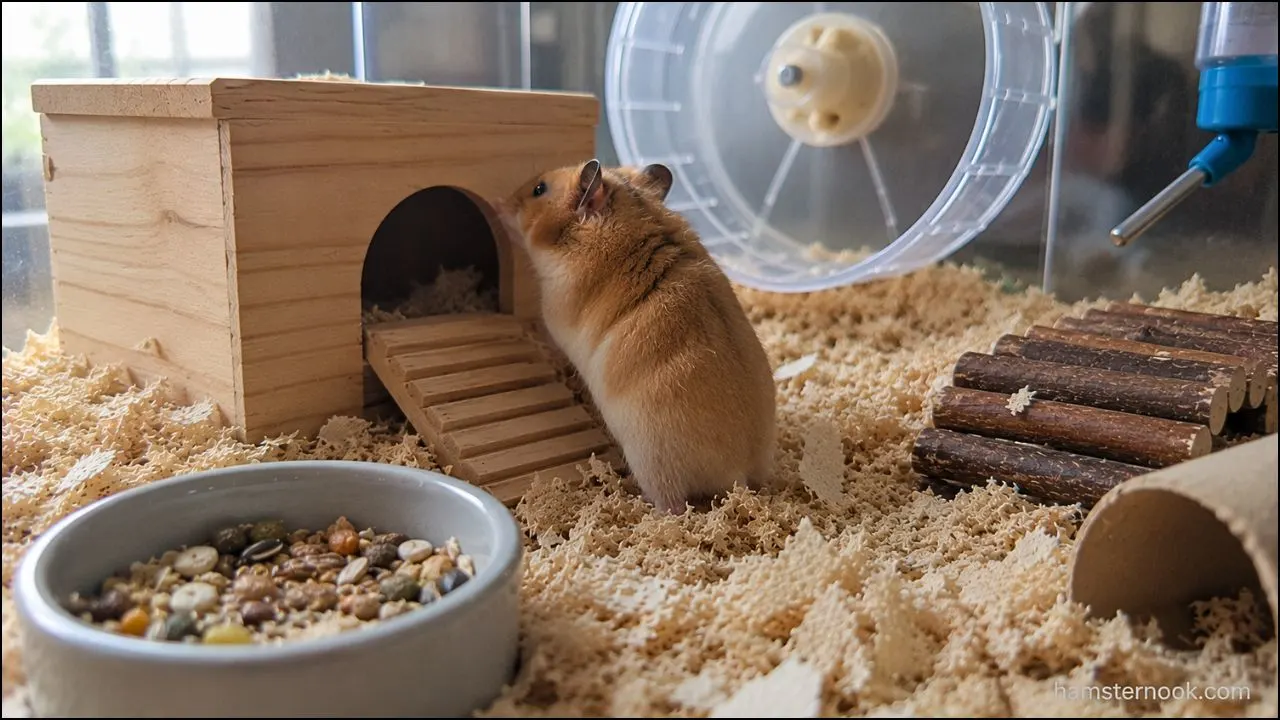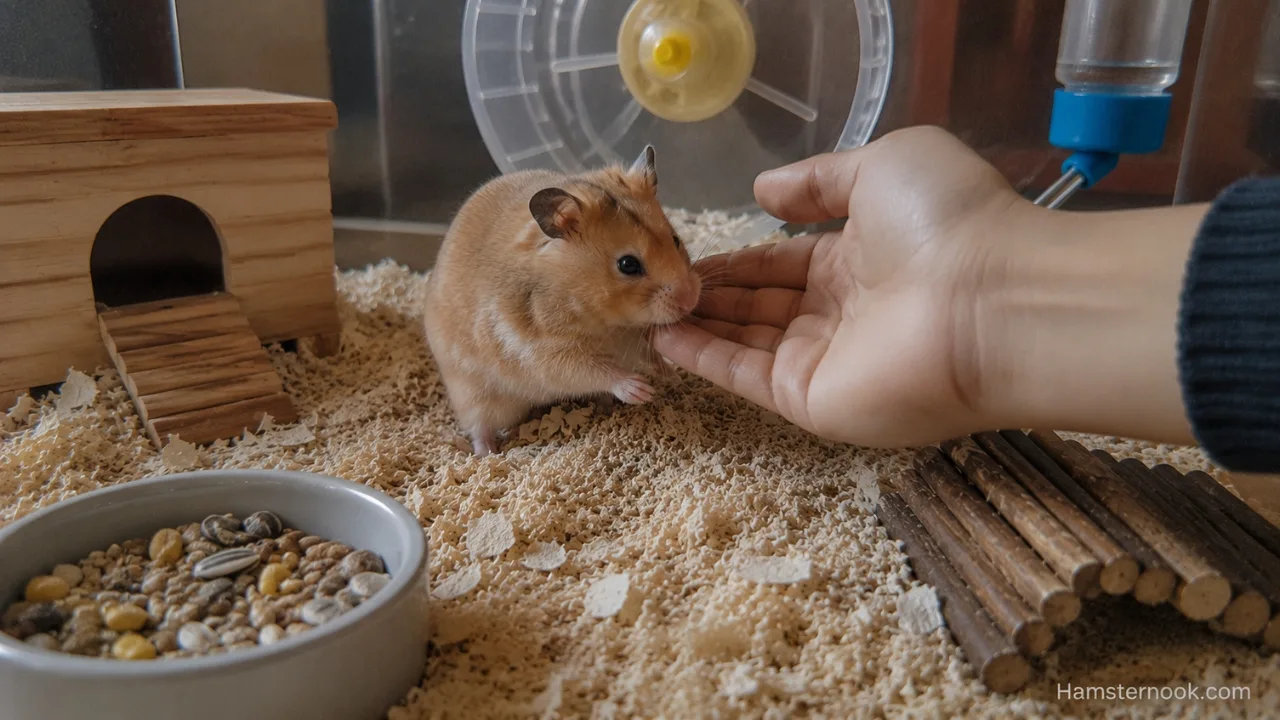
Many new hamster owners notice something interesting after a few weeks: their hamster starts acting differently around them compared to strangers. Maybe your hamster comes closer when it hears your voice, takes treats gently from your hand, or seems calmer during handling. This naturally leads to an important question: do hamsters actually recognize their owners?
Although hamsters don’t recognize people the same way dogs or cats do, they can learn to associate familiar humans with safety, food, and positive experiences over time. Understanding how this recognition develops helps owners build trust without unrealistic expectations.
Many hamsters can learn to recognize familiar humans through scent, routine, and repeated positive interaction. However, they do not recognize people in the same emotional or social way that dogs or cats do. Hamsters are prey animals with different instincts and behaviors.
Understanding how hamster recognition works can help you build trust, avoid stress, and create a stronger bond with your pet. In this guide, you’ll learn how hamsters recognize humans, signs your hamster knows you, what affects bonding, and realistic expectations for hamster behavior.

How Hamsters Recognize Their Owners
Hamsters rely heavily on their senses to understand the world around them. Unlike humans, they do not depend mostly on eyesight. Their strongest recognition tools are smell, sound, and routine.
Over time, your hamster can learn that you are safe and associated with food, comfort, and predictable care.
Scent Recognition Is the Most Important
Hamsters rely heavily on their sense of smell to understand their environment. In the wild, scent helps them find food, recognize territory, and detect danger.
Your hamster can learn your natural scent through:

- Hand feeding
- Regular cage cleaning routines
- Gentle handling
- Being near the enclosure daily
This is one reason hamsters often become calmer around their regular owner but nervous around unfamiliar people.
If your hamster suddenly acts unsure around you, strong new smells like perfume, lotion, or soap may temporarily confuse them.
Can Hamsters Recognize Your Voice?
Hamsters may not understand words the way humans do, but they can become familiar with your voice and tone.
A calm, soft voice used consistently during feeding or handling can help your hamster associate your presence with safety. Many owners notice their hamster becoming active or approaching the cage when they hear familiar sounds.

However, voice recognition is usually weaker than scent recognition in hamsters.
Do Hamsters Recognize Faces?
Hamsters have relatively poor eyesight, especially at a distance. They can see movement better than detail.
Because of this, hamsters are unlikely to recognize human faces the same way people do. Instead, they combine:
- Scent
- Voice
- Daily routine
- Movement patterns
For more detail on what hamsters can and cannot see clearly, see our Can Hamsters See in the Dark? The Truth About Hamster Vision guide.

to identify familiar humans.
Can Hamsters Understand Humans?
Hamsters can learn associations with familiar people and repeated cues, but that is not the same as understanding human language. Your hamster may learn that your voice, scent, routine, or approach is followed by food or gentle handling, which can change how it responds to you.
Research in golden hamsters shows that they can learn and remember individual odors, supporting the role of learned sensory cues in recognition. However, this research does not show that hamsters understand human language or human intentions.
Signs Your Hamster Recognizes You
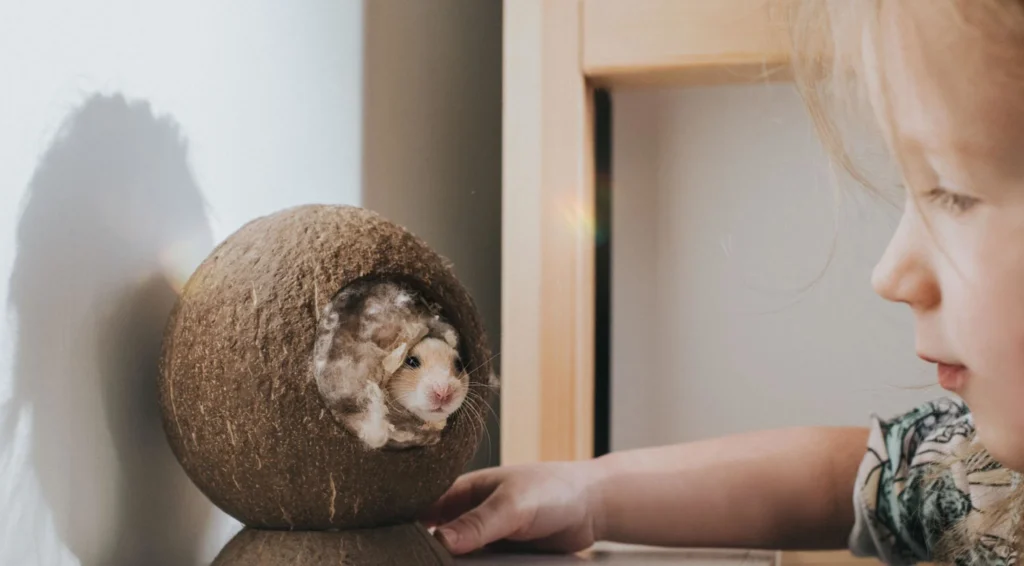
Every hamster has a unique personality, but some common behaviors may show that your hamster is comfortable and familiar with you.
| Behavior | What It May Mean |
|---|---|
| Approaching the cage when you arrive | Familiarity with your routine |
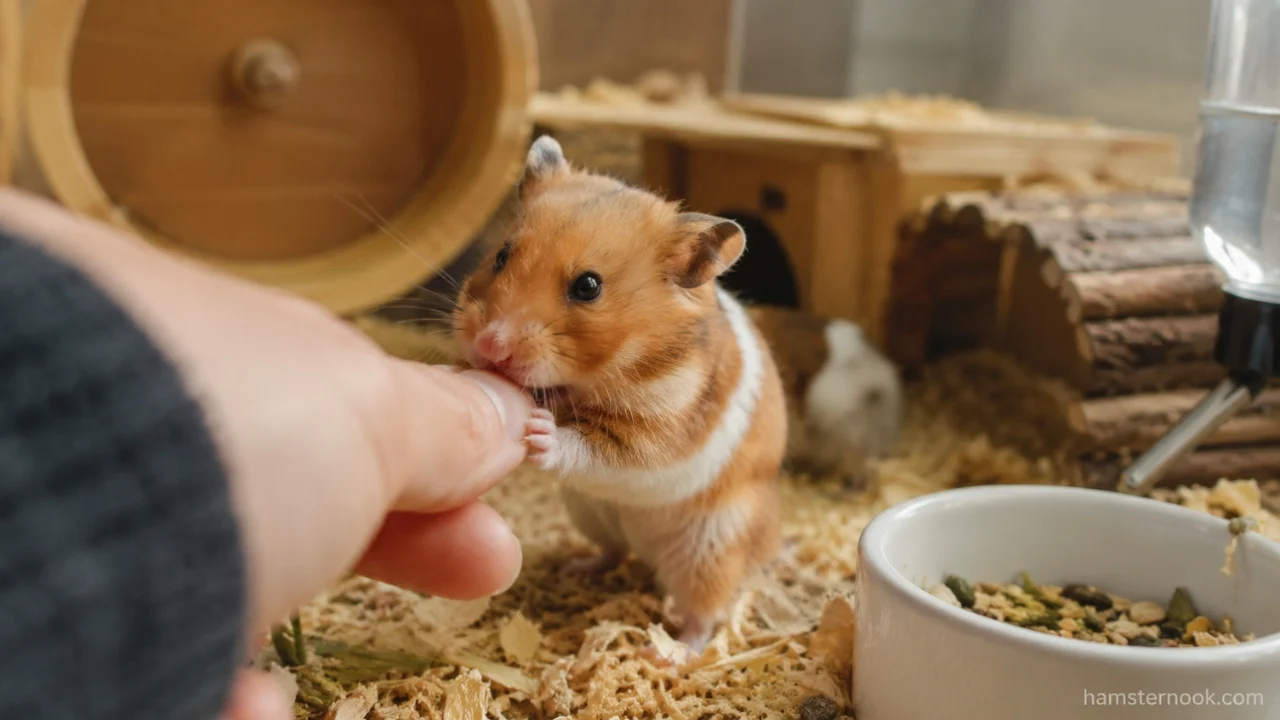
| Taking treats gently from your hand | Growing trust |
| Climbing onto your hand willingly | Comfort and confidence |
| Remaining calm during handling | Recognition and reduced fear |
| Grooming or relaxing near you | Feeling safe |
| Less hiding when you are nearby | Familiar presence |
These behaviors usually develop slowly through consistent interaction.
For a broader look at how different hamster behaviors can indicate comfort, stress, fear, happiness, or trust, read Hamster Body Language Explained: Signs of Stress, Fear, Happiness & Trust
How to Tell Recognition From Simple Familiarity
A hamster approaching you or accepting treats can show familiarity and reduced fear, but these behaviors do not prove that it recognizes you in the same way a dog or cat recognizes its owner. Look for consistent patterns involving your scent, voice, routine, and handling rather than relying on one behavior alone.
How Long Does It Take for a Hamster to Recognize You?
This depends on several factors:
- Hamster species
- Personality
- Age
- Past experiences
- Handling consistency
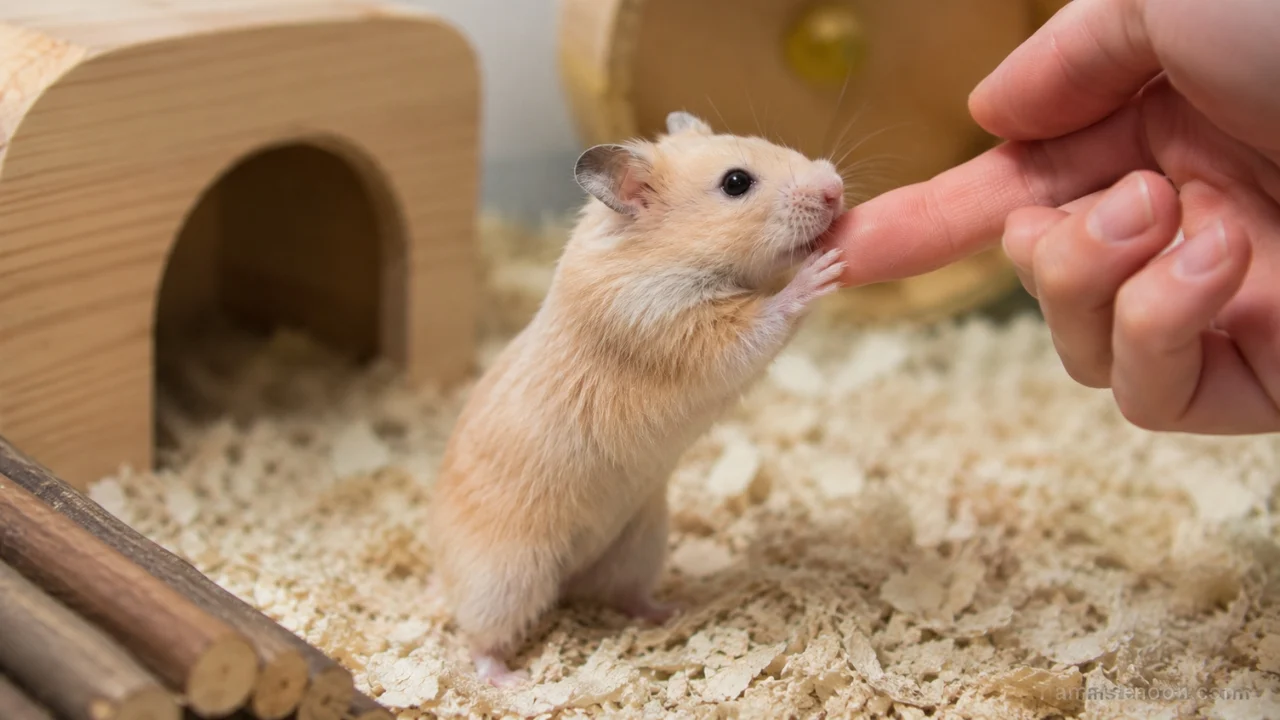
Some hamsters become comfortable within days, while others may take several weeks or even months.
Typical Bonding Timeline
| Time Period | Common Behavior |
|---|---|
| First few days | Hiding, stress, nervousness |
| 1–2 weeks | Curiosity, sniffing hands |
| 2–6 weeks | Taking treats, calmer handling |
| 1–3 months | Recognizing routines and becoming more comfortable around handling |
Patience is extremely important. Forcing interaction usually slows progress.
Trust often develops gradually, and many owners notice small behavior changes before their hamster becomes comfortable with handling. 10 Signs Your Hamster Trusts You explains the subtle behaviors that usually appear as your hamster gains confidence around you.
Which Hamster Species Bond Most Easily With Owners?
Different hamster species can show different social behaviors toward humans.
| Hamster Species | Typical Bonding Behavior |
|---|---|
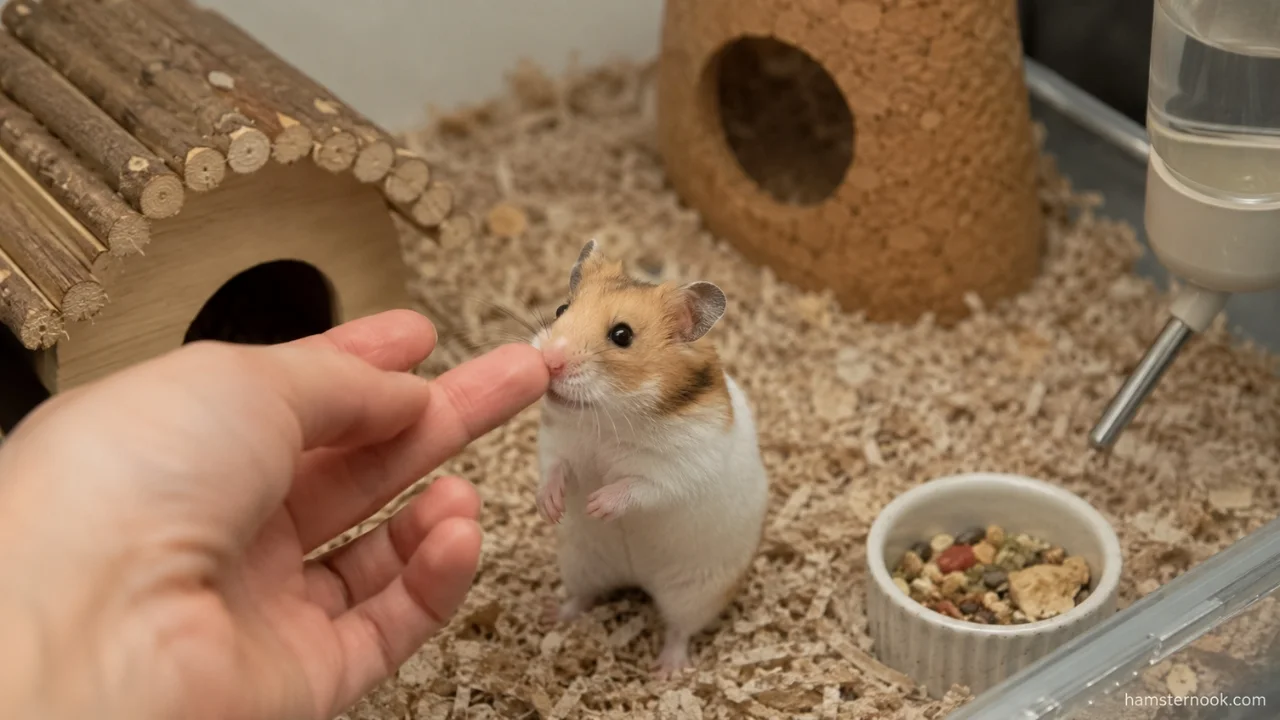
| Syrian Hamster | Often easiest for beginners; may become very tame |
| Winter White Dwarf | Can bond well but may stay cautious |
| Campbell’s Dwarf | Active and sometimes more nervous |
| Roborovski Hamster | Fast and less interested in handling |
| Chinese Hamster | Often gentle but shy initially |
Individual personality matters just as much as species.
Although certain species have general personality tendencies, individual temperament, previous handling, and daily care often influence bonding more than breed alone.
Why Some Hamsters Never Become Very Affectionate
Even with excellent care, not every hamster enjoys frequent handling.
This is normal.

Hamsters are naturally solitary prey animals. Their survival instincts make them cautious and easily startled. Some hamsters simply prefer observing rather than interacting closely.
Independent personalities are completely normal, and understanding typical hamster behavior makes it easier to distinguish a naturally cautious pet from one that feels stressed. How to Tell If Your Hamster Is Happy, Healthy, Stressed, or Sick provides a broader overview of these behavioral differences.
A hamster can still recognize you even if it does not enjoy cuddling or sitting still.
Signs of a more independent hamster may include:
- Avoiding long handling sessions
- Preferring exploration over interaction
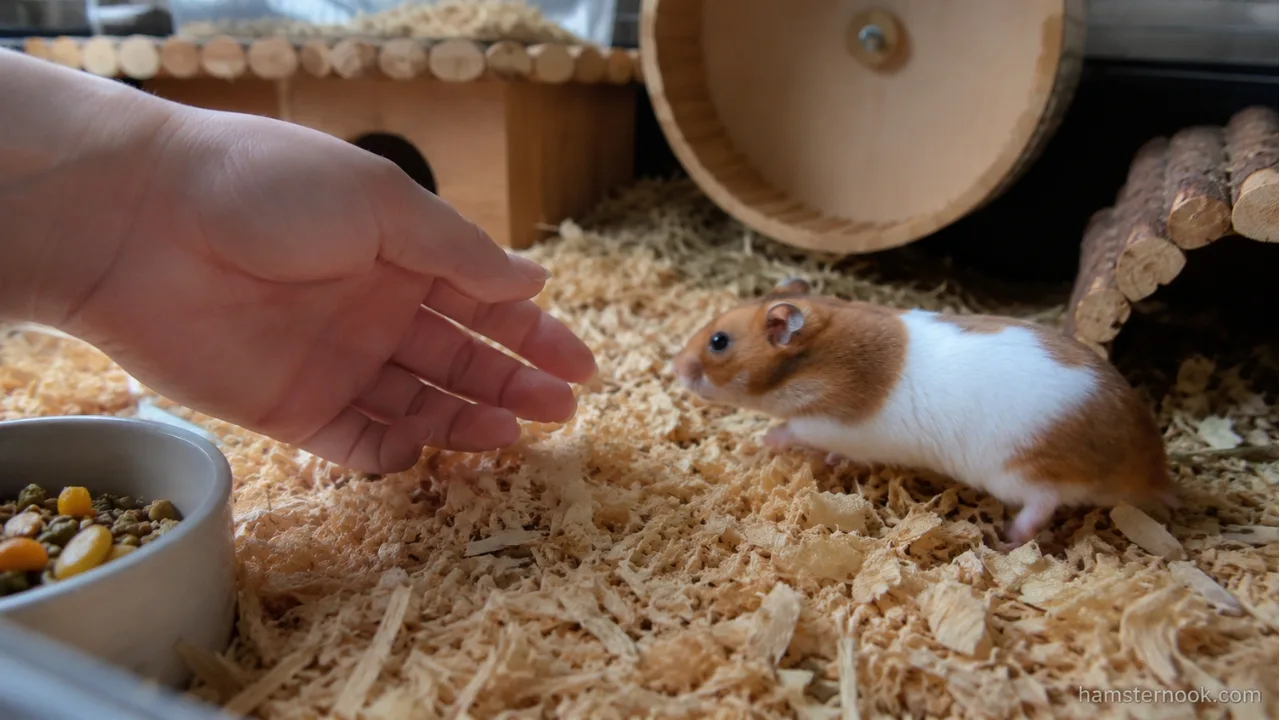
- Running away quickly when disturbed
- Tolerating handling without seeking it
Respecting your hamster’s comfort level builds more trust over time.
How to Help Your Hamster Recognize and Trust You Faster
Building trust with a hamster is mostly about consistency and patience.
1. Let Your Hamster Adjust First
When bringing a hamster home, give it several quiet days to settle into the enclosure before attempting frequent handling.
Too much interaction early on can increase stress.
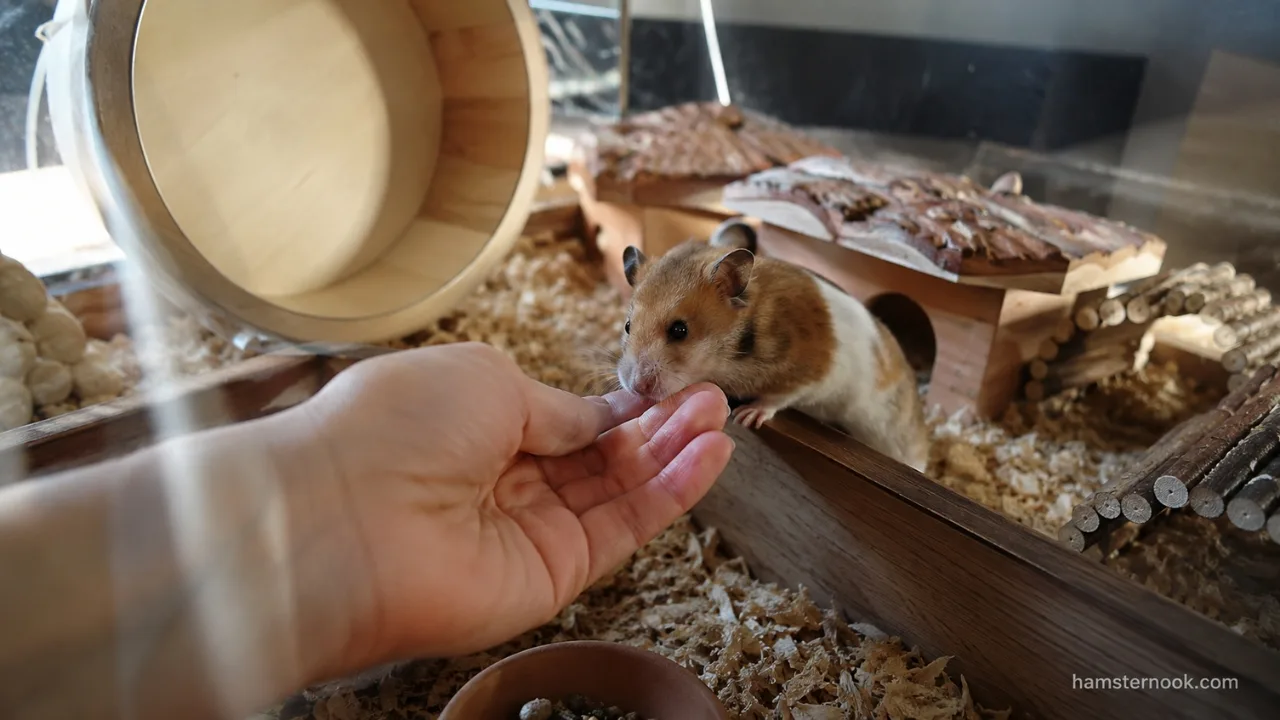
2. Use Hand Feeding
Offering healthy treats from your hand helps create positive associations.
Safe treat examples include:
- Small cucumber pieces
- Tiny bits of carrot
- Plain oats
- Small seed treats
Avoid sugary treats too often.
3. Keep a Consistent Routine
Hamsters feel safer with predictable schedules.
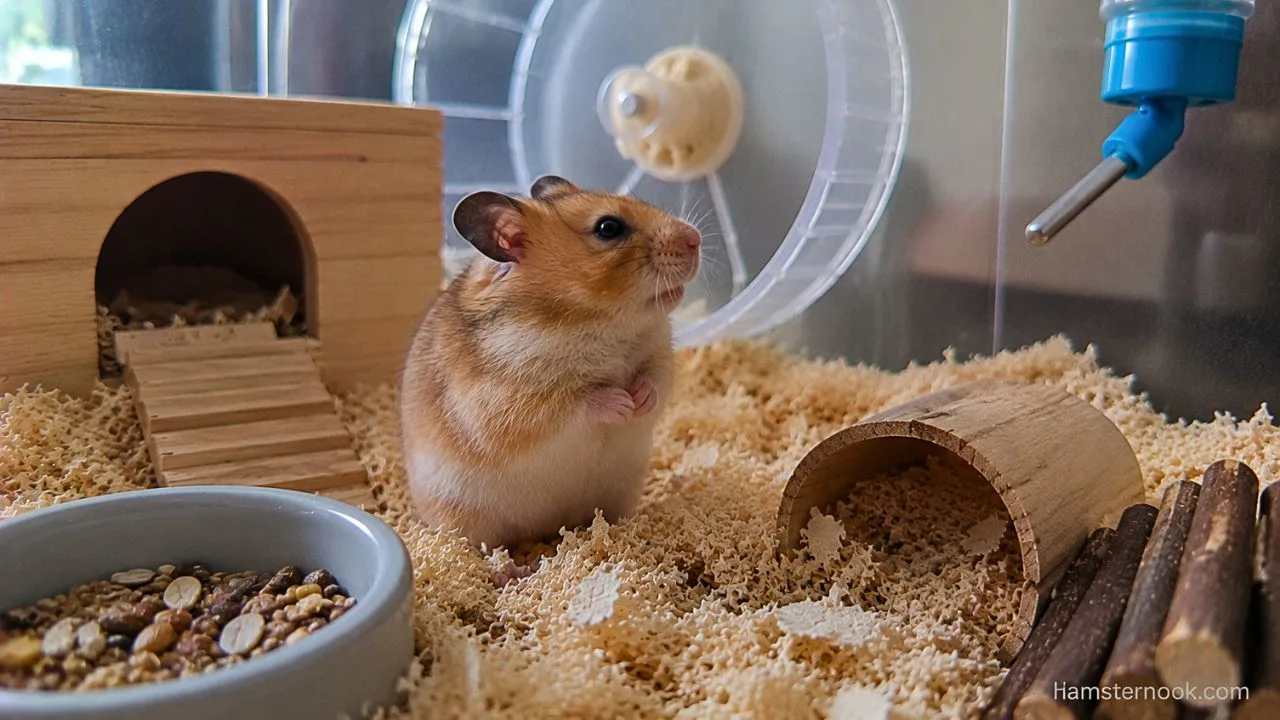
Try to:
- Feed around the same time daily
- Speak softly before opening the cage
- Handle gently and consistently
Over time, your hamster may start expecting your presence.
A calm environment and proper enclosure setup can also help reduce stress and encourage trust-building behavior in hamsters.
A calm environment and properly designed enclosure can make hamsters feel much safer during the bonding process, since reducing everyday stress often helps them become more confident around familiar people. Best Hamster Cage Setup for Beginners explains which habitat features encourage natural behavior and reduce unnecessary stress.
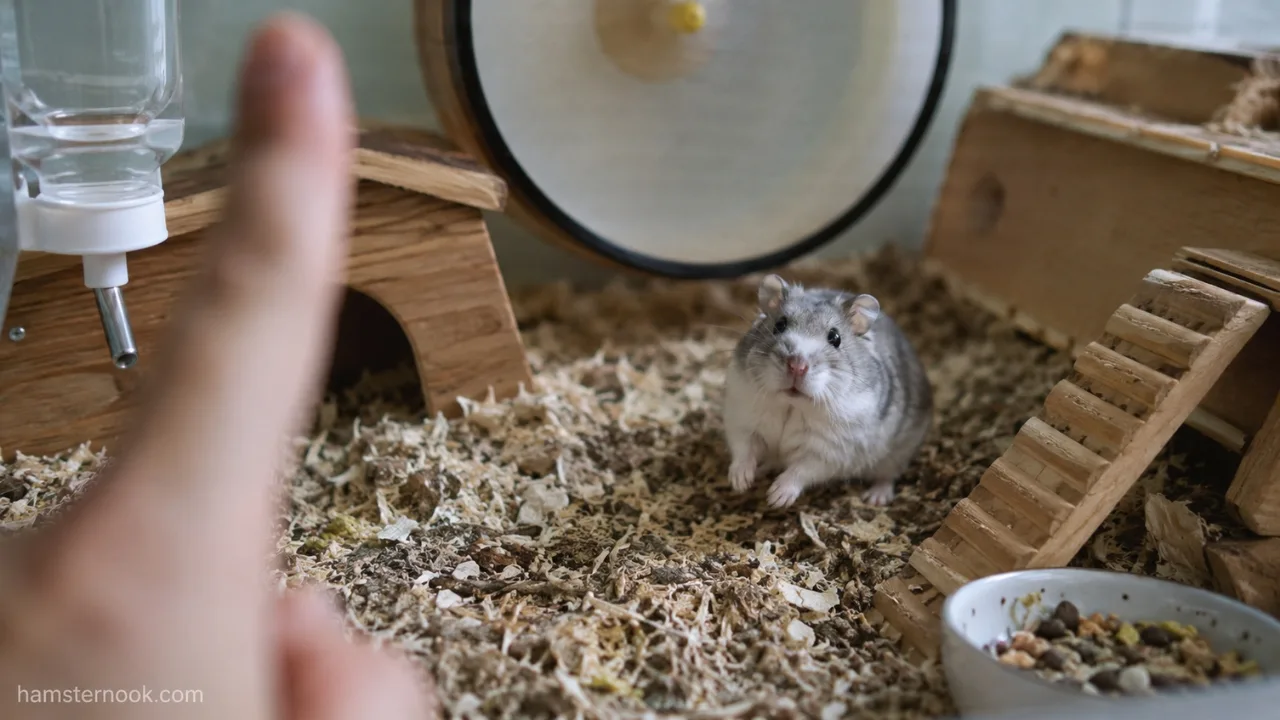
4. Avoid Sudden Movements
Fast hand movements can trigger fear because hamsters are prey animals.
Always move slowly and approach from the side rather than directly above.
5. Wash Hands Before Handling
Food smells on your fingers may confuse your hamster and increase the risk of accidental nibbling.
Using unscented soap is often best.

Can Hamsters Miss Their Owners?
There is limited scientific evidence showing that hamsters experience missing humans in the same emotional way as highly social animals like dogs.
However, hamsters can become attached to familiar routines and environments. Some owners notice changes in behavior when a primary caregiver is absent, such as:
- Increased caution
- Less interaction
- Temporary stress
This is likely connected to familiarity and routine rather than the type of emotional attachment seen in highly social pets.
Do Hamsters Get Attached to One Person?
Some hamsters appear more comfortable with the person who handles and feeds them most often.
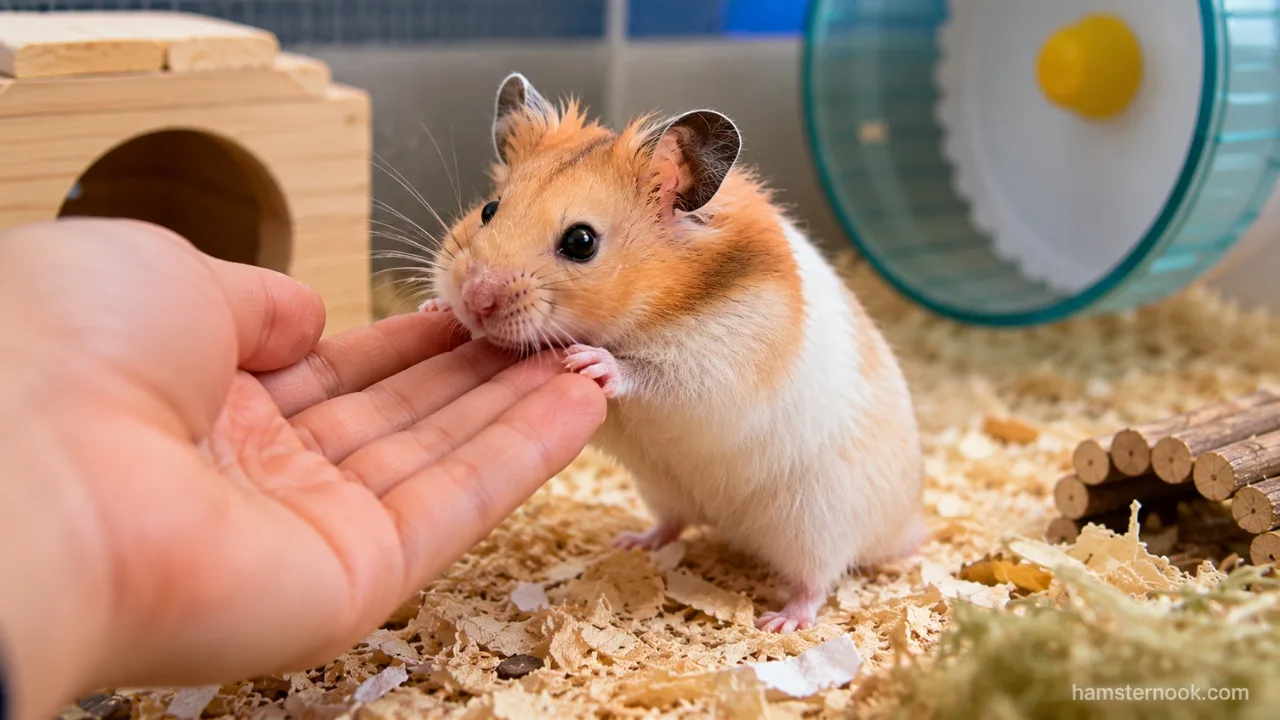
This usually happens because:
- The hamster recognizes that person’s scent
- The interaction style feels familiar
- The routine becomes predictable
Hamsters may act more nervous around unfamiliar people simply because they are cautious animals by nature.
Can Hamsters Forget Their Owners?
Hamsters usually do not “forget” their owners overnight, but their recognition is closely linked to scent, routine, and regular interaction rather than emotional attachment. If you are away for a vacation or someone else cares for your hamster for a few weeks, your pet may seem more cautious at first simply because its normal routine has changed.
In most cases, a hamster that has learned your scent and handling style will become comfortable again after a few gentle interactions. However, a very long absence or major environmental changes may slow this process, especially in naturally shy hamsters. This does not necessarily mean your hamster has forgotten you—it simply needs a little time to rebuild familiar routines.
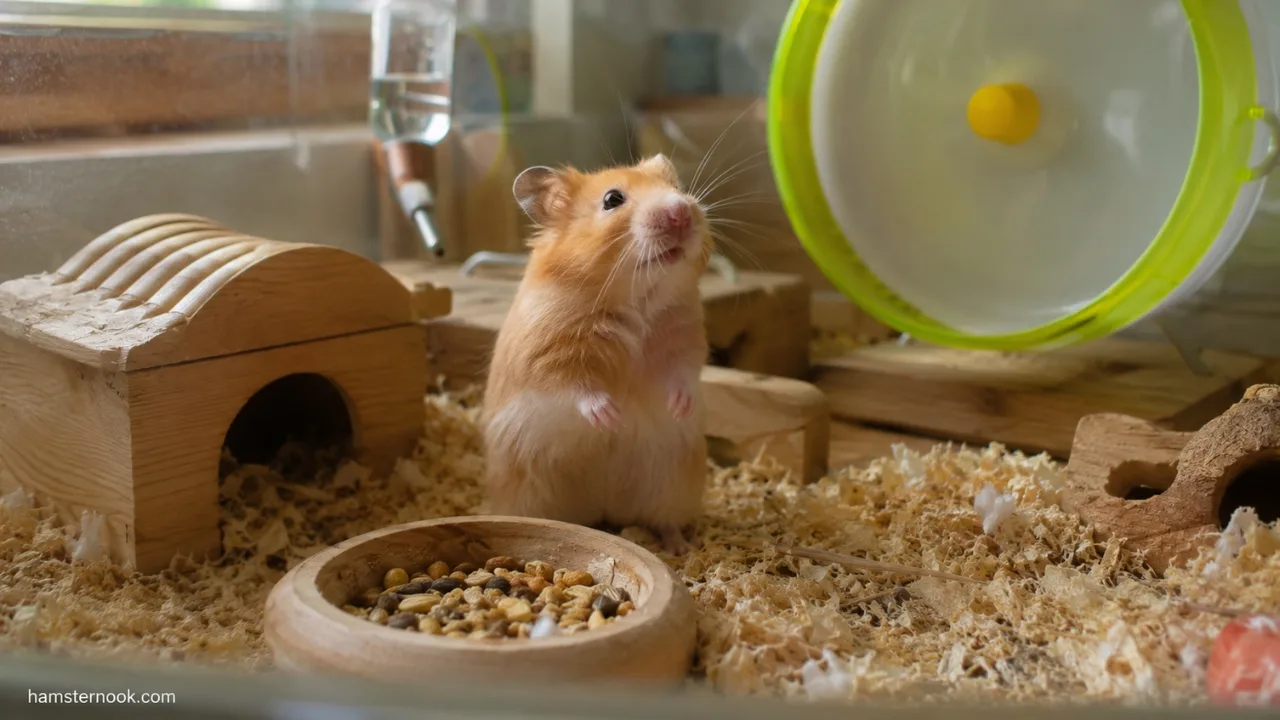
Every hamster responds differently. Some quickly recognize familiar scents after only a short separation, while others may behave more cautiously until they feel safe again. Consistent handling, calm interactions, and a predictable daily routine are usually the best ways to strengthen recognition over time.
Common Mistakes That Prevent Bonding
Many beginner owners accidentally make bonding harder without realizing it.
Waking the Hamster Suddenly
Hamsters are nocturnal or crepuscular, meaning they are most active during evening and nighttime hours. Disturbing sleep can cause stress and defensive behavior.
Understanding normal hamster sleep patterns can help owners avoid unnecessary stress and handling mistakes.
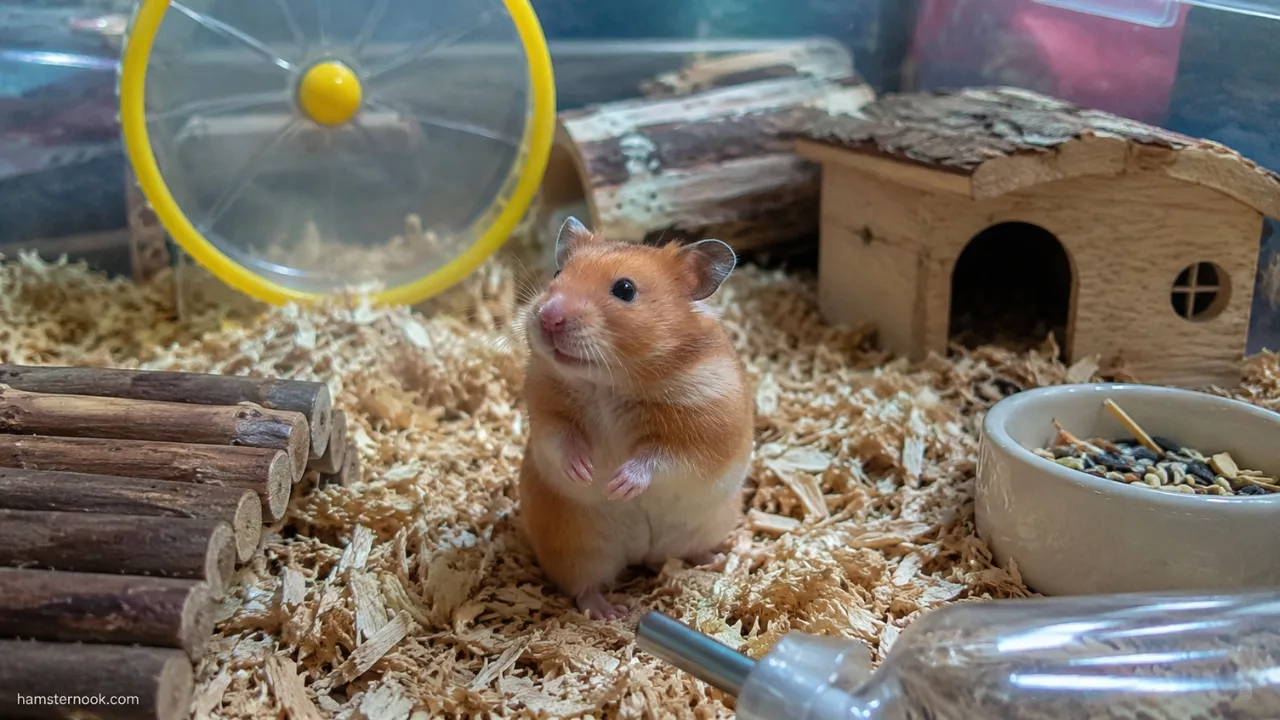
Since hamsters are naturally active during the evening and sleep through much of the day, recognizing normal sleeping patterns helps prevent unnecessary disturbances that may slow the bonding process. Why Is My Hamster Sleeping So Much? Normal vs Warning Signs explains what healthy sleep looks like.
Handling Too Soon
New hamsters need adjustment time before regular interaction.
Forcing Physical Contact
Picking up a frightened hamster repeatedly may damage trust.
Loud Noises Around the Cage
Constant noise and vibrations can make hamsters feel unsafe.

Inconsistent Care
Irregular feeding or handling routines may slow recognition and trust-building.
What Recognition Looks Like in Real Life
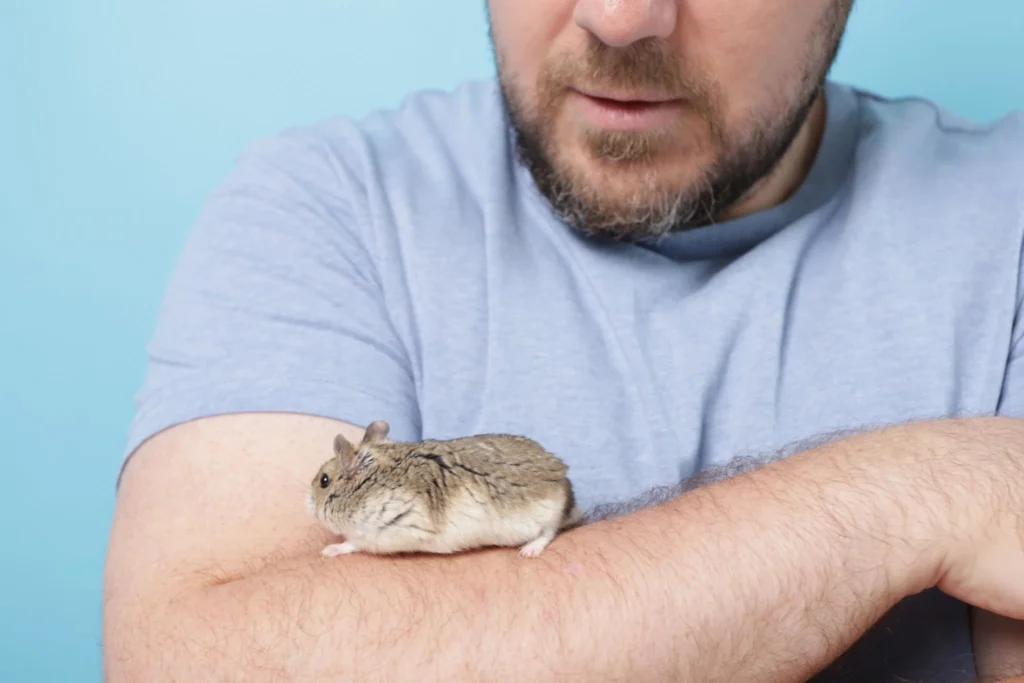
Hamster recognition is usually subtle.
Unlike dogs, hamsters rarely show dramatic excitement. Instead, recognition often appears as reduced fear and increased comfort.
For example, a hamster that recognizes you may:

- Stop hiding immediately when you approach
- Sniff your hand calmly
- Walk onto your palm voluntarily
- Accept food without hesitation
- Continue grooming while near you
These small behaviors are important signs of trust.
If your hamster becomes active or approaches you when you arrive, our Do Hamsters Get Excited to See Their Owners? Signs of Trust & Recognition guide covers how these behaviors can relate to familiarity and trust.
Are Baby Hamsters Better at Bonding?
Young hamsters are often easier to tame because they adapt to human interaction more quickly.
However, proper socialization still matters. Gentle, positive experiences are important at every age.
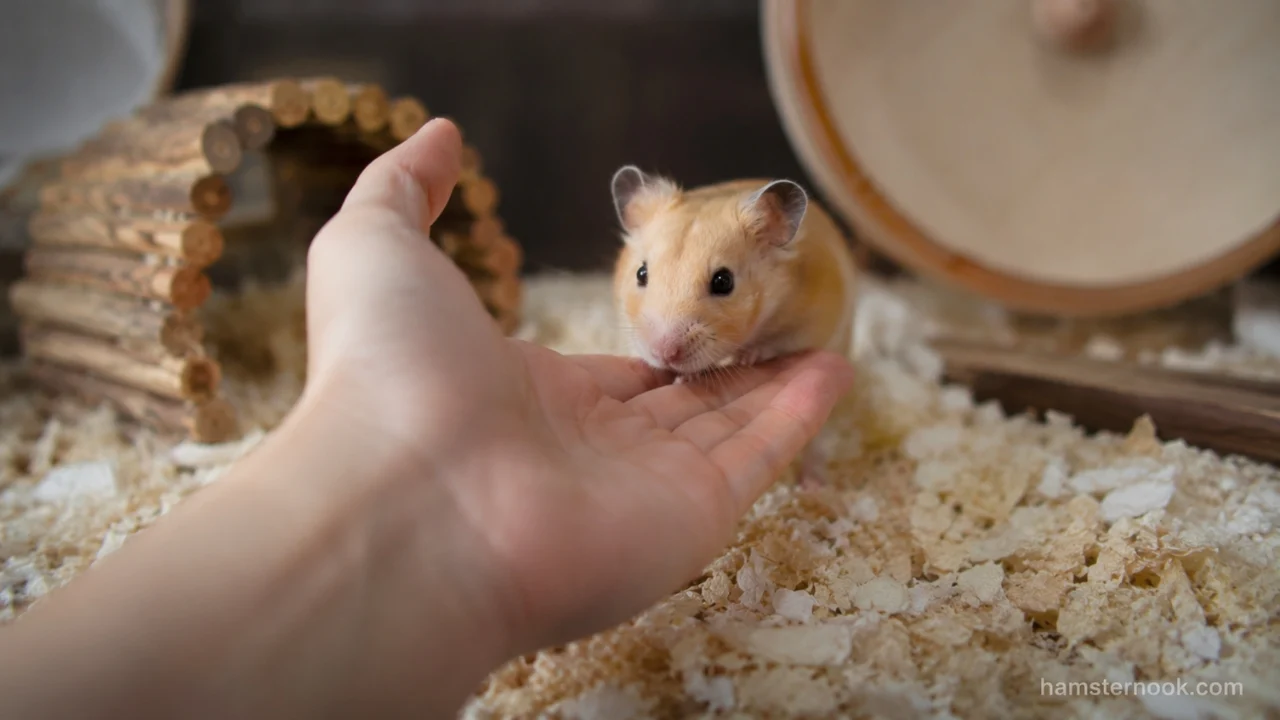
Adult hamsters can also become very comfortable with owners when handled patiently.
Final Thoughts
Hamsters can recognize their owners, mainly through scent, routine, and repeated positive experiences. While they do not bond exactly like dogs or cats, many hamsters learn to trust familiar humans and show clear signs of comfort over time.
The key to building that recognition is patience. Gentle handling, consistent care, and respecting your hamster’s boundaries create the best foundation for trust.
For many hamster owners, the small moments — a hamster climbing onto your hand willingly or calmly taking a treat — are often signs that your hamster feels familiar and comfortable with your presence.

Recognition and trust usually develop together over time as your hamster becomes more familiar with your scent, voice, and daily routine. Once a hamster consistently feels safe around you, gentle taming techniques can strengthen that relationship even further. How to Tame a Hamster Without Getting Bitten explains how to build trust safely from the beginning.
FAQ About Hamsters Recognizing Their Owners
Do hamsters know their owner’s smell?
Yes. Scent recognition is likely the main way hamsters identify familiar humans.
Can hamsters learn their names?
Hamsters may respond to familiar sounds or tones, but there is no strong evidence that they understand names the way dogs sometimes do.
Why does my hamster run away from me?
Your hamster may still be adjusting, feeling startled, or naturally shy. Fast movements and sudden handling can also cause fear.
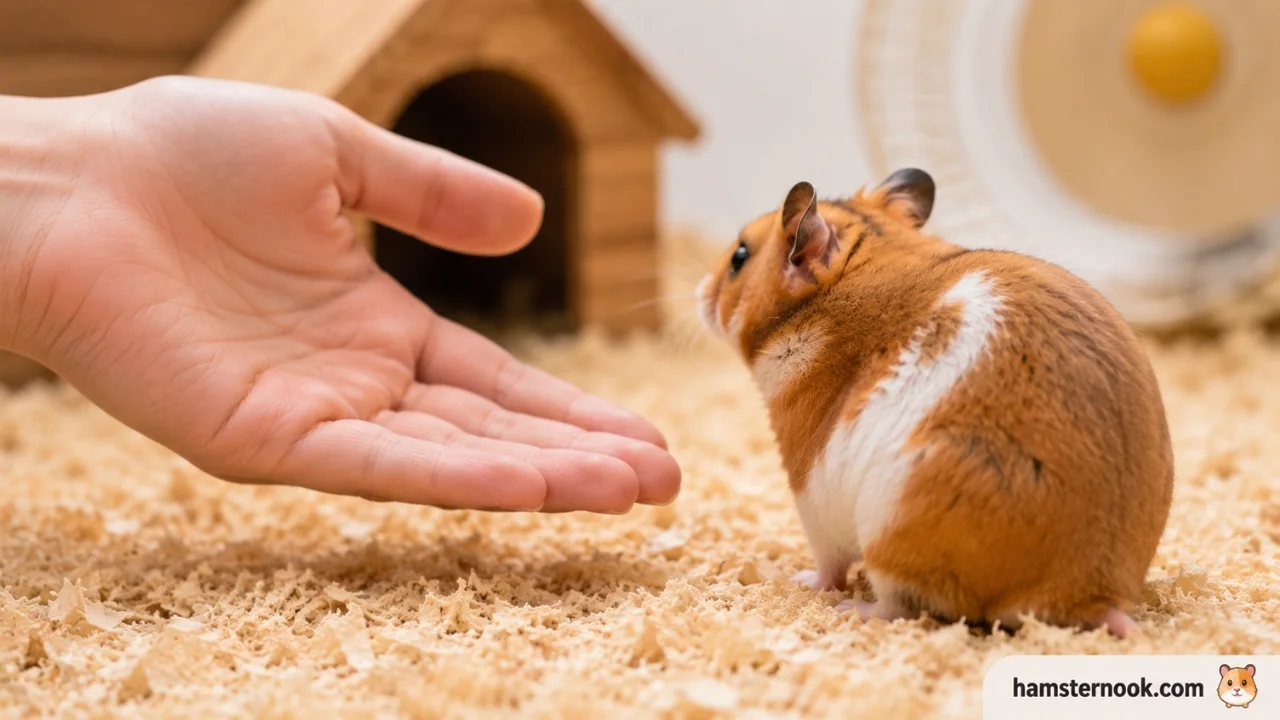
Can hamsters trust humans?
Yes. With patient, gentle interaction, many hamsters learn to trust their owners and become comfortable being handled.
Do hamsters like being petted?
Some do, while others tolerate it only briefly. Personality and species play a major role.
Why does my hamster lick my hand?
Hamsters may lick due to curiosity, salt on your skin, or comfort with your presence.
For a closer look at why hamsters may lick a familiar person’s hand, see Why Does My Hamster Lick Me? 7 Meanings Every Owner Should Know.
References
This guide is based on hamster behavior, sensory recognition, social interaction, handling, bonding, and welfare guidance from trusted animal welfare and veterinary resources, including:
- RSPCA – Hamster Behaviour – Guidance on natural hamster behavior, communication, activity patterns, handling, and interactions with people.
- RSPCA – Keeping Hamsters as Pets – General guidance on hamster care, behavior, handling, enrichment, and welfare.
- Blue Cross – Hamster Care Guide – Practical advice on hamster handling, settling into a new home, enrichment, behavior, and wellbeing.
- MSD Veterinary Manual – Providing a Home for a Hamster – Veterinary guidance on hamster environmental needs, housing, handling, and factors that support normal behavior.
- NC3Rs – Housing and Husbandry: Hamster – Guidance on hamster housing, environmental conditions, natural behaviors, enrichment, and welfare.
- NC3Rs – Choosing Appropriate Enrichment – Information on enrichment that supports natural hamster behaviors and helps provide appropriate environmental stimulation.

Narayan Kumar is the founder and author of HamsterNook. He creates practical, research-based hamster care guides covering hamster behavior, nutrition, cage setup, enrichment, health, and everyday care. His goal is to help hamster owners make informed decisions and provide safer, healthier lives for their pets through clear, beginner-friendly information based on trusted animal care resources.