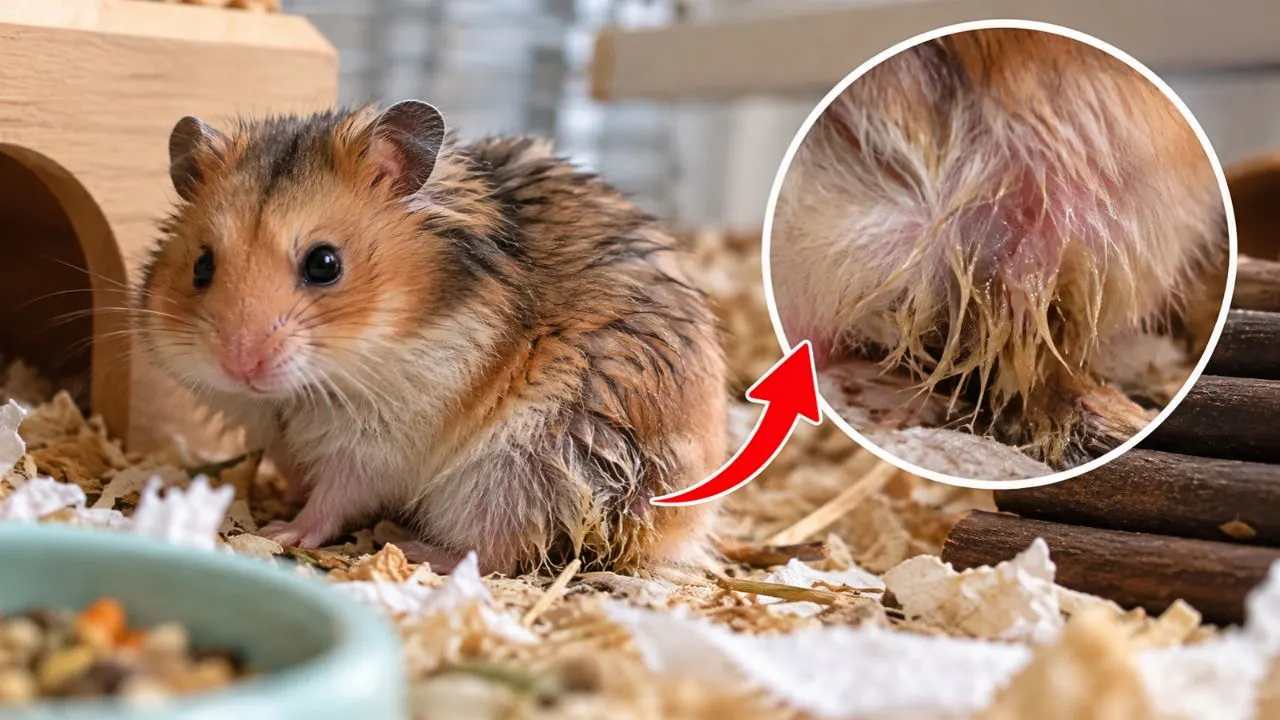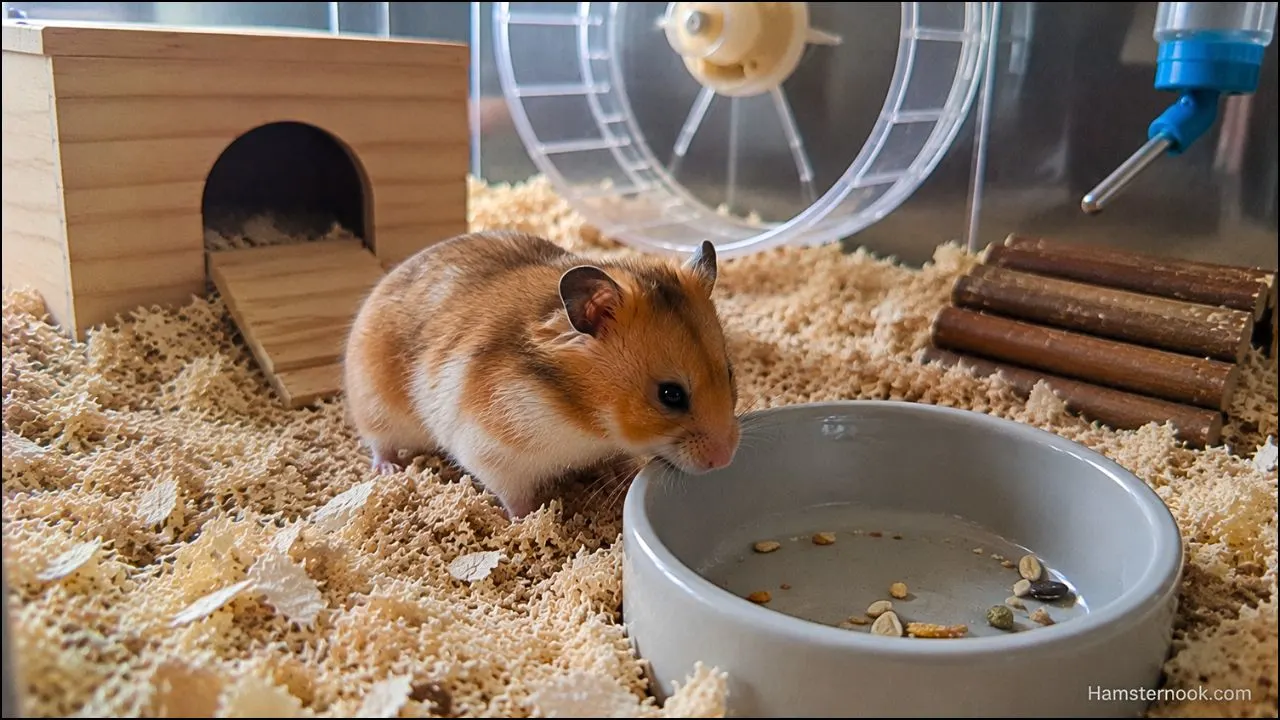
One day your hamster is running on its wheel, stuffing food into its cheeks, and acting completely normal. Then one evening, something seems off. Your hamster may stay hidden longer, ignore a favorite treat, or simply behave in a way that doesn’t feel normal. Maybe it’s sleeping more than usual, avoiding interaction, moving strangely, or showing behaviors you’ve never seen before.
Changes in behavior are often one of the first signs that something isn’t right. While not every unusual behavior means your hamster is sick, sudden changes should never be ignored. Hamsters are prey animals by nature, which means they often hide discomfort and illness until symptoms become difficult to conceal.
Recognizing these warning signs early makes it easier to act before a small problem turns into a more serious one.
Why Sudden Behavior Changes in Hamsters Matter
Many owners first notice a problem because their hamster’s routine changes before any obvious physical symptoms appear.
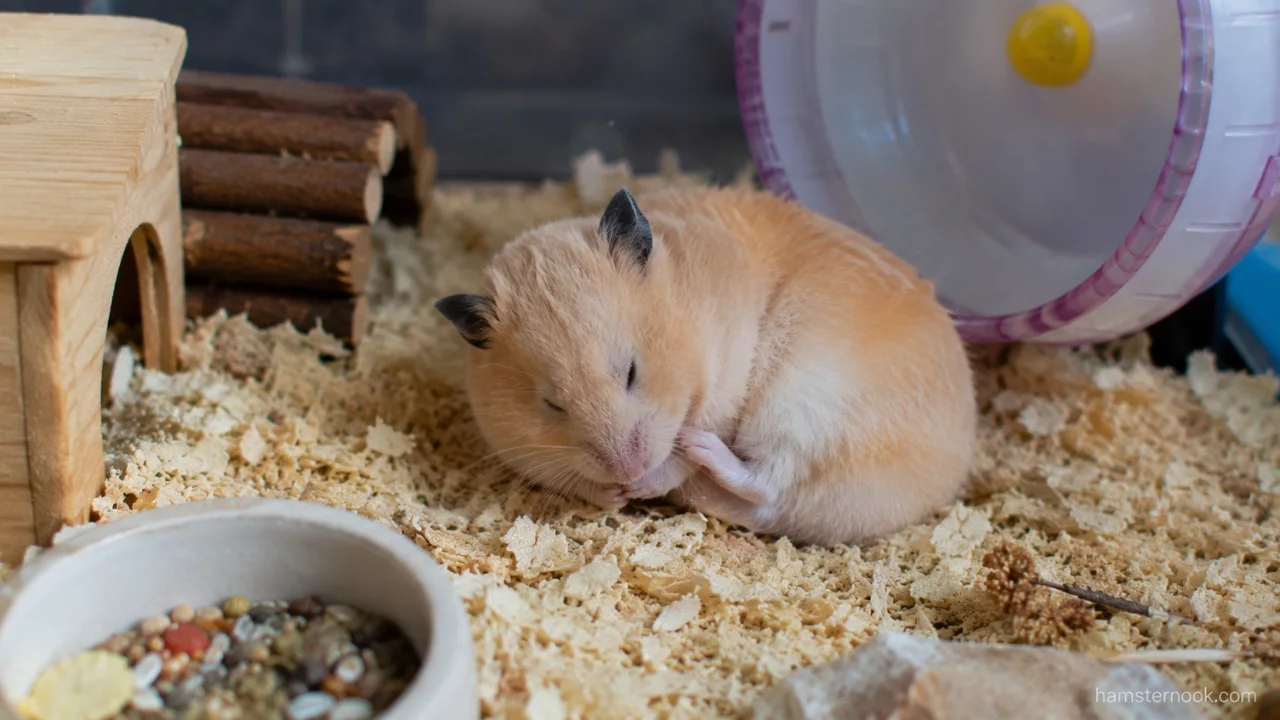
Hamsters tend to follow consistent daily routines. Most have regular sleeping patterns, favorite hiding spots, preferred foods, and predictable activity levels.
Understanding routine behavior makes unusual changes easier to spot. Read our Hamster Body Language Guide to learn more about common hamster behaviors and signals.
Even small changes deserve attention when they appear suddenly. Hamsters often hide illness until they feel too unwell to behave normally, so early behavioral changes can provide valuable clues.
When a hamster suddenly starts acting differently, there is usually a reason behind it.
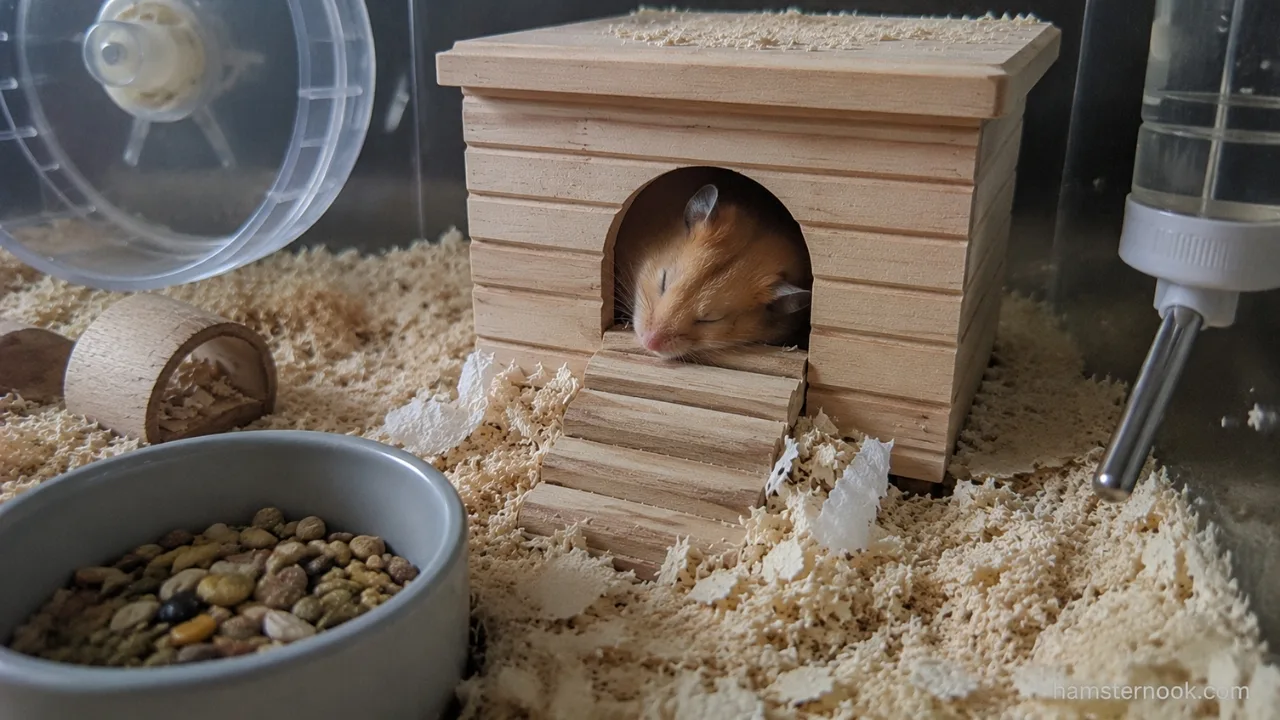
Possible causes include:
- Illness
- Pain or injury
- Stress
- Environmental changes
- Aging
- Poor cage conditions
- Diet-related problems
Quick Reference: Strange Behavior vs Possible Causes
| Behavior Change | Possible Causes | Veterinary Attention Recommended? |
|---|---|---|
| Sleeping more than usual | Illness, stress, aging, temperature issues | If persistent |
| Loss of appetite | Dental issues, illness, pain | Yes |
| Sudden aggression | Fear, pain, stress | If unusual or ongoing |
| Reduced activity | Illness, injury, aging | Yes if significant |
| Difficulty walking | Injury, neurological issues | Yes |
| Increased drinking | Illness or another medical problem | Veterinary evaluation recommended |
| Hunched posture | Pain or discomfort | Yes |
| Labored breathing | Respiratory illness | Immediate attention |
| Isolation or hiding constantly | Stress, illness | If behavior persists |
Warning Sign #1: Your Hamster Is Sleeping Much More Than Usual
Hamsters naturally sleep during the day, so extra sleeping can be difficult to notice at first.
However, concern increases when your hamster:
- Skips normal evening activity
- Ignores favorite treats
- Refuses to leave the nest
- Appears unusually sluggish
While occasional tired days can happen, persistent lethargy often deserves closer observation.
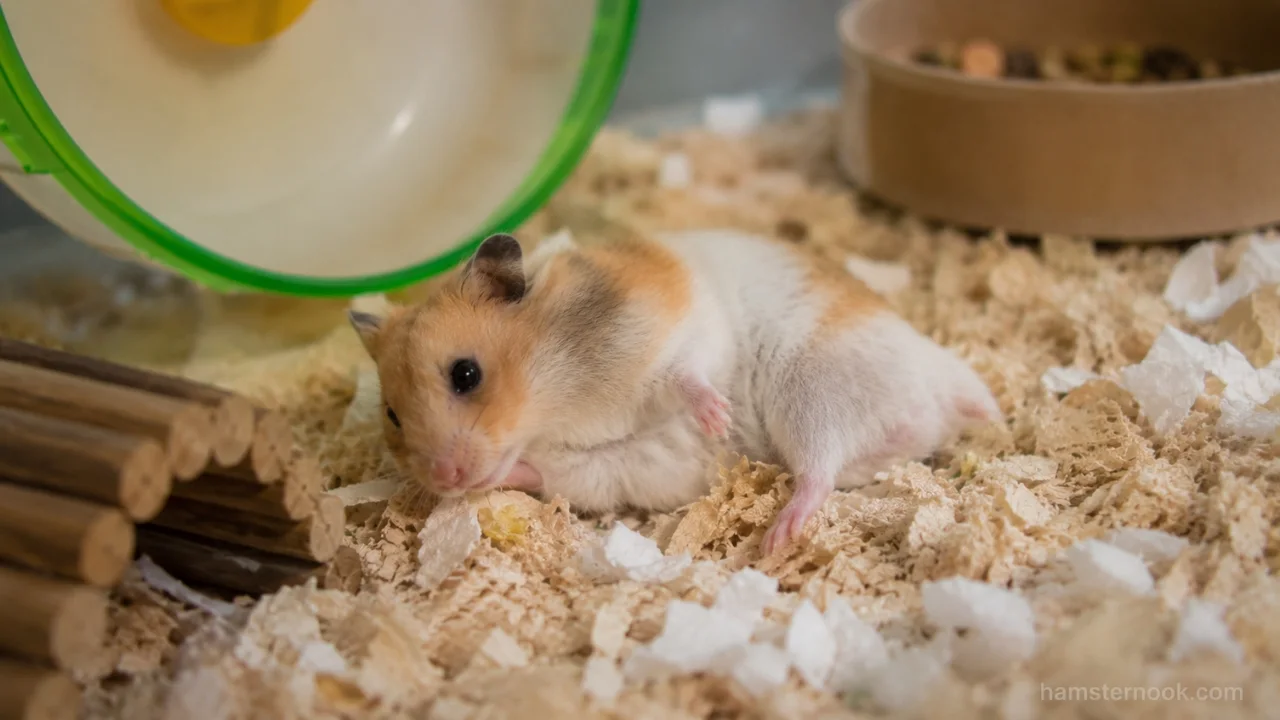
Temperature changes, illness, and stress are common causes.
Warning Sign #2: Sudden Loss of Appetite
Healthy hamsters are usually enthusiastic eaters.
Knowing which foods are safe can also help identify appetite-related problems. See What Can Hamsters Eat? Complete Food List.
A hamster that suddenly stops eating, leaves favorite foods untouched, or shows little interest in treats may be experiencing an underlying problem.

If your hamster refuses food completely, Why Is My Hamster Not Eating? explains the most common causes and when immediate veterinary attention may be needed.
Possible causes include:
- Dental issues
- Infection
- Pain
- Digestive problems
- General illness
Because hamsters are so small, prolonged appetite loss can become serious relatively quickly.
Warning Sign #3: Unusual Aggression or Irritability
If a normally calm hamster suddenly starts nipping, lunging, or avoiding handling, discomfort or stress may be playing a role.

Pain can make even normally calm hamsters react aggressively.
Watch for behaviors such as:
- Lunging
- Repeated biting
- Sudden territorial behavior
- Defensive posturing
Stress from environmental changes can also contribute, but sudden aggression should not be dismissed as a personality change without considering possible health issues.
Warning Sign #4: Reduced Activity and Exercise
Most healthy hamsters spend significant time exploring, digging, foraging, and running.
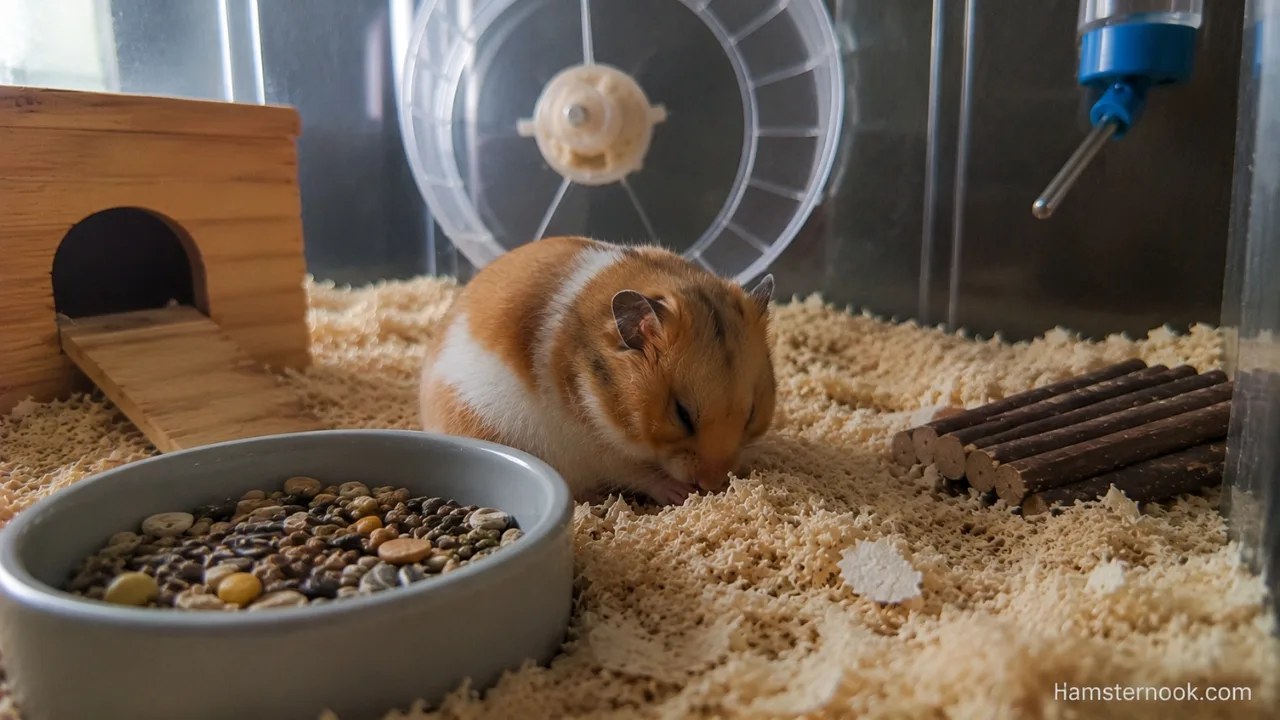
If wheel usage drops dramatically or your hamster appears uninterested in normal activities, something may be wrong.
The difference is often easiest to spot in hamsters that previously had consistent exercise routines.
Reduced activity may be linked to:
- Illness
- Injury
- Obesity
- Pain
- Aging-related changes
Warning Sign #5: Difficulty Walking or Poor Balance
Changes in movement deserve immediate attention.
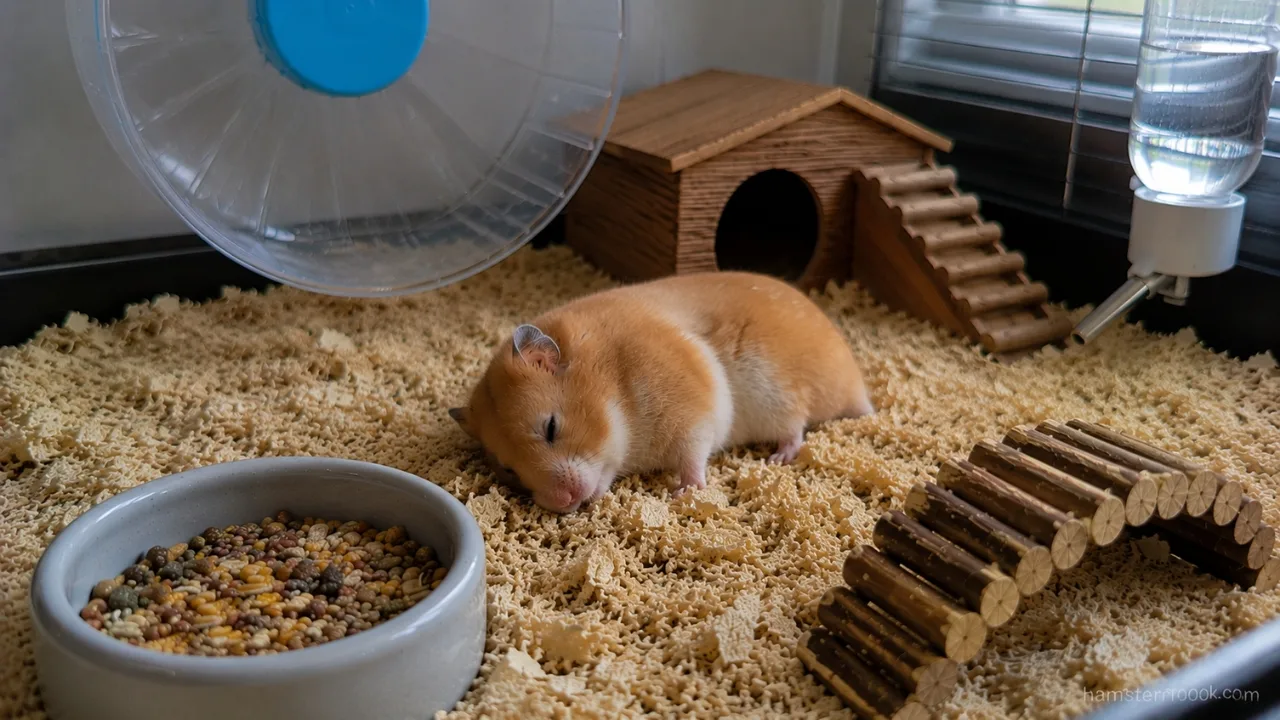
A hamster that suddenly:
- Wobbles while walking
- Falls frequently
- Drags a leg
- Walks in circles
- Appears unable to balance
may be experiencing injury or neurological problems.
These symptoms should not be considered normal and often require veterinary evaluation.
Warning Sign #6: Drinking Much More Water Than Normal
Water consumption varies slightly between individual hamsters, but dramatic increases can be significant.
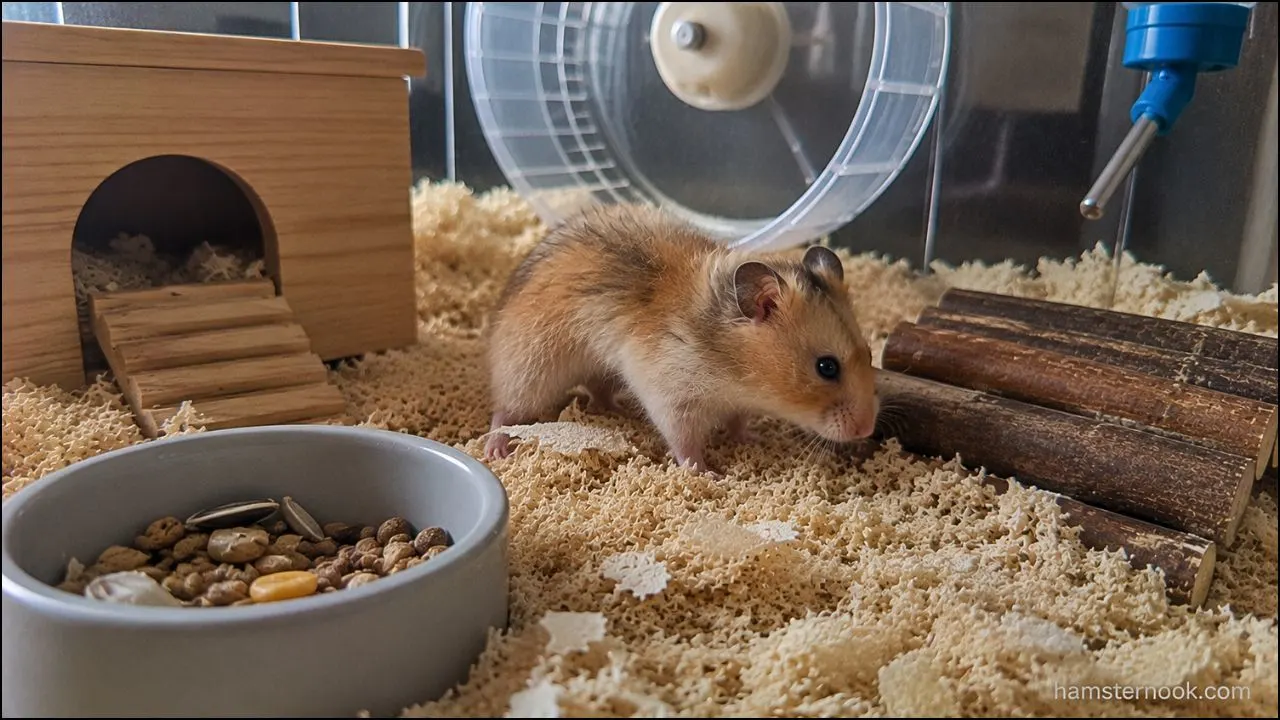
Excessive thirst may sometimes occur alongside:
- Increased urination
- Weight loss
- Reduced energy levels
One condition commonly associated with increased thirst is diabetes, particularly in certain dwarf hamster species.
Any noticeable change in drinking habits should be monitored carefully.
Warning Sign #7: Constant Hiding and Avoiding Interaction

Hamsters enjoy spending time in hides and burrows. That behavior alone is completely normal.

Proper shelter plays an important role in hamster security. Read Best Hamster Hideouts and Sleeping Areas.
The concern arises when a hamster that was previously active suddenly becomes difficult to find and rarely emerges, even during its usual active hours.
Persistent hiding can sometimes indicate:
- Stress
- Fear
- Illness
- Pain
Owners should pay attention to whether hiding behavior is accompanied by other symptoms.
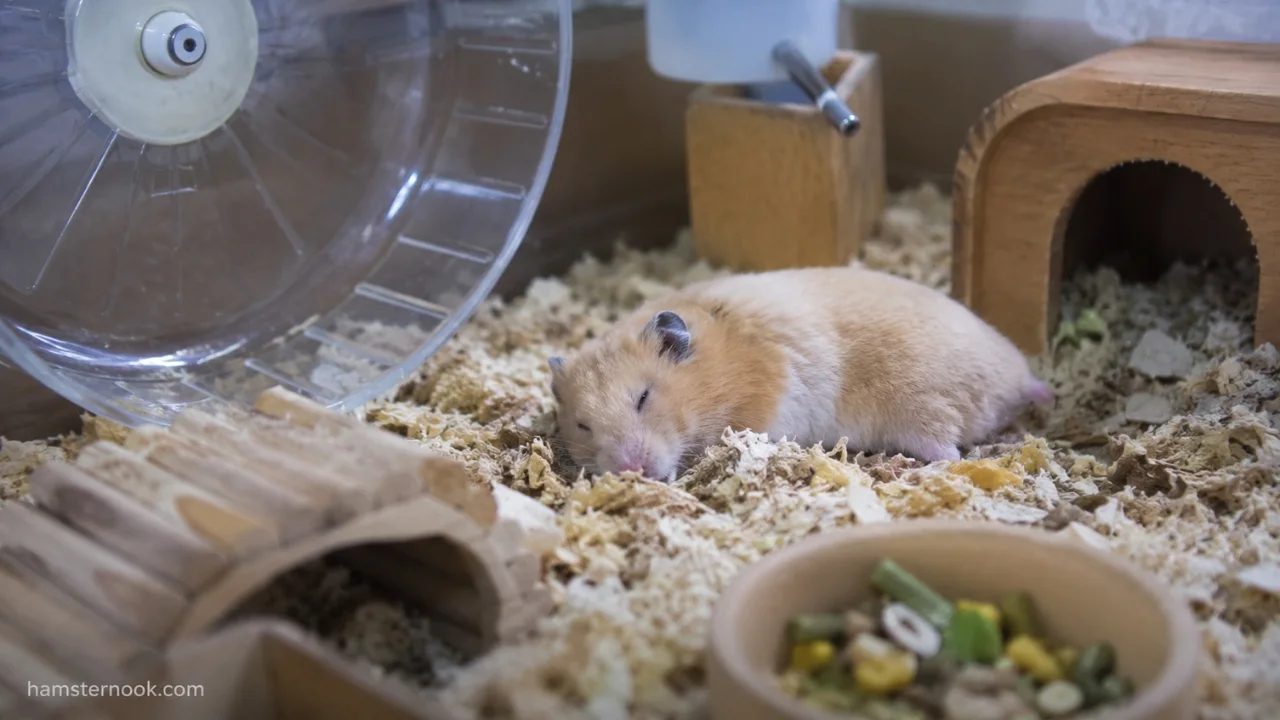
If hiding itself has become the main behavior change, Why Is My Hamster Always Hiding? When It’s Normal and When to Worry explains when hiding is normal and when it may point to a problem.
Warning Sign #8: Hunched Posture or Unusual Body Position
A healthy hamster usually moves with a relaxed posture.
A hamster sitting hunched for long periods may be experiencing discomfort.
This warning sign becomes more concerning when combined with:

- Reduced activity
- Appetite loss
- Closed eyes
- Rough coat condition
Many veterinarians consider persistent hunching an important indicator that a hamster may not be feeling well.
If the change also affects how your hamster walks or balances, Why Is My Hamster Walking Weird? Causes & When to See a Vet covers movement changes that may need veterinary attention.
Persistent hunching can be a sign that a hamster is unwell, especially when it appears alongside reduced activity, appetite loss, or other changes. If the hunched posture persists or other warning signs are present, veterinary evaluation is appropriate.
Warning Sign #9: Breathing Changes or Respiratory Symptoms
Breathing problems should always be taken seriously.

Watch for:
- Rapid breathing
- Wheezing
- Clicking sounds
- Open-mouth breathing
- Nasal discharge
Respiratory illnesses can worsen quickly in small animals.
If breathing appears labored or abnormal, veterinary attention should be sought as soon as possible.
If you’ve noticed rapid or unusual breathing, Why Is My Hamster Breathing Fast? explains common causes and the warning signs that should never be ignored.
Behavioral Changes That Are Often Normal
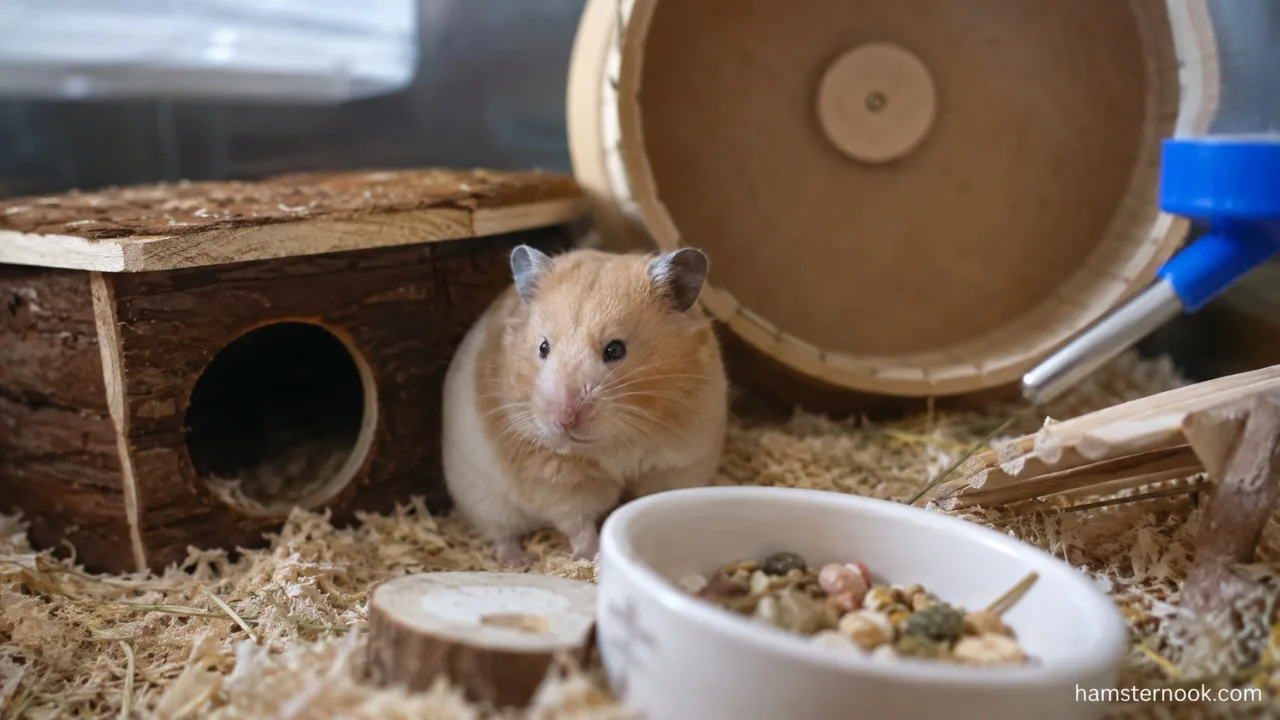
Not every unusual behavior signals illness.
Some changes can occur naturally due to age, environment, or routine adjustments.
| Behavior | Often Normal? | When to Worry |
|---|---|---|
| Sleeping later than usual | Sometimes | If paired with lethargy |
| Rearranging bedding | Yes | Rarely concerning |
| Temporary shyness after cage cleaning | Yes | If prolonged |
| Increased burrowing | Usually | If accompanied by other symptoms |
| Seasonal activity fluctuations | Sometimes | If severe |
One unusual behavior on its own rarely tells the whole story.
Environmental Factors That Can Cause Strange Behavior
Sometimes the hamster itself is healthy, but its environment is causing stress.
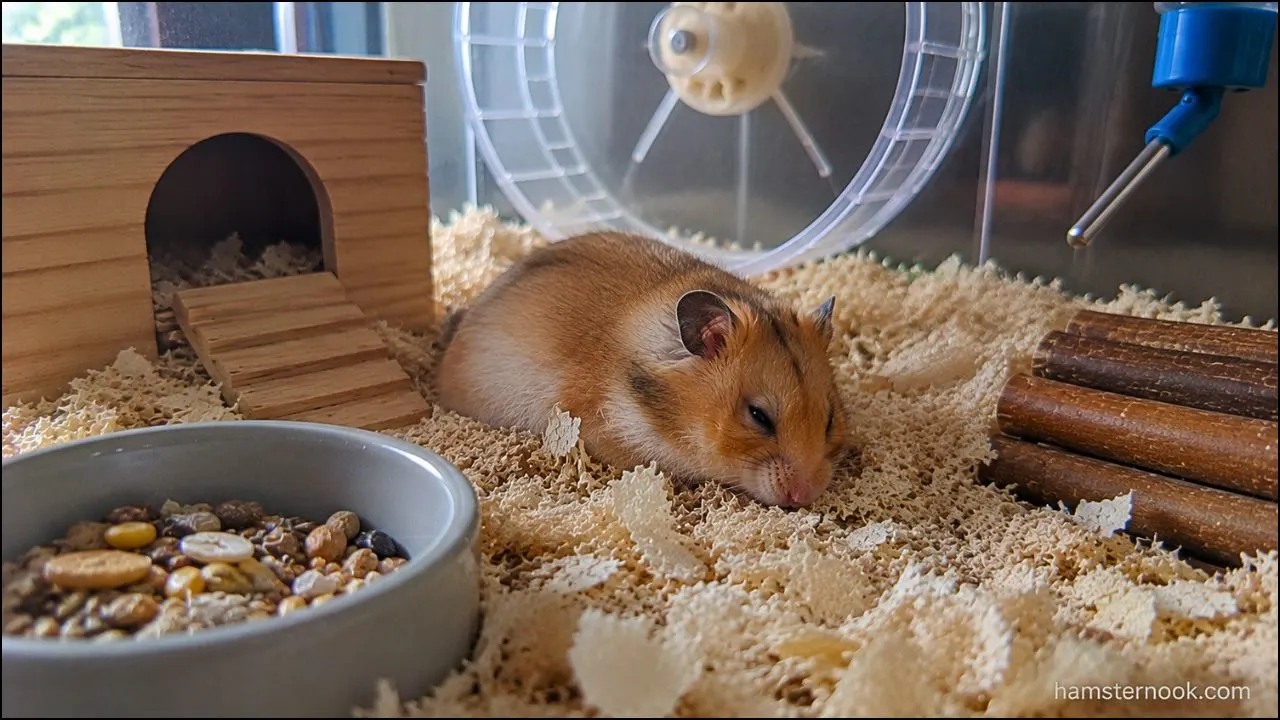
Common environmental triggers include:
| Environmental Issue | Possible Behavioral Effect |
|---|---|
| Cage too small | Bar chewing, escape attempts |
| Loud noises | Hiding, nervousness |
| Sudden temperature changes | Reduced activity |
| Lack of enrichment | Boredom behaviors |
| Frequent disturbances | Stress and irritability |
| Poor bedding setup | Restlessness |
Checking husbandry conditions can help rule out non-medical causes.
If stress may be contributing to the change, 7 Ways You’re Accidentally Stressing Your Hamster: Signs & What to Do explains common stress triggers and what owners can do to reduce them.
If the environment has recently changed, consider whether noise, temperature, cage setup, or other disturbances could explain the behavior. If there is no obvious environmental reason, or the behavior is accompanied by physical symptoms, veterinary evaluation is more important.
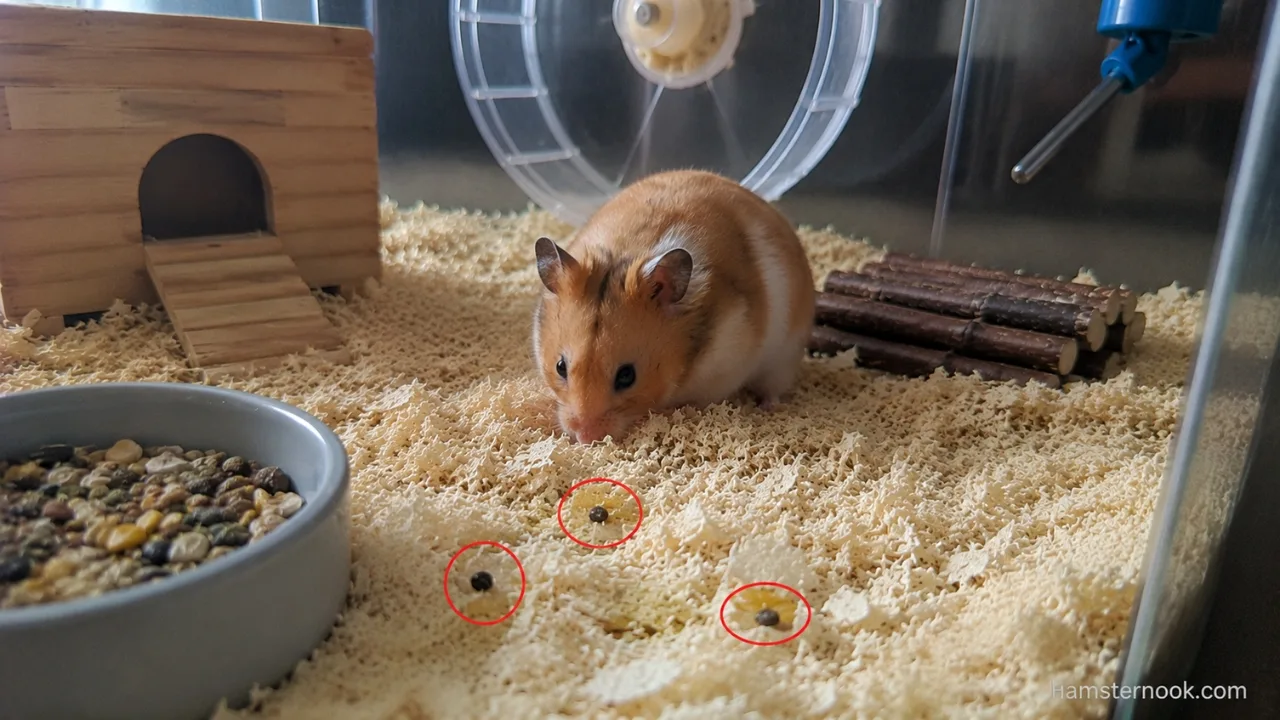
A complete enclosure review can often reveal hidden problems. See our Best Hamster Cage Setup for Beginners guide.
What to Do If Your Hamster Suddenly Acts Strange
If your hamster suddenly behaves differently, first check the basics without repeatedly disturbing it.
- Check whether your hamster is eating and drinking normally.
- Look for changes in breathing, movement, posture, or activity.
- Check that the cage is at a comfortable, stable temperature and free from obvious drafts or excessive noise.
- Look for any recent changes to the cage, bedding, food, or surrounding environment.
- Observe your hamster during its usual active period rather than repeatedly waking it during the day.
- Note any new symptoms and whether they are getting better, staying the same, or becoming worse.
Do not force food, water, exercise, or handling if your hamster appears unwell. If serious symptoms are present, contact a qualified veterinarian rather than trying to treat the underlying cause at home.
When Should You Contact a Veterinarian?
If several warning signs appear at the same time, don’t wait to see if they disappear on their own. Early veterinary care is often the safest approach because hamsters can become seriously ill in a short period.
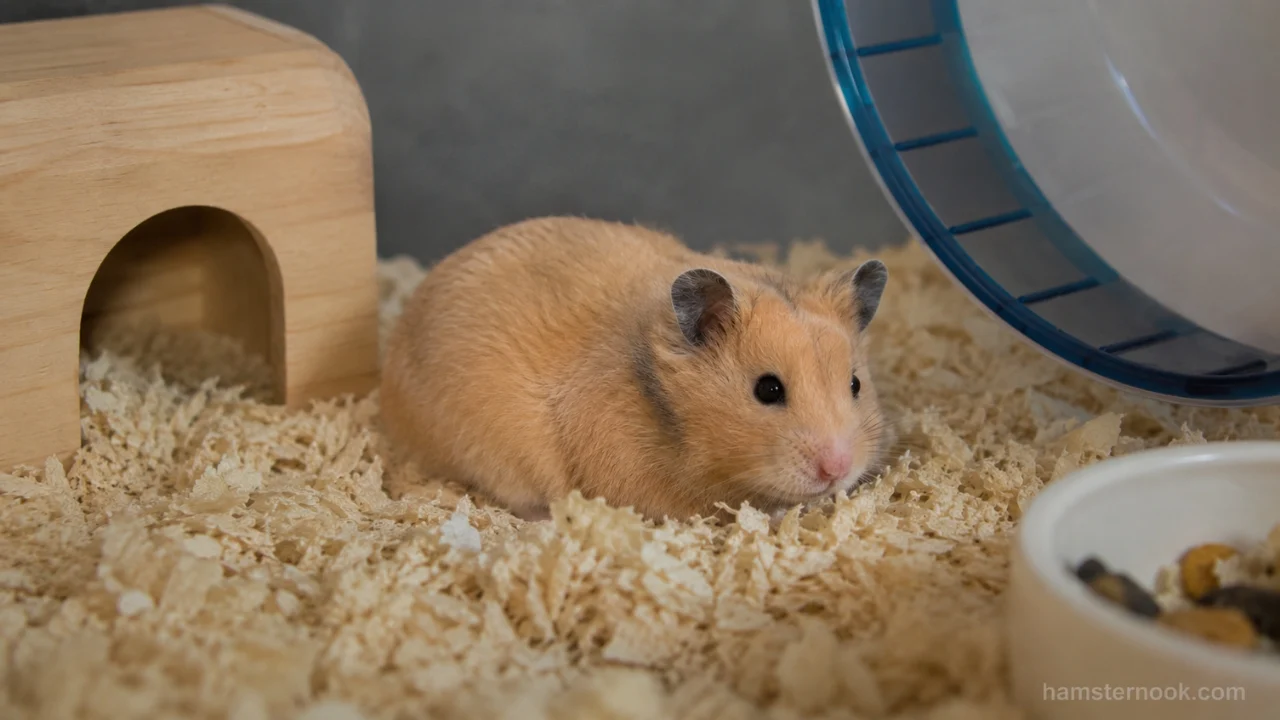
Behavior changes become more concerning when they:
- Appear suddenly
- Do not return to normal during the hamster’s usual active period
- Worsen or recur
- Occur along
- side physical symptoms
Seek veterinary care promptly if you notice:
- Breathing difficulties
- Refusal to eat
- Significant weight loss
- Trouble walking
- Signs of pain
- Severe lethargy
Early veterinary assessment can help identify the cause of the behavior change and guide appropriate treatment.
How to Monitor a Hamster Acting Unusually
If your hamster is behaving differently, start keeping notes.
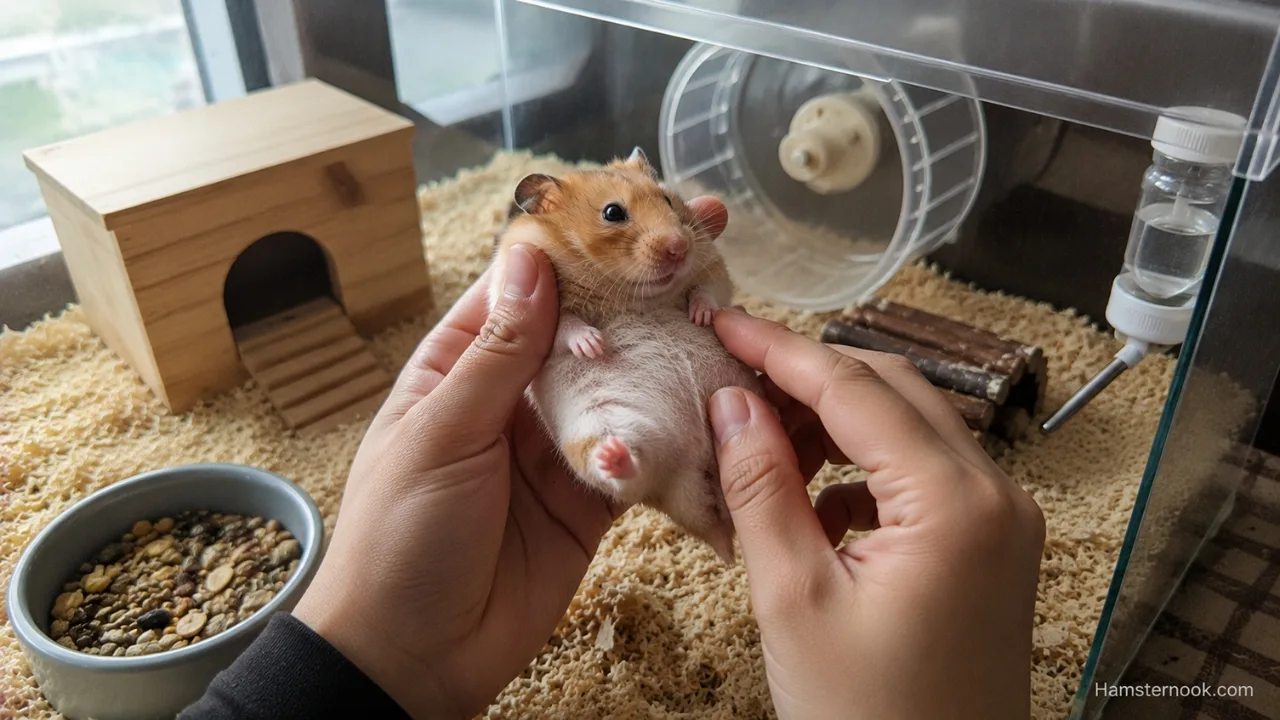
Track:
| Observation | What to Record |
|---|---|
| Food intake | Amount eaten daily |
| Water consumption | Increased or decreased use |
| Activity level | Wheel use and exploration |
| Weight | Regular measurements if possible |
| Behavior changes | New or worsening symptoms |
Keeping a simple routine checklist can make changes easier to notice. Read our Hamster Care Guide for Beginners for practical daily care tips.
These observations can be extremely helpful if veterinary care becomes necessary.
Final Thoughts
A hamster acting strangely does not automatically mean something serious is wrong, but sudden behavior changes should always be taken seriously. Since hamsters naturally try to hide weakness, small behavior changes are often the first clue that something may be wrong.

Pay attention to patterns rather than isolated incidents. Loss of appetite, breathing changes, unusual aggression, balance problems, and persistent lethargy are among the most important warning signs to watch for.
The sooner unusual behavior is recognized and investigated, the better the chances of identifying and addressing the underlying cause.
Frequently Asked Questions
Is it normal for a hamster to suddenly become less active?
A temporary decrease in activity can occur due to environmental changes or aging. However, significant or persistent lethargy should be investigated, especially if other symptoms are present.
Why is my hamster hiding more than usual?
Hamsters naturally spend time in hides, but excessive hiding combined with appetite loss, lethargy, or reduced activity may indicate stress or illness.
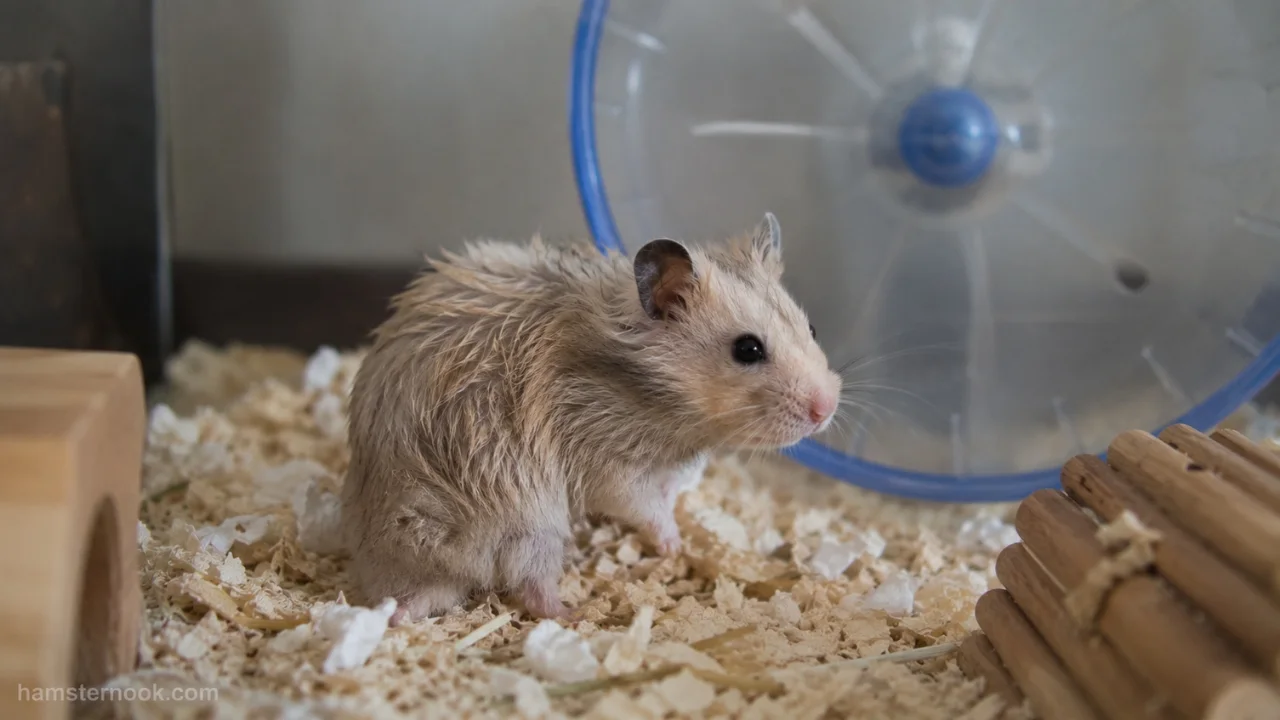
Can stress make a hamster act strangely?
Yes. Changes in environment, loud noises, poor cage conditions, or frequent disturbances can affect behavior and make a hamster appear withdrawn or irritable.
Should I worry if my hamster stops using its wheel?
If a hamster that normally runs every night suddenly stops, it may be worth monitoring closely. Illness, injury, pain, or age-related issues can sometimes reduce activity.
Why is my hamster drinking so much water?
Increased water consumption may occasionally be linked to health issues such as diabetes or other medical conditions. A noticeable increase should be discussed with a veterinarian.
How long should I wait before seeking veterinary help?
There is no single waiting period for every behavior change. Seek veterinary care promptly for breathing difficulties, refusal to eat, trouble walking, signs of pain, severe lethargy, or other serious symptoms. For a mild isolated behavior change without other symptoms, monitor your hamster closely and contact a veterinarian if the change persists or worsens.

References
This guide is based on hamster health, behavior, welfare, and husbandry guidance from trusted veterinary and animal welfare organizations, including:
- RSPCA – Hamster Health & Welfare – Health checks, changes in behavior, signs of illness, pain, dental problems, and when veterinary attention is needed.
- RSPCA – Hamster Behaviour – Normal activity patterns, sleeping behavior, handling, stress, and natural hamster behavior.
- PDSA – Hamsters as Pets – Hamster behavior, housing, activity, common health problems, appetite, breathing, and general care.
- Blue Cross – Looking After Your Hamster – Hamster welfare, housing, handling, behavior, enrichment, and health considerations.
- Merck Veterinary Manual – Hamsters – Veterinary reference information on hamster diseases, health problems, behavior, and husbandry.
Medical Disclaimer:
This article is intended for educational purposes only and should not be considered veterinary advice. Sudden changes in a hamster’s behavior can sometimes be an early sign of illness, pain, or injury. If your hamster has difficulty breathing, stops eating, becomes severely lethargic, has trouble walking, shows signs of pain, or develops other serious or worsening symptoms, contact a qualified exotic animal veterinarian promptly.

Narayan Kumar is the founder and author of HamsterNook. He creates practical, research-based hamster care guides covering hamster behavior, nutrition, cage setup, enrichment, health, and everyday care. His goal is to help hamster owners make informed decisions and provide safer, healthier lives for their pets through clear, beginner-friendly information based on trusted animal care resources.