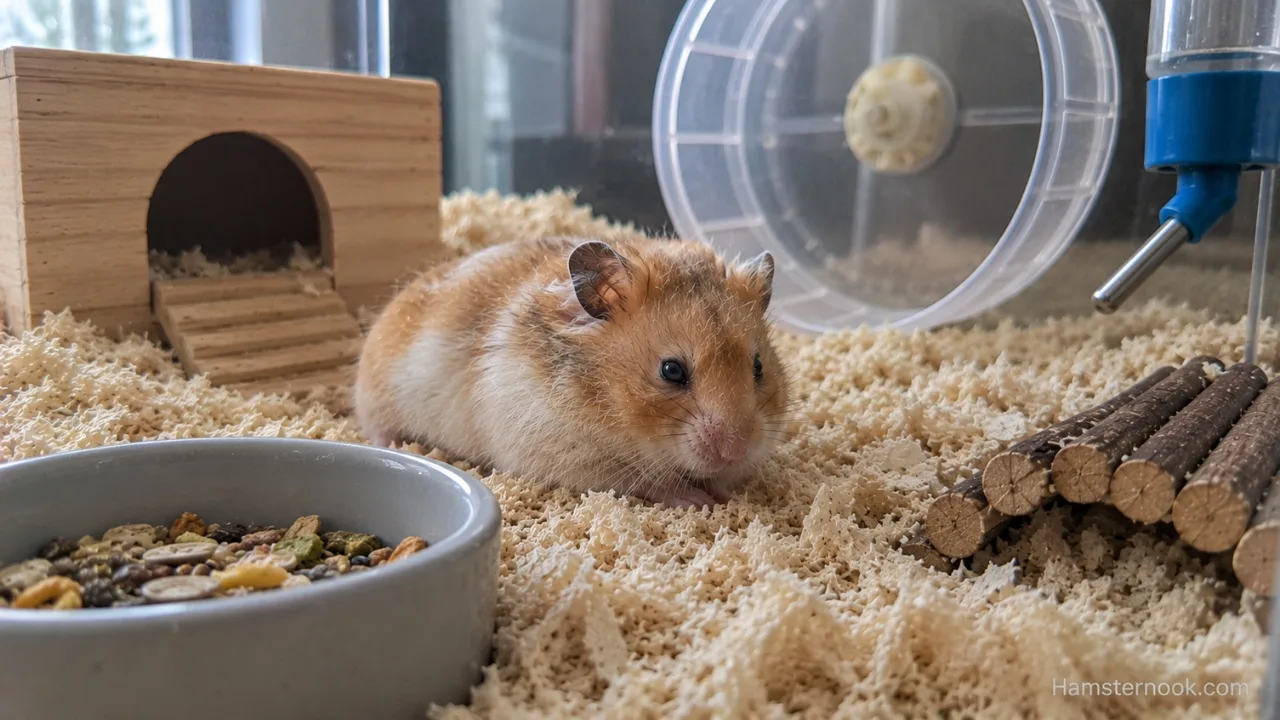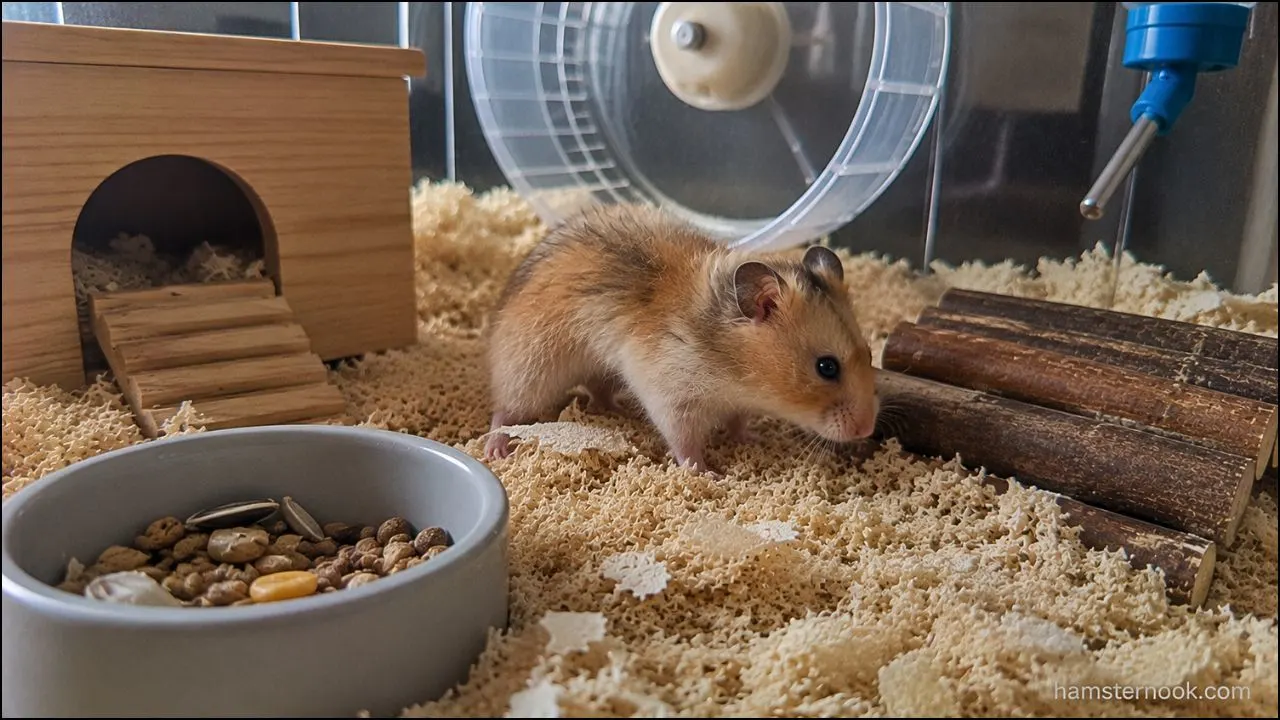
A hamster’s weight doesn’t usually change dramatically overnight. That’s why many owners become worried when they notice their pet looking thinner, feeling lighter when handled, or appearing less round than usual. While some weight fluctuations can be harmless, sudden or unexplained weight loss should never be ignored.
Unlike larger pets, hamsters can hide illness extremely well. In the wild, showing weakness makes animals vulnerable to predators, so hamsters often continue behaving normally even when something is wrong. By the time noticeable weight loss appears, there may already be an underlying issue that needs attention.
The good news is that not every case of weight loss indicates a serious illness. However, unexplained weight loss should always be monitored closely.
Changes in diet, aging, stress, dental problems, and certain health conditions can all affect a hamster’s weight. Understanding the possible causes can help you decide whether your hamster simply needs dietary adjustments or should be examined by a veterinarian.
Quick Answer
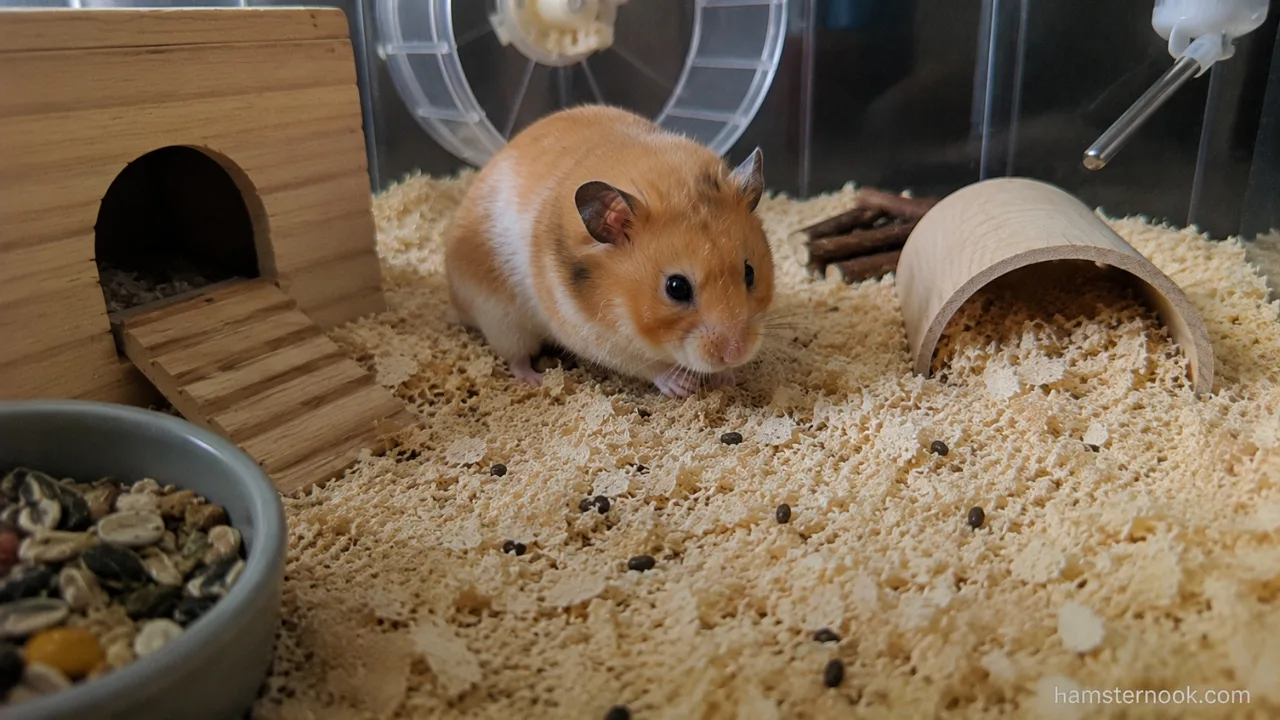
A hamster losing weight can be caused by eating less, dental problems, stress, aging, digestive issues, infections, diabetes, or other health conditions. If the weight loss is sudden, continues over time, or happens alongside poor appetite, diarrhea, weakness, breathing problems, or other unusual symptoms, contact a veterinarian. Regular weekly weighing can help you notice changes before they become more serious.
Is Weight Loss in Hamsters Normal?
Small weight changes can happen occasionally due to differences in food intake, activity levels, or age. However, ongoing weight loss without an obvious explanation is not considered normal.
A healthy hamster should generally maintain a fairly stable body condition. If your hamster appears noticeably thinner, feels lighter, or has visible changes in body shape, it’s important to investigate the cause.
When Weight Loss Becomes Concerning
| Situation | What to Do |
|---|---|
| Noticeable weight loss without a clear reason | Arrange a veterinary assessment. |
| Weight loss with reduced appetite | Contact a veterinarian promptly. |
| Weight loss with diarrhea or marked lethargy | Seek prompt veterinary care. |
| Weight loss with breathing difficulty, collapse, or severe weakness | Seek emergency veterinary care. |
| Gradual weight loss in an older hamster | Do not assume it is normal aging; discuss it with a veterinarian. |
Regular weekly weighing is one of the most reliable ways to monitor your hamster’s health and catch problems early.

Common Reasons Your Hamster Is Suddenly Losing Weight
Several factors can contribute to unexpected weight loss.
Your Hamster May Not Be Eating Enough
One of the simplest explanations is reduced food intake.
Hamsters sometimes eat less because:
- Food quality has changed
- Favorite foods were removed
- Competition exists in a shared enclosure
- Stress is affecting appetite
- Food is difficult to access
Many owners assume their hamster is eating normally because food appears to disappear. However, hamsters often store food in hidden hoards, making it difficult to judge actual consumption.
If you are also noticing reduced food intake, our Why Is My Hamster Not Eating? 9 Causes, Warning Signs & What to Do guide covers common reasons a hamster may stop eating and when veterinary care is needed.
Check food stores carefully and observe eating behavior directly when possible.
Dental Problems Can Make Eating Painful
Dental problems are a recognized cause of weight loss in hamsters because painful or overgrown teeth can make eating difficult.
Hamster teeth grow continuously throughout life. If teeth become overgrown, misaligned, broken, or infected, eating can become painful.

Signs of Dental Problems
| Sign | What It May Suggest |
|---|---|
| Drooling or wet fur around the mouth | Mouth discomfort or a dental problem. |
| Difficulty chewing or dropping food | Pain, overgrown teeth, or another oral problem. |
| Eating less or preferring soft foods | Possible discomfort when chewing. |
| Weight loss | May occur if a dental problem makes eating difficult; other causes are also possible. |
Dental problems require veterinary evaluation because they rarely improve on their own.
Aging Can Lead to Gradual Weight Loss
Older hamsters often experience body changes as they age.
Senior hamsters may:
- Eat smaller amounts
- Lose muscle mass
- Become less active
- Develop age-related health issues
Gradual weight loss in elderly hamsters is not uncommon, but sudden or severe weight loss should still be investigated.
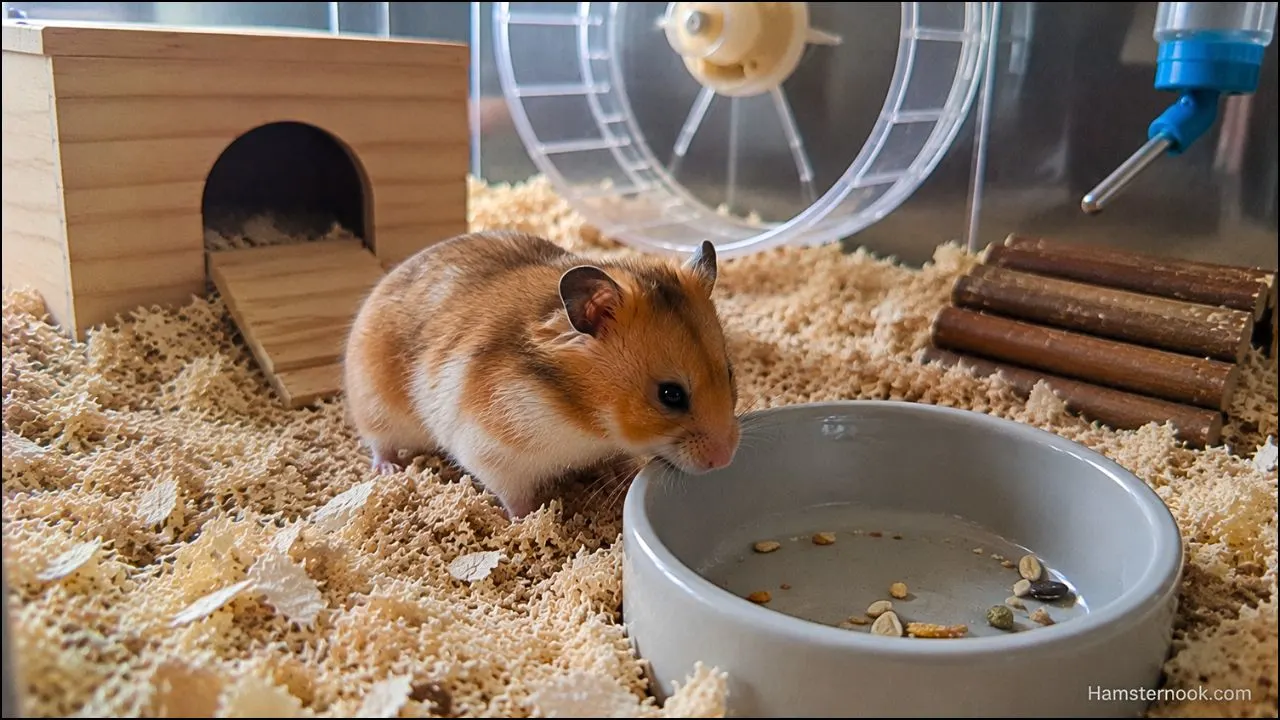
Stress Can Affect Appetite and Weight
Hamsters are sensitive animals that can react strongly to environmental changes. If your pet suddenly starts acting fearful or avoiding interaction, read our guide on Why Is My Hamster Suddenly Scared of Me?
Common stressors include:
- Moving to a new cage
- Loud noises
- Frequent handling
- New pets in the home
- Cage mate conflicts
- Major routine changes
Stress may reduce appetite, leading to gradual weight loss if the problem continues.
Parasites and Infections May Cause Weight Loss
Certain infections and internal parasites can interfere with nutrient absorption and overall health.

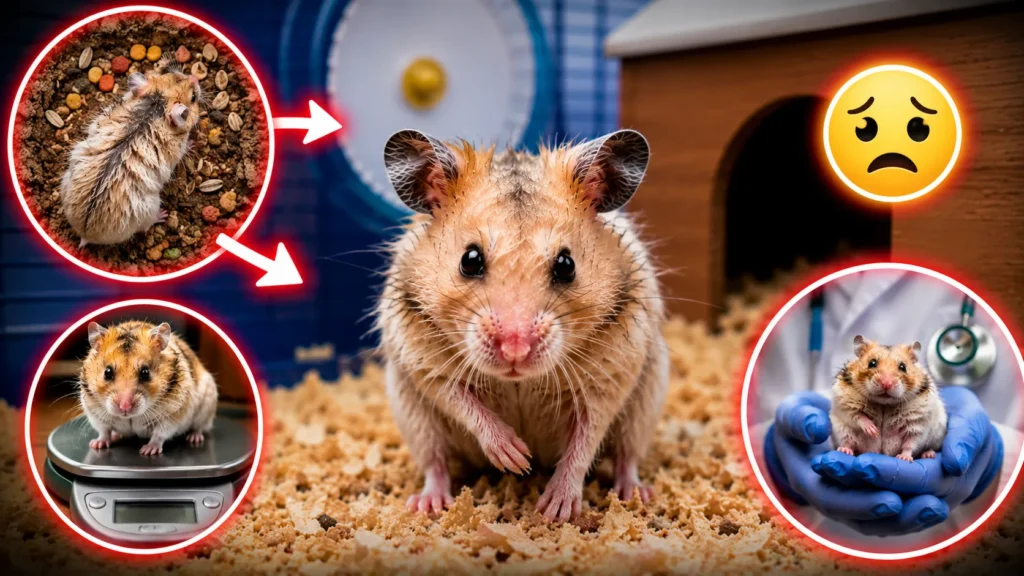
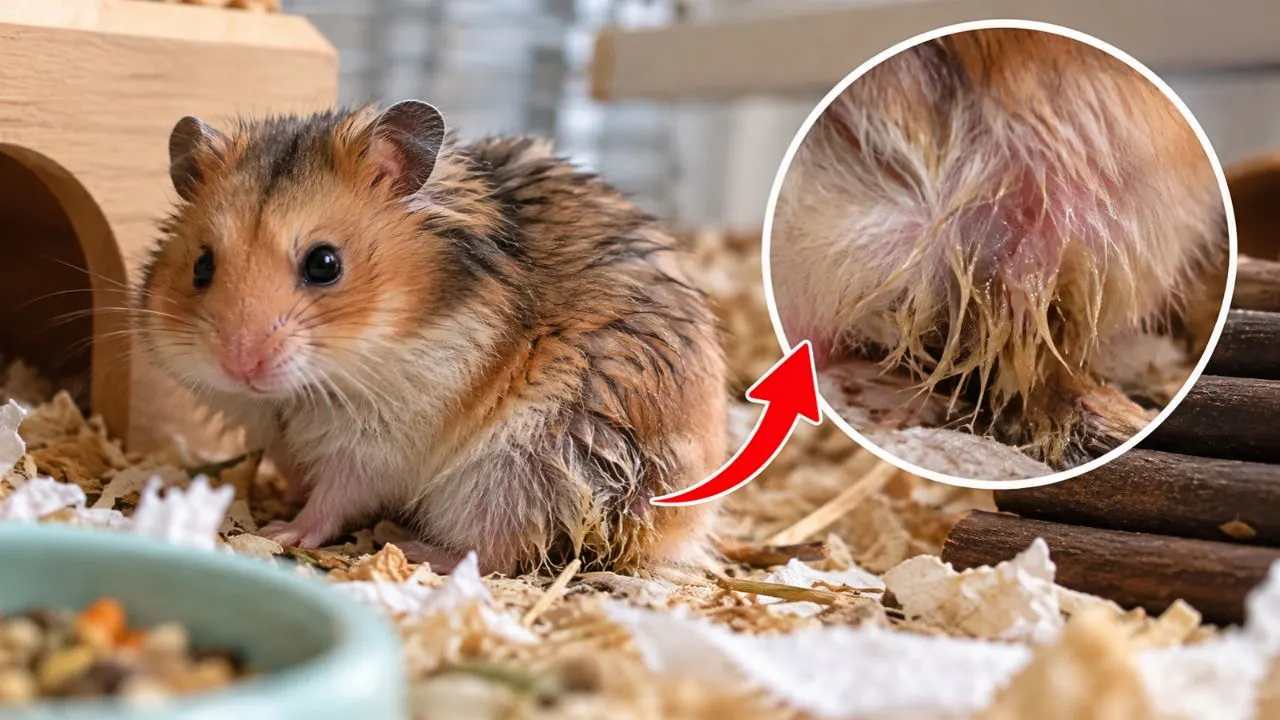
Possible signs include:
- Weight loss
- Diarrhea
- Poor coat condition
- Reduced energy
- Dehydration
Because these symptoms overlap with many illnesses, professional diagnosis is important.
Digestive Problems Can Prevent Proper Nutrition
A hamster may eat normally yet still lose weight if nutrients are not being absorbed effectively.
Digestive issues can sometimes result from:
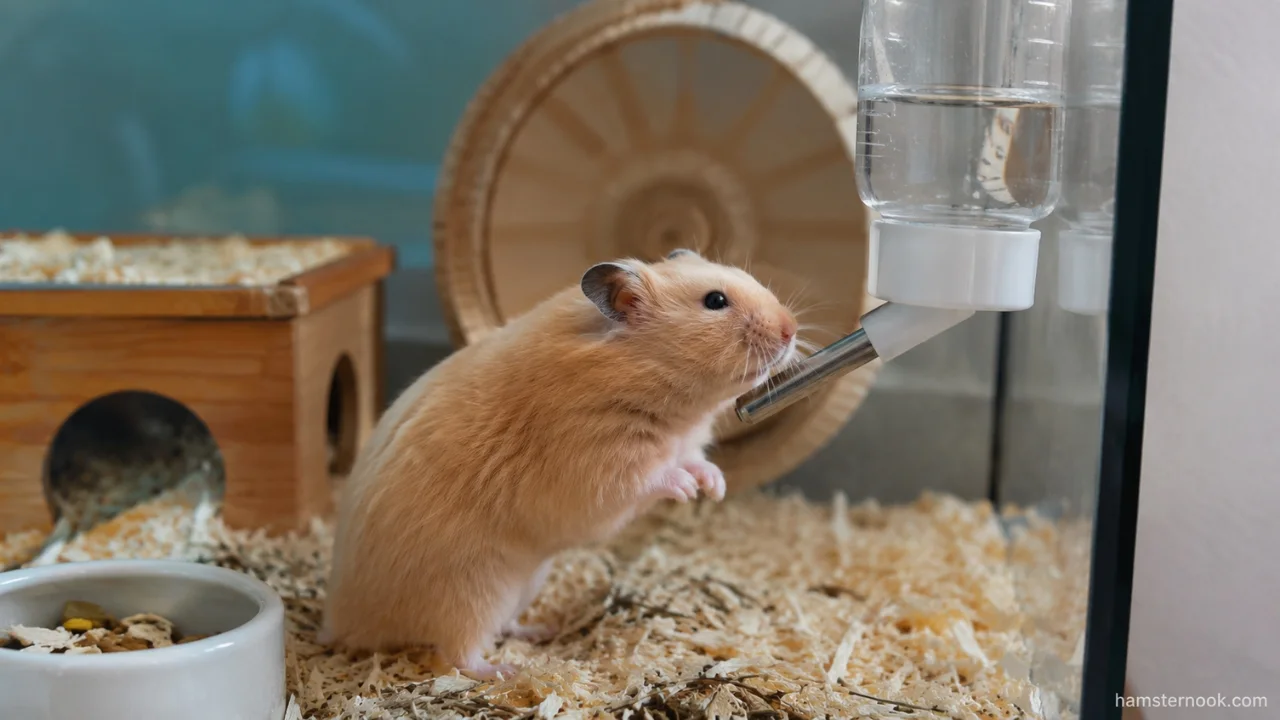
- Bacterial imbalances
- Gastrointestinal disease
- Chronic diarrhea
- Poor-quality diet
Any digestive symptoms occurring alongside weight loss should be taken seriously.
Diabetes May Contribute to Weight Loss
Diabetes can occur in hamsters, and some dwarf hamsters are particularly prone to it.
Possible signs can include:
- Increased thirst
- More frequent urination
- Weight loss despite eating
- Reduced activity
If your hamster is still eating normally but continues to lose weight, see our Hamster Losing Weight While Still Eating: Causes & Warning Signs guide for this specific situation.
Only a veterinarian can properly diagnose diabetes.
Tumors and Internal Illnesses
Unfortunately, weight loss can sometimes be associated with serious medical conditions.
These may include:
- Internal tumors
- Organ disease
- Chronic infections
- Metabolic disorders
Older hamsters are generally at greater risk, although younger hamsters can also develop health problems.
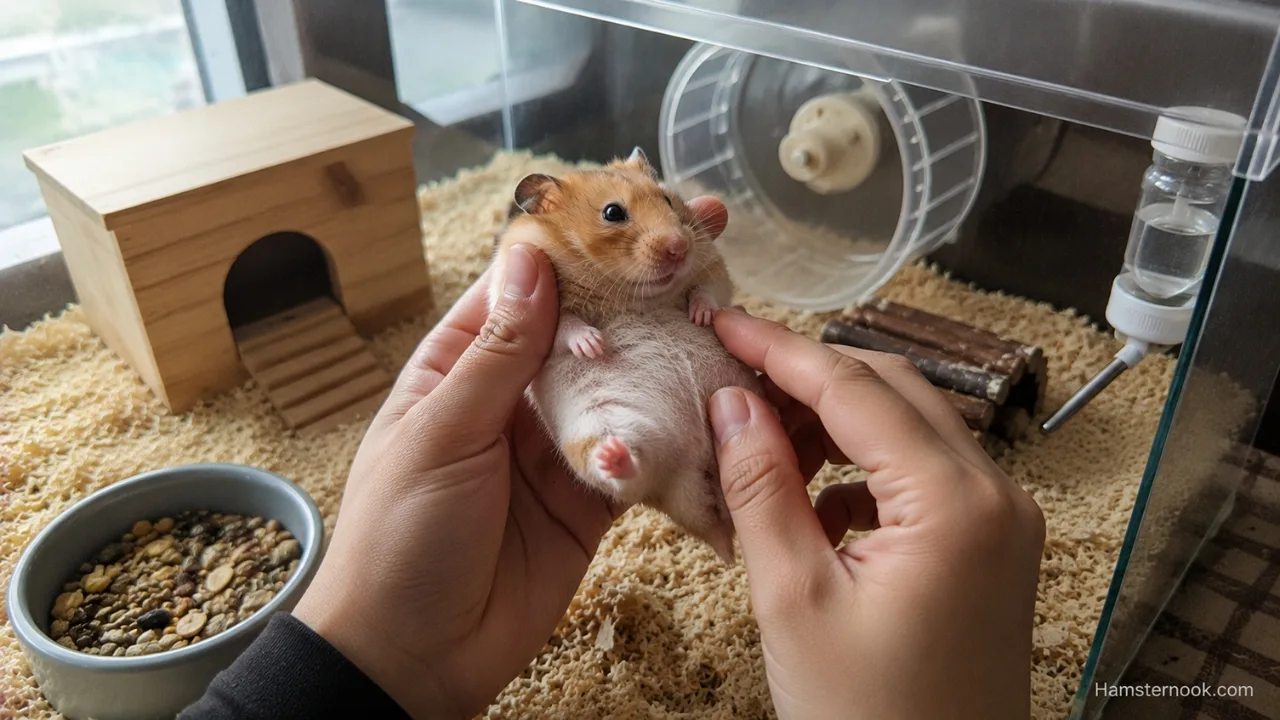
How to Check if Your Hamster Is Actually Losing Weight
Many owners notice changes visually before confirming actual weight loss.
The best method is using a digital kitchen scale.
Healthy Weight Monitoring Routine
| Step | Recommendation |
|---|---|
| Weigh consistently | Weigh once weekly at a similar time and under similar conditions. |
| Use a digital gram scale | Place a secure container on the scale, tare it to zero, then let your hamster enter calmly. |
| Record each result | Write down the weight in grams with the date. |
| Compare readings | Look for a consistent downward trend rather than relying on one reading alone. |
| Track other changes | Record appetite, drinking, activity, droppings, and any other symptoms. |
Consistent records help identify problems early.
Signs That Weight Loss May Be Serious
Weight loss becomes more concerning when other symptoms appear at the same time.
Watch for:
- Refusing food
- Excessive sleeping
- Weakness
- Diarrhea
- Labored breathing
- Dehydration
- Hunched posture
- Unkempt fur
- Swelling or lumps
Multiple symptoms often indicate an underlying health issue requiring veterinary care.
Reduced drinking can also contribute to dehydration and may occur alongside illness. Can Hamsters Get Dehydrated? Signs Every Owner Should Know explains the warning signs and when to seek veterinary care.
What To Do If Your Hamster Is Losing Weight
The first step is determining whether the weight loss is mild, gradual, or sudden.
Start by Checking the Basics
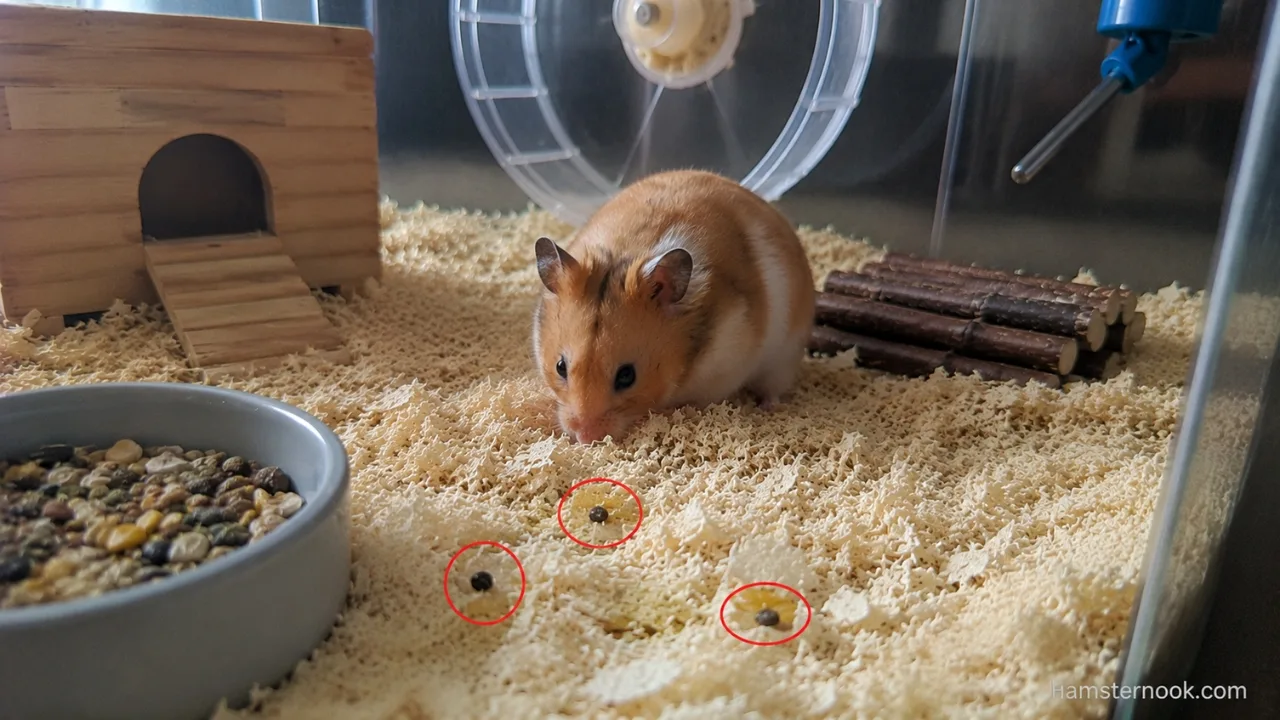
Review:
- Food freshness
- Water availability
- Cage conditions
- Stress factors
- Eating behavior
Sometimes a simple husbandry issue can be identified and corrected quickly.
Offer a Balanced Diet
A healthy hamster diet should include:
| Food Type | Role in Diet |
|---|---|
| Complete hamster food or pellets | Use a nutritionally balanced hamster food as the dietary foundation, following its feeding guidance. |
| Suitable seed mix | Choose a hamster-appropriate mix; avoid relying on selective seed eating as the sole source of nutrition. |
| Hamster-safe vegetables | Offer suitable varieties in small amounts as part of a balanced diet. |
| Occasional suitable protein foods | Offer only hamster-safe options in appropriate amounts; do not use them as a treatment for unexplained weight loss. |
| Treats | Keep treats limited so they do not displace balanced food. |
Avoid relying heavily on sugary treats or low-quality food mixes.
For a broader look at everyday hamster nutrition, see our What Do Hamsters Eat? Complete Safe & Unsafe Food List guide.
Monitor Daily Behavior
Observe whether your hamster:
- Finishes meals
- Drinks normally
- Remains active
- Uses the wheel
- Grooms regularly
Behavior changes often provide important clues.
Foods That May Help Underweight Hamsters
If a veterinarian has ruled out an underlying illness, diet may be adjusted to support healthy weight maintenance. Extra treats or high-calorie foods should not be used as a substitute for finding the cause of unexplained weight loss.
Nutritious Options
| Food | How It Can Be Used |
|---|---|
| Complete hamster food or pellets | Keep this as the main balanced diet. |
| Small amounts of suitable vegetables | Introduce gradually; avoid sudden dietary changes. |
| Plain cooked egg | Only as an occasional suitable treat, not a treatment for weight loss. |
| Suitable mealworms | Only as an occasional treat where appropriate for the hamster and its diet. |
| Fresh, clean water | Keep available at all times. |
Any dietary changes should be introduced gradually.
When Should You See a Veterinarian?
Weight loss should never be ignored if:
- It happens rapidly
- Your hamster stops eating
- Other symptoms develop
- Weight continues dropping
- You suspect dental problems
- Your hamster appears weak
What Not to Do
Do not give human medicines, other-animal medicines, antibiotics, or appetite-stimulating medication unless a veterinarian specifically prescribes treatment for your hamster. Some medications can be dangerous to hamsters, and the correct treatment depends on the underlying cause.
Because hamsters can lose condition quickly when they are unwell, unexplained or ongoing weight loss should be discussed with a veterinarian rather than treated only through diet changes.
Preventing Weight Loss in Hamsters
Many causes of weight loss can be reduced through proper care and routine monitoring.
Prevention Checklist
| Prevention Step | Benefit |
|---|---|
| Weekly weight checks | Help identify a downward trend early. |
| Balanced hamster diet | Provides appropriate everyday nutrition. |
| Fresh water every day | Supports normal hydration. |
| Suitable, low-stress housing | Helps reduce avoidable stress. |
| Regular observation | Makes changes in appetite, activity, droppings, and appearance easier to notice. |
| Prompt veterinary assessment when needed | Helps identify and treat the underlying cause. |
Preventive care is often easier than treating advanced health problems.
Final Thoughts
If your hamster is suddenly losing weight, it’s important not to dismiss the change as normal. Weight loss is often one of the earliest signs that something may be affecting your pet’s health.
The cause could be relatively simple, such as stress or dietary issues, but it could also involve dental disease, infections, diabetes, digestive disorders, or age-related conditions. Monitoring your hamster’s weight, appetite, and behavior can help identify problems early.
Whenever weight loss is significant, ongoing, or accompanied by other symptoms, seeking veterinary advice is the safest approach. Early diagnosis often leads to better outcomes and helps ensure your hamster remains comfortable and healthy.
Frequently Asked Questions
Do hamsters naturally lose weight as they get older?
Some senior hamsters may gradually lose muscle mass and body weight with age. However, sudden or severe weight loss should always be investigated.
Can stress alone cause a hamster to lose weight?
Yes. Chronic stress can reduce appetite and food intake, which may eventually lead to weight loss.
How often should I weigh my hamster?
Weekly weigh-ins using a digital gram scale are usually sufficient for monitoring health.

Is weight loss always a sign of illness?
Not always. Dietary changes, aging, and stress can contribute to weight loss. However, illness should always be considered if weight loss is significant or persistent.
Why is my hamster eating but still losing weight?
This can sometimes occur with diabetes, digestive disorders, parasites, or other medical conditions that interfere with nutrient use or absorption.
What is the most common medical cause of weight loss in hamsters?
Dental problems are among the most frequently reported causes because painful teeth can make eating difficult while remaining unnoticed by owners.
References
- RSPCA – Hamster Health and Welfare
- RSPCA – What to Feed a Pet Hamster
- Merck Veterinary Manual – Routine Health Care of Hamsters
- Merck Veterinary Manual – Disorders and Diseases of Hamsters
Medical Disclaimer
The information provided in this article is for educational and informational purposes only and should not be considered veterinary advice, diagnosis, or treatment. Weight loss in hamsters can have many possible causes, including dietary, dental, digestive, infectious, metabolic, or age-related conditions. If your hamster is experiencing significant or ongoing weight loss, reduced appetite, weakness, diarrhea, breathing difficulties, or other concerning symptoms, consult a qualified veterinarian for proper evaluation and treatment.

Narayan Kumar is the founder and author of HamsterNook. He creates practical, research-based hamster care guides covering hamster behavior, nutrition, cage setup, enrichment, health, and everyday care. His goal is to help hamster owners make informed decisions and provide safer, healthier lives for their pets through clear, beginner-friendly information based on trusted animal care resources.