Fresh water is just as essential to a hamster’s health as a balanced diet, yet many owners aren’t sure what type of water belongs in the bottle. If your tap water is safe for people, does that automatically make it safe for a hamster? The answer depends largely on your local water quality, which can vary significantly from one area to another. Understanding what affects water safety will help you make the best choice for your pet.
Quick Answer
In many areas, yes—healthy hamsters can drink tap water when it is safe for people to drink and there is no local water-quality warning. The important factors are clean, fresh water, a functioning bottle, and a supply that is free from known contamination. If your local water has a safety advisory, comes from an untested private well, or has a specific quality concern, check the local water authority’s guidance before using it for your hamster.
Does a Hamster Need Special Water?
No. Healthy hamsters do not require specially formulated drinking water or supplements added to their water bottle.
Their main requirement is simple:
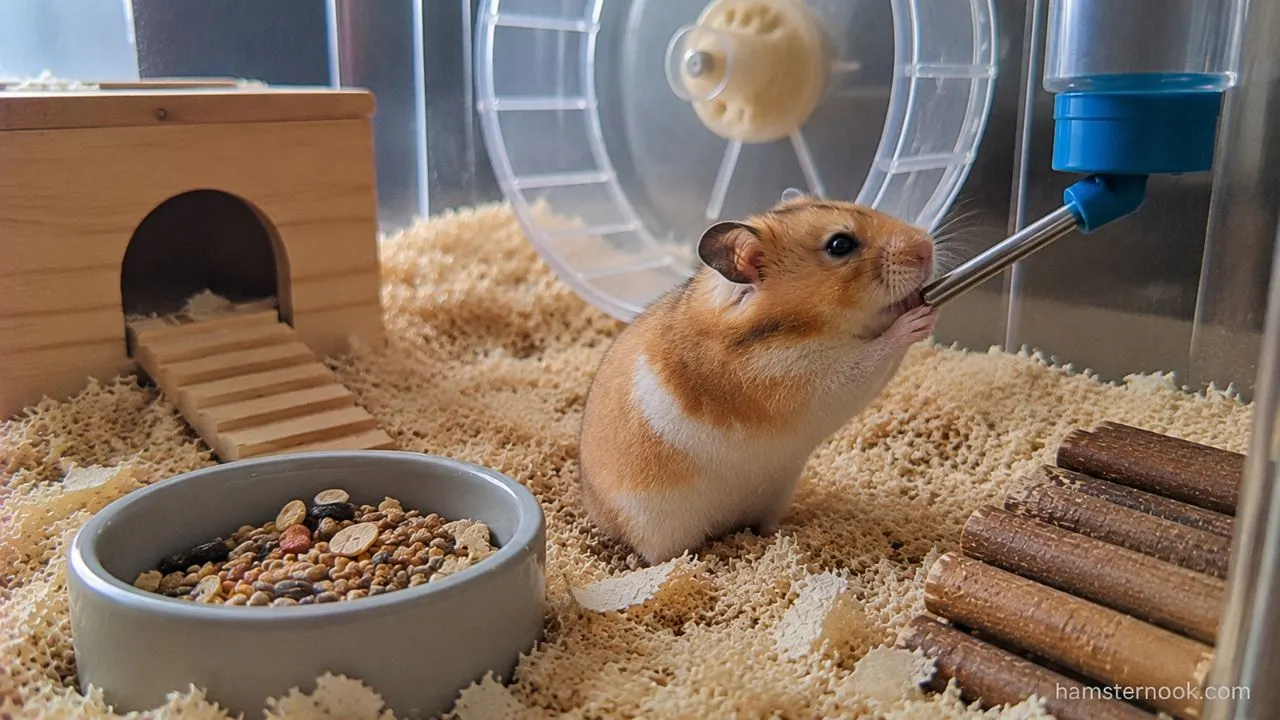
- Clean
- Fresh
- Free from harmful contaminants
- Available at all times
Water supports digestion, body temperature regulation, circulation, and normal organ function. Even though hamsters drink only small amounts each day, consistent access to clean water is essential for their welfare.
Knowing roughly how much your hamster should normally drink makes it easier to notice unusual changes before they become serious. Read our Why Is My Hamster Drinking So Much Water? Normal Habit or Warning Sign? guide to learn when changes in water intake may indicate a problem.
Is Tap Water Safe for Hamsters?
For most owners living in areas with reliable municipal water supplies, tap water is generally an appropriate choice.
In many countries, public drinking water is routinely tested to ensure it meets established safety standards for human consumption. If tap water is safe for people to drink and there is no local advisory or household contamination issue, it is generally reasonable to offer it to a healthy hamster. Hamster welfare guidance emphasizes constant access to clean, fresh drinking water rather than a special type of water.

The quality of tap water can differ depending on:
- Your country or region
- Local water treatment practices
- The condition of household plumbing
- Whether your home uses municipal water or a private well
If local authorities have issued a boil-water notice or advised residents not to drink the tap water, your hamster should not drink it either until the issue has been resolved.
What About Chlorine in Tap Water?
Many municipal water systems use chlorine or chloramine to disinfect drinking water and reduce harmful bacteria.
Water treatment varies by location, so the important question is whether your local drinking water is considered safe for human consumption. If your local authority has issued a water-quality warning, follow that guidance rather than trying to make unsafe water suitable with a household filter.
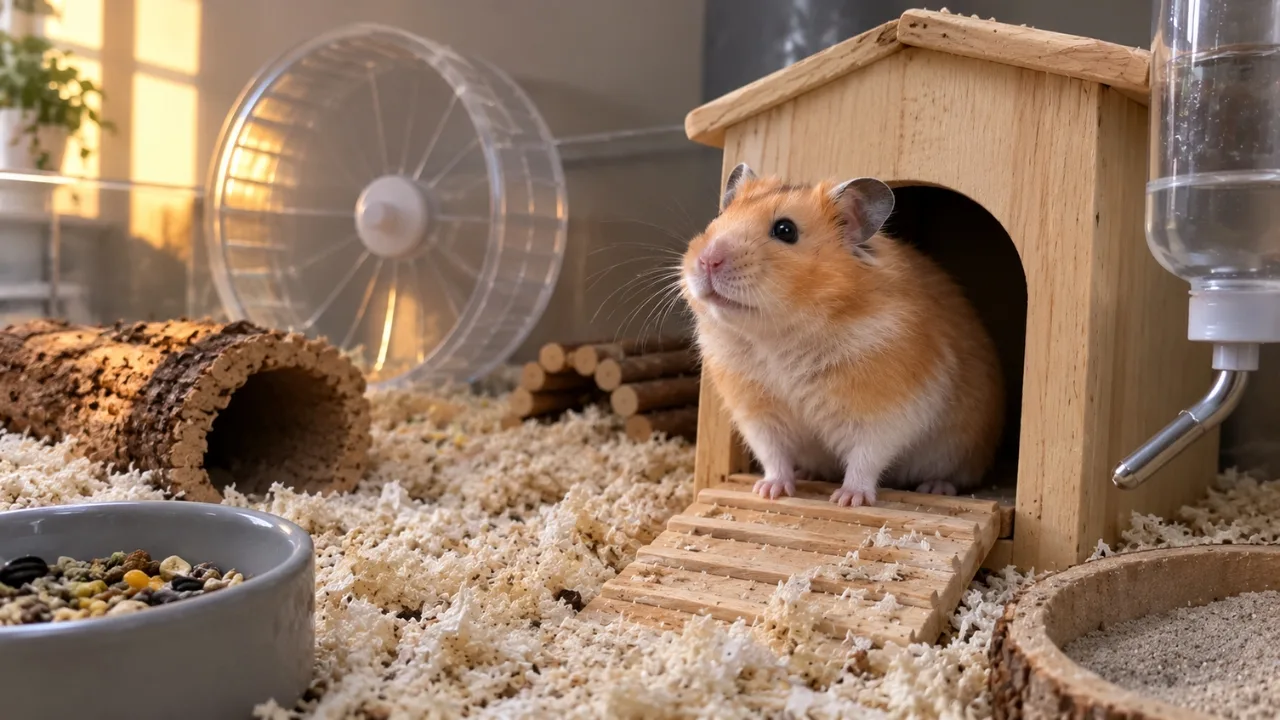
If the smell of chlorine from your tap is particularly strong, many owners choose to use a household water filter that is certified to reduce chlorine for taste and odor. While this isn’t usually necessary from a health standpoint, it may improve the water’s taste.
Should You Filter Tap Water?
Most healthy hamsters do well with safe tap water, but filtration can be helpful in certain situations depending on local water quality.
A quality household filter may help reduce:
- Chlorine taste and odor
- Some heavy metals (depending on the filter)
- Sediment
- Certain impurities
However, it’s important to remember that not all filters remove the same contaminants. Different filter types are designed for different purposes.
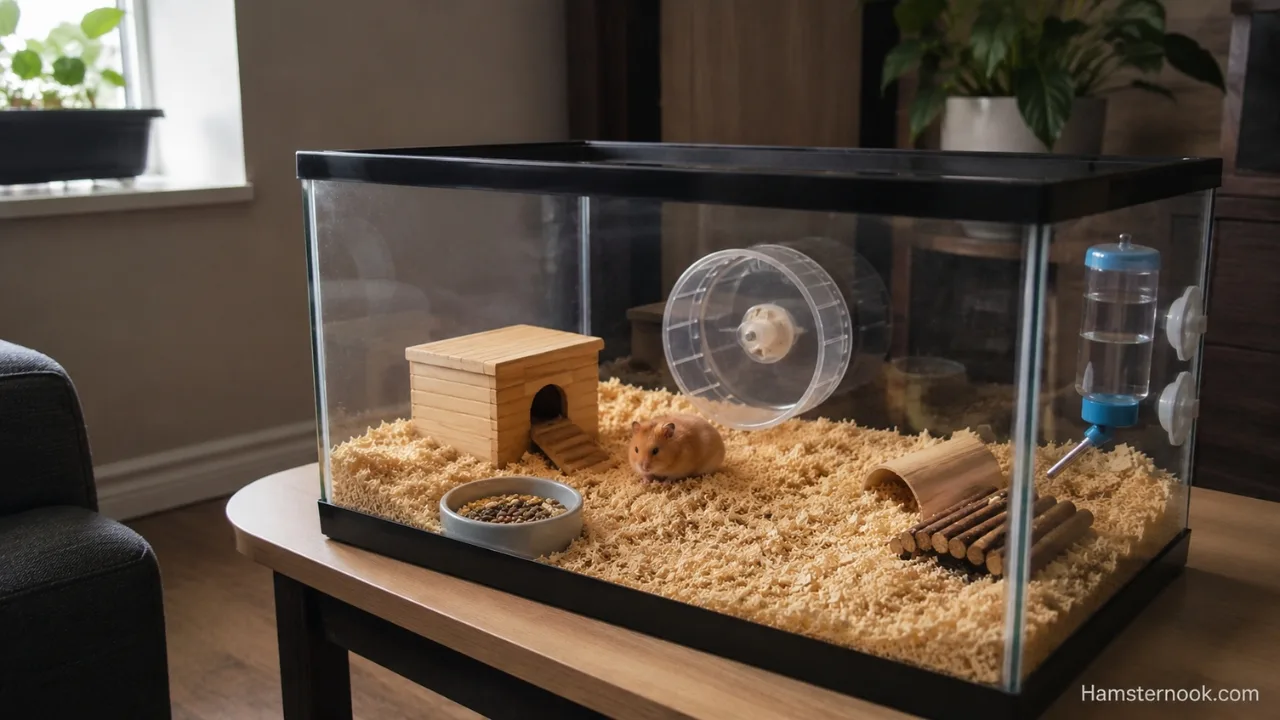
Filtering should not be viewed as a solution for seriously contaminated water. If your local water supply has been declared unsafe for human consumption, use bottled water or follow guidance from your local water authority instead.
Tap Water vs. Filtered Water vs. Bottled Water
| Water Type | Suitable for Hamsters? | Notes |
|---|---|---|
| Municipal tap water | Usually yes | Appropriate if local drinking water is safe for humans. |
| Filtered tap water | Yes | May improve taste and reduce certain impurities depending on the filter. |
| Bottled spring water | Yes | A practical alternative where tap water quality is uncertain. |
| Distilled water | Occasionally, but not ideal as the regular choice | It lacks naturally occurring minerals and generally isn’t necessary for healthy hamsters. |
| Flavored or vitamin water | No | Added sugars, flavorings, or supplements are unnecessary and may not be appropriate. |
Is Well Water Safe?
Private well water deserves extra attention because its safety depends on the specific well and local testing requirements. If you use well water at home, make sure it has been appropriately tested for drinking-water safety before making it your hamster’s regular water source.
If your home uses a well, regular testing is recommended to check for contaminants such as bacteria, nitrates, or excessive minerals.
A well that consistently produces safe drinking water for your household is generally suitable for your hamster as well. If testing has not been performed recently, it’s wise to have the water evaluated before relying on it as your pet’s primary drinking source.
Can Hard Water Harm a Hamster?
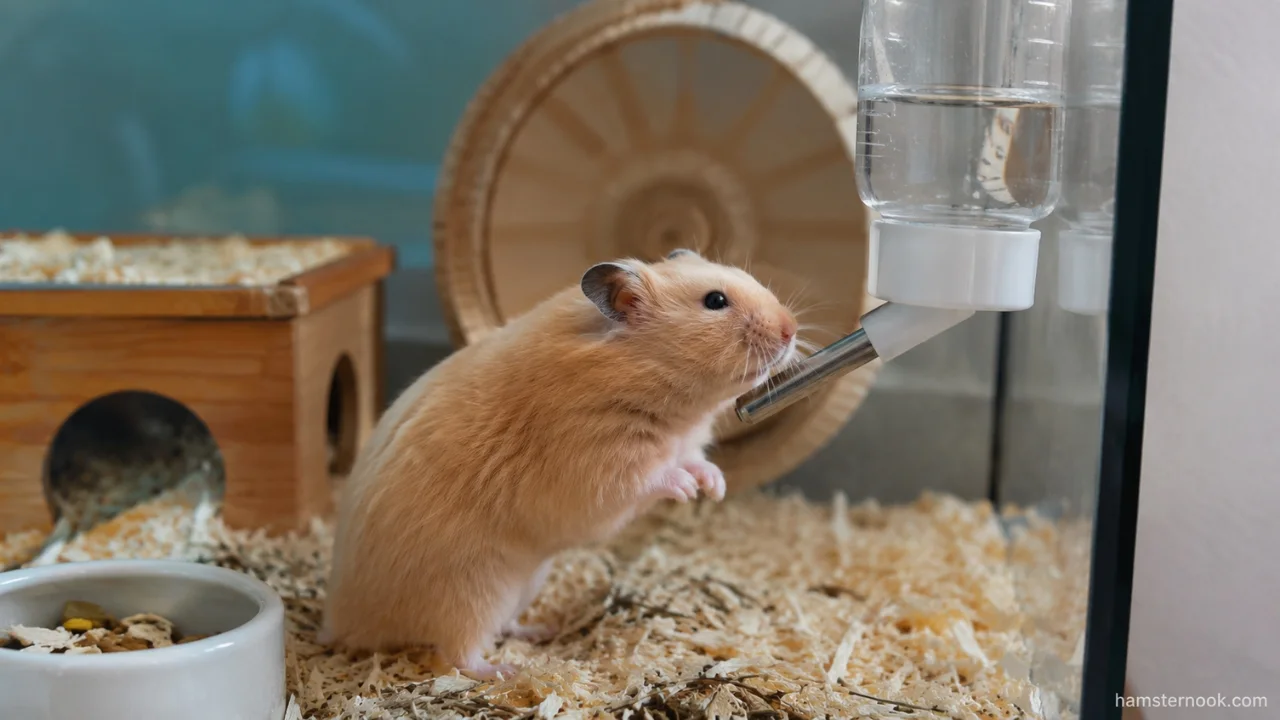
Hard water contains higher levels of naturally occurring minerals, mainly calcium and magnesium.
In many regions, hard water is perfectly safe to drink. It may leave mineral deposits on kettles or faucets, but this does not automatically make it unsafe for hamsters.
Extremely mineral-rich water can affect taste, and some owners prefer filtered water for that reason. However, there is limited evidence that ordinary hard municipal water causes health problems in otherwise healthy pet hamsters.
How Often Should You Change Your Hamster’s Water?
Regardless of the type of water you use, freshness matters.
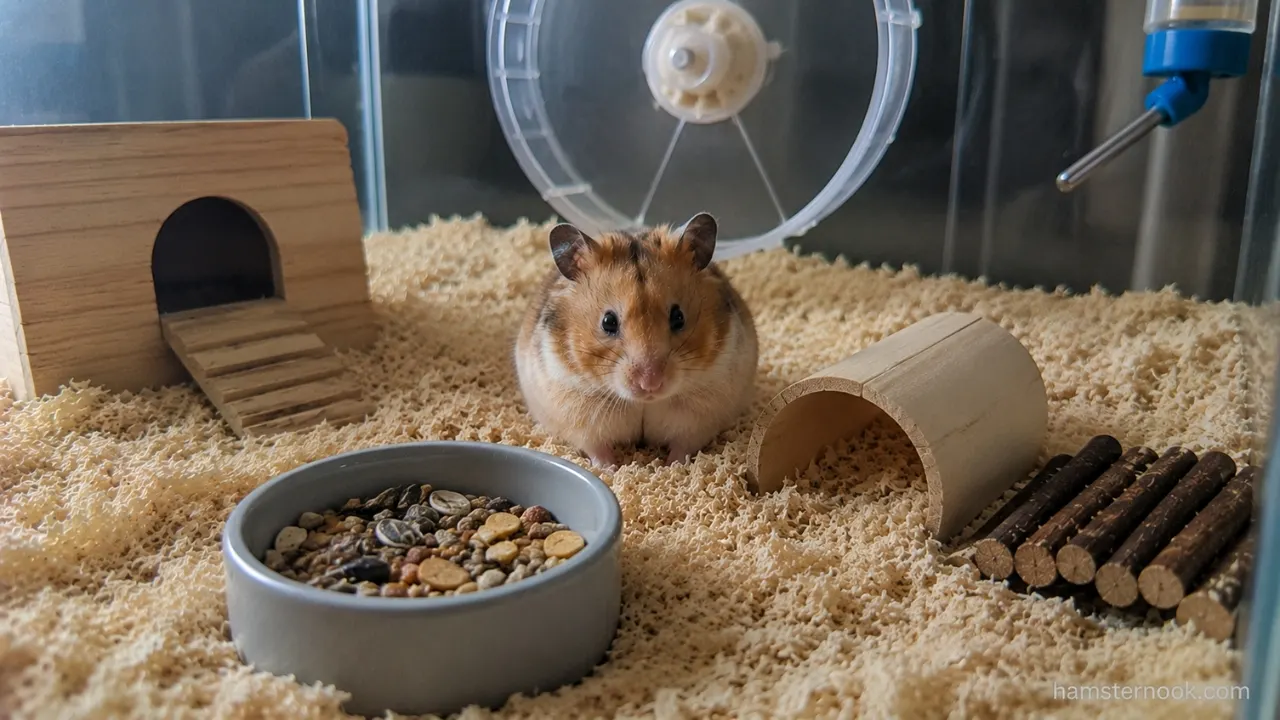
Replace your hamster’s drinking water every day, even if the bottle still appears full.
Fresh water helps reduce:
- Dust buildup
- Food particles entering the bottle
- Bacterial growth
- Stale water

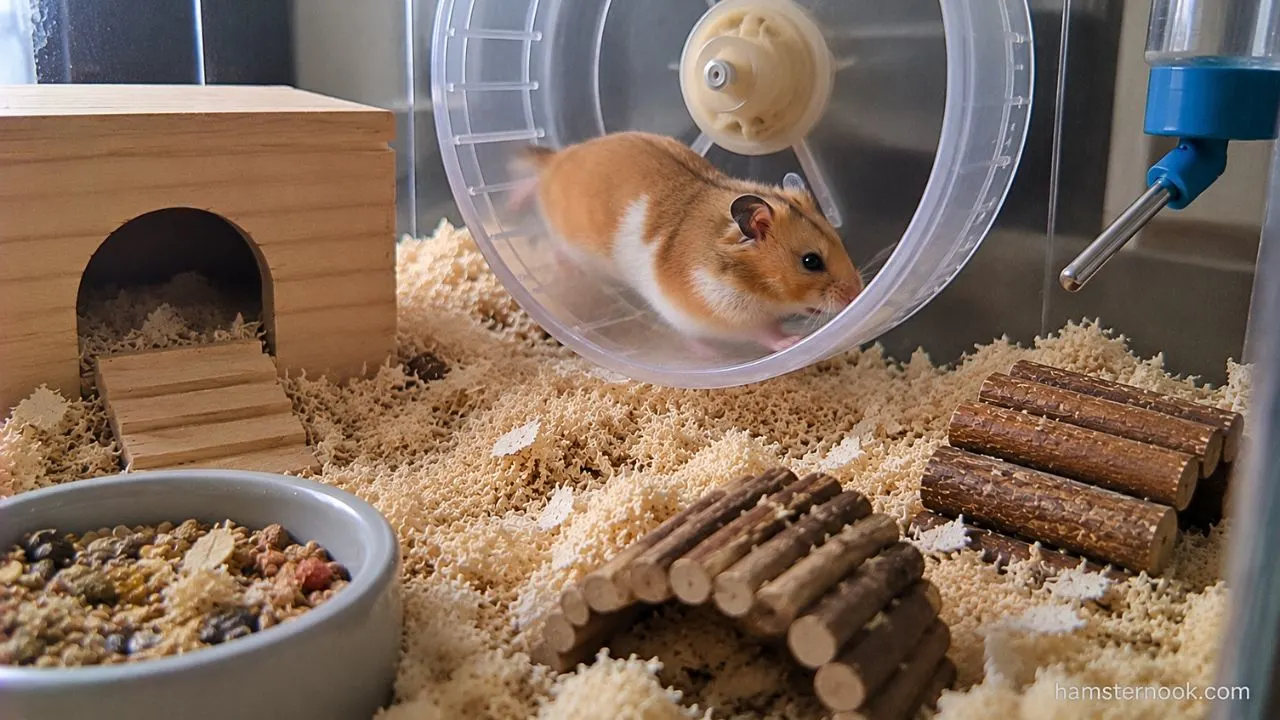
At the same time, check that the bottle’s drinking tube is flowing properly. A blocked sipper tube can leave a hamster without access to water even when the bottle looks full.
Also make sure the bottle is mounted at a comfortable height. Your hamster should be able to drink without stretching upward or standing awkwardly for long periods.
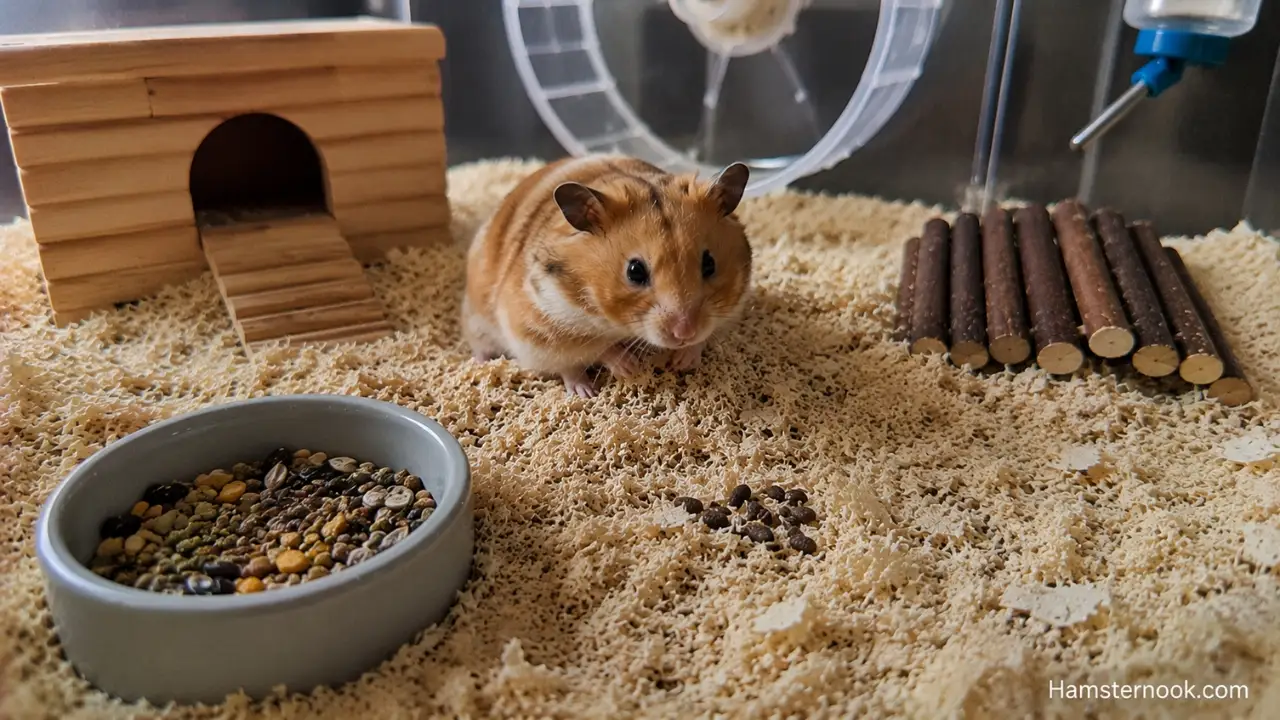
A blocked drinking tube can easily be mistaken for a hamster that isn’t drinking. See Why Does My Hamster Suddenly Stop Using Its Water Bottle? 8 Possible Reasons to learn what else can prevent normal drinking.
Practical Examples
Example 1: City Tap Water
You live in a city where tap water meets national drinking water standards, and your family drinks it every day.
In this situation, filling your hamster’s bottle with fresh tap water each morning is generally an appropriate choice.
Example 2: Boil Water Advisory
Your local water supplier announces a temporary contamination issue and advises residents to boil water before drinking it.
During this period, use safe bottled water or properly treated water that follows your local authority’s recommendations before offering it to your hamster.
Example 3: Strong Chlorine Taste
Your tap water has a noticeable chlorine smell after treatment.
Although the water may still be safe, using a certified household filter to improve taste and odor can be a reasonable option if you prefer.
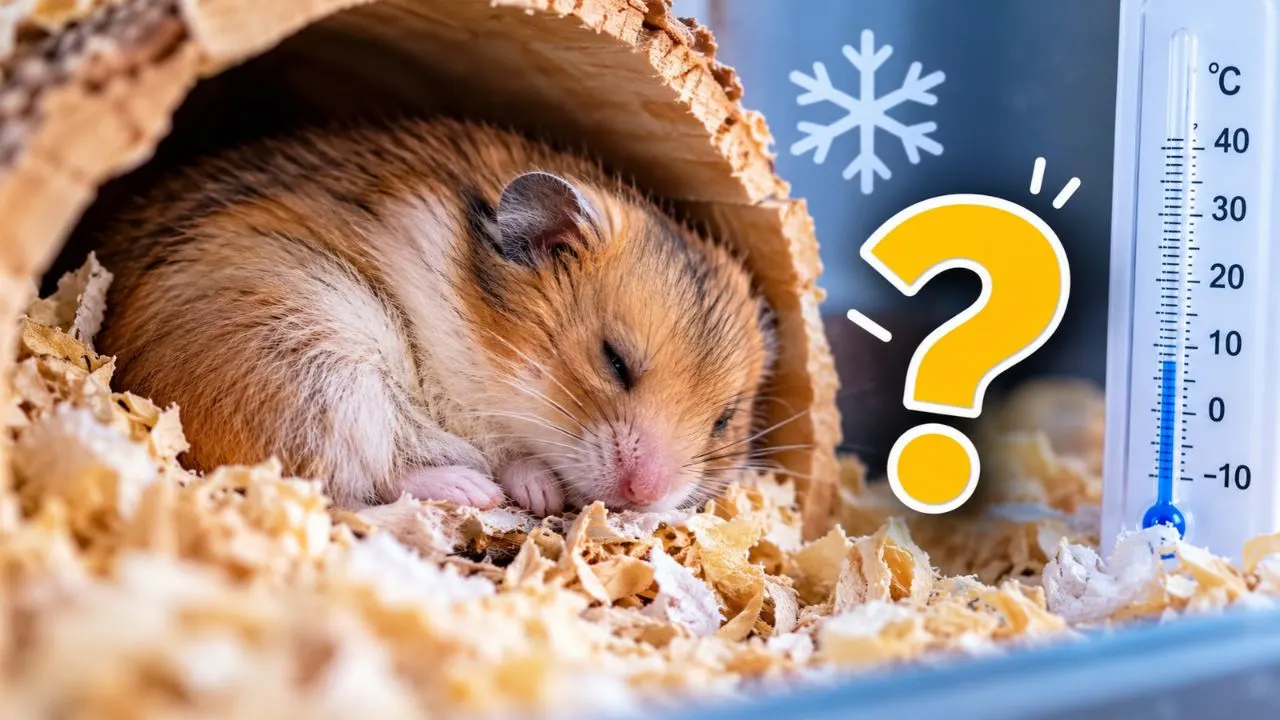
Can Hamsters Drink Cold Water?
Hamsters can drink cool water; it does not need to be specially warmed or chilled. The main priority is that the water is clean, fresh, and continuously available. There is no need to add ice or deliberately chill the water.

There’s no benefit to giving chilled or ice-cold water, and frozen water bottles should never be used as a drinking source.
Fresh, clean water at normal room temperature is sufficient throughout the year.
If your hamster prefers the water at the temperature it comes from the tap, that is generally fine. For everyday hydration, consistency and cleanliness matter more than trying to provide a particular drinking temperature.
Common Mistakes Owners Make
Many hamster owners have good intentions but accidentally create problems by overthinking something as simple as drinking water.
Assuming Bottled Water Is Always Better
Bottled water isn’t automatically safer than tap water. In many places, municipal tap water is carefully monitored and meets strict drinking water standards. If your tap water is safe for your family, it’s often a perfectly suitable choice for your hamster.
Leaving Water in the Bottle for Several Days
Even if the bottle still contains plenty of water, it should be emptied, rinsed, and refilled with fresh water every day. Fresh water helps reduce bacterial growth and keeps the bottle clean.
Forgetting to Clean the Water Bottle
Simply topping off the bottle isn’t enough.
Over time, algae, biofilm, mineral deposits, or bacteria can build up inside the bottle and drinking tube. Wash the bottle regularly with hot water and a bottle brush, then rinse thoroughly before refilling.

Pay special attention to the metal drinking tube, as residue and mineral deposits can build up inside even when the bottle appears clean from the outside.
Using Flavored or Vitamin Water
Some products marketed for pets contain added vitamins, minerals, sugars, or flavorings. Healthy hamsters don’t need these in their daily drinking water unless specifically recommended by an experienced exotic animal veterinarian.
Plain, clean water remains the safest choice.
Using Distilled Water as the Only Water Source
Distilled water isn’t toxic, but it’s generally unnecessary as a permanent drinking source because it lacks naturally occurring minerals found in regular drinking water. For most healthy hamsters, safe tap water, filtered water, or spring water is a more practical everyday option.
What You Should Do
Choosing water for your hamster doesn’t have to be complicated.
A simple routine works well for most owners:
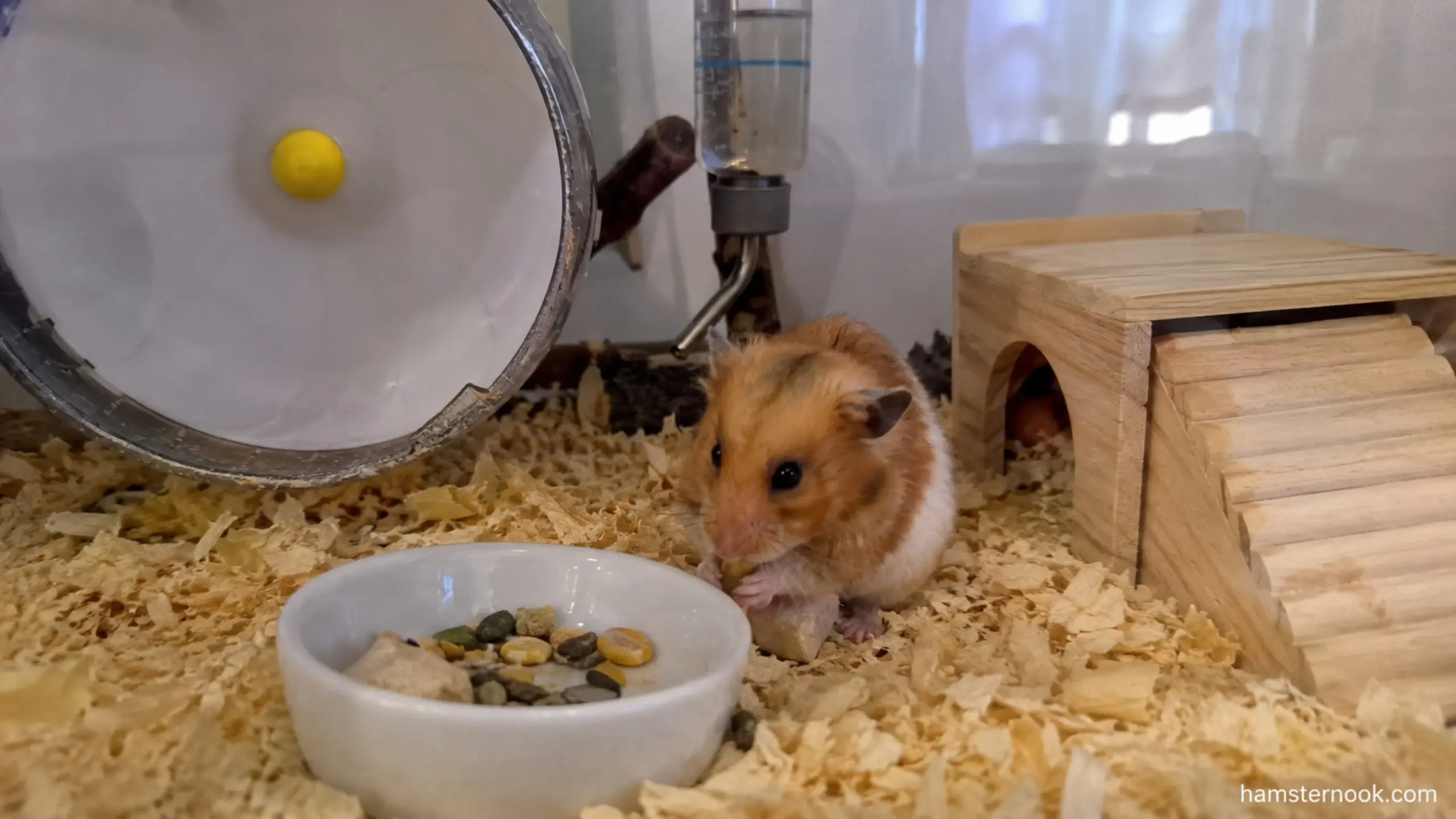
- Offer fresh, clean water every day.
- Clean the bottle and drinking tube regularly.
- Check that the sipper tube isn’t blocked.
- Use tap water if it’s considered safe for human consumption in your area.
- Consider filtered or bottled spring water if your tap water has quality concerns or your local authorities advise against drinking it.
- Never leave your hamster without access to water.
If your hamster ever goes without access to water, our How Long Can Hamsters Go Without Water? Risks, Warning Signs & What to Do guide explains why interrupted access can become a concern.
If you’re unsure about your local water quality, your municipality’s annual drinking water report or your local public health authority can provide useful information.
Warning Signs Your Hamster May Not Be Drinking Enough

Water quality isn’t the only thing to monitor. It’s also important to notice whether your hamster is drinking normally.
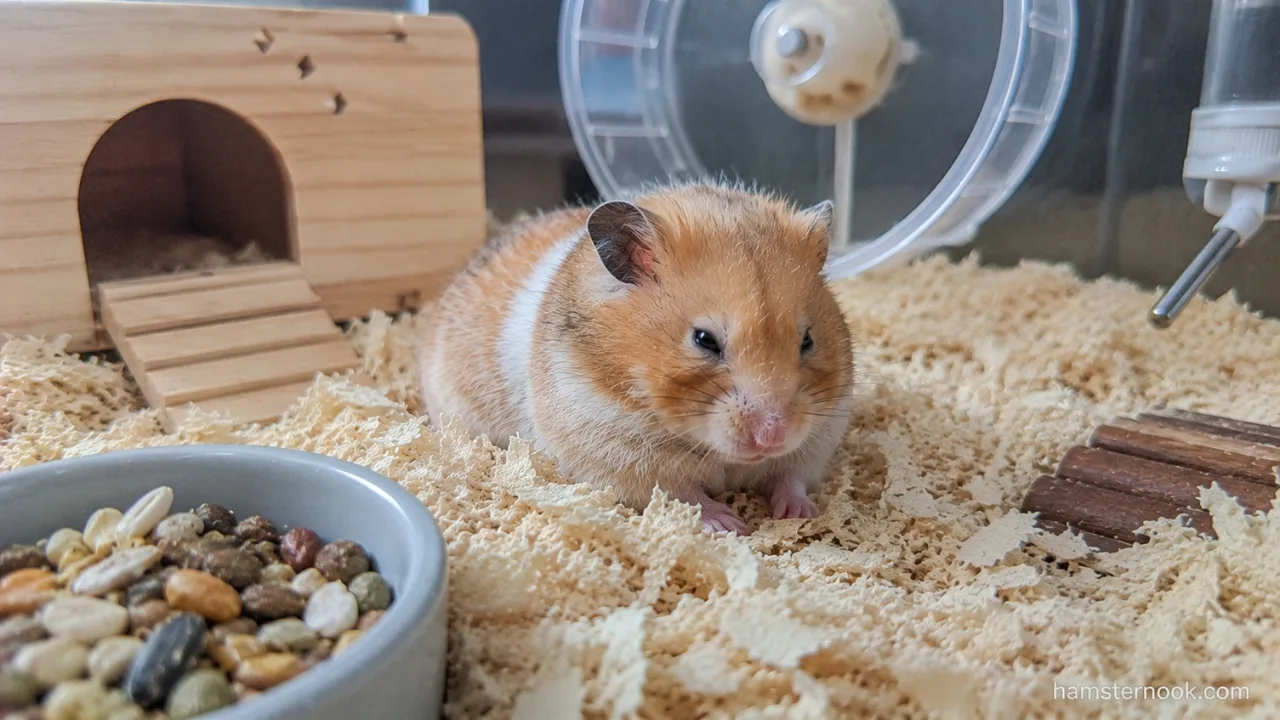
Watch for signs such as:
- A water bottle that never seems to empty.
- Dry or sticky-looking mouth.
- Sunken eyes.
- Reduced activity during normal waking hours.
- Loss of appetite.
- Noticeable weight loss.
Check that the bottle is actually dispensing water before assuming your hamster has stopped drinking. A blocked sipper tube can make a full bottle appear normal while preventing water from reaching your hamster.
If the bottle works but your hamster still avoids it, our Why Is My Hamster Not Using Its Water Bottle? 8 Reasons & What to Do guide covers other possible causes.
These signs don’t automatically mean the water itself is the problem, but they do suggest your hamster may not be getting enough fluids or could have another underlying health issue.
Changes in drinking are often easier to interpret when considered alongside appetite, activity, weight, and behavior. Read How to Tell If Your Hamster Is Happy, Healthy, Stressed, or Sick: Complete Owner’s Guide (2026).
When to Worry
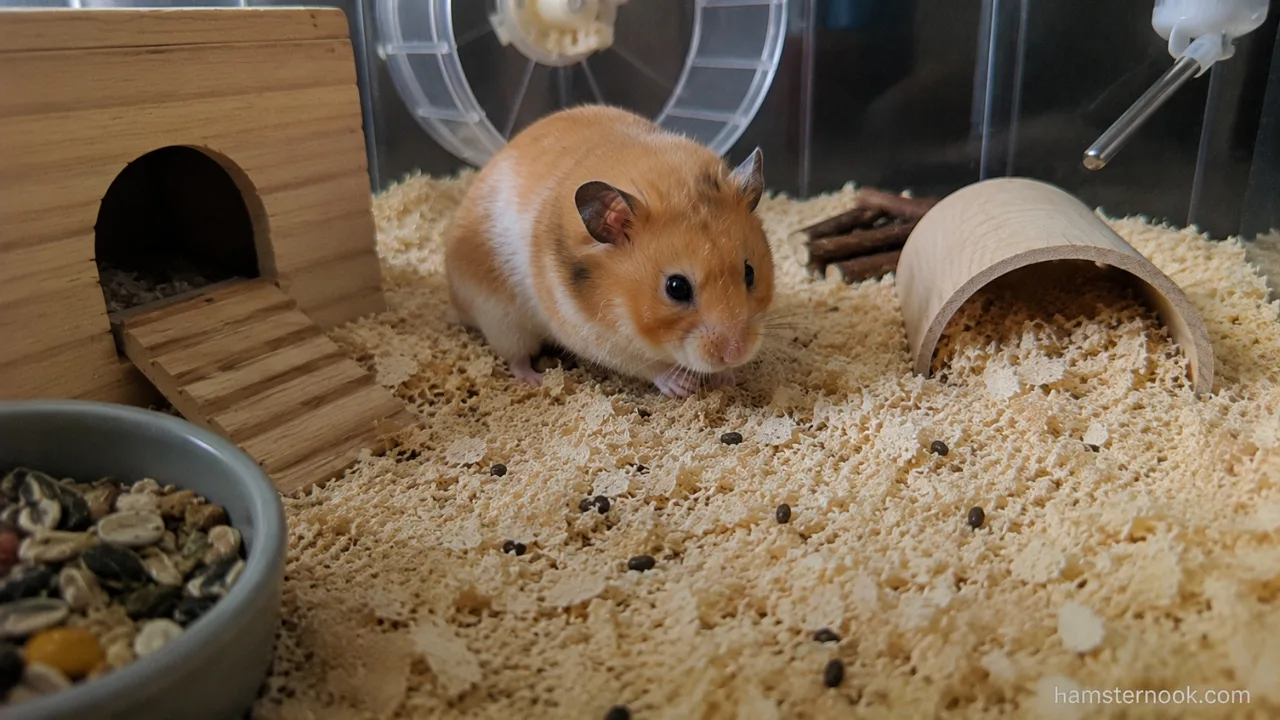
A healthy hamster usually drinks small amounts throughout its active period.
Contact an experienced exotic animal veterinarian if your hamster:
- Stops drinking completely.
- Shows signs of dehydration.
- Has difficulty reaching the water bottle.
- Has a sudden or persistent change in drinking compared with their normal pattern.
- Appears weak, lethargic, or unwell.
An unusual increase in drinking can also signal an underlying problem rather than healthy hydration. Learn more in Why Is My Hamster Drinking So Much Water? Normal Habit or Warning Sign?.
Changes in water intake can sometimes be associated with illness rather than the type of water being offered. A sudden increase or decrease in drinking should never be ignored, particularly if accompanied by other changes in behavior or appetite.
Final Thoughts
For most owners, tap water is a practical choice when the local supply is safe for human consumption and there is no water-quality warning. Hamsters do not need specialty water or routine supplements added to their drinking bottle.
Good hydration works alongside a balanced daily diet rather than replacing it. See What Do Hamsters Eat? Complete Beginner Food List (Safe & Unsafe Foods) to build a healthy feeding routine.
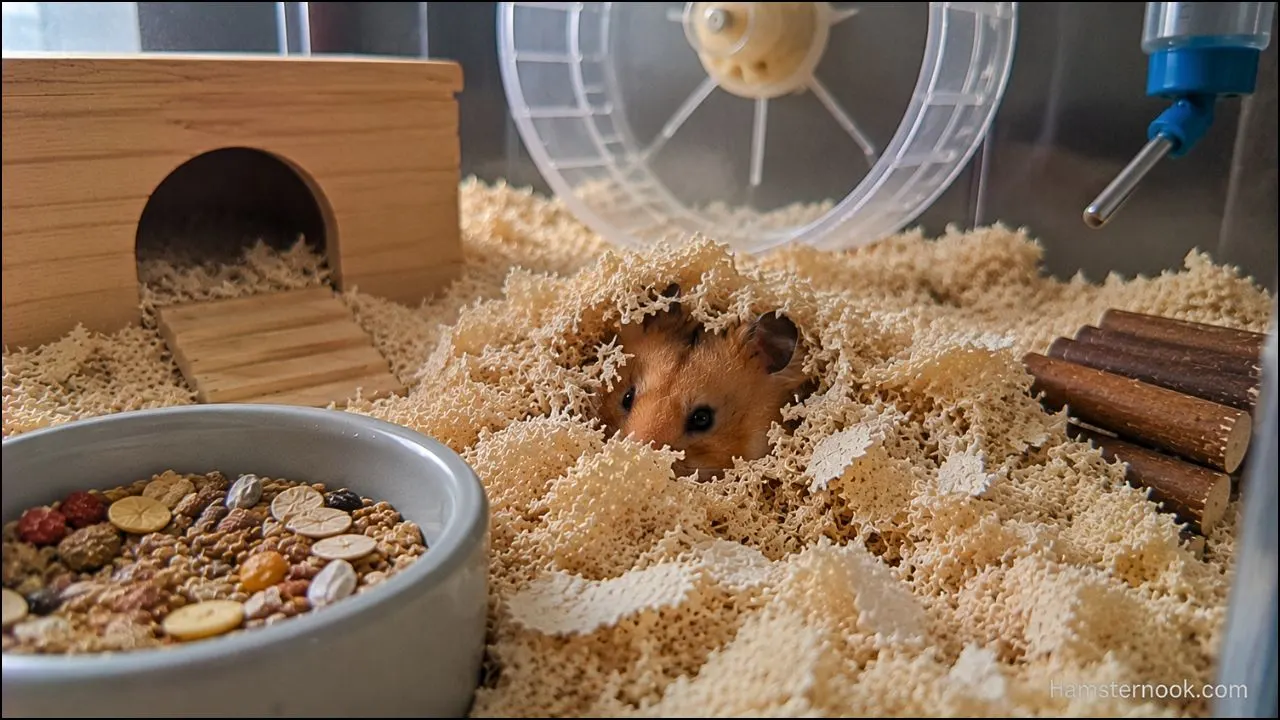
If your area has poor water quality, a temporary contamination advisory, or you’re using untreated well water that hasn’t been tested, filtered or bottled spring water may be the safer option.
The most important habit is ensuring your hamster always has access to fresh, clean drinking water in a clean, properly functioning bottle.
Frequently Asked Questions
Can baby hamsters drink tap water?
Yes. Young hamsters can drink the same clean drinking water as adult hamsters, provided it’s safe for human consumption and always available.
Is filtered water better than tap water for hamsters?
Not necessarily. If your tap water is already safe, filtering is usually a matter of preference rather than a health requirement. A filter may improve taste or reduce certain impurities, depending on the filter used.

Can hamsters drink bottled water every day?
Yes. Plain bottled spring water is generally safe as a daily drinking source. Avoid flavored, sparkling, or vitamin-enhanced bottled water.
Should I boil tap water before giving it to my hamster?
Only if your local health authority recommends boiling drinking water during a temporary advisory. Under normal circumstances, boiling safe municipal tap water isn’t necessary.
How often should I replace my hamster’s drinking water?
Fresh water should be provided every day, even if the bottle isn’t empty. The bottle should also be cleaned regularly to prevent bacteria and mineral buildup.
Can I give my hamster rainwater or river water?
No. Natural water sources may contain bacteria, parasites, chemicals, or other contaminants that are unsafe for pets. Always provide treated drinking water intended for human consumption.

References
This guide is based on hamster hydration, drinking water, water bottle care, nutrition, health, and welfare guidance from trusted veterinary and animal welfare resources, including:
- RSPCA – Hamster Diet and Drinking Water – Guidance on providing fresh drinking water, daily feeding, hydration, and general hamster dietary care.
- RSPCA – Hamster Health & Welfare – Guidance on monitoring hamster health, recognizing changes in normal behavior, and seeking veterinary care when concerns arise.
- PDSA – Hamsters as Pets – Practical guidance on hamster care, diet, fresh water, health, and general welfare.
- Blue Cross – Hamster Care Guide – Information on everyday hamster care, feeding, drinking water, housing, and wellbeing.
- MSD Veterinary Manual – Routine Health Care of Hamsters – Veterinary guidance on routine hamster health monitoring, nutrition, hydration, and recognizing changes that may require veterinary attention.
- MSD Veterinary Manual – Disorders and Diseases of Hamsters – Veterinary reference information on hamster illnesses, clinical signs, and health changes that can require veterinary evaluation.
- World Health Organization – Guidelines for Drinking-Water Quality – Reference guidance on drinking-water safety, water quality, and contaminants relevant to safe household drinking water.
Medical Disclaimer
This article is intended for educational purposes only and should not be considered veterinary advice. Information about dehydration, changes in drinking, and other health warning signs is provided to help hamster owners recognize when further attention may be needed. If your hamster stops drinking, shows signs of dehydration, becomes weak or lethargic, or develops a sudden or persistent change in drinking behavior, consult a qualified exotic animal veterinarian for proper evaluation.

Narayan Kumar is the founder and author of HamsterNook. He creates practical, research-based hamster care guides covering hamster behavior, nutrition, cage setup, enrichment, health, and everyday care. His goal is to help hamster owners make informed decisions and provide safer, healthier lives for their pets through clear, beginner-friendly information based on trusted animal care resources.