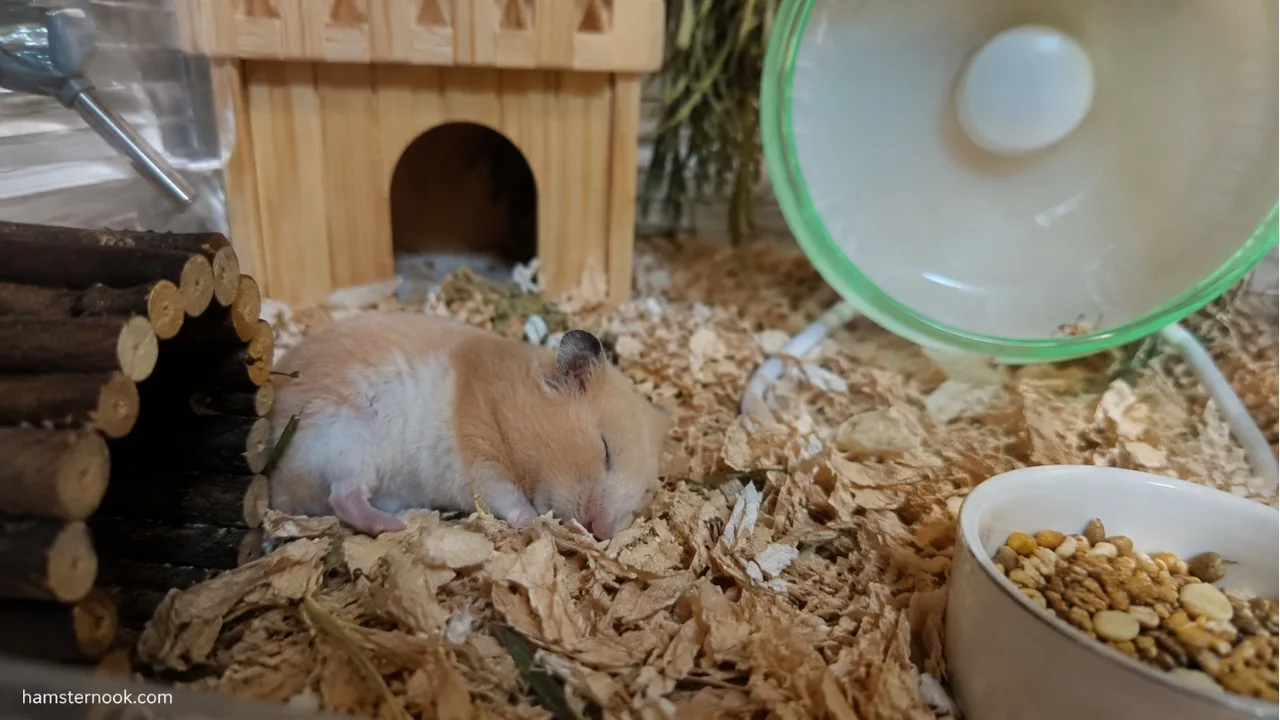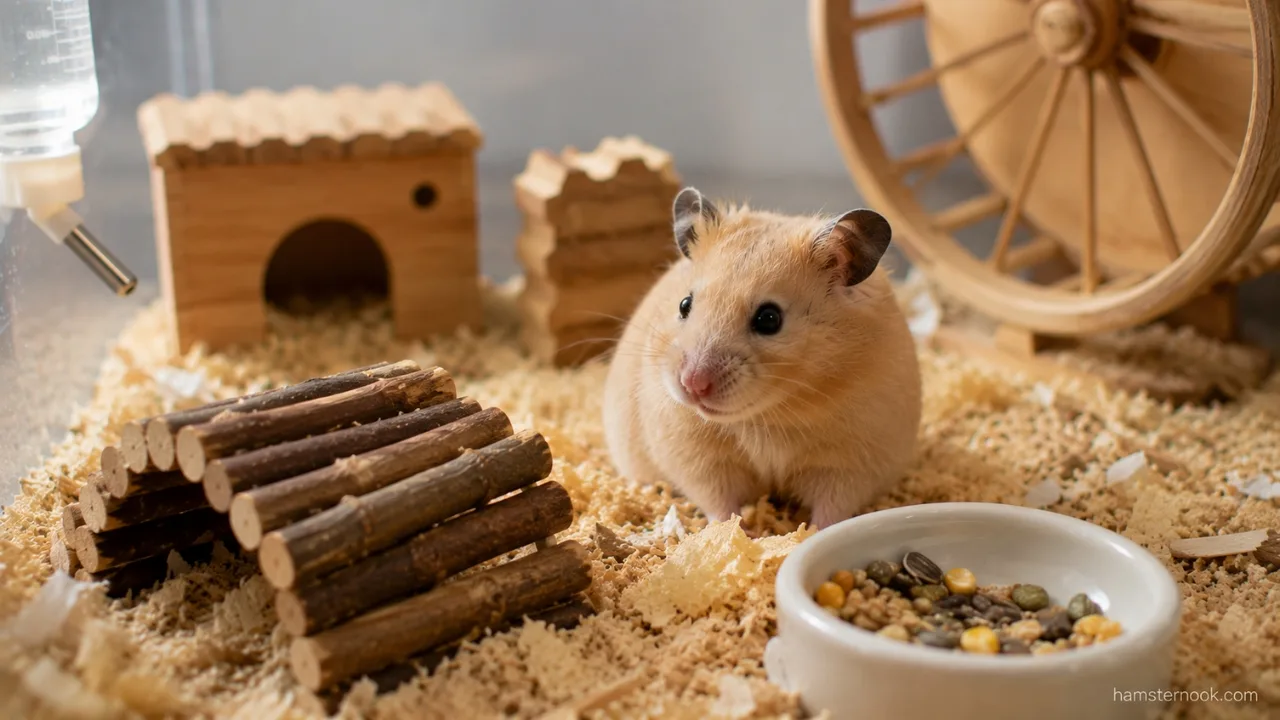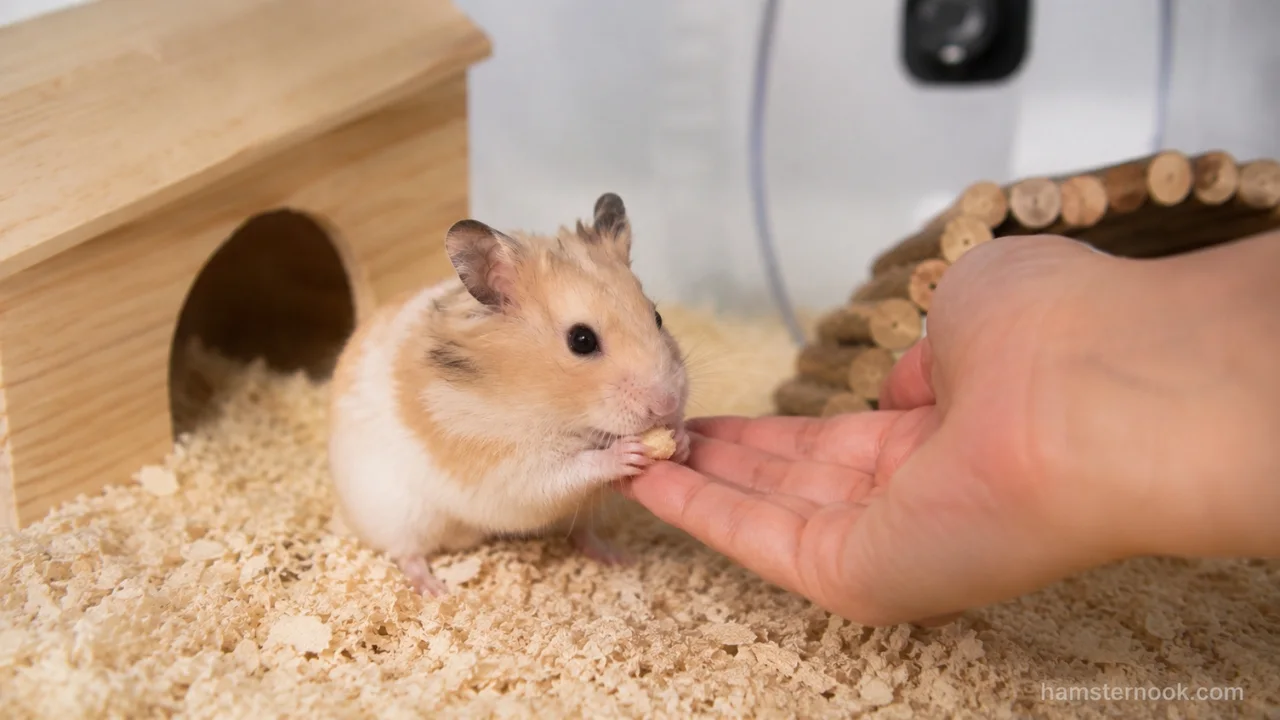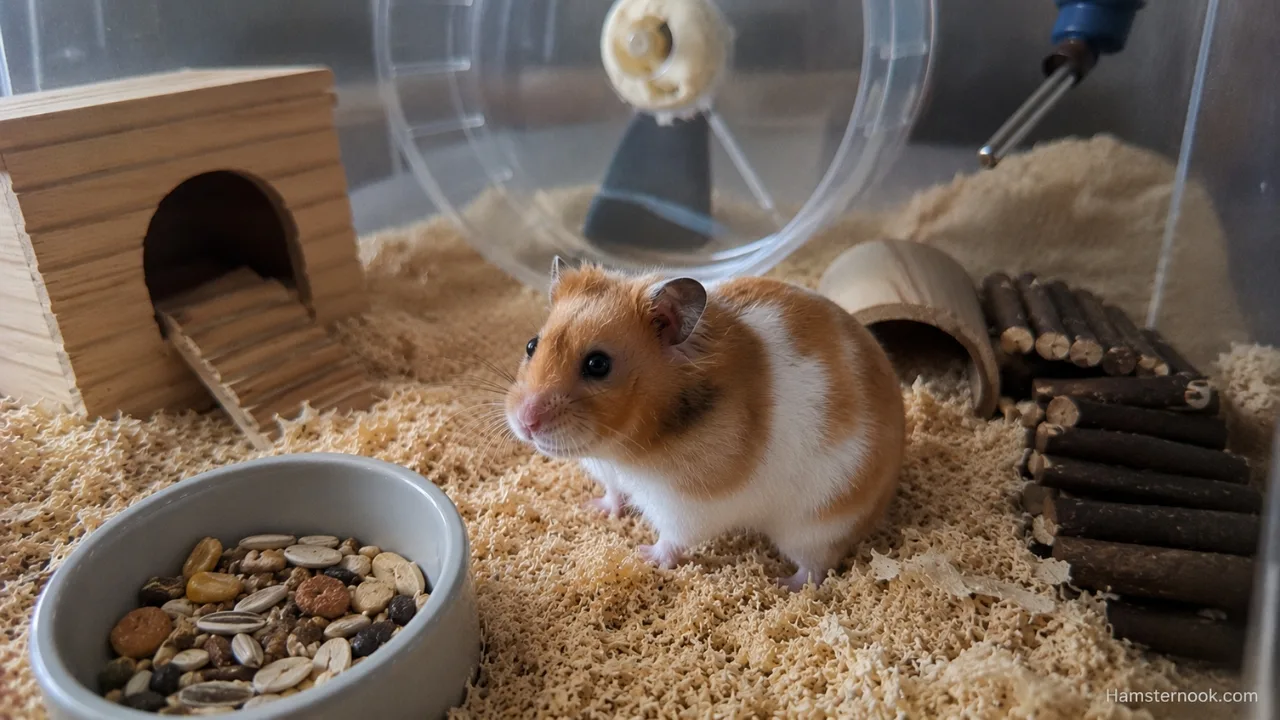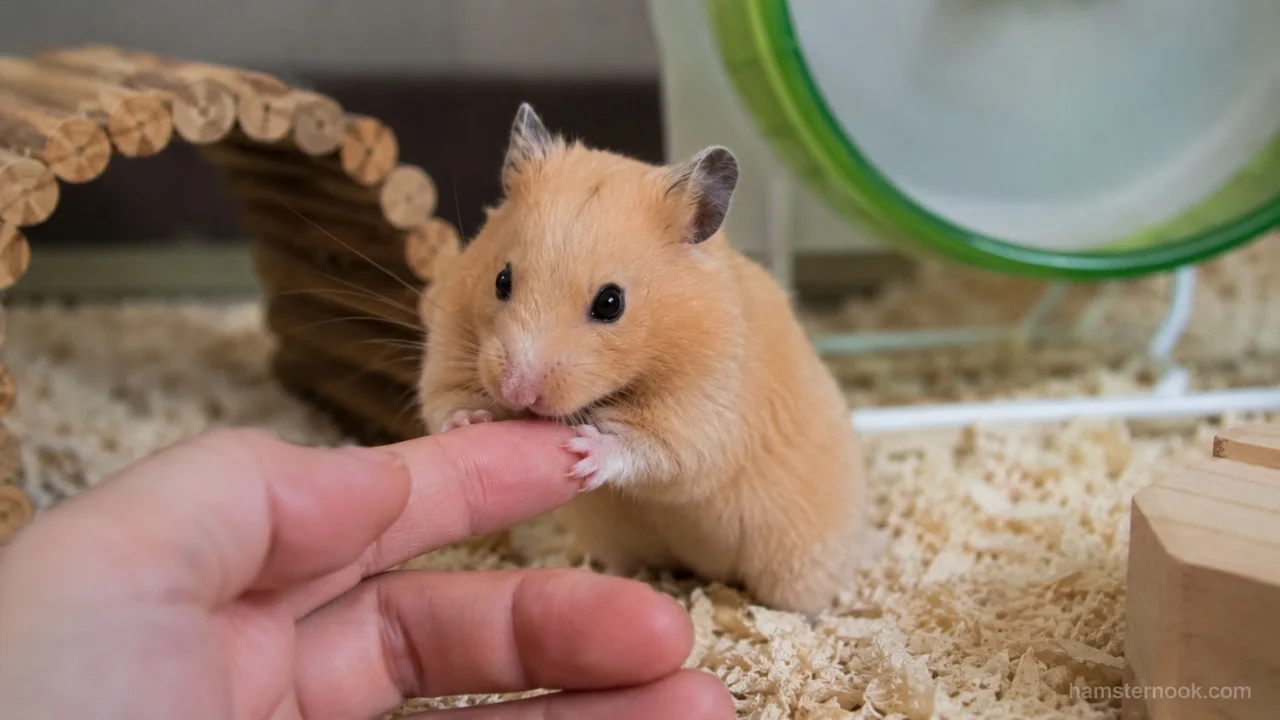
The most affectionate hamster breed depends partly on what you mean by affection. Hamsters generally do not seek affection in the same way as highly social companion animals, but individuals can become comfortable approaching a familiar person, taking treats, climbing onto a hand, and tolerating gentle handling.
Syrian hamsters are often easier for owners to handle because of their larger body size, while dwarf and Chinese hamsters can also become comfortable with people. Species can influence handling experience, but individual temperament, previous experiences, environment, and gradual trust-building matter too.
This guide compares five commonly kept hamster types by handling characteristics and interaction style so you can set realistic expectations before choosing one.
Quick Answer
If by affectionate you mean a hamster that is more likely to tolerate gentle handling, Syrian hamsters are often the easiest type to manage because their larger size can make them physically easier to hold. However, there is no hamster breed guaranteed to be the most affectionate or cuddly. Individual temperament, previous experiences, health, environment, and gradual trust-building can matter as much as species.
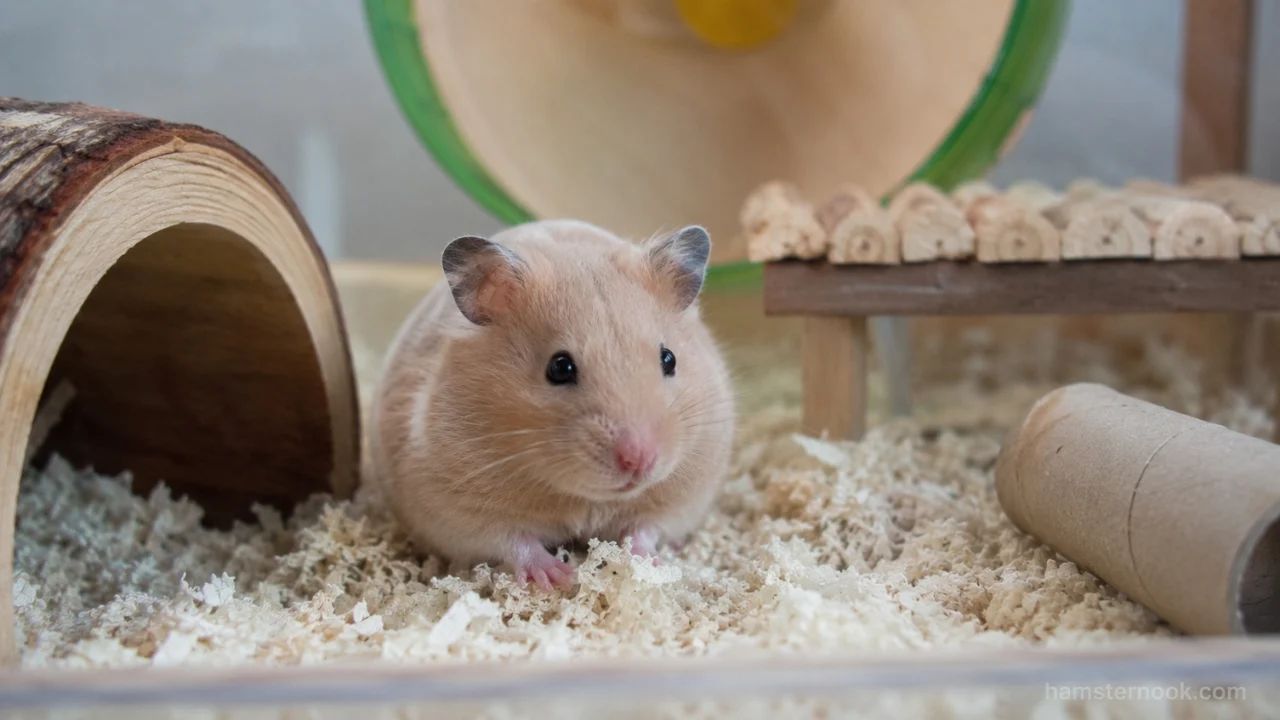
What Does “Affectionate” Mean in a Hamster?
Before comparing breeds, it helps to understand what affection looks like in a hamster.
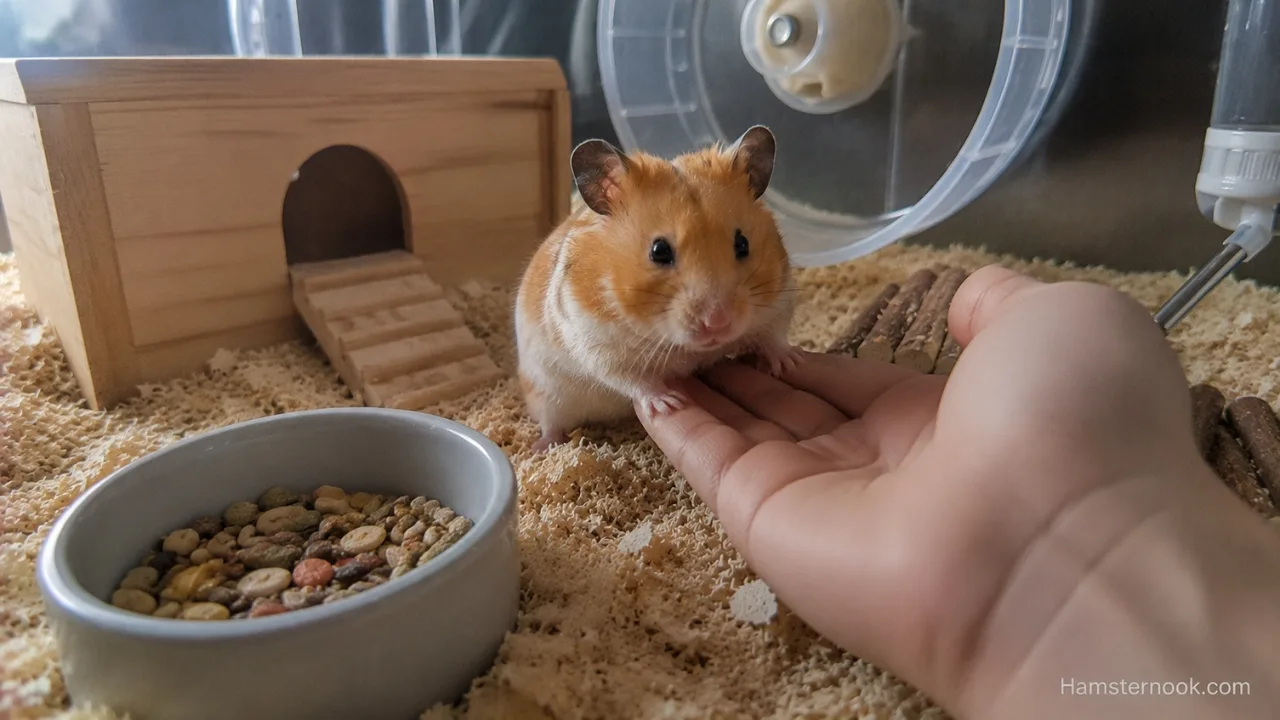
Unlike social pets that seek attention, hamsters usually show trust in more subtle ways. A hamster that feels comfortable with you may:
- Walk onto your hand willingly
- Stay calm during handling
- Accept treats from you
- Groom itself in your presence
- Explore around you without fear
- Show curiosity instead of hiding
These behaviors are better interpreted as signs of familiarity and comfort than proof of affection in the human sense. Our 10 Signs Your Hamster Trusts You: How to Tell If They Like You guide explains how trust may appear during everyday interactions.
Hamster Breed Friendliness and Handling Comparison
The table below compares the most common pet hamster breeds based on handling tolerance, taming difficulty, and owner interaction.
| Hamster Type | Typical Handling Consideration | Activity Style | What Owners Should Expect |
|---|---|---|---|
| Syrian | Larger body can make handling easier | Active and exploratory | Often practical for owners interested in gentle handling |
| Winter White dwarf | Small and quicker to handle | Active and curious | Can become comfortable with patient interaction |
| Campbell’s dwarf | Small and active | Alert and exploratory | Individual temperament can vary considerably |
| Chinese | Small, slender and agile | Curious and active | May become comfortable with gradual interaction |
| Roborovski | Very small and fast | Highly active | Often better suited to observation than frequent handling |
Why Syrian Hamsters Are Often Easier to Handle
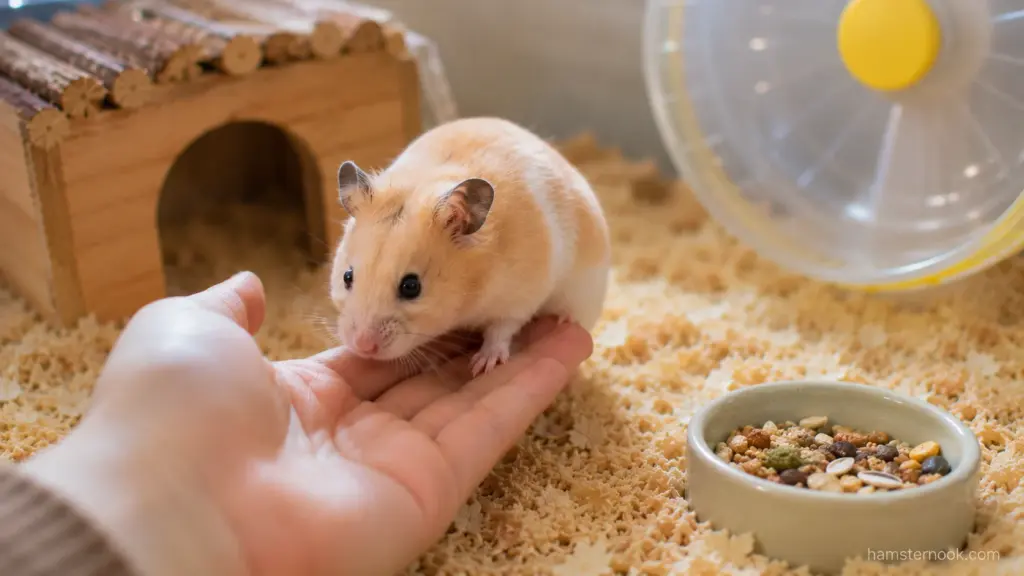
Syrian hamsters are larger than the dwarf species commonly kept as pets, which can make them physically easier to handle, particularly for inexperienced owners. However, larger size does not guarantee a calm temperament or quick trust-building, and individual Syrians can differ considerably in their response to handling.
Affection and calm handling are not exactly the same question. Our What Is the Calmest Hamster Breed? comparison looks specifically at temperament and handling-related differences between commonly kept hamsters.
Even among Syrian hamsters, personalities can vary significantly. Some become confident and outgoing within days, while others remain cautious for much of their lives, which is why personality often matters just as much as breed.
How Winter White Dwarf Hamsters Compare
Winter White hamsters are another popular choice for owners seeking a friendly pet.
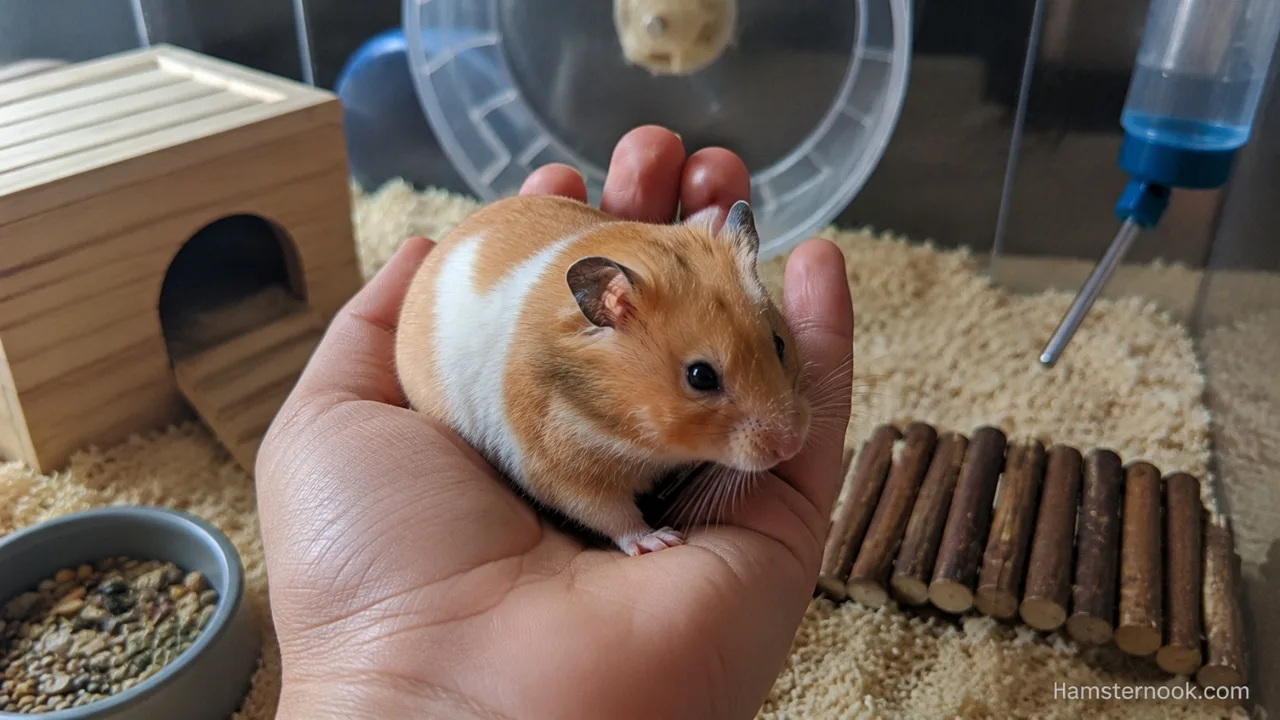
Winter White dwarf hamsters are much smaller than Syrians, so handling requires greater care and control. Individual hamsters may become comfortable approaching or climbing onto a familiar hand after gradual, positive interaction.
Winter Whites often enjoy exploring their environment and may become comfortable climbing onto a familiar owner’s hand.
Recognizing relaxed versus fearful behavior can help owners decide when interaction is welcome. Our What Makes a Hamster Feel Safe in Its Cage? guide covers behaviors that may indicate increasing comfort in the enclosure and around familiar people.
However, because they move faster than Syrians, handling can require more patience.
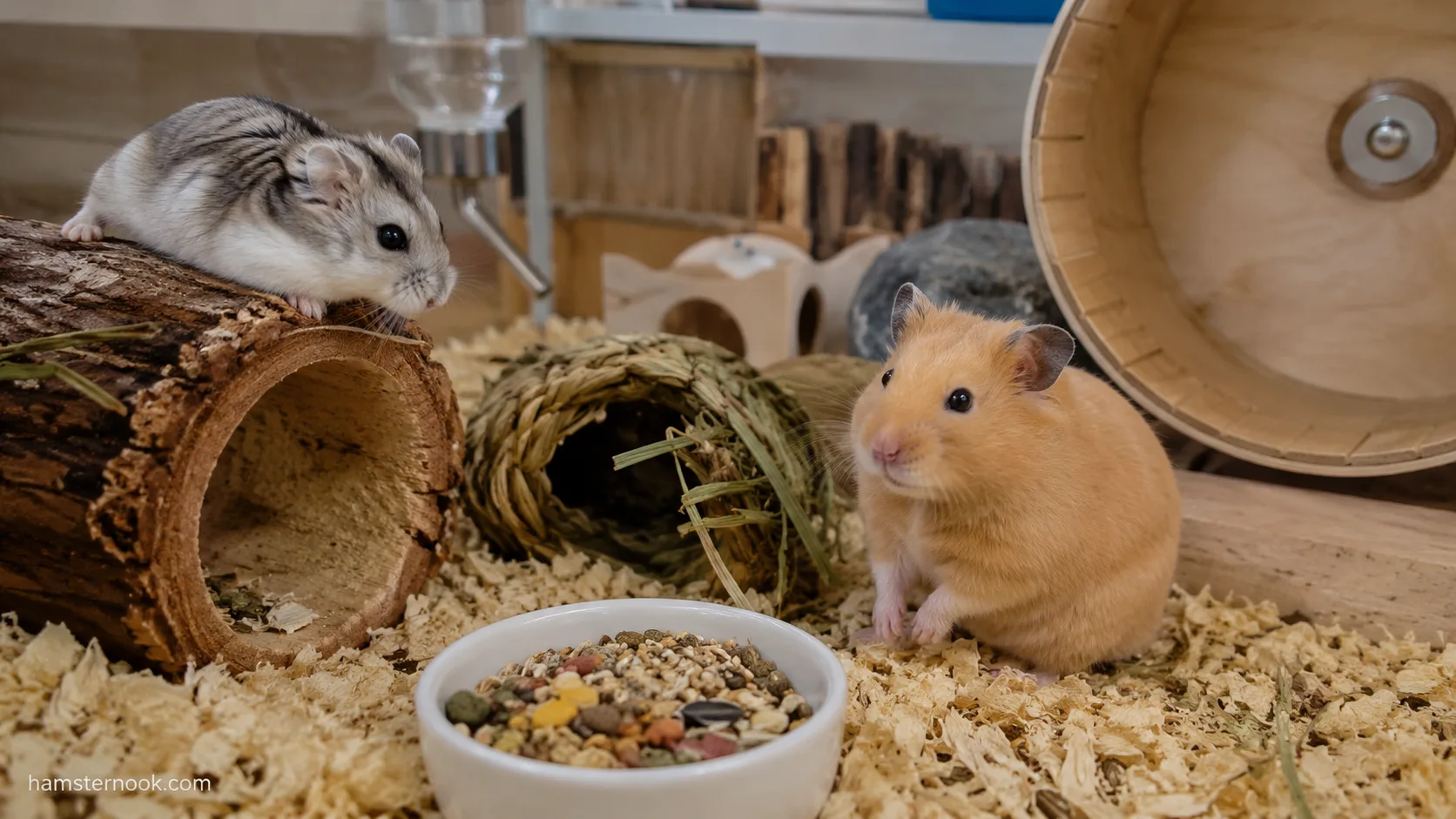
Are Campbell’s Dwarf Hamsters Affectionate?
Campbell’s dwarf hamsters are small, active hamsters whose response to handling can vary between individuals. Rather than assuming the species will be naturally affectionate or reserved, observe the individual hamster’s body language and allow interaction to develop gradually.
Voluntary approaches, calm treat-taking, and comfortable exploration around a familiar hand are more useful indicators of progress than expecting a particular temperament from the species label alone.
Chinese Hamsters Can Form Strong Trust
Chinese hamsters have a different body shape and movement style from the dwarf hamsters above, but individual responses to handling still vary. Some may become comfortable climbing onto a familiar hand, while others may prefer limited physical interaction.
Their suitability should therefore be judged by the individual hamster and the owner’s handling expectations rather than assuming the species will automatically be calm or affectionate.
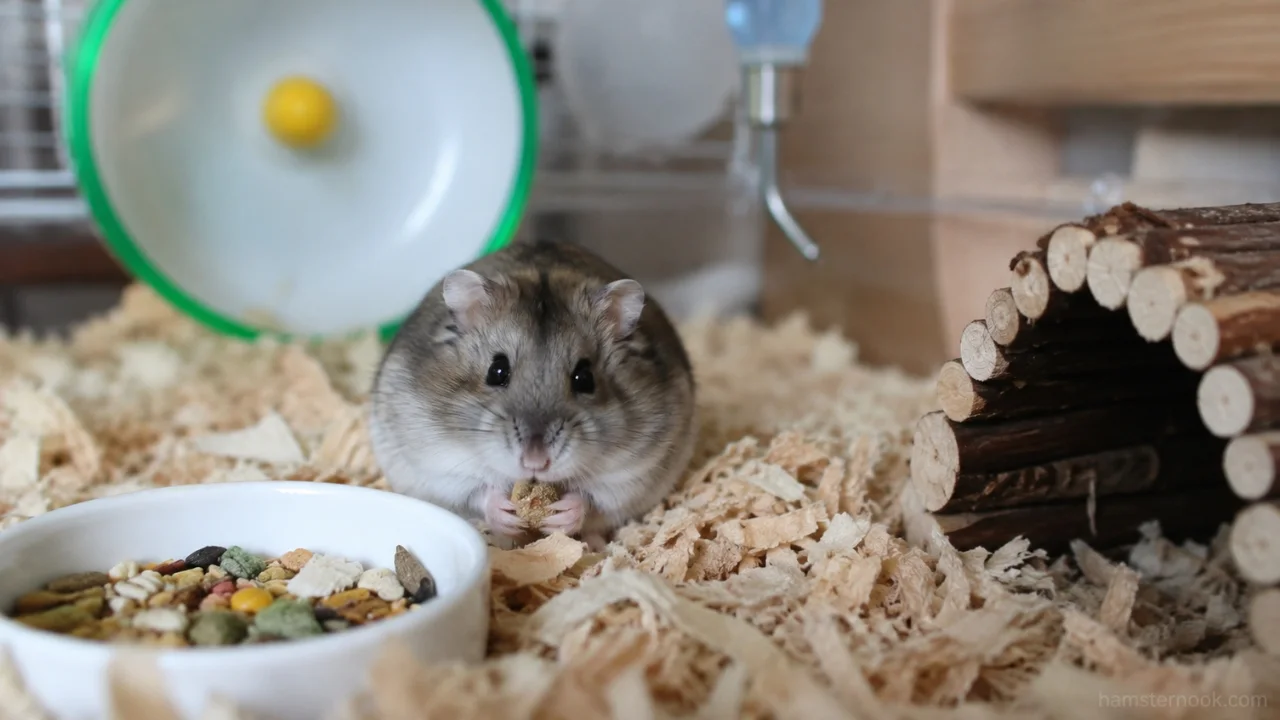
Species differ in size, appearance, activity, and some care considerations. Our Syrian vs Dwarf vs Robo Hamsters: Size, Personality, Handling & Care Compared guide compares these commonly kept hamsters in more detail.
What to Expect From Roborovski Hamsters
Roborovski hamsters are very small, quick-moving animals, which can make hands-on interaction more challenging. Their speed and size mean that owners interested primarily in frequent handling may find them more difficult to manage than a larger Syrian hamster.
This does not mean a Roborovski cannot become familiar with an owner. The practical difference is that observation and enclosure-based interaction may suit some individuals better than prolonged handling.
Roborovski Personality Traits
Individual Roborovskis may become comfortable approaching familiar people, but owners should avoid assuming that comfort must result in prolonged handling.
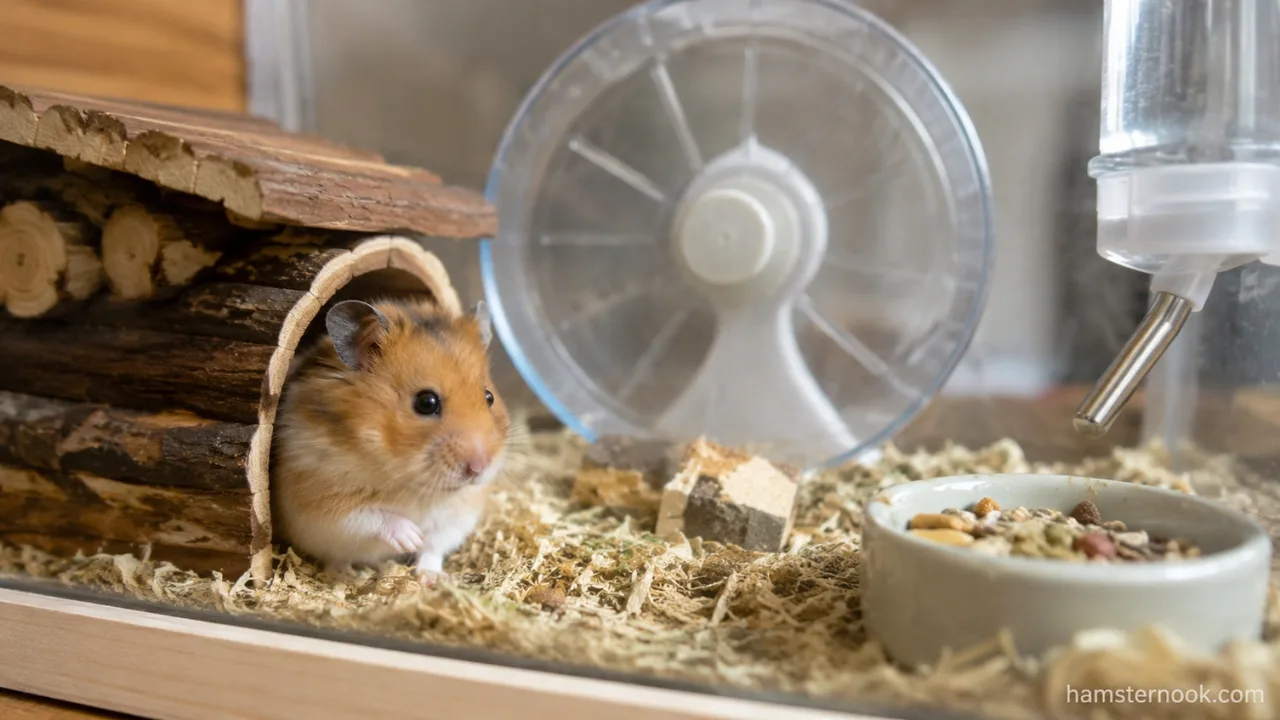
Personality Matters More Than Breed
One of the biggest misconceptions among new hamster owners is assuming breed alone determines friendliness.
In reality, two hamsters of the same breed can have very different personalities.
Factors that influence behavior include:
- Early socialization
- Genetics
- Previous experiences
- Housing conditions
- Health status
- Age
- Owner interaction
An individual dwarf hamster may be more comfortable with handling than an individual Syrian hamster, which is why species alone cannot predict how a particular pet will respond.
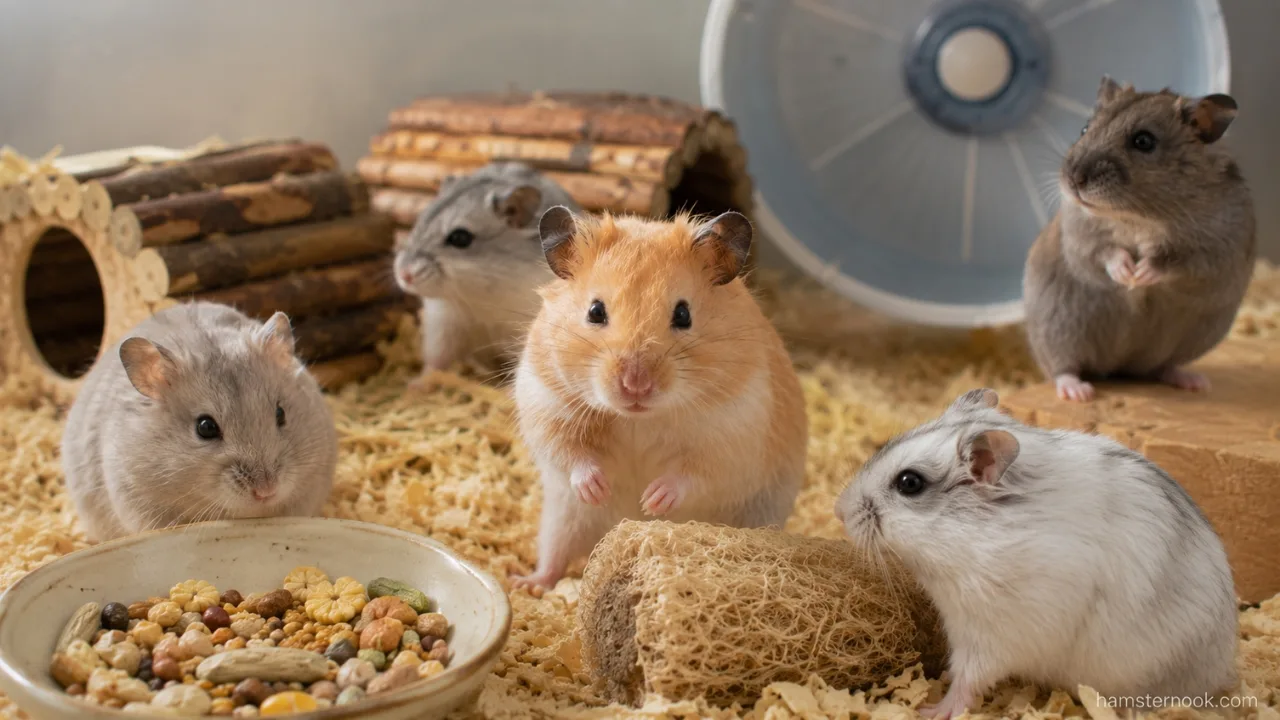
This is especially important if you are choosing a hamster because you want to hold it regularly. A hamster that willingly approaches your hand, remains relaxed, and accepts brief handling may be a better match for your expectations than choosing a species based only on its reputation for being friendly.
Health, previous experiences, housing, and the hamster’s individual behavior should all be considered alongside species when choosing a pet.
If handling tolerance is especially important to you, biting tendency is another question worth considering separately from affection. Our Which Hamster Is Least Likely to Bite? 5 Breeds Compared for Beginners guide compares that specific behavior without treating friendliness and biting as the same trait.
How to Help a Hamster Become More Comfortable Around You
Even naturally calm breeds need time to develop trust.
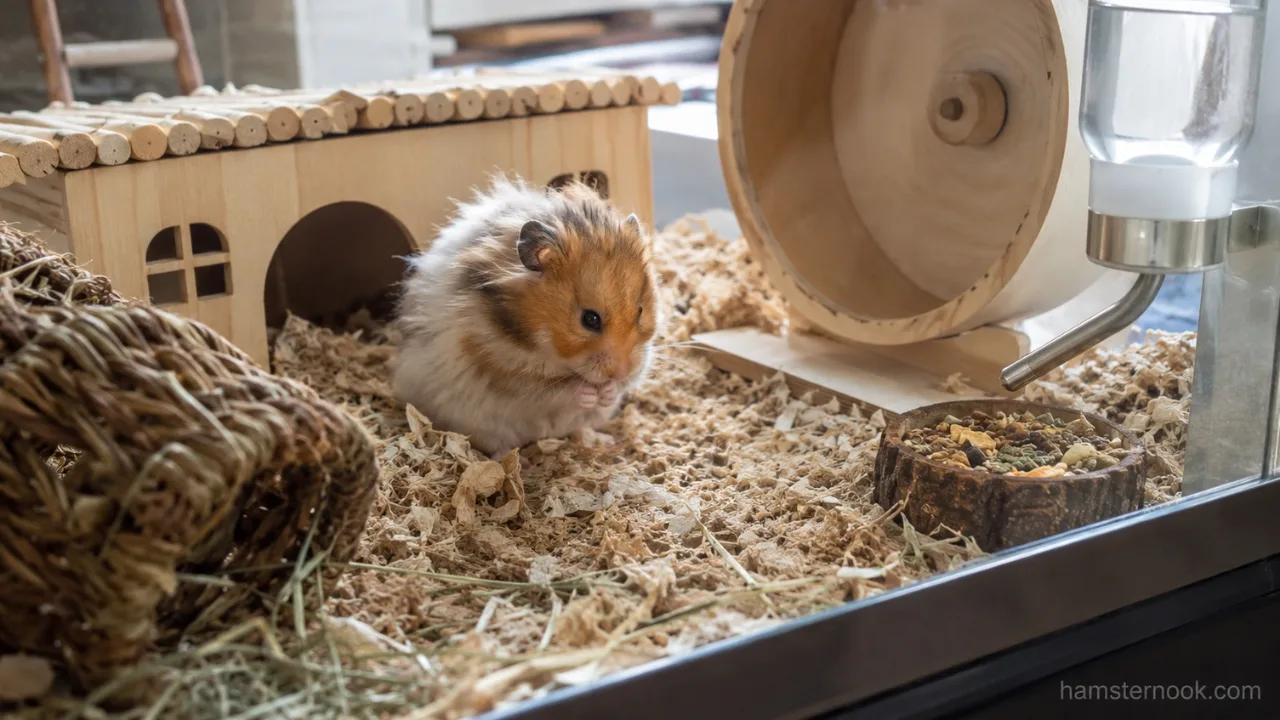
The taming process should always be gradual and respectful.
Effective Trust-Building Techniques
| Method | Purpose |
|---|---|
| Offer treats by hand | Creates positive associations |
| Use calm, predictable movements | Avoids unnecessary startling |
| Allow voluntary interaction | Builds confidence |
| Avoid sudden movements | Prevents fear |
| Allow regular voluntary interaction | Builds familiarity without forcing contact |
| Respect sleep schedules | Reduces defensive behavior |
Most hamsters become comfortable with people gradually, so trying to rush the process rarely works.
Trust-building can be disrupted by waking a hamster unnecessarily, forcing handling, making sudden movements, or repeatedly disturbing familiar areas. Our The Most Common Beginner Hamster Mistakes That Cause Stress guide covers these and other avoidable care problems.

If you want to handle your hamster safely, see our guide on How to Hold a Hamster Safely Without Scaring or Stressing It for practical handling steps.
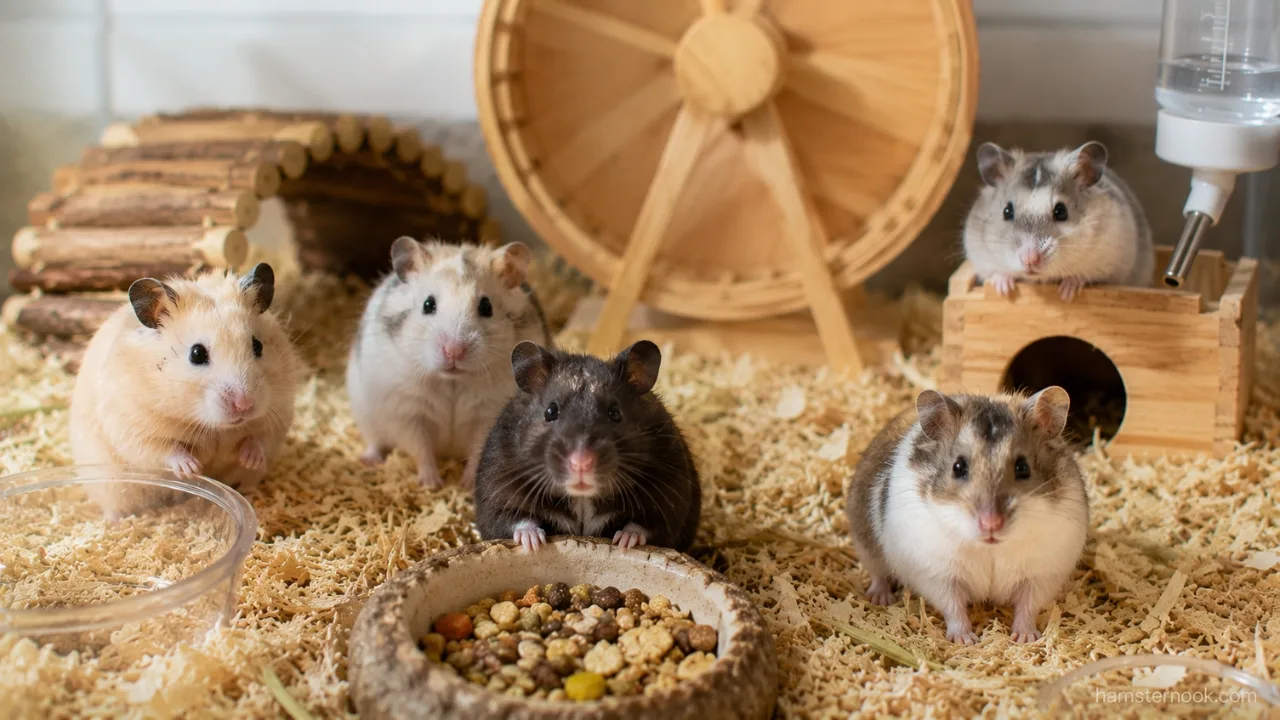
Common Mistakes That Prevent Bonding
Many owners unintentionally slow the taming process by moving too quickly.
Avoid these common mistakes:
| Handling Mistake | Possible Response |
|---|---|
| Waking a sleeping hamster | Startling or defensive behavior |
| Forcing handling | Retreating, struggling, or biting |
| Reaching suddenly from above | Startling or avoidance |
| Loud or sudden noise | Hiding or increased alertness |
| Chasing during handling | Avoidance or defensive behavior |
| Ignoring retreat signals | Reduced willingness to interact |
Giving your hamster control over interactions usually leads to better long-term results.
Why Some “Friendly” Hamsters Never Become Affectionate
Even within the same species, hamsters can respond very differently to handling. A hamster that has recently moved into a new home may initially hide, avoid hands, or behave cautiously while becoming familiar with its surroundings.
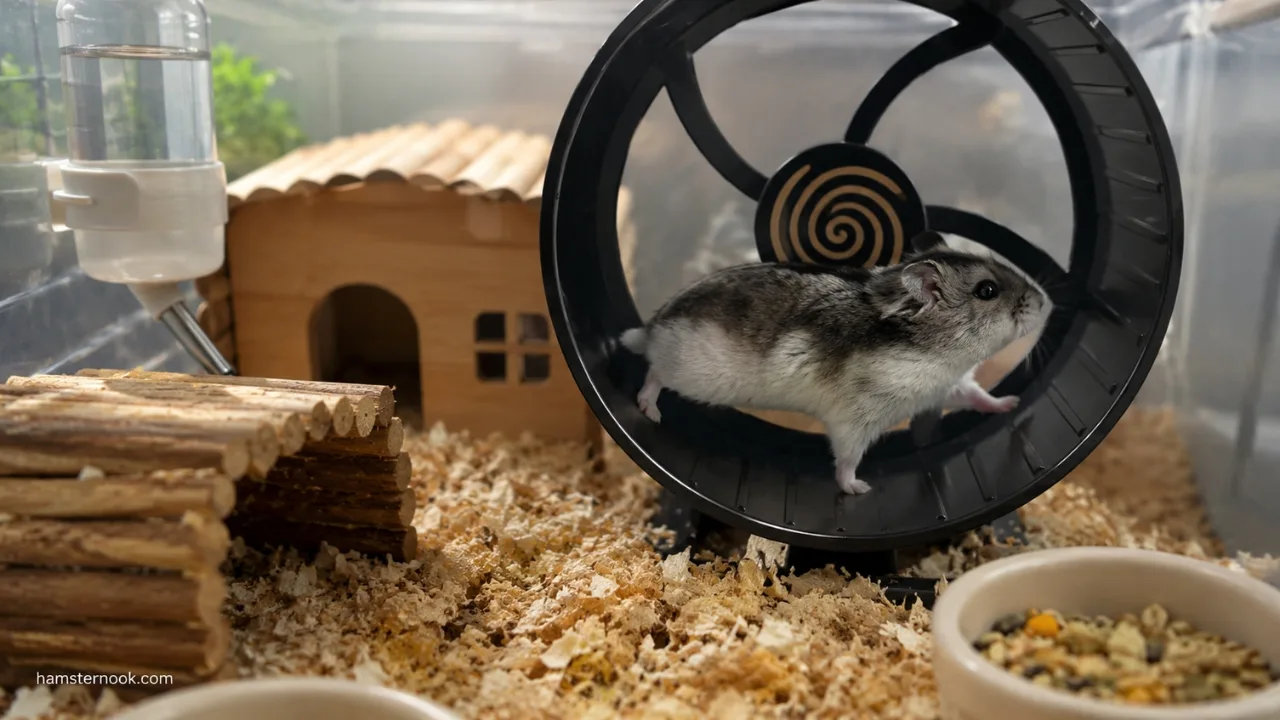
Give a new hamster time to settle and allow interaction to develop at its own pace rather than judging its temperament from the first few days.
Is an Affectionate Hamster the Right Expectation?
It is important to set realistic expectations before choosing any hamster.
Hamsters should not be chosen with the expectation that they will consistently seek cuddling or prolonged handling. Some individuals tolerate or appear comfortable with more interaction than others.
Familiarity with particular people can also affect how a hamster responds during interaction. Our Do Hamsters Understand Affection? How They Show Trust and Bond With You guide explains how trust, familiarity, and comfortable interaction can differ from human ideas of affection.
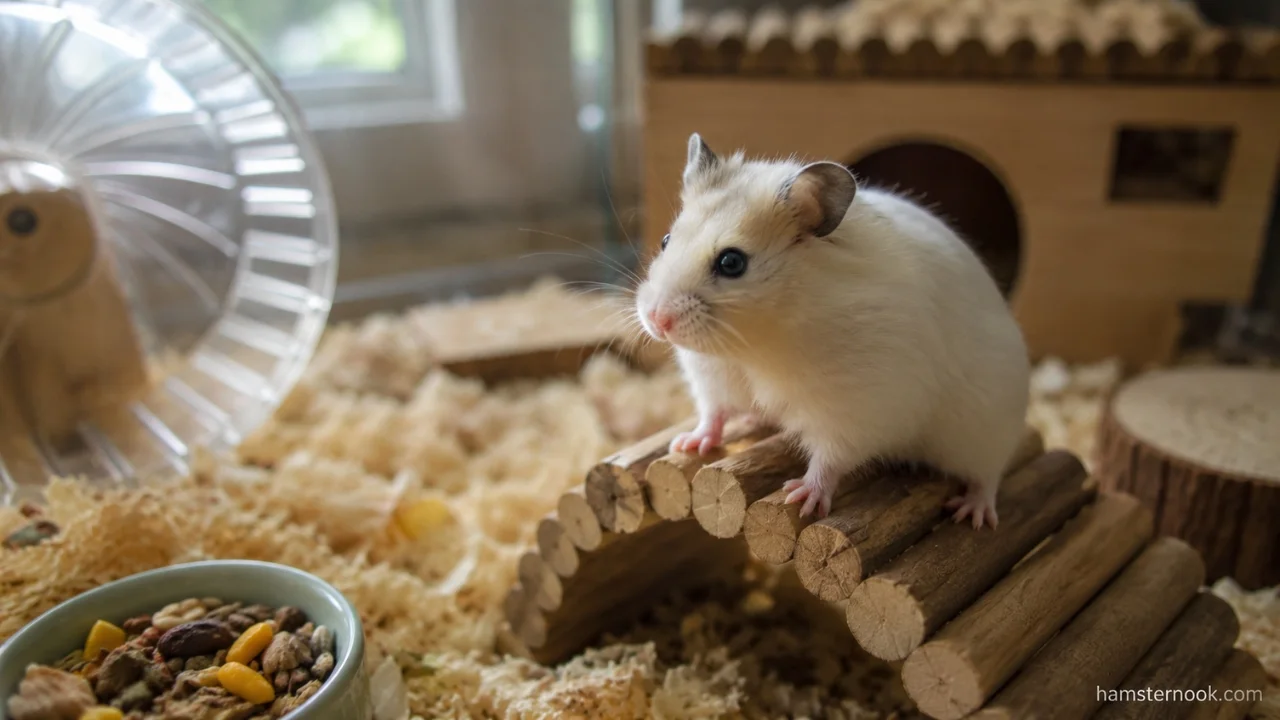
Instead of looking for a hamster that constantly seeks affection, it is better to look for one that can develop trust and comfort through positive experiences.
What Should You Look for When Choosing a Hamster for Handling?
Breed can help set broad expectations, but observe the individual hamster whenever possible. Look for normal movement, alertness during its waking period, curiosity without persistent panic, and an ability to recover after a mild disturbance.
Do not assume that the hamster that immediately approaches a hand will automatically be the most affectionate, or that a cautious hamster cannot become comfortable later. Health, temperament, previous experiences, and how interaction is introduced all influence future handling.
Final Thoughts
If your goal is a hamster that is practical to handle, a Syrian hamster is often a strong option because its larger size can make gentle handling easier. However, no species guarantees an affectionate, cuddly, or consistently interactive pet.

Winter White, Campbell’s, Chinese, and Roborovski hamsters can also become familiar and comfortable with people, but individual temperament and handling preferences vary. Choose based on the hamster’s care needs and your expectations, then allow trust to develop through calm, voluntary interaction.
Frequently Asked Questions
Which hamster breed likes being held the most?
Syrian hamsters are larger than dwarf species, which can make them physically easier to hold and handle. Individual tolerance for handling still varies.
Which Hamster Is Best for Cuddling?
If by cuddling you mean a hamster that is more likely to tolerate gentle, close handling, Syrian hamsters are often a practical choice because their larger size can make them easier to hold. However, hamsters are not naturally cuddly pets, and individual temperament matters more than breed. A hamster may prefer brief handling or simply sitting on your hand rather than being held for long periods.
Are dwarf hamsters affectionate?
Dwarf hamsters can become comfortable with familiar people, but their small size and quick movement can make handling different from handling a Syrian. Individual temperament matters more than assuming all dwarf hamsters respond the same way.

Can Roborovski hamsters bond with owners?
Roborovski hamsters can become familiar and comfortable with their owners, although their small size and quick movement can make prolonged handling more challenging.
Do male or female hamsters tend to be friendlier?
Personality varies by individual. While some owners notice differences, there is no consistent evidence that one gender is always more affectionate than the other.
How long does it take for a hamster to trust you?
There is no fixed timetable for trust. Some hamsters become comfortable with interaction relatively quickly, while others remain cautious for much longer. Follow the hamster’s behavior rather than trying to meet a specific number of days or weeks.
Can an older hamster become affectionate?
An older hamster can become familiar and comfortable with a person. Age alone does not determine trust, and previous experiences, health, temperament, and handling approach can all affect the process.
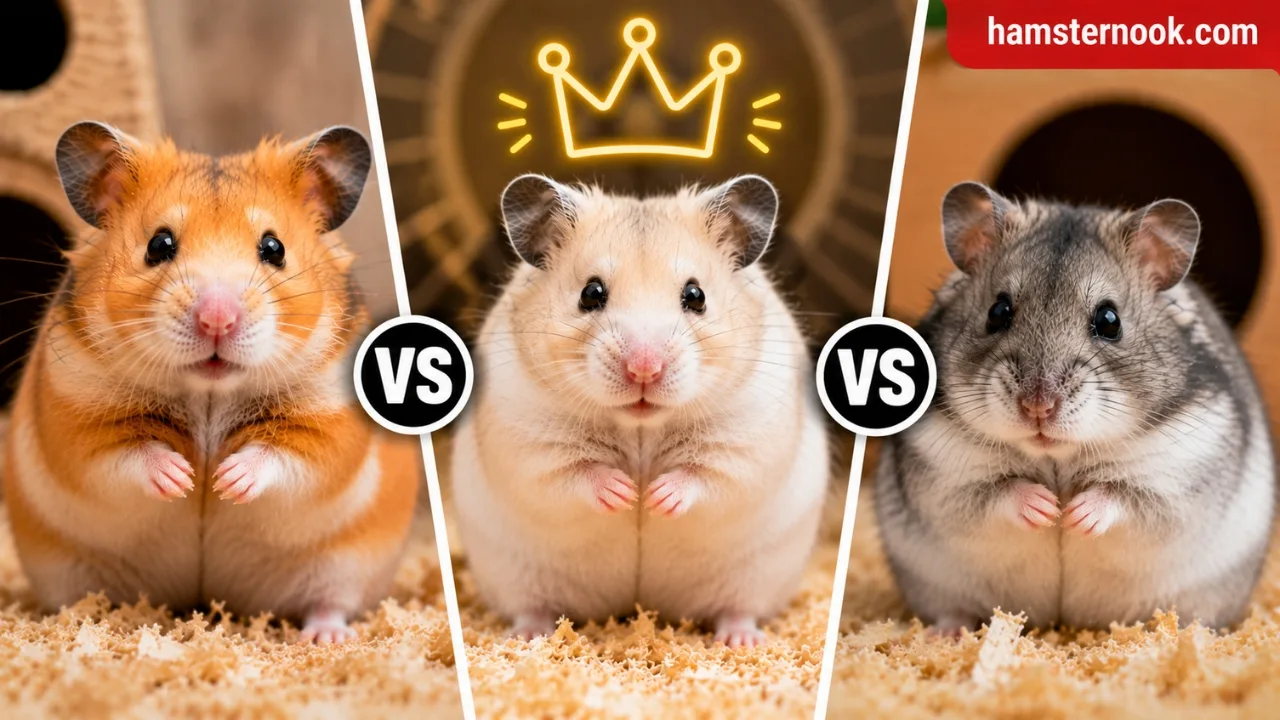
Which hamster breed is best for first-time owners?
Syrian hamsters can be practical for first-time owners interested in handling because their larger size makes them easier to manage physically. However, beginners should also consider enclosure requirements, activity patterns, temperament, and the care needs of the individual hamster.
References
This guide is based on hamster breed characteristics, behavior, handling, welfare, and husbandry guidance from trusted animal welfare and veterinary resources, including:
- RSPCA – Keeping Hamsters as Pets – General information on hamster behavior, handling, housing, welfare, and the different needs of pet hamsters.
- RSPCA – Hamster Behaviour – Guidance on natural hamster behavior, interaction, handling, activity patterns, and signs of comfort or stress.
- Blue Cross – Hamster Care Guide – Practical guidance on hamster care, handling, behavior, enrichment, housing, and wellbeing.
- MSD Veterinary Manual – Hamsters – Veterinary reference information on hamster species, behavior, health, husbandry, and care requirements.
- NC3Rs – Housing and Husbandry: Hamster – Guidance on hamster housing, environmental needs, natural behaviors, enrichment, and welfare.
- PDSA – Hamsters as Pets – Information on hamster care, handling, behavior, housing, activity, and general welfare.

Narayan Kumar is the founder and author of HamsterNook. He creates practical, research-based hamster care guides covering hamster behavior, nutrition, cage setup, enrichment, health, and everyday care. His goal is to help hamster owners make informed decisions and provide safer, healthier lives for their pets through clear, beginner-friendly information based on trusted animal care resources.