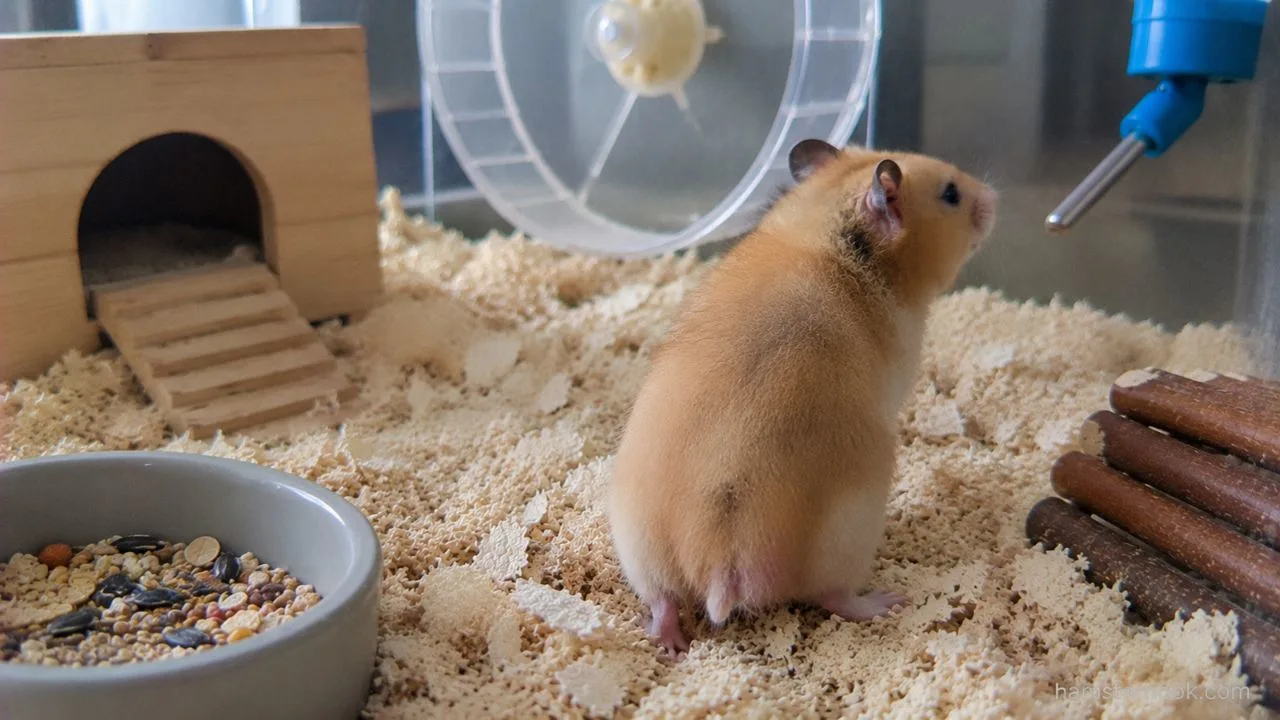
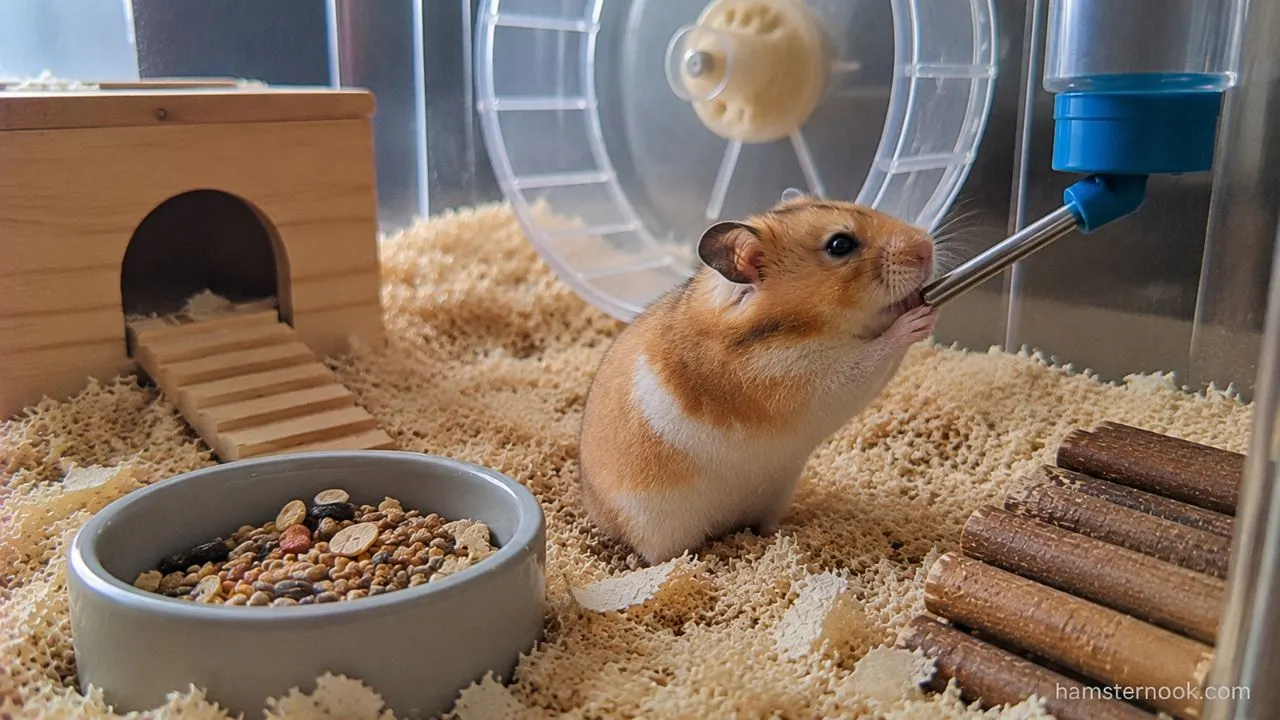
A hamster can have the biggest cage, the deepest bedding, and the best wheel available, but if it doesn’t feel safe where it sleeps, the enclosure may still be missing something important. Hideouts are much more than decorative cage accessories. For a hamster, they provide security, privacy, comfort, and a place to rest without feeling exposed.
Many new owners buy colorful plastic houses simply because they look cute, only to discover that their hamster ignores them completely. The reason is simple: hamsters often choose sleeping spots based on instinct rather than appearance.
Knowing what hamsters naturally look for in a sleeping area makes it much easier to choose hideouts they will actually use. Whether you’re setting up a habitat for a Syrian hamster or a dwarf hamster, choosing the right hideout can make a noticeable difference in your pet’s daily life.
Why Hideouts Are Essential for Hamsters
Hamsters are prey animals. In the wild, they spend much of their time underground in complex burrow systems where they can sleep, store food, and avoid predators.
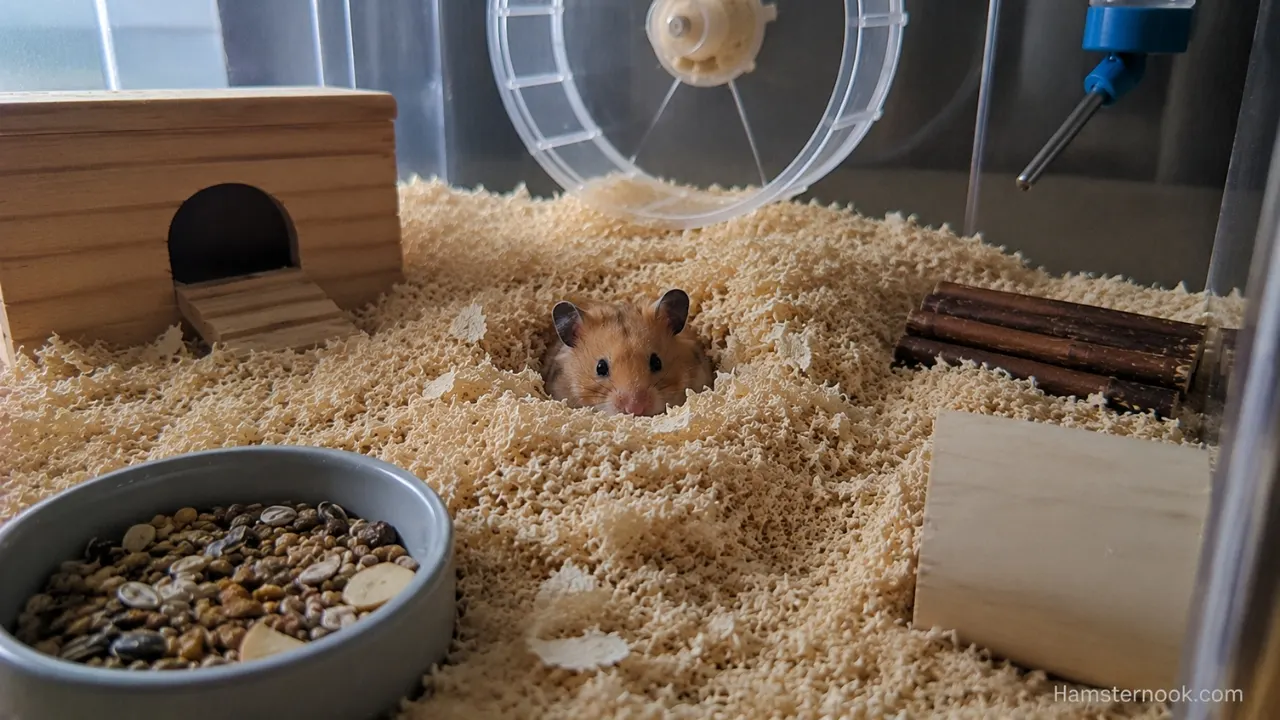
Even though pet hamsters live safely indoors, those natural instincts remain strong. This is why many hamsters prefer sleeping below the bedding or inside dark, enclosed hideouts instead of using open or highly visible shelters. Our Best Hamster Hideouts and Sleeping Areas: What Hamsters Actually Prefer guide explains why this behavior is completely normal.
A good hideout helps a hamster:
- Feel secure
- Sleep without disturbance
- Reduce stress
- Store food naturally
- Build nests
- Regulate light exposure
Without suitable sleeping areas, some hamsters may become anxious, restless, or reluctant to settle comfortably.
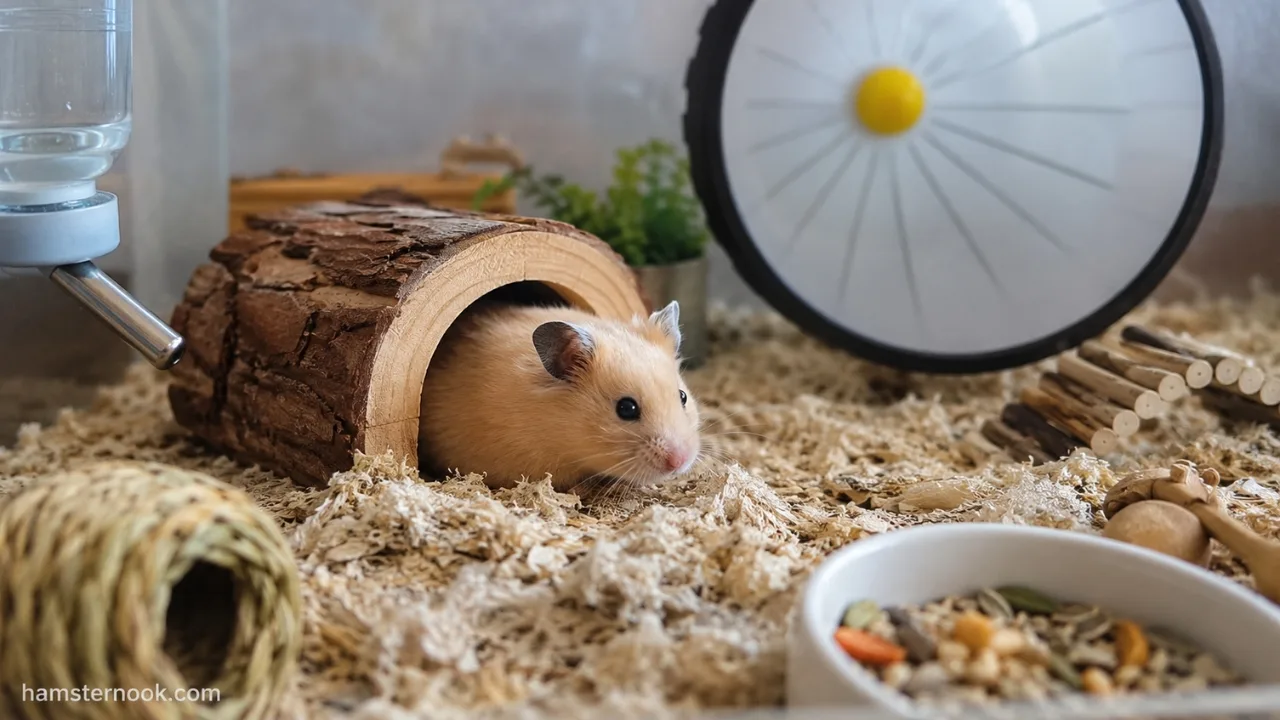
A hideout should never be viewed as just another cage accessory. For a hamster, it is the place where it sleeps, builds a nest, stores food, and feels protected. Choosing a hideout that matches your hamster’s natural instincts is one of the simplest ways to improve its overall welfare.
What Do Hamsters Look for in a Sleeping Area?
Hamsters typically choose sleeping locations that provide darkness, protection, and privacy.
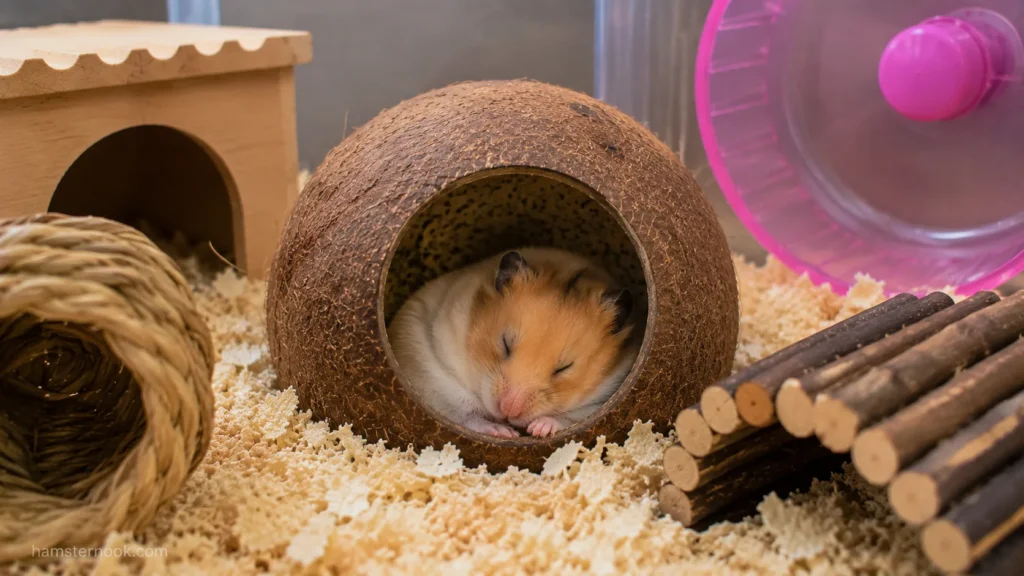
The most preferred sleeping areas usually share several characteristics.
| Feature | Why Hamsters Prefer It |
|---|---|
| Dark Interior | Mimics underground burrows |
| Enclosed Space | Creates a feeling of safety |
| Quiet Location | Reduces disturbances |
| Room for Nesting Material | Supports natural nest building |
| Stable Temperature | Helps maintain comfort |
| Multiple Entrances (Sometimes) | Provides escape routes if startled |
Many owners notice that hamsters often ignore open or brightly lit shelters while immediately moving into darker, more enclosed options.
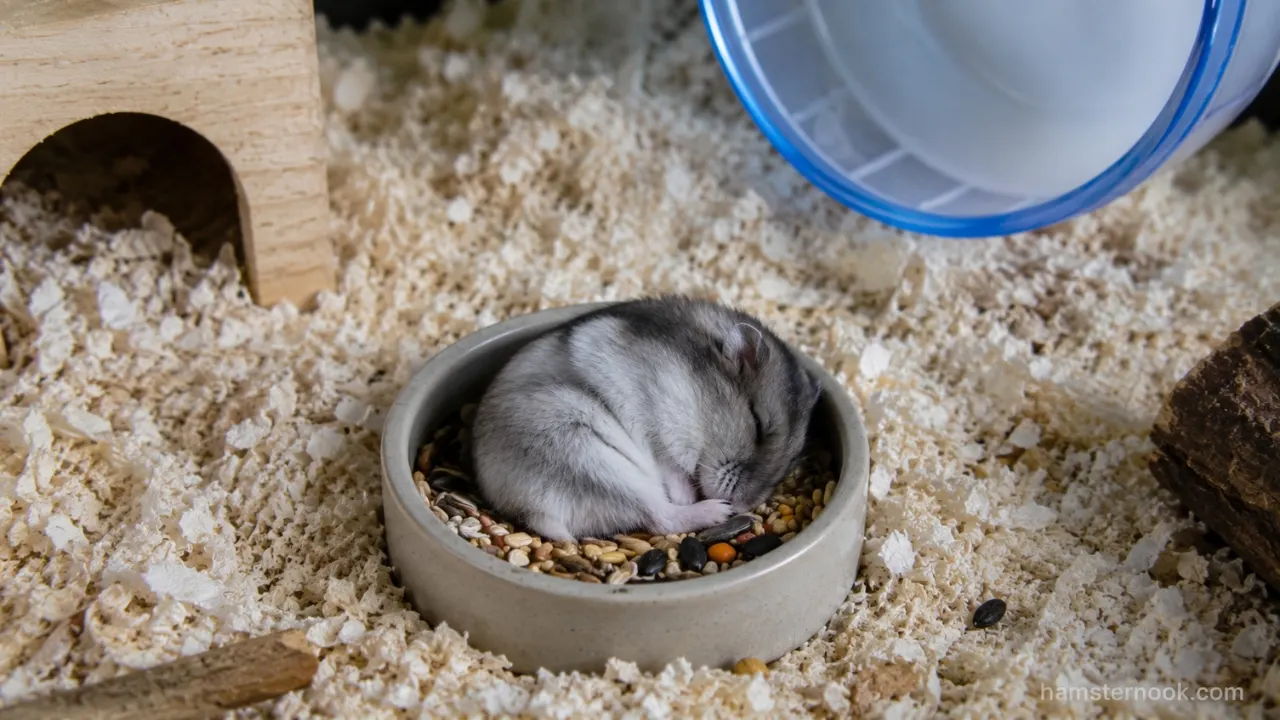
Best Types of Hamster Hideouts
Not all hideouts are equally appealing to hamsters. Some designs align more closely with natural instincts than others.
How to Choose a Safe Hamster Hideout
A good hideout should be dark, stable, and large enough for your hamster to enter, turn around, rest, and arrange nesting material comfortably. Avoid shelters with sharp edges, unstable parts, or materials that can become hazardous if chewed or damaged. Choose hamster-safe materials, keep the entrance clear, and make sure the hideout remains secure when surrounded by bedding.
Multi-Chamber Hideouts
Multi-chamber hideouts are often considered one of the best housing additions for pet hamsters.
These structures contain several connected rooms, similar to natural underground burrows.
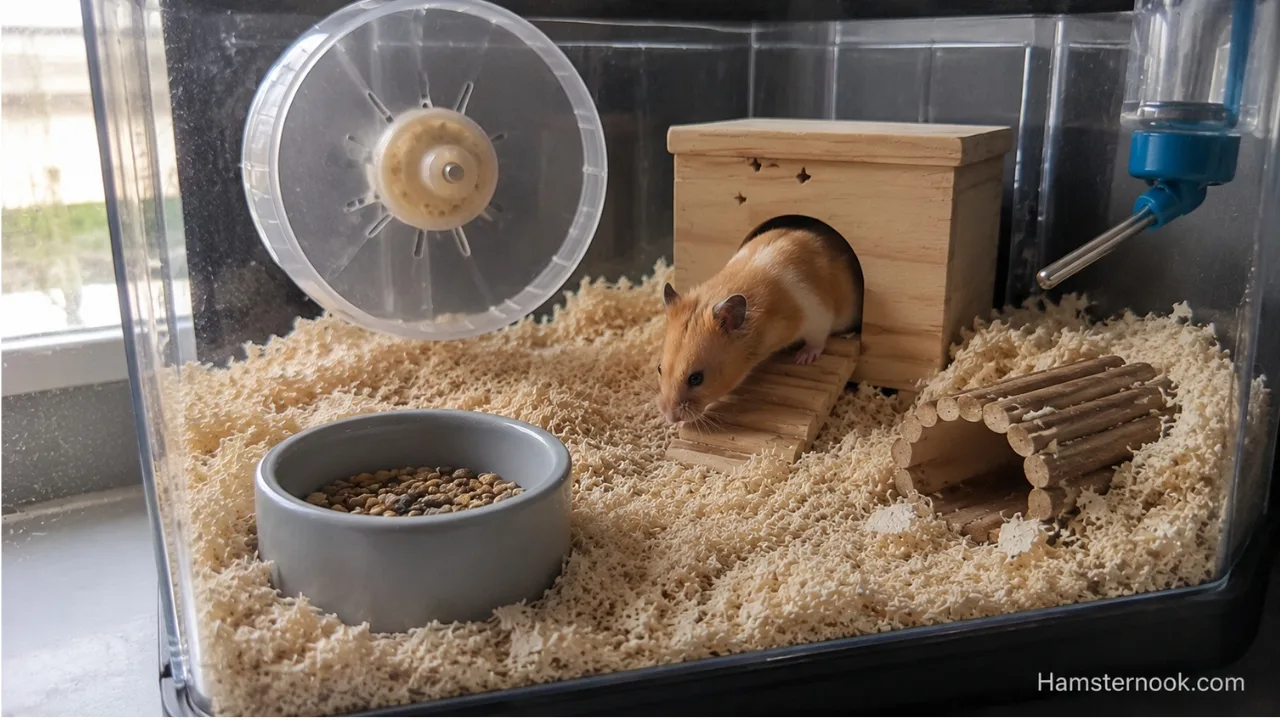
Benefits include:
- Separate sleeping areas
- Food storage spaces
- Added security
- Natural exploration opportunities
Many hamsters naturally create a separate food storage room inside their hideout. Our Why Does My Hamster Suddenly Stop Hoarding Food? Is It Normal? guide explains why hoarding is an important natural instinct.
| Advantage | Benefit for Hamsters |
|---|---|
| Multiple Rooms | Mimics wild burrows |
| Increased Privacy | Helps reduce stress |
| Better Nesting Areas | Encourages natural behaviors |
| Food Storage Zones | Supports hoarding instincts |
For many hamsters, a multi-chamber hideout quickly becomes the primary sleeping area.
Wooden Houses
Wooden hideouts remain one of the most popular options among experienced hamster owners.
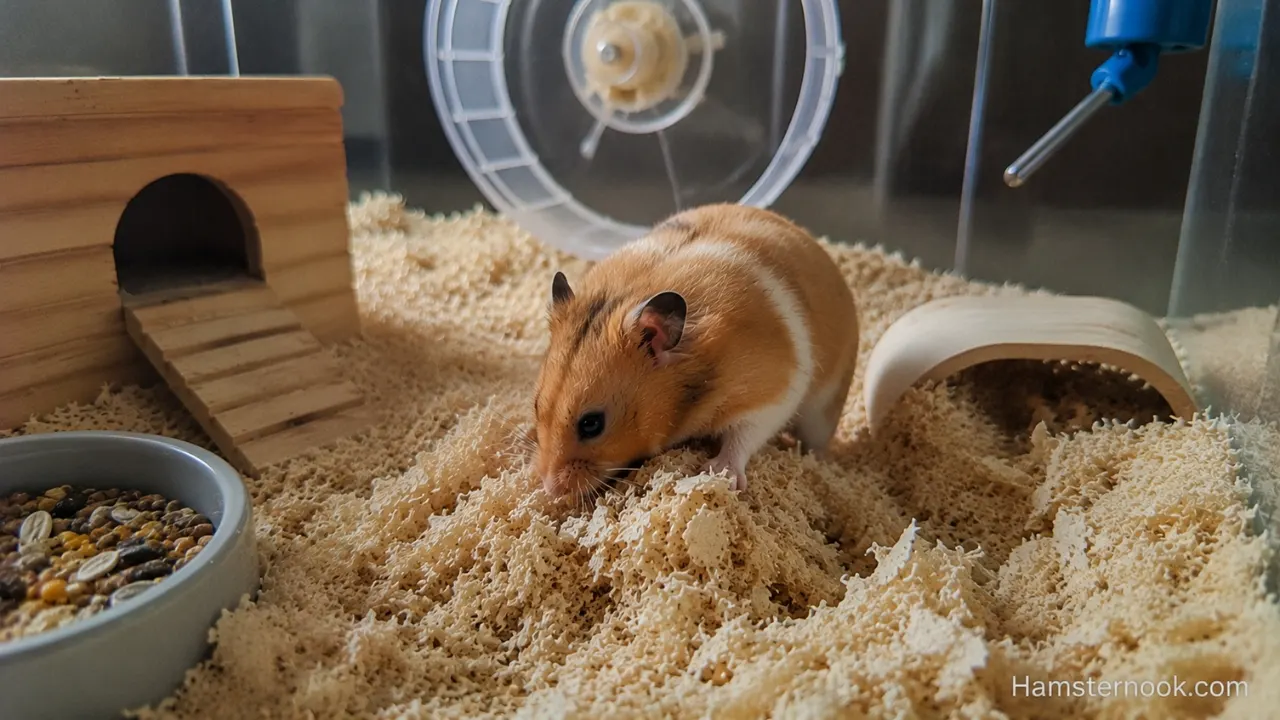
Natural wood provides:
- A darker interior
- A secure feeling
- Safe chewing opportunities
- Good insulation
Untreated hamster-safe wood is generally preferred over painted or heavily processed materials.
Wooden houses also blend naturally with most enclosure setups.
Cork Logs and Cork Tunnels
Cork products offer a more natural appearance and can function as both tunnels and sleeping spots.
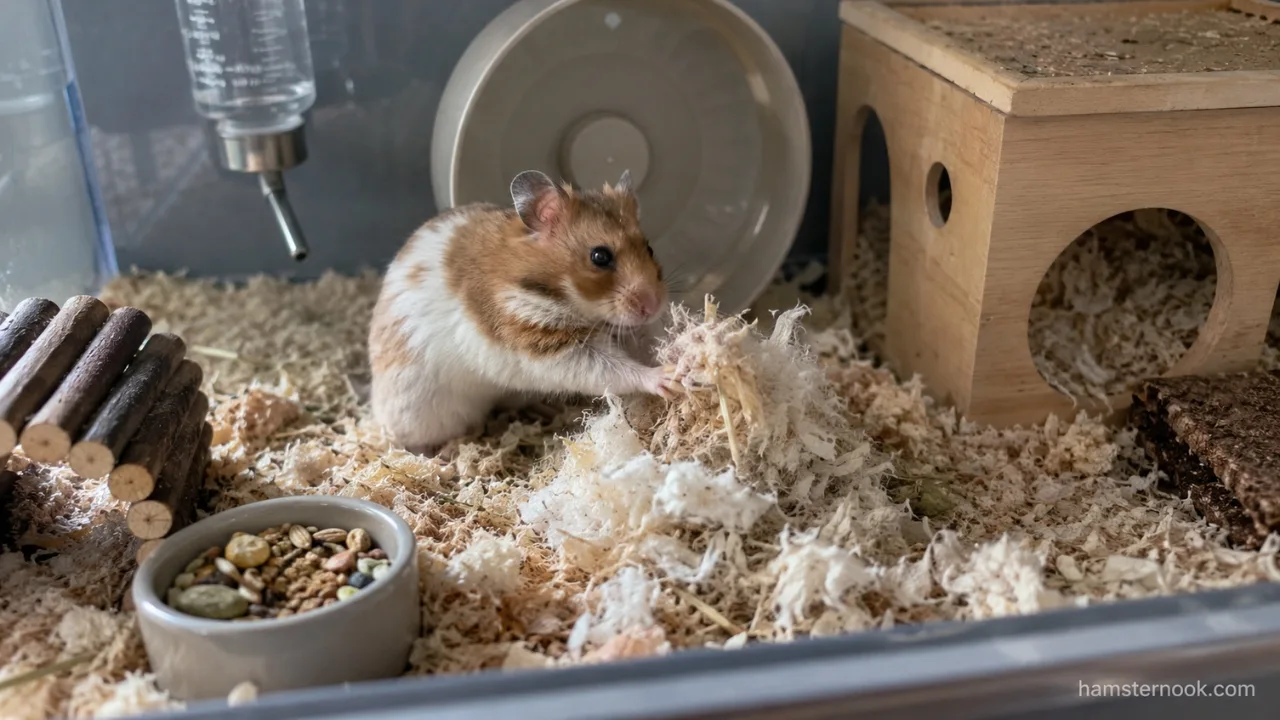
Hamsters often enjoy:
- Exploring inside them
- Hiding during daylight hours
- Using them as nesting areas
Because cork has an irregular texture, it can also add enrichment to the enclosure.
Ceramic Hideouts
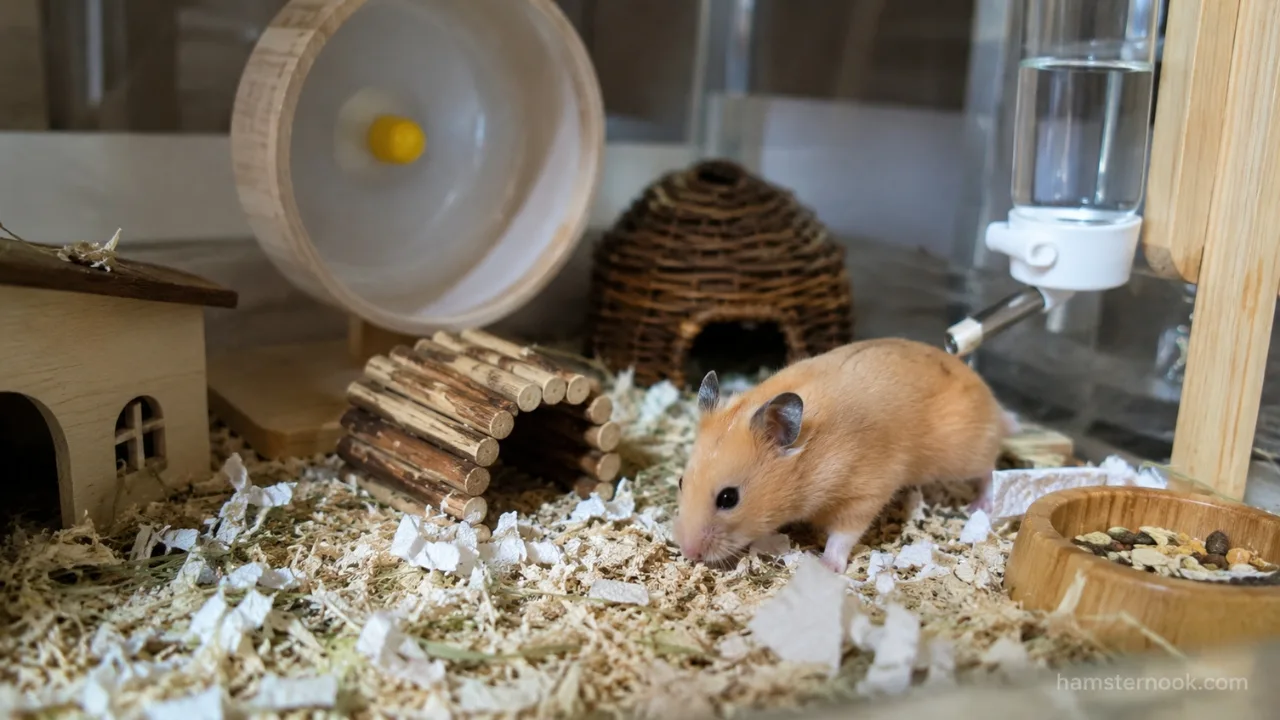
Ceramic shelters are especially useful in warmer climates.
Advantages include:
| Feature | Benefit |
|---|---|
| Cool Surface | Helps regulate temperature |
| Easy Cleaning | Maintains hygiene |
| Durable Material | Long-lasting option |
| Stable Structure | Less likely to tip over |
Many hamsters choose ceramic hides during hot weather while preferring softer nesting locations during cooler periods.
Cardboard Hideouts
Simple cardboard structures are often underestimated.
Many hamsters enjoy cardboard because they can:
- Chew it
- Modify it
- Nest inside it
- Explore different openings
Plain, untreated cardboard can provide inexpensive enrichment while serving as a temporary sleeping area.

Hideouts Hamsters Often Dislike
Some hideouts appeal more to owners than to hamsters.
Certain designs may be less attractive because they do not provide enough security.
| Hideout Type | Potential Problem |
|---|---|
| Transparent Houses | Too much visibility |
| Open Platforms | Little protection |
| Very Small Hides | Limited movement |
| Brightly Lit Shelters | Lack of darkness |
| Decorative Novelty Houses | Often prioritize appearance over function |
Every hamster has individual preferences, but many naturally gravitate toward darker, enclosed spaces.
How Many Hideouts Should a Hamster Have?
Most hamsters benefit from having more than one safe place to hide or rest, but there is no universal number based only on cage size. A practical setup is to provide a primary dark nesting hide plus additional safe hiding options where space allows.
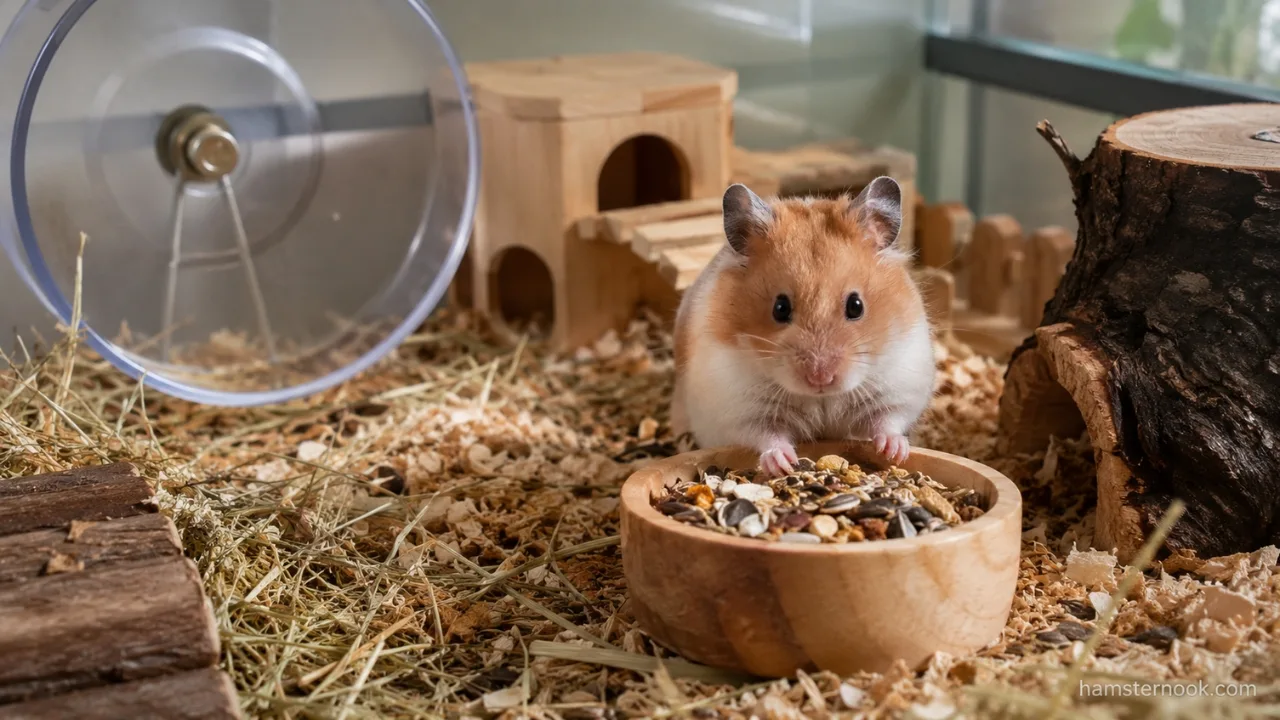
A larger habitat may include:
- Primary sleeping hide
- Secondary resting hide
- Tunnel hideout
- Foraging shelter
- Sand bath cover area
Having several options allows your hamster to choose where it feels most comfortable without taking away the floor space needed for burrowing and exploring.
The goal is to provide choice without overcrowding the enclosure.
Multiple hideouts only work well when your hamster still has plenty of usable floor space. Our Do Hamsters Need a Bigger Cage? 10 Signs Your Cage Is Too Small guide explains how enclosure size affects comfort, exploration, and natural behavior.

The Role of Bedding in Comfortable Sleeping Areas
Even the best hideout will be less appealing if bedding is inadequate.
Hamsters naturally create nests using available materials.
Suitable nesting materials often include:
- Unscented paper bedding
- Soft tissue paper
- Paper-based nesting material
Deep bedding allows hamsters to:

- Burrow underneath hideouts
- Build secure nests
- Regulate temperature naturally
Many hamsters actually prefer sleeping below ground level rather than inside surface-level houses.
If your hamster spends most of its time tunneling beneath bedding instead of using surface hideouts, our Why Is My Hamster Digging So Much? 7 Common Reasons guide explains why increased digging is often completely normal.
Should You Place Hideouts Above or Below Bedding?
Many experienced keepers place hideouts partially buried within bedding.
This setup provides a more natural environment because it resembles underground chambers.

| Placement Style | Benefits |
|---|---|
| On Top of Bedding | Easy access and cleaning |
| Partially Buried | More natural feel |
| Connected to Burrows | Encourages digging behavior |
| Under Deep Bedding Areas | Mimics wild nesting systems |
Partially buried hideouts often become favorite sleeping locations.
Place the hideout on a stable surface before adding deep bedding around it. This helps prevent tunnels from collapsing underneath the hideout while allowing your hamster to burrow safely around its sleeping area.
Signs Your Hamster Likes Its Hideout
A hamster that feels comfortable with a hideout usually displays several positive behaviors.
Common signs include:
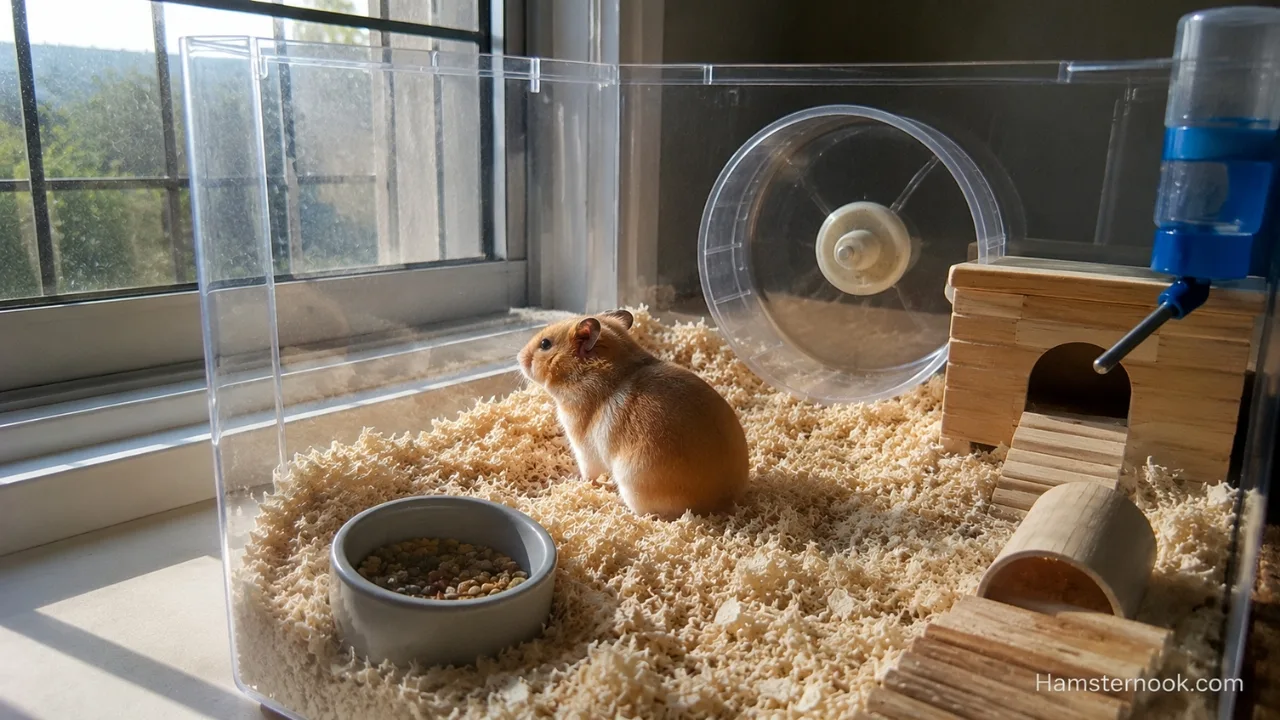
- Sleeping inside regularly
- Carrying bedding into the hide
- Storing food there
- Spending quiet daytime hours inside
- Returning to the same location consistently
These behaviors typically indicate the shelter meets the hamster’s needs.
Why Some Hamsters Change Sleeping Spots Frequently
Some hamsters rotate between multiple sleeping locations throughout the week. This does not automatically mean they dislike a hideout. Changes in temperature, nesting material, food storage habits, or personal preference can all influence where a hamster chooses to sleep on a given day.
Signs a Hideout May Not Be Working
Not every hideout is an instant success.
Your hamster may dislike a sleeping area if it:
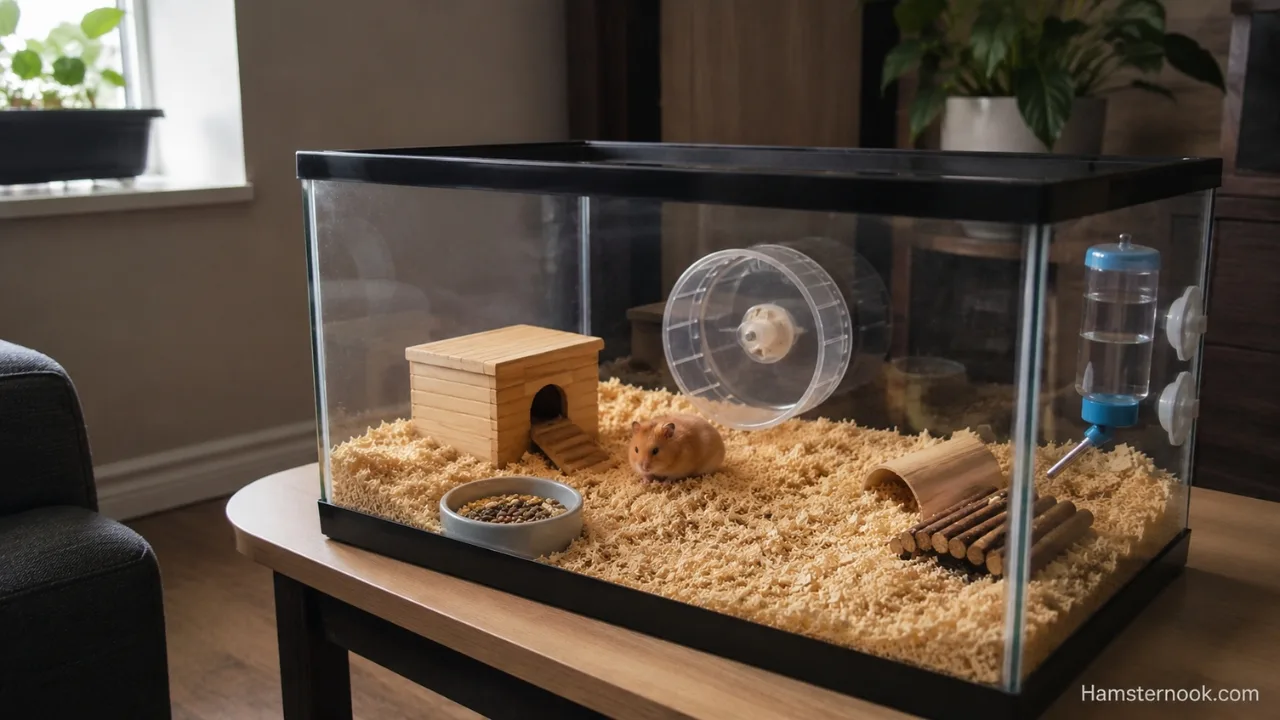
- Never enters the hide
- Sleeps elsewhere consistently
- Avoids the entrance
- Removes nesting material repeatedly
- Appears restless after entering
In many cases, switching to a darker or more enclosed option solves the problem.
If your hamster continues avoiding every hideout, our 5 Warning Signs Your Hamster Is Stressed (And How to Help) guide can help you identify other environmental factors that may be affecting its behavior.
Creating the Ultimate Hamster Sleeping Zone
The best sleeping setup usually combines several elements rather than relying on a single accessory.
A quiet hideout also works best when the entire enclosure is placed in a suitable location. Our Hamster Cage Placement: Safe Locations, Room Conditions & What to Avoid guide explains where to position the cage and which environmental factors to avoid.

A comfortable sleeping zone often includes:
| Element | Purpose |
|---|---|
| Multi-Chamber Hide | Security and privacy |
| Deep Bedding | Burrowing opportunities |
| Nesting Material | Comfortable nest building |
| Quiet Cage Location | Reduced disturbance |
| Additional Hideouts | Choice and flexibility |
Together, these elements create a sleeping area where most hamsters feel comfortable settling down and building nests.
Common Hideout Mistakes Owners Make
Some well-intentioned owners accidentally create sleeping areas that are less comfortable than they appear.
Common mistakes include:
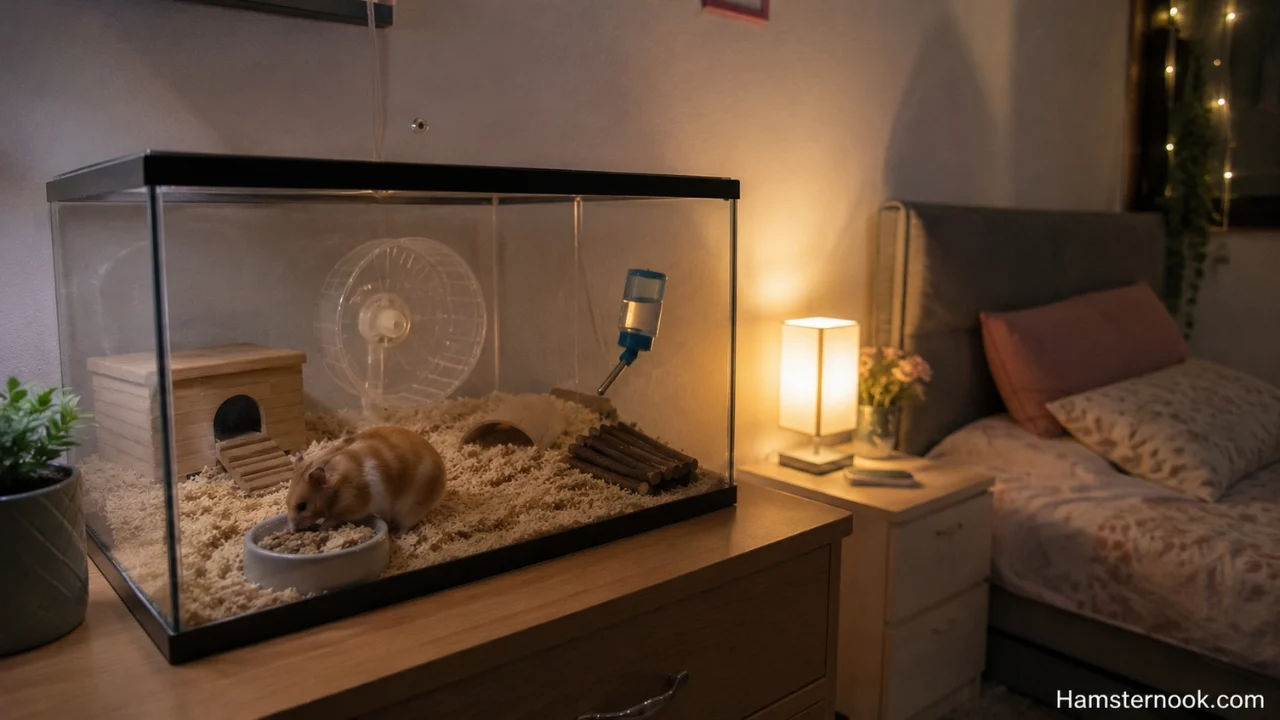
- Choosing appearance over function
- Providing only one hideout
- Using transparent shelters
- Disturbing nests too frequently
- Removing stored food constantly
- Offering shallow bedding
Allowing a hamster some control over its sleeping space often leads to better welfare and less stress.
Final Thoughts
The best hamster hideouts are usually the ones that make a hamster feel safe, hidden, and comfortable, regardless of how simple they look to us. What matters most is whether the shelter meets a hamster’s natural need for security, darkness, and privacy.
Multi-chamber hideouts, wooden houses, cork tunnels, and well-designed sleeping areas surrounded by deep bedding tend to be among the most popular choices. Providing several hideouts throughout the enclosure gives hamsters flexibility while encouraging natural behaviors such as nesting, burrowing, and food storage.
Remember that no single hideout suits every hamster. Some individuals prefer multi-chamber hides, while others choose cork tunnels or burrows beneath the bedding. Giving your hamster several suitable options allows it to choose the sleeping area where it feels safest.

When a hamster feels safe enough to rest comfortably, it often becomes more confident, active, and relaxed throughout the rest of its environment.
A hamster that feels secure inside its enclosure often becomes more relaxed around its owner over time. If you’re trying to build confidence with a shy hamster, our How to Get a Hamster to Trust You Faster Without Stressing It Out guide explains how to encourage trust without forcing interaction.
Frequently Asked Questions
What type of hideout do hamsters prefer most?
Many hamsters prefer dark, enclosed hideouts with enough space for nesting material. Multi-chamber hides are often especially popular because they resemble natural burrow systems.
Is one hideout enough for a hamster?
Usually not. Most hamsters benefit from having multiple hideouts so they can choose different resting and sleeping locations throughout the enclosure.
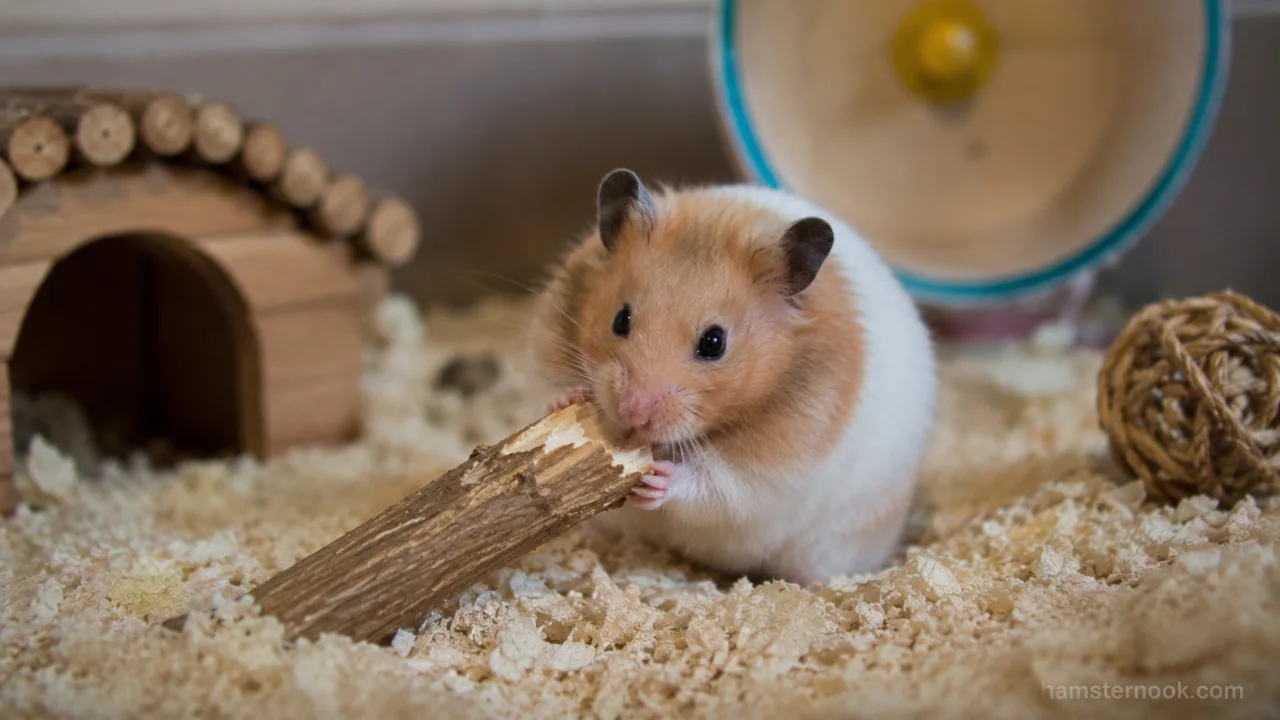
Do hamsters like wooden or plastic houses better?
Many hamsters appear to prefer wooden hideouts because they provide a more natural feel, darker interiors, and safe chewing opportunities.
Why does my hamster sleep under the bedding instead of inside its house?
This is normal behavior. Wild hamsters naturally sleep underground, and many pet hamsters prefer creating their own burrows beneath deep bedding.
Should I clean my hamster’s nest regularly?
Avoid removing the entire nest too frequently. Sudden changes can cause stress. Spot cleaning is usually better while preserving clean nesting material when possible.
Can dwarf hamsters and Syrian hamsters use the same type of hideouts?
Yes, but the size should match the hamster. Syrian hamsters require larger hideouts with wider entrances, while dwarf species can comfortably use smaller shelters.
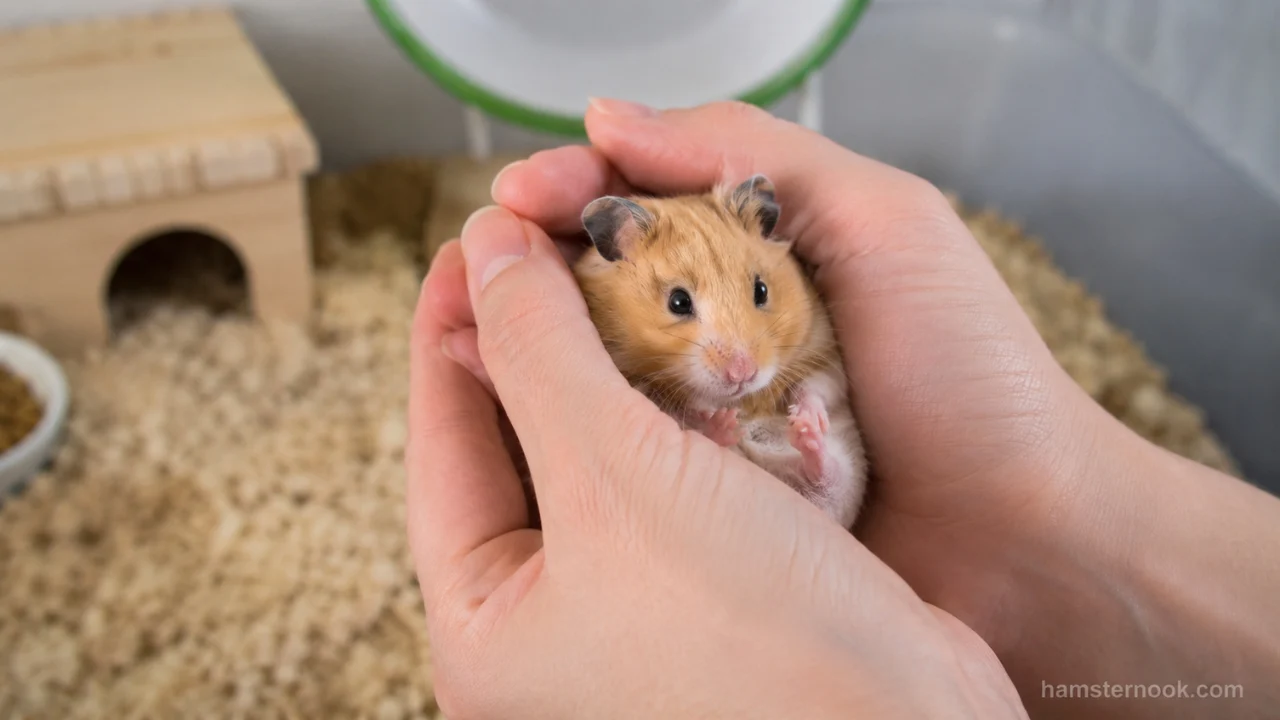
Should I put bedding inside my hamster’s hideout?
Most hamsters prefer arranging their own nest. You can place a small amount of safe nesting material inside the hideout, but allowing your hamster to carry bedding and build its own sleeping area is usually the better option.
References
This guide is based on hamster housing, hiding places, nesting, burrowing, enrichment, and welfare guidance from trusted animal welfare and veterinary resources, including:
- RSPCA – Creating a Good Home for Hamsters – Guidance on suitable housing, bedding, nesting areas, hiding places, enrichment, and creating a secure hamster environment.
- RSPCA – Hamster Behaviour – Information on natural hamster behaviors including burrowing, hiding, nesting, sleeping, exploration, and responses to environmental changes.
- RSPCA – Keeping Hamsters as Pets – General hamster care, housing, bedding, enrichment, behavior, and welfare recommendations.
- Blue Cross – Hamster Care Guide – Practical guidance on hamster housing, bedding, nesting, enrichment, hiding places, and overall wellbeing.
- MSD Veterinary Manual – Providing a Home for a Hamster – Veterinary guidance on hamster enclosure design, bedding, nesting, hiding areas, exercise, and environmental needs.
- NC3Rs – Housing and Husbandry: Hamster – Guidance on hamster housing, bedding, environmental conditions, nesting, enrichment, and species-appropriate husbandry.
- NC3Rs – Choosing Appropriate Enrichment – Principles for providing suitable enrichment that supports natural behaviors such as hiding, exploring, foraging, and nesting.

Narayan Kumar is the founder and author of HamsterNook. He creates practical, research-based hamster care guides covering hamster behavior, nutrition, cage setup, enrichment, health, and everyday care. His goal is to help hamster owners make informed decisions and provide safer, healthier lives for their pets through clear, beginner-friendly information based on trusted animal care resources.