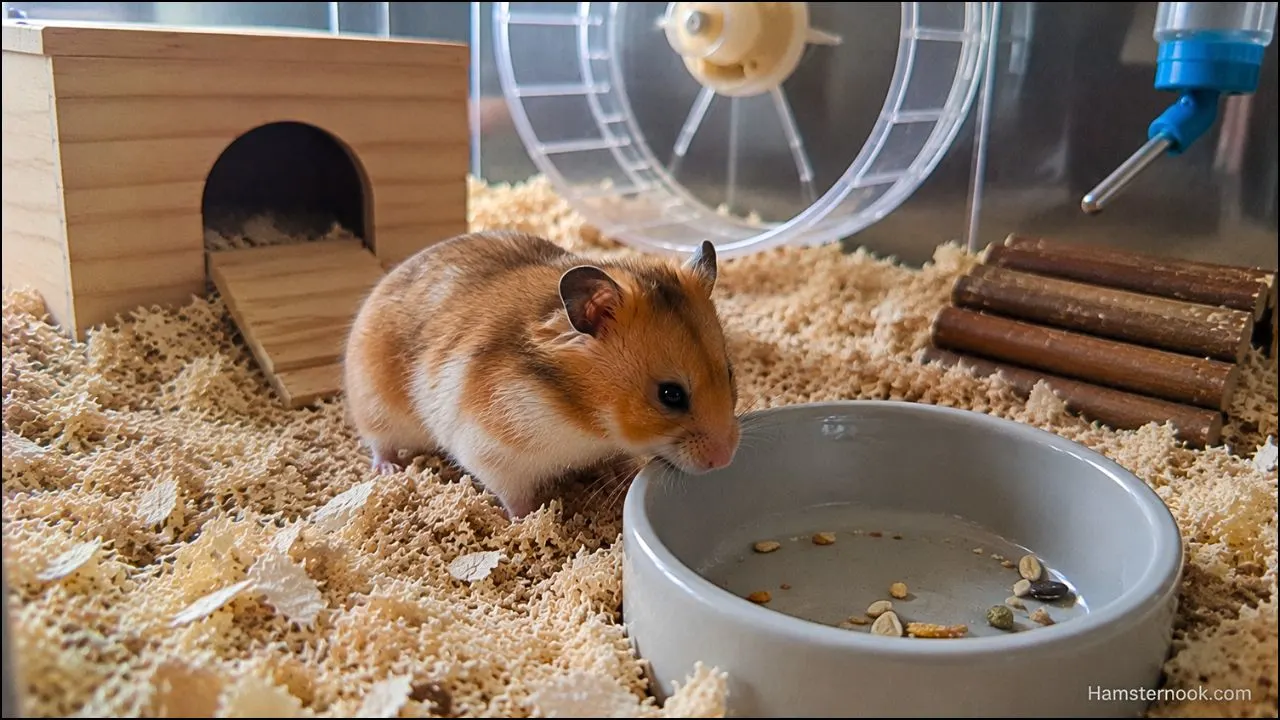
Hamsters are experts at hiding discomfort. In the wild, showing weakness can make a small animal an easy target for predators, so hamsters naturally try to appear normal even when they’re injured or sick. Unfortunately, this survival instinct means many owners don’t realize something is wrong until the problem becomes serious.
Learning to recognize the subtle signs of pain can help owners seek veterinary care sooner, improving the chances of identifying and treating health problems before they become serious. Whether you’re a first-time hamster owner or have cared for hamsters for years, knowing what pain looks like in these tiny pets is one of the most important parts of responsible care.
In this guide, you’ll learn how hamsters show pain, which behaviors should concern you, and when it’s time to contact a veterinarian.
Can Hamsters Feel Pain?
Yes, hamsters can experience pain, but they may hide obvious signs of discomfort. This is why a change from your hamster’s normal behavior can be more useful to notice than looking for one specific symptom. Reduced activity, changes in eating, unusual posture, movement problems, or sensitivity to touch can all be reasons to seek veterinary advice.

Why Hamsters Often Hide Pain
Unlike dogs or cats, hamsters rarely make obvious signs when they don’t feel well. Their natural instinct is to conceal weakness for as long as possible.
This means a hamster may continue eating, moving around, or interacting with its environment even while experiencing discomfort.
Because of this, owners should pay close attention to small changes in behavior, posture, activity levels, and daily habits rather than waiting for dramatic symptoms to appear.
Pain can overlap with the early symptoms of illness, making subtle behavior changes especially important to recognize. Our Signs of a Sick Hamster: 10 Warning Symptoms Every Owner Should Know guide explains which changes may signal that something is wrong and should not be ignored.

Common Signs Your Hamster May Be in Pain
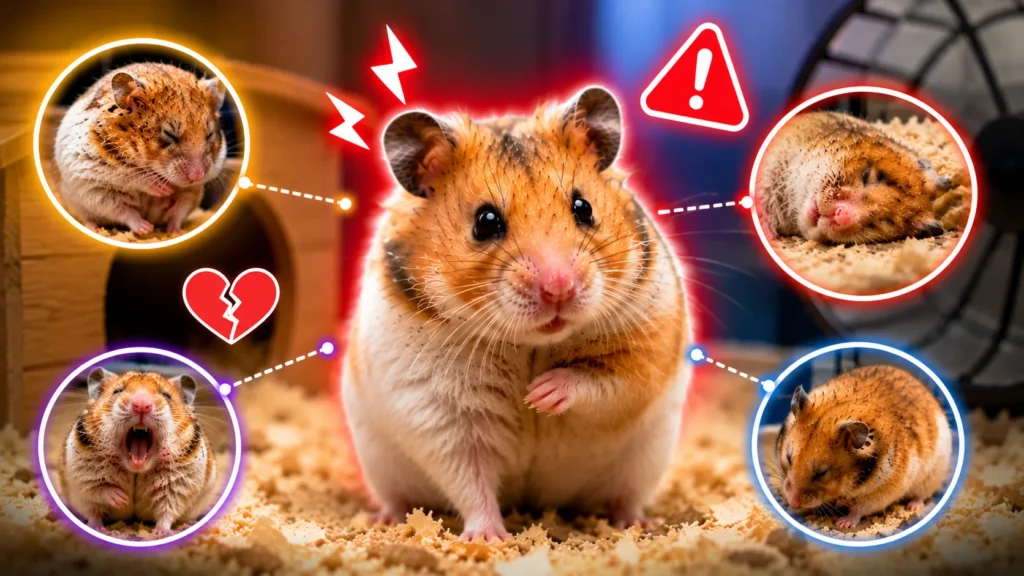
Pain can affect hamsters in different ways depending on the cause. Some signs are physical, while others involve changes in behavior.
Quick Pain Warning Signs Table
| Sign | What You May Notice |
|---|---|
| Reduced activity | Sleeping more or moving less than usual |
| Hunched posture | Rounded back while sitting or walking |
| Loss of appetite | Refusing food or favorite treats |
| Sudden aggression | Biting or avoiding handling unexpectedly |
| Rapid or labored breathing | Breathing faster or with visible effort |
| Limping | Favoring one leg or having difficulty walking |
| Excessive grooming | Repeatedly licking or chewing one area |
| Weight loss | Noticeable decrease in body condition |
| Squinting eyes | Partially closed or uncomfortable-looking eyes |
| Vocalization | Squeaking when touched, moved, or grooming |
One symptom alone may not always indicate pain, but multiple signs together should never be ignored.
Pain vs Illness: What’s the Difference?
Pain is a symptom rather than a diagnosis. A hamster may experience pain because of an injury, dental problem, infection, digestive condition, arthritis, or another underlying health issue.
Some signs of pain, such as hiding, reduced activity, appetite loss, and a hunched posture, can also occur when a hamster is sick without an obvious injury. This overlap means owners usually cannot determine the cause from behavior alone.

Instead of trying to diagnose pain at home, focus on identifying changes from your hamster’s normal behavior and sharing those observations with a veterinarian.
Changes in Activity and Movement Can Signal Pain
One of the earliest indicators of discomfort is a change in normal activity.
A healthy hamster is usually curious, active during its waking hours, and interested in exploring. A hamster experiencing pain may:
- Stay hidden longer than usual
- Avoid exercise wheels
- Move more slowly
- Appear reluctant to climb
- Stop exploring familiar areas
If an active hamster suddenly becomes inactive for several days, it’s worth investigating further.

A sudden drop in movement can be particularly concerning when it is unusual for your hamster. Our Why Is My Hamster Suddenly Not Moving? guide explains possible reasons for abrupt inactivity and the warning signs that need closer attention.
Hunched Body Posture Is Often a Red Flag
A hamster sitting with its back rounded and body tucked tightly together may be experiencing discomfort.
This posture is commonly seen when hamsters are dealing with:
- Internal illness
- Digestive problems
- Injury
- Severe stress
- Pain from infections
Occasional stretching or resting positions are normal, but persistent hunching deserves attention.

Stress can also produce noticeable behavior changes, so our Is My Hamster Stressed? 5 Warning Signs & How to Help guide can help you compare stress-related behavior with other warning signs.
Loss of Appetite and Drinking Changes
Pain frequently affects eating habits.
A hamster that normally rushes to food but suddenly ignores meals may be struggling with:
- Dental problems
- Internal illness
- Injury
- General pain
Monitor food consumption carefully because hamsters can lose weight quickly.

Pay attention to:
| Eating Behavior | What It May Suggest |
|---|---|
| Refuses hard foods | Mouth or dental discomfort |
| Eats less overall | Illness, discomfort, or another health problem |
| Stops storing food | Reduced appetite or lower activity |
| Difficulty chewing | Mouth or tooth problems |
| Sudden weight loss | An underlying health problem |
Appetite loss can quickly become serious in such a small animal, particularly when it occurs alongside other pain signs. Our Why Is My Hamster Not Eating? 9 Causes You Should Never Ignore guide explains common causes of appetite changes and when they may require veterinary attention.
A significant loss of appetite should be taken seriously, especially when accompanied by weakness, weight loss, reduced drinking, abnormal droppings, or other signs of pain or illness. Because hamsters can deteriorate quickly, contact a veterinarian rather than waiting for a fixed 24-hour threshold if your hamster stops eating or appears unwell.
Unusual Aggression or Handling Sensitivity
Even friendly hamsters may become defensive when they’re hurting.

Pain can make a hamster:
- Bite unexpectedly
- Pull away when touched
- Avoid interaction
- Become nervous during handling
- Show defensive body language
This doesn’t necessarily mean the hamster has become aggressive. It may simply be trying to protect a painful area.
If a normally calm hamster suddenly dislikes being touched, consider whether pain could be the cause.
Limping, Difficulty Walking, or Balance Problems
Movement issues often indicate injury or physical discomfort.
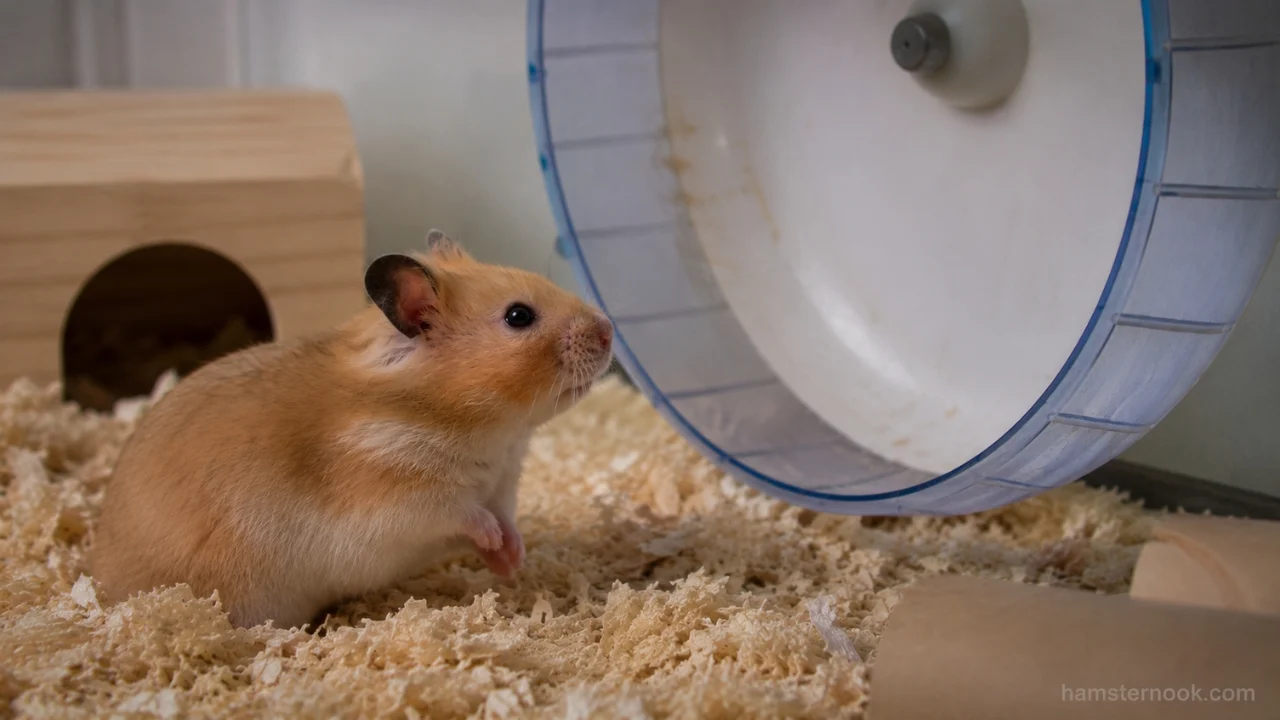
Watch for:
- Favoring one leg
- Dragging a limb
- Trouble climbing
- Falling frequently
- Shaking while walking
- Difficulty standing
These symptoms may result from:
- Sprains
- Fractures
- Arthritis
- Neurological problems
- Foot injuries
Any mobility issue warrants prompt veterinary evaluation.
Excessive Grooming Can Indicate Pain
Hamsters naturally groom themselves every day. However, obsessive grooming focused on one area can suggest discomfort.

A hamster may repeatedly lick or chew:
- A wound
- A painful joint
- An infected area
- An irritated patch of skin
Overgrooming sometimes causes:
- Hair loss
- Skin redness
- Small sores
If you notice a bald spot developing, inspect the area carefully.
Facial Expressions Can Reveal Discomfort
Although subtle, hamsters can show pain through facial changes.

Some signs include:
- Squinting eyes
- Half-closed eyes
- Flattened ears
- Tense facial muscles
- Reduced alertness
Researchers studying small mammals have identified facial expression changes as one way animals may communicate discomfort.
Owners should pay attention when these changes occur alongside other symptoms.
Breathing Changes Should Never Be Ignored
Pain and illness often affect breathing patterns.

Warning signs include:
| Breathing Sign | What It May Indicate |
|---|---|
| Rapid breathing | Stress, pain, or illness |
| Labored breathing | A respiratory or other serious health problem |
| Open-mouth breathing | Severe breathing difficulty |
| Wheezing | A possible respiratory problem |
| Clicking sounds | A possible respiratory problem |
Breathing problems can become serious quickly in small animals and should be evaluated by a veterinarian as soon as possible.
Squeaking or Vocalizing During Movement
Hamsters are generally quiet pets.
A hamster that squeaks when:

- Being picked up
- Walking
- Touching certain surfaces
- Grooming itself
may be experiencing discomfort.
Occasional noises can happen during excitement or surprise, but repeated vocalizations associated with movement or touch are concerning.
Pain vs Normal Hamster Behavior
New owners sometimes struggle to distinguish pain from ordinary hamster habits.
Normal Behavior vs Possible Pain
| Normal Behavior | Possible Pain or Illness Indicator |
|---|---|
| Sleeping during the day | Sleeping much more than usual |
| Hiding occasionally | Hiding much more than usual |
| Grooming daily | Repeated grooming of one area |
| Brief stretching | Persistent hunched posture |
| Occasional squeak | Repeated squeaking with movement |
| Resting after exercise | Avoiding normal activity |
The key is looking for changes from your hamster’s normal routine.
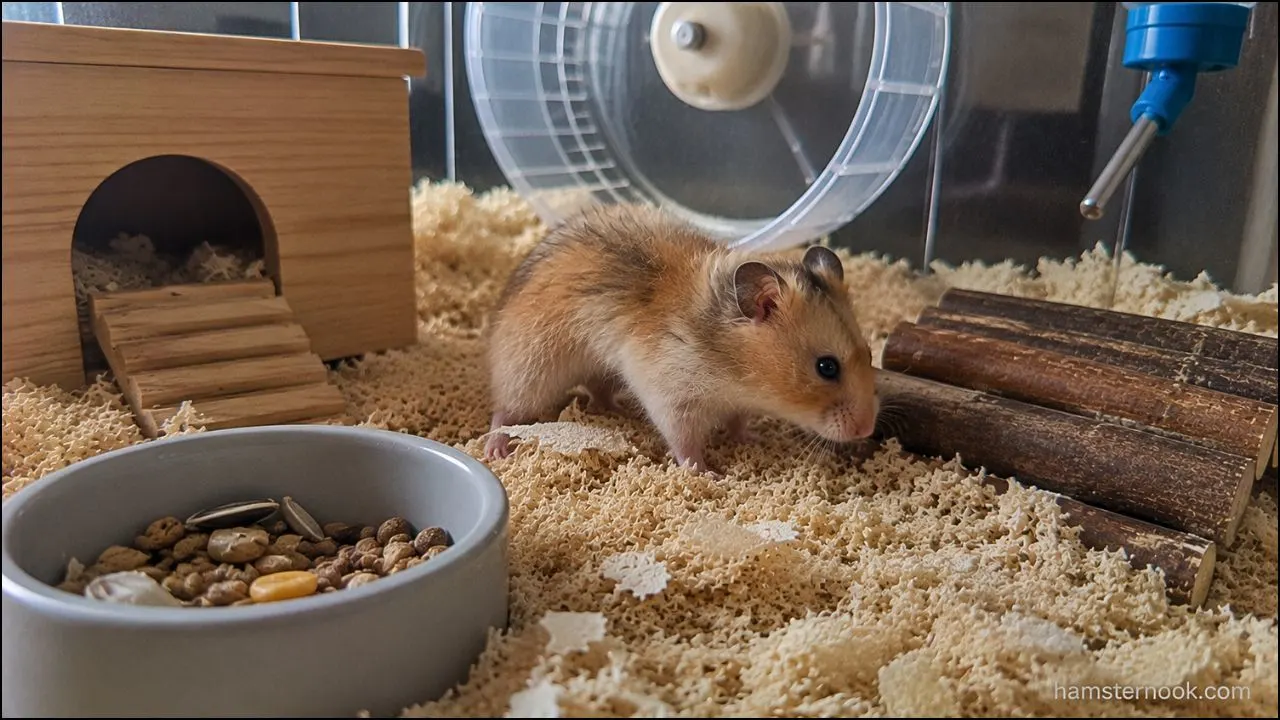
Does Your Hamster React When a Specific Area Is Touched?
Sometimes discomfort becomes more noticeable when a hamster protects one particular part of its body. It may pull away, squeak, turn suddenly, or attempt to bite when an uncomfortable area is approached.
Do not repeatedly press or manipulate the area to test whether it hurts. Note the reaction, minimize unnecessary handling, and tell your veterinarian where your hamster appears sensitive.
Common Causes of Pain in Hamsters
Pain can result from many different health conditions.
Some common causes include:

- Dental disease
- Broken teeth
- Abscesses
- Respiratory infections
- Digestive problems
- Tumors
- Injuries from falls
- Arthritis in older hamsters
- Skin infections
- Foot injuries
- Urinary tract issues
Because symptoms often overlap, a proper diagnosis requires veterinary examination.
When to Contact a Veterinarian
You should seek veterinary advice immediately if your hamster shows:
- Difficulty breathing
- Severe lethargy
- Limping
- Bleeding
- Refusal to eat
- Rapid weight loss
- Swelling
- Visible injury
- Persistent hunched posture
Small animals can decline much faster than larger pets, so waiting several days may allow a condition to worsen significantly.
What Not to Do If You Think Your Hamster Is in Pain
Many well-meaning owners accidentally make situations worse.

Avoid:
- Giving human pain medications
- Guessing medication dosages
- Delaying veterinary care
- Forcing food into the mouth
- Excessive handling
- Attempting home treatments for serious injuries
Many medications that are safe for humans, dogs, or cats can be dangerous for hamsters.
How to Monitor a Hamster That May Be in Pain
While arranging veterinary care, carefully observe:
| Area to Monitor | What to Check |
|---|---|
| Eating | How much food is being consumed |
| Drinking | Noticeable changes in water intake |
| Activity | Changes in normal movement |
| Weight | Changes in body weight |
| Posture | Hunching, unusual positioning, or limping |
| Breathing | Changes in speed or effort |
| Grooming | Excessive licking or chewing of one area |
Keeping notes can help your veterinarian identify patterns and reach a diagnosis more quickly.

Record when the change started, whether symptoms are getting better or worse, and any changes in eating, drinking, movement, urination, or droppings. Short videos of unusual walking, breathing, posture, or behavior may also help your veterinarian understand symptoms that are difficult to reproduce during an examination.
Final Thoughts
Recognizing pain in a hamster isn’t always easy because these small animals instinctively hide weakness. However, careful observation often reveals subtle warning signs long before a condition becomes severe.
Changes in appetite, activity, posture, grooming habits, breathing, or social behavior should never be dismissed as “just a bad day.” A hamster that seems different from its normal self may be trying to tell you something is wrong.
The sooner pain is identified and treated, the better the chances of a successful recovery. Paying attention to small behavioral changes and seeking veterinary care when needed can make a significant difference in your hamster’s health and quality of life.

Frequently Asked Questions
Do hamsters cry when they are in pain?
Hamsters do not cry like humans, but they may squeak, vocalize, or react when touched if they are experiencing discomfort.
Can a hamster be in pain and still eat?
Yes. Hamsters often hide illness and pain, so some may continue eating even while dealing with a health problem.
Why is my hamster suddenly biting me?
Sudden biting can sometimes indicate fear, stress, injury, or pain, especially if the hamster was previously friendly.
Is sleeping more a sign of pain in hamsters?
It can be. Excessive sleeping combined with reduced activity, appetite changes, or a hunched posture may suggest illness or discomfort.

What is the most common sign of pain in hamsters?
Reduced activity, hiding more than usual, loss of appetite, and a hunched posture are among the most frequently observed signs.
Should I wait to see if my hamster gets better on its own?
Because hamsters can deteriorate quickly, it is safer to contact a veterinarian when significant changes in behavior or health occur.
How can I tell where my hamster is hurting?
You may notice limping, guarding one part of the body, excessive grooming of one area, difficulty chewing, or sensitivity when a particular area is approached. Avoid pressing or manipulating the suspected area yourself; a veterinarian can examine it more safely.
References
This guide is based on hamster health, pain recognition, and welfare information from trusted veterinary and animal care resources, including:
- RSPCA – Hamster Care Guidance
- PDSA – Hamster Health Information
- Veterinary Partner – Small Animal Health Resources
- Blue Cross – Small Pet Care Resources
Medical Disclaimer
The information provided in this article is for educational and informational purposes only and should not be considered veterinary advice, diagnosis, or treatment. If your hamster is showing signs of illness, injury, or unusual behavior, consult a qualified veterinarian as soon as possible.

Narayan Kumar is the founder and author of HamsterNook. He creates practical, research-based hamster care guides covering hamster behavior, nutrition, cage setup, enrichment, health, and everyday care. His goal is to help hamster owners make informed decisions and provide safer, healthier lives for their pets through clear, beginner-friendly information based on trusted animal care resources.