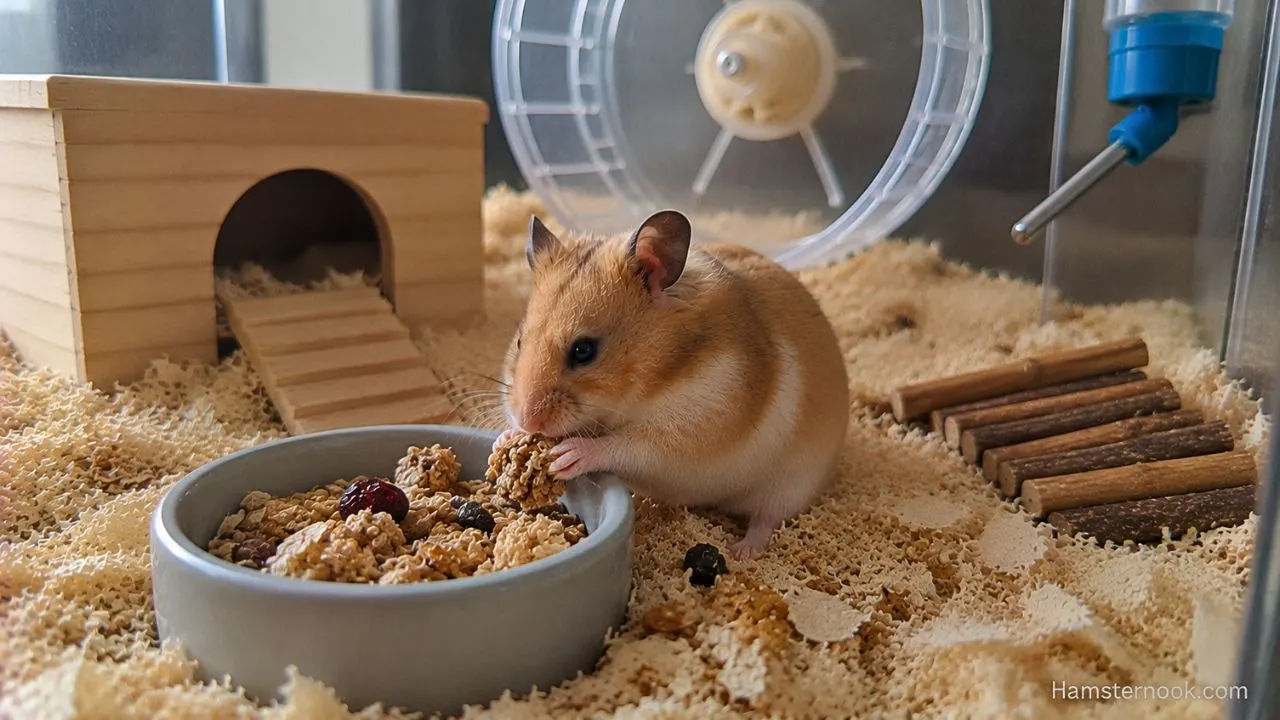
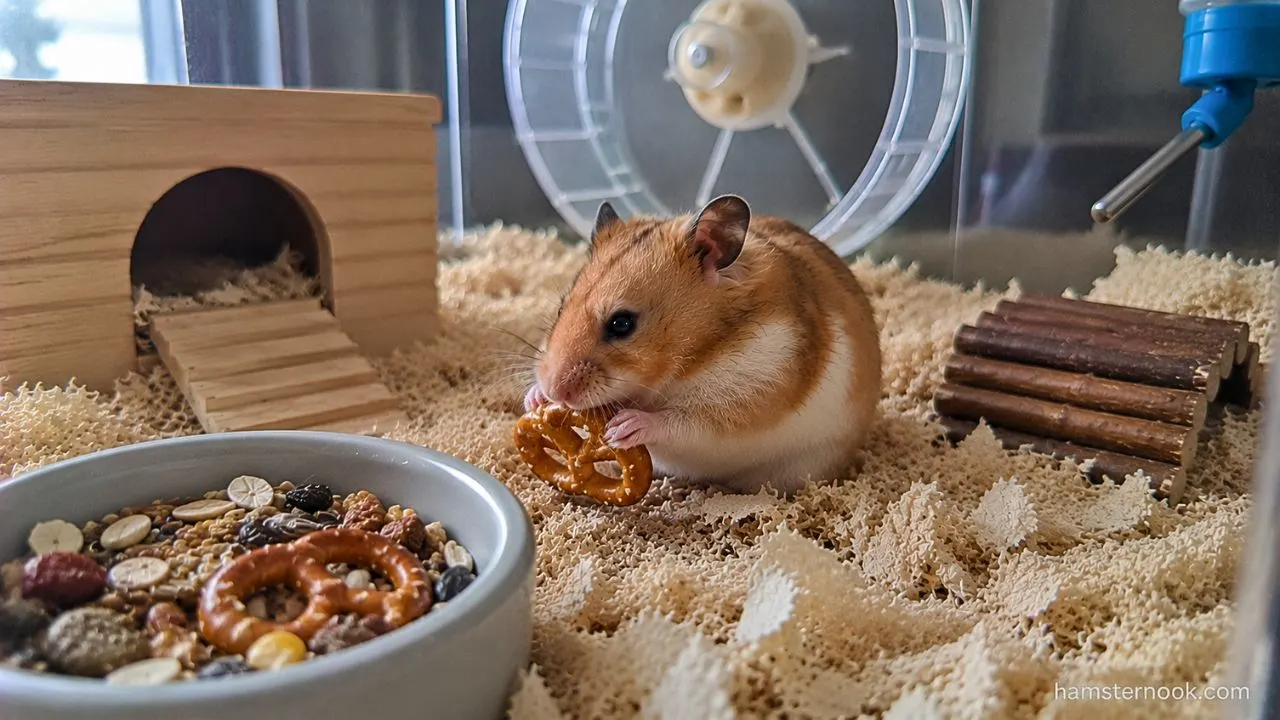
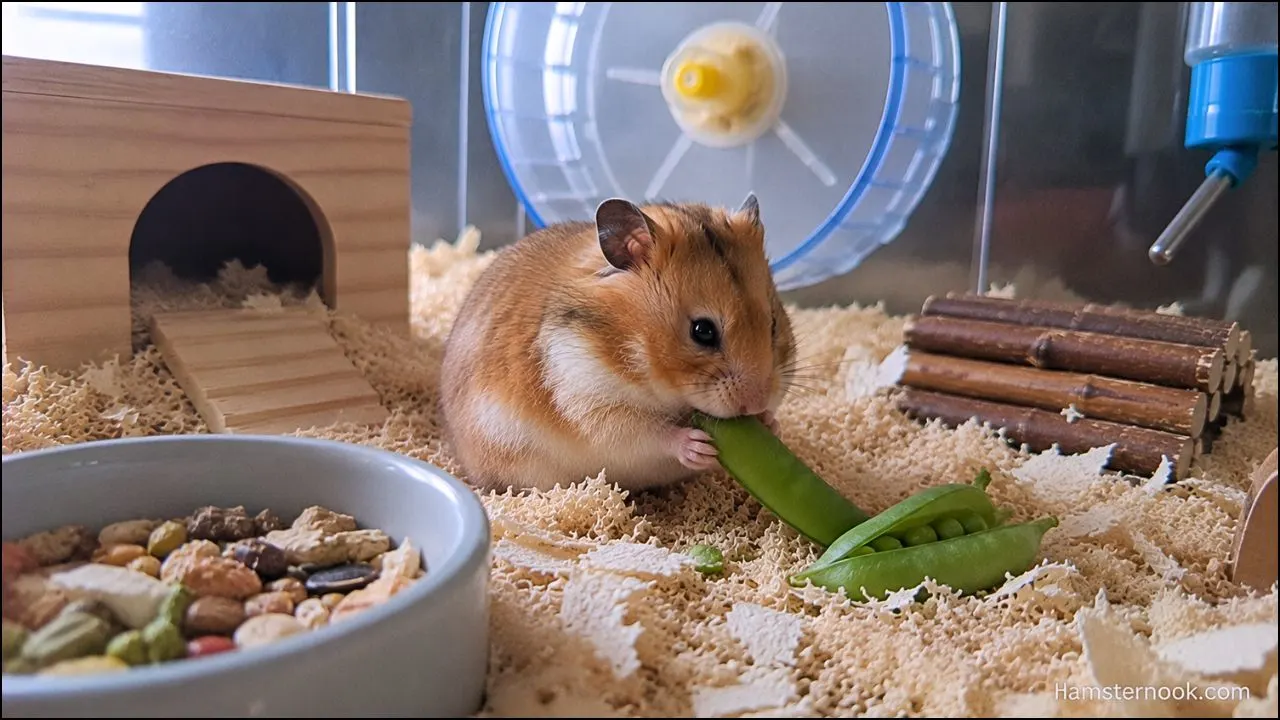
Most hamster owners love giving treats to their tiny pets. Watching a hamster stuff food into its cheek pouches or carefully nibble a favorite snack is one of the most enjoyable parts of keeping these small animals. But many beginners accidentally feed treats that are too sugary, too fatty, or even unsafe.
The truth is that treats should improve a hamster’s diet, not harm it.
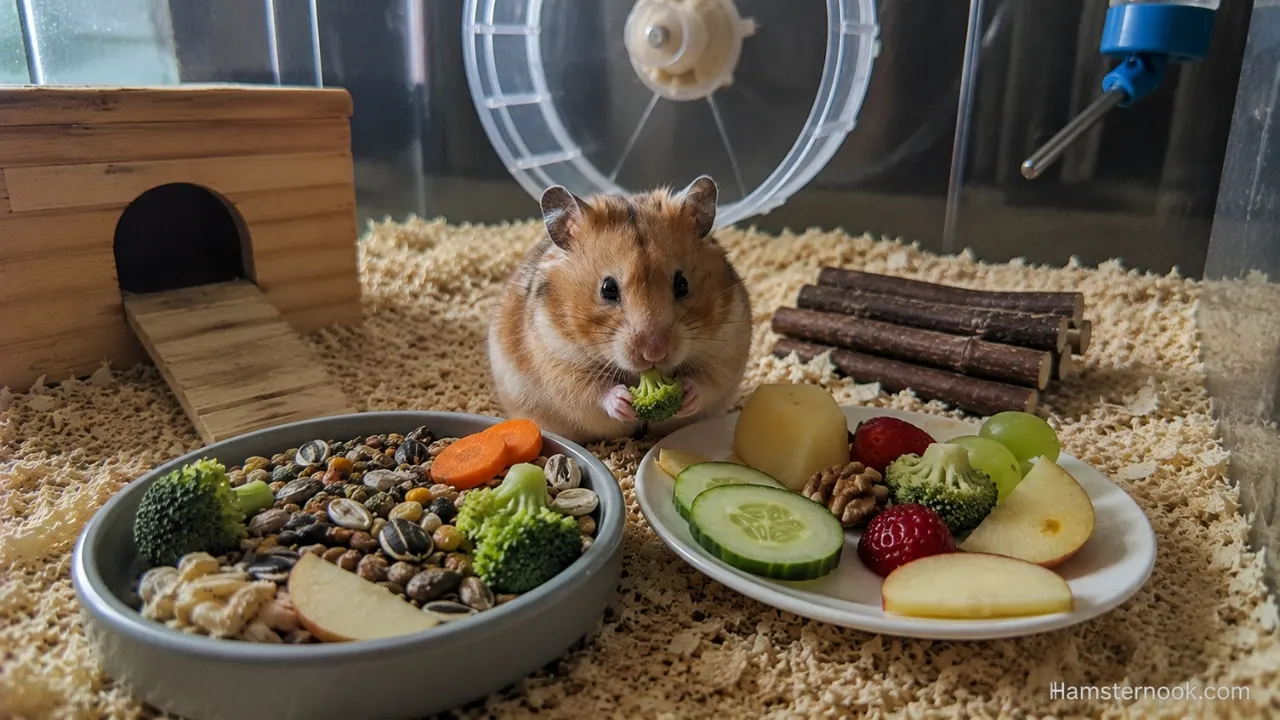
Healthy treats can provide mental stimulation, encourage natural foraging behavior, and add dietary variety when fed correctly. The key is choosing safe foods in proper portions while avoiding unhealthy human snacks that may cause obesity, diabetes, or digestive problems.
This guide covers 10 healthy treats hamsters genuinely enjoy, along with feeding tips, safe serving sizes, foods to avoid, and expert advice to help owners make smarter choices.
Why Healthy Treats Matter for Hamsters
Treats are more than just snacks for hamsters.
When used correctly, treats can:
- Provide enrichment and reduce boredom
- Encourage taming and bonding
- Support natural chewing instincts
- Add nutritional variety
- Reward positive behavior
However, treats should only make up a small portion of a hamster’s overall diet. Most of a hamster’s nutrition should still come from high-quality hamster pellets or seed mixes, along with safe vegetables and occasional protein sources.
Overfeeding treats is one of the most common mistakes beginner owners make.

Treats Should Be Earned, Not Constantly Available
Many owners leave treats in the enclosure every day, but treats are often most effective when used intentionally.
Offering treats during taming sessions, enrichment activities, foraging games, or positive interactions can make them more rewarding while reducing the risk of overfeeding. This approach also helps maintain interest in treats over time.
Best Healthy Treats for Hamsters at a Glance
| Treat | Category | Main Caution |
|---|---|---|
| Cucumber | Fresh vegetable | Feed in small portions |
| Mealworms | Protein treat | Occasional, not a staple |
| Broccoli | Fresh vegetable | Feed in small portions |
| Pumpkin Seeds | Seed treat | High-calorie; keep limited |
| Blueberries | Fruit treat | Small portion because fruit contains natural sugar |
| Carrots | Root vegetable | Feed in small portions |
| Plain Oats | Grain treat | Use plain, unflavored oats |
| Boiled Egg | Protein treat | Plain, cooked and given in a tiny portion |
| Apple | Fruit treat | Small piece with seeds removed |
| Bell Pepper | Fresh vegetable | Wash and feed in small pieces |
1. Cucumber Is a Refreshing Low-Calorie Treat

Cucumber is one of the safest and easiest treats for hamsters.
Because it contains mostly water, cucumber can help support hydration while providing a crunchy texture many hamsters enjoy.

Treats should only be a small addition to a hamster’s regular diet. Our What Do Hamsters Eat? Safe Foods, Daily Diet & Foods to Avoid guide explains which foods should make up the majority of daily nutrition.
Benefits of Cucumber
- Low in calories
- Gentle on digestion
- Helps with hydration
- Easy for beginners to feed safely
Important Tip
Too much cucumber may cause loose stools because of its high water content, so moderation still matters.
2. Mealworms Provide Natural Protein
Hamsters are omnivores, which means they naturally eat small amounts of animal protein in the wild.
Mealworms are popular protein-rich treats that many hamsters absolutely love.

Benefits of Mealworms
- High-quality protein
- Encourages natural foraging behavior
- Good for active hamsters
- Helpful for growing hamsters
Dried mealworms are usually easier and cleaner for beginners compared to live mealworms.
3. Broccoli Is Packed With Nutrients
Broccoli can be a healthy vegetable treat when fed in small amounts.
It contains fiber, vitamin C, and antioxidants that support overall health.
Why Hamsters Like Broccoli
- Crunchy texture
- Mild taste
- Easy to hold and nibble
Always wash broccoli thoroughly before feeding.

4. Pumpkin Seeds Make Excellent Crunchy Snacks
Unsalted pumpkin seeds are popular with many hamsters because they are crunchy and satisfying to chew.
They also help provide healthy fats and enrichment.
Benefits of Pumpkin Seeds
- Supports chewing instincts
- Contains healthy fats
- Provides minerals like magnesium
Because seeds are high in calories, they should only be occasional treats.
5. Blueberries Are a Safer Fruit Option
Blueberries can be a healthy occasional fruit treat for hamsters because they are small and rich in antioxidants.

Fresh produce can be an excellent source of variety when offered correctly. Our What Fruits and Vegetables Can Hamsters Eat? Safe List & Portions guide explains which options are safest and how much to offer.
However, fruit should always be limited due to natural sugar content.
Safe Feeding Tip
One small blueberry is usually enough for a Syrian hamster. Dwarf hamsters should receive even smaller amounts.
6. Carrots Offer Crunch and Variety
Carrots are commonly recommended for hamsters because they provide crunch and vitamin A.
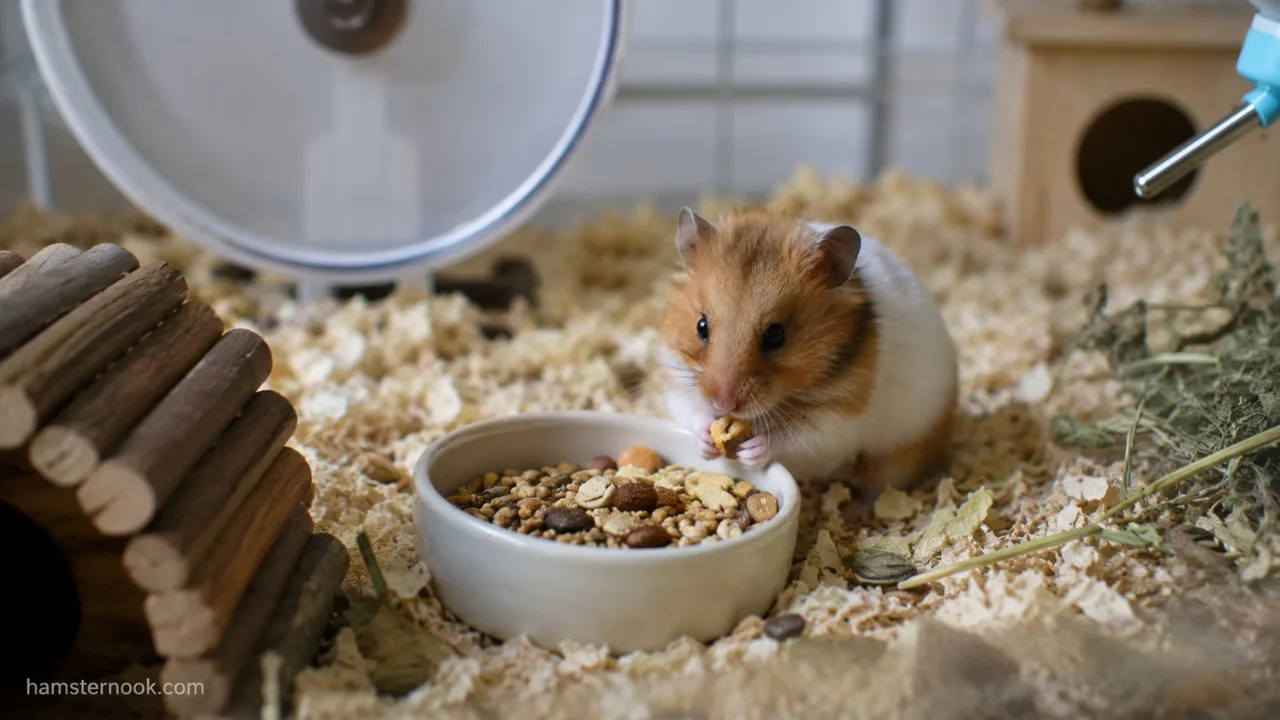
Most hamsters enjoy chewing small carrot pieces.
Important Warning
Carrots contain natural sugar, so they should not become daily treats.
7. Plain Oats Are Simple and Nutritious
Plain oats are gentle, filling, and easy to digest.
Many hamster mixes already contain oats because they provide fiber and slow-release energy.

Best Type to Feed
Use plain dry oats only. Avoid flavored instant oatmeal products containing sugar or additives.
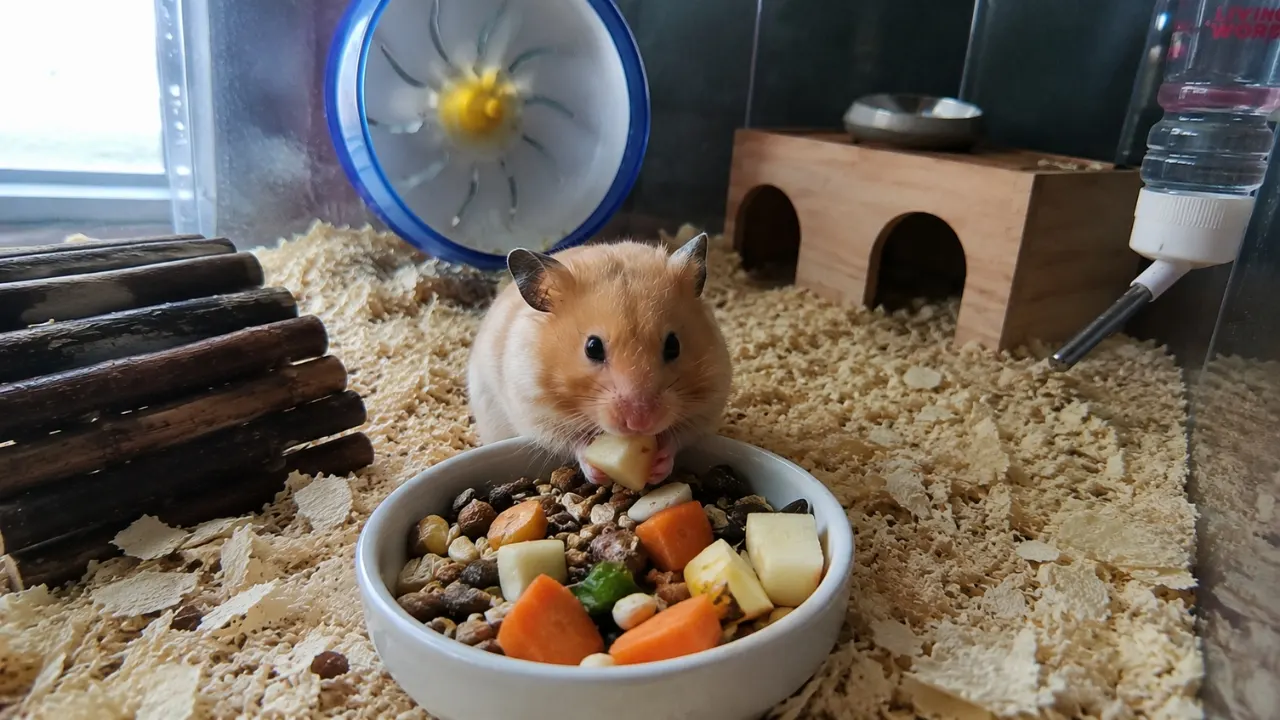
8. Small Pieces of Boiled Egg Can Help With Protein
Plain boiled egg can be a useful occasional protein treat.
For more detail on safe portions and potential risks, our Can Hamsters Eat Eggs? Safe Amounts, Benefits & Risks guide covers how eggs can fit into a hamster’s diet.
Hamsters often enjoy the soft texture and mild flavor.
Safe Feeding Guidelines
- No salt
- No oil
- No seasoning
- Tiny portions only
Remove leftovers quickly because egg spoils fast.
9. Apples Make a Sweet Occasional Treat
Small apple pieces are enjoyed by many hamsters.
Apples provide fiber and moisture, but portions must stay small due to sugar content.
Very Important
Never feed apple seeds because they contain harmful compounds.
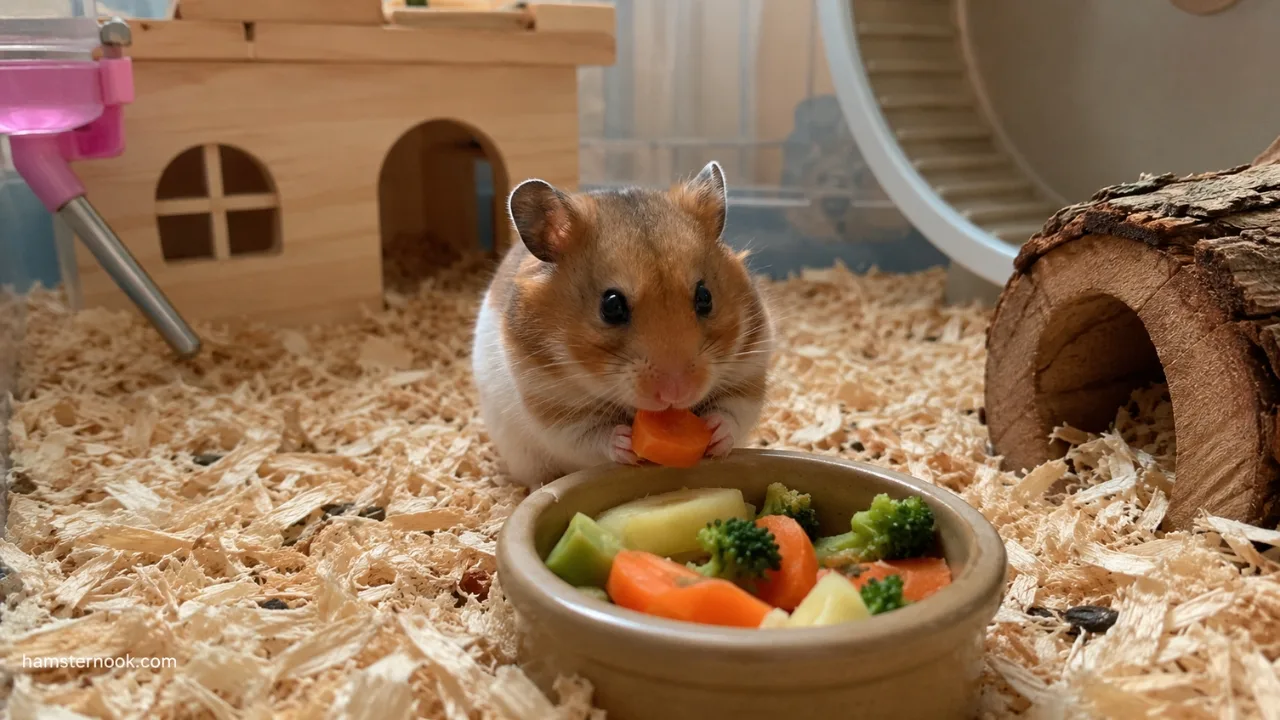
10. Bell Peppers Add Color and Vitamin C
Bell peppers are low in sugar compared to many fruits, making them a healthier option for regular rotation.
Red, yellow, and green bell peppers can all be fed safely in moderation.
Why Bell Peppers Are Good
- Rich in vitamin C
- Crunchy texture
- Low calorie
- Hydrating
Most hamsters enjoy small fresh slices.
Safe vs Unsafe Treats for Hamsters
| Safe Treats | Treats/Snacks to Avoid |
|---|---|
| Cucumber | Chocolate |
| Pumpkin seeds | Candy |
| Mealworms | Chips |
| Broccoli | Onion |
| Bell peppers | Garlic |
| Plain oats | Sugary cereal |
| Blueberries | Fried foods |
| Apple (no seeds) | Flavored or heavily seasoned crackers |
| Plain whole-grain cereal, no added sugar | Pretzels and salty snacks |
| Plain fresh vegetables | Sugary granola or granola with added chocolate |
| Small pieces of plain dog biscuit | Salty, sugary, or seasoned human snacks |
This table helps beginners quickly identify safer choices. For a fuller list of foods hamsters should never eat, see our What Foods Should Hamsters Never Eat? Toxic & Unsafe Foods to Avoid guide.

Some common human snacks are not good hamster treats simply because they are small. Processed snacks can contain too much salt, sugar, fat, or seasoning for a hamster.
- Crackers: Avoid flavored, salty, or seasoned crackers. They offer little nutritional benefit compared with natural hamster-safe treats.
- Pretzels: Avoid because they are typically high in salt and are not a useful regular treat.
- Granola: Avoid sugary granola, chocolate-containing granola, and mixes with added sweeteners.
- Cereal: If offered at all, choose plain whole-grain cereal with no added sugar or chocolate and give only a tiny amount.
- Chips: Do not give chips because they are salty, fatty, and heavily processed.
- Dog treats: Do not assume every dog treat is suitable. If using a dog biscuit as an occasional treat, choose a plain option and break it into a small piece rather than using flavored or heavily seasoned treats.
- Chocolate: Never offer chocolate as a treat.
For most hamsters, simple foods such as small pieces of vegetables, plain oats, or appropriate protein treats are better choices than processed human snacks.
Do Hamsters Get Bored of the Same Treats?
Just like people, some hamsters show clear preferences for certain foods and may lose interest when the same treat is offered repeatedly.
Rotating safe vegetables, protein treats, seeds, and occasional fruits can provide additional enrichment while helping maintain a more balanced diet.

How Much and How Often Should You Give Hamster Treats?
Treats should stay limited and should not replace a balanced hamster diet. MSD Veterinary Manual guidance recommends keeping treats at no more than 10% of the overall diet. PDSA also recommends a small daily portion of fresh fruit, vegetables and herbs, with occasional treats such as mealworms or small pieces of boiled egg.
| Treat Type | General Guidance |
|---|---|
| Fresh vegetables | Small portions; PDSA suggests about 1–2 teaspoons of fresh fruit, vegetables and herbs per day in total |
| Fruit | Small portions and less often than the main diet because of its natural sugar |
| Mealworms or boiled egg | Occasional protein treats |
| Seeds and fatty treats | Keep limited because they are calorie-dense |
| Commercial hamster treats | Check ingredients and keep within the overall treat allowance |
General Treat Guidance
Overfeeding treats can quickly lead to obesity, especially in dwarf hamster breeds.
Signs You May Be Feeding Too Many Treats
Too many treats can create serious health problems over time.
Can Hamsters Eat Granola or Pretzels?
Granola and pretzels are not good routine hamster treats. Granola may contain added sugar, chocolate, or other ingredients that are unsuitable for hamsters, while pretzels are typically salty and offer little nutritional value. Safer choices are small portions of hamster-appropriate vegetables, occasional fruit, or suitable protein treats.

Digestive problems and appetite changes can sometimes occur when unsuitable foods are introduced. Our How to Tell If Your Hamster Is Sick: Signs, Symptoms & When to See a Vet guide explains which symptoms owners should monitor closely.
Watch for signs like:
- Weight gain
- Hoarding excessive treats
- Loose stools
- Reduced interest in regular food
- Lethargy
If these symptoms appear, reduce treats and focus more on balanced staple foods.
Healthy Treat Feeding Tips for Beginners
New hamster owners can avoid many common mistakes by following a few simple guidelines.
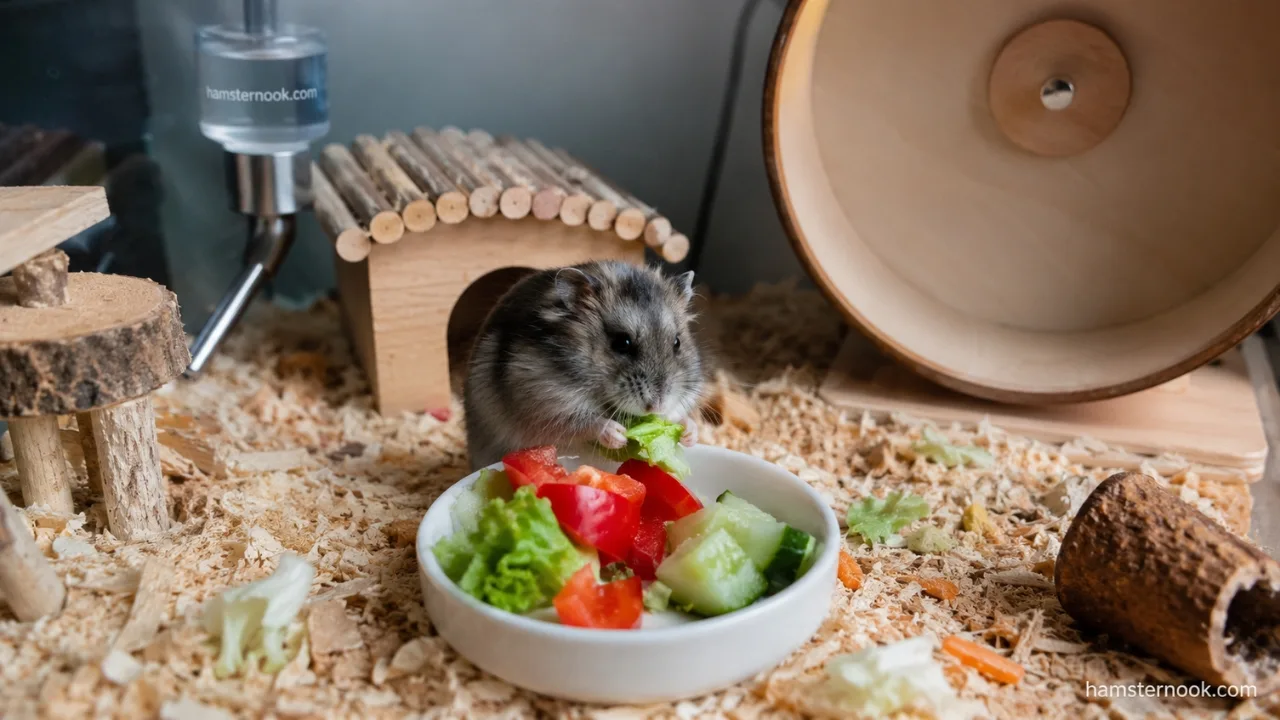
Many feeding mistakes happen alongside other beginner care errors. Our 7 Common Hamster Mistakes That Can Make Your Pet Sick (And How to Avoid Them) guide explains several habits that can affect long-term hamster health.
Smart Treat Rules
- Introduce new foods slowly.
- Feed tiny portions.
- Wash fresh produce carefully.
- Remove uneaten fresh food quickly.
- Avoid sugary processed snacks.
- Rotate treats for variety.
Hamsters have very small digestive systems, so even tiny dietary changes can affect them.
Custom Chart: Best Hamster Treat Types by Nutrition
| Treat Category | Nutrition Value | Best Use |
|---|---|---|
| Vegetables | High fiber & hydration | Regular rotation |
| Protein treats | Muscle support | Weekly supplement |
| Fruits | Natural sugars & vitamins | Occasional reward |
| Seeds | Healthy fats | Limited treats |
| Grains | Energy & fiber | Small portions |
This chart helps owners balance treats more safely.
Infographic: Healthy Hamster Treat Rules
The 5 Golden Rules of Hamster Treats
| Rule | Why It Matters |
|---|---|
| Keep portions tiny | Prevents obesity |
| Limit sugary fruits | Reduces diabetes risk |
| Wash fresh foods | Removes pesticides |
| Avoid processed snacks | Protects digestion |
| Feed treats occasionally | Maintains balanced nutrition |
This simple system helps beginners avoid most feeding mistakes.

Final Thoughts
Healthy treats can improve a hamster’s quality of life when chosen carefully and fed in moderation. Fresh vegetables, small protein snacks, and occasional fruits can provide enrichment, variety, and nutritional support without harming your pet’s health.
The safest approach is always balance. Hamsters often appear eager for treats, but overfeeding can quickly lead to obesity and digestive issues.
By sticking to safe foods, rotating treats occasionally, and keeping portions tiny, owners can safely spoil their hamsters while still supporting long-term health.
Frequently Asked Questions
What is the healthiest treat for hamsters?
Fresh vegetables like cucumber and broccoli are among the healthiest low-calorie treat options.

Can hamsters eat treats every day?
Small vegetable treats may be offered regularly, but sugary or fatty treats should stay limited.
What treats do hamsters love most?
Many hamsters enjoy seeds, mealworms, oats, cucumber, and small fruit pieces.
Are store-bought hamster treats healthy?
Some are, but many contain excessive sugar, coloring, or fillers. Always check ingredients carefully.
Can dwarf hamsters eat fruit treats?
Yes, but fruit should be given in small portions because of its natural sugar. Russian Dwarf hamsters are particularly prone to diabetes, so sugary foods should be limited carefully.

PDSA specifically identifies Russian Dwarf hamsters as particularly prone to diabetes rather than applying that statement broadly to every dwarf hamster.
How many treats should a hamster eat daily?
Very few. Treats should remain a small supplement to a balanced hamster diet, not the main food source.
Can I use treats to tame a hamster?
Yes. Small healthy treats can be useful during taming sessions because they help create positive associations with handling and human interaction. Portions should remain small to avoid overfeeding.
References
This guide is based on hamster nutrition, feeding, safe treats, portion guidance, and dietary welfare information from trusted veterinary and animal welfare organizations, including:
- RSPCA – Hamster Diet and Feeding – Guidance on balanced hamster diets, fresh foods, treats, feeding habits, and foods that should be avoided.
- PDSA – Hamsters as Pets – Advice on hamster nutrition, fresh fruit and vegetables, treats, feeding portions, and common dietary considerations.
- Blue Cross – Hamster Care Guide – Practical guidance on hamster diet, feeding, treats, enrichment, and general wellbeing.
- MSD Veterinary Manual – Hamsters – Veterinary reference information covering hamster nutrition, health, husbandry, and dietary-related concerns.
- MSD Veterinary Manual – Routine Health Care of Hamsters – Veterinary guidance on routine health monitoring, nutrition, body condition, and recognizing changes that may require veterinary attention.
- RSPCA – Keeping Hamsters as Pets – General hamster care, feeding, welfare, natural behavior, and responsible pet ownership guidance.
Medical Disclaimer
This article is intended for educational purposes only and should not be considered veterinary advice. Treats should be offered in moderation as part of a balanced hamster diet. If your hamster develops persistent digestive problems, significant weight changes, loss of appetite, lethargy, or other concerning symptoms after eating a particular food, consult a qualified exotic animal veterinarian for appropriate evaluation and advice.

Narayan Kumar is the founder and author of HamsterNook. He creates practical, research-based hamster care guides covering hamster behavior, nutrition, cage setup, enrichment, health, and everyday care. His goal is to help hamster owners make informed decisions and provide safer, healthier lives for their pets through clear, beginner-friendly information based on trusted animal care resources.