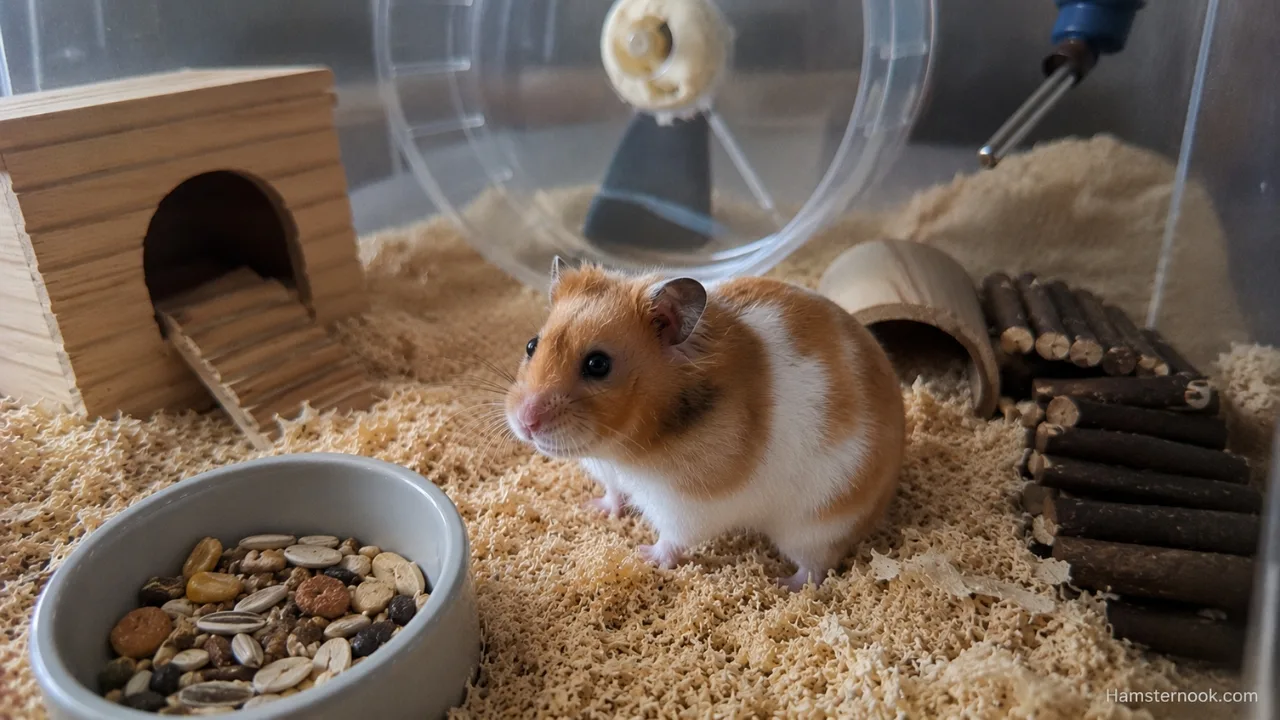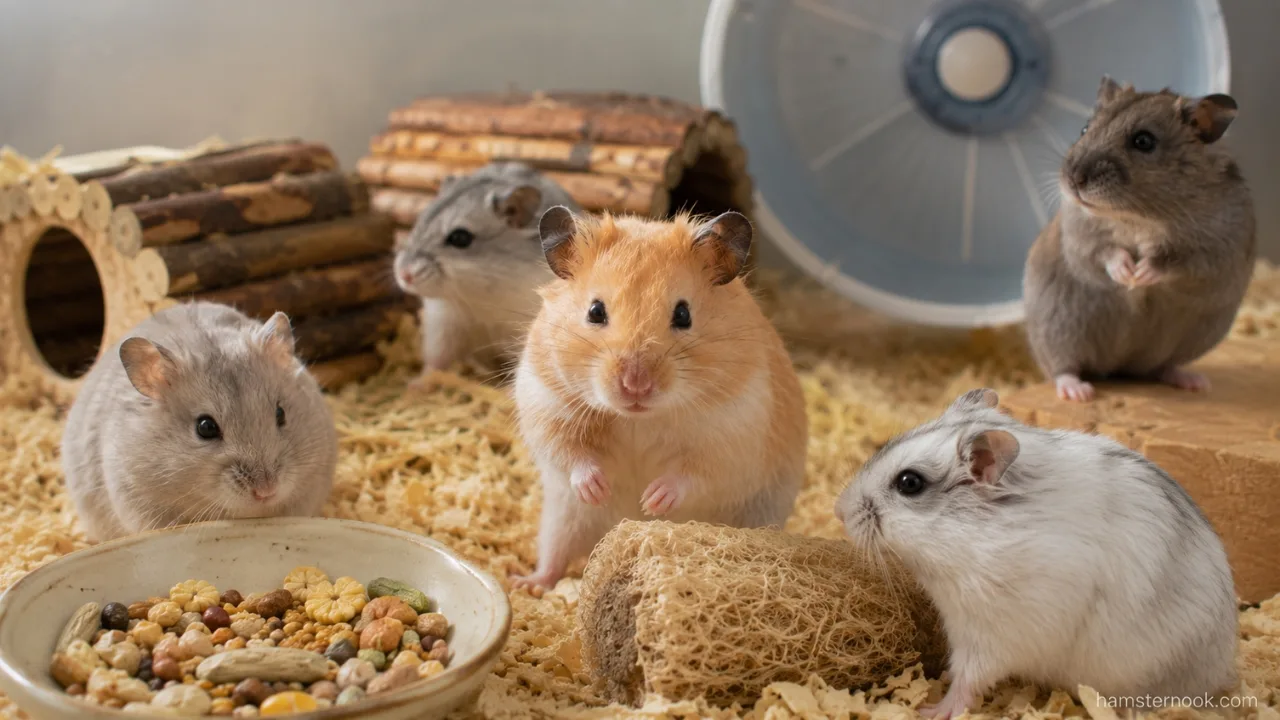
Choosing your first hamster can be surprisingly confusing. Walk into a pet store or browse hamster care forums, and you’ll quickly discover that not all hamster breeds behave the same way. Some are naturally more confident around people, while others tend to be shy, cautious, or harder to handle consistently.
Many new owners assume friendliness depends entirely on taming, but breed tendencies can influence how quickly a hamster becomes comfortable around people. While proper taming and handling play a huge role, breed characteristics can influence how easily a hamster accepts human interaction.
If regular handling and interaction are important to you, knowing how different breeds typically respond to people can make choosing a hamster much easier.
It’s also important to remember that a calm hamster is not always a social hamster. Some breeds tolerate handling well but still prefer spending most of their time exploring independently.
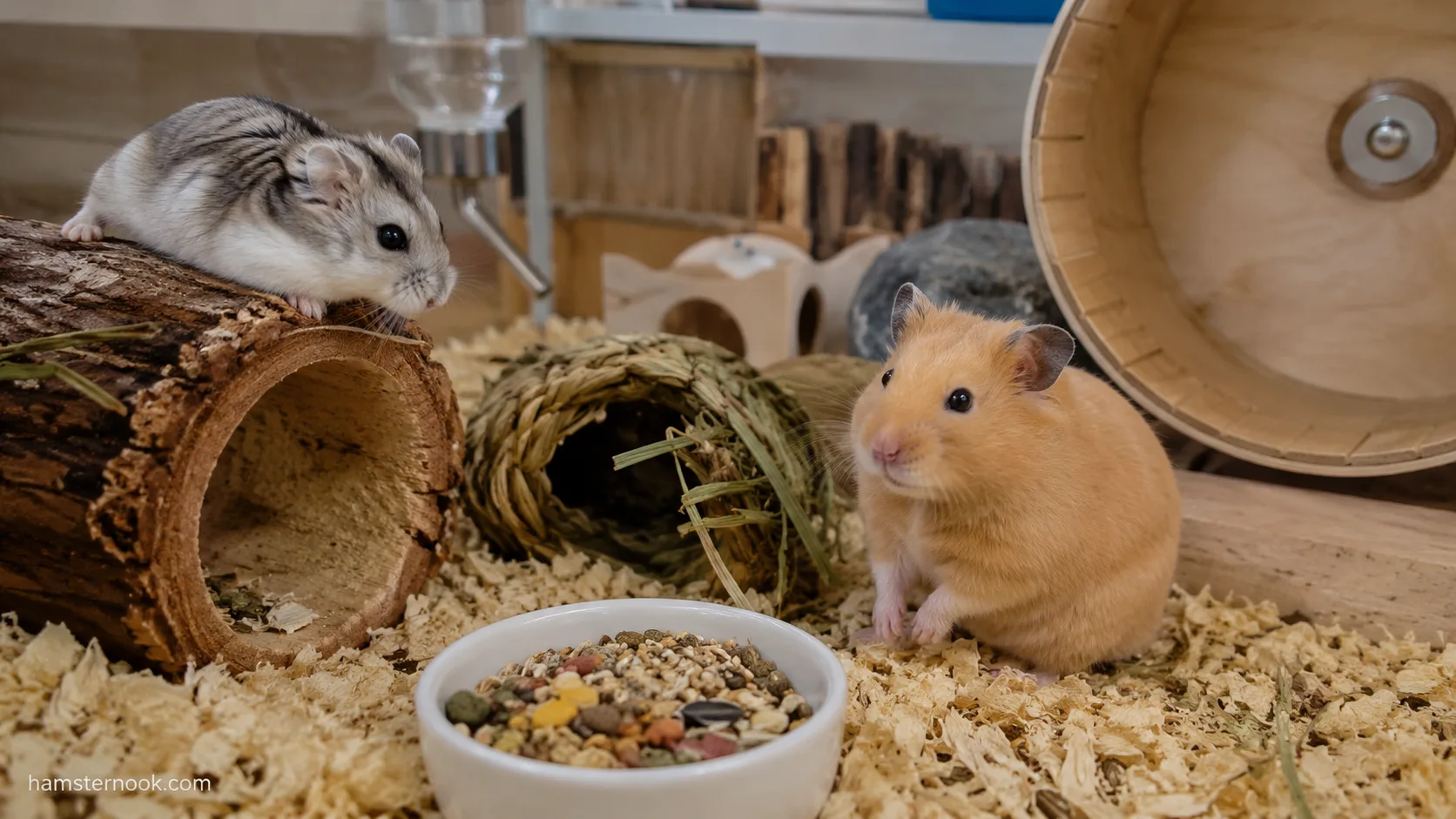
What Does “Friendly” Mean in Hamsters?
Experienced hamster keepers generally evaluate friendliness based on handling tolerance, confidence around people, curiosity, and willingness to approach familiar owners rather than on affection alone.
Before ranking hamster breeds, it’s important to define what friendliness actually means.
Unlike dogs or cats, hamsters are naturally solitary prey animals. Even the friendliest hamster won’t seek constant attention or affection. A friendly hamster is usually one that:
- Accepts handling calmly
- Shows curiosity toward people
- Rarely bites when properly handled
- Learns routines quickly
- Approaches owners willingly
- Appears confident during interaction
Personality always matters, but some breeds tend to be naturally more confident around people while others take longer to warm up.
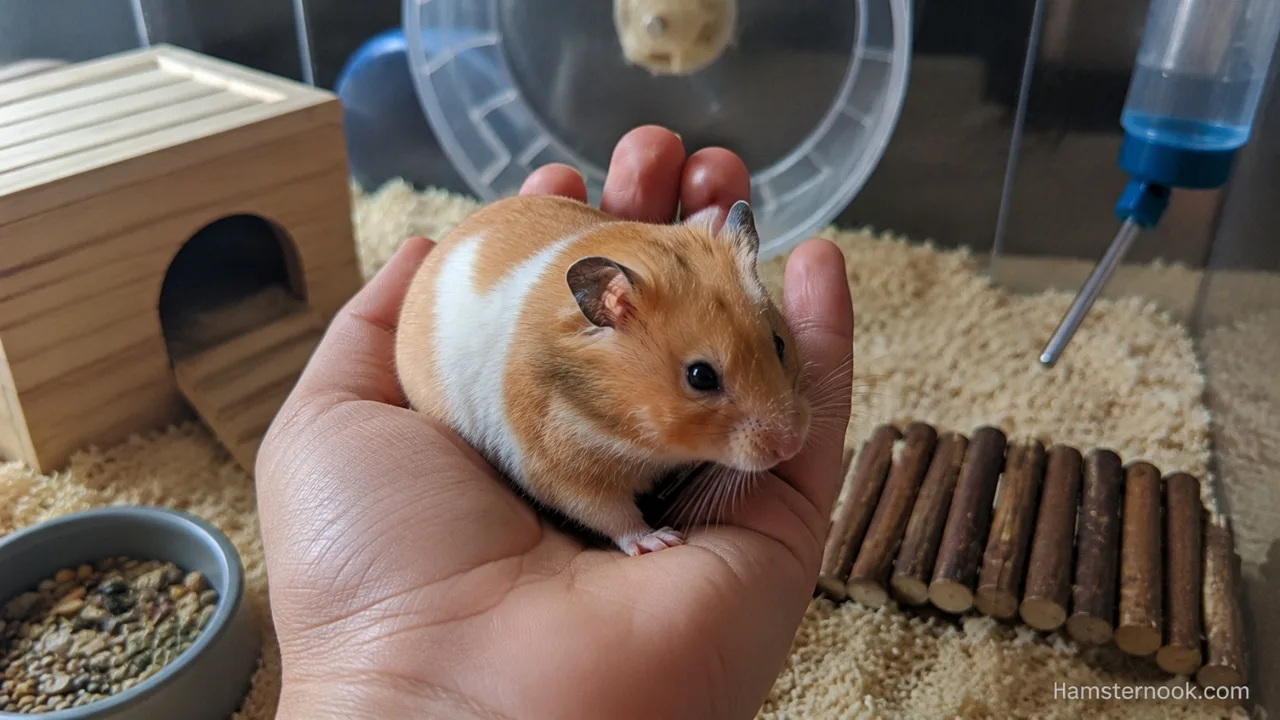
If you’re still deciding which species is the best fit for your experience level, our Best Hamster Breeds for Beginners (Easy to Care For) guide compares temperament, handling ease, and care requirements in more detail.
Friendliest Hamster Breeds Comparison Table
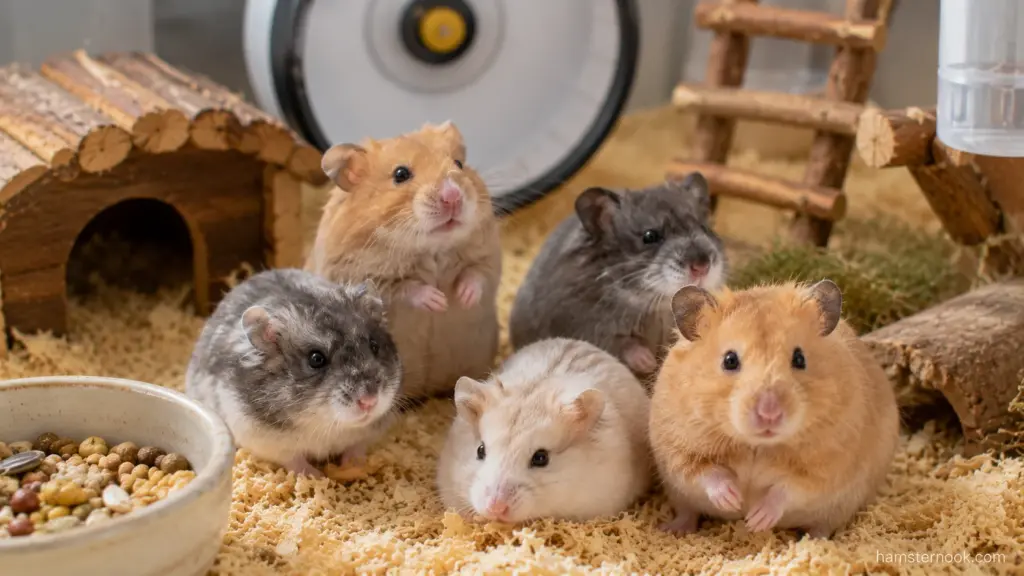
| Rank | Hamster Breed | Typical Friendliness | Handling Ease | Best For Beginners |
|---|---|---|---|---|
| 1 | Syrian Hamster | Very High | Easy | Excellent |
| 2 | Chinese Hamster | High | Moderate | Good |
| 3 | Winter White Dwarf Hamster | Moderate to High | Moderate | Good |
| 4 | Roborovski Hamster | Moderate | Challenging | Fair |
| 5 | Campbell’s Dwarf Hamster | Moderate to Low | Moderate | Fair |
Larger hamsters are often easier to handle safely, which can influence how friendly they appear during interactions.
Rankings reflect typical breed tendencies, not guarantees. Individual hamsters may behave very differently from the average reputation of their breed.
Early socialization, housing quality, handling style, and individual personality often have a greater impact on friendliness than breed alone.
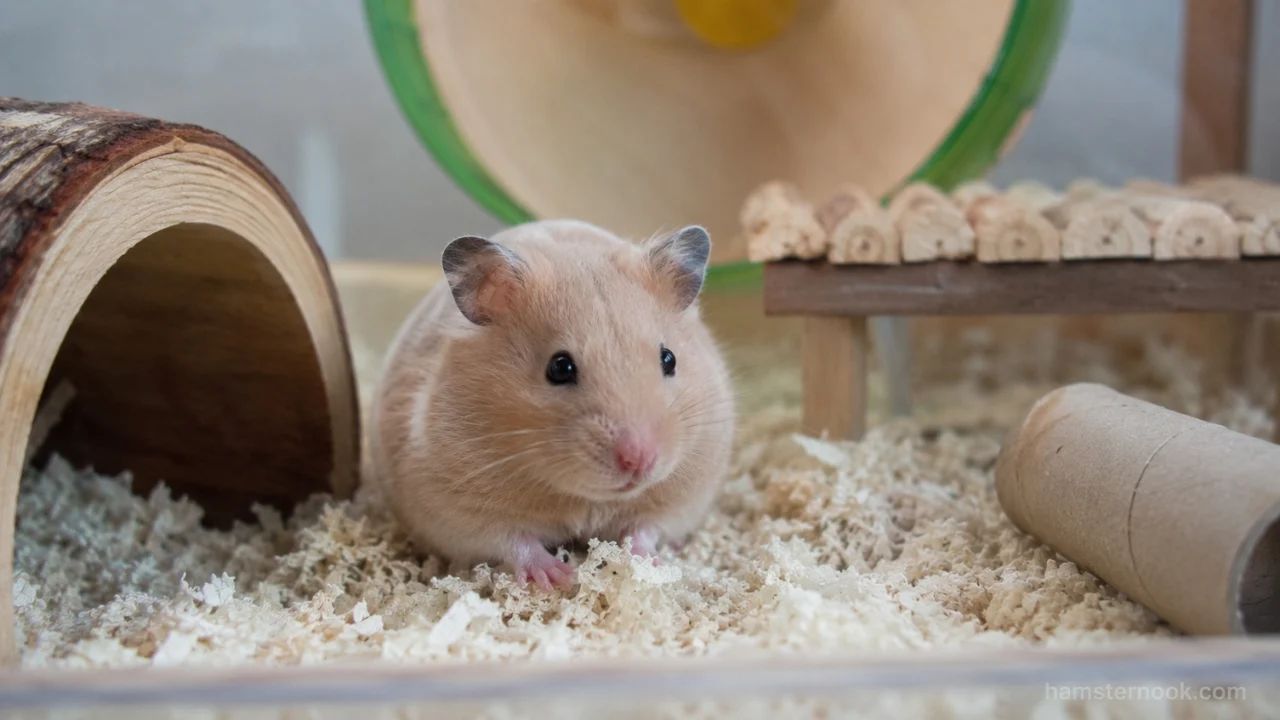
While individual personalities vary, this ranking reflects common behavior patterns reported by experienced owners and breeders.
Why Syrian Hamsters Are Often the Friendliest Choice
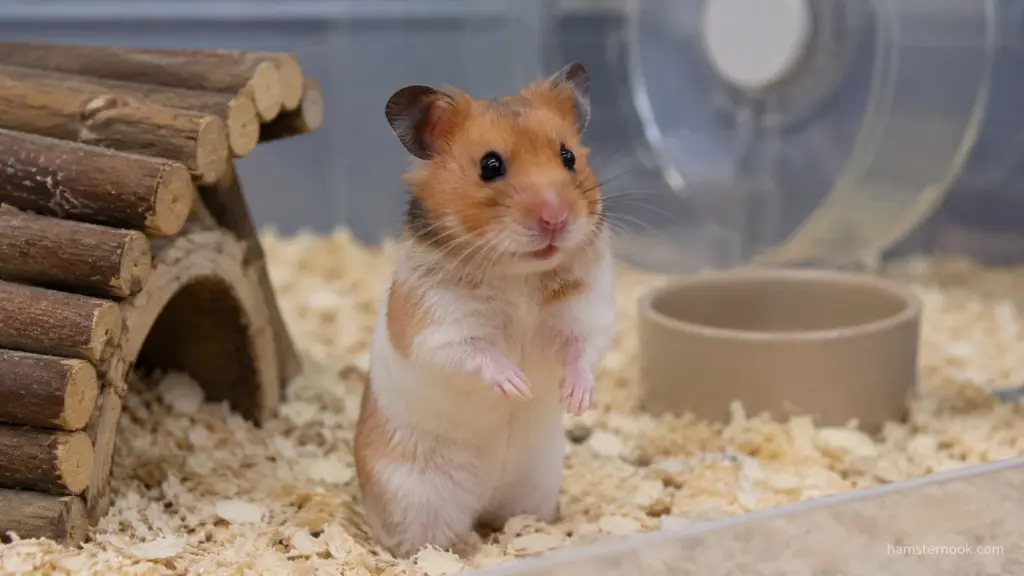
1. Syrian Hamsters
Syrian hamsters consistently rank as the friendliest and easiest hamster breed for most owners.
Their larger size makes them easier to handle safely, and they generally adapt well to regular human interaction when socialized properly.
Many well-socialized Syrian hamsters:
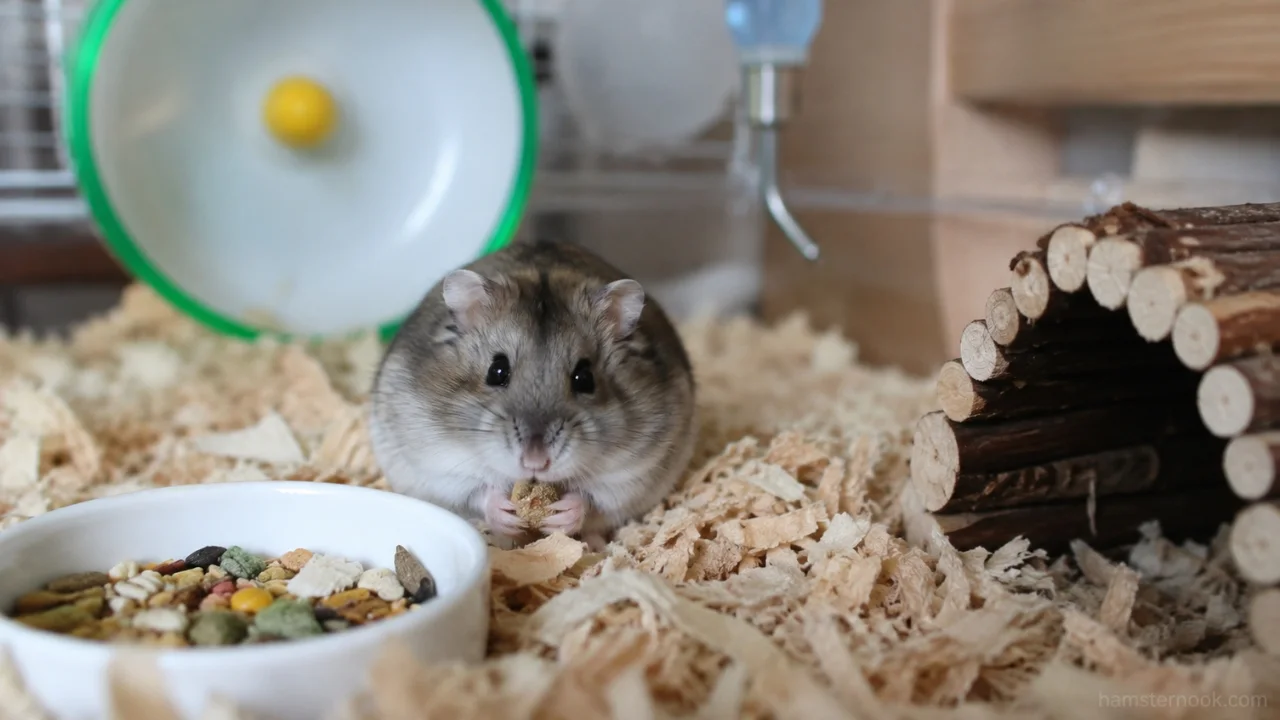
- Become comfortable with hand feeding
- Learn handling routines quickly
- Show curiosity rather than fear
- Are easier for children to observe and handle responsibly
Because they are larger than dwarf species, owners are less likely to accidentally frighten or drop them.
Many owners notice that Syrian hamsters become more confident around familiar people over time. Our Do Hamsters Get Excited to See Their Owners? guide explains how hamsters learn to recognize familiar routines, scents, and interactions.
Potential Drawbacks
Even friendly Syrians:
- Can bite when startled
- Dislike being awakened suddenly
- Require daily interaction to maintain trust
Friendliness should never be mistaken for a desire for constant handling.
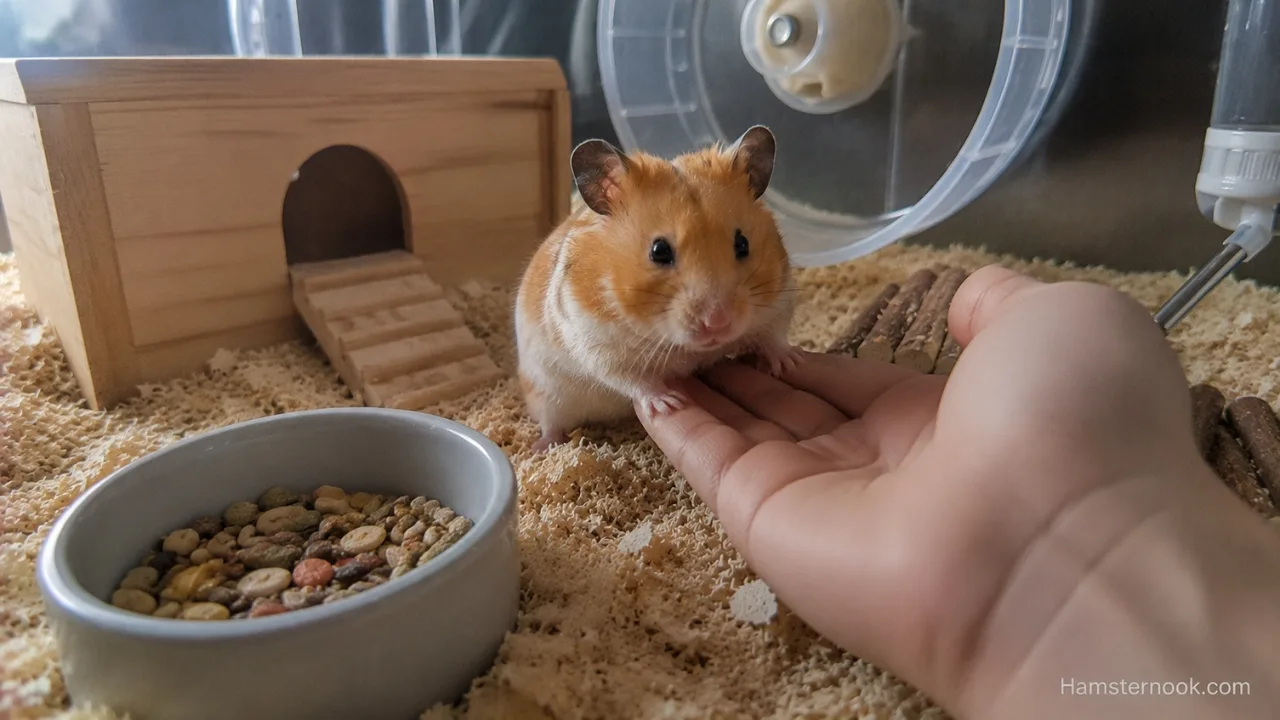
Chinese Hamsters: Small but Surprisingly Social
2. Chinese Hamsters
Chinese hamsters are less common than Syrians, but many owners appreciate their calm and curious nature once trust is established.
They tend to form strong trust with familiar handlers and may become very comfortable climbing onto a person’s hand voluntarily.
Many Chinese hamsters display:
- Calm behavior
- Curiosity
- Gentle handling responses
- Lower levels of nervousness once tamed
However, they are much smaller than Syrian hamsters, making handling slightly more challenging for beginners.
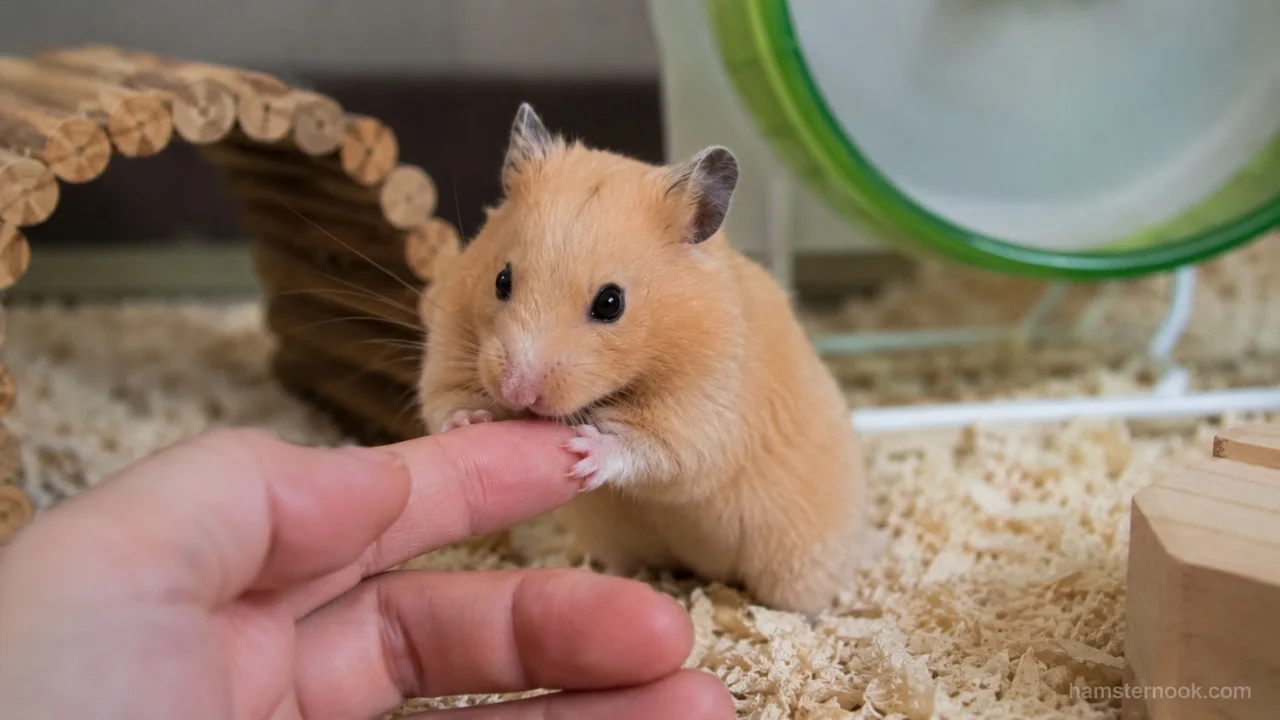
Trust plays a major role in how friendly a hamster appears. Our How to Tame a Hamster Without Getting Bitten (Beginner Guide) explains how owners can gradually build trust through positive interactions.
Potential Drawbacks
Chinese hamsters can initially be shy and may require more patience during the taming process.
Winter White Dwarf Hamsters: Friendly With Consistent Handling
3. Winter White Dwarf Hamsters
Winter White hamsters often develop friendly personalities when handled gently and consistently.
Compared to some other dwarf species, they are frequently described as calmer and less reactive around people.

Many owners report that Winter Whites:
- Accept treats readily
- Become accustomed to routine handling
- Show curiosity around familiar humans
- Adapt well to patient socialization
Although they are usually more cautious than Syrians, many Winter Whites become confident pets when handled consistently and respectfully.
If you’re bringing one home, learning The Biggest Mistake New Hamster Owners Make in the First Week can help prevent early setbacks during the bonding process.
Potential Drawbacks
Because they are small and fast-moving, accidental drops remain a concern during handling.

Roborovski Hamsters: Friendly but Not Very Handleable
4. Roborovski Hamsters
Roborovski hamsters are often misunderstood.
They are not usually aggressive, but their incredible speed makes them difficult to handle consistently.
Many Roborovskis:
- Rarely seek interaction
- Prefer exploring over cuddling
- Are highly active
- Spend much of their time running and foraging
This means they may appear less social even when they are perfectly comfortable around people.
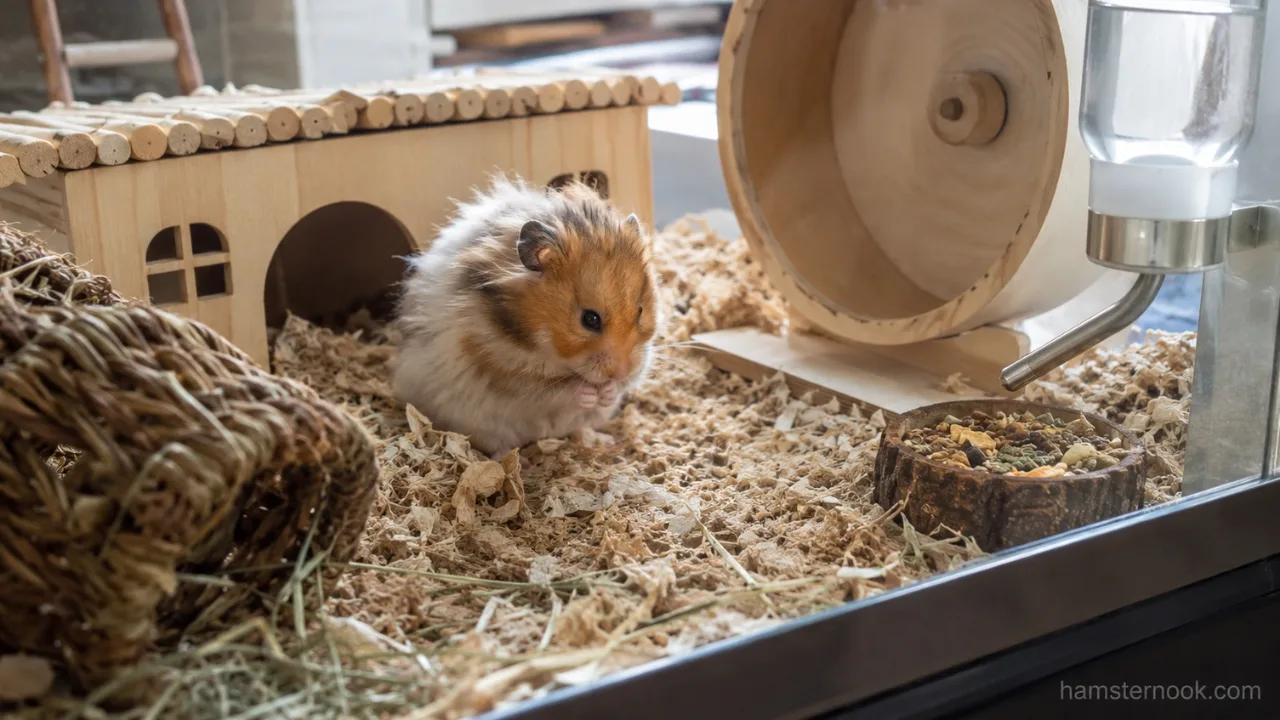
Owners often enjoy watching Roborovskis more than handling them.
For people who appreciate natural hamster behavior, articles like Why Your Hamster Runs on the Wheel All Night can provide additional insight into their active personalities.
Potential Drawbacks
| Challenge | Why It Matters |
|---|---|
| Extremely fast movement | Difficult to handle safely |
| Small body size | Easy to lose grip |
| Less interested in interaction | Bonding may progress slowly |
| High energy levels | Less likely to sit calmly |
These challenges relate mostly to handling difficulty rather than aggression or poor temperament.
Roborovskis can still become trusting pets, but they are usually not ideal for owners specifically seeking frequent handling.
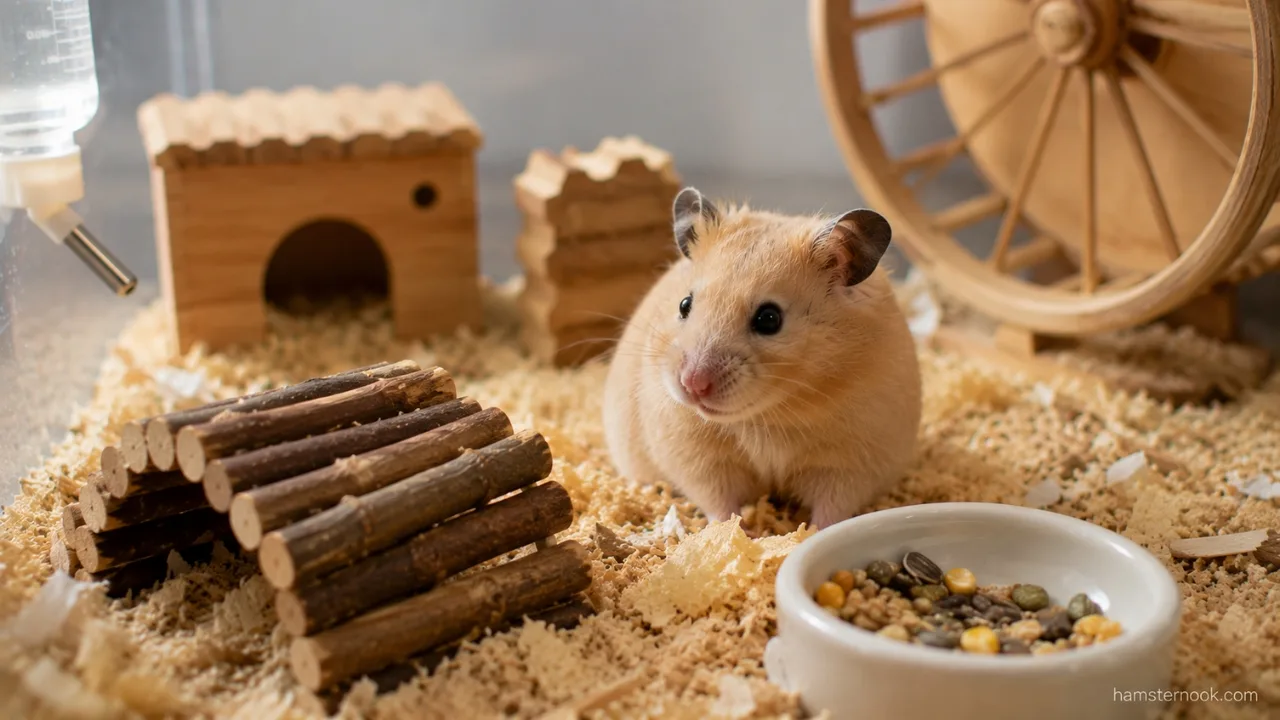
Campbell’s Dwarf Hamsters: Personality Varies Widely
5. Campbell’s Dwarf Hamsters
Campbell’s dwarf hamsters can be affectionate, but they often rank lower for overall friendliness because their personalities vary significantly.
Some individuals become excellent pets, while others remain cautious despite regular handling.
Owners may notice:
- Greater territorial behavior
- Increased caution around hands
- Faster reactions when startled
- More individual personality differences
This does not mean Campbell’s hamsters are unfriendly. It simply means predicting temperament is often harder.
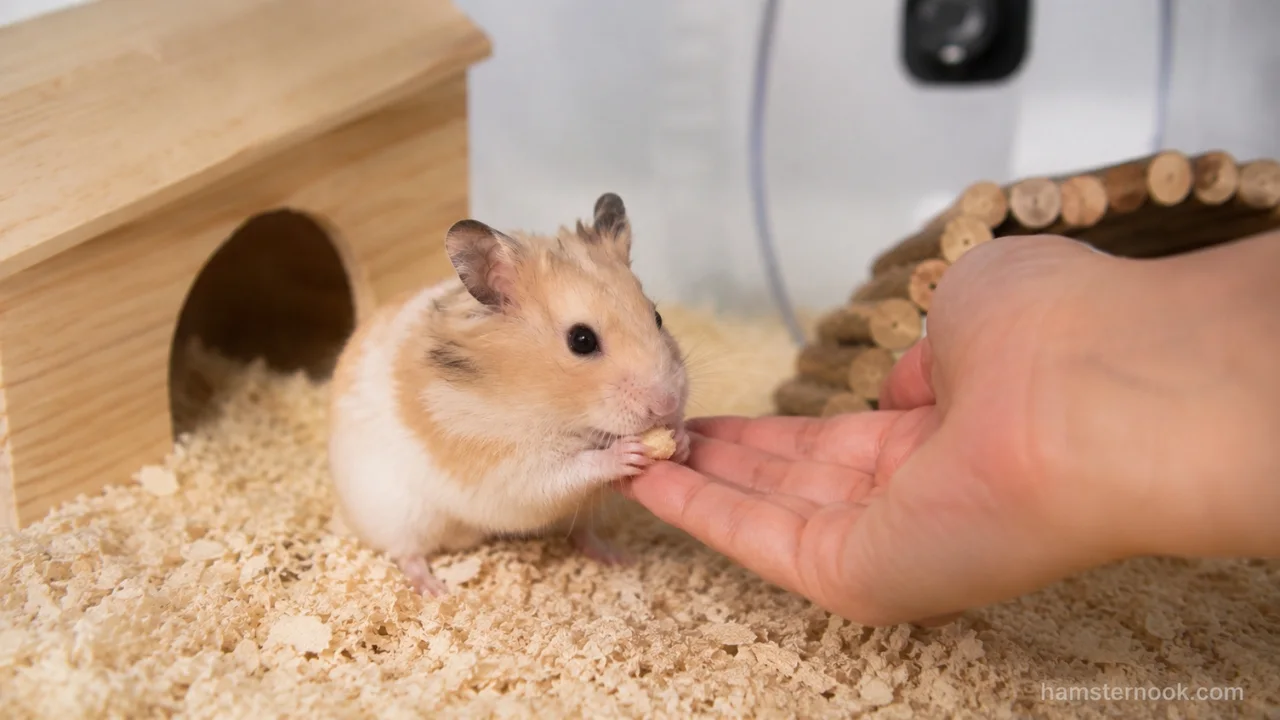
Learning Why Does My Hamster Bite Me? can help owners understand the factors influencing behavior beyond breed alone.
Potential Drawbacks
Campbell’s hamsters may require more consistent taming efforts than other popular breeds.
Even within the same breed, owner experience and early handling often have a major impact on how social a hamster becomes.
Factors That Influence Friendliness More Than Breed
Breed matters, but it is not the only factor.
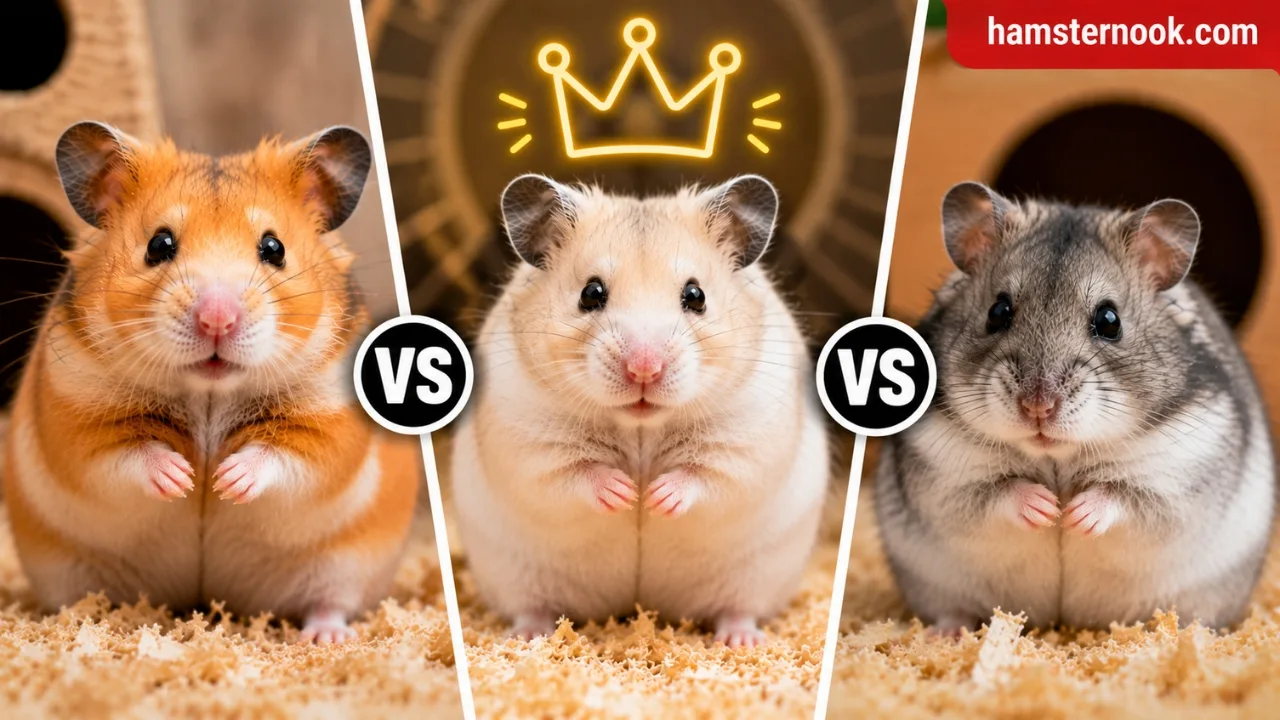
Several important influences can shape a hamster’s personality.
Early Socialization
Hamsters that experience gentle human interaction from a young age often become more confident adults.
Individual Personality
Two hamsters from the same litter can display completely different temperaments.
Proper Housing
A stressed hamster is rarely a friendly hamster.
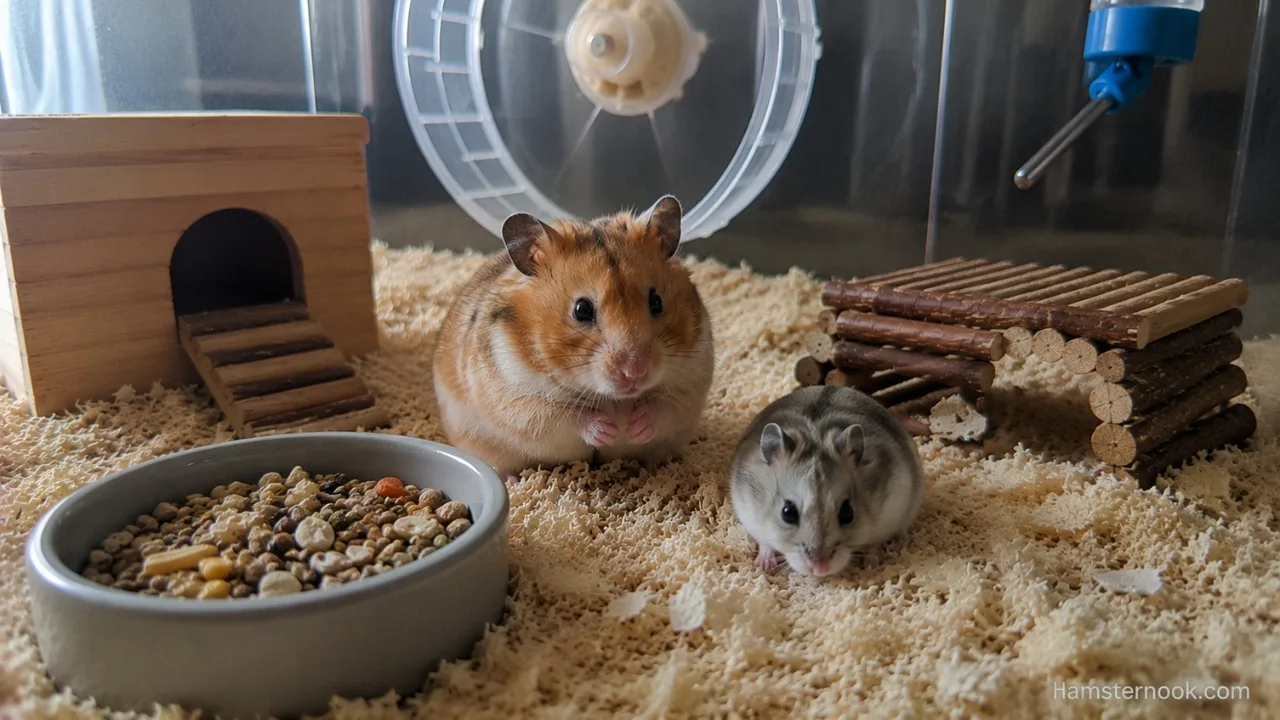
A hamster’s environment can strongly influence confidence and behavior. Our Best Hamster Cage Setup for Beginners (Safe & Comfortable Ideas) guide explains how proper housing supports a calmer and more confident pet.
Small cages, poor enrichment, and lack of hiding spots may contribute to fear-based behavior.
Consistent Handling
Building trust gradually usually produces better long-term results than trying to speed up the taming process.
Hamsters usually become more comfortable through regular positive experiences over time.
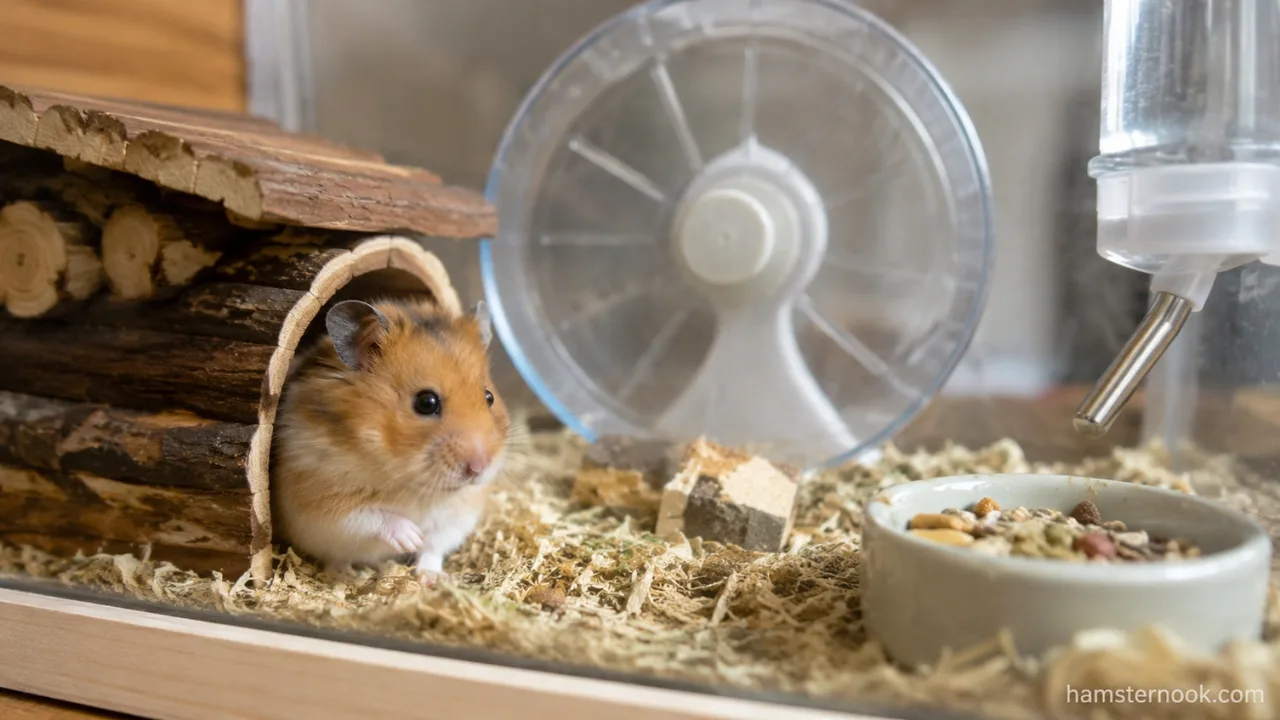
Short, positive interactions generally work better than occasional long handling sessions.
Common Mistakes People Make When Choosing a Friendly Hamster
Many new owners accidentally choose the wrong breed because they focus on appearance instead of temperament.
Common mistakes include:
| Mistake | Better Approach |
|---|---|
| Choosing the cutest hamster | Research temperament first |
| Expecting instant friendliness | Allow time for taming |
| Ignoring cage setup | Prioritize proper housing |
| Handling too soon | Let the hamster settle first |
| Assuming all breeds behave the same | Understand breed differences |
Spending a little time comparing breed temperaments before adoption often helps owners choose a hamster that better matches their expectations.
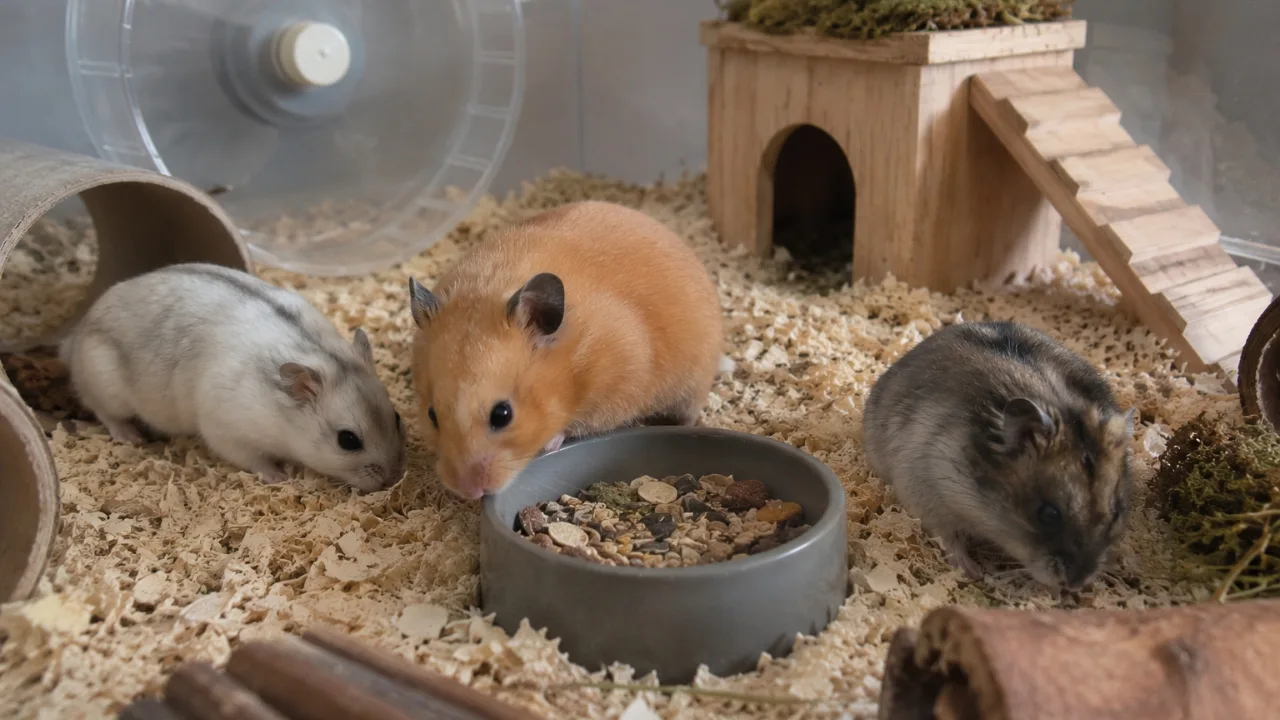
Avoiding these mistakes can make the adjustment period easier for both you and your hamster.
Can Hamsters Become Friendlier Over Time?
Yes. Many hamsters become noticeably more comfortable around people when handling is introduced gradually and positive experiences are repeated consistently. Building trust often matters more than choosing the “perfect” breed.
Which Hamster Breed Is Best for Families?
For many first-time owners and families, Syrian hamsters remain the easiest breed to recommend
Their larger size, calmer handling characteristics, and predictable temperament make them easier for beginners.
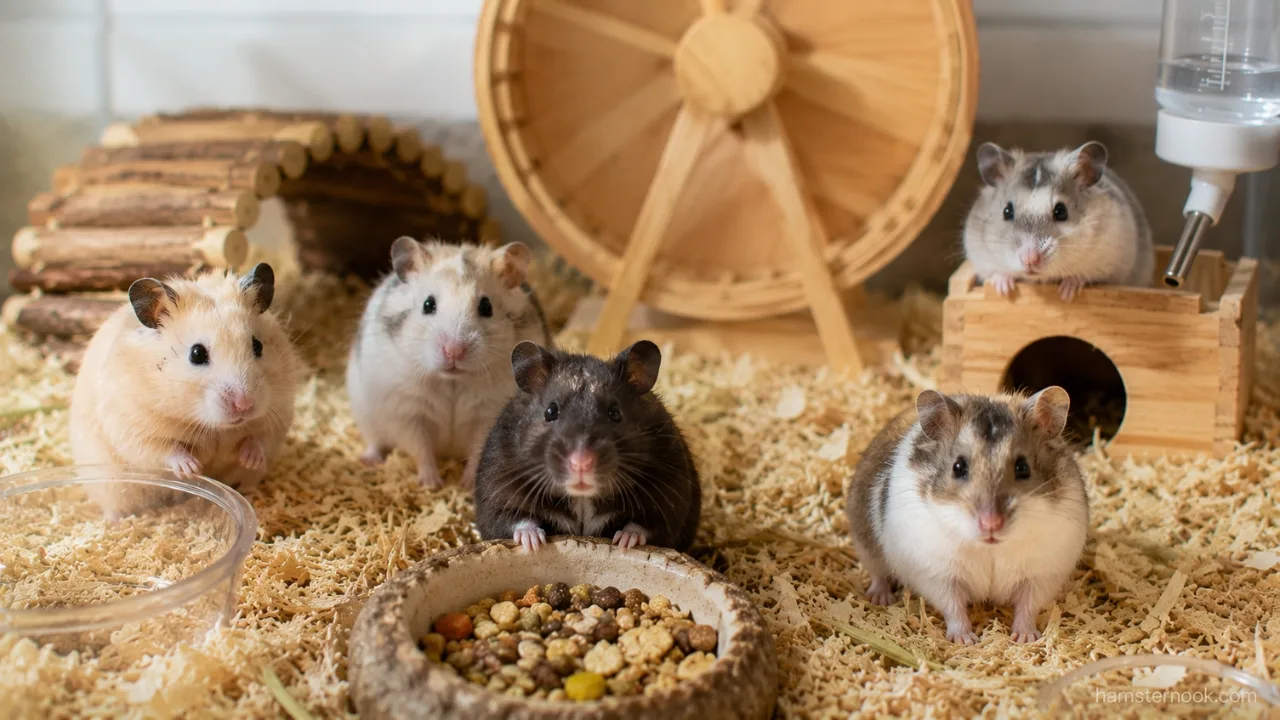
However, adult owners who enjoy patient taming may also find Chinese and Winter White hamsters excellent companions.
While rankings can be helpful for beginners, choosing a healthy hamster with a calm temperament is often more important than breed alone.
Final Ranking: Most to Least Social Hamster Breeds
| Final Rank | Breed | Overall Social Potential |
|---|---|---|
| 1 | Syrian Hamster | Excellent |
| 2 | Chinese Hamster | Very Good |
| 3 | Winter White Dwarf Hamster | Good |
| 4 | Roborovski Hamster | Moderate |
| 5 | Campbell’s Dwarf Hamster | Variable |
Social potential reflects typical breed tendencies observed by owners and breeders rather than guaranteed personality outcomes.
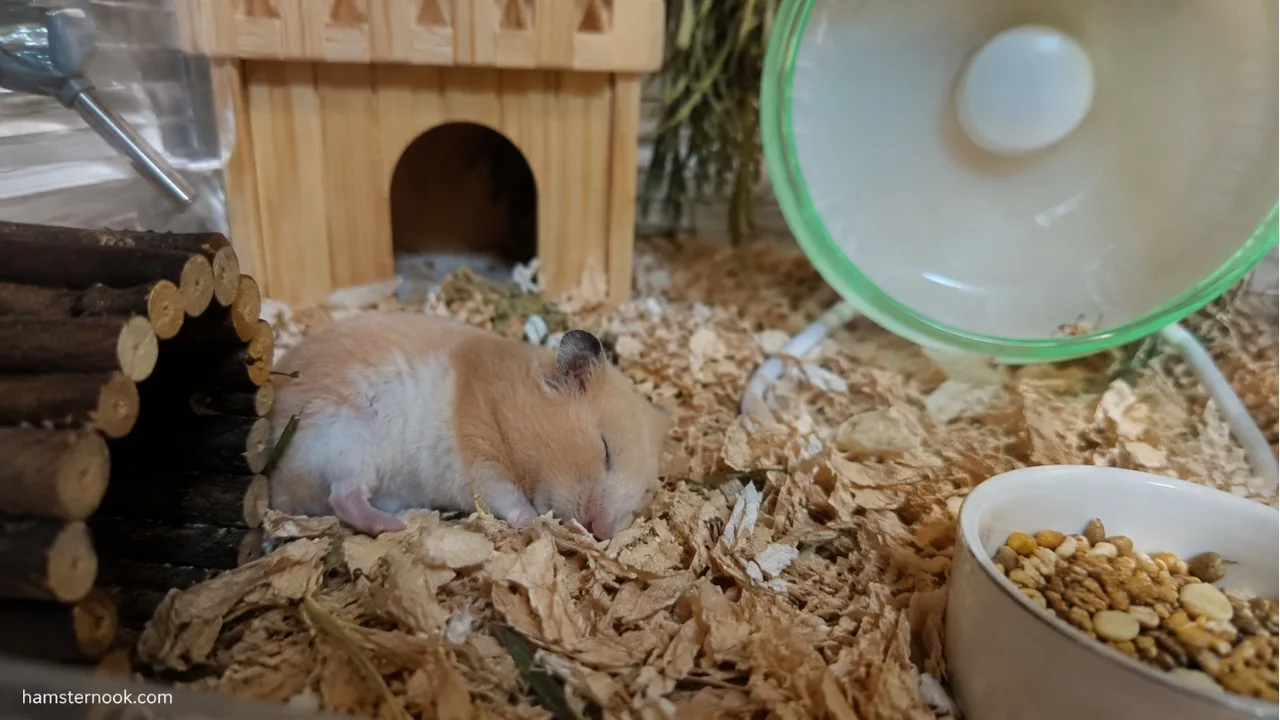
Remember that no ranking can predict an individual hamster’s personality perfectly. A well-socialized Campbell’s hamster may be friendlier than a poorly socialized Syrian.
Final Thoughts
When people search for the friendliest hamster breed, they are usually looking for a pet that feels comfortable around humans and is enjoyable to handle. In most situations, Syrian hamsters remain the clear winner because they combine confidence, manageable size, and generally calm behavior.
However, breed alone does not determine how friendly a hamster will become. Proper housing, patient taming, gentle handling, and realistic expectations often matter just as much as genetics.
No matter which breed you choose, trust is usually built through consistent care, gentle handling, and time.
Frequently Asked Questions
What is the friendliest hamster breed for beginners?
Syrian hamsters are generally considered the friendliest and easiest hamster breed for beginners due to their larger size and typically calm temperament.
Are dwarf hamsters friendly?
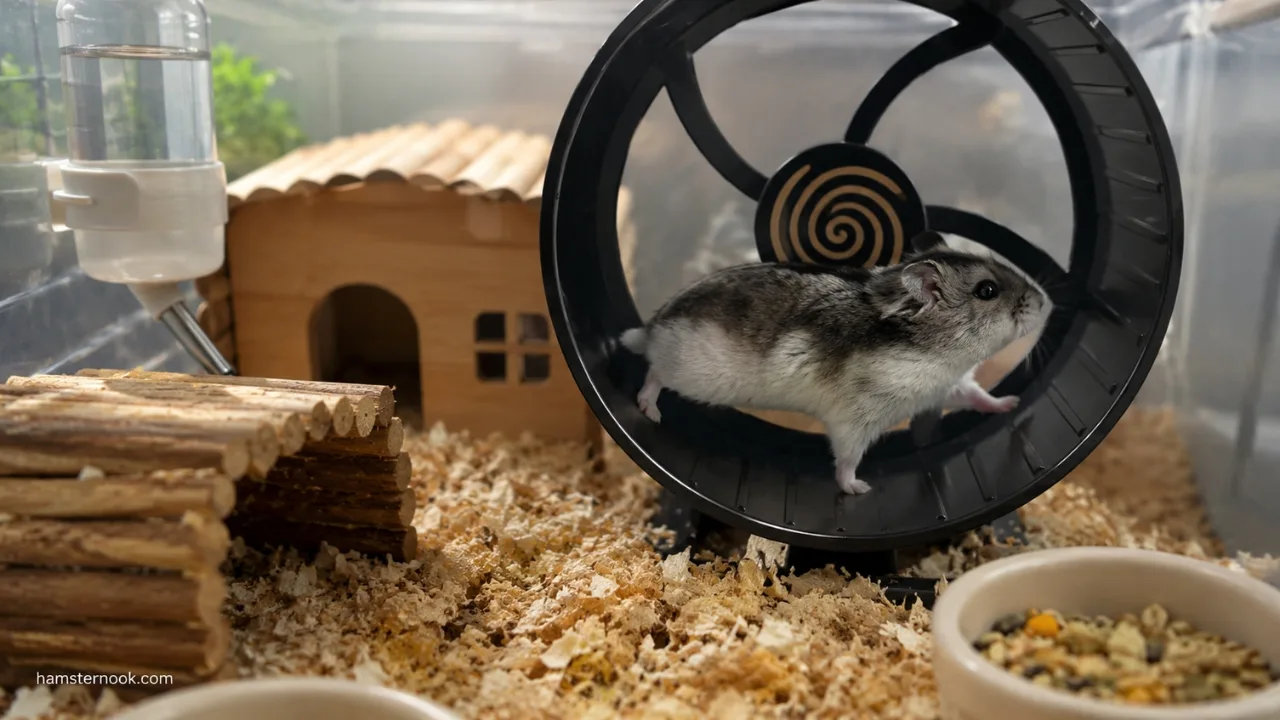
Many dwarf hamsters can become friendly with regular handling, but they are often faster and more difficult to handle than Syrian hamsters.
Which hamster breed bites the least?
No breed is completely bite-free, but well-socialized Syrian hamsters are often considered among the least likely to bite because they are easier to handle and less likely to feel threatened during interaction.
Can Roborovski hamsters bond with their owners?
Yes. Roborovskis can learn to trust their owners, although they usually prefer observing and exploring over being held.
Are female or male hamsters friendlier?
Personality differences between individual hamsters are usually more significant than differences between males and females.
How long does it take a hamster to become friendly?
Some hamsters become comfortable within days, while others may need several weeks of gentle and consistent interaction before they willingly approach or accept handling.
Which hamster breed is easiest to tame?
Syrian hamsters are generally considered the easiest breed to tame because of their larger size, calm handling characteristics, and tendency to adapt well to regular interaction.
References
This article is based on hamster welfare, behavior, and husbandry guidance from trusted veterinary and animal care resources, including:
- RSPCA – Hamster Care Advice
- PDSA – Small Pet Welfare Guidance
- Blue Cross – Hamster Care Resources
- MSD Veterinary Manual – Hamsters and Other Rodents
- NC3Rs – Hamster Housing and Welfare
Medical Disclaimer
This article is for educational purposes only and should not replace veterinary or behavioral advice. Individual hamster personalities vary, and behavior can be influenced by health, environment, and handling experience.

Narayan Kumar is the founder and author of HamsterNook. He creates practical, research-based hamster care guides covering hamster behavior, nutrition, cage setup, enrichment, health, and everyday care. His goal is to help hamster owners make informed decisions and provide safer, healthier lives for their pets through clear, beginner-friendly information based on trusted animal care resources.