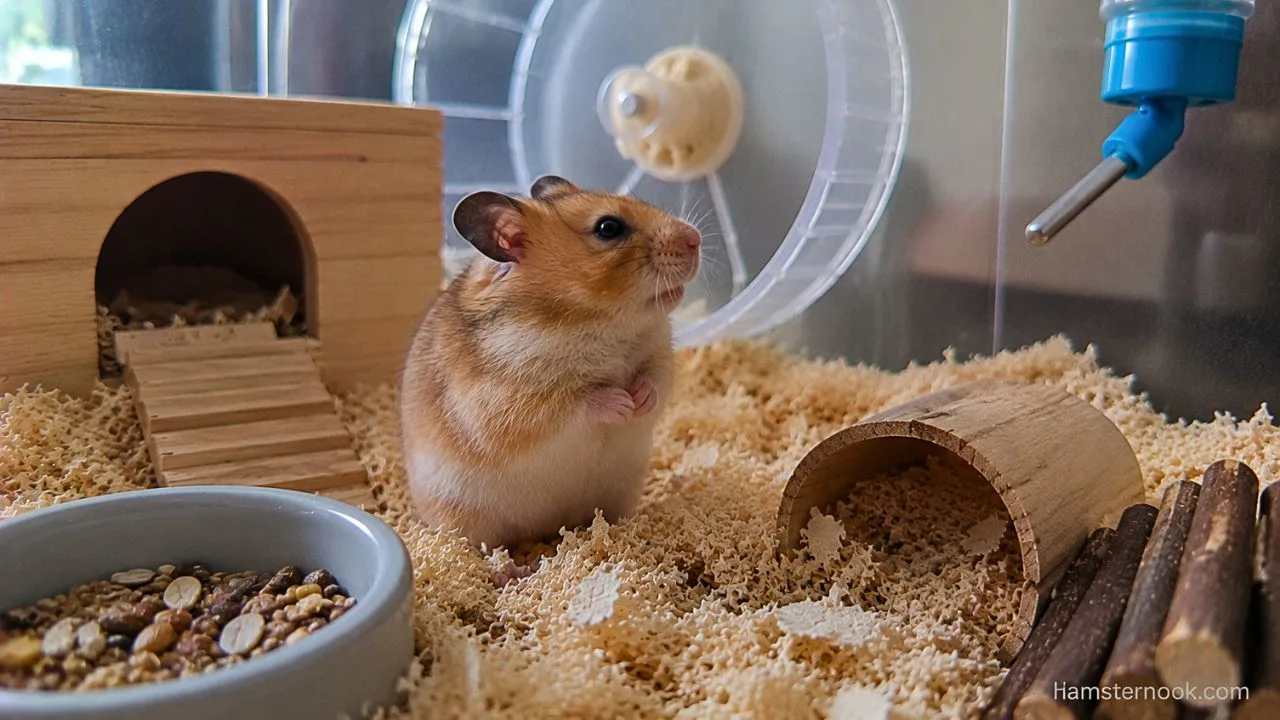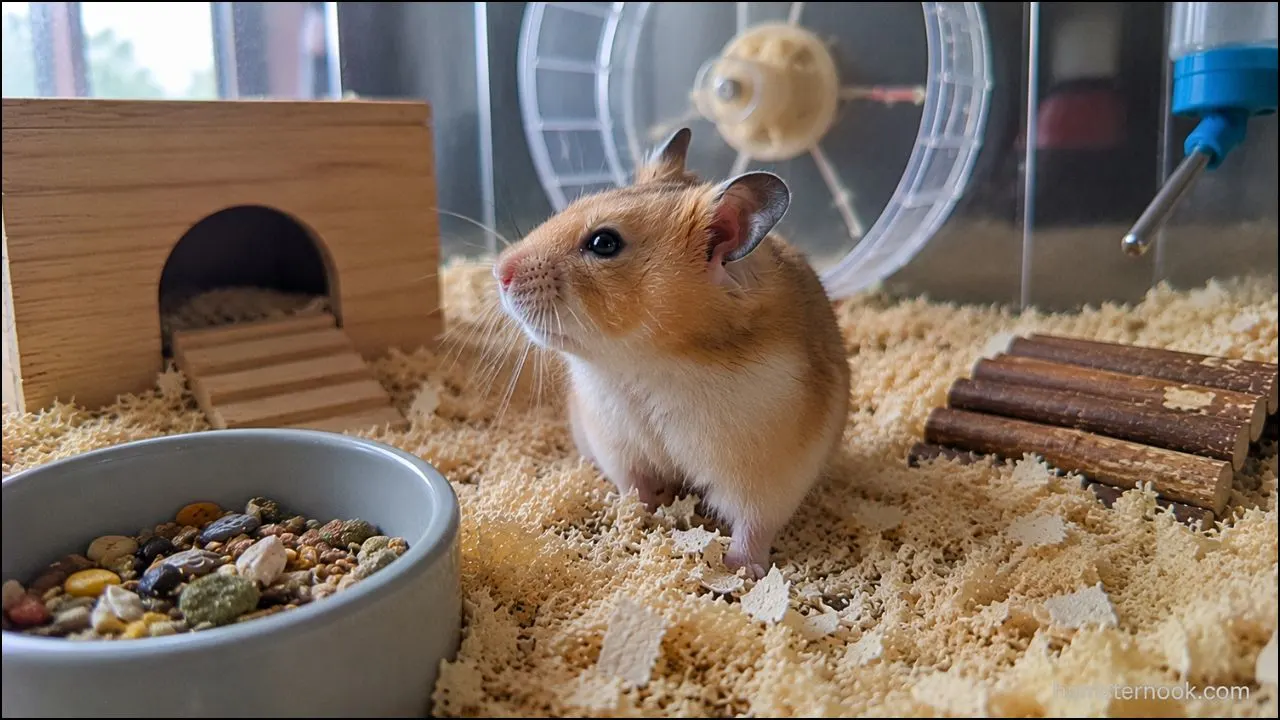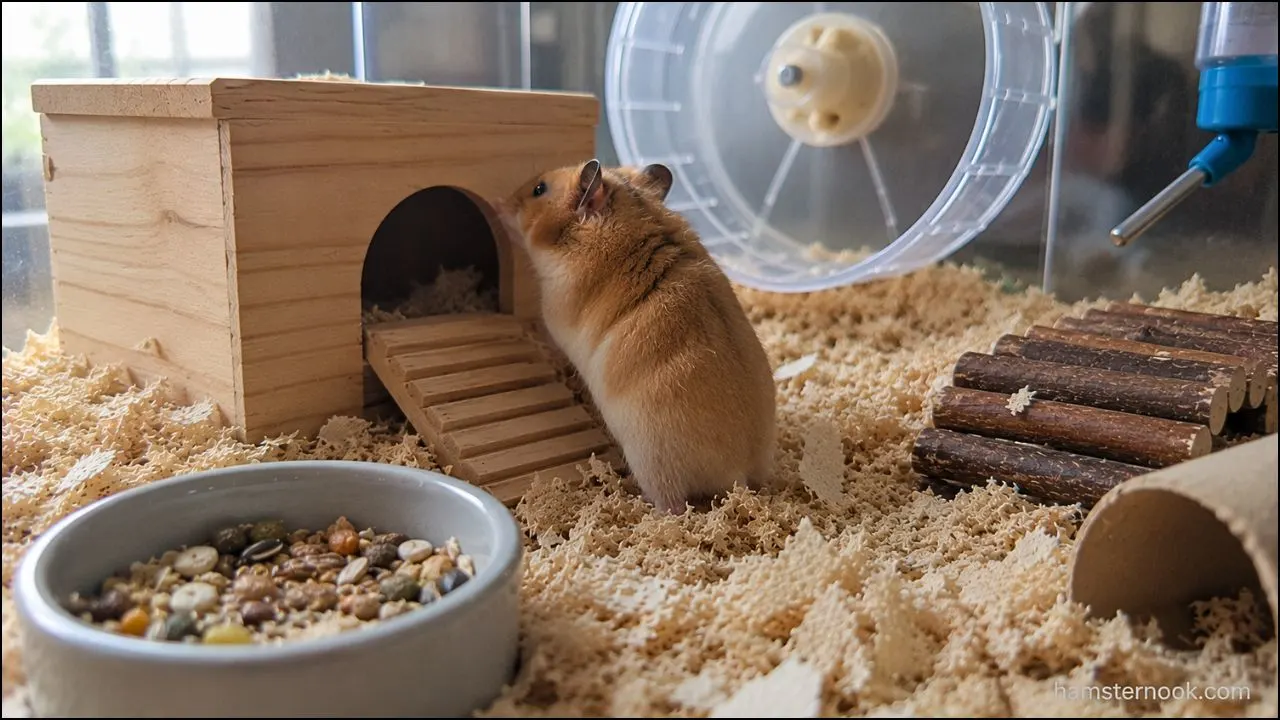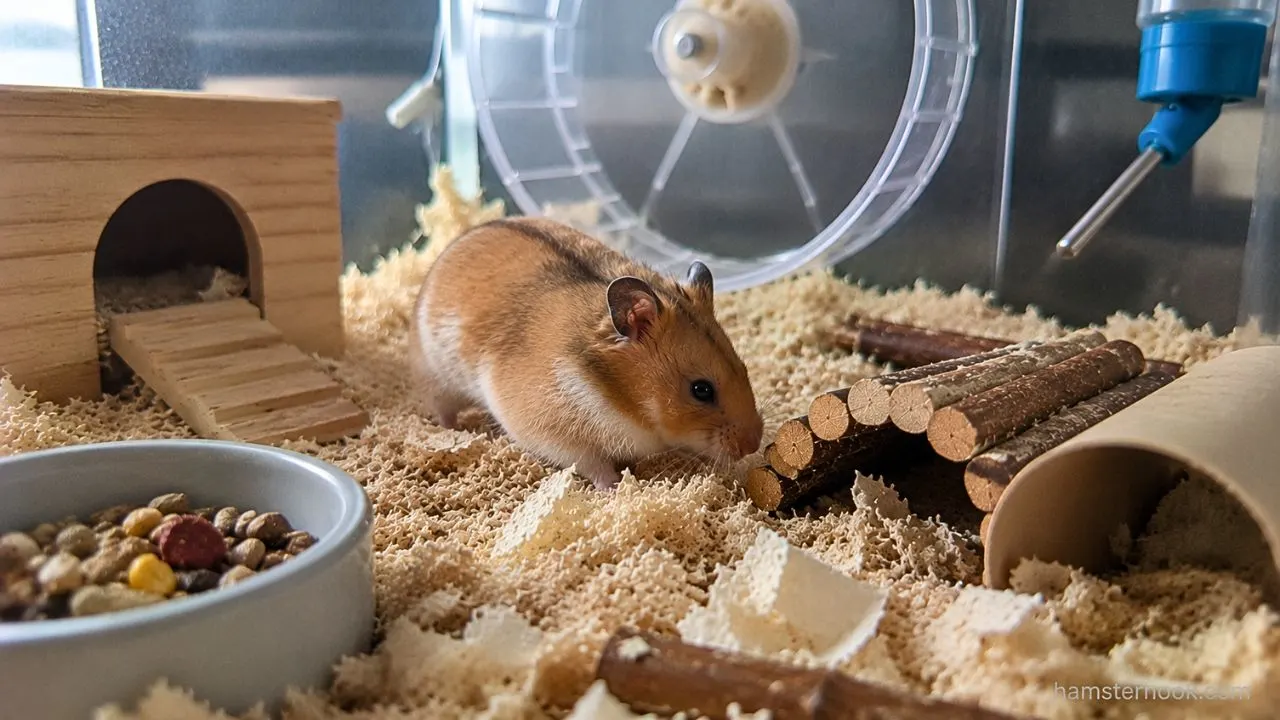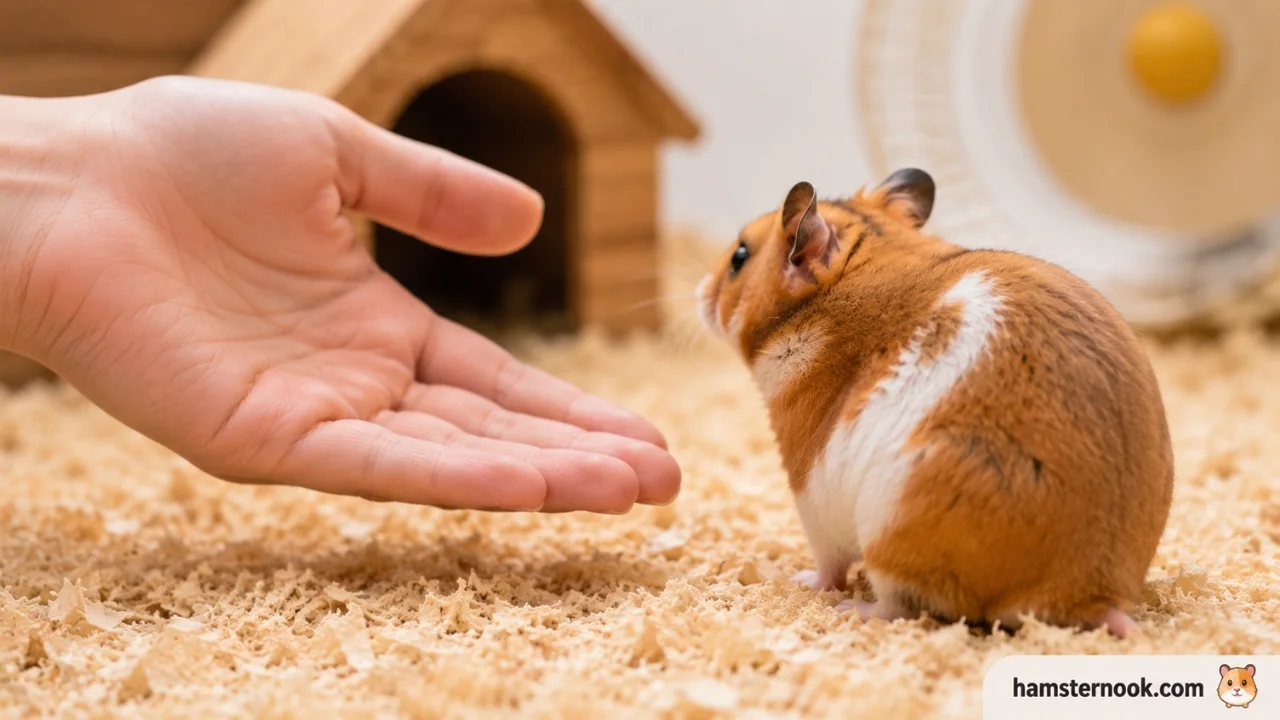
Many hamster owners notice a sudden change in behavior. A hamster that once approached for treats or interaction may suddenly start hiding more, avoiding contact, or acting less interested in people.
It can be frustrating when a hamster that once greeted you at the cage suddenly seems uninterested in interacting. The good news is that hamsters do not typically “ignore” people out of spite. When a hamster becomes less responsive, there is usually a reason behind the behavior.
In many cases, the cause is completely normal and temporary. Changes in routine, age, environment, sleep patterns, or stress levels can all affect how much attention your hamster gives you.
Figuring out what’s behind the change is the first step toward helping your hamster feel secure again.
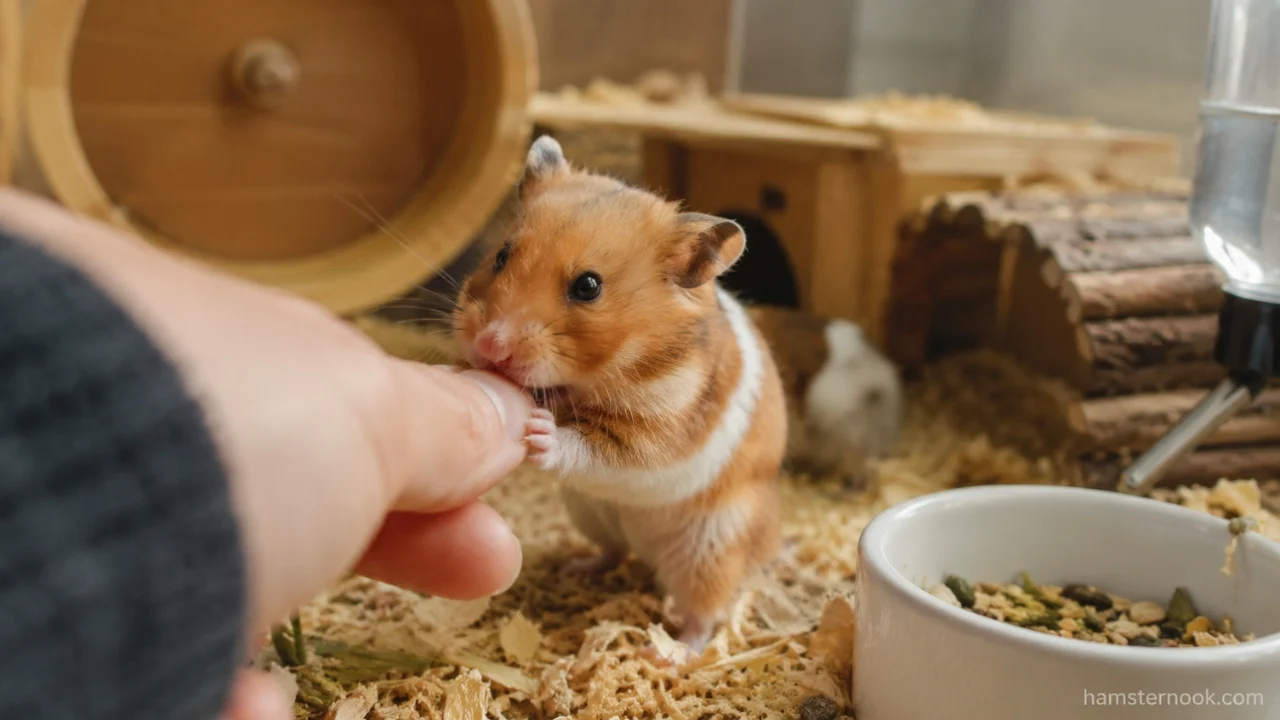
Many owners assume their hamster has become unfriendly, but the explanation is often much simpler than that.
Is Your Hamster Really Ignoring You?
Quick Answer:
If your hamster suddenly seems to ignore you, the cause is usually related to sleep schedule changes, stress, aging, reduced trust, boredom, or an underlying health issue. Hamsters do not typically ignore owners out of spite, and the behavior is often temporary once the underlying cause is addressed.
Before assuming something is wrong, it’s important to understand how hamsters naturally behave.
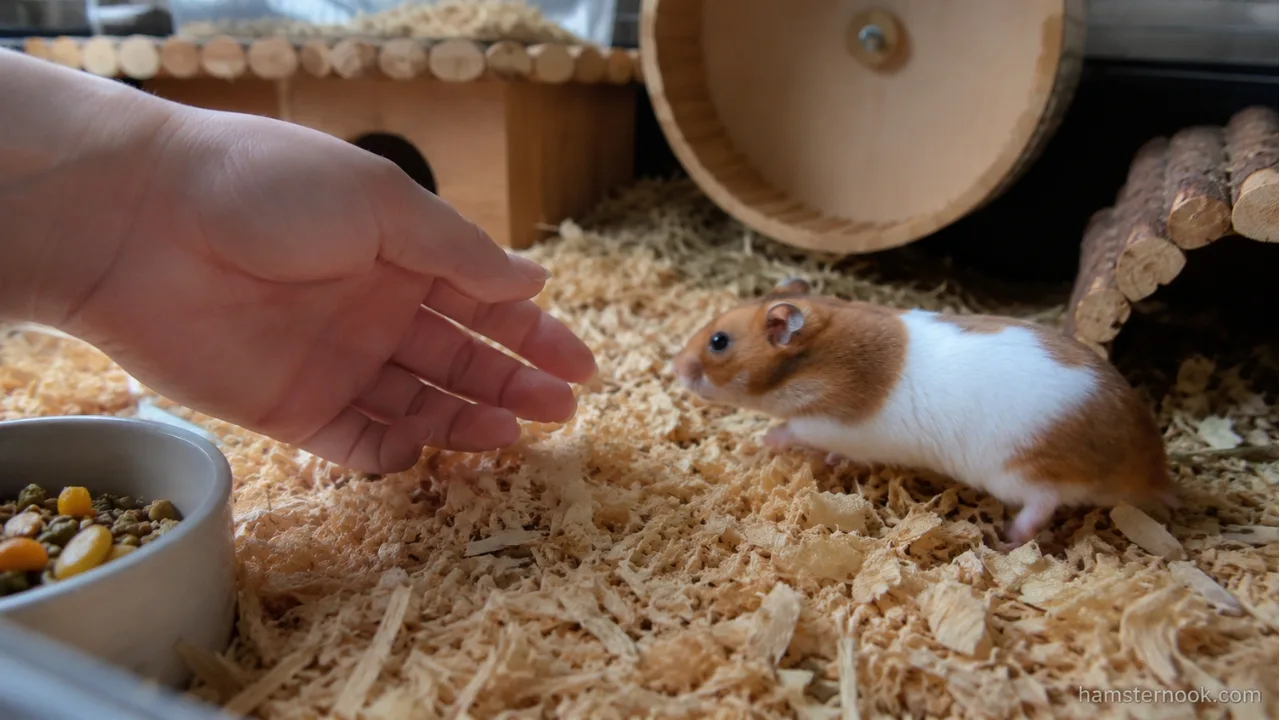
Unlike dogs or cats, hamsters are not highly social animals. Most interactions are driven by curiosity, routine, food, and comfort rather than emotional attachment in the human sense.
What looks like “ignoring” may actually be:
- A change in sleep schedule
- Reduced interest in treats
- Increased caution
- Age-related behavior changes
- Environmental stress
Instead of judging one interaction, pay attention to your hamster’s overall routine and behavior patterns.
A hamster that ignores you but continues eating, drinking, exercising, and exploring normally is usually behaving very differently from one that also loses weight, hides constantly, or becomes unusually inactive. Looking at your hamster’s overall routine is much more reliable than judging a single interaction.
Quick Overview: Common Reasons Hamsters Seem to Ignore Owners
| Reason | How Common Is It? | Usually Serious? |
|---|---|---|
| Sleep schedule changes | Very common | No |
| Stress from environmental changes | Common | Sometimes |
| Loss of trust after a negative experience | Common | Usually temporary |
| Aging | Common in older hamsters | No |
| Illness or discomfort | Less common | Yes |
| Hormonal or seasonal behavior changes | Occasional | Usually not |
| Boredom or lack of enrichment | Common | Usually manageable |
Let’s look at each reason in more detail.
1. Your Hamster’s Sleep Schedule Has Changed
One of the simplest explanations is also the most overlooked.
Hamsters are crepuscular animals, meaning they are most active during dawn and dusk. If you’re unsure whether your hamster’s routine is normal, our Are Hamsters Nocturnal? Their Natural Sleep Schedule Explained guide explains their natural daily schedule and why activity times sometimes change.
A hamster that used to wake up at 7 PM may suddenly start waking up at 10 PM or later.
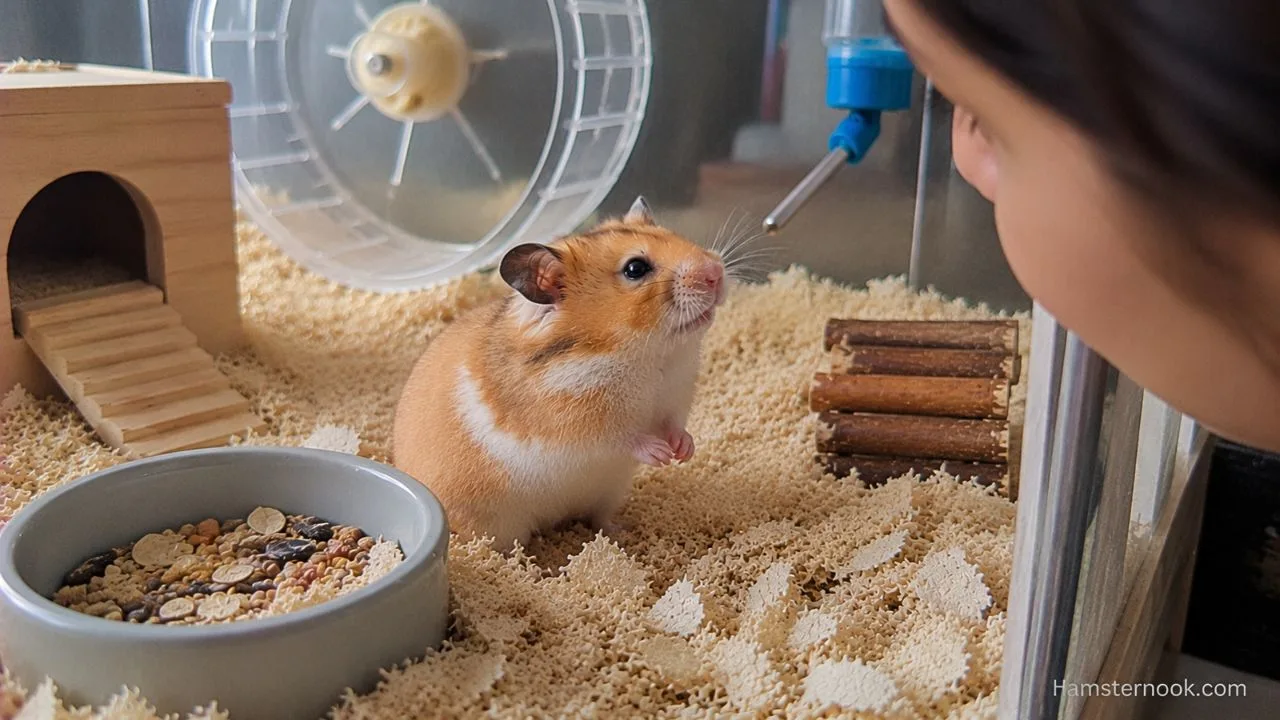
Signs this may be the cause include:
- Sleeping more during your usual interaction time
- Being active after you’ve gone to bed
- Normal behavior when fully awake
- No other signs of illness
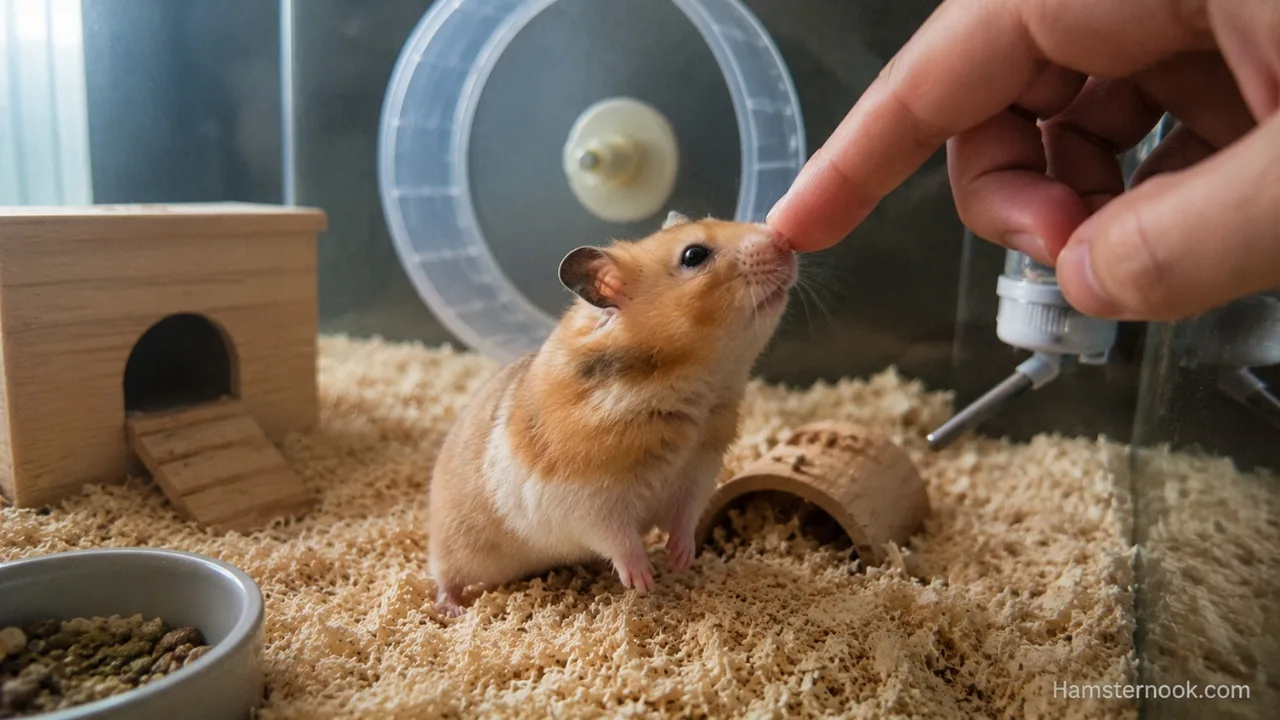
2. A Recent Experience May Have Reduced Trust
Hamsters have excellent memories when it comes to negative experiences.
A single stressful event can sometimes make a hamster more cautious for days or even weeks.
Examples include:
| Potential Trigger | Possible Result |
|---|---|
| Being dropped accidentally | Reduced handling confidence |
| Rough handling | Avoidance behavior |
| Loud noises nearby | Increased fearfulness |
| Forced interaction while sleeping | Less trust |
| Sudden cage disturbance | Temporary withdrawal |
In most cases, confidence returns gradually when interactions stay calm, predictable, and positive.
Rebuilding trust takes patience rather than frequent handling. Our How to Get a Hamster to Trust You Faster Without Stressing It Out guide explains the safest approach.
3. Environmental Changes Are Causing Stress
Hamsters thrive on predictability.
Major changes to their environment can make them feel vulnerable, even when the changes seem positive to humans.
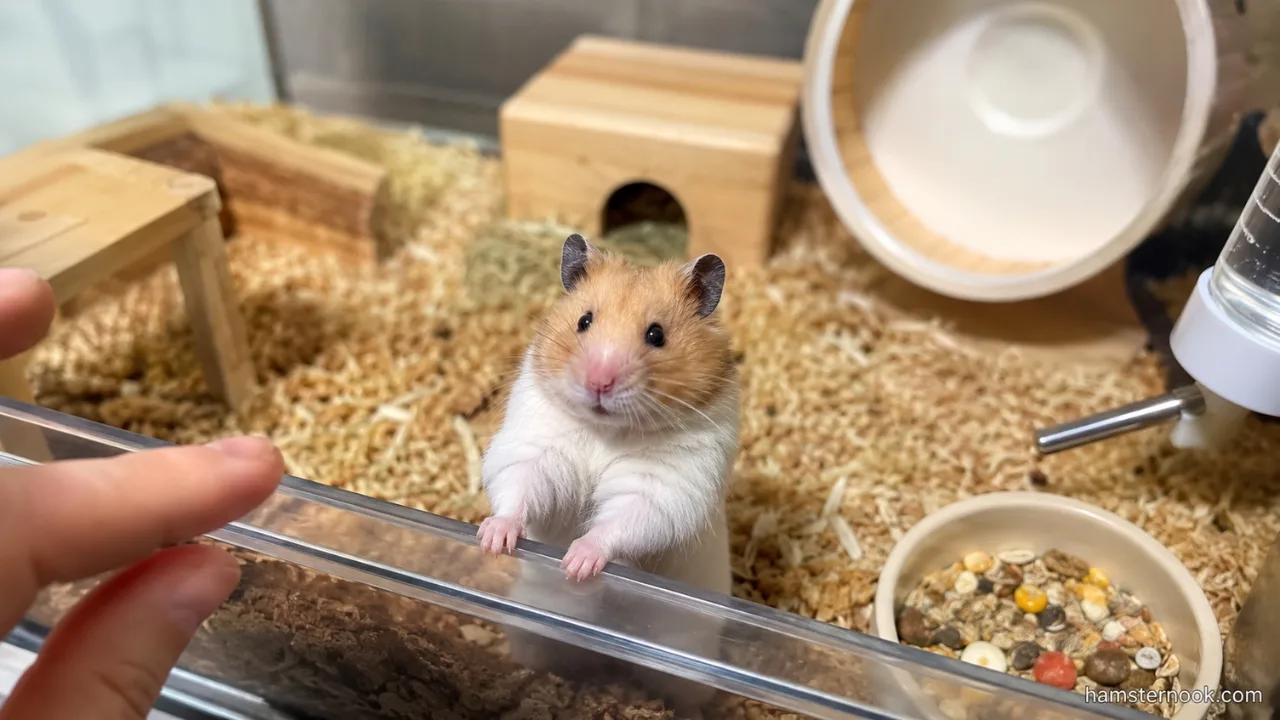
Common environmental stressors include:
- Moving to a new cage
- Rearranging the enclosure completely
- Household renovations
- New pets in the home
- Moving house
- Increased noise levels
A well-designed enclosure helps reduce unnecessary stress. Our Best Hamster Cage Setup for Beginners guide explains the essentials for creating a secure habitat.
When a hamster feels stressed, staying hidden and avoiding interaction is often its way of feeling safe.
4. Your Hamster Is Getting Older
As hamsters age, their behavior naturally changes.

An older hamster may become:
- Less active
- More focused on resting
- Less interested in exploring
- Less interested in handling
A quieter hamster isn’t necessarily an unhappy hamster.
In many cases, senior hamsters simply conserve energy more than they did when they were younger.
Behavioral Differences Between Young and Older Hamsters
| Behavior | Young Hamster | Older Hamster |
|---|---|---|
| Exploration | Frequent | Reduced |
| Wheel Running | High | Moderate or low |
| Curiosity | Very high | Often lower |
| Handling Tolerance | Variable | May decrease |
| Sleep Duration | Moderate | Often longer |
A gradual decrease in interaction is often a normal part of aging.
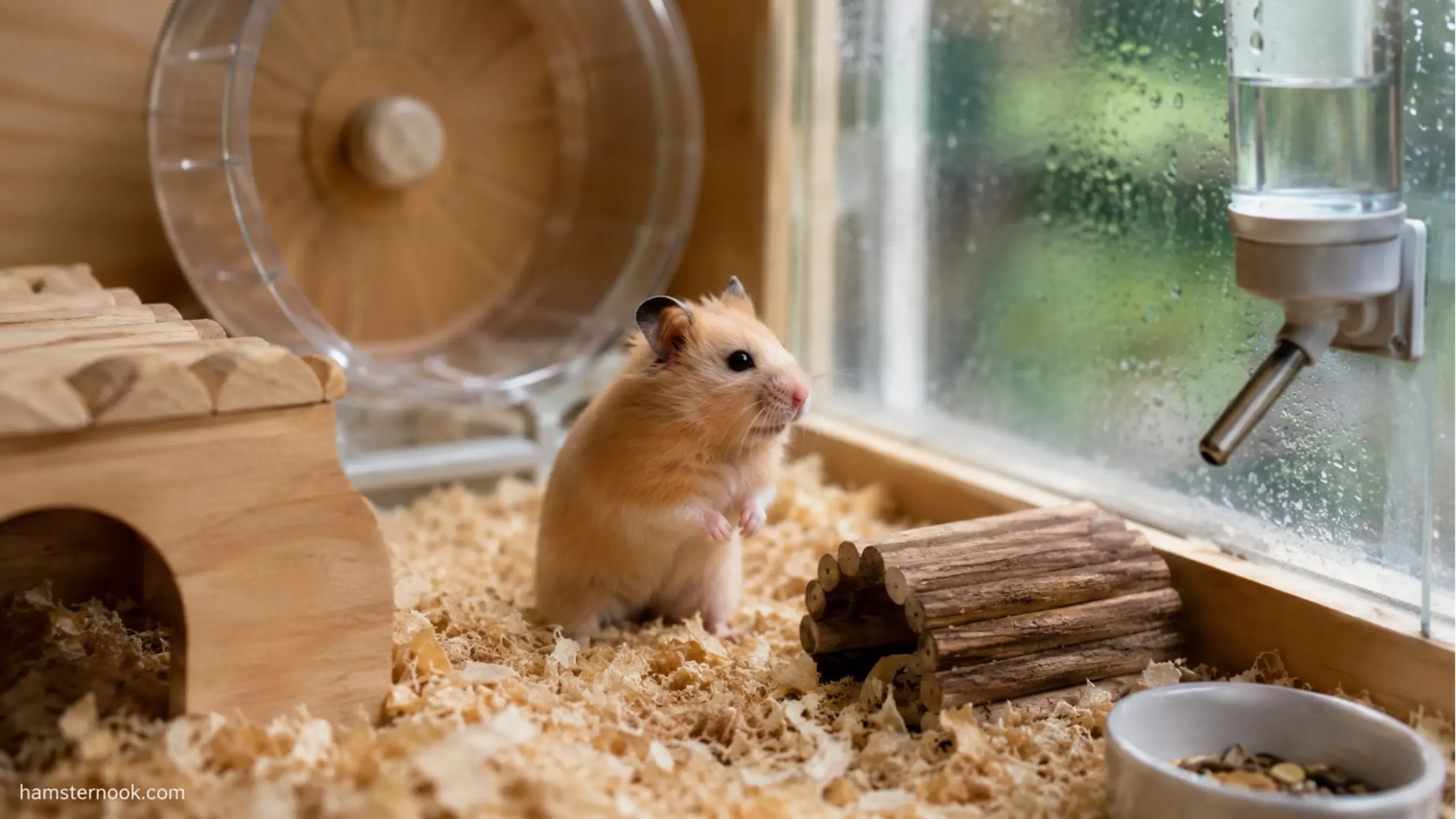
5. Illness or Discomfort May Be Affecting Behavior
A sudden loss of interest in interaction can occasionally be one of the first signs that something isn’t quite right.
Animals often hide signs of illness, and behavioral changes can appear before obvious physical symptoms.
Watch for additional warning signs such as:
- Weight loss
- Reduced appetite
- Labored breathing
- Hunched posture
- Unusual sleeping habits
- Discharge from eyes or nose
- Difficulty moving
If these symptoms appear alongside withdrawal or avoidance behavior, a veterinary evaluation is recommended.
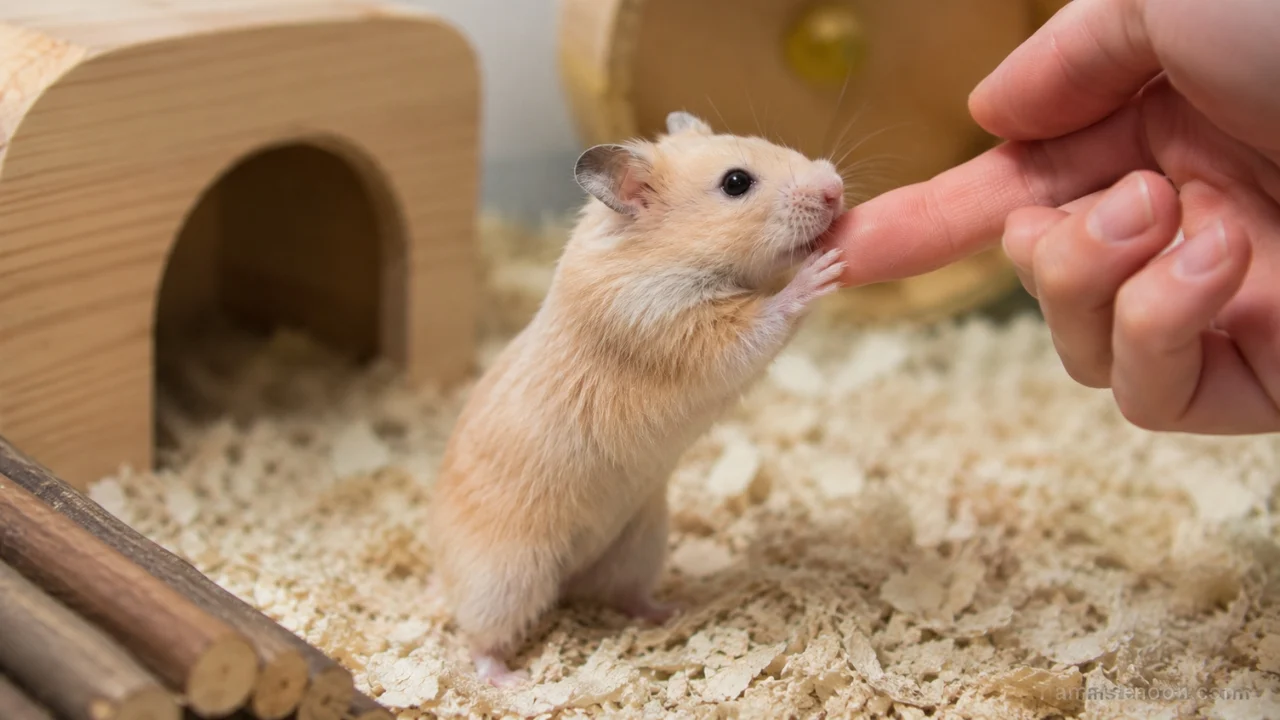
Our Signs of a Sick Hamster guide explains these warning signs in more detail and when immediate veterinary care is recommended.
6. Hormonal or Seasonal Changes Can Affect Behavior
Some hamsters experience temporary behavioral shifts related to age, hormones, or environmental changes.
This is particularly noticeable in:
- Young adult hamsters
- Female hamsters during reproductive cycles
- Hamsters experiencing seasonal daylight changes
You may notice periods where your hamster appears:
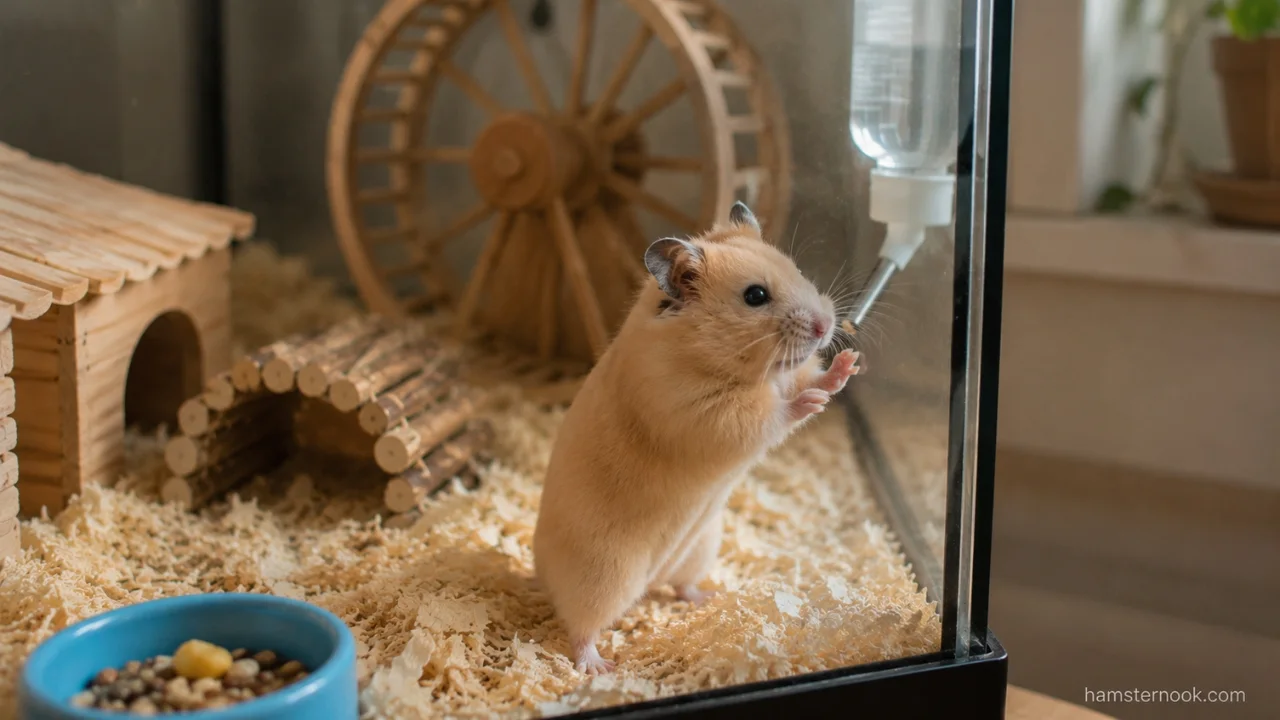
- More independent
- Less interested in handling
- More focused on exploring
- Slightly more territorial
These changes are often temporary.
7. Lack of Mental Stimulation Can Change Behavior
A bored hamster may not necessarily become more interactive.
In some cases, the opposite happens.
When an enclosure lacks enrichment, a hamster may become:
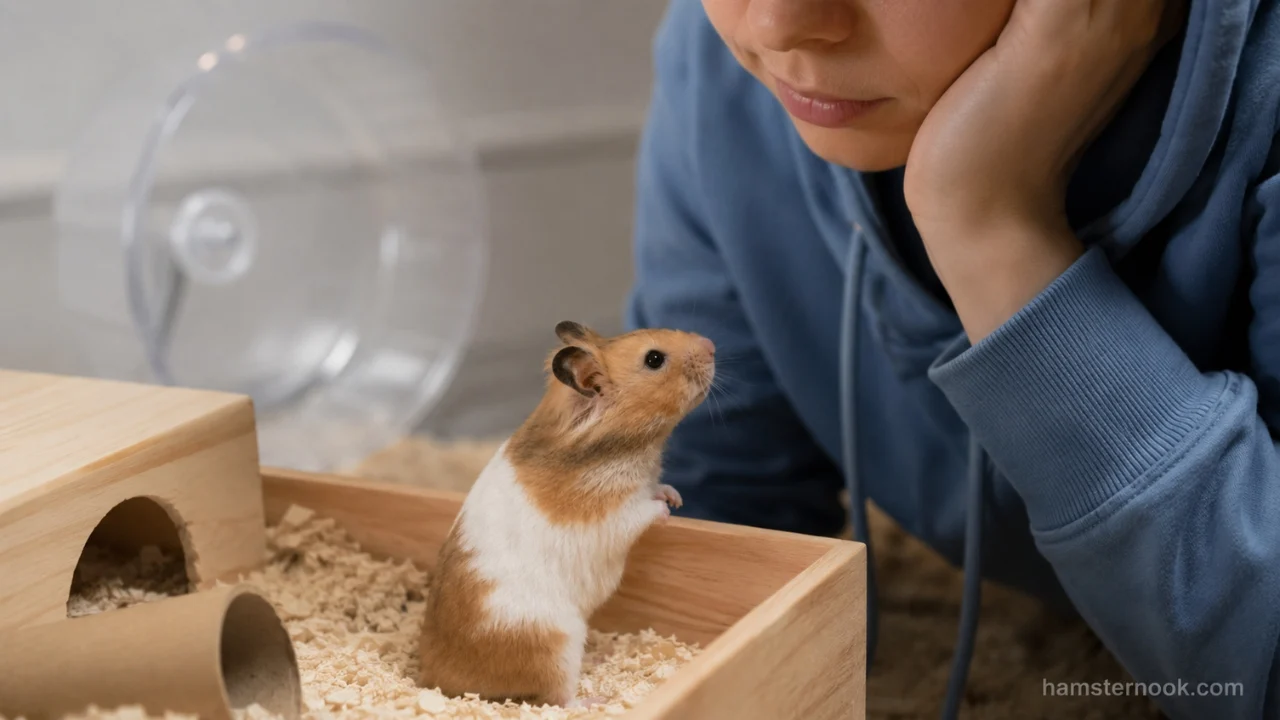
| Sign of Boredom | Possible Outcome |
|---|---|
| Repetitive pacing | Reduced engagement |
| Excessive sleeping | Lower activity levels |
| Bar chewing | Frustration |
| Lack of exploration | Withdrawal |
| Reduced curiosity | Less interaction |
Hamsters need opportunities to explore and stay mentally engaged, regardless of their age.
Simple enrichment often improves confidence and curiosity. Our Fun Ways to Keep Your Hamster Mentally Stimulated guide includes easy ideas suitable for both Syrian and dwarf hamsters.
- Deep bedding
- Foraging opportunities using safe foods listed in our What Can Hamsters Eat? guide
- Cork logs
- Tunnels
- Sand baths
- Safe chew toys
How to Rebuild Your Hamster’s Trust
If your hamster seems less interested in interacting, forcing contact usually makes things worse.
Instead, focus on rebuilding positive associations.
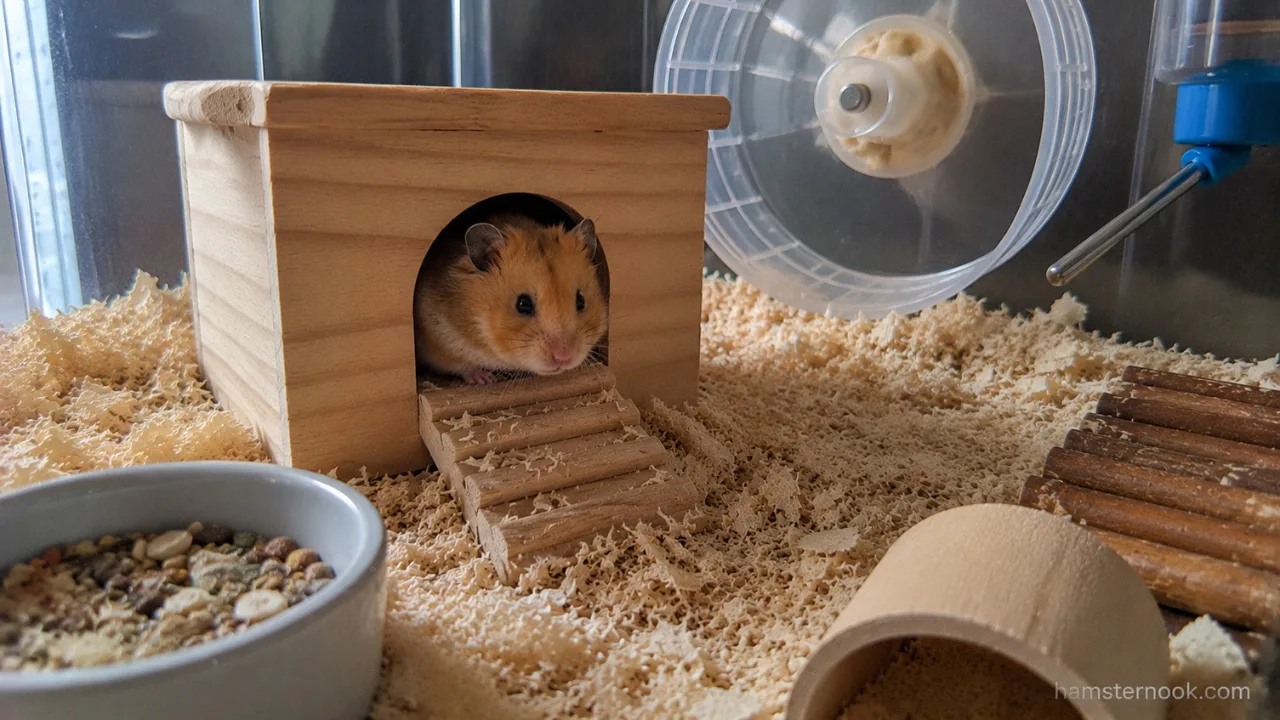
If your hamster actively avoids your hand rather than simply showing less interest, our Why Does My Hamster Run Away From Me? What It’s Really Trying to Tell You guide explains the difference.
Offer Treats Gently
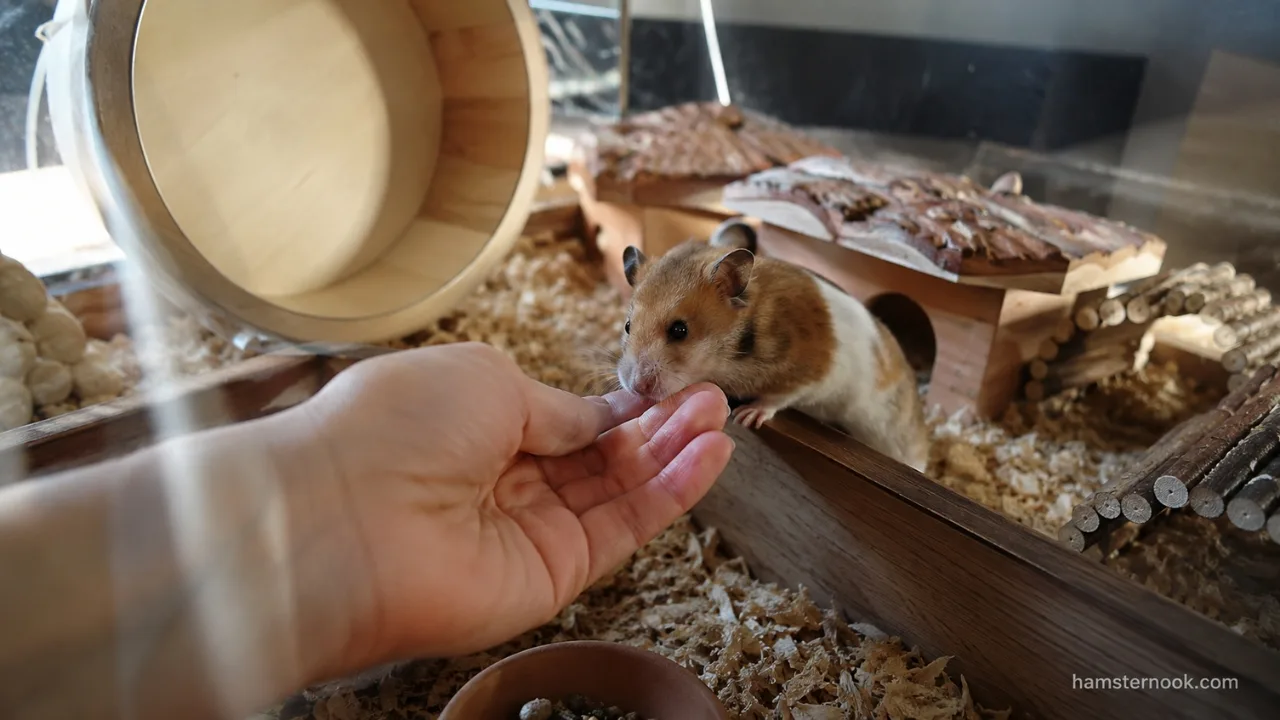
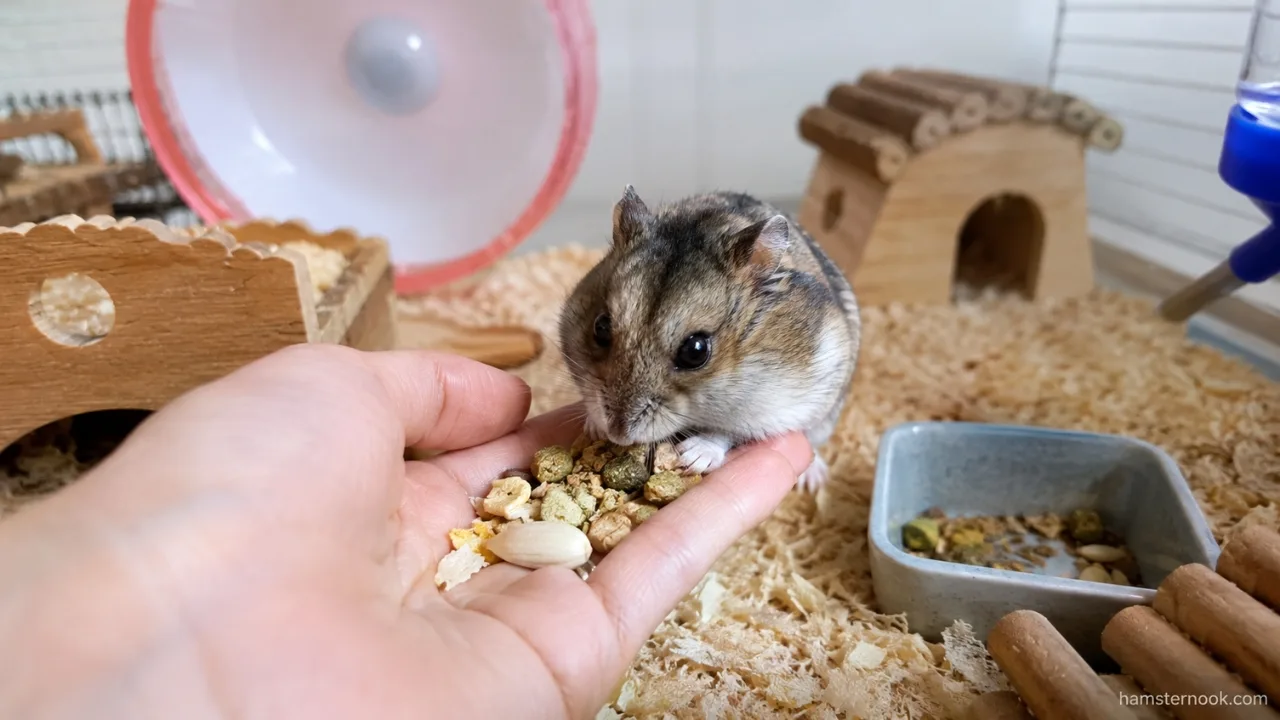
Place treats near your hand and allow the hamster to approach voluntarily.
If your hamster doesn’t approach immediately, leave the treat nearby and step back instead of waiting with your hand inside the enclosure. This reduces pressure and helps nervous hamsters gain confidence.
Respect Sleep Time
Never wake a sleeping hamster just to interact.
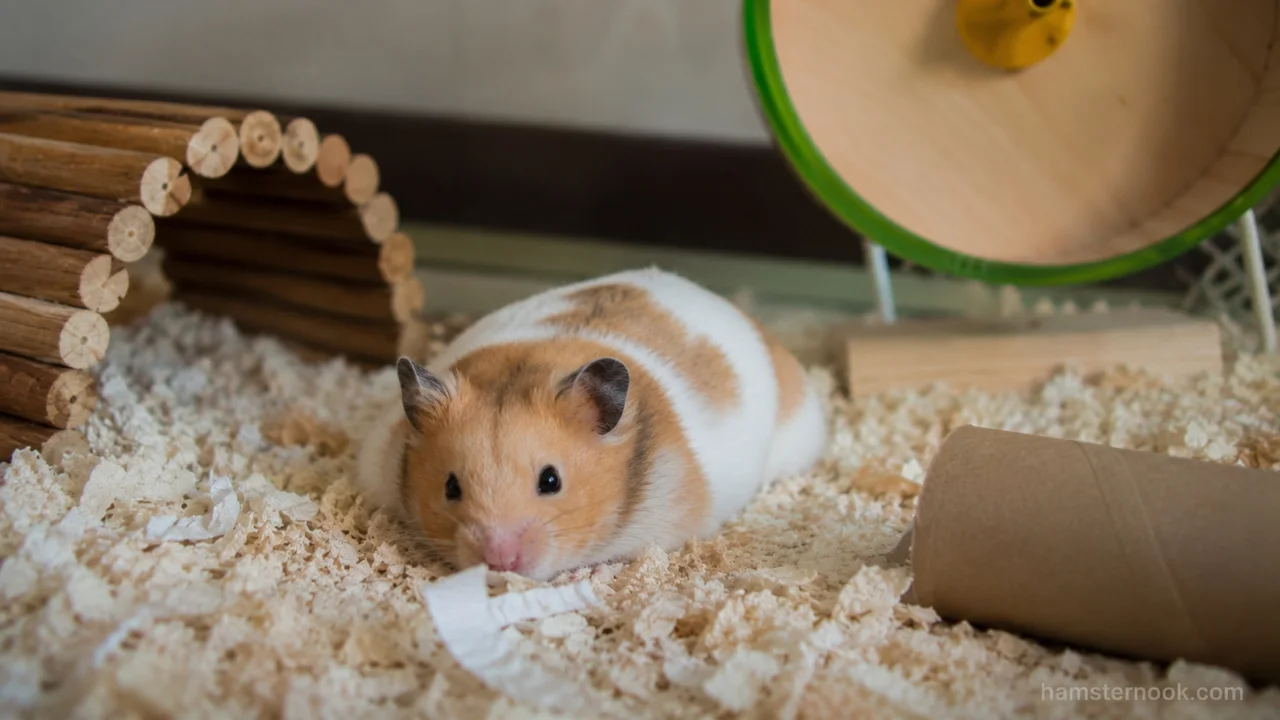
A startled hamster is more likely to become defensive.
Speak Softly
Consistent voices help hamsters feel secure and recognize familiar people.
Recognition also depends heavily on scent and routine. Our Can Hamsters Recognize Their Owners by Smell Alone? guide explains how hamsters identify familiar people.
Try using the same short greeting each time you approach the enclosure. Repeating the same calm voice and routine helps your hamster associate your presence with predictable, positive experiences.
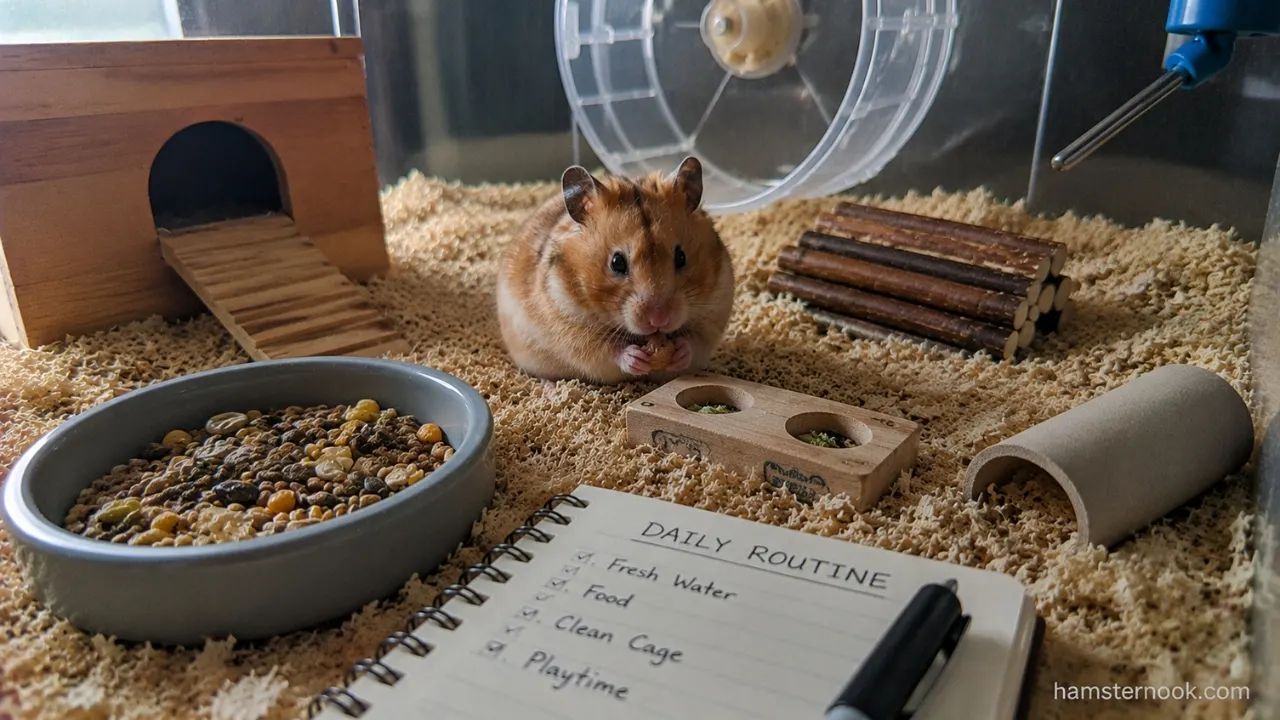
Move Slowly
Fast hand movements can trigger a prey response.
Be Patient
Some hamsters regain confidence within days, while others may need several weeks.
Avoid changing your approach every day. Following the same gentle routine for at least one to two weeks gives your hamster enough time to build familiarity and trust.
When Should You Be Concerned?
A temporary reduction in interaction is usually normal.
However, behavioral changes deserve closer attention when combined with physical symptoms.
| Behavior Change | Monitor at Home | Veterinary Attention Recommended |
|---|---|---|
| Slightly less social | Yes | Usually not |
| Sleeping more than usual | Yes | If extreme |
| Refusing favorite treats | Briefly | If persistent |
| Weight loss | No | Yes |
| Difficulty moving | No | Yes |
| Labored breathing | No | Yes |
| Severe lethargy | No | Yes |
The combination of behavioral and physical changes is often more important than either symptom alone.
Can Hamsters Stop Liking Their Owners?
This is a question many worried owners ask.
In reality, hamsters do not typically decide they suddenly dislike someone without a reason. Most changes in behavior can be traced to stress, routine changes, aging, health concerns, or environmental factors. In some cases, dehydration or illness may also contribute, as discussed in our How Long Can a Hamster Go Without Water? guide.
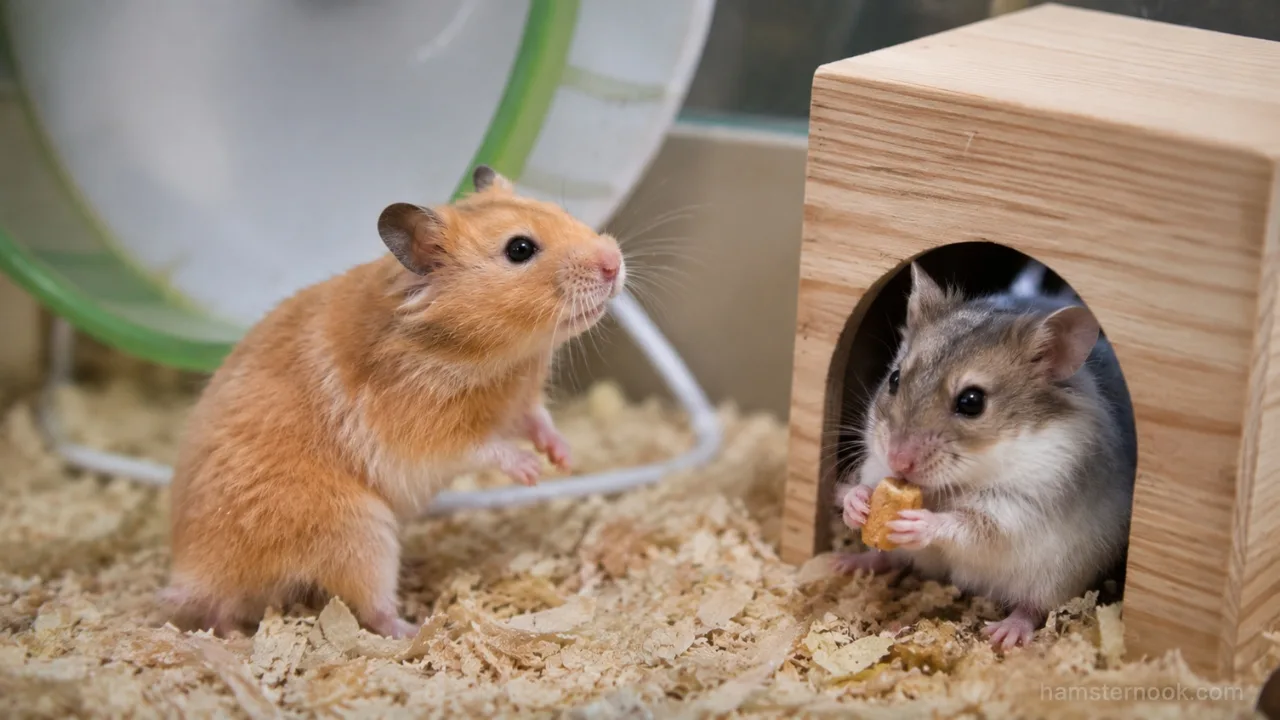
A hamster that once approached your hand but now stays hidden is usually responding to its surroundings rather than making a conscious decision to reject interaction.
Giving your hamster time while monitoring its eating, drinking, activity level, and body condition is usually the best approach. If its behavior gradually returns to normal and no other symptoms develop, the change was most likely temporary rather than a sign that your hamster no longer trusts you.
How Long Should You Wait Before Worrying?
Many hamsters become more social again within a few days after a stressful event or routine change. If your hamster continues avoiding interaction for more than one to two weeks, or the behavior is accompanied by weight loss, appetite changes, breathing problems, or unusual lethargy, it’s time to investigate the cause more closely or consult a veterinarian.
Final Thoughts
If your hamster suddenly seems to ignore you, there is usually a logical explanation behind the behavior. Changes in sleep schedules, environmental stress, aging, reduced trust, boredom, or health concerns can all affect how much attention your hamster gives you.
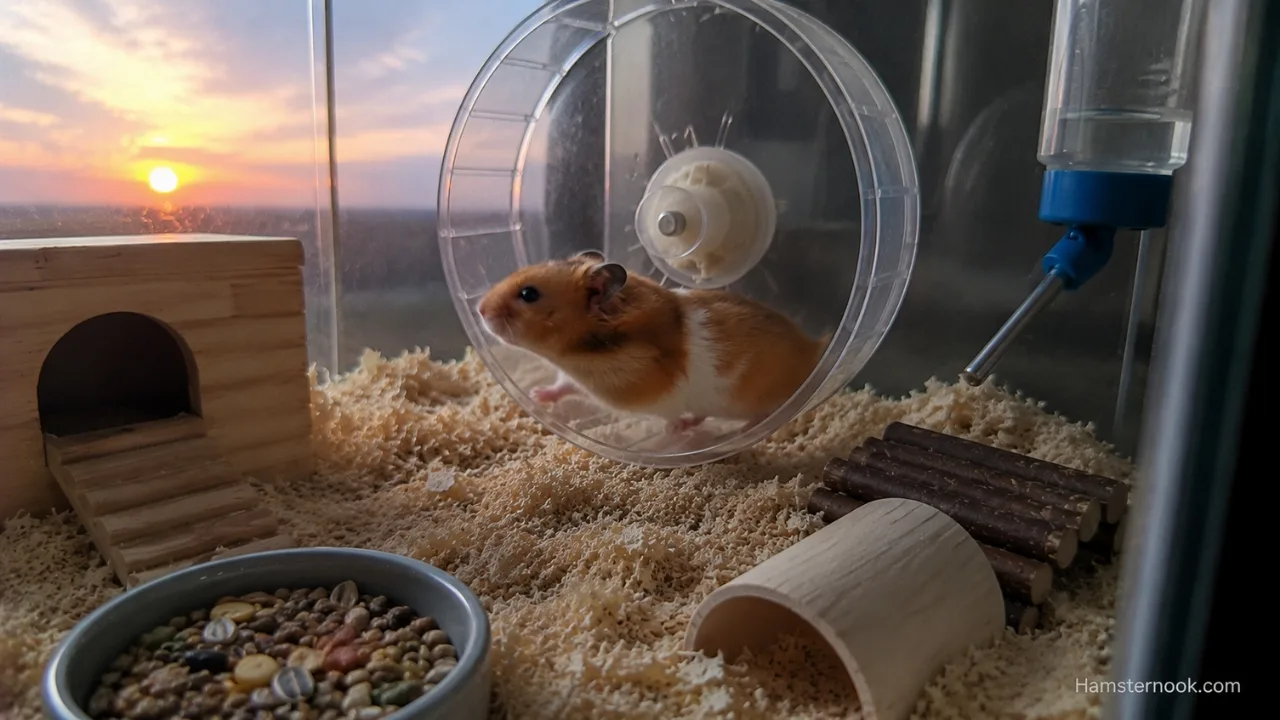
The most important step is to observe the overall situation rather than focusing on a single interaction. Look for changes in appetite, activity levels, weight, and daily routines. In many cases, your hamster simply needs time to adjust or regain confidence.
Most hamsters become more confident again when they feel safe, settled, and free from unnecessary stress. If you’re wondering whether your hamster is beginning to trust you again, our 10 Signs Your Hamster Trusts You guide explains the behaviors that usually indicate growing confidence and trust.
Small improvements often appear gradually. If your hamster starts accepting treats again, spends less time hiding, or becomes more active during its normal waking hours, these are usually positive signs that it is beginning to feel comfortable again.
Medical Disclaimer
The information provided in this article is for educational and informational purposes only and should not be considered veterinary advice, diagnosis, or treatment. If your hamster is showing signs of illness, injury, or unusual behavior, consult a qualified veterinarian as soon as possible.
References
This guide is based on hamster health, welfare, and veterinary care information from trusted animal care organizations and veterinary resources, including:
- RSPCA – Hamster Care Guidance
- PDSA – Hamster Health Information
- Veterinary Partner – Small Animal Health Resources
- Blue Cross – Small Pet Care Resources
Frequently Asked Questions
My hamster used to come to my hand every day. Why did that suddenly stop?
A change in routine, stress, aging, or a negative experience may have made your hamster more cautious. Observe for other behavioral or physical changes to identify the likely cause.
How long does it take for a hamster to trust you again?
It varies by individual hamster. Some regain confidence within a few days, while others may require several weeks of consistent positive interactions.
Can a hamster become less friendly with age?
Yes. Older hamsters often become less active and may show less interest in handling compared to when they were younger.

Should I wake my hamster up to spend time with it?
No. Waking a hamster suddenly can cause stress and may reduce trust over time. Interactions should happen when the hamster wakes naturally.
Can boredom make a hamster ignore its owner?
Yes. Hamsters that lack enrichment sometimes become less curious and less engaged with their surroundings, including interactions with people.
When should I contact a veterinarian?
Seek veterinary advice if the behavior change is accompanied by symptoms such as weight loss, breathing difficulties, loss of appetite, weakness, or unusual physical changes.
Can changing my hamster’s cage layout make it ignore me?
Yes. Major changes to bedding, hides, or accessory placement can temporarily make a hamster more cautious because familiar scent cues disappear. Most hamsters regain confidence once they become familiar with the updated enclosure.

Narayan Kumar is the founder and author of HamsterNook. He creates practical, research-based hamster care guides covering hamster behavior, nutrition, cage setup, enrichment, health, and everyday care. His goal is to help hamster owners make informed decisions and provide safer, healthier lives for their pets through clear, beginner-friendly information based on trusted animal care resources.