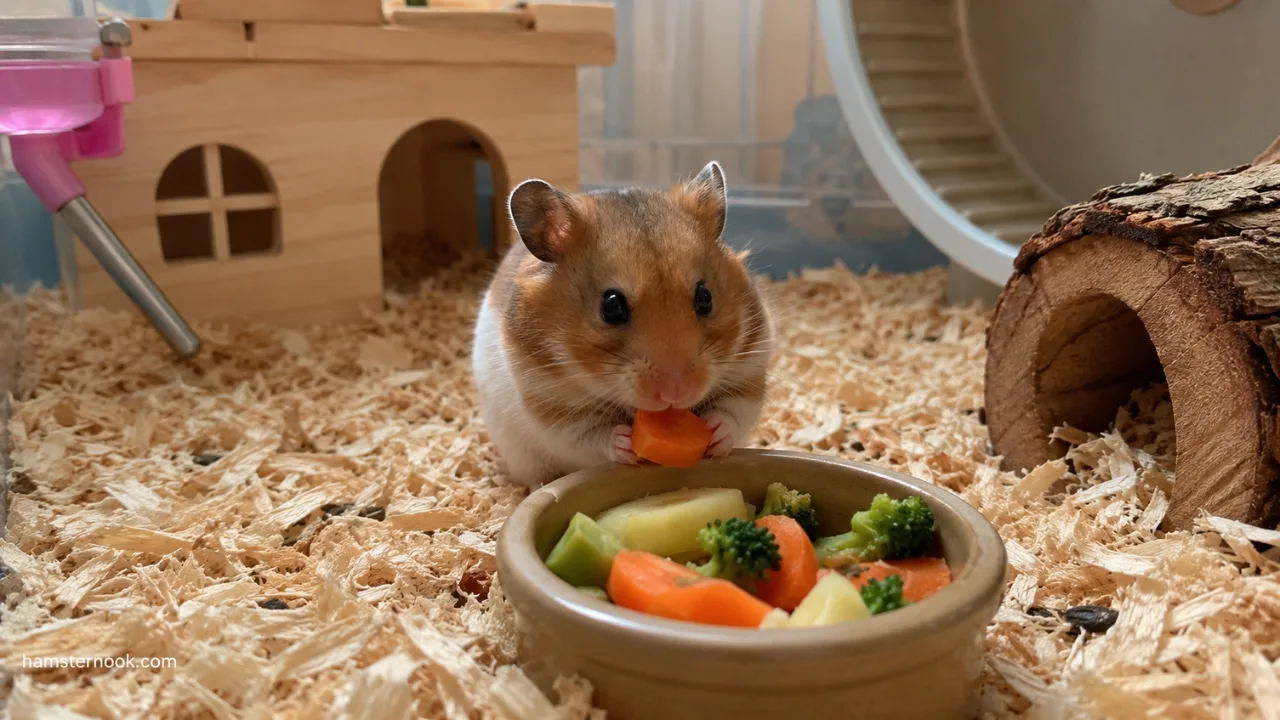
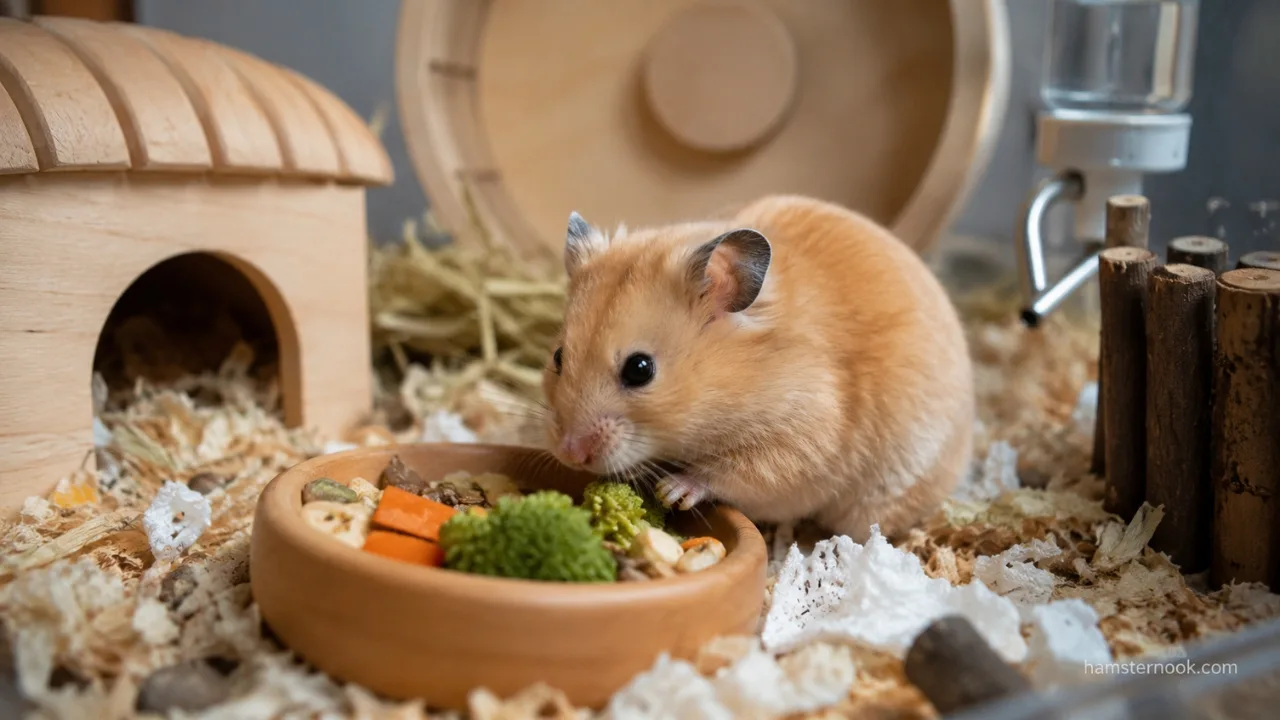
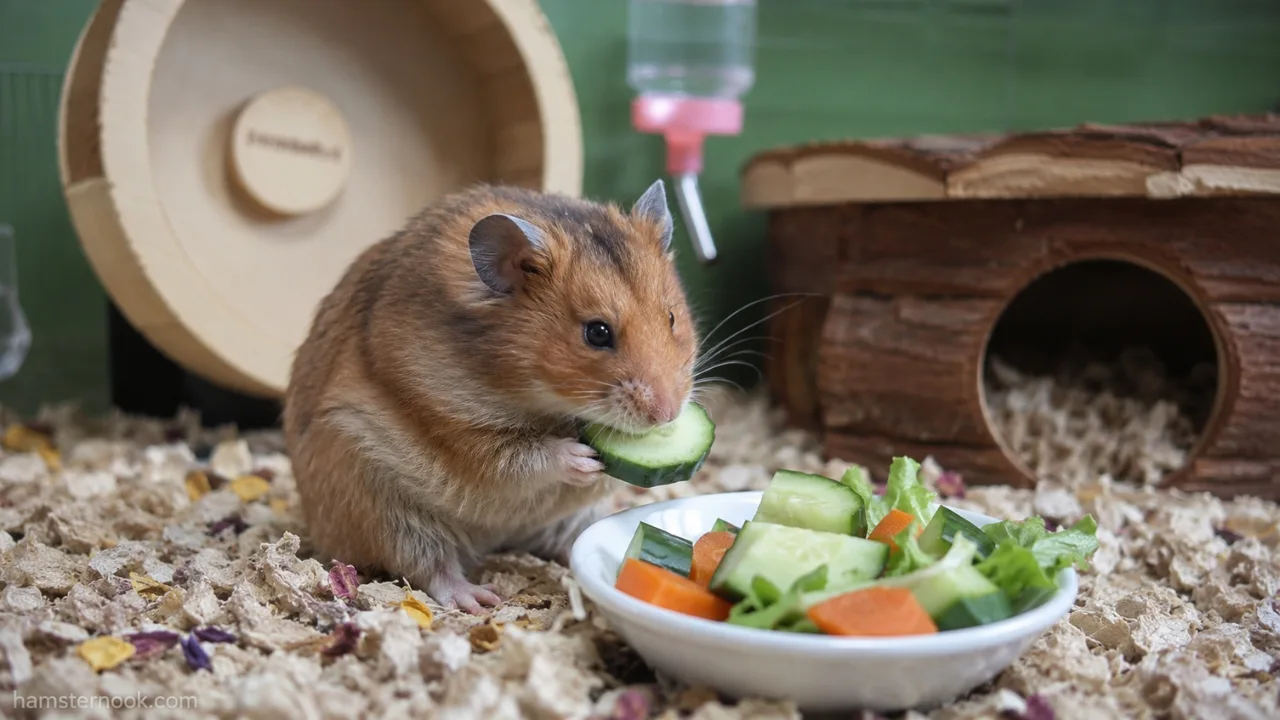
If you’re wondering whether your hamster can share a little zucchini from your kitchen, the answer is yes. Zucchini, also called courgette, is listed by PDSA as a suitable vegetable for hamsters. It can add variety and moisture to a hamster’s diet, but it should stay a small part of the overall feeding routine rather than replacing a complete hamster food.
Can Hamsters Eat Zucchini?
Yes, hamsters can eat zucchini in small amounts. PDSA specifically includes courgette on its list of vegetables suitable for hamsters and recommends washing vegetables before feeding them and offering them in moderation.
Zucchini is best treated as fresh food alongside a nutritionally complete hamster diet. Hamsters are omnivores, so their normal diet needs to provide more than vegetables alone. Veterinary guidance from the MSD Veterinary Manual emphasizes a balanced, species-appropriate diet, while animal welfare organizations recommend small amounts of fresh vegetables for variety.
Fresh vegetables are only one part of a hamster’s overall nutrition. Complete Hamster Diet Guide: Best Foods, Safe Treats & Toxic Foods (2026) explains how to balance fresh foods with the complete diet your hamster needs.
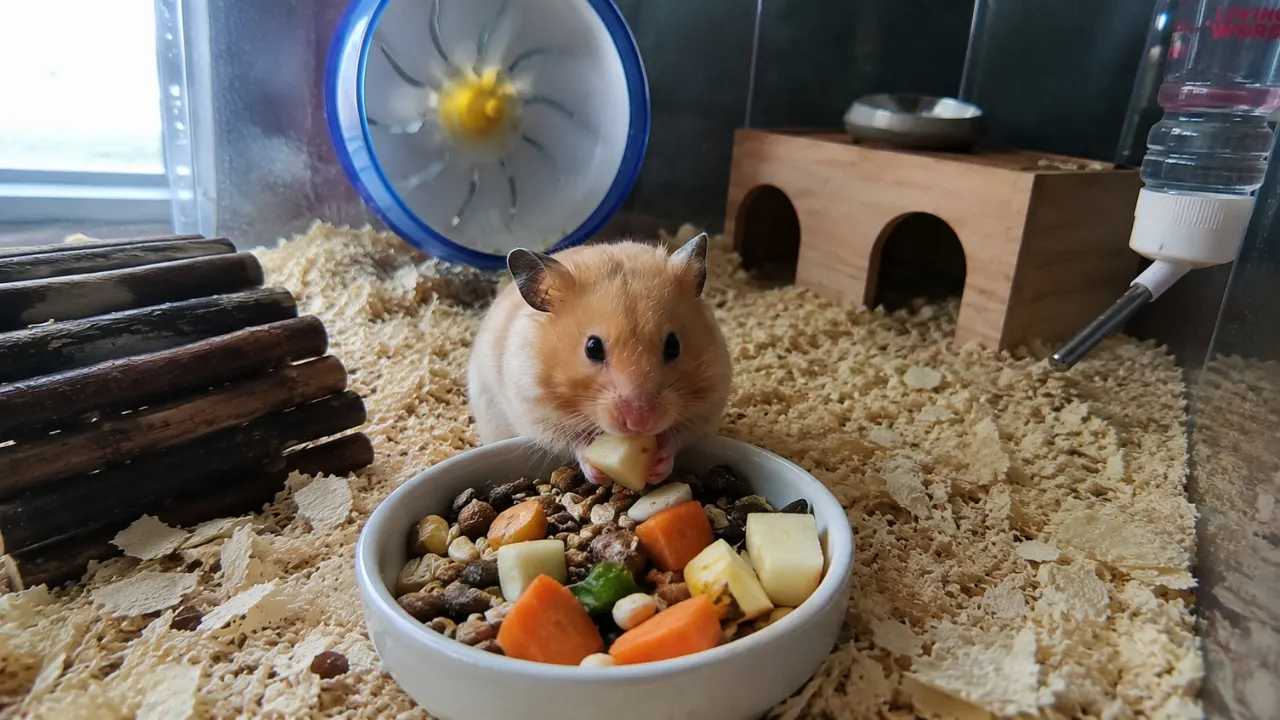
The main issue is not that zucchini is inherently dangerous. The problem is giving too much fresh food, introducing it too quickly, or leaving uneaten pieces where they can spoil.
For a broader look at balanced feeding, see our What Do Hamsters Eat? Complete Beginner Food List guide.
If you are adding zucchini to your hamster’s diet for the first time, treat it like any other new fresh food: start with a very small piece and introduce it gradually. The main diet should still provide the majority of your hamster’s nutrition, while zucchini is simply an occasional fresh-food addition.
How Much Zucchini Can a Hamster Eat?
A small piece is enough. Blue Cross recommends keeping fresh-food portions around the size of a hamster’s ear, while PDSA recommends small amounts of fresh fruit, vegetables, and herbs as part of the overall diet.
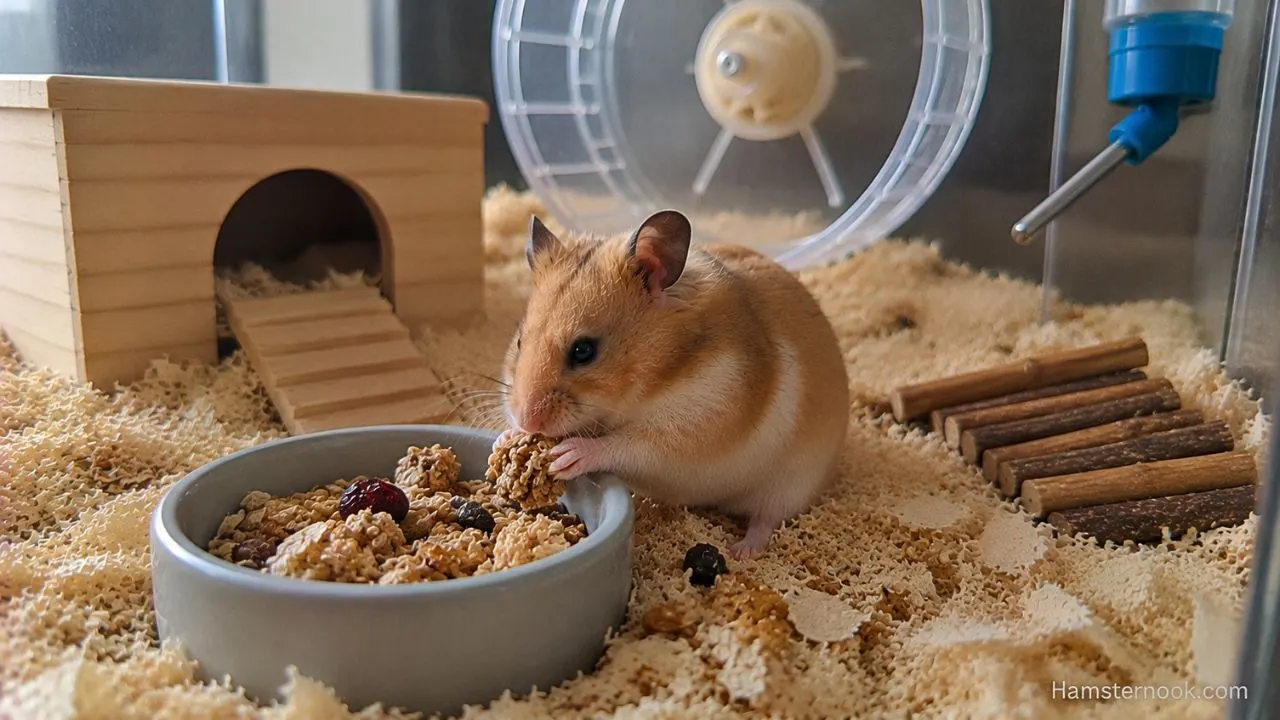
Because zucchini is only one possible fresh food, you don’t need to give the entire suggested fresh-food allowance as zucchini.
Other fresh foods can be rotated in small portions rather than making zucchini the only option. Healthy Treats for Hamsters: 10 Safe Treats They Actually Love covers other suitable treat choices and how to keep fresh-food portions sensible.
A practical approach is:
| Hamster feeding question | Practical guidance |
|---|---|
| Can zucchini be offered? | Yes |
| How much? | A small piece, roughly ear-sized or smaller |
| How often? | Occasionally as part of a varied fresh-food routine |
| Preparation | Wash thoroughly and serve plain |
| Cooked or raw? | Plain fresh zucchini is a simple option |
| Seasoning | None |
| Main diet replacement? | No |
| Uneaten pieces | Remove promptly so they do not spoil |
There is no authoritative evidence-based requirement for an exact number of zucchini slices per hamster. The safest approach is to keep the portion small and judge it as part of the hamster’s total fresh-food intake rather than treating zucchini as an unlimited food.
What Are the Benefits of Zucchini for Hamsters?
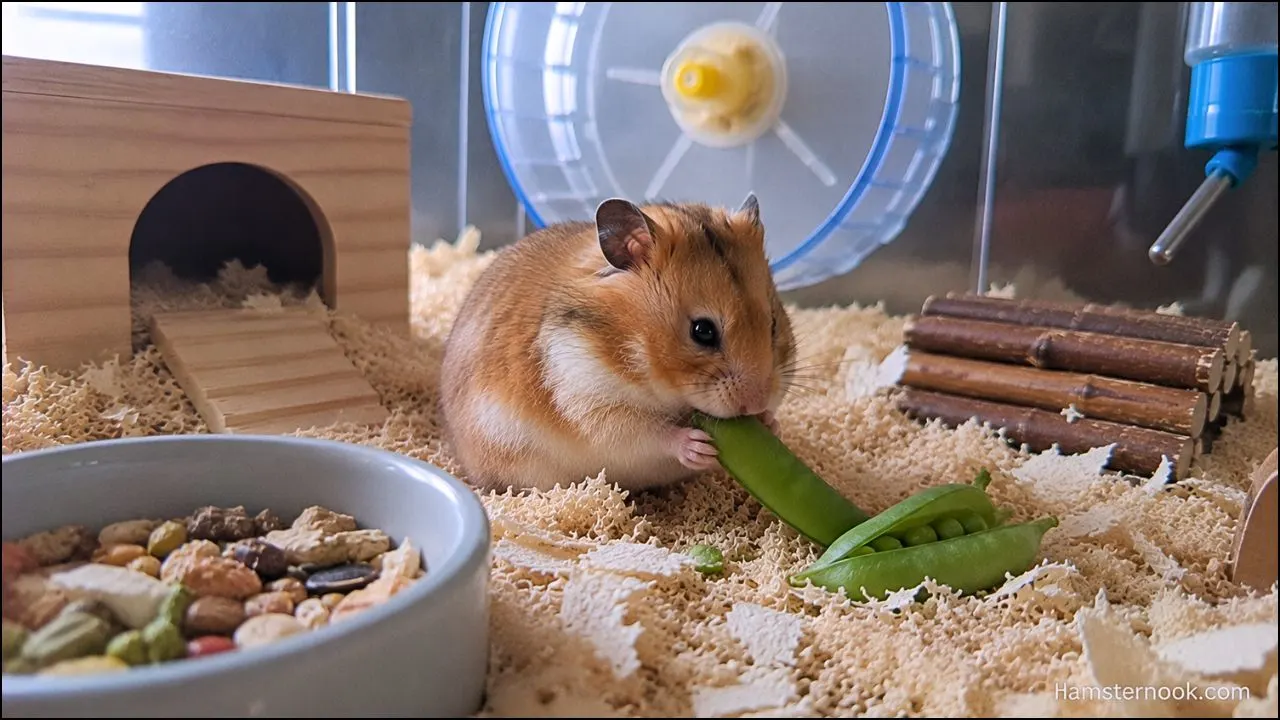
Zucchini can be useful mainly because it adds variety to a hamster’s diet. PDSA notes that small amounts of fresh vegetables can provide variety, while Blue Cross says small pieces of fresh food can provide nutritional benefits and make the diet more interesting.
It adds variety
Hamsters naturally eat a varied diet. A suitable complete hamster food should remain the foundation, but small amounts of different fresh foods can make feeding more interesting.
Zucchini gives you another vegetable option rather than relying on the same food every day.
Variety can include other suitable fresh foods as well, provided portions remain small. Can Hamsters Eat Watermelon? Safe Amount, Seeds & Rind Explained explains how another common fresh food can fit into a hamster’s diet safely.

It contains plenty of water
Fresh zucchini has a high water content, so it can contribute some moisture to the diet. That does not mean zucchini should replace drinking water. Your hamster should always have access to clean, fresh drinking water.
It can be part of enrichment
Fresh food can also be incorporated into foraging. Hamsters naturally spend time searching for food, and organizations such as RSPCA and PDSA recommend feeding methods that encourage natural foraging behavior.
A tiny piece of zucchini can therefore be offered as part of a simple forage rather than always being placed directly into a food bowl.
Is Raw Zucchini Safe for Hamsters?
Yes. PDSA lists courgette as a suitable hamster vegetable and recommends washing vegetables before feeding them.
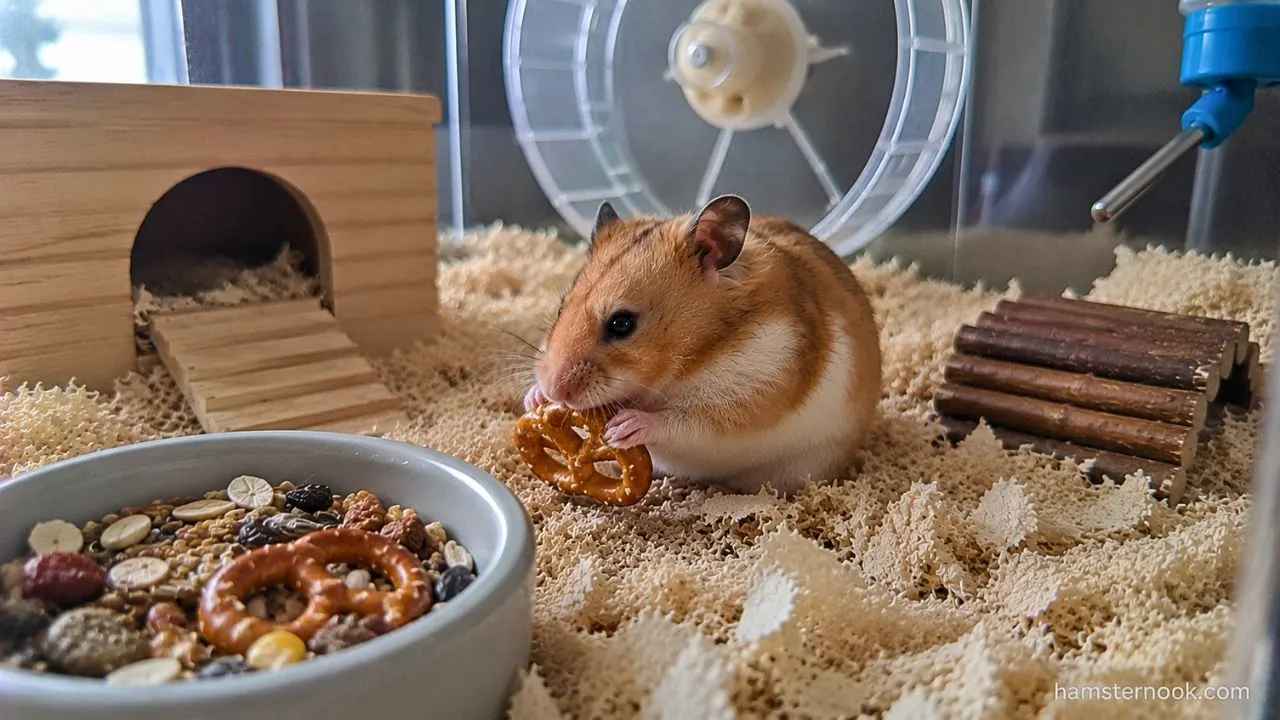
For a simple serving, wash the zucchini, cut off a small piece, and offer it plain.

There is no need to add salt, oil, butter, sauces, spices, sugar, or seasoning. Human recipes containing zucchini are not appropriate hamster treats simply because zucchini itself is suitable.
If you are using zucchini that has been cooked for a family meal, don’t offer a seasoned or oily portion from the plate. A freshly washed, plain piece is a much better choice.
Should Hamsters Eat Zucchini Skin?
There is no need to peel zucchini solely because your hamster is eating it. The more important step is washing the vegetable properly before serving.

Since hamsters are very small, even a small amount of dirt or residue matters more relative to their body size than it would for a person. Give the hamster a clean, plain piece rather than food that has been sitting on a cutting board or plate with seasonings.
You can also cut the piece into a manageable size so your hamster can carry and eat it without struggling.
How to Introduce Zucchini to Your Hamster
If zucchini is new to your hamster, start with a very small piece rather than immediately offering a large serving.
This matters because sudden dietary changes can upset a hamster’s digestive system. RSPCA specifically advises avoiding sudden changes and introducing additions such as greens and vegetables gradually.

A simple introduction looks like this:
- Wash the zucchini thoroughly.
- Cut a very small plain piece.
- Offer it when your hamster is awake and active.
- Observe how your hamster responds.
- Avoid introducing several unfamiliar foods at the same time.
- Remove leftover fresh food before it becomes spoiled.
If your hamster has eaten a small amount without any obvious digestive problem, zucchini can remain an occasional part of a varied fresh-food rotation.
Can Dwarf Hamsters Eat Zucchini?
Yes. PDSA’s guidance lists courgette as a suitable vegetable for hamsters generally rather than restricting it to Syrian hamsters.
The main consideration is portion size. Because dwarf hamsters are smaller, the piece offered should be appropriately smaller rather than using the same portion you would give a Syrian hamster.

Don’t use the portion given to a Syrian hamster as a standard for a Roborovski, Campbell’s, Winter White, or Chinese hamster. Keep the piece appropriately small.
The same basic rule applies across species: zucchini should complement the main diet, not become the bulk of it.
How Often Should You Feed Zucchini?
There isn’t a scientifically established schedule saying that every hamster must receive zucchini on a particular day or number of times per week.
Instead, think of zucchini as one option in a varied fresh-food rotation.

Woodgreen Pets Charity recommends small portions of fresh vegetables and treats in moderation, while Blue Cross also advises keeping fresh-food portions small. This supports treating zucchini as one small part of the overall fresh-food rotation rather than a food that needs to be fed on a fixed schedule.
If you’re already offering other vegetables, there’s no nutritional reason to keep adding more zucchini simply because your hamster likes it.
There are plenty of other vegetables that can be used for variety instead of increasing the amount of zucchini. Can Hamsters Eat Cucumber? Safe Amount, Skin, Seeds & Risks explains how cucumber can be offered as another occasional fresh-food option.
Variety and moderation are more useful goals than trying to maximize the amount of fresh food.

Common Mistakes When Feeding Zucchini
Giving too much
A hamster may happily eat more zucchini than you intended, but that doesn’t mean a large serving is appropriate.
Fresh foods should remain a small component of the overall diet. The MSD Veterinary Manual recommends limiting fruits, vegetables, and other healthy treats rather than allowing them to displace the nutritionally balanced main diet.
Introducing several new foods together
If zucchini, cucumber, broccoli, and a new treat are all introduced on the same day, it becomes difficult to know which food caused a digestive problem if one develops.
Introducing unfamiliar foods gradually makes it easier to identify which food your hamster tolerates well. How to Introduce New Foods to Your Hamster Without Upsetting Its Stomach explains a safer step-by-step approach to dietary changes.

Introduce unfamiliar foods gradually.
Leaving zucchini in the enclosure
This is an especially easy mistake with hamsters because they naturally carry and store food.
Fresh vegetables can spoil if they are hidden in a nest or food hoard. Blue Cross specifically warns that green vegetables can rot in hamster hoards and recommends removing uneaten fresh food daily.

Fresh-food storage is an important part of feeding because vegetables can spoil even when a hamster naturally wants to hoard them. The Biggest Fresh Food Mistakes That Can Make Hamsters Sick covers common mistakes that can make fresh foods less safe for hamsters.

Don’t repeatedly empty a hamster’s entire food hoard just because it contains dry food, though. Instead, focus on removing fresh food that can spoil while preserving safe, dry food stores when appropriate.
Offering seasoned zucchini
Garlic, onion, salt, sauces, butter, oil, and other ingredients used in human cooking have no place in a hamster’s zucchini serving. Give it plain.
Replacing the main food with vegetables
Zucchini does not provide a complete hamster diet by itself. A good-quality, nutritionally complete hamster food should remain the foundation of feeding.
Fresh vegetables should complement that main food rather than replace it, and the same principle applies when considering common human foods. Can Hamsters Eat Bread? Safe Types, Portions & What to Avoid explains how bread fits into hamster feeding and what owners should consider before offering it.

What You Should Do
If you want to give your hamster zucchini, keep it simple:
- Wash a fresh zucchini thoroughly.
- Cut off a small plain piece.
- Start with a tiny amount if your hamster has never eaten it.
- Offer it as part of a varied diet rather than as a staple.
- Keep fresh-food portions small.
- Continue providing the hamster’s normal balanced food.
- Provide fresh drinking water every day.
- Check the enclosure for uneaten zucchini and remove it before it spoils.
- If your hamster develops persistent digestive changes or stops eating normally, contact a veterinarian rather than trying to treat the problem with food.
RSPCA advises contacting a veterinarian if a hamster starts eating less, develops moist droppings, or has a soiled rear.
When to Worry
Zucchini itself is not a reason to panic when given appropriately. The concern is a change in your hamster’s normal health or behavior after eating any new food.
Pay closer attention if you notice:

- Reduced appetite
- Moist or abnormal droppings
- A soiled rear end
- Marked lethargy
- Other obvious signs of illness
Hamsters are small animals, and changes in eating or general health should not be ignored. RSPCA recommends veterinary attention when hamsters show signs of illness and specifically advises contacting a vet promptly when appetite or droppings change.
Do not give human medicines or attempt to treat a suspected illness yourself. RSPCA warns that medicines intended for humans or other animals can be dangerous to hamsters.
Medical Disclaimer
This article provides general hamster-care information and is not a substitute for veterinary advice. If your hamster is unwell, has persistent digestive changes, stops eating, or shows other concerning symptoms, consult a veterinarian experienced with small or exotic pets.
Can Hamsters Eat Zucchini Every Day?
A tiny amount of zucchini may be suitable as part of a fresh-food routine, but there is no need to feed zucchini every day. The goal is a balanced diet with fresh foods offered in moderation, not a diet centered on one vegetable.
Can Hamsters Eat Cooked Zucchini?
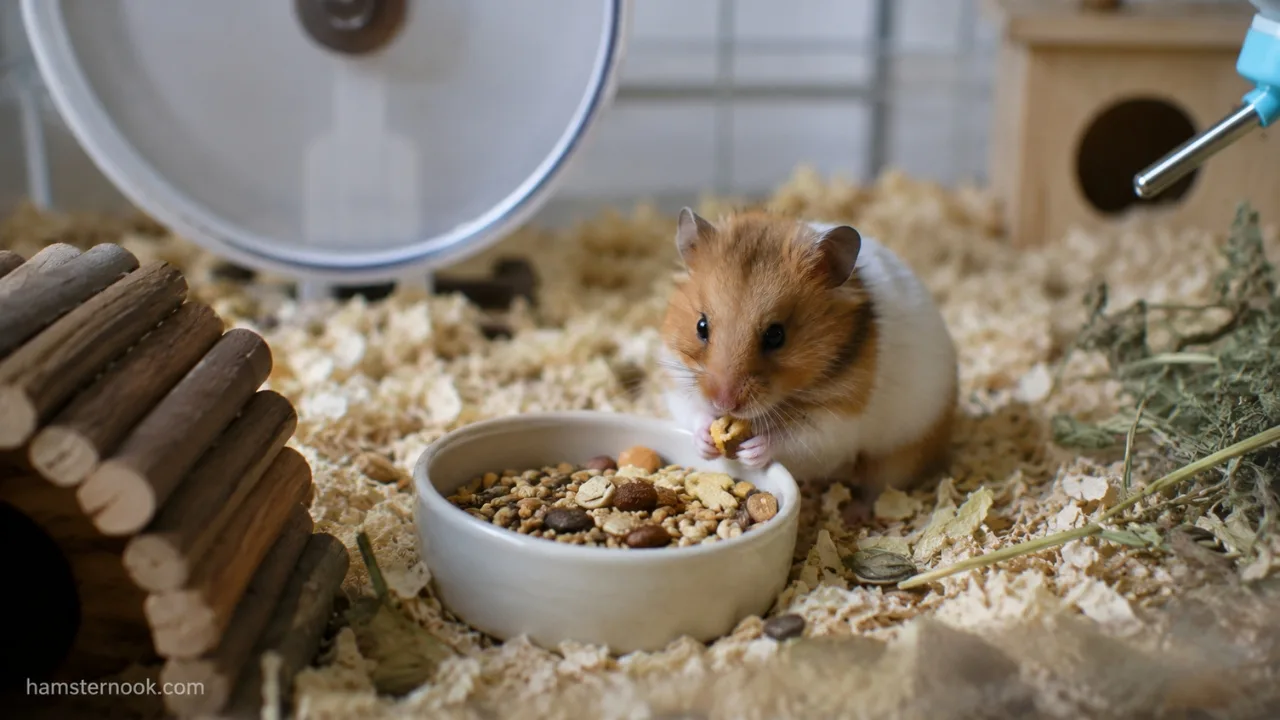
Plain cooked zucchini is not identified by the authoritative hamster sources above as a special requirement or superior option. There is little reason to complicate feeding: plain, washed fresh zucchini is a straightforward choice.
Avoid zucchini cooked with salt, oil, butter, garlic, onion, sauces, or other seasonings.
Can Baby Hamsters Eat Zucchini?
Young hamsters should have an appropriate diet for their age rather than being given large amounts of fresh food. If you are caring for a very young hamster, follow guidance from your veterinarian or the breeder or rescue organization and introduce any dietary changes cautiously.
For established pet hamsters, fresh vegetables should still be offered in small portions and should not replace a nutritionally complete main diet.

Can Hamsters Eat Zucchini Seeds?
There is no need to offer zucchini seeds separately. The simplest approach is to give your hamster a small, plain piece of zucchini rather than preparing the vegetable as a separate seed-based treat.
When feeding any unfamiliar food, simplicity is useful: clean, plain, appropriately sized pieces are easier to manage than elaborate preparations.
Final Thoughts
Yes, hamsters can eat zucchini, and PDSA specifically lists courgette among suitable vegetables. The best way to offer it is plain, washed, and in a small portion.
Zucchini can add variety and moisture to your hamster’s diet, but it isn’t a replacement for a complete hamster food. Keep fresh portions small, introduce new foods gradually, and remember that a hamster may carry fresh food back to its hiding place where it can spoil.

For most owners, the simplest rule works well: a little zucchini is fine; a lot is unnecessary.
Frequently Asked Questions
Is zucchini safe for hamsters?
Yes. PDSA lists courgette, the British term for zucchini, as a suitable vegetable for hamsters when offered in moderation.
How much zucchini can I give my hamster?
Start with a very small piece. Fresh-food portions should generally be around the size of the hamster’s ear or smaller, with smaller hamsters receiving appropriately smaller pieces.
Can Syrian hamsters eat zucchini?
Yes. Zucchini is listed as a suitable hamster vegetable, and the same moderation principle applies to Syrian hamsters.

Can dwarf hamsters eat zucchini?
Yes, but their smaller body size means their portion should also be smaller. Offer only a small piece and keep zucchini as part of a varied diet.
Can hamsters eat zucchini skin?
Zucchini does not need to be peeled specifically for hamsters. Wash it thoroughly and serve a small plain piece.
Should zucchini be cooked before giving it to a hamster?
No special cooking is required. Plain fresh zucchini is a simple option. Avoid adding salt, oil, butter, sauces, garlic, onion, or seasoning.
Can zucchini replace hamster food?
No. A complete hamster diet should remain the foundation of feeding. Vegetables are an addition rather than a replacement.
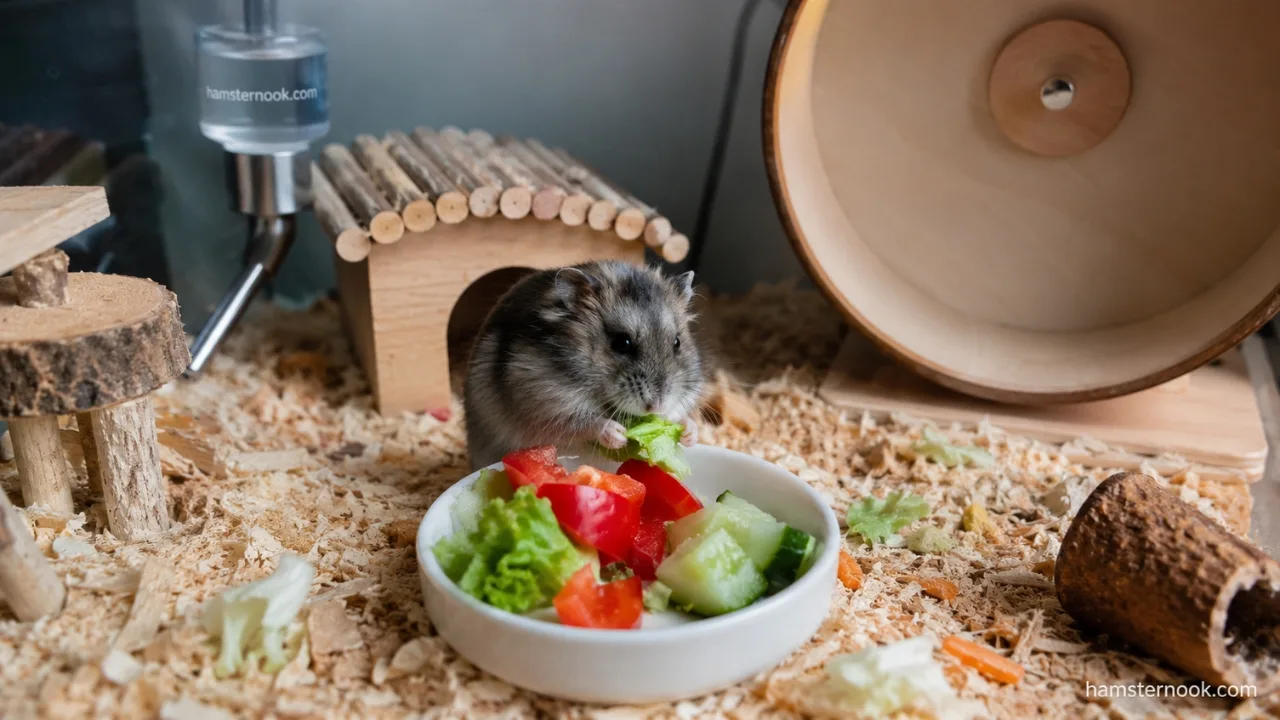
What if my hamster hides the zucchini?
Remove hidden fresh zucchini before it spoils. Hamsters naturally hoard food, so fresh vegetables need particular attention because they can deteriorate in a food store.
What should I do if my hamster gets digestive problems after eating zucchini?
Stop offering the new food and monitor your hamster closely. If your hamster is eating less, has moist droppings, develops a soiled rear, or otherwise appears ill, contact a veterinarian promptly.
References
This guide is based on hamster nutrition, feeding, and fresh-food guidance from trusted veterinary and animal welfare organizations, including:
- PDSA – Hamsters as Pets – Feeding guidance and suitable vegetables, including courgette.
- RSPCA – What To Feed a Pet Hamster – Balanced diets, small quantities of fresh foods, gradual dietary changes, and monitoring appetite and droppings.
- MSD Veterinary Manual – Providing a Home for a Hamster – Nutrition and the role of vegetables and treats in a hamster’s diet.
- Blue Cross – Hamster Care – Fresh-food portions, suitable vegetables, water, and precautions around uneaten fresh food.
- Woodgreen Pets Charity – What to Feed Your Hamster – Fresh-food portions, gradual dietary introduction, and balanced hamster feeding guidance.

Narayan Kumar is the founder and author of HamsterNook. He creates practical, research-based hamster care guides covering hamster behavior, nutrition, cage setup, enrichment, health, and everyday care. His goal is to help hamster owners make informed decisions and provide safer, healthier lives for their pets through clear, beginner-friendly information based on trusted animal care resources.