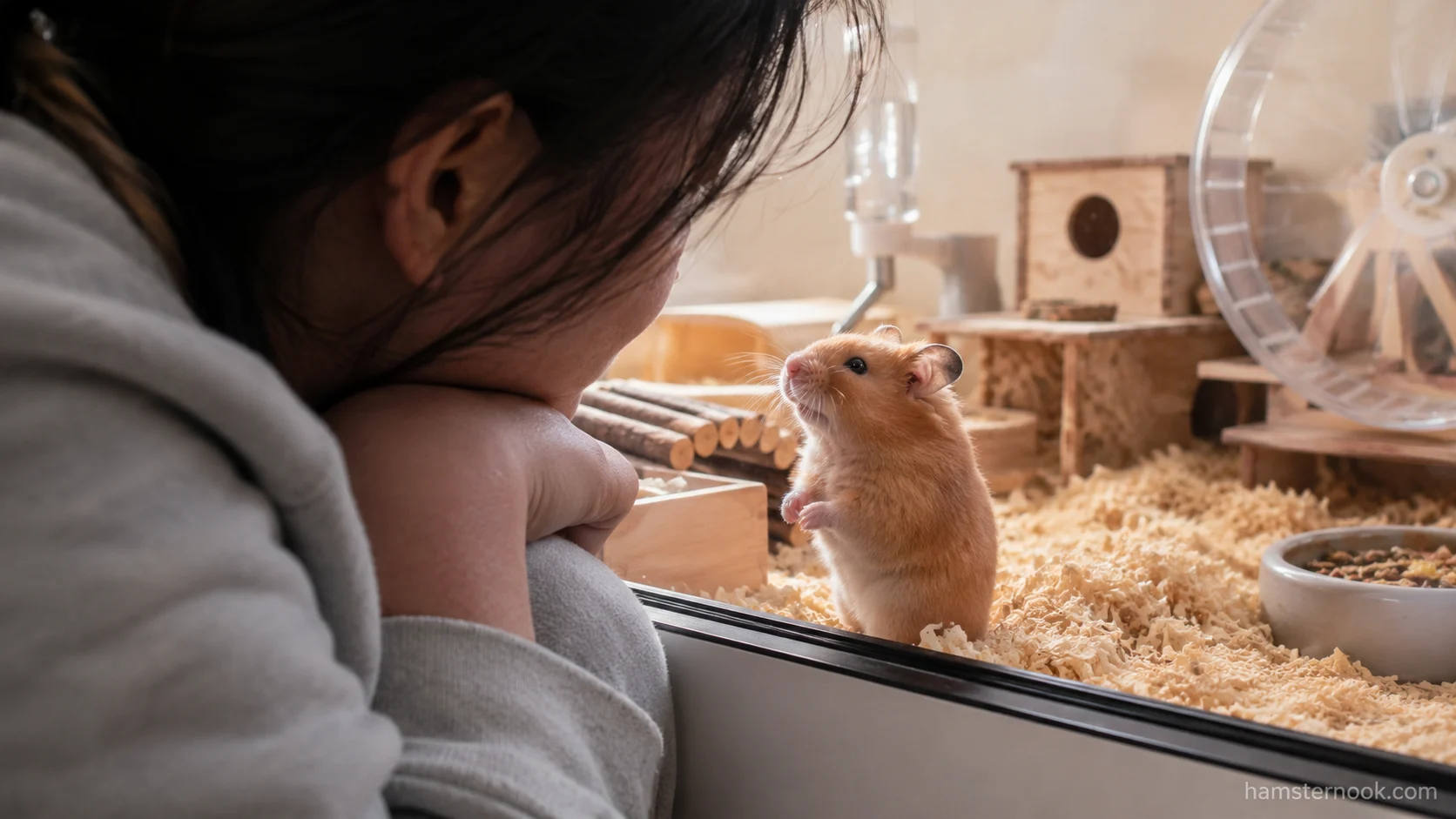
Many hamster owners have experienced a moment that feels almost magical. You’re having a difficult day, sitting quietly near your hamster’s enclosure, and suddenly your normally shy pet comes out, approaches the front of the cage, or calmly sits in your hand. It’s natural to wonder: can hamsters actually sense when you’re sad or stressed?
The reality is a little more complicated than a simple yes or no. There is currently no scientific evidence showing that hamsters understand human emotions in the same way that dogs or some highly social animals might. However, hamsters are surprisingly observant creatures. They can detect changes in your behavior, body language, scent, routine, and voice, which may cause them to react differently when you’re feeling stressed or upset.
Understanding what hamsters actually respond to makes their behavior much easier to interpret.. You may also enjoy Do Hamsters Choose a Favorite Person?
Quick Answer:
Hamsters cannot understand sadness or stress the way humans do, but they can notice changes in your scent, voice, movement, and daily routine. Many owners interpret these reactions as emotional awareness, but they are usually responses to familiar environmental changes.
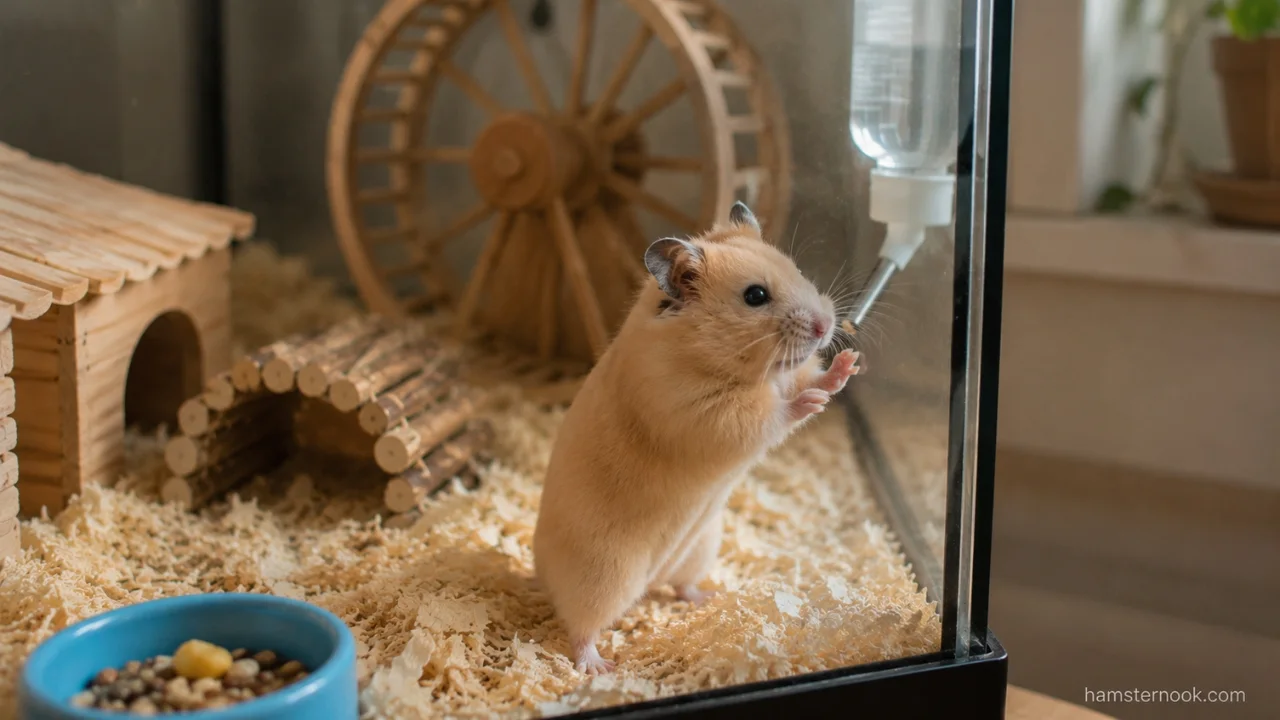
Can Hamsters Detect Human Emotions?
Rather than reading emotions directly, hamsters respond to physical cues they can observe. Their reactions are based on sensory information, not an understanding of human feelings.
Hamsters are not believed to recognize sadness, stress, or anxiety as emotions in the way humans do.
Unlike humans, hamsters do not have the cognitive ability to understand complex emotions in another species. However, they are highly aware of environmental changes and can notice when something about you is different.
For example, when you’re stressed, you may:
- Speak differently
- Move more quickly or slowly
- Breathe differently
- Handle your hamster less gently
- Follow a different daily routine
- Produce subtle changes in body scent
A hamster can react to these changes without knowing why they happened.This ability to recognize patterns is one reason many owners are surprised by how observant hamsters can be.
How Hamsters Experience the World Differently
To understand whether hamsters can sense emotions, it helps to understand how they interact with their environment.
Hamsters rely heavily on:
| Sense | Importance for Hamsters |
|---|---|
| Smell | Extremely important for identifying people, food, and territory |
| Hearing | Helps detect movement and potential threats |
| Touch | Important for safety and exploration |
| Vision | Useful but relatively limited compared to humans |
Because smell and hearing are so important, even small changes in your behavior can become noticeable to your hamster.
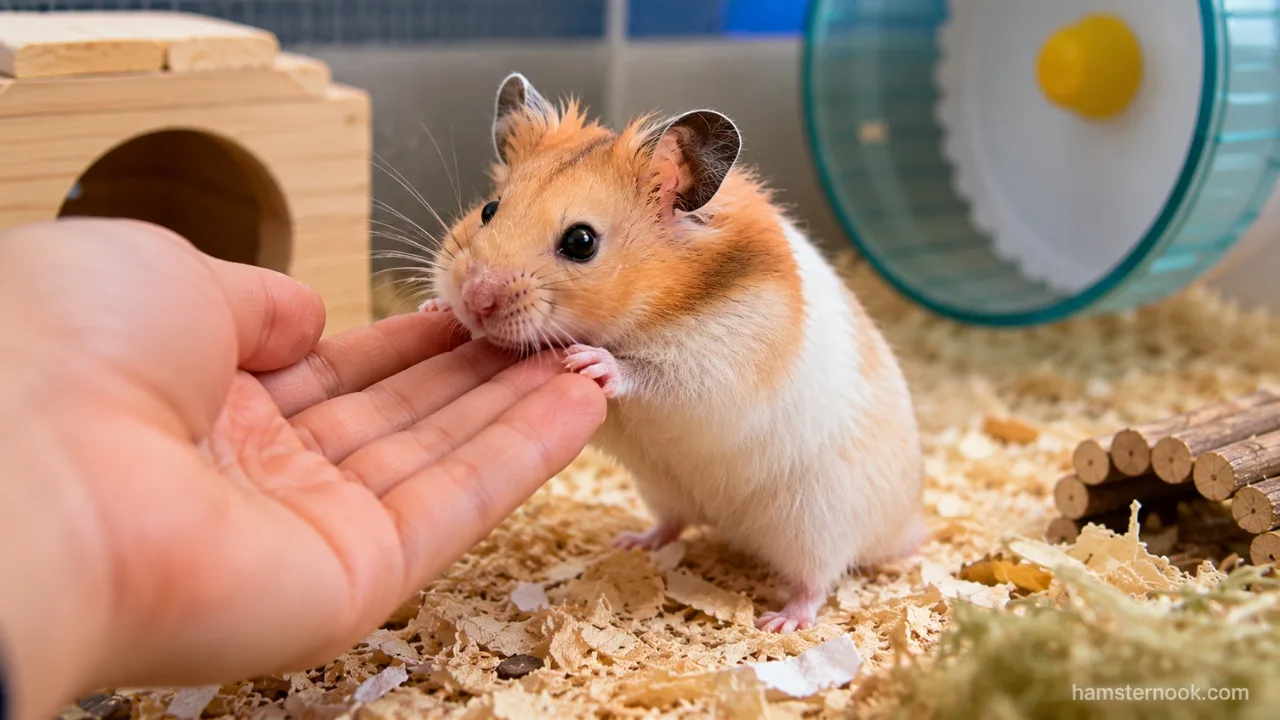
Can Hamsters Smell Stress?
For example, a hamster that normally ignores you may become more curious if your scent changes after a stressful day, while a naturally cautious hamster may become more hesitant around unfamiliar smells.
Researchers have found that many animals can detect chemical changes associated with stress. While most studies focus on larger mammals, it is reasonable to assume that hamsters can detect differences in human scent because of their highly developed sense of smell.
Detecting a scent change does not mean your hamster understands why that change happened.
Instead, the hamster may simply notice that your scent is slightly different than usual.
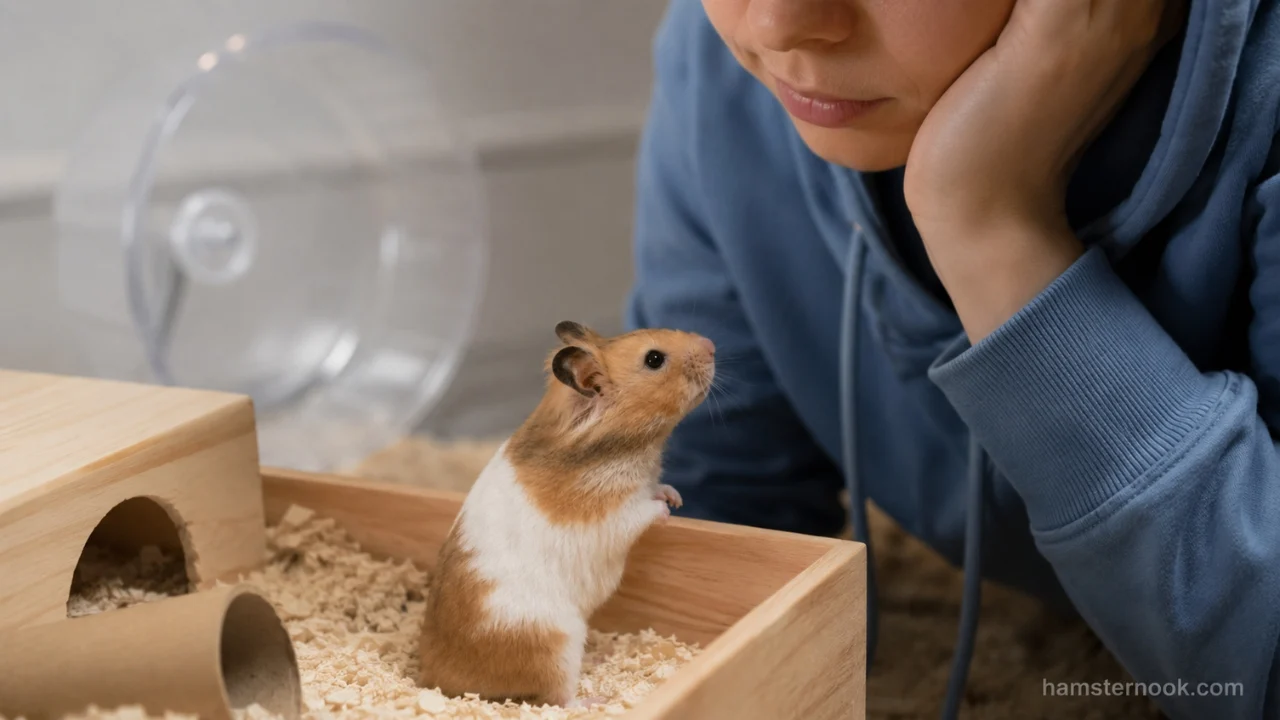
A hamster that knows you well may become curious about these changes or react cautiously depending on its personality.
If you’re interested in how hamsters use scent and recognition, you may also enjoy reading Can Hamsters Learn Their Names?, which explores how these small pets identify familiar sounds and routines.
Why Your Hamster May Act Differently Around You
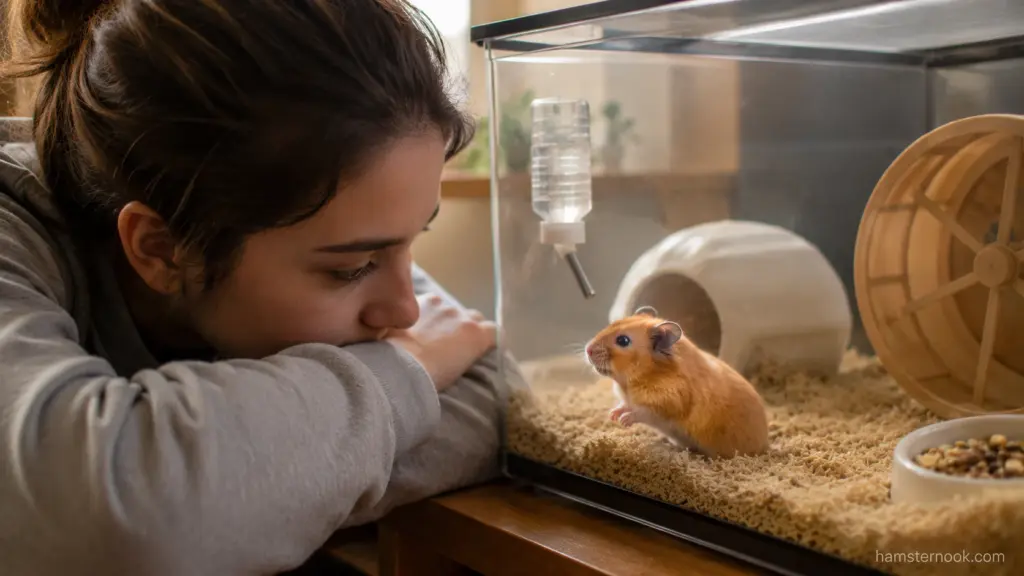
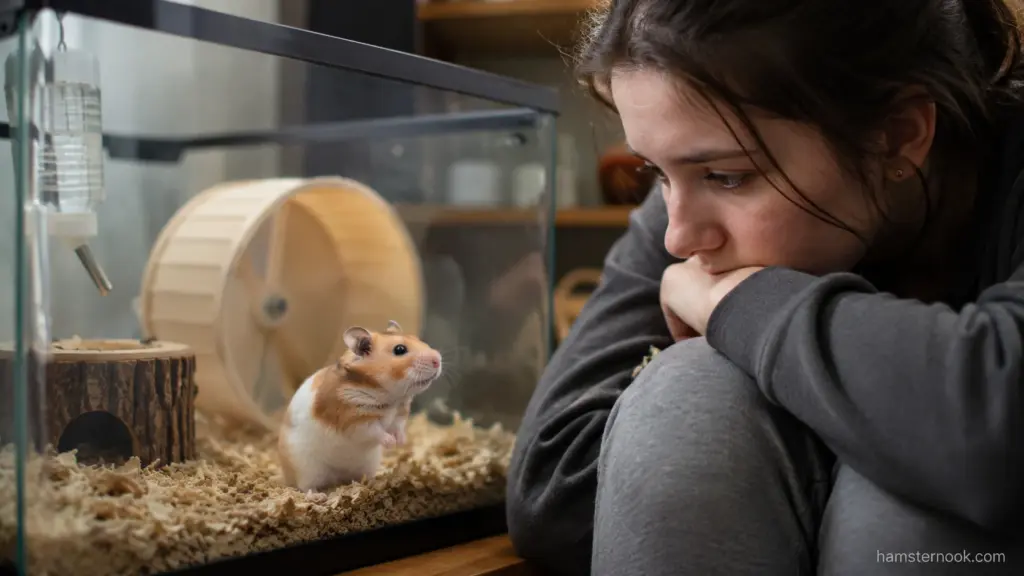
Many owners notice their hamster acting differently during stressful periods and wonder if the behavior is intentional comfort.
While that’s a comforting thought, there may be simpler explanations.
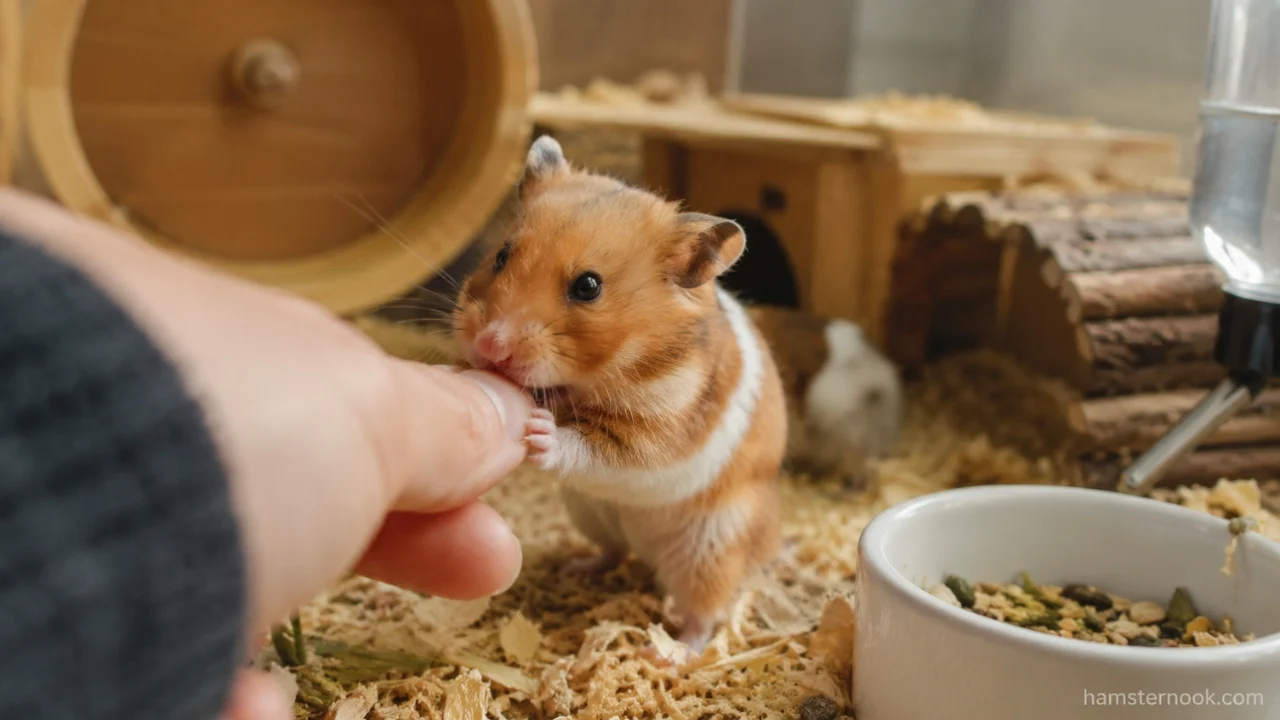
Your Behavior Changes
When people feel sad or stressed, they often become quieter and calmer.
A quieter environment may actually make some hamsters feel safer.
For example:
| Owner Behavior | Possible Hamster Response |
|---|---|
| Sitting quietly | Hamster feels less threatened |
| Speaking softly | Hamster becomes more relaxed |
| Moving slowly | Hamster shows more curiosity |
| Less cage disturbance | Hamster spends more time exploring |
The hamster’s response may be related to the environment rather than understanding the emotion itself.
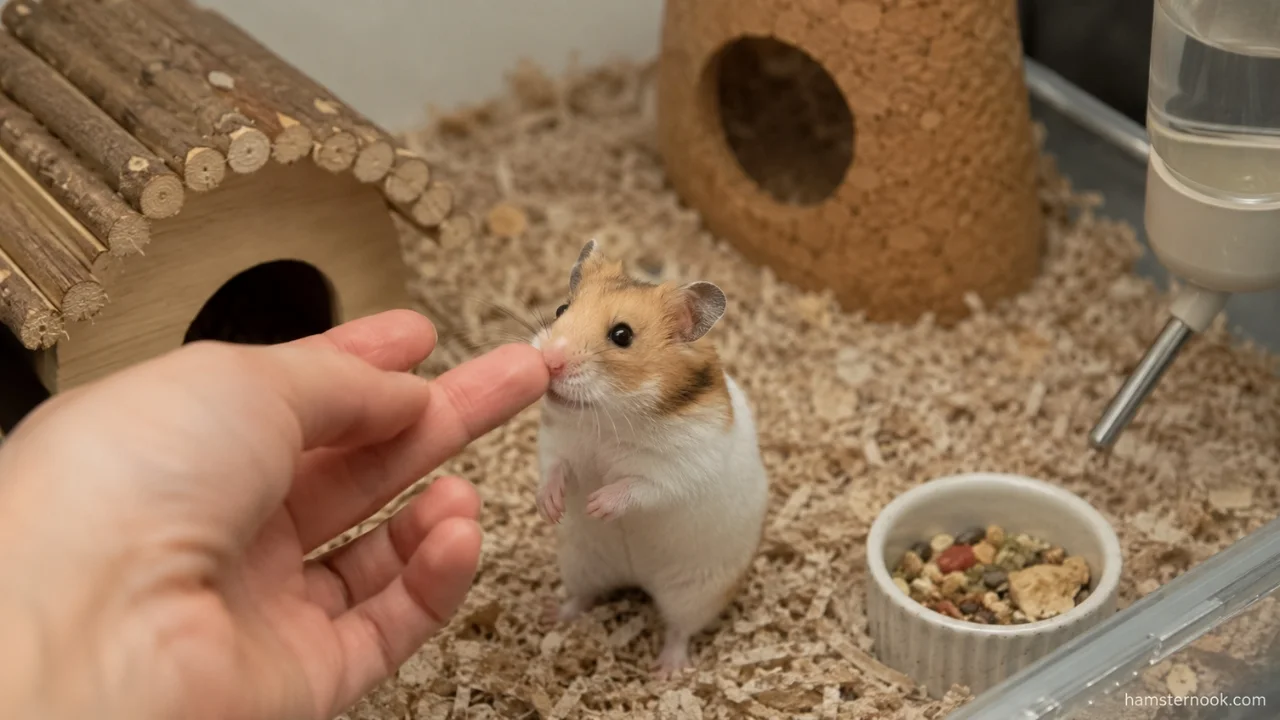
Your Routine Changes
Hamsters thrive on predictable routines.
If your schedule changes significantly during stressful periods, your hamster may notice.
They often learn:
- Feeding times
- Sleep schedules
- Cleaning routines
- Regular interactions
Many owners underestimate how quickly hamsters notice familiar routines and daily habits. It’s also closely related to the behaviors discussed in How Long Does It Take for a Hamster to Trust You?
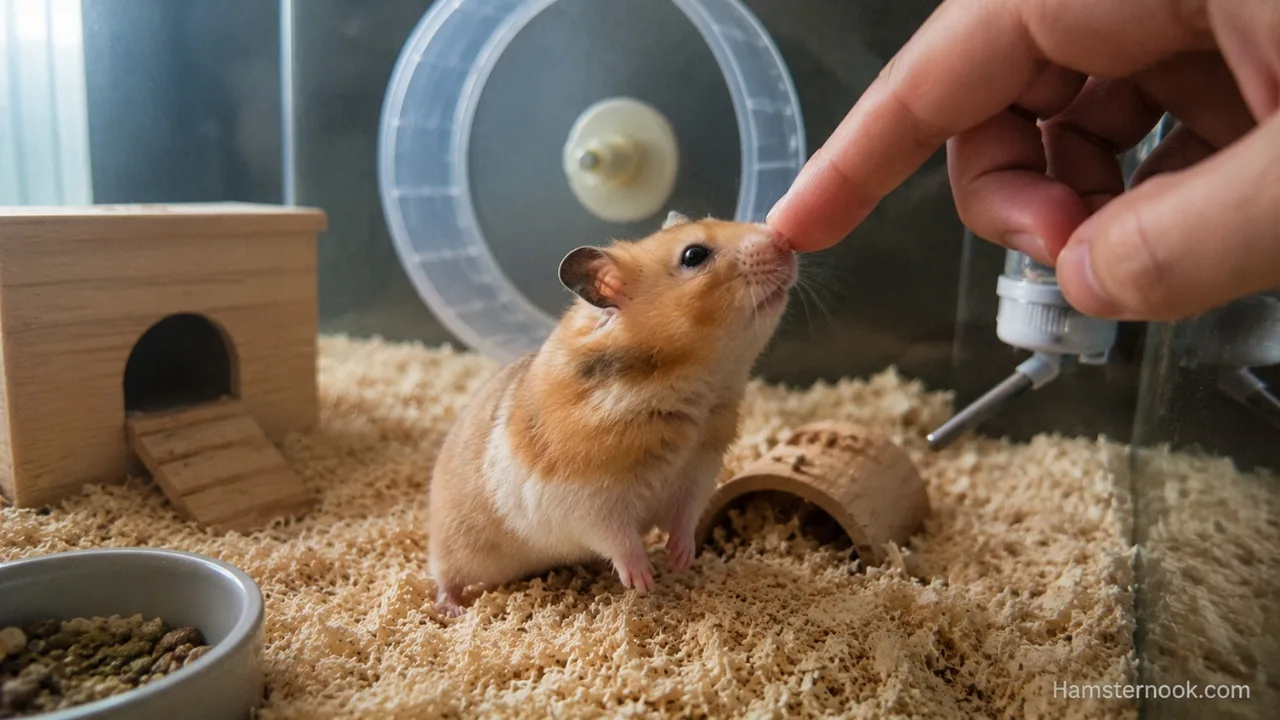
Do Hamsters Form Emotional Bonds With Their Owners?
Over time, repeated positive experiences teach a hamster that a specific person is safe. This familiarity often explains why some hamsters appear more relaxed around their owners than around strangers.
Yes, but not in the same way as highly social pets.
Hamsters are generally solitary animals. They do not seek companionship in the way dogs or humans do. However, many hamsters learn to trust and recognize their owners over time.
A hamster may:

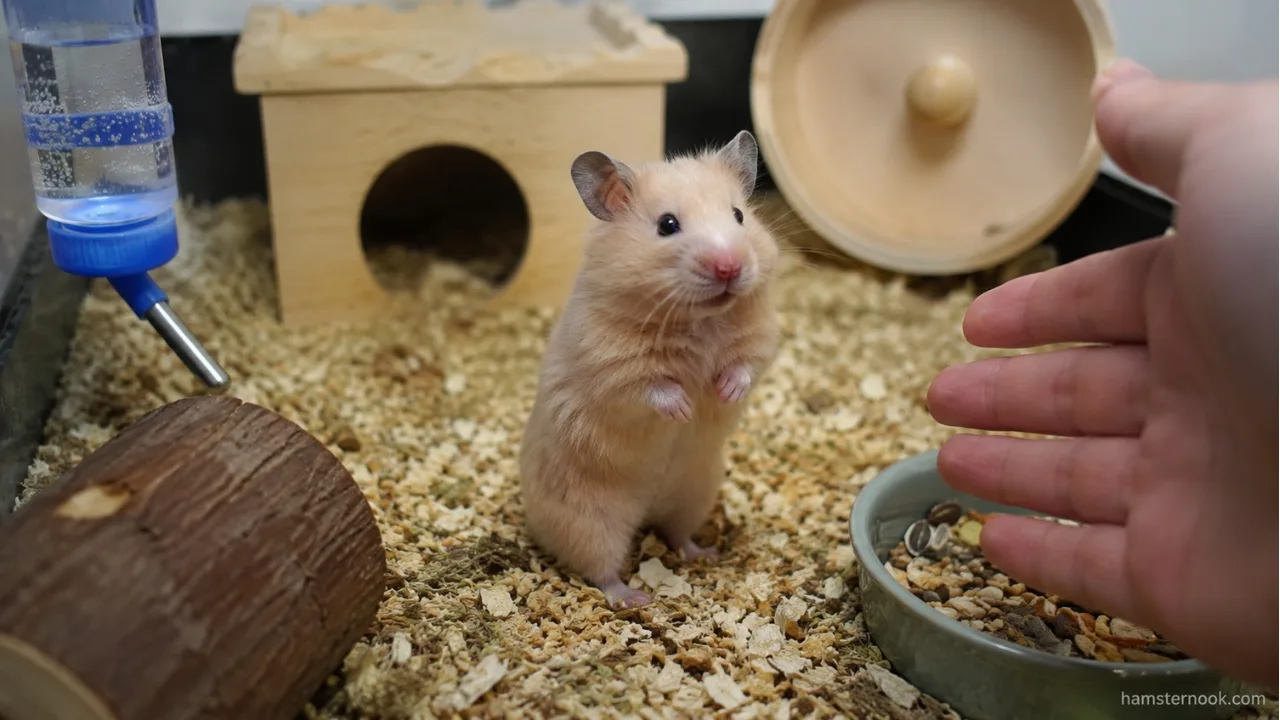
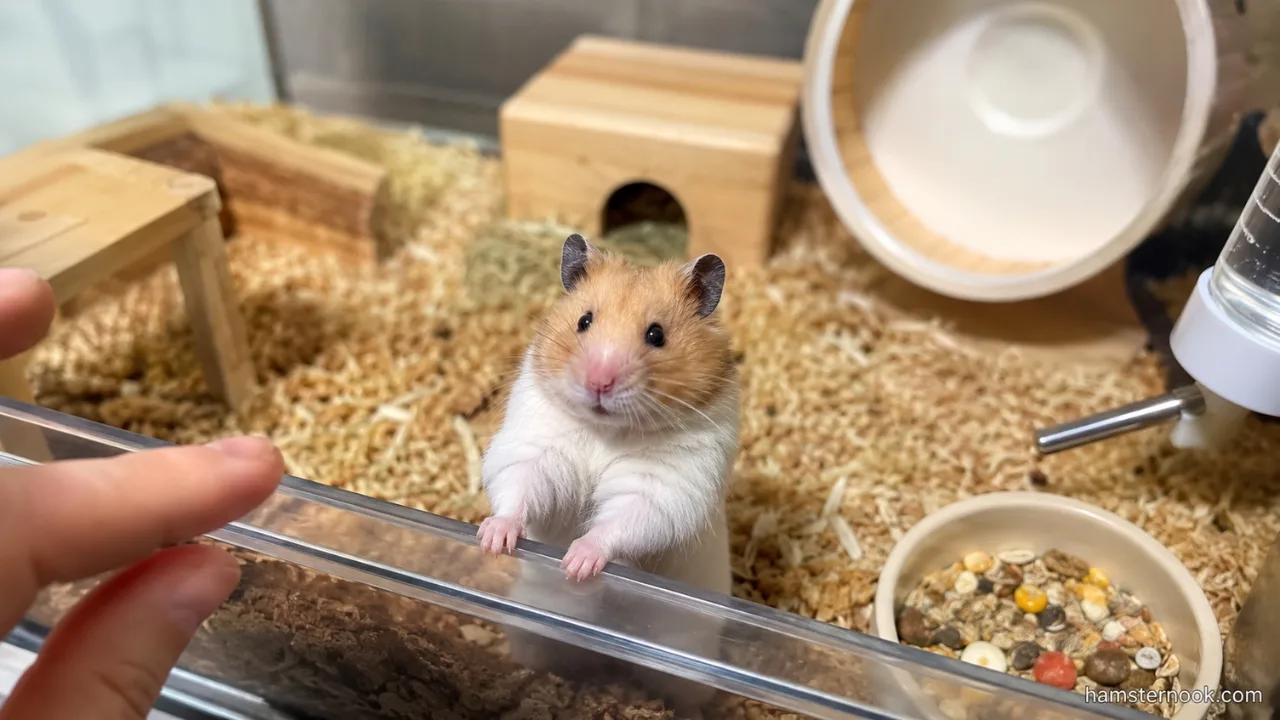
- Approach your hand willingly
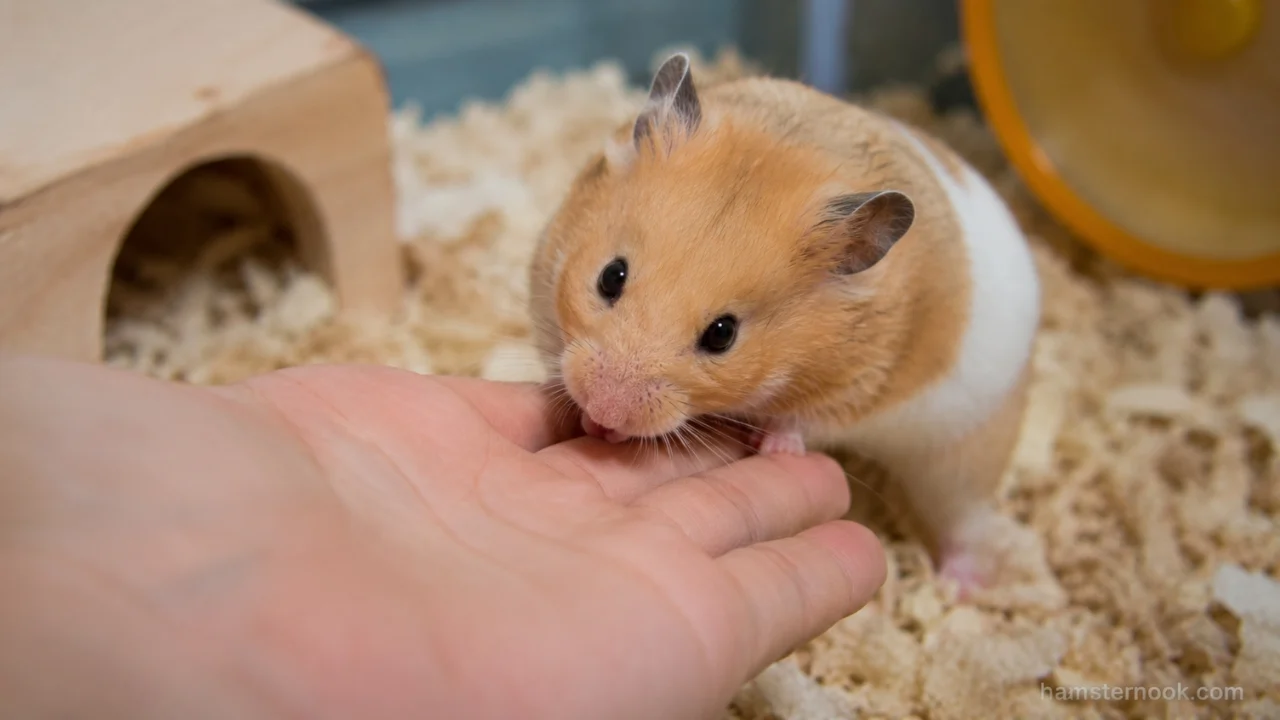
- Take treats calmly
- Recognize your scent
- Remain relaxed during handling
- Show curiosity when you are nearby
These behaviors suggest familiarity and trust rather than emotional empathy.
Trust is often mistaken for affection, but both can contribute to a rewarding relationship between owner and pet.
Signs Your Hamster Recognizes You
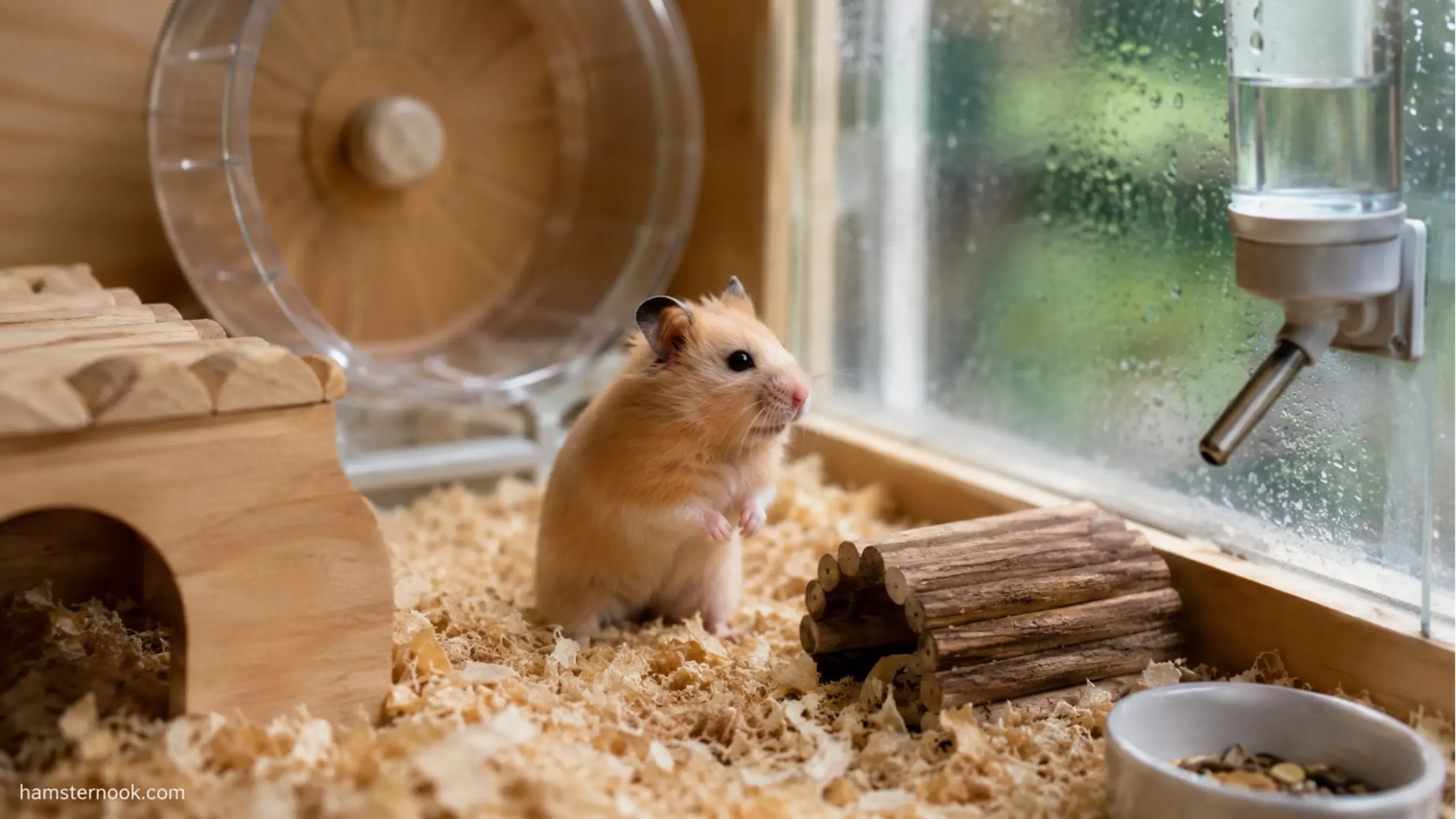
Even if hamsters do not fully understand human emotions, many clearly learn to recognize familiar people.
Common signs include:
| Behavior | What It May Mean |
|---|---|
| Approaches cage front when you arrive | Recognizes your presence |
| Takes food directly from your hand | Developed trust |
| Climbs onto your hand voluntarily | Feels safe around you |
| Remains calm during handling | Familiar with your scent |
| Becomes active at usual interaction times | Recognizes routine |
These responses often develop gradually through consistent, positive interactions.
Owners who recently adopted a hamster may find The Biggest Mistake New Hamster Owners Make in the First Week useful for avoiding common trust-building mistakes.
Can Stress Affect Your Hamster?
While your hamster may not understand your emotions, your stress can indirectly affect your pet.
Hamsters are sensitive to their environment.
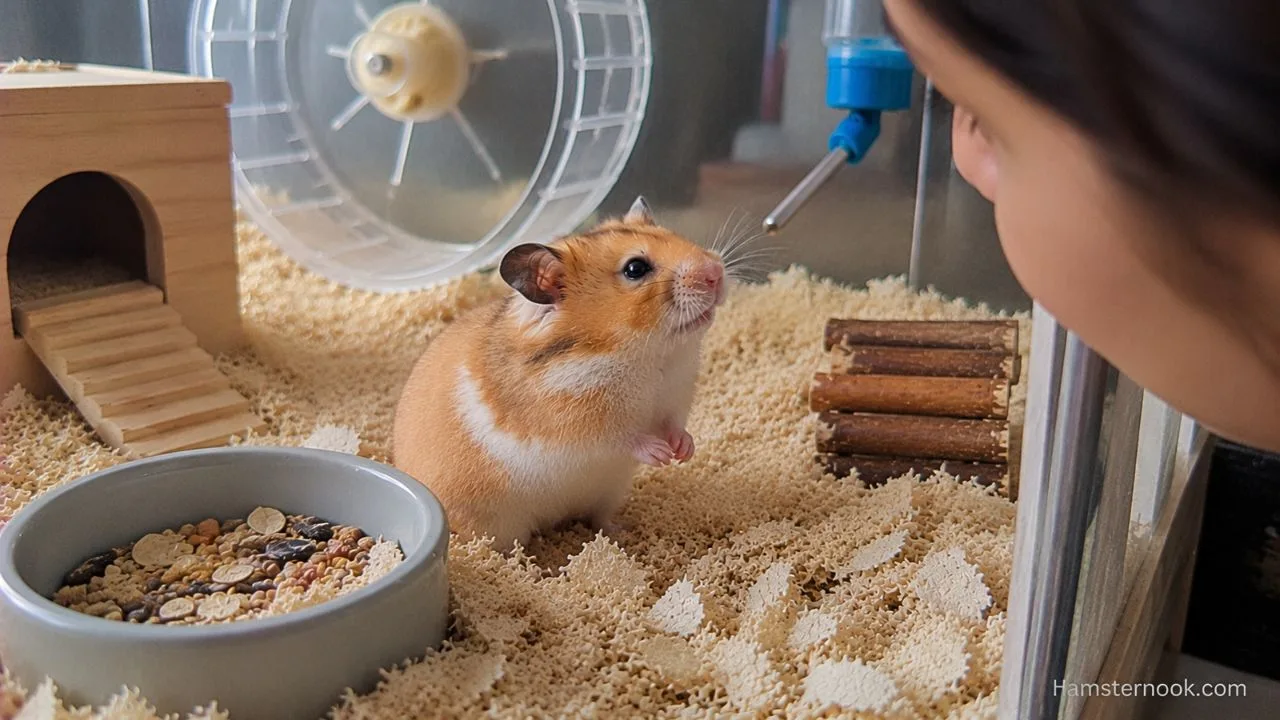
When people are stressed, they may unintentionally:
- Handle their hamster more roughly
- Forget routine feeding schedules
- Clean the cage inconsistently
- Create a noisier environment
- Interact less frequently
Over time, these changes can affect a hamster’s sense of stability.
Maintaining consistent care remains important even during busy or stressful periods.
Common Misunderstandings About Hamsters and Human Emotions
Many online stories suggest hamsters can “comfort” owners during emotional moments.
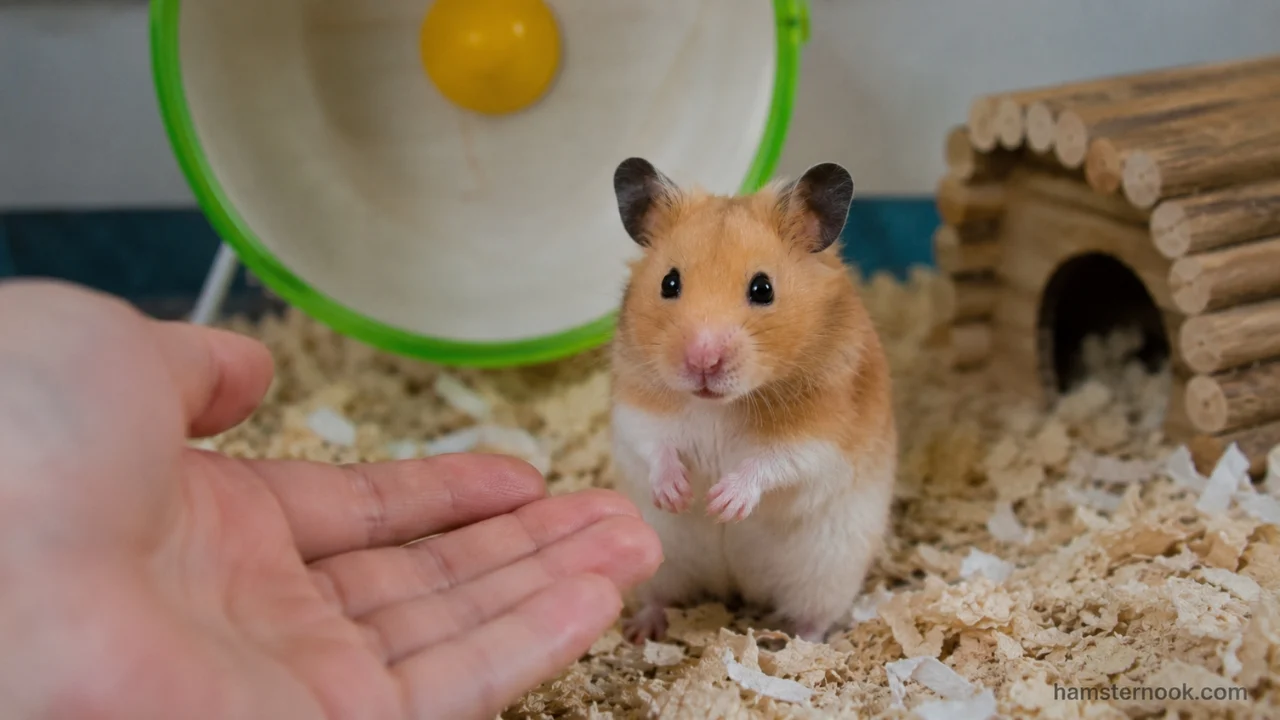
While these experiences feel meaningful, it’s important not to project human emotions onto hamster behavior.
Myth vs Reality
| Myth | Reality |
|---|---|
| Hamsters understand sadness like humans do | No evidence currently supports this |
| Hamsters intentionally comfort owners | Their behavior is more likely based on familiarity and routine |
| Hamsters can read human thoughts | Hamsters respond to observable cues, not thoughts |
| Hamsters ignore human emotions completely | They may notice changes in behavior, scent, and environment |
Keeping these differences in mind makes hamster behavior easier to understand.
Ways to Strengthen Your Bond With Your Hamster
Even if hamsters cannot truly understand sadness or stress, you can still build a strong relationship.
Be Consistent
Consistency is one of the most important parts of hamster care.
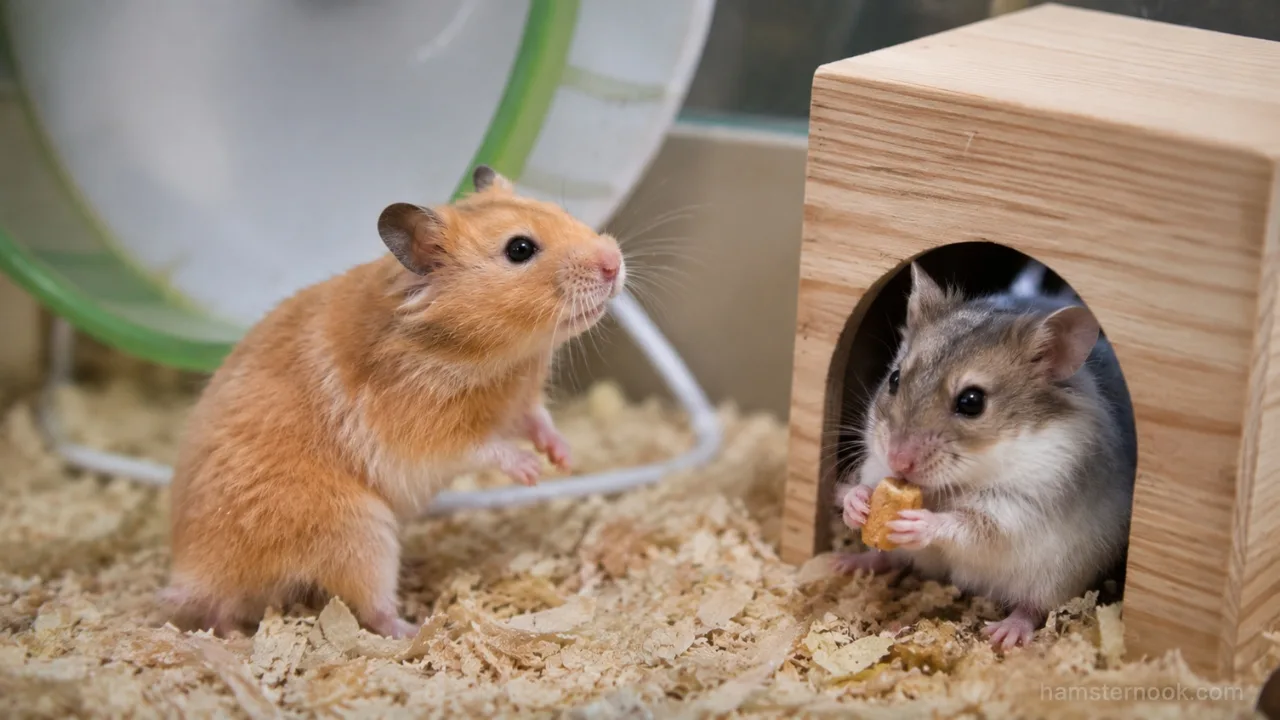
Try to:
- Feed at similar times
- Maintain a regular cleaning schedule
- Use gentle handling techniques
- Speak calmly around the cage
Respect Their Boundaries
Many trust issues begin when owners rush interactions.
Learning to recognize hamster body language is essential. Owners dealing with avoidance or nervous behavior may find Why Is My Hamster Scared? particularly helpful.
Use Positive Reinforcement
Offer small hamster-safe treats during handling sessions.
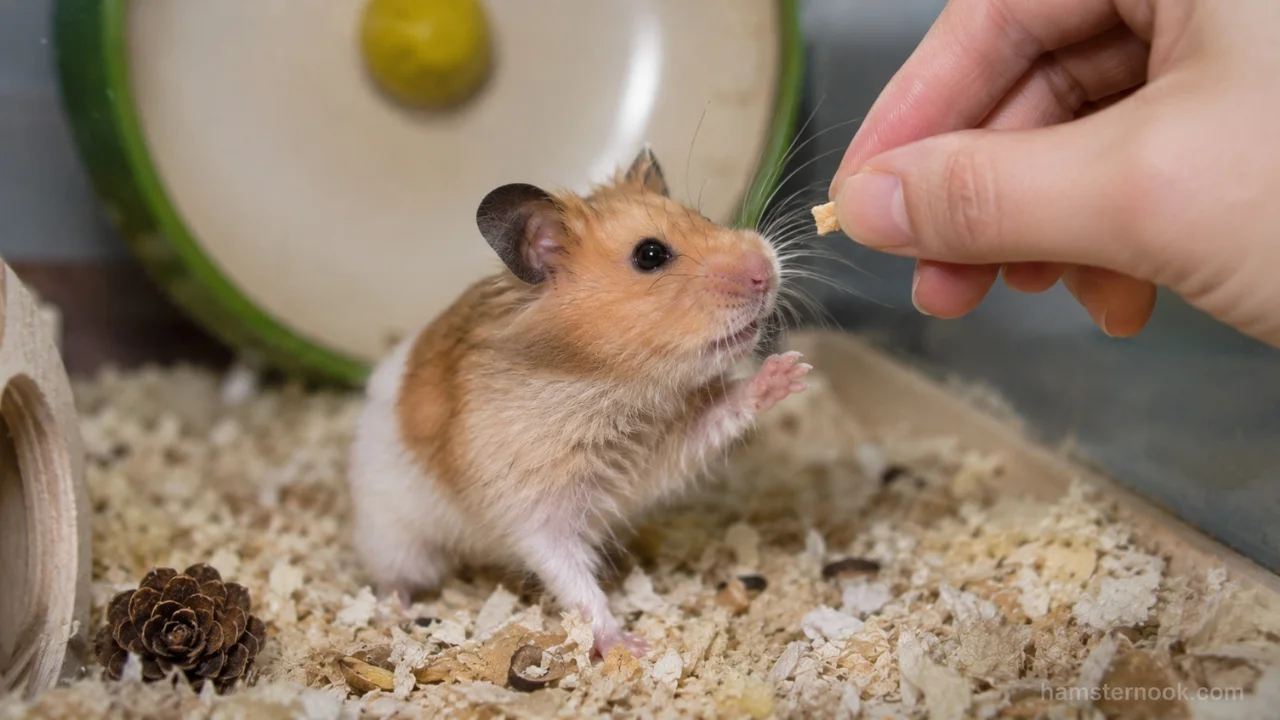
This helps create positive associations with your presence.
Create a Comfortable Environment
A hamster that feels secure is more likely to interact confidently.
Proper cage setup, enrichment, and hiding spaces all contribute to emotional well-being. For owners setting up a new enclosure, Best Hamster Hideouts can provide useful guidance.
When Your Hamster Seems More Affectionate Than Usual
Occasionally owners notice sudden changes in behavior and assume their hamster senses emotional distress.
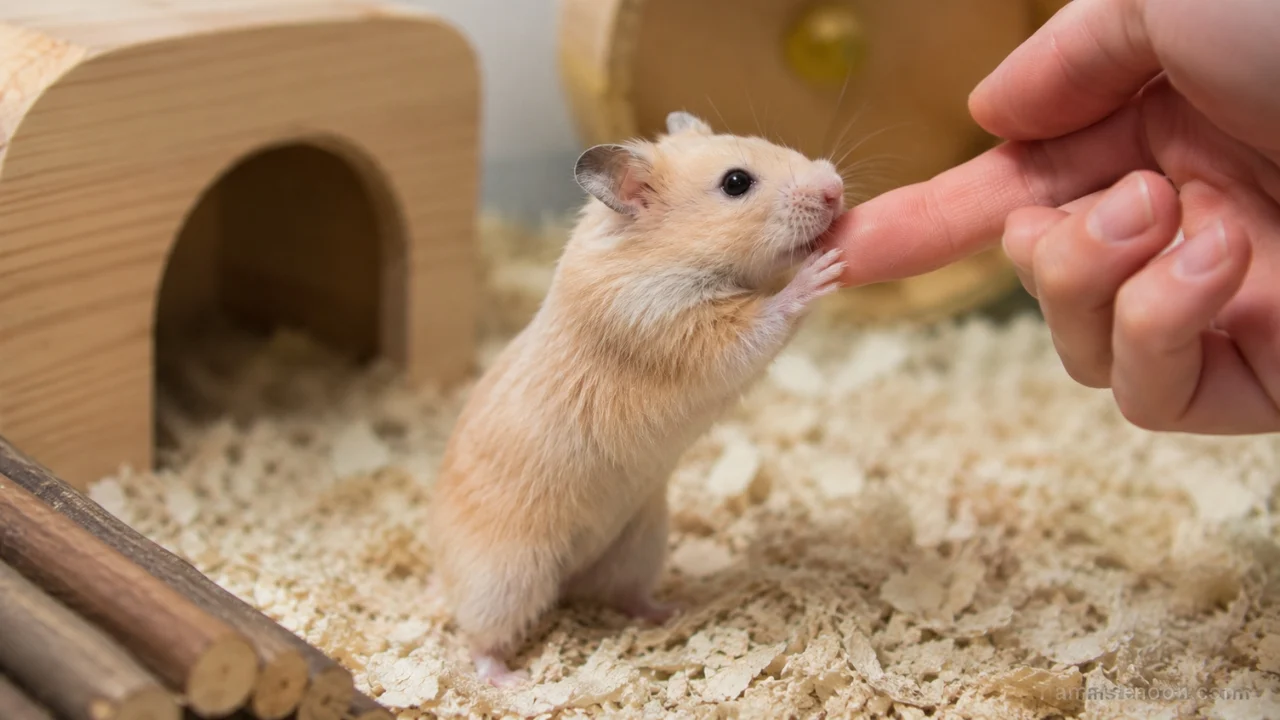
Before drawing conclusions, consider other possibilities:
- The hamster is becoming more comfortable
- It associates you with food
- It has learned your routine
- The environment is quieter
- The hamster is naturally curious
In most cases, these explanations are far more likely than a hamster understanding human emotions.
That said, the feeling of companionship many owners experience is still real and valuable. Spending time with pets can be calming and comforting regardless of whether the pet understands the emotional situation.
Whether your hamster understands your emotions or not, calm and consistent interactions help build trust and make your pet feel more secure.
Final Thoughts
Can hamsters sense when you’re sad or stressed? Not in the human sense of understanding emotions. There is currently no evidence that hamsters recognize sadness, anxiety, or stress the way people do.
However, hamsters are highly sensitive to changes in scent, sound, movement, routine, and behavior. They may react differently when you’re feeling stressed simply because your actions and environment have changed.
What feels like emotional awareness is often a hamster reacting to familiar scents, routines, sounds, and learned experiences. While that may sound less dramatic, it is still a remarkable ability for such a small animal.
The best hamster-owner relationships usually come from consistent care, trust, and positive daily interactions over time.
Frequently Asked Questions
Can hamsters tell when their owner is crying?
Hamsters may notice unusual sounds, movements, or changes in behavior when someone is crying, but there is no evidence that they understand the emotional meaning behind tears.
Do hamsters recognize their owners?
Yes. Many hamsters learn to recognize their owner’s scent, voice, and daily routine over time.
Can hamsters smell anxiety or stress?
Hamsters have an excellent sense of smell and may detect changes in human scent associated with stress, although they likely do not understand the emotional cause.
Why does my hamster come to me when I’m sad?
Your hamster may be responding to changes in your behavior, quieter surroundings, established trust, or routine rather than understanding sadness itself.
Do hamsters get emotionally attached to humans?
Hamsters can develop familiarity and trust with their owners, but their relationships with humans differ from the emotional bonds seen in highly social animals like dogs.
Can my mood affect my hamster?
Indirectly, yes. Changes in routine, handling, noise levels, and care habits during stressful periods can influence a hamster’s behavior and comfort level.
Can hamsters sense when someone is nervous?
Hamsters may notice signs associated with nervousness, such as different scents, movements, or vocal tones, but there is no evidence that they understand the emotion itself.

Narayan Kumar is the founder and author of HamsterNook. He creates practical, research-based hamster care guides covering hamster behavior, nutrition, cage setup, enrichment, health, and everyday care. His goal is to help hamster owners make informed decisions and provide safer, healthier lives for their pets through clear, beginner-friendly information based on trusted animal care resources.