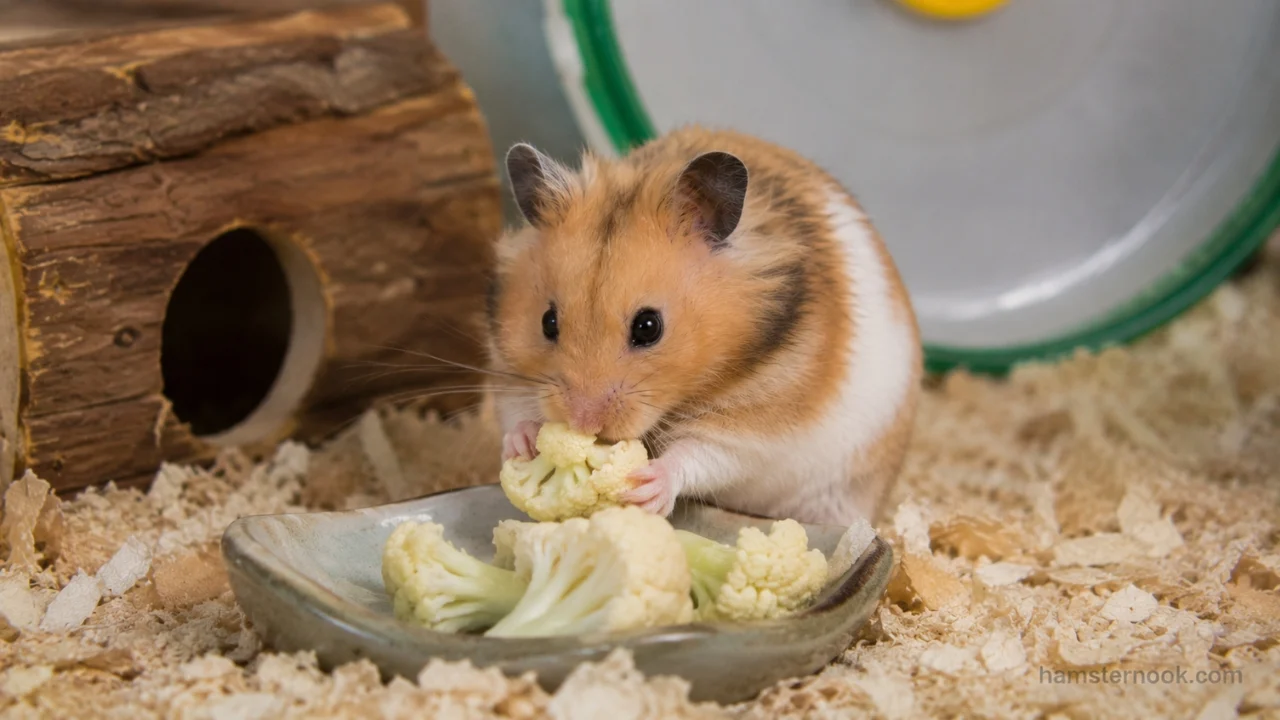
If you’ve ever prepared cauliflower in your kitchen and noticed your hamster staring curiously from across the room, you may have wondered whether sharing a small piece is safe. Unlike some vegetables that are clearly unsuitable for small pets, cauliflower falls into a category that often causes confusion among hamster owners.
Yes, cauliflower is generally considered safe for hamsters when fed in small amounts. In fact, many hamsters enjoy the crunchy texture and mild flavor. However, like most fresh vegetables, cauliflower should be introduced carefully and fed in appropriate amounts to avoid digestive issues.
Knowing how much to feed and how often to offer it can help you include cauliflower safely in your hamster’s diet.
Can Hamsters Eat Cauliflower Safely?
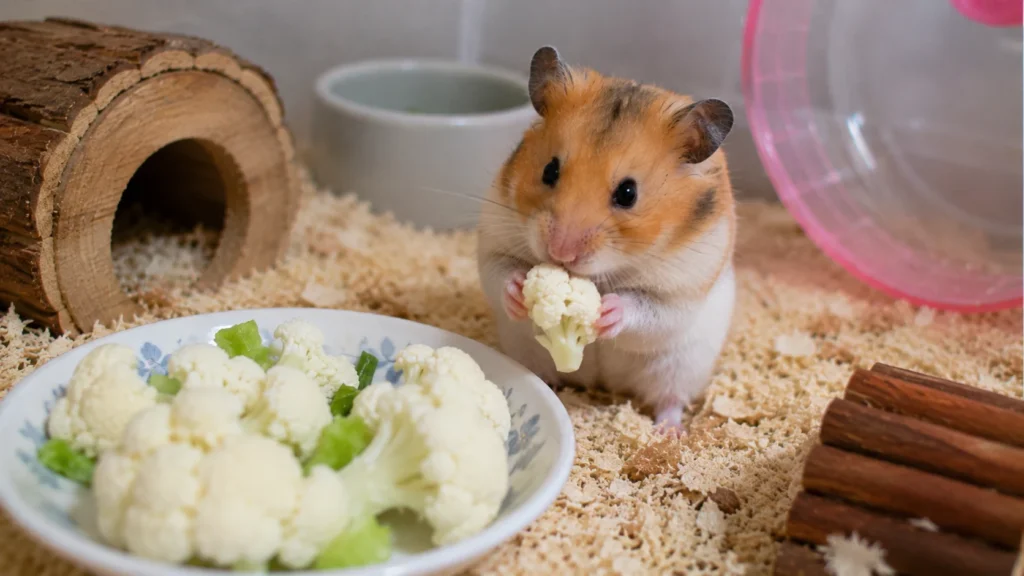
Yes, healthy hamsters can eat cauliflower in small amounts.

Cauliflower is not toxic to hamsters and can be offered as an occasional vegetable treat alongside a balanced diet. It contains several nutrients that may support overall health while being relatively low in calories.
However, cauliflower should never replace a hamster’s primary diet. A quality hamster food mix or pellet should remain the foundation of daily nutrition, while vegetables like cauliflower serve as supplemental foods.
Knowing which foods are safe and which should be avoided can prevent many common feeding mistakes. Our Safe vs Unsafe Foods for Hamsters guide explains the foods owners should feel confident offering and the ones that are best avoided.
Nutritional Value of Cauliflower for Hamsters
Although hamsters only need tiny portions, cauliflower contains nutrients that can complement a varied diet.
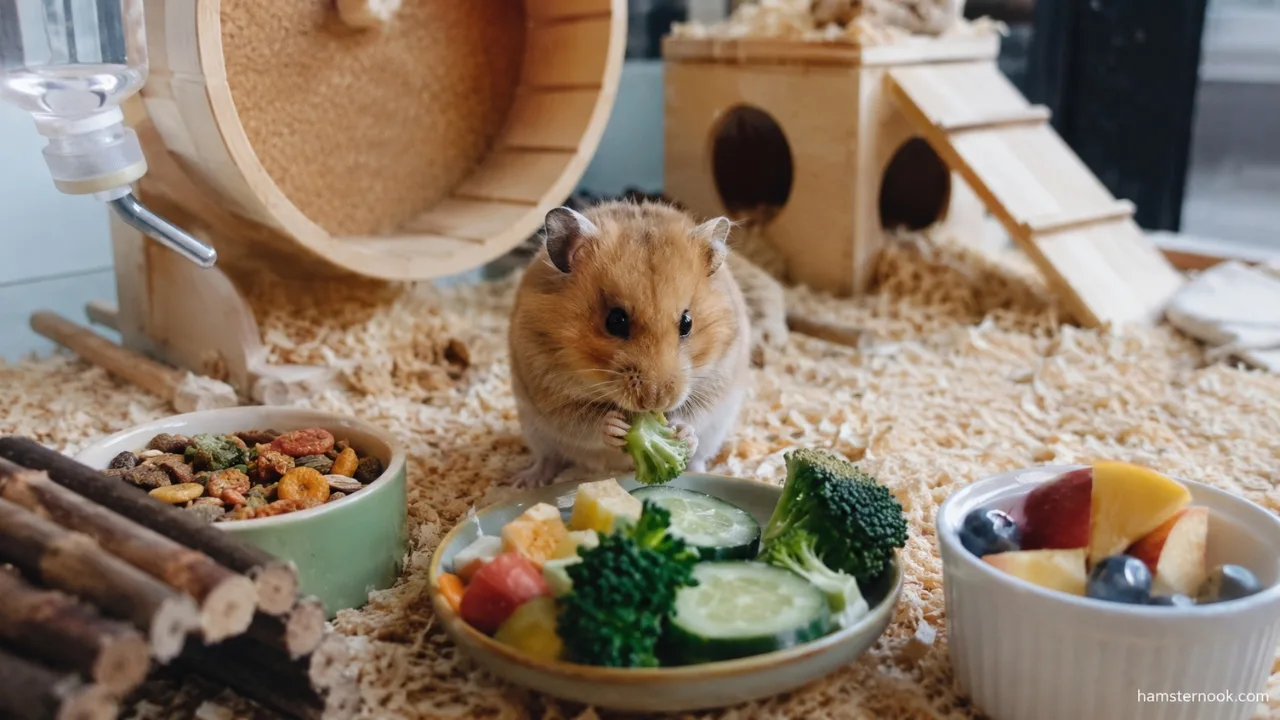
| Nutrient | Potential Benefit for Hamsters |
|---|---|
| Fiber | Supports normal digestion |
| Vitamin C | Supports overall body functions |
| Vitamin K | Helps maintain normal bodily processes |
| Water Content | Contributes to hydration |
| Antioxidants | Helps protect cells from normal oxidative stress |
| Low Calories | Suitable as an occasional treat |
While cauliflower contains useful nutrients, hamsters require only small amounts due to their tiny size.
Benefits of Feeding Cauliflower to Hamsters
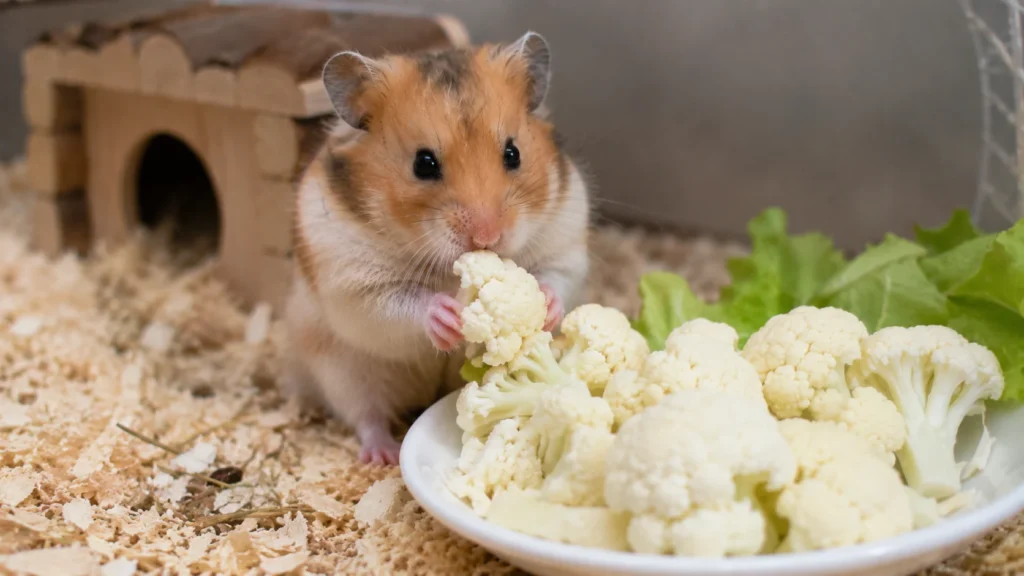
When served properly, cauliflower can offer several advantages as part of a varied diet.
Low-Calorie Vegetable Option
Unlike sugary fruits, cauliflower contains relatively few calories.
For owners looking to add variety without offering sugary treats, cauliflower can be a practical option.
Provides Dietary Variety
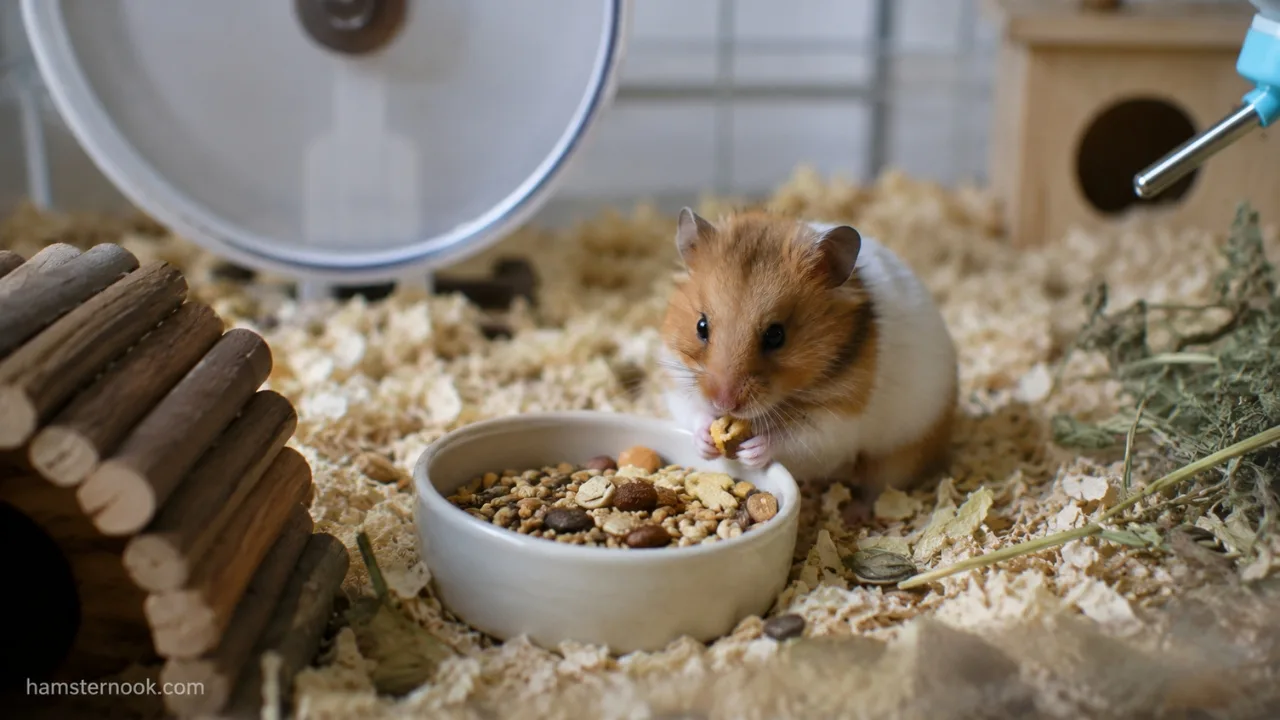
Many hamsters become more interested in mealtime when safe vegetables are rotated occasionally, providing new textures and scents to explore.
Offering different safe vegetables can help create a more enriching feeding experience while encouraging natural exploration and foraging behaviors.
Food-based enrichment can make mealtime more interesting and encourage natural foraging behavior. Our How to Make Your Hamster Happy in a Small Cage guide includes simple enrichment ideas that keep hamsters mentally stimulated.
Crunchy Texture Encourages Chewing
The firm texture of raw cauliflower can encourage chewing activity.

Treats should be offered in moderation as part of a balanced diet. Our Healthy Treats for Hamsters guide explains which treats are most suitable and how often they can be offered.
While cauliflower is not a replacement for proper chew toys, crunchy vegetables may provide additional enrichment during mealtime.
Contains Fiber
Small amounts of fiber-rich vegetables can help support a balanced feeding routine when offered appropriately.
Although hamsters only need small amounts, vegetables like cauliflower can contribute to a varied and balanced feeding routine.
Potential Risks of Feeding Cauliflower to Hamsters
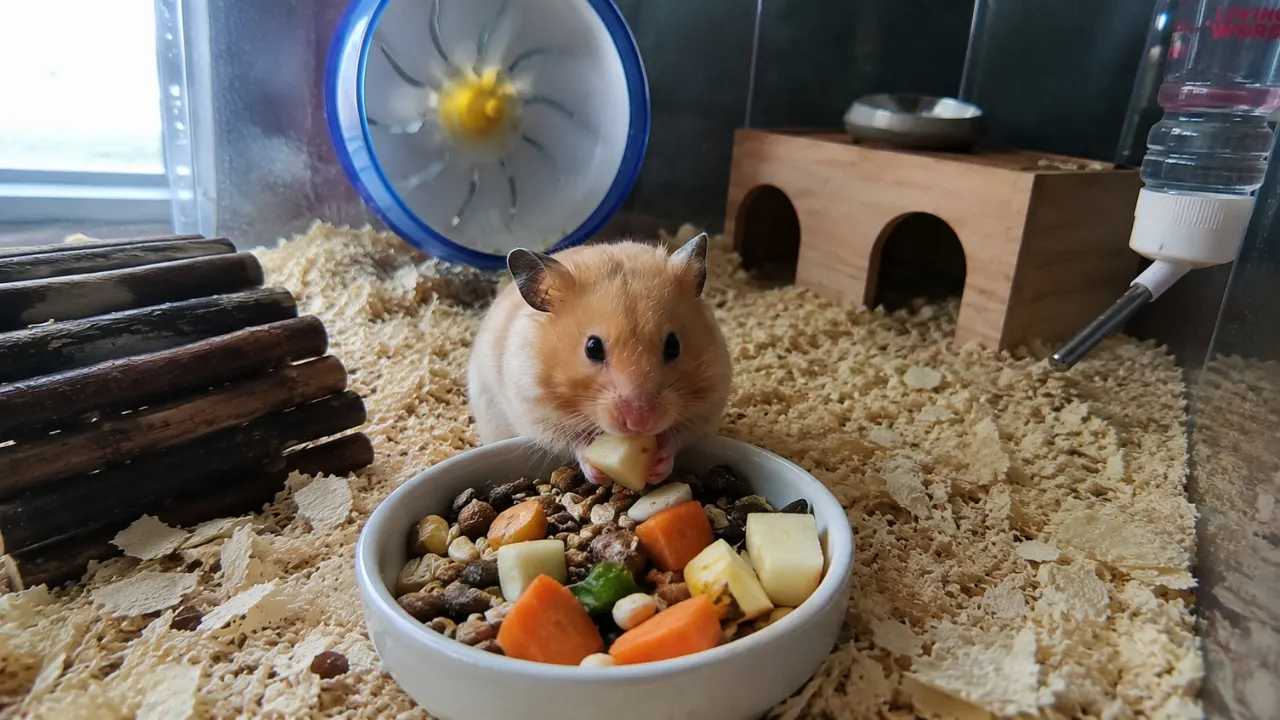
Despite being safe, cauliflower is not a perfect food and should be offered with moderation in mind.
Can Cause Gas and Digestive Discomfort
Cauliflower belongs to the cruciferous vegetable family.
In many animals, including humans, cruciferous vegetables can sometimes cause gas when consumed in larger amounts. Because hamsters have sensitive digestive systems, feeding too much cauliflower at once may lead to digestive discomfort.
Possible signs include:
- Soft stools
- Temporary bloating
- Reduced appetite
- Mild digestive upset
This is why small portions are recommended.
A varied feeding routine can help reduce the risk of digestive issues while providing a wider range of nutrients. Our What Can Hamsters Eat? guide covers many of the foods commonly included in a hamster’s diet.
Excess Fresh Vegetables Can Cause Digestive Upset
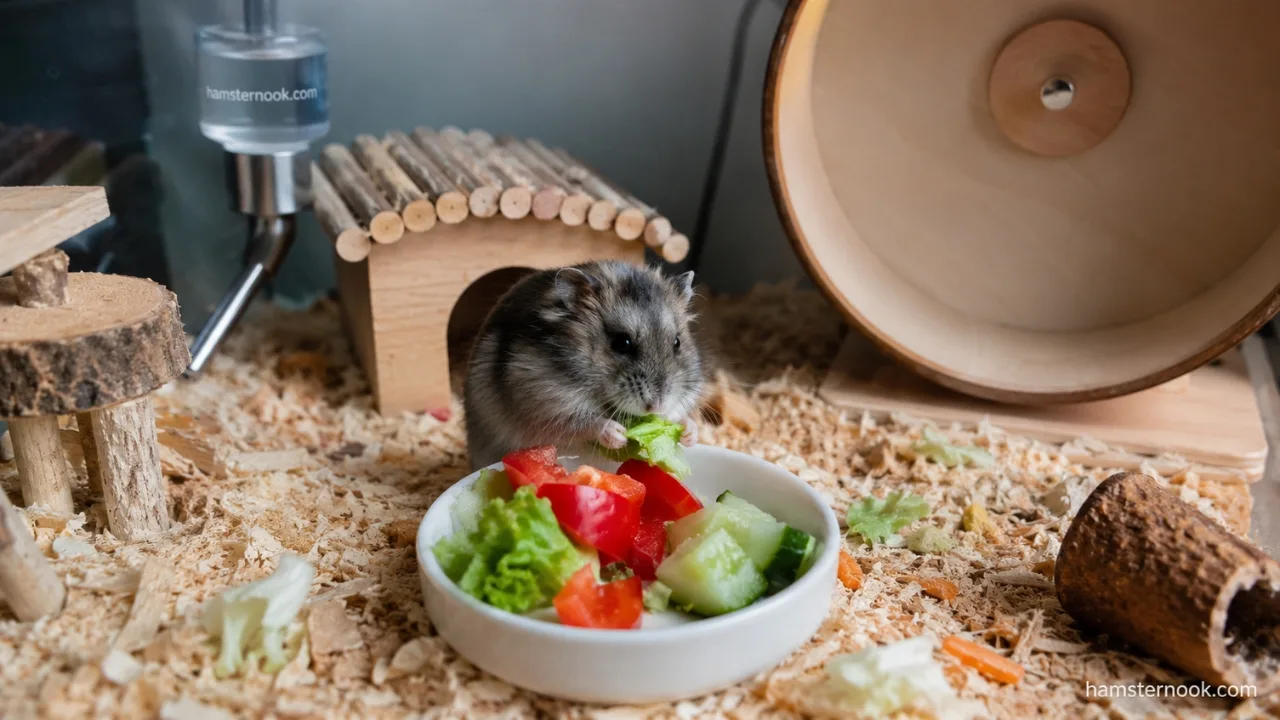
Feeding too much fresh produce too quickly can upset a hamster’s digestive system and may lead to loose stools or diarrhea.
Introducing cauliflower gradually and keeping the portion small can help reduce the risk of digestive upset.
Wash Cauliflower Before Feeding
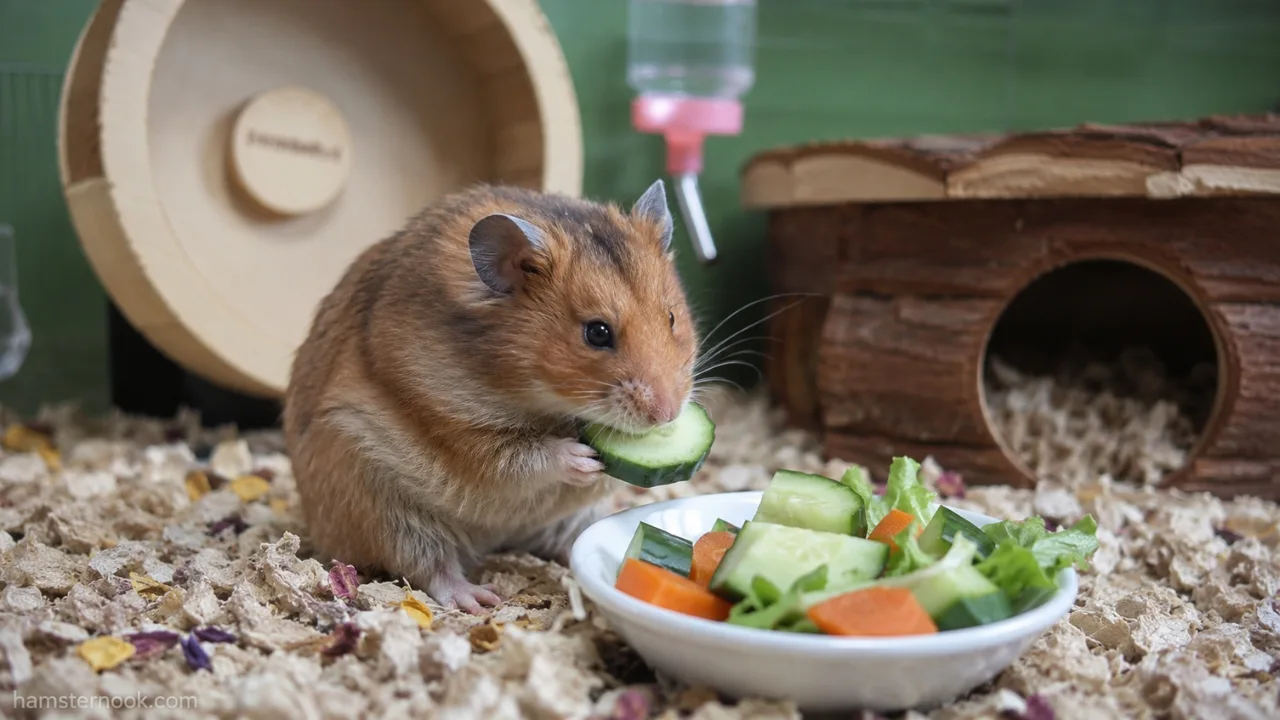
Always wash cauliflower thoroughly before offering it to your hamster. Remove any dirt or debris, then serve a small portion.
Raw vs Cooked Cauliflower for Hamsters
Raw cauliflower is a simple option because it contains no added ingredients. If you offer cooked cauliflower, keep it completely plain, without salt, butter, oil, sauces, or spices, and allow it to cool fully before serving.
Many owners wonder whether cauliflower should be served raw or cooked.
| Type | Safe for Hamsters? | Notes |
|---|---|---|
| Raw Cauliflower | Yes | Preferred option for most hamsters |
| Plain Steamed Cauliflower | Yes | Can be offered occasionally |
| Seasoned Cauliflower | No | Avoid salt, butter, oils, and spices |
| Fried Cauliflower | No | Too high in fat and additives |
Raw cauliflower is a straightforward choice because it needs no added ingredients. The important point is to keep the portion small and avoid seasoned or heavily prepared cauliflower.

Which Parts of Cauliflower Can Hamsters Eat?
Several parts of the cauliflower plant are generally considered safe.
| Part of Cauliflower | Safe to Feed? |
|---|---|
| White Florets | Yes |
| Tender Stems | Yes |
| Leaves | Yes, in small amounts |
| Seasoned or Sauced Portions | No |
The florets are usually the easiest and most commonly offered portion.
Even safe vegetables can become problematic when portion sizes are too large. Because hamsters have very small digestive systems, tiny servings are usually all that is needed to enjoy the benefits without increasing the risk of digestive upset.
How Much Cauliflower Can a Hamster Eat?
Portion control is the key to safe feeding.

Because hamsters are small animals, they require only tiny servings of fresh vegetables.
Fresh vegetables should be offered in small portions, and cauliflower should be treated as part of that overall fresh-food allowance rather than given as a separate large serving. A tiny piece is a sensible starting point for a new food.
There is no reliable cauliflower-specific serving chart that supports different fixed portions for Syrian, dwarf, and Chinese hamsters. PDSA recommends only a small daily portion of fresh fruit, vegetables, and herbs overall, while Blue Cross advises keeping fresh-food portions very small.
How to Introduce Cauliflower to Your Hamster
Whenever introducing a new food, start slowly.

Follow these steps:
- Wash the cauliflower thoroughly.
- Cut a very small piece.
- Offer only a tiny amount initially.
- Observe your hamster for 24 to 48 hours.
- Watch for digestive changes.
- Gradually continue if no issues occur.
Introducing foods one at a time makes it easier to identify the cause of any digestive upset.
Offering treats by hand can also help nervous hamsters become more comfortable around people. Our How to Tame a Hamster Without Getting Bitten guide explains how to build trust safely through positive interactions.
Signs Your Hamster Does Not Tolerate Cauliflower Well
Not every hamster reacts the same way to new foods.
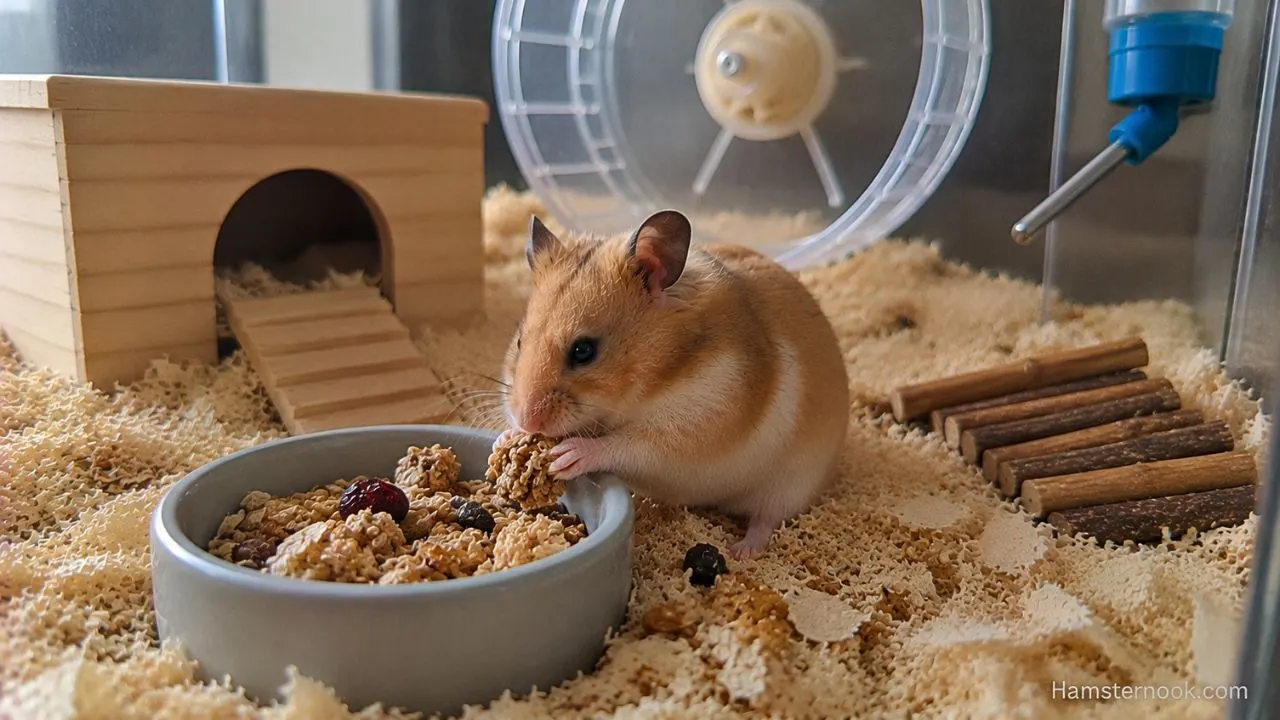
If your hamster develops any of the following signs after eating cauliflower, discontinue feeding and return to its normal diet:
| Possible Sign | What It May Indicate |
|---|---|
| Loose stools | Digestive sensitivity |
| Reduced appetite | Stomach discomfort |
| Bloating | Difficulty digesting the food |
| Lethargy | Potential digestive upset |
Most healthy hamsters tolerate small portions without problems, but individual reactions can vary.
When to Contact a Vet
If your hamster continues to have loose stools, becomes noticeably lethargic, stops eating, or develops a soiled hind end after a food change, contact a veterinarian. These signs should not simply be assumed to be a normal reaction to cauliflower.
Best Vegetables to Rotate Alongside Cauliflower
Cauliflower can be part of a varied vegetable rotation.
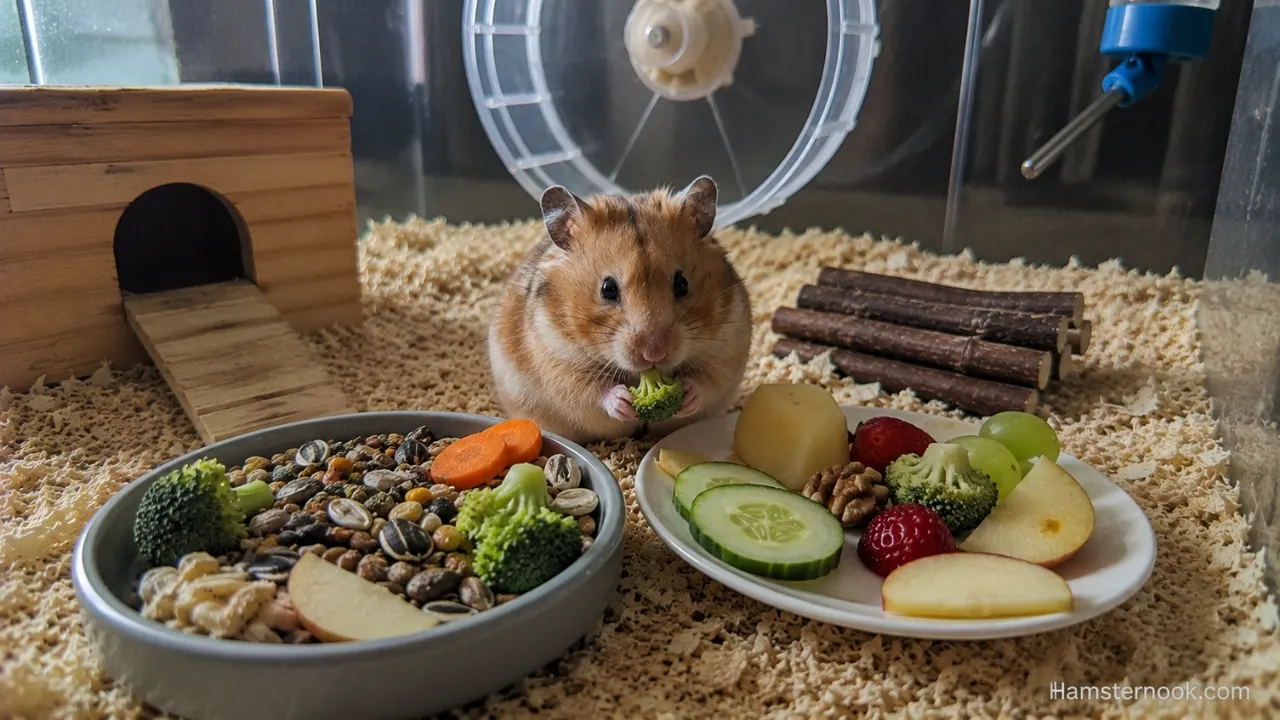
Other commonly fed vegetables include:
- Cucumber
- Bell pepper
- Zucchini
- Broccoli
- Romaine lettuce
- Carrot in moderation
- Green beans
Offering a variety of safe vegetables helps prevent dietary monotony and may provide a wider range of nutrients.
Owners often rotate several vegetables throughout the week rather than relying on a single option. Our Can Hamsters Eat Cucumber? guide explains another popular vegetable that can be included as part of a varied diet.
Vegetables Hamsters Should Avoid
Not all vegetables are suitable for hamsters.
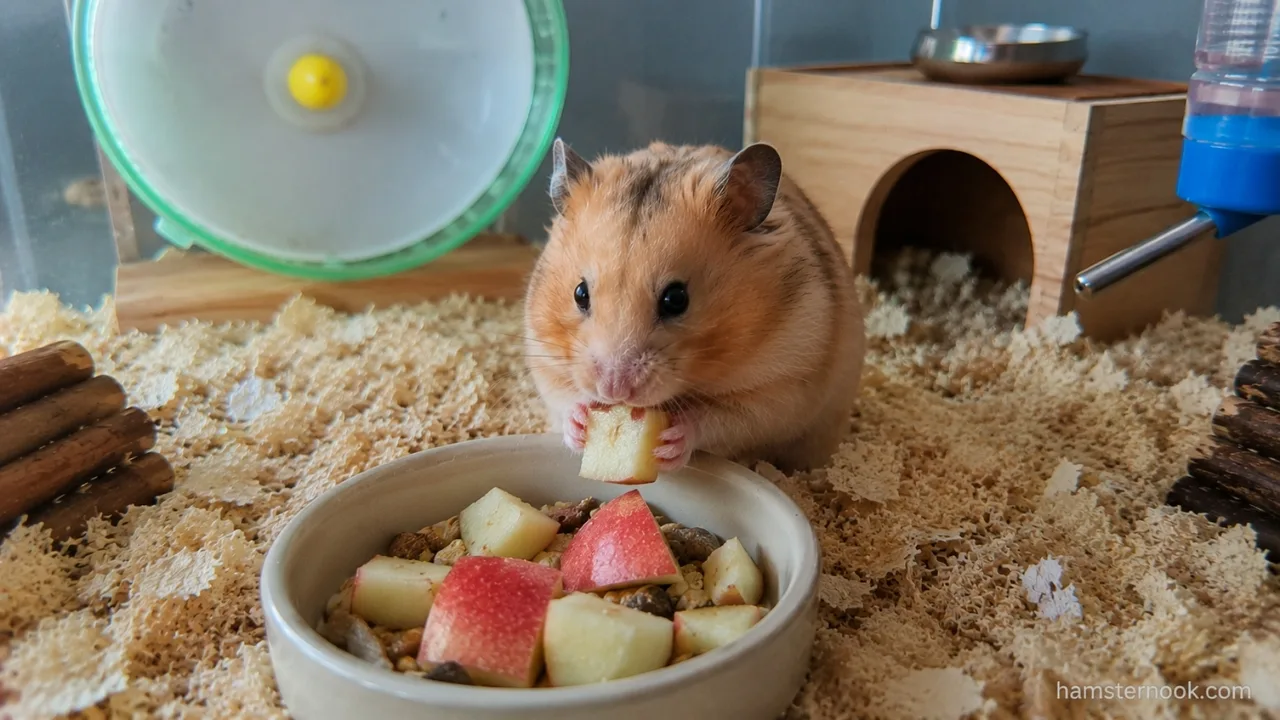
Some foods are best avoided due to toxicity or digestive concerns.
| Food or Preparation | Guidance |
|---|---|
| Rhubarb | Avoid |
| Seasoned vegetables | Avoid |
| Sauced vegetables | Avoid |
When in doubt, research any new food before feeding it.
Do Hamsters Usually Like the Taste of Cauliflower?
Many hamsters readily accept cauliflower because of its mild flavor and crunchy texture. Others may ignore it completely, especially if they are unfamiliar with fresh vegetables.
Food preferences vary from one hamster to another, so a lack of interest does not necessarily mean the food is unsafe. Introducing small portions several times over a period of weeks often provides a better indication of whether a hamster enjoys a particular vegetable.

Is Cauliflower Better Than Broccoli for Hamsters?
Both vegetables can be safe when fed appropriately.
| Factor | Cauliflower | Broccoli |
|---|---|---|
| Fiber Content | Good | Good |
| Crunchy Texture | Yes | Yes |
| Water Content | Moderate | Moderate |
| Nutritional Value | Good | Good |
| Feeding Frequency | Occasional | Occasional |
Both vegetables can be good options, and many owners simply alternate between them as part of a balanced diet.
Final Thoughts
For most healthy hamsters, cauliflower can be a safe occasional treat that adds variety without dramatically changing their overall diet. It provides fiber, variety, and a crunchy texture that many hamsters enjoy without adding excessive calories.
The most important rule is moderation. Large portions may lead to digestive discomfort, while tiny servings offered occasionally are generally well tolerated by healthy hamsters.

As with any fresh food, proper washing, gradual introduction, and careful observation will help ensure that cauliflower remains a safe treat rather than a source of digestive trouble.
Frequently Asked Questions
Can dwarf hamsters eat cauliflower?
Yes. Dwarf hamsters can safely eat very small portions of cauliflower as an occasional treat.
Can hamsters eat cauliflower every day?
No. Cauliflower should be part of a varied diet and offered occasionally rather than daily.
Is raw cauliflower better than cooked cauliflower?
Raw cauliflower is generally preferred because it contains no added ingredients and provides a crunchy texture many hamsters enjoy.

Can hamster babies eat cauliflower?
Young hamsters should remain on an appropriate diet for their age. New vegetables should only be introduced carefully once they are fully weaned.
What happens if my hamster eats too much cauliflower?
Overeating cauliflower may contribute to gas, bloating, soft stools, or digestive discomfort.
Are cauliflower leaves safe for hamsters?
Yes. Fresh, thoroughly washed cauliflower leaves can be offered in small amounts as an occasional treat.
Can hamsters eat cauliflower leaves and stems?
Yes. Small amounts of thoroughly washed cauliflower leaves and tender stems are generally considered safe for healthy hamsters. As with florets, portions should remain small and occasional.
References
This guide is based on hamster nutrition and feeding guidance from trusted veterinary and animal care resources, including:
- RSPCA – Hamster Diet Guidance
- PDSA – Feeding Recommendations
- Veterinary Partner – Small Pet Nutrition Resources
- Blue Cross – Small Pet Care Resources

Narayan Kumar is the founder and author of HamsterNook. He creates practical, research-based hamster care guides covering hamster behavior, nutrition, cage setup, enrichment, health, and everyday care. His goal is to help hamster owners make informed decisions and provide safer, healthier lives for their pets through clear, beginner-friendly information based on trusted animal care resources.