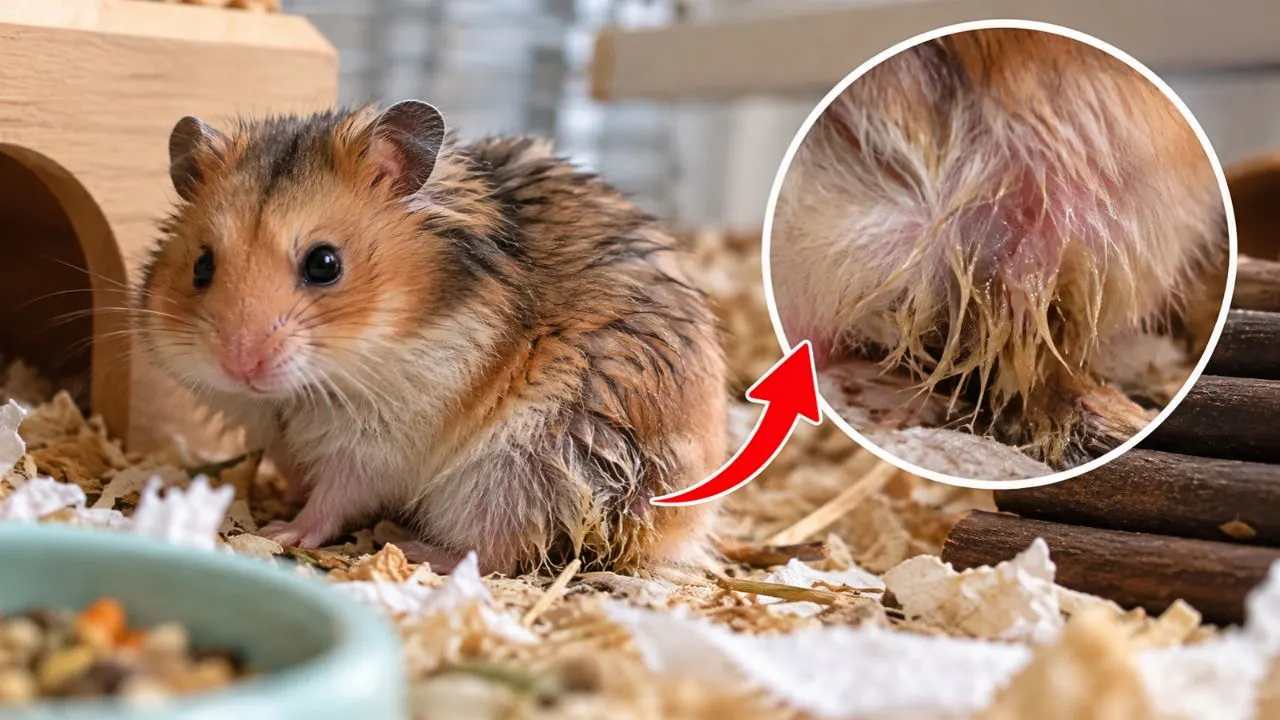
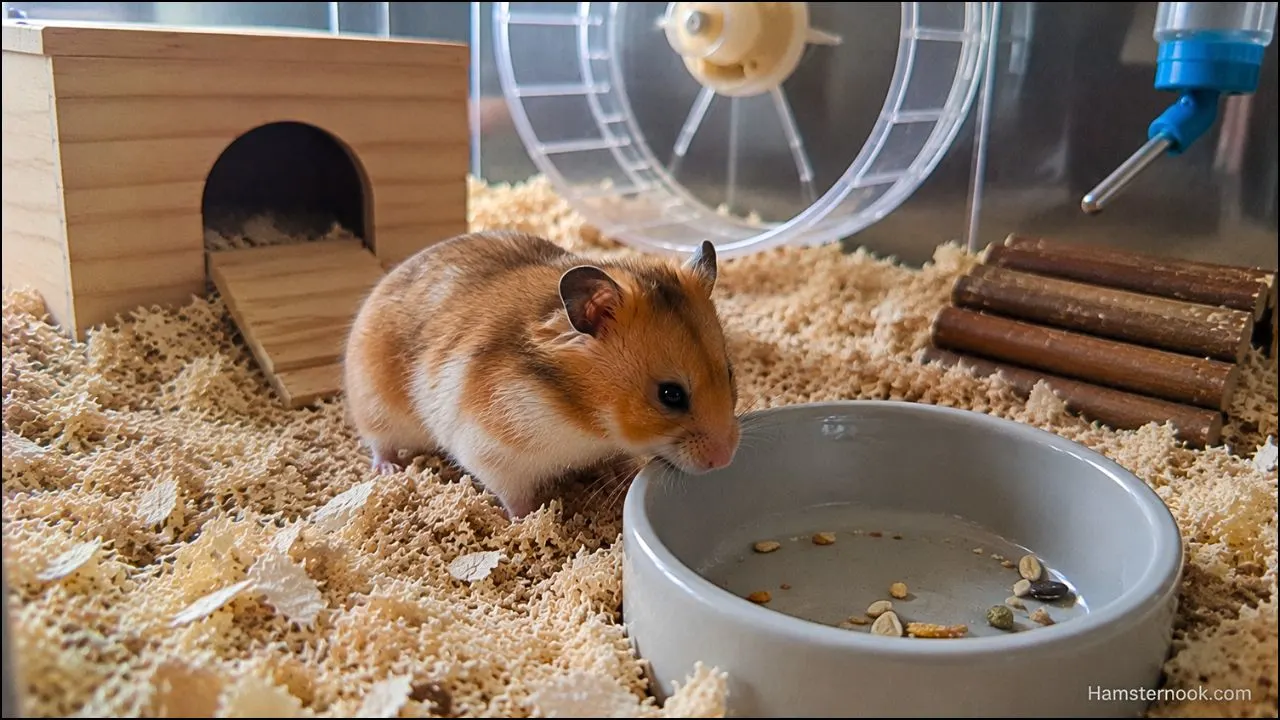
You refill your hamster’s water bottle every few days, and everything seems normal. Then one day, you notice the water level dropping much faster than usual. Maybe your hamster keeps returning to the bottle, spends more time drinking, or empties the bottle sooner than expected.
A sudden increase in water consumption can be harmless in some situations, but persistent excessive drinking should always be monitored carefully. It can also signal an underlying health problem that shouldn’t be ignored.
Changes in temperature, diet, activity levels, and even stress can affect how much water a hamster drinks. In other cases, excessive thirst may be one of the first visible signs of illness.
Understanding the difference between normal and abnormal drinking behavior can help you determine whether your hamster simply needs more hydration or whether a veterinary visit is necessary.
How Much Water Should a Hamster Normally Drink?
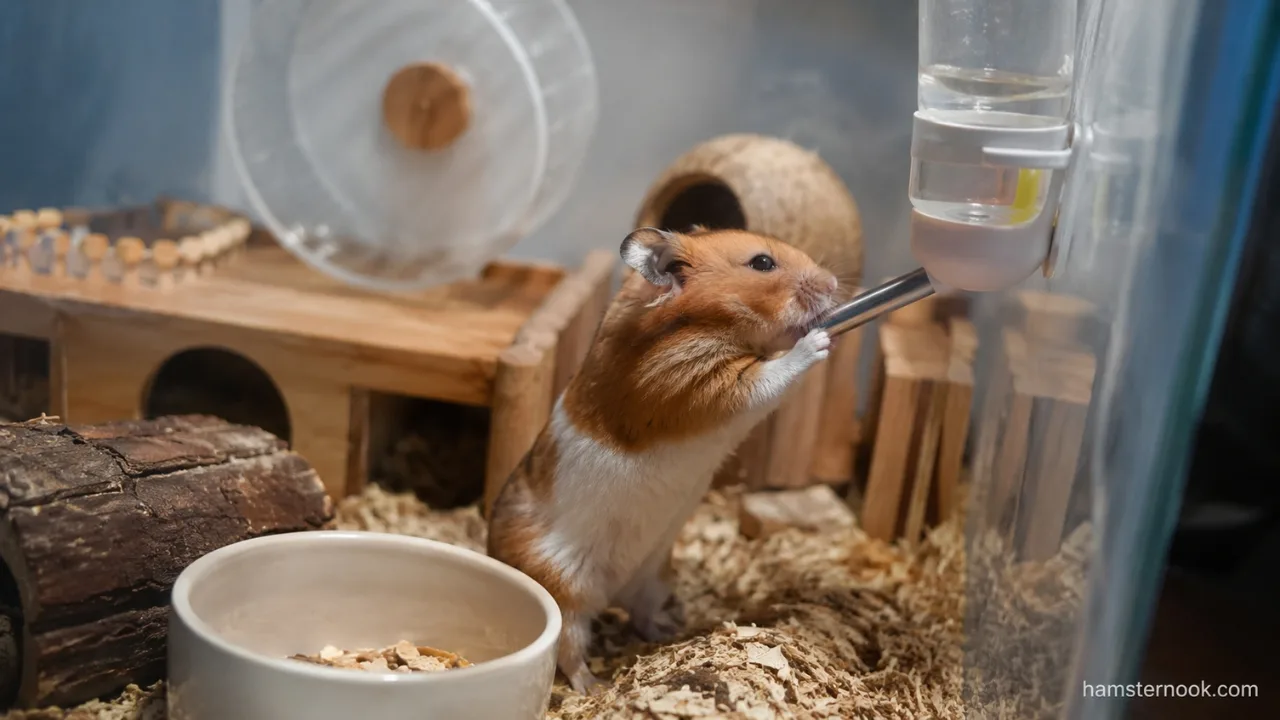
There is no exact amount that applies to every hamster because water needs vary depending on species, age, diet, activity level, and environment.
Generally, healthy hamsters drink small amounts throughout the day and night rather than consuming large amounts at once.
How Much Water Does a Hamster Drink Per Day?
There is no single daily amount that is normal for every pet hamster. Veterinary reference data lists about 30 mL of water per day for golden hamsters under specific laboratory conditions, but that figure should not be treated as a universal target for every pet. Water intake can vary with body size, diet, temperature, activity, pregnancy, and other conditions, so a noticeable change from your hamster’s usual drinking pattern is often more useful than comparing it with one fixed number.
Typical Water Consumption Factors
| Factor | Effect on Water Intake |
|---|---|
| Larger hamster breeds | Usually drink more water |
| Dry food diet | Increases water needs |
| Fresh vegetables | May reduce water consumption |
| Warm weather | Increases thirst |
| Higher activity levels | Increases water needs |
| Pregnancy or nursing | Significantly increases water intake |
Instead of focusing only on volume, pay attention to changes from your hamster’s normal routine.
Signs Your Hamster Is Drinking More Than Usual
Sometimes owners assume their hamster is drinking excessively when the water bottle is actually leaking.
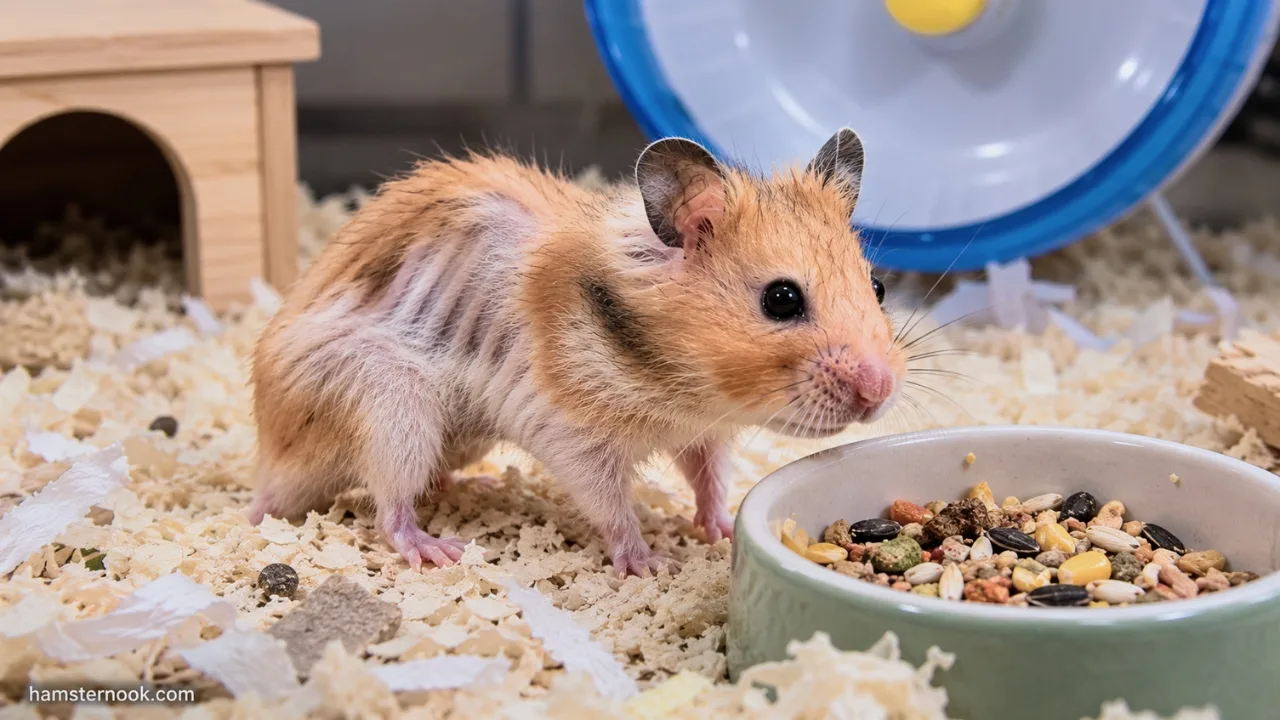
Before worrying about health issues, look for genuine signs of increased drinking behavior.
Common Indicators
| Sign | What It May Mean |
|---|---|
| Frequent visits to the water bottle | Increased thirst |
| Water bottle empties unusually fast | More drinking or leakage |
| Longer drinking sessions | Potential health concern |
| Increased urination | Often accompanies excessive drinking |
| Damp bedding near toilet area | Possible increase in urine output |
Tracking body weight at the same time can provide additional clues about your hamster’s overall health.
Check the Water Bottle First
A surprisingly common explanation is a faulty water bottle.

Water bottles can leak slowly without owners noticing immediately. A dripping nozzle can make it seem as though the hamster is consuming much more water than normal.
If the bottle itself is the problem, our Why Is My Hamster Not Using Its Water Bottle? 8 Reasons & What to Do guide covers common bottle and drinking-system problems to check.
How to Test the Bottle
| Step | What to Do |
|---|---|
| Remove the bottle | Check for visible drips |
| Press the ball bearing | Ensure smooth operation |
| Observe for 30 minutes | Watch for leaking |
| Check bedding below | Look for damp spots |
| Compare water levels | Monitor over 24 hours |
If the bottle is leaking, replacing it may solve the mystery immediately.
Hot Weather Can Increase Water Consumption
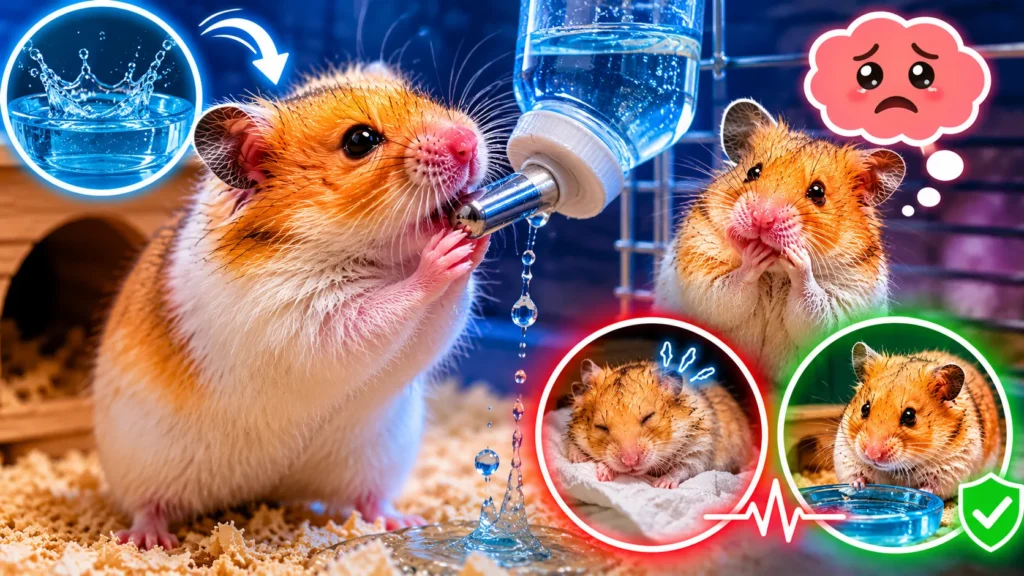
Hamsters are sensitive to heat and dehydration.
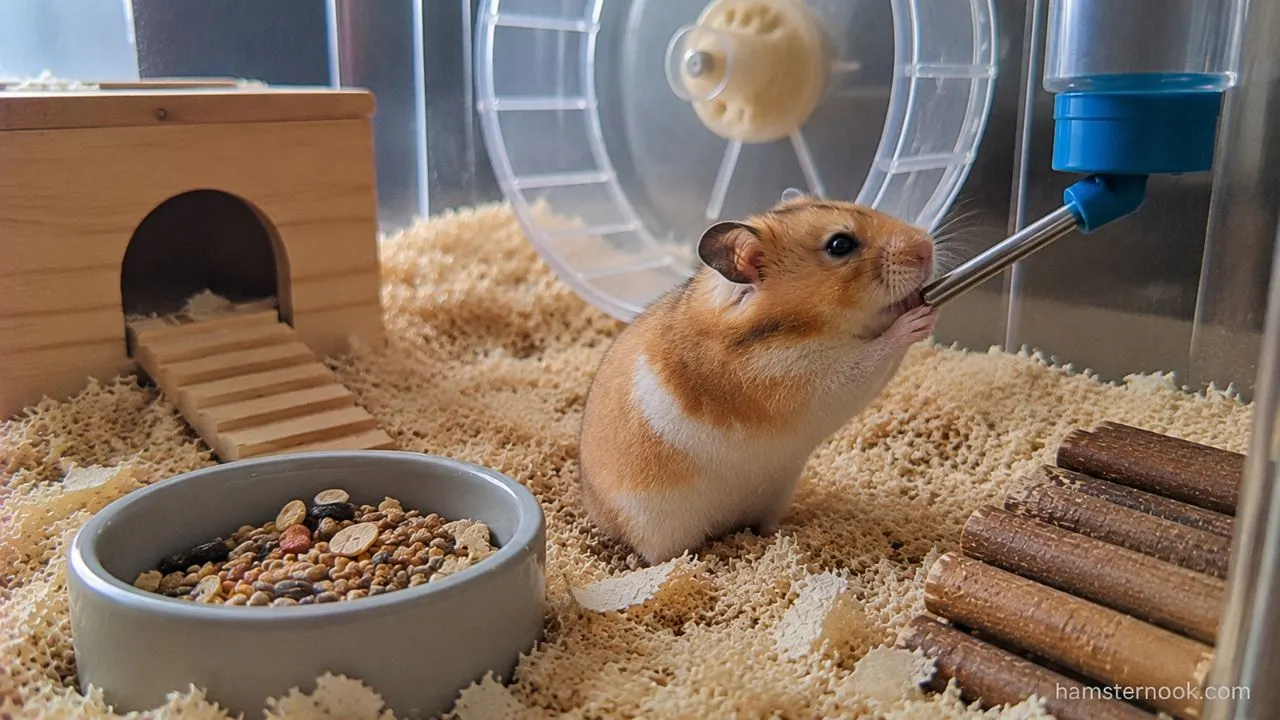
During warmer months, a hamster may naturally drink more water to regulate body temperature and replace lost fluids.
Heat-Related Reasons for Increased Drinking
| Condition | Effect |
|---|---|
| Hot room temperatures | Higher thirst |
| Poor cage ventilation | Increased water needs |
| Direct sunlight exposure | Risk of overheating |
| Summer weather | Greater hydration demand |
If your hamster is otherwise behaving normally, seasonal temperature changes may explain the increase.
Dietary Changes May Cause More Thirst
What your hamster eats can directly affect how much water it drinks.
Dry foods typically require more water for digestion than fresh foods.
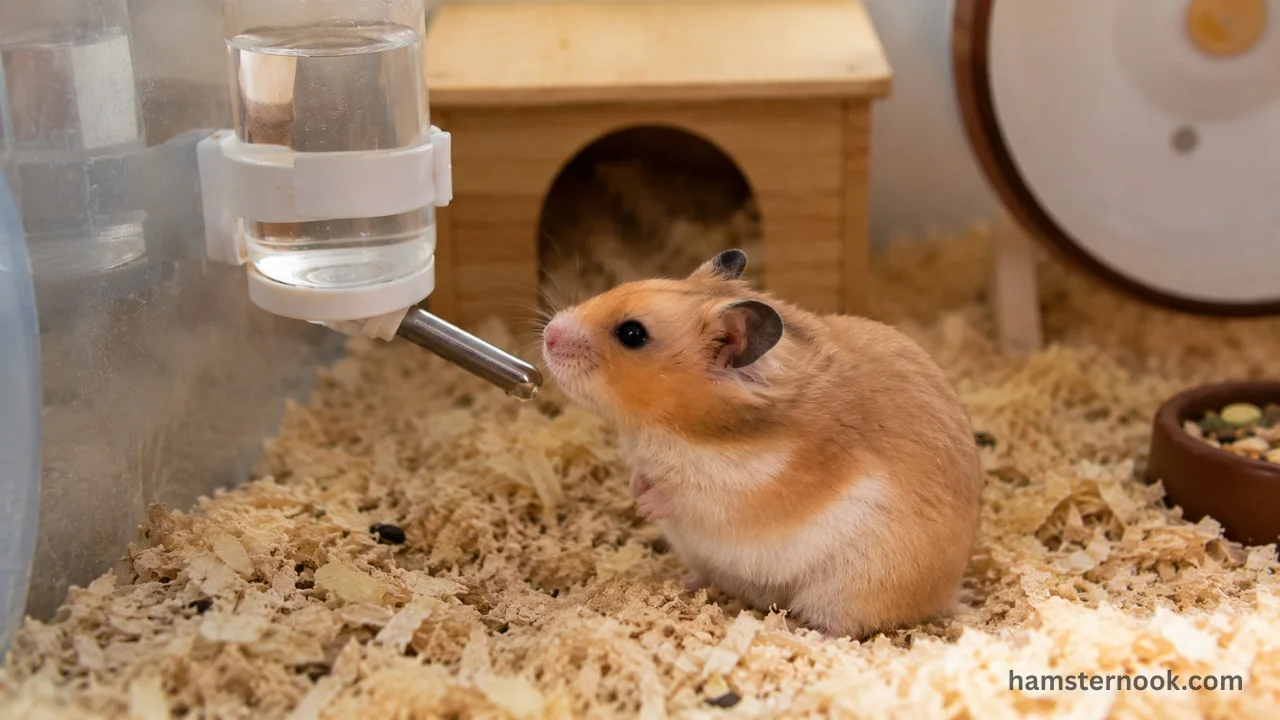
Foods That May Increase Thirst
| Food Type | Reason |
|---|---|
| Dry seed mixes | Lower moisture content |
| Pellets | Require additional water |
| High-protein treats | May increase water needs |
| Salty foods | Can trigger thirst |
| Dried vegetables | Contain little moisture |
Fresh vegetables often contribute small amounts of hydration, which may reduce water consumption slightly.
Increased Activity Can Lead to More Drinking
A hamster that becomes more active may naturally need more water.
This often occurs when:
- A new wheel is introduced
- Exercise opportunities increase
- The hamster is younger and highly energetic
- The cage setup encourages more exploration
More physical activity typically means higher hydration requirements.
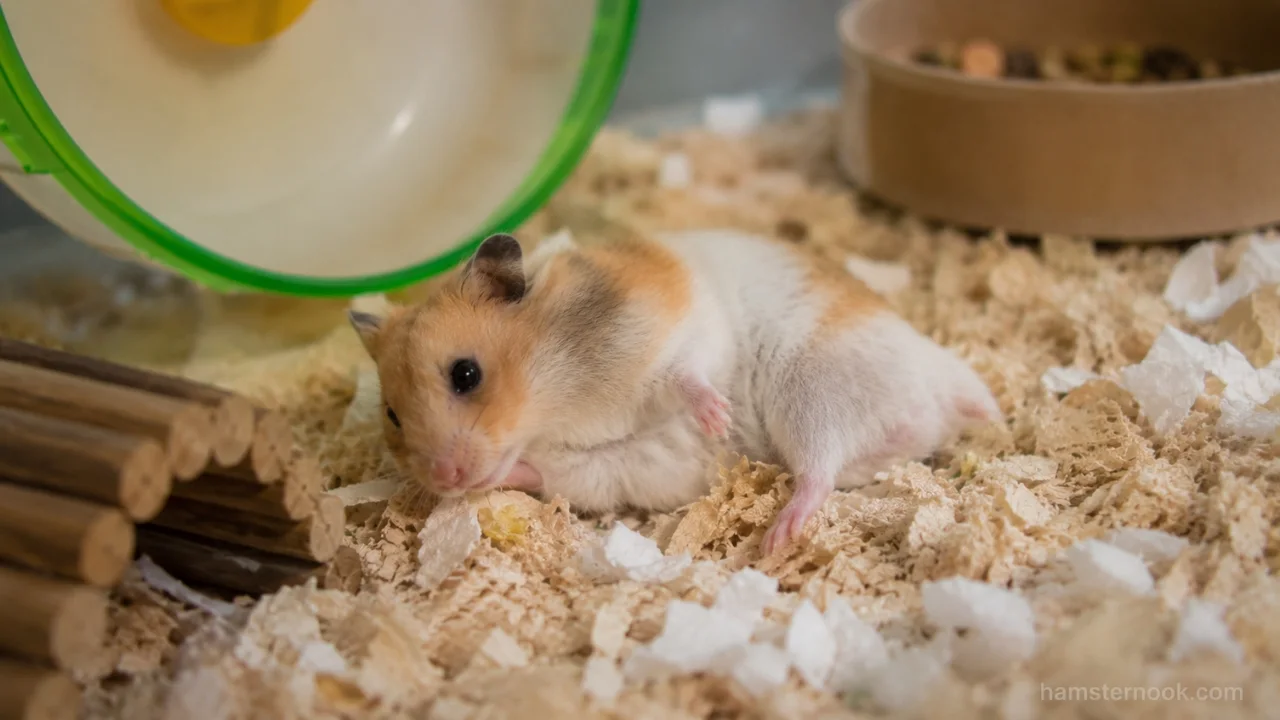
Stress and Environmental Changes
Stress affects hamster behavior in many ways, including drinking habits.
Recent changes may temporarily increase water intake.
Possible Stress Triggers
| Environmental Change | Potential Impact |
|---|---|
| New cage | Temporary stress |
| New pet in the home | Increased anxiety |
| Moving house | Behavioral changes |
| Excessive handling | Stress response |
| Loud noises | Elevated nervousness |
Stress-related increases in drinking are often temporary and improve once the hamster feels secure again.
Pregnancy and Nursing Can Increase Water Needs
Female hamsters that are pregnant or nursing babies require additional hydration.
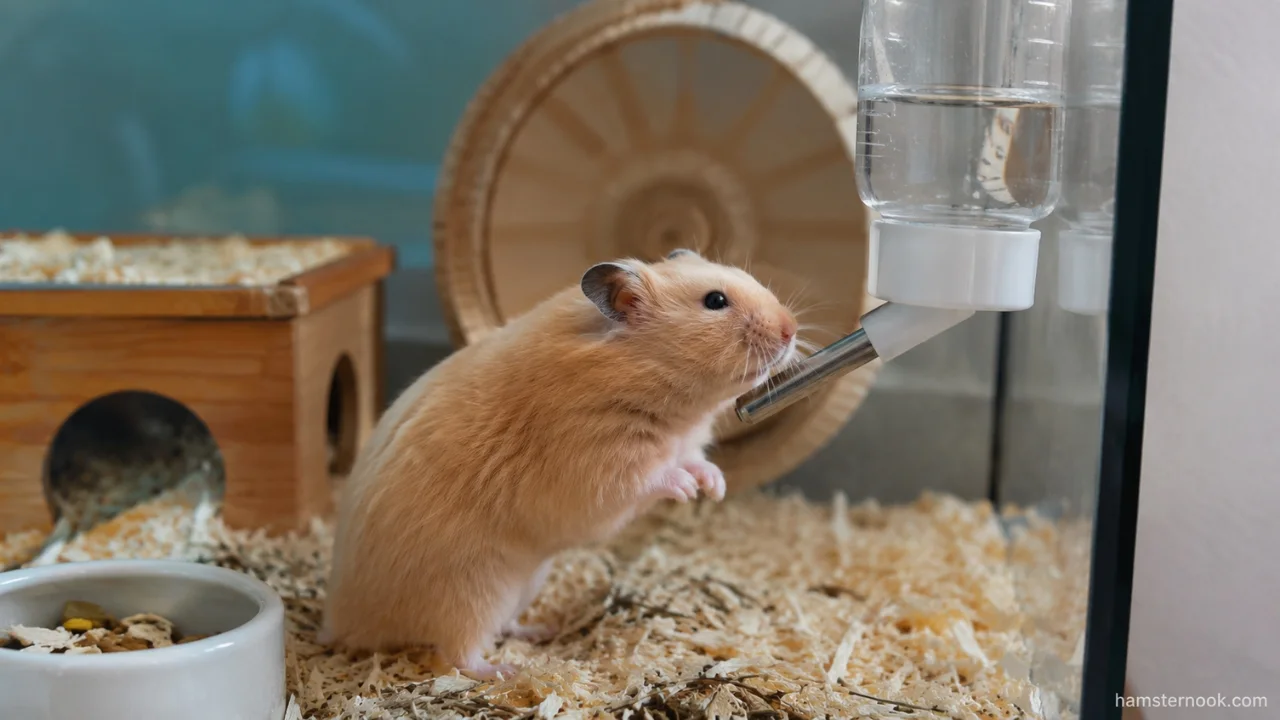
Their bodies work harder to support developing pups and milk production.
Life Stage Comparison
| Life Stage | Water Needs |
|---|---|
| Adult hamster | Normal |
| Growing juvenile | Slightly increased |
| Pregnant female | Increased |
| Nursing mother | Significantly increased |
Pregnancy and nursing can change a hamster’s water needs, but a marked or sudden increase should still be monitored rather than automatically assumed to be normal. If increased drinking is accompanied by weight loss, weakness, reduced appetite, or other unusual changes, veterinary advice is appropriate.
Could Excessive Drinking Be a Sign of Diabetes?
One of the most well-known medical causes of excessive thirst in hamsters is diabetes.
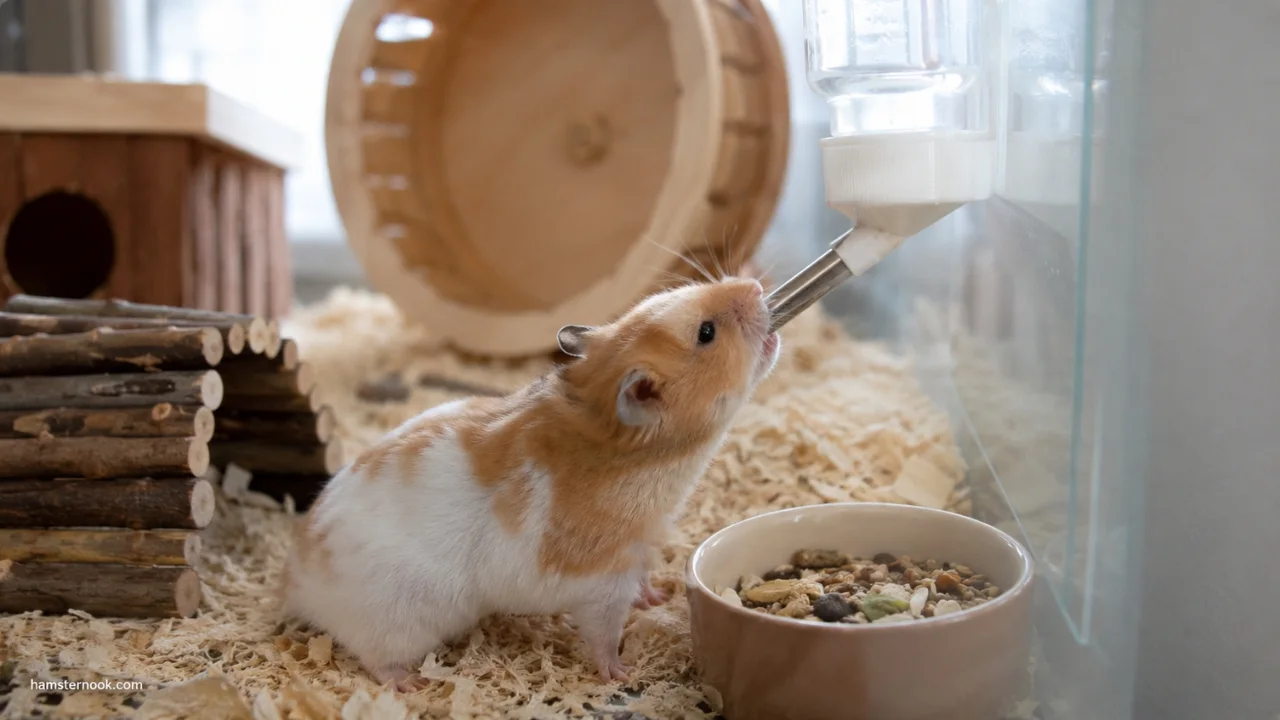
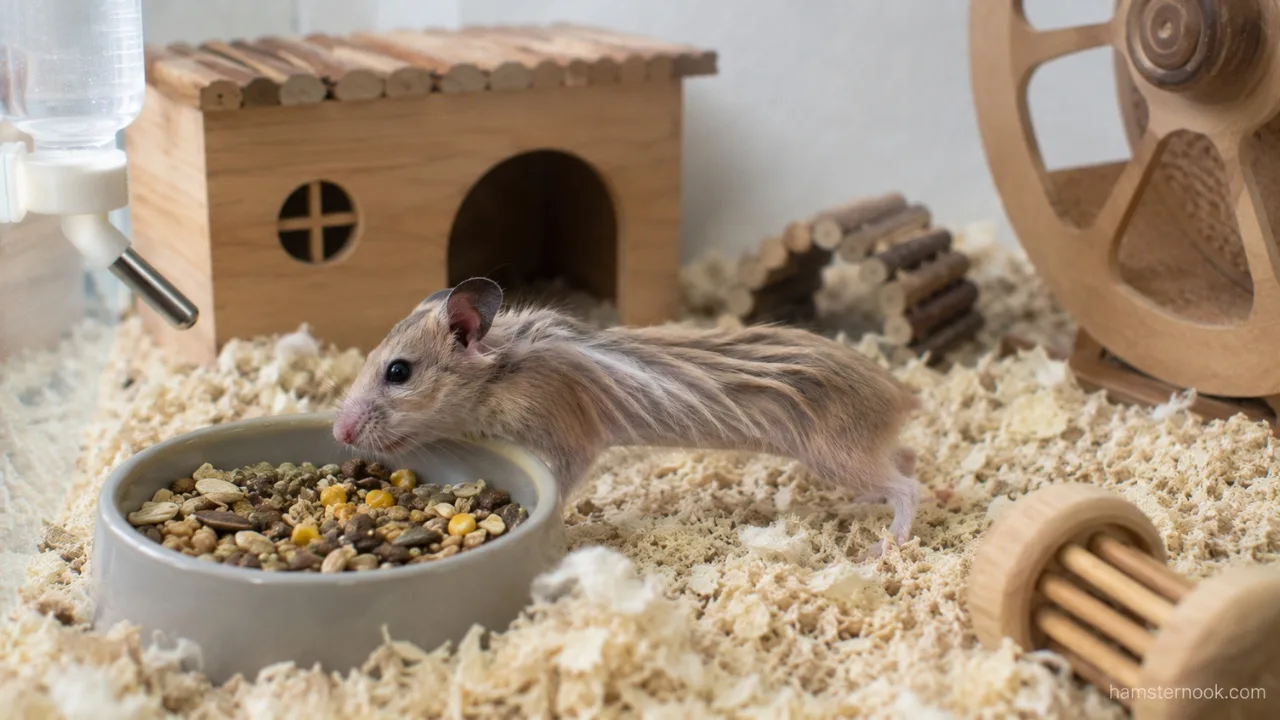
Dwarf hamsters, particularly Russian dwarf hamsters, are more prone to diabetes than some other hamster types. Excessive drinking and increased urination can be warning signs, but these symptoms alone cannot confirm diabetes.
Common Diabetes Warning Signs
| Symptom | Often Seen With Diabetes |
|---|---|
| Excessive drinking | Yes |
| Frequent urination | Yes |
| Weight loss | Often |
| Increased appetite | Common |
| Lethargy | Possible |
| Poor coat condition | Sometimes |
If your hamster is drinking more water and also appears weaker or less active than usual, this combination deserves closer attention. Our guide on Why Is My Hamster Suddenly Weak? 9 Causes, Warning Signs & What to Do explains the warning signs that can accompany dehydration, illness, and other health problems.
Only a veterinarian can properly diagnose diabetes.
Kidney Problems and Excessive Thirst
Kidney disease can also cause a hamster to drink more water than normal.
The kidneys help regulate fluid balance. When they do not function properly, the body may compensate by increasing thirst.
Possible Kidney Disease Symptoms
| Symptom | May Occur |
|---|---|
| Increased drinking | Yes |
| Increased urination | Yes |
| Weight loss | Possible |
| Weakness | Possible |
| Reduced activity | Common |
Kidney problems require professional veterinary evaluation.
Urinary Tract Issues Can Affect Water Consumption
Urinary tract infections and other urinary system problems may increase both drinking and urination.
Watch for additional signs such as:
If increased drinking is also accompanied by unusual urine color, odor, or changes in urination, our What Does Healthy Hamster Urine Look Like? Normal Color, Odor & Warning Signs guide explains what owners should watch for.

- Straining while urinating
- Blood in urine
- Strong urine odor
- Discomfort during urination
- Reduced activity
Prompt veterinary care is important if these symptoms appear.
What Other Changes Should You Watch For?
Increased drinking is more useful as a health clue when it appears alongside other changes. Keep an eye on appetite, body weight, urination, activity, grooming, breathing, and overall behavior.
A hamster that is drinking more but otherwise remains active, eats normally, maintains its weight, and shows no other unusual signs may simply be responding to heat, diet, or increased activity. However, drinking more water together with weight loss, weakness, reduced appetite, frequent urination, or unusual behavior deserves veterinary attention.
The important point is not to judge water intake alone. Look for a change from your hamster’s normal routine and whether other symptoms are developing at the same time.
When Should You Be Concerned?
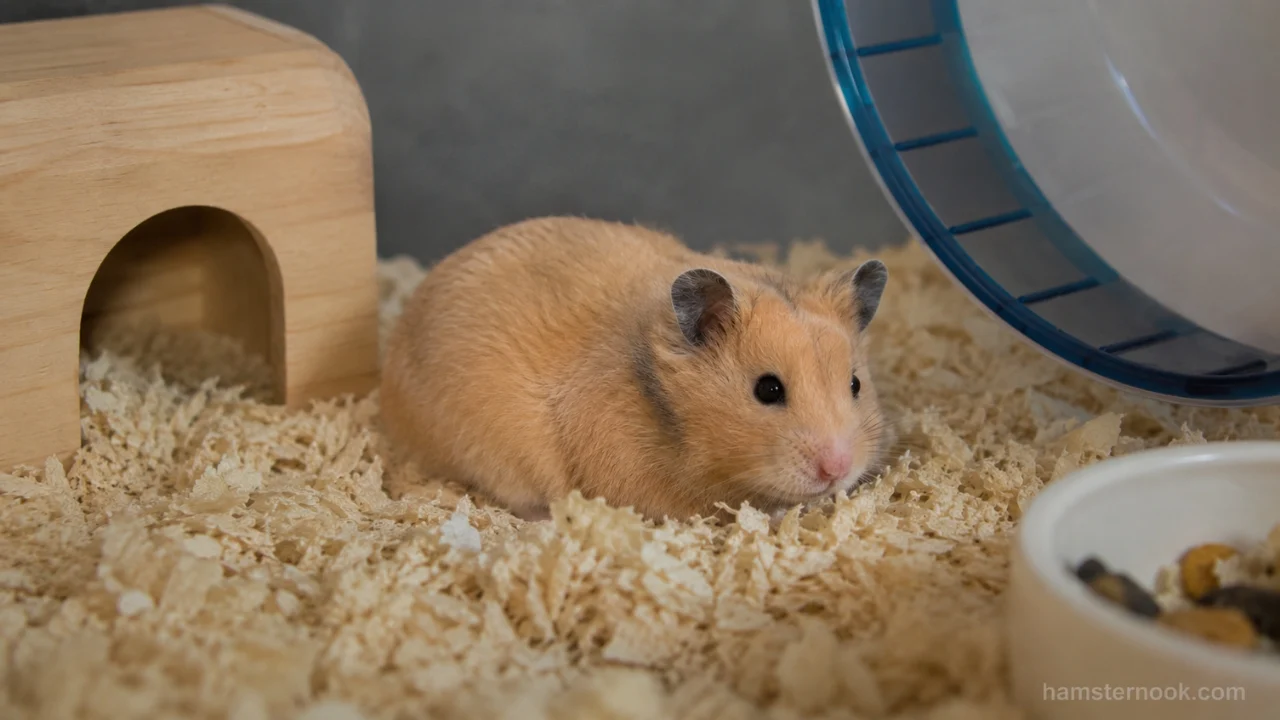
A small increase in drinking can occur with warmer temperatures, diet changes, or increased activity, but a sudden or marked change should not automatically be dismissed as normal. RSPCA hamster guidance lists drinking lots of water among signs that warrant veterinary attention.
However, sudden excessive thirst accompanied by other symptoms deserves attention.
If increased drinking is happening alongside poor appetite, weakness, or other changes in behavior, it is important to look at the symptoms together rather than treating thirst as an isolated problem. Our guide on Why Is My Hamster Not Eating? 9 Causes, Warning Signs & What to Do covers appetite changes, dehydration risks, and other warning signs that can appear when a hamster is unwell.
Seek Veterinary Advice If You Notice
| Warning Sign | Level of Concern |
|---|---|
| Rapid weight loss | High |
| Excessive urination | High |
| Blood in urine | High |
| Lethargy | High |
| Refusal to eat | High |
| Persistent excessive thirst | Moderate to High |
| Poor coat condition | Moderate |
Excessive sleeping combined with increased thirst can indicate an underlying health issue. Our Why Is My Hamster Not Eating and Sleeping More? Causes & Warning Signs guide covers this combination of appetite and behavior changes in more detail.
How to Monitor Your Hamster’s Water Intake
Tracking water intake can help identify patterns and provide useful information for a veterinarian.
Simple Monitoring Tips
| Method | Benefit |
|---|---|
| Mark bottle level daily | Tracks consumption |
| Weigh your hamster weekly | Detects weight changes |
| Record unusual behaviors | Identifies patterns |
| Check bedding daily | Monitors urination |
| Note dietary changes | Finds possible causes |
A simple notebook or phone note can be surprisingly useful.
How to Keep Your Hamster Properly Hydrated
Whether your hamster drinks a little or a lot, clean water should always be available.
Hydration Best Practices
| Practice | Why It Matters |
|---|---|
| Fresh water daily | Prevents contamination |
| Clean bottles regularly | Reduces bacteria |
| Provide proper ventilation | Helps temperature control |
| Avoid overheating | Prevents dehydration |
| Feed a balanced diet | Supports overall health |
Good hydration habits support long-term health and well-being.
When excessive thirst appears together with several serious symptoms, such as severe weakness, refusal to eat, breathing changes, or unresponsiveness, these signs should be treated as a broader health concern. Our guide on 7 Signs Your Hamster May Be Dying: When to Seek Emergency Veterinary Care explains which combinations of symptoms require urgent veterinary attention.
Final Thoughts
A hamster suddenly drinking more water is not always a sign of illness. Hot weather, dietary changes, increased activity, stress, pregnancy, or a leaking water bottle can all explain higher water consumption.
However, Excessive thirst combined with symptoms such as weight loss, frequent urination, lethargy, or changes in appetite should not be ignored. Increased thirst can occur with conditions affecting the kidneys or urinary system, and diabetes is another possible cause that requires veterinary assessment. These symptoms are not enough to diagnose a specific disease at home.
The best approach is to observe your hamster carefully, rule out simple causes first, and seek veterinary advice if unusual drinking continues or other symptoms appear. Paying attention to these changes early can make a significant difference in your hamster’s health.

Frequently Asked Questions
Why is my hamster suddenly emptying its water bottle so fast?
First, check whether the water bottle is leaking. If the bottle is functioning properly, increased thirst caused by heat, diet changes, activity, or illness may be responsible.
Can hot weather make hamsters drink more water?
Yes. Higher temperatures often increase a hamster’s hydration needs, causing more frequent drinking.
Is excessive drinking a sign of diabetes in hamsters?
Excessive thirst and increased urination can occur with diabetes, particularly in dwarf hamsters that are more prone to the condition. These signs can also occur with other health problems, so veterinary testing is needed to determine the cause.
How do I know if my hamster’s water bottle is leaking?
Look for wet bedding beneath the nozzle, visible dripping, or unexplained water loss when the hamster is inactive.
Should I worry if my hamster drinks more after eating dry food?
Not necessarily. Dry foods contain little moisture and often increase a hamster’s need for drinking water.
When should I take my hamster to a vet for excessive drinking?
Contact a veterinarian promptly if your hamster is drinking much more than usual, especially if the change is accompanied by weight loss, lethargy, appetite changes, blood in the urine, increased urination, weakness, or other unusual behavior. Do not rely on waiting several days if the change is sudden or your hamster appears unwell.
References
This guide is based on hamster hydration, nutrition, urinary health, diabetes, kidney function, illness signs, and veterinary care guidance from trusted animal welfare and veterinary resources, including:
- RSPCA – Hamster Health & Welfare – Guidance on hamster health monitoring, drinking and urination changes, dehydration, and signs that may require veterinary attention.
- RSPCA – Hamster Diet – Guidance on hamster nutrition, fresh food, water, hydration, and maintaining a balanced diet.
- PDSA – Hamsters as Pets – Practical advice on hamster care, diet, hydration, common health problems, and when veterinary care may be needed.
- MSD Veterinary Manual – Disorders and Diseases of Hamsters – Veterinary information on diseases and health conditions that may cause changes in drinking, urination, appetite, weight, and activity.
- MSD Veterinary Manual – Routine Health Care of Hamsters – Guidance on monitoring hamster health, recognizing changes in normal behavior, and routine veterinary care.
- MSD Veterinary Manual – Hamsters – Veterinary reference information covering hamster health, nutrition, hydration, diseases, and clinical care.
Medical Disclaimer
This article is intended for educational purposes only and should not be considered veterinary advice. Increased drinking can have several possible causes, including environmental or dietary changes as well as underlying health conditions. Excessive thirst accompanied by weight loss, increased urination, lethargy, appetite changes, weakness, blood in the urine, or other unusual symptoms should be evaluated by a qualified exotic animal veterinarian. Do not use the information in this article to diagnose or treat your hamster at home.

Narayan Kumar is the founder and author of HamsterNook. He creates practical, research-based hamster care guides covering hamster behavior, nutrition, cage setup, enrichment, health, and everyday care. His goal is to help hamster owners make informed decisions and provide safer, healthier lives for their pets through clear, beginner-friendly information based on trusted animal care resources.