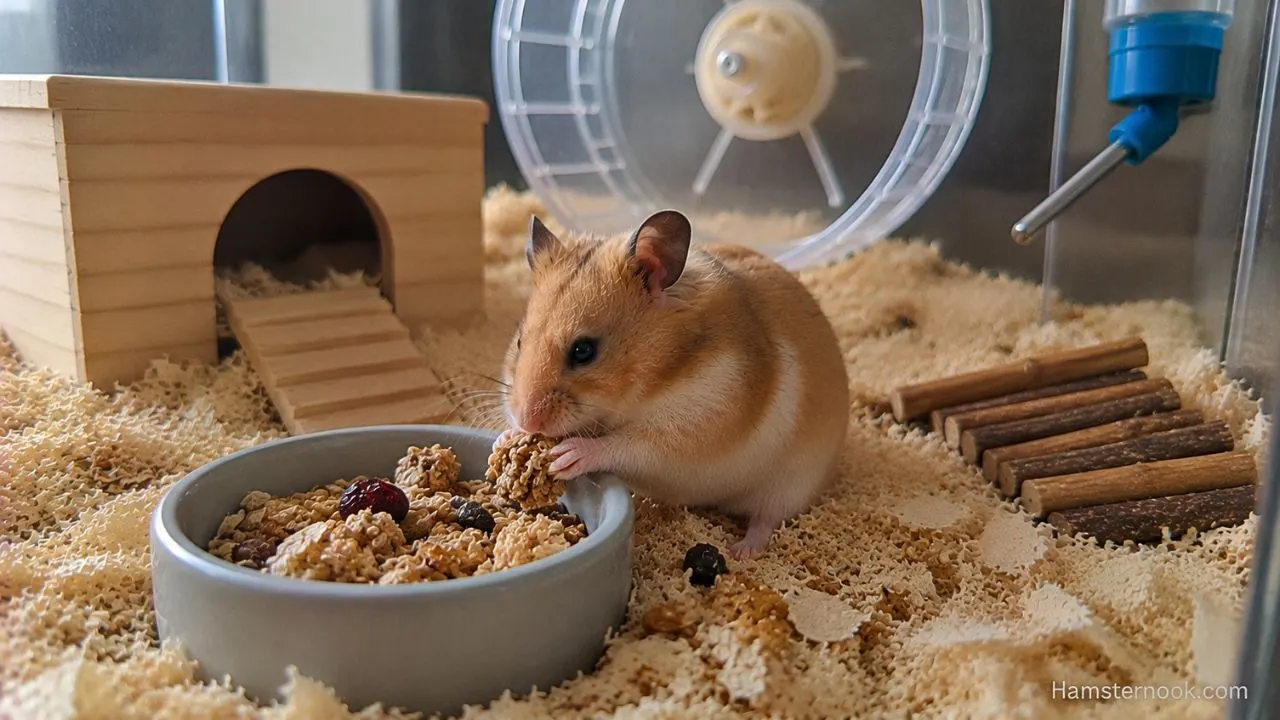
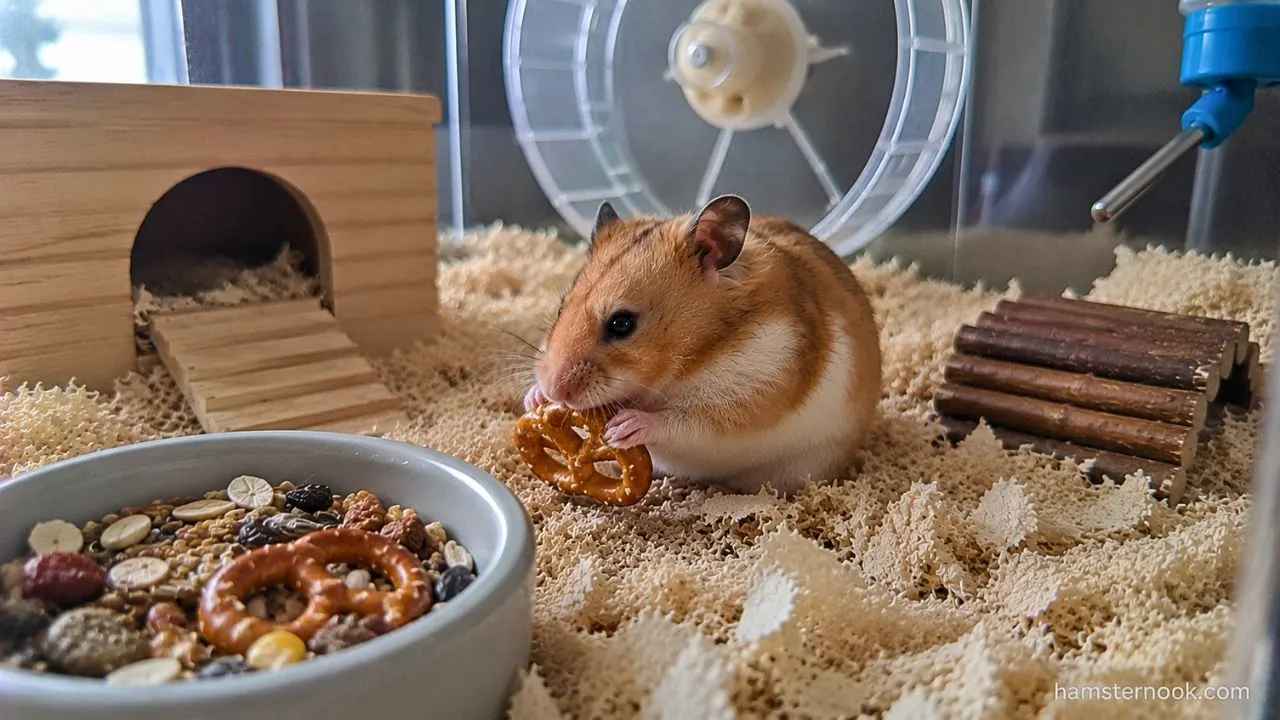
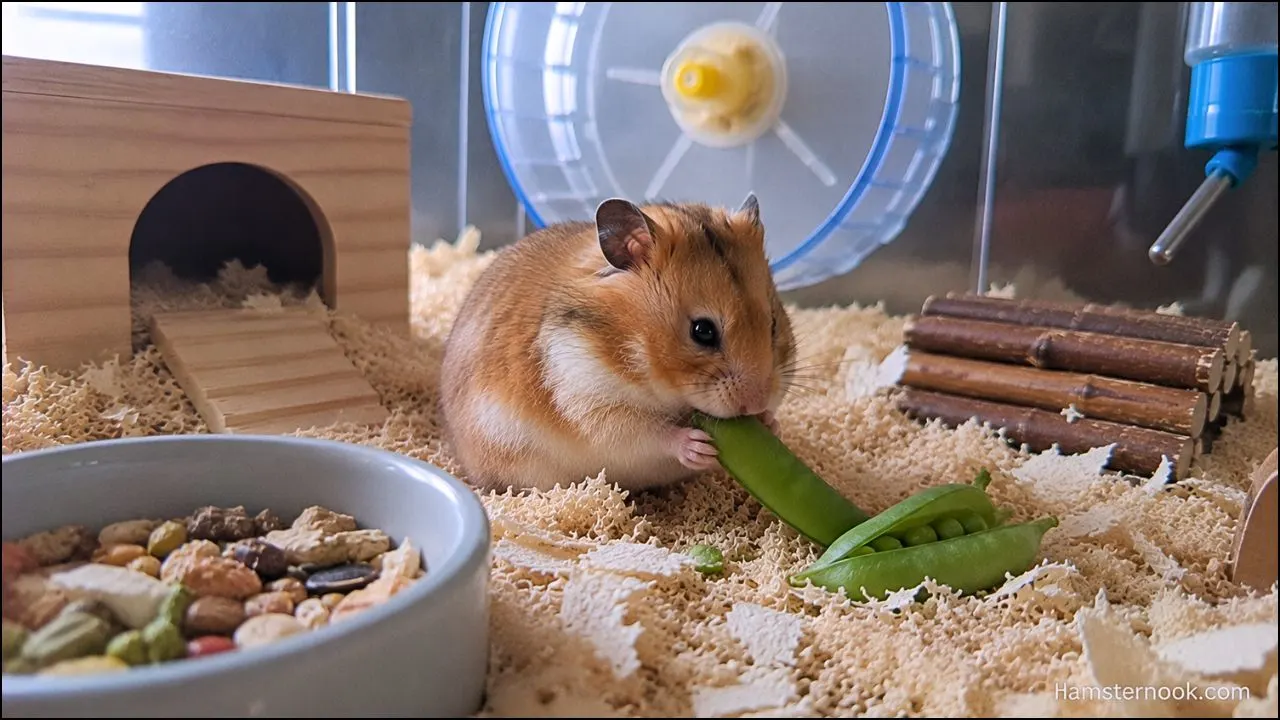
Many hamster owners eventually wonder whether it’s safe to share a small piece of their own food with their pet. While some fresh human foods can be healthy occasional treats, others may upset a hamster’s delicate digestive system or create long-term health problems. Knowing the difference is one of the easiest ways to keep your hamster healthy.
Hamsters have delicate digestive systems, so even foods that are perfectly safe for people may not be suitable for them. A small amount of the wrong food can upset digestion, contribute to unhealthy weight gain, or increase the risk of diet-related health problems over time. Choosing safe foods and offering them in moderation is one of the easiest ways to support long-term health.
Many owners assume that if a food is healthy for people, it must also be safe for hamsters. Unfortunately, that’s not always true, and even small amounts of certain foods can cause digestive problems or other health issues.
This guide covers 10 foods hamsters can safely eat, how much to feed, which foods to avoid completely, and important feeding rules every hamster owner should know.
Quick Answer: Can Hamsters Eat Human Food?
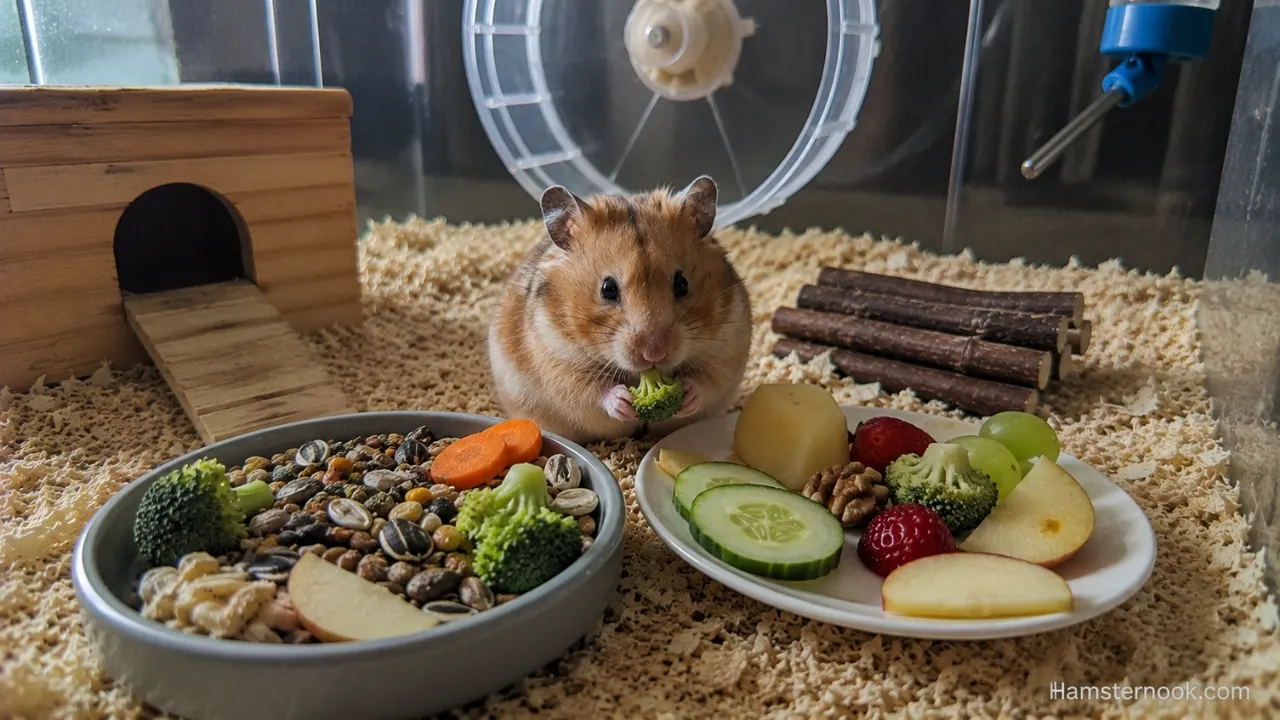
Yes, some human foods can be offered to hamsters in small amounts as occasional additions to their normal diet. Suitable options in this guide include cucumber, carrot, seedless apple, broccoli, plain oats, boiled egg, blueberries, plain cooked chicken, pumpkin, and mealworms. Keep portions small, introduce new foods gradually, and avoid seasoned, sugary, salty, or potentially harmful foods.
Understanding a Hamster’s Natural Diet
Human foods should only supplement a balanced hamster diet rather than replace it.
For a broader overview of the everyday hamster diet and foods that can be offered safely, see What Do Hamsters Eat? Complete Safe & Unsafe Food List.
Before offering human foods, it helps to understand what hamsters naturally eat.

Wild hamsters are omnivores. Their diet usually includes:
- Seeds
- Grains
- Vegetables
- Small fruits
- Insects
- Plant material
Pet hamsters should still get most of their nutrition from a high-quality commercial hamster food, while human foods should only be occasional supplements or treats.
Too many treats, even healthy ones, can quickly unbalance a hamster’s diet.
Quick Safe vs Unsafe Human Foods for Hamsters
| Safe Foods | Unsafe Foods |
|---|---|
| Cucumber | Chocolate |
| Carrot | Onion |
| Apple (seedless) | Garlic |
| Broccoli | Avocado |
| Oats | Candy |
| Boiled Egg | Citrus fruits |
| Blueberries | Salty chips |
| Plain Chicken | Sugary desserts |
| Pumpkin | Fried foods |
| Mealworms | Raw beans |
This table gives a quick overview, but portion size still matters even with safe foods.
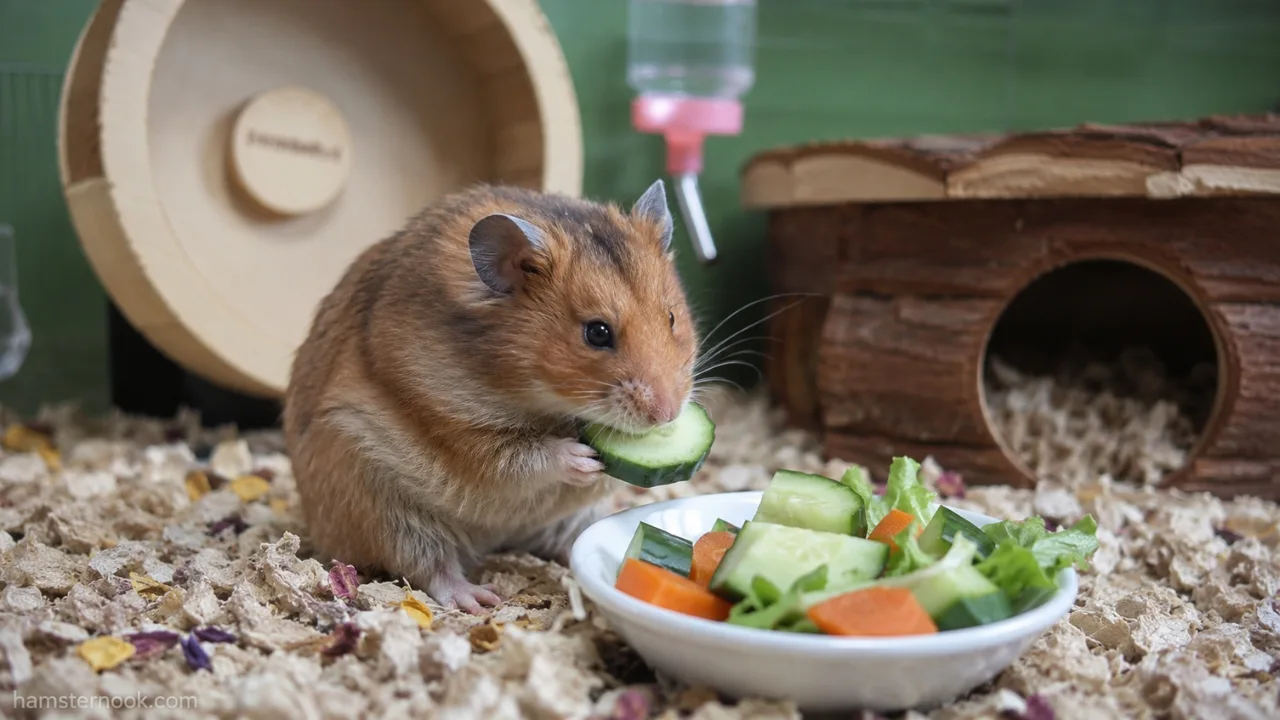
What Human Foods Can Hamsters Eat?
1. Cucumber
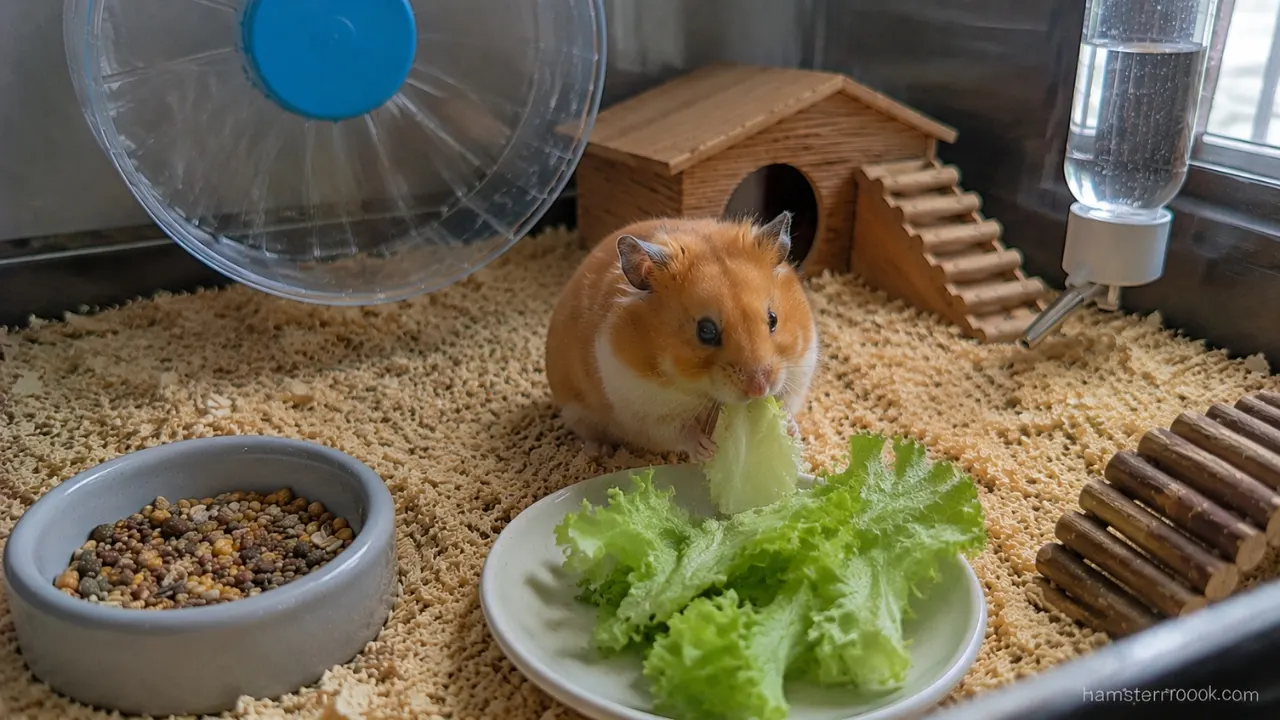
Cucumber is a commonly used fresh treat for hamsters when offered in a small portion.
It contains plenty of water and very few calories, making it a refreshing occasional snack.
Benefits
- Hydrating
- Low in sugar
- Easy to digest
Feeding Tip
Offer a small, thin slice occasionally rather than making cucumber a large part of the diet.
2. Carrots
Carrots provide crunch and natural nutrients that many hamsters enjoy.

If you’re unsure how often carrots should be offered or whether they’re suitable for dwarf hamsters, Can Hamsters Eat Carrots Safely? explains proper serving sizes and common feeding mistakes.
Benefits
- Contains beta-carotene
- Supports chewing behavior
- Provides dietary variety
Feeding Tip
Feed very small slices because carrots contain natural sugars.
Dwarf hamsters especially should only receive tiny amounts occasionally.
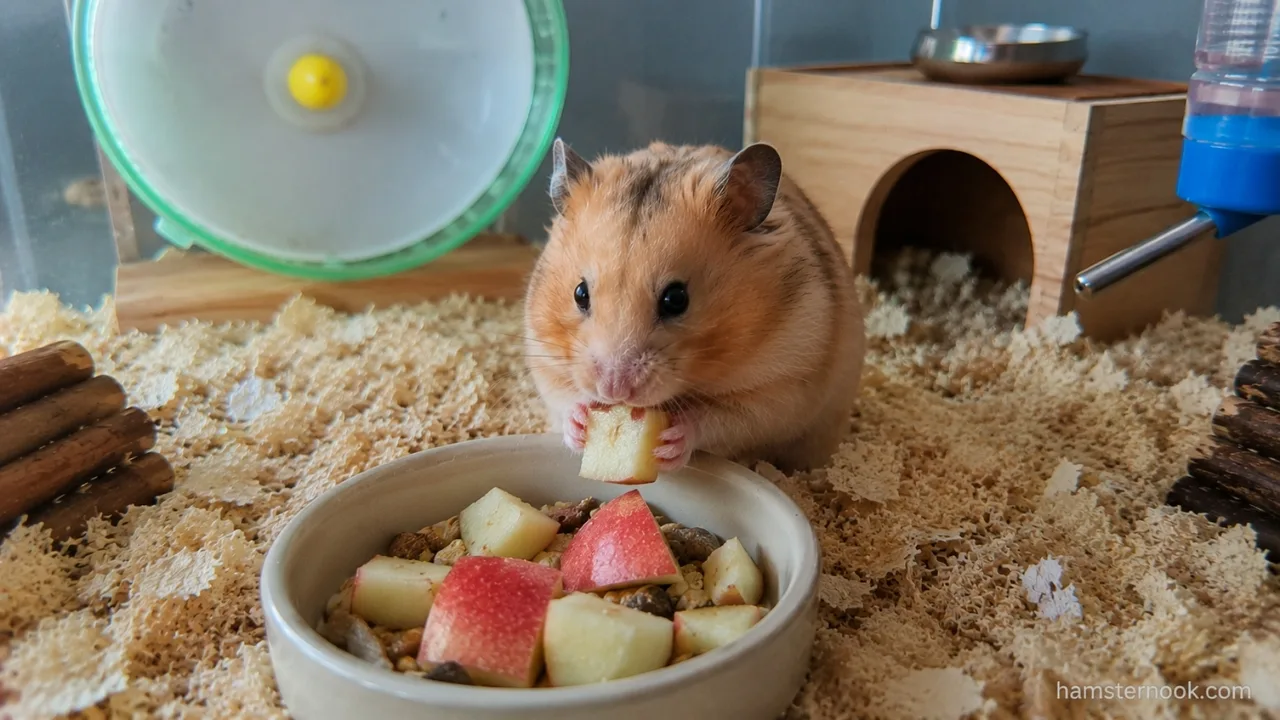
3. Apples (Without Seeds)
Seedless apples are commonly fed to hamsters safely in moderation.
Benefits
- Contains fiber
- Mild sweetness
- Good enrichment treat
Important Warning
Never feed apple seeds because they contain compounds that may release cyanide when digested.
Always remove seeds completely.
4. Broccoli
Broccoli is a nutritious vegetable that many hamsters tolerate well.
Benefits
- Contains fiber
- Low in sugar
- Provides vitamins
Feeding Tip
Offer tiny florets only. Large portions may upset digestion.

5. Plain Oats
Plain oats are simple, safe, and commonly included in hamster diets.
Benefits
- Good fiber source
- Supports energy
- Easy to store
Feeding Tip
Use plain oats only. Avoid flavored instant oatmeal containing sugar or additives.
If you want more detail about oats, including suitable portions and preparation, see our Can Hamster Eat Oats? Safe Portions, Raw vs Cooked & Feeding Tips guide.
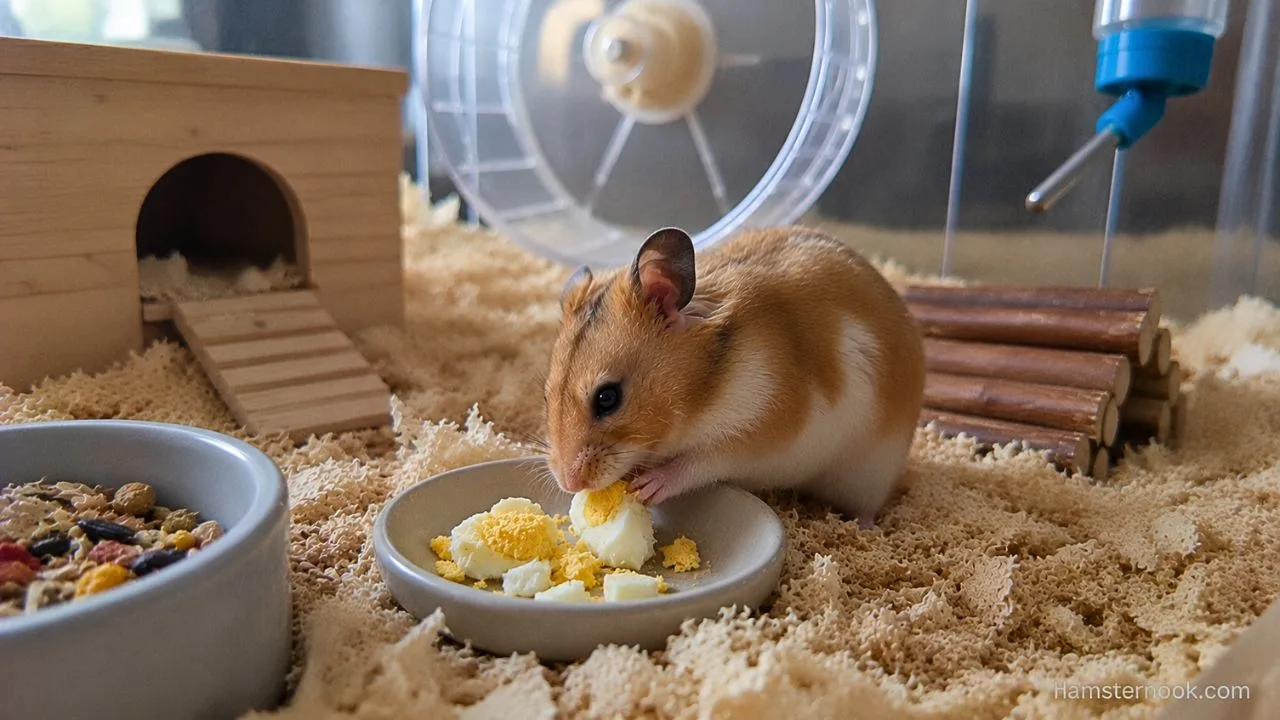
6. Boiled Egg
Hamsters are omnivores, so small amounts of cooked egg can provide healthy protein.
Benefits
- Rich in protein
- Useful for growing hamsters
- Helps dietary variety
Feeding Tip
Only feed plain boiled egg without oil, butter, or seasoning.
A tiny piece is enough.
7. Blueberries
If you’d like more safe produce options beyond blueberries, Best Fruits and Vegetables for Hamsters: Safe Foods, Portion Sizes & Feeding Tips includes a detailed list of beginner-friendly fruits and vegetables.
Blueberries are safe in moderation and often enjoyed by hamsters.

Benefits
- Contains antioxidants
- Soft texture
- Natural enrichment
Feeding Tip
Feed very small portions because blueberries contain natural sugar.
8. Plain Cooked Chicken
Plain cooked chicken can be a good occasional protein source.
Benefits
- Lean protein
- Low sugar
- Supports muscle maintenance
Feeding Tip
Chicken must be fully cooked, unseasoned, and free from sauces or oils.
9. Pumpkin
Fresh plain pumpkin can be a healthy occasional treat for many hamsters.
Benefits
- Contains fiber
- Soft texture
- Low fat
Feeding Tip
Feed plain cooked or raw pumpkin without sugar or spices.
Avoid pumpkin pie filling.
10. Mealworms
Mealworms are protein-rich treats that mimic part of a hamster’s natural omnivorous diet.
Benefits
- High protein
- Encourages natural foraging
- Good enrichment
Feeding Tip
Feed only occasionally because mealworms are high in fat.

If you use dried mealworms, choose plain treats and offer only a small amount occasionally.
Custom Feeding Frequency Chart for Human Foods
| Food Type | Suggested Approach |
|---|---|
| Fresh Vegetables | Small portions as part of a balanced diet |
| Fruits | Occasional small portions |
| Protein Treats | Occasional small portions |
| Sugary Treats | Rare or avoid |
| Processed Human Foods | Avoid |
Fresh fruits and vegetables should remain small additions to the main diet and should be introduced gradually. Individual foods also need their own portion limits, particularly sweeter fruits and richer treats.
This chart helps prevent overfeeding treats and keeps the diet balanced.
Foods Hamsters Should Never Eat
Some foods are far more dangerous than others. Foods Hamsters Should Never Eat explains which ingredients should always stay out of your hamster’s diet and why.
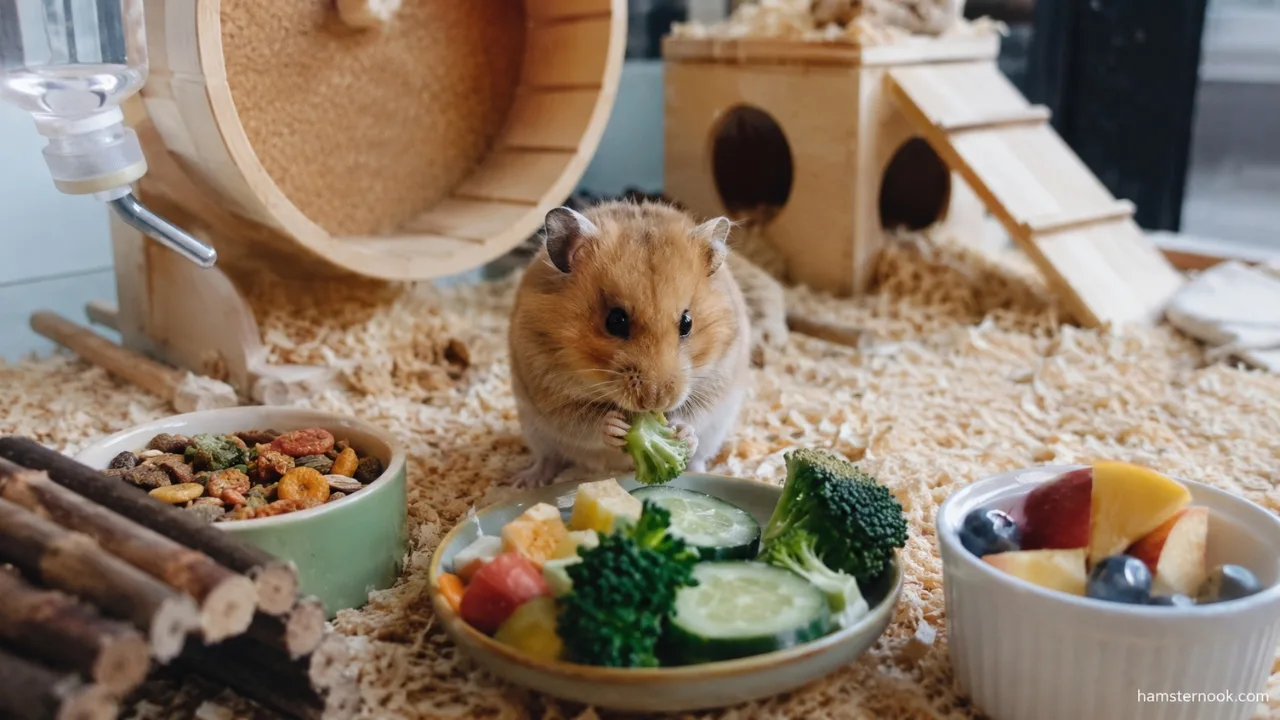
Some human foods are dangerous or toxic for hamsters.
Chocolate
Chocolate contains compounds that are toxic to many small animals.
Because hamsters are very small, chocolate should not be offered as a treat.
Onion and Garlic
These foods may damage red blood cells and upset digestion.
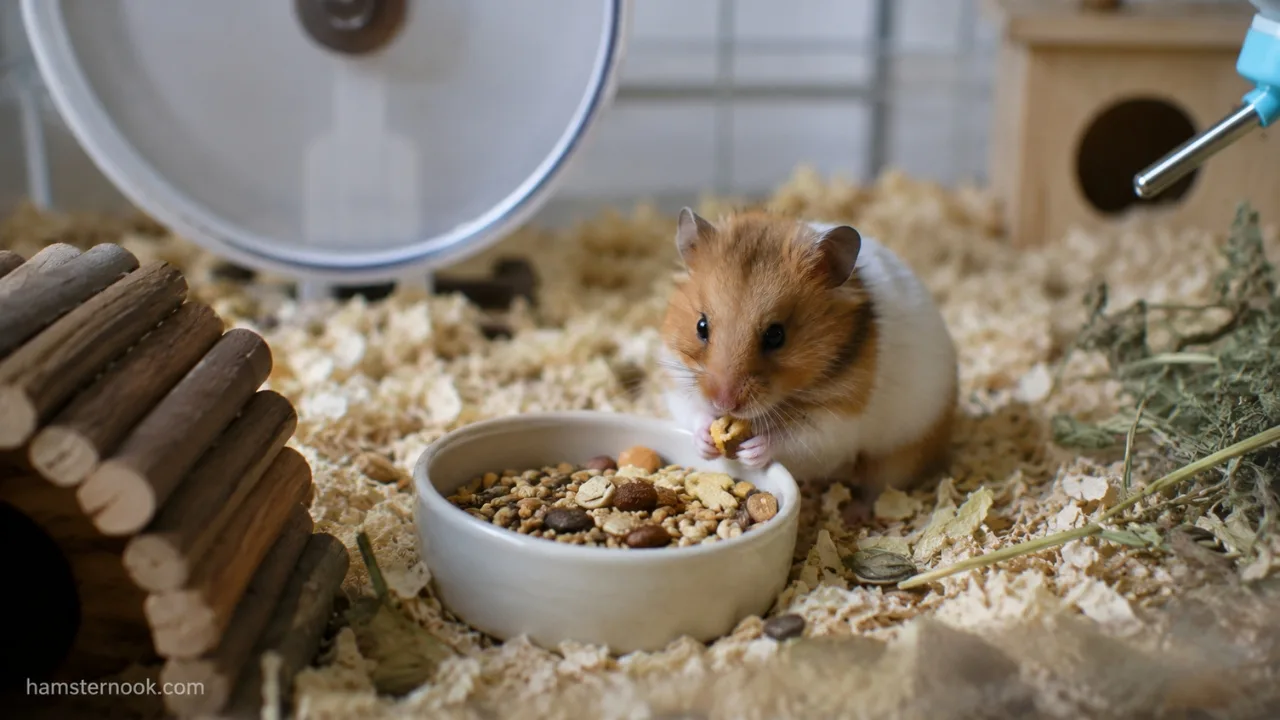
Avoid all forms, including powders and seasonings.
Avocado
Avocado should not be fed to hamsters. Avocado contains persin, and rodents are among the animals considered particularly sensitive to avocado toxicity.
If your hamster accidentally eats avocado, contact an exotic-pet veterinarian for advice rather than trying to treat the exposure at home.
Citrus Fruits
Oranges, lemons, and similar fruits are highly acidic and may irritate a hamster’s digestive system.
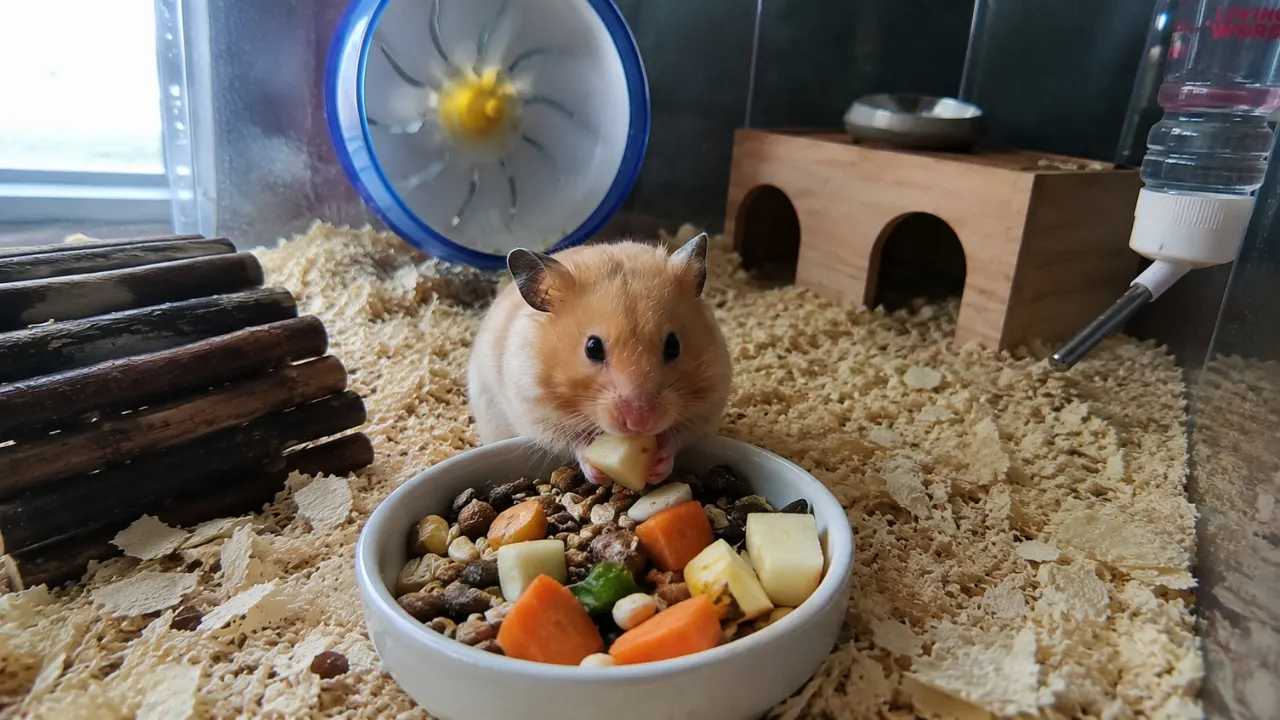
Sugary Snacks and Candy
Hamsters are extremely small, so sugary processed foods can quickly contribute to obesity and diabetes risk.
Salty or Fried Foods
Processed chips, fries, and fast food contain excessive salt and unhealthy fats.
Raw Beans
Raw beans may contain harmful compounds and should never be fed uncooked.
Infographic: Safe Hamster Feeding Rules
Hamster Human Food Safety Checklist
| Rule | Why It Matters |
|---|---|
| Feed tiny portions | Prevents obesity and digestive upset |
| Introduce foods slowly | Helps avoid stomach problems |
| Wash fruits and vegetables | Removes pesticide residue |
| Avoid seasoning completely | Salt and spices are harmful |
| Remove leftovers quickly | Prevents spoilage and bacteria |
| Prioritize hamster pellets | Ensures balanced nutrition |
Following these simple rules helps reduce most feeding mistakes beginners make.

How Much Human Food Should Hamsters Eat?
Human foods should only make up a small part of a hamster’s diet.
A healthy feeding balance usually looks like this:
| Diet Component | Approximate Role |
|---|---|
| Commercial Hamster Food | Main daily nutrition |
| Fresh Vegetables | Small supplements |
| Fruits | Occasional treats |
| Protein Treats | Limited supplements |
Overfeeding treats is one of the most common mistakes new hamster owners make.
Signs a Food Does Not Agree With Your Hamster
If your hamster develops diarrhea, refuses food, or seems unusually tired after trying a new food, How to Tell If Your Hamster Is Happy, Healthy, Stressed, or Sick explains which symptoms should be monitored closely and when veterinary care may be needed.

Every hamster reacts differently to foods.
Watch for signs like:
- Diarrhea
- Bloating
- Lethargy
- Refusing normal food
- Wet tail symptoms
- Weight gain
If symptoms appear after introducing a new food, stop feeding it immediately and monitor your hamster carefully.
Common Feeding Mistakes Beginners Make
Many new hamster owners accidentally offer too many treats because their hamster eagerly accepts almost every food. However, curiosity should never be mistaken for nutritional need.
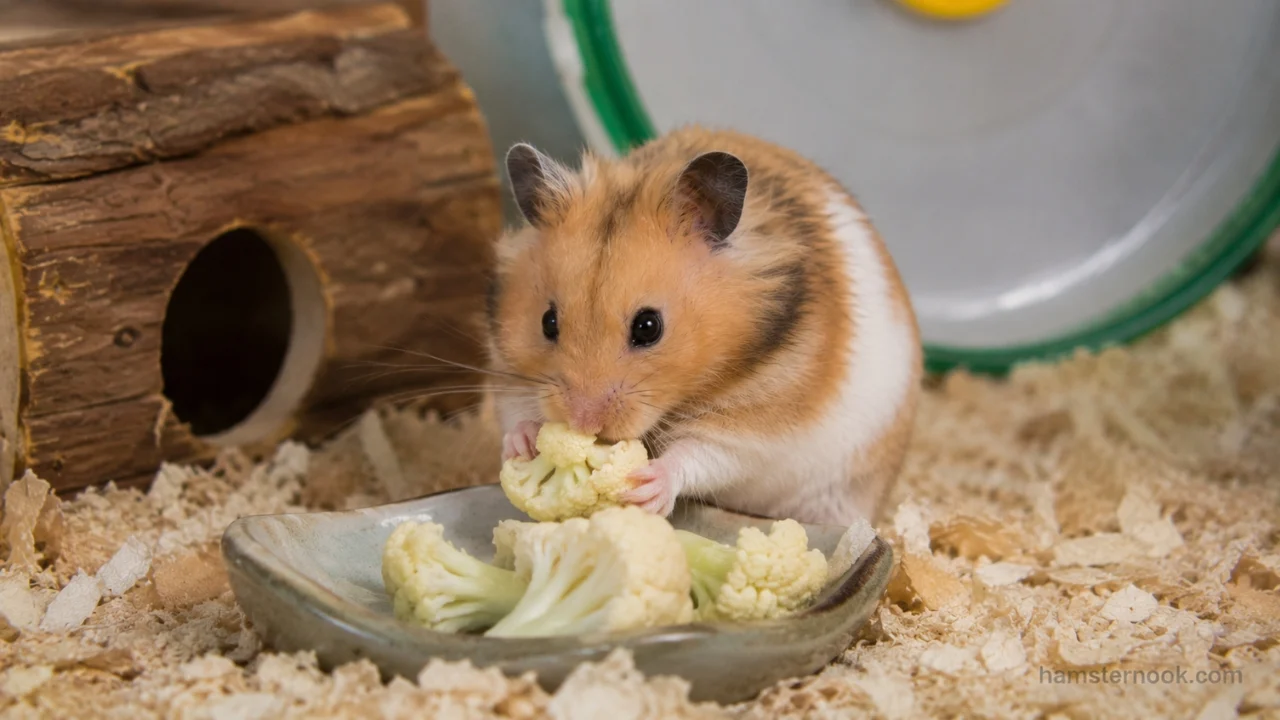
Some of the most common mistakes include feeding large portions, introducing several new foods on the same day, offering seasoned leftovers from the dinner table, or replacing a balanced hamster diet with too many treats. Sticking to one new food at a time and keeping portions very small makes it much easier to notice whether a particular food agrees with your hamster.
Why Moderation Matters More Than Variety
Many owners enjoy sharing healthy foods with their hamster, but offering too many different treats can quickly lead to an unbalanced diet. Hamsters benefit much more from consistency than constant variety. Even safe foods should remain occasional additions, while a high-quality hamster food continues to provide the nutrients needed every day.
Best Feeding Practices for Beginner Hamster Owners
Keeping hamster diets simple is usually safest.
Helpful Beginner Tips
- Introduce one new food at a time
- Use very tiny portions
- Avoid processed foods completely
- Wash produce carefully
- Stick mainly to hamster pellets and seed mixes
- Limit sugary treats
Consistency and moderation are more important than variety.
Final Thoughts
Some human foods can be suitable for hamsters when they are plain, appropriately prepared, and offered in small amounts as occasional additions to a balanced diet. Fresh vegetables, small fruit portions, oats, boiled egg, and occasional protein treats can provide enrichment and dietary variety.
However, not every human food is hamster-safe. Foods high in sugar, salt, fat, or artificial ingredients can quickly create health problems in such small animals.
The safest approach is to keep treats simple, natural, and infrequent while making high-quality hamster food the foundation of the diet.
When in doubt, research a food carefully before sharing it with your hamster.
Frequently Asked Questions
Can hamsters eat bread?
Plain bread in tiny amounts is usually not toxic, but it offers little nutritional value and should only be an occasional treat.
For a closer look at bread, including safer types and portion guidance, see Can Hamsters Eat Bread? Safe Types, Portions & What to Avoid.
Can hamsters eat cheese?
Small amounts of plain cheese are sometimes tolerated, but many hamsters do not digest dairy well. It’s usually better to avoid frequent dairy feeding.
Can hamsters eat bananas?
Yes, but bananas are high in sugar and should only be fed in very tiny amounts occasionally.

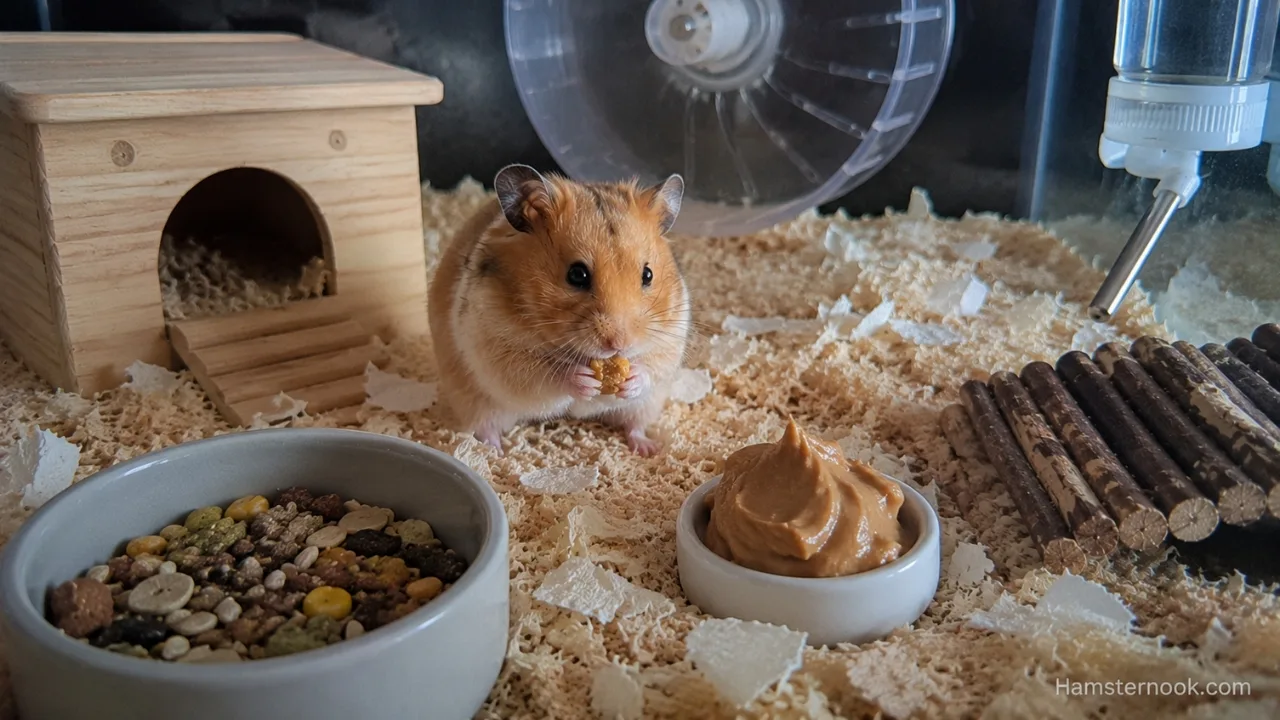
Can hamsters eat peanut butter?
Peanut butter is not recommended because it is sticky and may create choking risks.
For a more detailed look at the risks and safer alternatives, see Can Hamsters Eat Peanut Butter? Is It Safe or Too Risky?.
Can hamsters eat rice?
Plain cooked rice can be fed occasionally in tiny portions without seasoning.
For more detail on safe portions and risks, see Can Hamsters Eat Rice? Safe Portions, Risks, and Better Alternatives.

Can Hamsters Eat Honey?
Honey is best avoided. It is high in sugar and does not provide a useful reason to add it to a hamster’s diet. Sugary treats should remain rare, and honey-based treats are unnecessary when safer food options are available.
What is the healthiest food for hamsters?
A balanced commercial hamster pellet or seed mix designed specifically for hamsters should always be the main diet.
References
This guide is based on hamster nutrition, feeding, safe foods, food safety, and dietary welfare guidance from trusted veterinary and animal welfare resources, including:
- RSPCA – Hamster Diet and Feeding – Guidance on balanced hamster nutrition, suitable foods, treats, fresh foods, and feeding practices.
- PDSA – Hamsters as Pets – Advice on hamster nutrition, feeding, treats, general care, and common health considerations.
- Blue Cross – Hamster Care Guide – Practical guidance on hamster diet, feeding, suitable foods, treats, and general wellbeing.
- MSD Veterinary Manual – Hamsters – Veterinary reference information covering hamster nutrition, health, digestive concerns, and dietary management.
- FDA – Selecting and Serving Produce Safely – Food safety guidance relevant to washing and handling fresh fruits and vegetables before feeding.
- CDC – Food Safety for Fruits and Vegetables – Guidance on safely handling, washing, and storing fresh produce.
Medical Disclaimer
The information in this article is for general educational purposes and is not a substitute for veterinary advice, diagnosis, or treatment. If your hamster may have eaten a potentially harmful food or develops concerning symptoms, contact a qualified veterinarian for guidance.

Narayan Kumar is the founder and author of HamsterNook. He creates practical, research-based hamster care guides covering hamster behavior, nutrition, cage setup, enrichment, health, and everyday care. His goal is to help hamster owners make informed decisions and provide safer, healthier lives for their pets through clear, beginner-friendly information based on trusted animal care resources.