Many new hamster owners are surprised to learn that hamsters are not strict vegetarians. In the wild, hamsters naturally eat a mixed diet that can include grains, seeds, insects, and small amounts of animal protein. That’s why mealworms often appear in commercial hamster foods and treat mixes.
But are mealworms actually safe for pet hamsters?
The short answer is yes. Hamsters can eat mealworms safely in moderation, and for many hamsters, they can be a healthy source of protein. However, feeding too many mealworms or offering the wrong type can create problems like obesity, digestive upset, or nutritional imbalance.
This guide explains everything hamster owners need to know about feeding mealworms, including benefits, risks, serving sizes, preparation tips, and the safest way to include them in a hamster’s diet.
Quick Answer: Can Hamsters Eat Mealworms?
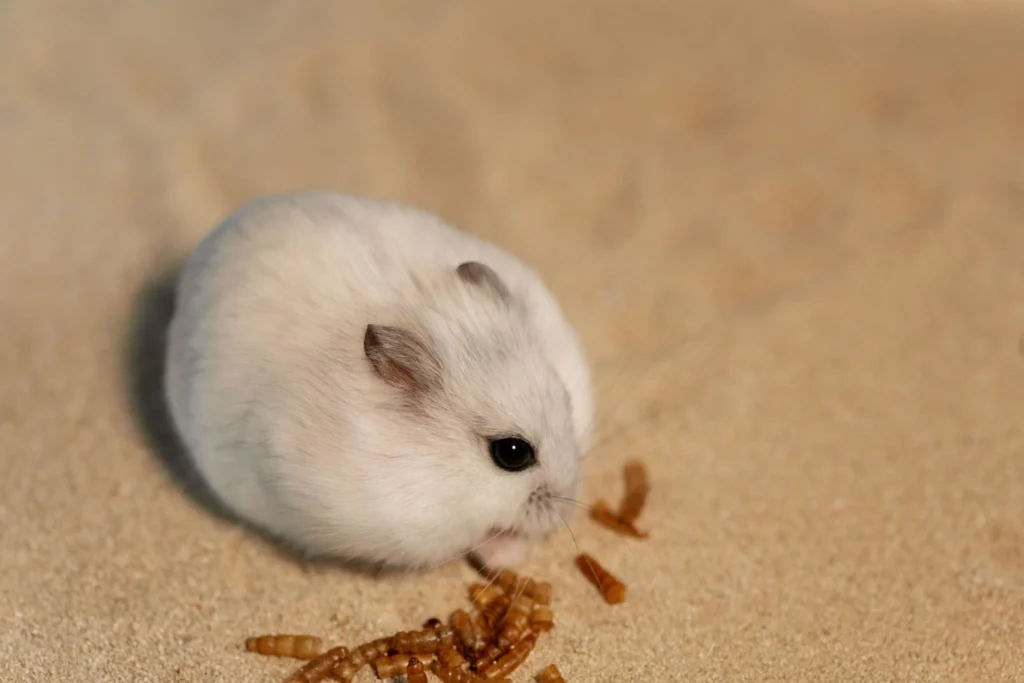
Yes. Healthy hamsters can eat plain mealworms as an occasional protein-rich treat, but they should not replace a complete hamster diet. The important points are portion size, frequency, and choosing mealworms intended for pet consumption. Dried and live mealworms can both be offered, although live mealworms require closer supervision.
Are Mealworms Safe for Hamsters?
Yes, mealworms are generally safe for healthy hamsters when fed properly and in small amounts.
Mealworms are commonly used as a protein source for many small pets, reptiles, birds, and insect-eating animals. Since hamsters are omnivores, occasional animal protein can support their natural dietary needs.
Both dried mealworms and live mealworms may be fed to hamsters, although dried mealworms are usually easier and safer for beginners.
Mealworms should only be offered as an occasional protein treat alongside a balanced hamster diet, never as a replacement for your hamster’s regular pellet or seed mix. Protein treats should complement a complete diet rather than become a daily food source.
Why Do Hamsters Need Protein?
Protein plays an important role in a hamster’s overall health.
In the wild, hamsters eat insects and other protein-rich foods to support growth, muscle maintenance, and energy needs. Pet hamsters usually get protein from high-quality commercial pellets or seed mixes, but some owners offer additional protein treats occasionally.
Mealworms are only one source of protein in a hamster’s diet. Building a balanced feeding routine also means understanding how vegetables, fruits, grains, seeds, and occasional treats fit together. Our What Do Hamsters Eat? Complete Beginner Food List (Safe & Unsafe Foods) explains how to create a complete diet while keeping protein treats like mealworms in the right proportion.
Mealworms are popular because they contain:

- Protein
- Healthy fats
- Amino acids
- Small amounts of minerals
Protein is especially important for:
- Young growing hamsters
- Pregnant or nursing females
- Active hamsters
- Hamsters recovering from illness
Too much protein or fat may lead to obesity and poor diet balance over time.
Nutritional Value of Mealworms for Hamsters
Here’s a quick look at why mealworms are considered nutrient-rich treats.
| Nutrient | Why It Matters for Hamsters |
|---|---|
| Protein | Supports muscles and growth |
| Healthy Fats | Provides energy |
| Amino Acids | Helps body function properly |
| Iron | Supports healthy blood function |
| Fiber | Small amounts help digestion |
Mealworms are highly calorie-dense, which means even a tiny serving provides a significant amount of protein and fat for such a small animal. That’s why portion control is one of the most important parts of feeding mealworms safely.
Benefits of Feeding Mealworms to Hamsters
When offered correctly, mealworms can provide several benefits.
Mealworms Provide High-Quality Protein
Protein is the main reason owners feed mealworms.
Hamsters need moderate amounts of protein to maintain healthy body condition. Mealworms can help supplement diets that may otherwise lack enough protein variety.
This can be especially helpful for picky eaters.

Can Support Natural Foraging Behavior
Mealworms encourage natural feeding instincts.
Wild hamsters naturally search for insects and protein sources. Offering mealworms occasionally can provide mental stimulation and enrichment.
Live mealworms especially encourage hunting and foraging behavior, although some owners prefer dried mealworms because they are easier to handle.
Useful for Underweight Hamsters
Although mealworms can help increase calorie intake, they should never be the only strategy for helping a thin hamster. Our Healthy Treats for Hamsters: 10 Safe Treats They Actually Love guide explains several nutritious treats that can be rotated safely without relying on one high-fat food.
Because mealworms are calorie-dense, they may help support weight gain in thin hamsters when recommended by a veterinarian.
However, overfeeding can quickly create the opposite problem.
Risks of Feeding Mealworms to Hamsters
Even though mealworms are safe, there are important risks to understand before adding them to your hamster’s diet.
Mealworms Are High in Fat
One of the biggest concerns is fat content.
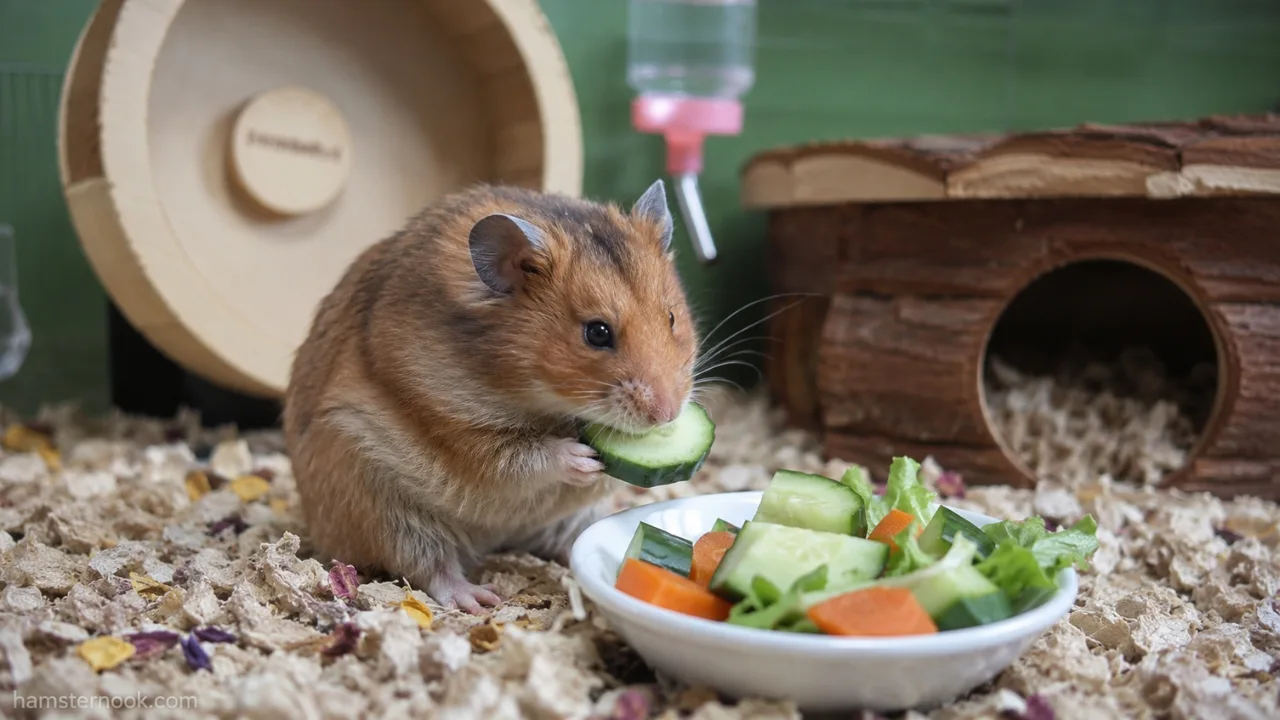
Mealworms contain significantly more fat than many other hamster treats. Feeding too many can contribute to:
- Obesity
- Fat buildup
- Poor diet balance
- Reduced activity levels
Hamsters are very small animals, so even a few extra mealworms regularly can add excessive calories.
Too Much Protein May Cause Dietary Imbalance
Protein is important, but excess protein is not always beneficial.
A hamster that eats too many mealworms may begin ignoring healthier staple foods like pellets, grains, or vegetables.

Overfeeding protein-rich treats may also upset nutritional balance over time.
Live Mealworms May Bite
Live mealworms can sometimes bite if left unattended.
Although the bites are usually minor, some owners prefer dried mealworms to avoid stress or injury risks.
If feeding live mealworms, supervise feeding carefully.
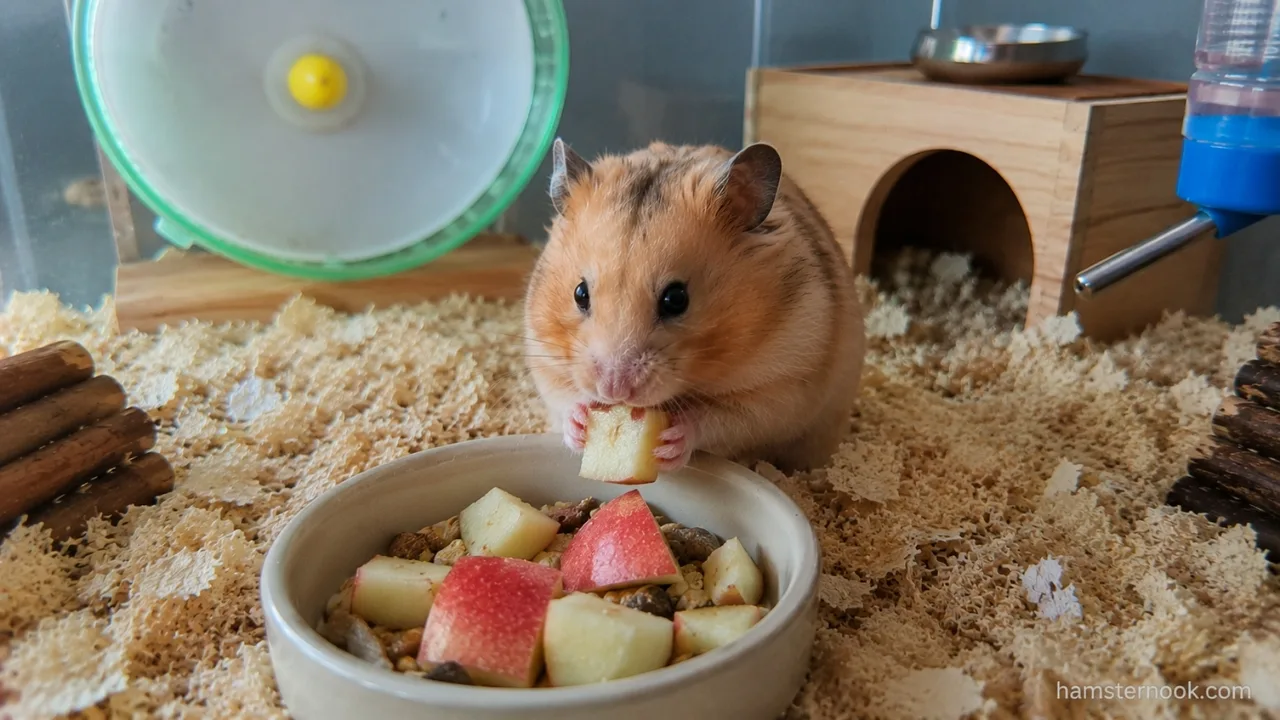
Poor-Quality Mealworms Can Be Unsafe
Mealworms sold for fishing bait or from unreliable sources may contain harmful chemicals, bacteria, or additives.
Always buy mealworms specifically labeled for pet consumption.
Dried vs Live Mealworms for Hamsters
Both dried and live mealworms have advantages and disadvantages.
| Type | Pros | Cons |
|---|---|---|
| Dried Mealworms | Easy to store, safer, less messy | Less enrichment value |
| Live Mealworms | Encourages natural hunting behavior | May bite, harder to store |
For most beginner hamster owners, dried mealworms are usually the easier option.

How Many Mealworms Can a Hamster Eat?
Portion size is extremely important.
Mealworms should only be occasional treats alongside a balanced hamster diet.
Protein treats are most beneficial when they’re part of a varied feeding routine rather than the only source of extra nutrition. For example, foods like bread are commonly offered by new owners but aren’t always the best choice. Our Can Hamsters Eat Bread? guide explains when bread is safe, how much can be offered, and why it should never become a regular part of a hamster’s diet.
Recommended Serving Size
| Hamster Type | Suggested Portion | Frequency |
|---|---|---|
| Syrian Hamster | 1–2 small mealworms | Occasional treat |
| Dwarf Hamsters | ½–1 small mealworm | Occasional treat |
Overfeeding mealworms regularly can lead to unhealthy weight gain.
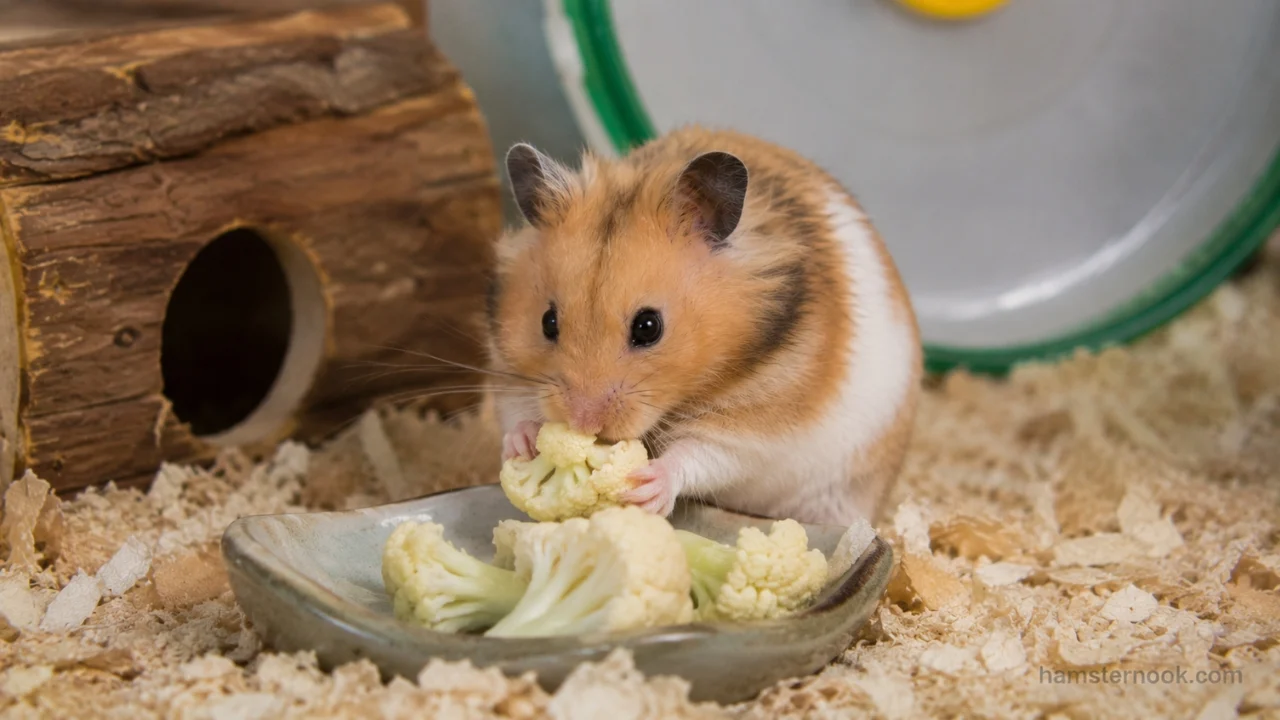
How to Feed Mealworms Safely
Proper feeding helps reduce risks and keeps the diet balanced.
Safe Feeding Tips
- Start with a very small amount.
- Choose pet-safe mealworms only.
- Feed occasionally, not daily.
- Remove uneaten live mealworms.
- Watch for digestive changes.
- Balance treats with healthy staple foods.
Introducing any new food slowly helps prevent digestive upset.
If your hamster has never eaten mealworms before, start with a very small amount and introduce it gradually. This makes it easier to notice digestive upset or other unusual reactions after a new food is introduced.
Never leave live mealworms inside the enclosure overnight. They may burrow into the bedding, making them difficult to remove and potentially stressing your hamster.
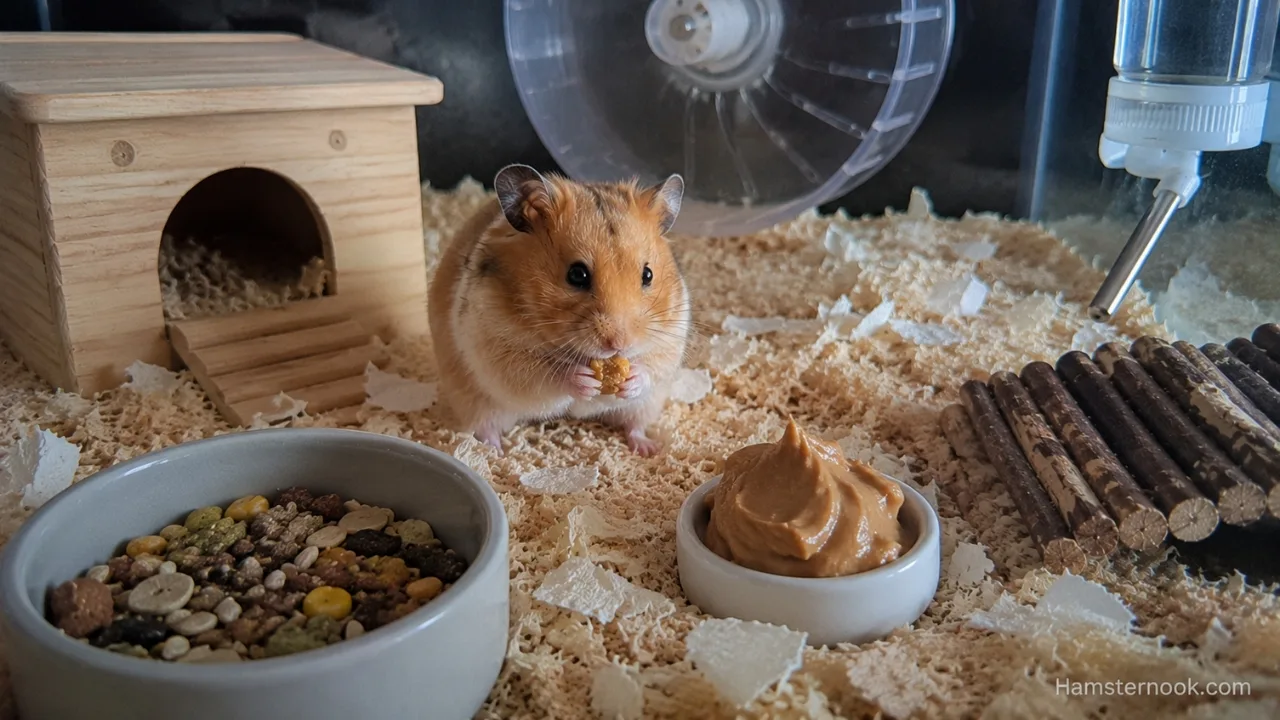
Should Mealworms Be Raw or Cooked?
Pet-safe mealworms are normally fed as either dried mealworms or live mealworms. They do not need to be cooked before feeding. Never season, fry, or prepare mealworms with oils, butter, or spices, as these ingredients are not suitable for hamsters.
Can Baby Hamsters Eat Mealworms?
Baby hamsters generally should not receive mealworms until they are fully weaned and eating solid foods comfortably.
Young hamsters have sensitive digestive systems, and rich foods may be difficult for them to process.
If introducing mealworms to a young hamster, use extremely tiny amounts and monitor carefully.

Can Dwarf Hamsters Eat Mealworms?
Yes, dwarf hamsters can eat mealworms in moderation.
Unlike sugary treats, mealworms are usually less concerning for dwarf hamsters because they are low in sugar. However, the fat content still means portions must stay very small.
Dwarf species gain weight easily, so moderation remains important.
Signs Your Hamster Ate Too Many Mealworms
Watch for these signs after overfeeding mealworms:
- Weight gain
- Reduced appetite for regular food
- Greasy-looking fur
- Lethargy
- Soft stools
If symptoms continue, reduce fatty treats and consult an exotic pet veterinarian if needed.
Best Protein Alternatives for Hamsters
Mealworms are not the only protein option for hamsters.
Other safe protein treats may include:
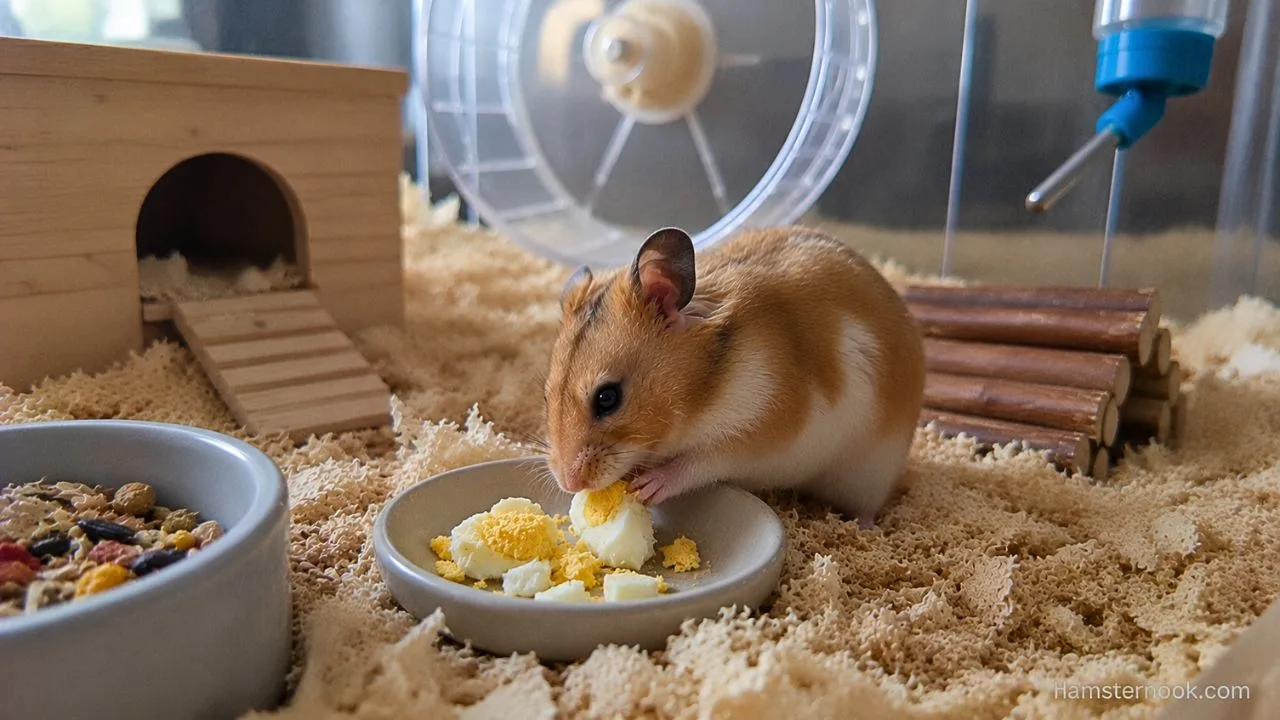
- Plain cooked egg
- Plain boiled chicken
- Small amounts of tofu
- Commercial hamster protein treats
- Plain cooked turkey
These foods should also be fed sparingly.

Foods Hamsters Should Never Eat With Mealworms
Avoid combining mealworms with other high-fat junk foods or unsafe treats.
Never feed:
- Chocolate
- Candy
- Fried foods
- Processed meats
- Salty snacks
- Sugary desserts
A hamster’s digestive system is very delicate compared to larger pets.
Offering nutritious treats is just as important as avoiding harmful ones. Many owners also wonder whether sweet fruits are suitable for hamsters because natural sugar levels vary considerably. Our Can Hamsters Eat Watermelon? guide explains when watermelon can be a safe occasional treat and how to feed it without increasing the risk of digestive problems.
Are Mealworms Better Than Store-Bought Hamster Treats?
In many cases, yes.
Some commercial hamster treats contain excessive sugar, artificial coloring, or unhealthy fillers. Plain mealworms are often more natural and protein-rich compared to heavily processed treats.
Even healthy treats can become harmful if overfed regularly.
A healthy hamster diet isn’t built around one “superfood.” Instead, it’s the combination of safe protein sources, appropriate fruits, vegetables, grains, and controlled treat portions that supports long-term health. Understanding how different foods work together helps prevent nutritional imbalances and unnecessary weight gain. Our Safe vs Unsafe Foods for Hamsters (Complete Food List) brings all of these feeding recommendations together in one place, making it easier to plan a balanced diet with confidence.

Final Thoughts
Mealworms can be a healthy and beneficial treat for hamsters when fed correctly. They provide protein, enrichment, and dietary variety that matches a hamster’s natural omnivorous diet.
The key is moderation. Too many mealworms can quickly lead to excess fat intake and poor diet balance, especially in smaller hamster breeds.
For most healthy hamsters, a small portion once or twice weekly is usually enough. Choosing high-quality pet-safe mealworms and balancing them with a proper staple diet helps keep your hamster healthy long term.
Mealworms should never replace a hamster’s regular pellet or seed-based diet.
Frequently Asked Questions
Can hamsters eat dried mealworms?
Yes, dried mealworms are safe for hamsters in small amounts and are often easier for owners to handle than live mealworms.
Can hamsters eat mealworms every day?
Mealworms are better treated as an occasional protein-rich treat rather than a daily food. Feeding them every day can add unnecessary calories and may reduce the variety of the overall diet.
Can hamsters eat live mealworms?
Yes, but supervision is important because live mealworms may bite if left unattended.
How often can hamsters eat mealworms?
Mealworms are best kept as an occasional treat rather than an everyday food. The appropriate frequency depends on the rest of the hamster’s diet and the portion being offered.
Are mealworms good for dwarf hamsters?
Yes, dwarf hamsters can eat small portions of mealworms, but their portions should remain particularly small because mealworms are calorie-dense treats.
Can mealworms replace hamster food?
No. Mealworms should only be treats or supplements, never the main diet.
What happens if a hamster eats too many mealworms?
Overfeeding may cause obesity, digestive upset, or an unbalanced diet over time.
Are freeze-dried mealworms safe for hamsters?
Yes. Plain freeze-dried mealworms made for pet consumption can be offered in the same small portions as dried mealworms, provided they contain no added salt, flavoring, or preservatives.
References
This guide is based on hamster nutrition, feeding, protein requirements, safe treats, and dietary welfare guidance from trusted animal welfare and veterinary resources, including:
- RSPCA – Hamster Diet and Feeding Guidance – Guidance on balanced hamster diets, suitable foods, treats, feeding routines, and nutritional needs.
- RSPCA – Keeping Hamsters as Pets – General hamster care, diet, feeding, welfare, and husbandry guidance.
- PDSA – Hamsters as Pets – Advice on hamster nutrition, suitable foods, treats, feeding, and general welfare.
- Blue Cross – Hamster Care Guide – Practical information on hamster diet, feeding, treats, housing, and overall wellbeing.
- MSD Veterinary Manual – Hamsters – Veterinary reference information covering hamster nutrition, health, husbandry, and dietary considerations.

Narayan Kumar is the founder and author of HamsterNook. He creates practical, research-based hamster care guides covering hamster behavior, nutrition, cage setup, enrichment, health, and everyday care. His goal is to help hamster owners make informed decisions and provide safer, healthier lives for their pets through clear, beginner-friendly information based on trusted animal care resources.